1. Intro to Mycology
 Call Kai
 Learn
Learn Practice Test
 Spaced Repetition
 Match
Match Flashcards
 Knowt Play
1/30

There's no tags or description
Looks like no tags are added yet.
Name | Mastery | Learn | Test | Matching | Spaced | Call with Kai | Chat |
|---|
No analytics yet
Send a link to your students to track their progress
31 Terms
What is the definition of a primary pathogen? And ~ how many are there?
pathogen that can cause disease in a healthy host
~20
What are the 4 statements regarding funal-human interaction?
humans are non-essential for fungal life cycle
healthy adults generally not susceptible to fungi
some activities could predispose to infection
all statements have an exception
What are the 4 general characteristics of fungi?
eukaryotic, thick cell wall, mostly obligate aerobe (depend on O2), prefer neutral or slightly acidic pH
What are the cells walls of fungi made of and what makes them special?
made of chitin
allows for absorbance of special dyes
What type of cells are yeasts?
single vegetative (smooth, creamy, bacterial-like colony w/out aerial hyphae)
How are yeasts primarily ID’ed?
based on biochemical testing & molecular diagnostic
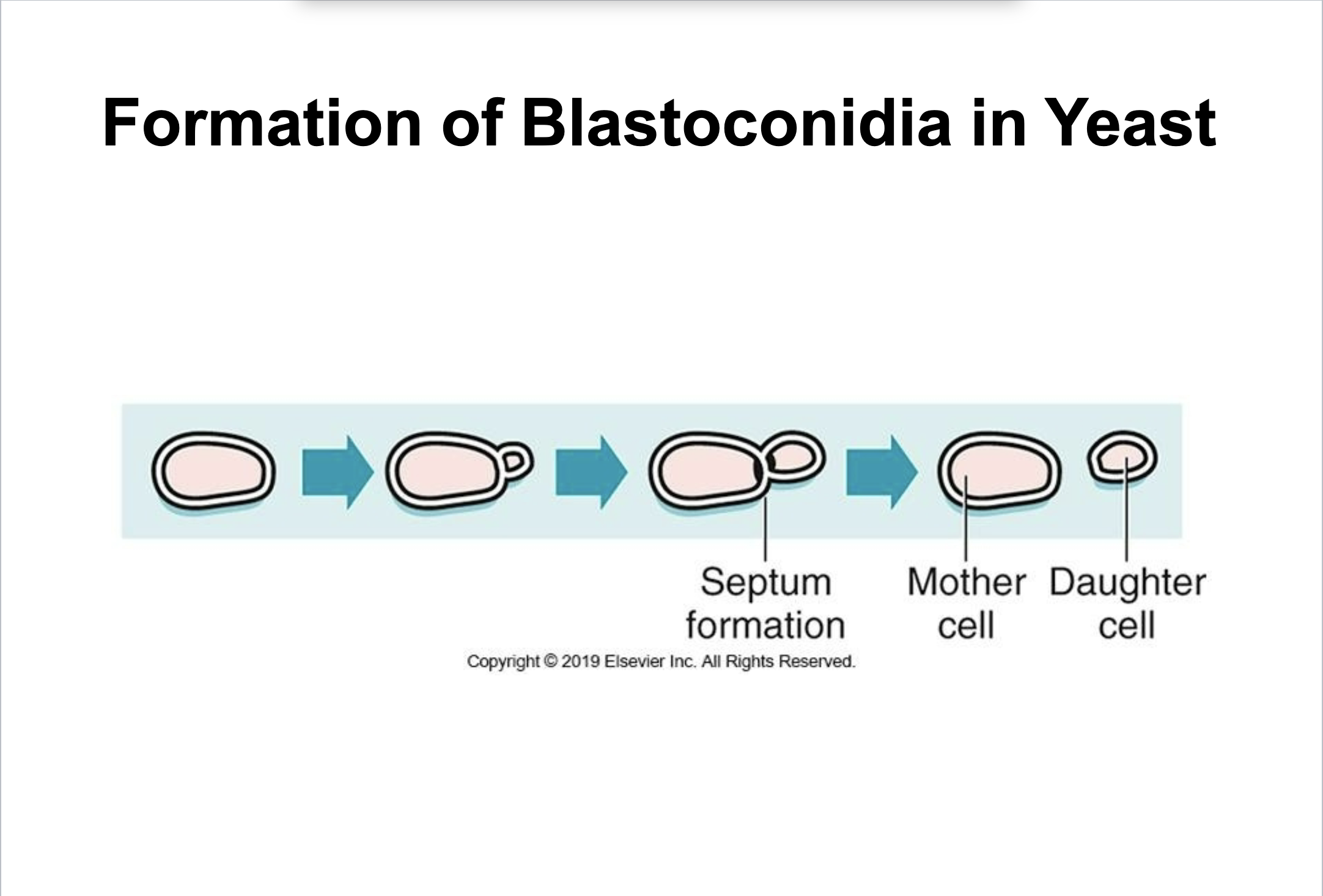
How do yeasts reproduce? What is the most common form of reproduction called?
Via budding or fission
blastoconidia
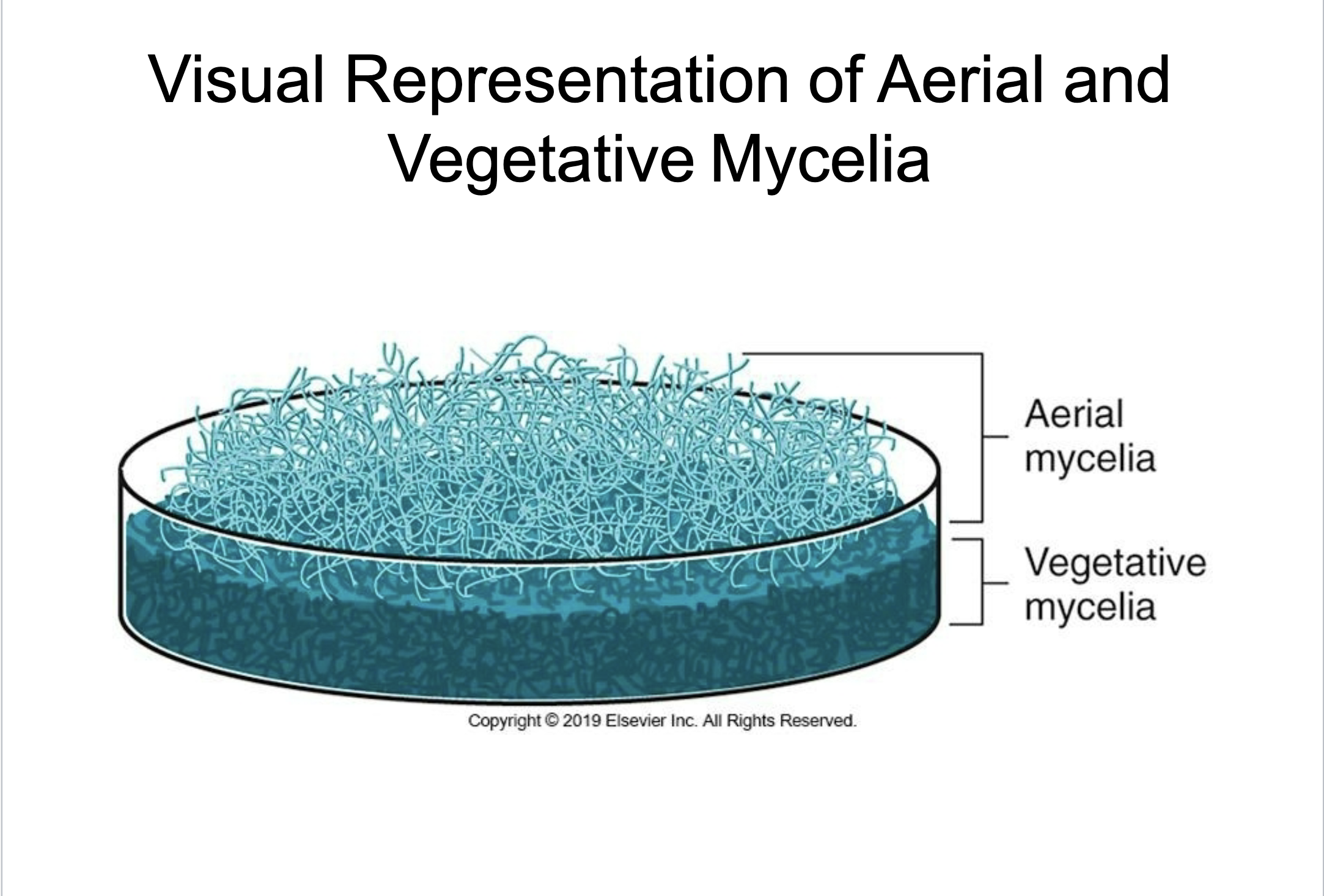
What is the main body of molds made of? What are the 2 forms of that body?
mycelia (root like network) made of hyphae (thread-like tubes)
vegetative & aerial
What are the 4 shapes of hyphae?
antler, racquet, spiral, rhizoid
What is the difference between septate vs aseptate hyphae?
septate has cross walls, aseptate has infrequent cross walls
What is the difference between hyaline vs phaeoid hyphae?
hyaline: non or light-pigmented hyphae
phaeoid: also dematiaceous, darkly pigmented
What are the 2 phases of a dimorphic fungi?
mold @22-25 C
yeast @37 C w/ increased CO2
What is a polymorphic yeast?
Can form yeast & mold in same culture
Generally yeast first then mold
What are the asexual reproduction parts for mold?
conidia
phialides: vase-like structure that produce phialoconidia
annellides: ringed structures that produce annelloconidia (thing segmented like worms)
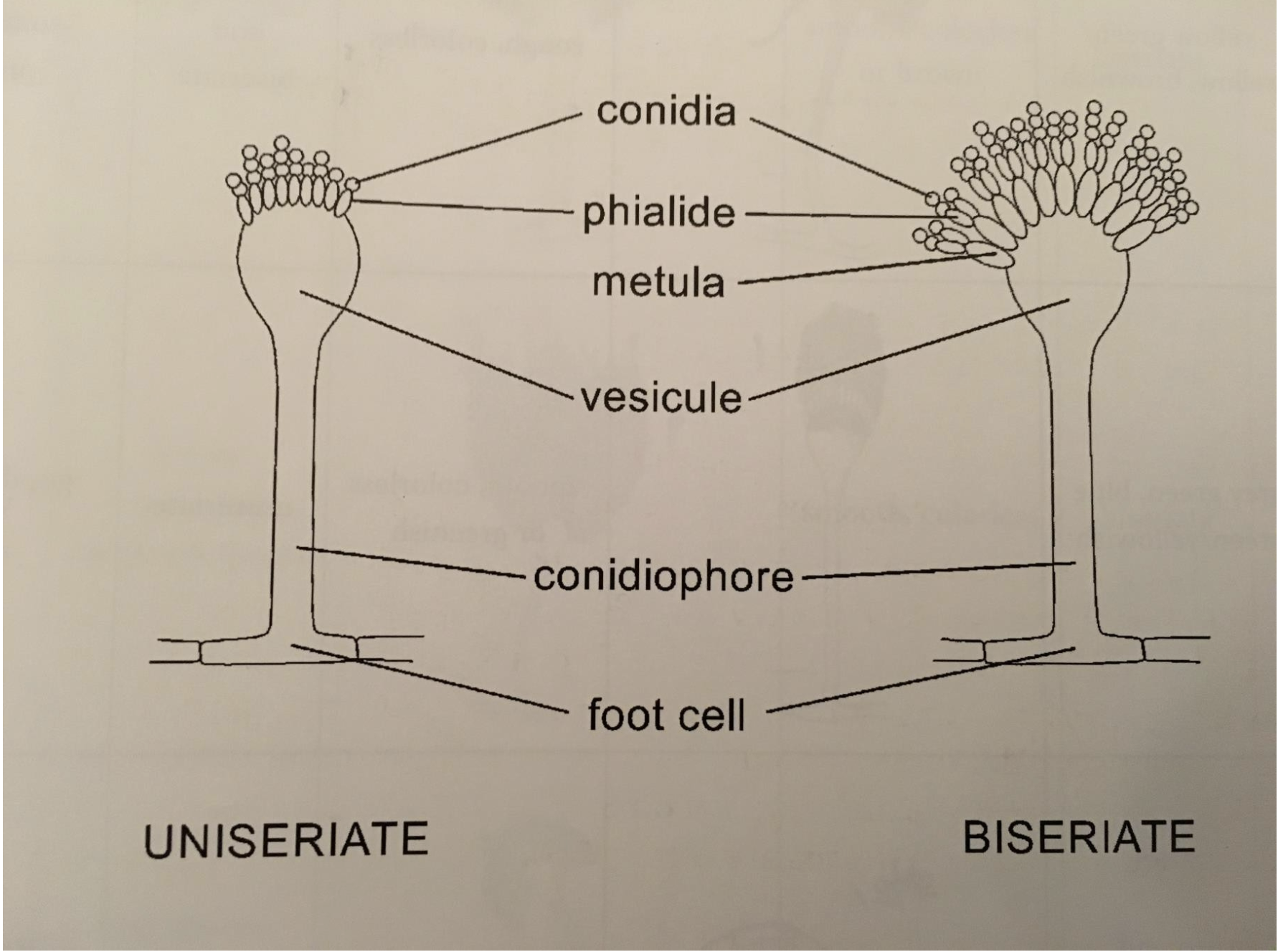
What are the anatomical parts of aspergillus (uniseriate vs biseriate)
both have (bottom top): foot cell, conidiophore, vesicule, phialide, conidia
biseriate has a metula that holds 2x phialids
What is an arthroconidia?
Forms spores directly from the hyphae
What is the difference between teleomorph & anamorph?
teleomorph: sexual reproductive stage of a fungi
anomorph: the asexual reproductive stage of the same fungi
synanomorph: when a fungi has multiple distinct anamorphs
What is formed as a product of teleomorph?
zygospore
What are the four groups of clinically significant fungi?
Phylum ascomycota
Phylum Basidiomycota
Subphylum mucoromycotina (mucorales)
Form division fungi Imperfecti (deuteromycota)
What are the sexual spores unique to phylum ascomycota?
Ascospores (contained in a saclike cell called the ascus)
What is the only pathogenic basidiomycota?
The sexual form of cryptococcus neoformans (filobasidiella neoformans)
What are some other genus of basidiomycota?
malassezia & trichosporon
What are some unique characteristics of mucorales? (4)
rapid growers, gray to white aerial mycelium, aseptate, opportunistic pathogens
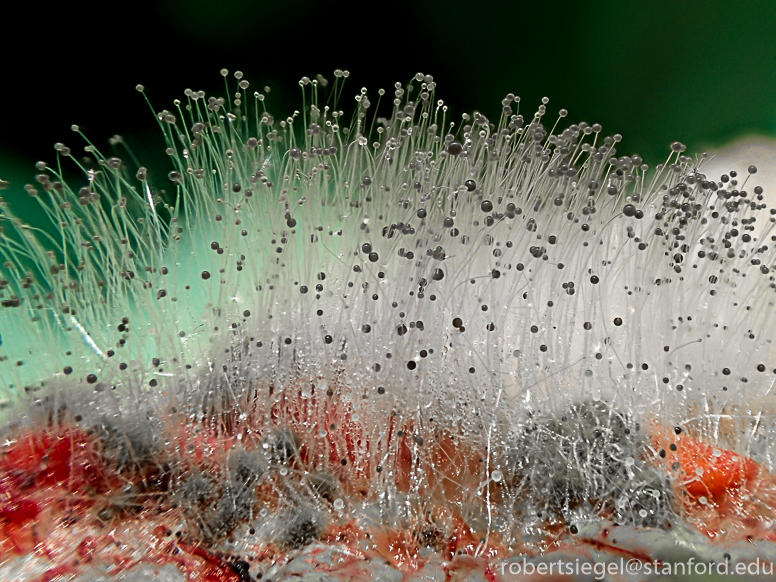
What type of reproduction do mucorales undergo? What are the sexual spores unique to mucorales?
asexual
sporangiophore & sporangiospore
What organisms get placed under Fungi Imperfecti (Deuteromycetes)?
organisms when no mode of sexual reproduction has been identified
What are the 4 anatomical categories of mycoses (fungi causing disease)?
superficial, cutaneous, subcutaneous, systemic
What are fungi that degrade keratin called? And what category do they fall under?
dermatophytes
superficial & cutaneous mycoses
What are some superficial mycoses symptoms?
tinea (ringworm)
tinea versicolor (discoloration & scaling of skin)
tinea nigra (black/brown rash)
piedra (stones)
What are some cutaneous mycoses symptoms?
itching, scaling skin
thickened discolored nails
brittle broken hairs
What generally does NOT occur in subcutaneous mycoses?
dissemination through the blood
What the 3 clinical features of subcutaneous mycoses?
chromoblastomycosis (nonhealing ulcers)
eumycotic mycetoma (draining sinus tracts)
lymphocutaneous infection