Quiz 1 intro to dark room
 Call Kai
 Learn
Learn Practice Test
 Spaced Repetition
 Match
Match Flashcards
 Knowt Play
1/28

There's no tags or description
Looks like no tags are added yet.
Name | Mastery | Learn | Test | Matching | Spaced | Call with Kai | Chat |
|---|
No analytics yet
Send a link to your students to track their progress
29 Terms
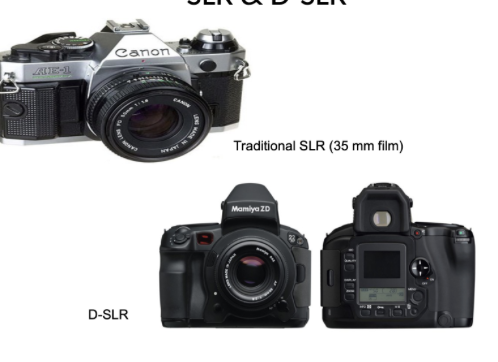
SLR & D-SLR
Point and Shoot (compact cameras)

Rangefinder
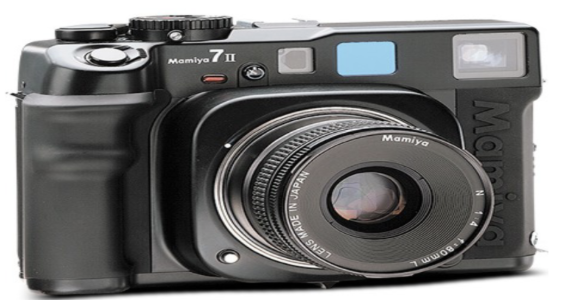
View Camera

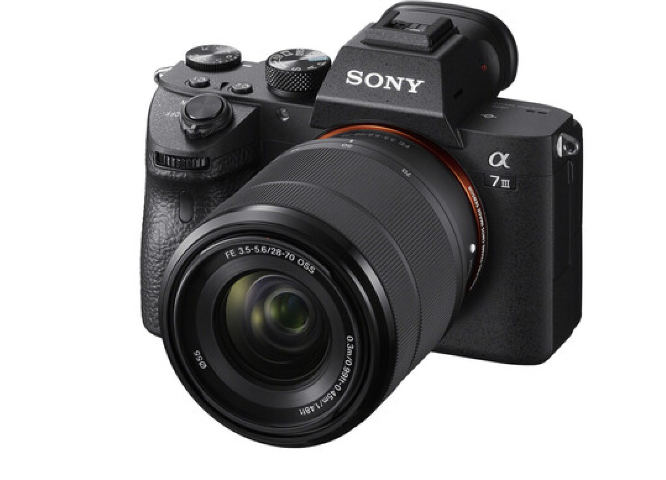
mirrorless camera
Twin Lens Reflex (TLR)

Parallax Error
The viewfinder is in a different position from the Lens. You do not see what the lens sees.
Composing a scene
The eyepiece (Viewfinder) on the back of a camera allows you to preview an image before you make a photograph
Shutter Control
This adjustment determines the amount of time light will strike the film. (AKA Shutter Speed) MEASURED TIME OF AN IMAGE
-Short(fast) shutter speeds stop motion; long(slow) shutter speeds show movement and blur
-fast=smaller number
-slow=bigger number
Aperture Control
This adjustment determines the amount (quantity) of light entering the camera that passes through the shutter and strikes the film OR sensor. (AKA Aperture Or F-stop)
-size of the whole that lets light in the camera
-SMALLER THE NUMBER THE LARGER THE HOLE=narrow area of focus
-LARGER THE NUMBER THE SMALLER THE HOLE=larger area of focus
Exposure = Shutter Speed x Aperture
or Exposure = Time x Intensity
Exposure = Intensity x Time
•Intensity: Amount of Light striking film
–Controlled by Aperture
•Time: Duration light strikes film
–Controlled by Shutter Speed
APERTURE =
f (focal length of lens)/ d (diameter of the aperture diagram)
Depth of field
size of lens aperture
focal length of lens
distance of focus from the subject
shutter speed and aperture do this
Shutter speed affects the sharpness of moving objects
•Aperture affects depth of field (acceptable sharpness from near to far in an image)
The Lens
is to capture light, which moves in waves and rays, and direct it toward the field and sensor
Modern Lens

Aberration
An optical defect in lenses causing an image that is not sharp or distorted.
Focal Length
Lenses are generally described by focal length
•which is defined as: the distance between the lens’s rear
Depth of field is controlled by three things
•Distance from subject
•Focal Length of Lens
•Aperture
Exposure =
Exposure = Intensity x Time
Film Speed
referred to as ISO (International Organization for Standardization) or EI (Exposure Index)
-chosen light sensativity
-lower= high lights and shadows
-higher=low lights and darker
Light Meter
Read REFLECTED light only Handheld Meters
•Can read REFLECTED or INCIDENT
–Reflected: light bouncing off subject
–Incident: light falling ON a subject
Exposure is based on reciprocal relationship
an increase in one, is a decrease in the other
Bracketing
Make a series of photographs of the same scene exposed differently; one variable (either aperture or shutter speed) must remain the same