Lecture Exam 3 - Gluteal Region Posterior Compartment of the Thigh
 Call Kai
 Learn
Learn Practice Test
 Spaced Repetition
 Match
Match Flashcards
 Knowt Play
1/77

There's no tags or description
Looks like no tags are added yet.
Name | Mastery | Learn | Test | Matching | Spaced | Call with Kai | Chat |
|---|
No analytics yet
Send a link to your students to track their progress
78 Terms
Fascia Lata
dense, deep fascia investing thigh muscles
Coxal Bone
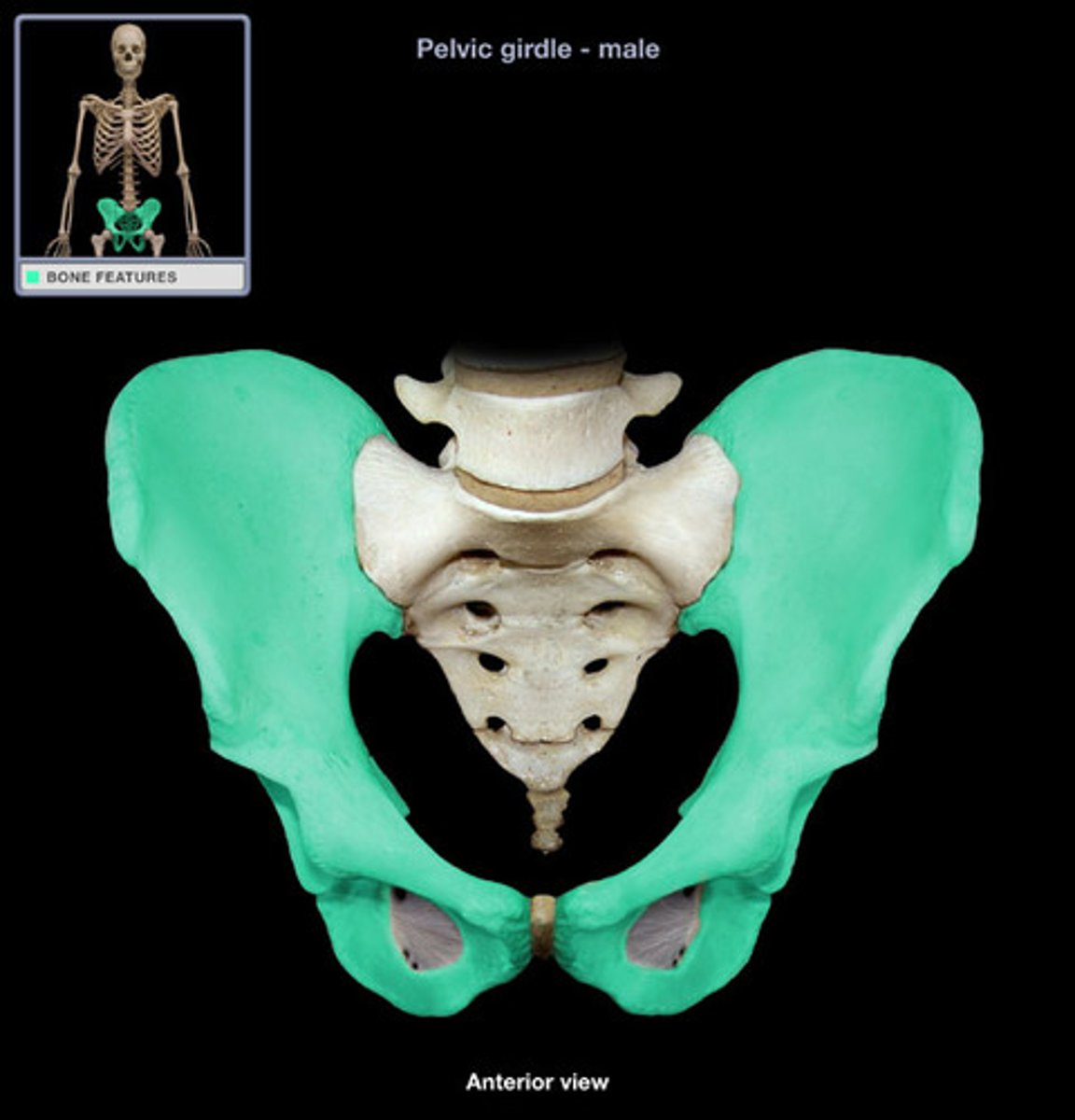
Pelvis
Sacrum + 2 Coxal Bones
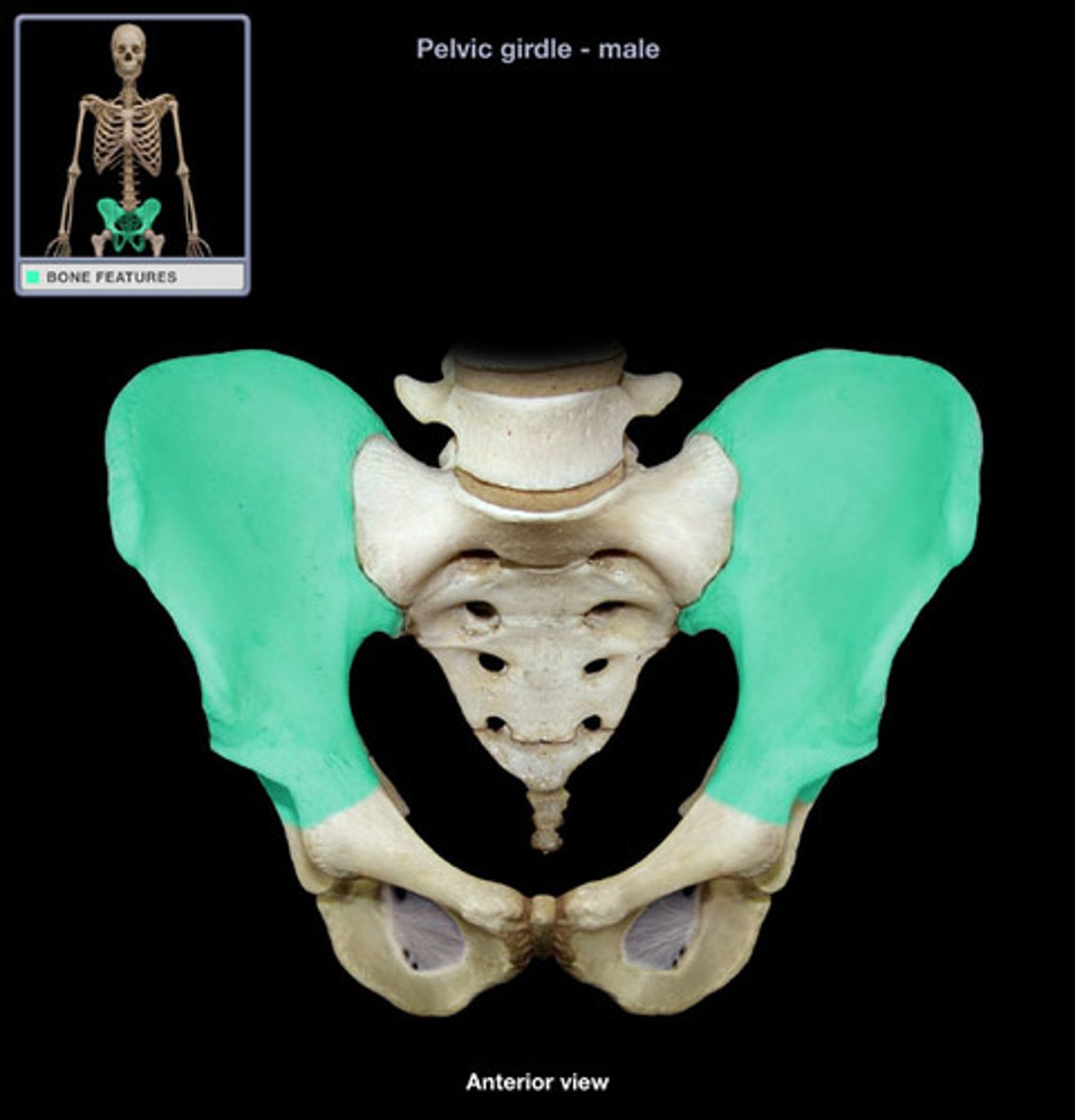
Ilium
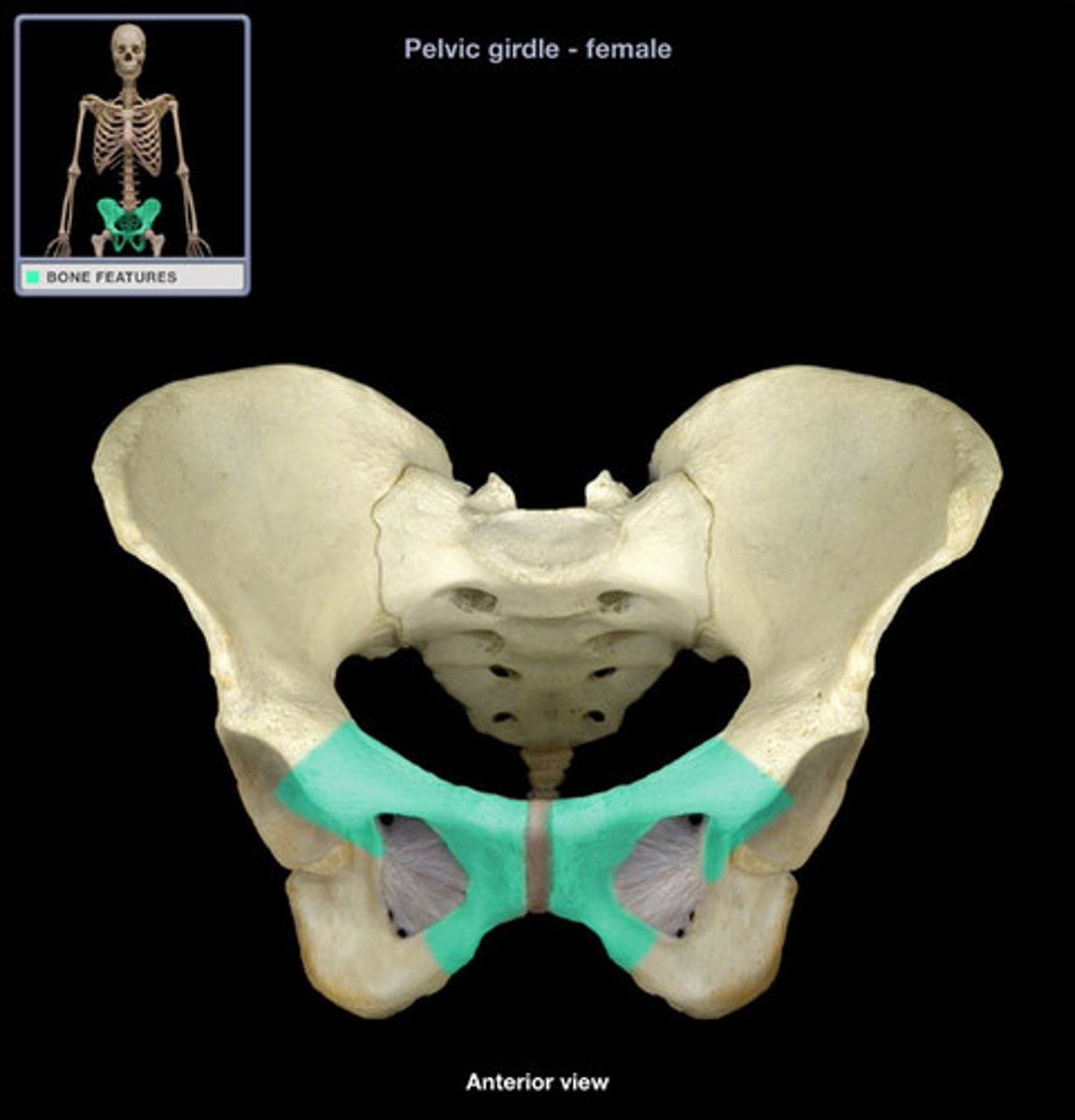
Pubis
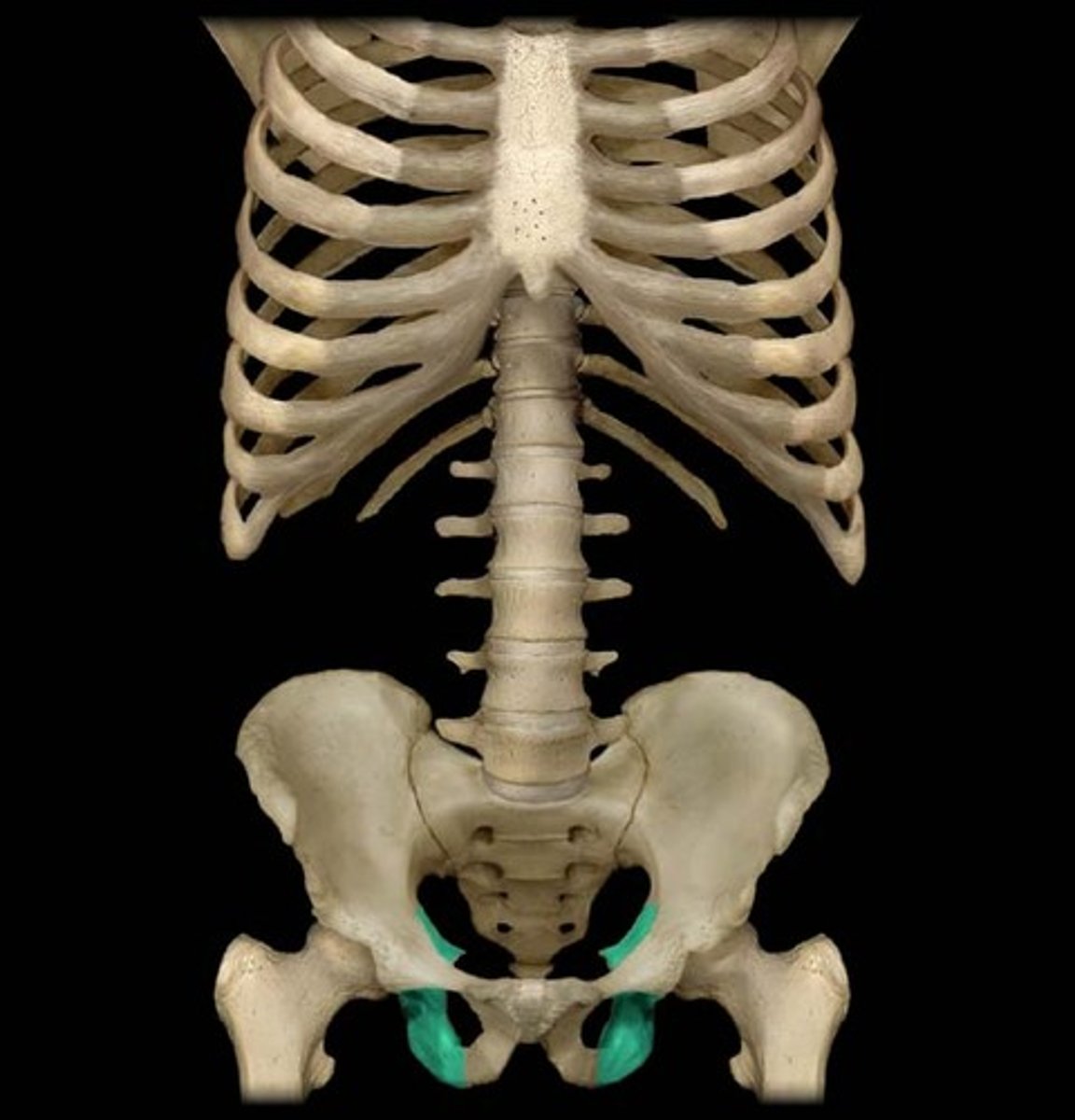
Ischium
Acetabulum
socket for Femoral Head, formed from all three coxal bones
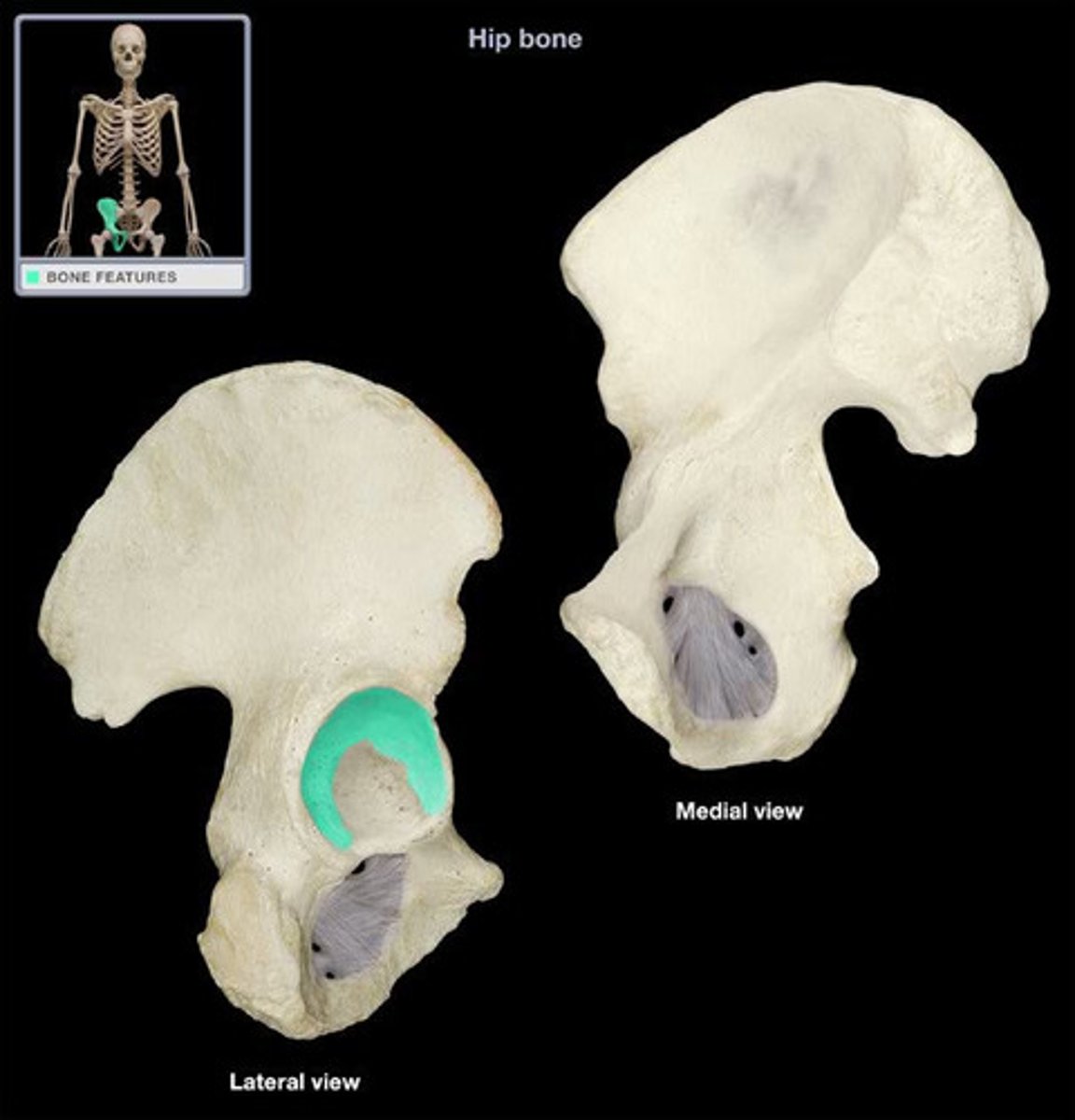
Lunate Surface
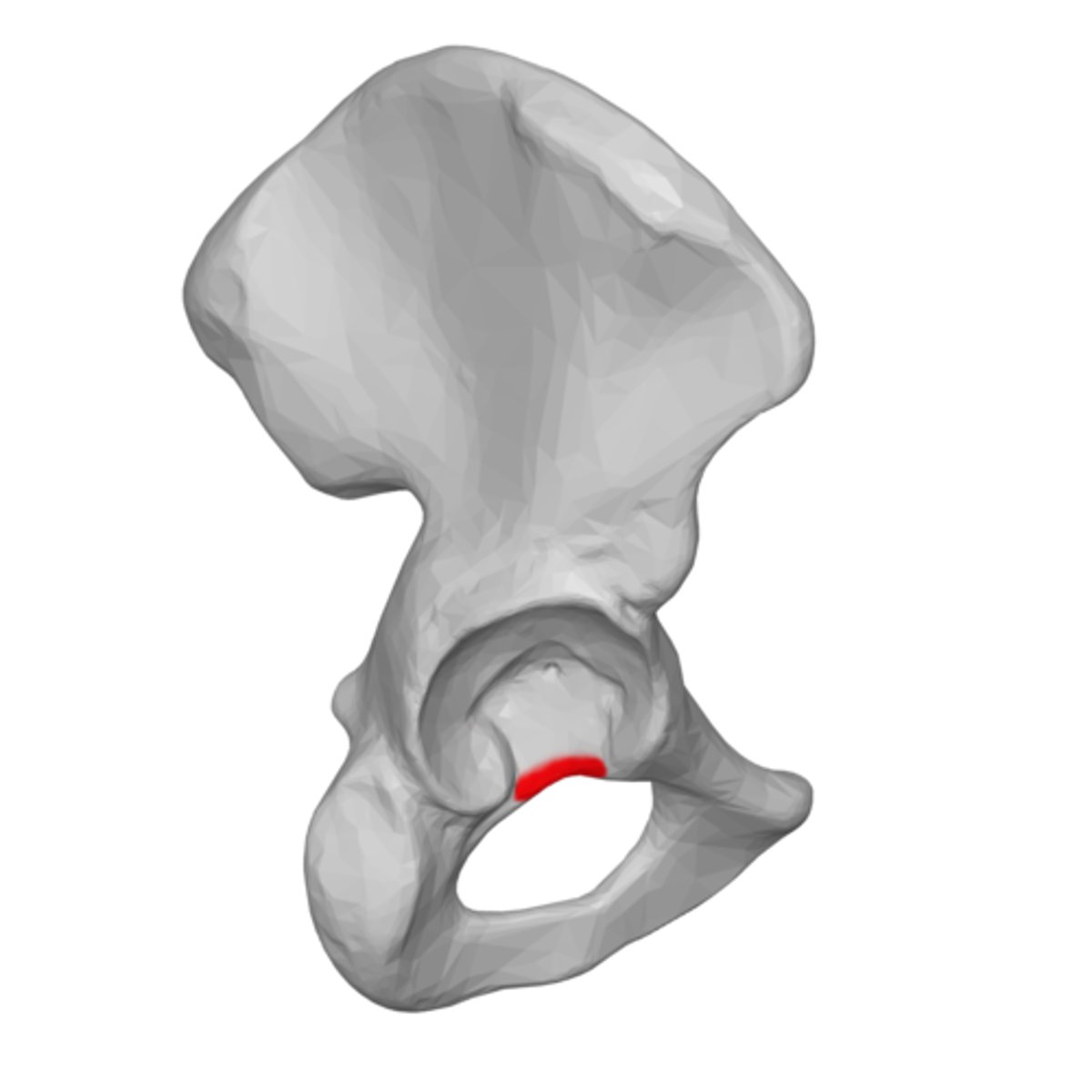
Acetabular Notch
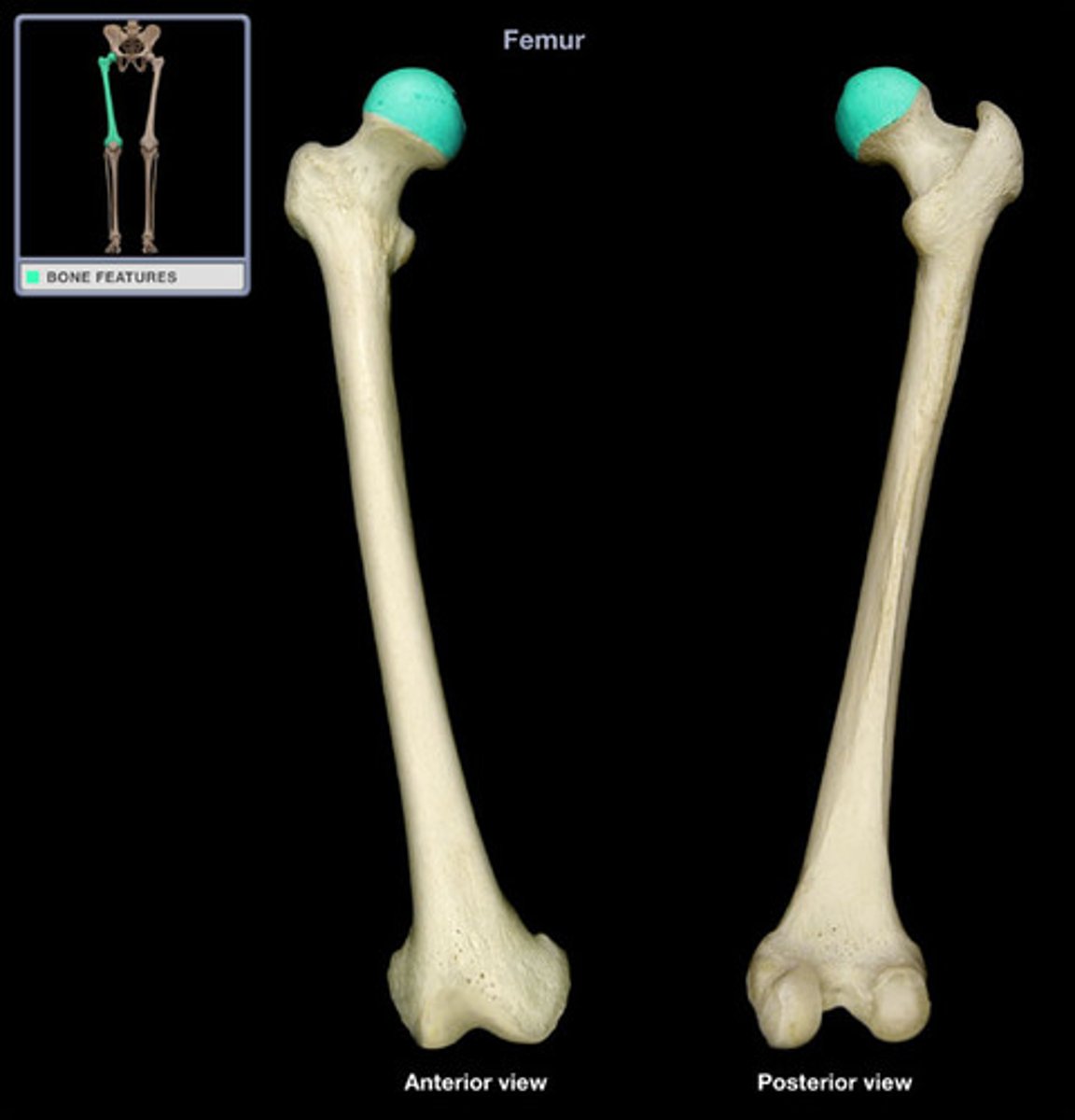
Femoral Head
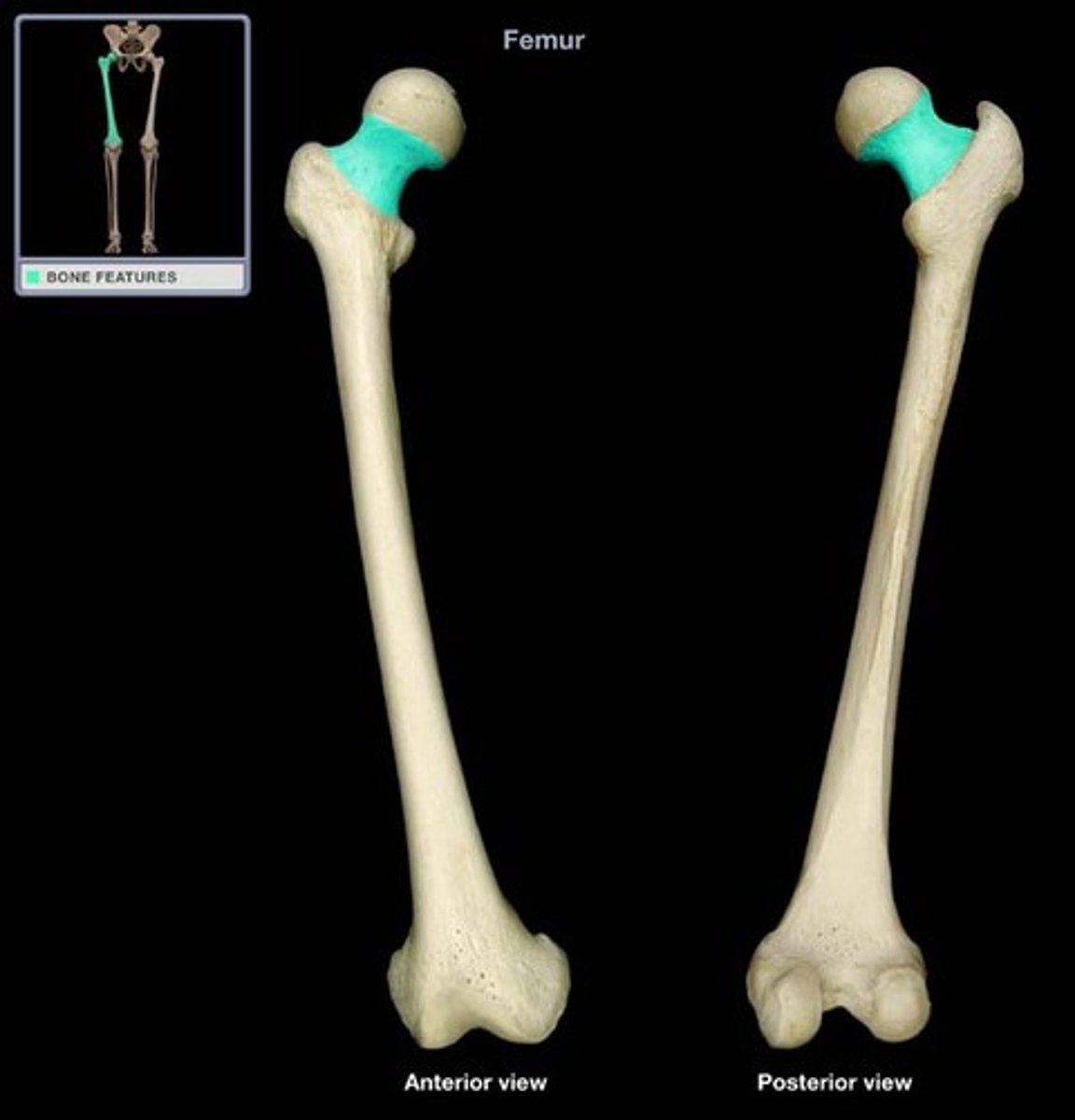
Femoral Neck
Transverse Acetabular Ligament
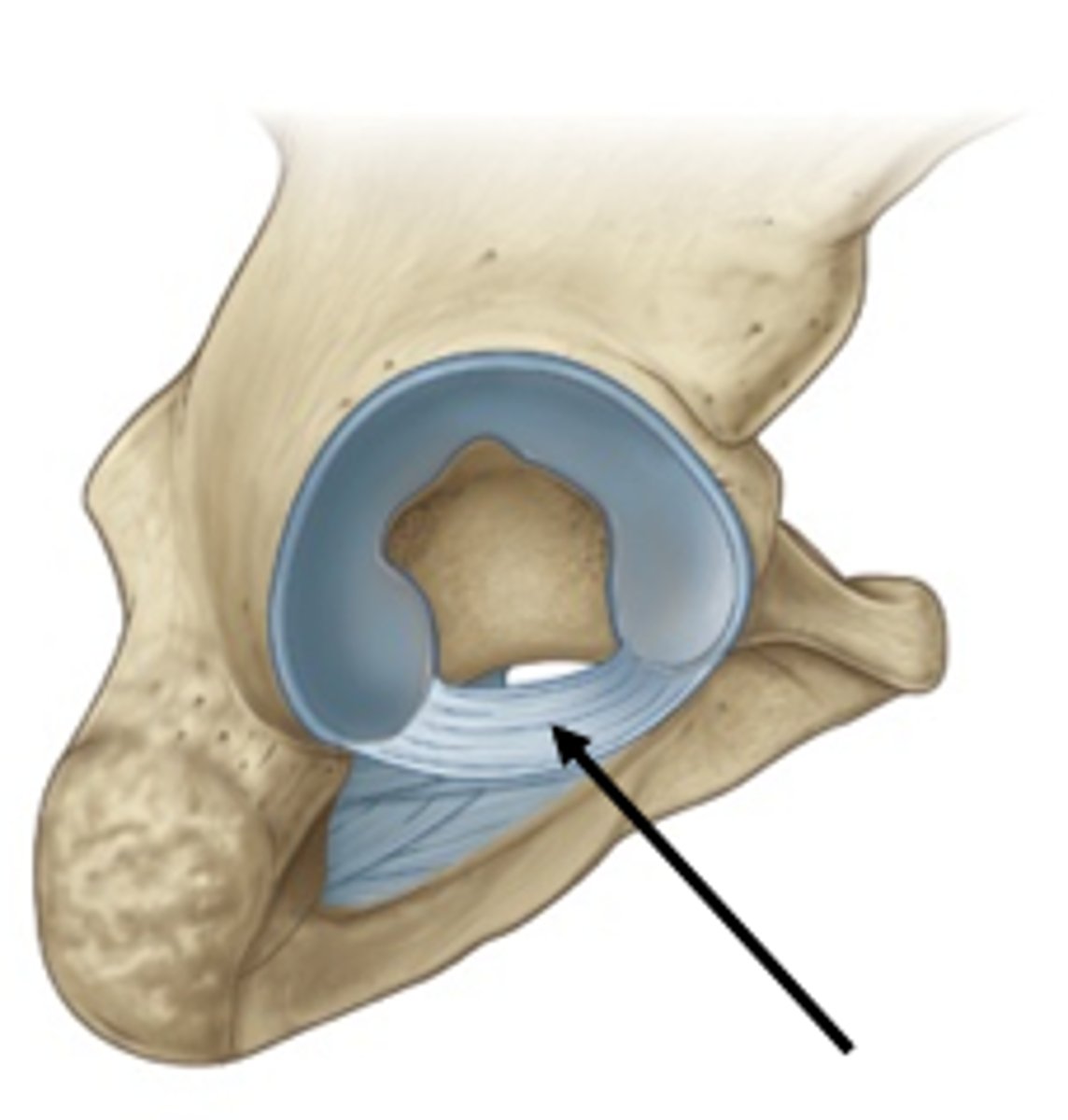
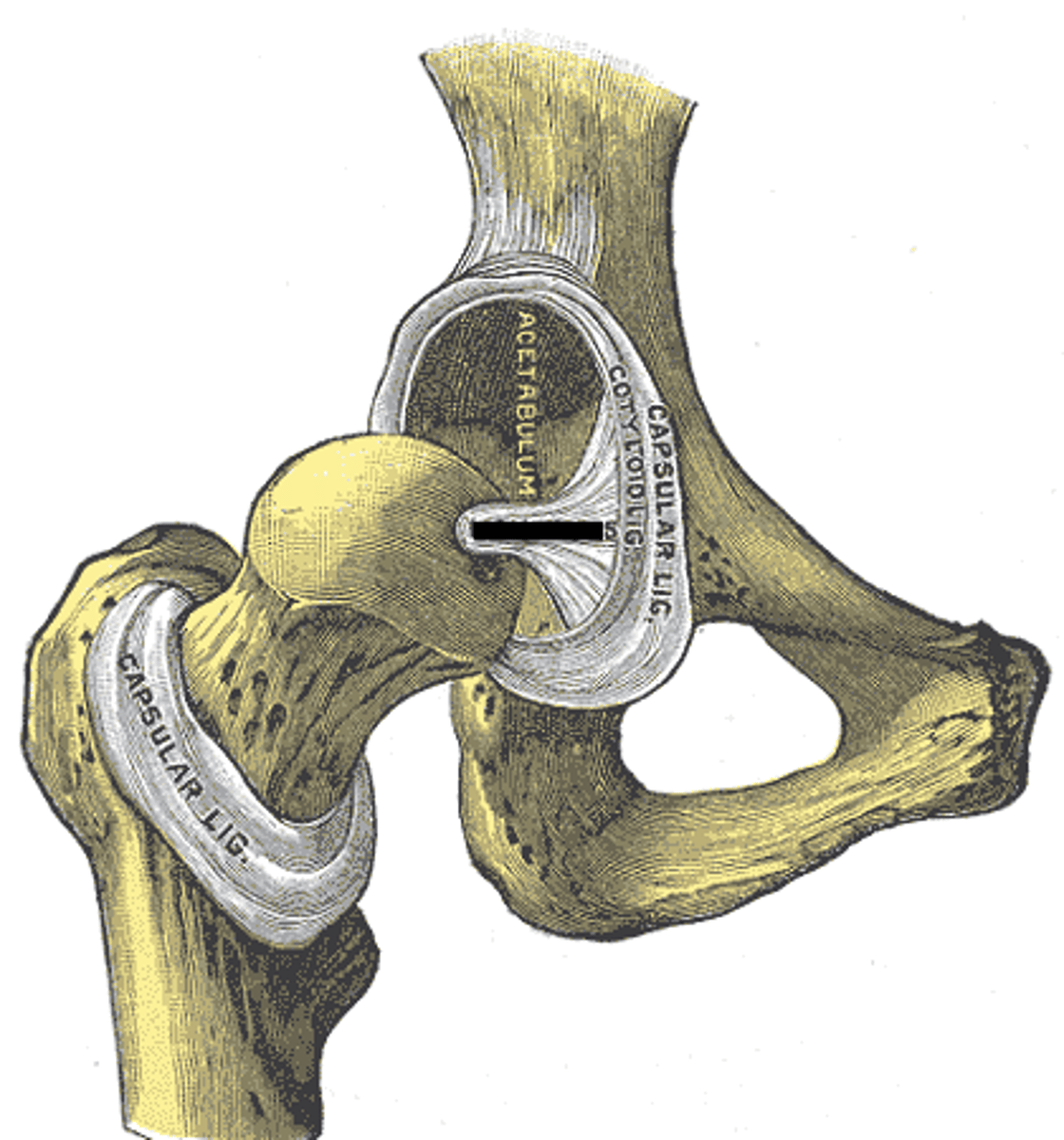
Ligament of the Femoral Head
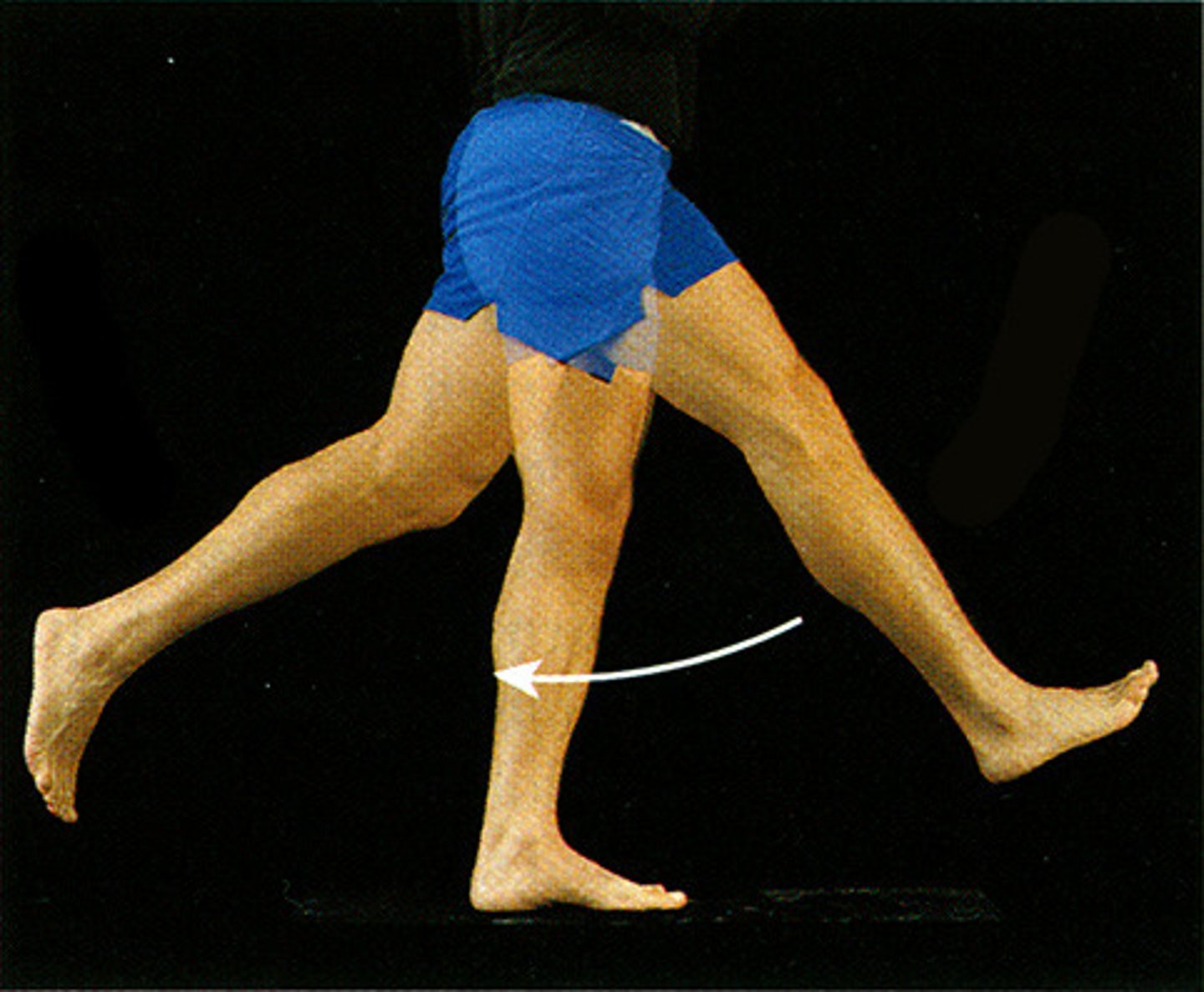
Hip Extension
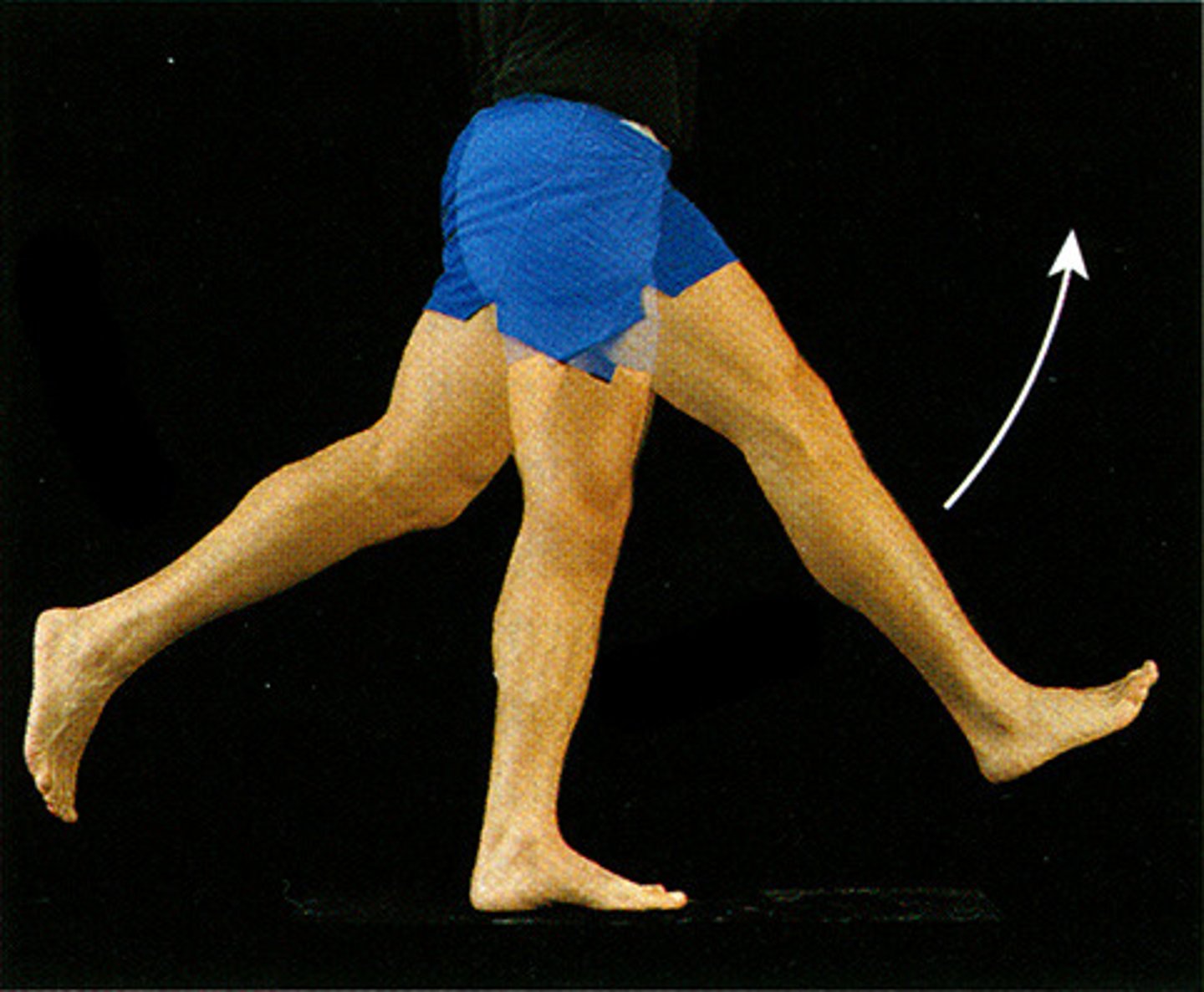
Hip Flexion
Hip Abduction
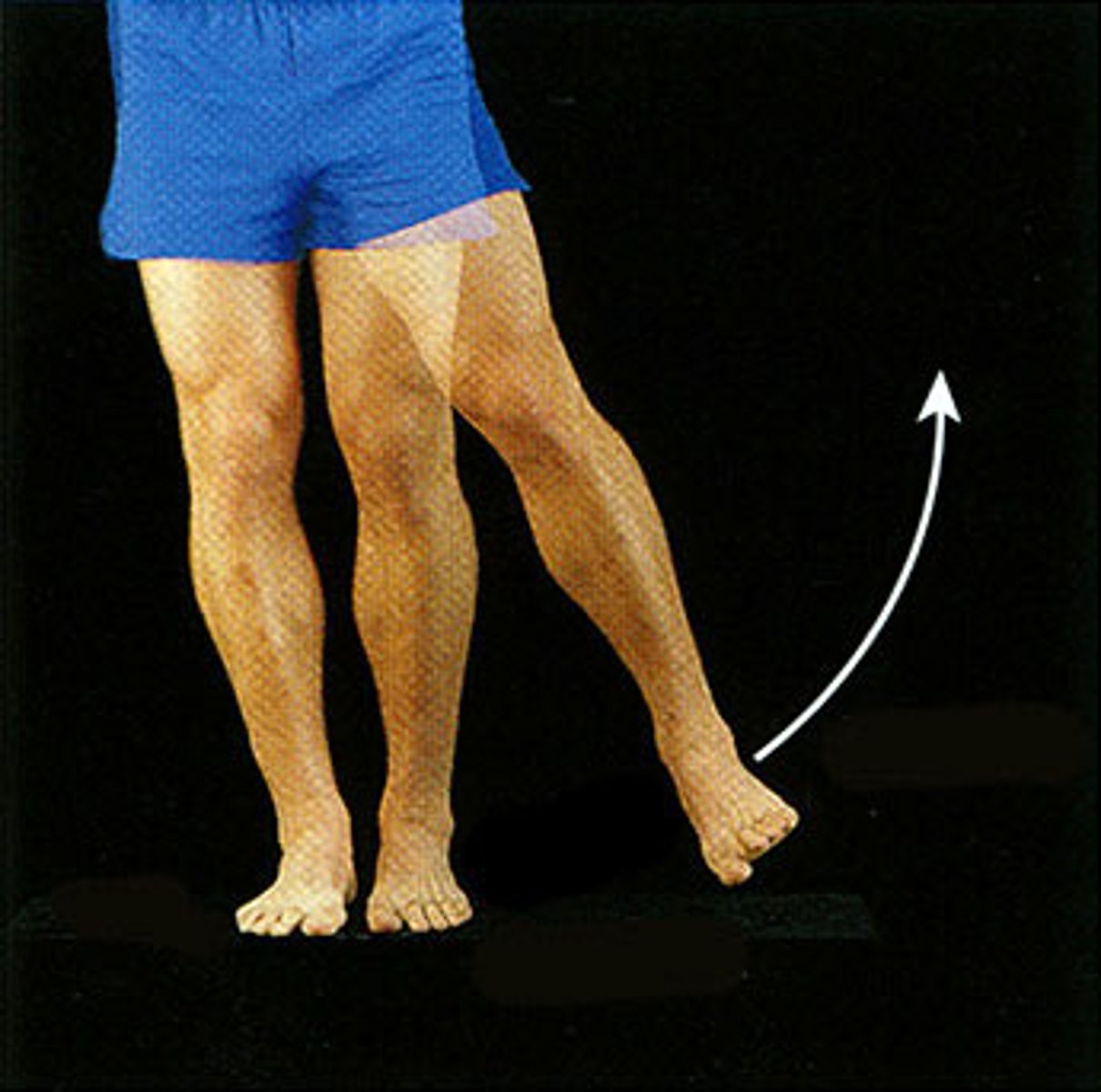
Hip Adduction
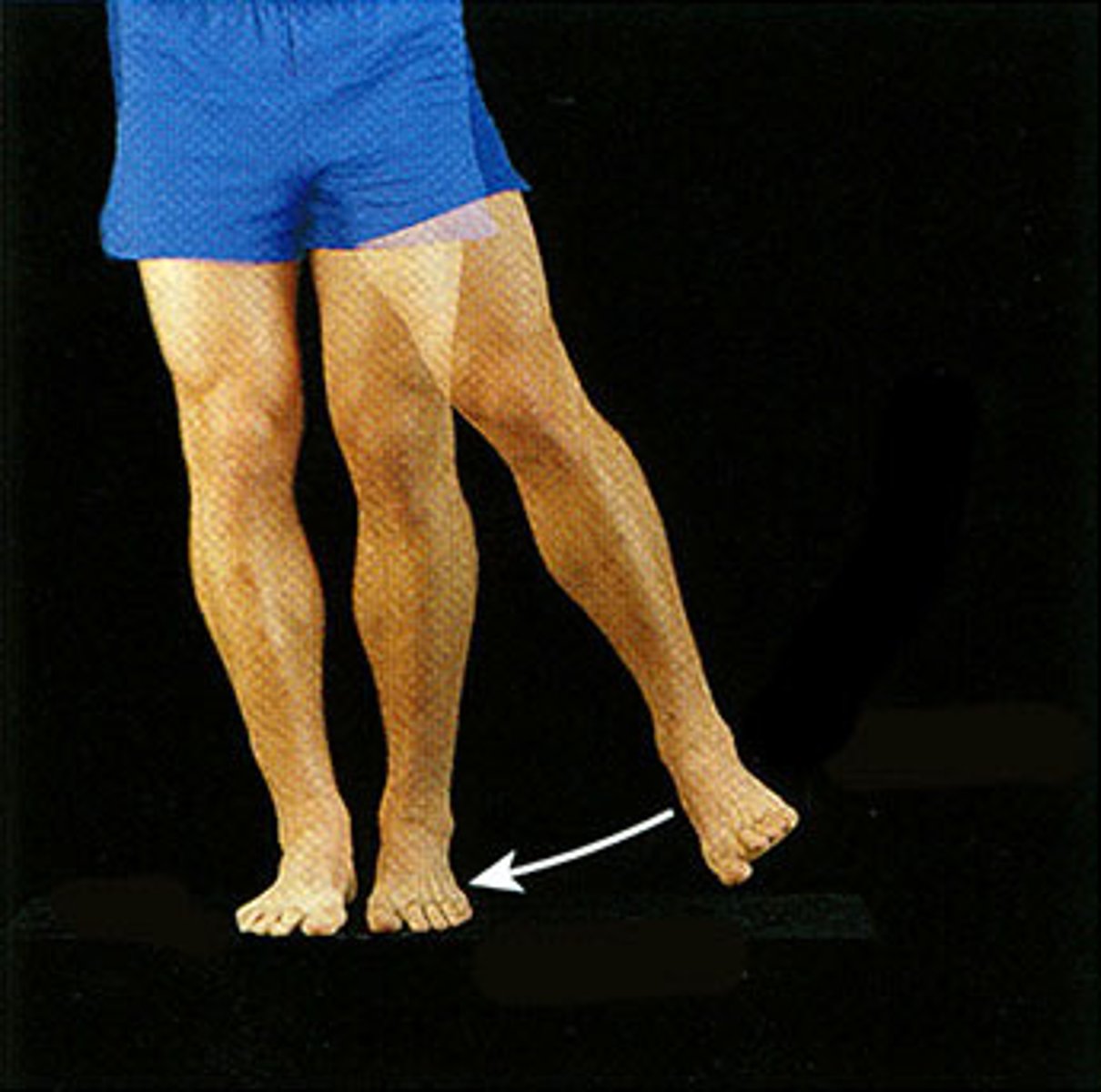
Hip Lateral Rotation
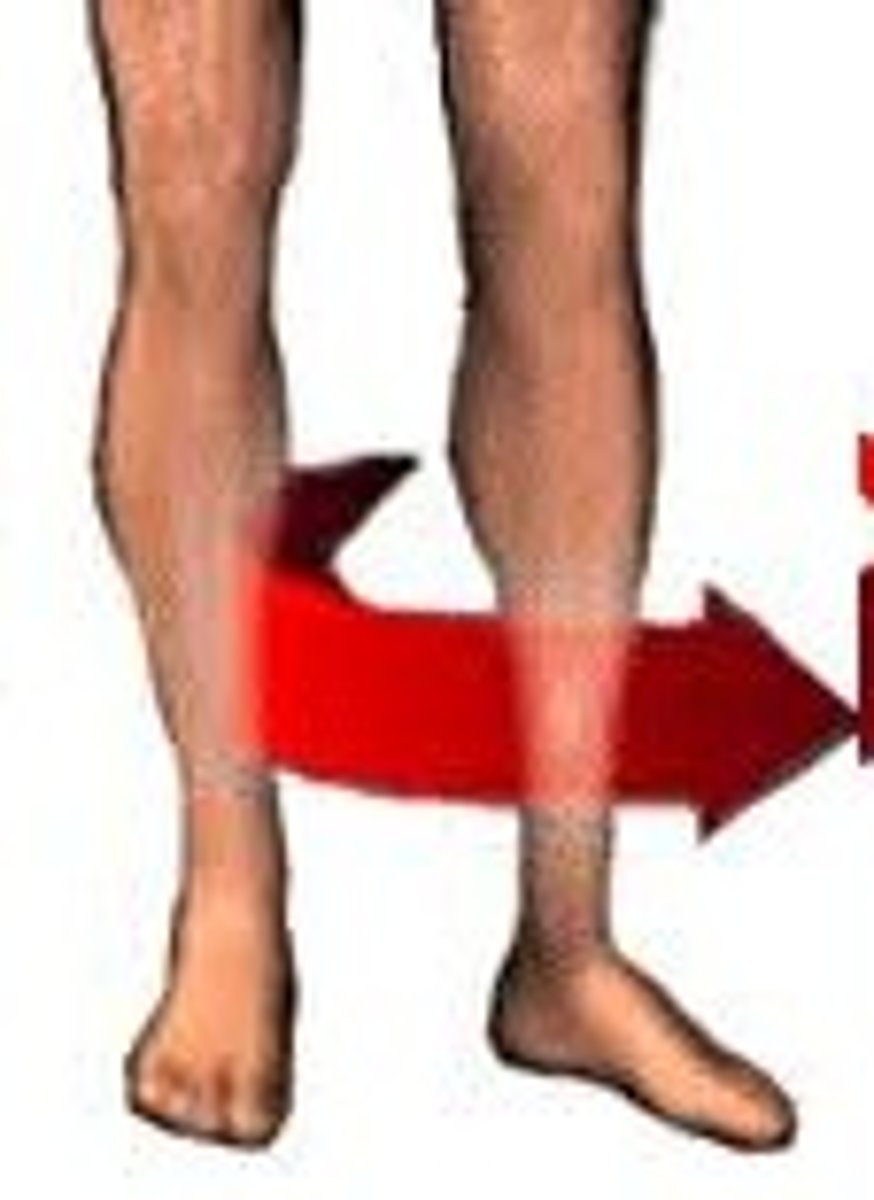
Hip Medial Rotation
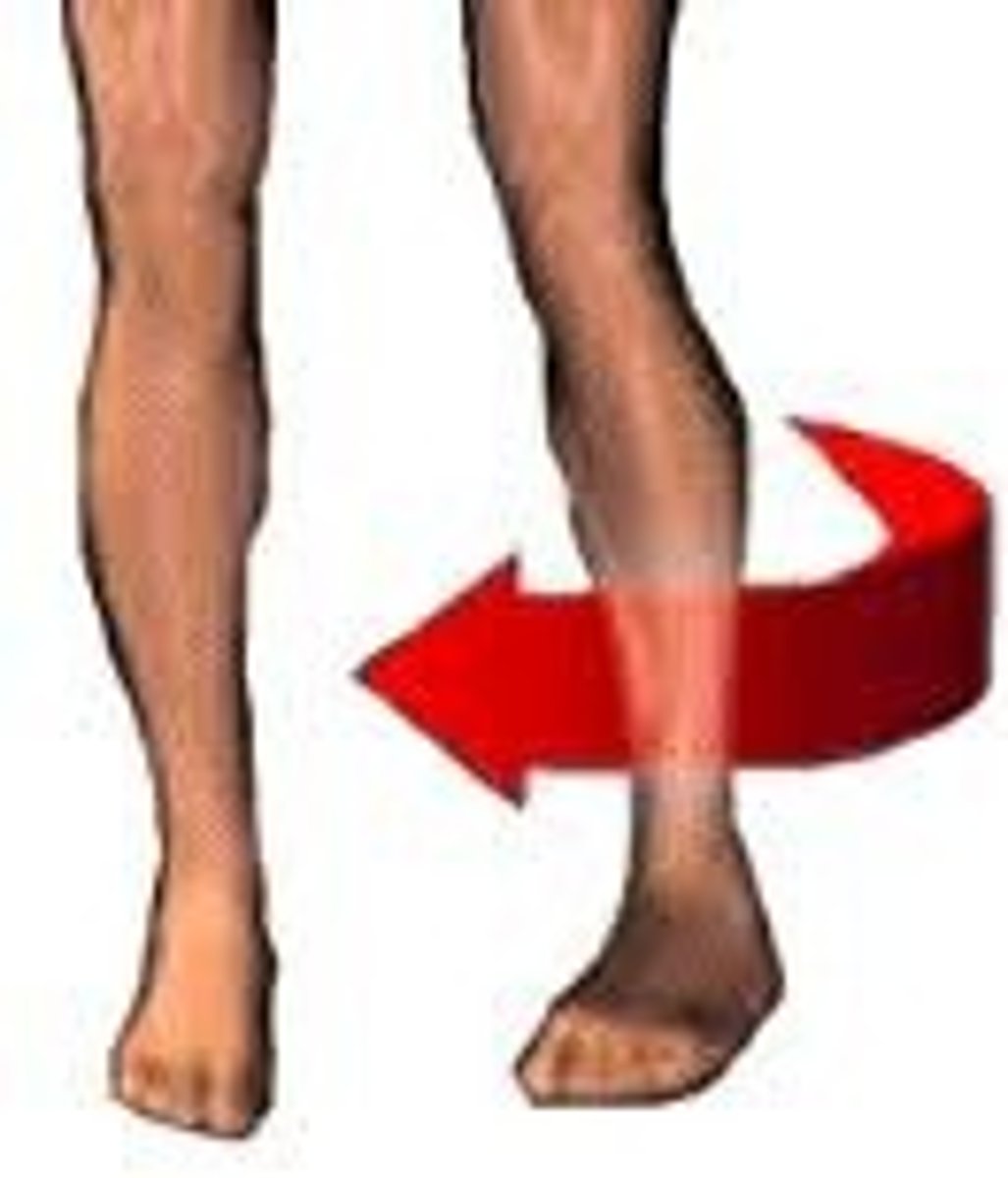
Ischiofemoral Ligament
Limits extension and medial rotation of hip
Pubofemoral Ligament
Limits extension abduction, lateral rotation
Limits extension and prevents pelvis from tilting posteriorly
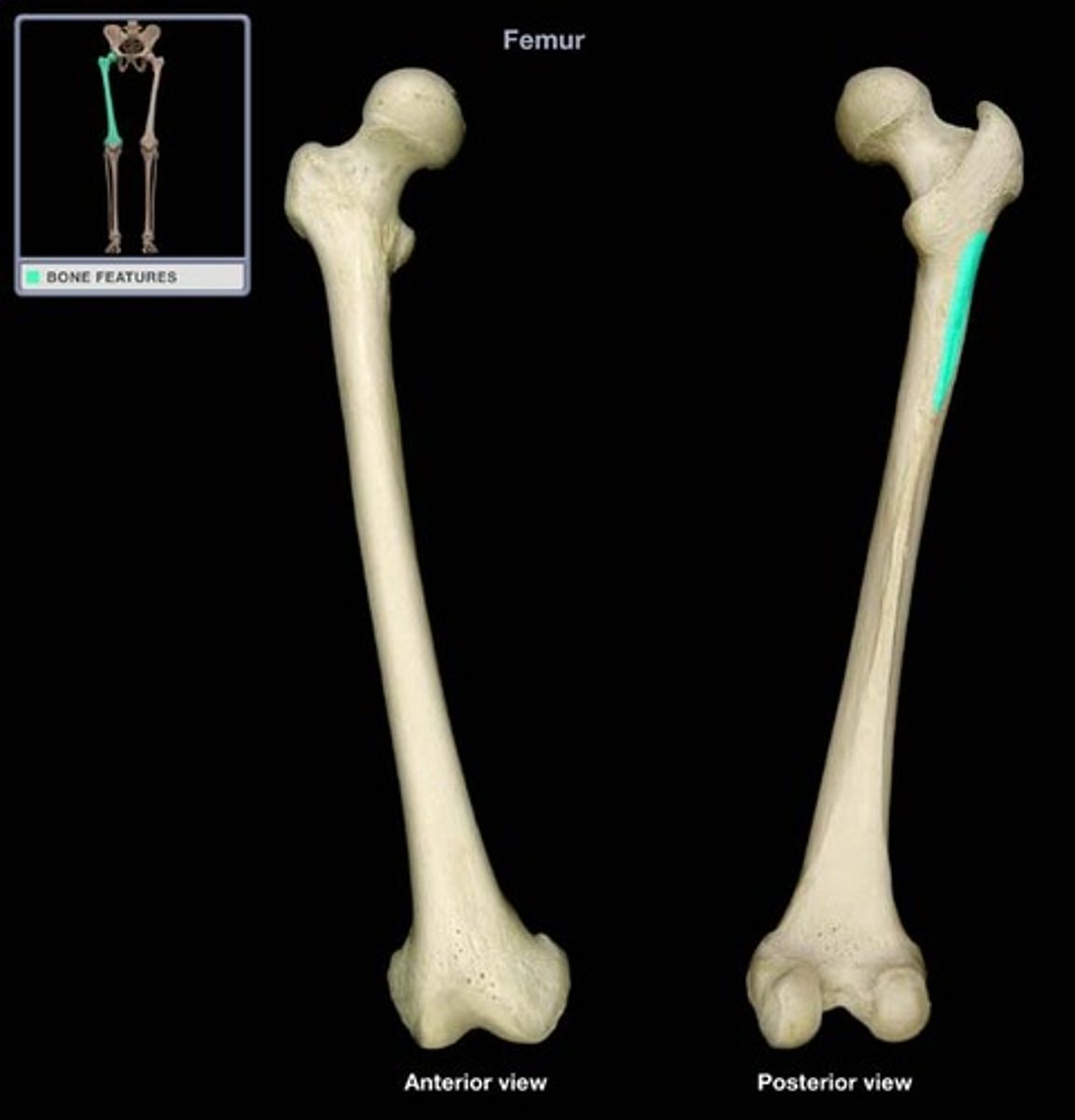
Gluteal Tuberosity
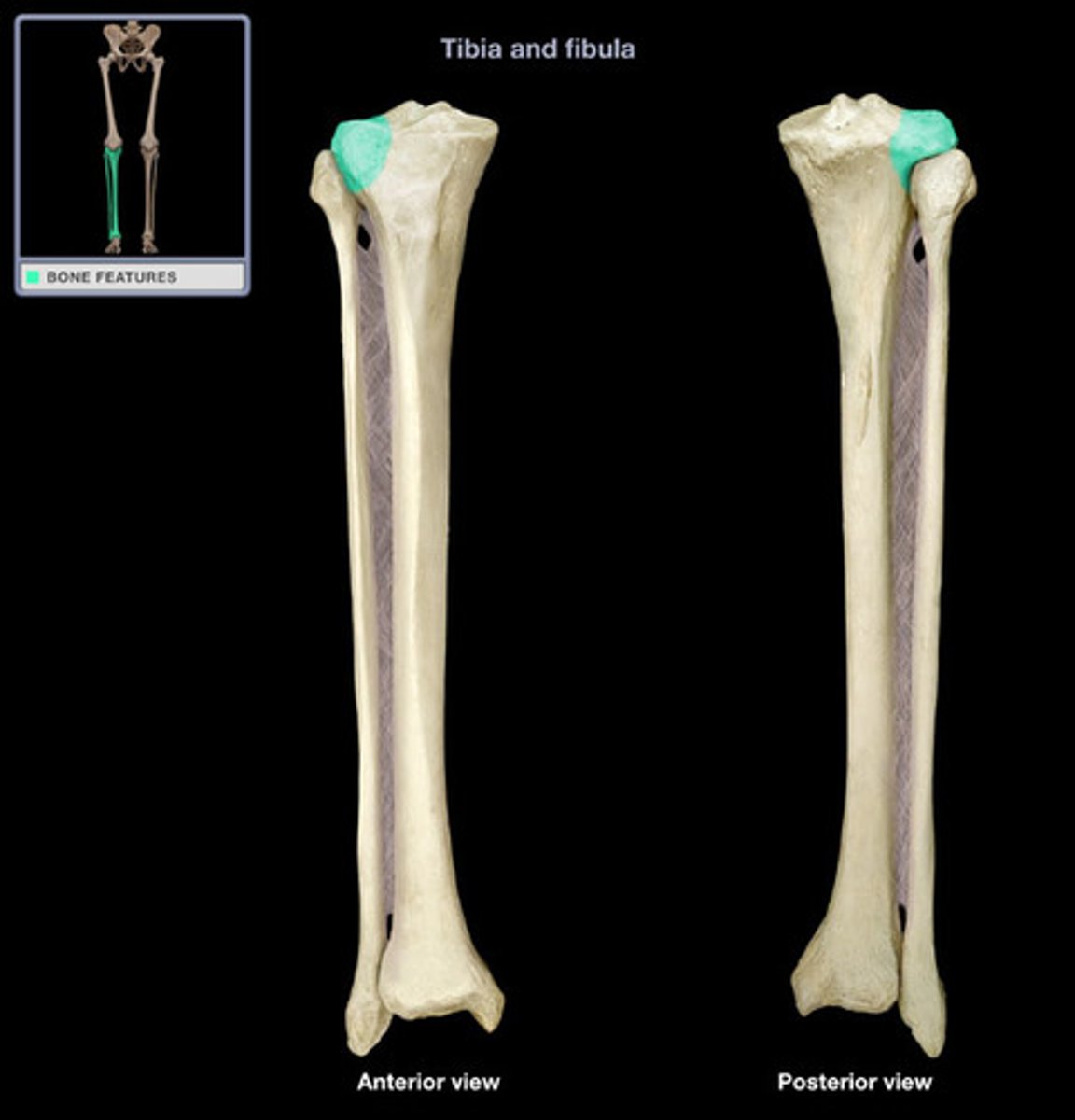
Lateral Condyle of the Tibia
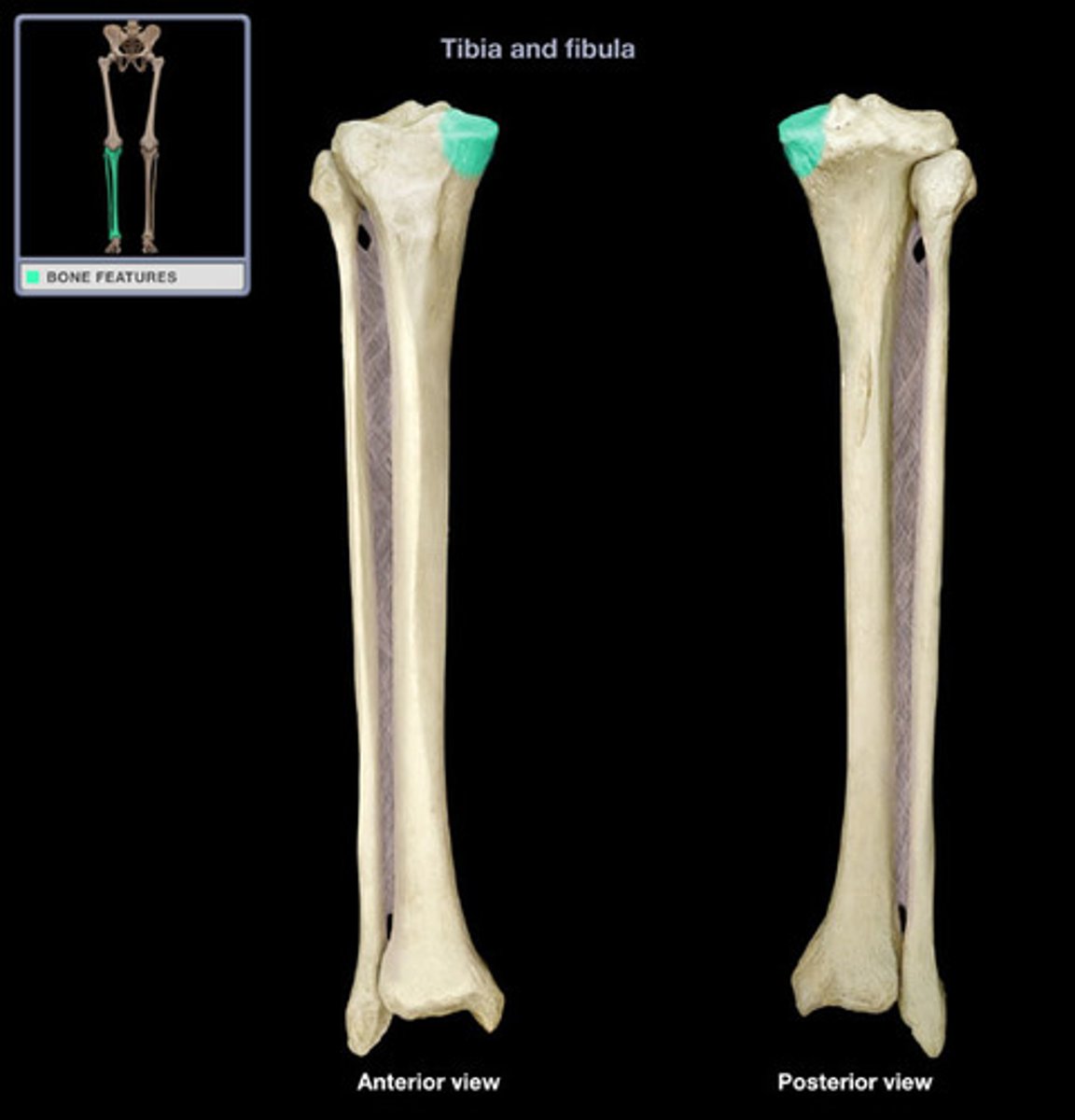
Medial Condyle of the Tibia
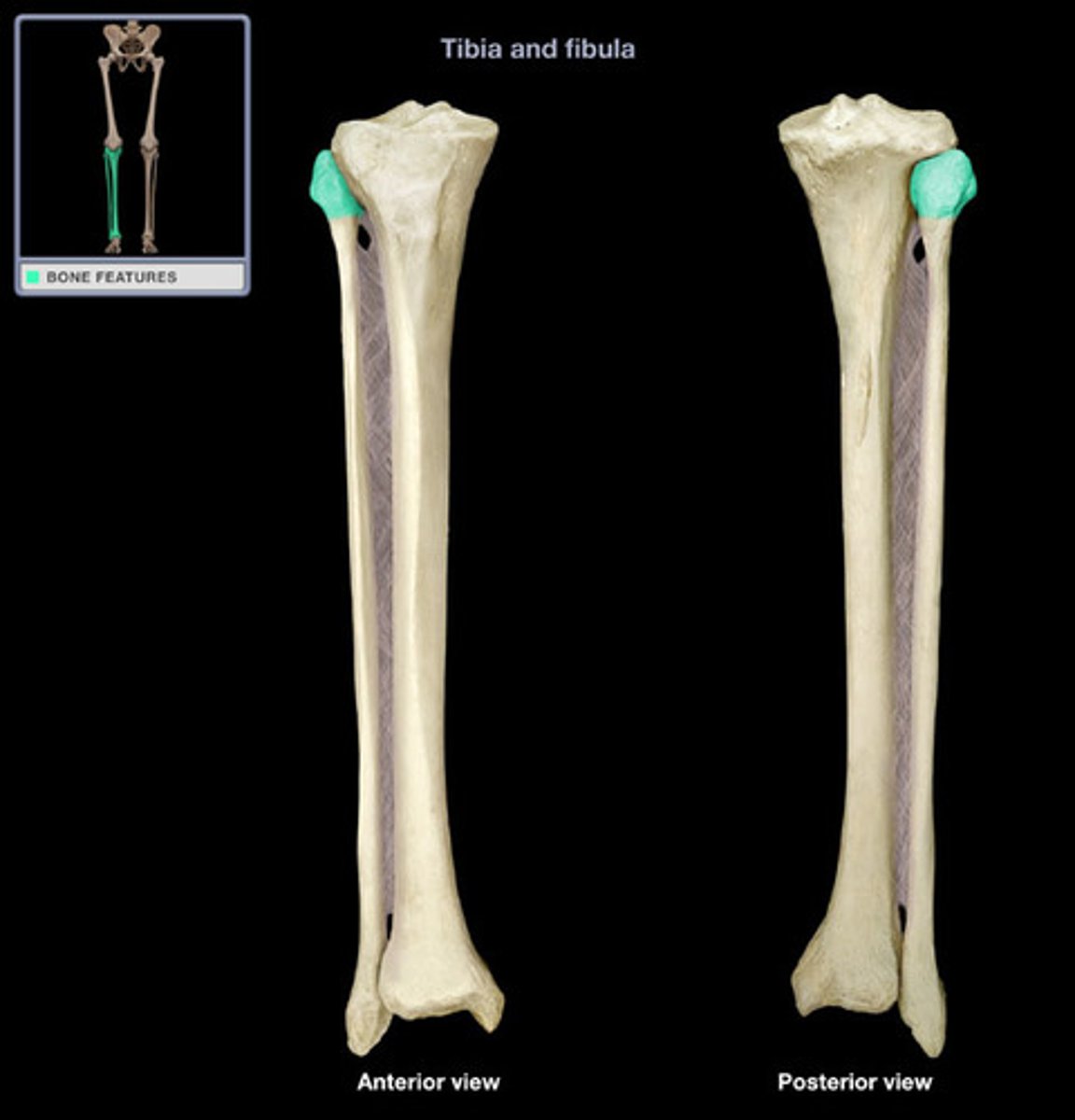
Head of the Fibula
Gluteus Maximus
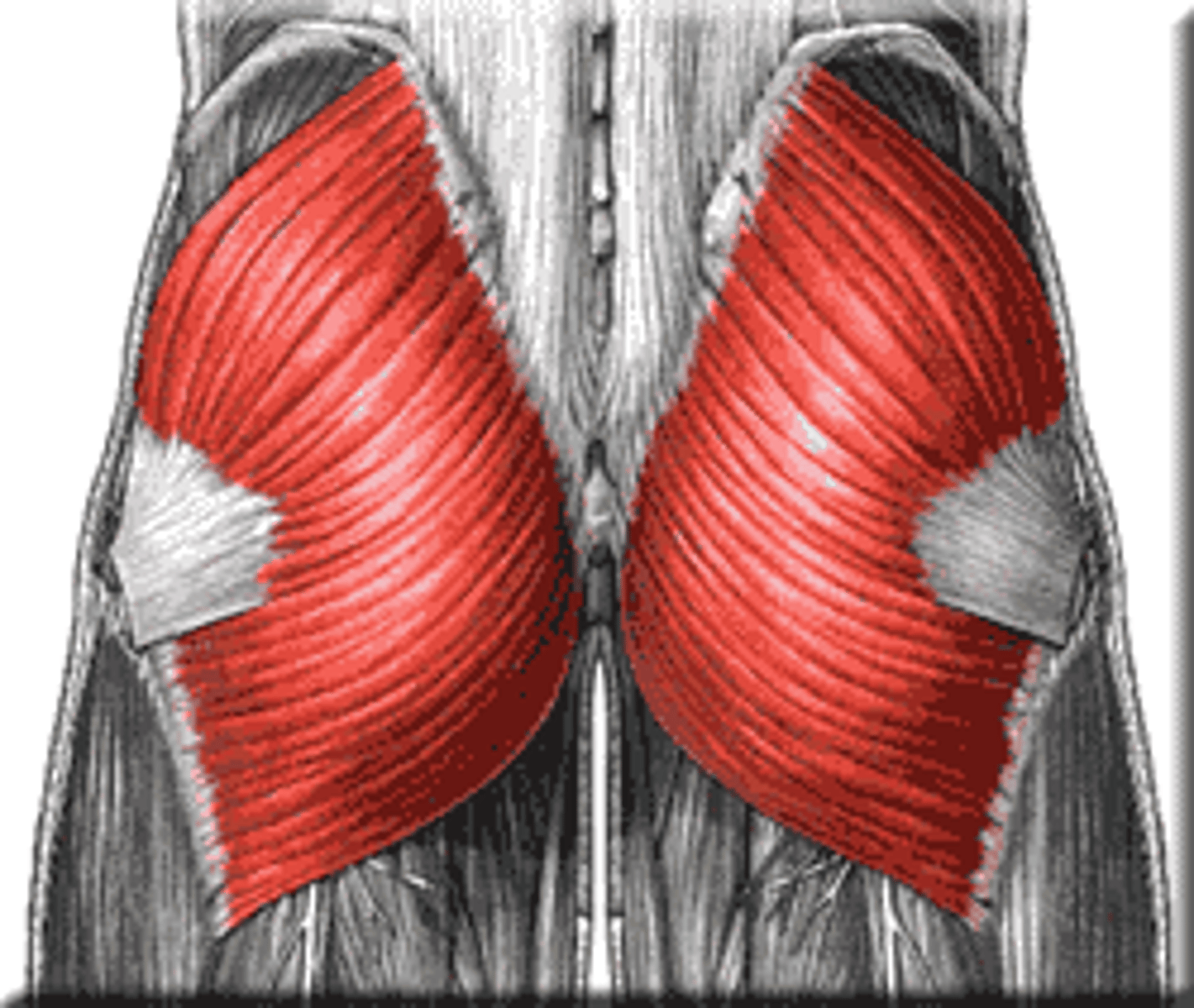
Sacrum and Ilium
Gluteus Maximus Origin
Gluteal Tuberosity, Lateral Condyle of the Tibia (Iliotibial Band)
Gluteus Maximus Insertion
Iliotibial Band
thickened specialization of Fascia Lata on lateral side of thigh
Hip extension
Gluteus Maximus Action
Greater Trochanter
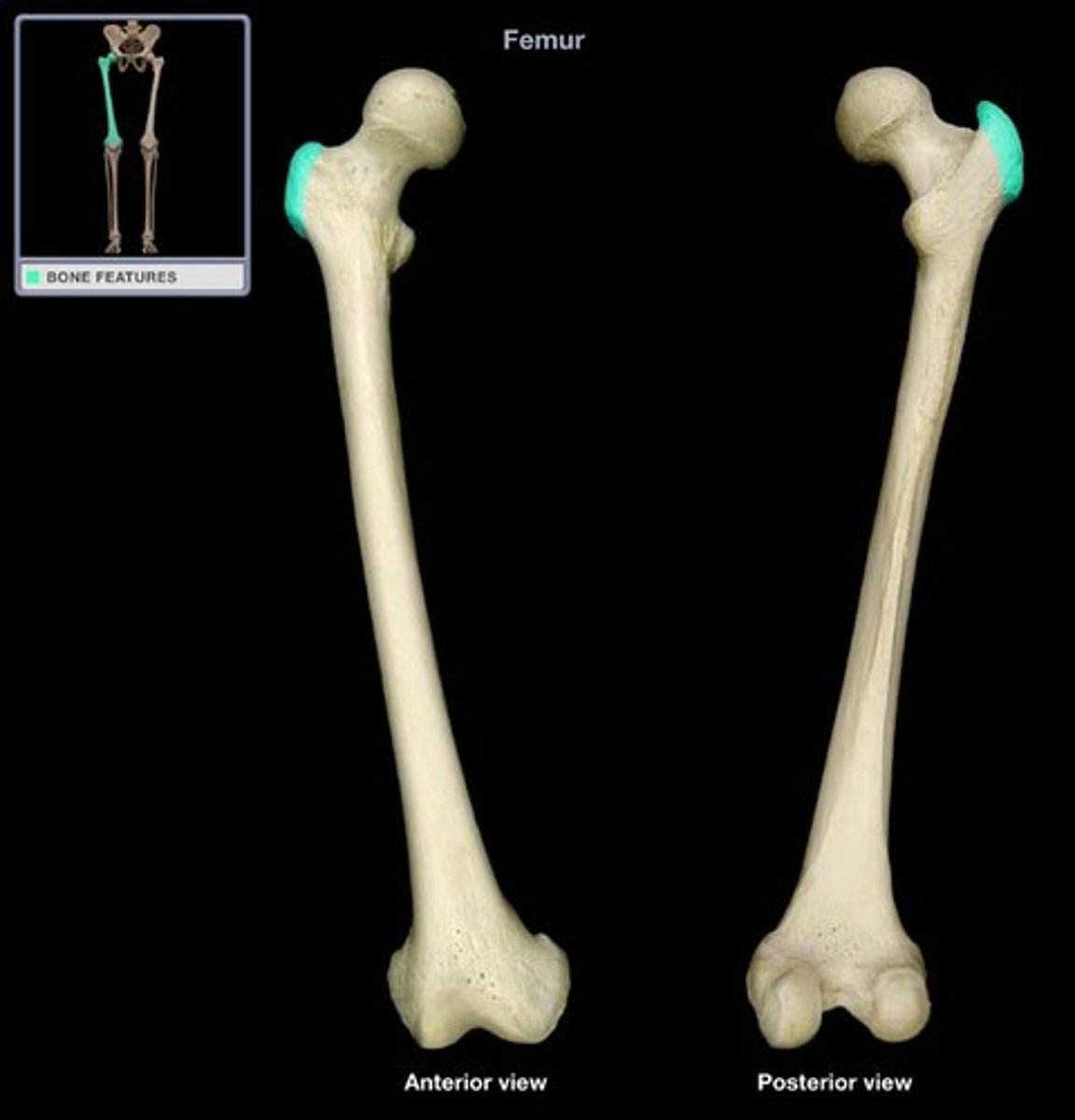
Trochanteric Bursa
Located between Gluteus Maximus and Greater Trochanter
Trochanteric Bursitis
May result from repetitive activity involving extension of the thigh such as climbing stairs while carrying a load, running on a steeply elevated treadmill
Illium
Gluteus Medius and Minimus Origin
Greater Trochanter
Gluteus Medius and Minimus Insertion
Hip Abduction; Stabilize hip during gait
Gluteus Medius and Minimus Action
Sacrum
Piriformis Origin
Greater Trochanter
Piriformis Insertion
Lateral rotation of Hip
Piriformis Action
Superior Gluteal Nerve, Artery and Vein
emerge superior to the Piriformis Muscle
Inferior Gluteal Nerve, Artery and Vein
emerge inferior to the Piriformis Muscle
Inferior Gluteal Nerve
Gluteus Maximus Nerve
Superior Gluteal Nerve
Gluteus Medius and Minimus Nerve
Trendelenburg Sign
If the abductors are weakened and/or the Superior Gluteal Nerve is injured, the contralateral side of the hip drops when that limb is lifted.
Ischial Spine
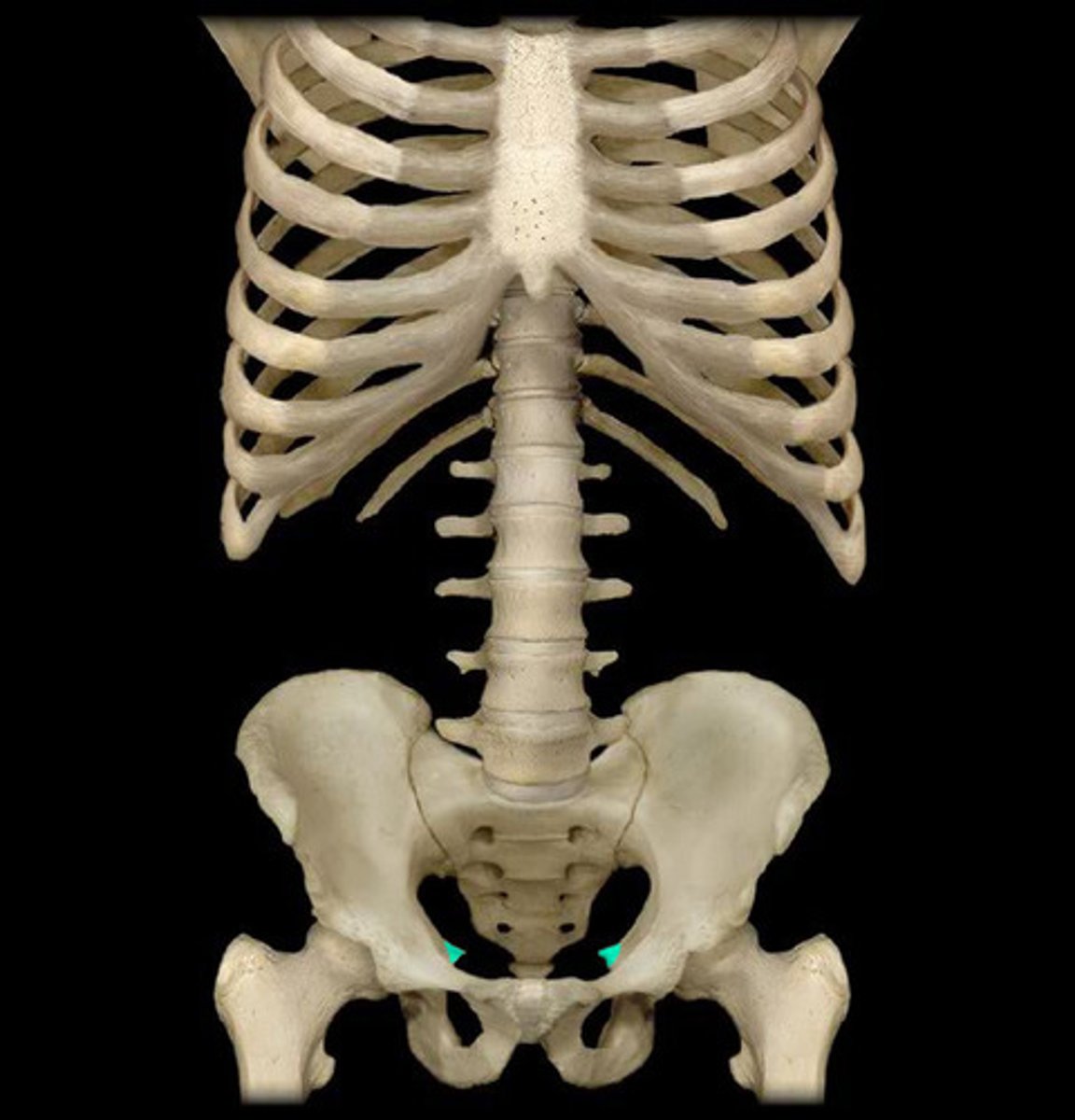
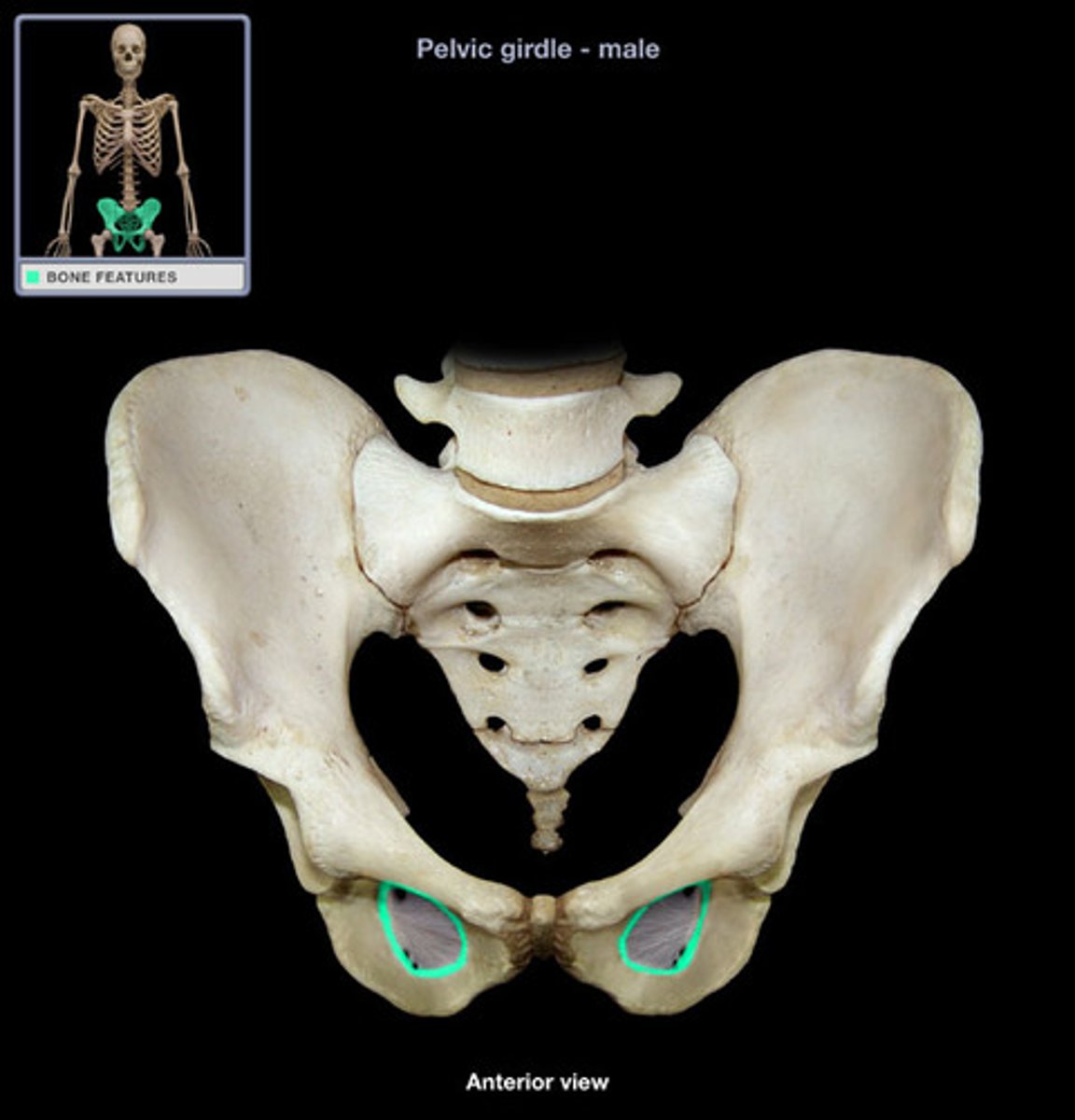
Obturator Foramen
Ischial Tuberosity
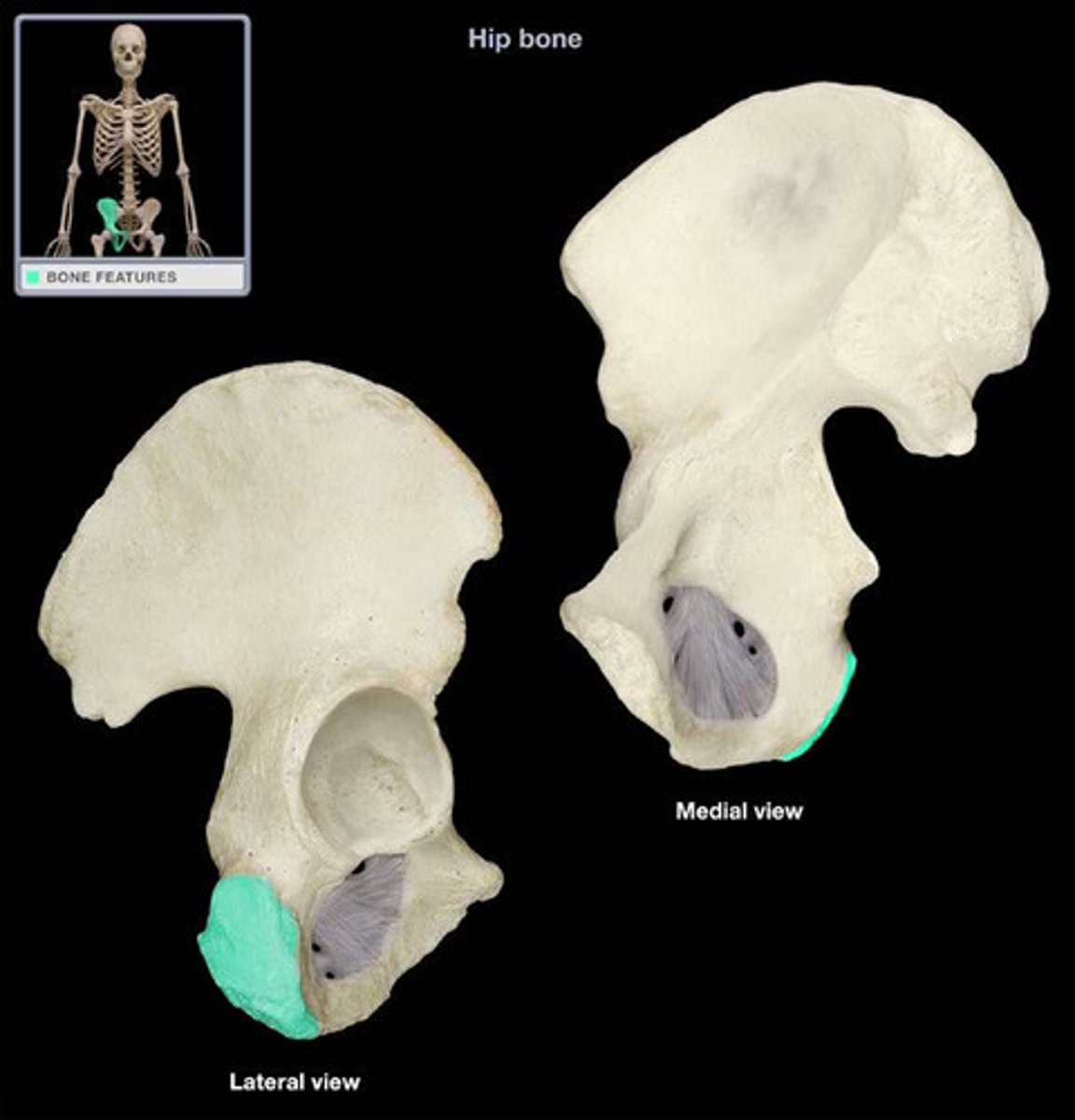
Ischial Spine
Superior Gemellus Origin
Obturator Membrane
Obturator Internus Tendon Origin
Ischial Tuberosity
Inferior Gemellus Origin
Ischial Tuberosity
Quadratus Femoris Origin
Greater Trochanter
Insertion of 4 deep glute muscles
Lateral rotation of hip
Action of 4 deep glute muscles
Gluteus Medius
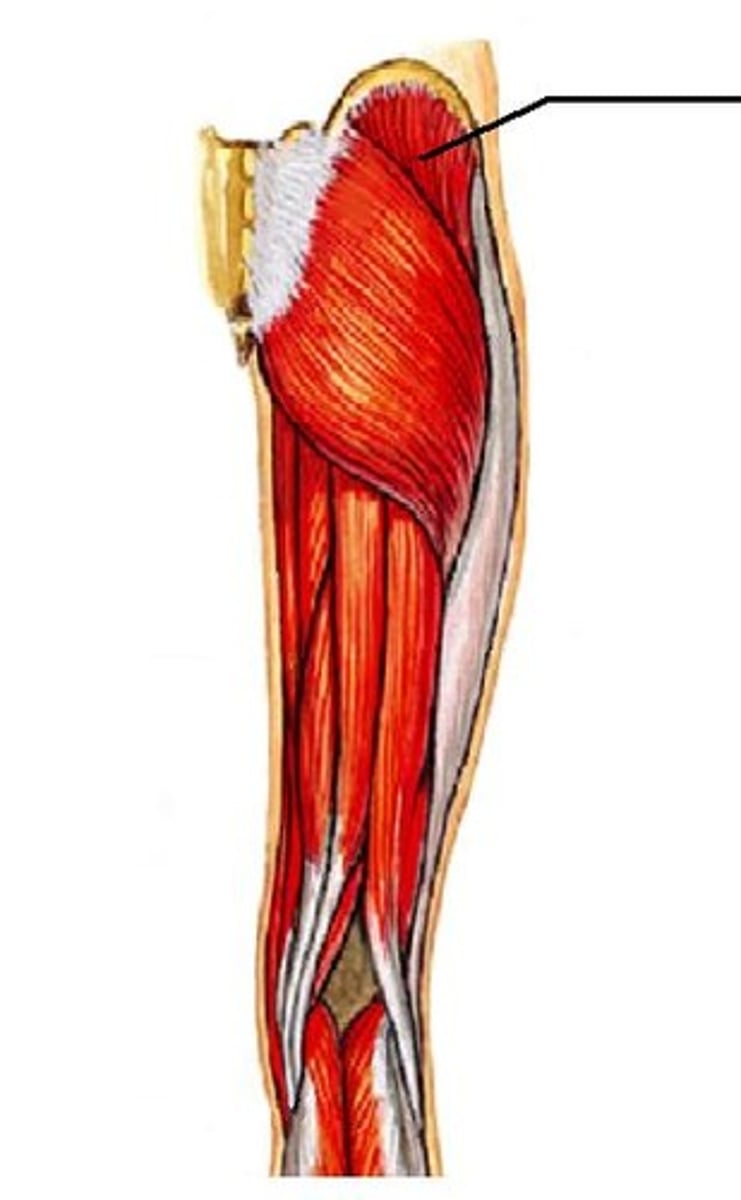
Sciatic Nerve
Emerges inferior to Piriformis; Supply posterior thigh muscles
Tibial nerve and Common Fibular nerve
Sciatic nerve splits into what two nerves
Common Fibular nerve
What nerve variates as passes near or through the Piriformis
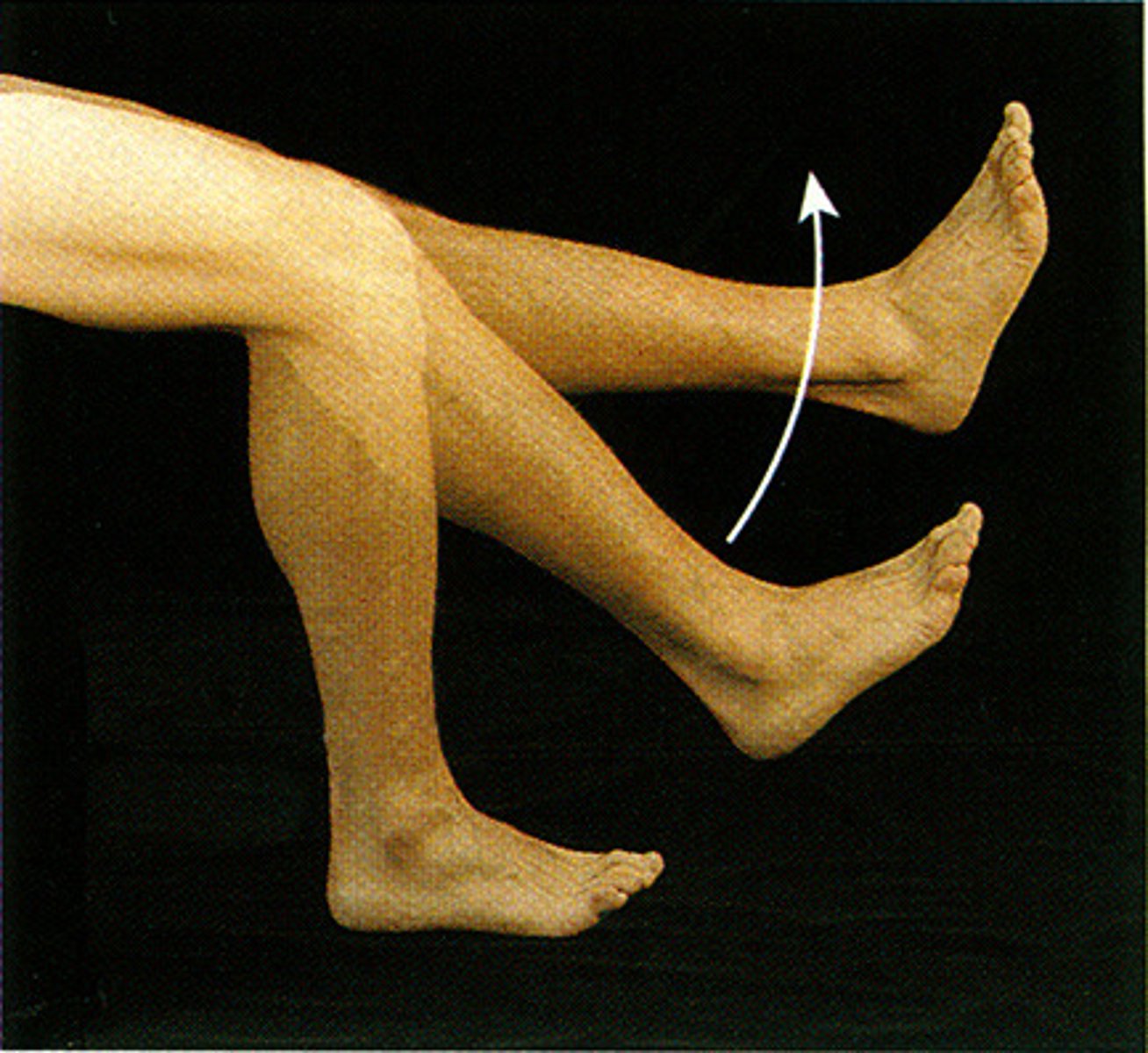
Knee Flexion
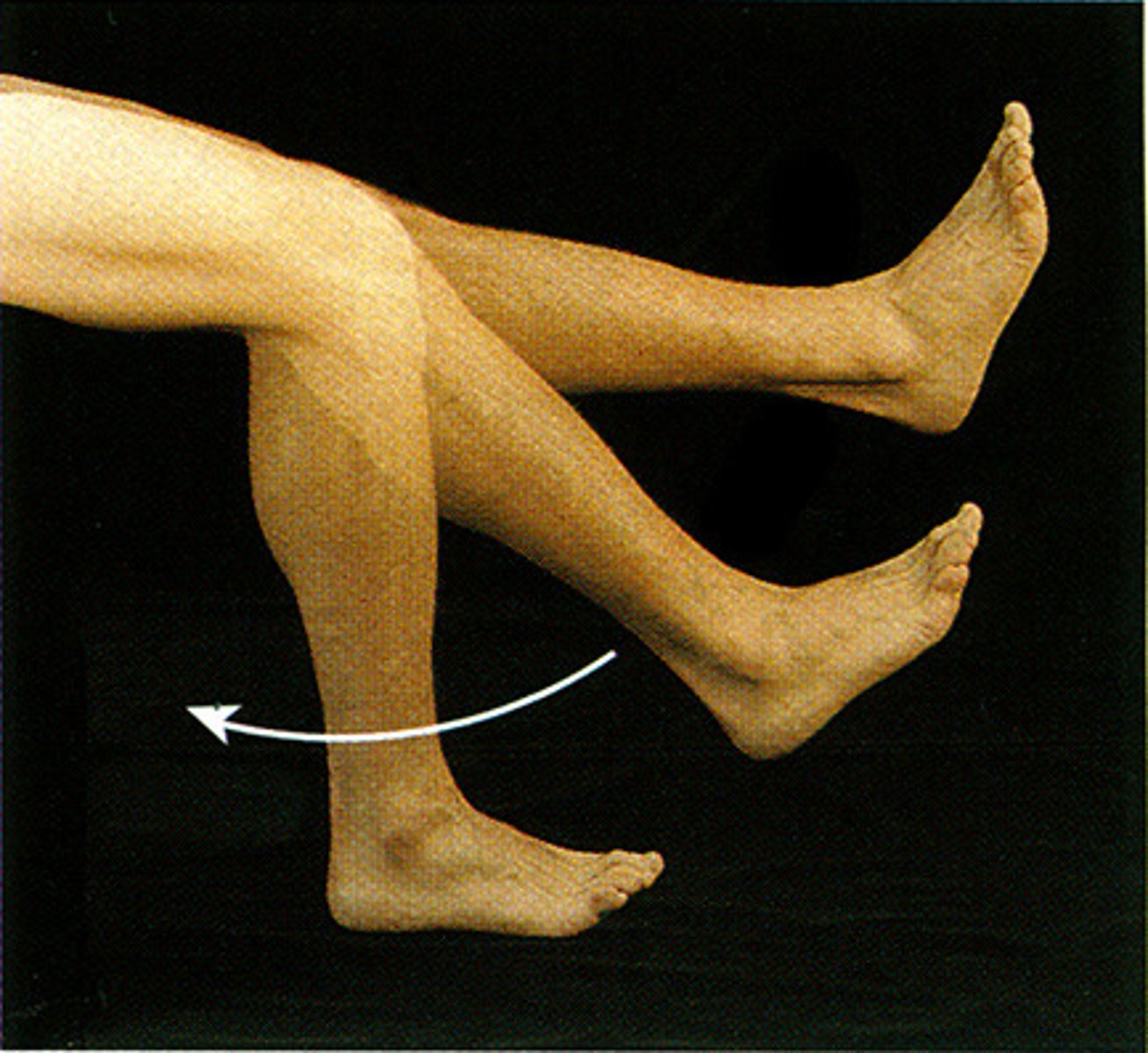
Knee Extension
Semitendinosus
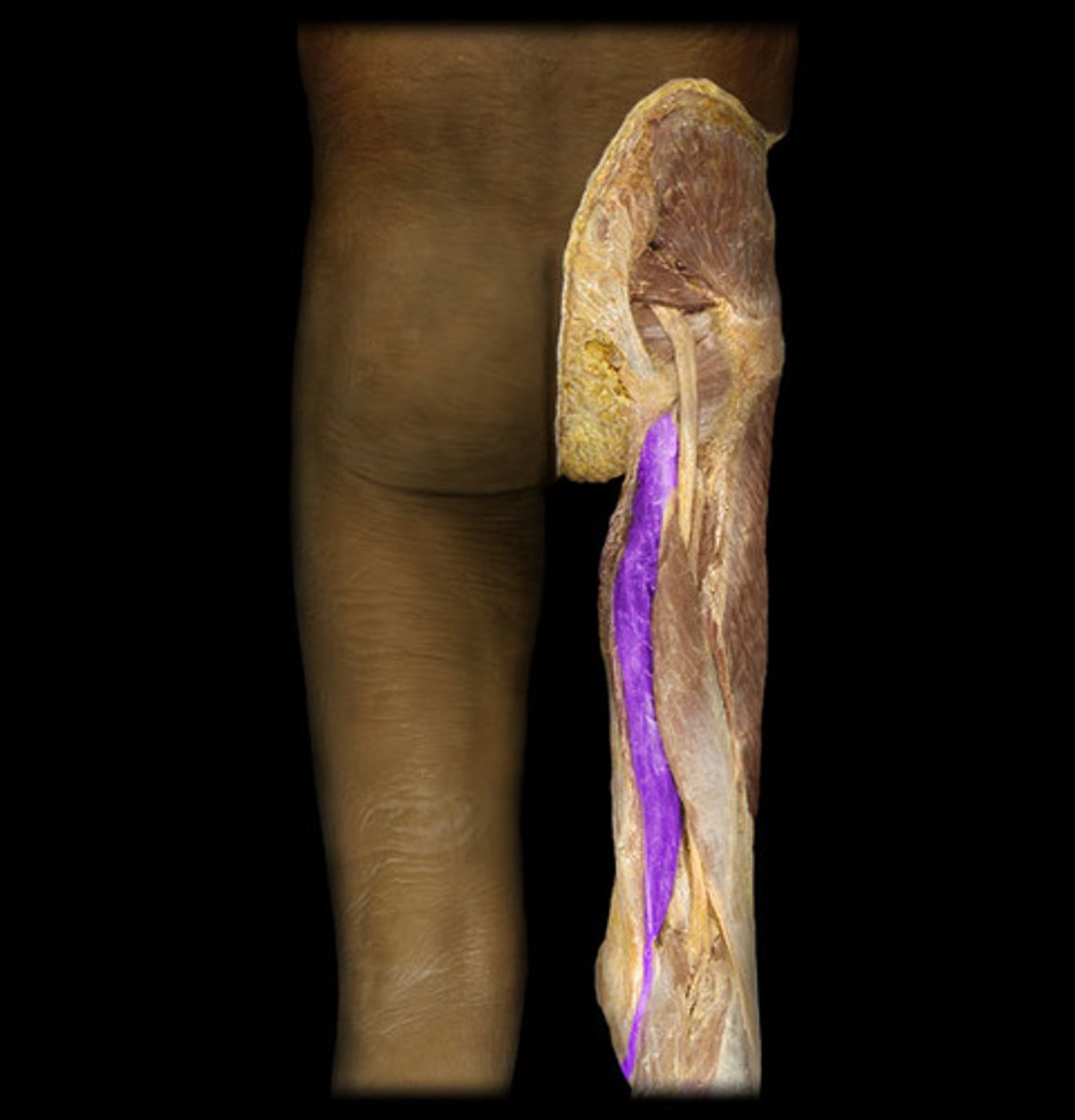
Semimembranosus
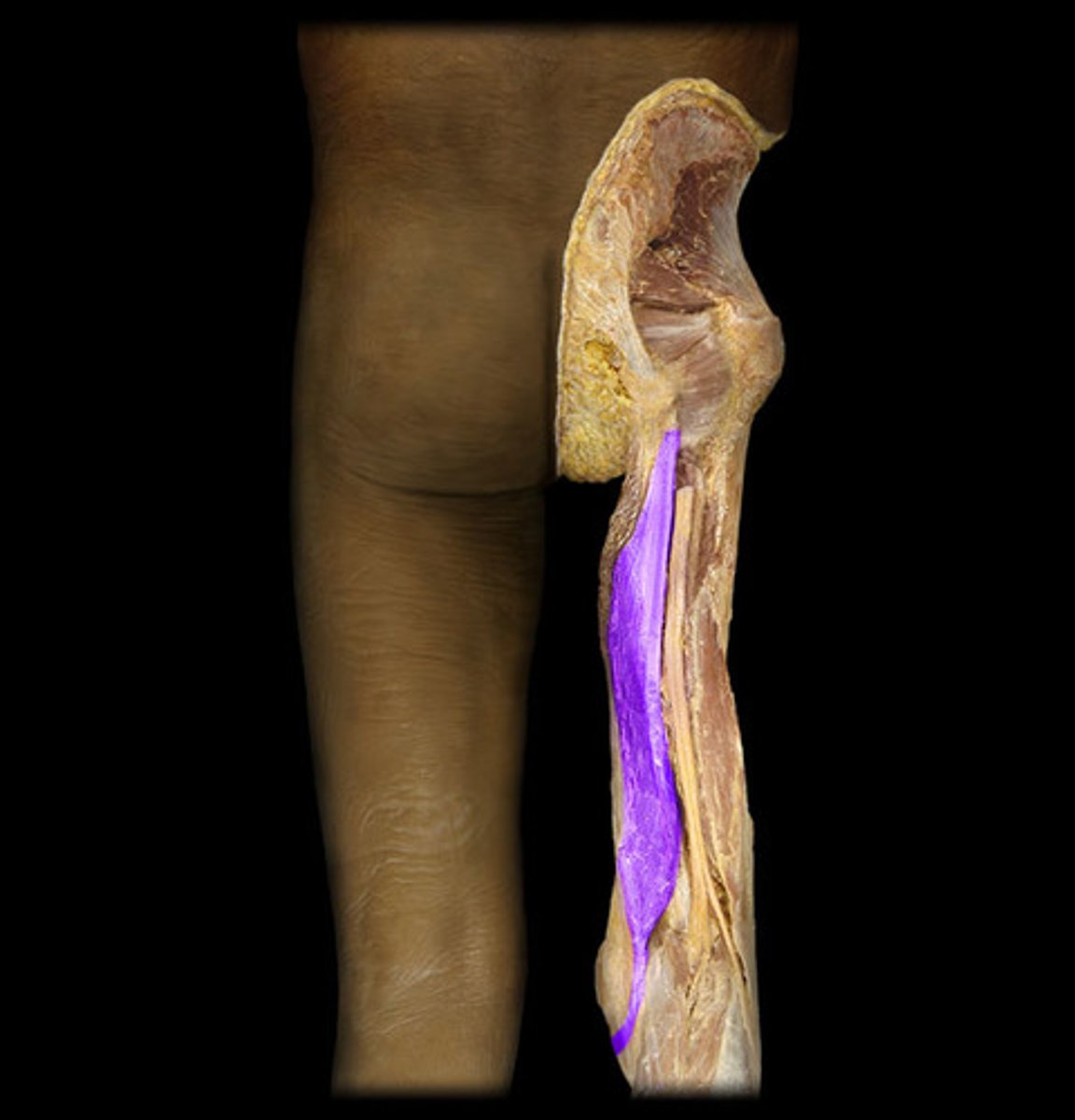
Ischial Tuberosity
Origin of semitendinosus and semimembranosus
Medial Condyle of the Tibia
Insertion of semitendinosus and semimembranosus
Hip extension; Leg flexsion
Action of semitendinosus and semimembranosus
Tibial nerve
Nerve of semitendinosus and semimembranosus
Long Head of Biceps Femoris
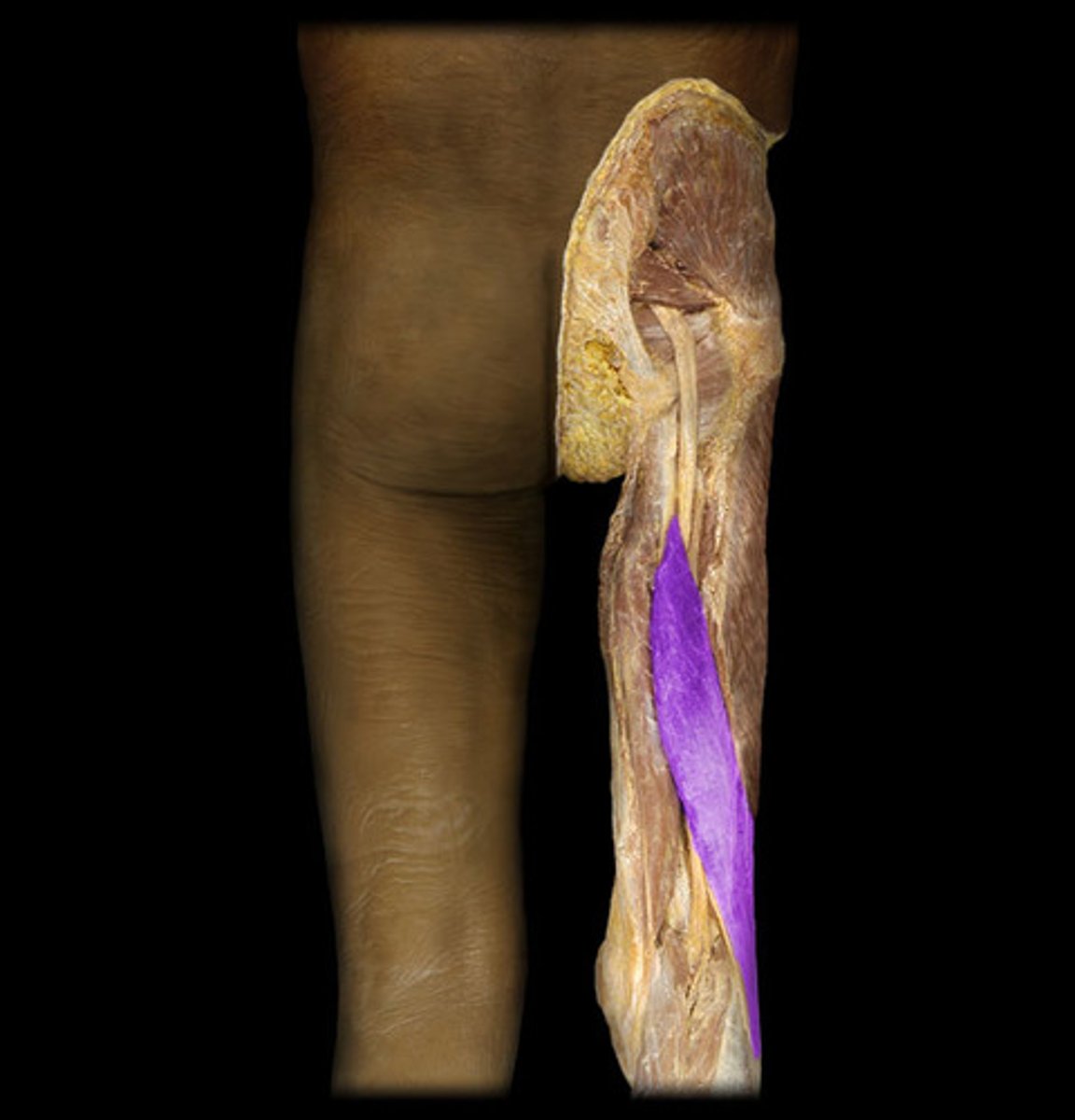
Short Head of Biceps Femoris
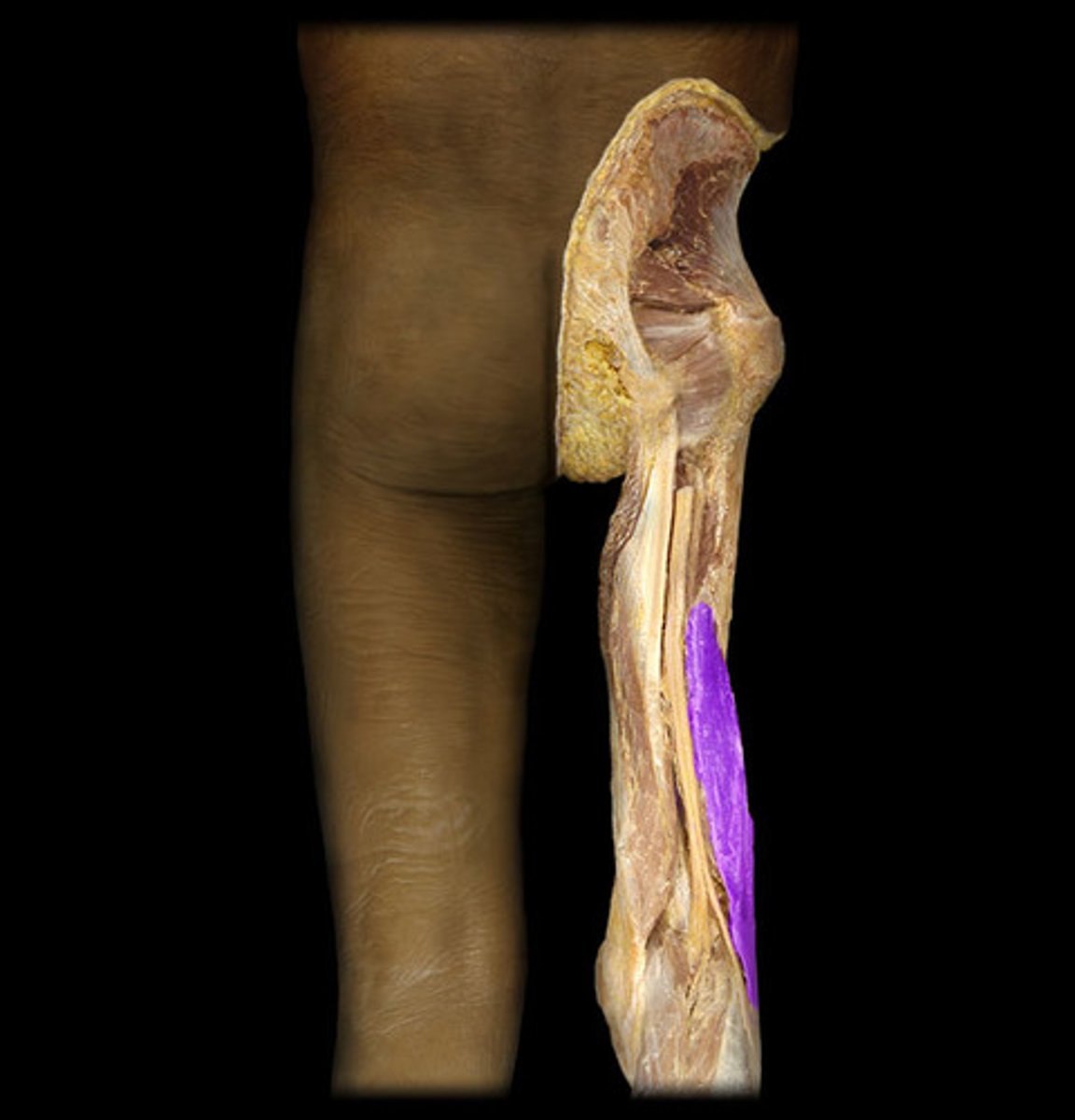
Ischial Tuberosity
Origin of Long head of Biceps Femoris
Femur
Origin of Short Head of Biceps Femoris
Head of Fibula
Insertion of Bicep Femoris
Hip extension, leg flexsion
Action of Bicep Femoris
Common Fibular nerve
Nerve of Short Head of Biceps Femoris
Tibial nerve
Nerve of Long Head of Biceps Femoris
Medial Rotation of tibia
Rotation of Semitendinosus and Semimembranosus in open chain
Lateral rotation of femur
Rotation of Semitendinosus and Semimembranosus in closed chain
Lateral rotation of Tibia
Rotation of Bicep Femoris in open chain
Medial rotation of femur
Rotation of Bicep Femoris in closed chain