Review
0.0(0)
Studied by 1 person Call Kai
 Learn
Learn Practice Test
 Spaced Repetition
 Match
Match Flashcards
 Knowt Play
Card Sorting
1/27

Earn XP
Description and Tags
Last updated 5:37 PM on 10/27/22
Name | Mastery | Learn | Test | Matching | Spaced | Call with Kai | Chat |
|---|
No analytics yet
Send a link to your students to track their progress
28 Terms
1
New cards
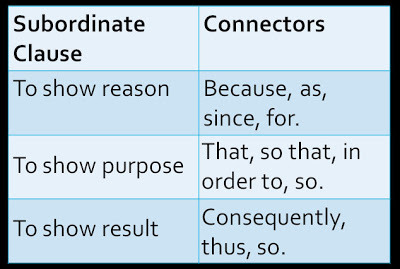
subordinate clause
A clause in a complex sentence that cannot stand alone as a complete sentence and that functions within the sentence as a noun or adjective or adverb
2
New cards
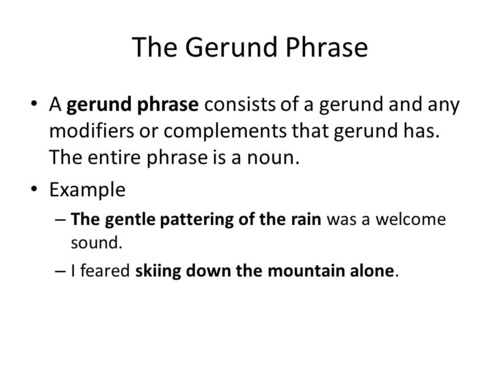
gerund phrase
Begins with noun form of verb ending in -ing, plus any modifiers or complements
3
New cards
Stanzas
groups of lines in a poem
4
New cards
Theme
an underlying message about life or human nature that a writer wants the reader to understand
5
New cards
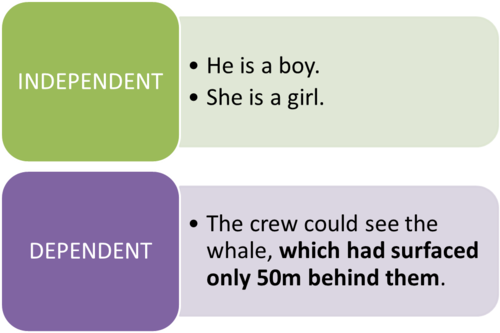
independent clause (main clause)
a clause that may stand on its own and make sense as a complete sentence
6
New cards
dependent clause
A clause in a complex sentence that cannot stand alone as a complete sentence and that functions within the sentence as a noun or adjective or adverb
7
New cards
Diction
the choice and use of words and phrases in speech or writing.
8
New cards
Hyperbole
exaggerated statements or claims not meant to be taken literally.
9
New cards
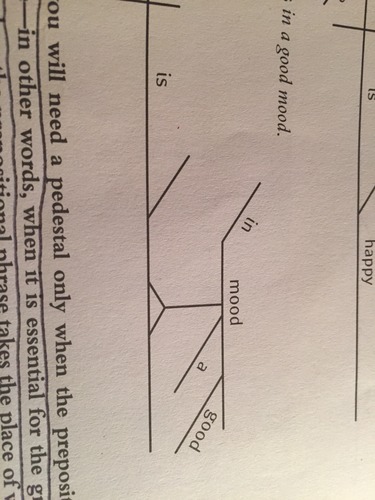
prepositional phrase (PP)
a group of words that includes a preposition and a noun or pronoun
10
New cards
parts of speech
adjectives, adverbs, conjunctions, interjections, nouns, pronouns, prepositions, verbs
11
New cards
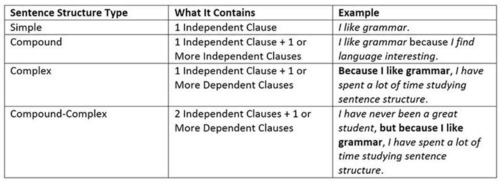
Types of Sentences
simple, compound, complex, compound-complex
12
New cards
author's purpose
The reason the author has for writing
(Inform, persuade, express, & entertain).
(Inform, persuade, express, & entertain).
13
New cards
Verse
A single line of poetry
14
New cards
Symbolism
the use of symbols to represent ideas or qualities
15
New cards
Mood
Feeling or atmosphere that a writer creates for the reader
16
New cards
Tone
A writer's attitude toward his or her subject matter revealed through diction, figurative language, and organization on the sentence and global levels.
17
New cards
Style
the choices a writer makes; the combination of distinctive features of a literary work
18
New cards
Alliteration
the occurrence of the same letter or sound at the beginning of adjacent or closely connected words.
19
New cards
antecedent
The word, phrase, or clause referred to by a pronoun.

20
New cards
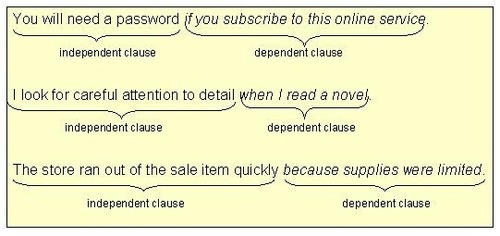
clause
A grammatical unit that contains both a subject and a verb; it is used as part of the sentence. An independent, or main, clause expresses a complete thought and can stand alone as a sentence. A dependent, or subordinate clause, cannot stand alone as a sentence and must be accompanied by an independent clause. The point that you want to consider is the question of what or why the author subordinates one element should also become aware of making effective use of subordination in your own writing.
21
New cards
phrase
a group of words in a sentence that acts as a single part of speech.
22
New cards
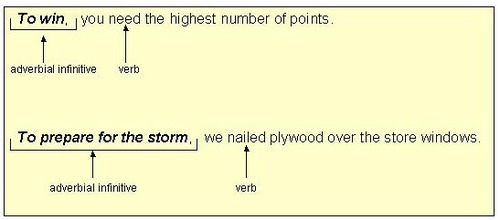
infinitive phrase
Phrases that begin with an infinitive. (to + simple form of the verb)
23
New cards
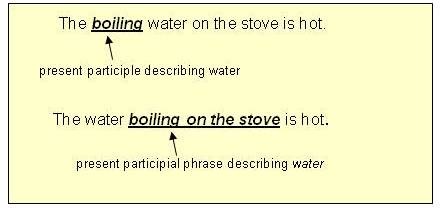
participial phrase
contains a participle and acts as an adjective; examples: They arrested the man DRIVING THE CAR.
24
New cards
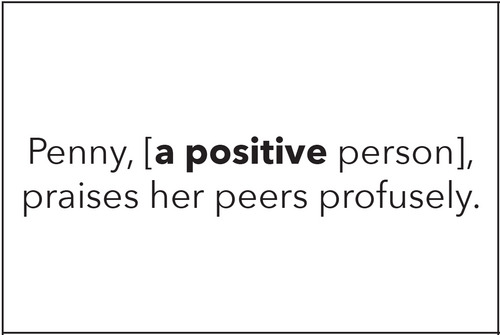
appositive phrase
A group of words that stands next to a noun or pronoun and renames or adds information or details to it.
25
New cards
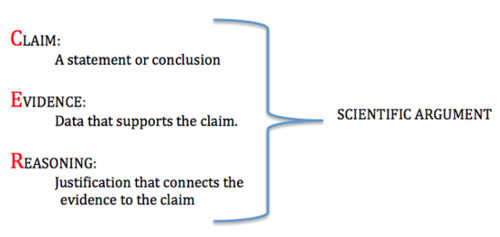
argument
A statement put forth and supported by evidence
26
New cards
Point of View (POV)
the perspective from which a narrative is told
27
New cards
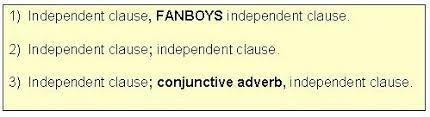
Comma splices and fused sentences
Two independent clauses cannot be joined by a comma, nor can they be smushed together with no punctuation.
28
New cards
Allusion
A reference to a well-known person, place, event, literary work, or work of art