maternal gestational conditions
 Call Kai
 Learn
Learn Practice Test
 Spaced Repetition
 Match
Match Flashcards
 Knowt Play
1/11

There's no tags or description
Looks like no tags are added yet.
Name | Mastery | Learn | Test | Matching | Spaced | Call with Kai | Chat |
|---|
No analytics yet
Send a link to your students to track their progress
12 Terms
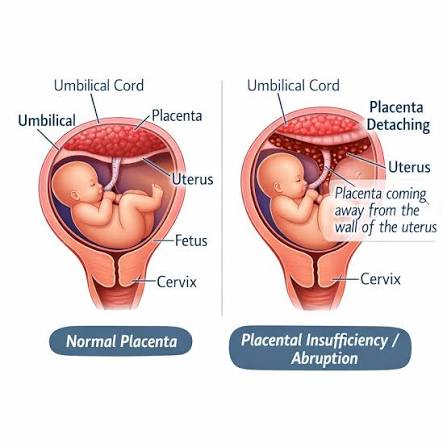
placental insufficiency
A condition in which the placenta does not supply enough oxygen and nutrients to the fetus, which can lead to growth restrictions and other complications during pregnancy.
placental insufficiency is associated with what maternal conditions
high blood pressure, diabetes, blood clotting disorders, Anemia, heart/kidney problems, or smoking and drug use by the mother during pregnancy.
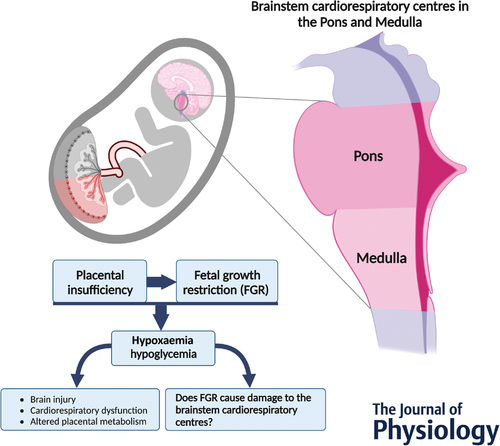
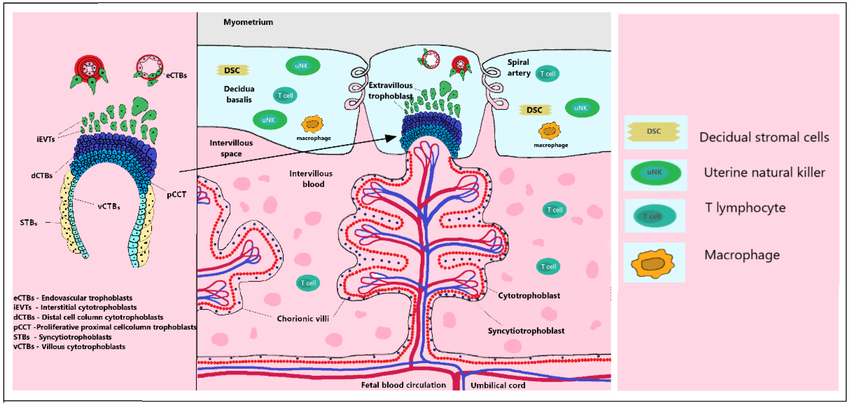
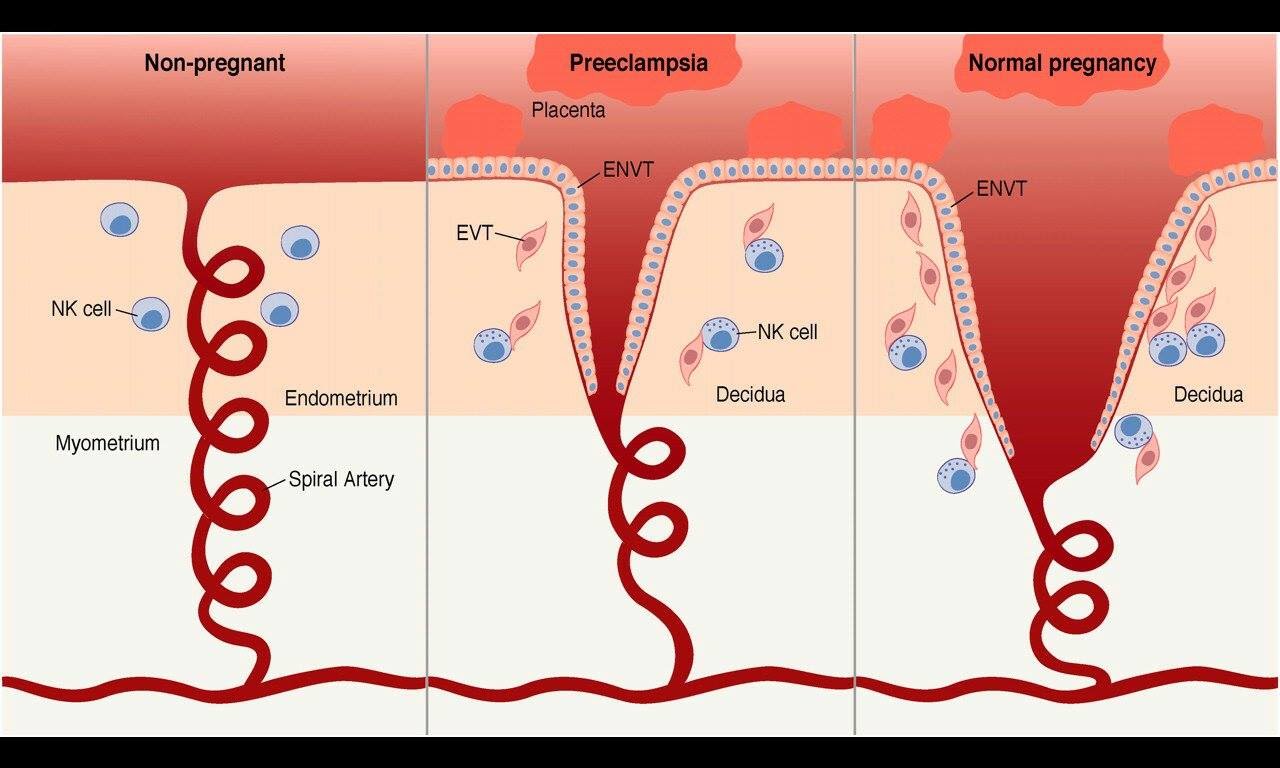
placental insufficiency pathophysiology
defective early-pregnancy remodeling of maternal spiral arteries
→ high resistance blood vessels
reduced uteroplacental perfusion
chronic fetal hypoxia
restricted fetal growth
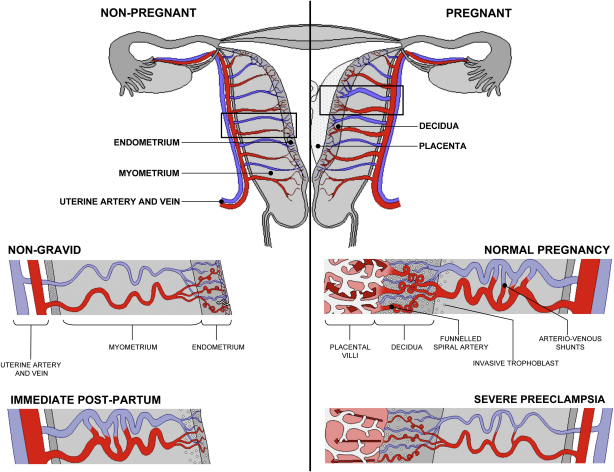
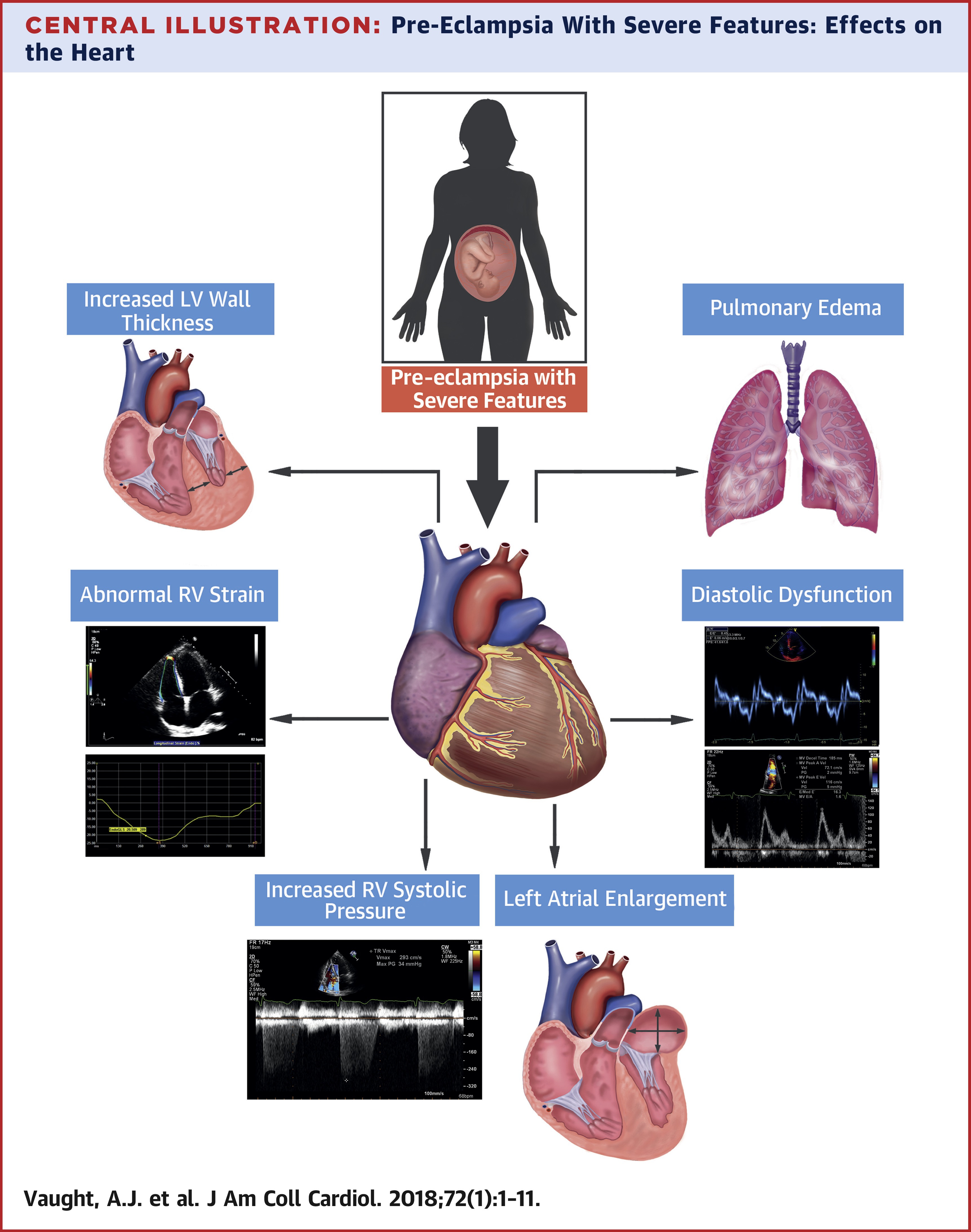
preeclampsia
A pregnancy complication characterized by high blood pressure (140/90) and signs of damage to other organ systems, often the kidneys (proteinuria), typically occurring after the 20th week of gestation.
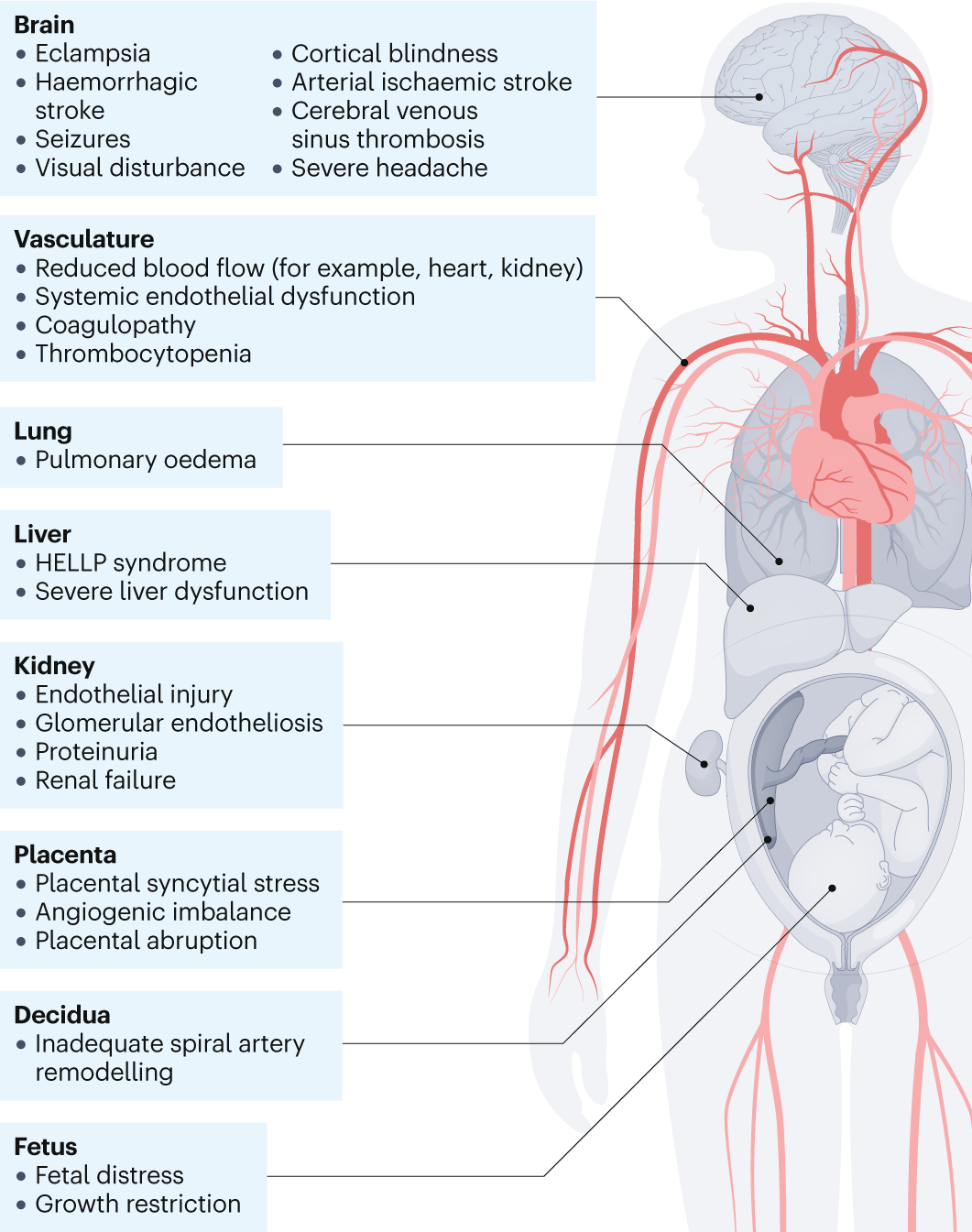
preeclampsia effect on neonate
restricts blood flow to placenta
limits oxygen and nutrients to fetus
strong link to IUGR
low amniotic fluid
placental abruption
preterm birth increased risk
preterm baby may have underdeveloped lungs and respiratory problems
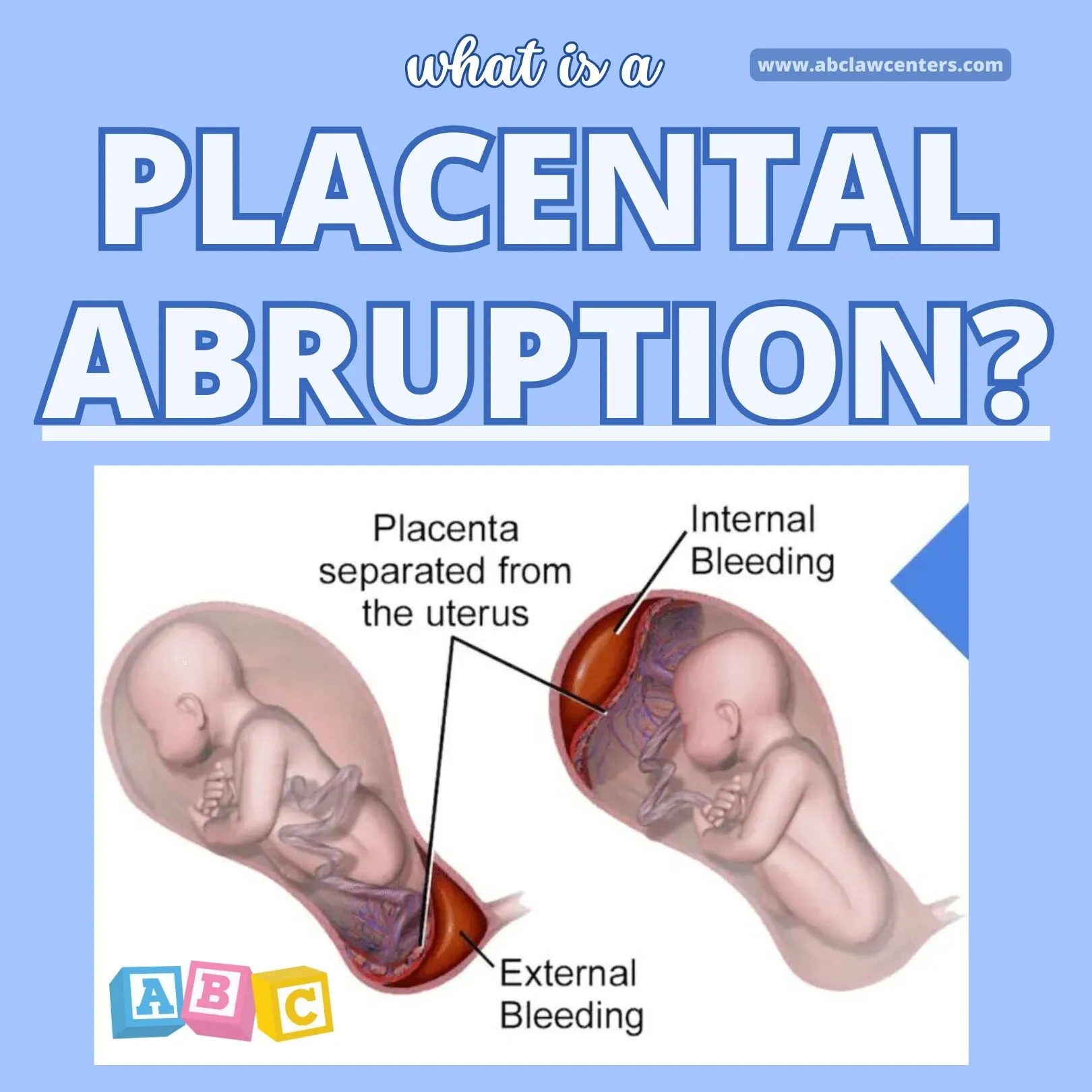
placental abruption
A serious pregnancy complication where the placenta detaches from the uterus before delivery, leading to heavy bleeding and potential harm to both mother and baby.
eclampsia
A severe complication of preeclampsia characterized by the onset of seizures or convulsions in a pregnant woman, posing serious risks to both the mother and fetus.
typically develops after 20 weeks of gestation or in the postpartum period
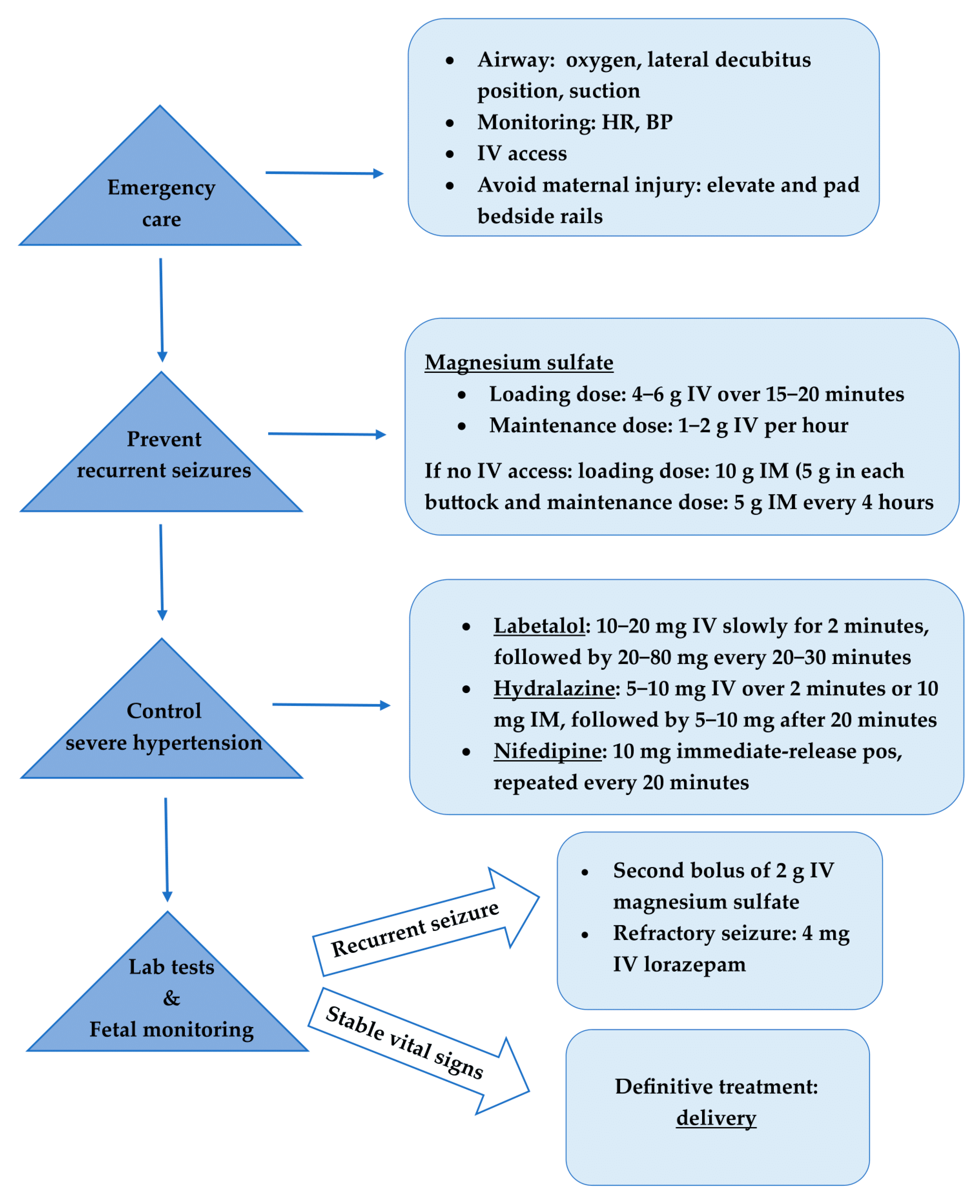
drug of choice for preventing and treating seizures in preeclampsia and eclampsia
Magnesium sulfate
beyond preventing maternal seizures what protective function does magnesium sulfate play regarding the fetus
fetal neuroprotection: If preterm delivery is anticipated before about 32 weeks' gestation, magnesium sulfate may also be given before delivery because it reduces the risk of cerebral palsy in surviving preterm infants
typical dosing and timing of magnesium sulfate
Loading dose given antenatally: 4–6 g IV over 20–30 minutes
Maintenance infusion: 1–2 g/hour IV
Continued for 24 hours after delivery or 24 hours after the last seizure.
relevance of magnesium sulfate administration to mom
concern for fetal hypermagenesemia
exposure times to magnesium sulfate and fetal transfer
30–60 minutes of exposure: Some fetal magnesium transfer.
Several hours: More transfer.
>24 hours: Higher neonatal magnesium levels, with a greater chance of transient hypotonia, respiratory depression, or delayed feeding tolerance