BIO150: 1. Introduction, Cell Biology, Factors Affecting Microbial Growth
 Call Kai
 Learn
Learn Practice Test
 Spaced Repetition
 Match
Match Flashcards
 Knowt Play
1/20

There's no tags or description
Looks like no tags are added yet.
Name | Mastery | Learn | Test | Matching | Spaced | Call with Kai | Chat |
|---|
No analytics yet
Send a link to your students to track their progress
21 Terms
Science
systematic way of asking questions and investigating them objectively, consistently, reproducibly, numerically, to best dispel ignorance
Dependent Variable (DV)
relates to observations/questions; what is measured/the data collected; effect
Independent Variable (IV)
relates to the hypothesis; what is being changed /tested by the scientist via manipulation; cause
Hypothesis
proposed, specific explanation to address the question
Microorganism
an organism of microscopic size, which may exist in its single-celled form or as a colony of cells; loosely defined as science evolves
Saphrophyes
heterotrophic organisms that obtain their nutrients by breaking down dead or decaying organic matter
Fungi
eukaryotic, best saprophytes in the five kingdoms; includes molds, mushrooms, yeasts
Filamentous Mold
type of fungi characterized by their thread-like structures known as hypha; able to extend filaments (tiny limbs) into decaying matter
Fruiting Body
a structure that houses the spores for reproduction
Venomous
property of an animal that bites or stings to cause harm
Poisonous
property of an animal that causes harm when ingested or touched
Metabolism
the mechanism by which living things processes its environment to create its vital energy
Genome
all of a living organism’s genetic material
Histones
structural proteins present in eukaryotic cells that help compact and organize DNA, analogous to a thread spool
Plasmids
extrachromosomal (not attached to the main chromosome) extra pieces of circular DNA floating about in the cytoplasm that replicate independently
Conjugation
transfer of plasmid DNA from one cell to another using a pilus
Pilus
physical structure that forms between two cells during conjugation to trade plasmids
Histoplasma
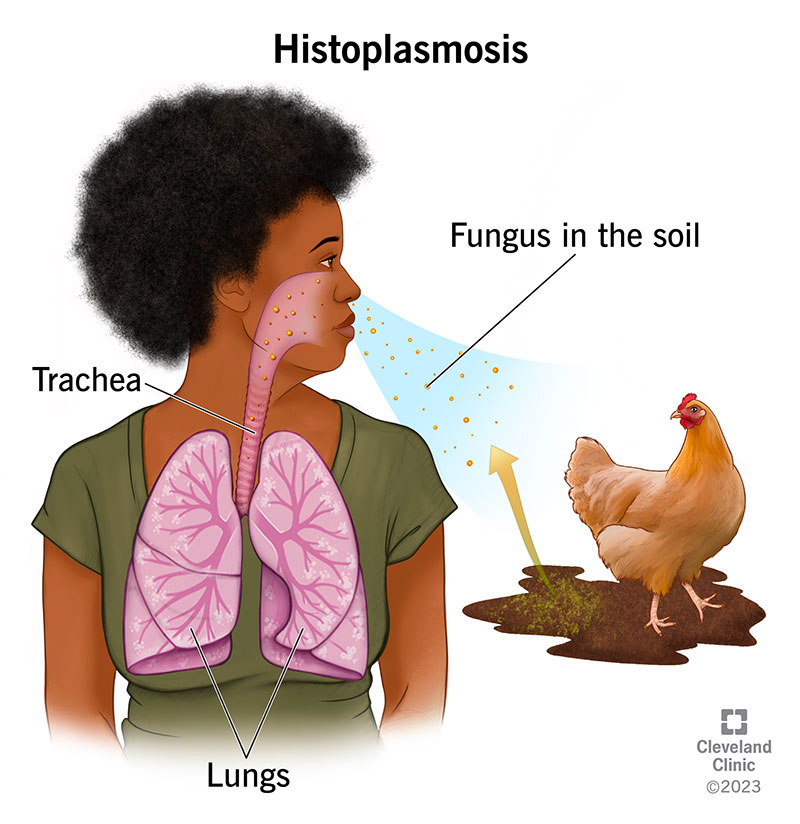
a fungus (specifically, a mold) that causes histoplasmosis, a fungal infection of the lungs caused by inhalation of the spores
Candida
a fungus (specifically, a yeast) that the is most common cause of fungal infections (Candidiasis) worldwide and the largest genus of medically important yeasts

Entamoeba
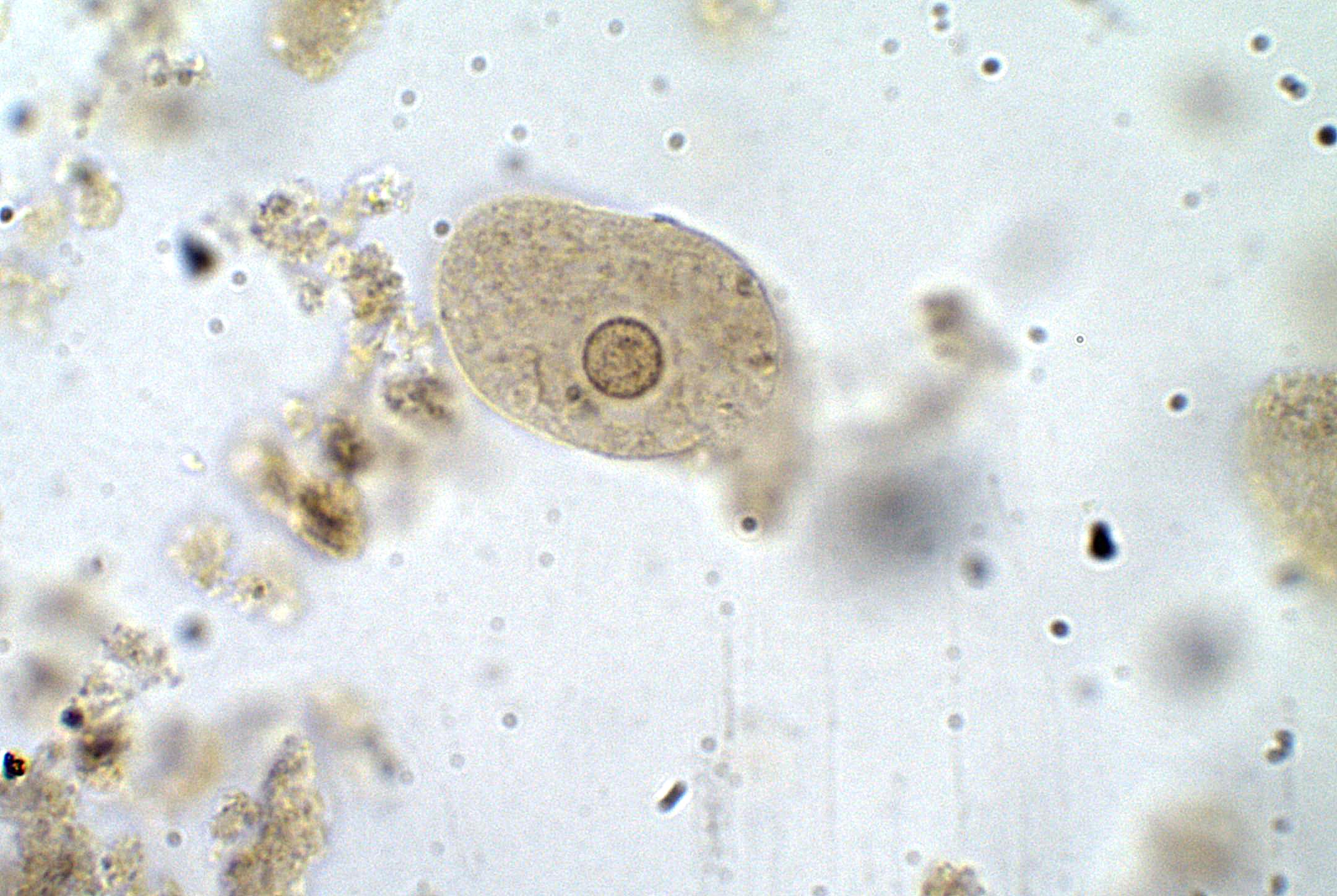
a protista (specifically, a protozoa) that causes a parasitic infection when consumed from a contaminated water source; causes diarrhea