DOUMA LECTURE 1
 Call Kai
 Learn
Learn Practice Test
 Spaced Repetition
 Match
Match Flashcards
 Knowt Play
1/91

There's no tags or description
Looks like no tags are added yet.
Name | Mastery | Learn | Test | Matching | Spaced | Call with Kai | Chat |
|---|
No analytics yet
Send a link to your students to track their progress
92 Terms
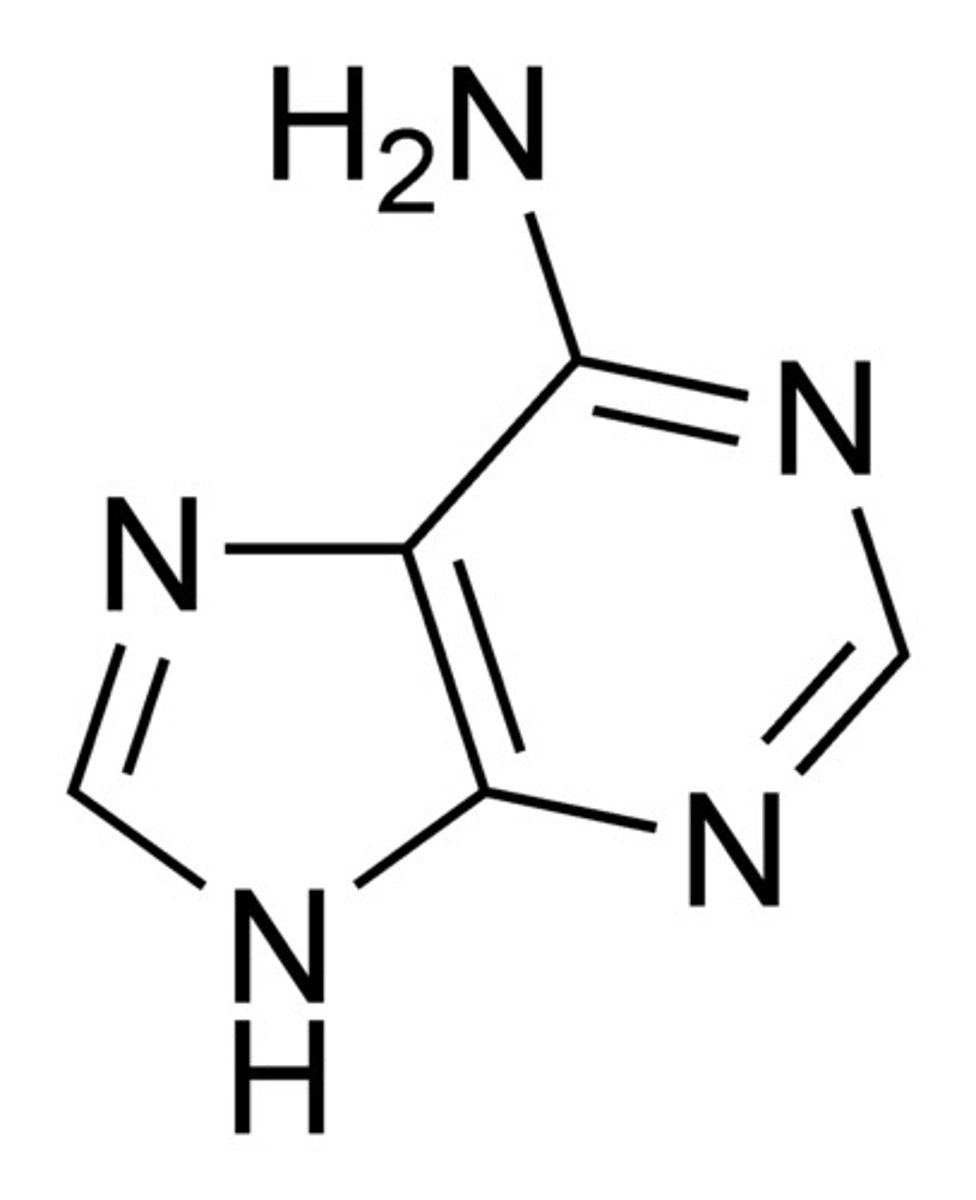
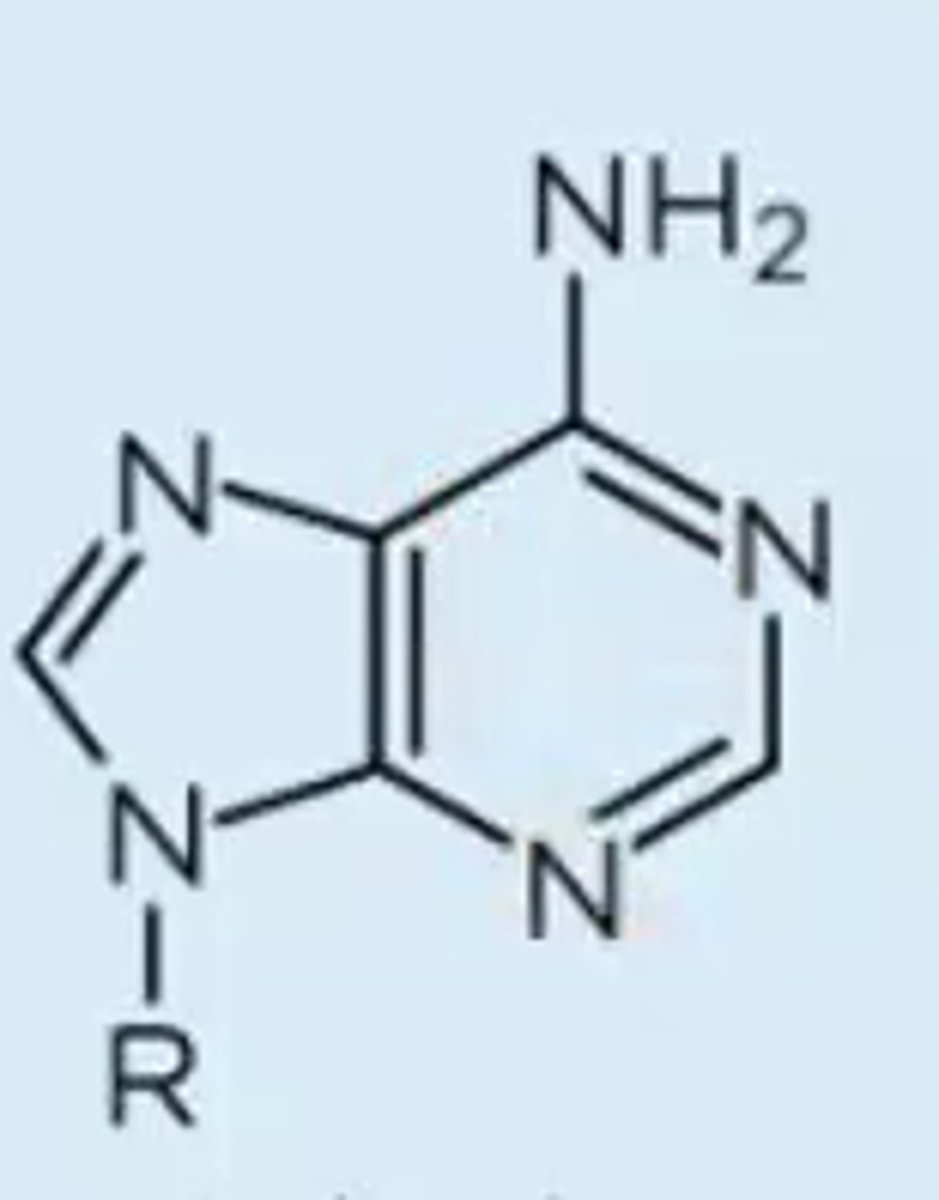
Adenine
make aromatic ring, add amino group, strair case N on both sides
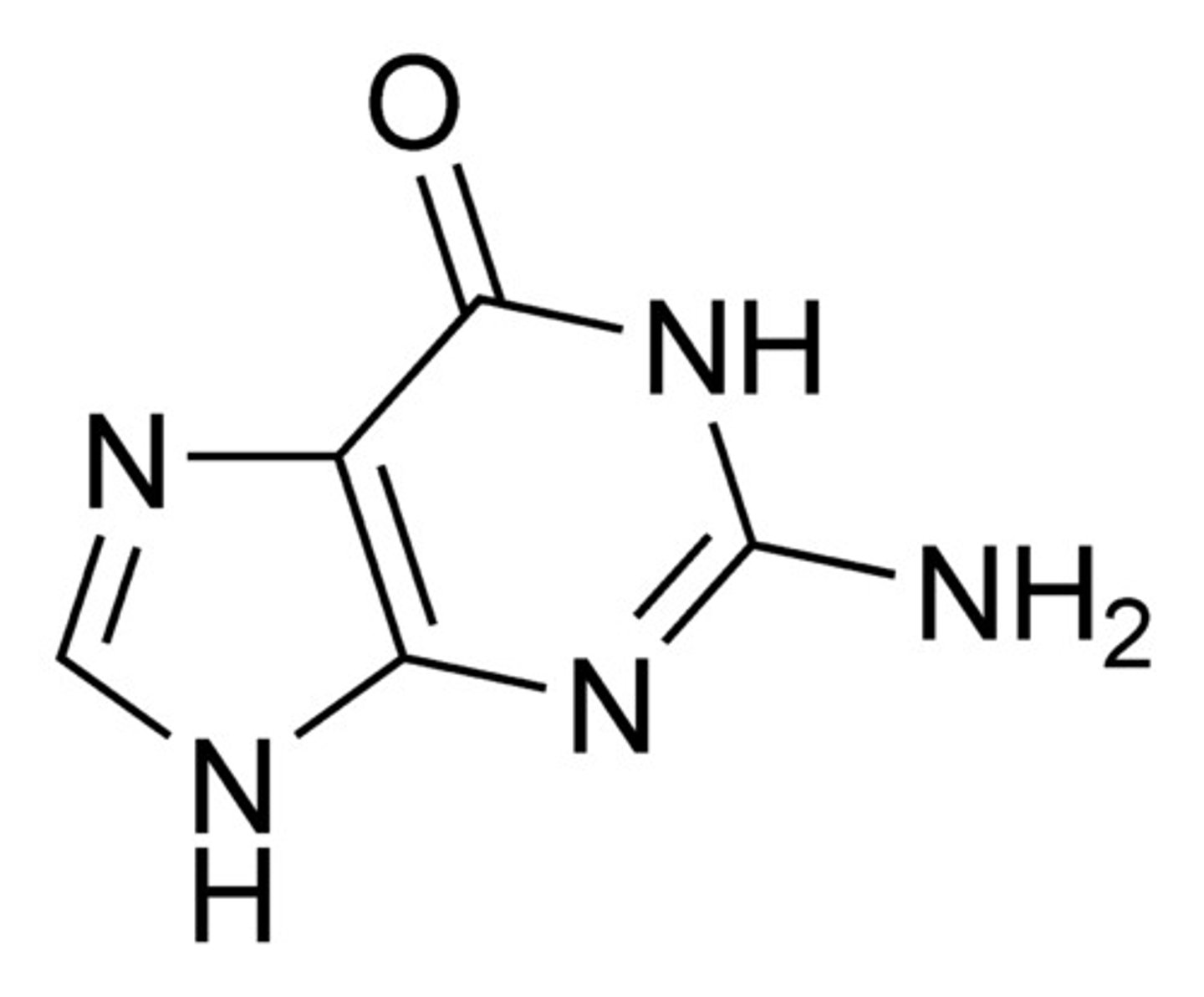
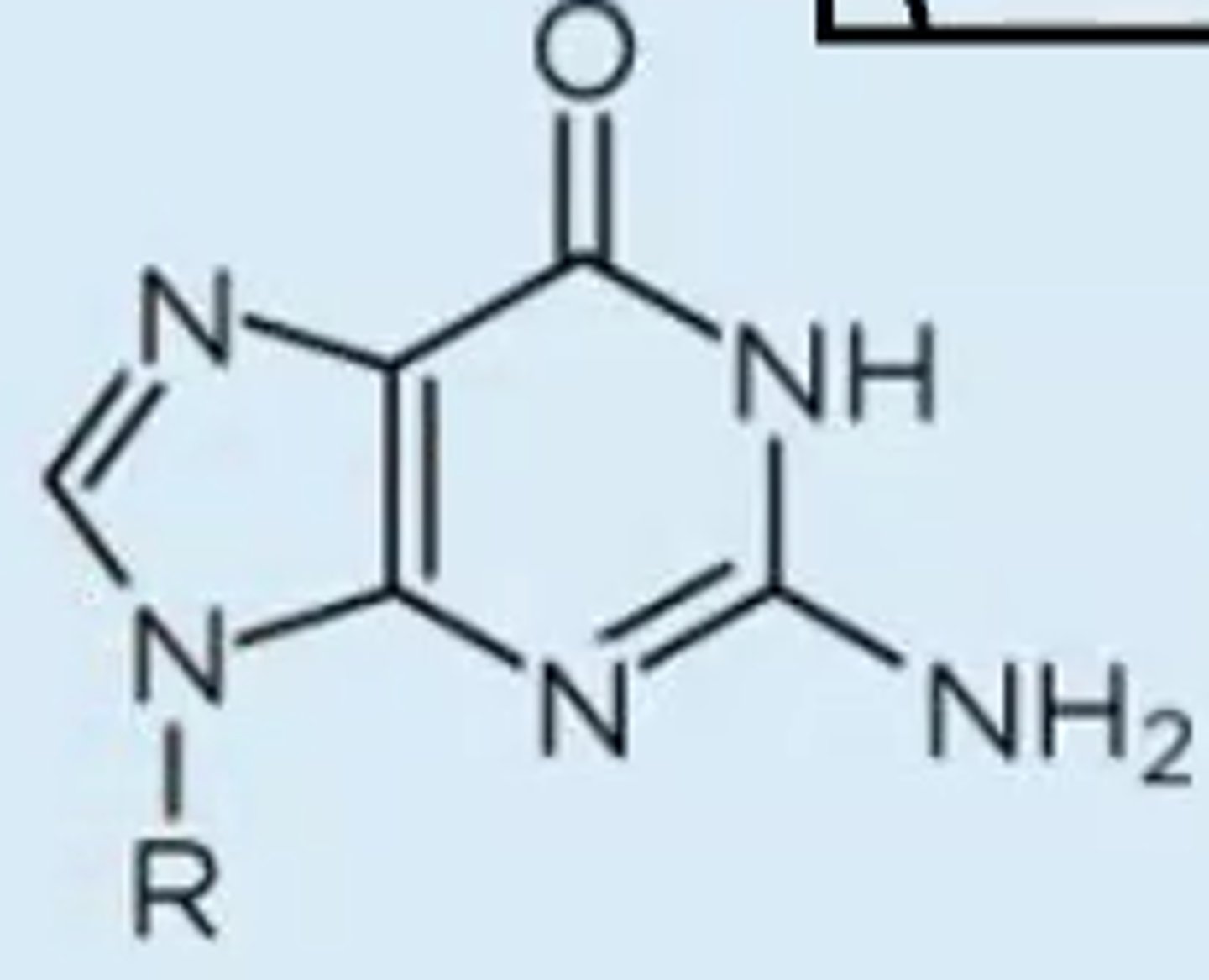
Guanine
draw benzene
add ncn to the left
stair case N
c=0 on top
Amino group in middle of N so u get triple N still.
also triple n in adenine too!
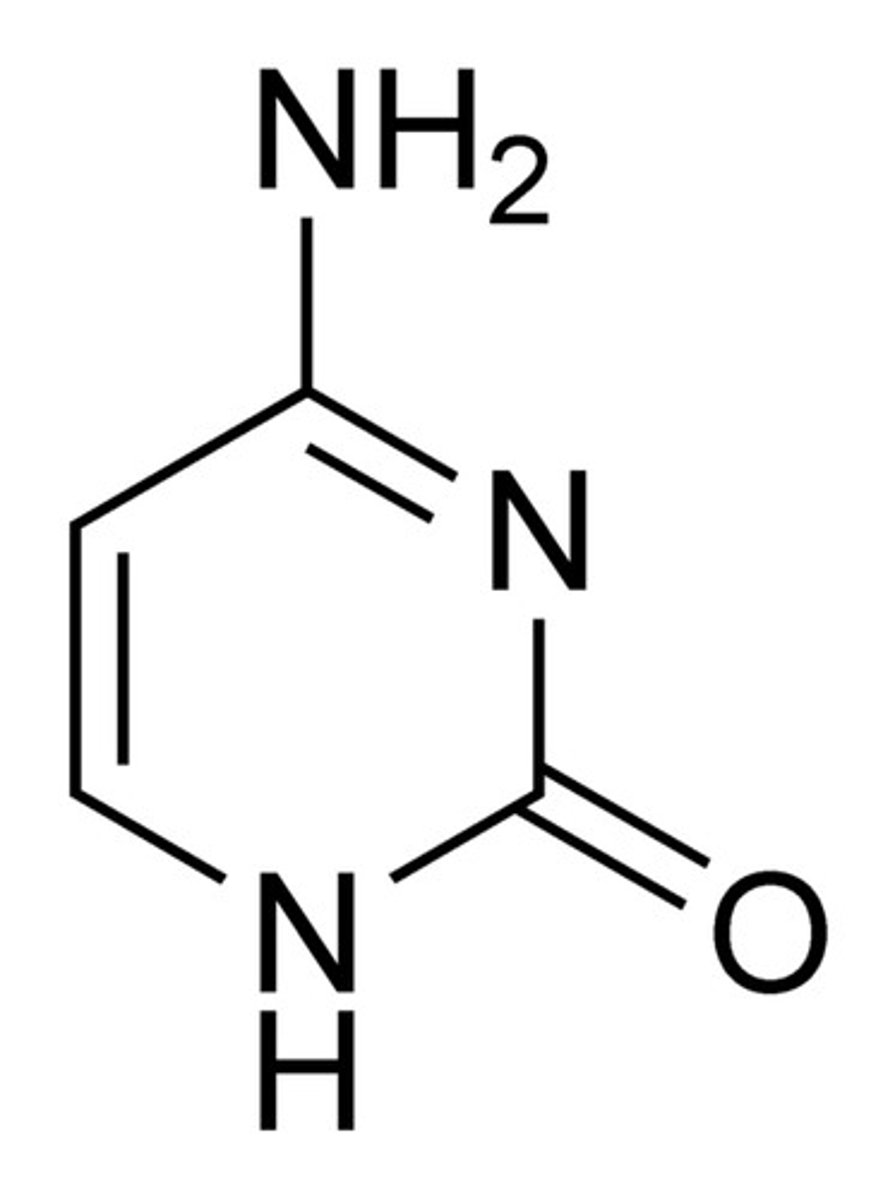
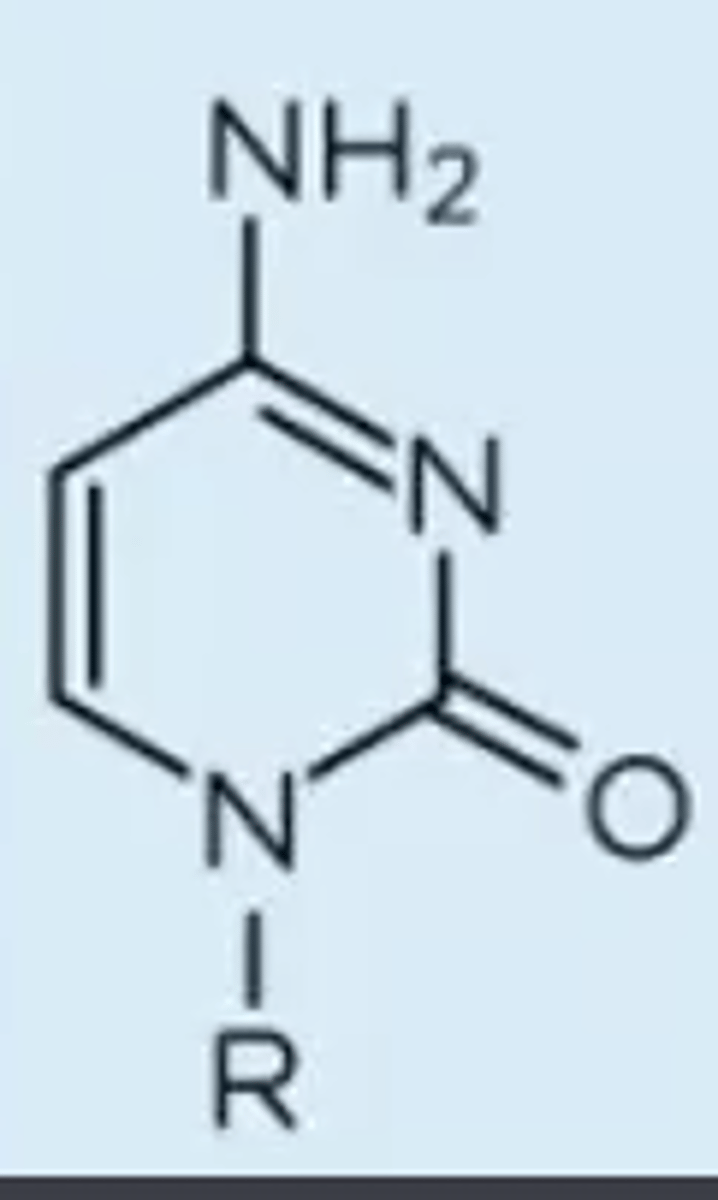
Cytosine
amino group is on top, just like adenine. all pyrimidines have c=0
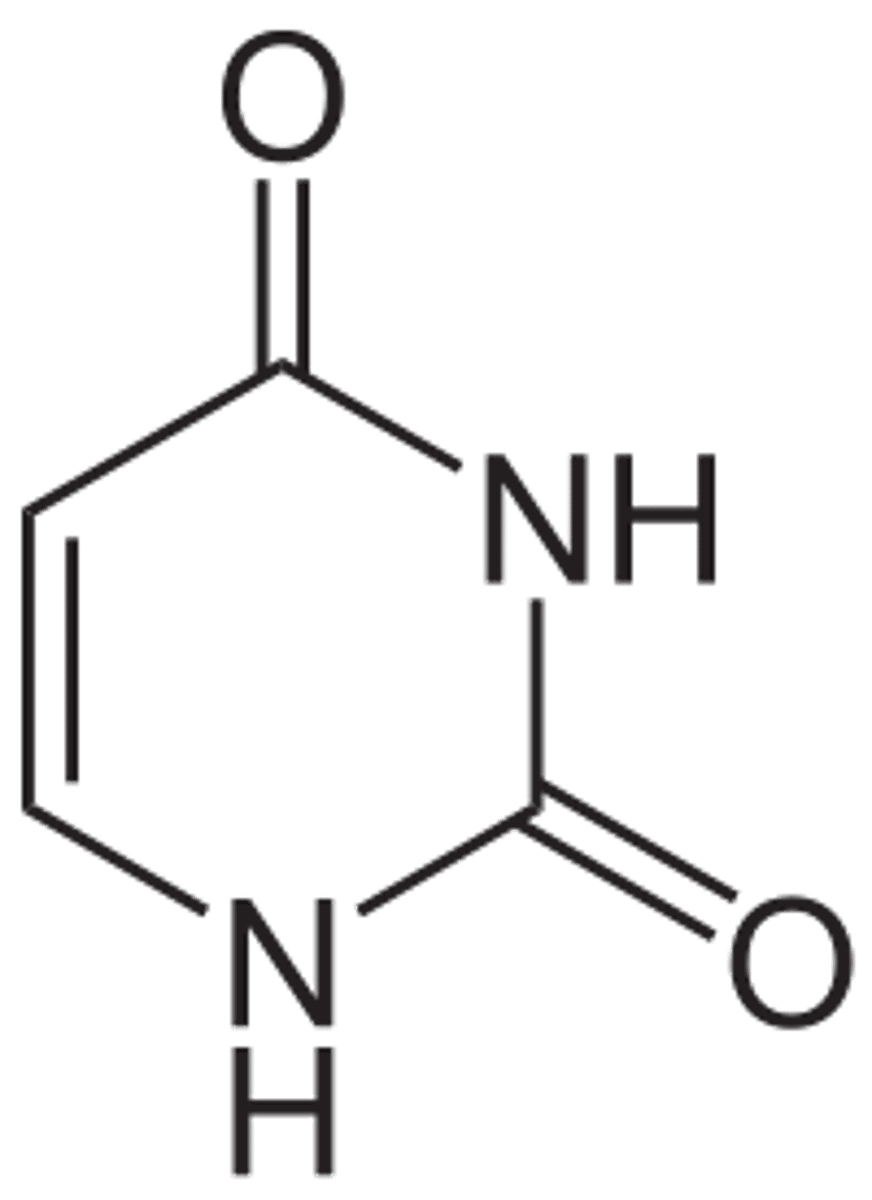
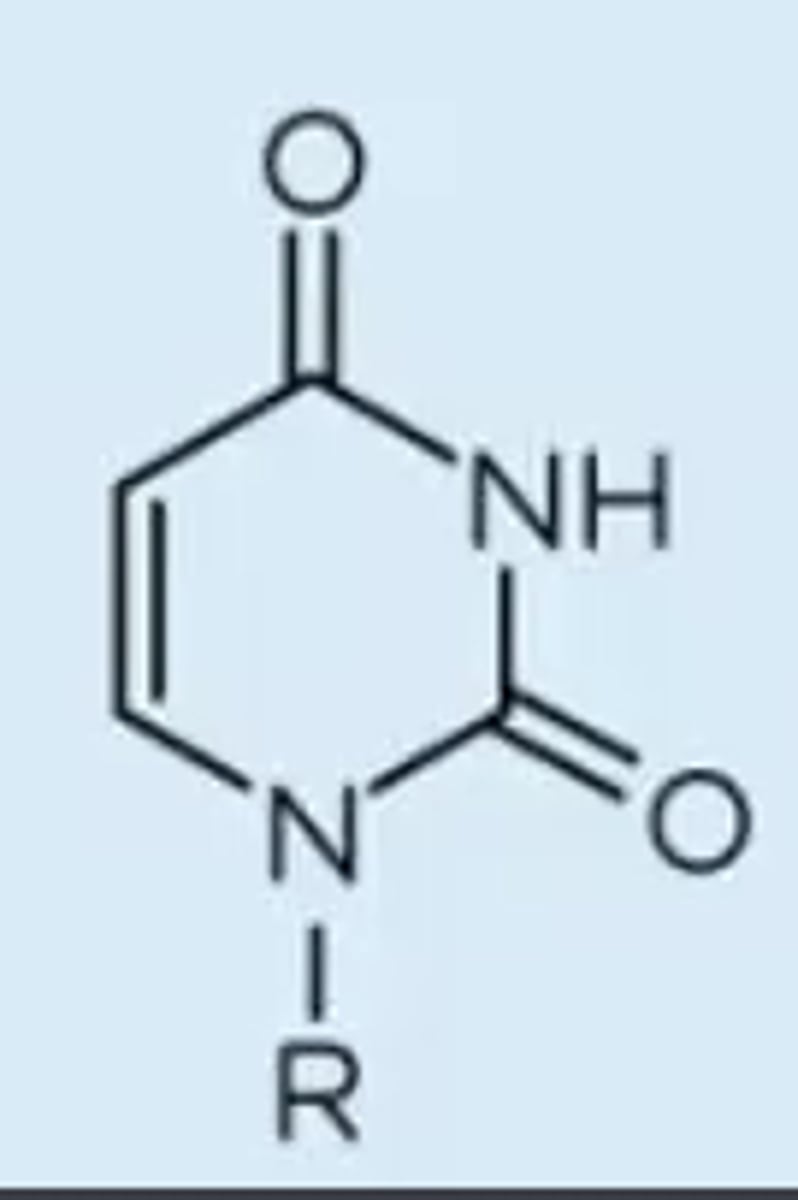
Uracil
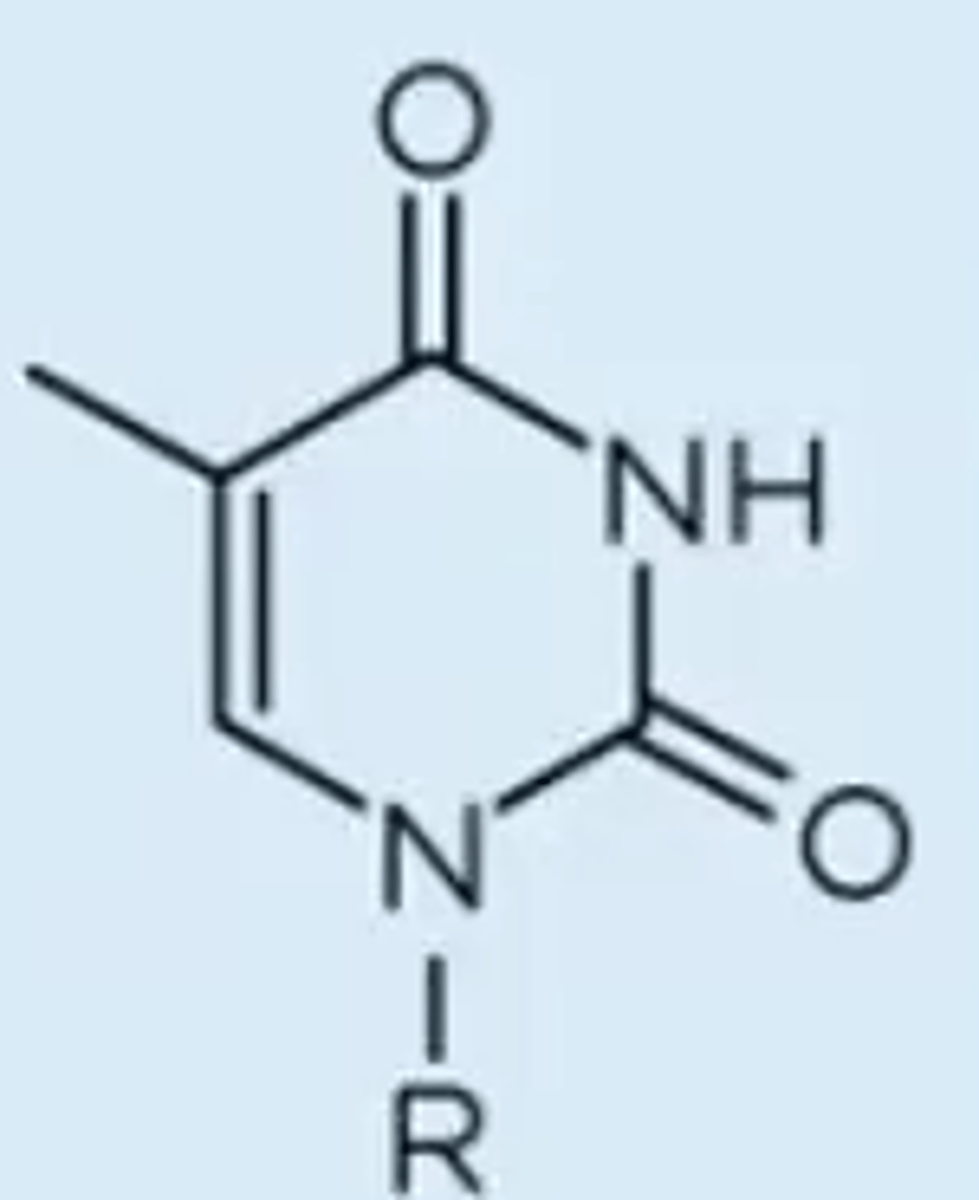
Thymine
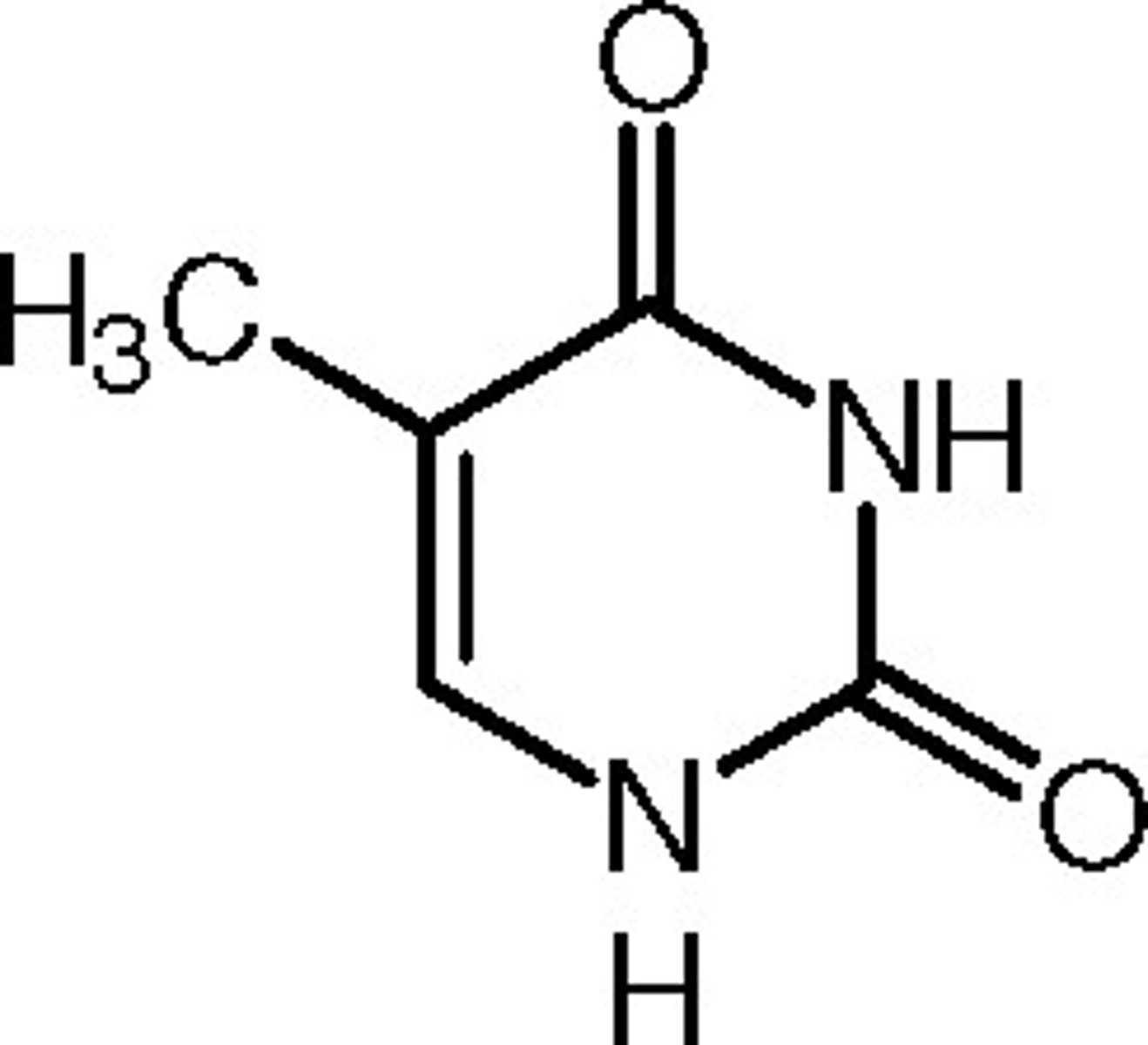
Nitrogenous Bases in DNA and RNA
Adenine, Guanine, Cytosine, and Thymine (DNA); Uracil replaces Thymine in RNA. Purines (A, G) have double rings; Pyrimidines (C, T, U) have single rings.
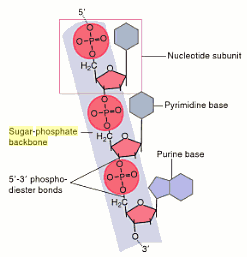
Repeating Units of DNA
2'-deoxyribonucleoside 5'-monophosphates (dNMPs) are the monomers of DNA.
Structure of a Nucleotide
Each nucleotide has a sugar, phosphate group, and nitrogenous base.
Directionality of DNA and RNA
Sequences are written 5' to 3', from the free 5' phosphate to the 3' hydroxyl.
DNA Backbone
Alternating sugar and phosphate groups forming the outer structure of the DNA helix.
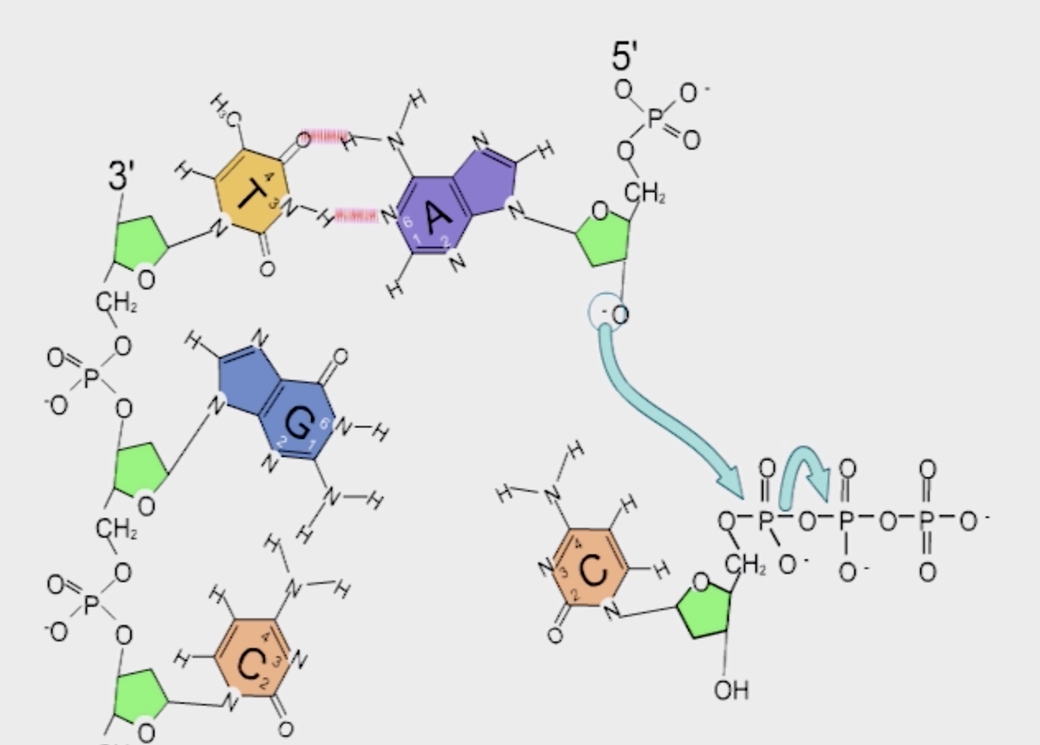
Hydrogen Bonding and Base Pairing
A pairs with T via 2 H-bonds; G pairs with C via 3 H-bonds, allowing strand separation.
Base Stacking
Hydrophobic interactions between bases that stabilize the DNA helix.
Melting Temperature (Tm)
The temperature at which DNA is 50% denatured; higher in GC-rich sequences.
Denaturing and Annealing DNA
Denaturing separates strands by breaking H-bonds; annealing reforms them if complementary.
Main Characteristics of B-DNA
Right-handed helix; 10.5 base pairs per turn; major and minor grooves; bases stacked inside.
Major Groove vs Minor Groove
Major groove exposes bases for protein binding; minor groove is narrower.
Definition of DNA
Deoxyribonucleic acid; a double-stranded polymer carrying the genetic blueprint.
Central Dogma of Molecular Biology
Describes flow of information: DNA replication, transcription into RNA, and translation into protein.
Purpose of DNA Replication
To duplicate DNA for inheritance by daughter cells.
Purpose of Transcription
To produce RNA as a temporary working copy of genetic information.
Purpose of Translation
To synthesize proteins using information carried by mRNA.
Reverse Transcription
Synthesis of DNA from an RNA template by specific enzymes.
Key Features of Prokaryotic Cells
DNA located in cytoplasm; no nucleus.
Key Features of Eukaryotic Cells
DNA housed inside the nucleus.
Bacterial Transformation
Uptake of external DNA by a bacterial cell, changing its characteristics.
Streptococcus pneumoniae
Bacteria used in Avery's experiment to identify DNA as genetic material.
Smooth Cells (S cells) vs Rough Cells (R cells)
S cells have a protective capsule (polysaccharides) (virulent); R cells lack it (non-virulent).
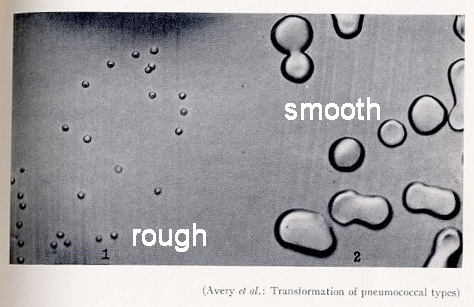
Cell-free Extract
Lysed cell contents used in transformation experiments.
Purpose and Findings of Avery's Experiment
DNA was identified as the genetic material because DNase destroyed transformation ability.
Polynucleotide
A polymer of many nucleotides linked by phosphodiester bonds.
dont mix up with polynucleotide
Nucleotides and nucleosides are fundamental components of nucleic acids (DNA/RNA), differing primarily by a phosphate group.
A nucleoside contains only a nitrogenous base and a sugar.
A nucleotide consists of a nucleoside plus one or more phosphate groups, making them the active, structural monomers of DNA/RNA and carriers of cellular energy (e.g., ATP).
Phosphodiester Bond
Covalent bond between the 3' OH of one nucleotide and the 5' phosphate of another.
Chargaff's Rules
A=T, G=C
Base comp. varies between species
Base comp. is the same in different cell types
Base comp. does not change with age or environment
Significance of Rosalind Franklin's Photo 51
Provided key evidence of DNA's double helical structure and periodicity.
Antiparallel Orientation of DNA Strands
Two DNA strands run in opposite directions (5'->3' and 3'->5'). DNA is antiparallel (one strand 5'→3', the other 3'→5') primarily to maximize stability through hydrogen bonding between base pairs and to allow enzymes to replicate and transcribe it efficiently.
Definition of Gene
DNA sequence encoding a functional RNA or protein with regulatory elements.
Definition of Genome
Complete set of genetic material in an organism (e.g., 46 chromosomes in humans).
Central Dogma
DNA-transcription-RNA-translation-protein
where is DNA stored in prokaryotes?
cytoplasm/nucleoid
where is DNA stored in eukaryotes?
nucleus
role of smooth streptococcus pneumoniae cells:
produce a polysaccharide capsule
what differentiates rough cells of streptococcus pneumoniae from smooth cells?
they do not produce a polysaccharide capsule (because they lack the genetic info to make it)
which strain of streptococcus pneumoniae causes pneumonia in humans & why?
smooth cells because they produce a polysaccharide capsule that protects it from the immune response of the host
define bacterial transformation:
external DNA is taken up by a bacterial cell
which two types of cell characteristics can bacterial transformation change?
morphology & physiology (structure + function)
define cell-free extract:
the mixture of the contents of a dead cell that open into the environment surrounding the dead cell
Avery's Bacterial Transformation Experiment
Oswald Avery heated smooth streptococcus pneumoniae (S) cells to kill them, causing them to release cell-free extract that was then mixed with rough streptococcus pneumoniae cells (R) which took up the S cell-free extract transforming them into S cells
what were the results of adding an enzyme that degrades one type of macromolecule to the S cell-free extract in Avery's Bacterial Transformation experiment? describe results for:
1. proteinase
2. RNase (ribonuclease)
3. DNase (deoxyribonuclease)
1. R cell transformed into S cell
2. R cell transformed into S cell
3. R cell did not transform into S cell

what were the implications of the results of Avery's Bacterial Cell Transformation Experiment?
suggested that DNA is the genetic info of the cell
what are the 5 bases seen in DNA & RNA? which are purines and which are pyrimidines?
1. adenine - purine
2. guanine - purine
3. cytosine - pyrimidine
4. uracil - pyrimidine
5. thymine - pyrimidine
pyrimidines = CUT
structure of adenine
purine with one NH2 substituent; lacks carbonyl substituent unlike the other purine in DNA & RNA, guanine
structure of guanine
purine with one carbonyl substituent and one carbonyl substituent
structure of cytosine
pyrimidine with one carbonyl substituent & one NH2 substituent; only pyrimidine seen in DNA & RNA with two double bonds within its ring (NH 2 ON TOP LIKE ADENINE)
structure of uracil
pyrimidine with two carbonyl substituents
structure of thymine
pyrimidine with two carbonyl substituents & a methyl group substituent; looks the same as uracil but with a methyl substituent & is only base with a methyl substituent
what are the 3 structural components of a nucleotide?
1. nitrogenous base (1)
2. pentose (1)
3. phosphate (1 or more)
what is the name of a nucleoside + one or more phosphate(s)?
nucleotide
what are the structural components of a nucleoside?
a nitrogenous base & pentose
what kind of bond connects pentose to a nitrogenous base?
glycosidic (covalent) bond
what are Erwin Chargaff's 4 rules?
1. DNA has equal concentrations of A=T & of G=C
2. base composition (%) varies between species
3. base composition is the same in all cells of an individual organism
4. base composition does not change with age, nutrition, or environment
what is the significance of Rosalind Franklin's Photo 51?
showed that DNA is helical with a consistent diameter from an X-ray diffracted image of a hydrated DNA molecule allowing Watson & Crick to determine the structure of DNA
what is the repeating unit of DNA?
2'-deoxyribonucleoside 5'-monophosphates (dNMP)
describe the orientation of the two unbranched chains that make up the DNA double helix?
chains run antiparallel
what kind of bond connects each nucleotide within a single chain (vertical)?
phosphodiester linkage (phosphodiester linkages form all bonds in DNA/RNA involving sugar; such as between pentose & phosphate, and pentose & nitrogen bases)
what kind of bonds link nitrogen bases/DNA chains in a double helix? what is this bonding also referred to as?
hydrogen bonds, "Watson-Crick-Franklin" base pairing
1. how many hydrogen bonds form between A & T?
2. how many hydrogen bonds form between G & C?
3. what does this tell us about the stability of the base pair interactions?
1. A & T = 2 bonds
2. G & C = 3 bonds
3. therefore, the interactions between G & C are stronger than the interactions between A & T
how do we read DNA & RNA sequences?
from 5'→3' along each strand Two different contexts: 1. 🧬 What enzymes do (mechanism)
DNA polymerase → reads template 3′ → 5′
RNA polymerase → reads template 3′ → 5′
New strand made 5′ → 3′
2. 📖 How humans write/read sequences
We always write DNA sequences 5′ → 3′
The coding strand is written 5′ → 3′ and matches RNA (T → U)
what is the difference between ribose sugars and deoxyribose sugars?
ribose sugars have a 2' hydroxyl group (OH) whereas deoxyribose sugars have a 2' hydrogen group (H)
nucleotides making up each strand of DNA are connected through what type of interactions?
covalent interactions
from exterior to interior, what is the sequence of subunits making up DNA chains?
phosphate → deoxyribose → nitrogenous base
what does denaturing DNA do?
separates strands (usually done in lab by heating)
what does it mean for DNA to anneal?
complementary single strands come together via base pairing (can occur in lab after denaturing if solution is cooled to standard temperature)
what drives DNA annealing?
nothing; no energy or catalyst is required, hydrogen bonds will form between base pairs under standard conditions
>99% of DNA in living cells exists in what conformation? what kind of helix is this form?
B-DNA (hydrated form); right-handed helix
base pairs are exposed in B-DNA in which structural characteristic(s)?
major & minor grooves
how do base pairs lay in B-DNA?
flat & perpendicular to the axis/backbone (planar)
are the hydrophobic portions of bases in B-DNA found on the interior or exterior?
interior (because B-DNA is surrounded by water)
which conformation of DNA is the best structural model of double-stranded RNA & RNA-DNA hybrid molecules?
A-DNA (dehydrated)
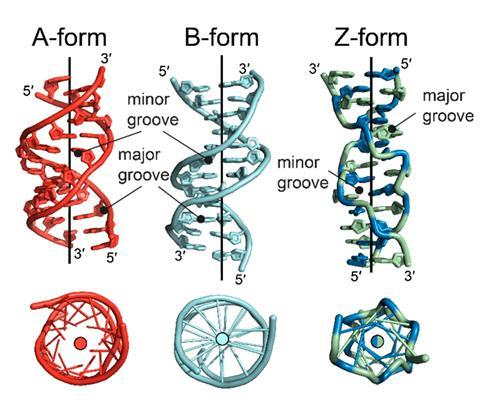
what is the name of the dehydrated DNA conformation?
A-DNA
what is unique about the structure of Z-DNA? why is it called Z-DNA?
it is a left-handed helix and the letter Z refers to its "zigzagging" sugar-phosphate backbone
what is the composition of the backbone of DNA?
deoxyribose sugar and phosphate
Z-DNA is found in <1% of cellular DNA; in what regions is it most likely to be found and why?
regions with high G-C content because the extra hydrogen bonding allows the conformation to exist
what are 2 ways in which RNA differs structurally from DNA?
1. ribose sugar-phosphate backbone (still on 2' sugar like in DNA)
2. thymine (T) is replaced with uracil (U)
what kind of interactions allow RNA to form a helical structure?
base-stacking interactions
because of its helical structure, RNA can base pair with complementary regions of which two molecules?
DNA or RNA
under what conditions is G-U base pairing allowed to occur?
when RNA pairs to itself or to another RNA molecule
how are complex secondary & tertiary structures formed from RNA?
by internal base pairing within an RNA strand
what kind of RNA structure can function as an enzyme?
tertiary
what do genes contain?
DNA encoding an fRNA (functional RNA) or protein & regulatory elements that control its expression
regardless of the structure or shape of a species' genome, what is always true regarding the position of its genes?
genes are always in a fixed position relative to one another in all organisms of a species (unless there is a mutation)
define chromatin:
chromosomal material in a cell consisting of DNA & (in eukaryotes) the proteins bound to the DNA
what is the repeating unit in chromatin called?
nucleosome
what is the most abundant protein in eukaryotic chromatin?
histones