8/21 - Canine Cardiomyopathy Continued
 Call Kai
 Learn
Learn Practice Test
 Spaced Repetition
 Match
Match Flashcards
 Knowt Play
1/29

There's no tags or description
Looks like no tags are added yet.
Name | Mastery | Learn | Test | Matching | Spaced | Call with Kai | Chat |
|---|
No analytics yet
Send a link to your students to track their progress
30 Terms
Dilated
What type of cardiomyopathy can be primary or secondary and is most common in large and giant breed dogs? It is characterized by poor contractility, weakness, syncope, and arrhythmias. It is the second most common cardiac disease in dogs and involves loss of contractility. Heart murmurs (systolic and diastolic), galloping rhythms, biventricular CHF, TBE, and sudden death can occur. CO will decrease while BP will increase, sympathetic activation will occur, and atrial fibrillation and VPCs are common.
R
What waves on an ECG can be come irregularly tall in cases of DCM? This irregularity is called electrical alternans.
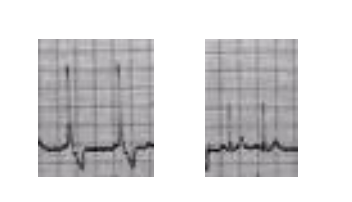
Congestive
Which type of primary DCM occurs in Great Danes?
Electrical
Which type of primary DCM occurs in boxers and dobermans?
Secondary
Which category of DCM cases includes those caused by nutritional problems with boutique diets, such as brachycephalic breeds?
Primary
Which category of DCM cases are also called idiopathic and are caused by mutations, mostly unknown in most breeds? Dobermans have pyruvate dehydrogenase kinase 4 mutations, boxers have striatin mutations, great danes have x-linked dominant mutations, and portuguese water spaniels have autosomal recessive mutations.
Taurine
DCM in cats is a secondary condition caused by nutritional deficiency in what amino acid?
A
Which stage of DCM is a dog at risk but with no abnormalities?
B1
Which stage of DCM includes arrhythmias related to DCM such as atrial fibrillation and VPCs?
B2
Which stage of DCM includes echocardiogram evidence of DCM and electrical abnormalities?
C
Which stage of DCM includes past or current clinical signs of CHF secondary to DCM?
D
Which stage of DCM includes end stage DCM refractory to standard treatment?
Yes
Can a b-blocker be given to DCM patients if there is a serious arrythmia? Drugs include carvedilol and sotalol.
Pimobendan
Which drug is most important to give a DCM patient and is a phosphodiesterase III inhibitor? It is an inodilator and increases contractility of the heart by increasing Ca sensitivity. It is a peripheral vasodilator and helps prolong survival in cases of DCM, DVD, and HCM.
Doberman
Sudden death can occur in 20-40% of which breed dogs with DCM? Prognosis is guarded-poor with all breeds with this condition. Often life expectancy is 6-12 months.
Pericardium
Diseases affecting what tissue around the heart can include effusion, congenital PPDH, and tamponade? Signs include unexplained cardiomegaly, R-CHF, and systemic illness.
Pericardiocentesis
What diagnostic procedure/test is the only diagnostic method for pericardial effusion? This is done to obtain fluid for analysis.
Effusion
Before diagnosing pericardial what condition, you should rule out neoplasia, infectious pericarditis, pericardial abscesses, effusive pericardial disease, constrictive pericardial disease, trauma, idiopathic pericardial effusion, CVD with atrial tear, and CHF?
Tamponade
What condition present in cases of pericardial effusion prevents use of furosemide and ACE inhibitors in treating it? It refers to compression on the coronary arteries, decreasing O2 flow to the myocardium. Giving these drugs would decrease BP, also decreasing O2.
ECG
What test should be run while you are doing a pericardiocentesis?
Left
On which side is pericardiocentesis done at the 6th intercostal space? It is less likely to pierce or lacerate the myocardium on this side.
Right
On which side is pericardiocentesis done at the 4th or 5th intercostal space, and has less chance of hitting a coronary artery?
Above
When doing a pericardiocentesis, should you place a local block directly above or below the costochondral junction where you are doing it? You should try to hit the pleura, intercostal muscle, and skin. You should support with your opposite hand and monitor the ECG for VPCs. After, you should monitor for clotting before removing the catheter to make sure you have not tapped the ventricle.
Transudate
What type of effusate can be present in pericardial effusion due to hernias, cysts, CHF, hypoproteinemia, and a heart base mass?
Exudate
What type of effusate can be present in pericardial effusion due to perforation or infection (FIP, nocardia, fungi)?
Hemorrhagic
What type of effusate can be present in pericardial effusion that is idiopathic or due to cardiac or heart base tumors, coagulopathies, trauma, and atrial tears?
Chemodectoma
What heart base tumor can cause hemorrhagic pericardial effusion and is most common in brachycephalic breeds?
Doxorubicin
What drug can cause acute and chronic damage, decrease CO, cause arrhythmias, and can cause myocyte damage? This occurs to too high of a cumulative dose and has similar presentation to DCM. Carvedilol can be given to minimize damage and should be administered slowly.
Myocarditis
Which infective heart condition can occur due to parvovirus, canine distemper virus, Bartonella, Lyme disease, Chagas disease, toxoplasma, neospora, babesia, and hepatozoanosis?
Trypanasoma
What genus of protozoa causes Chagas’ disease and is spread by Reduviid bugs? It can cause myocarditis, and can be acute (tachyarrhythmias, AV disturbances, sudden death), latent (antibodies against this and the heart muscle), or chronic (cardiomegaly - general or right).