limb loss
 Call Kai
 Learn
Learn Practice Test
 Spaced Repetition
 Match
Match Flashcards
 Knowt Play
1/35

There's no tags or description
Looks like no tags are added yet.
Name | Mastery | Learn | Test | Matching | Spaced | Call with Kai | Chat |
|---|
No analytics yet
Send a link to your students to track their progress
36 Terms
amputation
the surgical removal of a limb at the level of the limb or through the joint
transfemoral
an example of an amputation at the level of the limb
knee disarticulation
an example of an amputation at the level of the joint
major
a ___ amputation is the removal of a limb at or above the ankle or wrist
minor
a ___ amputation is the removal of a limb distal to the ankle or wrist
true
this image shows a major UE unilateral right transhumeral amputation
t or f
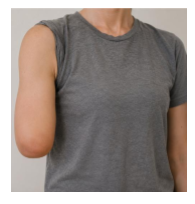
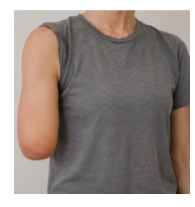
false
this image shows a major UE unilateral right elbow articulation amputation
t or f
lower extremity
majority of new limb loss is at the ____
dysvascular related complications
LE limb loss is often due to
upper extremity
amputations at the ___ is less common
traumatic accidents
UE amputation is due to ___ primarily
diabetes mellitus
common cause of dysvacular conditions causing amputation from the inability to maintain blood glucose homeostasis leading to peripheral neuropathy and dec awareness of trauma to the LE
peripheral vascular disease
common cause of dysvascular conditions causing atherosclerotic narrowing and occlusion of arteries supplying O2 rich blood to extremities leading to dec BF to tissues, poor perfusion and dec healing and critical ischemia
true
traumatic accidents often lead to minor amputations
t or f
false
traumatic accidents often lead to major amputations
t or f
pre amputation
part of amputation care where it is discussed if the amputation is a planned or emergency, and asking about the pt’s previous functioning levels prior to the surgery
acute care
part of amputation care where it involves medical stabilization and education about safety with mobility by using the UE and gait aids for fall preventions
true
people in the acute stage of amputation care is the highest risks of falls
t or f
false
people in the pre prosthetic stage of amputation care is the highest risks of falls
t or f
phantom limb sensation
pain and sensation in the absent limb post amputation but tends to improve over time
neuromas
pain from bundles of neurons in the residual limbs leading to irritation and feelingsof shocks
pre prosthetic rehabilitation
part of amputation care where strengthening and mobility work is involved especially for the UE in prep for a prosthetic
true
pre prosthetic rehab often sees high amount of contractures in the residual limb
t or f
false
acute care post amputation often sees high amount of contractures in the residual limb
t or f
true
when walking the pt should not be hopping
t or f
prosthetic device rehab and gait re training
part of amputation care where it involves inpatient care of 3-6 weeks for fitting trial runs and adjustment periods for casting, learning of to wear and practicing
true
the order of donning a prothesis includes:
donning a sleeve on limb made of silicone
placing a sock on
inserting limb into prosthesis
roll up suspension sleeve
checking sleeve fit
t or f
false
the order of donning a prothesis includes:
placing a sock on
donning a sleeve on limb made of silicone
inserting limb into prosthesis
roll up suspension sleeve
checking sleeve fit
t or f
true
those w a more major amputation may have to stay in the inpatient rehab longer than more minor amputations
t or f
false
those w an UE amputation may have to stay in the inpatient rehab longer than more minor amputations
t or f
true
those with contractures are still able to be fitted for a prosthesis by angling the fit to the joint able but should still work to decrease it
t or f
false
those with contractures are are not able to be fitted for a prosthesis and can only wear one when the contracture is gone
t or f
skin
a important component to consider such as healing, sensation, incision marks, hygiene, the other limb/foot and loading tolerances
prosthetic devices costs
preparator prosthetic devices, definitive devices, interface products and sock and sleeves are included in considerations and can range from 80,000-120,000
funding sources
examples of this to help pay include the assistive device program, ODSP, WSIB, out of pocket
community reintegration and follow up
apart of amputation care which involves taking the skills learned and applying it to home activities, learning to return to work and rec activities and follow ups