The Age of Alexander and the Hellenistic Period
 Call Kai
 Learn
Learn Practice Test
 Spaced Repetition
 Match
Match Flashcards
 Knowt Play
1/17

There's no tags or description
Looks like no tags are added yet.
Name | Mastery | Learn | Test | Matching | Spaced | Call with Kai | Chat |
|---|
No analytics yet
Send a link to your students to track their progress
18 Terms
King Phillip II of Macedon dies
336 BCE
Alexander the Great Succeeds
Rules over 70 cities, dies 325 BCE
Alexander’s land splits into three main kingdoms
275 BCE
Vitruvius
Roman architect who wrote of Doric and Ionic “orders”
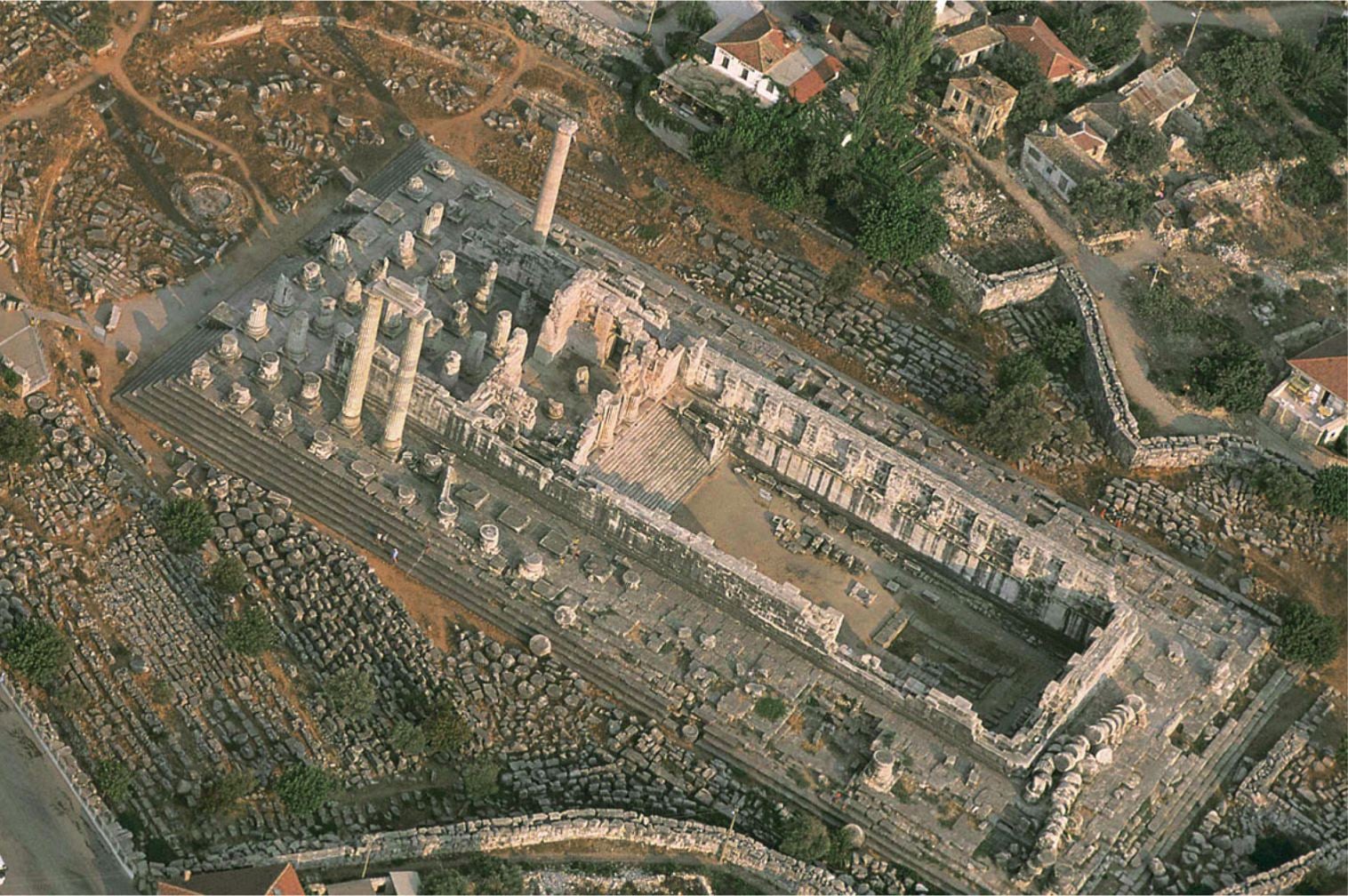
Architects and date of Temple of Apollo at Didyma, Turkey
Paionios of Ephesos and Daphnis of Miletos 313 BCE
Grid Planning
Laying out city streets in intersecting horizontals and verticals, advocated by Hippodamos of Miletos. Used in Priene and Pergamon
Hellenistic Sculpture
Characterized by deep expression and more movement, and theatricality. 4th century portraiture became a major branch of Greek sculpture
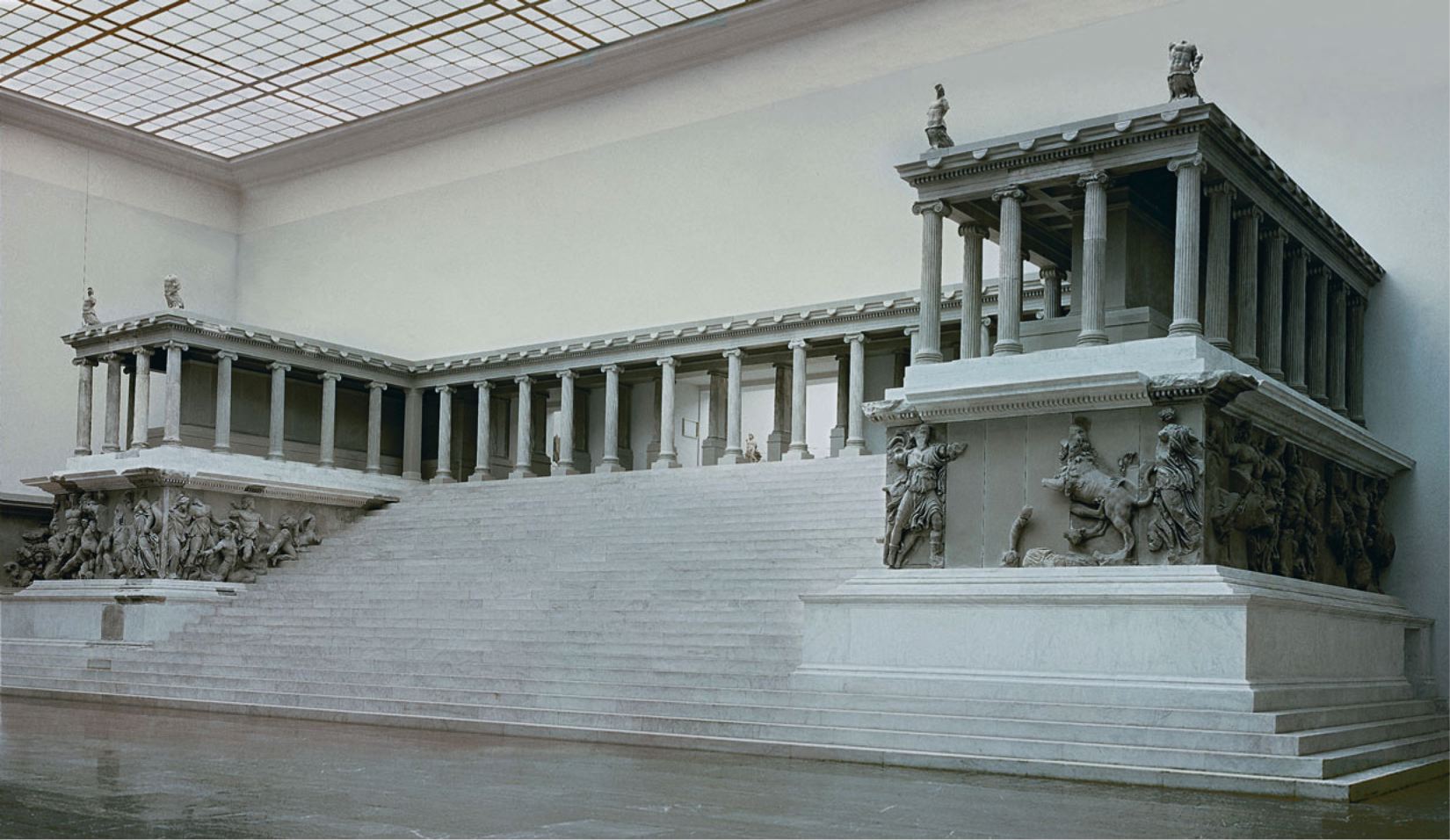
Great Altar of Zeus at Pergamon. 165 BCE dramatic victory monument with a Frieze on its base that depicts Gigantomachy
Gigantomachy
Battle of gods and giants in Greek Mythology
Reign of Alexander the Great
336-323 BCE
Construction begins on Temple of Apollo, Didyma
300 BCE
First Punic War
264-241 BCE
Sack of Athens
86 BCE
Baroque
A style of Hellenistic Greek sculpture, characterized by extreme emotions and extravagant gestures, as seen on the Great Altar of Zeus at Pergamon. The term is usually used to describe a style of 17th-century CE art, and scholars of ancient art coin it in recognition of similarities of style.
Hellenistic Realism
Sculptures were made to depict the unidealised realistic moments of everyday life, for example the Drunken Old Women in the late 3rd or late 2nd century BCE
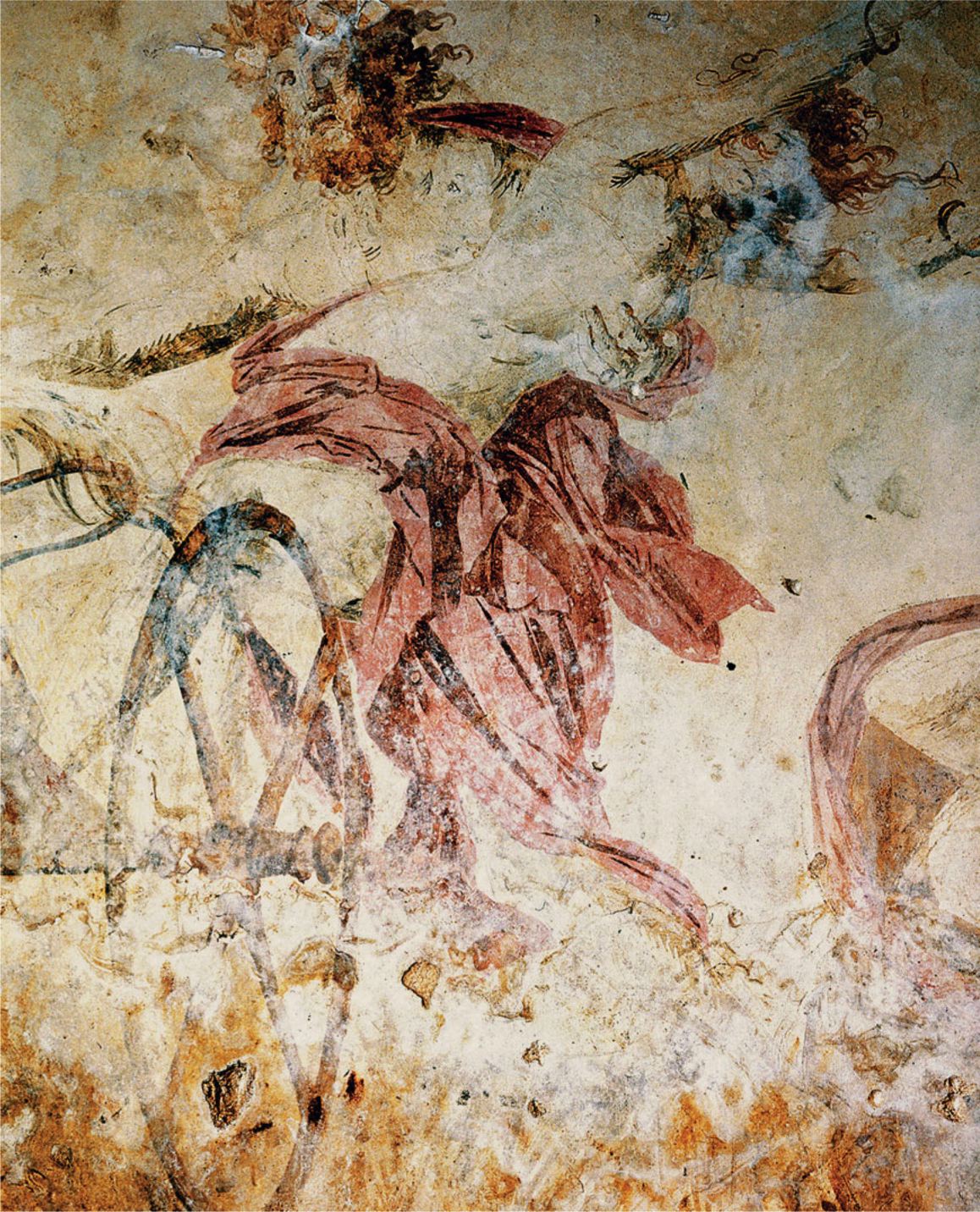
Abduction of Persephone painting. 340-333 BCE
Skiagraphia
Modulation of volume by means of contrasting light and shade
Spatial Perspective
The exploration of the spatial relationships between objects. Painters were especially interested in spatial perspective in the Hellenistic period in Greece