Water Resources, Quality, and Treatment Methods for Building Systems
 Call Kai
 Learn
Learn Practice Test
 Spaced Repetition
 Match
Match Flashcards
 Knowt Play
1/94

There's no tags or description
Looks like no tags are added yet.
Name | Mastery | Learn | Test | Matching | Spaced | Call with Kai |
|---|
No analytics yet
Send a link to your students to track their progress
95 Terms
What is the significance of water in life on Earth?
Water is the most basic and fundamental component of life, essential for biological processes.
What percentage of the Earth's surface is covered by water?
Approximately 75 percent.
What is surface tension?
The ability of liquids to stick to themselves and pull together, allowing water to support objects heavier than itself.
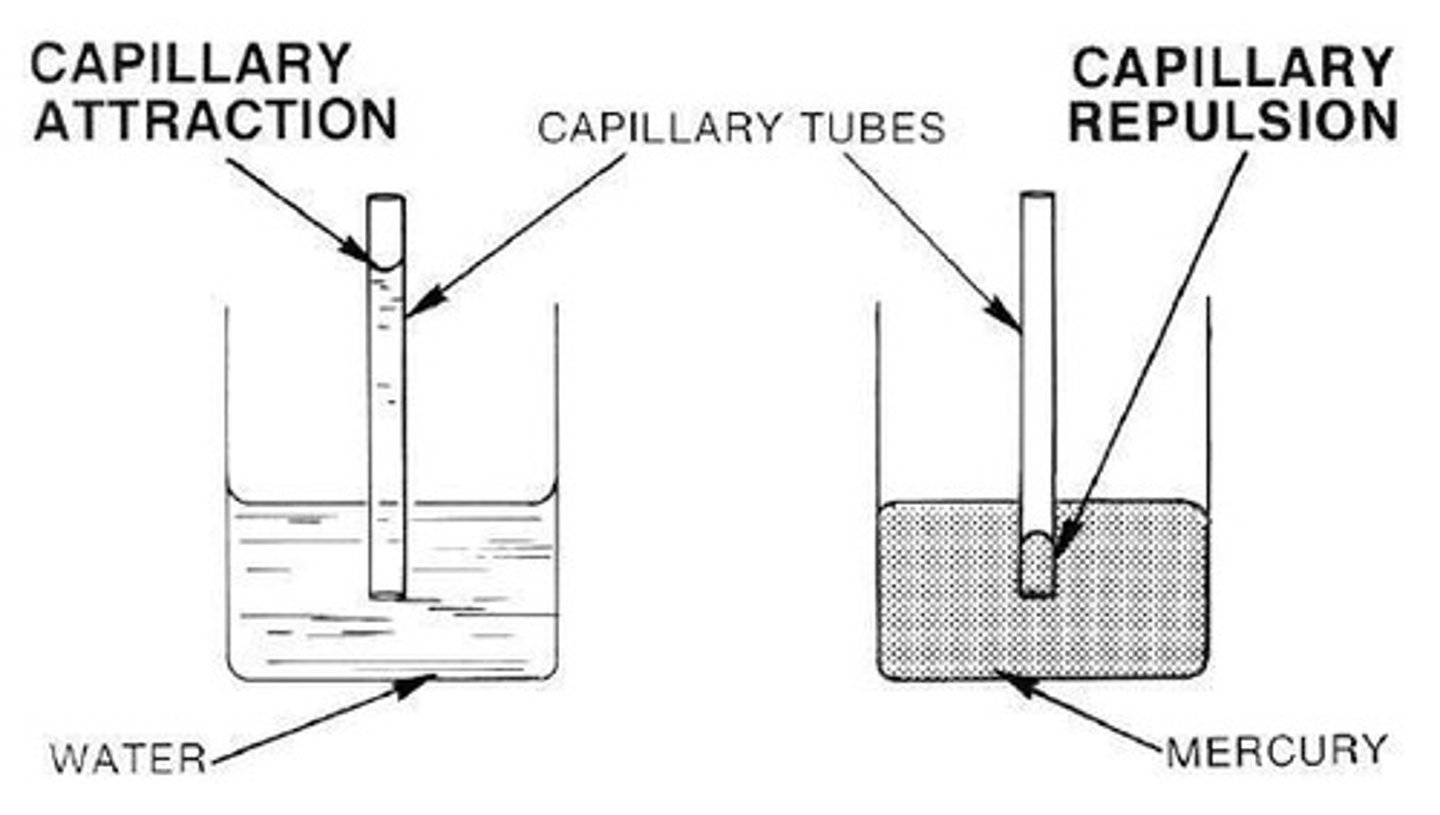
Define capillarity.
The ability of water to climb up a surface against the pull of gravity.
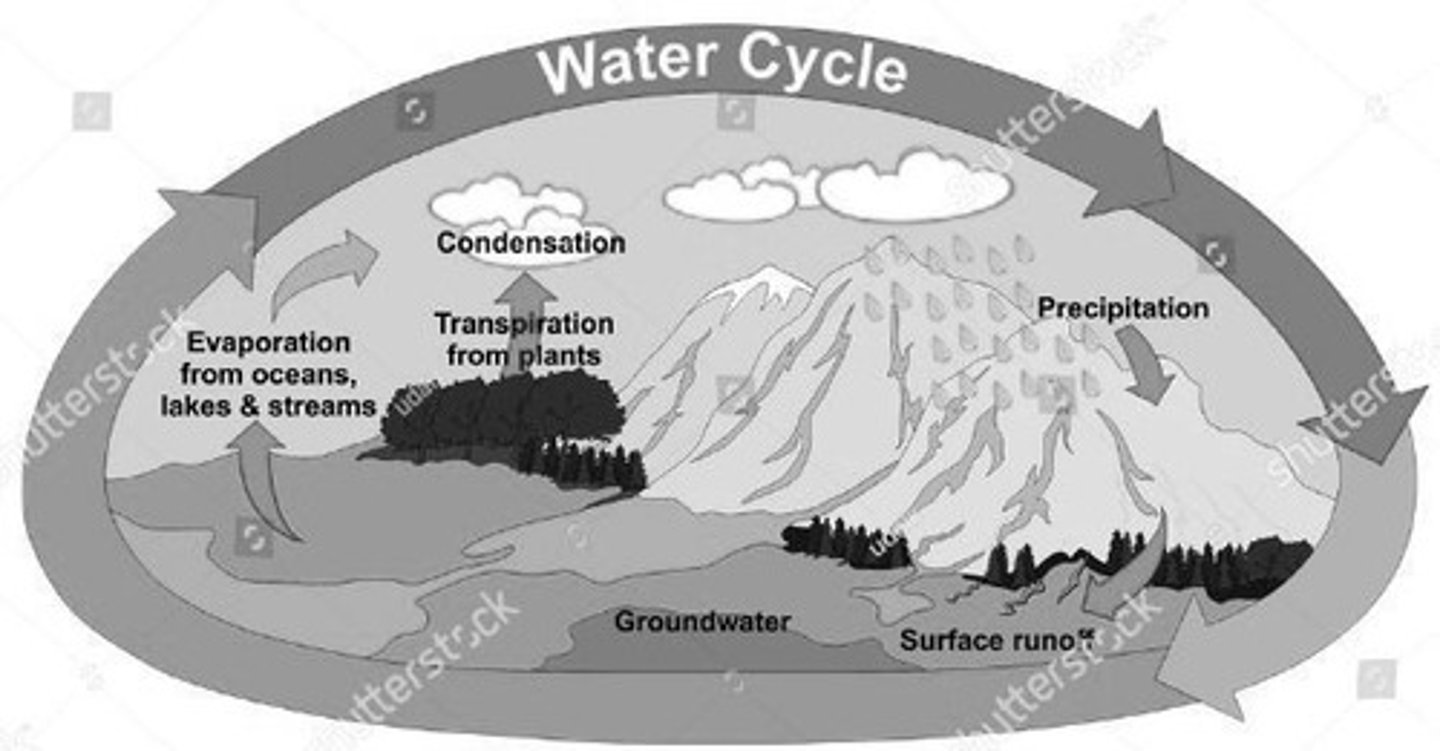
What is the water cycle?
The hydrologic cycle involving continuous change in water form: liquid, solid, and gas, including processes like evaporation and precipitation.
What is heat capacity in relation to water?
Water's ability to absorb heat without significantly increasing in temperature.
Why is water considered a universal solvent?
Because it can dissolve almost any substance.
What is natural water?
Water readily found in nature, often containing impurities.
What is purified water?
Water that has undergone treatment to improve its quality.
Define contaminated water.
Water that has substances affecting its quality and health.
What characterizes polluted water?
Water with foreign substances that degrade its quality and pose health hazards.
What is hard water?
Water containing elements like Calcium, Magnesium, and Iron that cause hardness.
What is soft water?
Water without Calcium and Magnesium, allowing for easy lathering with detergents.
What is grey water?
Water from sources like laundries and sinks.
What is black water?
Water that includes human waste from toilets.
What is storm water?
Rainwater and surface runoff.
List one use of water for life sustenance.
Water is essential for hydration and nutrient transport in the human body.
How is water used for cleansing and hygiene?
Water dissolves and transports organic waste, making it ideal for cleaning.
What ceremonial uses does water have?
Water is used in religious services for purification, such as baptism.
How has water been historically used for transportation?
Waterways facilitated the transport of goods and passengers before land transport was established.
What cooling properties does water possess?
Water can store and disperse heat efficiently, making it useful in cooling systems.
How is water used aesthetically in landscaping?
Water enhances visual appeal and creates unique sounds in gardens.
What protective role does water serve?
Water is crucial in fire prevention and safety, requiring high pressure for firefighting.
What recreational uses does water have?
Water is used for activities like swimming, boating, and fishing.
How does water assist in therapeutic applications?
Water is used for sanitizing hospitals and aiding rehabilitation through buoyancy.
What are the chemical characteristics of groundwater?
Groundwater can dissolve minerals as it moves downward, altering its chemical composition.
What is groundwater particularly susceptible to?
Chemical alteration due to the dissolution of minerals as it moves downward.
What are the three main indicators tested in a chemical analysis of water?
Presence of harmful substances, potential for corrosion, and tendency to stain fixtures.
What is alkalinity in water?
It is caused by carbonate, bicarbonate, or hydroxide components and is key for water treatment decisions.
What is turbidity?
Turbidity is caused by suspended materials like clay, silt, and plankton in water.
What causes hardness in water?
Hardness is caused by calcium and magnesium salts and can be classified as temporary or permanent.
What is the effect of hard water on soaps?
Hard water inhibits the cleaning action of soaps and can deposit scales in pipes.
What are some toxic substances that can alter water color?
Organic matter and microorganisms, often from decaying vegetation.
What is the psychological effect of color changes in water?
While not always a health threat, it can create a psychological aversion to the water.
What are common toxic substances found in water?
Arsenic, barium, cadmium, cyanides, fluoride, lead, selenium, and silver.
What is the preferable temperature range for water supply?
Between 50°F and 60°F (10°C - 16°C).
What is the effect of high nitrate levels in water?
They pose a threat to infants, causing blue baby syndrome (methemoglobinemia).
What is the primary source of groundwater?
Rainwater that has percolated into the earth and formed aquifers.
What are the types of wells used to extract groundwater?
Dug wells, driven wells, bored wells, and drilled wells.
What is a dug well?
A simple well constructed by hand tools, usually less than 15 meters deep.
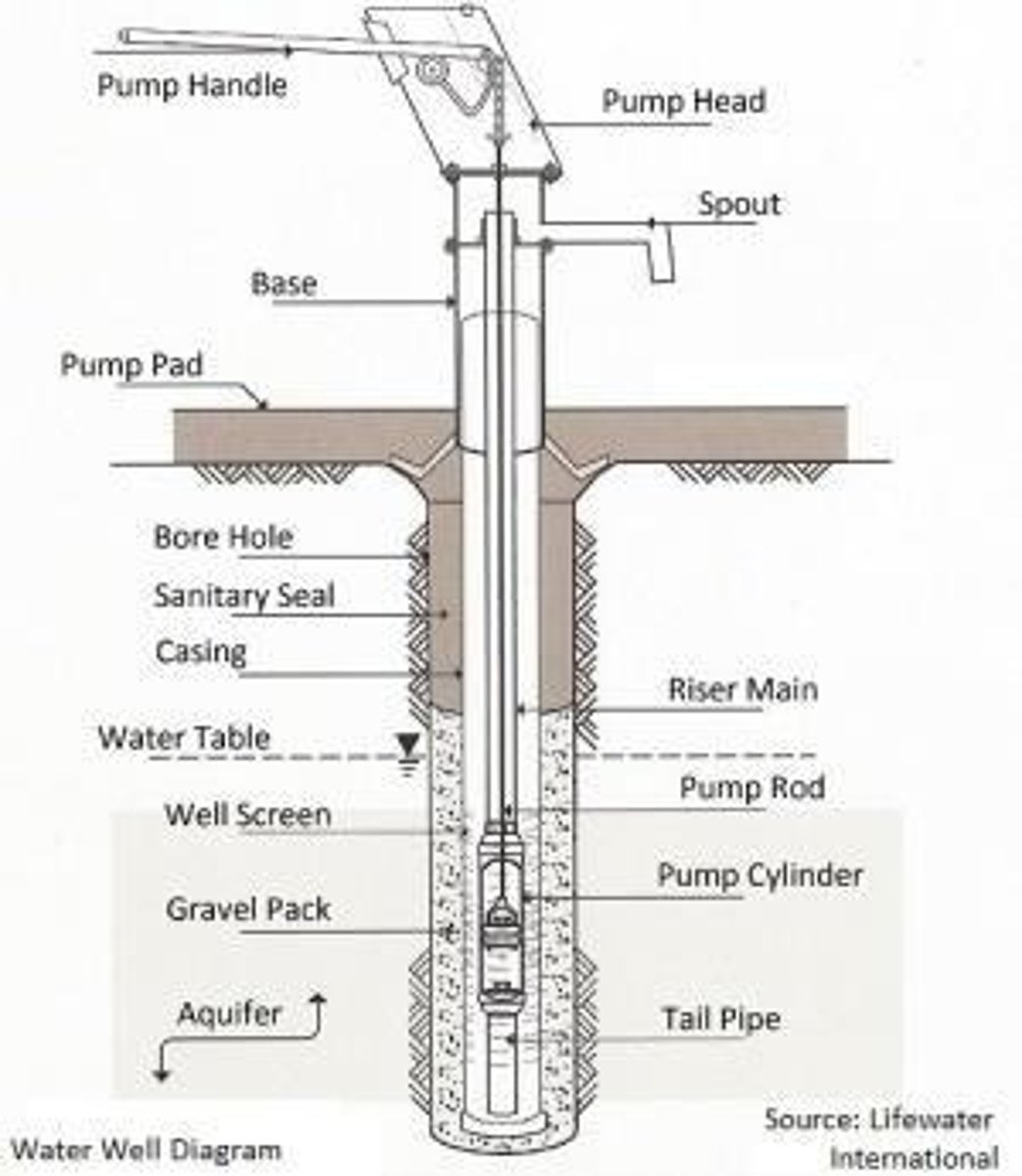
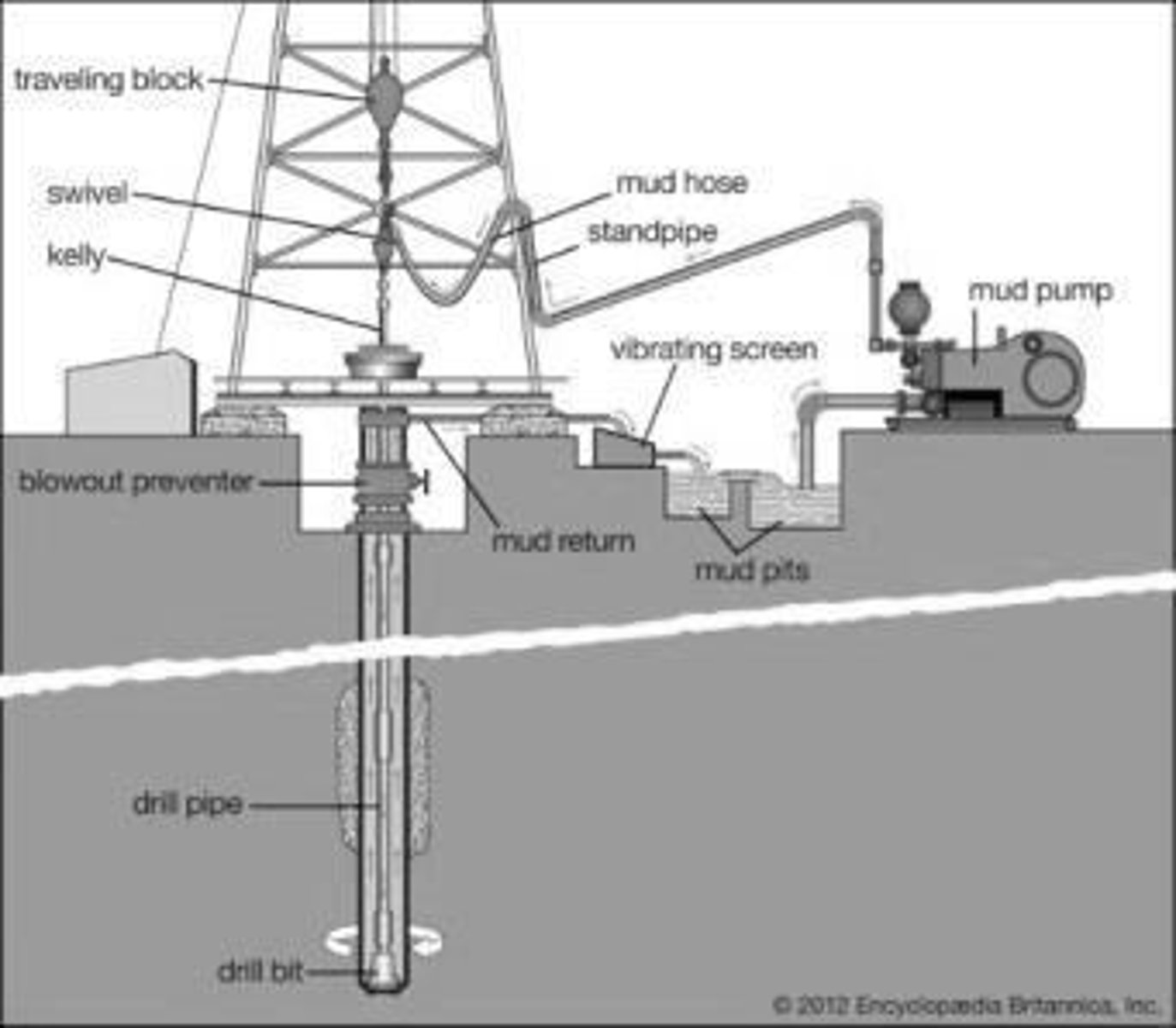
What is a drilled well?
A well that requires elaborate equipment and can reach depths of up to 300 meters.
What are the biological characteristics that potable water must be free from?
Disease-producing organisms such as bacteria, protozoans, and viruses.
Which bacteria primarily pose a threat to health in water?
E. coli bacteria.
What are the effects of sulfates in water?
They can have laxative effects and can enter groundwater through natural deposits.
What is the significance of foam in water?
Foam is usually caused by detergent concentration and may indicate the presence of contaminants.
What is the role of chlorides in water contamination?
Chlorides can enter water from geological deposits or pollution from industrial wastes.
What is the impact of copper in water supplies?
Copper can enter water through natural deposits or corrosive copper piping.
What is the effect of iron in groundwater?
Iron can contribute to deposits in water and is frequently present in groundwater.
What is the health risk associated with high levels of manganese in water?
Manganese can produce psychological threats and health issues at high concentrations.
What is the purpose of testing water for hardness?
To determine the appropriate water treatment and understand its cleaning efficacy.
What is the consequence of using pesticides near wells?
They pose a growing threat to water supplies, especially in wells near treated areas.
What is the water table?
The level at which water stands in a well that is not being pumped.
What are nitrates and where can they originate from?
Nitrates can originate from livestock manure and pose health risks at high concentrations.
What is water treatment?
The process of improving the quality of water to make it suitable for its intended use.
What is the fundamental purpose of water treatment?
To remove contaminants from water, making it fit for its desired end-use.
What are the types of contaminants targeted in water treatment?
Physical, chemical, biological, or radiological contaminants.
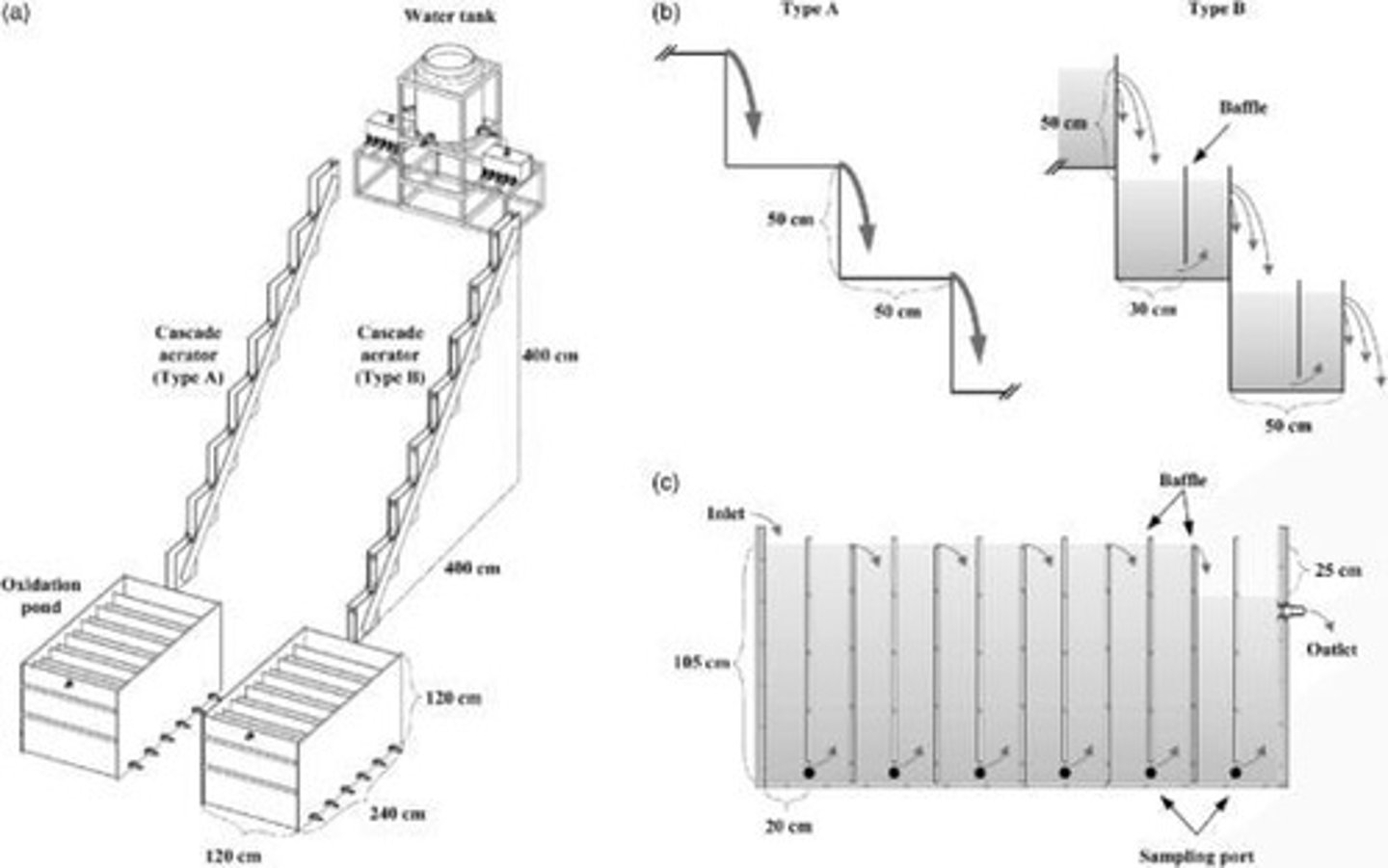
What is aeration in water treatment?
A process that exposes water to air to improve taste and color, remove iron and manganese, and decrease corrosiveness.
What is the primary goal of sedimentation in water treatment?
To remove suspended matter by allowing heavier particles to settle at the bottom.
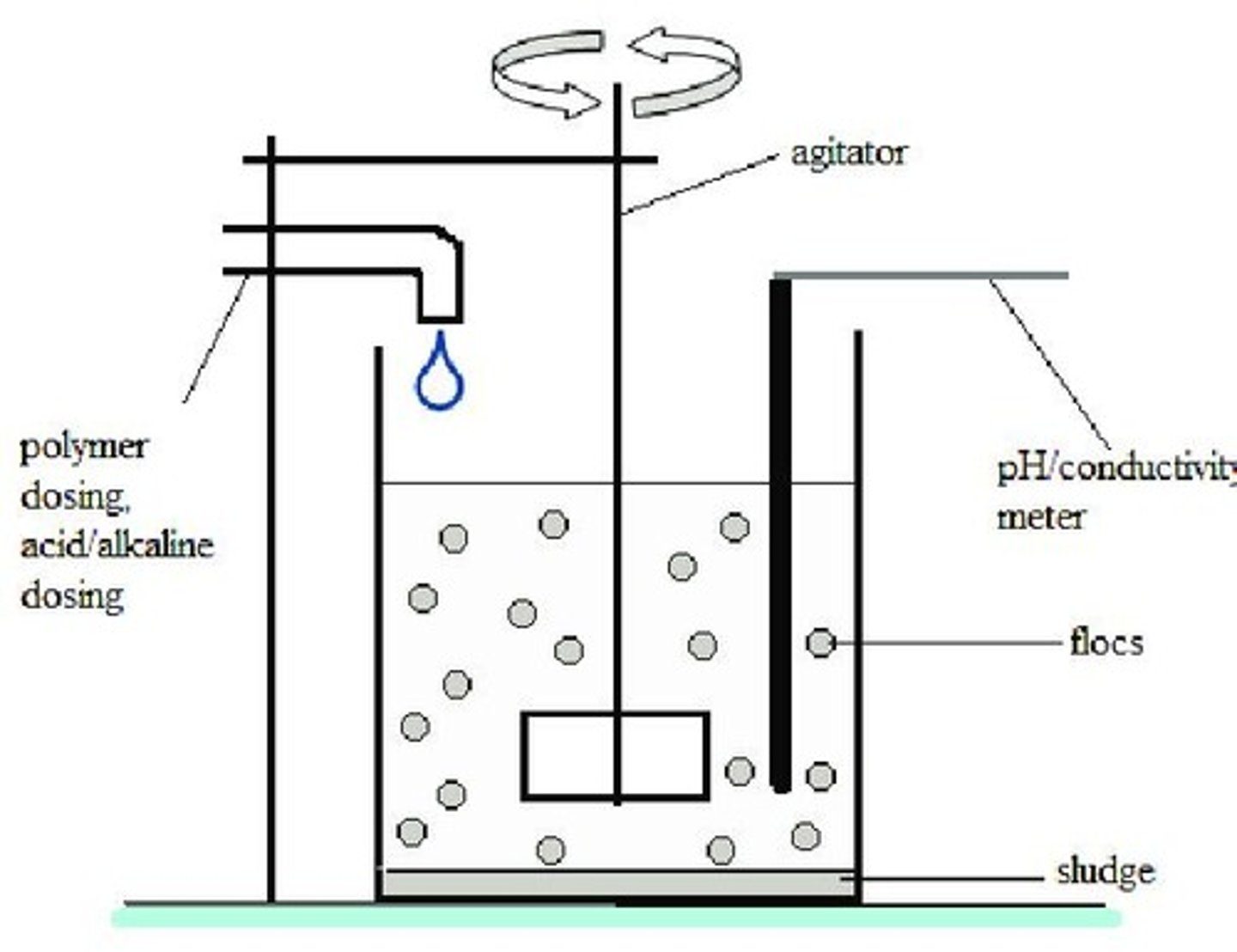
What is coagulation in water treatment?
A process where a chemical, such as alum, is added to remove suspended matter and coloration.
What is ozonation?
A powerful oxidizing and disinfecting method that destroys bacteria, viruses, and other pathogens using ozone.
How does ozonation work?
By passing dry air or pure oxygen through high voltage electrodes to produce ozone, which eradicates pathogens.
What does filtration do in water treatment?
Removes suspended particles, some bacteria, and color from water.
What is slow sand filtration?
A low maintenance method of filtration used mainly for rainwater applications.
What is pressure sand filtration?
A method that uses pressure to remove iron and manganese from water through chemical oxidation.
What is diatomaceous earth filtration?
A filtration method using diatomaceous earth to filter out larger particles from water.
What are activated carbon filters used for?
To remove undesirable taste and odor in water through adsorption of contaminants.
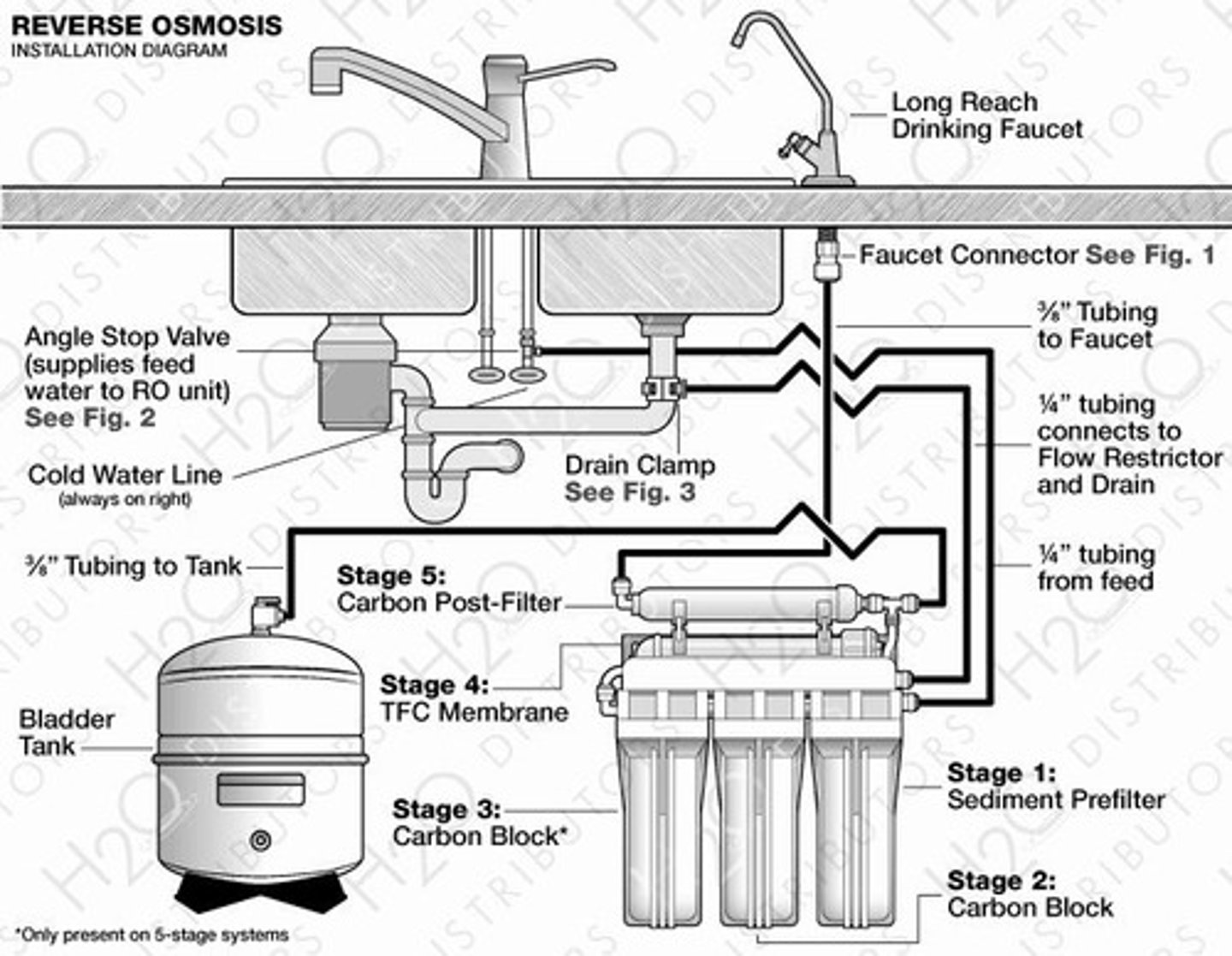
What is reverse osmosis (RO)?
A filtration method that removes dissolved or suspended chemicals and biological contaminants using a semi-permeable membrane.
What is the role of alum in coagulation?
To help remove suspended matter and some coloration from water.
What is the significance of using ozone in water treatment?
It effectively disinfects water by destroying harmful pathogens.
What is the cleaning requirement for pressure sand filtration?
Periodic cleaning is necessary as dirt accumulates over time.
What is the main advantage of using activated carbon filters?
They are particularly effective in removing taste and odor from water.
What is the main function of reverse osmosis in desalination?
To reduce the mineral content in seawater, making it suitable for use.
What type of contaminants does filtration primarily target?
Suspended particles, some bacteria, and color.
What is the aesthetic application of aeration?
It can involve spraying water into the air or creating waterfalls to enhance visual appeal.
What is a common application of pressure sand filtration?
It is commonly used in swimming pool applications.
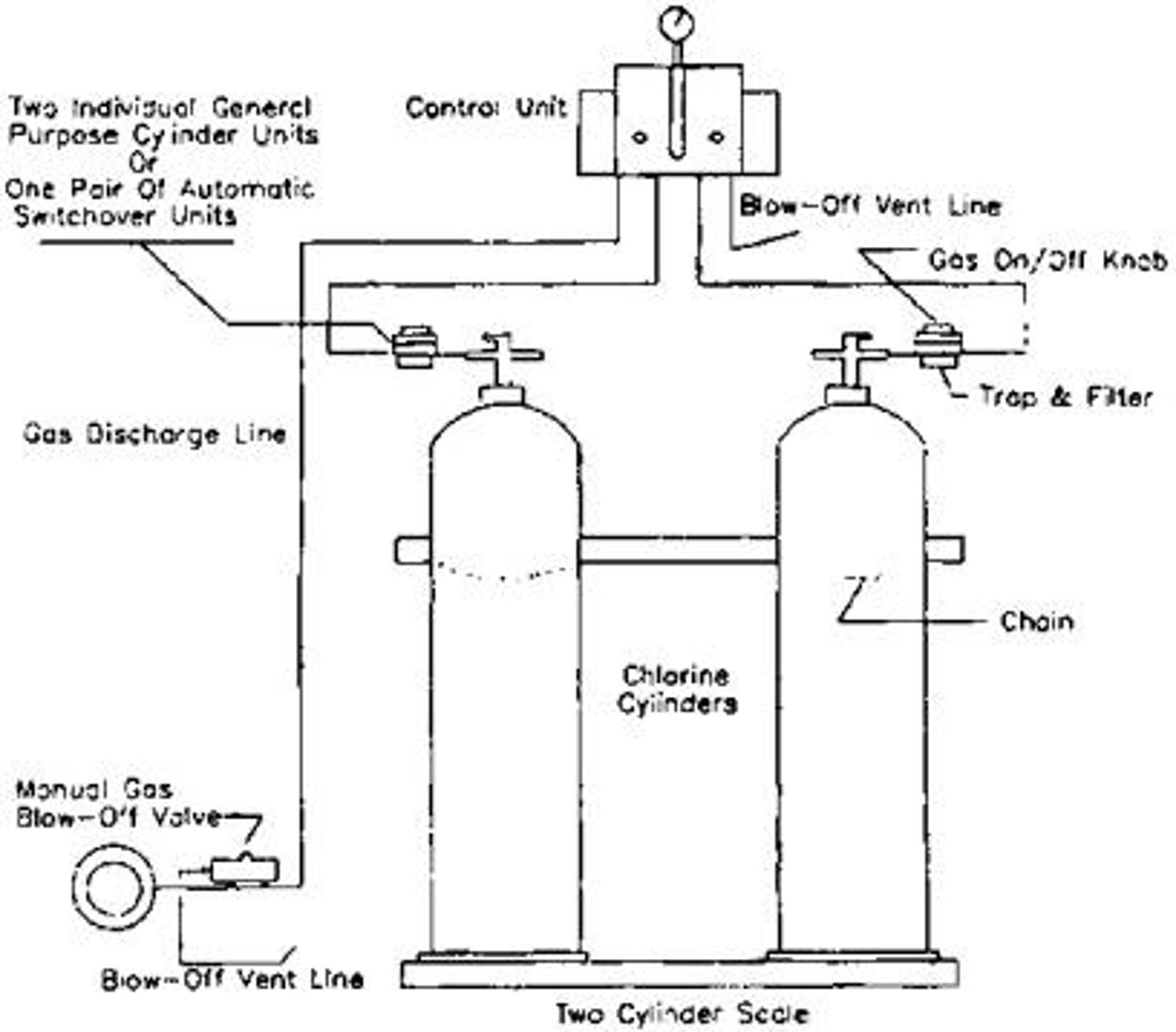
What is the primary disinfectant used in municipal water systems?
Chlorine
What is the effectiveness of chlorine against acid-fast bacteria?
Chlorine is relatively ineffective against acid-fast bacteria such as non-tuberculous mycobacteria.
What are chloramines?
Compounds resulting from the reaction of ammonia with chlorine in water solution, used for their superior stability over chlorine.
How do chloramines compare to chlorine in terms of disinfecting ability?
Chloramines are not as strong as chlorine and have less bacteria-killing ability.
What is chlorine dioxide used for?
It exhibits stronger disinfecting characteristics than chloramines but is not widely used.
What is the role of iodine in water treatment?
Iodine is used for disinfecting drinking water of unknown quality, but some gram-negative bacteria can develop resistance to it.
What is distillation in water treatment?
A process where water is heated to vaporize it, leaving pollutants behind, and then condensed to produce purified water.
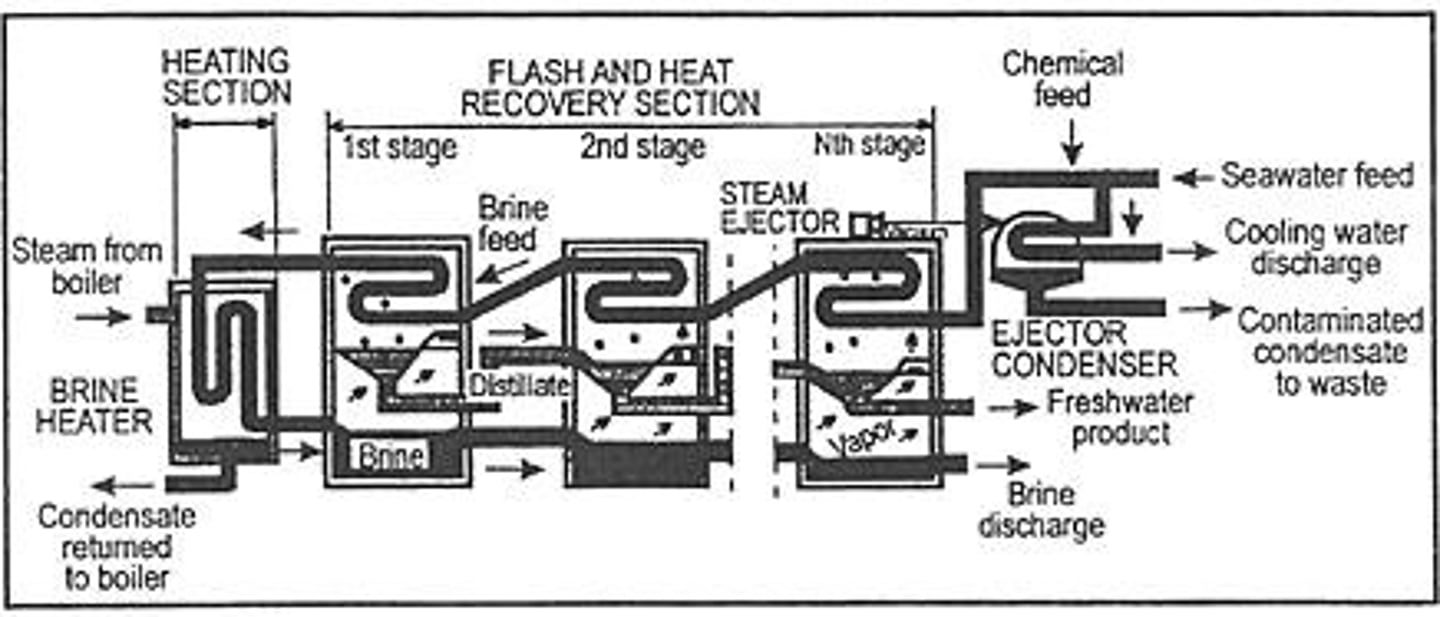
What types of contaminants does distillation effectively remove?
Inorganic compounds such as metals (lead), iron, nitrates, and microorganisms like bacteria and some viruses.
What is the major health-related benefit of fluoridating water?
Children who drink fluoridated water have lower rates of tooth decay.
What is a potential risk of excessive fluoride in water?
Fluoride can be toxic and cause mottle teeth if present in amounts higher than those used in water treatment.
What is the purpose of corrosion control in water systems?
To prevent the degradation of metal pipes and the increase of hazardous materials in the water supply.
What is the nuisance control method for algae growth in water systems?
Addition of copper sulfate (blue stone) to control algae growth.
What is adsorption in the context of water treatment?
A mechanism of contaminant removal where molecules adhere to the surface of a medium without chemical reaction.
What is the ion-exchanger (Zeolite process) used for?
To treat water hardness caused by calcium and magnesium salts.
What are common causes of water contamination?
Organic matter/sewage leading to diseases.
What method is used to treat color issues in water caused by iron and manganese?
Filtration and chlorination or ozonation.
What is the effect of turbidity in water?
It can cause discoloration and affect the quality of water's taste, odor, and appearance.
What is the role of UV (ultraviolet) irradiation in water treatment?
To kill bacteria by exposing water to UV radiation after filtration.
What is the process of water desalination?
Heating seawater and removing pure water vapor while leaving behind brine.
What is a common method for treating unpleasant taste and odor in water?
Filtration through activated carbon purifiers and aeration.