Chapter 2 Lesson 4: Traits and Heredity
 Call Kai
 Learn
Learn Practice Test
 Spaced Repetition
 Match
Match Flashcards
1/17

There's no tags or description
Looks like no tags are added yet.
Name | Mastery | Learn | Test | Matching | Spaced | Call with Kai |
|---|

18 Terms
heredity
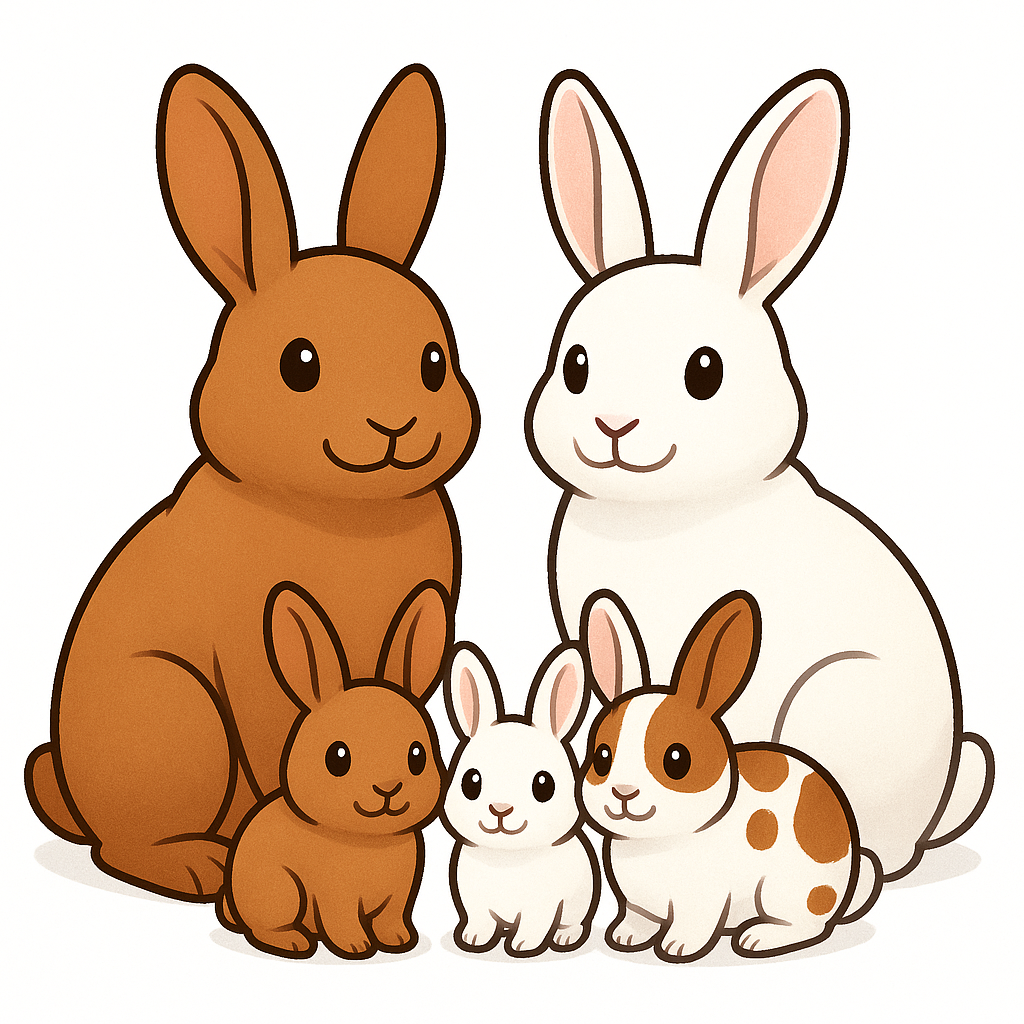
The passing down of physical characteristics or behaviors from parents to their offspring.
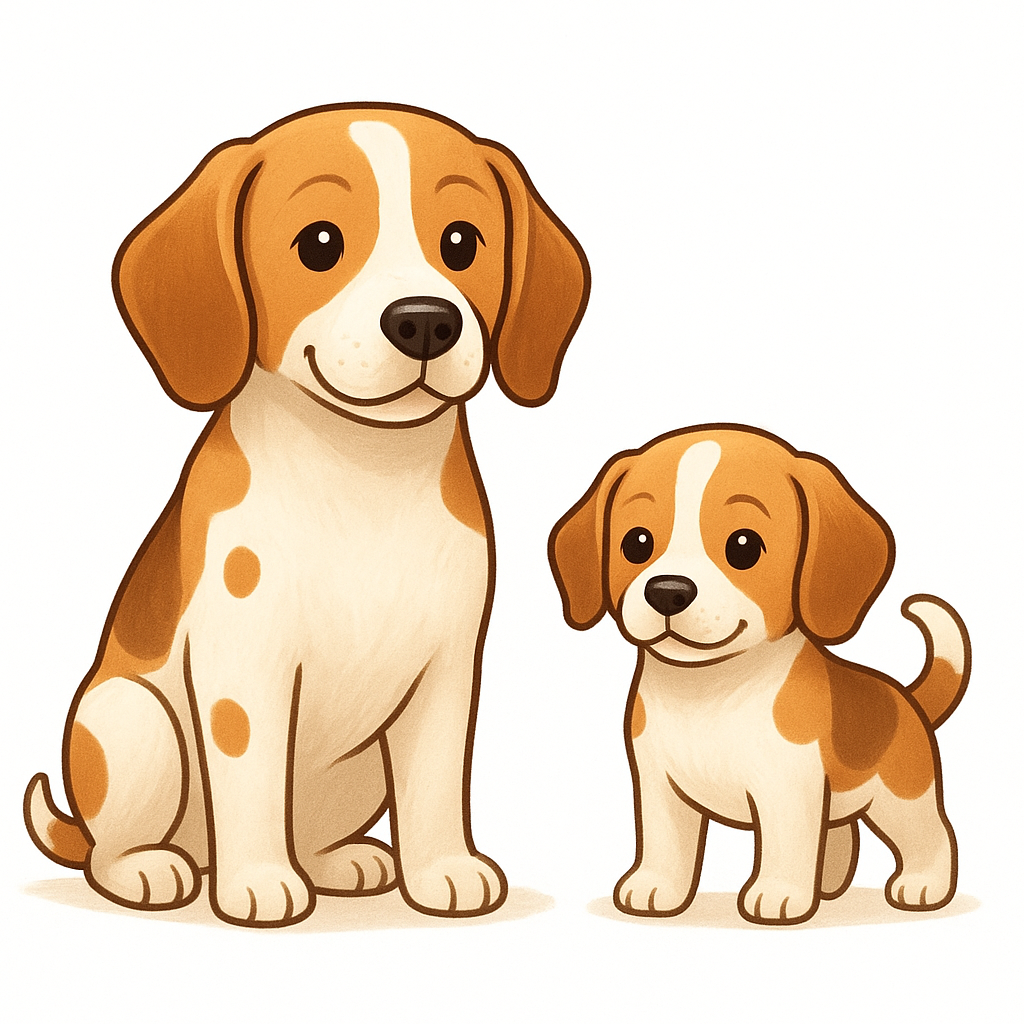
inherited trait
A characteristic that a living thing receives from its parents through its genes.
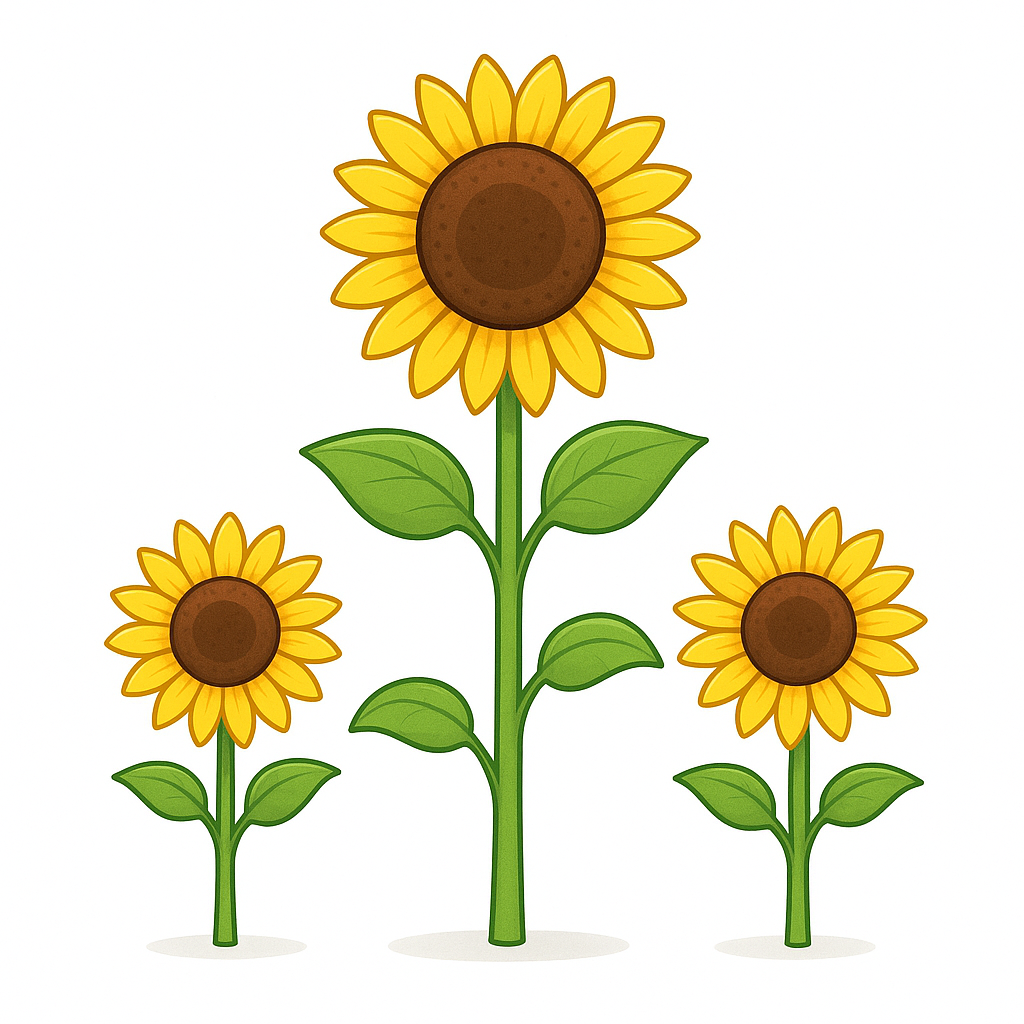
instinct
An inherited behavior that an animal is born with and does not have to learn.
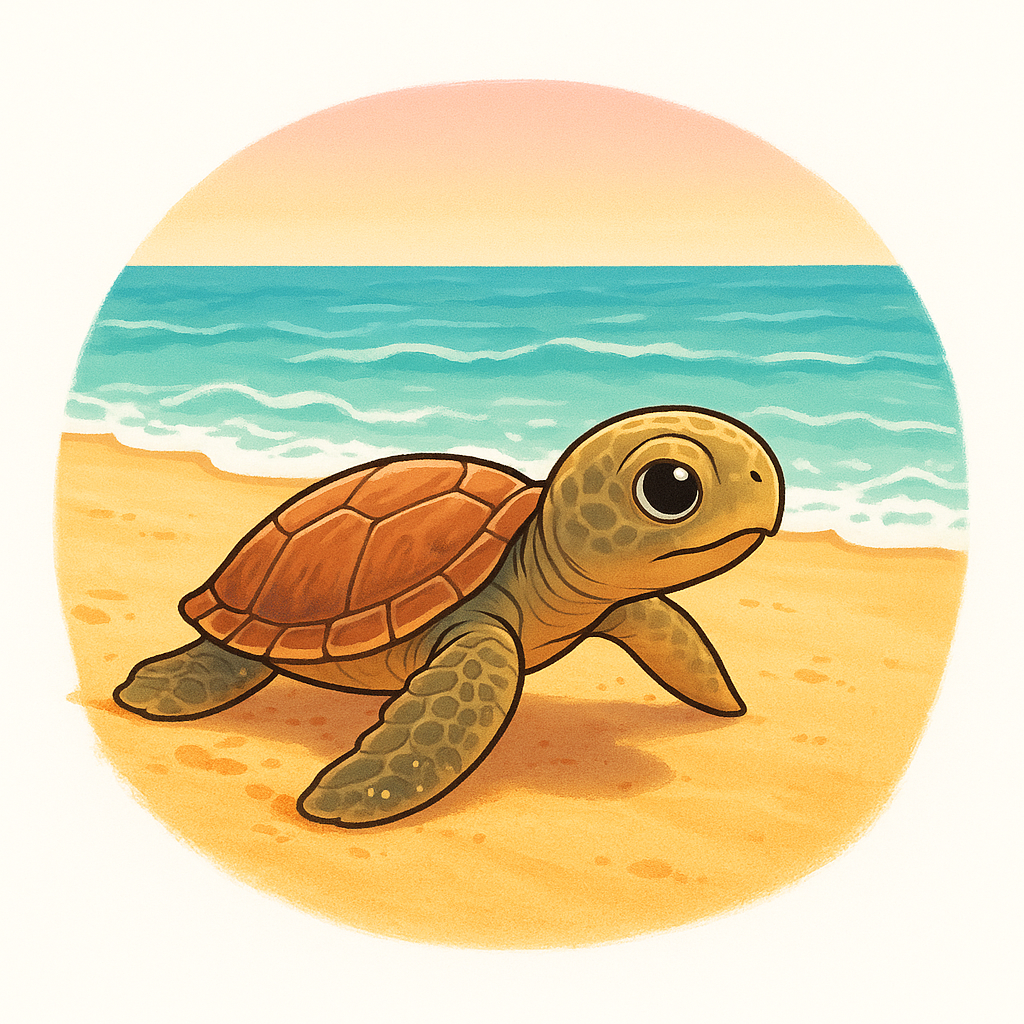
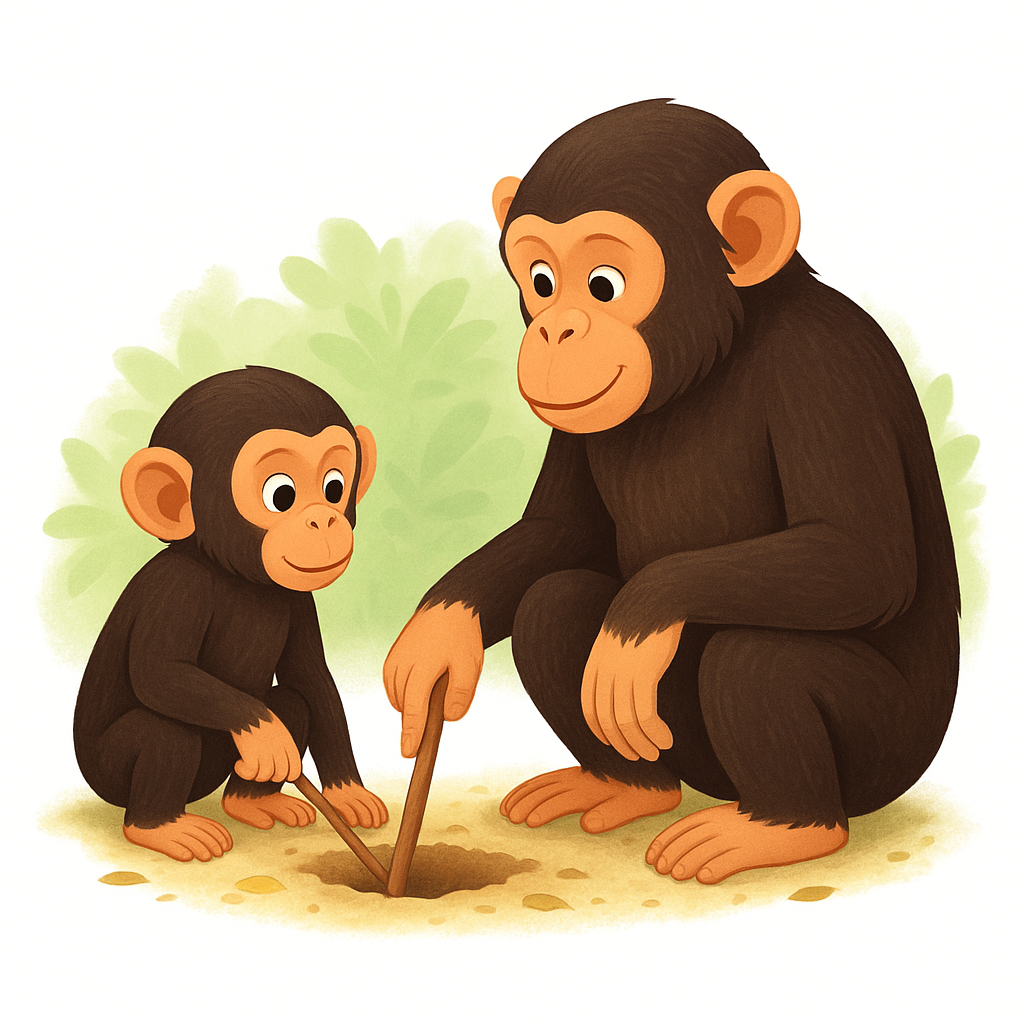
learned behavior
A way of acting that an animal develops through practice and its life experiences.
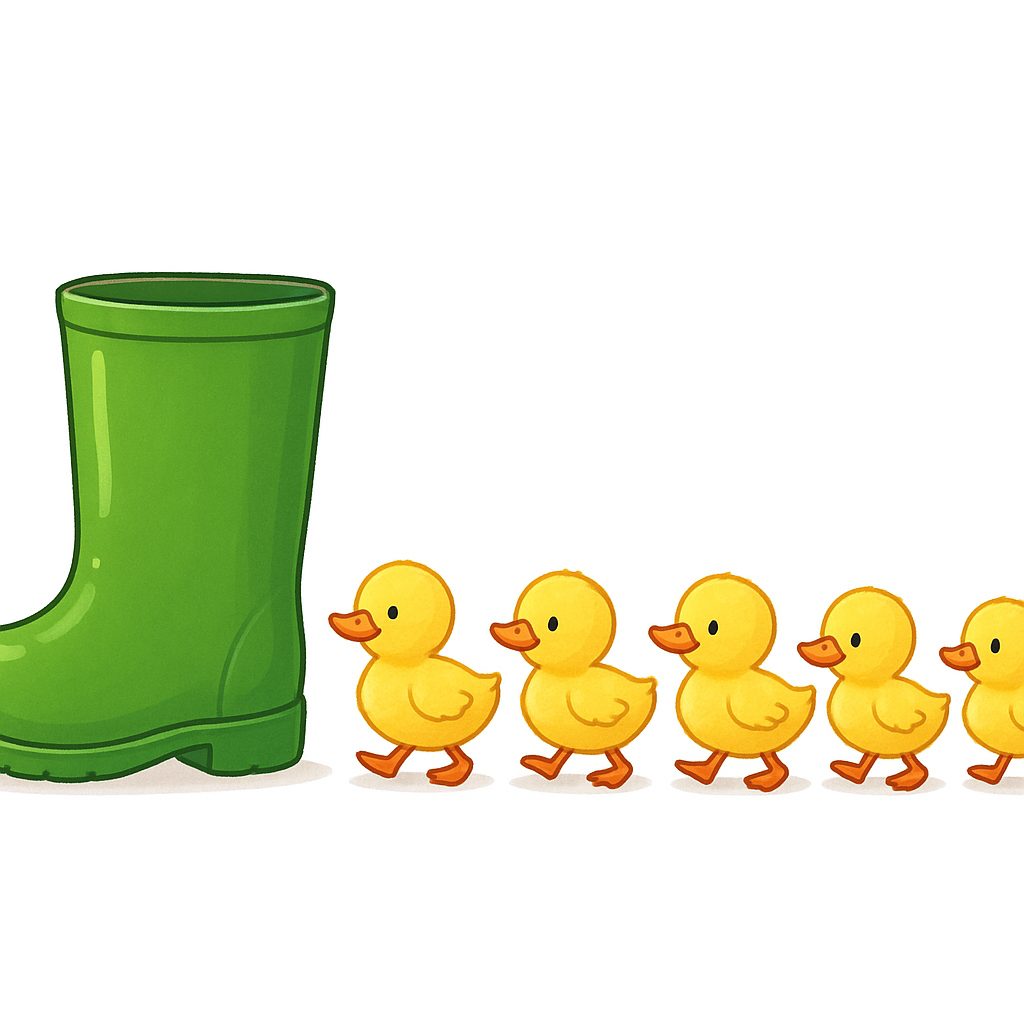
imprinting
A learned behavior where a young animal forms a social bond with another organism.
gene
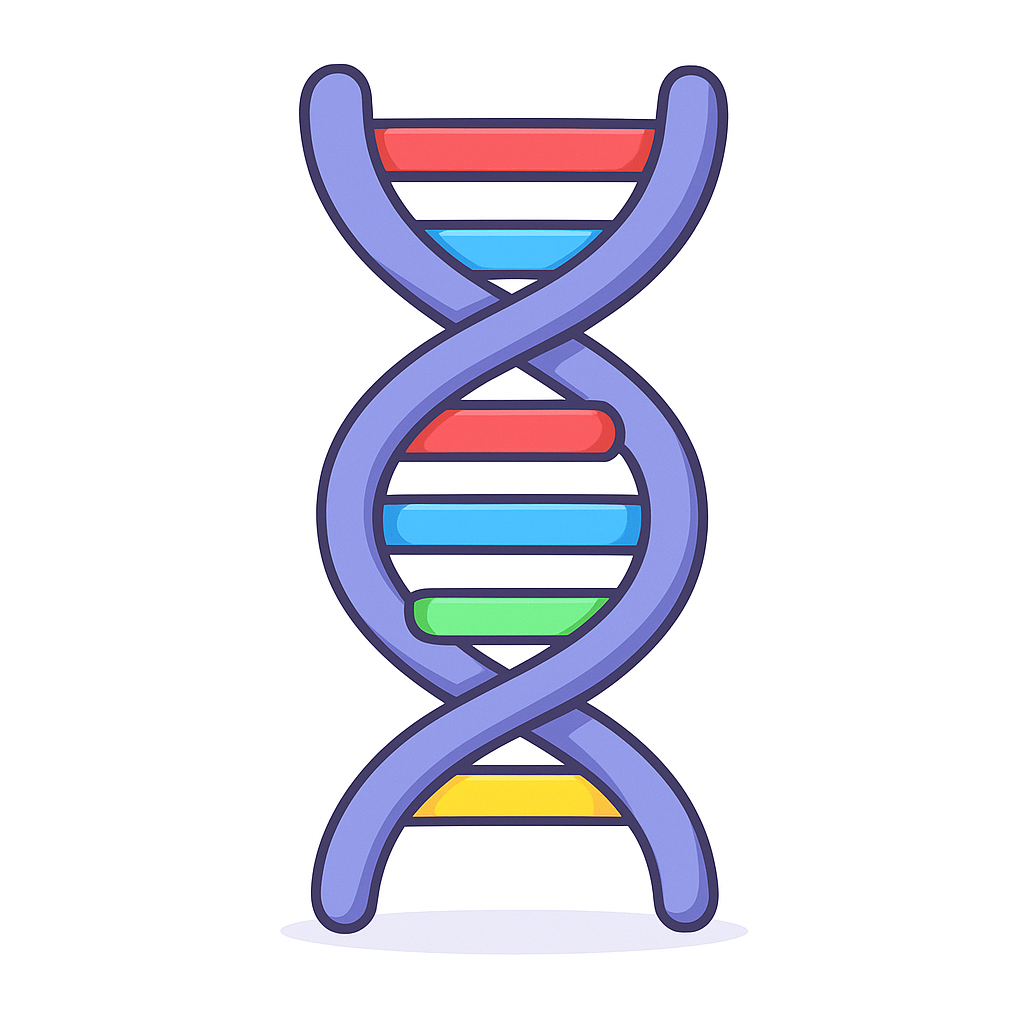
A chemical instruction for an inherited trait that is passed from parents to offspring.
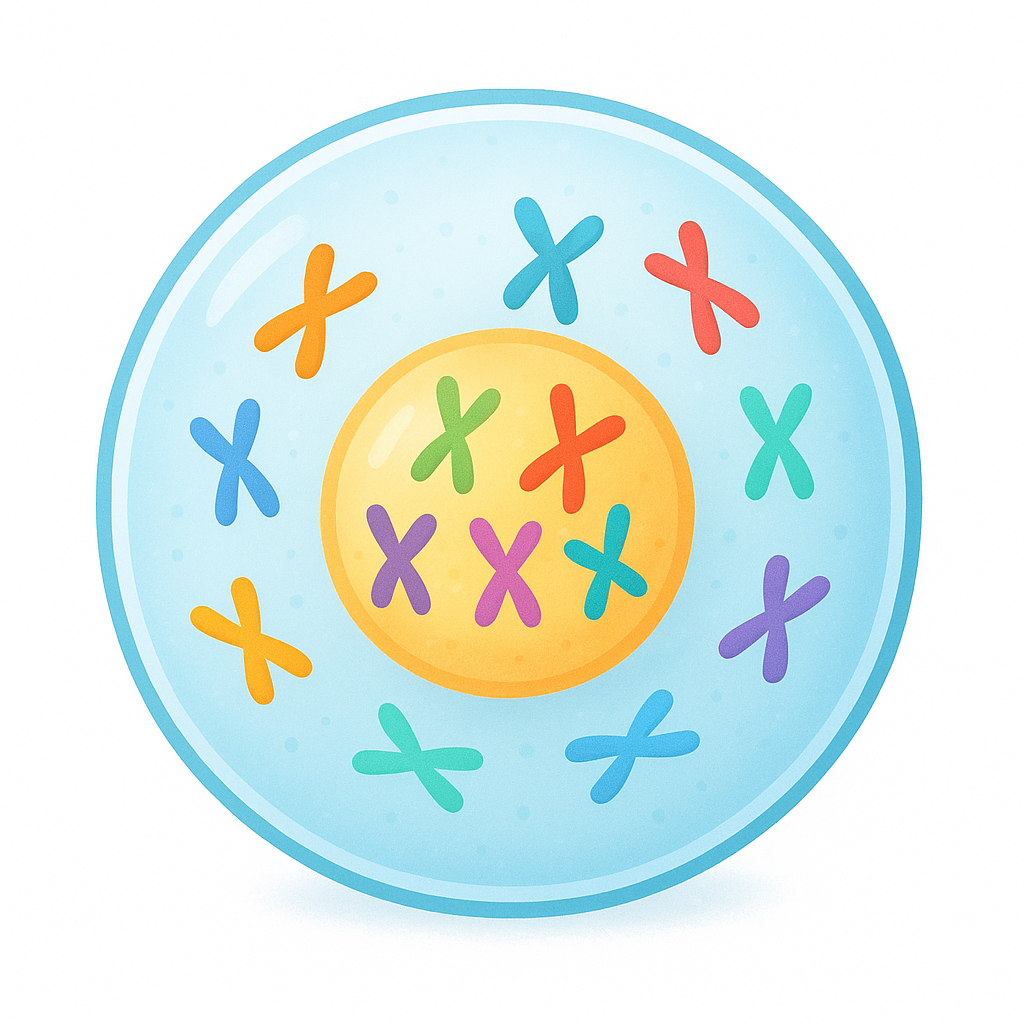
chromosome
A structure in the cell nucleus that stores the genes for an organism's traits.

dominant trait
A form of a trait that masks or hides another form of that trait.

recessive trait
A form of a trait that is hidden or masked by a dominant form.
pedigree
A chart used to trace and study the history of traits in a family.
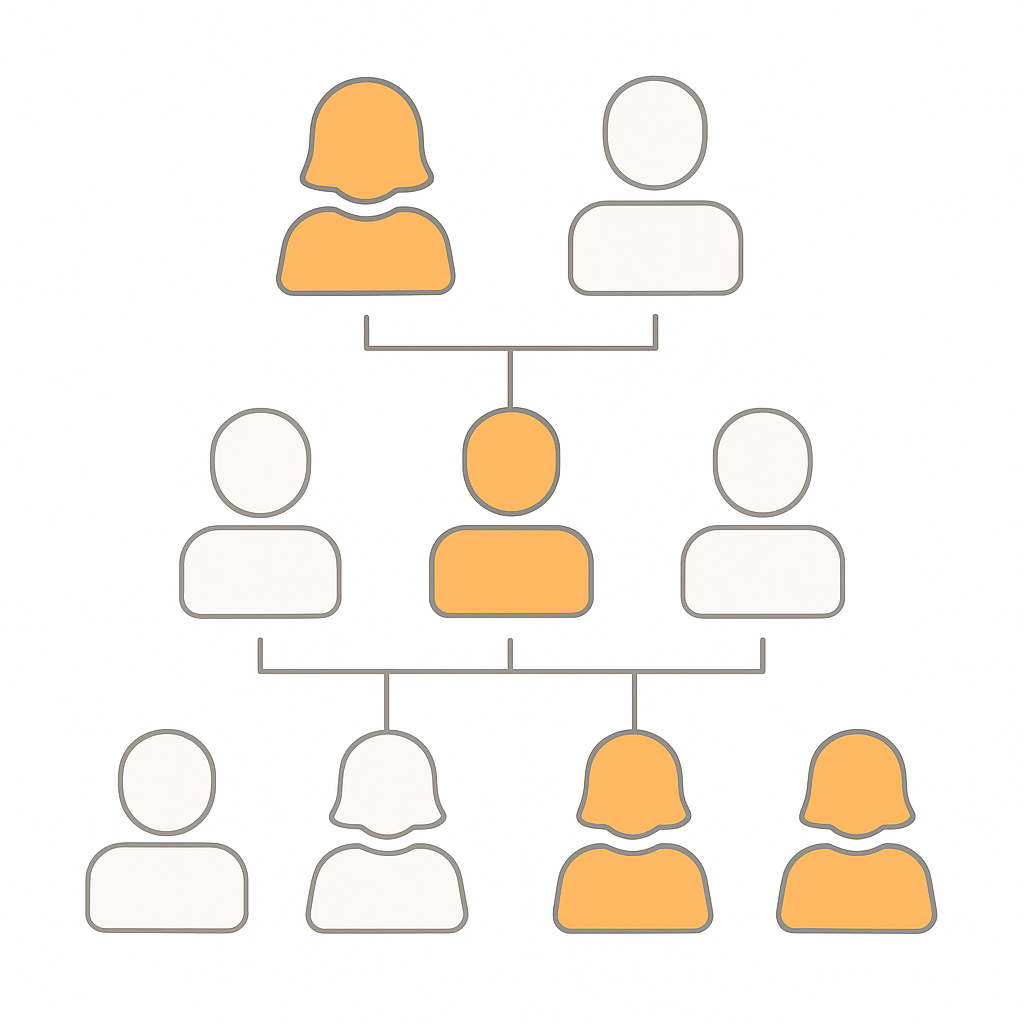
carrier
An individual who has inherited a gene but does not show the trait physically.

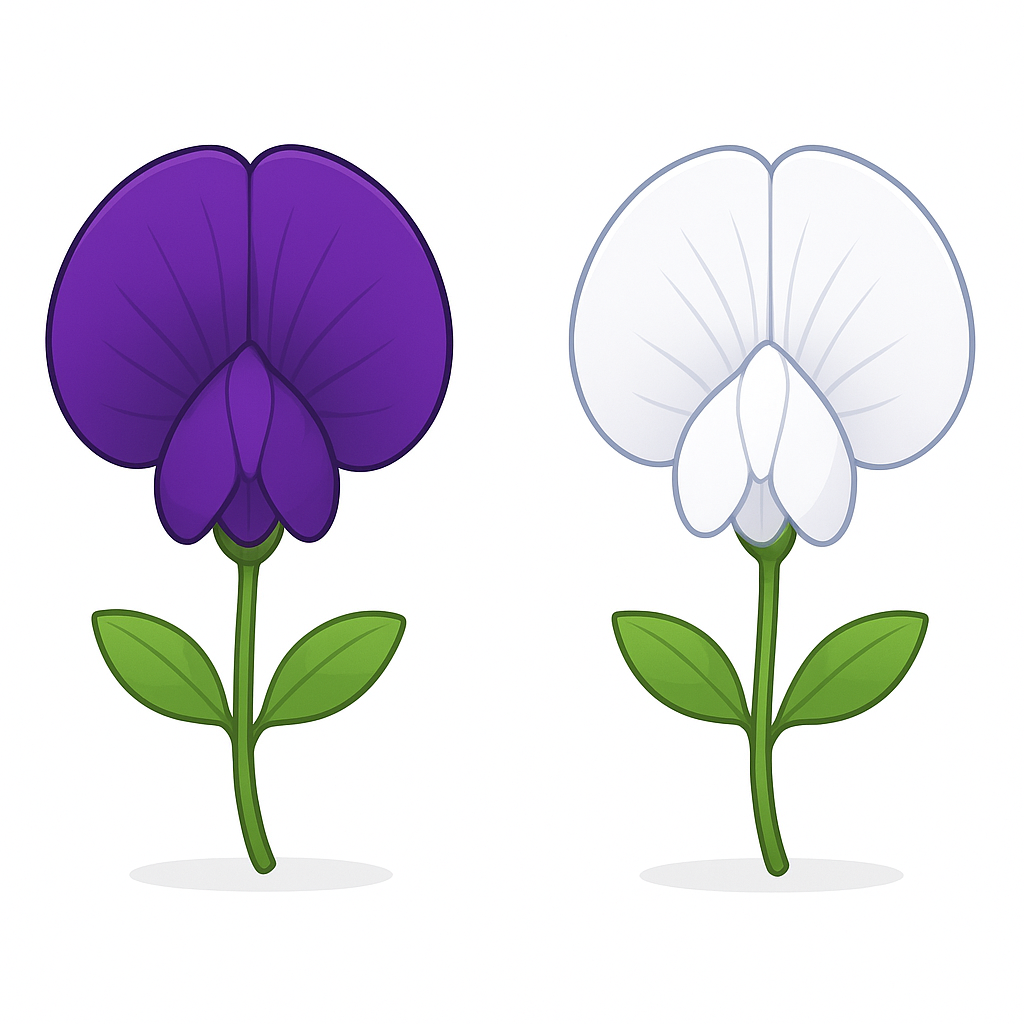
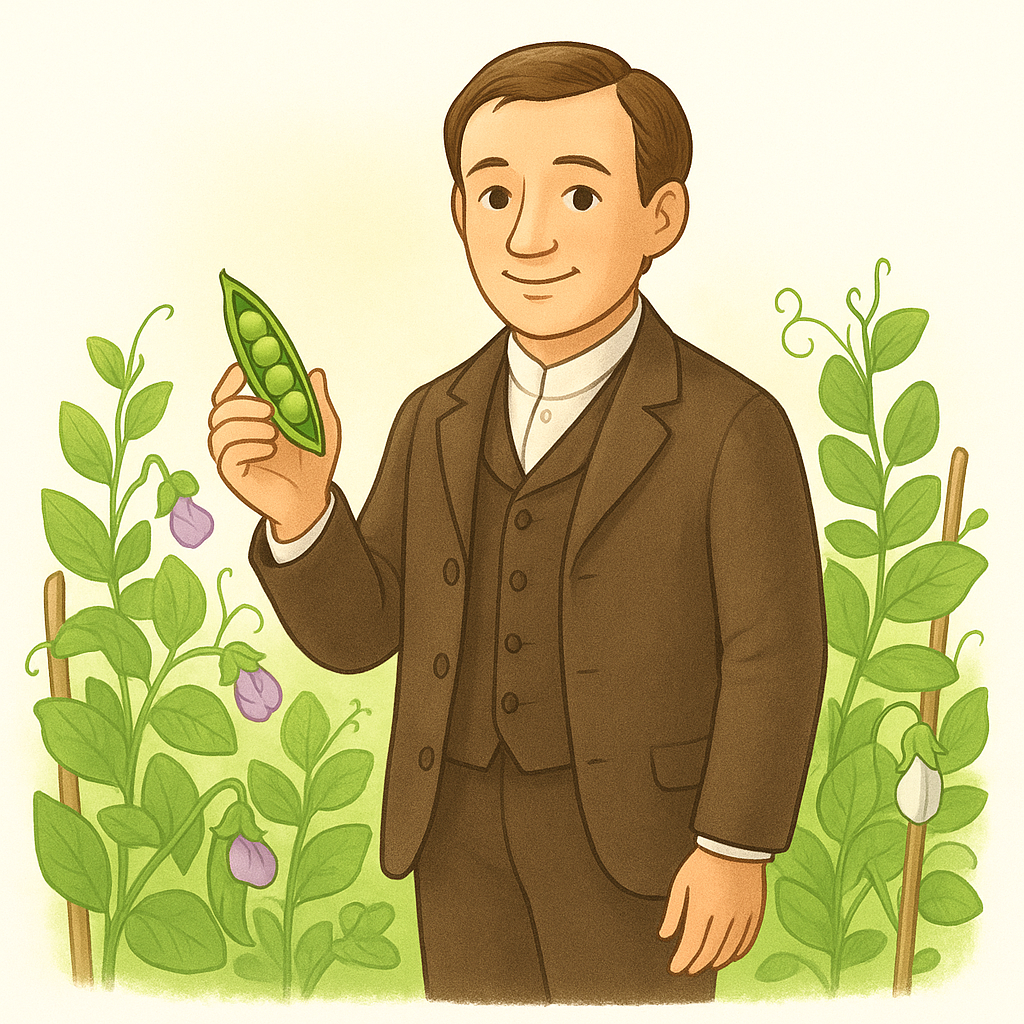
Gregor Mendel
The person who discovered the basic principles of heredity by studying garden pea plants.
nucleus
The part of a cell where chromosomes and genetic instructions are kept.
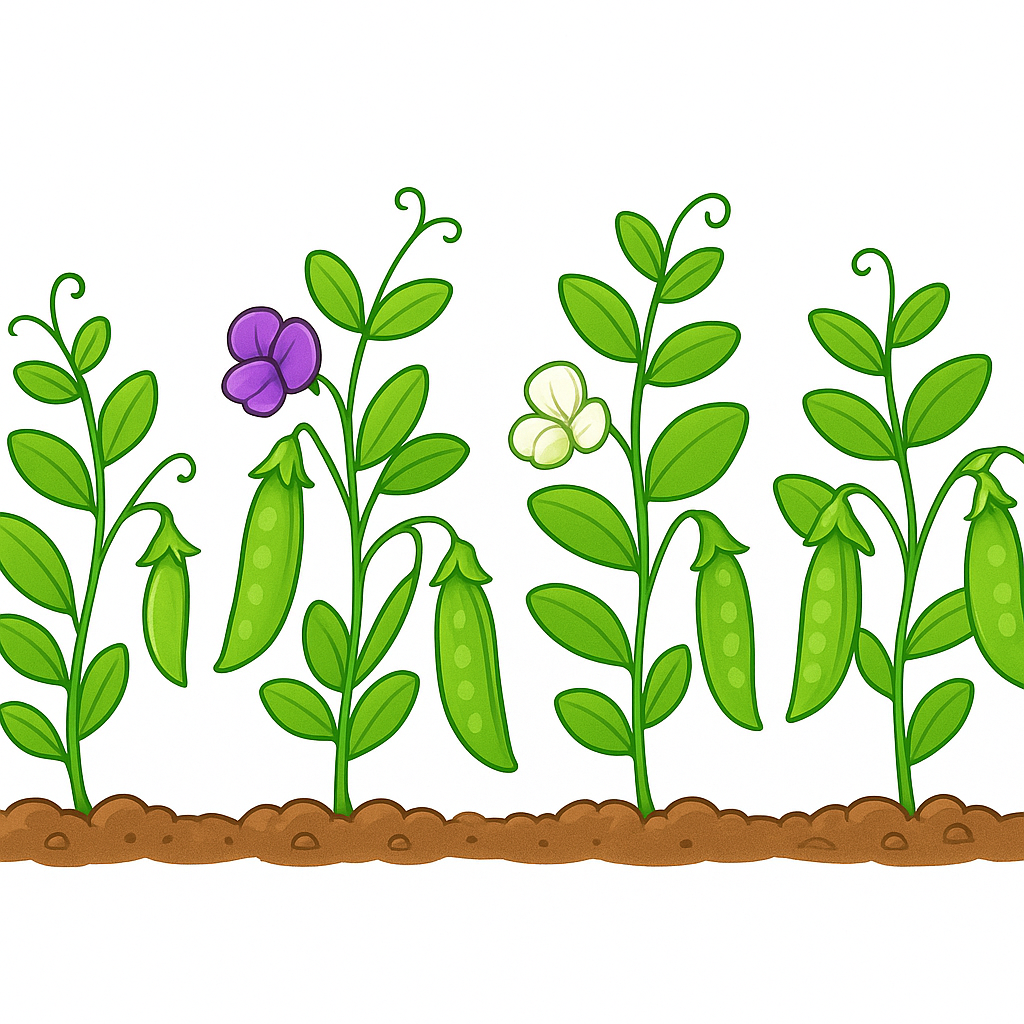
pea plants
The organisms Gregor Mendel used because they produce seeds quickly and have easy to trace traits.
capital letter
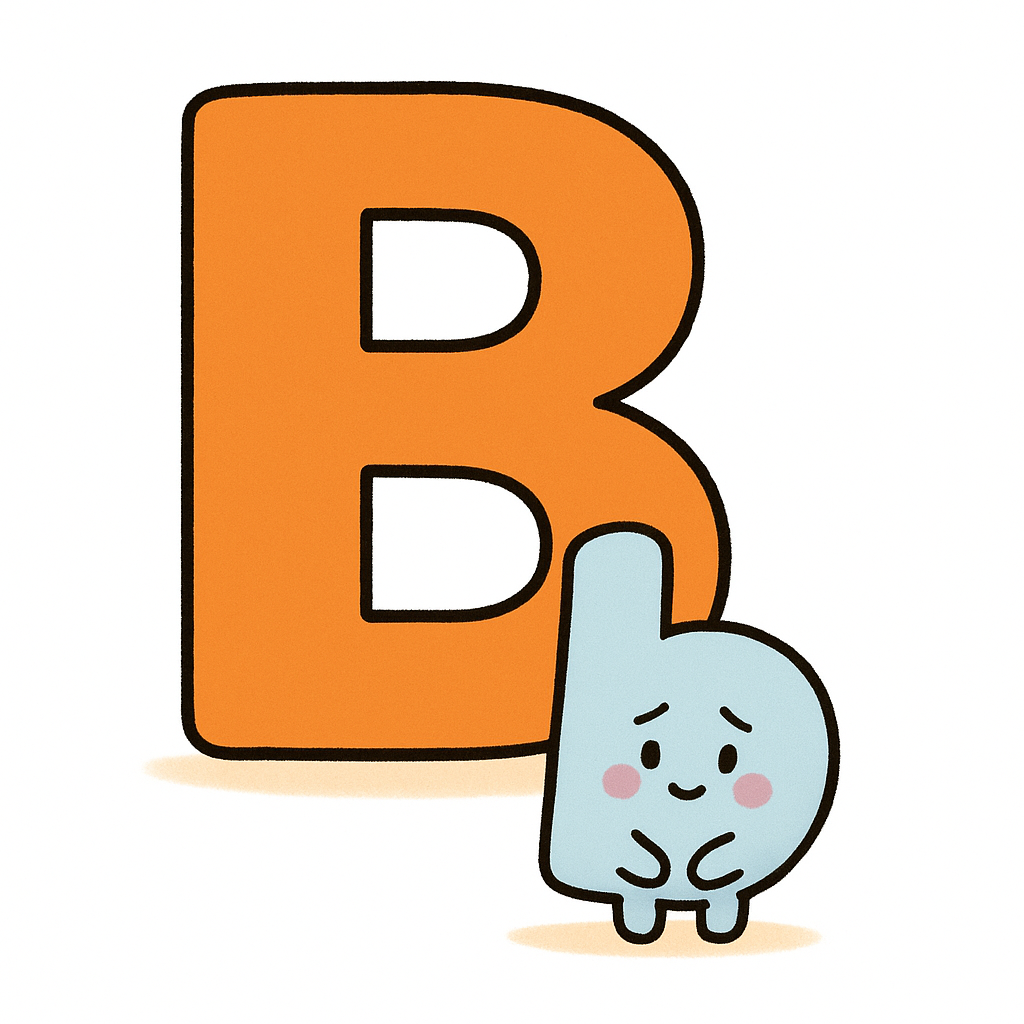
The type of symbol used to represent a dominant form of a trait in science.

lowercase letter
The type of symbol used to represent a recessive form of a trait in science.

reproduction
The biological process where inherited traits are passed from parents to their offspring.
flower color
An inherited trait in plants that Gregor Mendel studied to understand how heredity works.