bond pricing basics
 Call Kai
 Learn
Learn Practice Test
 Spaced Repetition
 Match
Match Flashcards
 Knowt Play
1/19

There's no tags or description
Looks like no tags are added yet.
Name | Mastery | Learn | Test | Matching | Spaced | Call with Kai | Chat |
|---|
No analytics yet
Send a link to your students to track their progress
20 Terms
how would we determine the value of a risk free bond that pays fixed promised coupons of C and the face value F at maturity
using the present value concept

what’s the other word for rf when you are talking about bonds specifically
spot rate per period
how would this formula be different for a zero coupon bond (“pure discount bond)
C=0, so this is the whole formula

its more common to talk about a bond in terms of its ________ rather than its ___________
yield rather than price
what is the YTM of a bond
yield to maturity (y)
define yield to maturity
the constant discount rate that sets the present value of a bonds promised cashflows equal to its current market price
(like IRR in a regular investment)
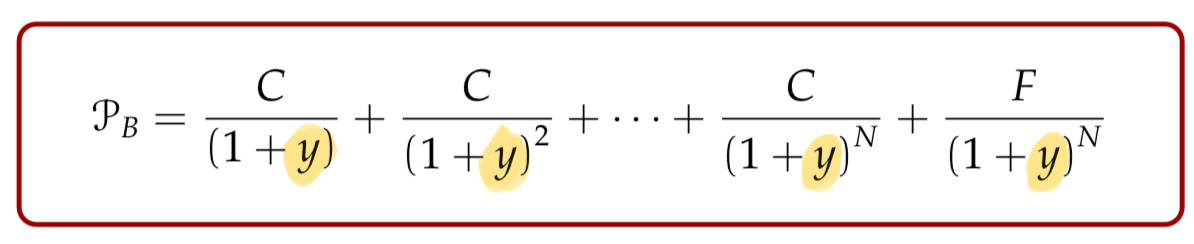
therefore, using maths, a higher yield will lead to a __________ price
lower!!
can the yield be interpreted as the bond’s expected return when held to maturity
like in certain situations but BARELY EVER so don’t assume this
what is a bond’s coupon rate
the percentage of face value that is paid as a coupon every year
what is a bond’s current yield (completely different from ‘yield’ talked about earlier btw)
percentage of current market price that is paid as a coupon every year
at maturity, a bond pays…
BOTH coupon and principal
note - look bak at the letcture reordings to see if u can hear him go over slides 85 and 86
okay
when does a bond trade at par
when market price = face value

when does a bond trade at discount
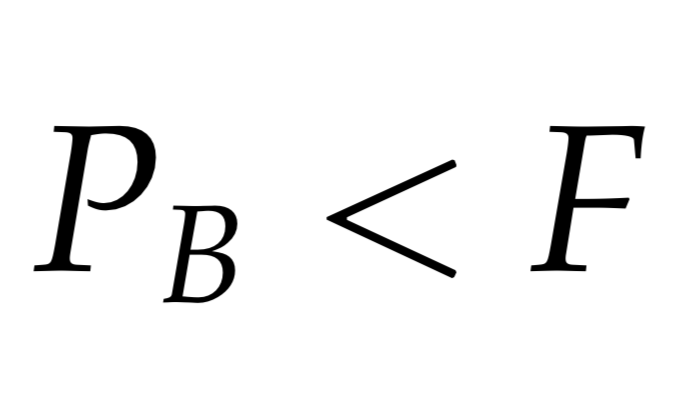
when market price < face value
when does a bond trade at a premium
when market price > face value

3 reasons why bonds are risky
default risk
inflation risk
interest rate risk
default risk
applies to corporate bonds
not for governments since they can either raise taxes or print money to meet obligations
BUT
some countries like eurozone ones can’t print money actually so this still might apply
inflation risk
can erode the real value of a bond’s cashflow
so then what does the risk adjusted market interest rate involve to account for inflation
.

interest rate risk
changes in interest rates change bond prices
longer term bonds tend to be more price sensitive
(this will be looked at more in another module - ECN132)