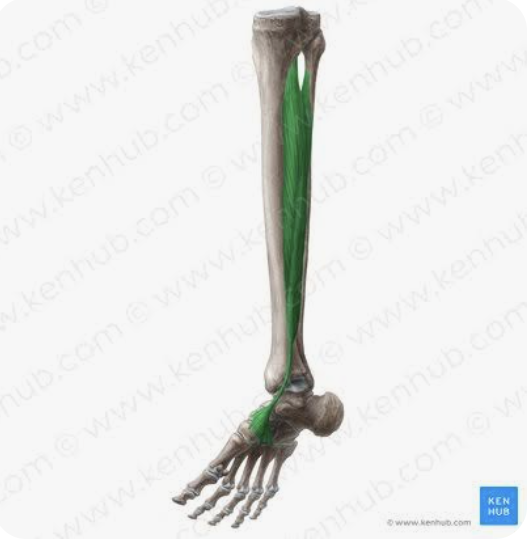
326 OIAI: Lower Limb
 Call Kai
 Learn
Learn Practice Test
 Spaced Repetition
 Match
Match Flashcards
 Knowt Play
1/36

There's no tags or description
Looks like no tags are added yet.
Name | Mastery | Learn | Test | Matching | Spaced | Call with Kai | Chat |
|---|
No analytics yet
Send a link to your students to track their progress
37 Terms
Name the Origin, Insertion, Action, and Innervation (N) of the Gluteus Maximus muscle
O: Thoracolumbar fascia; gluteal fossa of the iliac wing; sacrotuberous ligament; posterior and inferior sacrum and coccyx
I: Gluteal tuberosity of the femur; iliotibial band
A: Extension of thigh; external rotation of thigh, abduction of thigh
N: Inferior gluteal nerve
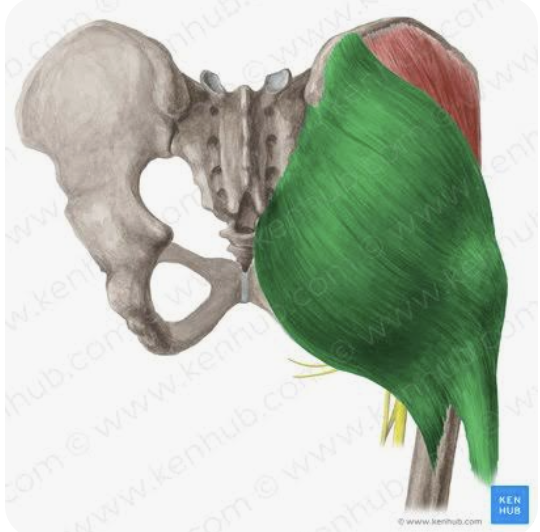
Name the Origin, Insertion, Action, and Innervation (N) of the Gluteus Medius muscle
O: Gluteal fossa of the iliac wing
I: Greater trochanter of the femur
A: Abduction of the thighs
Anterior fibres: Internal rotation
Posterior fibres: external rotation of the thigh at the hip
Working as a whole: stabilizer of the pelvis
N: Superior gluteal nerve
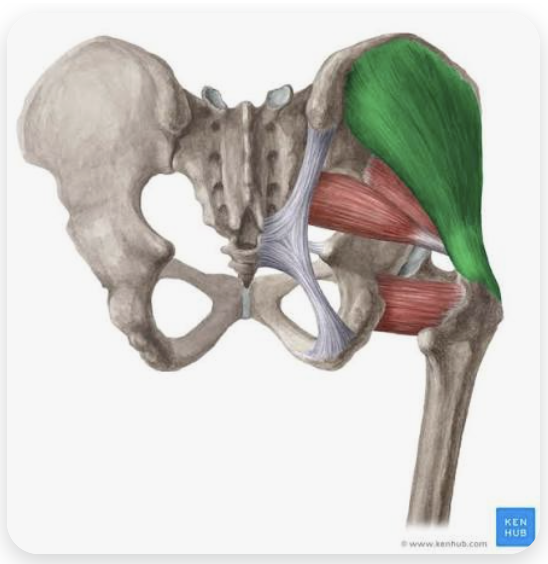
Name the Origin, Insertion, Action, and Innervation (N) of the Gluteus Minimus muscle
O: Gluteal fossa of the iliac wing
I: Greater trochanter of the femur
A: Abduction of the thigh;
Anterior portion: Internal rotation of the thigh (only)
N: Superior gluteal nerve
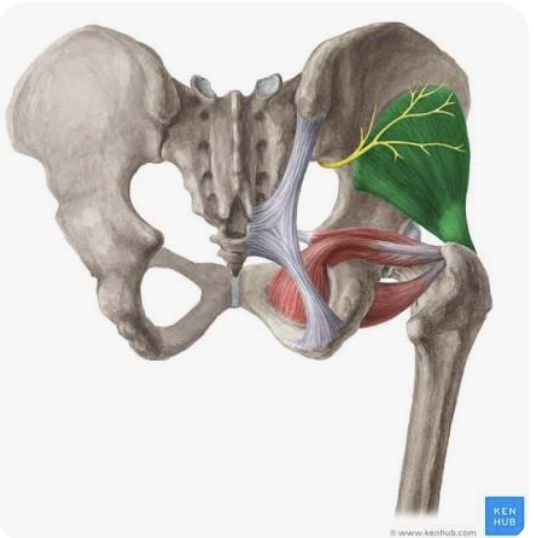
Name the Origin, Insertion, Action, and Innervation (N) of the Tensor Fascia Latae
O: Anterior superior iliac spine
I: Iliotibial tract
A: Abduction of the thigh at the hip (with gluteus max); flexion of the thigh; internal rotation of the thigh
N: Superior gluteal nerve
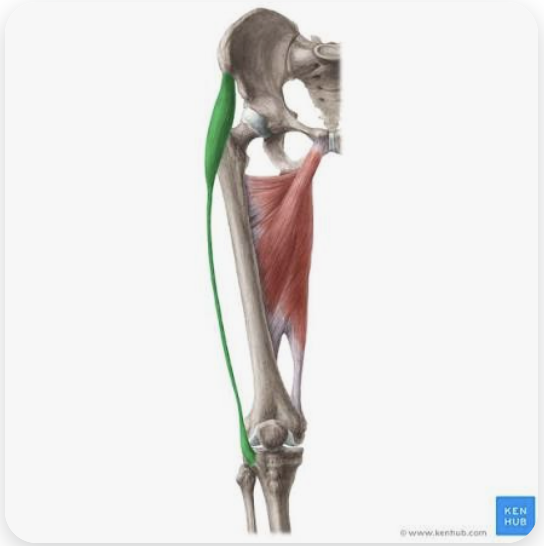
Name the Origin, Insertion, Action, and Innervation (N) of the Piriformis muscle
O: Anterior surface of the sacrum
I: Greater trochanter of the femur
A: External rotation of the thigh; abduction of the thigh
N: Branches of the sacral plexus
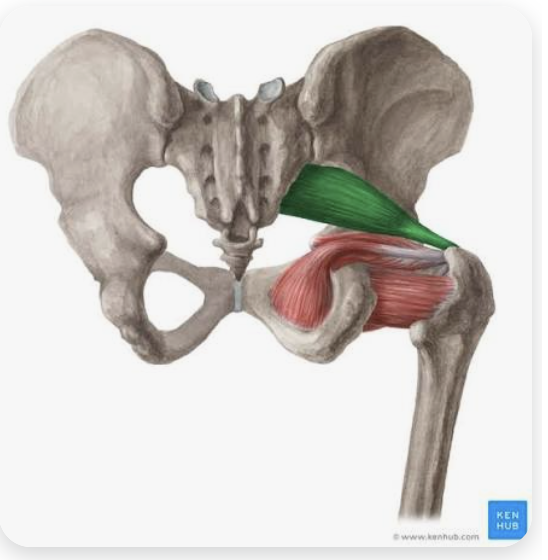
Name the Origin, Insertion, Action, and Innervation (N) of the Superior Gemellus muscle
O: Spine of the ischium
I: Greater trochanter of the femur
A: External rotation of the thigh; abduction of the thigh
N: Branches of the sacral plexus
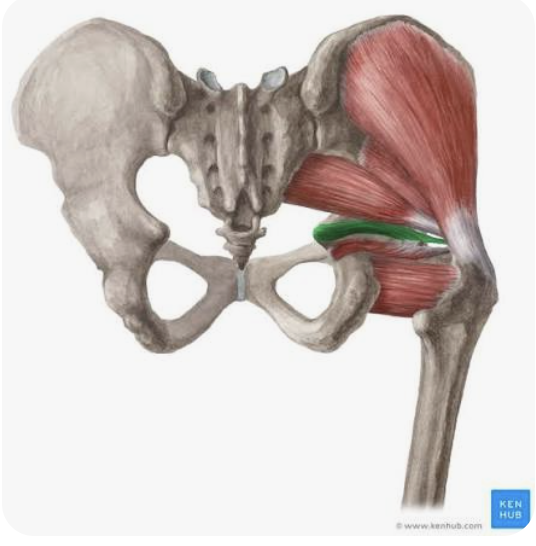
Name the Origin, Insertion, Action, and Innervation (N) of the Obturator internus muscle
O: Posterior surface of the obturator membrane
I: Greater trochanter of the femur; trochanteric fossa
A: External rotation of the thigh
N: Branches of the sacral plexus
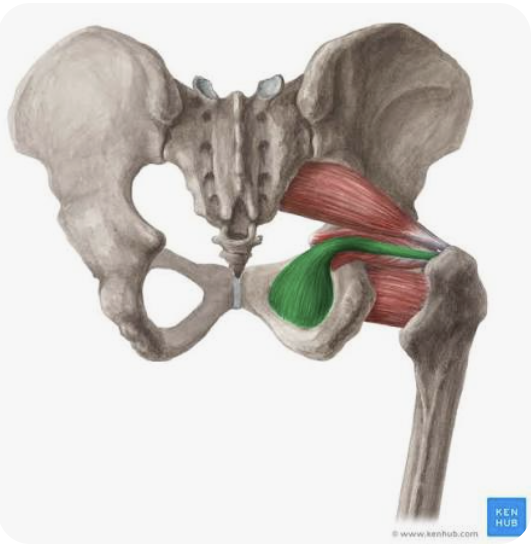
Name the Origin, Insertion, Action, and Innervation (N) of the Inferior Gemellus muscle
O: Tuberosity of the ischium
I: Greater trochanter of the femur
A: External rotation of the thigh; abduction of the thigh
N: Branches of the sacral plexus
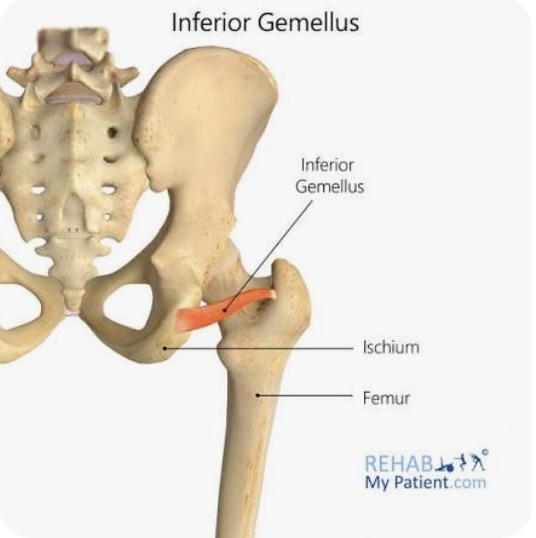
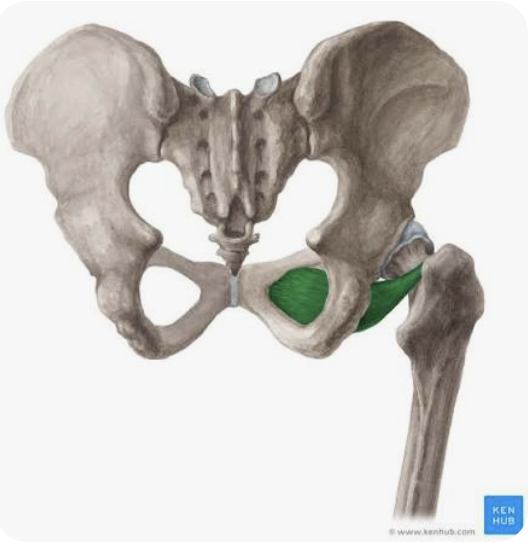
Name the Origin, Insertion, Action, and Innervation (N) of the Obturator Externus muscle
O: Anterior surface of obturator membrane
I: Trochanteric fossa
A: External rotation of thigh; Adduction of the thigh
N: Obturator nerve
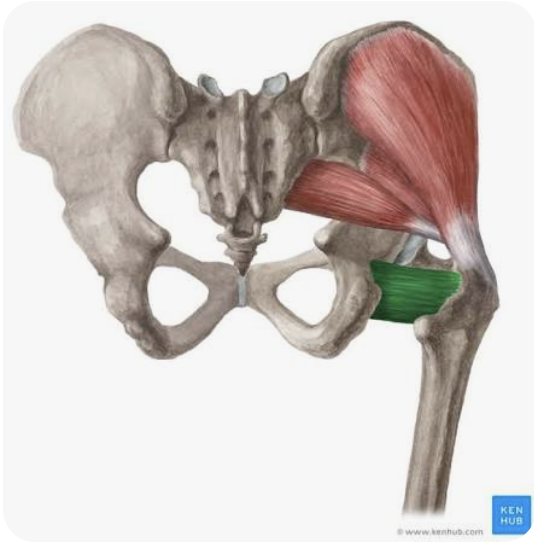
Name the Origin, Insertion, Action, and Innervation (N) of the Quadratus femoris muscle
O: Tuberosity of the ischium
I: Intertrochanteric crest of the femur
A: External rotation of the thigh; adduction of the thigh
N: Branches of the sacral plexus
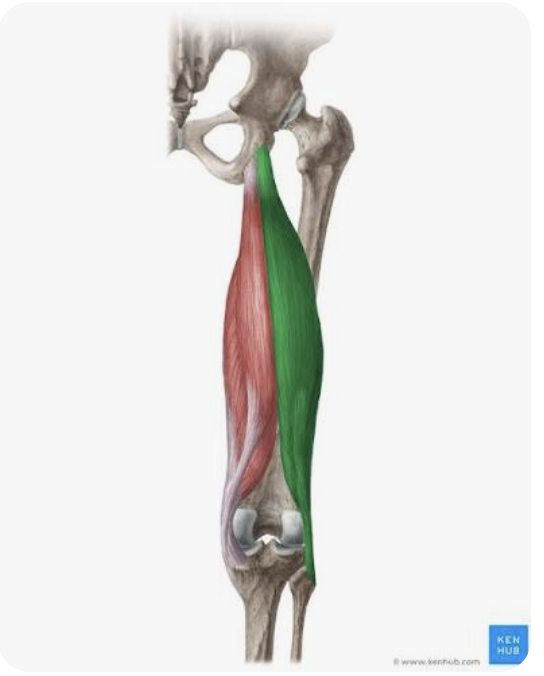
Name the Origin, Insertion, Action, and Innervation (N) of the Biceps femoris muscle
O: Long head → tuberosity of the ischium
Short head → linea aspera of the femur
I: Head of fibula; lateral condyle of tibia
A: Both heads → flexion of the leg; external rotation of the flexed leg;
Long head → extension of the thigh
N: Long head → tibial nerve
Short head → common peroneal nerve
Name the Origin, Insertion, Action, and Innervation (N) of the Semitendinosus muscle
O: Tuberosity of the ischium; sacrotuberous ligament
I: Pes anserinus (proximal tibia)
A: Flexion of the leg; internal rotation of the flexed leg; extension of the thigh
N: Tibial nerve
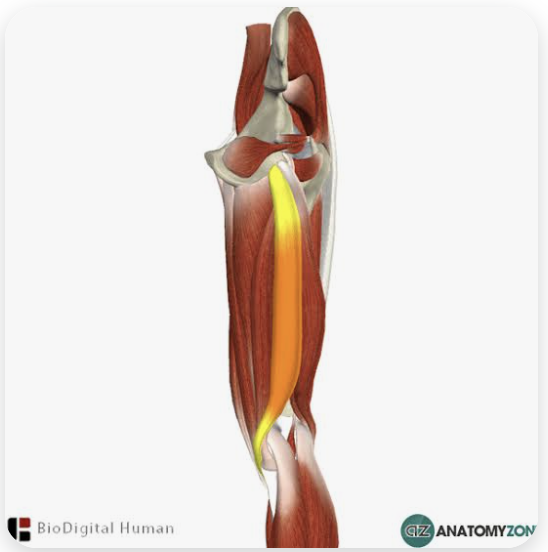
Name the Origin, Insertion, Action, and Innervation (N) of the Semimembranosus muscle
O: Tuberosity of the ischium
I: Dorsal surface of the medial condyle of the tibia
A: Flexion of the leg; internal rotation of the flexed leg; extension of the thigh
N: Tibial nerve
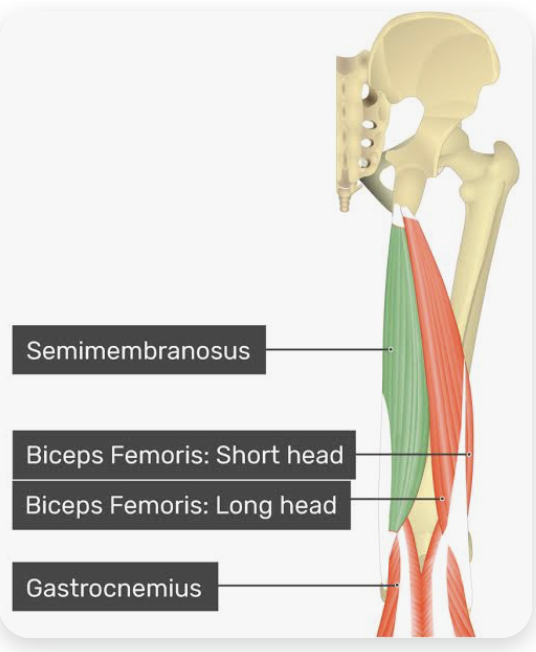
Name the Origin, Insertion, Action, and Innervation (N) of the Psoas major muscle
O: Transverse processes, L1-L5
I: Lesser trochanter of the femur
A: Flexion of the thigh; flexion of the trunk
N: Branches of lumbar plexus
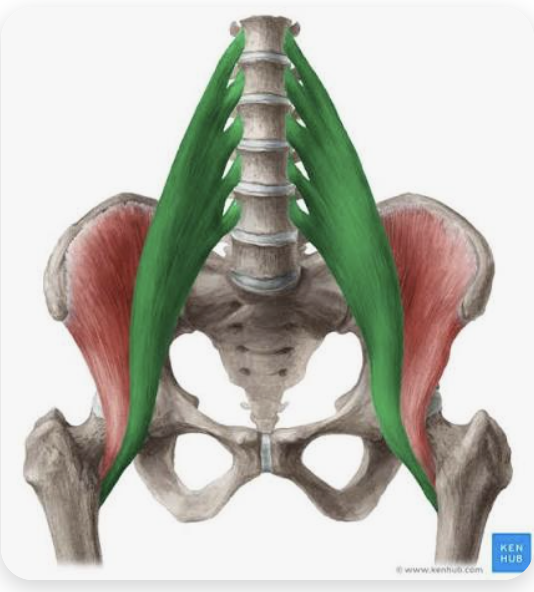
Name the Origin, Insertion, Action, and Innervation (N) of the Iliacus muscle
O: Iliac fossa
I: Lesser trochanter of the femur
A: Flexion of the thigh; flexion of the trunk
N: Femoral nerve
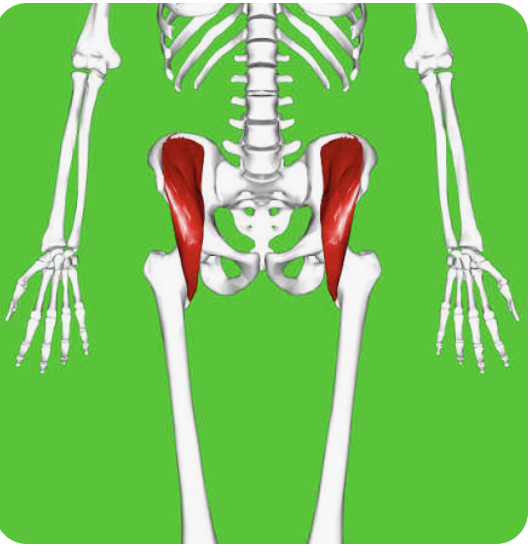
Name the Origin, Insertion, Action, and Innervation (N) of the Sartorius muscle
O: Anterior superior iliac spine
I: Medial aspect of the tibia via pes anserinus
A: Flexion of the thigh; flexion of the leg; external rotation of the thigh; internal rotation of the leg
N: Femoral nerve
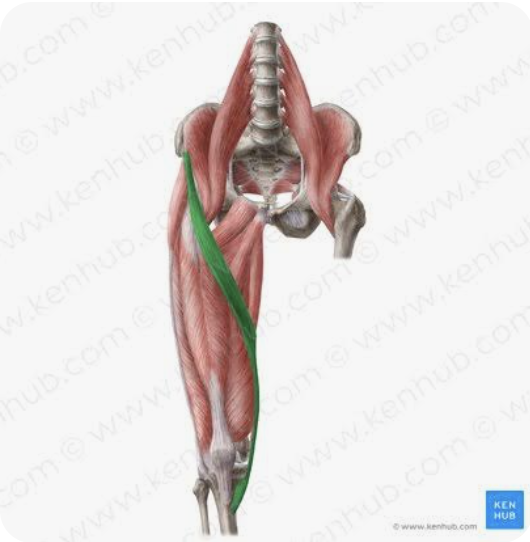
Name the Origin, Insertion, Action, and Innervation (N) of the Rectus femoris muscle
O: Anterior inferior iliac spine
I: Patella, tibial tuberosity
A: Extension of the leg; flexion of the thigh
N: Femoral nerve
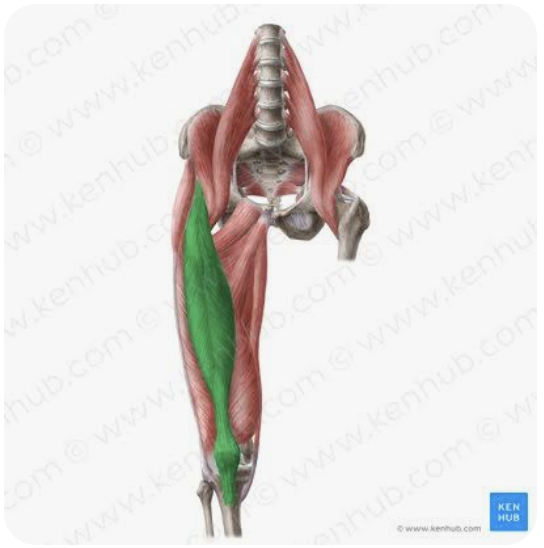
Name the Origin, Insertion, Action, and Innervation (N) of the Vastus lateralis muscle
O: Linea aspera of the femur; greater trochanter of the femur
I: Patella, tibial tuberosity
A: Extension of the leg
N: Femoral nerve
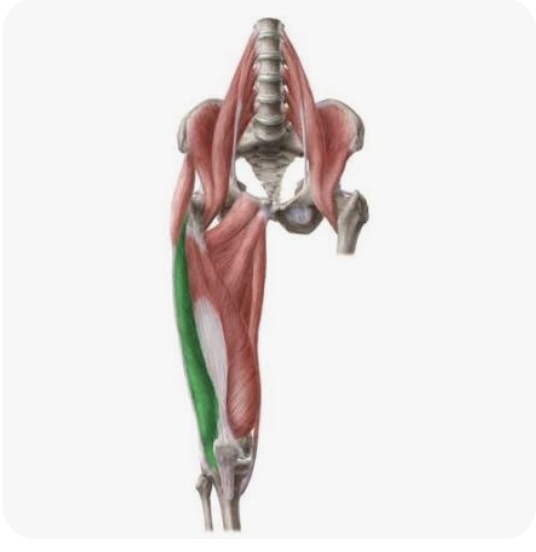
Name the Origin, Insertion, Action, and Innervation (N) of the Vastus medialis muscle
O: Linea aspera of the femur; intertrochanteric line
I: Patella, tibial tuberosity
A: Extension of the leg
N: Femoral nerve
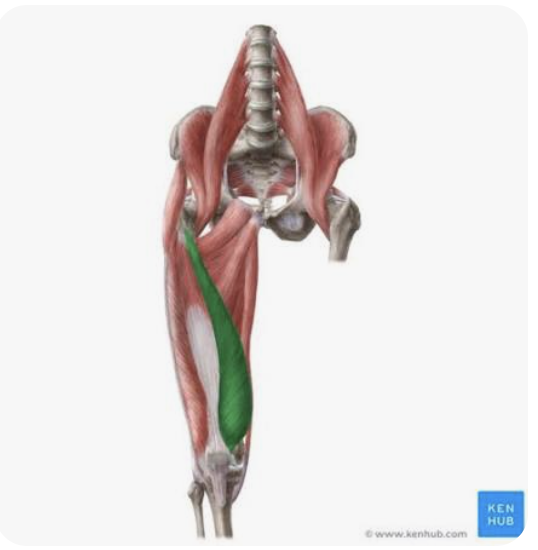
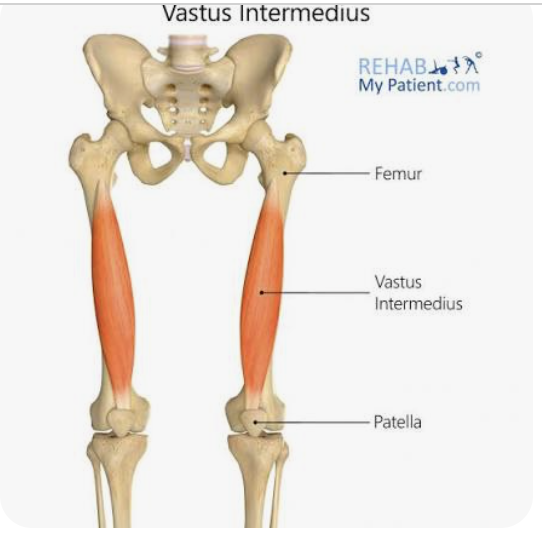
Name the Origin, Insertion, Action, and Innervation (N) of the Vastus intermedius muscle
O: Body of femur
I: Patella, tibial tuberosity
A: Extension of the leg
N: Femoral nerve
Name the Origin, Insertion, Action, and Innervation (N) of the Pectineus muscle
O: Pectineal line of the pubic bone
I: Pectineal line of the femur
A: Adduction of the thigh; external rotation of the thigh
N: Femoral nerve
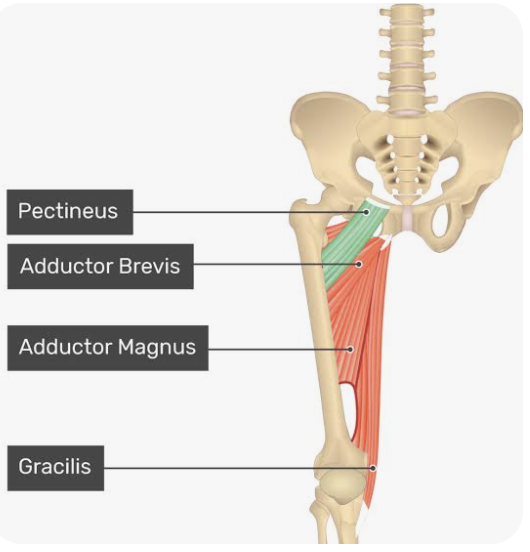
Name the Origin, Insertion, Action, and Innervation (N) of the Adductor brevis muscle
O: Body of the pubic bone; inferior pubic ramus
I: Linea aspera of the femur
A: Adduction of the thigh; internal and external rotation of the thigh (depending on position of femur - flexed = internal rotation; extension = external rotation)
N: Obturator nerve
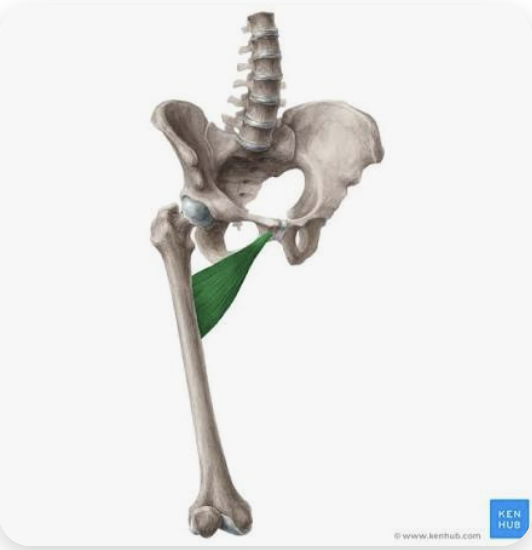
Name the Origin, Insertion, Action, and Innervation (N) of the Adductor longus muscle
O: Body of the pubic bone
I: Linea aspera of the femur
A: Adduction of the thigh; external rotation of the thigh
N: Obturator nerve
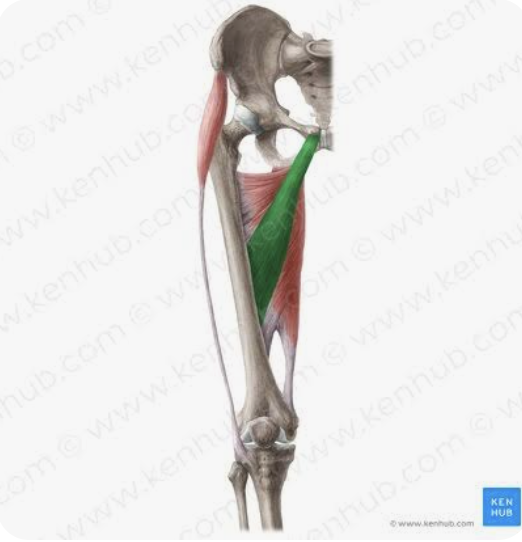
Name the Origin, Insertion, Action, and Innervation (N) of the Adductor magnus muscle
O: Hamstring portion → Ischial tuberosity
Adductor portion → Ischiopubic ramus
I: Hamstring portion → adductor tubercle of the femur
Adductor portion → linea aspera of the femur
A: Hamstring portion → extension of the thigh
Adductor portion → (powerful) adduction of thigh
N: Hamstring portion → sciatic nerve
Adductor portion → obturator nerve
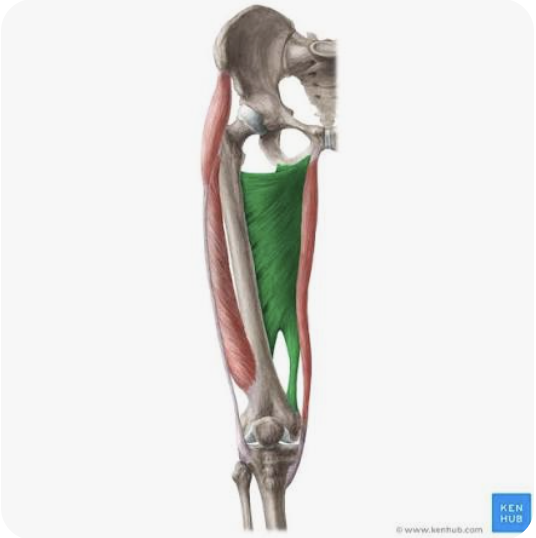
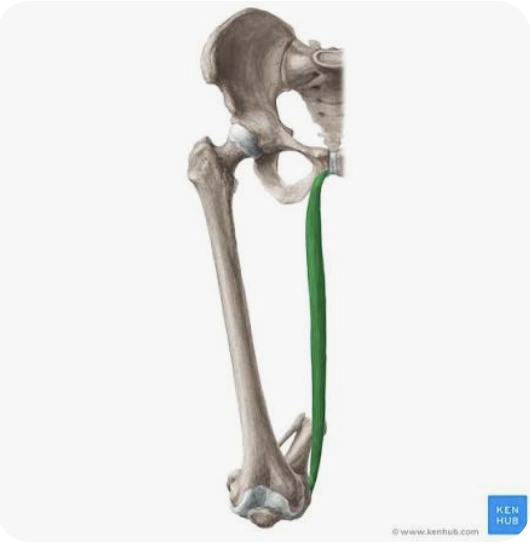
Name the Origin, Insertion, Action, and Innervation (N) of the Gracilus muscle
O: Body of the pubic bone; inferior pubic ramus
I: Pes anserinus
A: Adduction of the thigh; flexion of the leg; internal rotation of the leg
N: Obturator nerve
Name the Origin, Insertion, Action, and Innervation (N) of the Tibialis anterior muscle
O: Lateral condyle of the tibia; lateral aspect of the tibia; interosseous membrane of the leg
I: Base of the first metatarsal; medial cuneiform bone
A: Dorsiflexion of the foot; inversion of the foot
N: Deep peroneal nerve
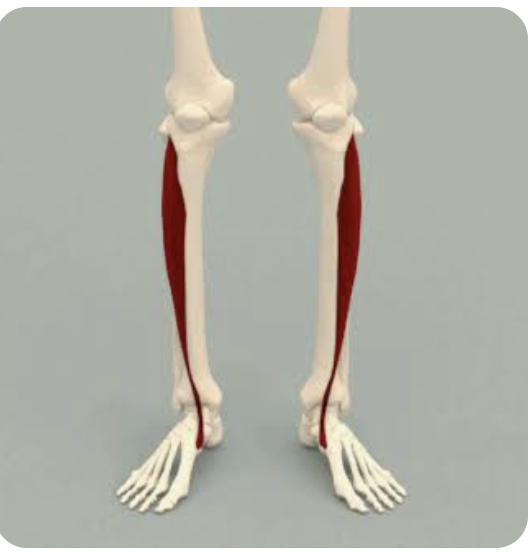
Name the Origin, Insertion, Action, and Innervation (N) of the Extensor digitorum longus muscle
O: Lateral condyle of the tibia; upper fibula; interosseous membrane of the leg
I: Middle and distal phalanges of the lateral four digits
A: Dorsiflexion of the foot; extension of digits 2-5
N: Deep peroneal nerve
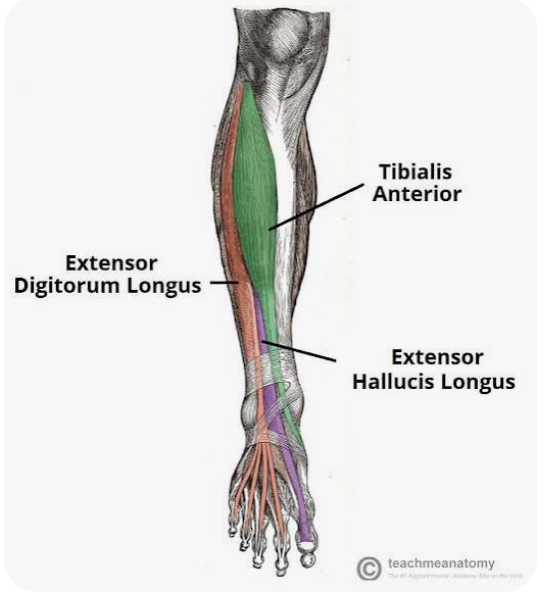
Name the Origin, Insertion, Action, and Innervation (N) of the Extensor hallucis longus muscle
O: Medial aspect of the fibula; interosseous membrane of the leg
I: Dorsal surface of the first distal phalanx
A: Extension of digit 1; dorsiflexion of the foot; inversion of the foot
N: Deep peroneal nerve
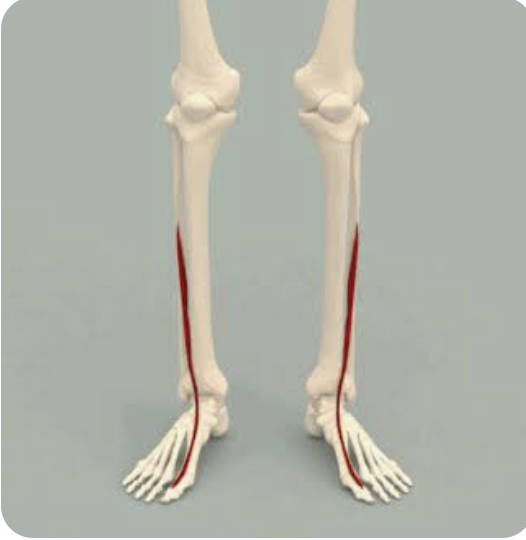
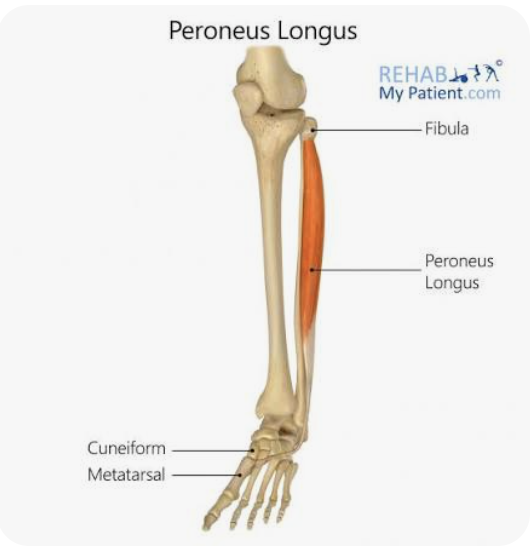
Name the Origin, Insertion, Action, and Innervation (N) of the Peroneus/fibularis longus muscle
O: Head of the fibula; upper fibula
I: Base of the first metatarsal; medial cuneiform
A: Eversion of the foot; (weak) plantar flexion of the foot
N: Superficial peroneal nerve
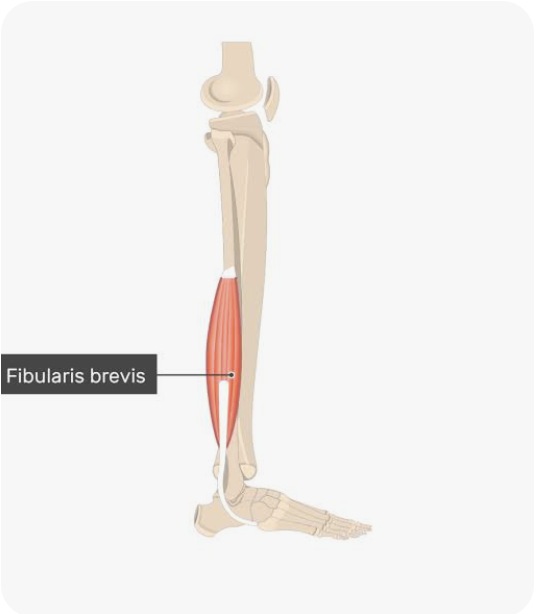
Name the Origin, Insertion, Action, and Innervation (N) of the Peroneus/fibularis brevis muscle
O: Lateral distal fibula
I: Lateral side of fifth metatarsal
A: Eversion of the foot; (weak) plantarflexion of the foot
N: Superficial peroneal nerve
Name the Origin, Insertion, Action, and Innervation (N) of the Gastrocnemius muscle
O: Lateral epicondyle of the femur; medial epicondyle of the femur
I: Tuber calcanei (via the calcaneal tendon)
A: Plantarflexion of the foot when the leg is extended; flexion of the leg
N: Tibial nerve
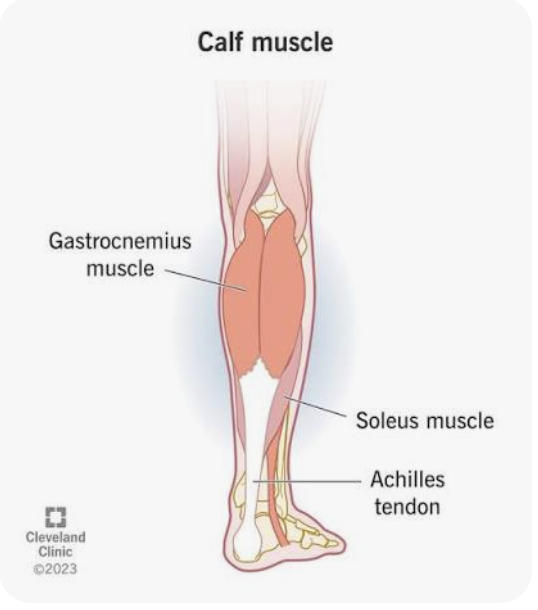
Name the Origin, Insertion, Action, and Innervation (N) of the Soleus muscle
O: Posterior fibula; soleal line of the tibia
I: Tuber calcanei (via calcaneal tendon)
A: Plantarflexion of the foot (independent of leg extension); (high percentage of slow-twitch fibres)
N: Tibial nerve
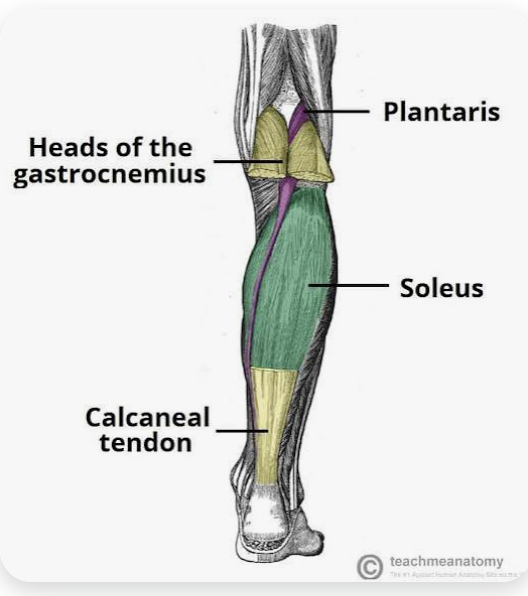
Name the Origin, Insertion, Action, and Innervation (N) of the Plantaris muscle
O: Lateral supracondylar line of the femur
I: Tuber calcanei (via the calcaneal tendon)
A: (weak) Plantarflexion of the foot
N: Tibial nerve
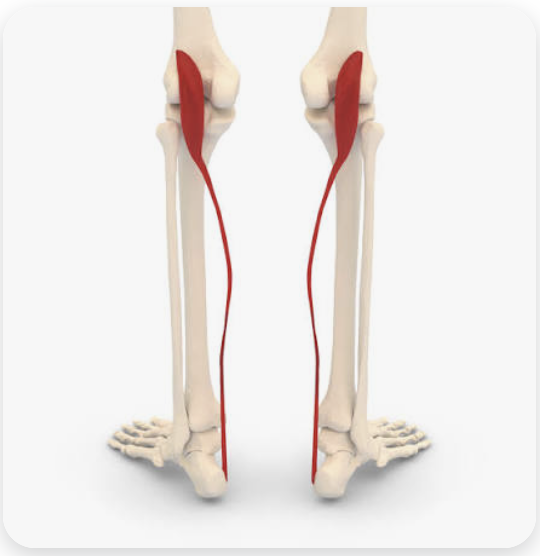
Name the Origin, Insertion, Action, and Innervation (N) of the Popliteus muscle
O: Lateral femoral epicondyle
I: Proximal, posterior tibia
A: Flexion of the leg; internal rotation of the leg - “unlocks the knee”
N: Tibial nerve
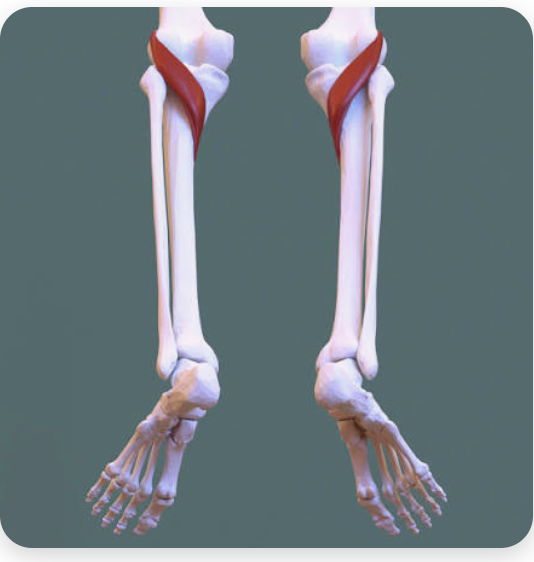
Name the Origin, Insertion, Action, and Innervation (N) of the Flexor hallucis longus muscle
O: Posterior fibula; interosseous membrane
I: Inferior surface of the first distal phalanx
A: Flexion of digit 1 of the foot; plantarflexion of foot; inversion of the foot
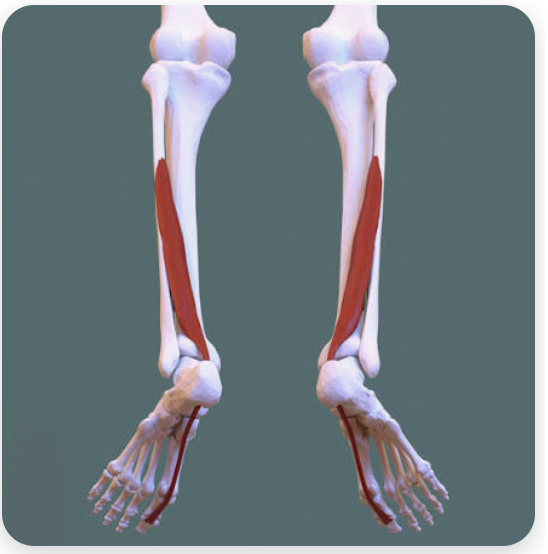
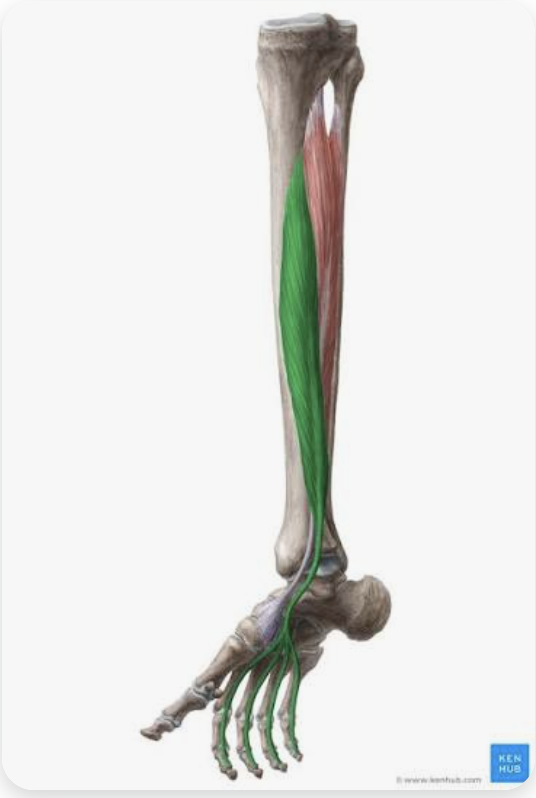
Name the Origin, Insertion, Action, and Innervation (N) of the Flexor digitorum longus muscle
O: Posterior tibia (body)
I: Inferior surfaces of distal phalanges of toes (2-5)
A: Flexion of toes 2-5; plantarflexion of the foot; inversion of the foot
N:Tibial nerve
Name the Origin, Insertion, Action, and Innervation (N) of the Tibialis posterior muscle
O: Posterior fibula; posterior tibia; interosseous membrane
I: Lateral cuneiform bone; intermediate cuneiform bone; medial cuneiform bone; tuberosity of the navicular bone
A: Plantarflexion of the foot; inversion of the foot; major role in supporting the medial arch
N: Tibial nerve