Civic Literacy Exam
 Call Kai
 Learn
Learn Practice Test
 Spaced Repetition
 Match
Match Flashcards
 Knowt Play
1/126

There's no tags or description
Looks like no tags are added yet.
Name | Mastery | Learn | Test | Matching | Spaced | Call with Kai | Chat |
|---|
No analytics yet
Send a link to your students to track their progress
127 Terms
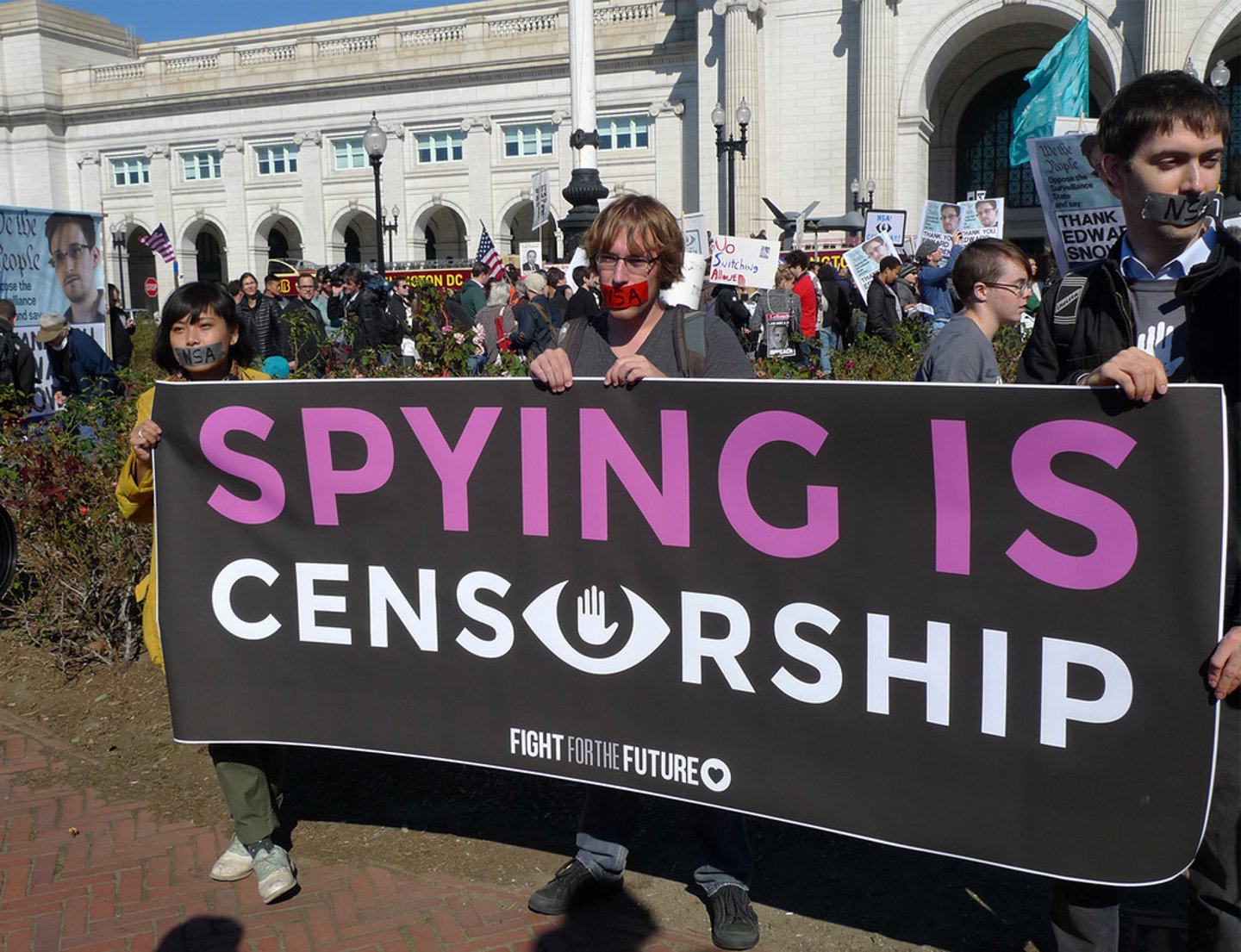
1st Amendment
Freedom of religion (establishment & free exercise clauses), speech, press, assembly, and petition.
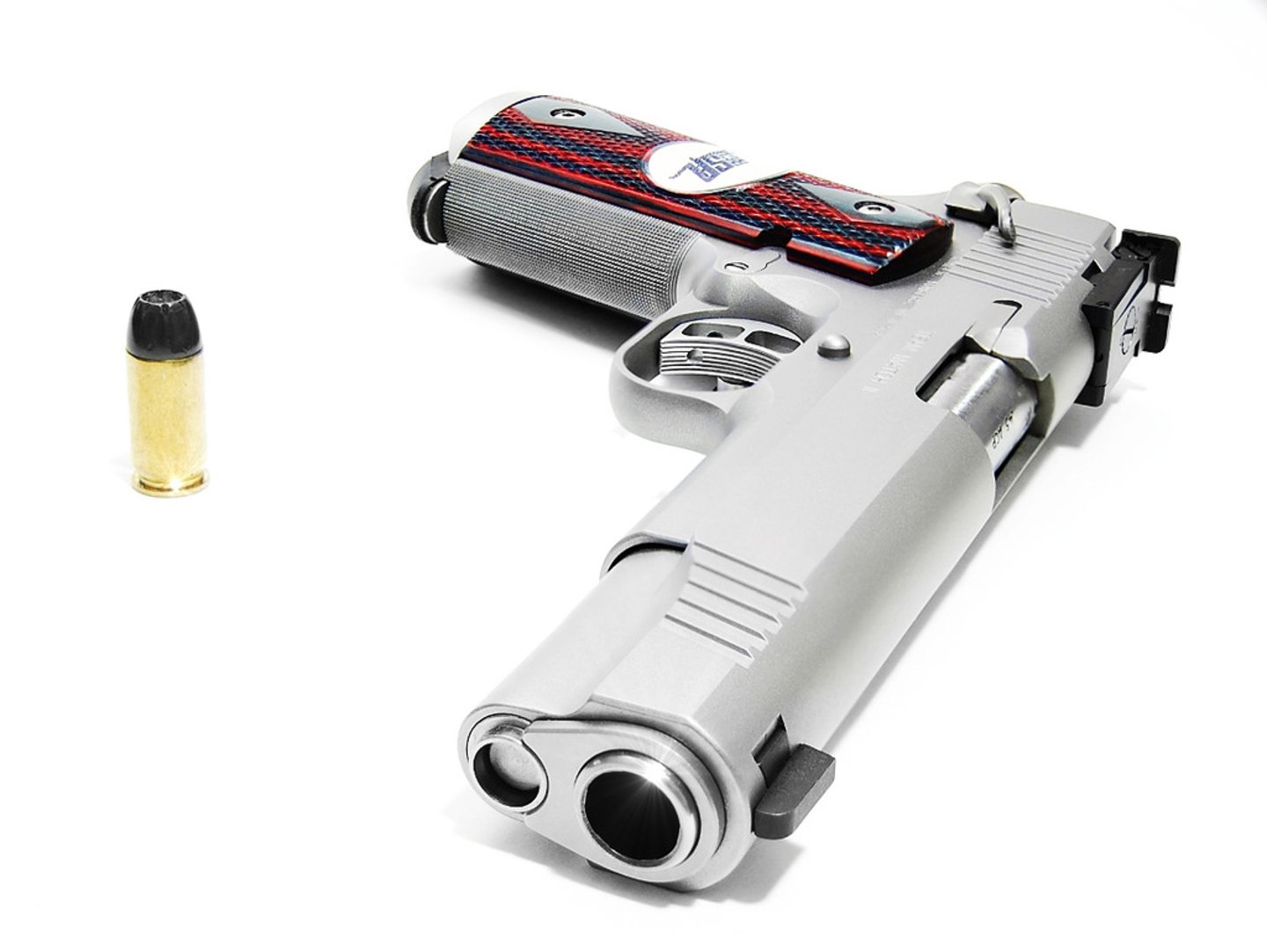
2nd Amendment
Right to bear arms.
A well regulated Militia, being necessary to the security of a free State, the right of the people to keep and bear Arms, shall not be infringed.
3rd Amendment
Prohibits the forced quartering of soldiers during peacetime.

4th Amendment
No unreasonable searches and seizures (

5th Amendment
(1) No Self-Incrimination
(2) No Double Jeopardy (defendant cannot be tried again on the same, or similar charges)
(3) No deprivation of life liberty or property without "due process of law" (fair treatment)
4) No one has to testify against them-self
5) Right to a Grand Jury
6th Amendment
You have the right to a speedy trial. The right to counsel in criminal trials. You get a free lawyer ("public defender"). Right to jury in criminal trials.
7th Amendment
Right to jury in civil trials.
8th Amendment
Government cannot inflict cruel and unusual punishment.

9th Amendment
Unenumerated Rights Amendment. Rights in addition to those stated in the Constitution. . Not everything can be written down. rights retained by the people

10th Amendment
Powers not expressly given to federal government by the Constitution are reserved to states or the people.
"reserved powers amendment"
"states' rights amendment"

11th Amendment
One State cannot be sued by another state
12th Amendment
separation of votes for President and Vice President
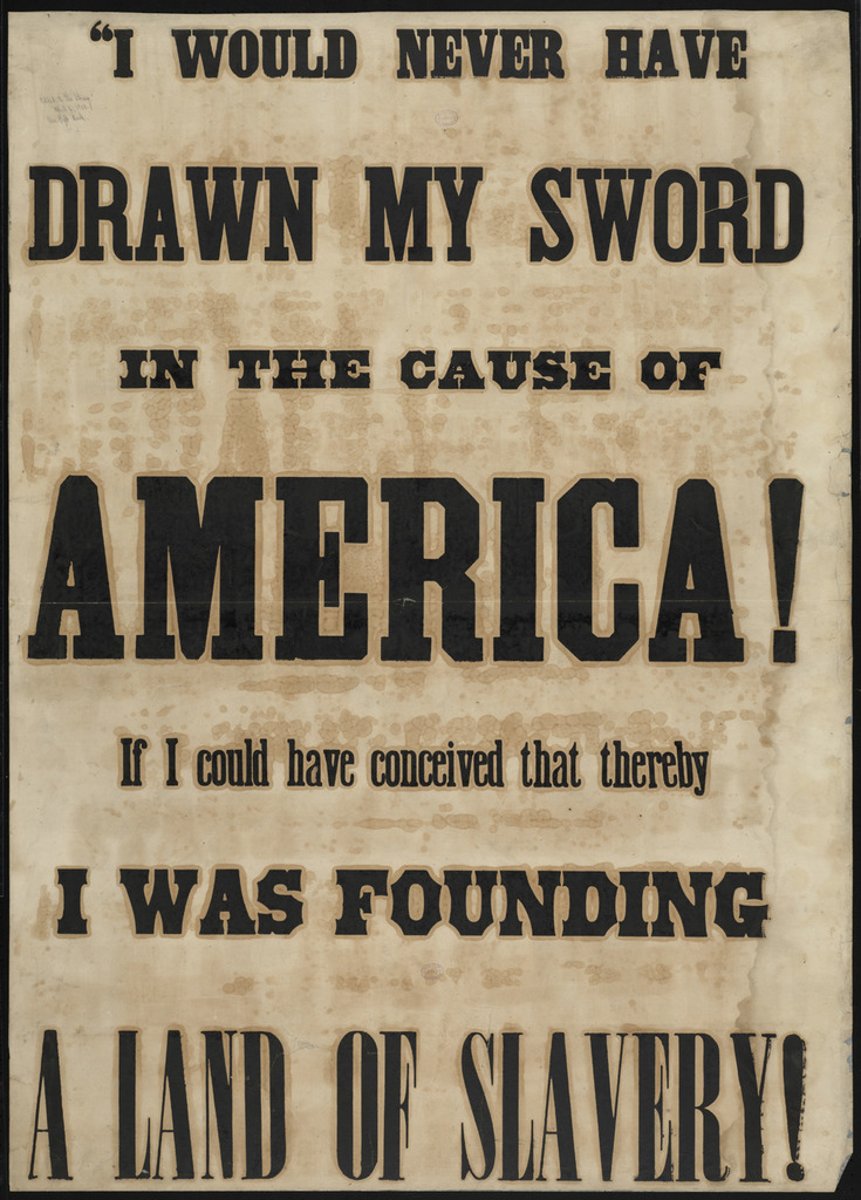
13th Amendment
Abolished slavery.
14th Amendment
(1) All persons born in the U.S. are citizens; (2) no person can be deprived of life, liberty or property without DUE PROCESS OF LAW; (3) no state can deprive a person of EQUAL PROTECTION of the laws.

15th Amendment
States cannot deny any person the right to vote because of race.
16th Amendment
Power of Congress to tax income
17th Amendment
Established the direct election of senators (instead of being chosen by state legislatures)
18th Amendment
Prohibition of alcohol
19th Amendment
States cannot deny the right to vote based on gender
20th Amendment
Congress begins on January 30th; President starts on January 20th
"Lame-duck" Amendment
21st Amendment
Repeal of Prohibition

22nd Amendment
Limits the president to two terms or 10 years.
23rd Amendment
Gives Washington DC electoral college votes as if it were a state (DC still has no representation in Congress)
24th Amendment
Abolishes poll taxes
25th Amendment
(1) Succession of VP if president dies or become incapable to do his job.(2) if there is no VP, president must appoint one, and congress must approve
26th Amendment
States cannot deny the right to vote based on age (18+)
27th Amendment
congressional pay raises are not begun until the next election

What is the social contract?
The people give up some liberty to receive governmental protection.
Who is in charge of the executive branch?
The President.
Which government officials are elected by the people?
Mayors.
What are the first two paragraphs of the Declaration of Independencecalled?
The Preamble.
Which United States Supreme Court decision was based on the First Amendment?
Tinker v. Des Moines (1969)
The colonists used a political cartoon with the caption "Join or Die" to support which action?
Forming their own government.
Which United States Supreme Court decision was based on the Equal Protection Clause?
Plessy v. Ferguson (1896).
Who is Commander in Chief of the military?
The President.
What is the length of a U.S. Representative's elected term?
Two years.
Which action is an example of petitioning the government?
Lobbying officials.
How did District of Columbia v. Heller (2008) impact states' rights?
It reduced the ability of states to place restrictions on Second Amendment rights.
Which United States Supreme Court case is correctly paired with the constitutional amendment on which it focused?
Citizens United v. Federal Election Commission (2010) - First Amendment
What is an example of federalism?
The principle that the national and state governments share power.
What is an example of a democratic process?
The people elect a Governor.
Which of the following is a right reserved for U.S. citizens only?
Running for federal office.
What is the highest federal court in the United States?
The Supreme Court.
Based on the U.S. Constitution, which part of government was intended to hold the least power?
The judiciary.
How did the holding in the United States Supreme Court case Gideon v. Wainwright (1963) impact criminal defendants?
It established that defendants had the right to counsel.
Who has the power to veto bills?
The President.
How did the holding in the United States Supreme Court case Miranda v. Arizona (1966) impact criminal defendants?
It established that defendants were protected against self-incrimination.
Which is a core theme of the Federalist Papers?
The proposed Constitution should be ratified.
Which United States Supreme Court decision was based on the Necessary and Proper Clause?
McCulloch v. Maryland (1819).
What is popular sovereignty?
Rule by the people.
Which of the following documents provided an outline for a state-centered government?
Articles of Confederation
What is one right included in the First Amendment?
Free speech.
What is one branch of the U.S. federal government?
Legislative.
How many amendments does the U.S. Constitution currently have?
27.
Which document was adopted by the newly independent United States to organize the national government after declaring independence?
The Articles of Confederation.
Which right did the colonists consider "inalienable" in the Declaration of Independence?
Pursuit of happiness.
What is the first phrase of the U.S. Constitution?
"We the people of the United States, in order to form a more perfect union".
What stops one branch of government from becoming too powerful?
Checks and balances.
What is due process?
Fair treatment in judicial proceedings.
What is the minimum number of members of the U.S. House of Representatives representing each state?
One.
Which part of government was created to reflect the colonists' position that governments derive their powers from the consent of the governed?
The legislature.
Which statement from the English Bill of Rights is reflected in the U.S. Constitution's Eighth Amendment?
"That excessive bail ought not to be required . . .nor cruel and unusual punishments inflicted;"
What did the Declaration of Independence do?
Declared independence from Great Britain.
Which scenario represents a violation of the Equal Protection Clause?
A state law establishes a higher minimum wage for men than for women.
What is an example of representation?
The U.S. Congress passes a law.
What is an example of a power reserved to the states?
Creating school systems.
Which United States Supreme Court case held that persons accused of crimes must be advised of their Fifth and Sixth Amendment rights upon their arrest?
Miranda v. Arizona (1966).
What does the U.S. Constitution do?
It sets up a federal government.
Which of the following represents the principle of consent of the governed?
Individuals elect members of the House of Representatives.
What is an example of judicial review?
The power of the Supreme Court to find laws unconstitutional.
How did the U.S. Constitution resolve the dispute between slave and free states over representation?
Three-Fifths Compromise.
Which of the following pairs of cases focused on the rights of public school students?
Tinker v. Des Moines (1969) and Hazelwood v. Kuhlmeier (1988)
Which phrase from the English Bill of Rights (1689) is reflected in the U.S. Constitution's Third Amendment?
"That . . .keeping a standing army within the kingdom in time of peace . . .is against law"
According to the authors of the Declaration of Independence, who is responsible for protecting natural rights?
The government.
If both the U.S. President and the U.S. Vice President are unable to serve, who acts as president?
The Speaker of the House.
Which United States Supreme Court decision focused on how states count popular votes for president and vice president?
Bush v. Gore (2000).
Which of the following cases held that reproductive rights were an element of the right to privacy under the Bill of Rights and the Fourteenth Amendment?
Roe v. Wade (1973).
Which phrase is included in the Declaration of Independence?
"all men are created equal"
Which United States Supreme Court decision was based on the Free Exercise Clause?
West Virginia v. Barnette (1943).
Who signs proposed bills into federal laws?
T.he President of the United States
Which part of the U.S. Constitution protects the freedom of religion?
The Bill of Rights.
What is one qualification to serve as a member of the U.S. House of Representatives?
Be at least 25 years old.
Who does a U.S. Senator represent?
The residents of a single state.
Which of the following correctly pairs a document with a core theme of that document?
Magna Carta - Established the principle of rule of law
Which of the following pairs of United States Supreme Court cases resulted in limiting the power for local governments?
Brown v. Board of Education (1954) and District of Columbia v. Heller (2008).
Which of the following cases reinforced the federal government's authority to run a federal institution without interference by a state?
McCulloch v. Maryland (1819).
Which United States Supreme Court case established the power of judicial review?
Marbury v. Madison (1803).
What is the length of a U.S. President's elected term?
Four years.
Which of the following cases reinforced the power of the courts?
Marbury v. Madison (1803).
Which United States Supreme Court decision resulted in reduced power for state governments?
Roe v. Wade (1973).
Which United States Supreme Court holding impacted the way that religious practice was approached in public schools?
Engel v. Vitale (1962).
Which United States Supreme Court case focused on executive privilege?
U.S. v. Nixon (1974).
Which United States Supreme Court case focused on whether an enslaved person, having lived in free territory, should be free?
Dred Scott v. Sandford (1857).
Which of the following pairs of cases limited the rights of African Americans?
Plessy v. Ferguson (1896) and Dred Scott v. Sandford (1857).
What is the "rule of law"?
No one is above the law.
The U.S. Constitution requires that the President be elected by whom?
The Electoral College.
Which phrase from a letter written by Sarah Grimké in 1837 is reflected in the Fourteenth Amendment?
"I ask no favors for my sex. I surrender not our claim to equality."
Which of the following pairs of cases impacted First Amendment rights?
Texas v. Johnson (1989) and Hazelwood v. Kuhlmeier (1988).
What is one responsibility of only U.S. citizens?
Serving on a jury.
Which point of view is reflected in Common Sense?
Representatives should be elected.