Mod3 Chemical Reactions:
 Call Kai
 Learn
Learn Practice Test
 Spaced Repetition
 Match
Match Flashcards
 Knowt Play
1/35

There's no tags or description
Looks like no tags are added yet.
Name | Mastery | Learn | Test | Matching | Spaced | Call with Kai |
|---|
No analytics yet
Send a link to your students to track their progress
36 Terms
System
A part of the universe being studied
Surroundings
everything outside the system
open system
a system where matter and energy can enter and leave
closed system
a system where energy can enter and leave but matter cannot
isolated system
a system where neither matter nor energy can anter or leave
limiting reagent
reagent that is fully consumed in a reaction
excess reagent
reagent leftover from a reaction
actual yield
the amount of product produced or collected
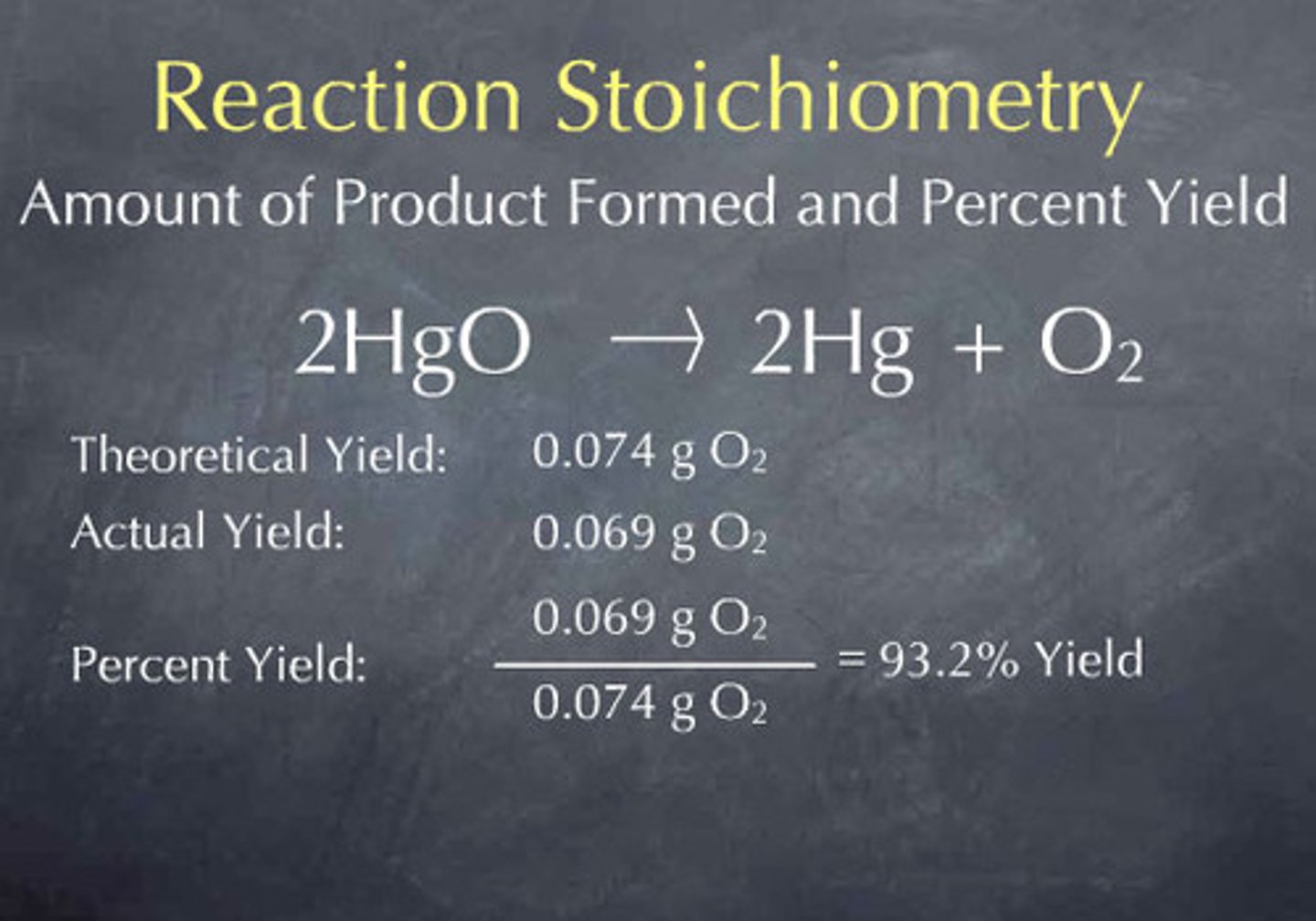
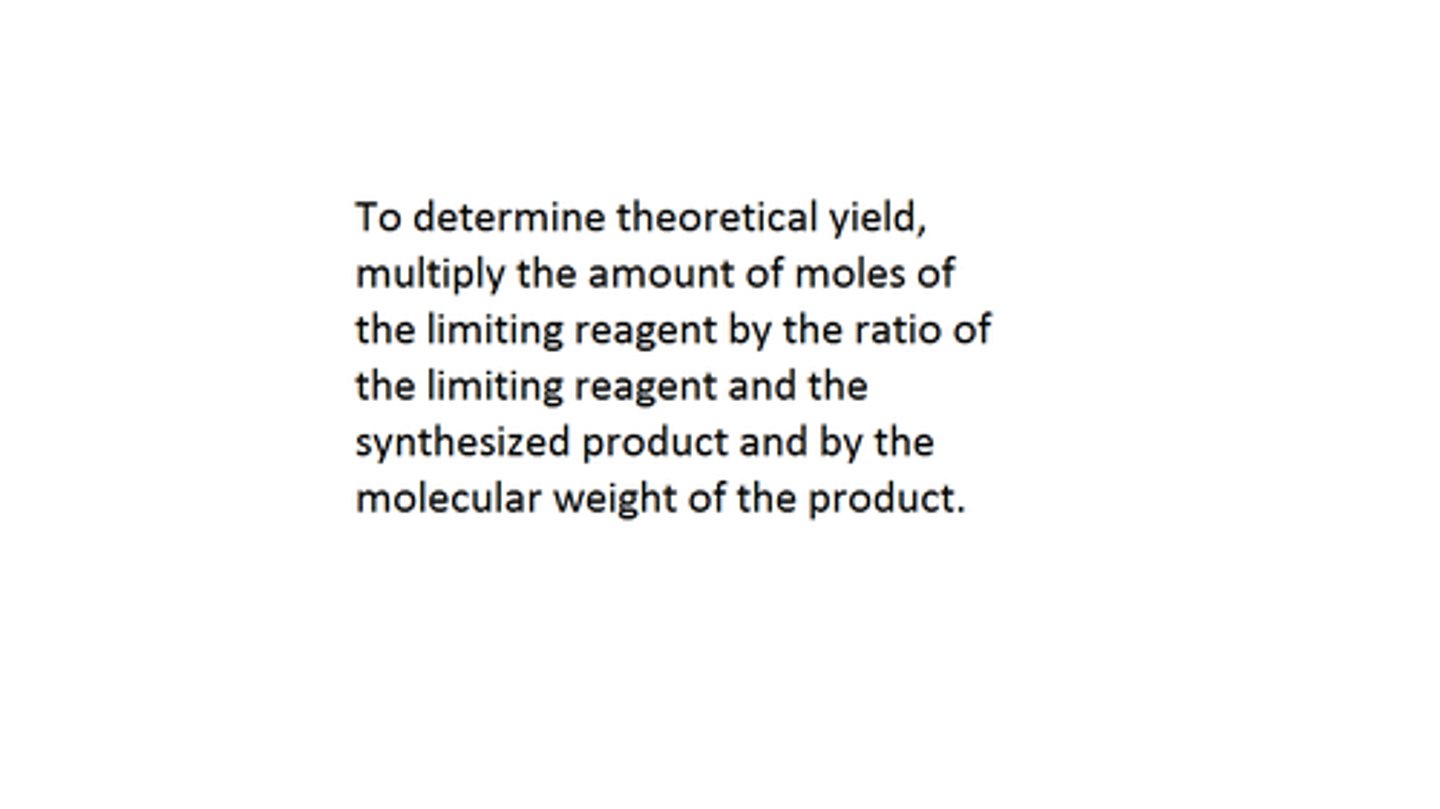
theoretical yield
the amount of product calculated from a 100% complete reaction of the limiting reagent
purity
the (mass) percentage of a specific substance in a sample
crude product
raw, unpurified product collected from a reaction
decomposition
a chemical reaction where one compound breaks down into 2 or more smaller substances

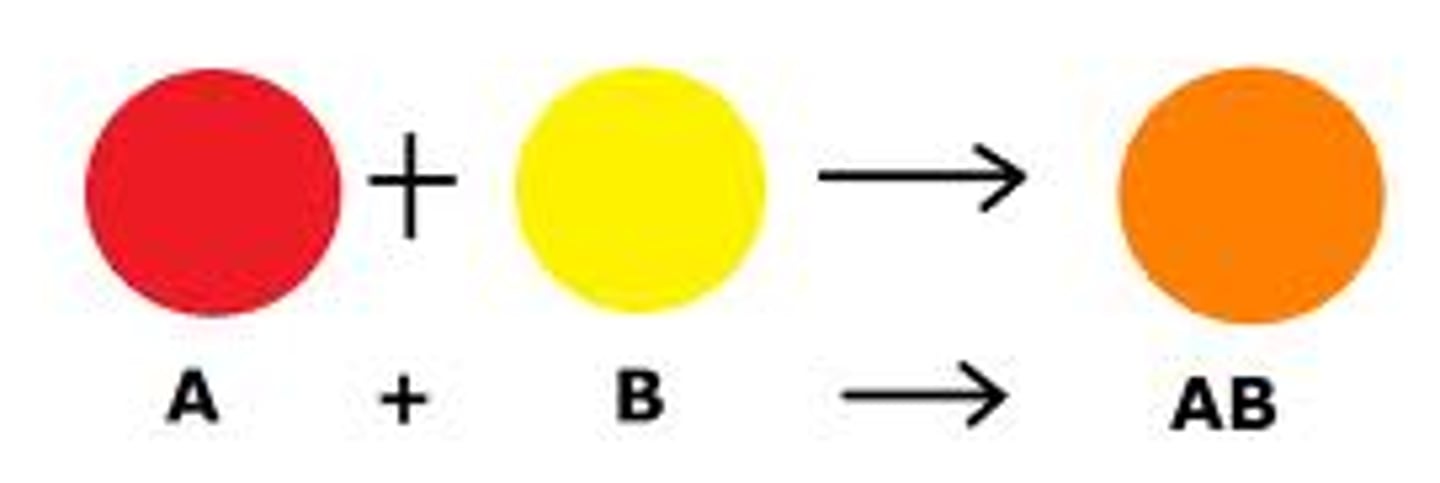
synthesis
a chemical reaction where 2 or more reactants combine to form a single product
single-replacement
a chemical reaction where a reactive element and compound react to produce another element and compound

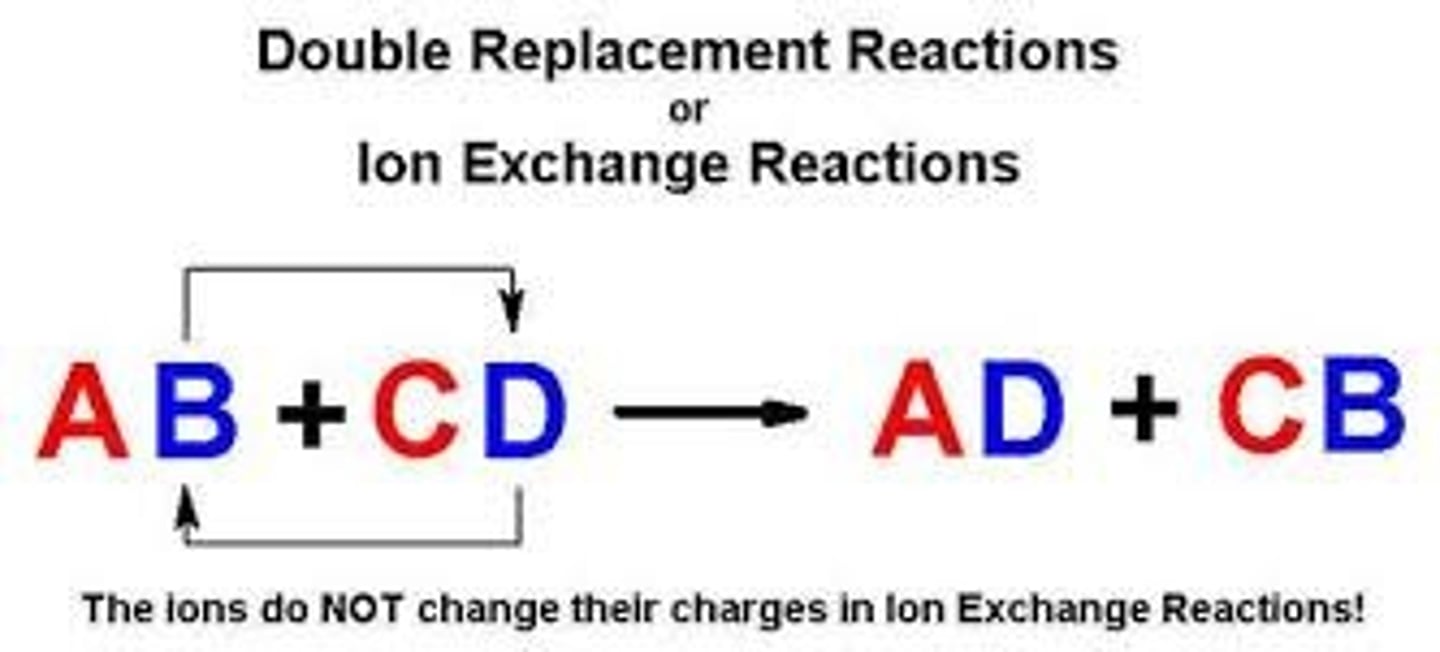
double-replacement
a reaction where 2 ionic compounds exchange their ions to form 2 new ionic compounds
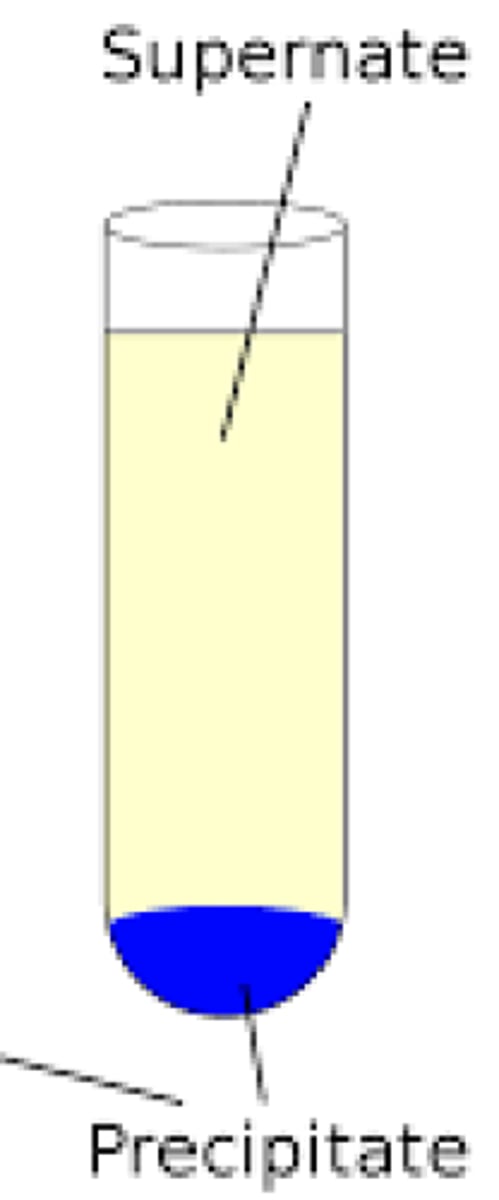
precipitate
an insoluble liquid
metathesis
another word for a double replacement reaction (meaning to put in order)

supernate
the liquid above the solid in a mixture of liquid and undissolved solid
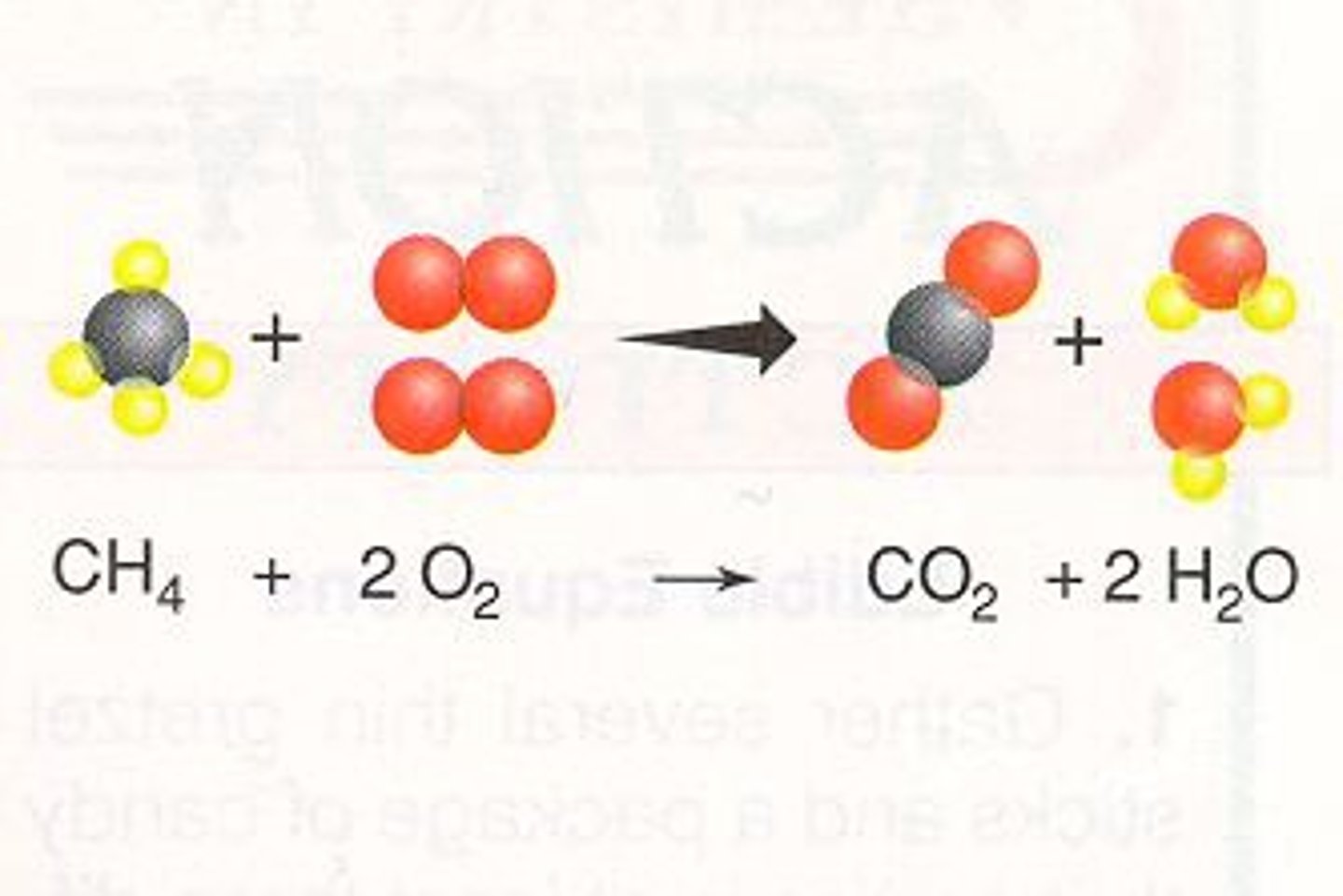
combustion
a chemical reaction where a carbon and a hydrogen-containing molecule is oxidized to form carbon dioxide and dihydrogen monoxide and release heat
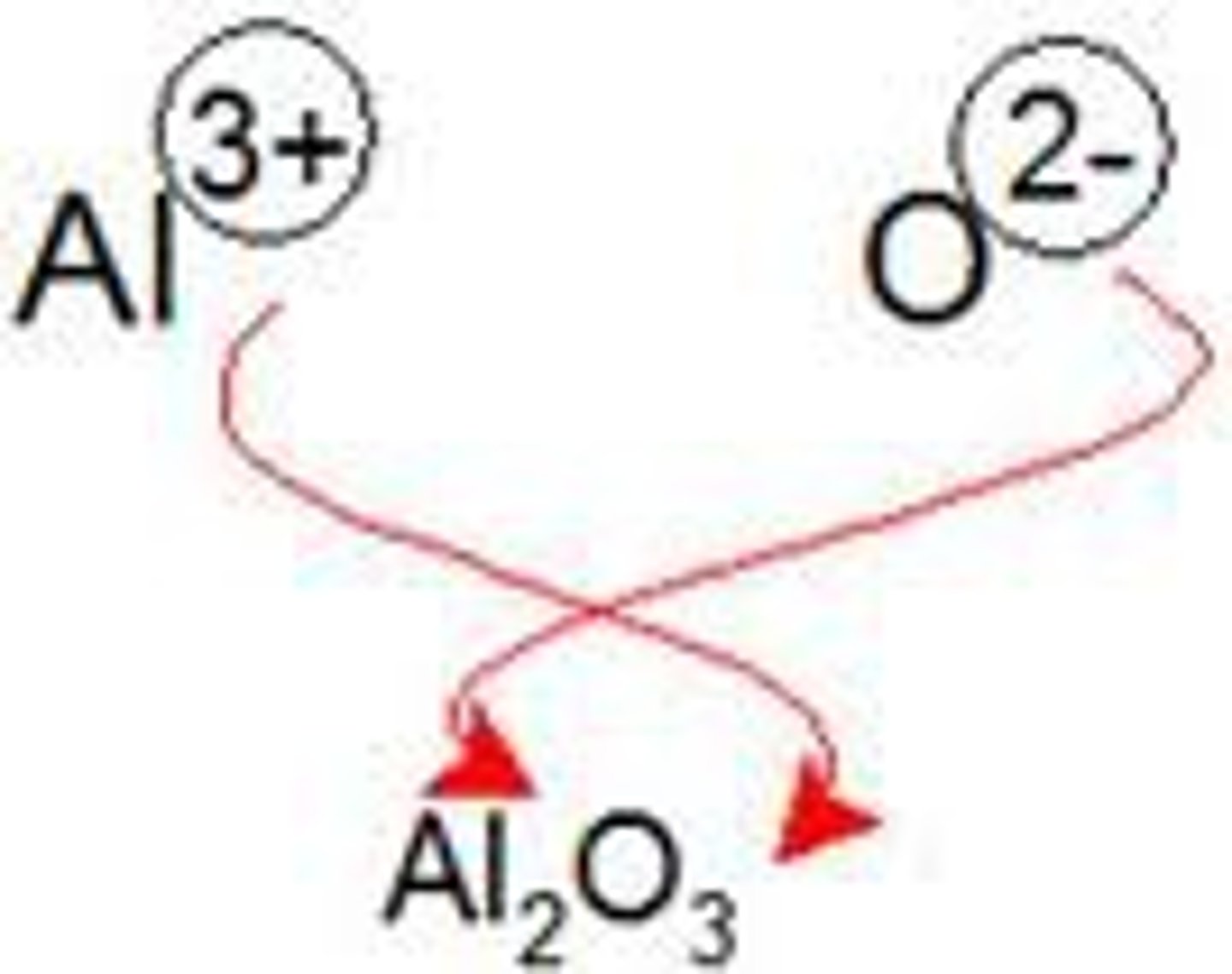
oxidation
occurs when oxygen reacts with a substance to form an oxide and release heat
neutralization
a chemical reaction where an acid and a base react to form a water and a salt
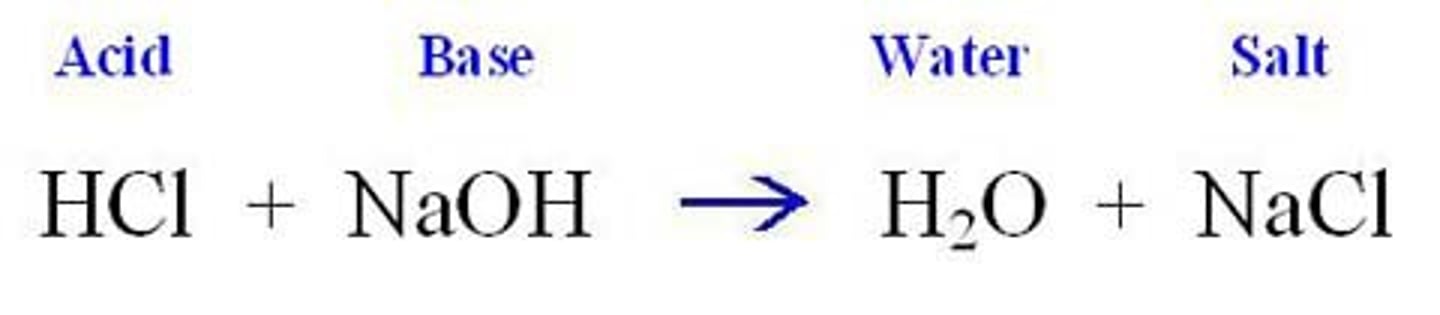
salt
a substance formed by the reaction of an acid and a base (it is an ionic compound)
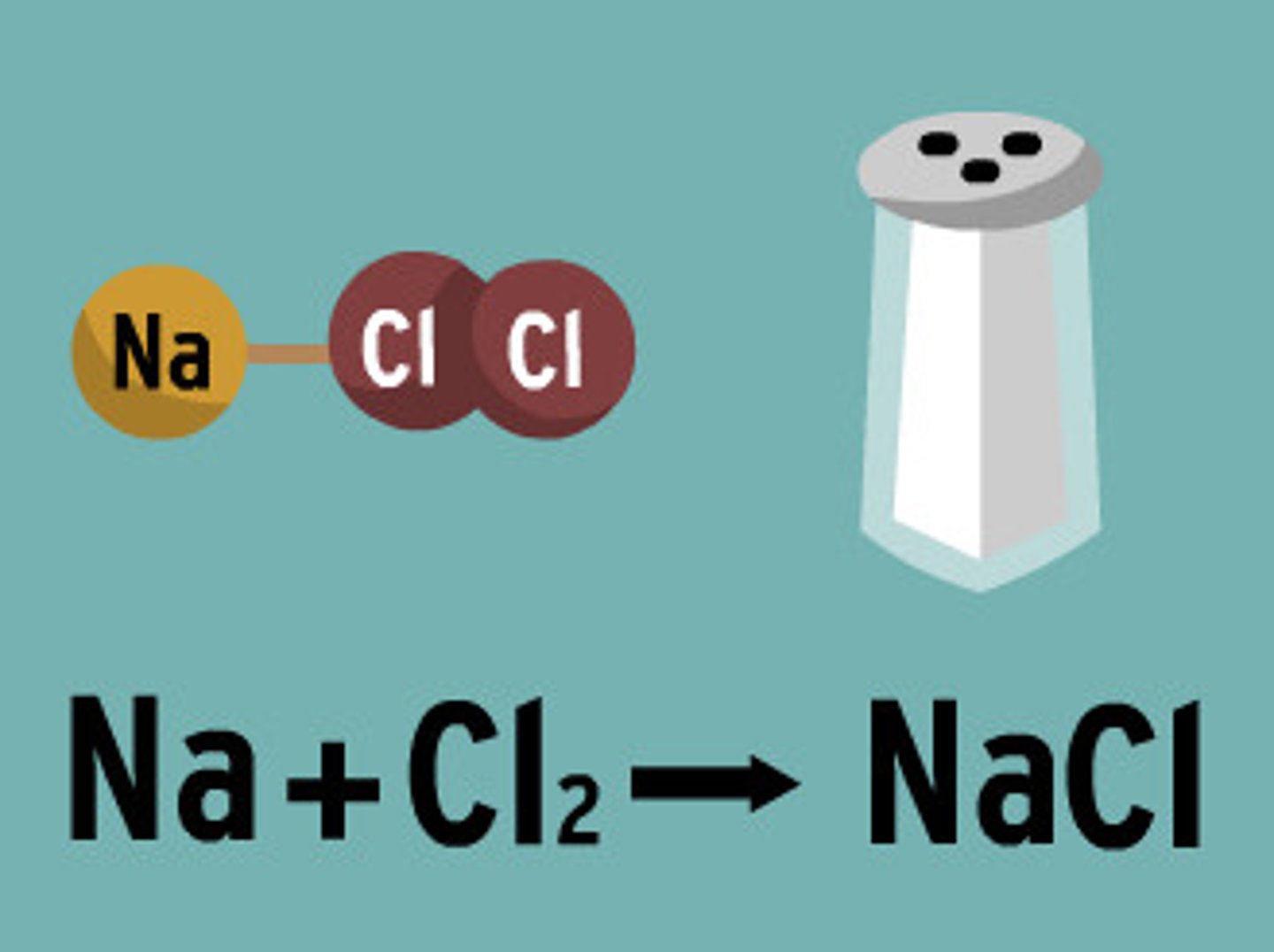
acid
A substance that can release hydrogen ions H+
base
a substance that can accept hydrogen ions, H+, commonly containing the hydroxide ion, OH-
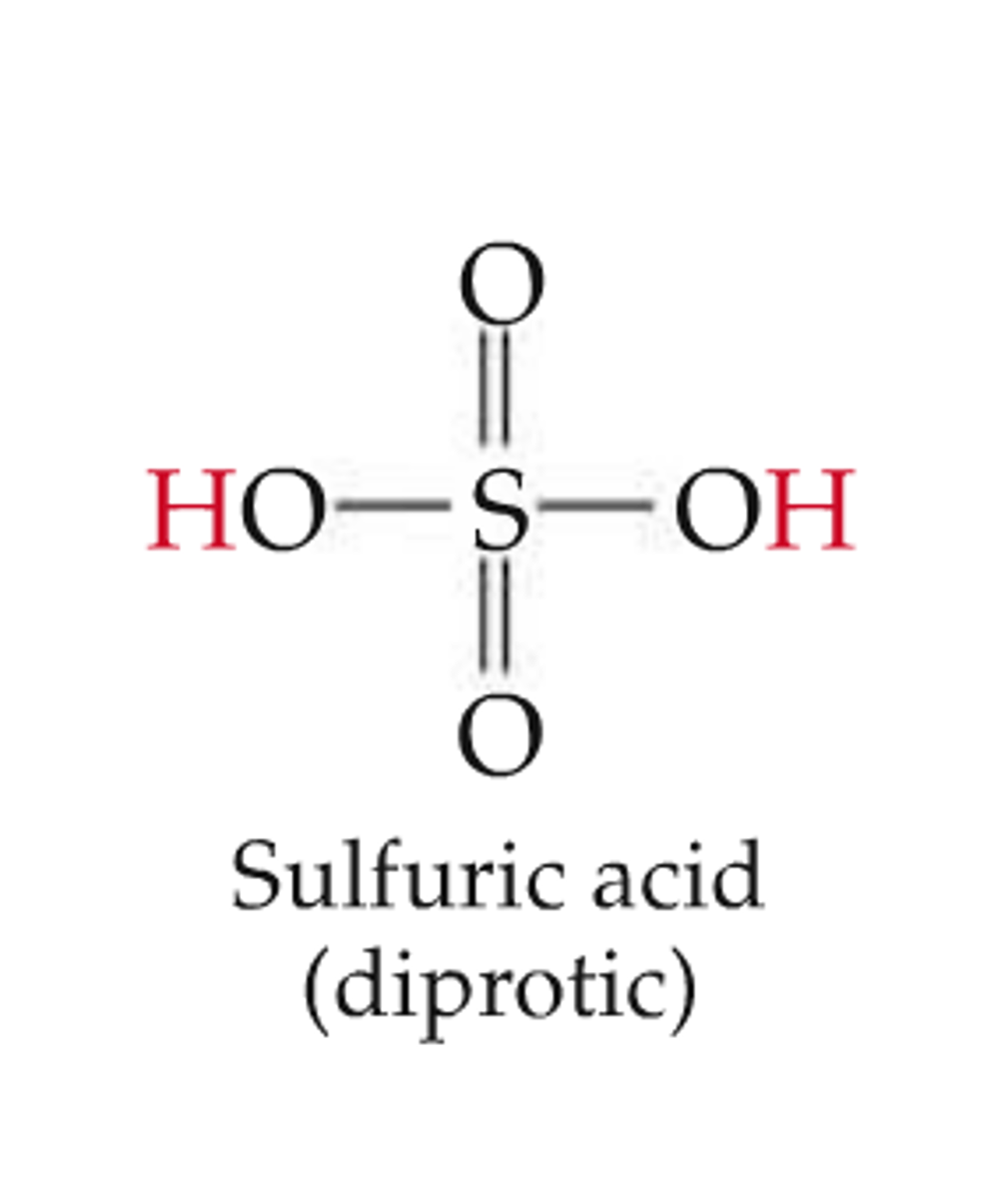
Diprotic
containing 2 H+ ions
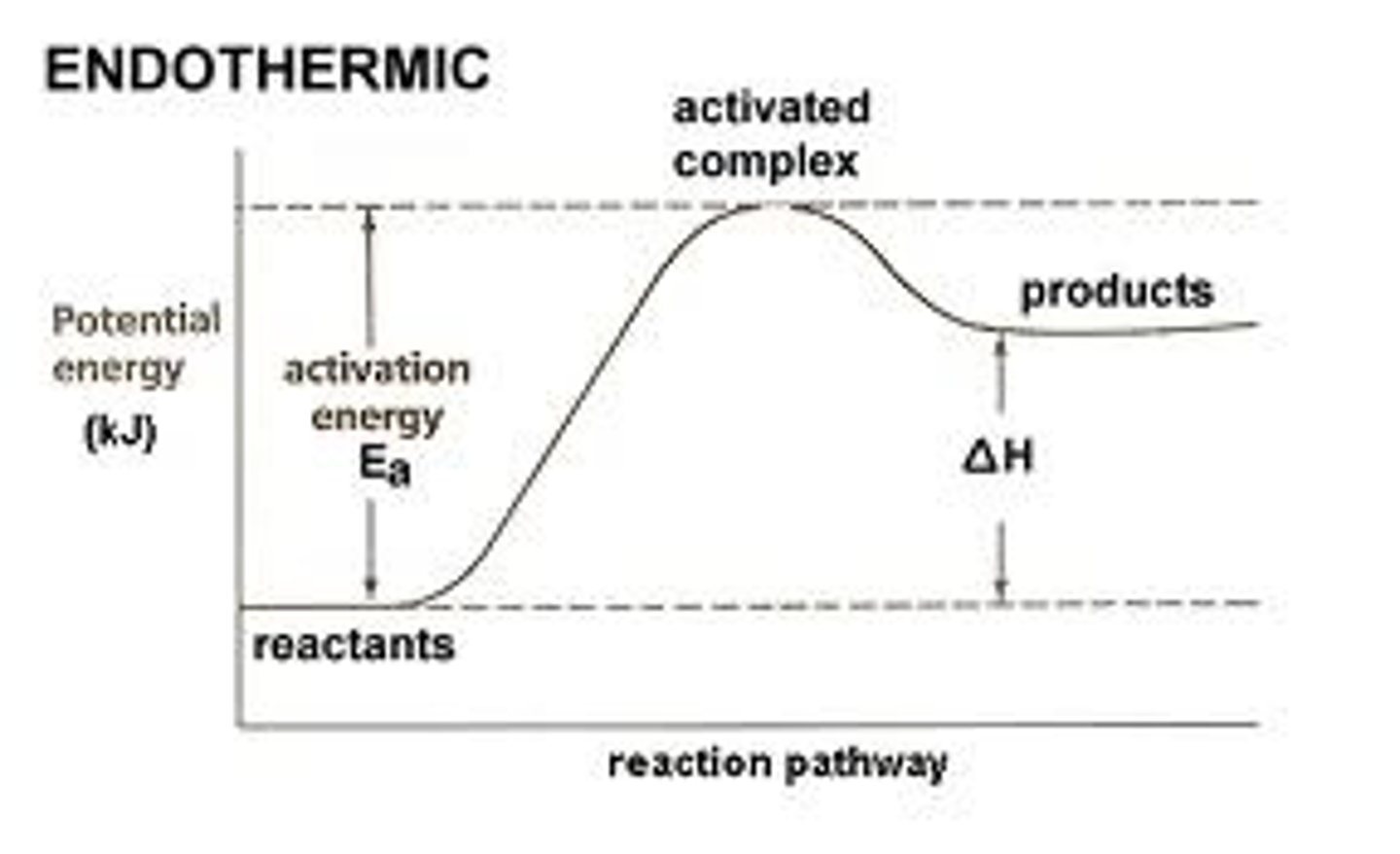
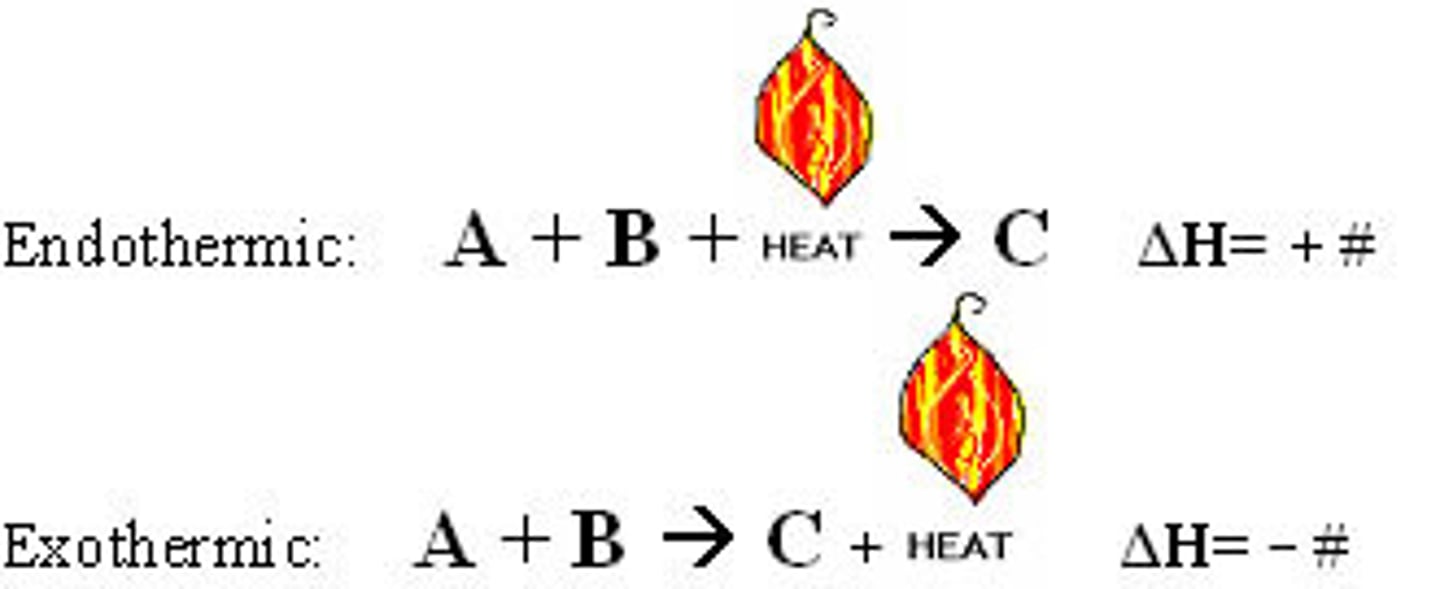
endothermic reaction
a reaction that absorbs heat energy
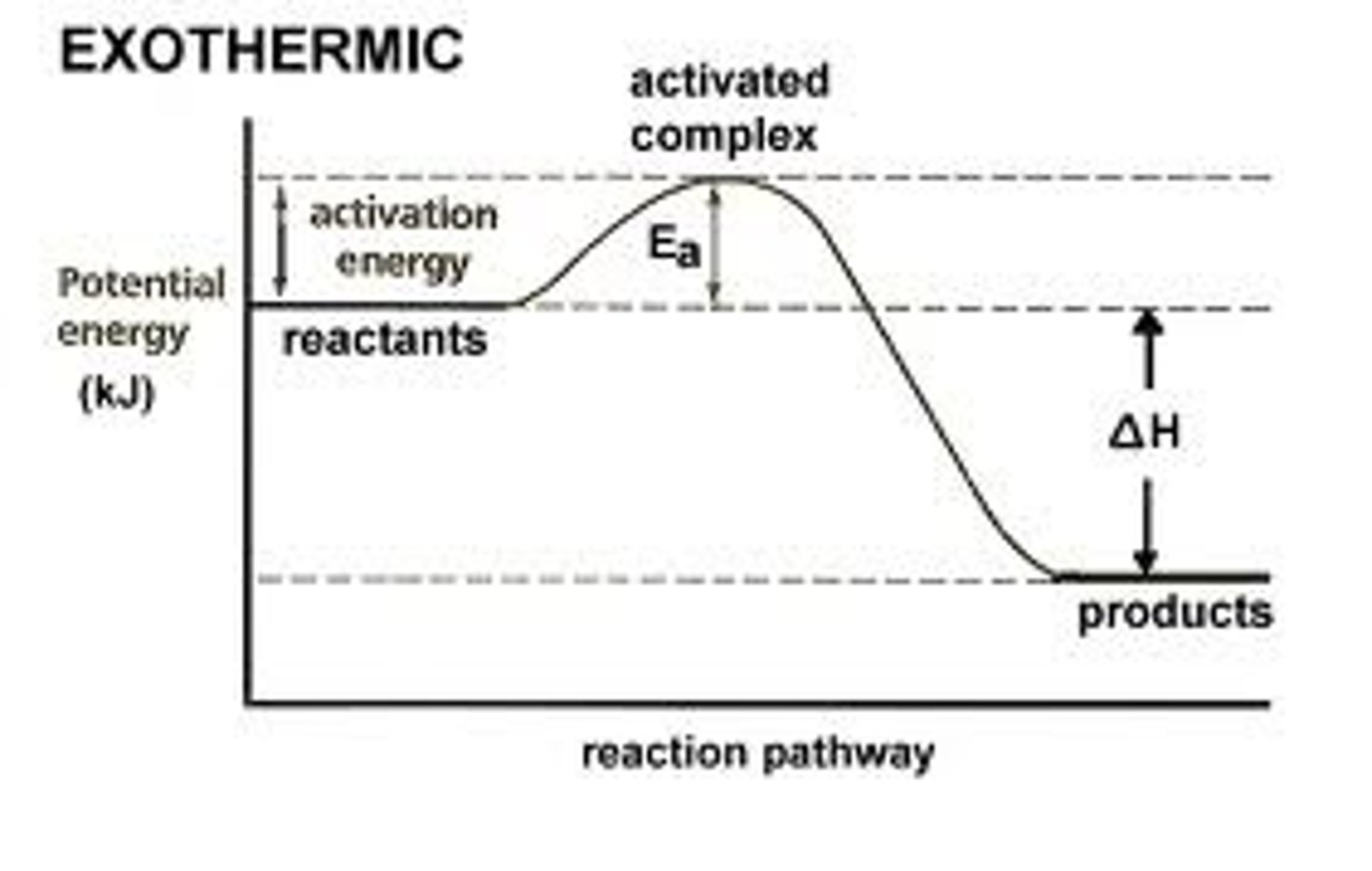
exothermic reaction
a reaction that releases heat energy
enthalpy
total amount of heat energy contained in a system

thermochemical equation
a chemical equation that includes the heat energy term (enthalpy)
Potential energy
the stored energy of an object due to its relative position or state
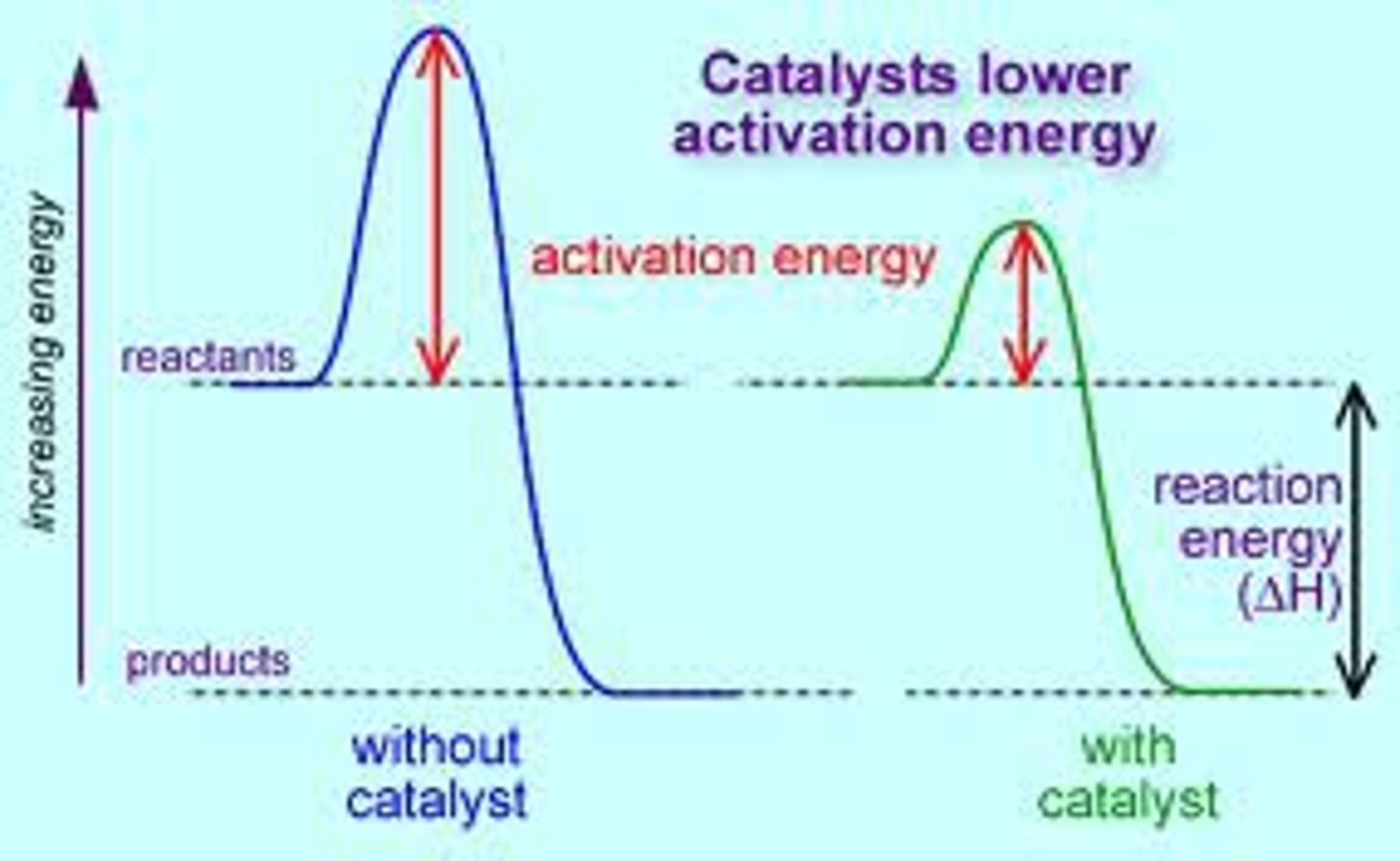
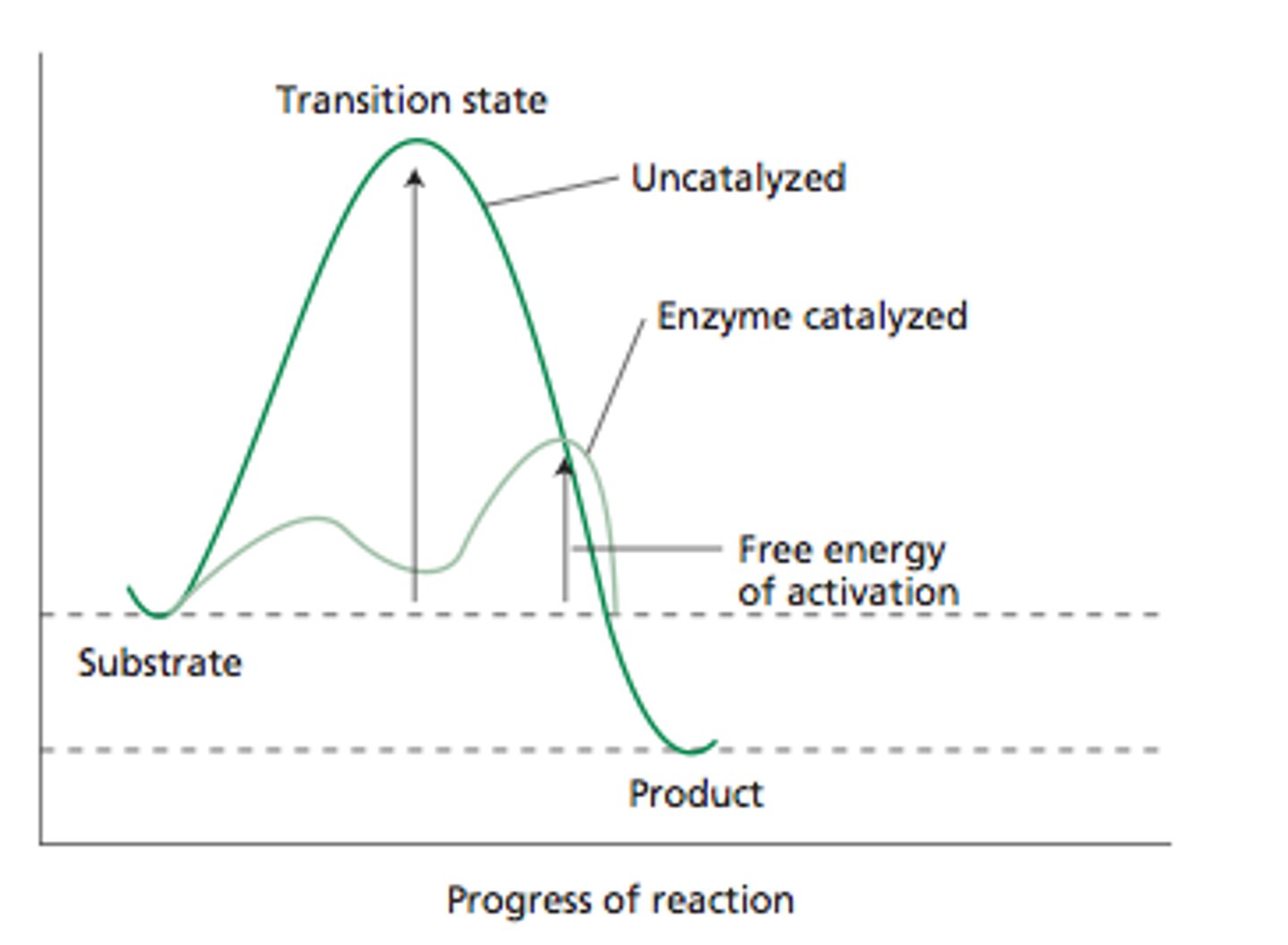
Activation energy
the minimum amount of energy that the reacting species must have to undergo a reaction
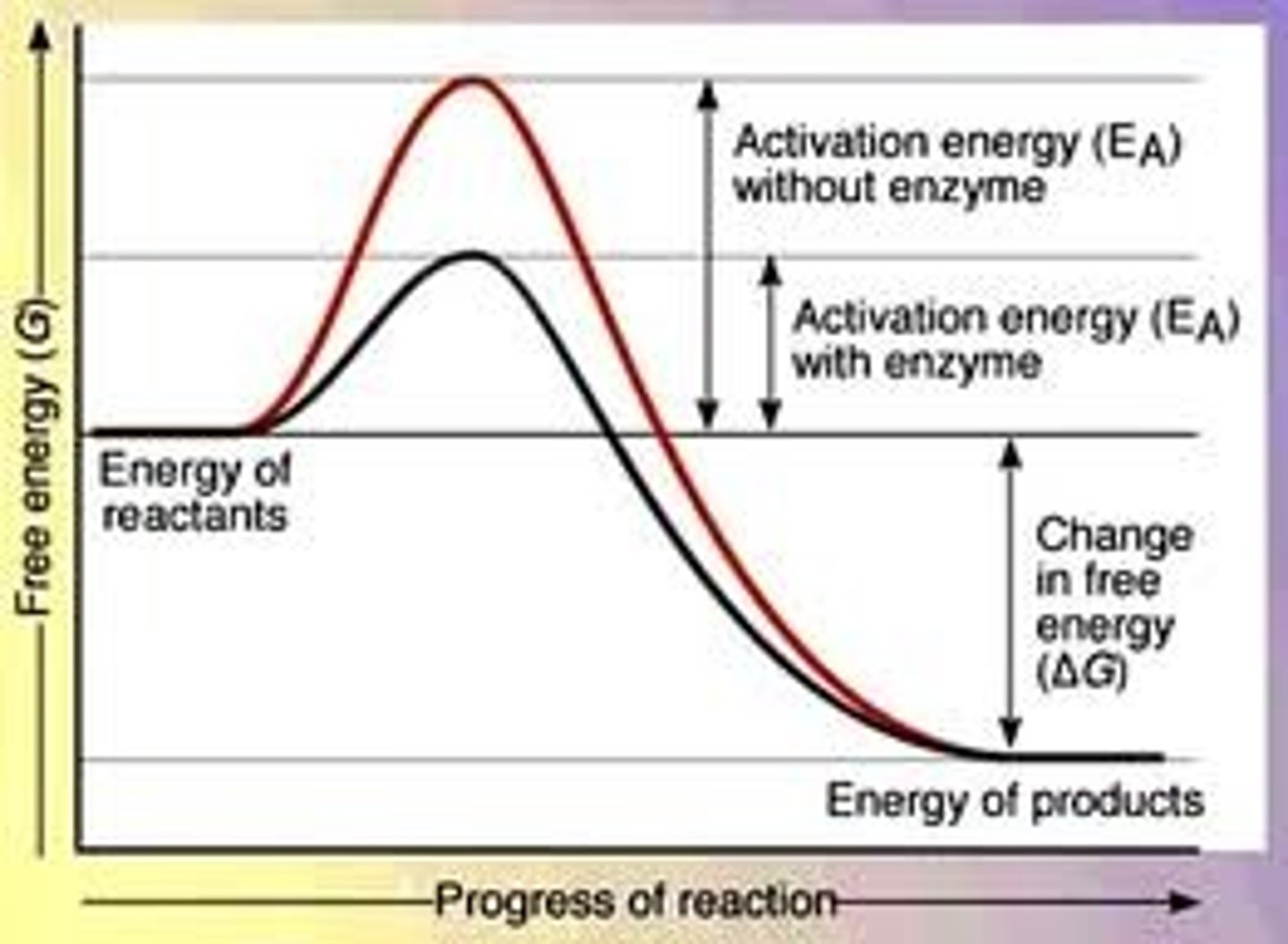
catalyst
a substance that speeds up a chemical reaction without being consumed
transition state
the chemical arrangement with the highest potential energy for a reaction
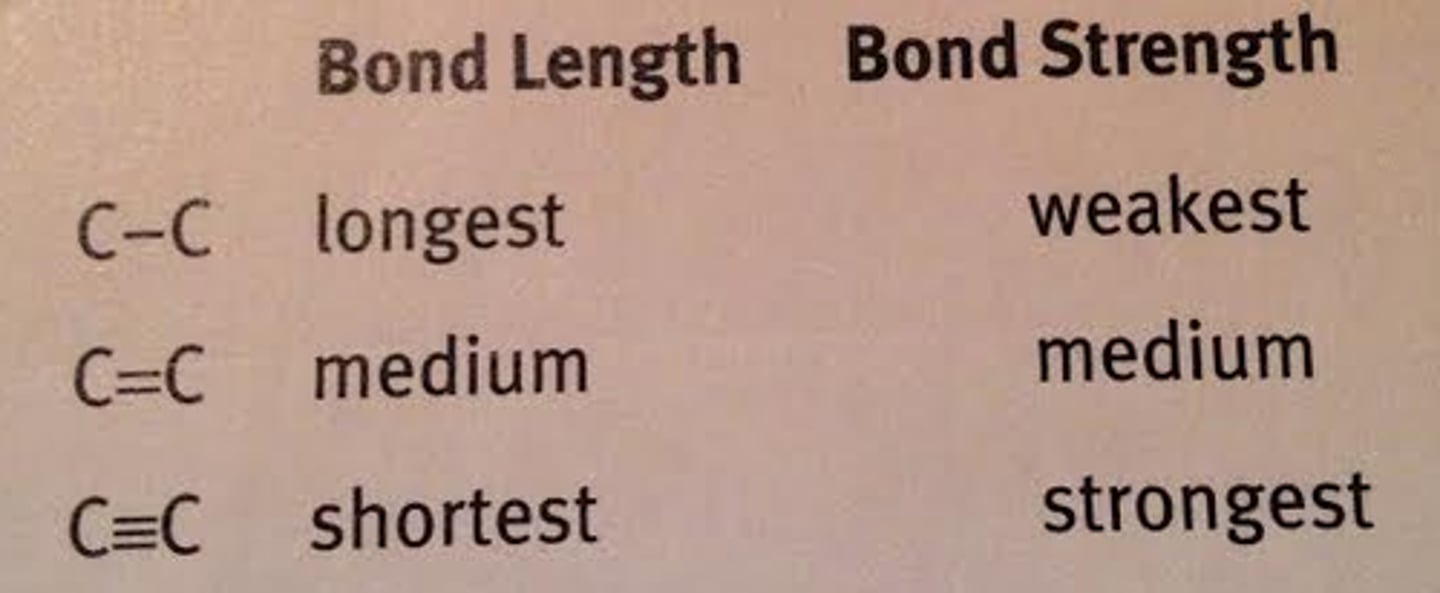
bond dissociation energy (BDE)
the amount of energy required to break a bond
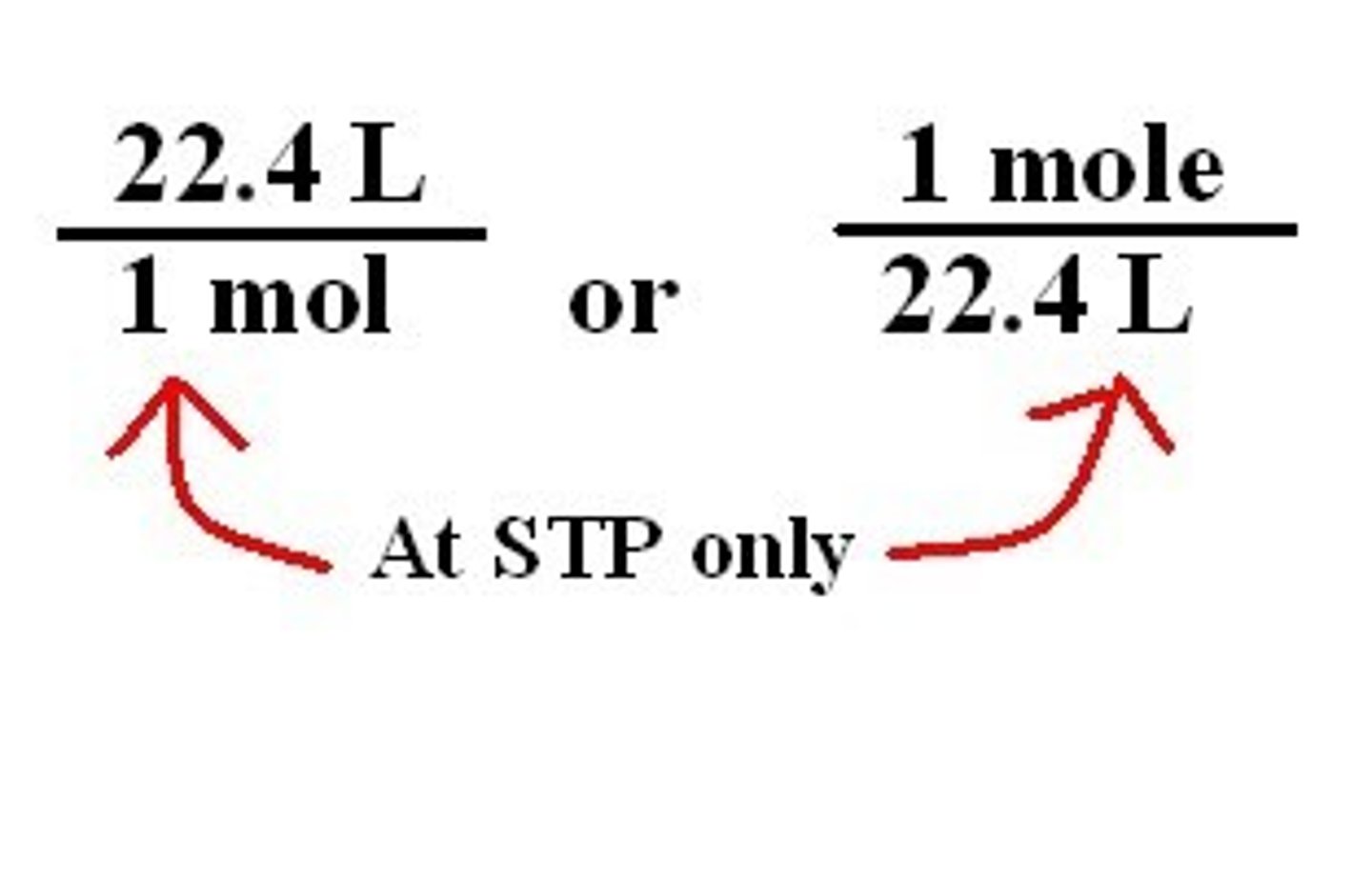
molar volume
the volume of one mole of particles (MV of gas at STP is 22.7 L/mol)
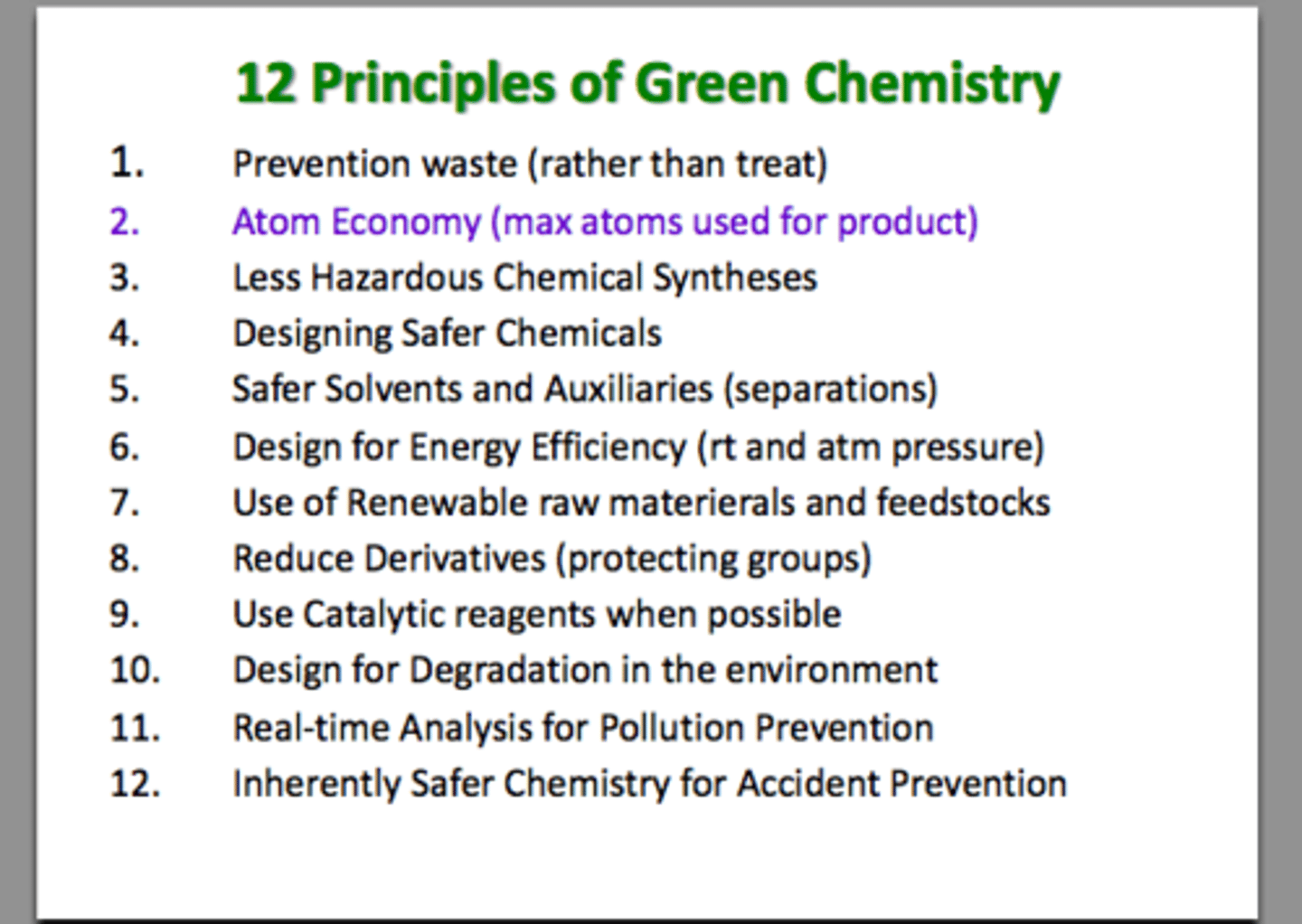
green chemistry
chemistry with a focus of efficiency, to reduce waste, to be environmentally friendly.