Chem 14C Final
 Call Kai
 Learn
Learn Practice Test
 Spaced Repetition
 Match
Match Flashcards
 Knowt Play
1/244

There's no tags or description
Looks like no tags are added yet.
Name | Mastery | Learn | Test | Matching | Spaced | Call with Kai | Chat |
|---|
No analytics yet
Send a link to your students to track their progress
245 Terms
What is a benzene functional group called?
A phenyl group
For a disubstituted benzene, how can you classify the groups using prefixes?
Ortho (o-)=1,2 Meta (m-)=1,3 Para (p-)=1,4
For a polysubstituted benzene, how do you name the groups?
Using number (locants)
What is the bond order of all the bonds in benzene?
1.5
What do benzene and bromine produce in a reaction together?
Benzene and bromine do not react together by themselves
What must be true for aromaticity?
cyclic, planar, fully conjugated, 4n+2 pi electrons
What does it mean for a molecule to be antiaromatic?
cyclic, planar, 4n pi electrons
What does it mean for a molecule to be nonaromatic?
Fails one of the structural requirements, usually not conjugated or planar
What are compounds with a single ring that is fully conjugated called?
Annulenes
What is something that can make single, conjugated rings nonaromatic?
Steric interations forcing it out of planarity, like [10] annulene
Does a molecule have to be completely planar to be aromatic?
Not always. Generally this is the rule, but things like [14]annulene are close enough to planar to be aromatic
What does MO theory say about the requirements for stability?
All pi electrons must be in bonding orbitals and be paired.
How do you know if there is a p orbital present to participate in conjugation?
If the atom is double or triple bonded, if it is SP or SP2 hybridized, or an atom with a lone pair next to a pi system. one sp3 usually breaks the system
How do you know if a lone pair does or does not participate in aromaticity?
If the atom that the lone pair is on is already participating in a pi bond, they are likely already using their p orbital in the system and the lone pair will sit out of the system.
Are polycyclic compounds aromatic?
They certainly can be, in fact, they are often some of the most stable
What are common oxidizing agents of benzylic alkyl groups?
Chromic acid (H2CrO4) and potassium permanganate (KMnO4)
What are the common reactants and products of benzoic acid reactions?
Alkylbenzenes (must have benzylic H) + strong oxidants (and sometimes heat) = benzoic acid
Why does Br like to join benzylic positions as a radical?
Because the benzylic radical is resonance-stabilized by the ring
What are the ways to introduce functionality at a benzylic position?
Oxidation and radical bromination (of an alkane or allylic group)
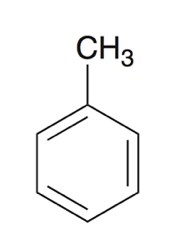
What is this?
Toluene
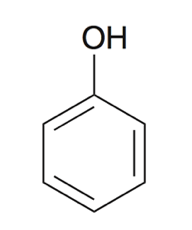
What is this?
Phenol
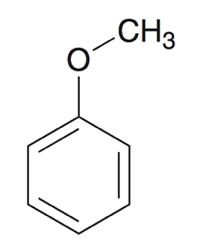
What is this?
Anisole
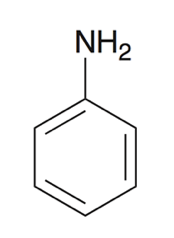
What is this?
Aniline
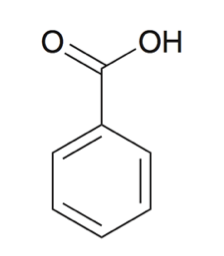
What is this?
Benzoic Acid
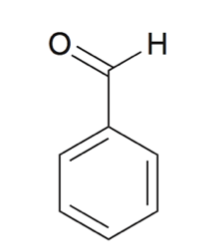
What is this?
Benzaldehyde
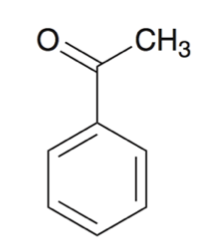
What is this?
Acetophenone
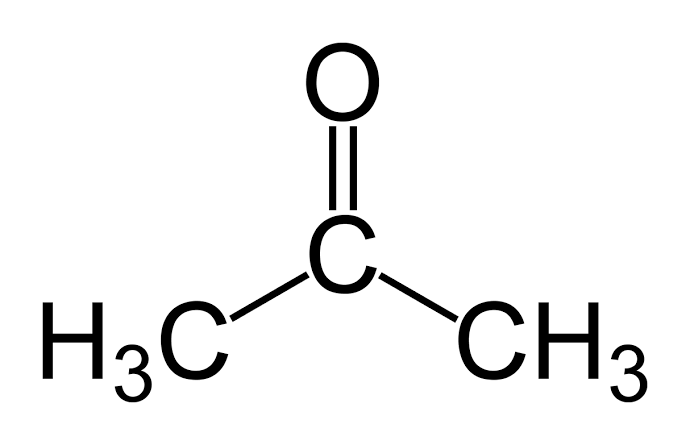
What is this?
Acetone
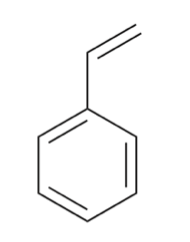
What is this?
Styrene
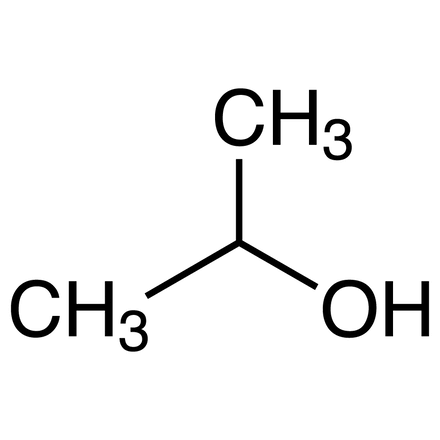
What is this?
Isopropyl alcohol
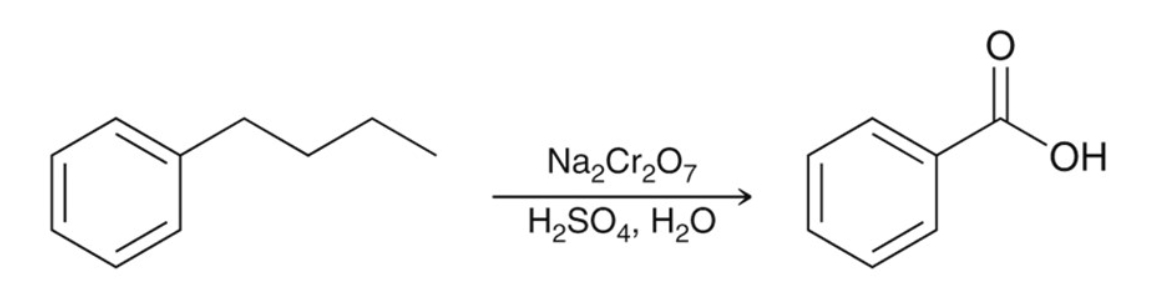
What reaction is happening here?
Oxidation of a benzylic position by chromic acid.
What does a benzylic position require in order to be oxidized?
At least 1 proton attached
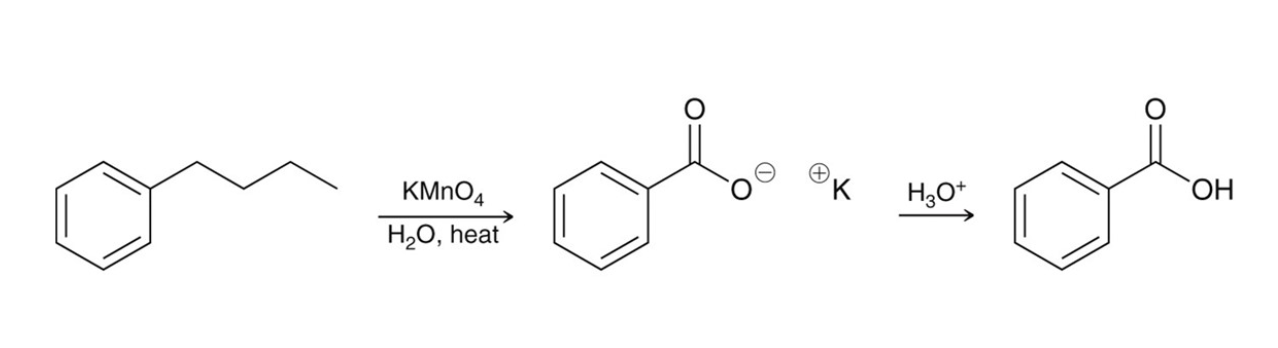
What’s happening here?
The oxidation of a benzylic position by permanganate
Where do benzene protons typically show up on HNMR?
As a multiplet around 6.5-8ppm
If a lone pair is necessary for aromaticity, what would we expect the pKa to be?
Low
If a lone pair is not necessary for aromaticity, what would we expect the pKa to be?
Higher
In IUPAC naming of benzene compounds, how do you order substituents if both directions give the same set of locants?
Alphabetical tiebreaker. The lowest number gets assigned to the substituent that comes first alphabetically.
What are the criteria for aromaticity
Fully conjugated ring with overlapping p orbitals & odd number of electron pairs
What are the criteria for antiaromaticity
Fully conjugated ring with overlapping p orbitals, even number of electron pairs
What makes a compound nonaromatic?
If it is not a fully conjugated ring with overlapping p orbitals
What can participate in conjugation?
Pi electrons, lone pairs, or empty p orbitals, as long as there is an overlapping p orbital.
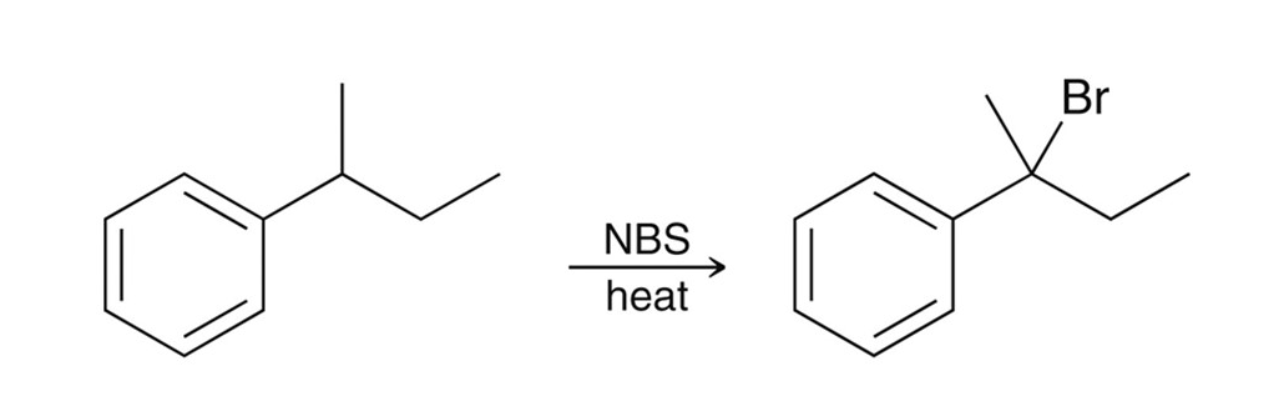
What is happening here?
Free radical bromination
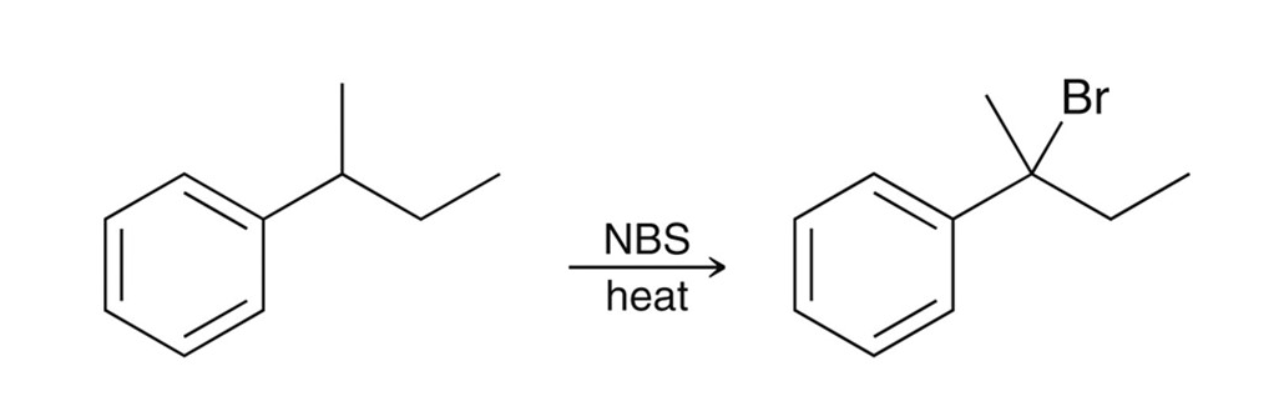
What are possible pathways after this reaction takes place?
SN1 or SN2 substitution (Br leaves for OH), or E1/E2 elimination (creates pi bond)
What substrates can undergo SN2 reactions?
Methyl, primary, and secondary
What substrates can undergo SN1 reactions?
Secondary and tertiary, and allylic or benzylic positions due to resonance stabilization
What is a nucleophile?
Something with a non-bonded pair of electrons or a pi bond. All nucleophiles are lewis bases
What role does the nucleophile play in an elimination reaction?
Proton acceptor
Organic chemistry definition of oxidation
Add O, lose H
Organic chemistry definition of reduction
Lose O, add H
What are common reagents for elimination reactions of benzene?
NBS, NaOEth or concentrated H2SO4
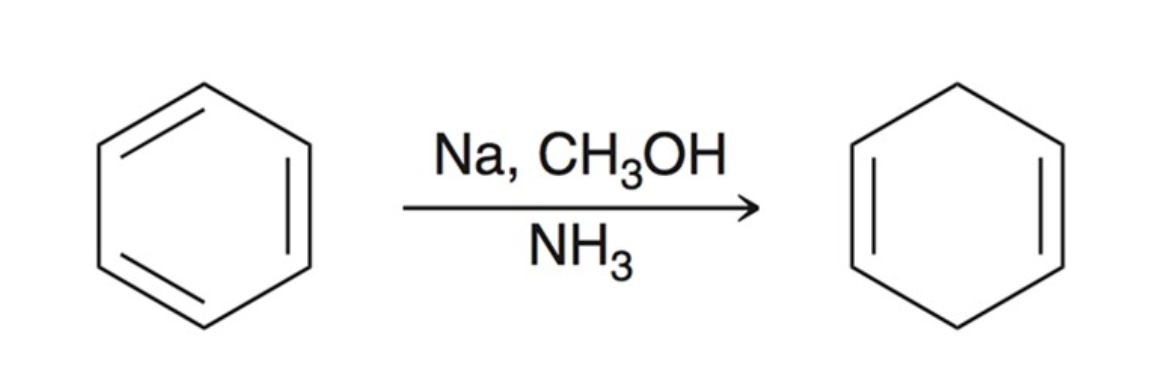
What’s happening here?
Benzene reduction via birch reduction
What are common reactants for benzene reductions?
Na, CH3OH, NH3
How many degrees of unsaturation is a benzene ring?
4
How do you know where the pi electrons end up in a birch reduction?
If the substituent is an electron-withdrawing group (like carbonyl), then it ends up attached to an SP3 carbon. If the substituent is an electron-donating group, it ends up attached to an SP2 carbon.
What is xylene?
Benzene with 2 methyl groups
How reduced does a birch reaction make the product?
-2H atoms
What are benzene ring substituents named?
Phenyl
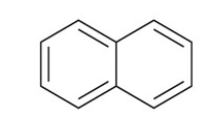
What is this
Naphthalene
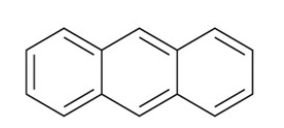
What is this
Anthracene
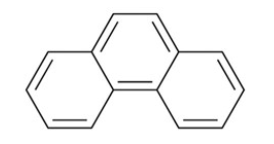
What is this
Phenanthrene
What does boron contribute to aromaticity?
an empty p orbital that can participate in conjugation
In benzylic oxidation, which carbons get oxidized and what is the criteria?
The benzylic carbon (the carbon attached to the benzene ring) and it just needs at least 1 H attached
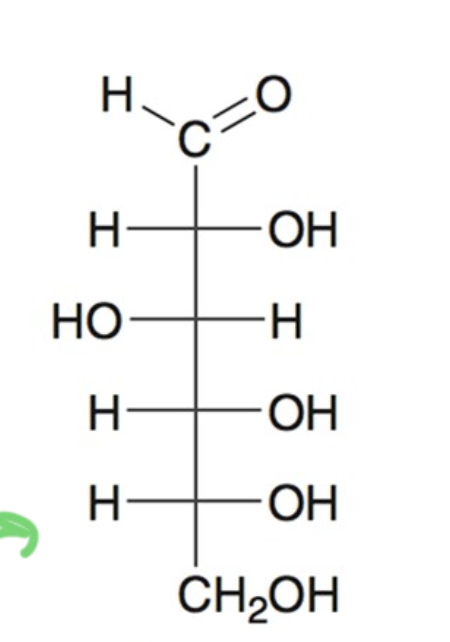
What is this
Glucose
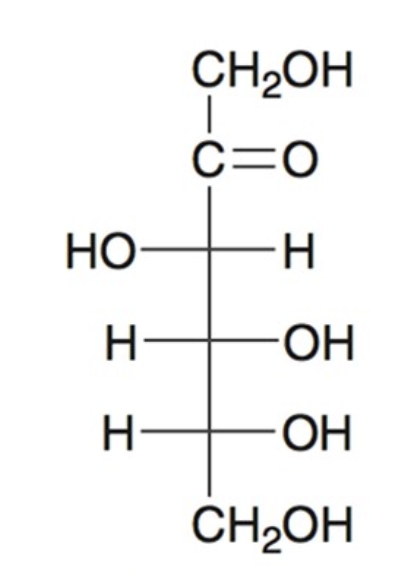
What is this
Fructose
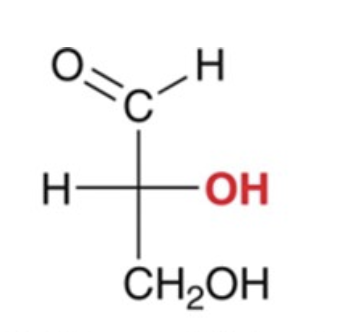
What is this
D-glyceraldehyde
What does D- mean in the context of carbs
The chiral center furthest from the functional group is in an R configuration
What does L- mean in the context of carbohydrates
The chiral center furthest from the functional group is in an S configuration (L, left, S)
Which direction is the OH on carbon 1 pointing in alpha?
down
Which way is the OH on the 1st carbon pointing in beta?
Up
What is the monomer in glycogen?
alpha D glucose
What happens when a reducing sugar is treated with a reducing agent like NaBH4/H2O?
The free anomeric carbon opens and gets reduced to alcohol
What are good reducing agents?
Metals
When an aldose is treated with HNO3, what will form?
An aldaric acid
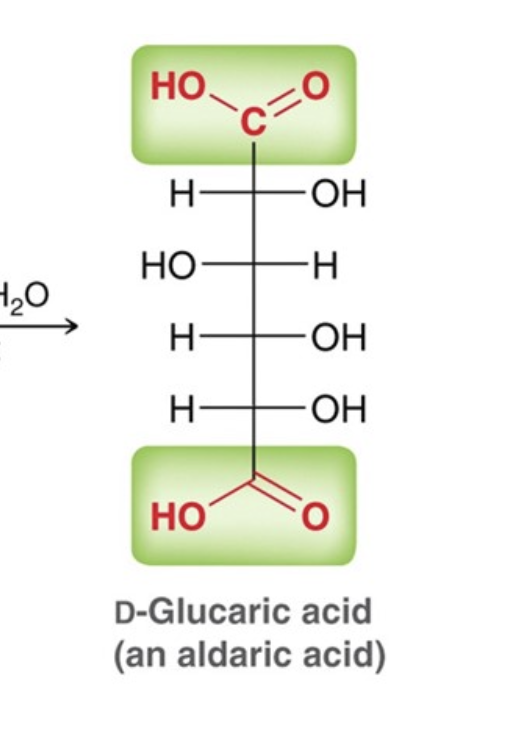
When a monosaccharide is treated with NaBH4, what will result?
An alditol
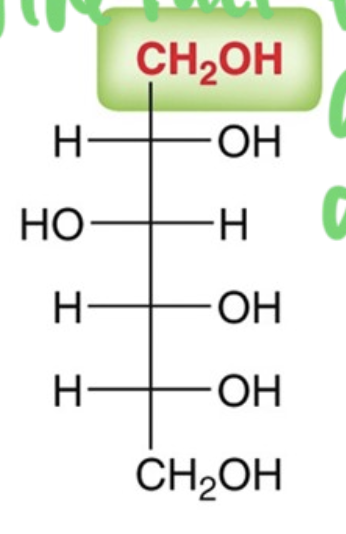
What bonds characterize cellulose?
4-O beta glucopyranoside
What characterizes chitin?
N-acyl groups
What is Wohl degradation?
It shortens the carbon chain by 1 carbon
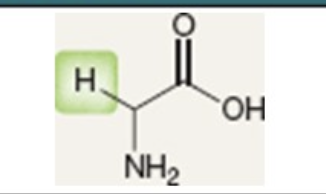
What is this?
Glycine
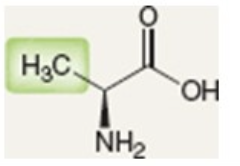
What is this?
Alanine
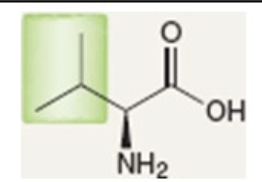
What is this?
Valine
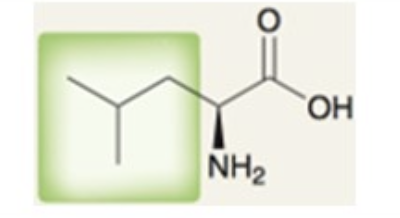
What is this?
Leucine
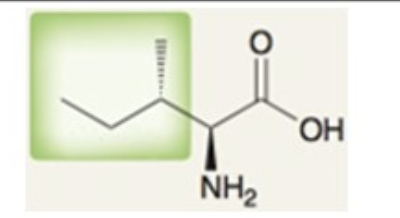
What is this?
Isoleucine
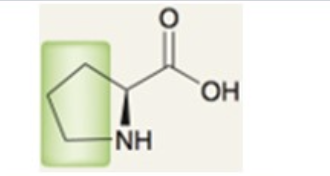
What is this?
Proline
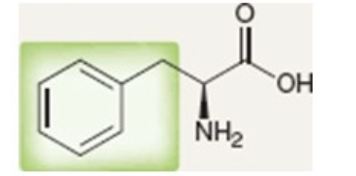
What is this?
Phenylalanine
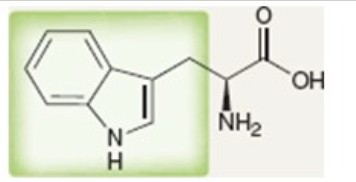
What is this?
Tryptophan
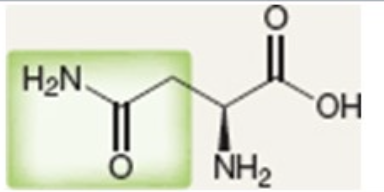
What is this?
Asparagine
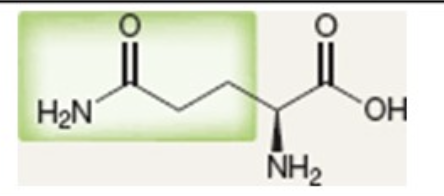
What is this?
Glutamine
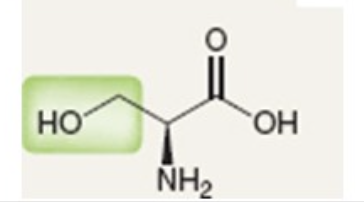
What is this?
Serine
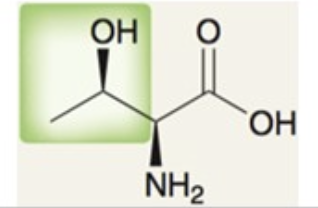
What is this?
Threonine
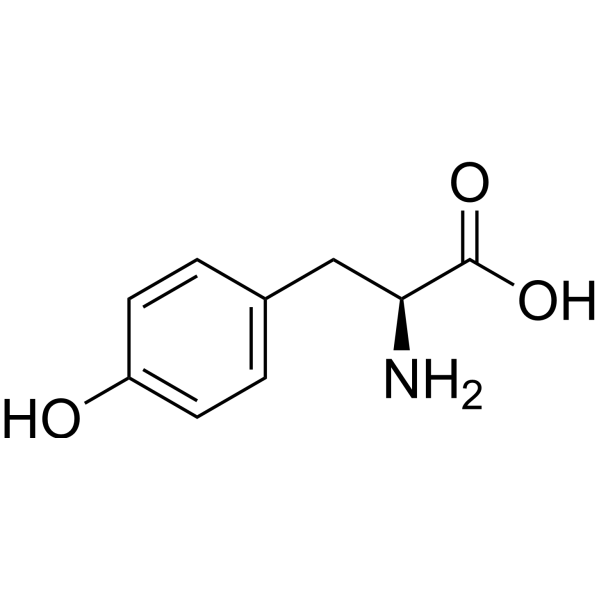
What is this?
Tyrosine

What is this?
Cysteine
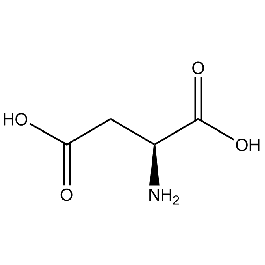
What is this?
Aspartic Acid
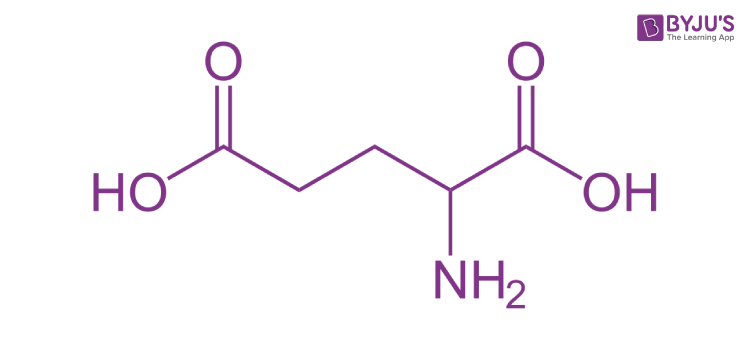
What is this?
Glutamic Acid
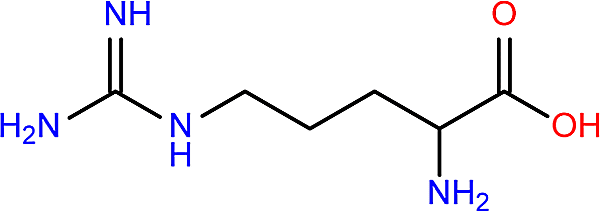
What is this?
Arginine
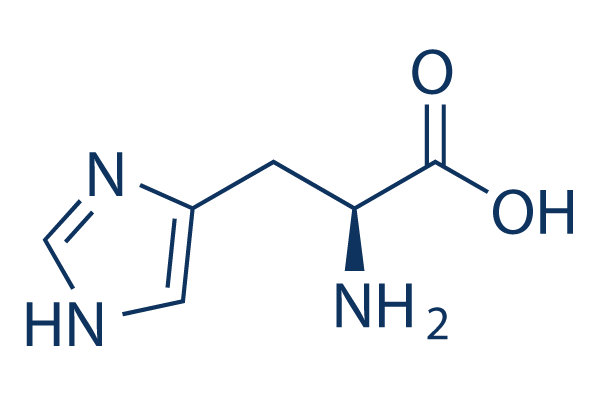
What is this?
Histidine
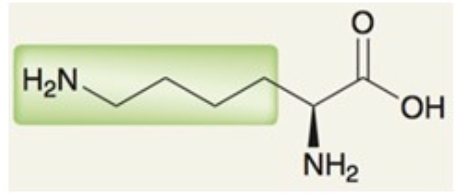
What is this?
Lysine
What happens when a carboxylic acid is treated with Br2, Pbr3, and excess NH3?
A hell-volhard zelinski reaction, where an NH2 is added on the 2nd carbon
What is physiological pH?
7.4
Above what pH will the carboxylate anion of an amino acid be present? Below this same pH, the neutral carboxylate will be present.
2.34
Below what pH will the cationic ammonium group be present in an amino acid? Above this pH the neutral form will be present.
9.69
What happens when an aldehyde is treated with NH4Cl and NaCN, followed by hydrolysis?
A strecker synthesis, where an aldehyde is converted to an alpha amino nitrile, and then hydrolyzed to an amino acid.