Lecture 30: Infections of musculoskeletal system I
 Call Kai
 Learn
Learn Practice Test
 Spaced Repetition
 Match
Match Flashcards
 Knowt Play
1/30

There's no tags or description
Looks like no tags are added yet.
Name | Mastery | Learn | Test | Matching | Spaced | Call with Kai | Chat |
|---|
No analytics yet
Send a link to your students to track their progress
31 Terms
How can Borrelia be differentiated from Brachyspira and Leptospira?
It is wider, longer, and less coiled
Is Borrelia burgdorferi gram positive or negative?
Negative
How is Borrelia burgdorferi best stained?
Dark field microscopy
Sprichetes of Borrelia are transmitted and maintained by what?
Ticks
What is the most prevalent vector-borne disease in the northern hemisphere?
Lyme disease
What is the arthropod vector of B. burgdorferi found in the east and midwest USA?
Ixodes scapularis
What is the arthropod vector of B. burgdorferi found in the western US?
Ixodes pacificus
What is the arthropod vector and distribution of B. afzelii?
Ixodes ricinus, Europe
What is the arthropod vector and distribution of B. garinii?
Ixodes persulcatus, eurasia
What is the only Borrelia species with birds as a reservoir in addition to rodents?
B. afzelii
During what two months are the majority of Lyme cases diagnosed in the US?
June, July
Where in the US are the majority of Lyme cases reported?
Northeast, great lakes
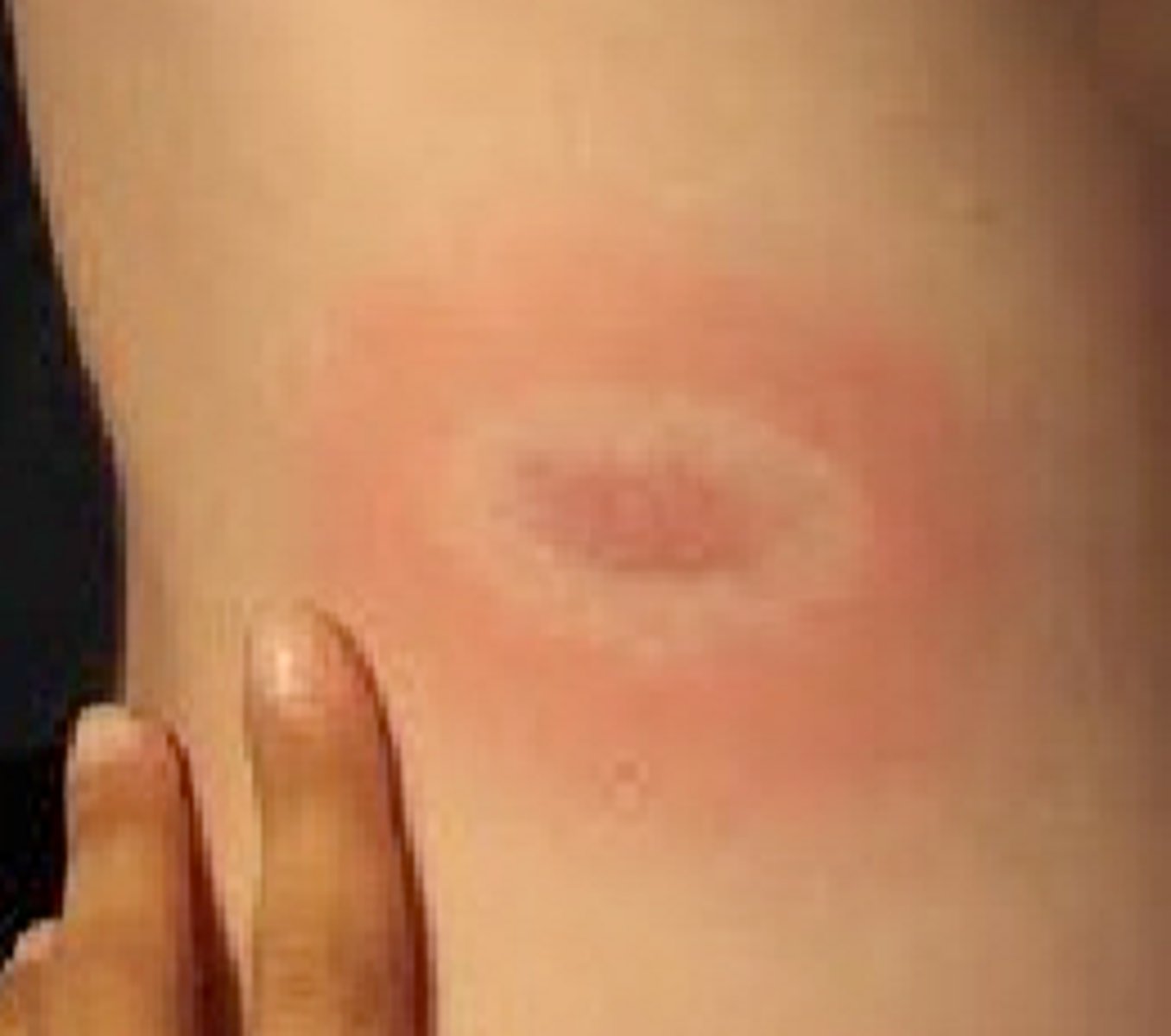
What is the characteristic sign of the early localized stage of lyme in humans, and when does this occur?
Erythema migrans, 3-30 days post bite
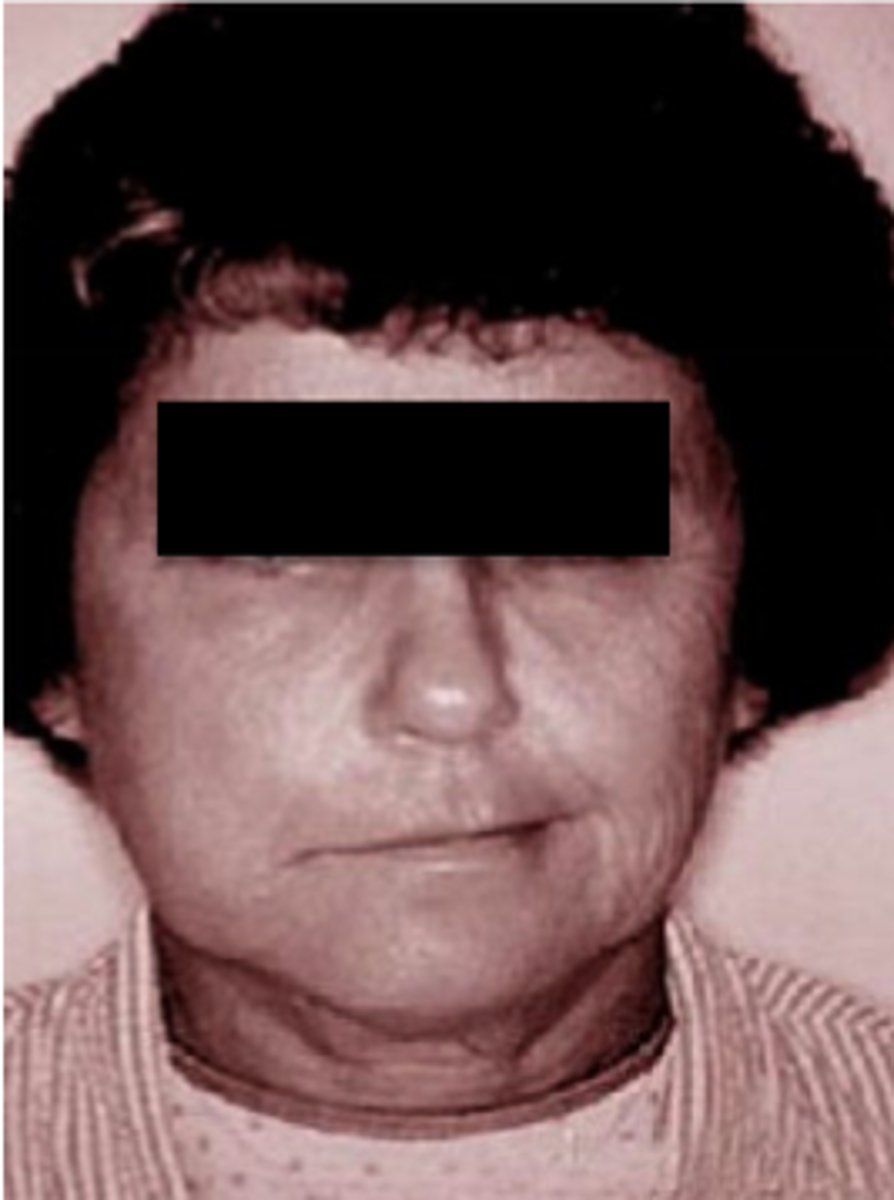
What is the key symptom of the early disseminated stage of Lyme in humans?
Facial or bell's palsy
What is a key symptom of the late disseminated stage of Lyme in humans?
Arthritis
What is the most common clinical manifestation of Lyme in humans?
Erythema migrans
What are the major clinical syndromes of Lyme in dogs?
polyarthritis and glomerulopathy
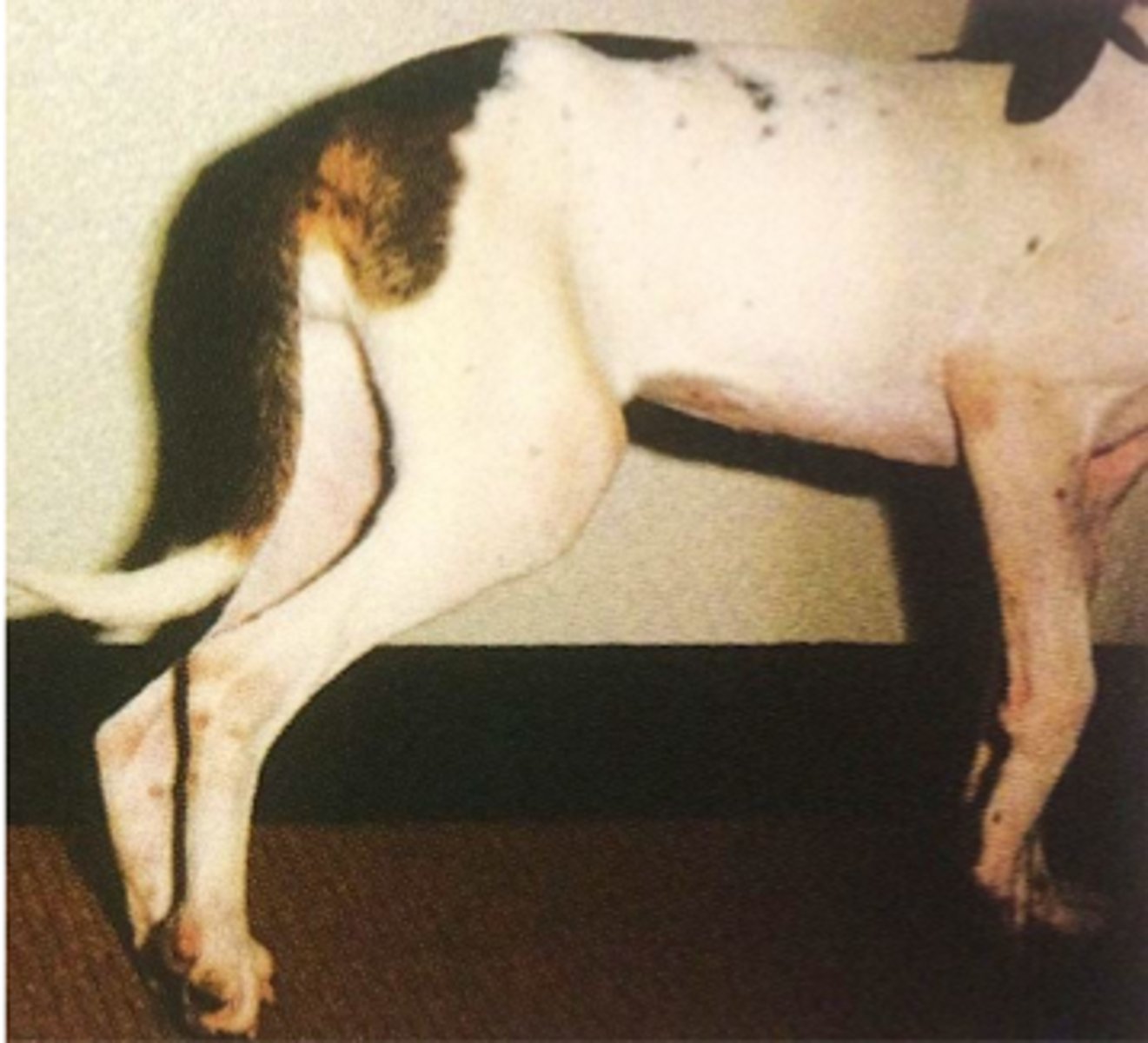
Shifting leg lameness in dogs is a sign of what Lyme symptom?
Lyme arthritis
What dog breeds are affected by Lyme nephritis?
Labrador, golden retriever, Bernese mountain dog
Clinical signs of Lyme are observed in percentage of exposed dogs and horses?
less than 10%
What specific hematologic or biochemical changes are pathognomonic of borreliosis?
None
What typically causes leukopenia or thrombocytopenia in dogs in Lyme endemic areas?
Infection or co-infection with rickettsial pathogen
Whole cell-ELISA measures antibodies using what?
Whole spirochetes
Antigen preparations, techniques, and interpretations of different laboratories (are/are not) standardized
are not
What antibodies develop in natural exposure to lyme?
58, 41, 39, 23 kDa
What antibodies develop when an animal is vaccinated for lyme?
31, 34, 28, 93 kDa
What is the invariable region of the borrelial protein VIsE
C6-peptide
The probability of lyme transmission is nearly zero if the tick is removed before _____
12 hours
shifting leg lameness from lyme arthritis
bell's palsy
erythema migrans