11 Sociology 2026 Controversial Issues Vocabulary
 Call Kai
 Learn
Learn Practice Test
 Spaced Repetition
 Match
Match Flashcards
 Knowt Play
1/29

There's no tags or description
Looks like no tags are added yet.
Name | Mastery | Learn | Test | Matching | Spaced | Call with Kai | Chat |
|---|
No analytics yet
Send a link to your students to track their progress
30 Terms
Controversial issues
Issues that arouse strong feelings and divide opinion in communities and in society.

Worldviews
Sets of beliefs and values that shape how people see the world and understand social issues.
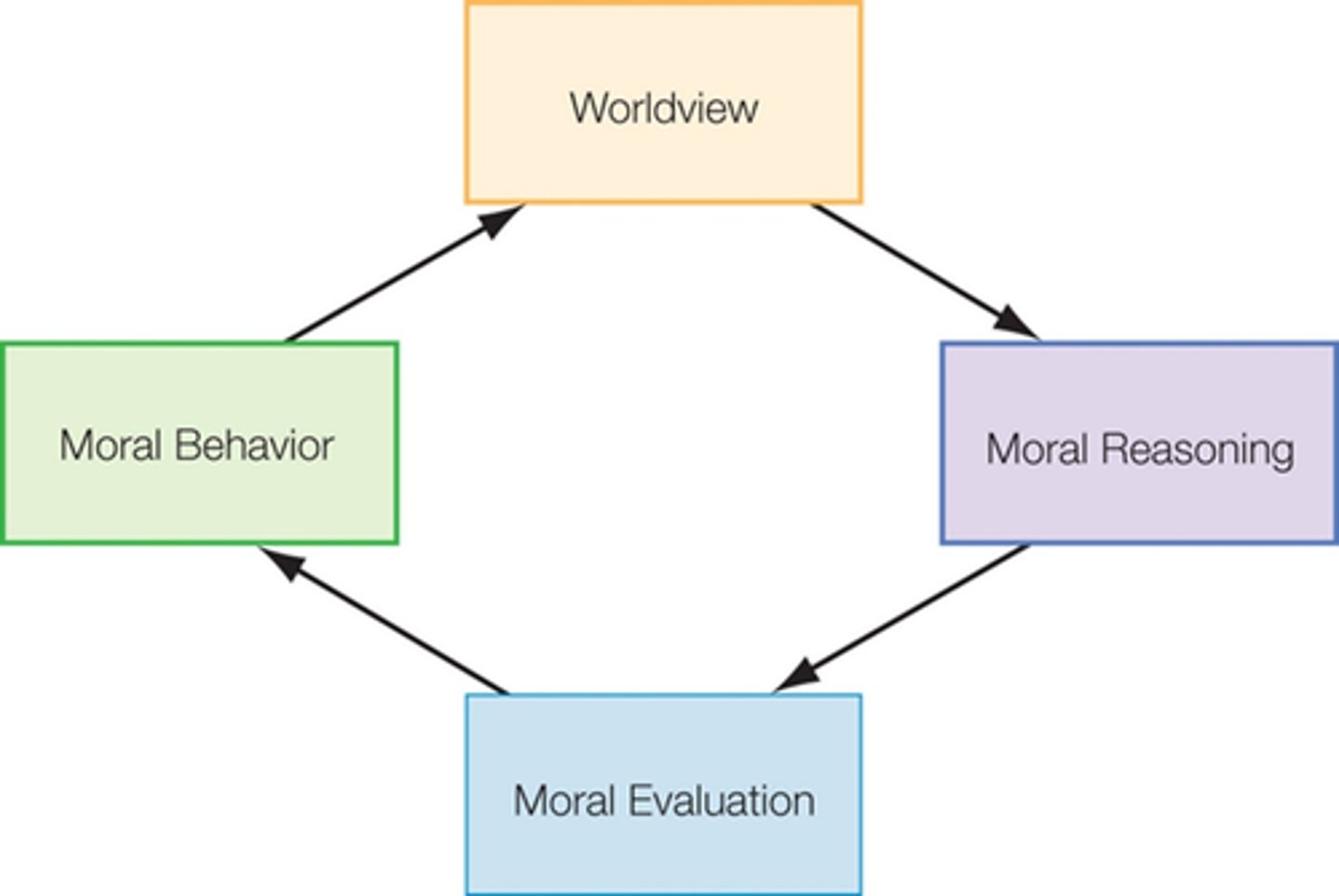
Perspectives
A social point of view on an issue, shaped by a community's experiences, values, and worldviews.

Values
Ideas about what is important, right, or fair that influence opinions and behaviour.
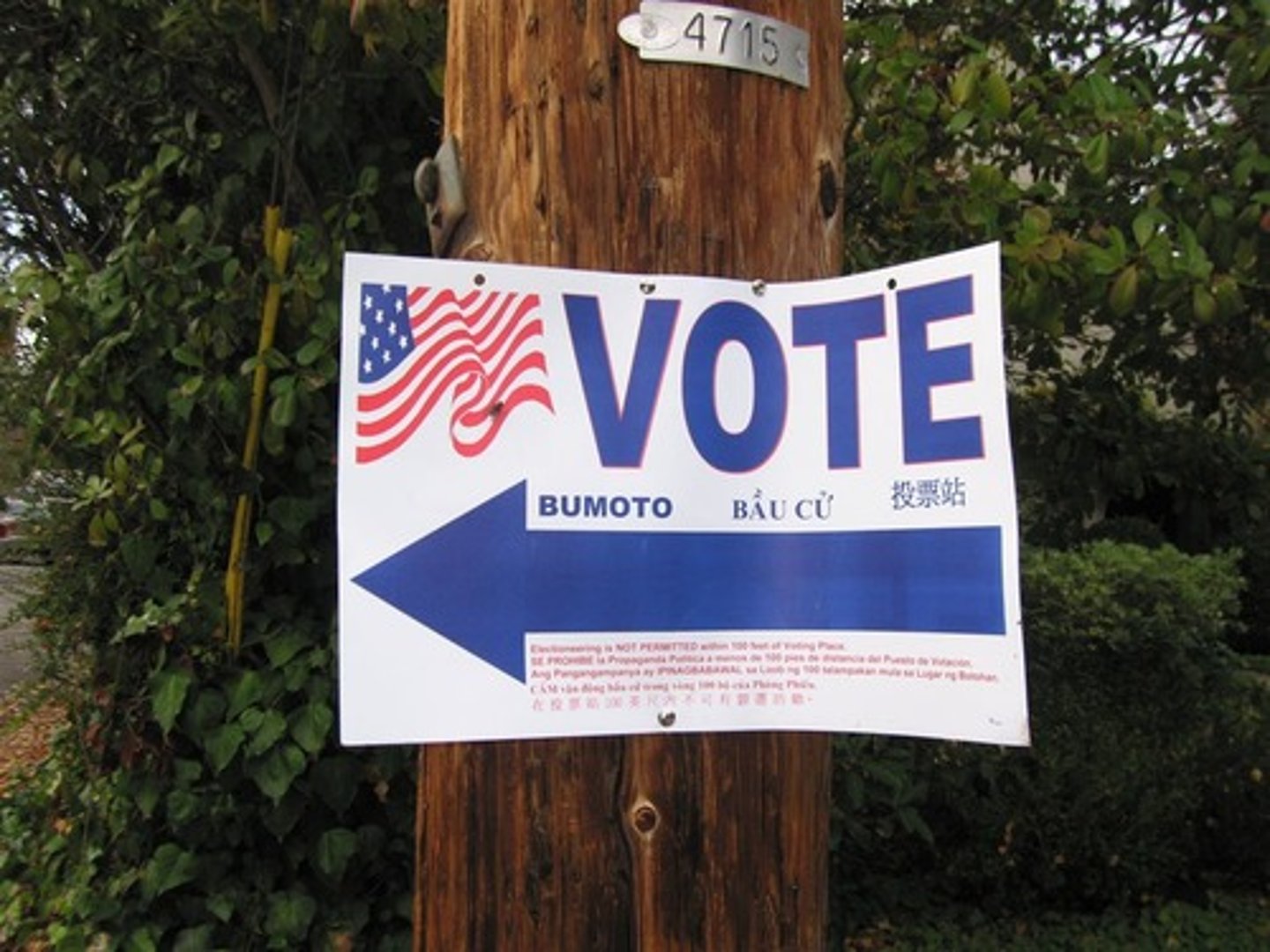
Democracy
A system of government where people can select their government though free elections by secret ballot, they can express opinions freely, debate issues, and influence decisions of governments without fear of pressure.
Critical thinking
The ability to question information, examine evidence, and think carefully before forming an opinion.
Debate
The discussion of opposing viewpoints, where ideas are explained, challenged, and defended.

Support
To support or affirm in a debate means to argue in favour of the topic or statement.

Affirming
(In debating )The affirming side explains why the idea or proposal should be accepted, using reasons and evidence.
Oppose
(In debating - Negating): To oppose or negate in a debate means to argue against the topic or statement.
Negating
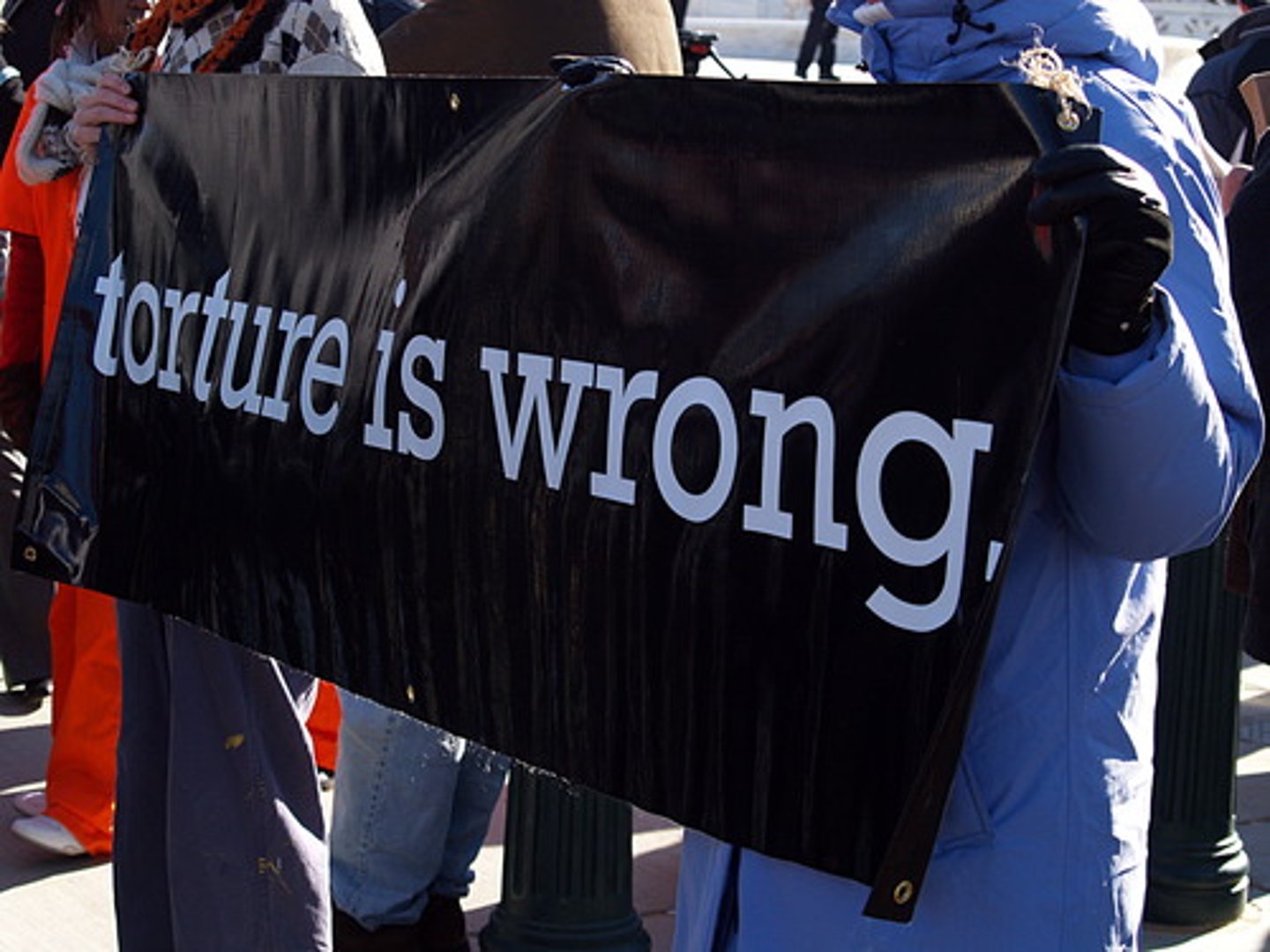
(In debating - Negating): The negating side explains why the idea or proposal should not be accepted, often by pointing out problems, risks, or weaknesses.
Rebut
to response to an opposing argument.

Rebuttal
A rebuttal is a response to an opposing argument that explains why that argument is weak, using evidence and reasoning.

Conscription
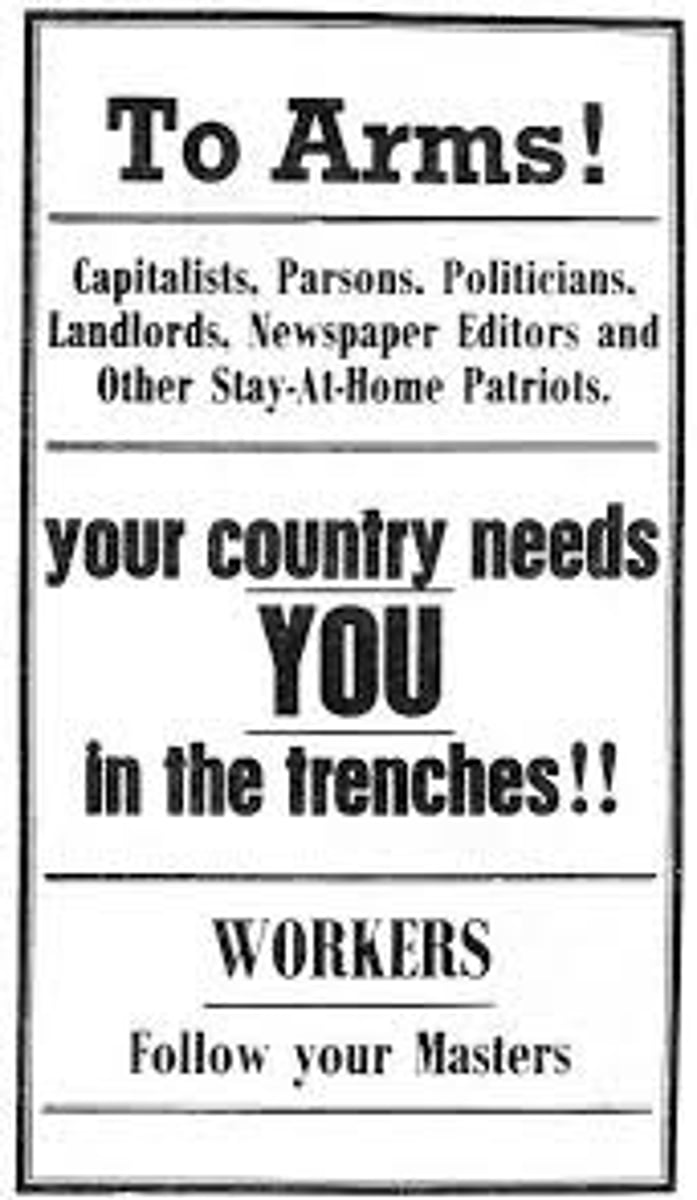
When a government requires citizens to join the military, usually during times of war or national emergency.
Mandatory
required by law or rules, not optional, people must do it.
Vaping
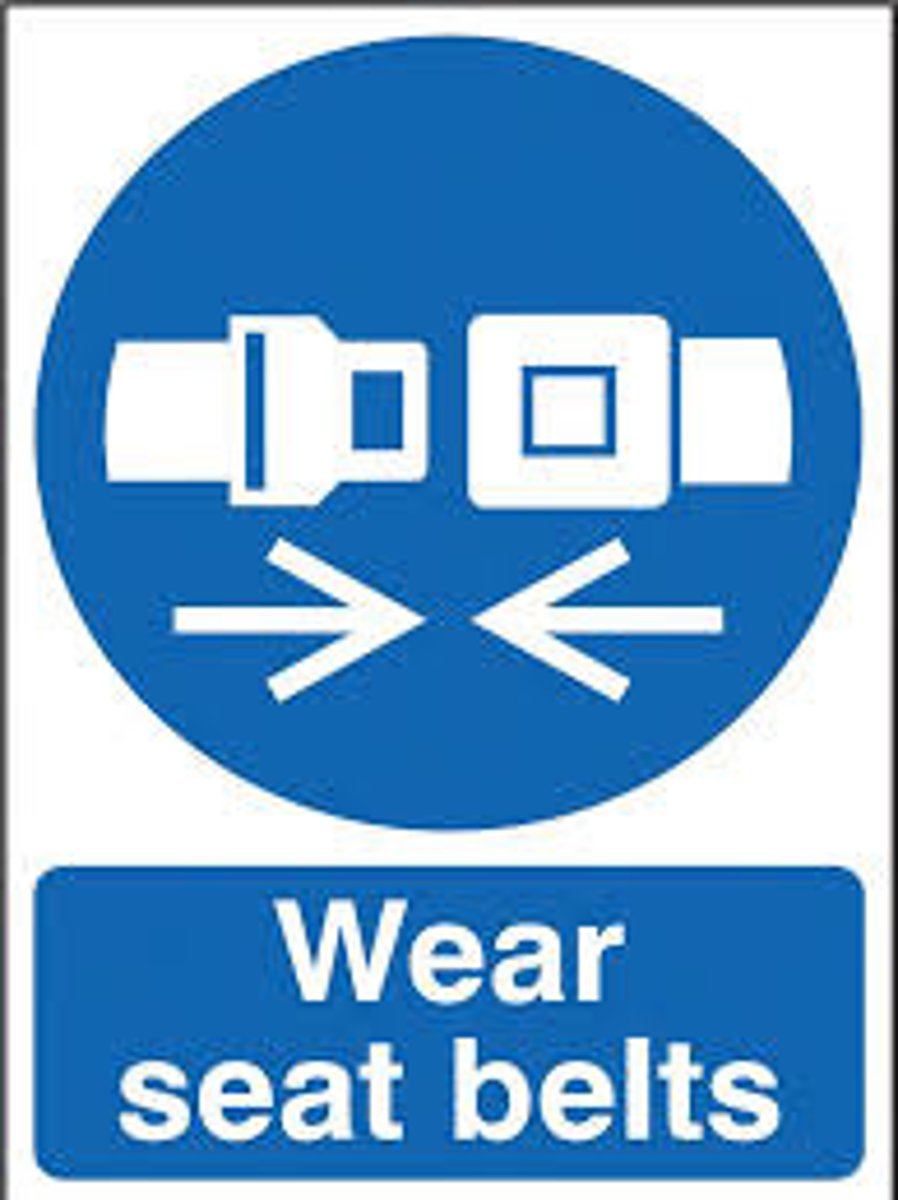
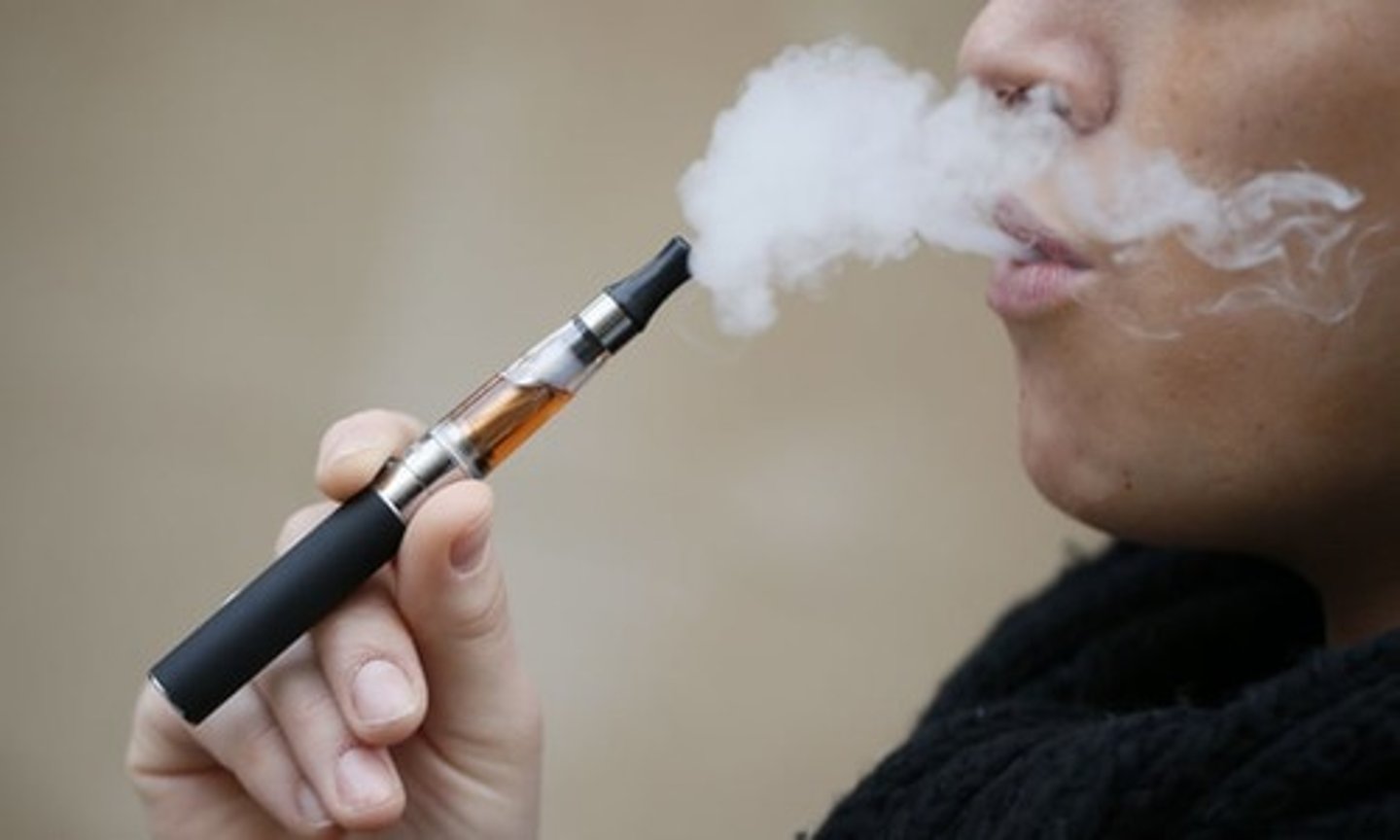
The use of electronic devices to inhale vapour, often discussed in relation to smoking and public health.
Public health
The protection and improvement of the health of the population as a whole.

Rehabilitation
Supporting people to change harmful behaviour and reintegrate positively into society.

Punishment
Penalties given in response to wrongdoing, often debated in terms of effectiveness.
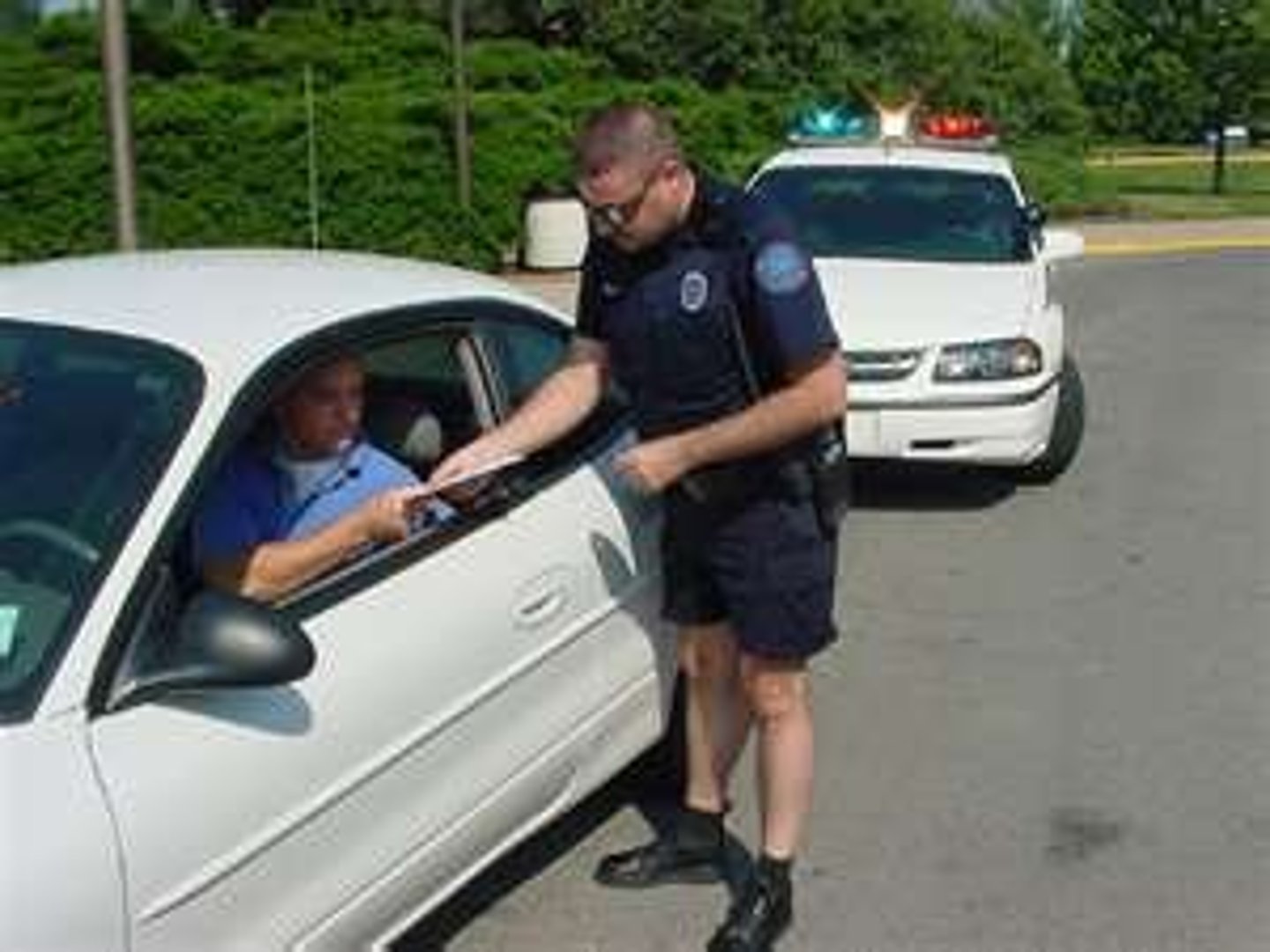
Evidence: Facts
data, or research used to support an argument or point of view.

Bias
A preference that can affect how information is presented or interpreted.
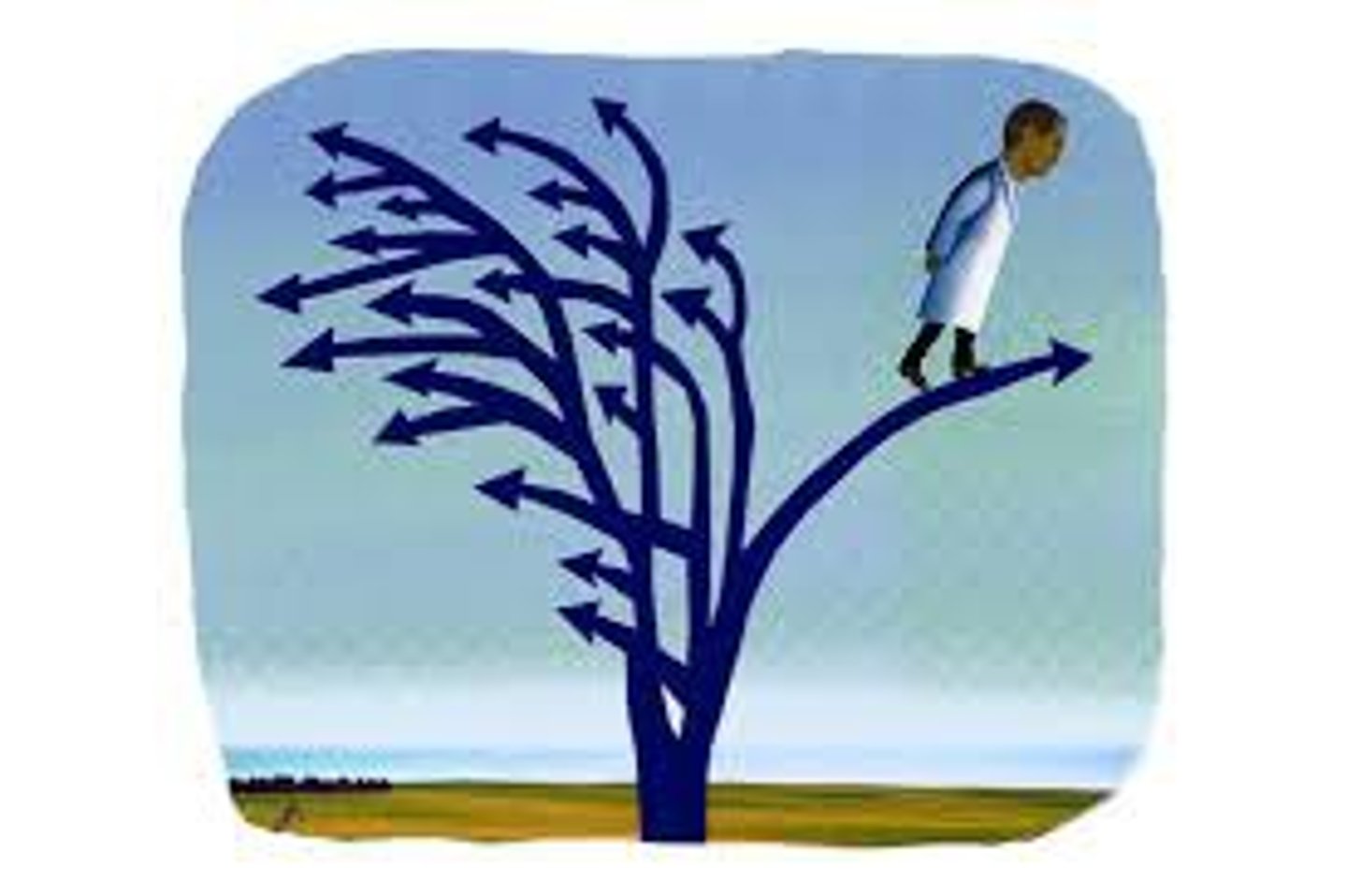
Source evaluation
Judging how reliable, accurate, and trustworthy a source of information is.
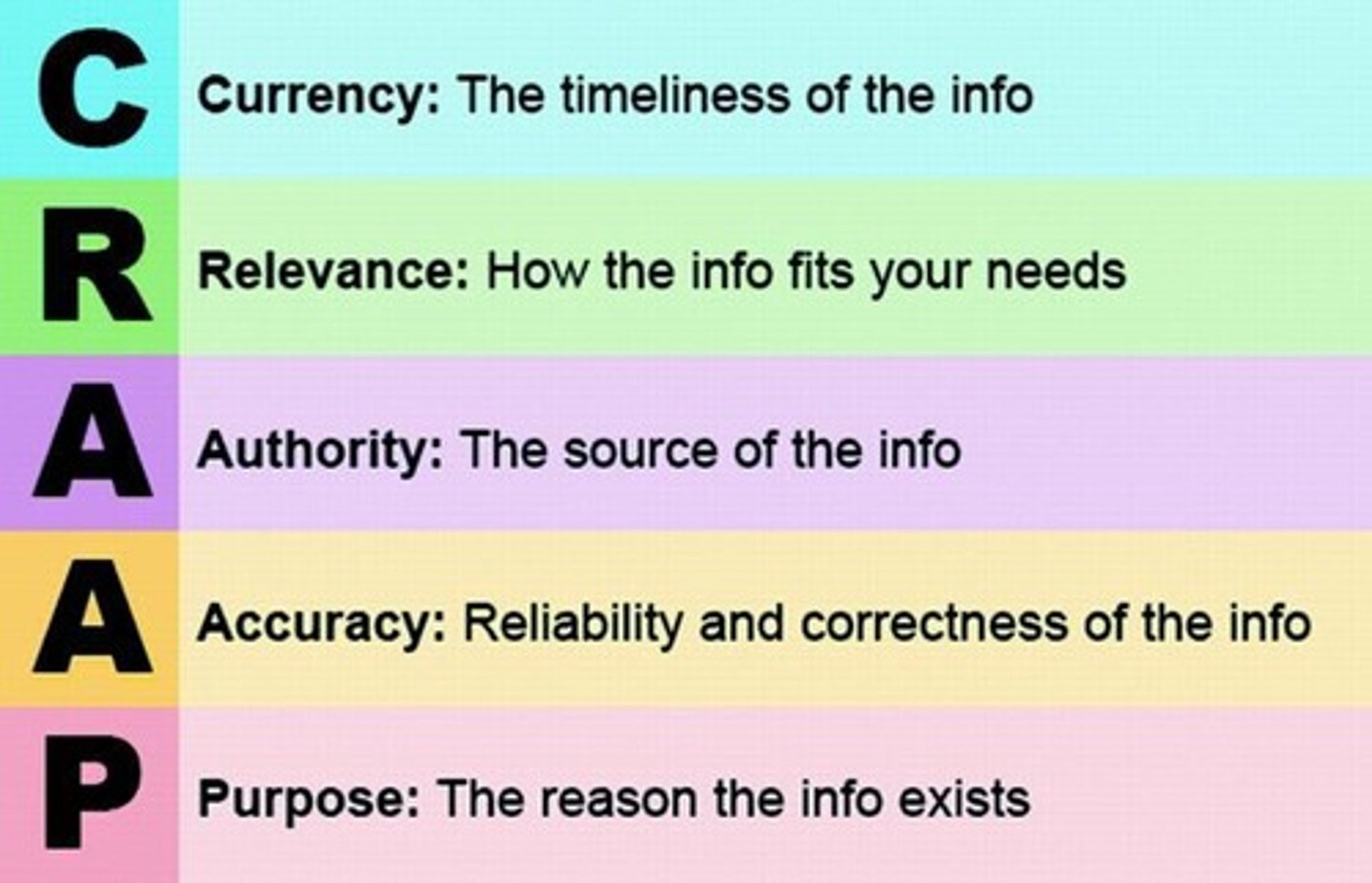
CRAAP test
A method for evaluating sources using Currency, Relevance, Authority, Accuracy, and Purpose.
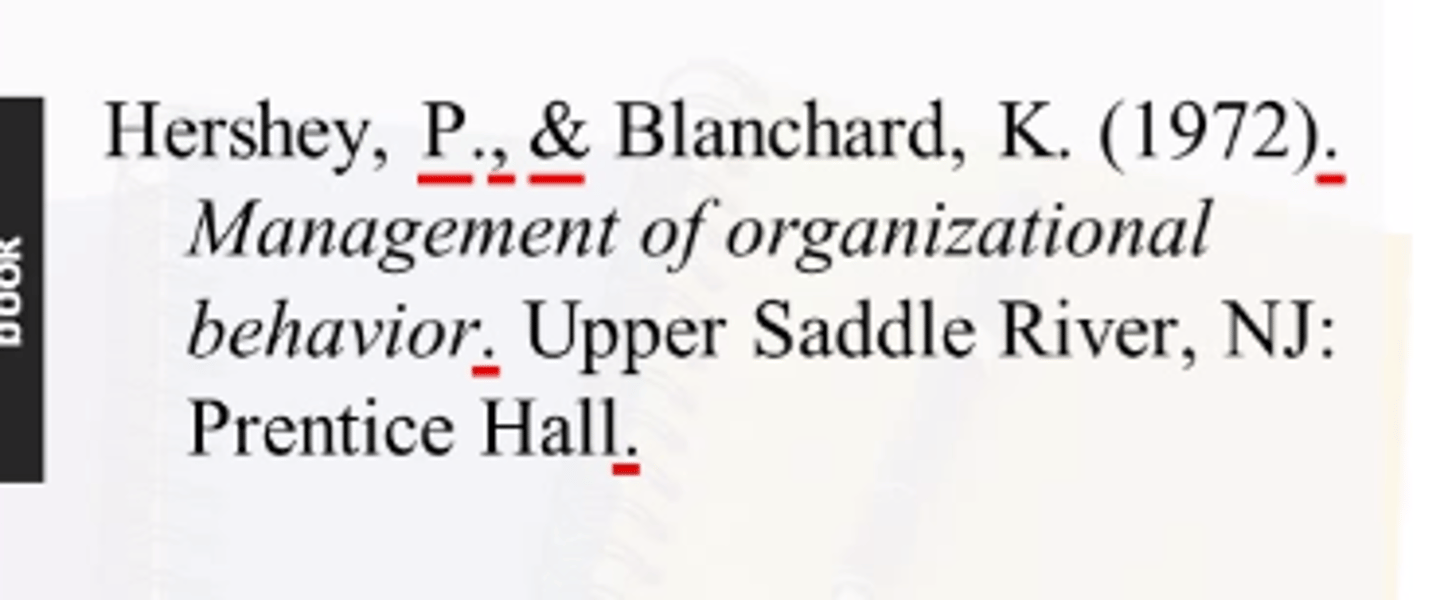
Referencing
Acknowledging the sources of information used in research and writing.
Citing
Acknowledging the sources of information used in research and writing.
Plagiarism
Using someone else's ideas or work without giving proper credit.

Social responsibility
The idea that individuals and governments have a duty to act in ways that benefit society.
Quoting
Using another person's exact words in your writing, placed inside quotation marks, and crediting the source by citing the name of the person you are quoting.

Nuance
to small differences, complexity, or shades of meaning in an issue. A nuanced viewpoint recognises that most issues are not simply right or wrong.

Expert
a person who has special knowledge, skills, or experience in a particular subject, often through education, training, or professional work. They can be considered a reliable authority on an issue.