A&P Lab 2 Terms List (Unit 4)
 Call Kai
 Learn
Learn Practice Test
 Spaced Repetition
 Match
Match Flashcards
 Knowt Play
1/63

There's no tags or description
Looks like no tags are added yet.
Name | Mastery | Learn | Test | Matching | Spaced | Call with Kai | Chat |
|---|
No analytics yet
Send a link to your students to track their progress
64 Terms
simple squamous: description
single layer of cells flat irreg

simple squamous: location and function
lung aveoli, serous membranes, blood vessel lining
filtration and diffussion
Simple cuboidal desc
Single layer Cube-shaped cells

simple cubodial location and function
Ducts of glands Kidney tubules
Secretion &Absorption
simple columnar desc
single layer column

simple columnar location and func
intestinal lining
secretion and absorption
stratified squamous
Multiple layers Flat, irregular cells
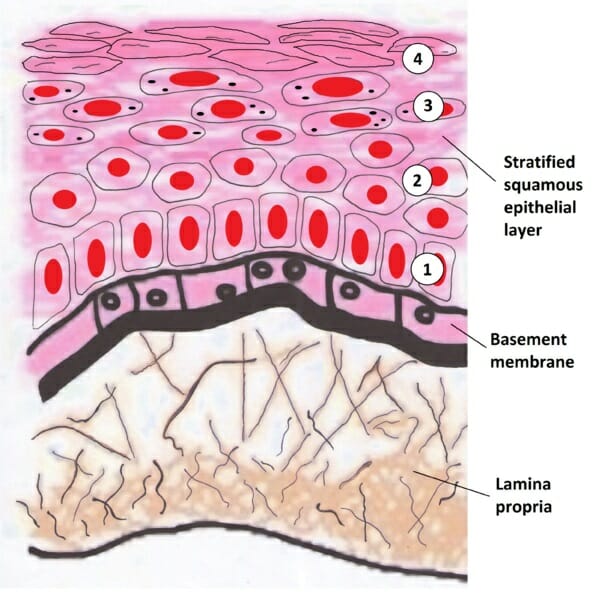
stratified squamous location and func
Skin (keratinized) Mouth (non-keratinized)
Protection
STRATIFIED CUBOIDAL desc
Multiple layers Cube-shaped cells
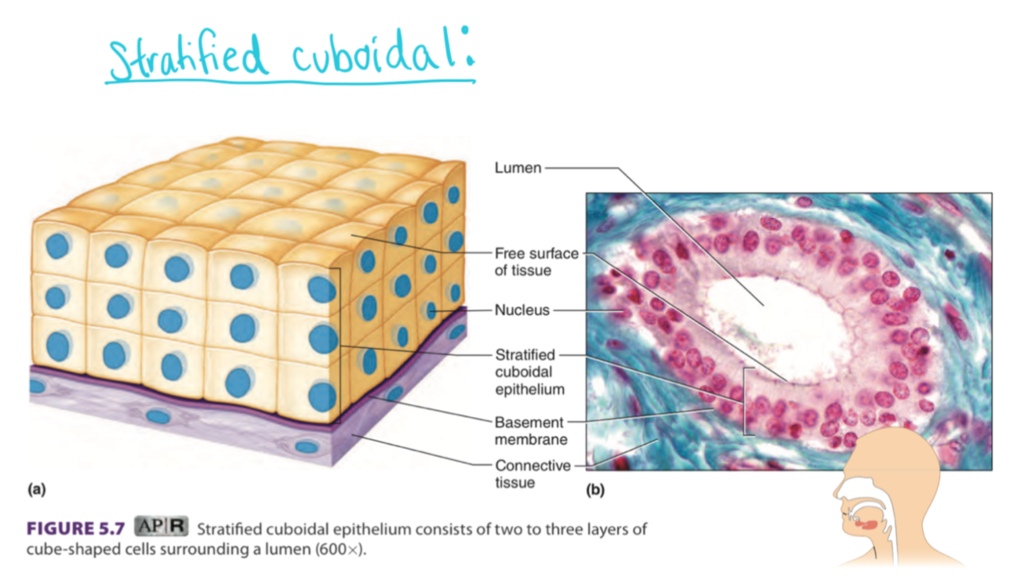
STRATIFIED CUBOIDAL location and func
Ducts of glands sweat and salivary and exocrine glands (rare)
Protection & Secretion
STRATIFIED COLUMNAR desc
Multiple layers Column-shaped cells
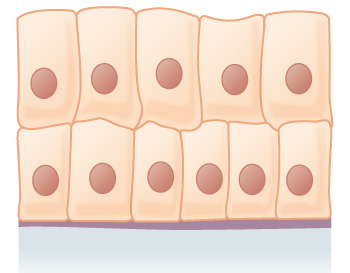
stratified columnar location and func
Salivary glands (rare) Protection
PSEUDOSTRATIFIED COLUMNAR desc
Single layer, look stratified Column-shaped cells

PSEUDOSTRATIFIED COLUMNAR location and func
Respiratory lining
Protection Secretion Ciliated: move fluid
TRANSITIONAL epithelium desc
Multiple layers Cuboidal/columnar cells

TRANSITIONAL epithelium location and func
Bladder Ureters
Stretches
Connective tissue
supportive tissue that gives structure to other cells

areolar
gel liek padding that binds organs and supports epithelial
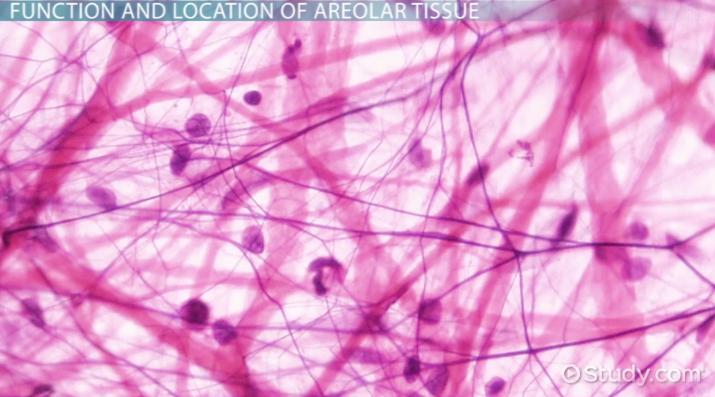
aerolar location and func
Wraps & cushions organs Defends against pathogens
adipose desc
padding and cushioning adipocytes

adipose loc and func
Insulates & cushions Stores energy
buttocks, visceral fat,a dn surrounds organs
dense regular
btw skeltal muscles and bones in stabalizing positions parallel arrangement
avascular

dense regular function
provides firm attachment, conducts pull of muscle and reduces friction
dense irregular connective tissue
capsules of viseral organs nerves and muscle sheaths and dermis

dense irreg ct func
provide strength to resist force and prevent over expansion
hylaine cartilage
between tips of ribs and bone of sternum, covering bione surfaces and synovial joints

hylaine cartilage func
provide stiff and flexible support to reduce friction between cells
fibrocartilage
pads btw the knee and joint between pubic bones and pelvis, interveterbral discs

fibrocartilage func
resist compression, prevents bone to bone contact
elastic cartilage
auricle of external ear, epiglottis, auditory canal, cuneiform, cartilage of larynx

elastic cartilage func
provides support, tolerates support without dmaage and returns to OG shape
integumentary system
refers to skin the largest organ
dense elastic ct
stretchy elastin proteins found in arteries and vocal cords
dense elastic ct func
provides stretch and resilience
goblet cells
make mucus to trap substances
Epidermis layers
stratum corneum
stratum lucideum
statum granulosum
stratum spinosum
stratum basale
stratum corneum
below surface, thickest layer

stratum lucidium
below coreum, thick skin only
stratum granosolum
below lucidumm

stratum spinosum
below granosulum, spiky
stratum basale
deepest layer, produces new skin cells and takes old ones away
keratin
ONLY FOUND IN SKIN a tough, protective structural protein that makes up your hair, nails, and the outer layer of your skin
epidermis
most outerlayer of skin
dermis
consists of two main layers:upper papilary dermis and deeper reticular dermis
papillary layer
layer is thin and topmost layer of dermis, inc surface aera and provide nutrients
Subpapillary Vascular Plexus
network of small blood vessels along boundary of papillary layer and deep reticular layer
deep reticular layer
, is the thickest and deepest layer of the dermis, sitting right between the upper papillary layer and the subcutaneous fat layer (hypodermis).
hypodermis
deepest layer of your skin that stores fat, insulates body, connects skin to underlying muscles
LEC: interstitial growht and appositional growth
how cartilage grows from within
and at the surface
LEC chondrocytes
cells to rebuild cartilage
LEC ostocytes
rebuilds bone cells
Merocrine (Eccrine) Glands
LEC: Most abundant.
• Product released through exocytosis, e.g. mucus
secretion in Respiratory and Digestive System.
• In skin widely distributed and produce watery
perspiration.
Apocrine Glands
LEC: least numerous. involve the
loss of cytoplasm as the secretory product.
• e.g milk production/mammary glands
LEC: Holocrine (Sebaceous) Glands
the cell
becomes packed with secretory product and bursts
this destroys the gland cells e.g. sebaceous
glands/oily secretion
LEC: Matrix
Composed of a ground substance. This is a non-living
matrix that the cells and fibers are distributed within.
The ground substance consistency changes within each
classification
fibroblasts
are cells that are present in all types of
connective tissues and provide a framework to these
tissues by keeping the ground substance viscous (thick and sticky)
reticular layer
thick, deep bottom layer of the dermis that provides strength, structural integrity, and elasticity to the skin
Cutaneous Vascular Plexus
interconnected networks of blood vessels that supplies nutrients, removes wastes, and controls body temp
Free Nerve Ending
unspecialized, bare sensory nerve fibers that detect pain, temperature, itch, and touch
Arrector Pili Muscle
a tiny smooth muscle in your skin that connects a hair follicle to the outer layer of tissue.
Sebaceous glands
microscopic oil-producing glands in the skin that secrete an oily substance called sebum
Lamellar (Pacinian) Corpuscle
a specialized sensory nerve ending in the skin and deep tissues that detects deep pressure and high-frequency vibrations
Hair follicles
surrounds hair root and is a tunnel shaped mini organ
LEC merfan syndrom
Its an inherited condition that is caused by an
abnormal weak form of fibrillin
Deficiency leads to widespread problems since
most organs contain connective tissue.
• Most commonly affected are the heart and blood
vessels, (aneurysm)