Boston and the Revolutionary War
 Call Kai
 Learn
Learn Practice Test
 Spaced Repetition
 Match
Match Flashcards
1/23

There's no tags or description
Looks like no tags are added yet.
Name | Mastery | Learn | Test | Matching | Spaced | Call with Kai | Chat |
|---|
No analytics yet
Send a link to your students to track their progress
24 Terms
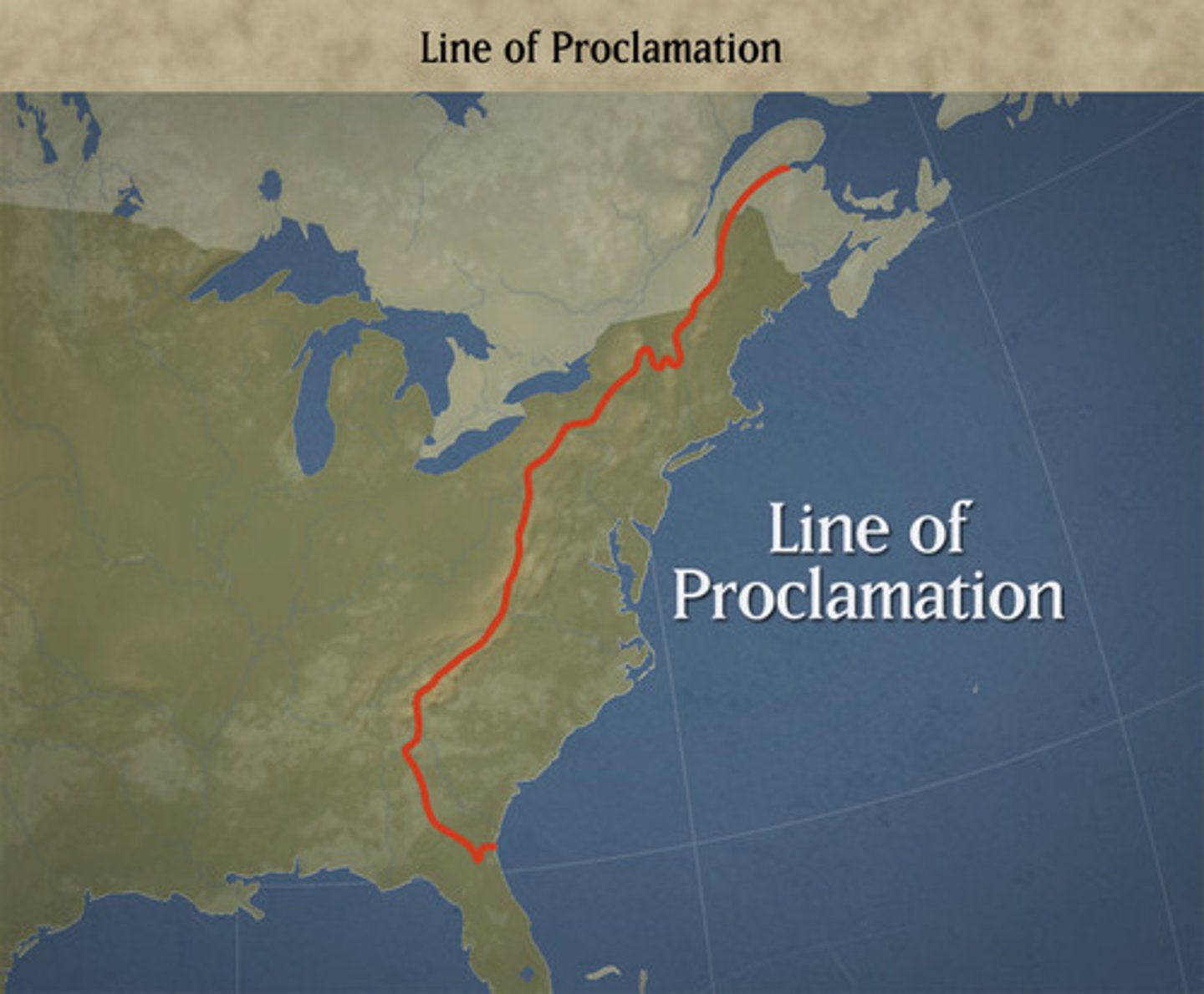
Proclamation Line of 1763
Line drawn by King George III at the crest of the Appalachian Mountains. Colonists stay to the east; American Indian Nations to the West.
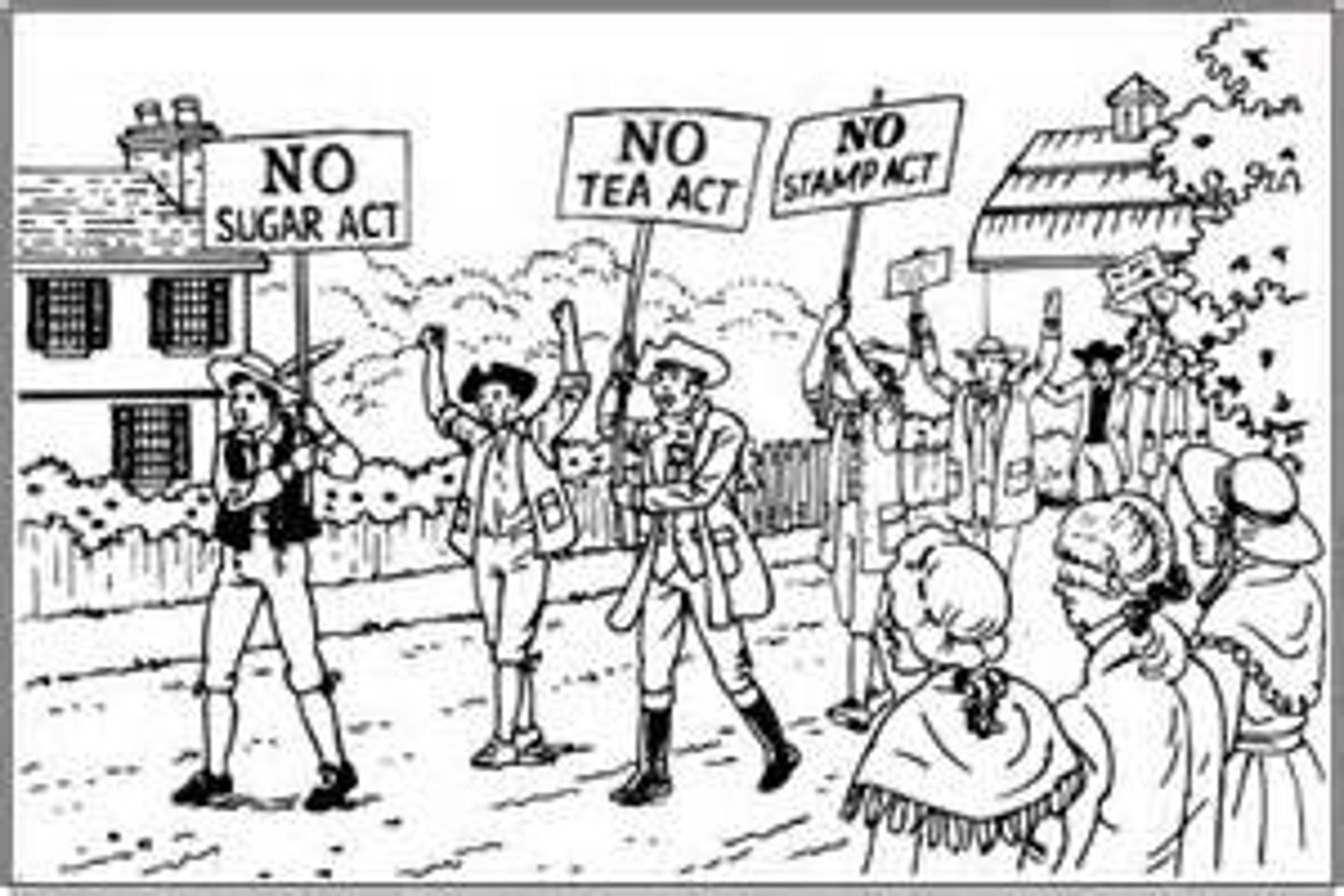
Sugar Act, Stamp Act, Quartering Act, Townshend Act
Taxation without representation
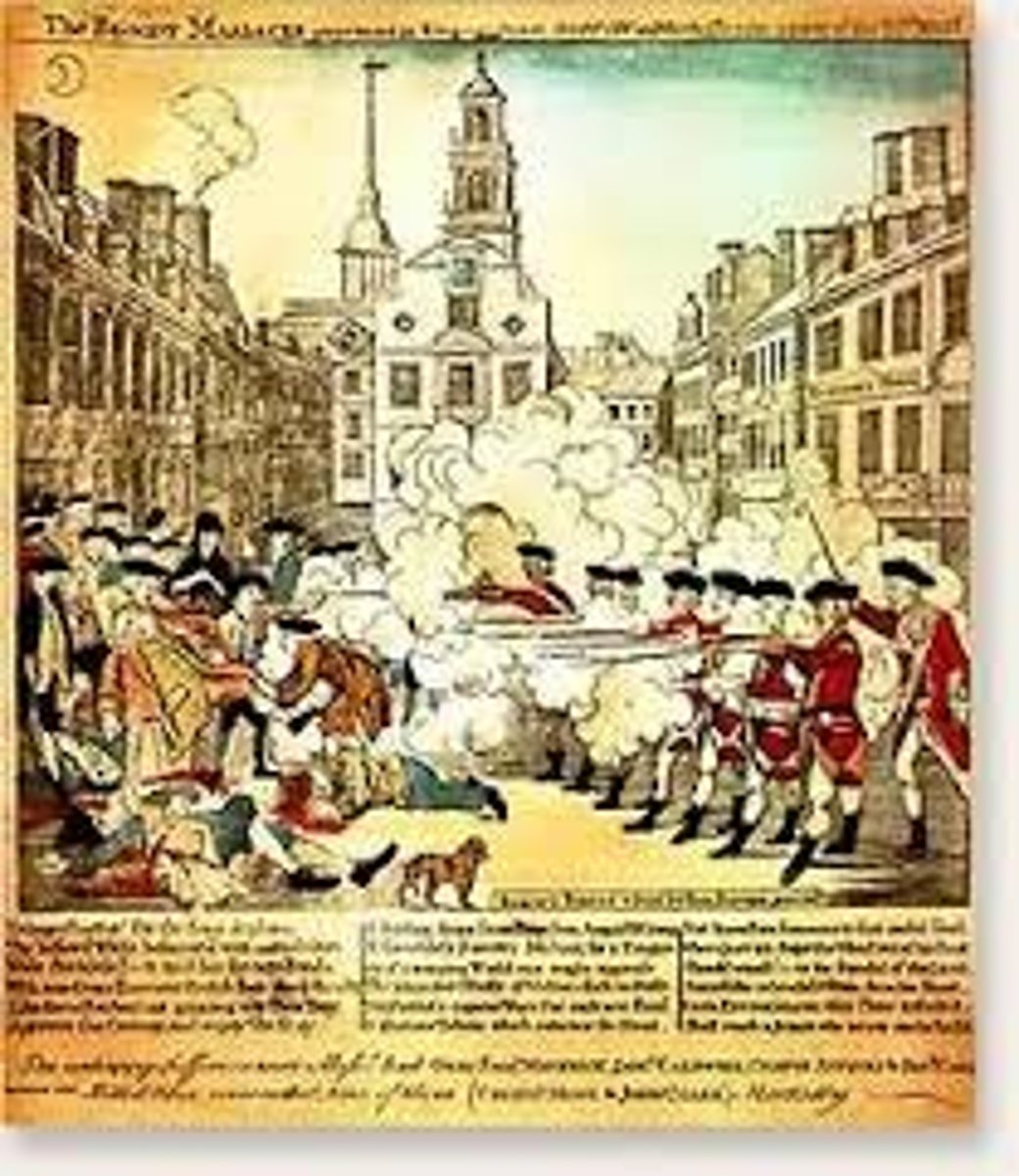
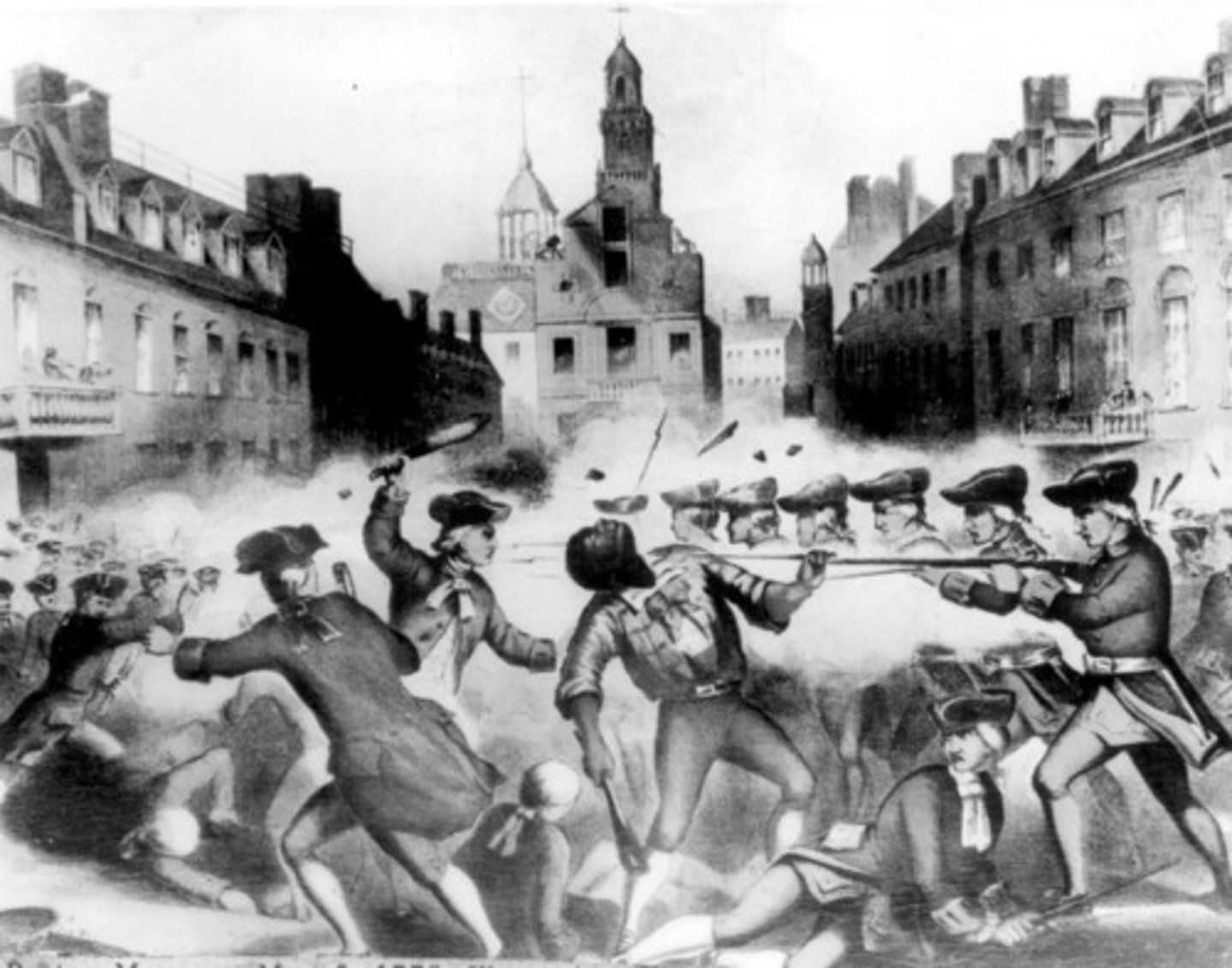
Boston Massacre 5 March 1770
5 colonists were shot and killed after taunting British soldiers.
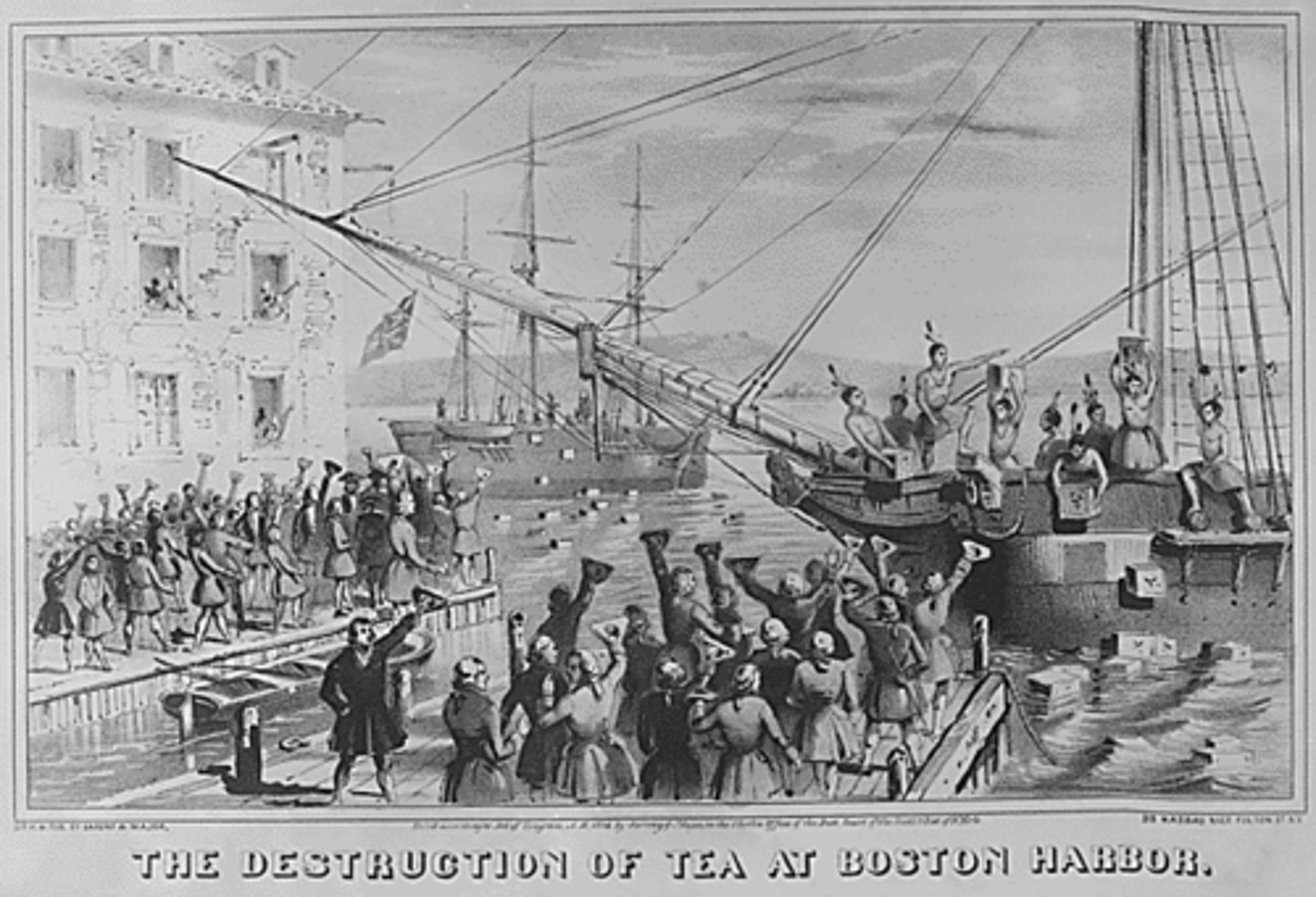
Boston Tea Party 16 Dec 1773
90,000 pounds of tea dumped into the Boston harbor in protest of the tea tax; organized by the Sons of Liberty. Organized by Samuel Adams & Paul Revere.
Shot Heard Round the World
19 April 1775 starting the American Revolution (Lexington & Concord)
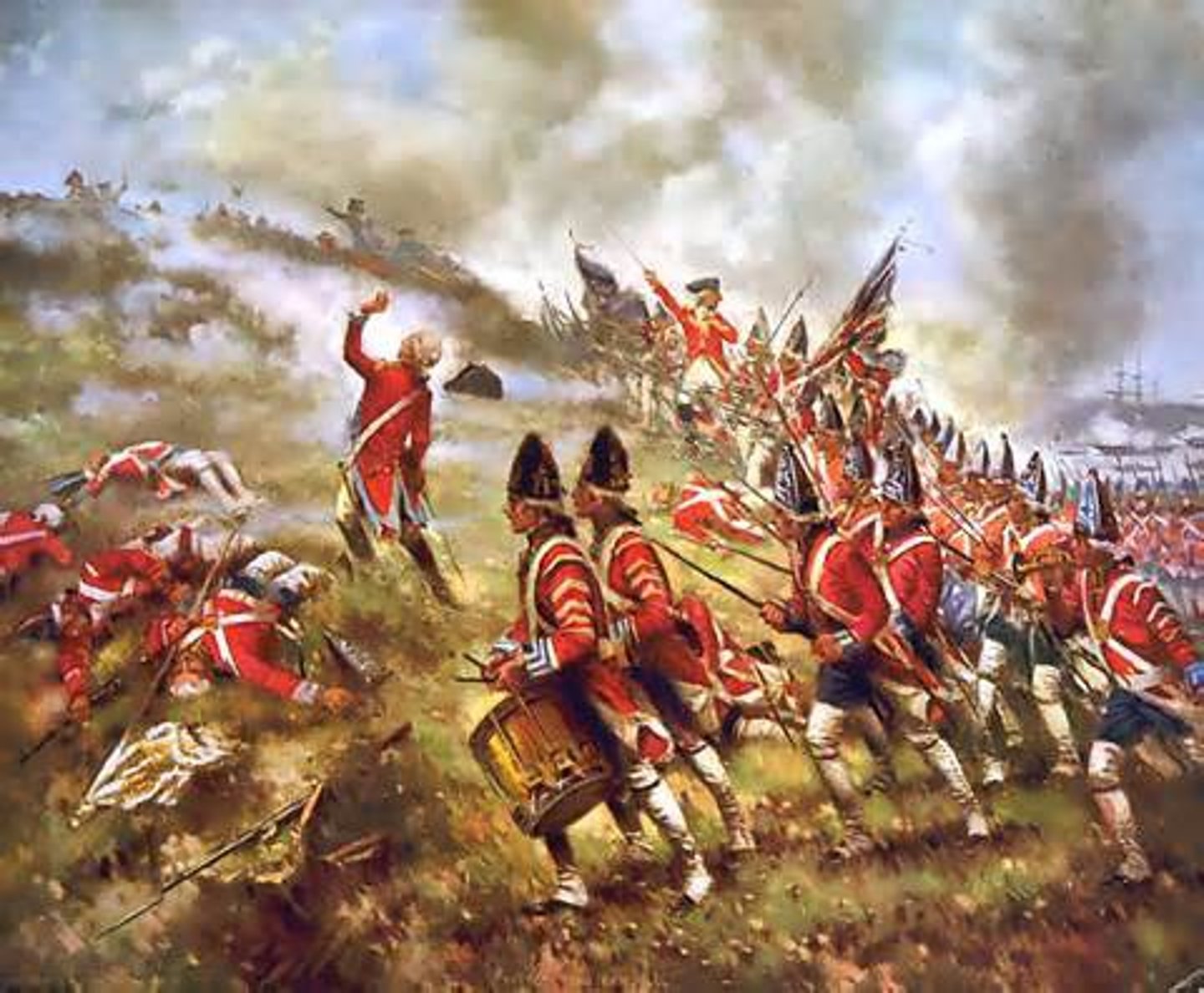
Bunker Hill
Fought in June 1775 and gave the colonists a "moral" victory even though they lost outside of Boston. William Prescott gave the order, "Don't shoot until you see the whites of their eyes." First major battle of the war.
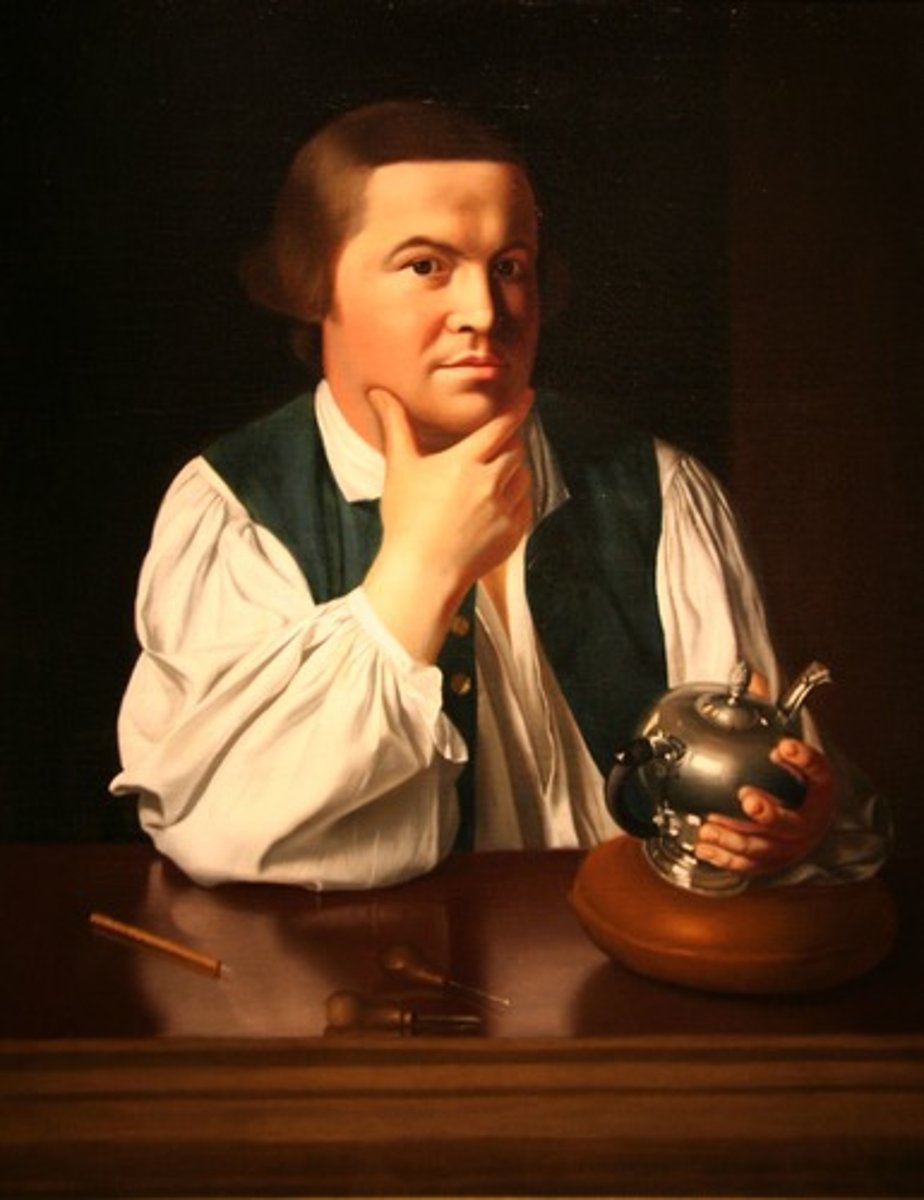
Paul Revere
He warned the countryside that, "the regulars are out." He was a prominent member of the Sons of Liberty and the best silversmith in Boston.
John Adams
Patriot, represented soldiers in Boston Massacre, attended first and second Continental Congress, helped write the Declaration of Independence.
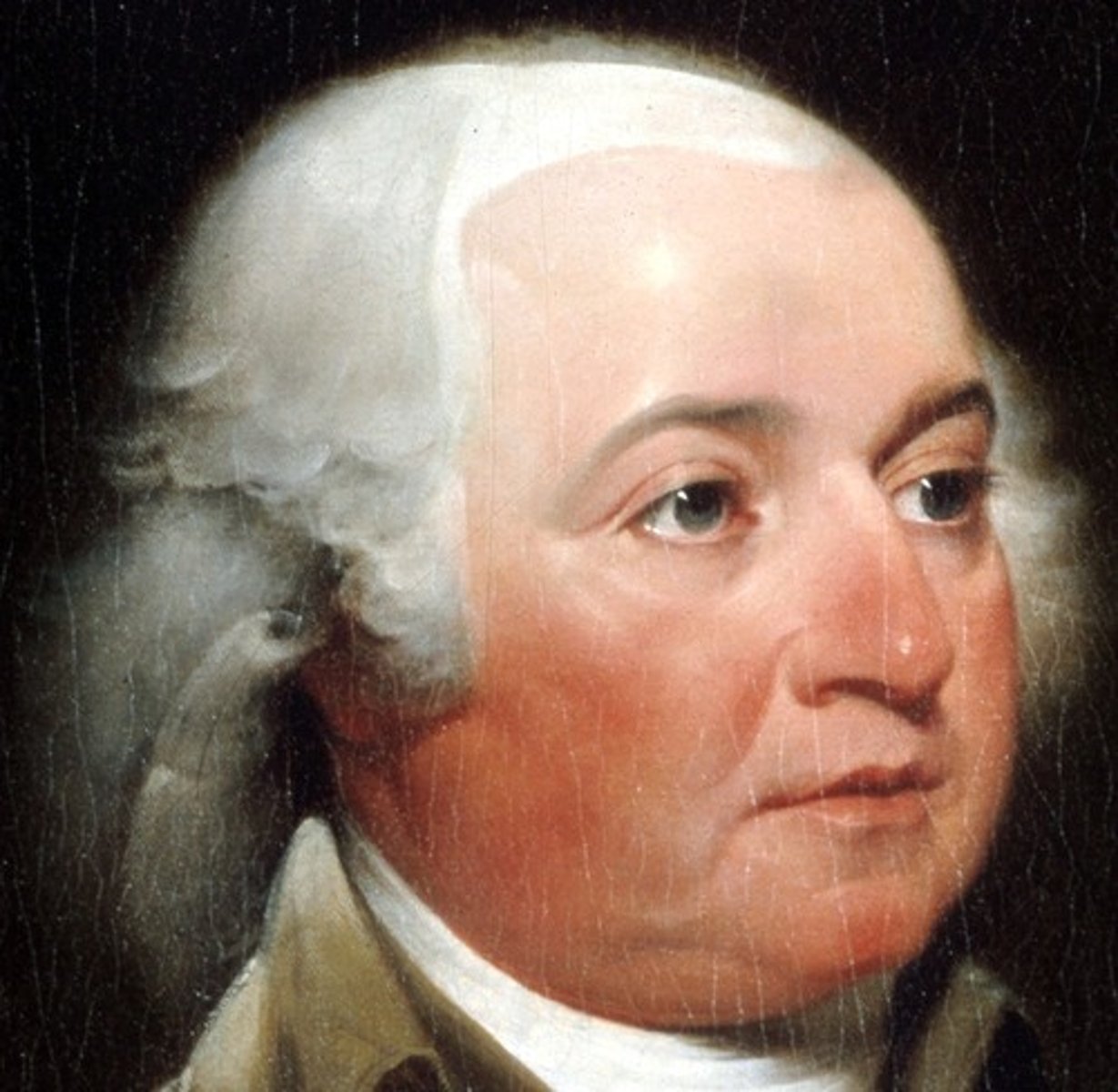
Samuel Adams
Leader of the Boston Tea Party and Sons of Liberty
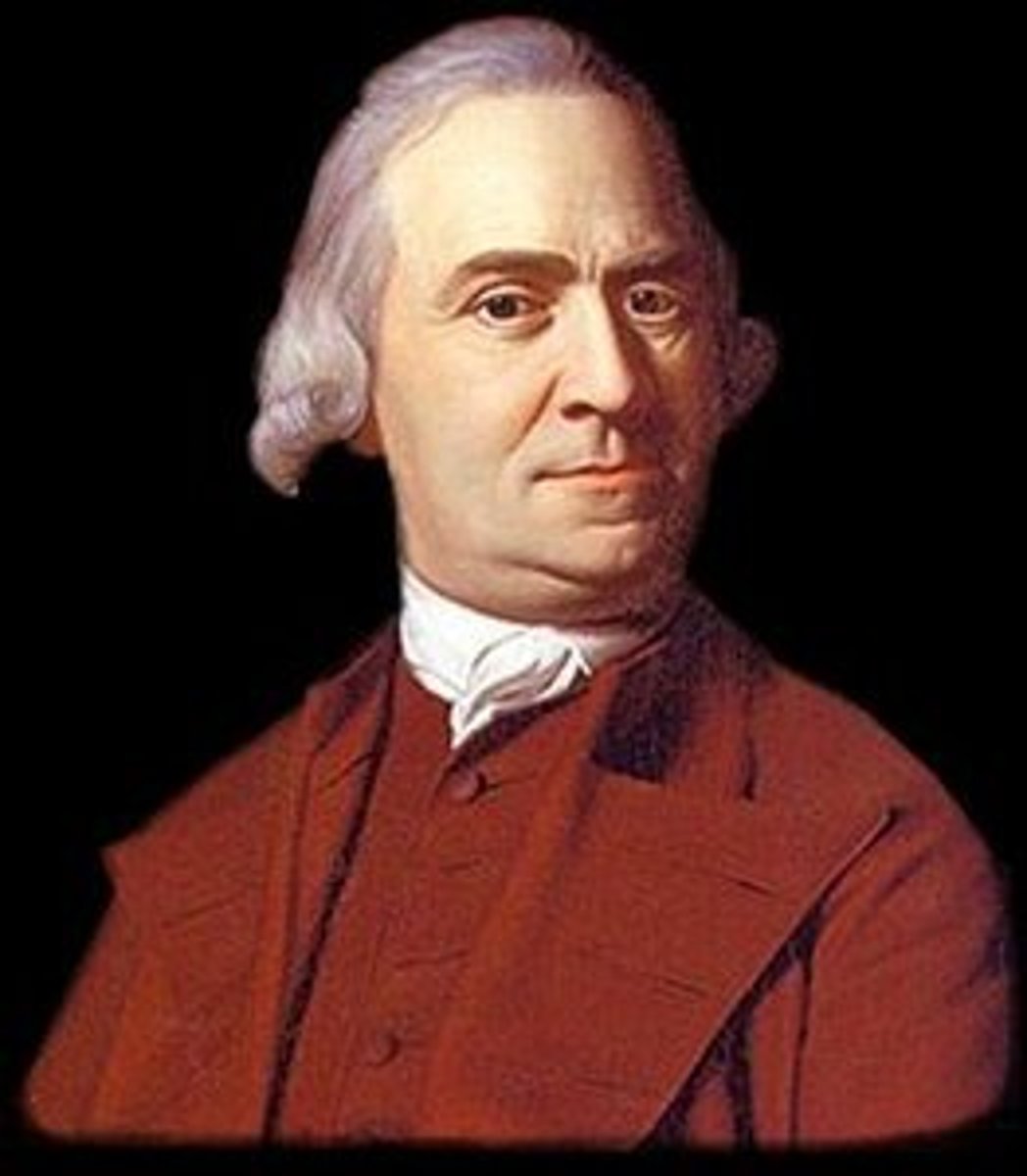
Dr. Joseph Warren
Patriot, prominent member of Sons of Liberty. Planned the Midnight ride of Paul Revere. Died at Bunker Hill.
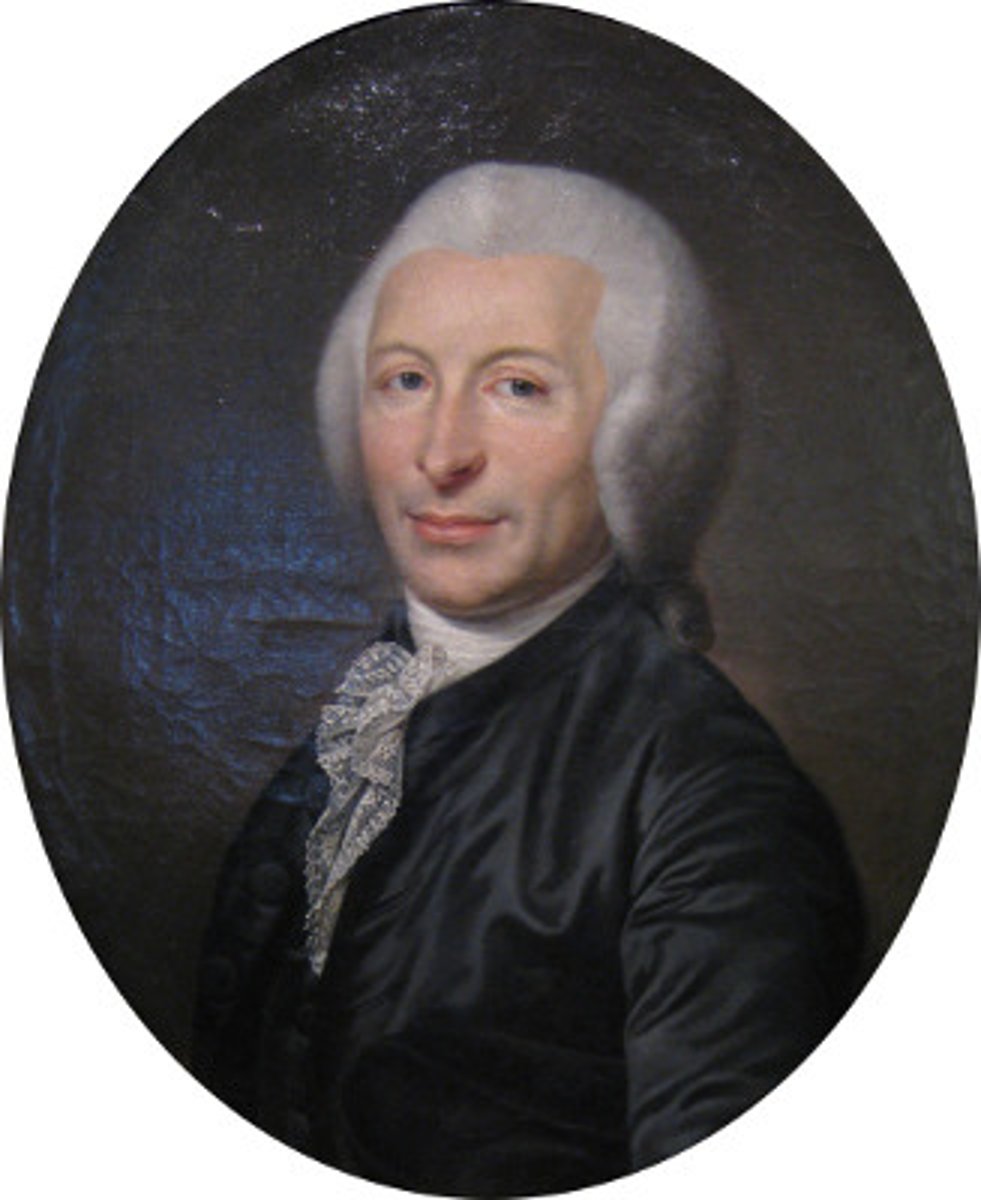
Sons of Liberty
Secret society which battled the British taxes in Boston. Samuel Adams, Paul Revere, Dr. Joseph Warren were members.
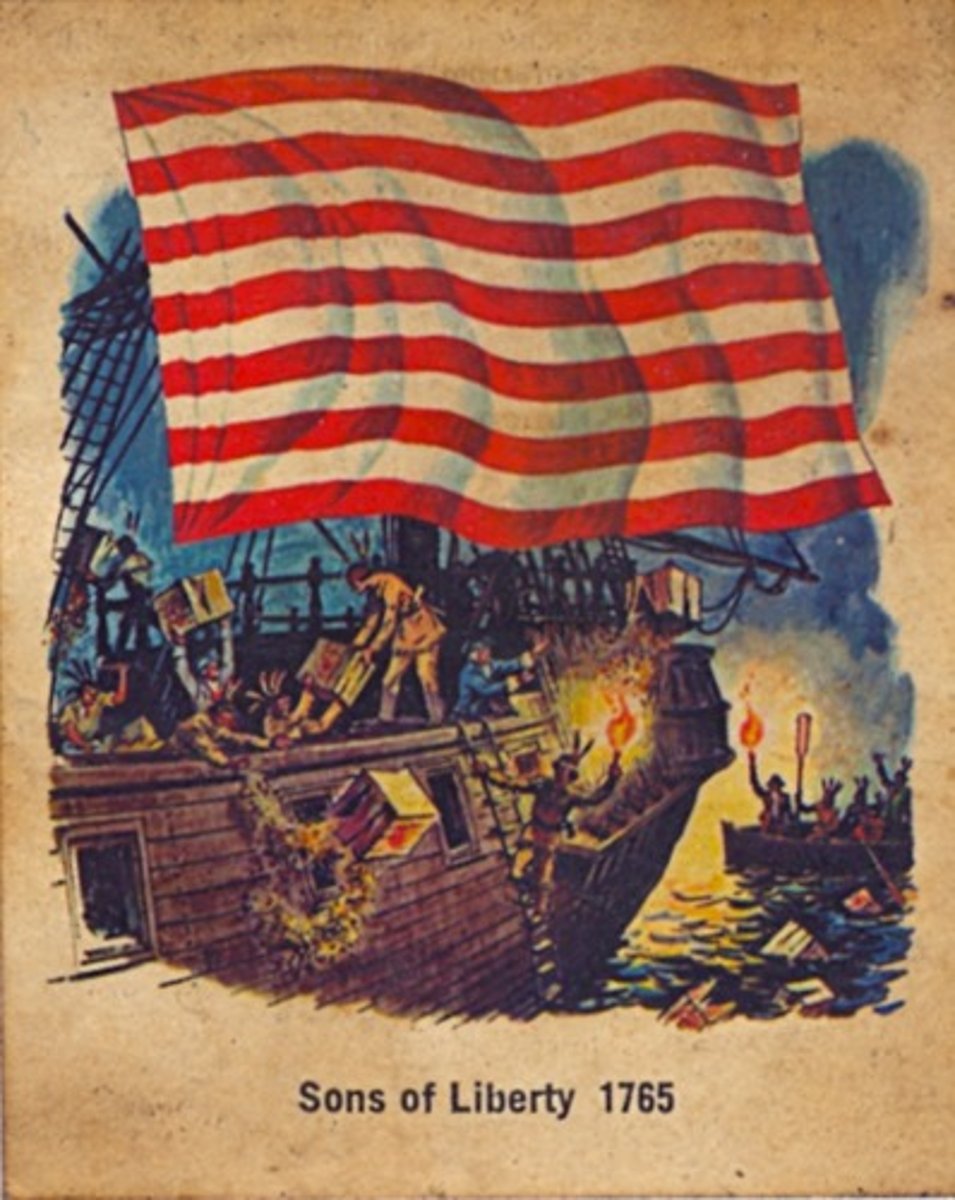
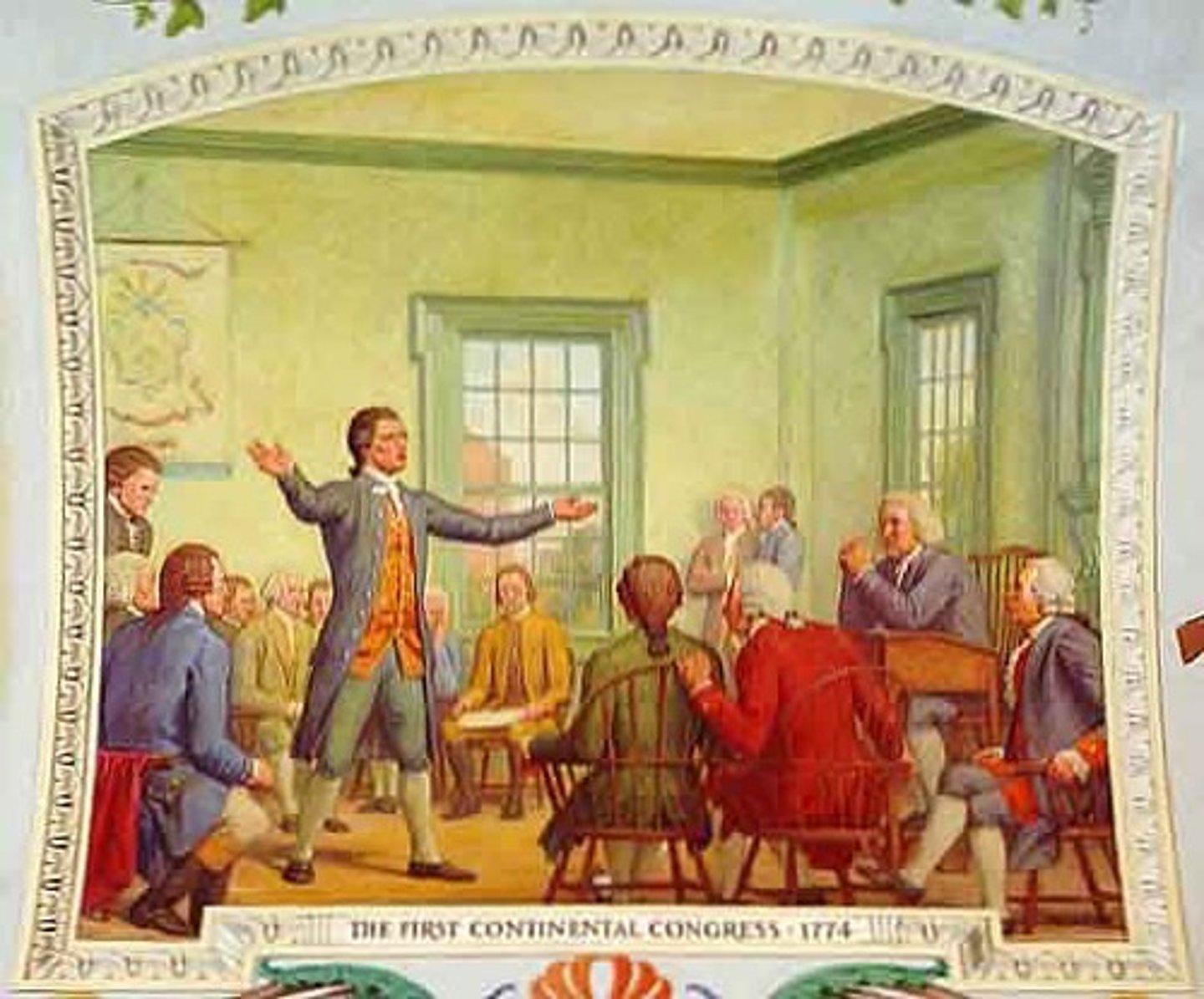
1st Continental Congress
Met in Philadelphia in 1774 because of the Intolerable Acts. 12 of the colonies sent representatives. (Georgia didn't). Met to discuss problems in Great Britain and promote independence.
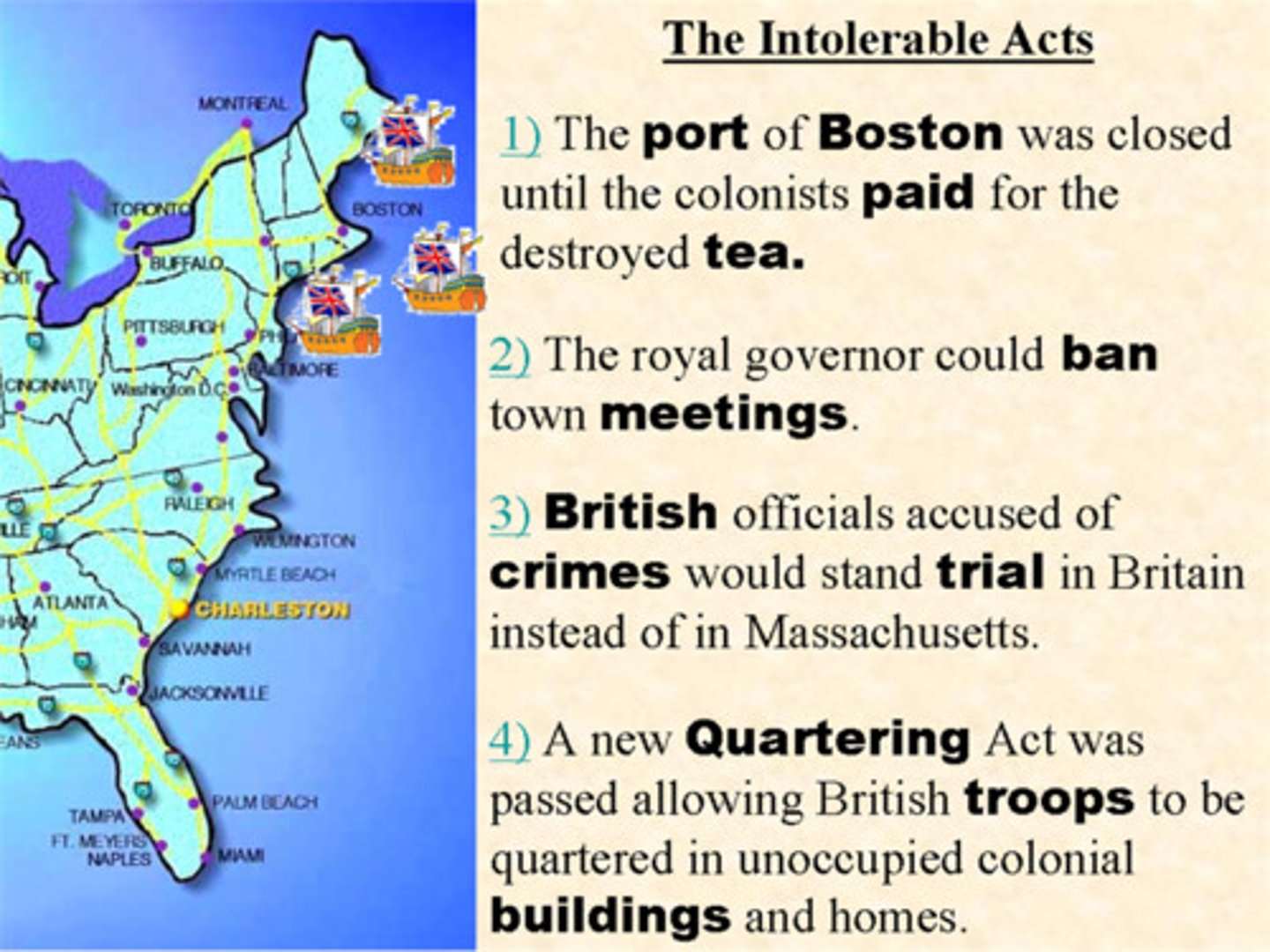
Intolerable Acts
Punitive laws to punish Boston and the Massachusetts colony after the Boston Tea Party. The port of Boston was closed and town meetings were forbidden without British permission.
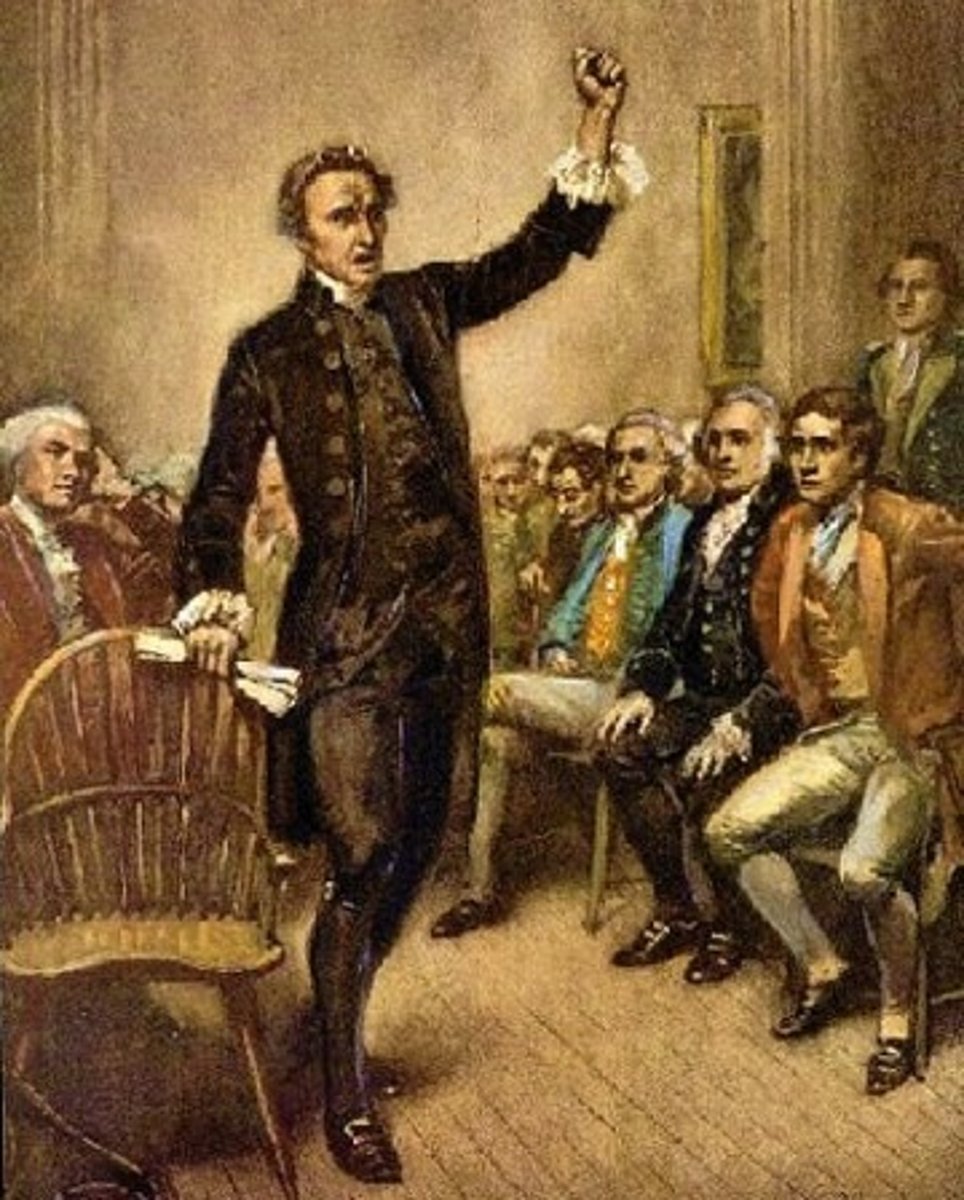
Patrick Henry
Outspoken member of the House of Burgesses; spoke out against the Stamp Act and said, "as for me, give me liberty, or give me death."
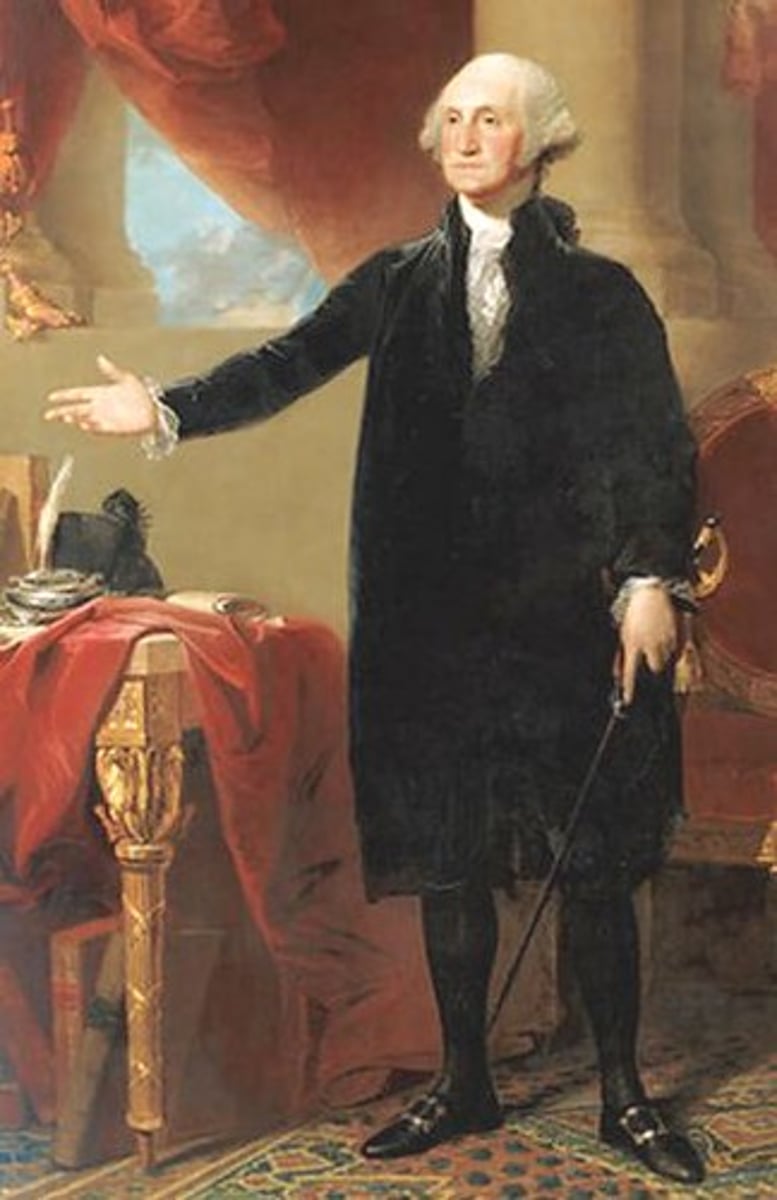
George Washington
Commander of the Continental Army
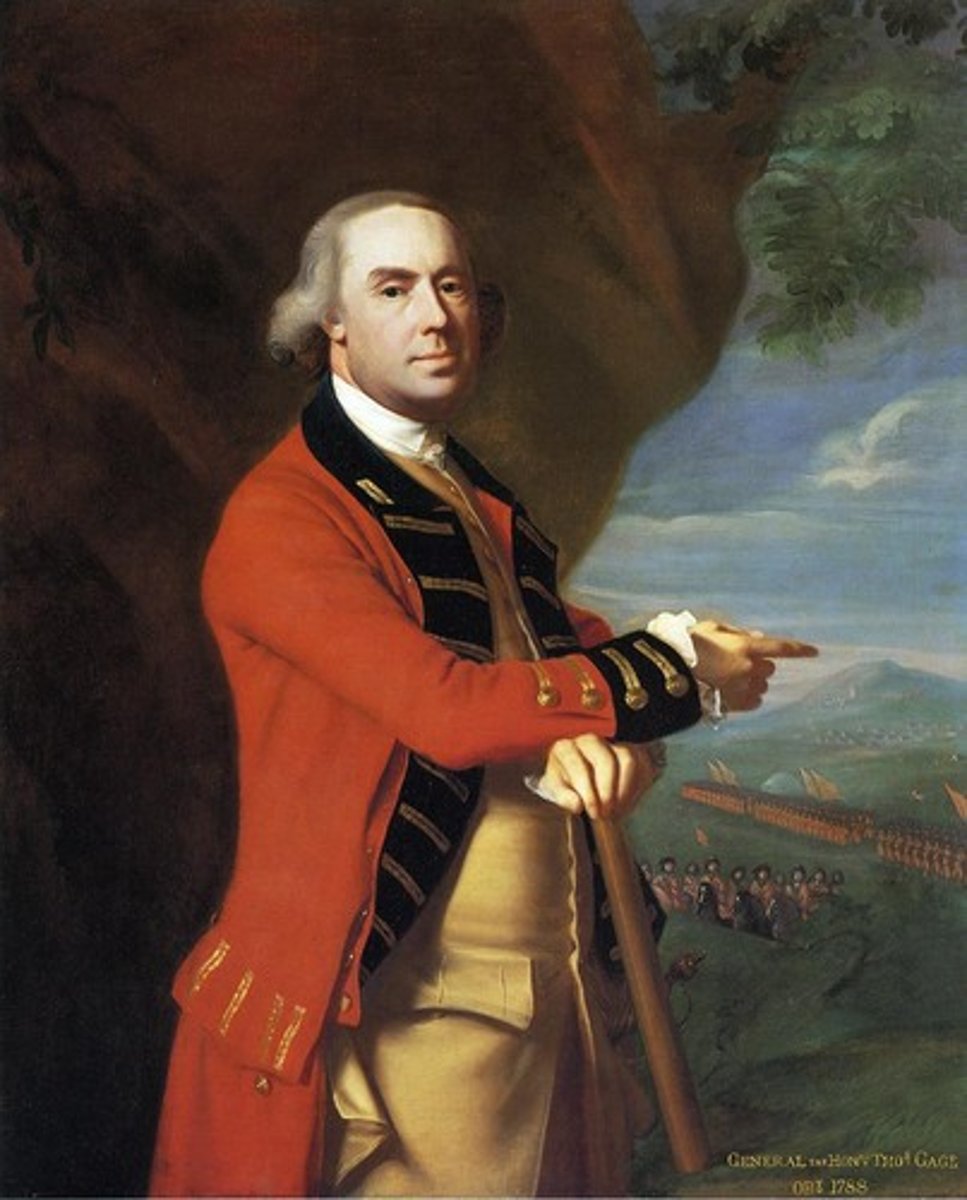
General Thomas Gage
British General in charge of all British troops in North America.
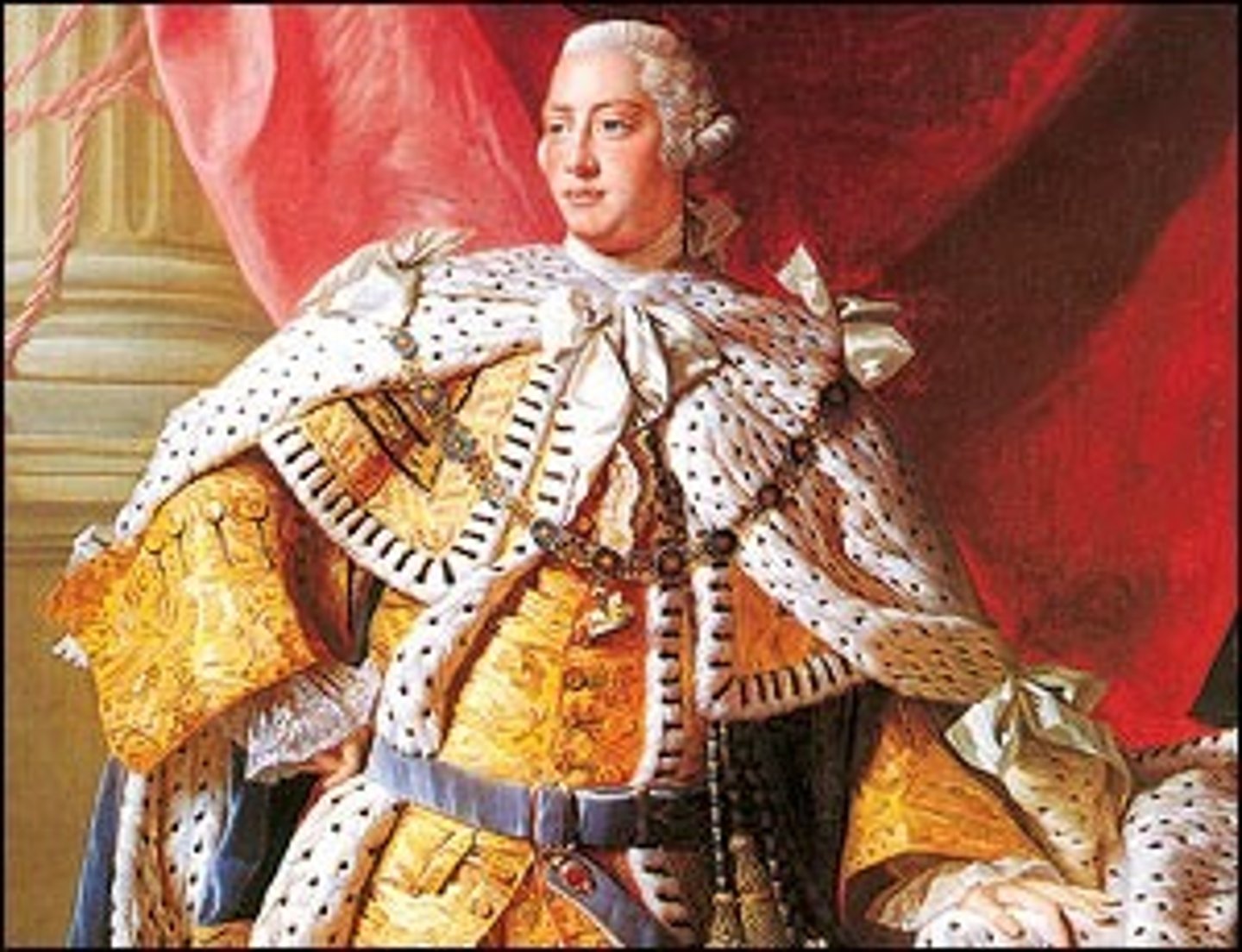
King George III
King of England during the American Revolution
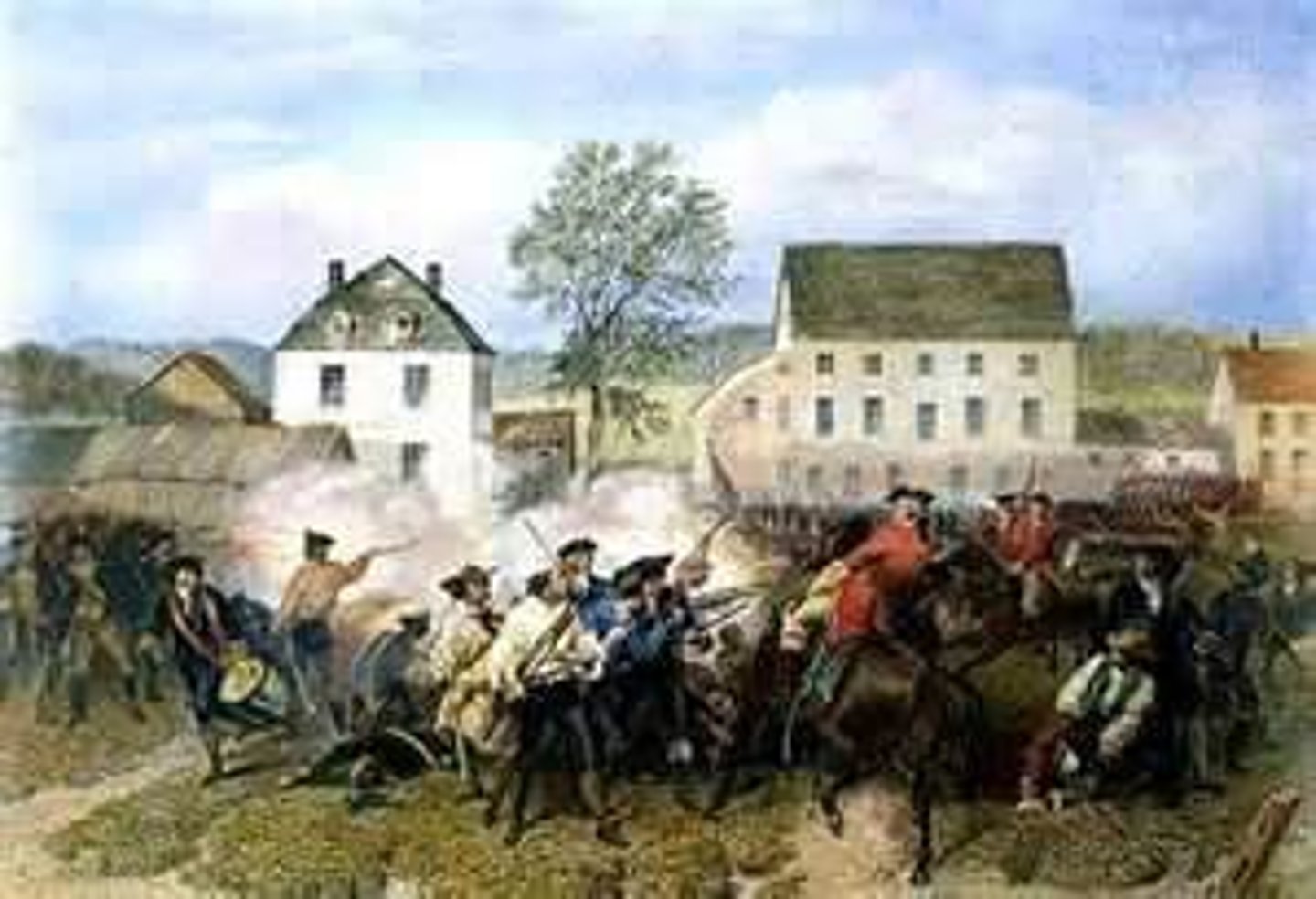
Lexington
Opening shots of the Revolutionary War fired here.
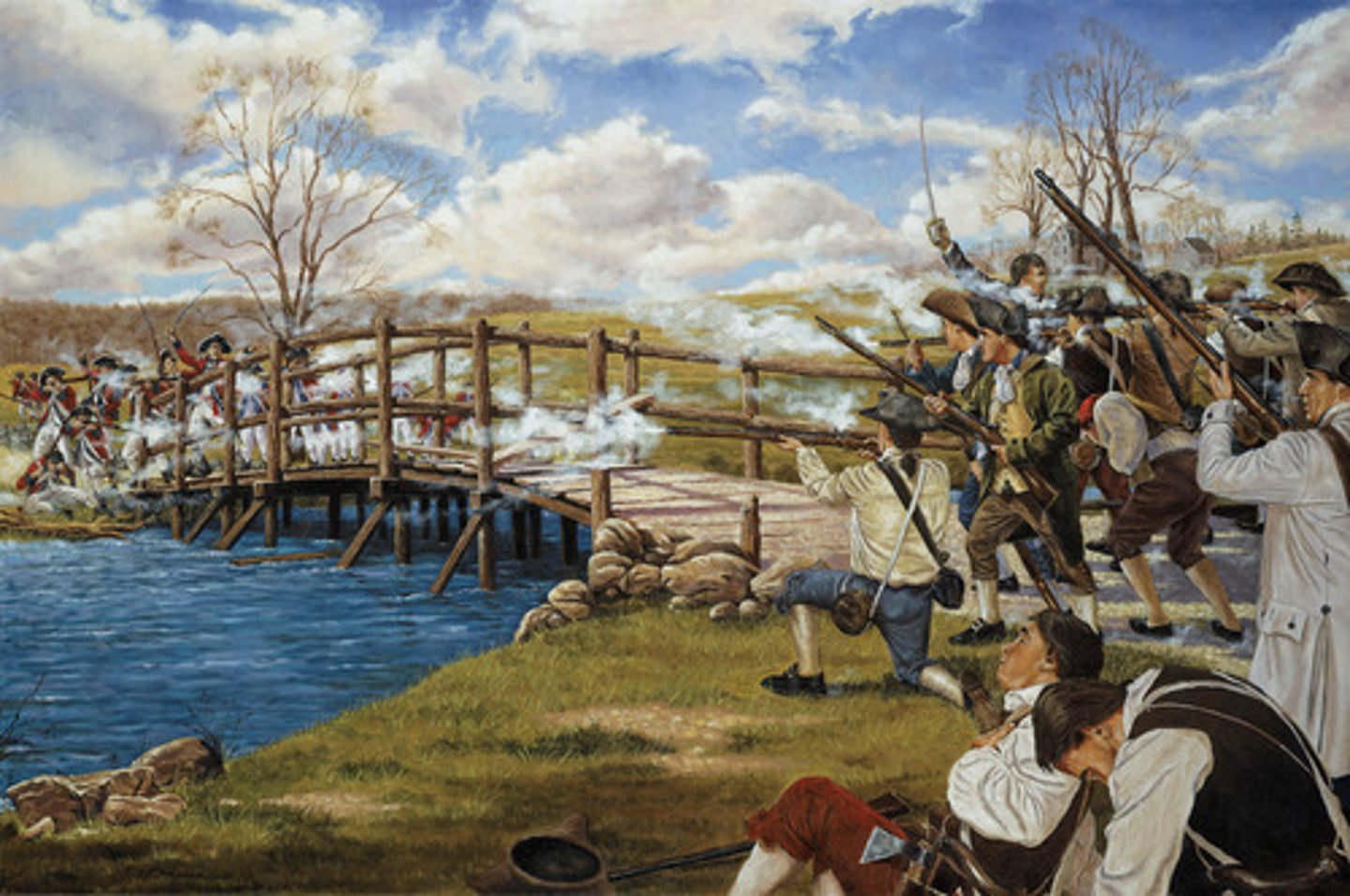
Concord
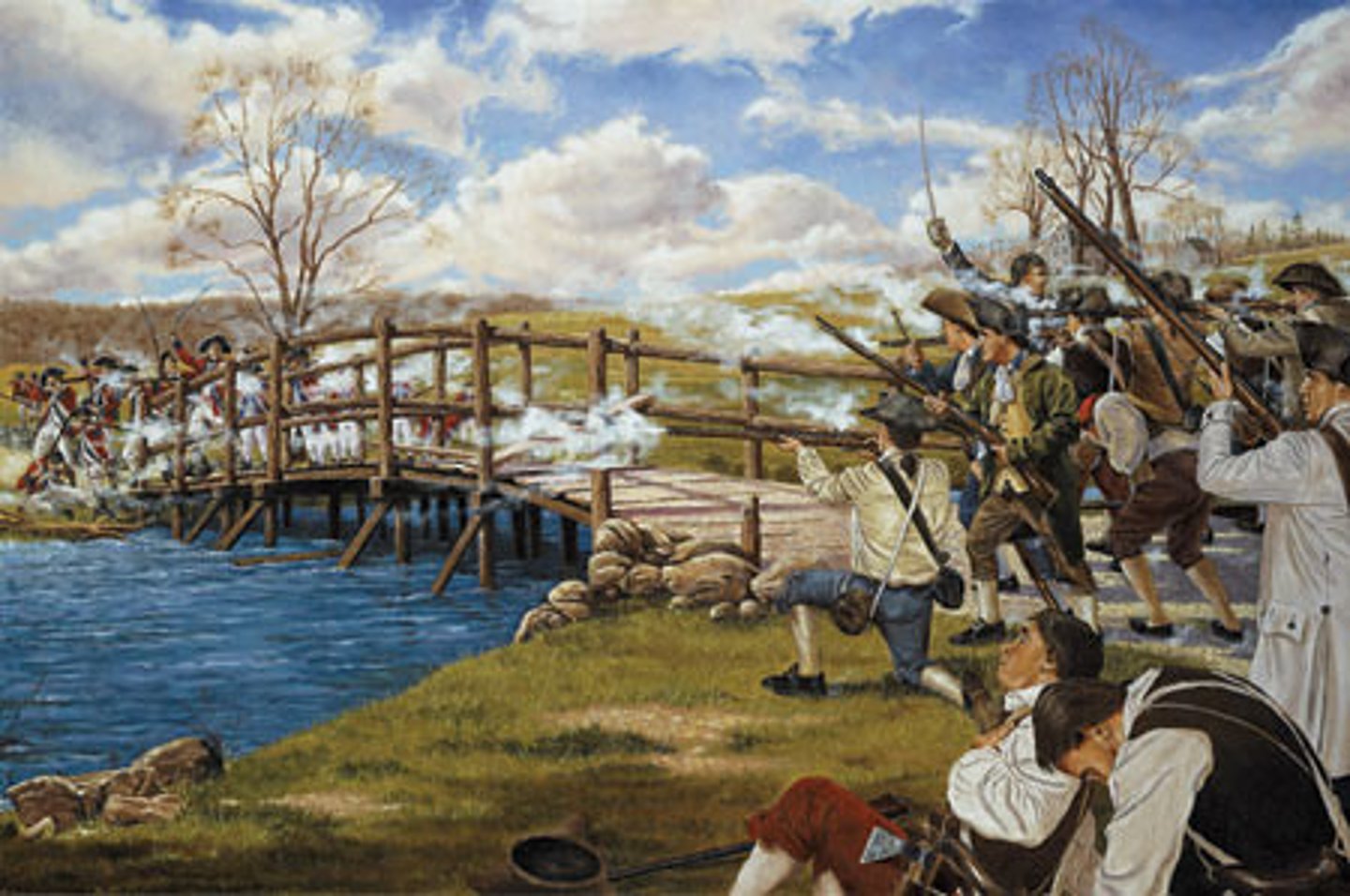
First real battle of Revolutionary War, fought at the Old North Bridge. Minutemen stood up to British regulars and chased them back to Boston.
Crispus Attucks
Fugitive enslaved African American who was the first person to die in the Boston Massacre.
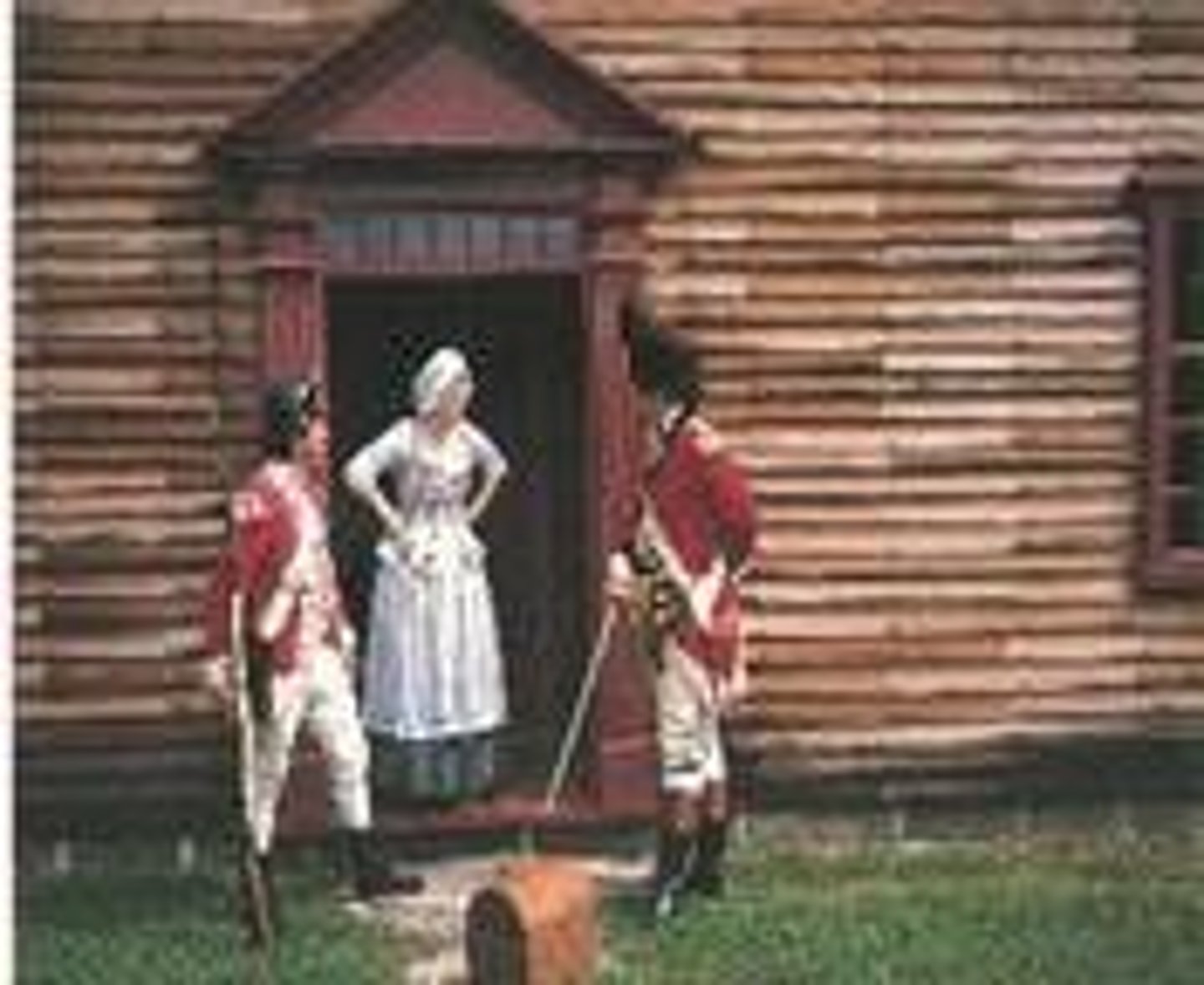
Quartering Act
British soldiers could be quartered and allowed to live in colonists' homes.
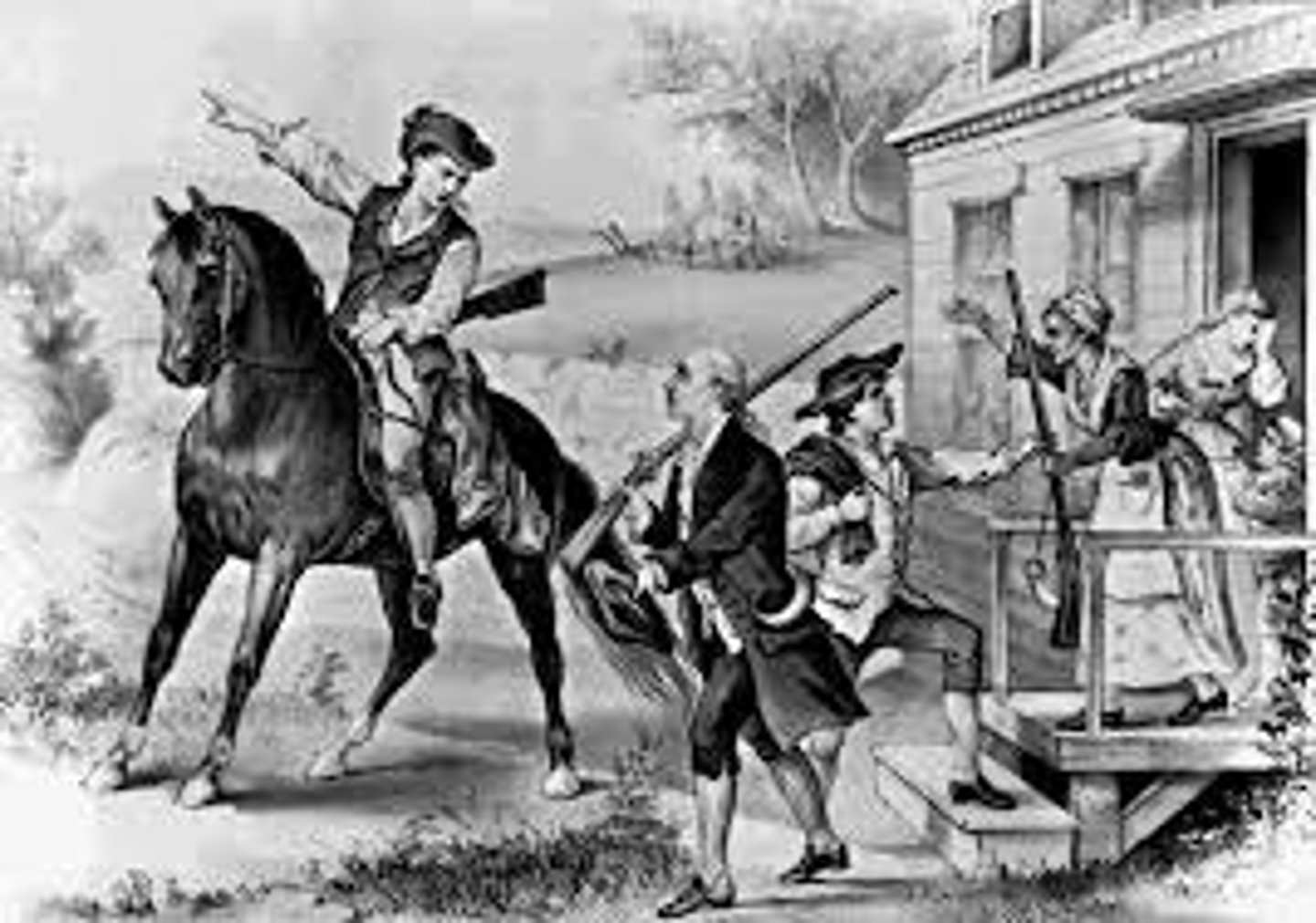
Minuteman
Common citizens who fought on a minute's notice.
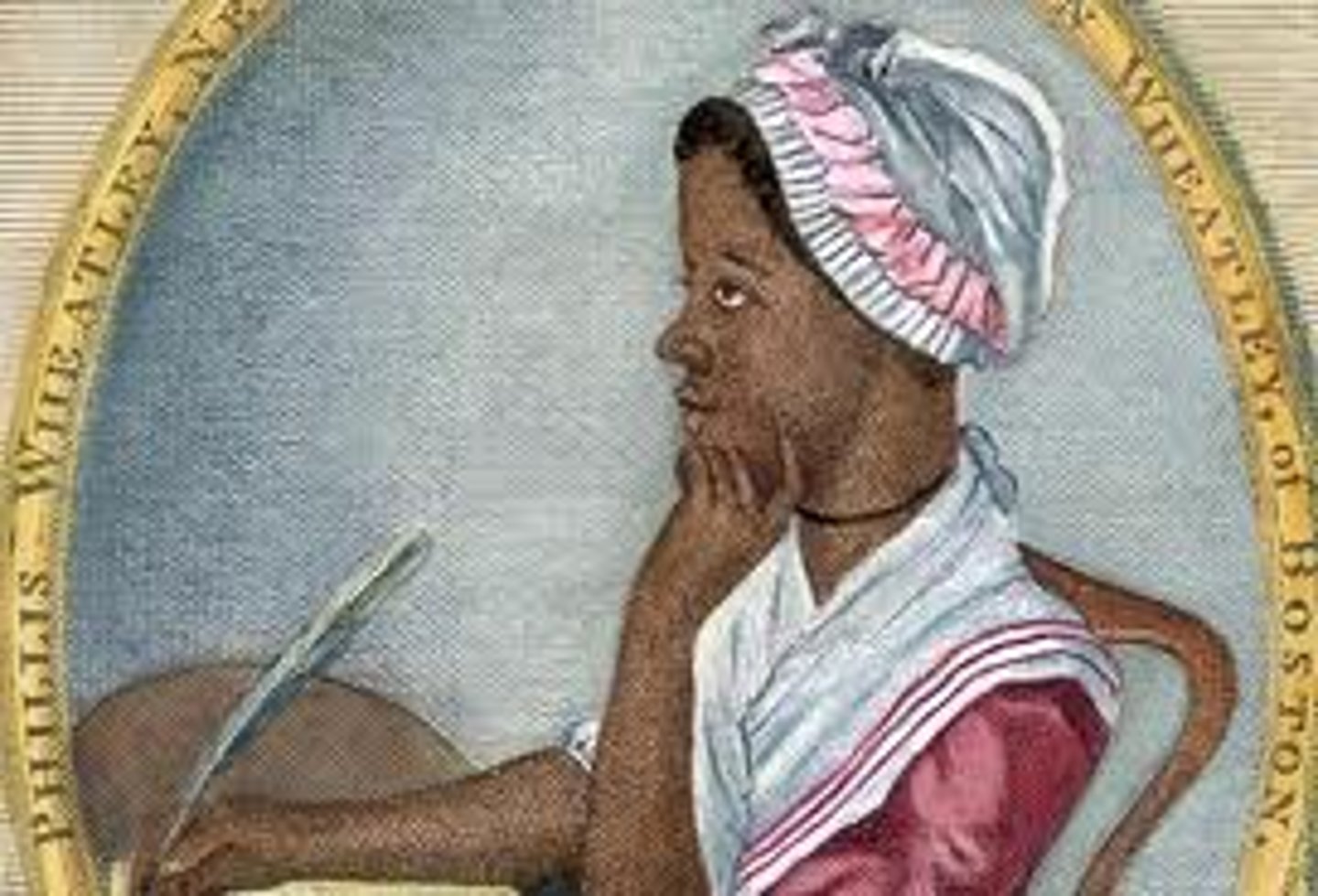
Phyllis Wheatley
Former enslaved African American who wrote poems and plays supporting American Independence
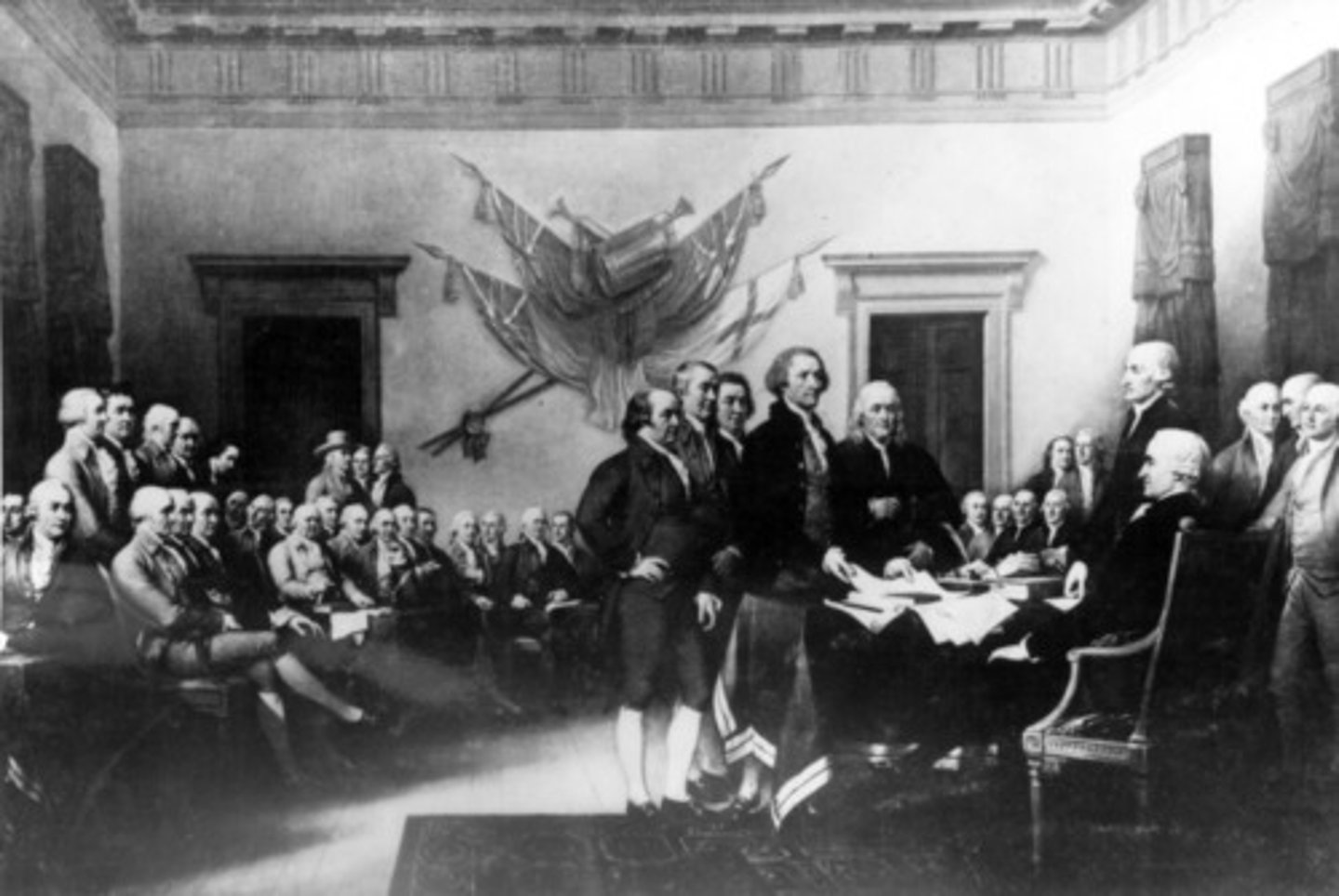
Declaration of Independence
The colonies declared their independence from Great Britain. Written at the Second Continental Congress by Thomas Jefferson (John Adams and Benjamin Franklin helped). Approved on 4 July 1776.