P1 | Unit 1 : The Healthcare Environment
 Call Kai
 Learn
Learn Practice Test
 Spaced Repetition
 Match
Match Flashcards
 Knowt Play
1/77

There's no tags or description
Looks like no tags are added yet.
Name | Mastery | Learn | Test | Matching | Spaced | Call with Kai | Chat |
|---|
No analytics yet
Send a link to your students to track their progress
78 Terms
Health Care
is the prevention, treatment and management of illness and the preservation of mental and physical well-being through the services offered by the medical and allied health professions.
Health
a state of complete physical, mental, and social well-being, and not merely the absence of disease or infirmity.
Disease
the pattern of response of a living organism to some form of injury.
Mortality
death rate — measure the frequency of death occurring within patient populations or hospital setting, serving as a core indicator of medical care quality and system effectivenes.
Morbidity
occurence of disease
Emerging Infectious Disease
diseases of infectious origin whose incidence in humans has either increased within the past two decades or threatens to increase in the near future
Healthcare Settings
refers to the various places and services where health care occurs.
Inpatients
individuals who have been formally, admitted to a healthcare facility, are treated in acute care and long-term care facilities.
Long-Term Care Facilities
provide chronically ill patients with extended skilled nursing, rehabilitation, dietary care, and social and other services for periods of usually 30 days or more.
Hospital
Provide short term care for patients with severe health issues.
Offers specialized treatments and provide both inpatient and outpatient care.
Have various departments and specialized units, with common support units including pharmacy, pathology and radiology.
General Hospital
Provide a variety of services such as Emergency, Critical, Intensive, and General care to diverse patient populations.
Specialty Hospital
Provide specialized care to specific patient populations, such as: geriatric, pediatric, and cancer patients.
Rehabilitation Hospital
Provide physical, speech, occupational, recreational, and other therapies and services to trauma, stroke, and other patients
Behavioral Health Hospital
Provide psychiatric, psychological, and social services to mental and emotional health patients.
Small Hospital
Hospitals that has up to 100 beds
Medium Hospital
Hospitals that can ammodate more tha100 beds but less than 300 beds
Large Hospital
Hospitals that have more than 300 beds
Primary Care
This provider is usually the first one patients see and serves as their main contact for ongoing care, also helping to arrange any needed specialist treatments.
It mainly offers basic health services.
It is usually seen as the starting point for getting specialized medical care.
Secondary Care
This is the first level of referral services, and more complicated services are dealt with which beyond the scope and capacity of the primary level.
These are usually 50 to 200 bedded hospitals.
Tertiary Care
This type of healthcare is known as specialized consultative healthcare usually for inpatients and on referral from primary and secondary healthcare for advanced medical investigation and treatment.
These are usually 50 to 200 bedded hospitals.
Following examples of tertiary care services are plastic surgery, burn treatment, cardiac surgery, cancer management, neurosurgery, complex medical and surgical interventions etc.
Diagnostic
Pertains to the identification of a medical condition or disease as determined by a physician.
It is where Radiologic Technologists and radiology department mostly belong and provides diagnostic services through different imaging modalities.
E.g Radiology and Laboratory Department.
Nuclear Medicine
It is a medical field that uses tiny, safe amounts of radioactive materials called radiotracers to see how organs and tissue work inside the body.

Magnetic Resonance Imaging
is a safe medical test that uses a large magnet, radio waves, and a computer to make clear pictures of the inside of the body.

General Radiography
also known as film X-Ray, is a fast and basic medical imaging test that uses a small safe amount of ionizing radiation to create static pictures of inside the body.

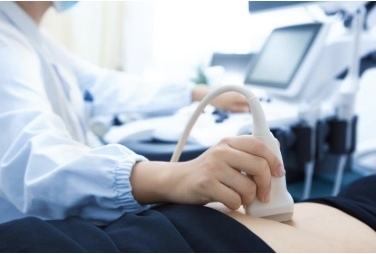
Ultrasonography
also known as ultrasound or sonography, is a safe, non-invasive medical imaging technique that uses high-frequency sound waves to visualize the inside of the body in real time.
Computed Tomography Scan
A scan that is a non- invasive medical imaging test that combines a series of X-ray measurements taken from different angles to create detailed cross-sectional images ("slices") of the body's bones, organs, and soft tissues.

Therapeutic
This pertains to treating, fixing, or correcting a medical problems. It provides treatment to patients.
It includes:
Physical Therapy
Occupational Therapy
Speech Therapy
Radiation Therapy
LINAC (Linear Accelerator)
A machine that Radiologic technologist operates the which emits radiation in order to irradiate cancerous tumors to kill the cancer cells within and help treat cancer.
Radition Therapy
A medical treatment that uses high-energy radiation to kill cancer cells and shrink tumors by damaging their DNA.
External Beam Radiation Therapy | EBRT
A type of Radiotherapy that lets a machine outside the body direct high-energy beams precisely at the tumor.
Internal Radiation | Brachytherapy
A type of Radiotherapy where radioactive seeds, wires or implants are placed directly inside or next to the tumor.
Systemic Radiation
A type of Radiotherapy where radioactive liquid or pills are swallowed or injected into the bloodstream to travel through the body.
Medical
This pertains to the science of treatment that includes drugs, diet exercise and other non-surgical means.
Surgical
This pertains to the treatment of injury, deformity, and disease by manual and instrumental operations.
Emergency
It pertains to the sudden occurrence of a serious and urgent nature that demands immediate attention.
Clinics
They provide medical services to patients on an appointment an/or walk-in basis.
Basic Diagnostic Service
Medical Check-up
Mental Health Facilities
A facility that provide psychiatric, psychological, and social services to mental and emotional health patients.
Assisted Living Facilities
Provides housing services on a rental basis in combination with other supportive services such as personal care, housekeeping services, and assistance with activities of daily living (ADL) usually to elderly or disabled patients.
Independent Living Facility
Provides a variety of support services including social support and health care to patients within an apartment or condominium community.
Nursing Facility
Provides 24-hour medical, nursing, rehabilitation, social, spiritual, and other services to residential patients on a continual basis.
Residential Care Facility
Provides housing services and assistance with ADL for custodial care patients.
Retirement Community
Provides a variety of healthcare and support services such as recreation, dietary, and housekeeping to residents for a monthly fee.
Home for the Aged
It is a supervised personal care facility that provides room, board, and care to 21 or more unrelated individuals aged 60 or older.
it is specifically designed for long-term care of elderly individuals who need supervised personal care.
How is a “Home for the Aged” different from a hotel or adult foster care facility?
Elderly individuals who do not have family to care for them.
Who typically lives in a Home for the Aged in the Philippines?
Retirement home | Nursing home
What is another name for a Home for the Aged?
Ederly people often live in apartment-style buildings within a community and enjoy amenities like housekeeping, nursing, dining, and recreation for a monthly fee.
How do retirement homes in other countries differ from those in the Philippines?
They lack family members who can take care of them.
Why do most residents in Philippine Homes for the Aged have no other choice but to stay there?
Hospice Care
A treatment option for terminally ill patients that focuses on comfort and quality of life rather than curing the disease.
6 months or less to live
What is the typical life expectancy for patients receiving hospice care?
Cancer, HIV/AIDS, end-stage diseases
Name three conditions commonly treated in hospice care.
Palliative care
What type of care is provided in hospice—curative or palliative?
Respite Care
Temporary hospital admission to give the patient’s primary caregiver(s) a break or relief.
Ambulatory Surgery
provides same-day surgical procedures including preoperative and postoperative services on patients who are admitted and discharged on the same day
Clinics and Satellite Clinics
Provide medical services to patients on an appointment and/or walk-in basis at an on-site or remote unit or building.
Emergency Department
Provides immediate or urgent care to critically ill or trauma patients on a walk-in basis.
Observation Services
Provides monitoring and assessment services to unstable services patients to determine the need for inpatient hospitalization
Partial Hospitalization
Provides services and accommodations to patients who need day or night care on a continuous or regular basis
Ambulatory Surgery
Clinics and Satellite Clinics
Emergency Department
Observation Services
Partial Hospitalization
Hospital based-Ambulatory Care Facilities
Ambulatory Surgery centers
Provide same-day surgical procedures at a nonhospital-based center that includes preoperative and postoperative services on patients who are admitted and discharged on the same day
Birthing Centers
Provide traditional and nontraditional (water births) labor and delivery services to pregnant women
Industrial health Clinics
Provide limited on-the-job health services to employees who are injured or become ill during work hours
Neighborhood Health Clinics
Provide no-cost or low-cost services to indigent patients in destitute residential areas.
Physician Office Practices
Provide physician services to patients at individually or group owned faciliies
Public Health Departments
Provide preventive care and education such as vaccinations, blood pressure screenings, AIDS and sexually transmitted disease education, and birth control mechanisms to citizens
School Health Clinics
Provide general health services to students attending colleges and universities
Urgent Care Centers
Provide physician services on a walk-in basis to patients during regular operational hours and after hours when most physician offices are closed (such as evening and weekends)
Preventive Care
Any medical service that defends against health emergencies.
Annual Physicals, well-woman appointments, dental cleanings
Name three examples of doctor visits under preventive care.
Immunizations, contraception, allergy medications
Give three examples of preventive medicines.
To defend against health emergencies before they occur.
What is the main goal of preventive care?
Critically, chronically, or terminally ill patients
Who are the main users of home health services?
patient’s home
Where are home health services provided?
Nursing services, physical therapy, occupational therapy, and speech therapy.
What types of therapy are typically included in home health services?
A physician
Who directs home health services?
Due to its convenience for patients and cost savings for third-party payers.
Why has home health care become more popular?
Telemedicine
The remote diagnosis and treatment of patients by means of telecommunications technology, this is done through phone calls and on-phone consultations.
Teleradiography
Telemedicine which involves online reading of radiographic images where Radiographic images are sent by the radiologic technologists in an online image transfer and storage program.