HBS 1.1.5
 Call Kai
 Learn
Learn Practice Test
 Spaced Repetition
 Match
Match Flashcards
 Knowt Play
1/36

There's no tags or description
Looks like no tags are added yet.
Name | Mastery | Learn | Test | Matching | Spaced | Call with Kai | Chat |
|---|
No analytics yet
Send a link to your students to track their progress
37 Terms
carpals

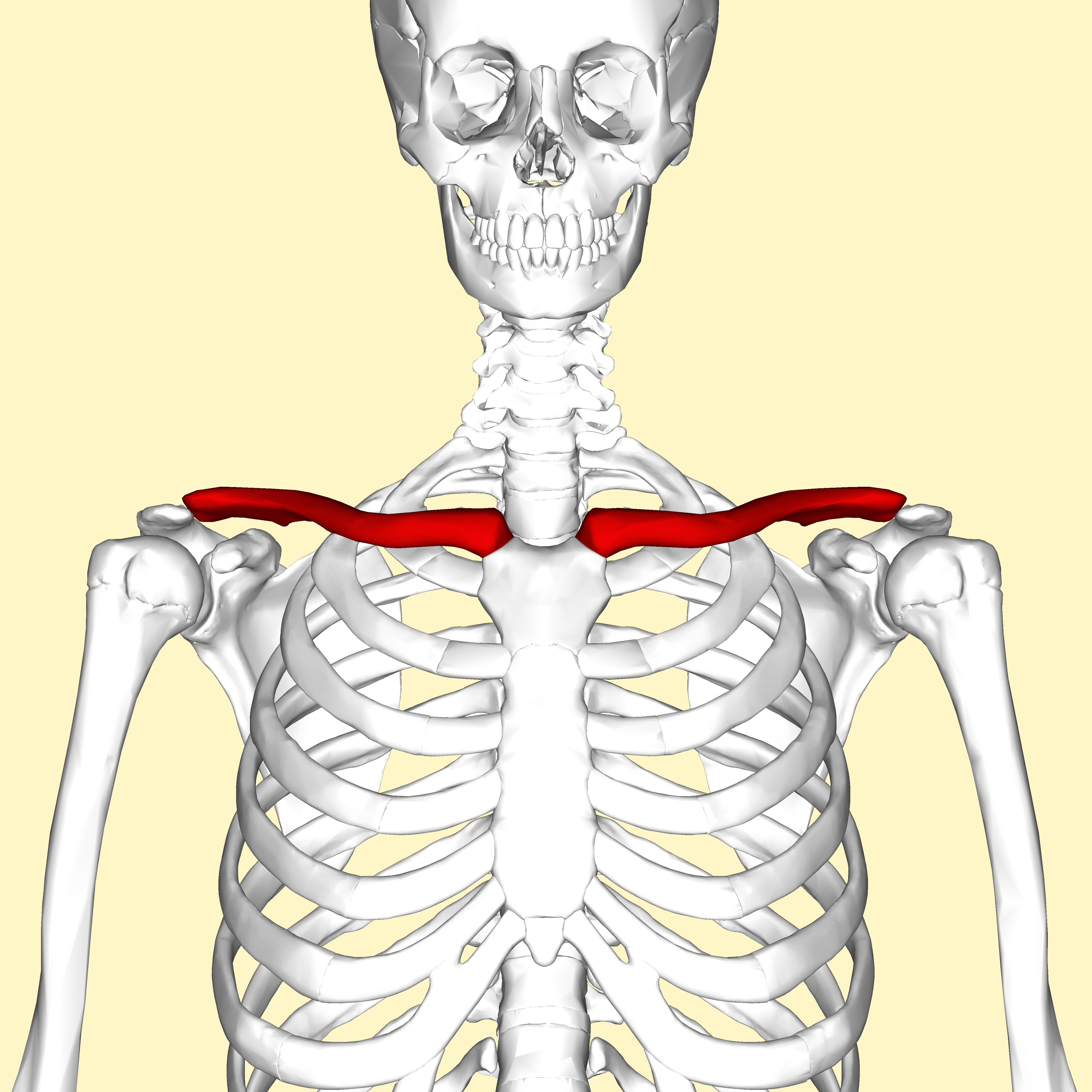
Clavicle
Femur

Fibula
Frontal bone

Humerus

Mandible

Maxilla

Metacarpals

Metatarsals

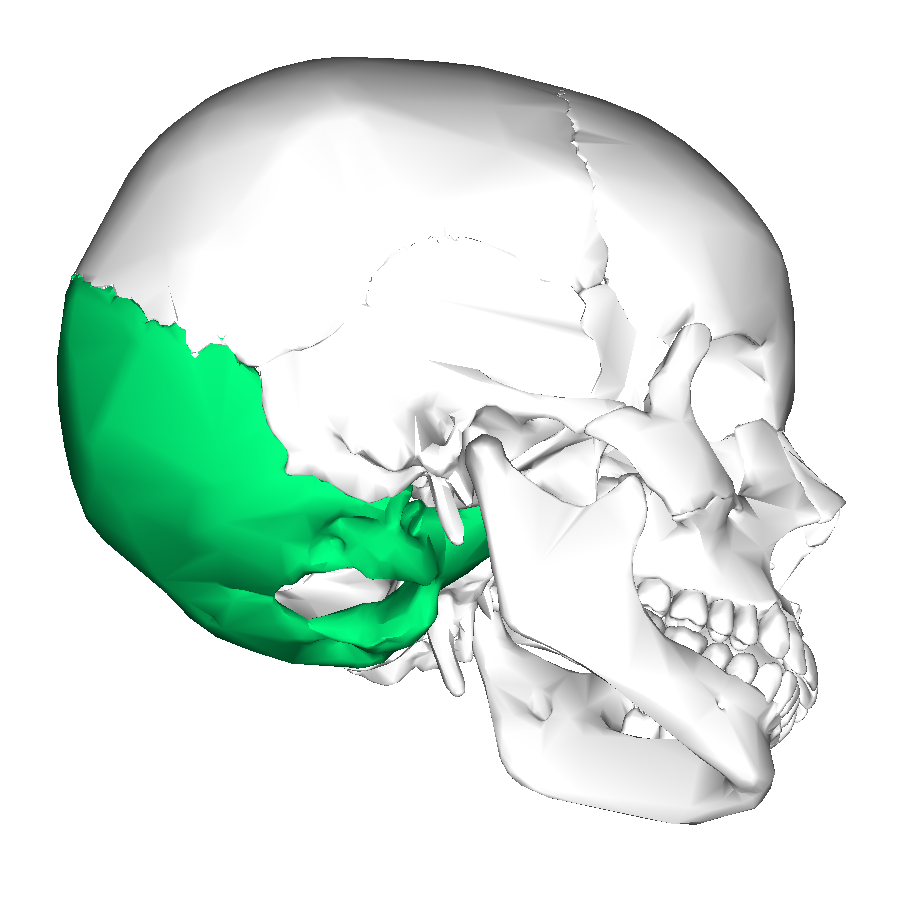
Occipital Bone
Parietal bone

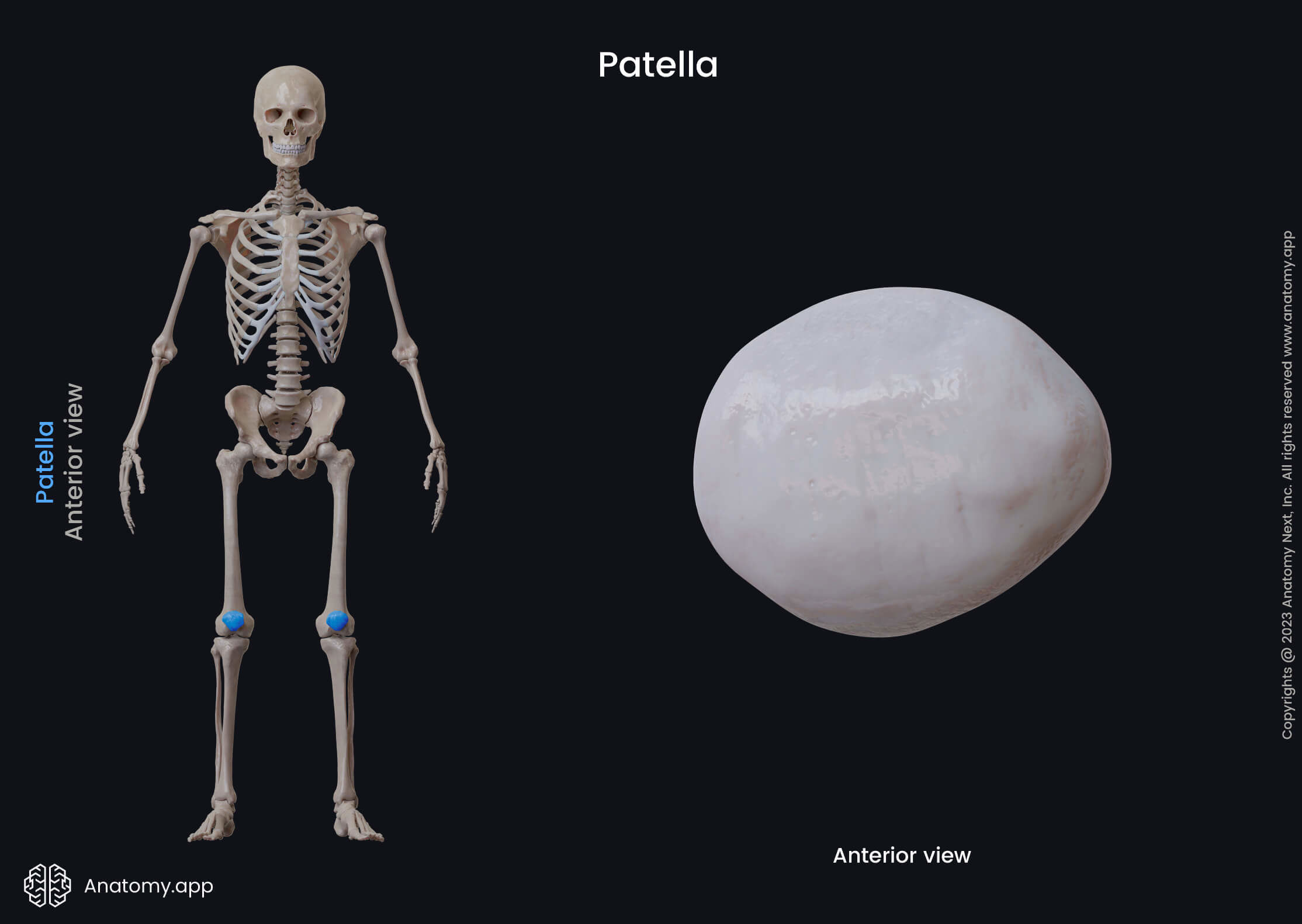
Patella
Pelvic girdle

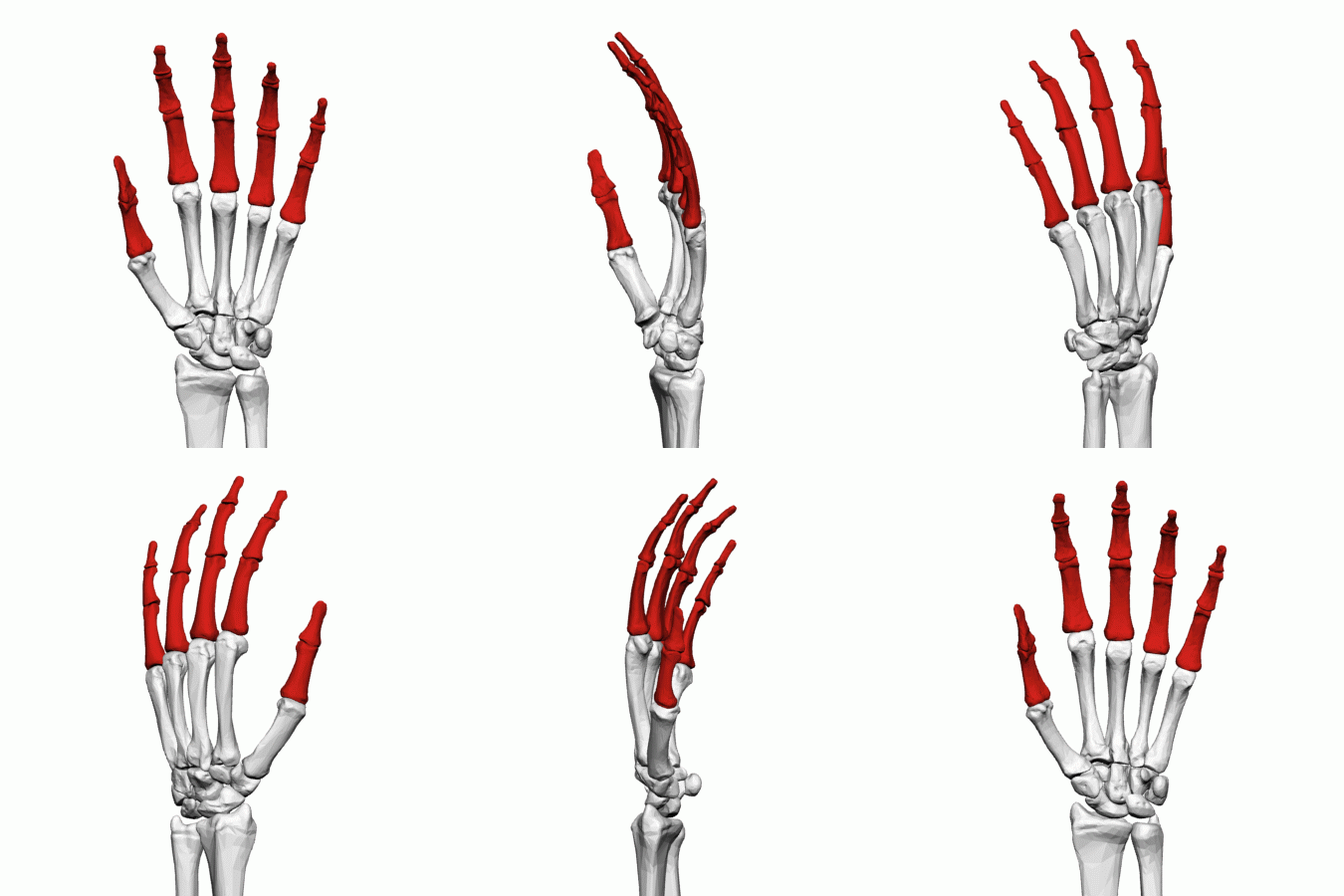
Phalanges
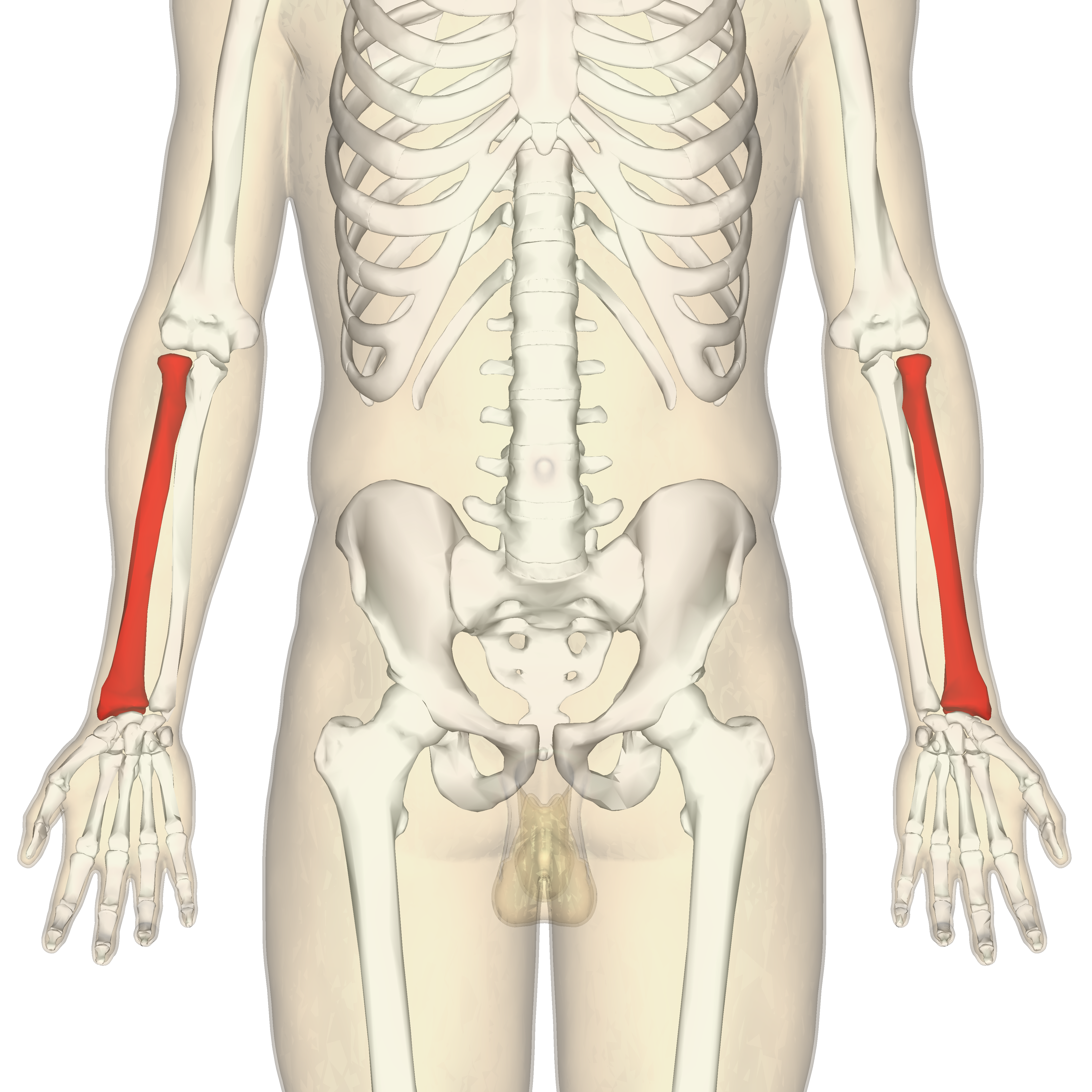
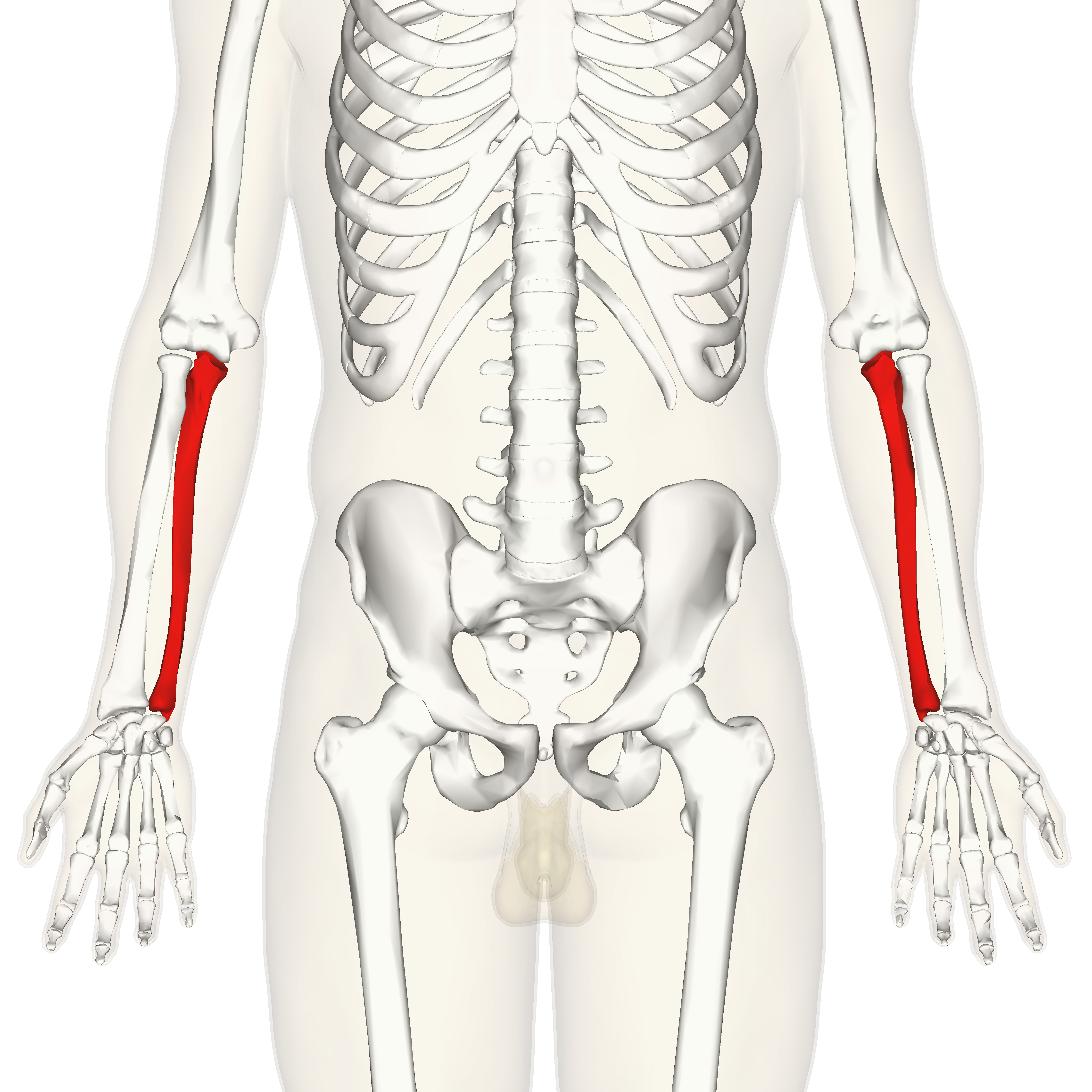
Radius
Rib cage

Scapula

Sphenoid

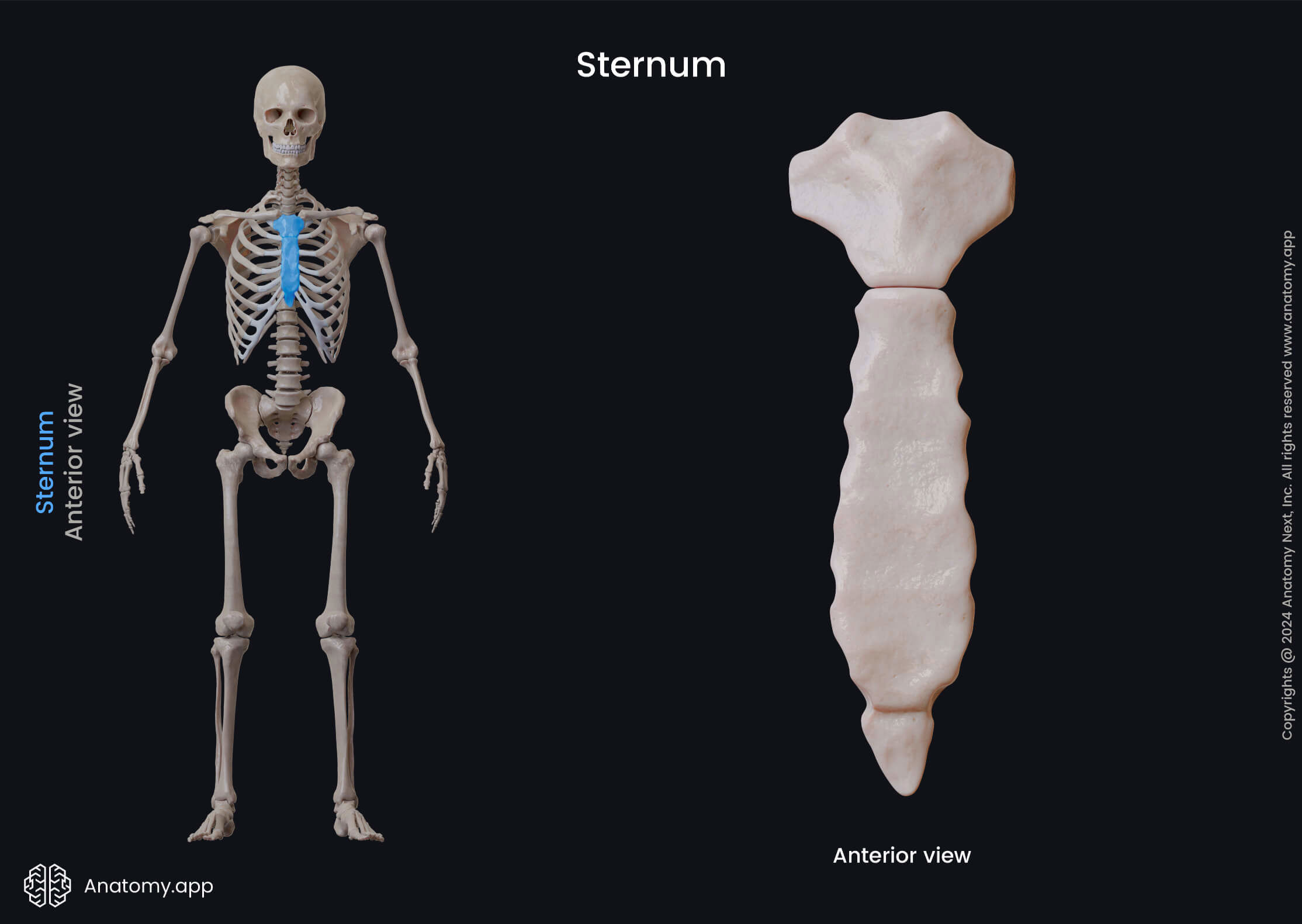
Sternum
Tarsals

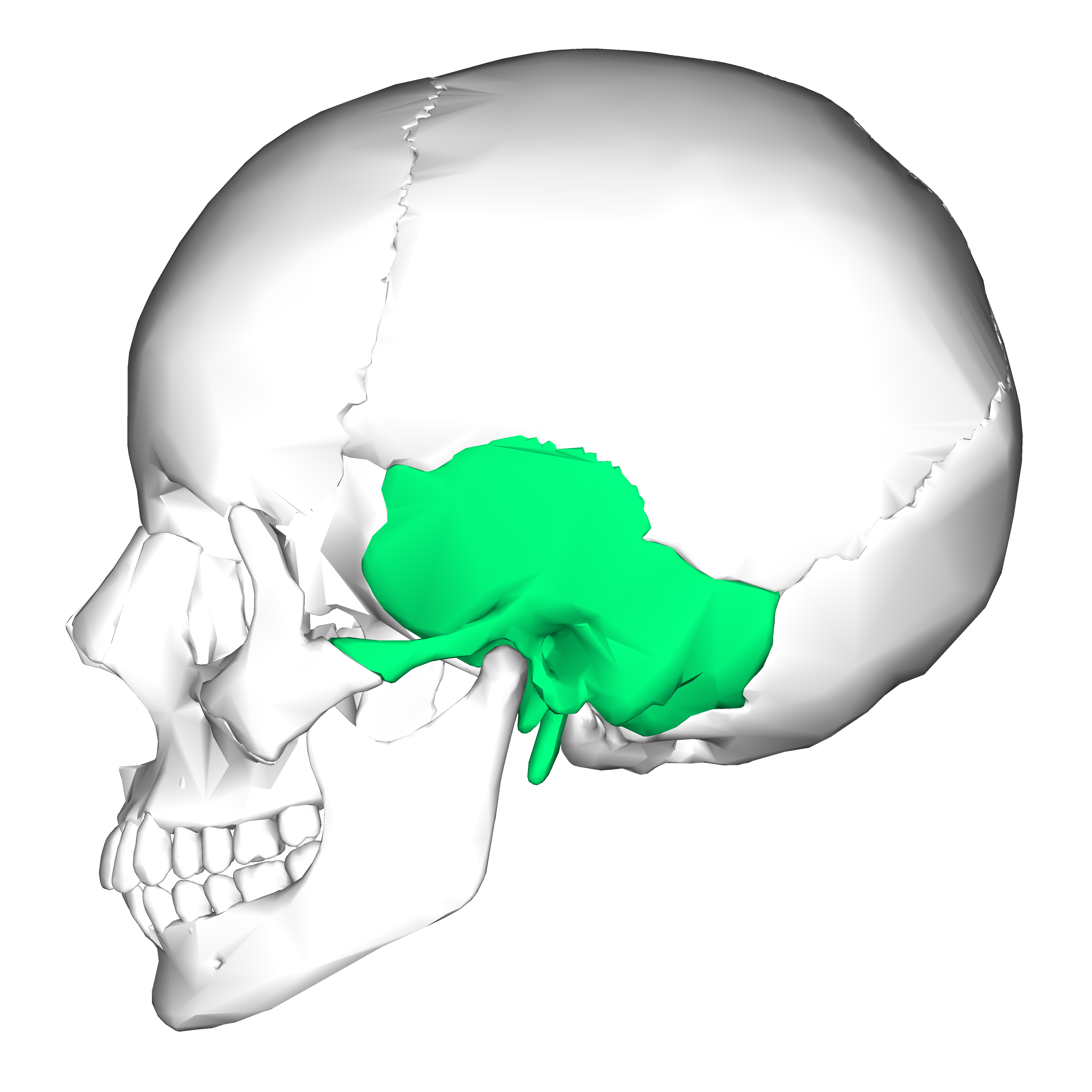
Temporal
Tibia

Ulna
Vertebral column

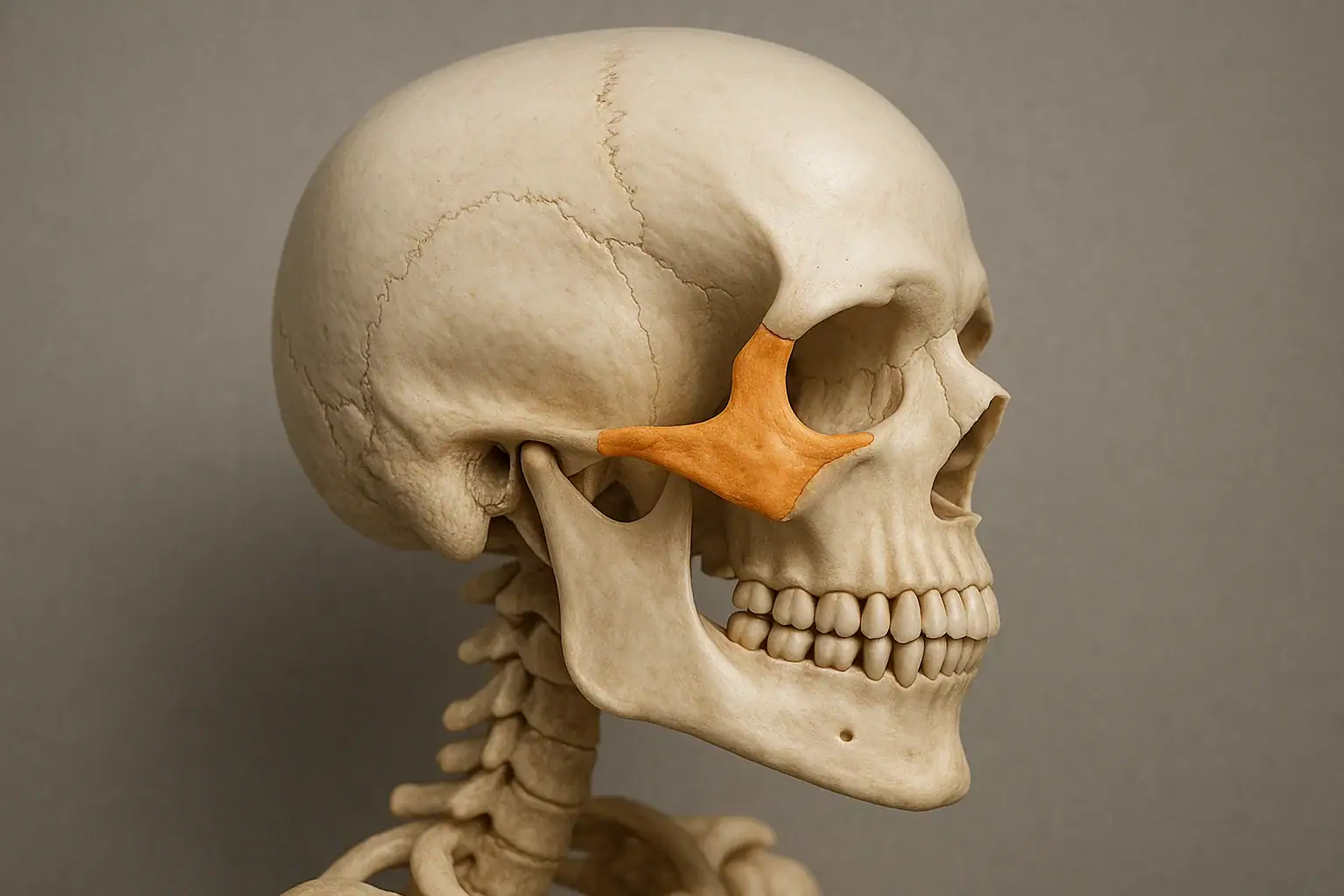
Zygomatic
What are the five sections of the vertebral column?
consists of the cervical, thoracic, lumbar, sacral, and coccyx
What are some skeletal system functions?
The skeletal system provides support, facilitates movement, protects internal organs, stores minerals (like calcium), and produces blood cells.
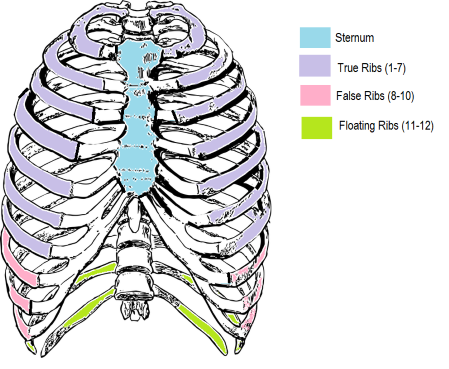
What are the three types of ribs?
true ribs, false ribs, and floating ribs, which differ in their connection to the sternum.
What are the differences between male and female pelvises?
Male pelvises are generally narrower and deeper, while female pelvises are wider and shallower to facilitate childbirth. The pelvic inlet is rounder in females, and the angle of the pubic arch is broader.
Where are the largest and smallest bones in the human body?
The largest bone is the femur, located in the thigh, while the smallest bone is the stapes, found in the middle ear.
Why do skull sutures exist? What does this tell you about the skull?
Skull sutures exist to allow flexibility during childbirth and to accommodate brain growth in infancy. They connect the individual bony plates of the cranium together. They indicate that the skull is composed of multiple bones that fuse together over time for structure and protection.
Why is there cartilage between the vertebrae?
Cartilage between the vertebrae acts as a cushion to absorb shock and facilitates movement. It prevents the bones from grinding against each other, allowing for flexibility and stability of the spine.
How many bones are you born with and how many do you have as an adult? Why does this number of bones change?
Humans are born with approximately 270-300 bones, but as they grow, some bones fuse together, resulting in a total of 206 bones in adults. This change occurs as the skeletal structure matures. As children grow ossification occurs and turns soft cartilage into hard bone, smaller separate bone pieces fuse into singe larger structures.
How many bones are in one of your hands and wrists? Why is this necessary?
There are 27 bones in one of your hands and wrists, including the carpals, metacarpals, and phalanges. This number allows for a wide range of movements and dexterity necessary for various tasks.
What is the only bone in the body that is not connected to another bone?
The hyoid bone is the only bone in the body that is not connected to another bone, located in the neck and supporting the tongue. It plays a key role in swallowing and speech.