23/24: Autism, ADHD, Depression
 Call Kai
 Learn
Learn Practice Test
 Spaced Repetition
 Match
Match Flashcards
 Knowt Play
1/17

There's no tags or description
Looks like no tags are added yet.
Name | Mastery | Learn | Test | Matching | Spaced | Call with Kai | Chat |
|---|
No analytics yet
Send a link to your students to track their progress
18 Terms
neurodevelopmental disorders
→ lifelong disabilities that are often clearly evident from birth and/or throughout childhood
Differ from psychiatric disorders (which can be episodic and incident at any age)
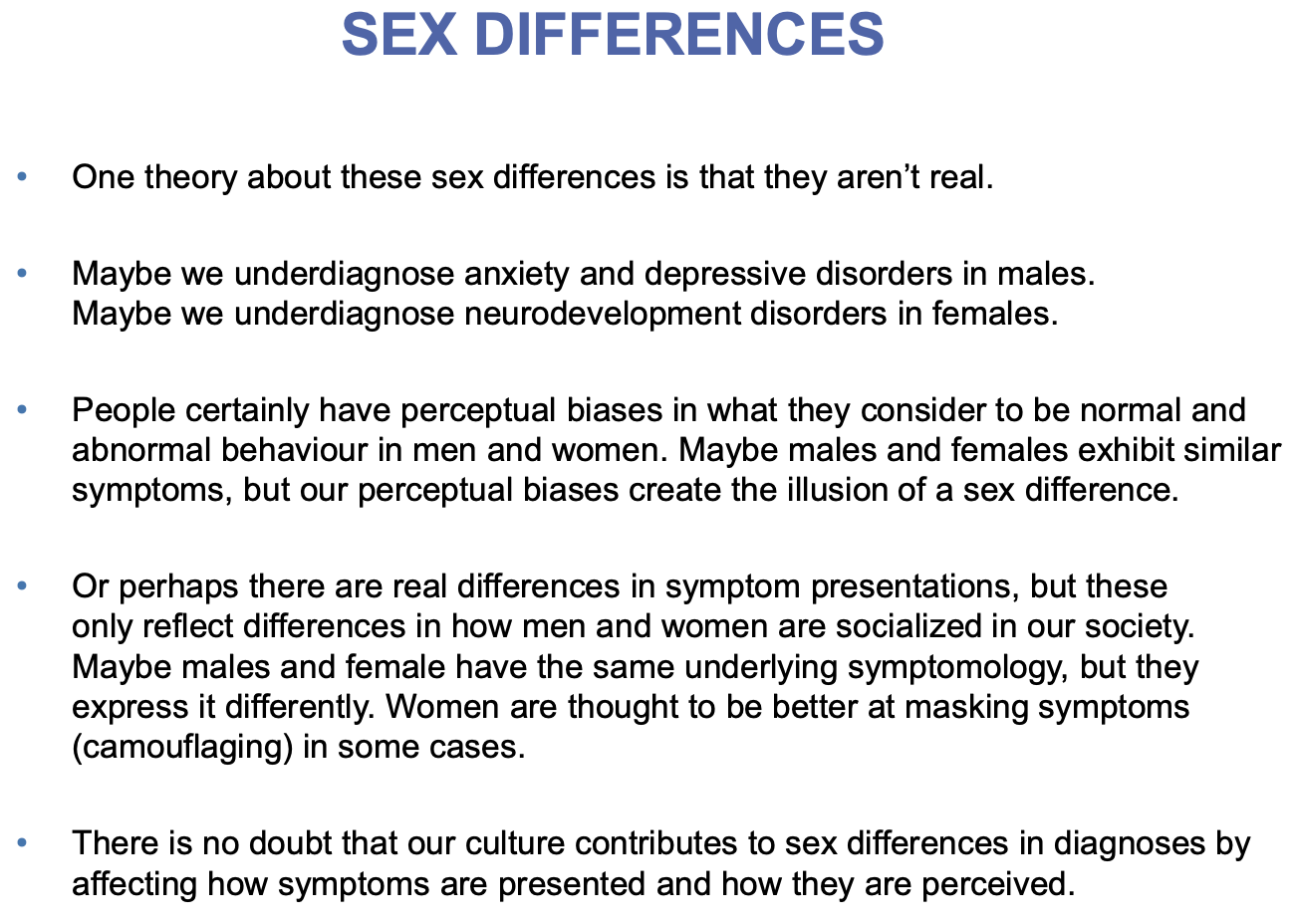
prevalences’ sex differences
No sex bias: Schizophrenia, BD
Female sex bias (more common for women):
2x - mood and anxiety disorders; MDD, OCD, PTSD
Attributed to social-cultural stressors that often relate to hormonal fluctuations throughout development
3x - anorexia nervosa
10x - bulimia nervosa
Male sex bias (more common for men):
2x - general intellectual disabilities
3x - Tourette’s syndrome
4x - autism spectrum disorder, ADHD
“hot flashes”
→ sensation produced by the hypothalamus mistakenly believing body temperature to be too high
In women: Often caused by sudden menopause-related changes in hormone signalling
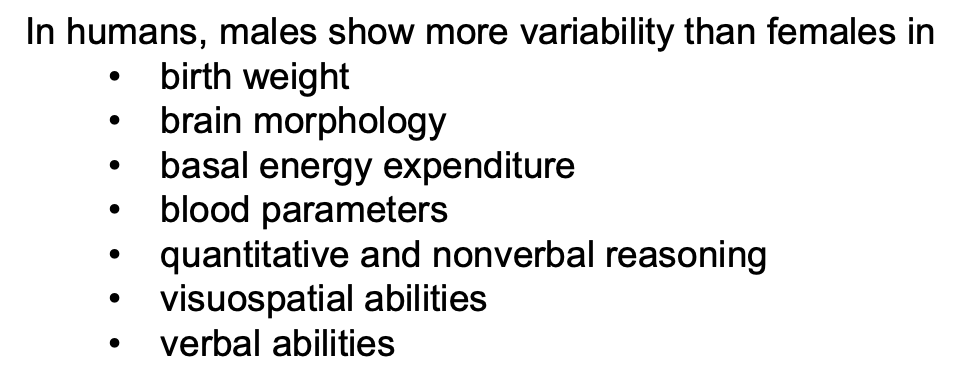
sex chromosomes
→ explain ↑ male predisposition to neurodevelopmental disorders
Heterogametic sex → sex chromosomes differ; establishes developmental instability and tends to show more variability at a young age on many traits
XY - male mammals or insects
ZW - female non-mammals or insects
Homogametic sex → sex chromosomes are alike; promotes developmental robustness
XX - female mammals or insects
ZZ - male non-mammals or insects
gene copy number variations
CNVs → section of genome is duplicated or missing
Rare CNVs are more often transmitted from mothers (less affected) than fathers (more affected)
Caveats with autism diagnoses:
↑ incidence rate for males (recall 4x)
Males diagnosed with autism have less rare and harmful CNVs than females, BUT
Within families, females with CNVs present with much fewer and less severe symptoms than their male counterparts (are protected somehow)
autism spectrum disorder
→ encompasses a wide range of developmental disorders with diverse underlying causes, characterized by troubles with social interaction, communication (abnormal or non-existent language), and restricted and repetitive behaviour
Etiology: Genetic and some environmental factors that disrupt early brain development
70-90% normally heritable, 10% linked to rare chromosomal abnormalities
Prevalence: 2% of general population
Prognosis: Symptoms usually present within first years of life (usually by age 3)
Comorbidity:
1/3 of patients also have an intellectual disability
1/3 of patients also have epilepsy (seizure disorder)
Treatment: Lessening the impact of symptomatology on patient, reducing distress on caretakers/family + improving quality of life and functional independence
Practical:
Sustained special education programs (usually have accommodations to help patients learn, develop, and acquire self-care and life skills catered to them)
Behavioural therapies (to correct maladaptive behaviours)
Pharmacological:
Anticonvulsants (↑ GABA receptors)
Antidepressants (↑ serotonin receptors)
Antipsychotics (↓ dopamine receptors)
Stimulants (↑ dopamine receptors)
autistic symptomology
Behavioural deficits:
Stereotyped movements include back-and-forth motions (rocking themselves, flapping their hand)
Ritualistic or compulsive tendencies
Communicative deficits: 1/3 of autistic people don’t eventually develop enough natural speech to meet daily communication needs
Echo responses (parrot syndrome)
Referring to self in other POVs
Cognitive deficits:
Reduced imaginative ability (not always)
Emotional deficit (?): Asperger’s syndrome → involves deficient or absent social interactions, atypical and obsessive interests in narrow subjects, and other hallmark autistic behavioural deficits
↓ Facial recognition (fMRI studies revealed hypoactive fusiform face area when autistic patients reviewed human faces)
attention-deficit/hyperactivity disorder
ADHD → childhood condition characterized by problems paying attention and/or difficulty controlling behaviour in an age-appropriate manner
Etiology: Genetic and many environmental factors (parental substance abuse, prenatal infections, trauma, etc.)
75-90% normally heritable, but varies widely across communities from 1-16% of children
Prevalence: 5% of general population
Boys are diagnosed 3-4x more than girls
Prognosis: Symptoms usually present before age 12
Last at least 6 months; significant enough to cause impairments in frequented environments (school, home, etc.)
Usually first identified in the classroom
Precursor to conduct disorder
Treatment:
Counselling
Medication (often stimulants or antidepressants that block or reverse dopamine and/or serotonin reuptake transporters)
ADHD symptoms
Not particularly well-defined since attention spans vary by many factors, especially personal interest
Inattentive:
Difficulty sustaining attention
Easily distracted
Hyperactive:
Impetious actions, impulsivity
Recklessness
Allowing things to interfere with task at hand
Difficulty withholding responses
major affective disorders
→ mood disorders, characterized by disordered affects (feelings or emotions) resulting in dangerous self-perceived symptoms
bipolar disorder
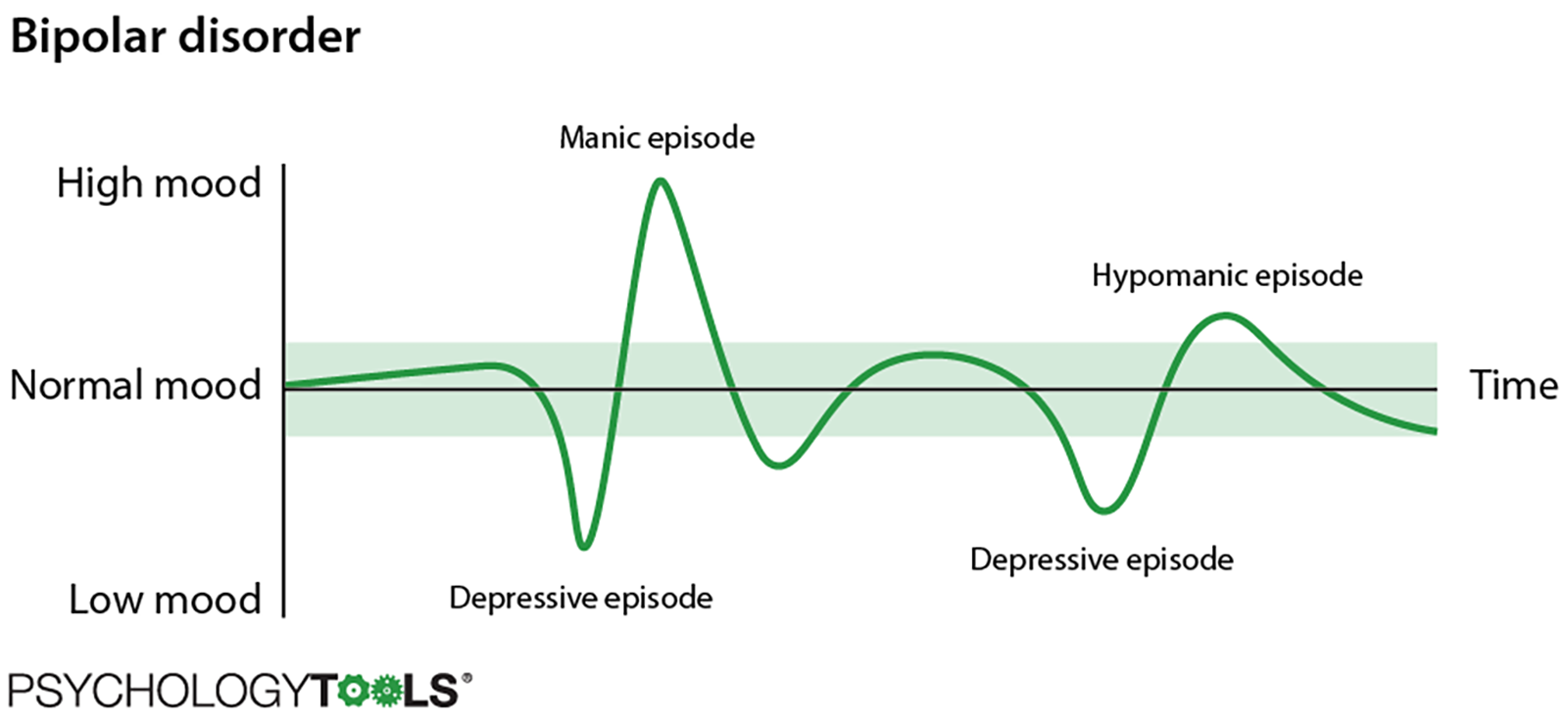
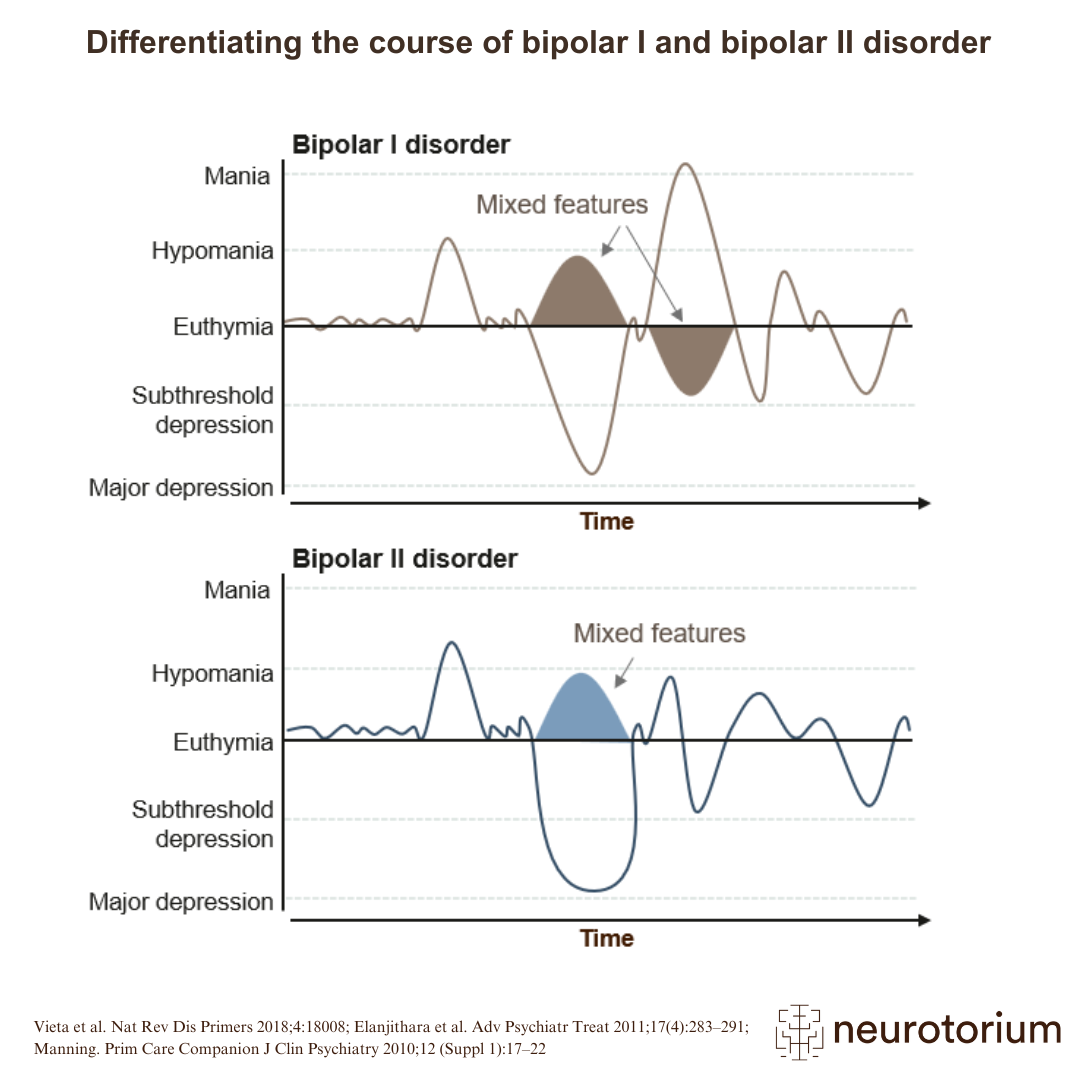
BD → serious mood disorder characterized by cyclical periods of mania and depression
Mania → sense of euphoria not justified by circumstances
Abnormally hyper behaviours: Fleeting thoughts and speech, nonstop motor activity, intense affects, etc.
Etiology: Genetic and many environmental factors (mainly trauma or ACEs)
80% of risk attributed to genetics
Prevalence: 2% of general population
Treatment:
Lithium (chemical element)
Effective for treating manic phase (plus depression usually doesn’t follow after if done)
Unknown mechanism, but noticeably swift
Mood stabilizers
Could be anticonvulsants (particularly those that are voltage-gated sodium channel blockers that reduce neural activity)
Could be combined with antipsychotics or antidepressants
major depressive disorder
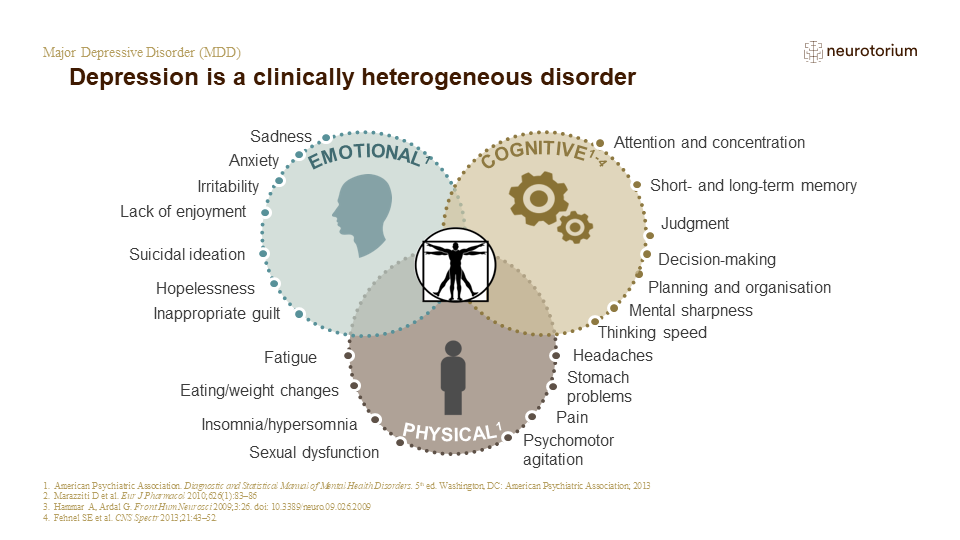
MDD → serious mood disorder characterized by unremitting depression or periods of depression (that don’t alternate with mania)
Etiology: Genetic and many environmental factors (mainly trauma or ACEs)
40% of risk attributed to genetics
Prevalence: 7% in women, 3% in men
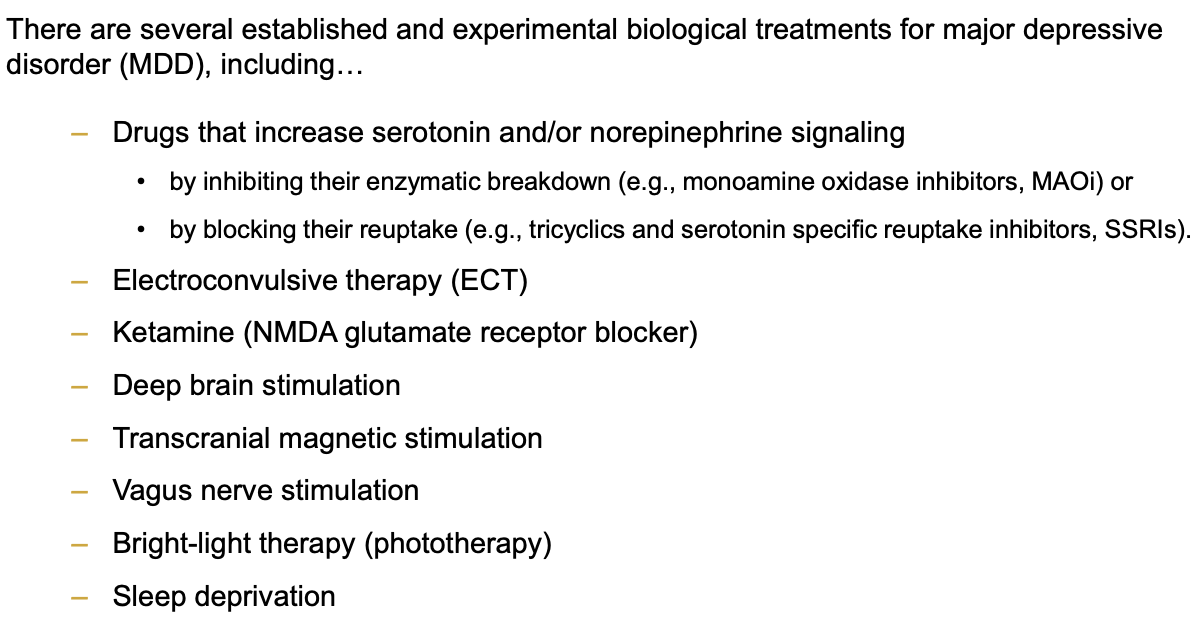
Treatment: Everything ever
See attached photo my god
antidepressants
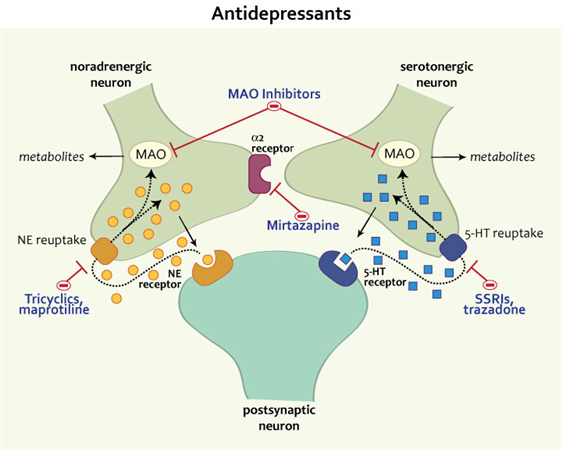
Tricyclic antidepressants (TCAs) → inhibit the reuptake of serotonin and norepinephrine (but affects other neurotransmitters)
Selective-serotonin reuptake inhibitors (SSRIs) → inhibit the reuptake of serotonin (WITHOUT affecting other neurotransmitters)
Serotonin and norepinephrine reuptake inhibitors (SNRIs) → inhibit the reuptake of serotonin AND norepinephrine (WITHOUT affecting other neurotransmitters)
monoamine hypothesis
→ depression may relate to insufficient monoamine (serotonin, norepinephrine, and dopamine) receptor activity
Developed largely based on the success of antidepressant treatments (agonists for serotonin and norepinephrine, not so much dopamine however)
Serotonin depletion:
Tryptophan → amino acid that makes serotonin (5-HT)
Diet with ↓ [ ] can ↓ synthesis, triggering a depressive episode
Easily remedied with antidepressants
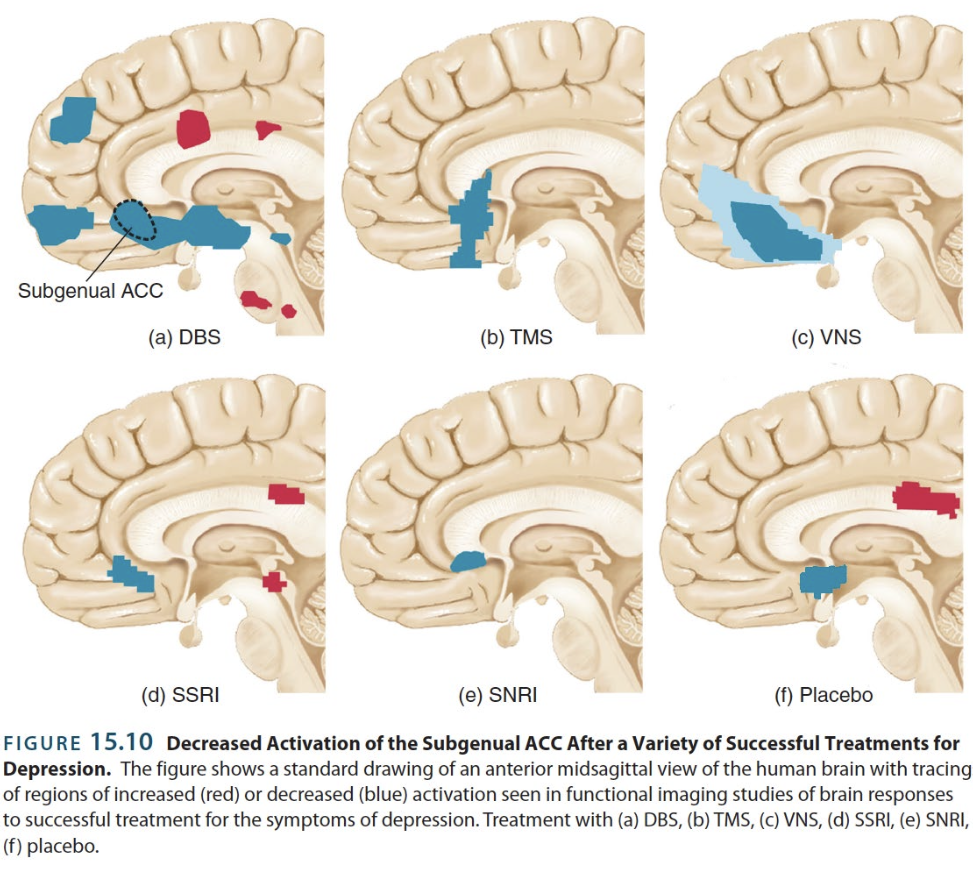
subgenual anterior cingulate cortex
→ fMRIs reveal less activity after depression symptoms remiss
Though clinical trials targeting this region with biomedical electrical treatments have been unsuccessful thus far
electroconvulsive therapy
ECT → biomedical treatment that electrically induces seizures to therapeutically alleviate severe depression and/or bipolarity
Effective within days (not too delayed unlike antidepressants)
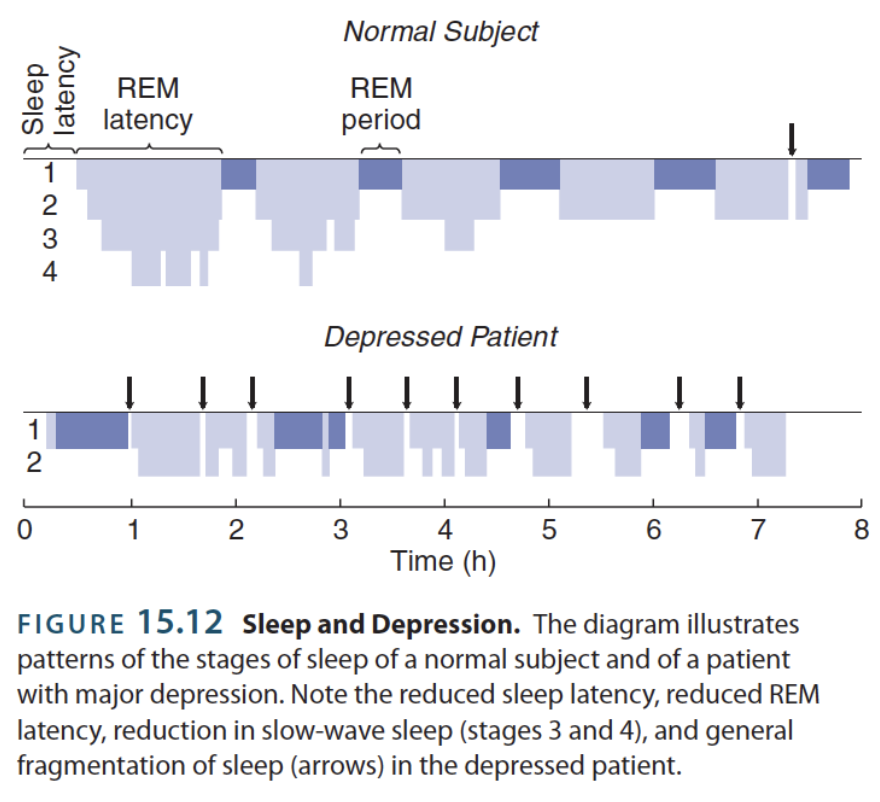
depressive implications on sleep
Disordered sleep is a prominent symptom of depression
Depressed people’s sleep …
Spends more time in shallow, rapid-wave stages (1 & 2)
Enters REM sooner (earlier in a cycle) after falling asleep
Becomes more fragmented, with insomniac symptoms also occuring
Spends little time in deeper, slow-wave stages (3 & 4)
Brain is supposed to rest this way!!!
total sleep deprivation
→ not sleeping to produce a non-pharmacological antidepressant effect
Quickly effective (within days);
But is short-lived (effect can reverse after just a normal night’s sleep)
Perhaps attributed to generating an accumulation of excitatory chemicals (that is usually cleaned during sleep)
Can also lead to some degree of mania
Possible to do with REM sleep (though this method takes longer, like weeks)