Cinematography & Style
 Call Kai
 Learn
Learn Practice Test
 Spaced Repetition
 Match
Match Flashcards
1/20

Earn XP
Description and Tags
This lecture introduces the basic principles of cinematography, teaching you how to identify shots, angles, and lighting in still images from films. We also learn about the three styles of filmmaking: realism, formalism, and classicism, and how these styles relate to a film’s cinematography.
Name | Mastery | Learn | Test | Matching | Spaced | Call with Kai | Chat |
|---|
No analytics yet
Send a link to your students to track their progress
21 Terms
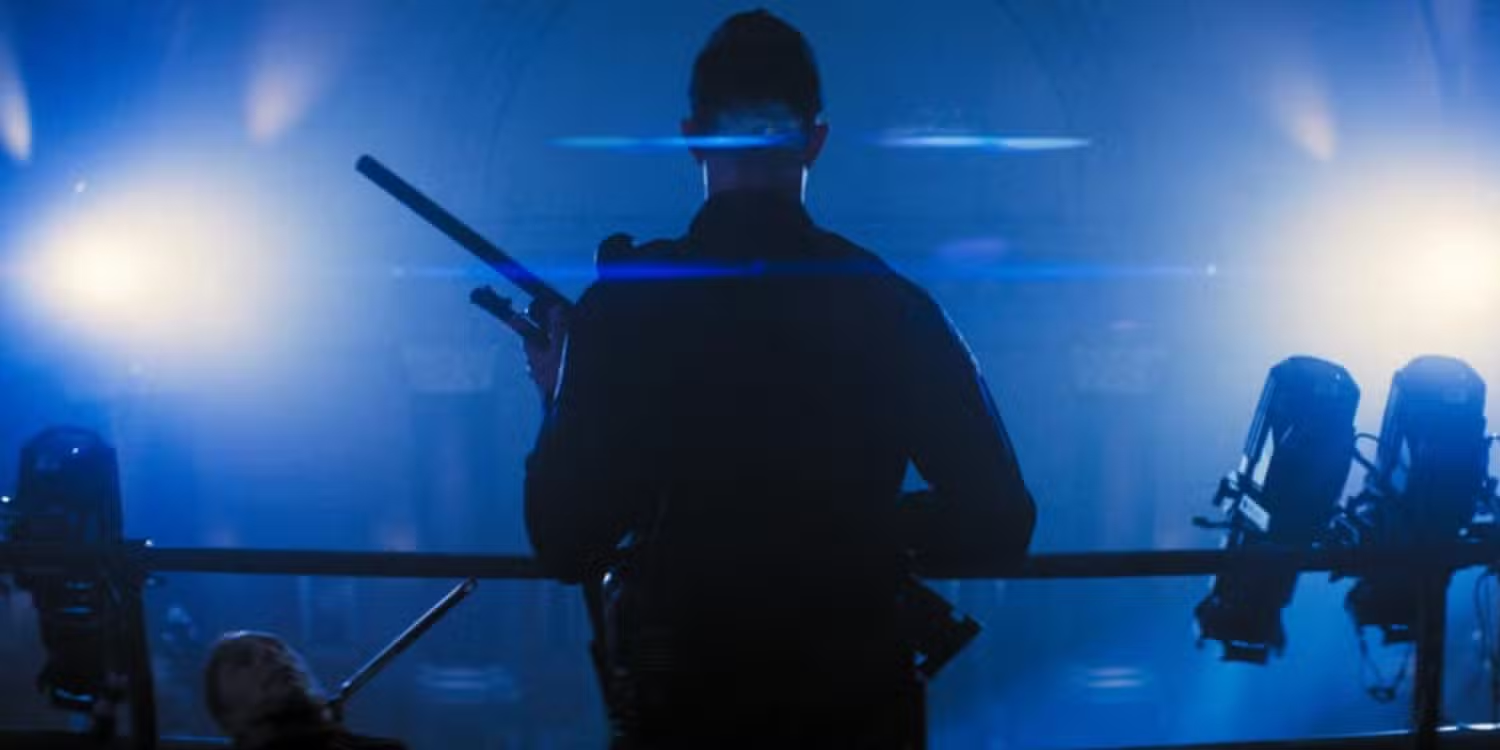
Establishing/ Extreme Long Shot
Places characters in context to establish mood.
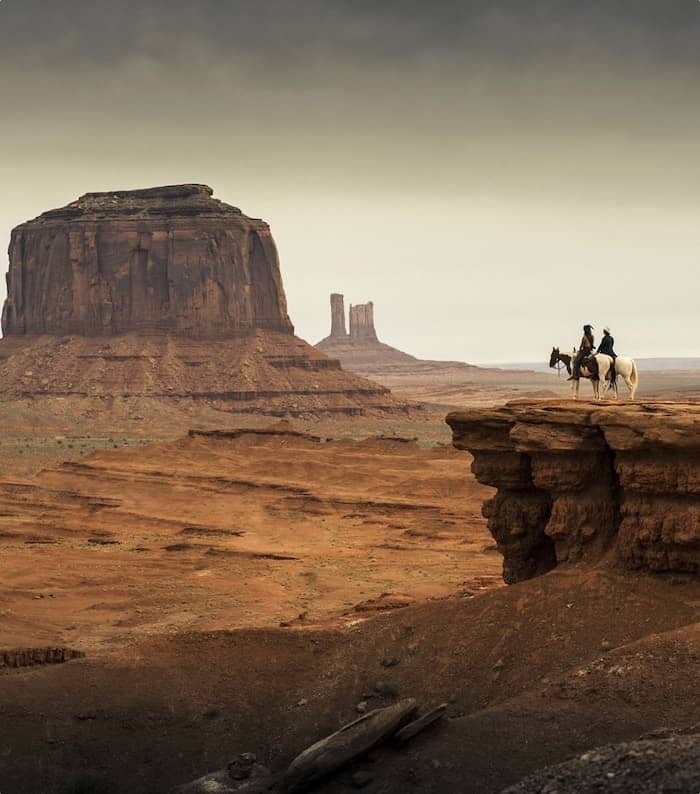
Long/ Full/ Wide Shot
(Also known as a full shot or wide shot) includes the character's entire body. It shows the setting while still focusing on the character's actions rather than emotions.
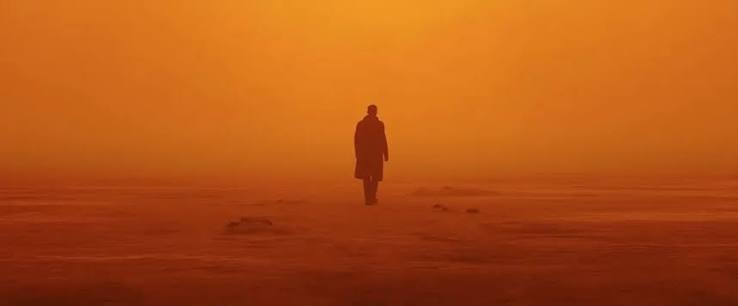
Medium Shot
Shows a person from the knees or waist up. Shows body language and facial expressions at the same time. More facial detail than the long shot. Shows less setting than the long shot.
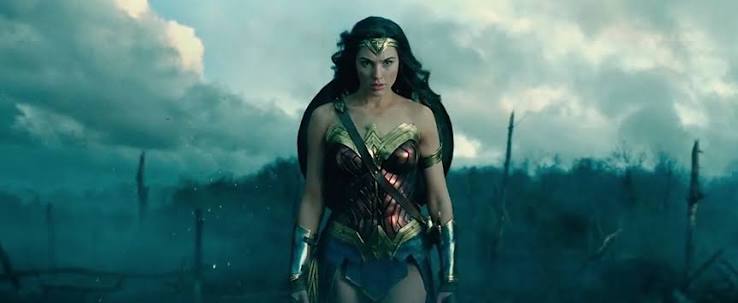
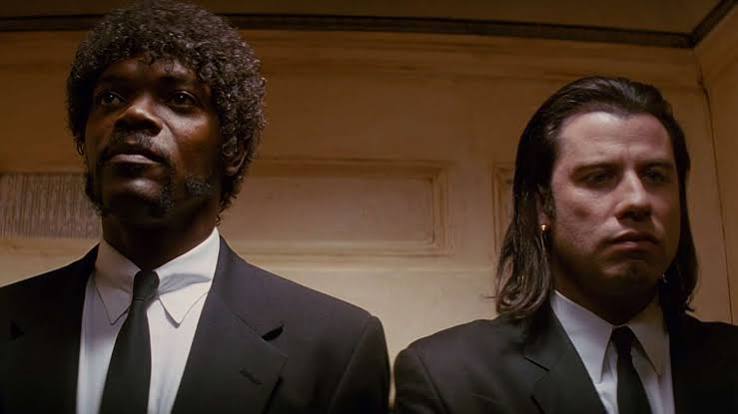
Two-Shot
Two actors in the frame of the medium shot.
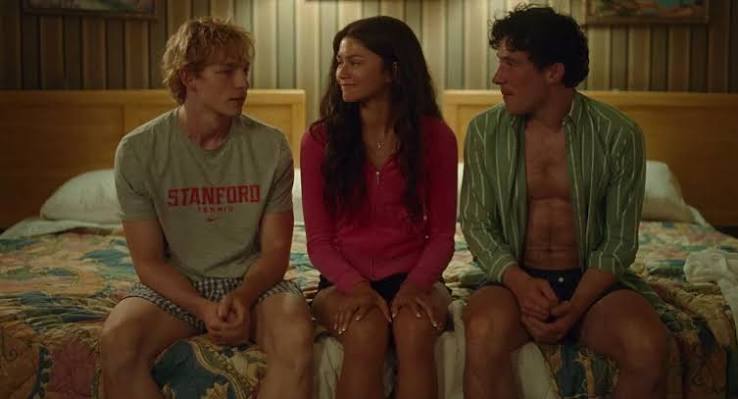
Three-Shot
Three actors in the frame of the medium shot
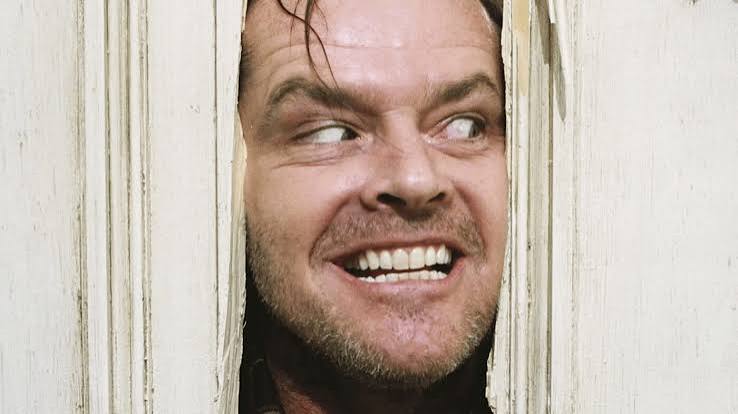
Close-Up Shot
Shows the actor's face. Shows emotional response. Very little setting is shown. Can also show an object that says, "Look at me! I am important!" Establishes significance or symbolic meaning.
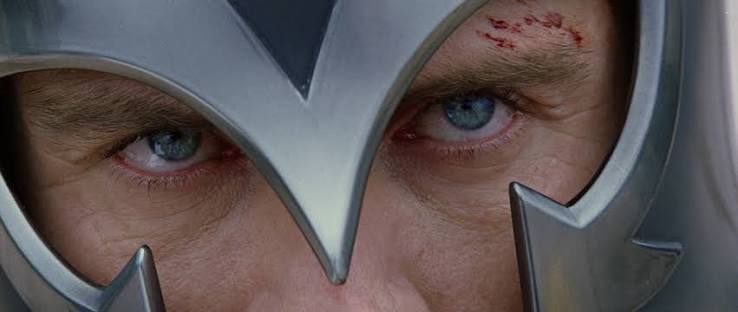
Extreme Close-Up Shot
Closer than a close-up. May show just part of a person's face or part of an object.
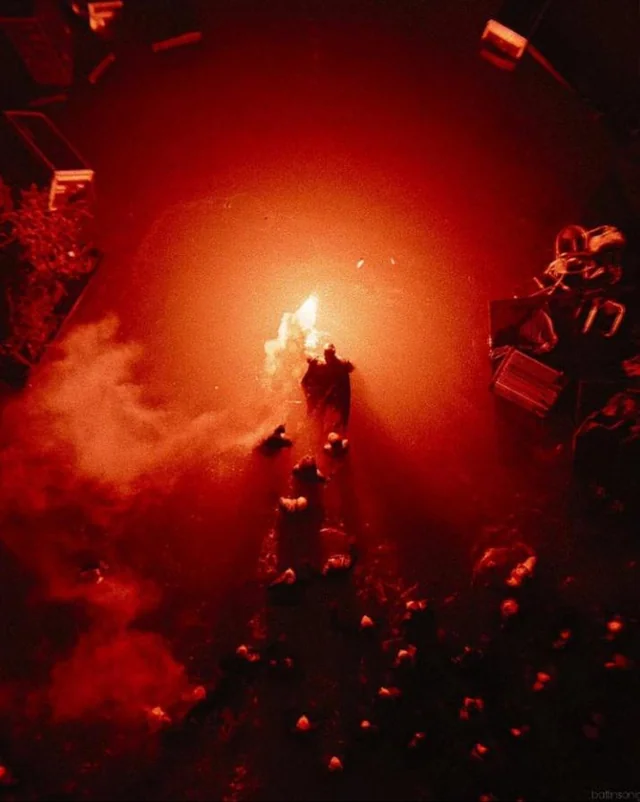
Bird's/ God’s Eye View Shot
Also known as God's eye view or overhead shot, is shot from directly overhead. This angle provides an omniscient viewpoint of the character and surroundings, making the scene feel disorienting and abstract, and implying destiny or fate. Uncommon in most films.
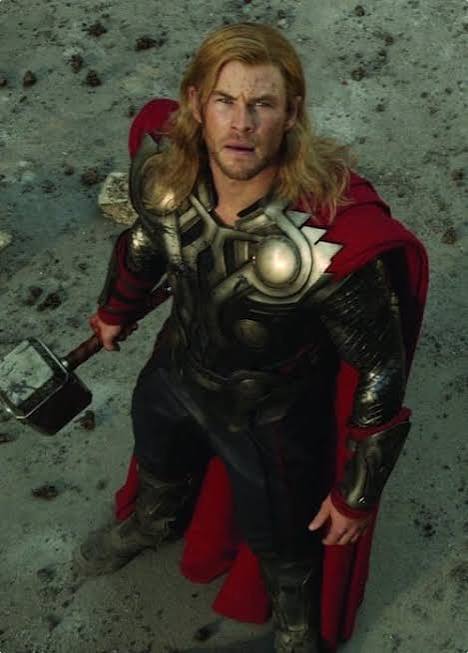
High-Angle
Filmed from above, but not directly overhead, this angle is less extreme than a bird's-eye view and can be used to make a person seem more vulnerable.
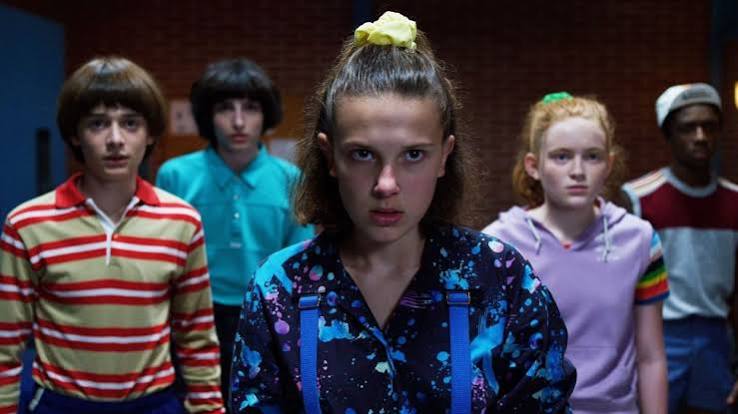
Eye-Level Angle
Filmed from the same height as the actor, this angle is less manipulative than a high or low angle, allowing the viewer to make up their own mind without interference. Reflects "real life."
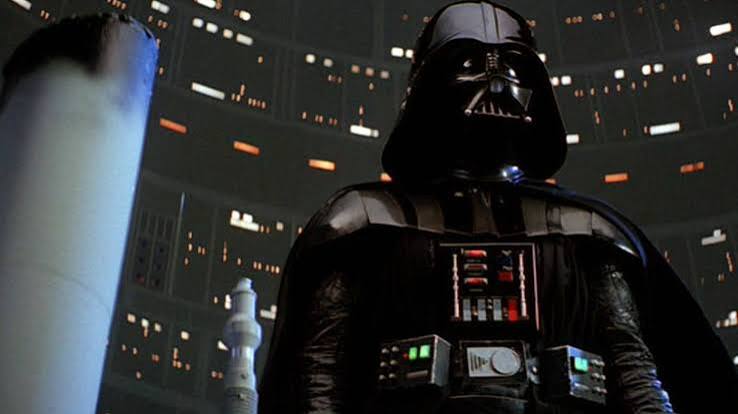
Low-Angle
Filmed from below, heightens the importance of the subject and makes it seem more powerful, dominant, or heroic.
Oblique/ Dutch-Angle
Filmed with the camera leaning to the left or right, making straight lines diagonal and disorienting the world.
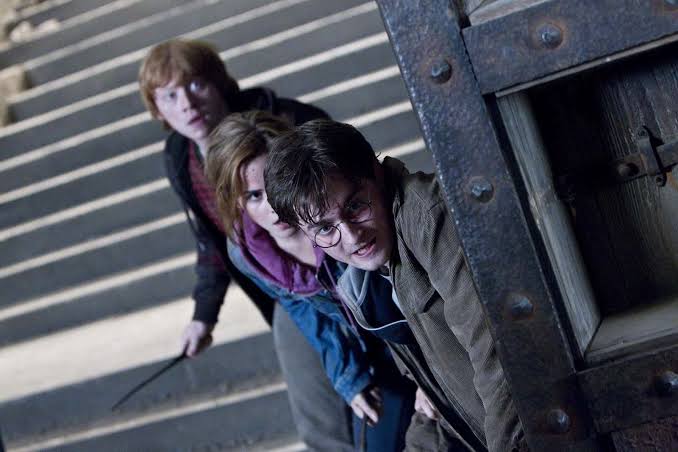
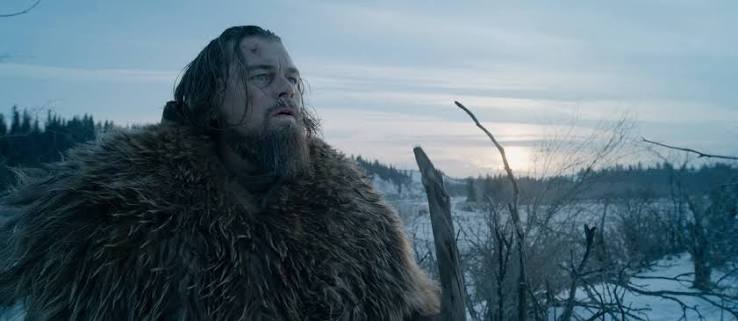
Available/ Natural lighting
Can be filmed outdoors using natural sunlight or indoors using light sources such as candles and lamps. However, this lighting can still be augmented by lamps and reflectors to counteract harsh lighting conditions.
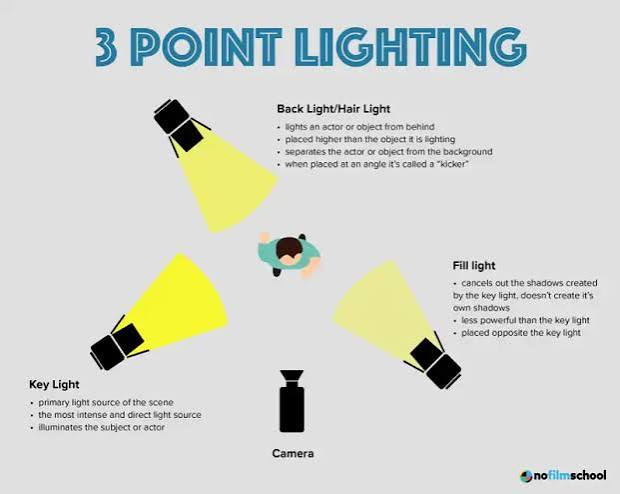
Three-Point Lighting
Three artificial lights are pointing at the subject to give the impression that the lighting is natural.
High-Key Lighting
Key and fill lights are turned way up, causing there to be almost no shadows, evoking a bright and cheerful mood. Popular in sitcoms, rom-coms, and musicals.
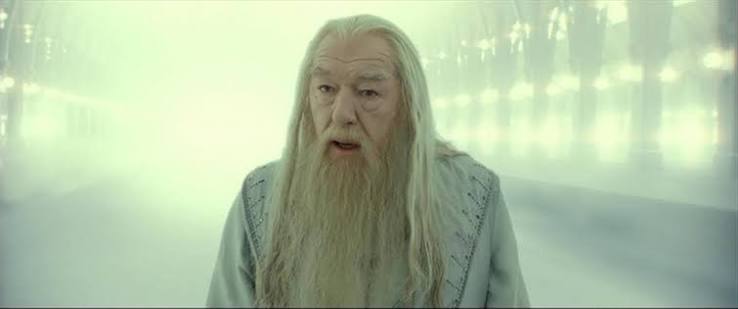
Mid-Key Lighting
Key and fill lights are kept neutral, causing very natural and unobtrusive lighting. More like "real life."
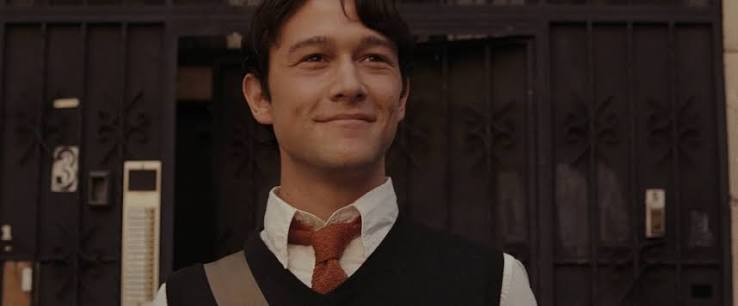
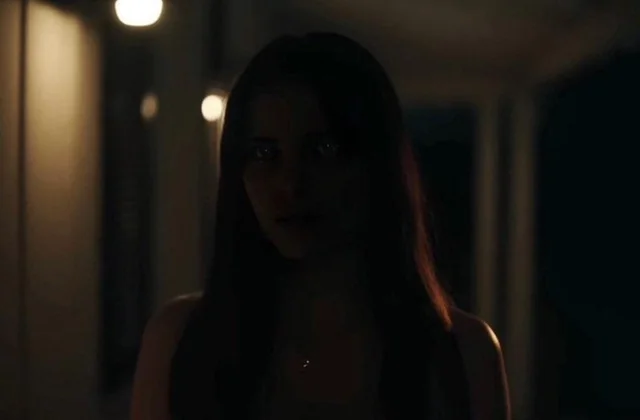
Low-Key Lighting
Key and fill lights are turned way down, causing a lot of shadows and more contrast, creating a threatening or melancholy atmosphere. Popular in horror movies, thrillers, and dramas.
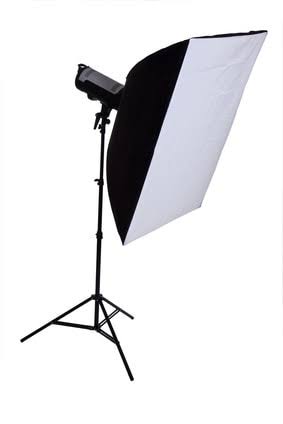
Diffusion Box/ Softbox
Increases the size of the light source, making light travel softer and shadows less harsh. Best for controlling lighting contrast, producing soft, flattering lighting on subjects in studio or controlled setups.
Realism
Uses minimal distortion to try to present things as they really look. Popular in documentaries. Favors medium or long shots, eye-level angles, and available lighting. Prefers to film on location rather than on a set, and may use non-professional actors.
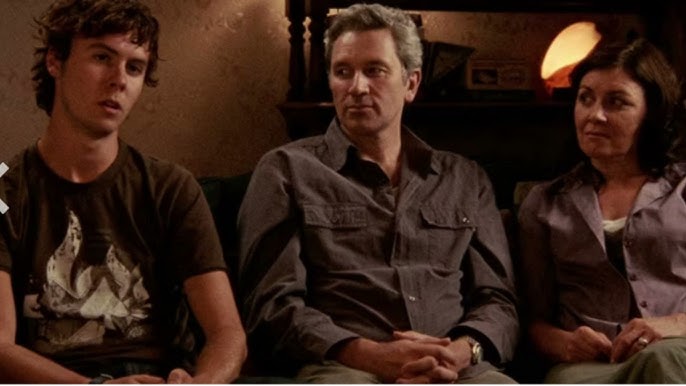
Classicism
Manipulating reality while keeping things visually natural to show how things should look. Popular in most films. Uses a variety of shots and angles subtly. Often uses three-point lighting to keep things natural. May film on a realistic set, using practical effects and a minimum amount of special effects.
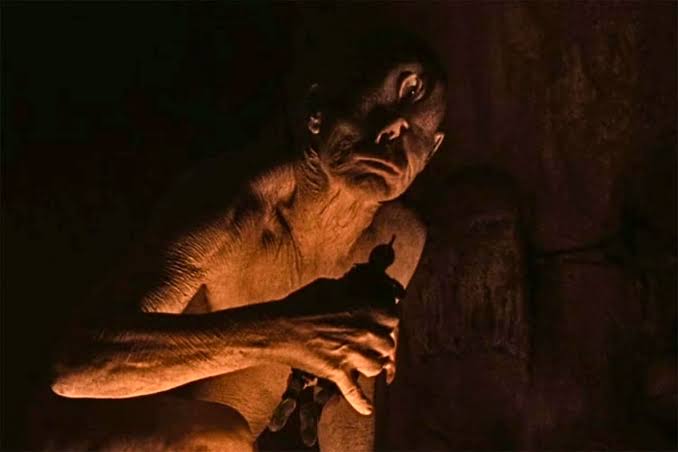
Formalism
Uses a high degree of manipulation, such as bright colors and special effects, to show how things feel. Popular in experimental movies. Favors high, low, and bird's-eye angles, high-key and low-key lighting in symbolic ways, to heighten the mood. Uses exaggerated sets and costumes, and focuses on the technical elements of film, manipulating reality to create an emotional effect.