Pharm III Week 10 (Geriatric Pharm, Polypharmacy & OTC)
 Call Kai
 Learn
Learn Practice Test
 Spaced Repetition
 Match
Match Flashcards
 Knowt Play
1/60

There's no tags or description
Looks like no tags are added yet.
Name | Mastery | Learn | Test | Matching | Spaced | Call with Kai | Chat |
|---|
No analytics yet
Send a link to your students to track their progress
61 Terms
Philosophical Principles: Geriatric Prescribing
The essence of aging: progressive decline of ability to maintain homeostasis
All drugs disturb homeostasis
Geriatric Population and Drugs
• Over 200,000 adults over age 60 are hospitalized each year due to ADRs
• ~25% of older Americans were unnecessarily exposed to potentially hazardous prescribing
• Direct correlation exists between the age of the patient and the number of prescriptions they take daily
- >90% of older adults take at least one prescription daily, most take at least 2
- In LTC, patients average 7 different medications
PK/PD in the Elderly
Altered Drug Sensitivity
Increase in the incidence of drug toxicity
Increase in ADRs (and present differently)

Physiological Alterations with Aging: Absorption
Decreased absorption rate
- Decreased GI motility
- Higher pH/Use of antacids
Total drug absorption (bioavailability) largely remains unchanged for most drugs!
- Time to Peak Concentration (Tmax) is often delayed**

Time to Peak Concentration (Tmax) is often _________ in older adults
Time to Peak Concentration (Tmax) is often delayed

Physiological Alterations with Aging: Distribution
protein? Vd of hydrophilic vs hydrophobic?
Decreased albumin production
Decreased Vd of hydrophylic drugs (ie. Digoxin, Lithium)
Increased Vd of hydrophobic drugs (ie. Diazepam, amiodarone)

Decreased albumin production - Protein-sensitive drugs?
phenytoin, warfarin, aspirin, naproxen

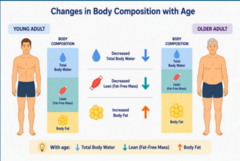
Decreased Vd of hydrophylic drugs (ie. Digoxin, Lithium)
decline in?
fat free mass
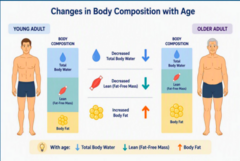
Increased Vd of hydrophobic drugs (ie. Diazepam, amiodarone)
increase in _____ with aging?
Increase in body fat with aging
Physiological Alterations with Aging: Metabolism
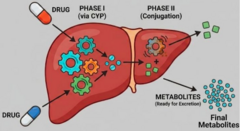
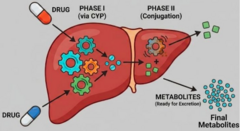
Slower metabolism
Decreased liver function needed to breakdown drugs
- Examples: caffeine, benzodiazepines, lidocaine, theophylline
Long-acting benzodiazepines: sets up patients for falls/hip fractures
safest benzos for older adults?
LOT: Lorazepam, Oxazepam, Temazepam

Changes to Cytochrome P450 System
Affects ~90% of commonly prescribed medications.
Some drugs induce enzymes (increasing metabolism)
Some drugs inhibit enzymes (decreasing metabolism)
Physiological Alterations with Aging: Elimination
Geriatric patients have impaired excretion (renal and GI)
Decreased kidney size, blood flow, GFR, decrease CrCl
MOST DRUGS GIVEN TO GERIATRIC PATIENTS CARRY SOME RISK
Physiological Alterations with Aging that may Affect Pharmacokinetics
SUMMARY
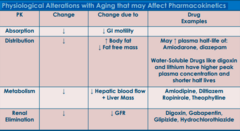
Most troubling categories: Altering Cognition
*don't need to memorize but good reference*

Identifying A Problem
- Symptoms often mistaken as?
Symptoms often mistaken as signs of aging (ie. Confusion, poor/blurred vision, dry mouth/eyes, constipation)
Re-evaluate patient's drugs regimen as they age
- Some meds safe for a 30 year old may produce unexpected results in elderly
How to Avoid Polypharmacy Problems
• Know the Beers Criteria!
• Prescribe with an exit strategy
• Carefully weigh the risks versus benefits
• Make only one change at a time, if possible
• Start low, go slow - but go until you get there
How to Avoid Problems with Polypharmacy
• Discuss the benefits of the medication and the consequences of non-adherence
• Inform the patient about potential reactions
• Periodically review the list of meds - especially when starting new ones
• Simplify medication lists and schedules
• SUSPECT A MEDICATION AS THE CAUSE OF ANY MAJOR MEDICAL OR COGNITIVE CHANGE
Polypharmacy - appropriate vs problematic
Multiple prescribers, multiple pharmacies
Appropriate polypharmacy: Multiple medications are clinically indicated, optimized, and evidence-based, improving quality of life and life expectancy
Problematic or Inappropriate Polypharmacy: Unmanageable, unnecessary, or harmful medication use increasing the risk of ADRs, DDIs, and Hospitalizations
Prescribing Cascade
- ADRs are misinterpreted as a new medical condition for which another drug is then prescribed
- Adds unnecessary burden to the patient's already complicated regimen
Prescribing Cascade Examples
• Ibuprofen → Hypertension → Antihypertensive
• Metoclopramide → Parkinsonism → Levodopa/Carbidopa
• Amlodipine → Edema → Furosemide **
• Lithium → Tremor → Propranolol
• Donepezil → Urinary Incontinence → Oxybutynin
• Narcotic → Constipation → Sennosides/Docusate
• Sennosides → Diarrhea → Loperamide
• Lisinopril → Cough → Dextromethorphan
• Furosemide → Hypokalemia → Potassium Supplement
Non-Adherence to Medication
Approximately 125,000 deaths annually are attributed to non-adherence
- 2x the number killed each year in automobile accidents
30% of hospital admissions for people over the age of 65 are directly related to non-adherence
Non-Adherence Examples
Not filling a prescription initially or not refilling
Taking prescription incorrectly
Stopping a medication without prescriber advice
Taking someone else's medication
Consequences of Nonadherence
Increased risk of morbidity and mortality
Reduced quality of life
Increased healthcare costs
Increased burden on caregivers
Adherence: Identifying Barriers
Patient Barriers: Remembering, beliefs/attitude, knowledge, physical limitations
Therapy Barriers
• Efficacy and side effects
• Complex drug regimen or frequent medication changes
Socioeconomic Barriers
• Financial (Average 2026 Medicare Part D deductible $615)
• Cultural/language/dietary
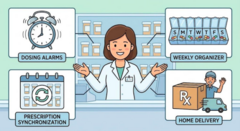
Adherence Tools
Role of a Physician Assistant: Transition of Care and Best Practices
Transitions of Care
- Medication Reconciliation
- Patient and family education
Best Practices
- Early engagement
- Interdisciplinary participation
- Documentation
- Follow up (make sure they picked up and know how to use)
Rational Geriatric Prescribing
• Individualized and simple
• Avoid potentially inappropriate medications
• Monitor for adverse drug reactions
• Consider non-pharmacologic interventions
• Reasonable therapeutic goals
• Consider cost and patient preferences
• Involve caregivers
Initiating a New Drug
Initiating a new drug in the elderly should be done cautiously
Avoid rx before a dx is made
Review medications before adding a new medication
Start 1 med at a time, start low and go slow
Know the actions, ADRs, & toxicity of the meds
Attempt to maximize dose before switching to another agent
The Deprescribing Process: Comprehensive Audit
Review all prescription, OTC medications, supplements, and herbal products.
The Deprescribing Process: Efficacy vs. Risk Assessment
Evaluate the current clinical response and ongoing necessity of each drug.
The Deprescribing Process: Structured Action Plan
Formulate an intentional plan to discontinue, taper, or substitute alternatives.
The Deprescribing Process: Close Monitoring
Watch vigilantly for withdrawal symptoms, rebound effects, or new adverse events; adjust as needed.
The Deprescribing Process: Patient & Caregiver Alignment
Factor in the patient's individual goals, quality-of-life preferences, and caregiver support
Prescribing Tools
American Geriatrics Society Beers Criteria
Medication Appropriateness Index (MAI)
www.GlobalRPh.com (HELPFUL RESOURCE!)
Medication Appropriate Index (MAI)
use to develop critical thinking for prescribing
- Is there an indication for the medication?
- Is the medication effective for the condition?
- Is the dosage correct?
- Is the duration of therapy acceptable?
- Are the directions correct and practical?
- Are there clinically significant drug-drug interactions?
- Are there clinically significant drug-disease/condition treatment?
- Are there unnecessary duplications with other medications?
- Is this medication the least expensive alternative?
Prescription Writing Guideline - Prescription Requirements in PA
- Patient's name and address
- Prescriber's name and address or other identifier (NPI)
- Prescriber's DEA# (for CDS)
- Date written
- Drug name and quantity
- Directions
- WET signature (manually signed for hardcopy prescriptions)
DOB, phone # (pt and yours), spell out names!
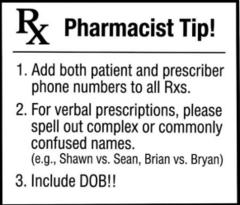
Prescription Writing Guideline
Prescription expiration - Non Controlled
expiration date: 1 Year from Date Written
max refills: up to 1 Year Supply
key rules: refills expire after 12 months regardless of remaining count
Prescription Writing Guideline
Prescription expiration - Schedule III - V
expiration date: 6 Months from Date Written
max refills: max 5 Refills
key rules: total supply cannot exceed 6 months from date written
Prescription Writing Guideline
Prescription expiration - Schedule II
expiration date: 6 Months from Date Written
max refills: NONE
key rules: sequential prescribing permitted (Do Not Fill Until)
Prescribing Law (FYI)
Prescribing and Dispensing Drugs, Pharmaceutical Aids and Devices
Prescribing, Administering and Dispensing Controlled Substances
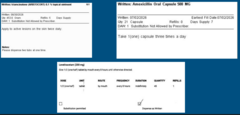
Dispense As Written (DAW) Codes
Codes in Pharmacy used to on insurance claims to explain whether a generic or brand name drug is being dispensed and why
Most Common:
• DAW 0: No Product selection indicated. Substitution allowed. • DAW 1: Substitution not allowed prescriber. Brand medically necessary.
• DAW 2: Substitution allowed. Patient Requested Brand.
Improper DAW Code Use
General Considerations for OTC Medications
• In general, OTC medications are for SYMPTOM RELIEF
• Know your scope of practice and legal requirements
• Assess Patient Appropriateness
• Provide patient education
• Cost!
• Use pharmacists!
Pharmaceutical Brand vs. Generic
Save Money! Use Generics!
Generics must submit an Abbreviated New Drug Application (ANDA) : Must show pharmaceutically equivalent (same active ingredient, dosage form, strength, and route of administration)
Only major differences between brand or generic are inactive ingredients
Pain Relief - Oral
Nonsteroidal Anti-inflammatory Drugs (NSAIDs)
4As: Antipyretic, Anti-inflammatory, Antiplatelet, Analgesic
ie. Aspirin, Ibuprofen, Naproxen, Diclofenac (topical)
Renal Elimination
Pain Relief - Oral
Acetaminophen (Tylenol)
Antipyretic and Analgesic
Maximum 3000 mg daily
Hepatic Elimination
Pain Relief - Topicals
Limited systemic absorption, generally safe for most patients
Lidocaine (Aspercreme)
- Many formulations (cream, lotion, patch, spray, roll on)
Counterirritants: Menthol +/- Methyl Salicylate (Biofreeze/IcyHot/SalonPas)
Diclofenac 1% Gel (Voltaren)
Allergy - Oral
1 st Generation Antihistamines
Diphenhydramine
Chlorpheniramine
Diphenhydramine - Drug of choice for ? Considerations?
Drug of choice for allergic reactions
Drowsiness
Avoid in elderly (beers criteria) -- anticholinergic
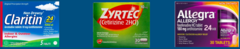
2nd Generation Antihistamines
Loratadine, Cetirizine, Fexofenadine, Levocetirizine
2nd Generation Antihistamines Use and ADRs
All are "Non-drowsy" although more people report drowsiness with cetirizine vs loratadine
Good for seasonal allergy symptoms, will help dry up a post nasal drip
Intranasal Corticosteroids
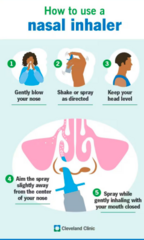
Fluticasone, Mometasone, Triamcinolone
Intranasal Corticosteroids - First Line for? Counseling Point?
Allergic Rhinitis: Highly effective for nasal congestion, sneezing ans post nasal drip
Counseling Point: Requires consistent daily use for full efficacy. Proper administration technique is important.
Topical Corticosteroid Options
Hydrocortisone 1% Cream - *Preferred*
Diphenhydramine 2% Cream (Benadryl)
- Available but clinically less effective vs oral formulation
Calamine Lotion
Cough and Cold - Golden Rule
Avoid Multi-Symptom products with 3+ ingredients unless every single agent is indicated (or strictly to reduce pill burden)
Common Core Ingredients of Cough and Cold OTC Medications
Analgesic/Antipyretic?
Expectorant?
Decongestant?
Cough Suppressant?
Night Time/PM Sedation?
Analgesic/Antipyretic: Acetaminophen (watch total daily limit)
Expectorant: Guaifenesin (thins mucus)
Decongestant: Phenylephrine (poor agent)
Cough Suppressant: Dextromethorphan (DM)
Night Time/PM Sedation: Doxylamine or Chlorpheniramine
Safety Warning for cough/cold meds
High risk of therapeutic duplications, specifically APAP
Cough and Cold - Cough Management
Dry Cough = Dextromethorphan (Delsym)
Productive/Wet = Guaifenesin (Mucinex/Robitussin)
Cough drops: Menthol, Lemon, Honey, Pectin*
Congestion Management
Phenylephrine (Sudafed PE) - STAY AWAY
Pseudoephedrine (Sudafed) - Federally Regulated
• Daily purchase limit 3.6 grams
• Monthly purchase limit 9 grams (rolling 30 days)
• not good in HTN!
Oxymetazoline (Afrin) - No more than 3 consecutive days

OTC Resources
Orange Book
Approved drug products with therapeutic equivalence evaluations
https://www.fda.gov/drugs/drug-approvals-and-databases/orange-book-data-files
DailyMed
Searchable database for up to date FDA labeling. Lists all active and inactive ingredients for specific products. https://dailymed.nlm.nih.gov/dailymed/