ANAT 3651 Musculoskeletal System
 Call Kai
 Learn
Learn Practice Test
 Spaced Repetition
 Match
Match Flashcards
 Knowt Play
1/208

There's no tags or description
Looks like no tags are added yet.
Name | Mastery | Learn | Test | Matching | Spaced | Call with Kai | Chat |
|---|
No analytics yet
Send a link to your students to track their progress
209 Terms
Functions of muscles
Thermoregulation, maintains posture, movement, controls movement of materials through our body
Types of muscles
Skeletal, smooth, cardiac
Skeletal muscle
Location: throughout body, most attach to bones
Function: voluntary movement
Appearance: very long, cylindrical cells; striations; peripherally located multinucleated cells
Smooth muscle
Location: GI tract, vascular tissues
Function: contraction causes controlled movement of material; involuntary movement
Appearance: short, fusiform (spindle-shaped); lacks striations; single, central nucleus
Cardiac muscle
Location: muscle of the heart (myocardium)
Function: contracts heart to pump blood; involuntary movement
Appearance: short, bifurcated; striations; centrally located mono- or binucleated; intercalated discs
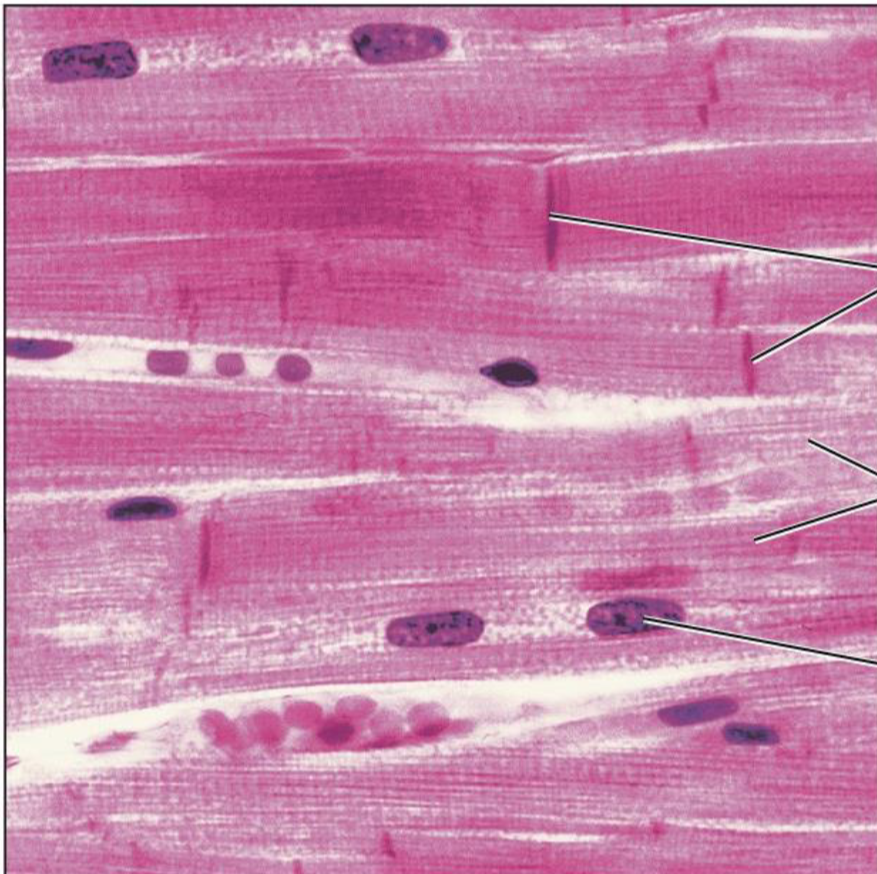
What is this?
Cardiac muscle tissue
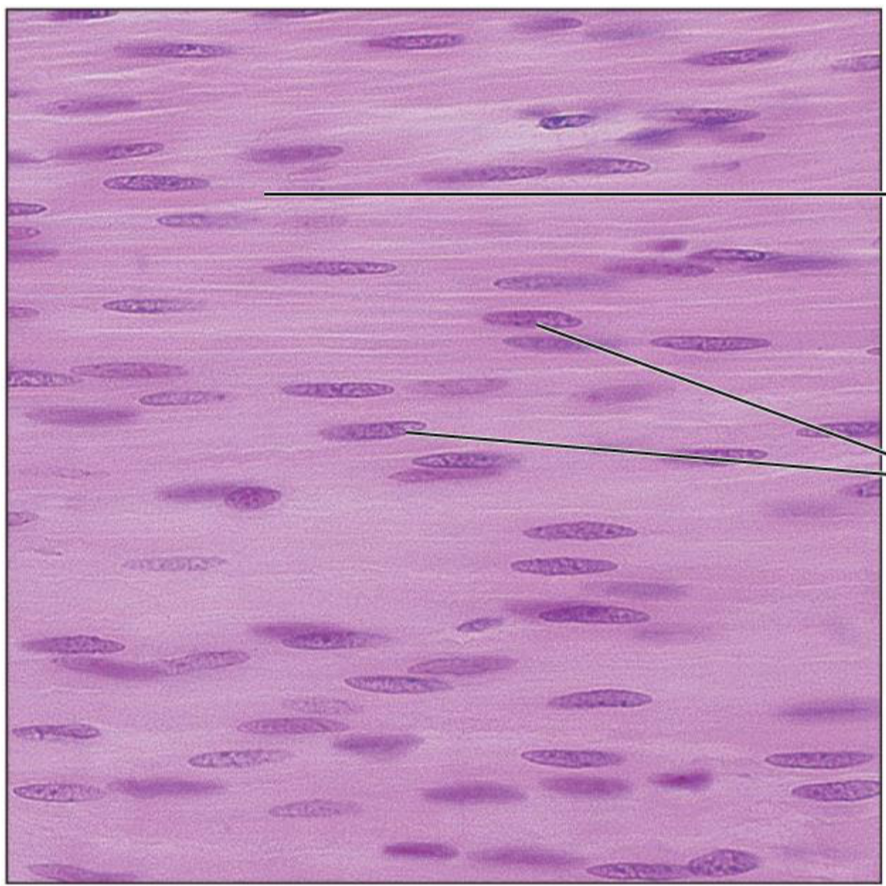
What is this?
Smooth muscle tissue
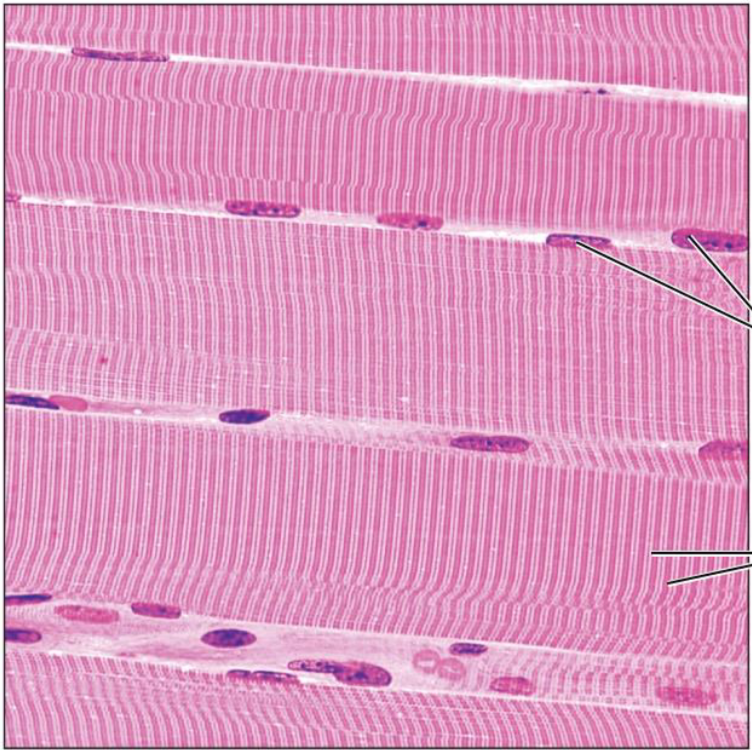
What is this?
Skeletal muscle tissue
Skeletal muscle organization
Myofibrils—>muscle fibers—>fascicles—>muscle tissues
Epimysium
Connective tissue surrounds whole muscle
Perimysium
Connective tissue surrounds fascicles
Endomysium
Connective tissue surrounds muscle fibers
When is an attachment considered an origin?
When it is the less mobile attachment and when it is the proximal attachment when in extremities
When is an attachment considered an insertion?
When it is the more mobile attachment and when it is the distal attachment when in extremities
Joint
The place of contact between two or more bones (articulation)
In terms of joints, more planes of motion= ___ stability
Reduced
How do joints increase stability?
Add muscular support and ligamentous attachment
Types of joints
Fibrous, cartilaginous, synovial
Types of fibrous joints
Gomphosis, Sutures, Syndesmosis
Types of cartilaginous joints
Synchondrosis and symphysis
Types of synovial joints
Planar, hinge, pivot, saddle, condylar, ball and socket
Gomphosis joints
Type of fibrous joint; immobile, small amounts of dense connective tissue, ex. teeth and sockets
Suture joints
Type of fibrous joint; immobile, small amounts of dense connective tissue, ex. skull bones
Syndesmosis joints
Type of fibrous joint; slightly mobile, large amounts of dense connective tissue, ex. interosseous membranes between radius-ulna and tibia-fibula
Synchondrosis joints
Type of cartilaginous joint; immobile, connected by hyaline cartilage, ex. 1st rib-manubrium, epiphyseal plates
Symphysis joints
Types of cartilaginous joint; slightly mobile, connected by fibrocartilage, ex. pubic symphysis, intervertebral discs
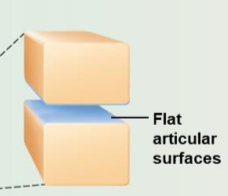
Planar joints
Type of synovial joint; non-axial, ex. intercarpal and intercarpal joints
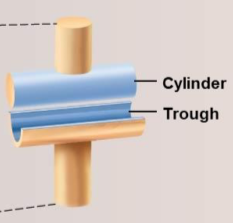
Hinge joints
Type of synovial joint; uniaxial, ex. elbow joint and interphalangeal joints
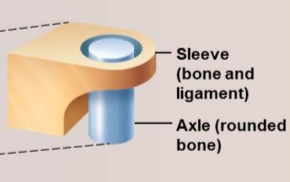
Pivot joints
Type of synovial joint; uniaxial, ex. radioulnar joint and atlantoaxial joint
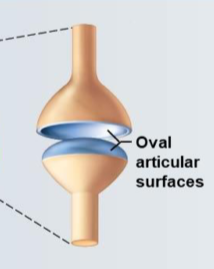
Condylar joints
Type of synovial joint; biaxial, ex. metatarsophalangeal joints and metacarpophalangeal joints
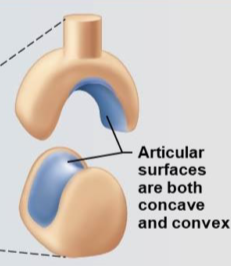
Saddle joint
Type of synovial joint; biaxial, ex. 1st thumb and carpometacarpal joint
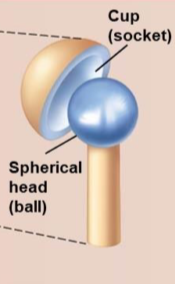
Ball and socket joints
Type of synovial joint; multiaxial, ex. shoulder and hip joints
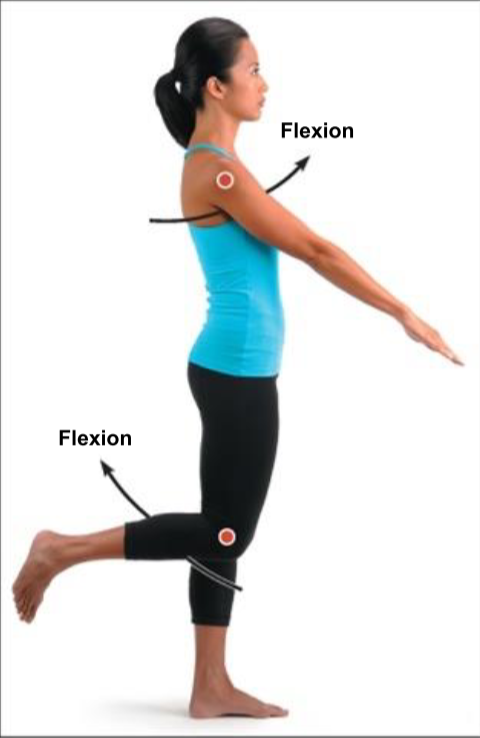
Flexion
Decreases angle at a joint (usually anterior movement)
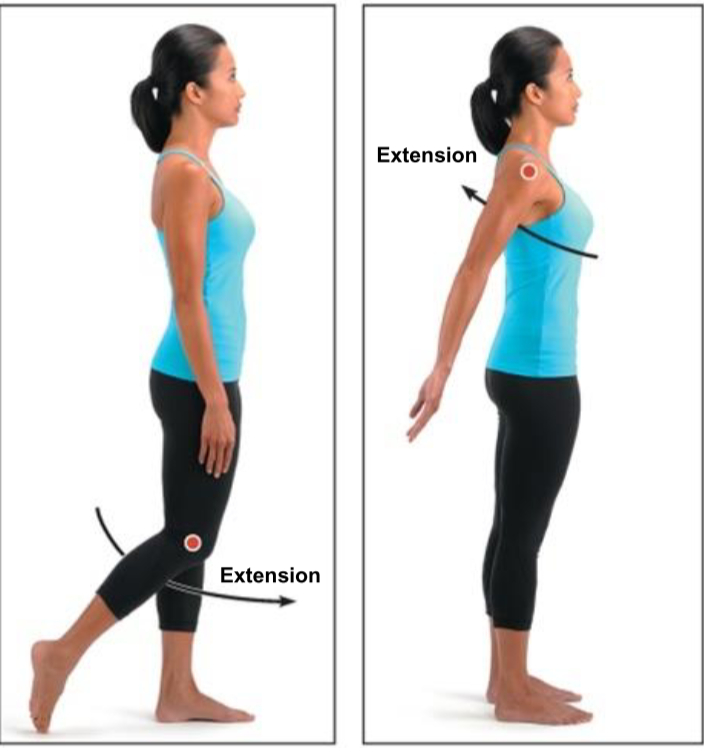
Extension
Increases angle at a joint (usually posterior movement)
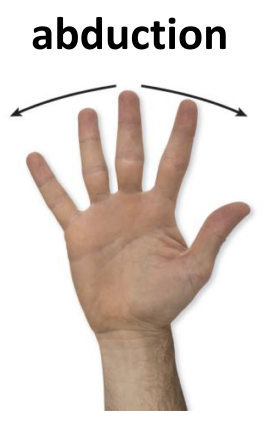
Abduction
Movement away from the midline
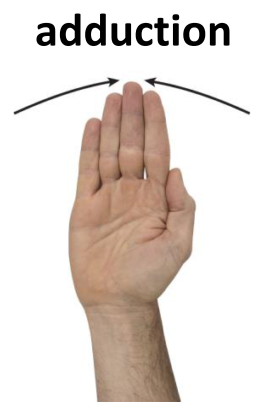
Adduction
Movement towards the midline
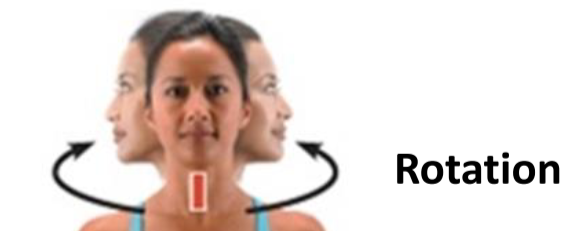
Rotation
Around a central axis
Lateral (external) rotation
Rotate outward
Medial (internal) rotation
Rotate inward
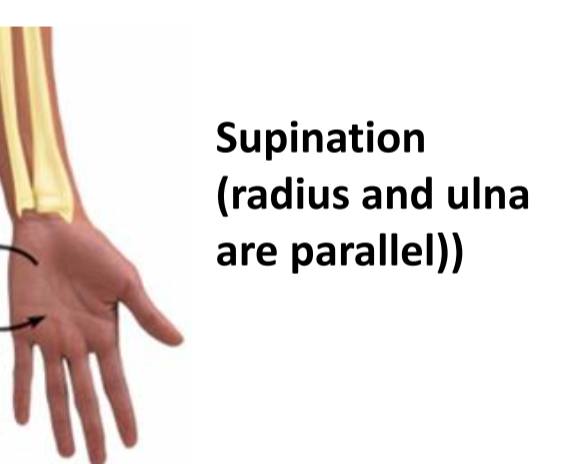
Supination
Rotate palm anteriorly
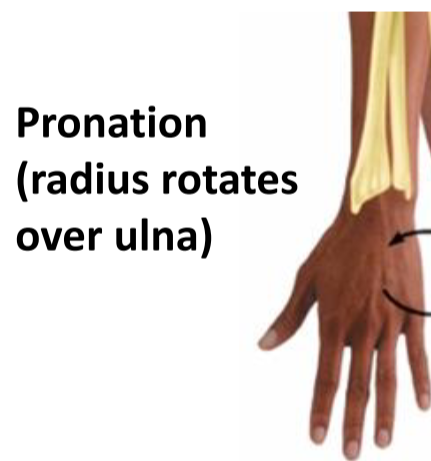
Pronation
Rotate palm posteriorly
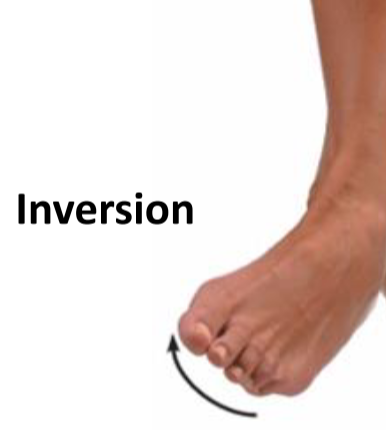
Inversion
Sole of foot inward
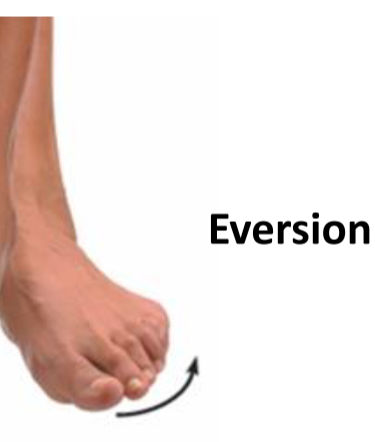
Eversion
Sole of foot outward
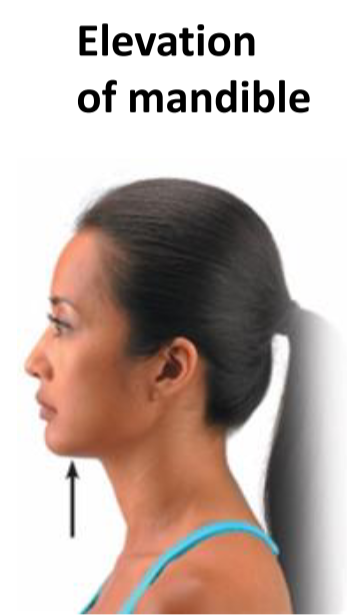
Elevation
Moving superiorly
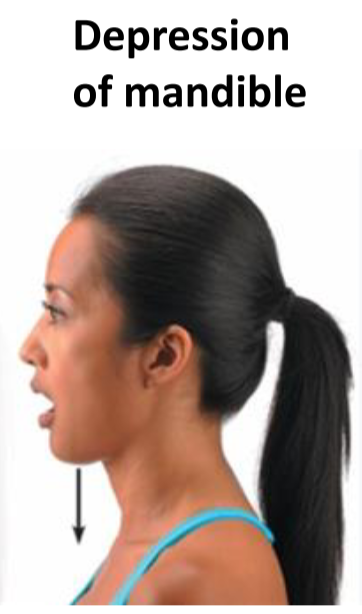
Depression
Moving inferiorly
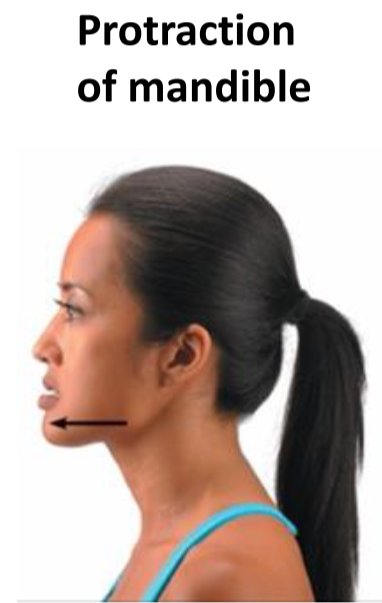
Protraction
Move anterior
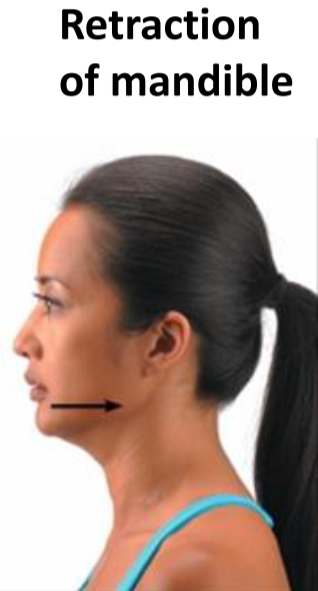
Retraction
Move posterior
Tuberosity
Type of bone marking; large rounded projection, may be rounded
Crest
Type of bone marking; narrow ridge of bone, usually prominent
Trochanter
Type of bone marking; very large, blunt, irregularly shaped process (the only examples are on the femur)
Line
Type of bone marking; narrow ridge of bone, less prominent than a crest
Tubercle
Type of bone marking; small, rounded projection or process
Epicondyle
Type of bone marking; raised area on or above a condyle
Spine
Type of bone marking; sharp, slender, often pointed projection
Process
Type of bone marking; any bony prominence
Head
Type of bone marking; bony expansion carried on a narrow neck
Facet
Type of bone marking; smooth, nearly flat articular surface
Condyle
Type of bone marking; rounded articular projection, often articulates with a corresponding fossa
Foramen
Type of bone marking; round or oval opening through a bone
Groove
Type of bone marking; furrow
Fissure
Type of bone marking; narrow, slitlike opening
Notch
Type of bone marking; indentation at the edge of a structure
Fossa
Type of bone marking; Shallow basinlike depression in a bone, often serving as an articular surface
Meatus
Type of bone marking; canal-like passageway
Sinus
Type of bone marking; cavity within a bone, filled with air and lined with mucous membrane
Components of the axial skeleton
Skull, hyoid, vertebral column, thoracic cage
Components of the appendicular skeleton
Pectoral girdle and upper extremity, pelvic girdle and lower extremity
Upper and lower limbs are known as what?
Serial homologues
During limb development, upper limbs rotate 90 degrees ___ and lower limbs rotate 90 degrees ___
Laterally, medially
Components of the pectoral girdle
Clavicle and scapula
How can the scapula move?
Elevation/depression, abduction/adduction
What is the glenohumeral joint?
Shoulder
Bony parts of the glenohumeral/shoulder joint
Scapula (glenoid fossa; socket) and head of humerus (ball)
What type of joint is the glenohumeral/shoulder joint?
Ball and socket
Ligaments found in the glenohumeral/shoulder joint
Glenohumeral joint and coracohumeral joint
Ways the shoulder can move
Flexion/extension, abduction/adduction, medial rotation/lateral rotation
Bony parts of the elbow joint
Trochlea (humerus)+trochlear notch (ulna) (medial)
Capitulum (humerus)+head of radius (lateral)
What type of joint is the elbow joint?
Hinge joint
Ways the elbow can move
Flexion/extension
Bony parts of the radio-ulnar joint
Radius and ulna
What type of joint is the radioulnar joint?
Pivot joint
Ways the radioulnar joint can move
Pronation/supination
Carpals (proximal then distal row)
Scaphoid, lunate, triquetral, pisiform, trapezium, trapezoid, capitate, hamate
Bony parts of the wrist joint
Distal radius and carpals
What type of joint is the wrist joint
Condylar
What ways can the wrist joint move?
Abduction (radial deviation)/adduction (ulnar deviation), flexion/extension
What type of joints are the metacarpo-phalangeal joints?
Condylar
What ways can the metacarpo-phalangeal joints move?
Abduction/adduction, flexion/extension
What type of joints are the interphalangeal joints?
Hinge joints
What ways can the interphalangeal joints move?
Flexion/extension
Muscles that move the scapula
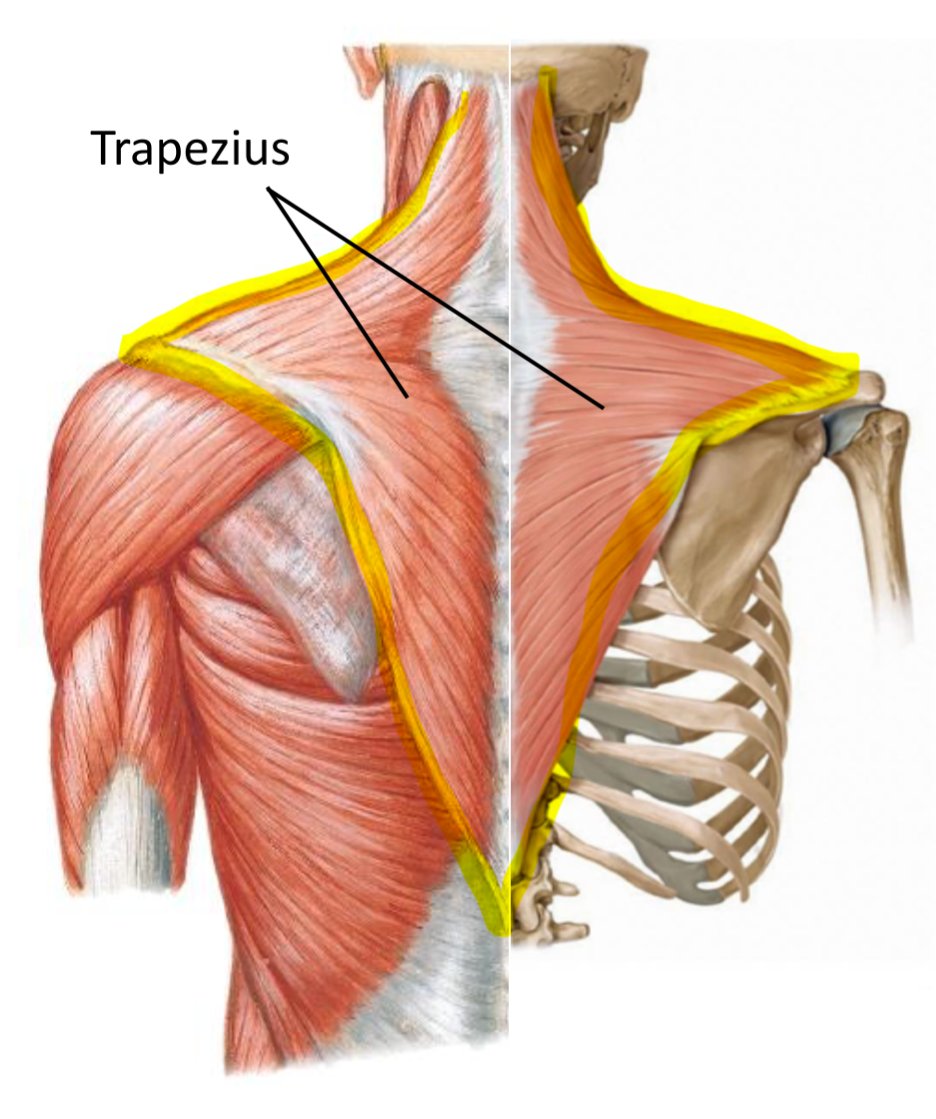
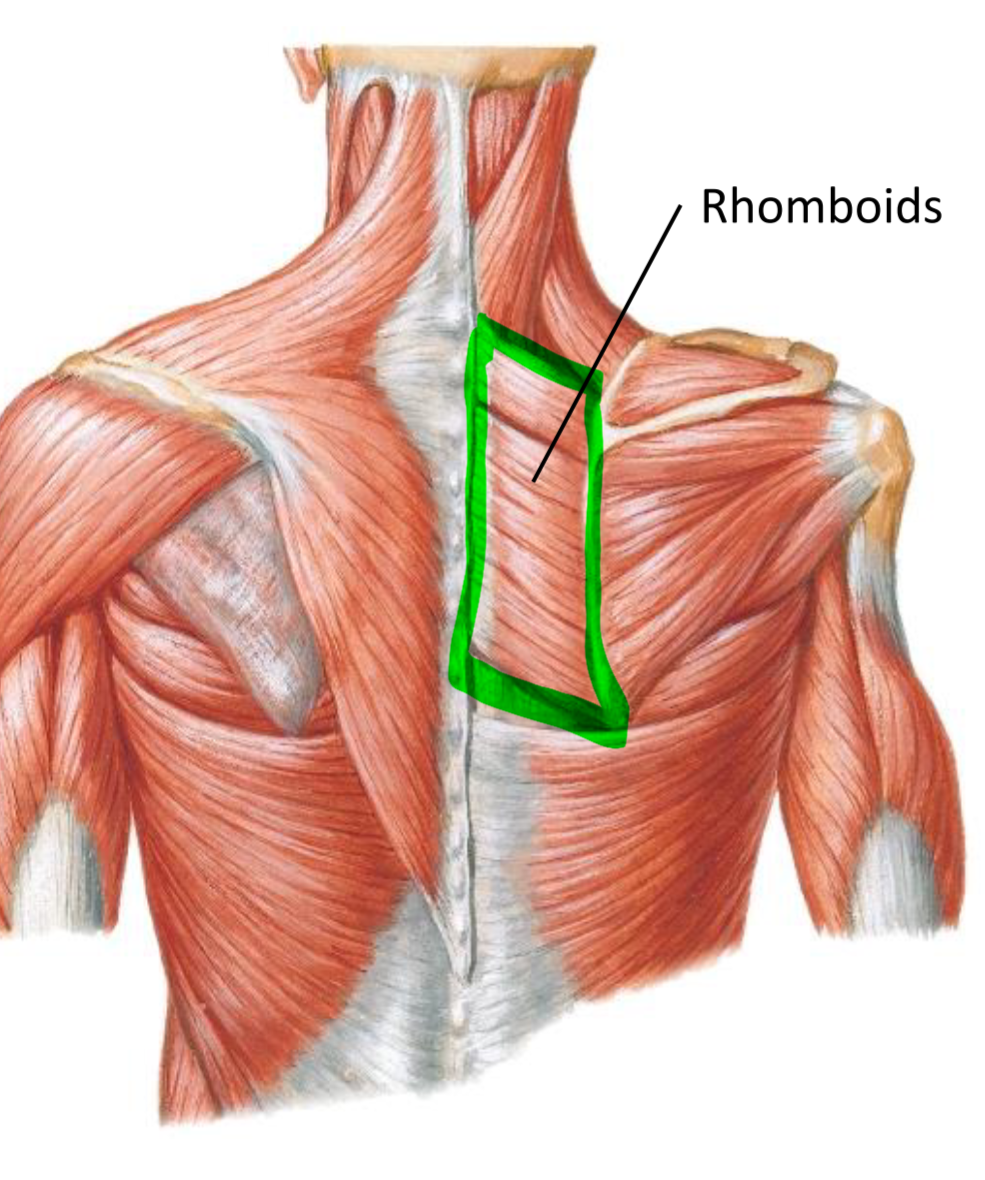
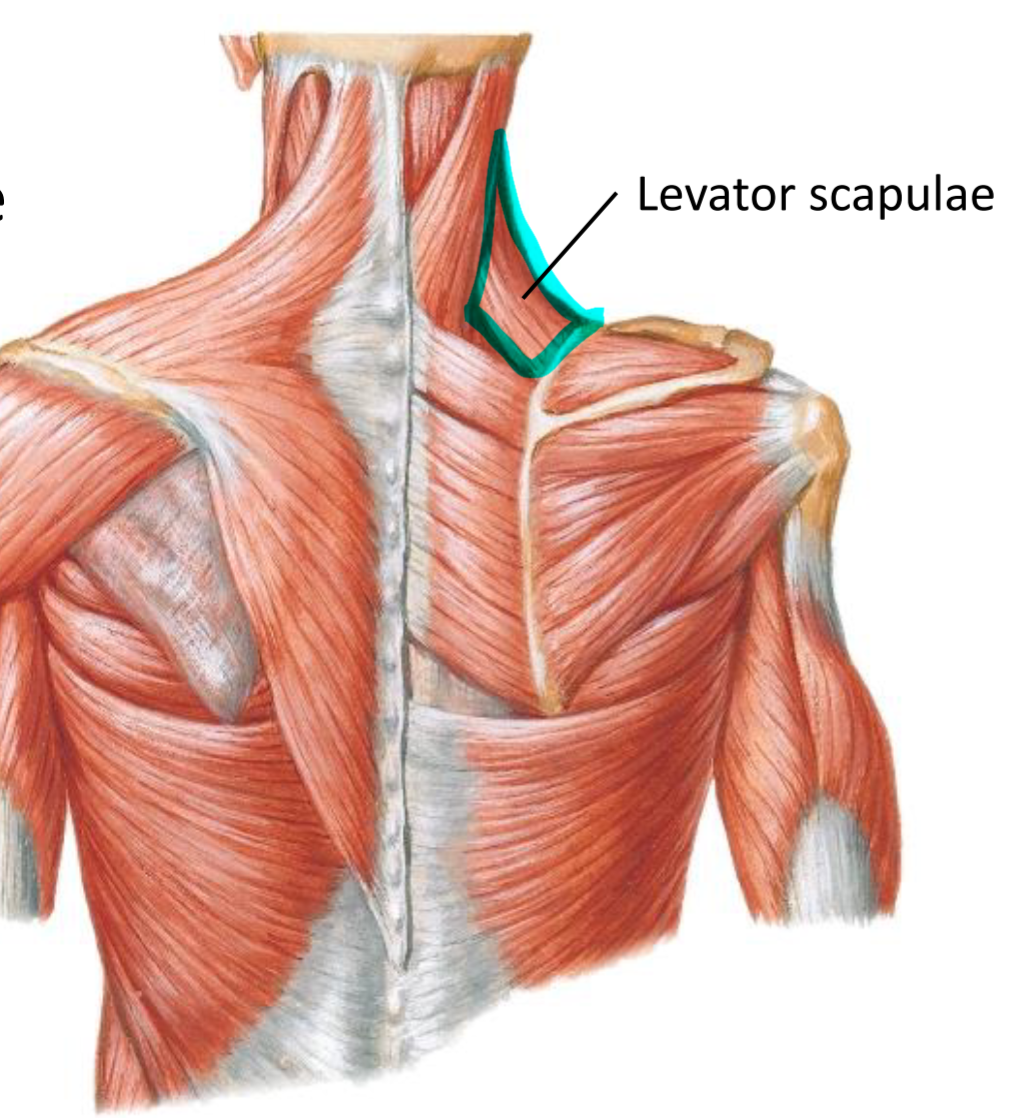
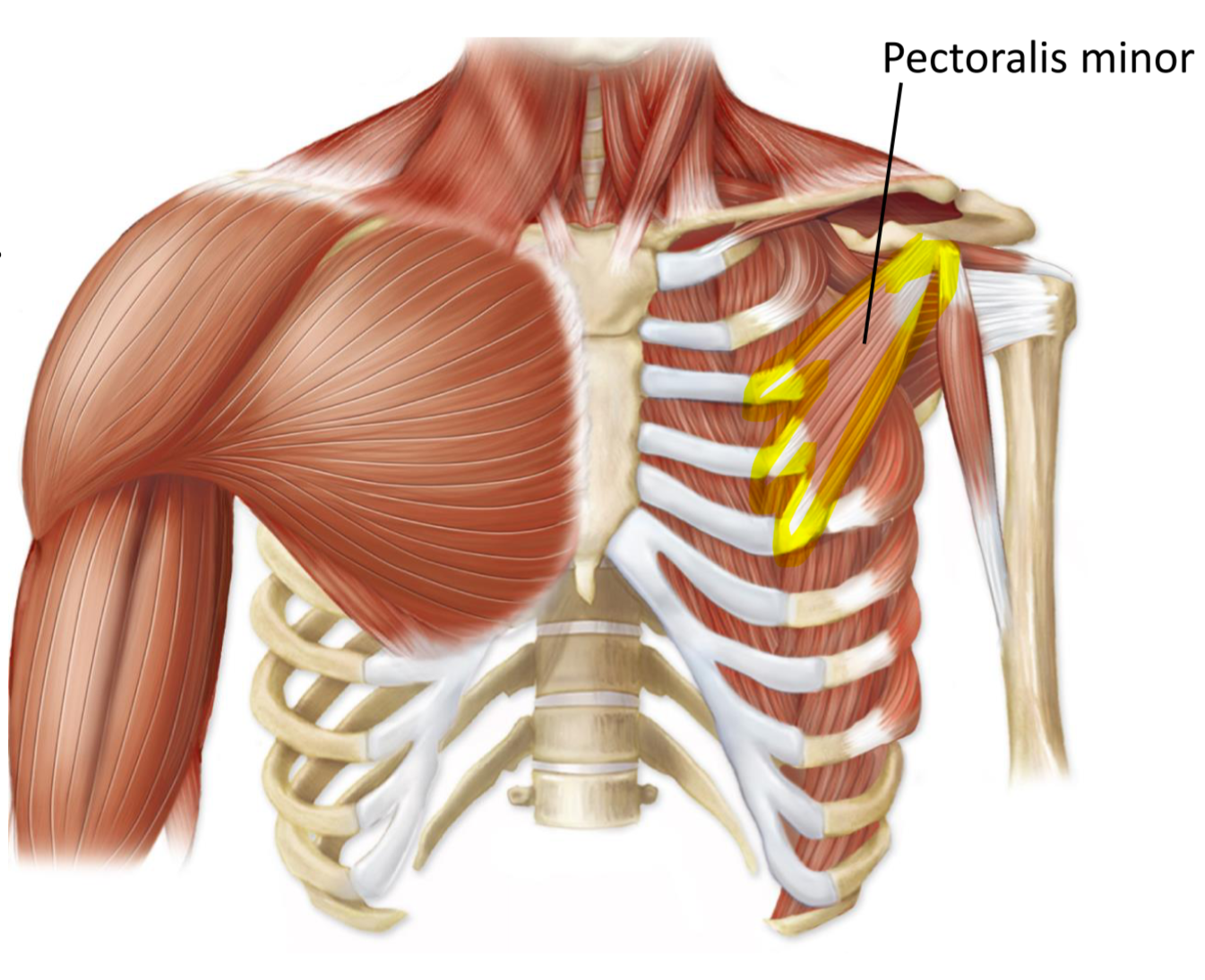
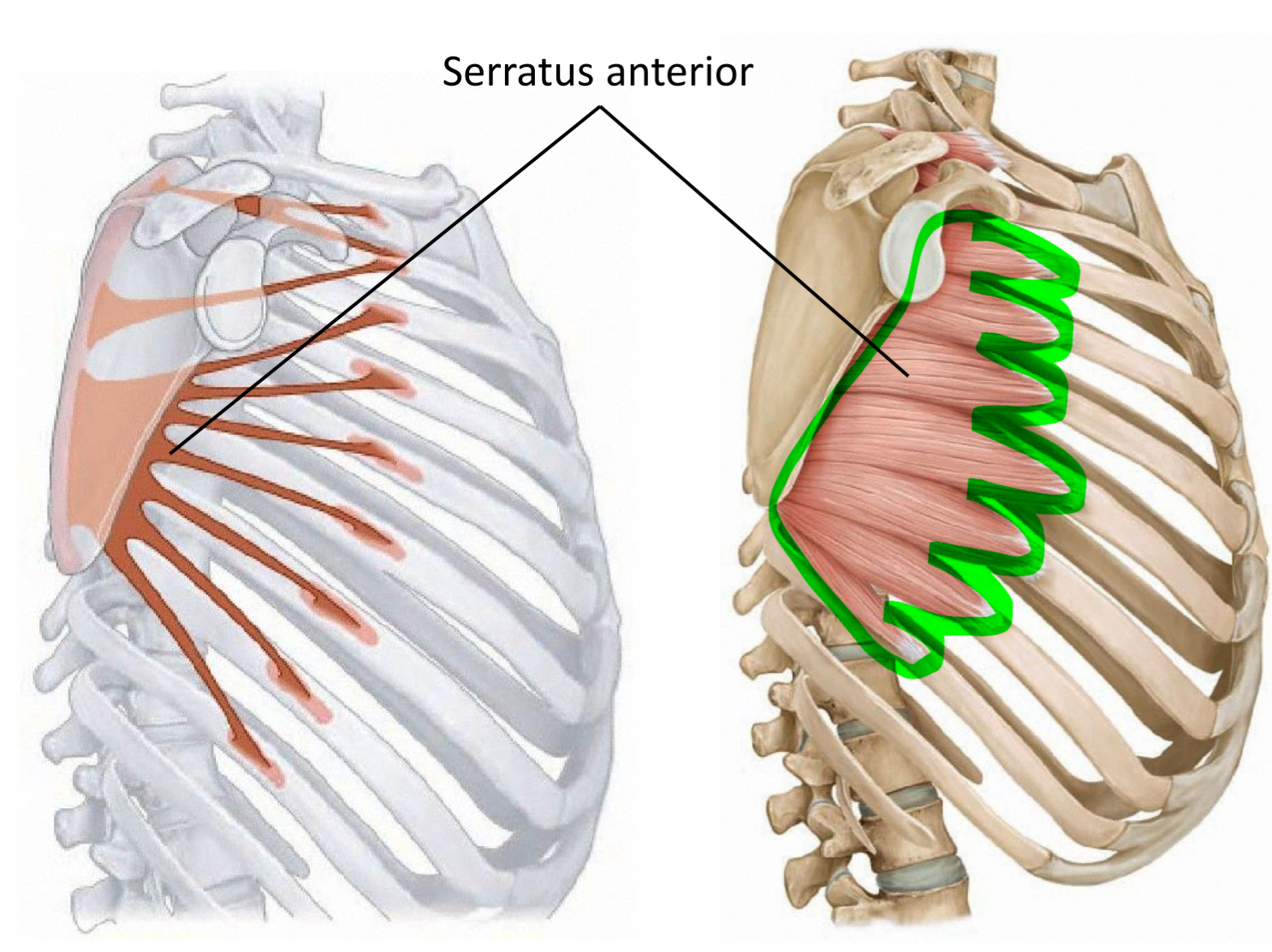
Trapezius, rhomboids, levator scapulae, pectoralis minor, serratus anterior
Origin, insertion, and action of the trapezius
Origin—> occipital bone and spinous process of vertebrae
Insertion—> scapular spine, acromion, and distal clavicle
Action—> elevates, depresses, adducts scapula
Origin, insertion, and action of rhomboids
Origin—> spinous processes of vertebrae
Insertion—> medial border of scapula
Action—>adducts scapula
Origin, insertion, and action of levator scapulae
Origin—> transverse processes of vertebrae
Insertion—> superior angle of scapula
Action—> elevate scapula
Origin, insertion, and action of pectoralis minor
Origin—> ribs
Insertion—> coracoid process of scapula
Action—> depress scapula
Origin, insertion, and action of serratus anterior
Origin—> ribs
Insertion—> medial border of scapula
Action—> abduct scapula
Muscles that move the arm
Flexors (pectoralis major, coracobrachialis)
Extensors (latissimus dorsi, teres major)
Abductor (deltoid, supraspinatus)
Rotator cuff (SITS; supraspinatus, infraspinatus, teres minor, subscapularis)
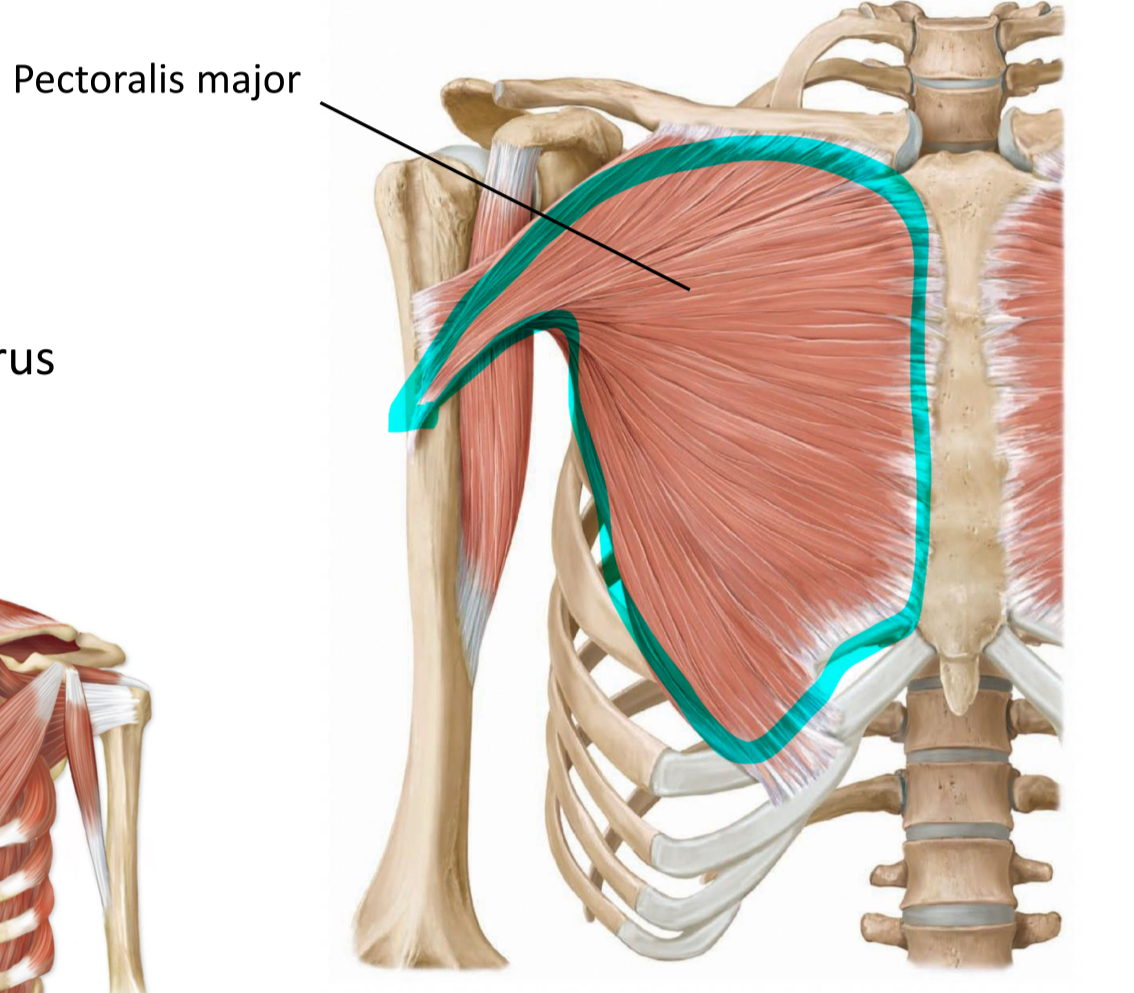
Origin, insertion, and action of pectoralis major
Origin—> sternum and clavicle
Insertion—> greater tubercle of humerus
Action—> flex, adduct arm at shoulder
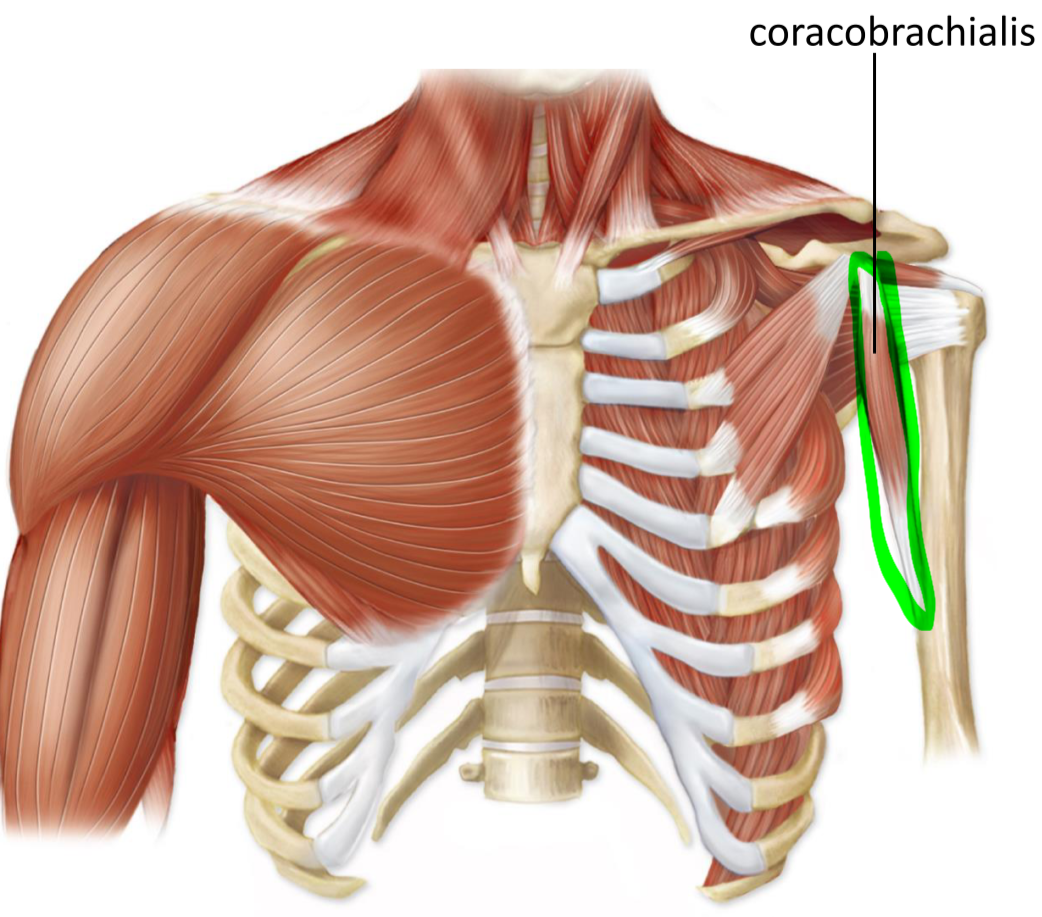
Origin, insertion, and action of coracobrachialis
Origin—> coracoid process of scapula
Insertion—> proximal humerus
Action—> flex and adduct arm at shoulder
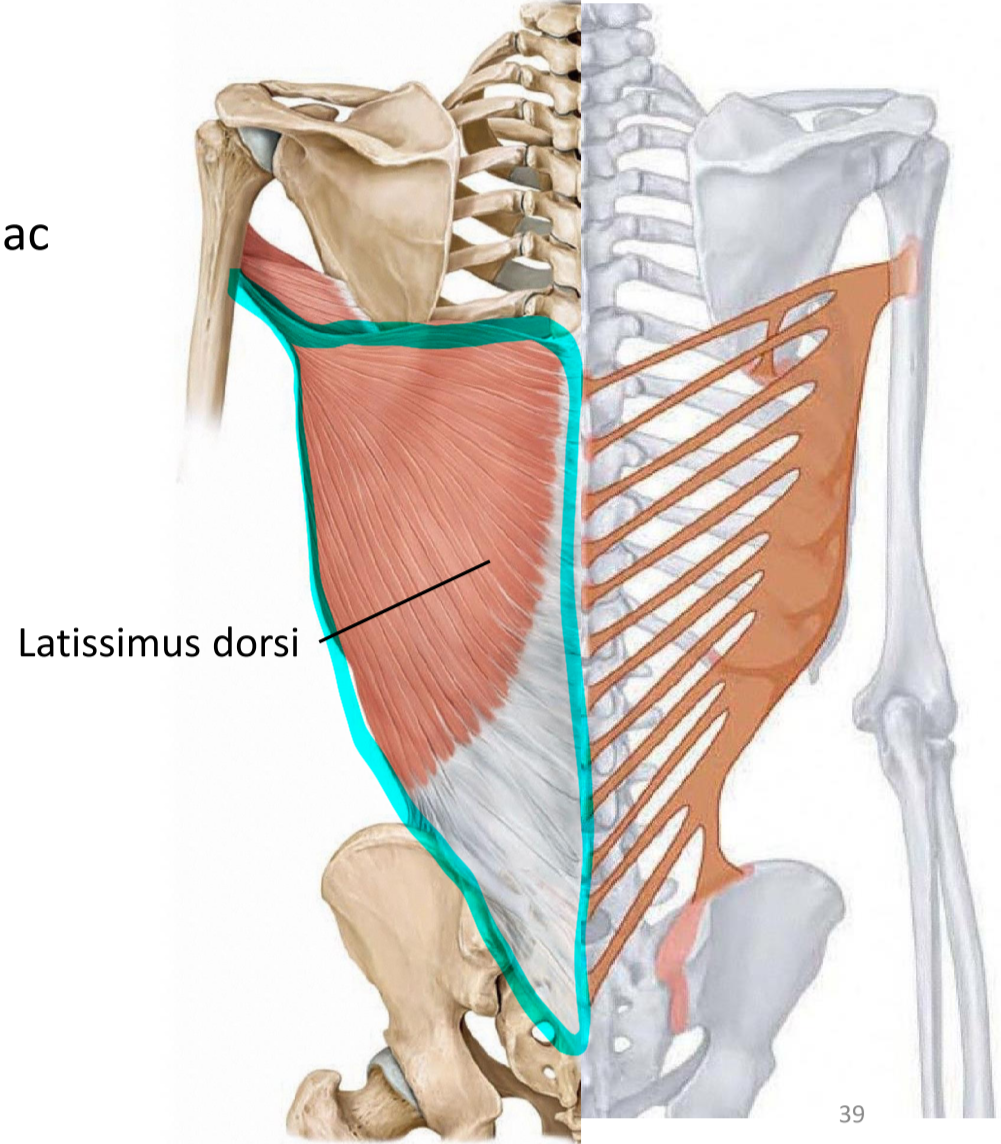
Origin, insertion, and action of latissimus dorsi
Origin—> spinous process of vertebrae and iliac crest
Insertion—> lesser tubercle of humerus
Action—> extend, adduct arm at shoulder