Annelida 🪱
 View linked note
 Call Kai
 Learn
Learn Practice Test
 Spaced Repetition
 Match
Match Flashcards
 Knowt Play
1/34

Earn XP
Name | Mastery | Learn | Test | Matching | Spaced | Call with Kai | Chat |
|---|
No analytics yet
Send a link to your students to track their progress
35 Terms
Human Interactions
fish food, agriculture support, medicinal leeches, research, ecosystems, darwin’s brilliance
Body Plan
spiral/mosaic, protostome, triploblast, true coelem;
bilateral symmetry, segmentation & limbs, hydroskeleton
Anatomy
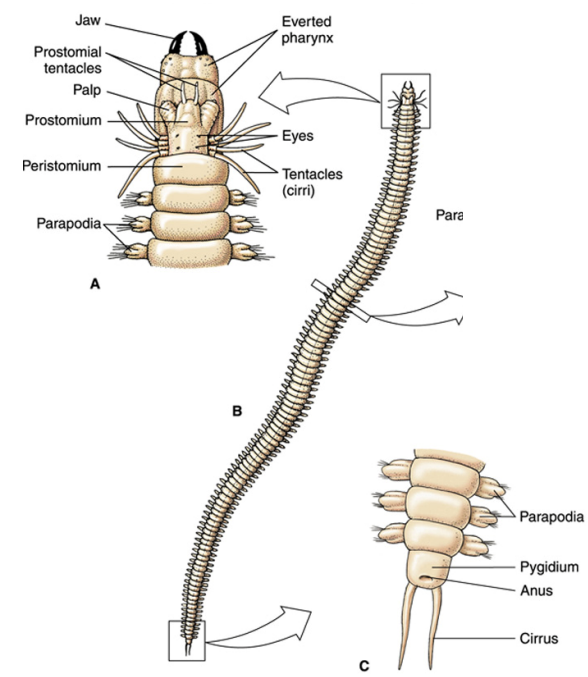
head, segmentation, tail (pygidium)
segments (metameres) appear next to pygidium
Segmentation
repeated units w/repeated organs
in annelids = allows for efficient burrowing and movement
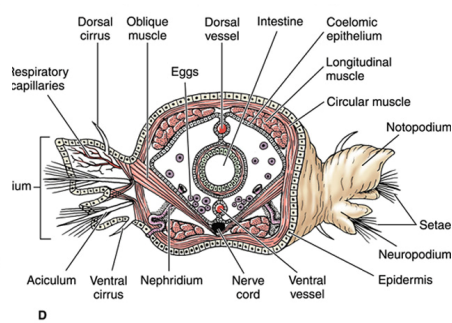
Parapodia
respiratory organ, dorsal & ventral parts, used for crawling, swimming, anchoring
Polychaetes Nutrition
Mobile = predators
sedentary = filter feeders
Oligochaetes Nutrition
detritus
Hirudinians Nutrition
parasites
Transport
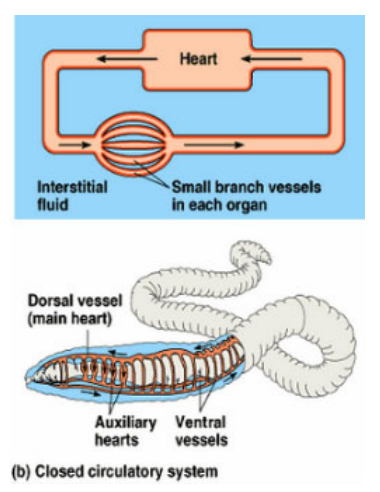
circulation: closed system
respiration: across skin + parapodia
Excretion
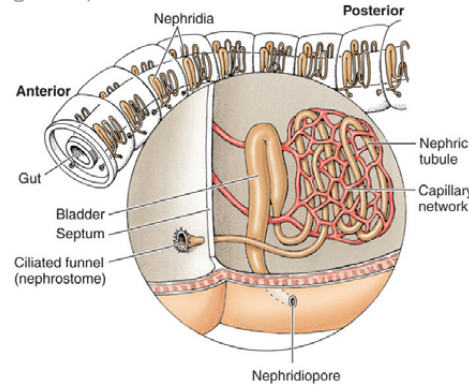
nephridia in each segment; funnel pulls water in, tubules reabsorb water, empties out nephridiopore
Nervous System
cerebral ganglia connects to ventral nerve cord; giant axons increase signal speed
Sense Organs
eyes and statocysts
palps and antennae
Parapodia
for movement or anchors
Peristalsis
circular & longitudinal muscles, setae anchors
Undulation
longitudinal muscles move to create wave-like motions
Reproduction
Asexual: budding (polychaetes)
Sexual: external fertilization; hermaphroditic
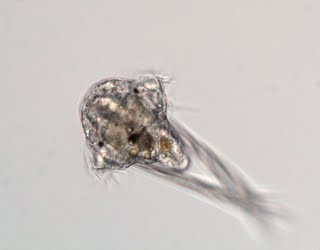
Early larvae = trocophore
Class Clitellata
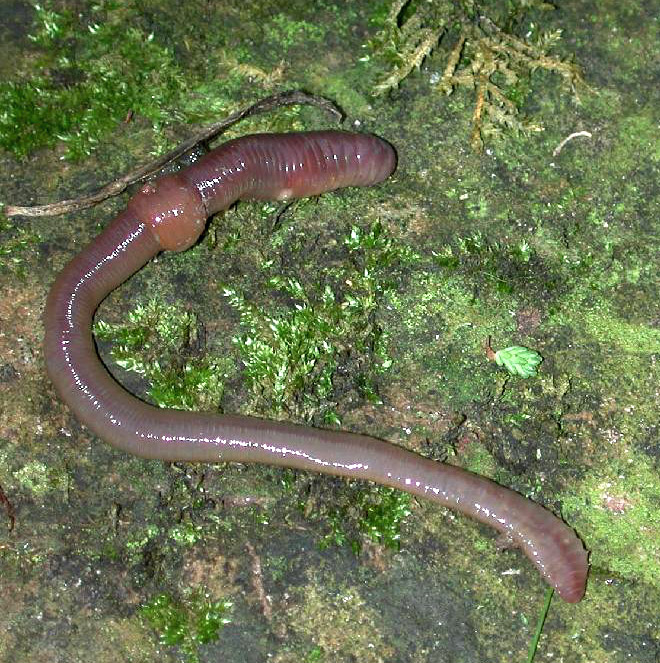
Oligochaetes (earthworms) & Hirudinea (leeches)
Oligochaetes Basic Info
~5000 species, moist habitats, setae, less developed head structures, hermaphroditic,
Class Clitellata; clitellum = makes cocoon for development
Oligochaetes Digestion
detrivores; crop stores food, gizzard grinds, intestine absorbs
Setae
bristles moved by tiny muscles, used as anchors
longitudinal muscles contract + segments widen = setae moves
Oligochaetes Reproduction
align in opposite directions, ventral surfaces together
exchange sperm
after, clitellum secretes cocoon
cocoon passes forward w/eggs + sperm poured in
external fertilization in cocoon that is shed
young worms emerge (no trochophore)
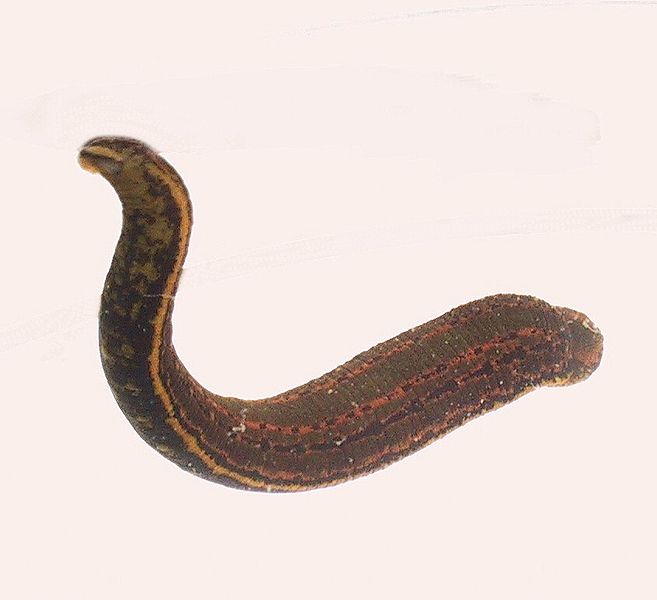
Hirudinea Basic Info
Class Clitellata, leeches
no setae, anterior + posterior suckers, freshwater, clitellum only during reproduction
Hirudinea Nutrition
ectoparasites (blood), secretes anticoagulant in saliva
Hirudinea Reproduction
sperm transferred by penis/hypodermic impregnation
temporary clitellum; secretes cocoon then buried in mud
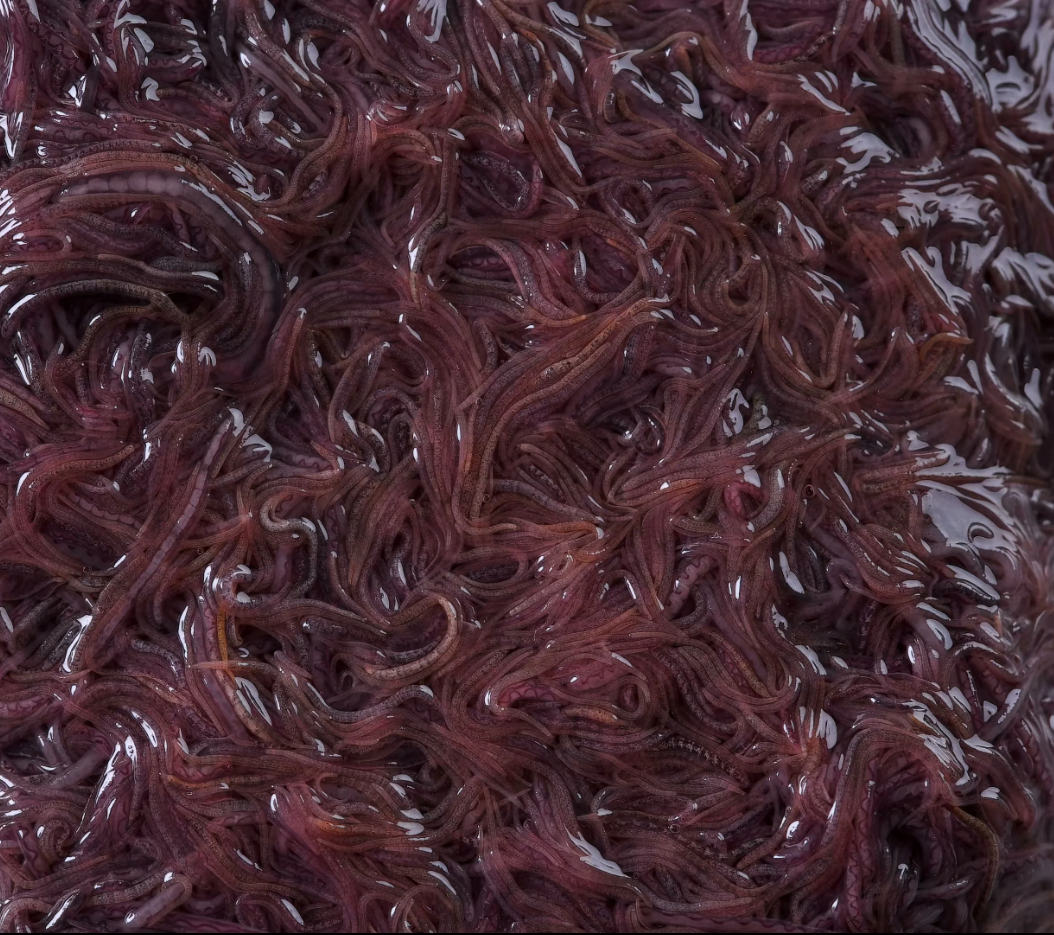
Tubifex Worms/Sludgeworms
oligochaetes; live in sludge and looks like sludge
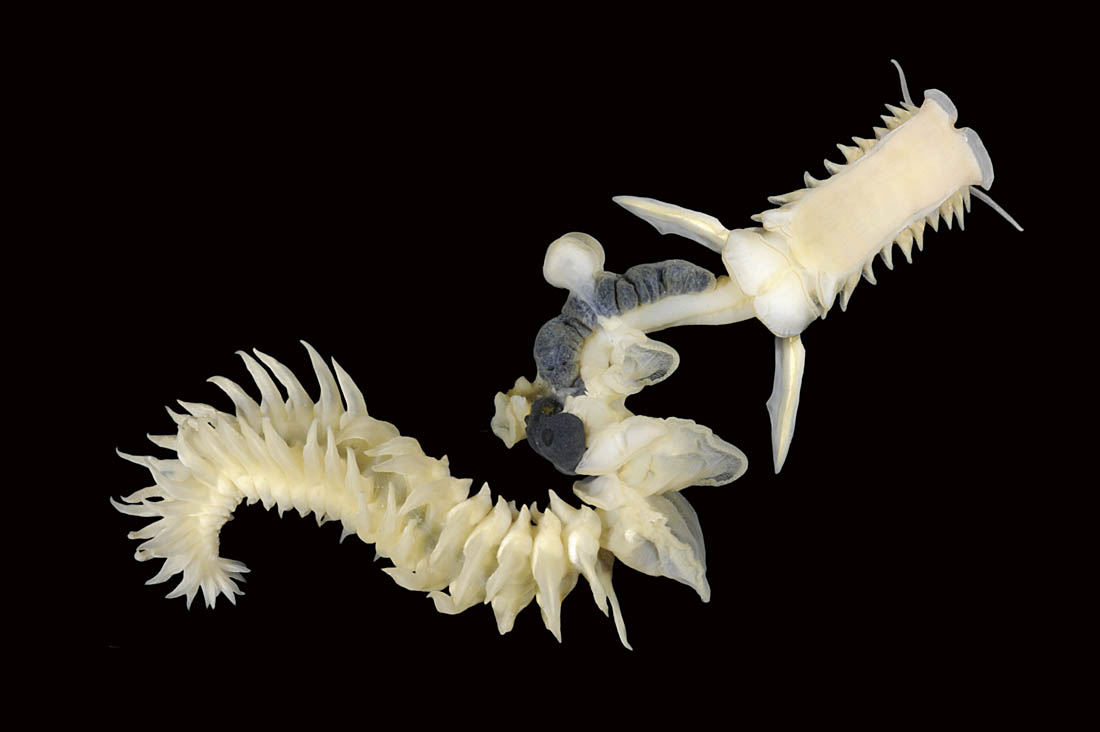
Marine Polychaetes Basic Info
differentiated head & sense organs, parapodia (setae in bundles)
mobile/errant = predators
sedentary = ciliary feeders
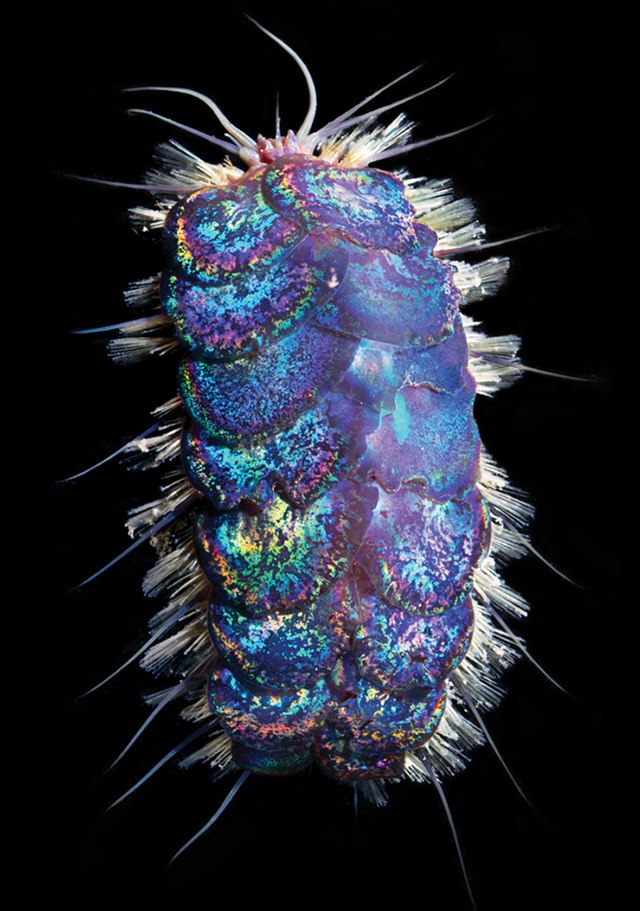
scale worms
mobile/errant polychaetes; flattened bodies covered w/broad scales
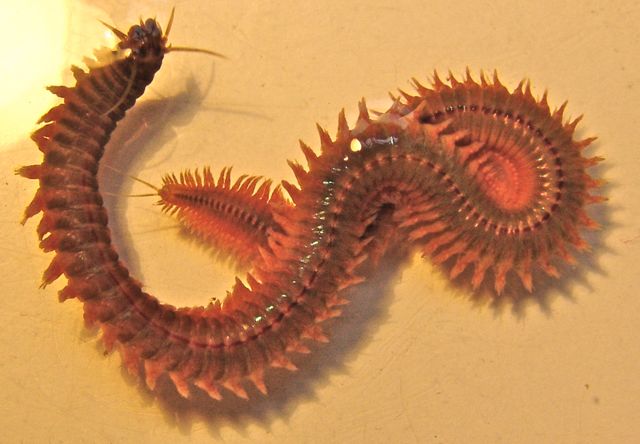
clamworms
mobile/errant polychaetes; most abundant
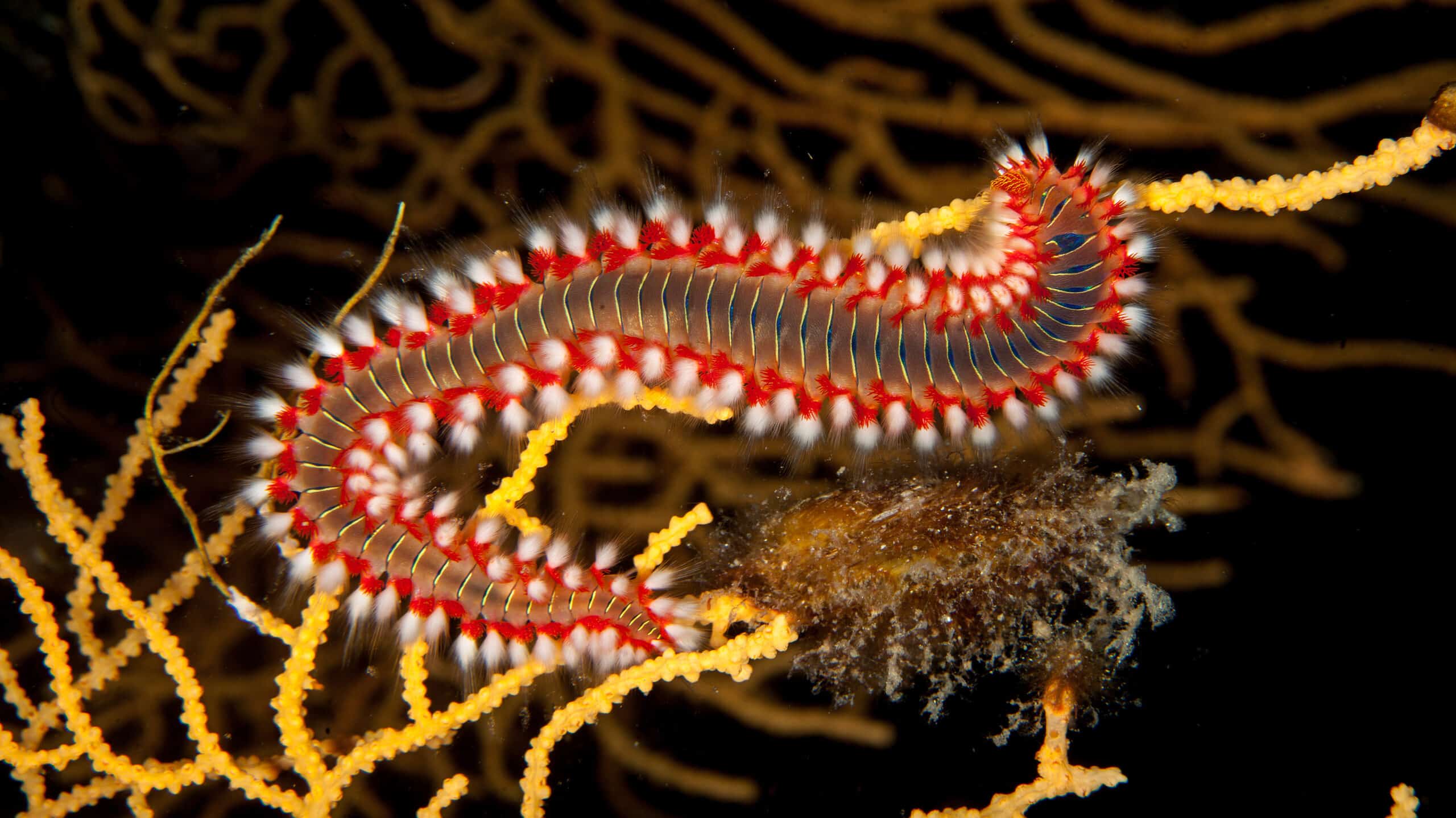
fireworms
mobile/errant polychaetes; hollow, brittle setae w/poisonous neurotoxin (feels like fire), feed on cnidarians
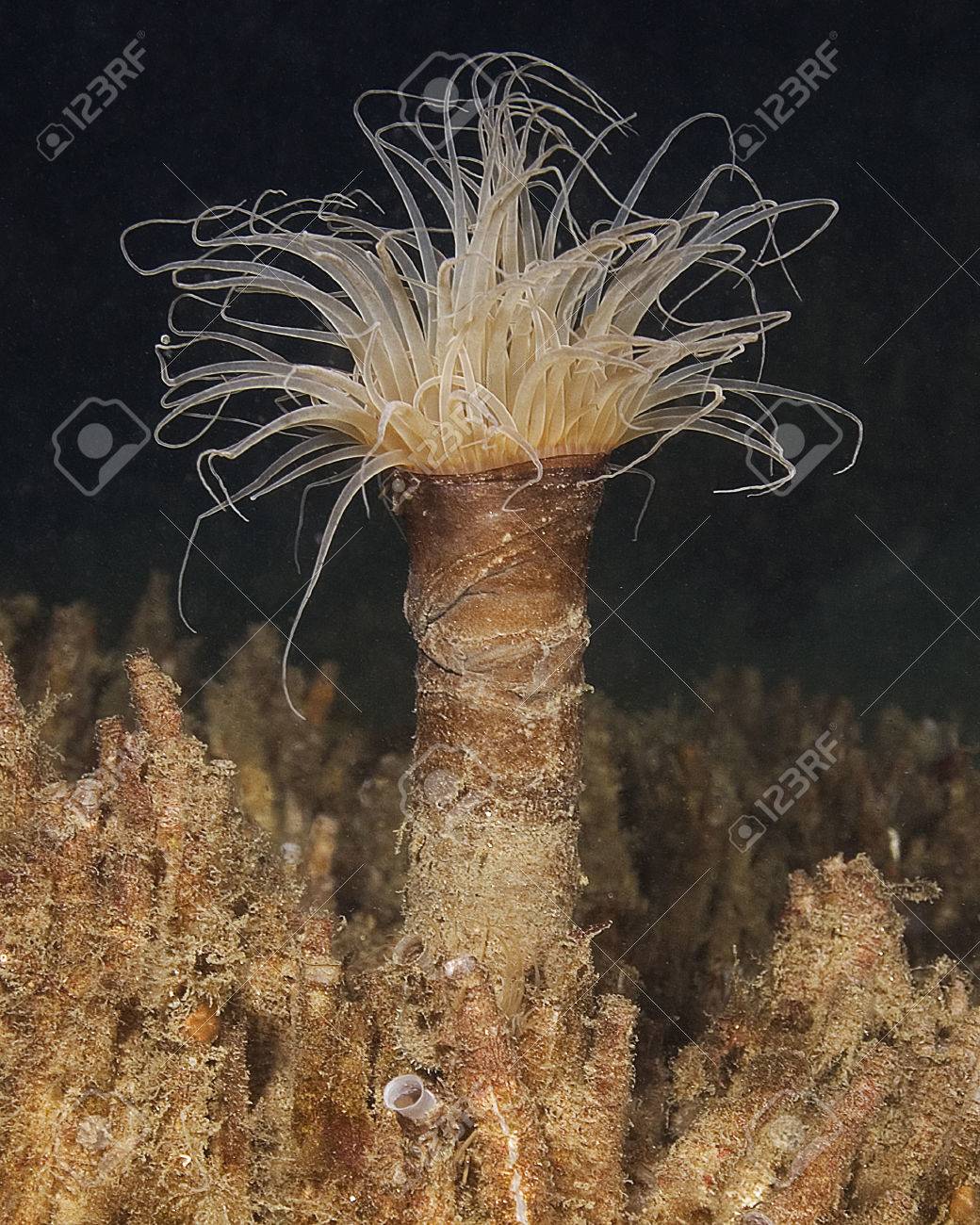
tube worms
sedentary polychaetes; burrow, use cilia + mucus to feed, tubes stabilize ecosystem
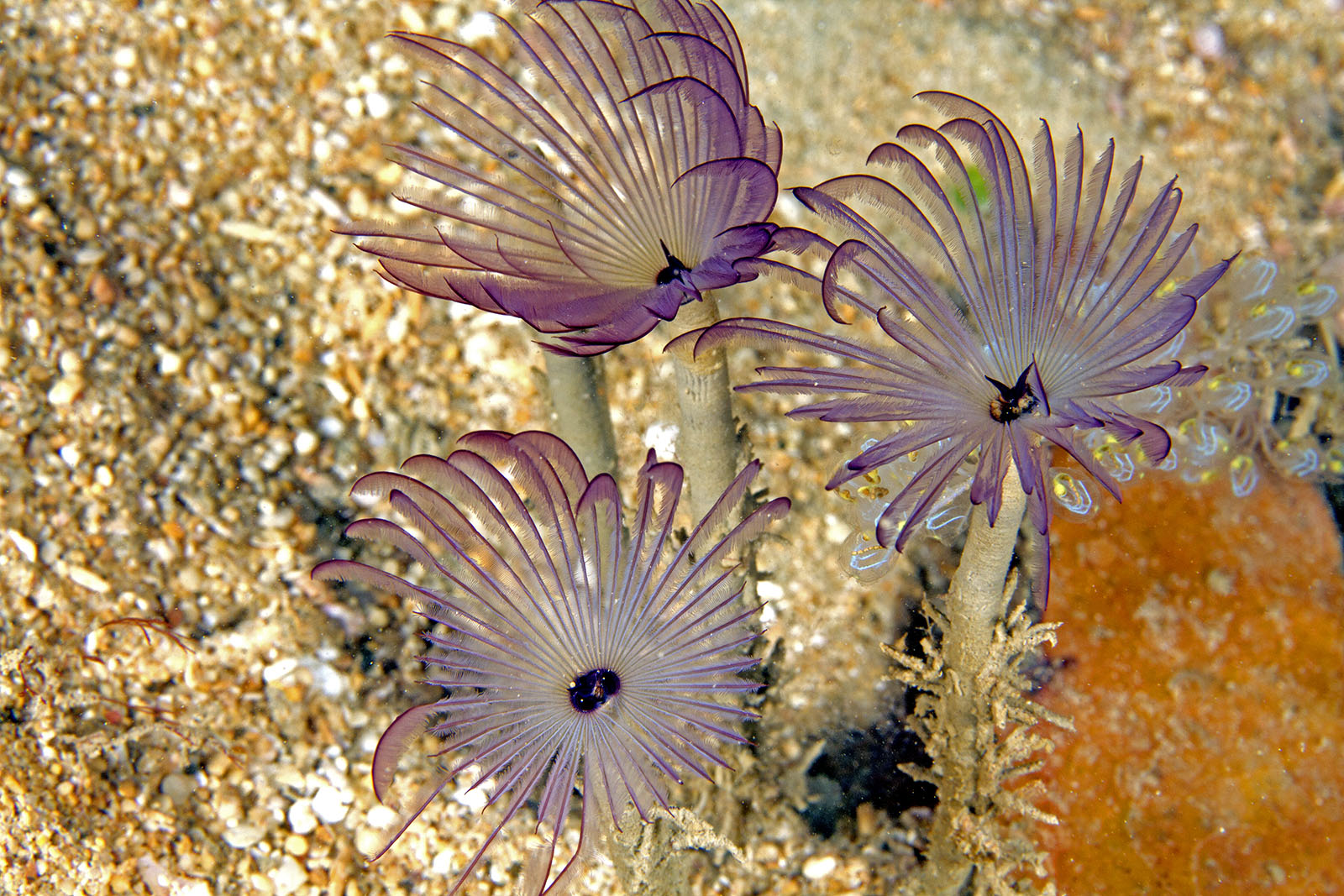
fan worms
sedentary polychaetes; use cilia or tenties to feed
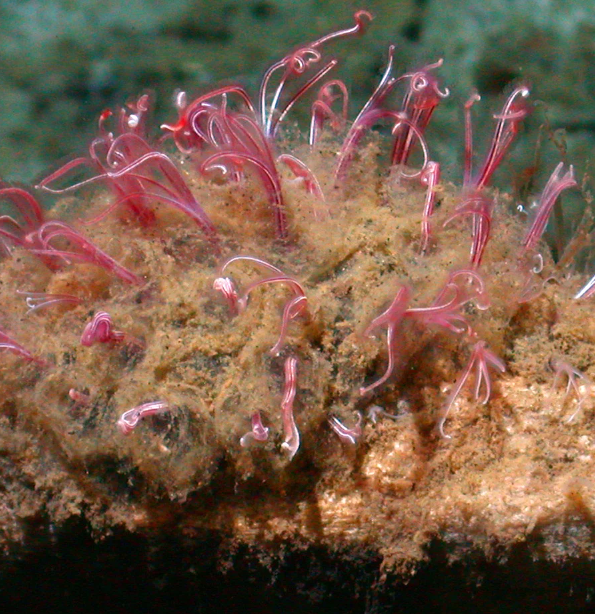
zombie (bone-eating) worms
sedentary polychaetes; found in whale falls, feeds on carcass
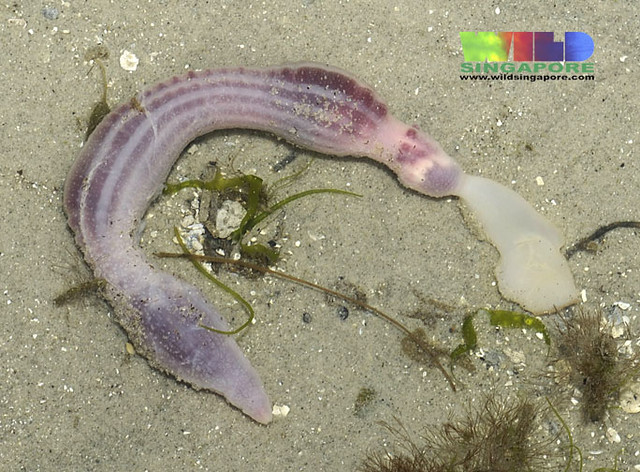
spoonworms
~140 species of marine worms, burrows in shells or rocky crevices, loss of segmentation, ciliated groove on proboscis, feeds on detritus
parchment worms
parchment-like tube, pulls water in and filter feeds
peanut worms
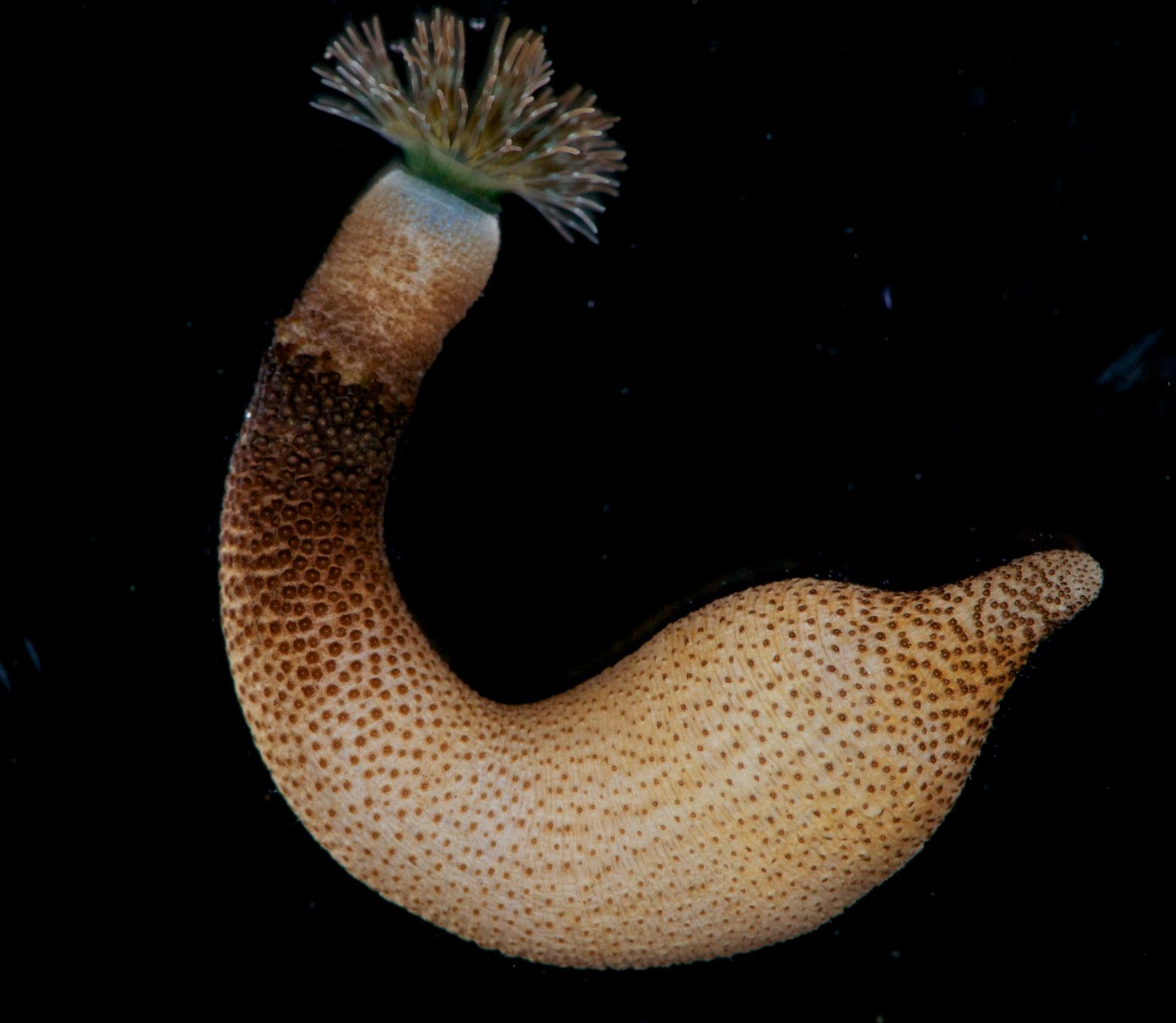
~250 species of benthic marine worms, sedentary, live in burrows/shells/coral, no segmentation or setae, retractable proboscis, trochophore larvae