France: Notable Religious Figures, Theologians, Philosophers, and Lawyers
 Call Kai
 Learn
Learn Practice Test
 Spaced Repetition
 Match
Match Flashcards
 Knowt Play
1/78

There's no tags or description
Looks like no tags are added yet.
Name | Mastery | Learn | Test | Matching | Spaced | Call with Kai | Chat |
|---|
No analytics yet
Send a link to your students to track their progress
79 Terms
1000s - 1088 - Berengar of Tours (All Facts)
French Catholic Theologian
He famously argued that reason could justify the contravention of authority
He denied the doctrine of transubstantiation, but was forced to recant his denial
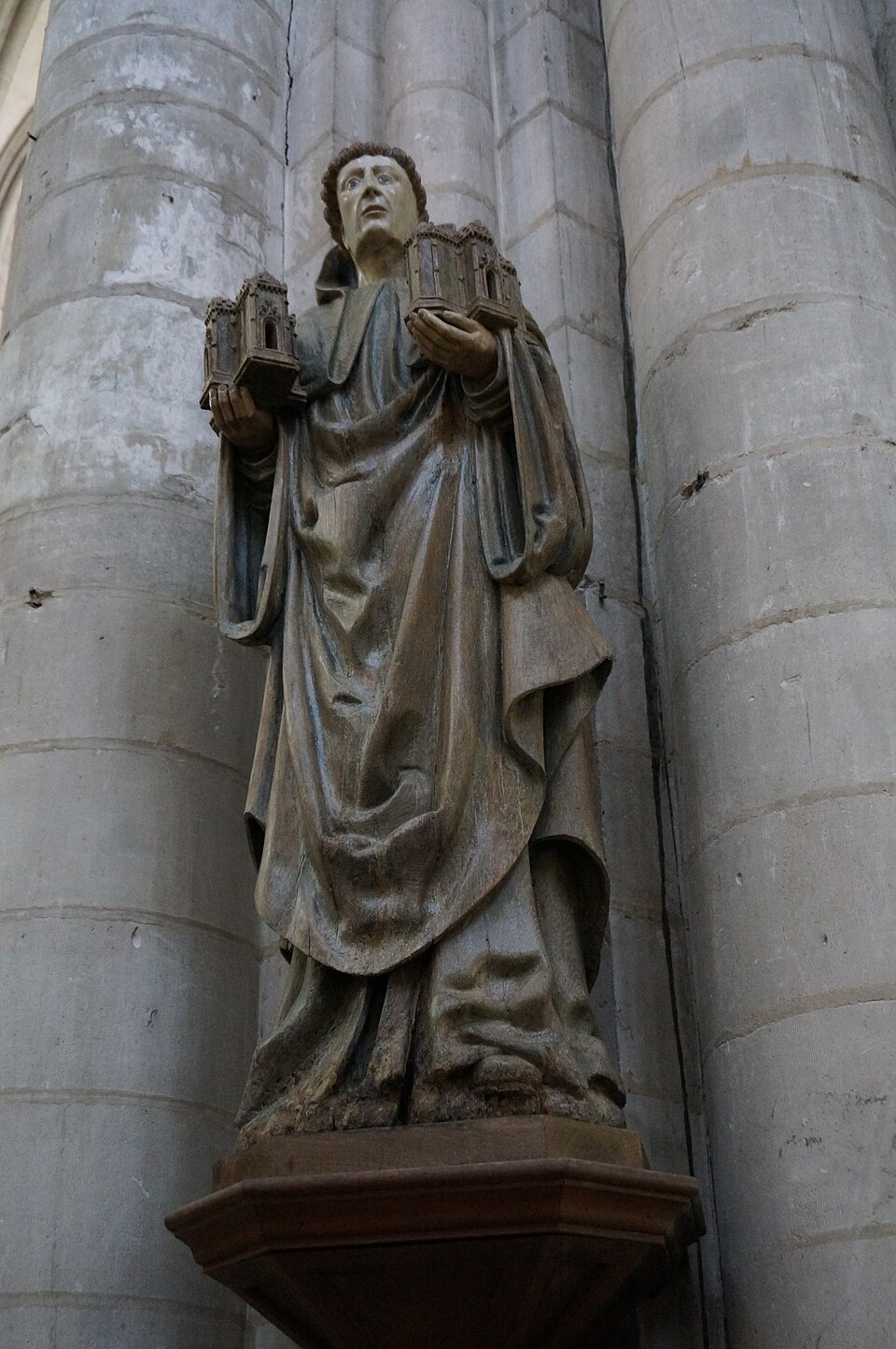
1028 - 1111 - St. Robert of Molesme (All Facts)
Leader of the monks who founded Citeaux Abbey
1050 - 1120 - Roscellinus (All Facts)
French Philosopher and Theologian
He is the founder of “Nominalism”
He was forced to recant his denial of the Trinity in the Synod of Soissons
1050 - 1120 - Roscellinus: Nominalism (All Facts)
Philosophical tenet which held that the qualities we ascribe to objects, like color, do not exist in reality but are just the product of thought or language
1079 - 1142 - Peter Abelard (All Facts)
French Philosopher and Theologian
He was one of the most famous French philosophers and teachers
He advocated for reason as a source of truth
He was condemned for heresy by the Council of Sens (Soissons)
He was condemned for more than just his theological differences and nominalist ideas
He appealed to the pope, but his decision was not overturned
He was widely loved by his students for his brilliance and willingness to attack orthodox Christian leaders
His personal life was controversial yet fascinating
He fell in love with Heloise, a female student of his 20 years younger than him and fathered her child
Heloise’s uncle, a canon of Notre Dame Cathedral, had the namesake castrated in revenge
In response, he went into the monastery of St. Denis, while Heloise became a nun, where she became the abbess of the convent of the Paraclete
Their love survived as a spiritual passion, where he wrote regular letters to Heloise who was “once his wife, now his sister in Christ”
1081 - 1151 - Suger (All Facts)
He rebuilt the choir and westwork of the Basilica of St. Denis
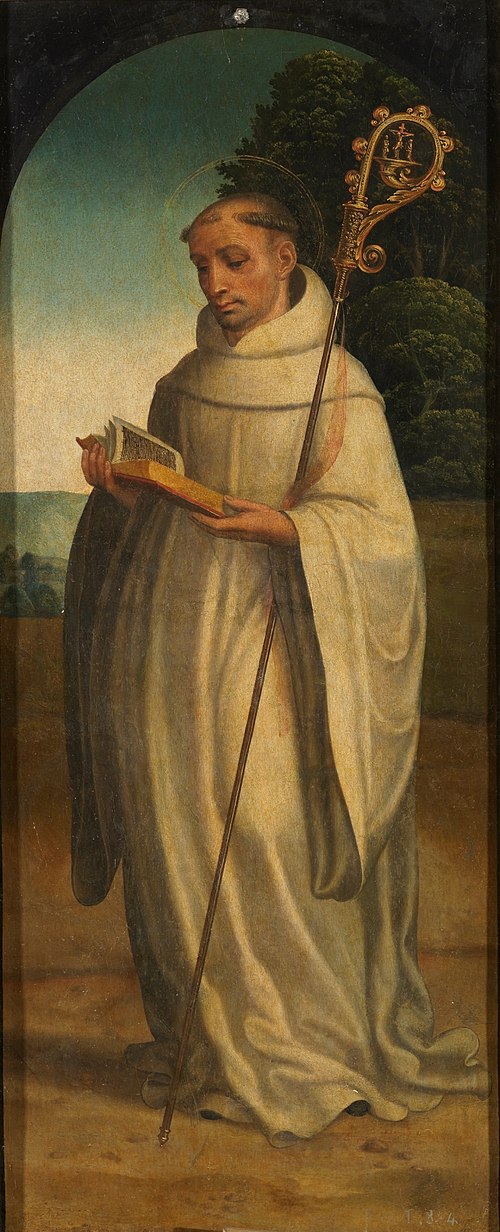
1090 - 1153 - St. Bernard of Clairvaux (All Facts)
Wrote up his namesake monastic “rule” (code) which guided both the Cistercian Order (which he founded) and Knights Templar (which he co-founded)
Founder of Clairvaux Abbey, the third daughter monastery of the Cistercian Order
He was abbot of Clairvaux Abbey until his death
He achieved recognition of the Order of the Knights Templar and drafted its rules
He presided over the Council of Troyes, which had institutionalized the order of the “Knights Templar” via approval of Pope Honorius II
He presided over the Council of Sens, which had condemned Peter Abelard as a heretic
He persuaded bishops to support the heresy charge
Peter Abelard had hoped to make a laughing stock out of him in theological debate
Abelard was accused of heresy like a criminal and refused to say anything as a result
He believed Abelard’s ideas were dangerous
He strongly encouraged mysticism and contemplation in opposition to the scholasticism prevalent in Western Christendom
His teaching put great emphasis on a severe life style, with the purpose of achieving spiritual marriage with God
During the Anacletus Schism, he supported Pope Innocent II, who himself favored the monastic party
He preached for the Second Crusade
He was a Burgundian nobleman
When his mother, of whom he was very fond, died when he was only 17, he decided to become a monk
He then joined the Cistercian Order where he set up the Clairvaux Abbey
He once wrote, “Believe one who has proved it, you will find among the woods something you never found in books. Stones and trees will teach you a lesson you never heard from masters in the school. Think you that honey cannot be drawn from the rock, and oil from the hardest stone? Do not the mountains drop sweetness, and the hills flow with milk and honey?”
He died at Clairvaux Abbey
1101 - 1163 - Heloise (All Facts)
French Philosopher and Abbess
Her personal life was controversial yet fascinating
She fell in love with Peter Abelard, her teacher that was 20 years older than him and who had fathered her child
Her uncle, a canon of Notre Dame Cathedral, had Abelard castrated in revenge
In response, Abelard went into the monastery of St. Denis, while she became a nun, where she became the abbess of the convent of the Paraclete
Their love survived as a spiritual passion, where Abelard wrote regular letters to her who was “once his wife, now his sister in Christ”
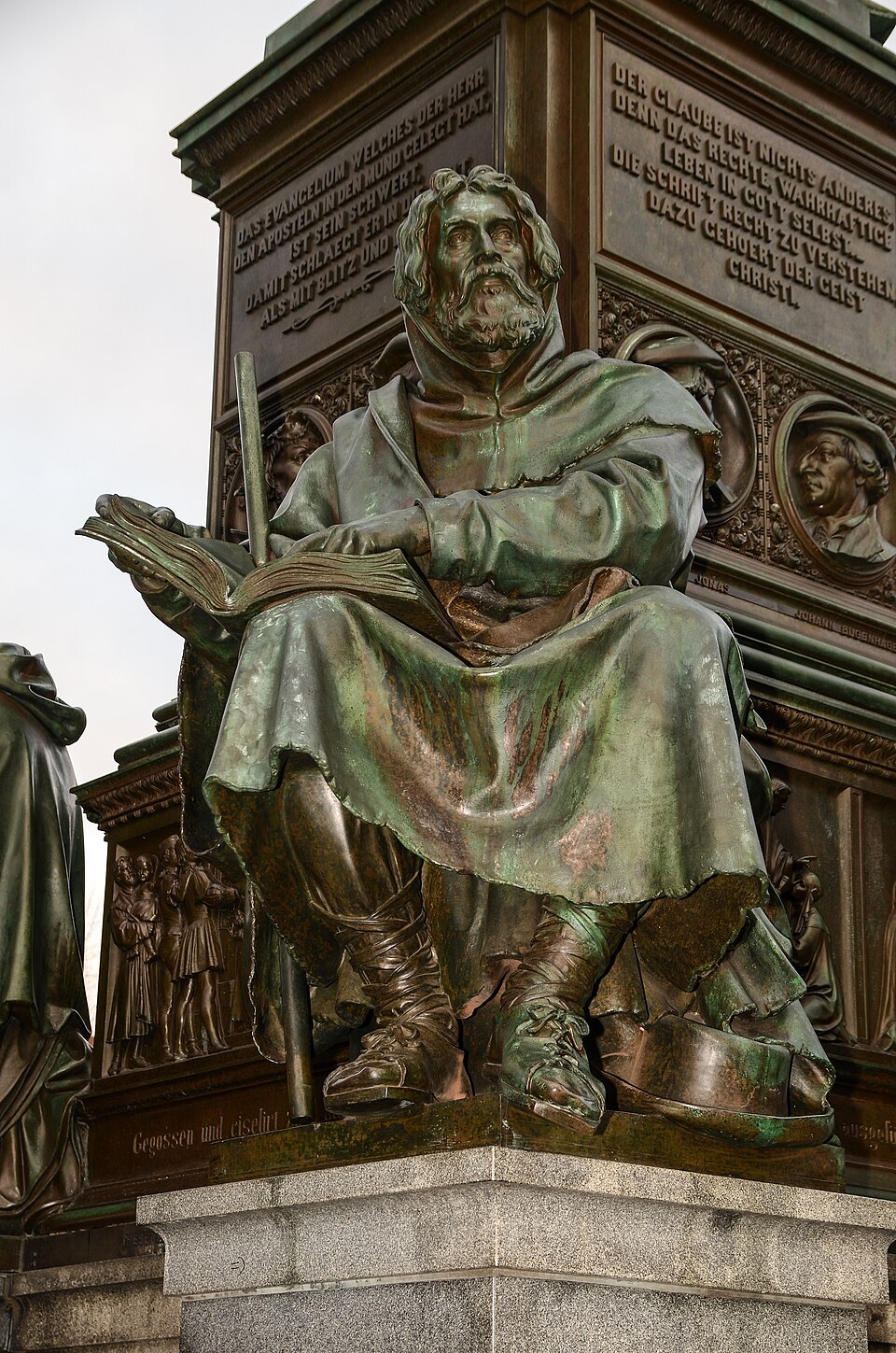
1140 - 1205 - Peter Waldo / Pierre Valdes (All Facts)
Moneylender from Lyons, France
He converted to Christianity and began his namesake movement
This occurred due to his having been overcome with emotion on hearing a local storyteller talking about the death of St. Alexis
He decided to take Jesus’s words “Go sell what thou hast and give to the poor” literally
He provided for his family and then used the rest of his wealth for bread and soup for the poor
His money ran out eventually
His example, however, attracted a constant flow of other rich converts, through which he continued his work
As a result, the poor were pleased but the Church feared for its authority
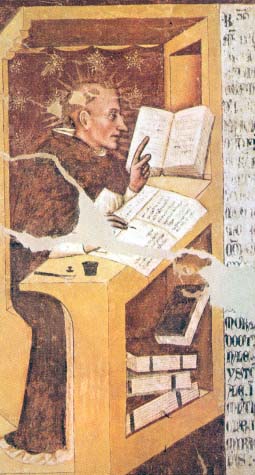
1184 - 1264 - Vincent de Beauvais (All Facts)
French Dominican Cistercian Friar and Encyclopedist
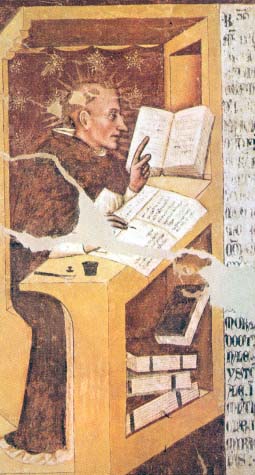
1184 - 1264 - Vincent de Beauvais: Speculum Maius / Great Mirror (All Facts)
Summary of the scientific and philosophical views of the major scholastic writers unequaled in length until the 1700s
1201 - 1274 - Robert de Sorbon (All Facts)
French Theologian
He served as the chaplain of King Louis IX of France
He founded his namesake college for students of theology within the University of Paris
1250 - 1297 - Bertrand de Got (All Facts)
French Archbishop of Bordeaux who became Pope Clement V
1292 - 1312 - Jacques de Molay (All Facts)
Final Grand Master of the Order of the Knights Templar
At one moment, he was the pallbearer at the funeral of the wife of King Philip IV’s brother
When he decided to have a meeting with Pope Clement V to discuss a new crusade, Philip IV acted immediately
At the next moment, he was tortured in prison by King Philip IV’s officers
1250 - 1313 - Jean Lemoine (All Facts)
French Lawyer and papal legate
He was a representative of King Philip IV of France
He is best known for having introduced the concept of the “Presumption of Innocence” to the world
1275 - 1334 - Durandus of Saint-Pourçain (All Facts)
French Dominican Philosopher, Theologian, and Bishop
He preached the value of discarding unnecessary intellectual baggage
In other words, “Occam’s Razor” should be attributed to the namesake instead of Ockham
1301 - 1359 - Jean Buridan (All Facts)
French Philosopher (of Science)
He developed the concept of impetus, the first step toward the modern concept of inertia and an important development in the history of medieval science
1325 - 1382 - Nicolas Oresme (All Facts)
French Cleric and Preacher
He studied theology at the University of Paris
He became chaplain to King Charles V of France after various appointments in the Church
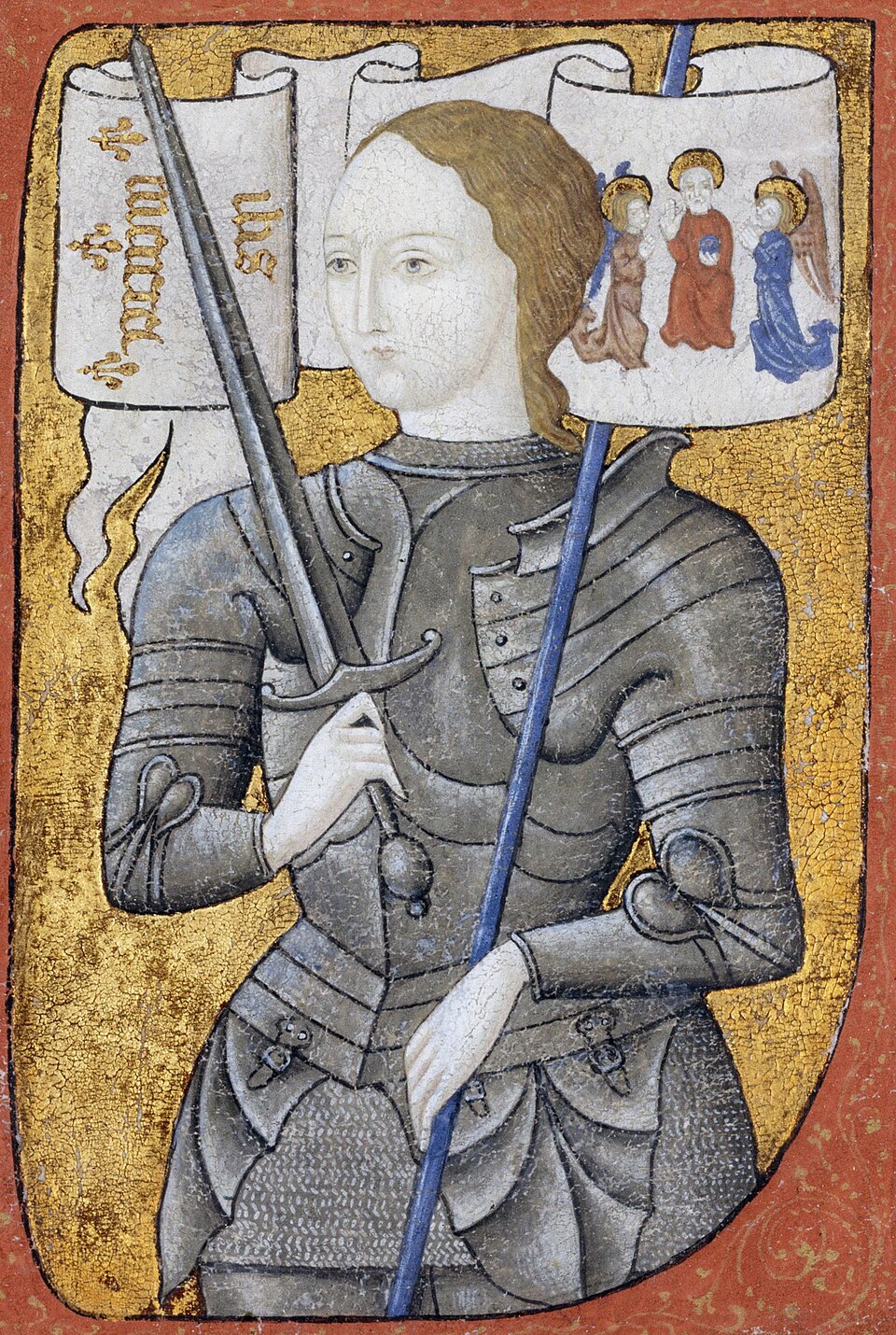
1412 - 1431 - St. Joan of Arc (All Facts)
Patron Saint of France
Voices had told her that it was the will of heaven that the English should be thrown out of France and that she was in some way to be instrumental in their eviction
She insisted that Charles VII be appointed King of France to the point where she told the dauphin that he must be anointed with holy oil at Rheims and that after that the English would not be able to stand against him
She succeeded in reaching the dauphin near Tours and convinced him of her devoutness and sincerity
In a full suit of armor, this young peasant girl prayed as her victorious army celebrated their defeat of the besieging English in the Siege of Orleans during the Hundred Years’ War
She was proclaimed the heroine of Orleans and many saw her as an inspired leader, a saint, and/or a mascot of the French people at the time
When confronted by Bishop Cauchon and the English-allied Burgundian Party, she conducted her own defense and stressed her purity and devotion to France, but to no avail
The English-allied Burgundian bishops sentenced her to life imprisonment
When she continued to wear men’s clothes (possibly because that was all she was given while in prison), this was taken as evidence of her relapse and she was condemned to the stake
She was tried and convicted as a witch, due to her having cross-dressed
She spent over a year of suffering from inquisition, torture, and imprisonment
When taken to the stake in the market square of Rouen in France she was once again condemned and executed by being burnt to death
She asked for a cross to be held before her to see through the flames
Her last word was “Jesus”
Even in her own time, most did not doubt that this was a politically motivated trial and execution by the English-allied Burgundians fighting off the French-allied Armagnacs during the Armagnac-Burgundian Civil War
1420 - 1432 - Pierre Cauchon (All Facts)
French Catholic prelate who served as Bishop of Beauvais
He was a partisan of Burgundian and English interests in France during the latter years of the Hundred Years' War
He served as judge in the trial of Joan of Arc, which he conducted in secret according to the rites of the Inquisition
In this trial, he found her guilty of heresy, and played a key role in her execution
The Roman Catholic Church officially reversed his decision after his death
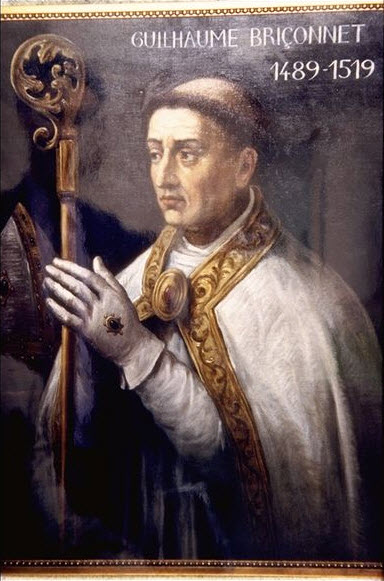
1472 - 1534 - Guillaume Briconnet (All Facts)
Bishop of Meaux
He established a (humanist) school of reforming churchmen
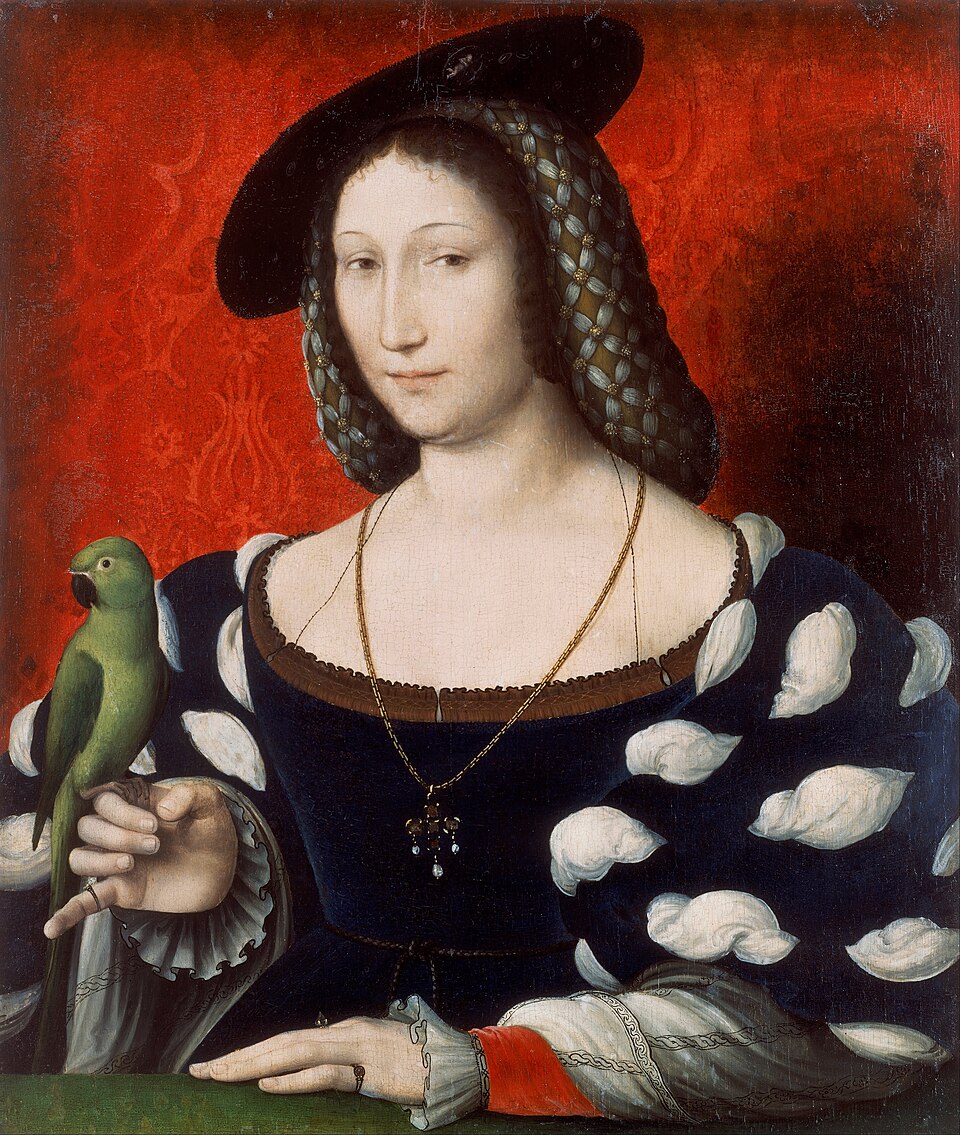
1527 - 1549 - Margaret of Navarre (All Facts)
Queen of the namesake kingdom and sister of King Francis of France
She was an advocate of religious liberty, who gave shelter to clerics who questioned their church at the Chateau de Nerac
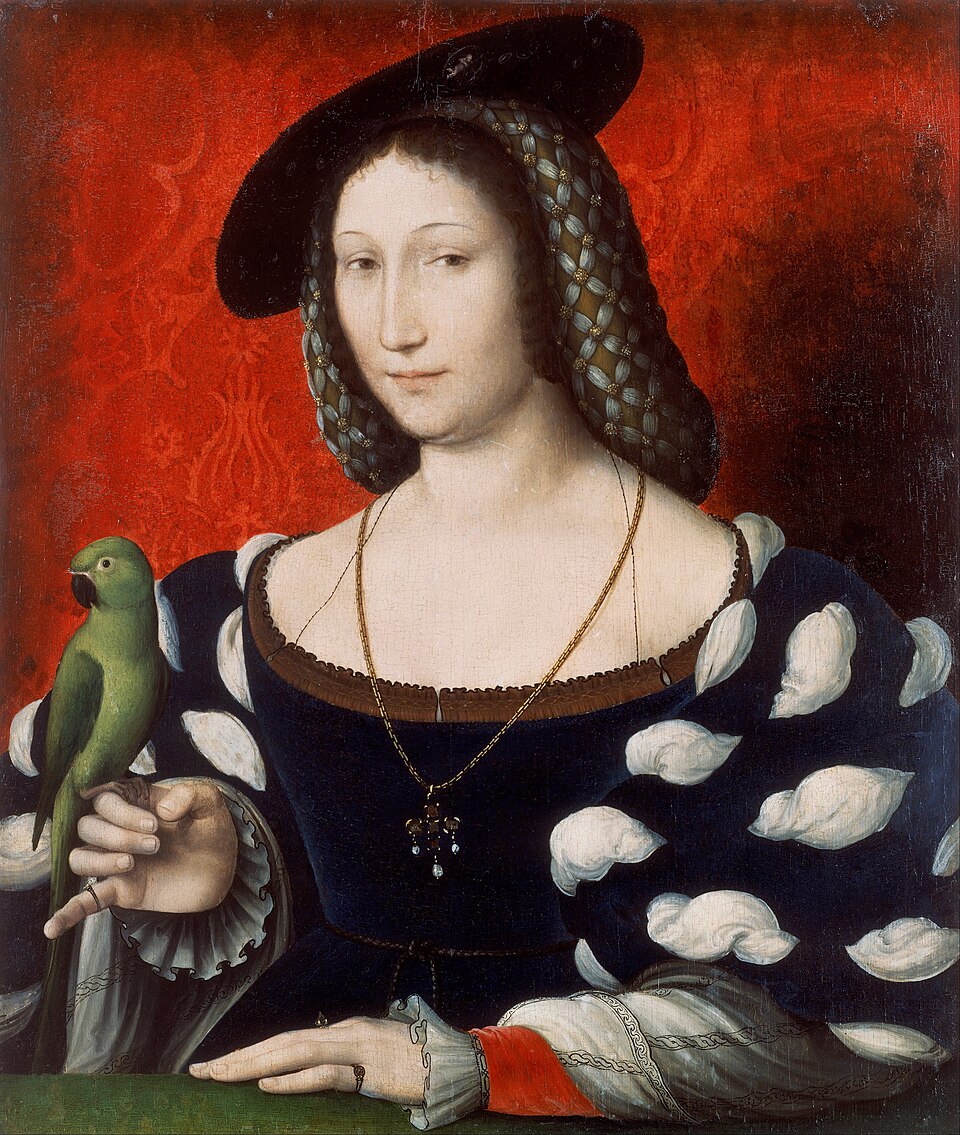
1531 - Margaret of Navarre: Mirror of the Sinful Soul (All Facts)
Poem published as a spiritual handbook
Poem which was considered heretical by the French Church
1495 - 1558 - Marcos de Niza (All Facts)
French Franciscan Friar and Missionary
He led a Spanish expedition of which Moroccan slave Estevanico was a part and went on to find the fabled Seven Golden Cities of Cibola
However, the village did not contain gold and the Zuni inhabitants there, those that killed Estevanico, lived in extreme poverty
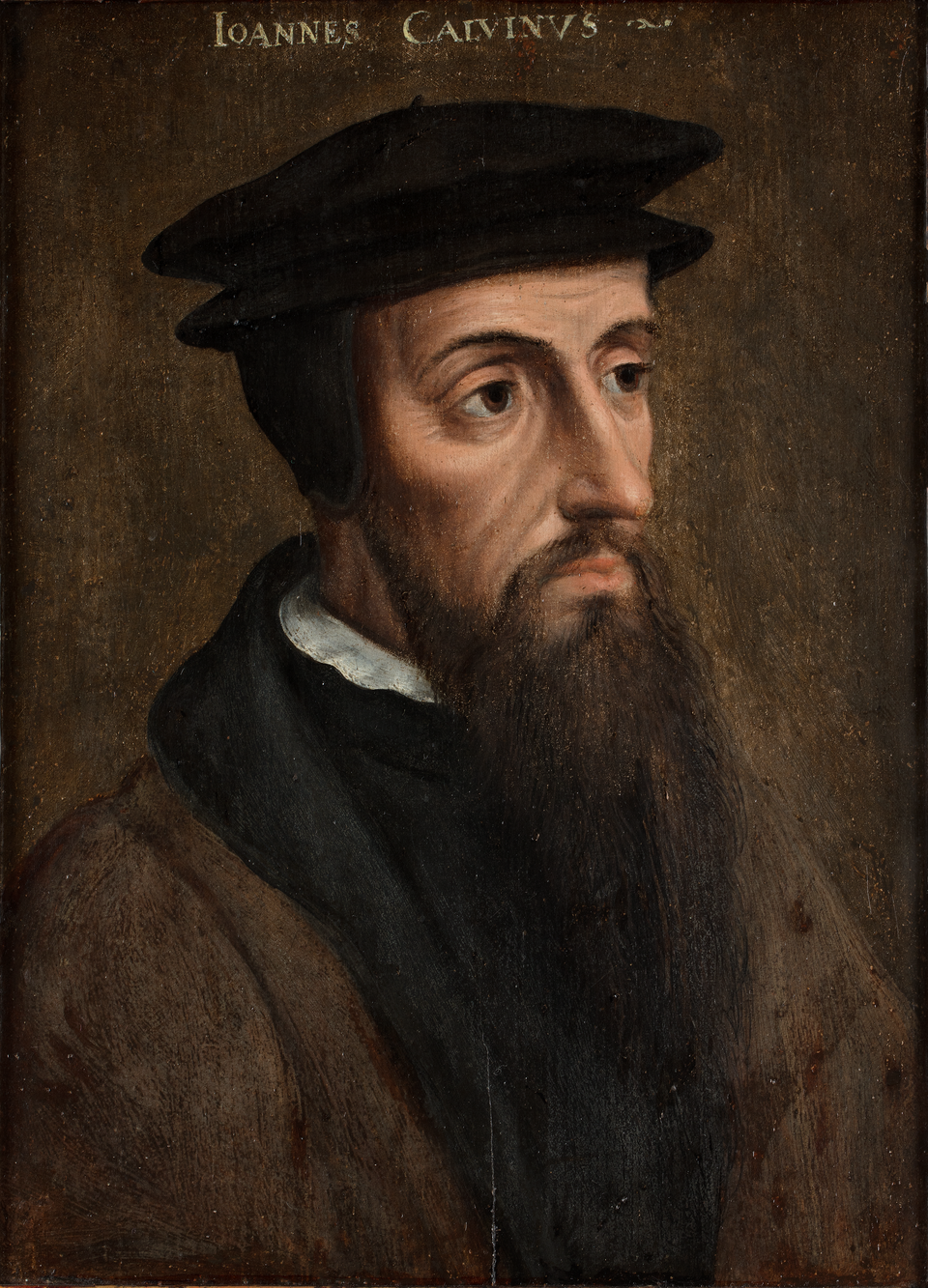
1509 - 1564 - John Calvin (All Facts)
Father of his namesake Protestant ideology and movement
His name lends itself to the founding of his namesake Church movement and founding academy at the University of Geneva in Switzerland
French Protestant Reformer, Theologian, and Pastor
He was a convert to Protestantism, inspired by Martin Luther and his ideas
He published his works and spread his ideas in Geneva in Switzerland, given
the ardent Catholicism of his native France
Geneva’s being a citadel of the Reformed Church at the time
Geneva’s opportunities for him to preach there, emphasizing his own zeal for reform
He was initially expelled from Geneva, though, prior to their accepting the full force of the Protestant Reformation
He joined William Farel in demanding that every citizen swear to the Confession of Faith, on pain of banishment
However, the council rejected this reform and he and Farel were banished once again
He became Geneva’s religious leader after initially being banned a religious extremist
He was recalled to Geneva in Switzerland after his being expelled there
When recalled to Geneva, he implemented his original scheme for the creation of a godly government (with him at its head)
He recreated the city in the rigid image of his own Protestant orthodoxy
He was a lawyer (and son of a lawyer) and relished the practical details of government
He reached an agreement about the Eucharist with the followers of Ulrich Zwingli
He taught and influenced John Knox (founder of Scottish Presbyterianism)
He ordered the execution via burning at the stake of Michael Servetus
His decision was allegedly taken on religious grounds, however Servetus was considered the namesake’s rival and the namesake said he would deal with him harshly if (and when) he came to Geneva
He died in Geneva, wrapped in a coarse shroud and buried without an address or a hymn
His collected works were published posthumously
1536 - John Calvin: Institutes of the Christian Religion (All Facts)
Work in which the namesake author lays out a full statement of his beliefs, including his doctrine of predestination
It lays out the doctrine of predestination, that
God has already chosen the elect (those who will be saved and go to heaven)
nobody, however devout, can alter such a divine decree
what determines whether one is chosen or damned cannot be explained
only the immoral would dare question who is and is not predestined for salvation
It lays out the namesake author’s view of sin in which he argued that
man is an insignificant creature dominated by the taint of original sin which followed the expulsion from Eden
man, when left alone, is incapable of good and is no more than a prey for every temptation unless he devotes himself to the abject adoration of God
man can only live a proper life if he submits himself to divine omnipotence
Its essential dogma consisted of the omnipotence and omniscience of God
Unlike Martin Luther, who concentrated on man and his sins; this work turns its attention to God and His awesome power, in which God must be worshipped and shown fear
Work in which the namesake author argues that such devotion to God may not lead him to salvation (heaven), but should satisfy his need to adore a greater being than his lowly self
Work whose namesake author wrote with the aim of putting an end to the various strands of Protestantism
Work which the namesake author dedicated to King Francis of France
Work published during the namesake author’s stay in Strasbourg in Basel in Switzerland
1541 - John Calvin: Ecclesiastical Ordinances (All Facts)
Work in which the namesake author lays out the basis of Geneva’s government of both church and state
Work in which the namesake author, a religious zealot, recognizes that he cannot conceive of a government that is anything but subject to the religion of its citizens
Work in which the namesake author
denies that people have free will
believes in individual piety, thus every vestige of one’s life must be controlled
Work whose namesake subject
firmly states and clearly lays down what is right and what is wrong, demanding a strict moral order and unswerving religious conformism (in Geneva)
deals with the regulation of funerals and marriages
states that clergy are authorized to visit all parishes annually, to ensure that they are living properly Christian lives
created an improved city code
forbids
dancing
the wearing of slashed breeches
the use of folk remedies
many everyday pastimes
are to be administered by several groups of officials
who
are all appointed rather than elected
meet at the weekly consistory and examine the state of morals (in Geneva)
may summon and punish any alleged sinner
that include
pastors, who deal with religious orthodoxy
elders, who deal with public morals
doctors, who deal with secular and spiritual education
they are appointed, in turn, by the pastors
Work which stated that only the spiritual health of Geneva’s citizens ultimately mattered, as opposed to their physical health
Work which lays out that, within the Genevan Republic, the laws of church and state are virtually inseparable, in that
Citizenship depends on orthodoxy; whereas perfect orthodoxy includes absolute respect for the state
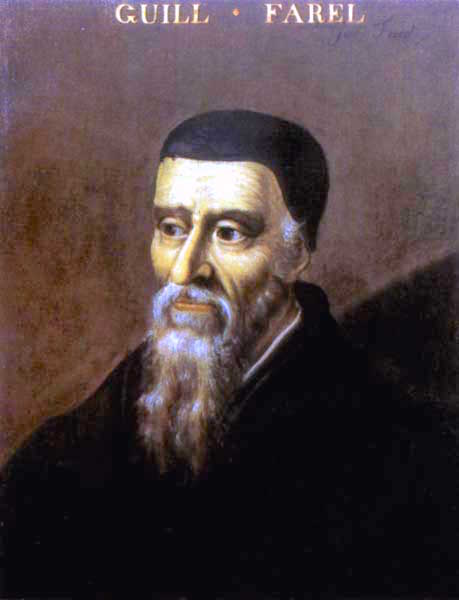
1489 - 1565 - William Farel (All Facts)
(French) Founder of Calvinism / the Calvinist Movement in Switzerland
French Protestant Reformer and Evangelist
He made up for his lack of learning with a fiery eloquence
He founded the Reformed Church (Calvinism) in (French) in Geneva in Switzerland
Until the Protestant Reformation was adopted in Geneva, he was compelled to leave the city for preaching his (Calvinist) views twice
After overcoming initial opposition from the Catholic hierarchy in Switzerland, he set about establishing Protestantism
The more the bishops attacked his preaching, the more the people flocked to hear it
His life’s work eventually contributed to and made possible the convention of the Grand Council of Geneva, which solemnly swore to live according to the word of God
He instituted the Swiss Reformation in Geneva when he returned there a third time after having been compelled to leave the city twice, and met at the city council in the cathedral where the Swiss Reformation was officially adopted
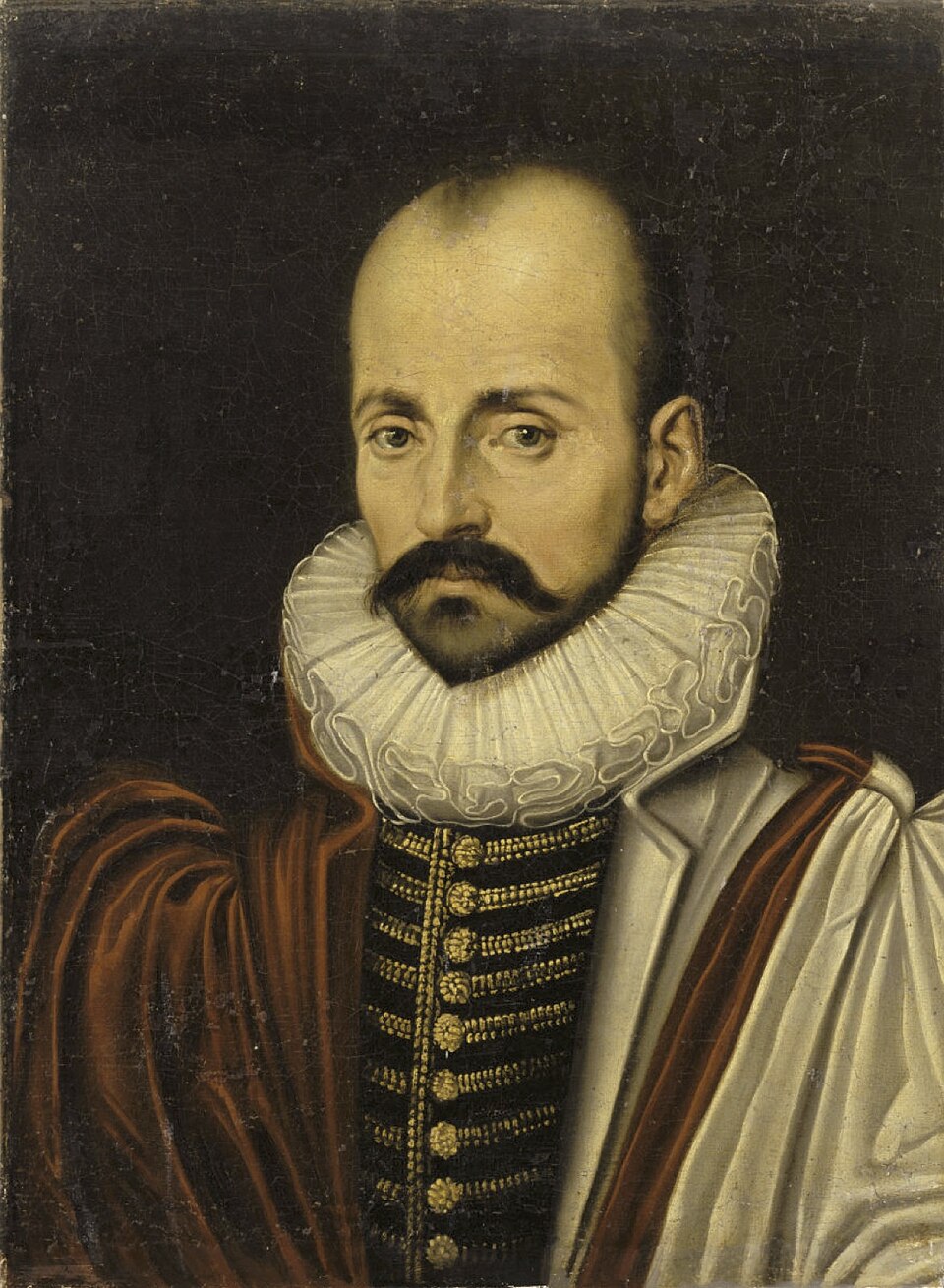
1533 - 1592 - Michel de Montaigne (All Facts)
French Renaissance Philosopher
He came from a family line of rich merchants
He studied law and was brought up to speak Latin as his first tongue
He became a member of the Bordeaux Parliament, where he eventually served two terms as mayor
After university, he was a magistrate in Bordeaux until he sold his parliamentary seat, a common practice, and retired to his estate in Perigord, where he composed his most famous work
He passed his time in his library, where he wrote down what he protested were the first thoughts to come into his head
He was deeply affected by the death of his friend Etienne de la Boetie, with whom he was linked by a “marriage of souls”
1580 - Michel de Montaigne: Essays (All Facts)
Work which describes the namesake author’s “Skepticism” - which led him to believe that all religion was an act of blind faith
Work which acquired an avid readership since its publication, with its readers having debated the namesake author’s concept of “Skepticism”
Work characterized by a serene, basically conservative skepticism and tolerance of human diversity which lay at the heart of the work
Work which covers life from sex to war
Work which concludes that wisdom begins with the study of oneself
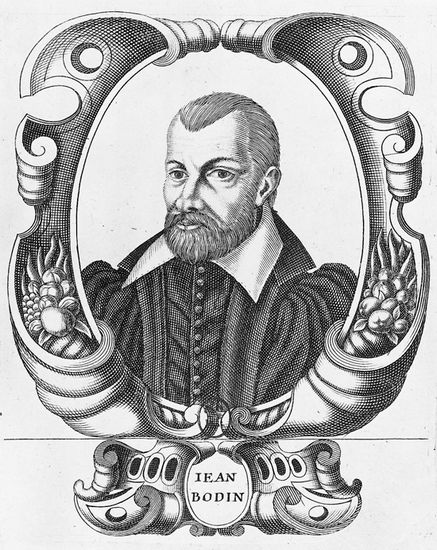
1530 - 1596 - Jean Bodin (All Facts)
French Renaissance Jurist, Political Philosopher, and Economist
He was one of France’s most influential theoreticians
He was a jurist for Angers
He argued that property and the family form the basis of society
He argued (forcefully) that there was a relationship between the influx of precious metals from the New World and the current rise in European prices
He argued that the relentless and dramatic rise in the cost of living, up to 1000% since the beginning of the 16th century, was due to the flood of gold and silver by Spain coming in from the New World
He pointed out that “the price of things 50 or 50 years ago was ten times less than at present” and, through research into the money supply, found that coinage in circulation went up by 60%, nearly all of it accounted for by New World silver and gold bullion
His theories challenged the conventional belief that food speculators and hoarders were to blame for price inflation by creating artificial scarcities
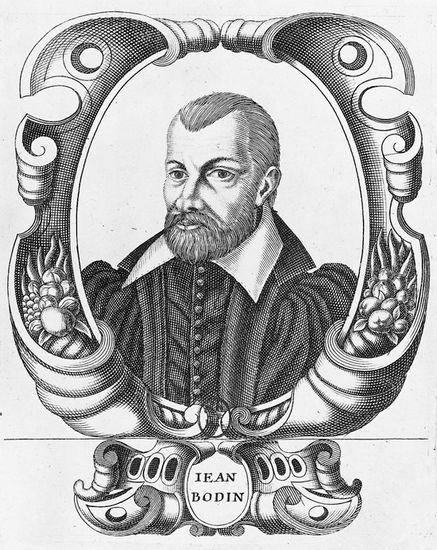
1568 - Jean Bodin: Paradoxes of Malestroit (All Facts)
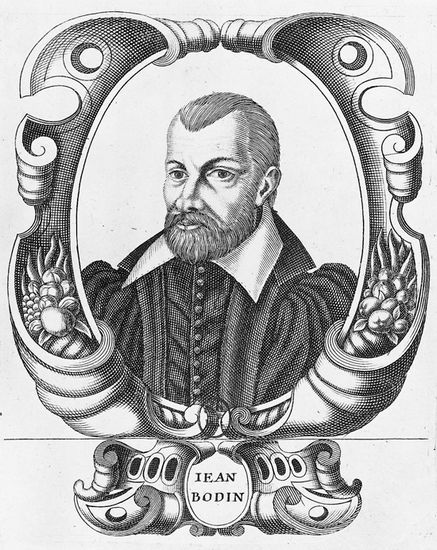
1576 - Jean Bodin: The Six Books of the Republic / Six Books of the Commonwealth (All Facts)
Work in which the namesake author argues for the view that the King of France should have absolute authority, as the Catholic Royalists had long claimed up to that point
Such notions of an absolute monarchy are elaborated on in this work
Work in which the namesake author
argues that the best government is absolute monarchy
argues that no state can expect to exist satisfactorily without one single authority formulating, judging, and enforcing the laws
quotes Aristotle and Justinian and claims that such authority can never be mixed, but has to be united in one person, the king
argues that, in the last resort, the king is responsible to God for carrying out his duties and administering justice fairly and responsibly
does not subscribe to the notion that kings are always appointed by God
was criticized for his ideas in that unscrupulous monarchs may attempt to misuse ideas and suggest that they have a divine right to rule
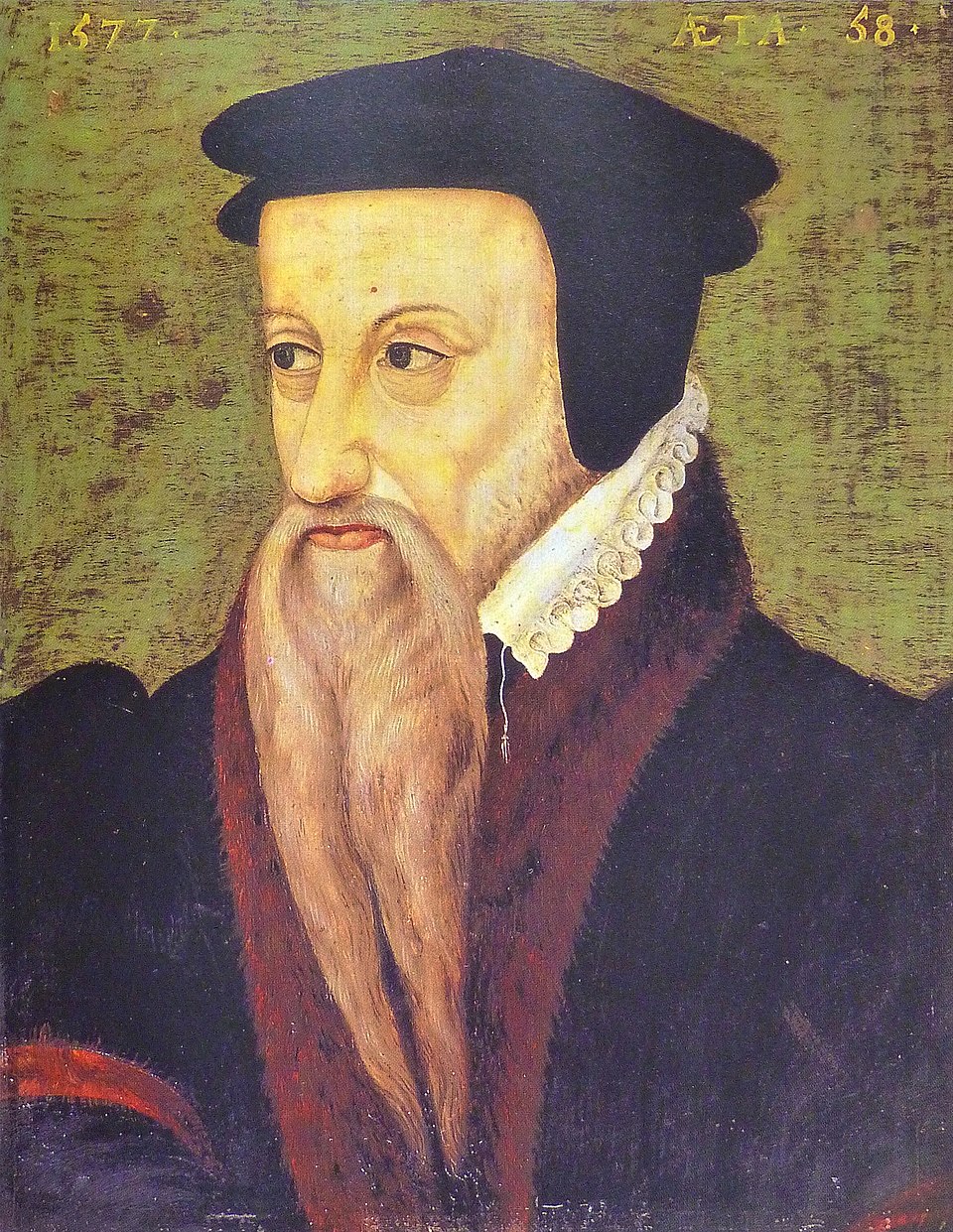
1519 - 1605 - Theodore Beza (All Facts)
French Calvinist Protestant (Huguenot) Reformer, Pastor, Theologian, and Writer
Co-Founder of the University of Geneva in Switzerland, an academy for the teaching of Calvinist theology
He succeeded John Calvin as rector of the Academy of Geneva
He represented the Huguenot position at the Colloquy of Poissy
He wrote poetry, histories, treatises, and pamphlets
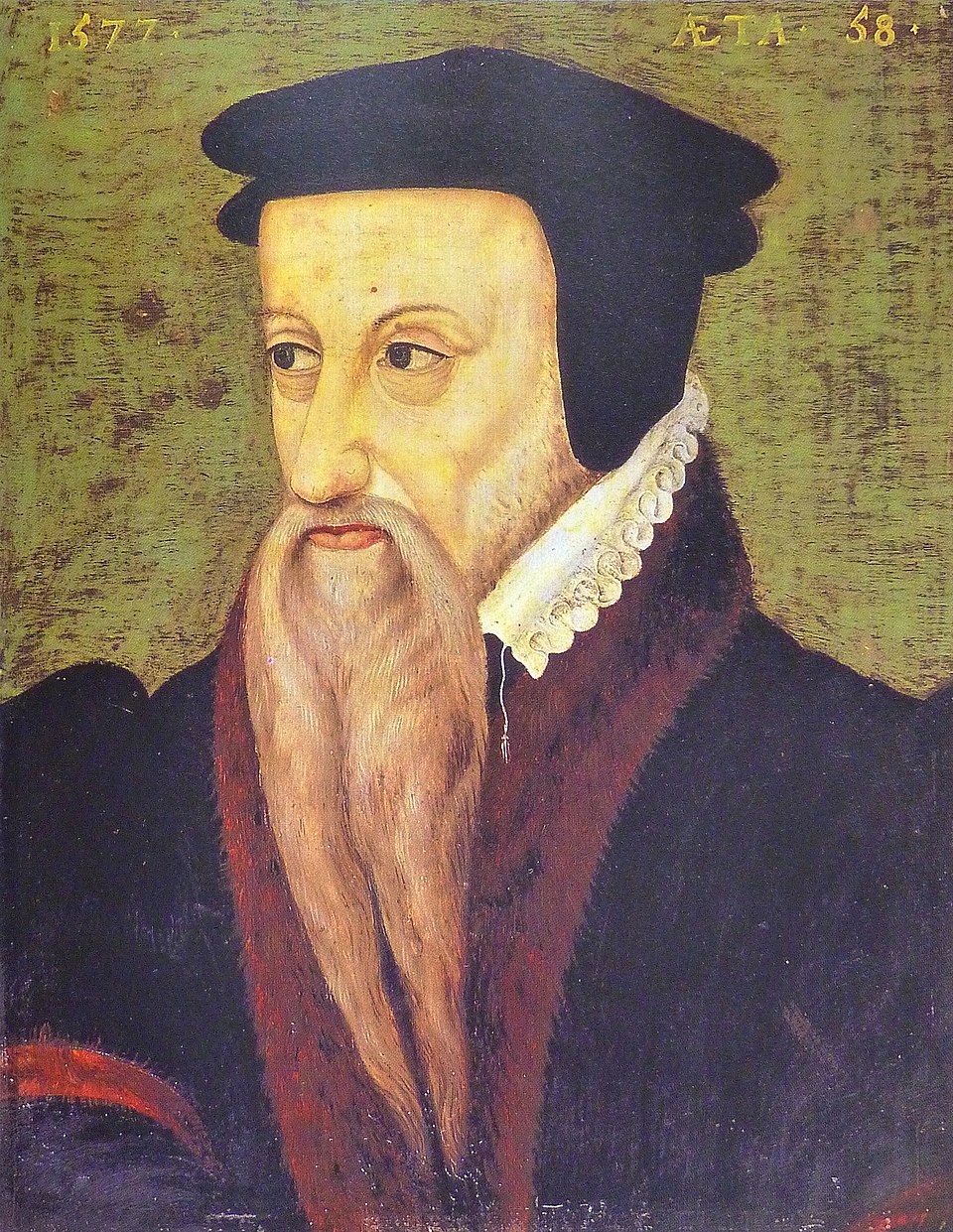
1553 - Theodore Beza: Abraham Sacrifiant (All Facts)
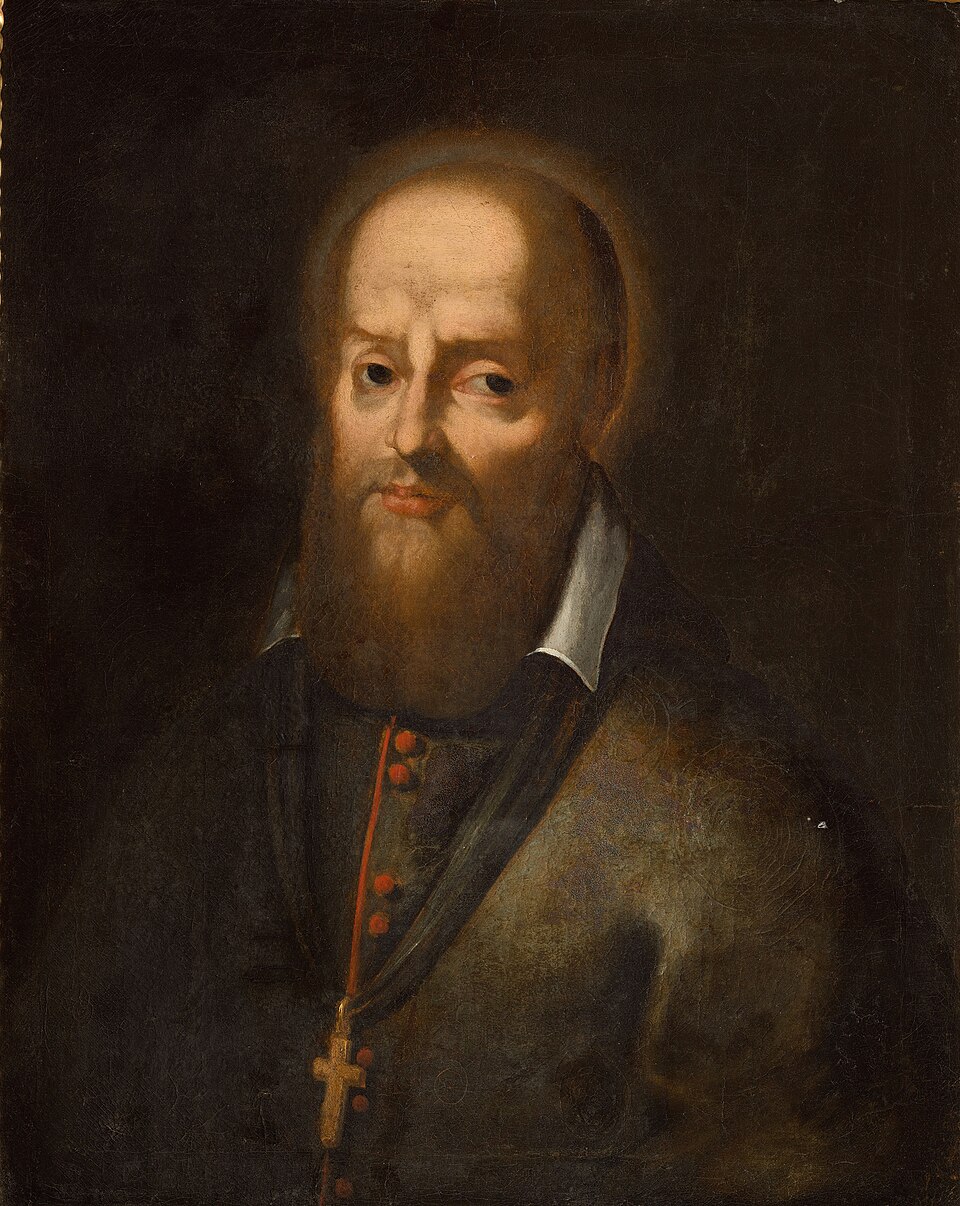
1567 - 1622 - St. Francis de Sales (All Facts)
French-Savoyard Catholic Prelate and Bishop of Geneva
He was born in Savoy
He studied in Paris and Padua
He made his way through the church hierarchy to his present eminence
He was inspired by a visit to Paris, when he met the great representatives of French spirituality, Berulle and Marie de L’Incarnation; when writing his most famous work
He was a devotional writer
He co-founded the Order of the Visitation of Our Lady / Visitandines with Jeanne de Chantal
He died at Lyons
1609 - St. Francis de Sales: Introduction to the Devout Life (All Facts)
Work in which the namesake author
hopes to prove that the intimate love of God, often considered to be the province of priests and clergymen alone, is available to anyone and everyone who desires it
shows that the life of devotion is a life to which anyone and everyone may aspire
explains that God does not love only His priests and clergymen, but all of mankind
reconciled humanism with devotion, wishing to offer a spiritual life to all
1628 - St. Francis de Sales: The Spiritual Conferences (All Facts)
Collection of the namesake author’s familiar, practical conversations and talks on religious virtues, given directly to the Sisters of the Visitation
Published posthumously after the namesake author’s death
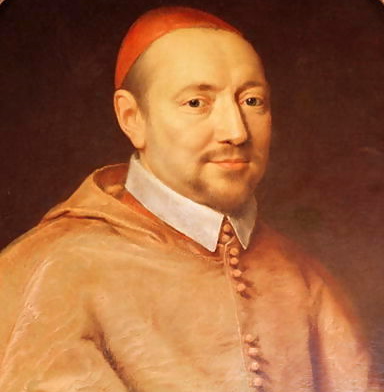
1575 - 1629 - Pierre de Berulle (All Facts)
French Cardinal and Theologian during the reign of King Louis XIII
He founded the Congregation of the Oratory, one of the new orders of the French Counter-Reformation
1614 - 1636 - Gabriel Sagard (All Facts)
French Franciscan Father and Layman
He compiled a French-Huron dictionary
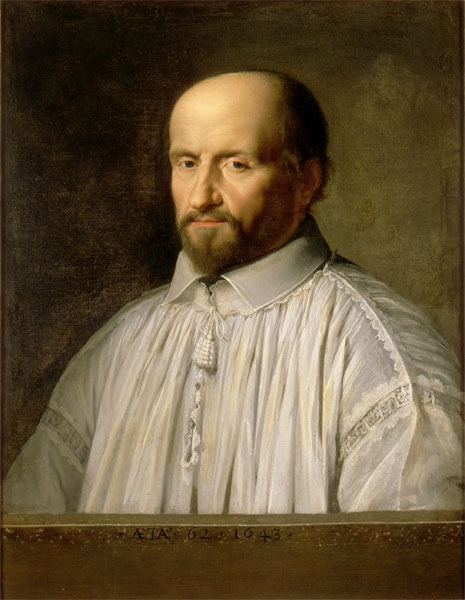
1581 - 1643 - Jean du Vergier de Hauranne (All Facts)
French Catholic Priest
He introduced Jansenism into France
He was the abbe of St. Cyran
He was a leader of the French Counter-Reformation
He was imprisoned by Cardinal Richelieu at Vincennes
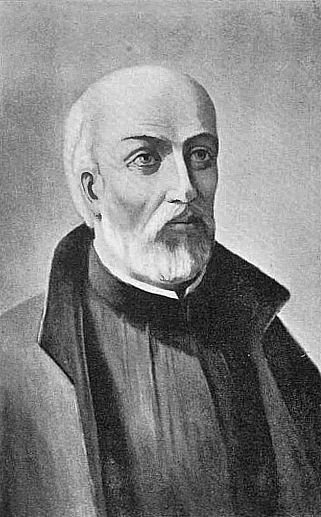
1593 - 1649 - St. Jan de Brebeuf (All Facts)
French Jesuit Missionary (to Canada)
He reached the members of Quebec as part of the Recollect order, at one time being the only missionary operating in Canada alongside Charles Lallemant
He observed the Native Americans playing a game in which they propel a ball from a rawhide bag attached to a stick (modern-day lacrosse)
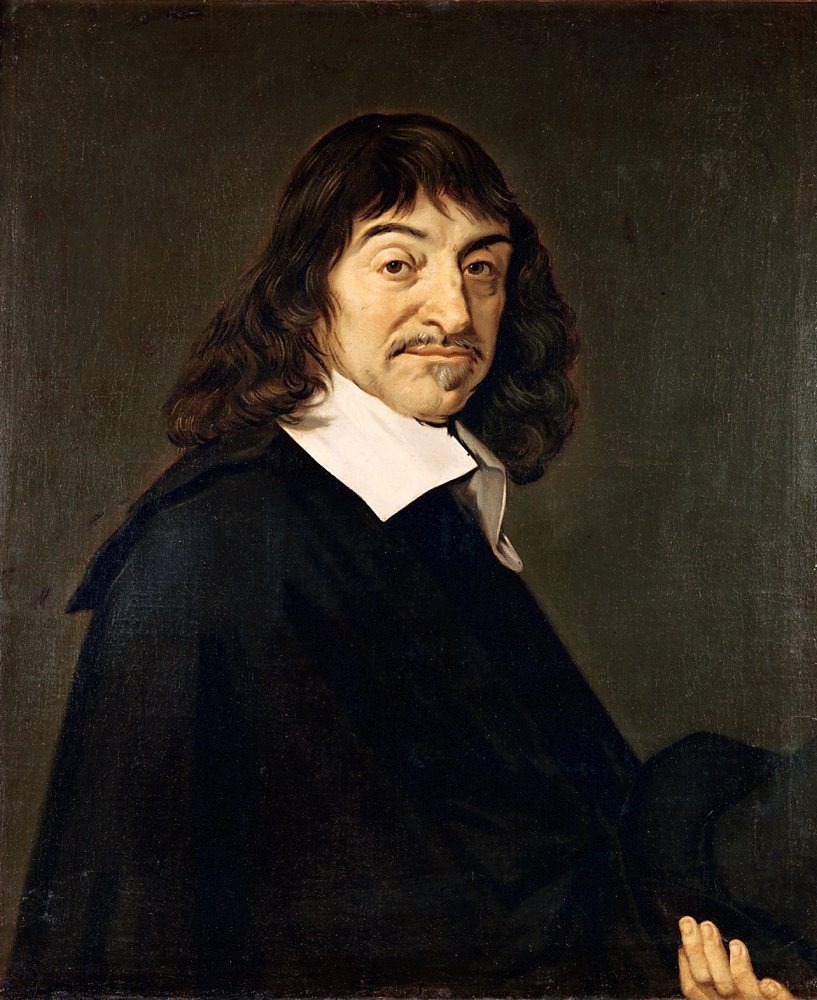
1596 - 1650 - Rene Descartes (All Facts)
French Philosopher
He died at Queen Christina of Sweden’s Palace at Stockholm
At her request, he had been rising at 5:00 every morning to give her lessons in philosophy, but the early morning cold gave him a fatal inflammation of the lungs
1637 - Rene Descartes: Discourse on Method (All Facts)
Subtitled “Discourse on the Method of Rightly Conducting One's Reason and of Seeking Truth in the Sciences”
Work which contains the phrase which encapsulated a radically new method of seeking after truth at the time, which was “I think, therefore I am”
Work whose namesake author was concerned to break with tradition in more ways than one in that
it was written in clear, straightforward French rather than Latin (which was the preferred language of philosophers in France up to that point)
Work in which the namesake author argues that
only the existence of the mind cannot be doubted and that one has to begin here as a first principle
more complex truths can be built up from a framework of skepticism and logic
reason reigns supreme
the route to scientific truth is through testing, selecting and setting things in order; not simply accumulating knowledge but systematizing it
Work in which the namesake author argues, from his cornerstone of certainty, for the existence of God
He argues that no imperfect or finite (human) being could have generated the idea of an infinite God; so God must have seeded the notion in us
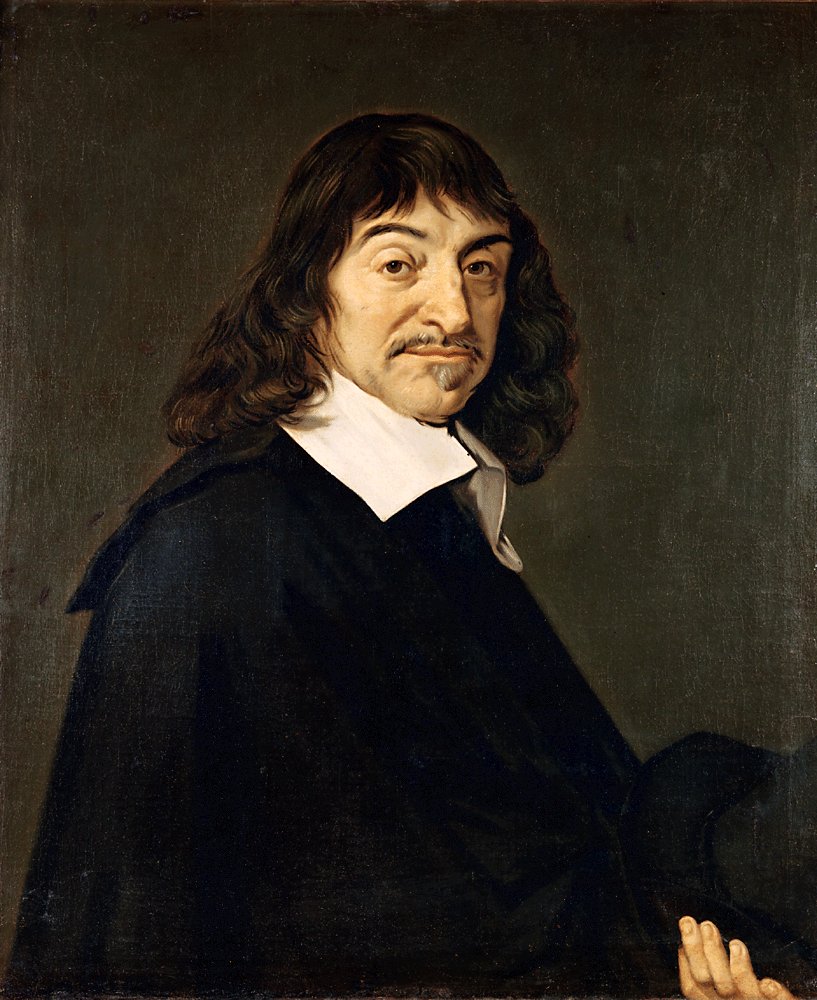
1641 - Rene Descartes: Meditations (All Facts)
Work in which the namesake author developed the theme of doubt and skepticism, arguing that there may be a great malignant demon which is deceiving humanity into believing things, in which case there is always the secure base of being sure that one does oneself exist
Work which enhanced the namesake author’s reputation, but also led him into controversy with the Catholic Church, having been accused of atheism by the Church
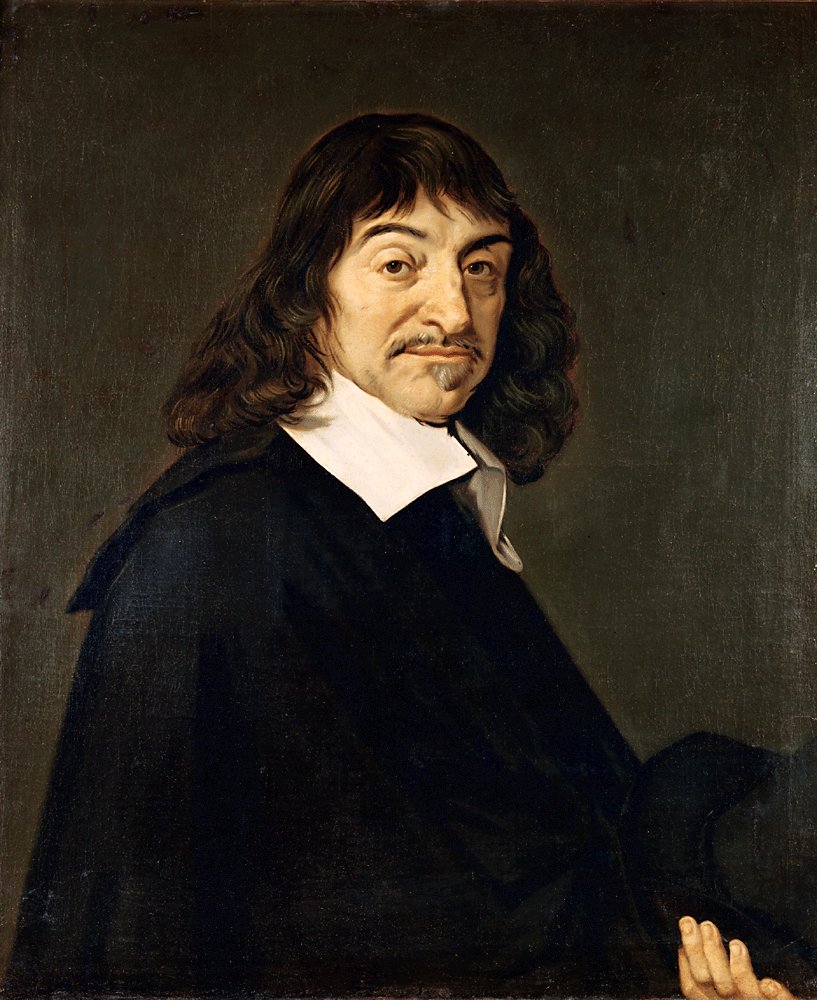
1644 - Rene Descartes: Principles of Philosophy (All Facts)
Work in which the namesake author attempts to explain all physical phenomena through one system of mechanical principles ranging over physics, chemistry, and physiology
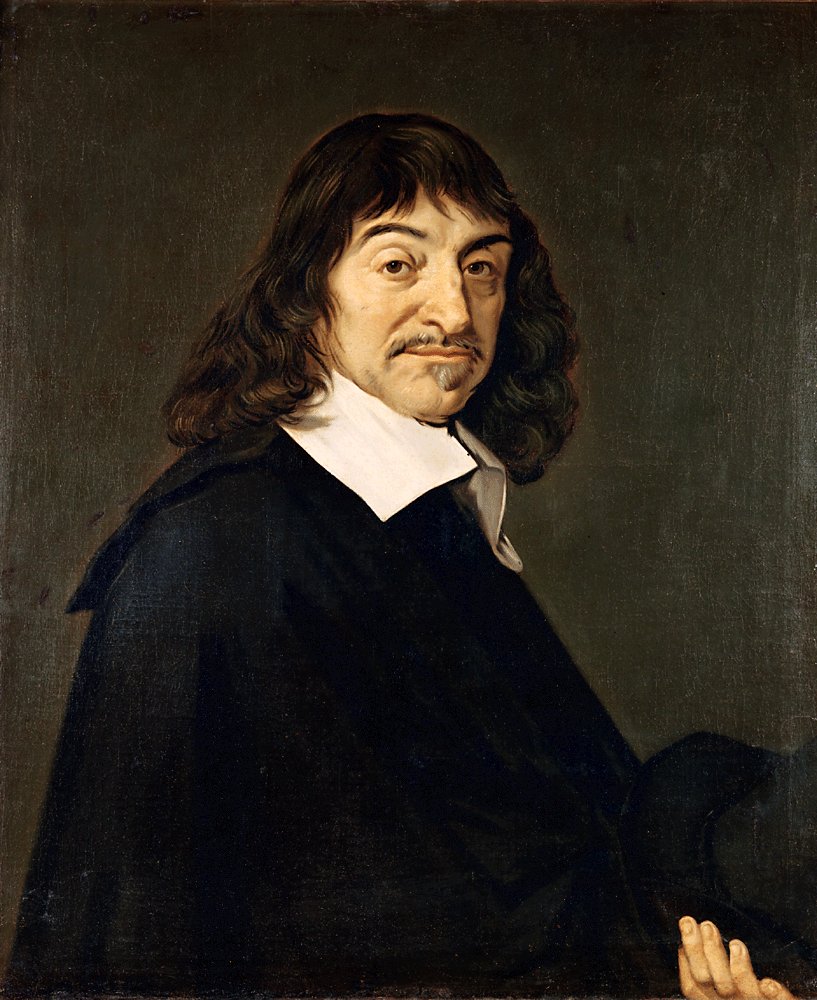
1649 - Rene Descartes: On the Passions of the Soul (All Facts)
Published in Stockholm at the invitation of his pupil Queen Christina of Sweden in the form of a blue-stocking in mathematics
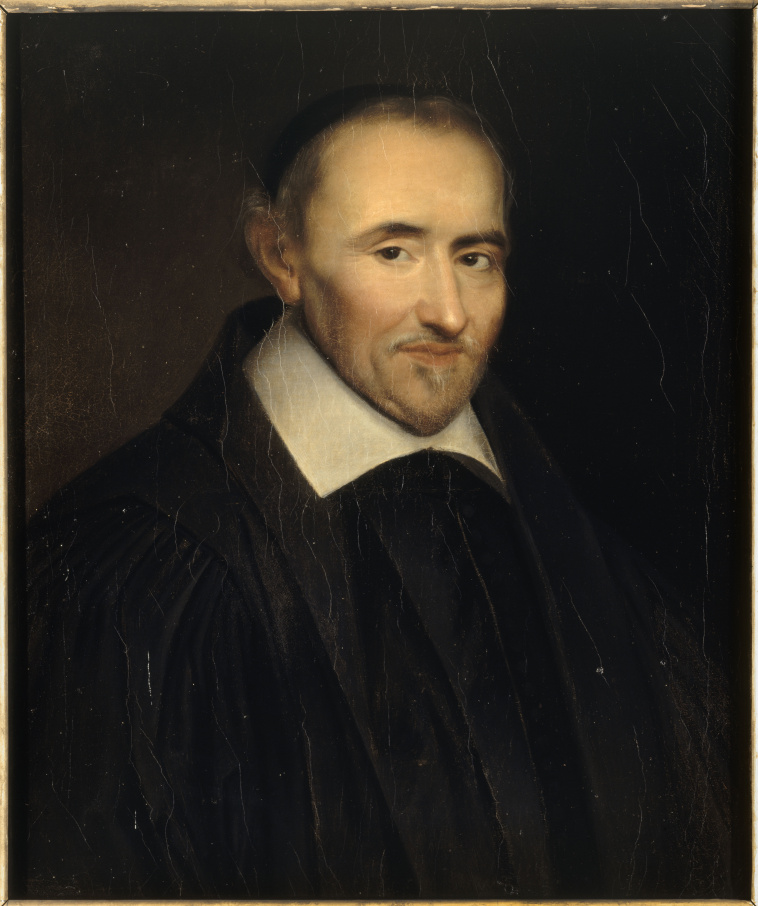
1592 - 1655 - Pierre Gassendi (All Facts)
French Philosopher
He criticized the ideas of Rene Descartes
His doctrine of sensualism and materialism was opposed to the influences of his contemporary Rene Descartes
He wrote on the moral theories of Epicurus
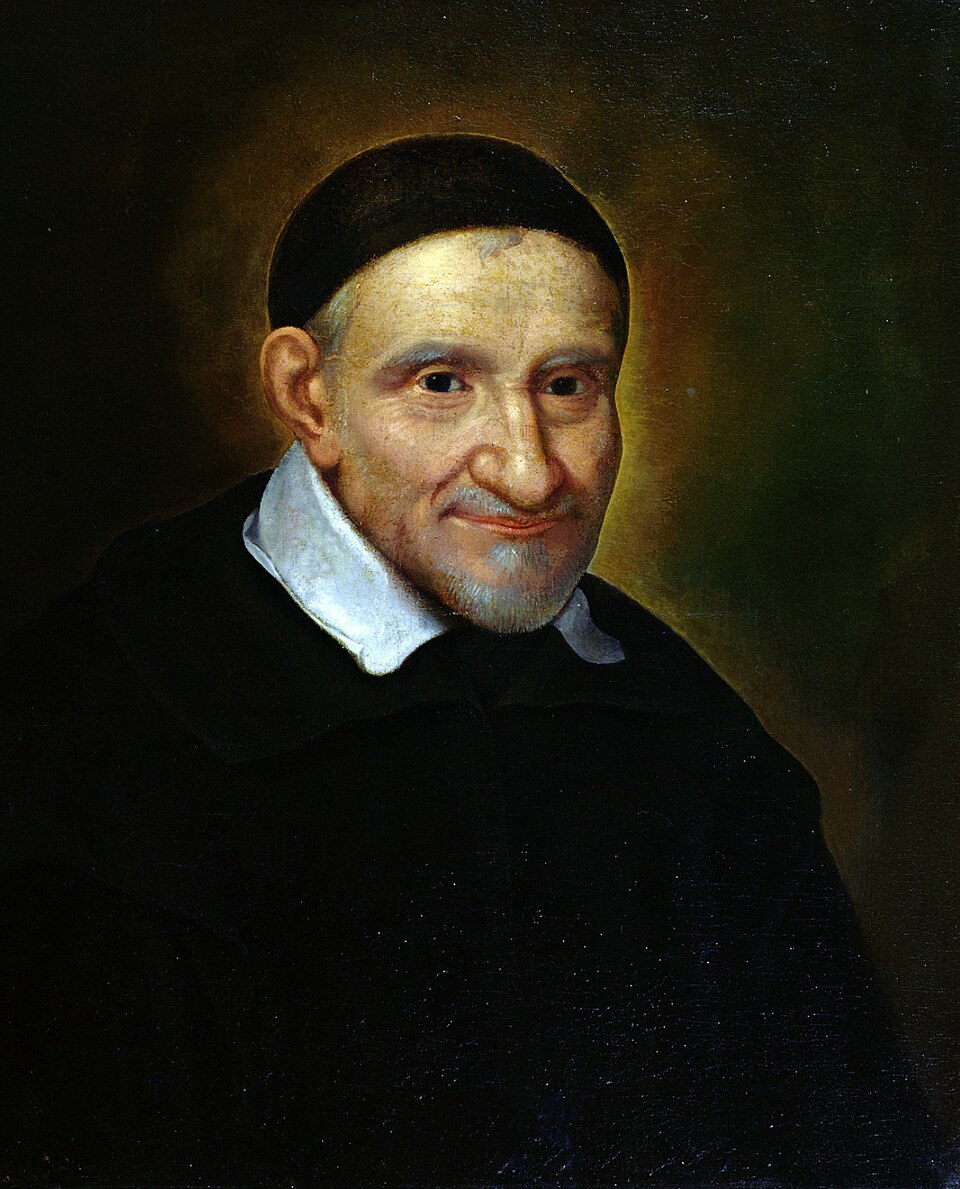
1581 - 1660 - St. Vincent de Paul (All Facts)
French Catholic Priest
At the age of 25, he was captured by pirates on a sea voyage and sold into slavery in Tunis
He escaped by persuading his master to return to the Christian faith
He landed back in France soon after
He was considered the moral leader of the French Catholic Church in his day
He dedicated himself to serving the poor
He formed associations for helping the sick
He co-founded the Order of the Daughters of Charity
He founded the Congregation of Priests of the Missions, which was sanctioned by Pope Urban VIII
He also founded a charity for orphans
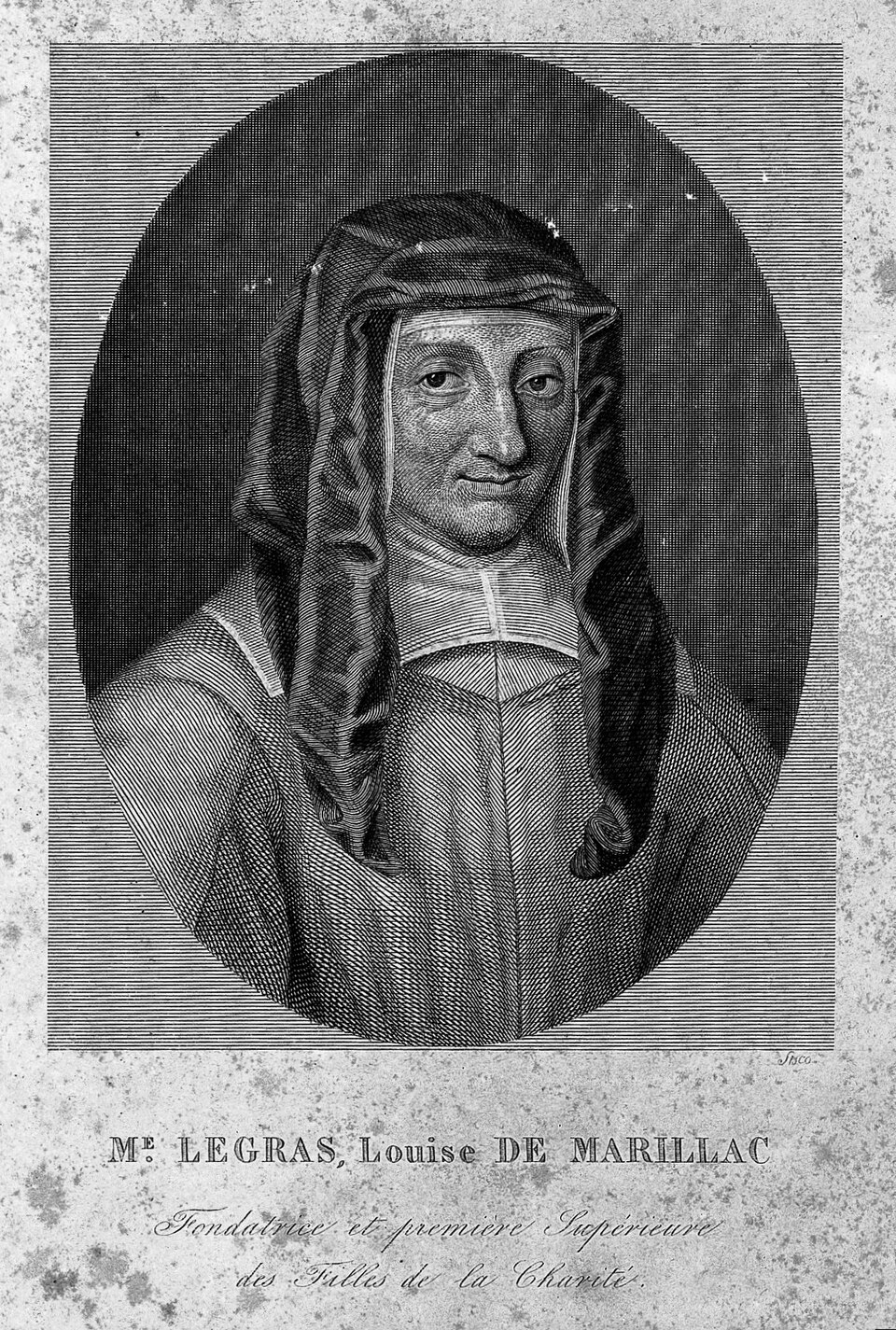
1591 - 1660 - Louise de Marillac (All Facts)
She co-founded the Order of the Daughters of Charity
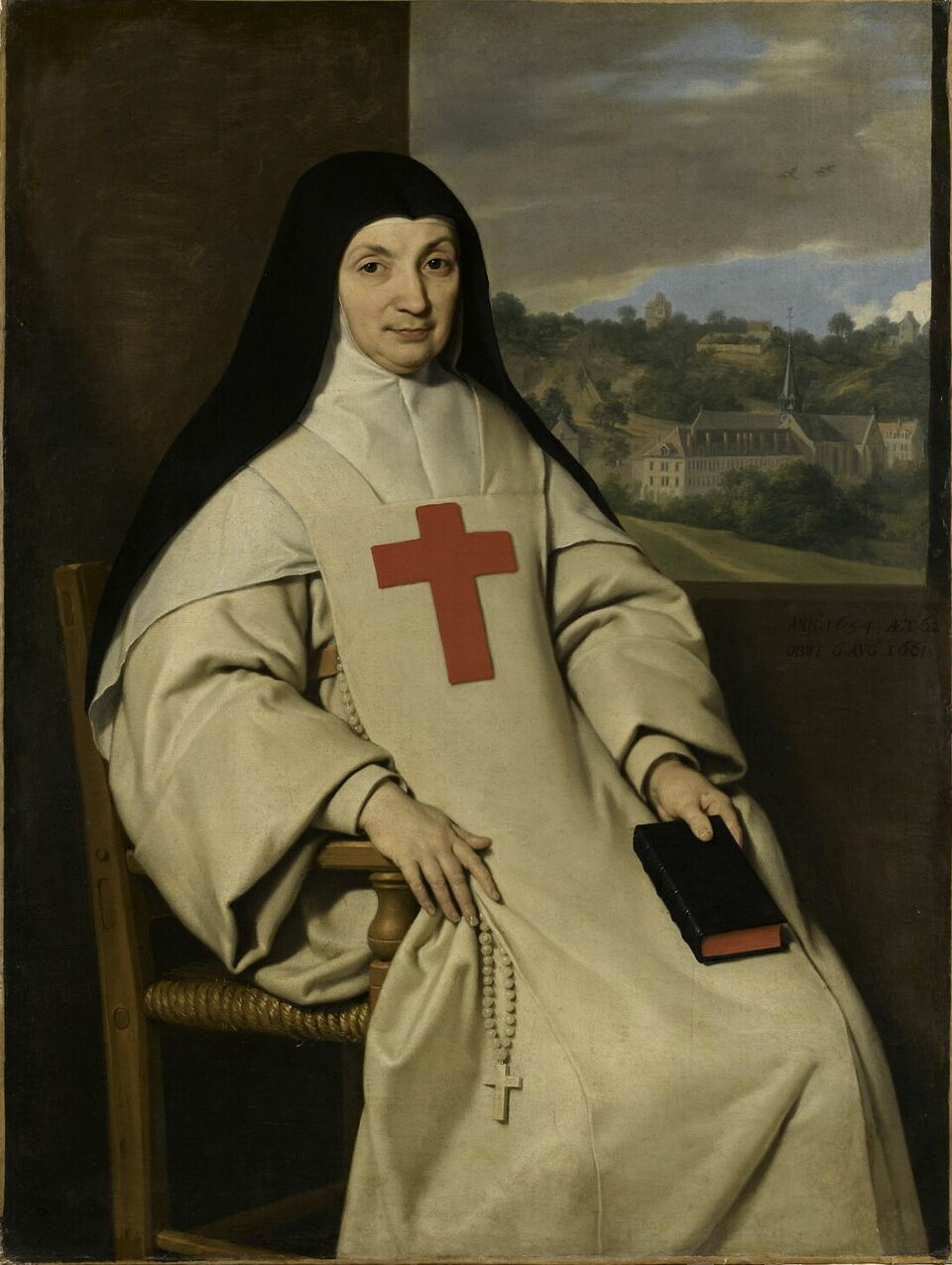
1591 - 1661 - Jacqueline-Marie-Angélique Arnauld (All Facts)
Abbess of the Convent of Port Royal in “New France” (Canada) in Acadia (Nova Scotia)
She instituted strict enclosure (physical isolation from outsiders), as the first step in achieving a return to stricter monastic standards for “New France”
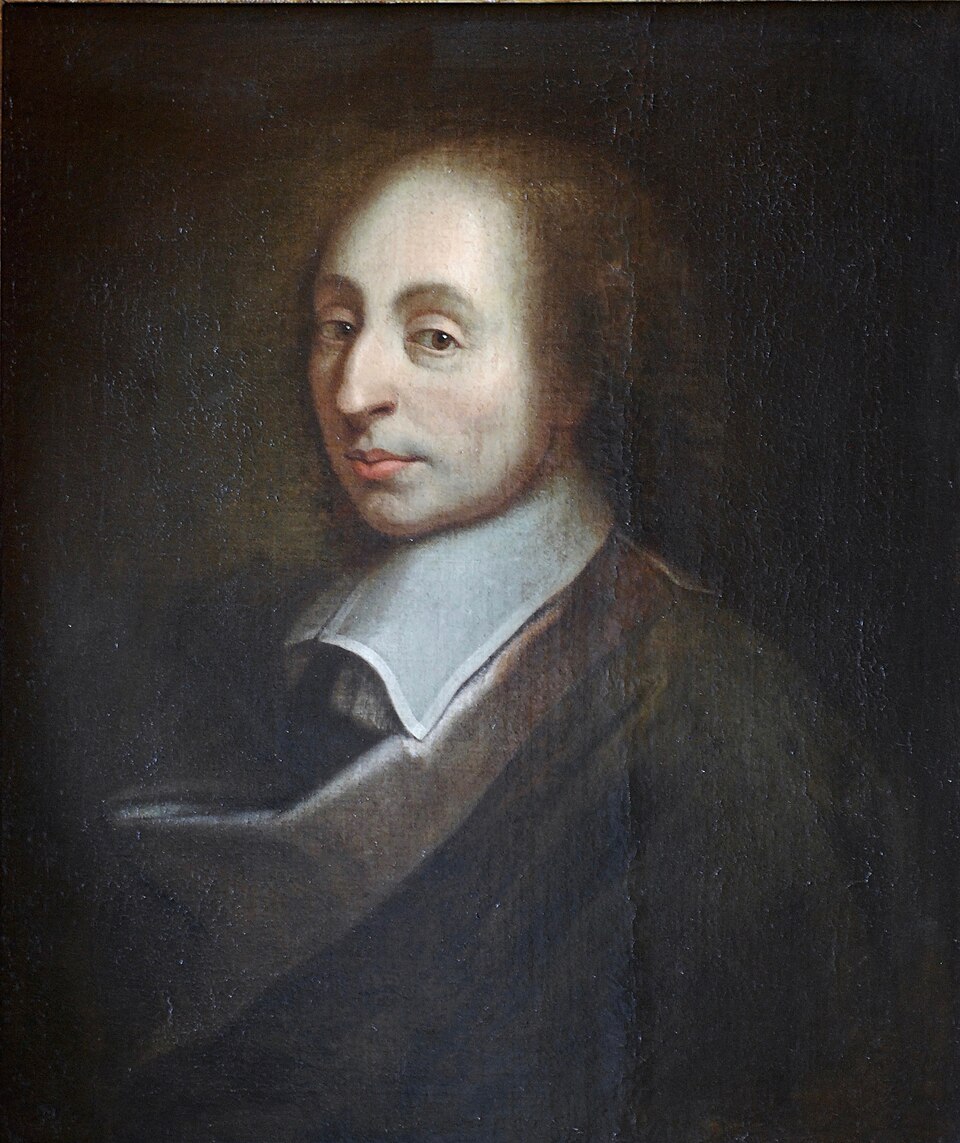
1623 - 1662 - Blaise Pascal (All Facts)
French Catholic Writer and Theologian
He had a revelation that led him to go into Jansenism
He joined the battles between the Jesuits and the Jansenists of the convent of Port Royal
He was a passionate supporter of the (predestinarian) Jansenist movement
His sister was one of the leading members of the Jansenist Convent at Port Royal)
When he realized he was dying, he asked to be moved to the hospital for incurables so that he could die there in the company of the poor
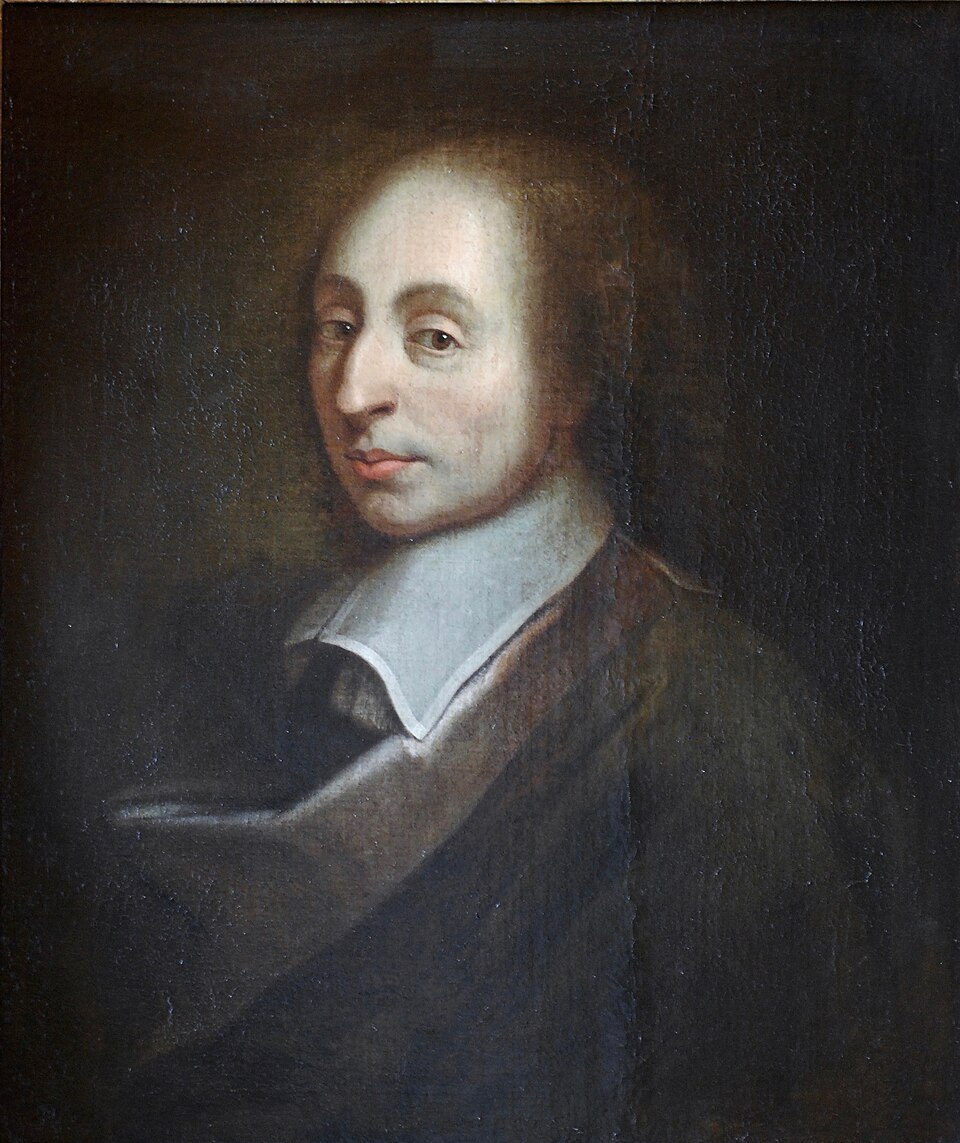
1657 - Blaise Pascal: Provincial Letters / Les Provinciales (All Facts)
Work consisting of 18 anonymous pamphlets attacking the Jesuits, prime opponents of Jansenism
Work in which the namesake author, writing under the pseudonym Louis de Montalte, weighed in against the beliefs of the Jesuit fathers
Work in which the namesake author explains that, unlike the Jesuit fathers, he believed firmly that true faith will only appear to the morally upright
Work whose letters blend the namesake author’s own faith, the sophistication of a man of the world, and the learning of a genuine genius
Work in which the most complex of theological questions become seemingly simple
Work which attracted a wide audience of “honest men” to whom the namesake author revealed topics once reserved for specialists
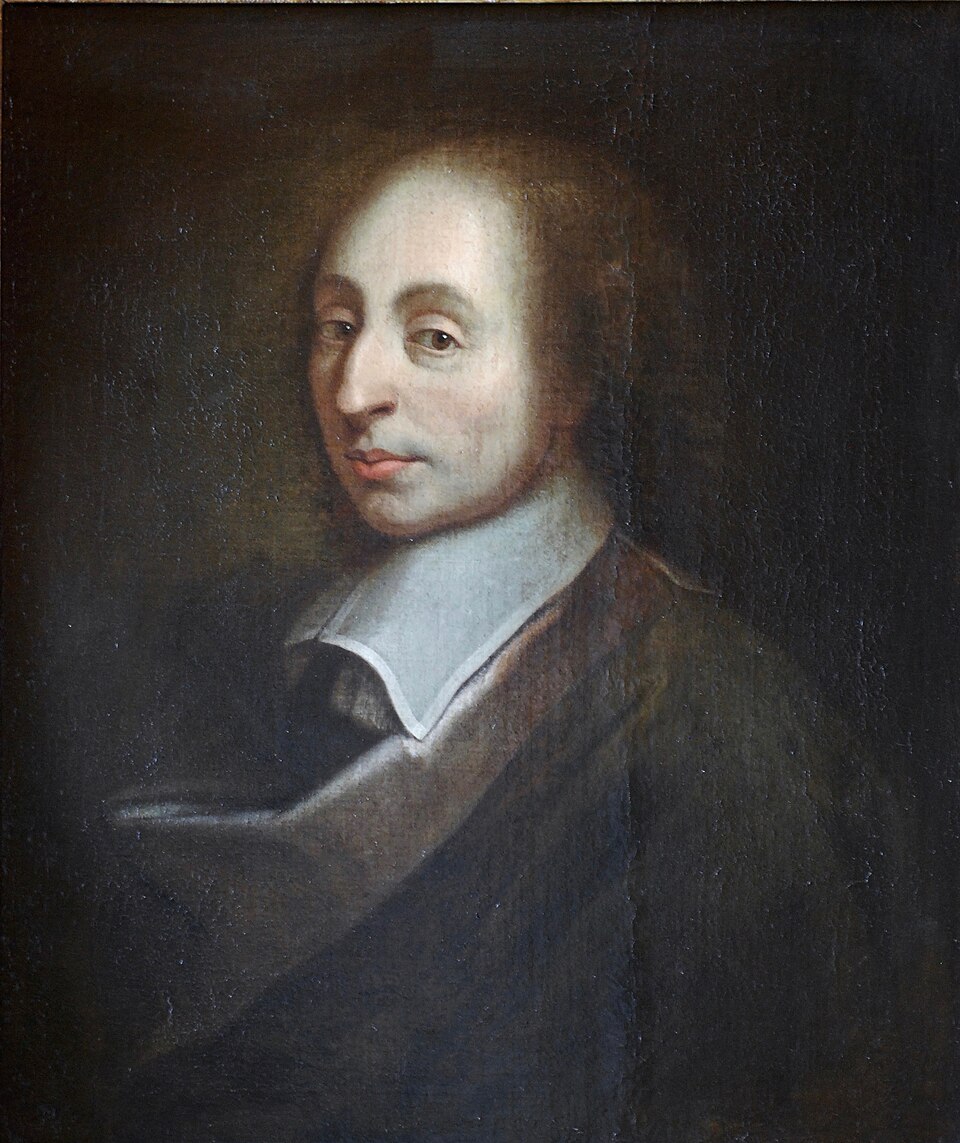
1670 - Blaise Pascal: Pensees (All Facts)
Work in which the namesake author expresses in masterly language the agony of his search for faith, despite the doubts that his powerful intellect raised to torment him
Work which was initially published incompletely and posthumously
1572 - 1663 - Nicolas Cornet (All Facts)
French Catholic Theologian of the Sorbonne in Paris
His Jansenist work was condemned by Pope Innocent X
1587 - 1674 - Charles Lallemant (All Facts)
French Jesuit Missionary in Canada
He reached the members of Quebec as part of the Recollect order, at one time being the only missionary operating in Canada alongside St. Jan de Brebeuf
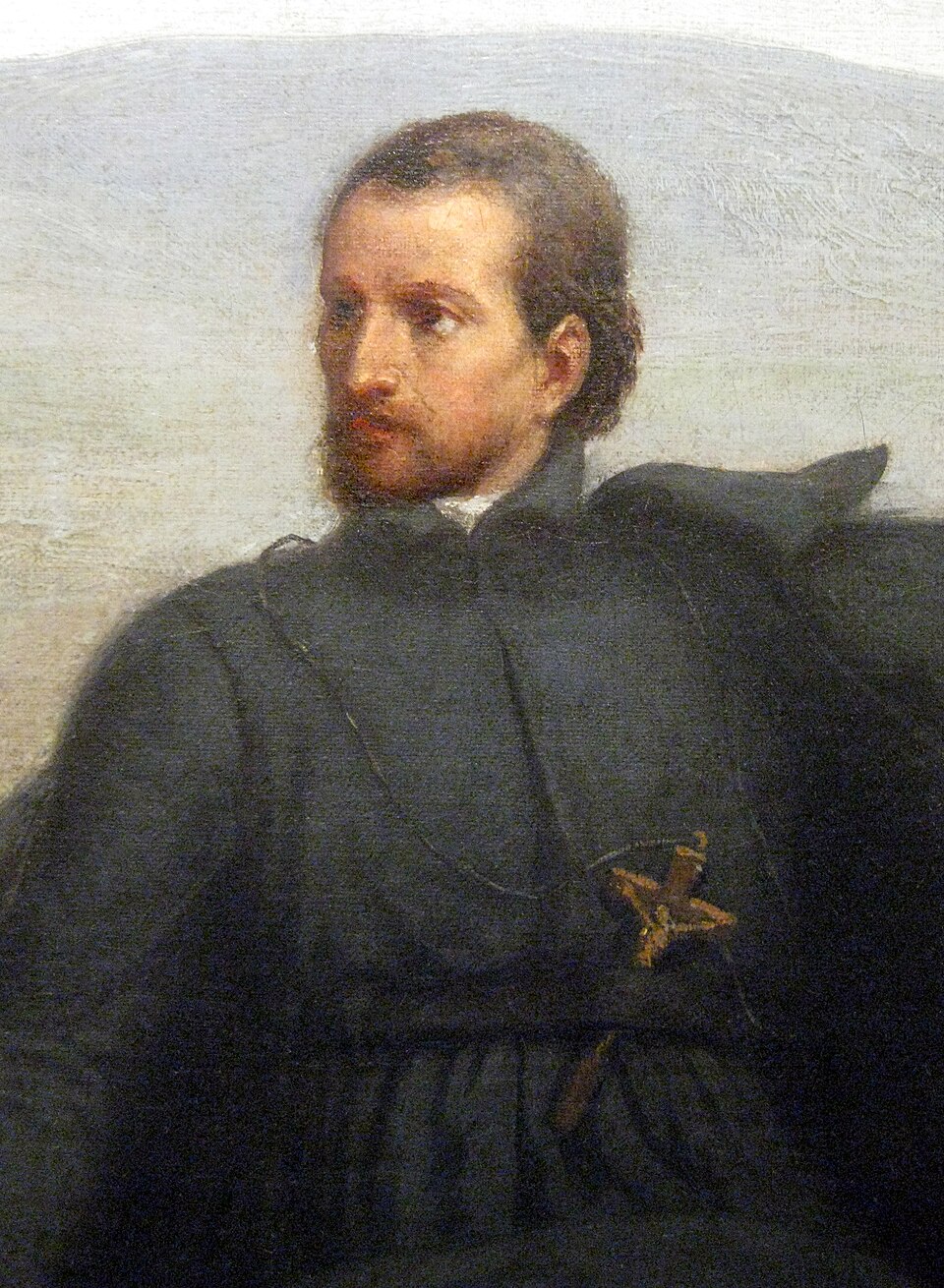
1637 - 1675 - Jacques Marquette (All Facts)
French Jesuit Missionary
He established the first colony in the northern plains (in Michigan)
He was the first non-Native-American to explore and map the Upper Mississippi River, along with Father Jacques Marquette
He returned to Montreal after a 2,500-mile journey exploring the basin of the Mississippi River
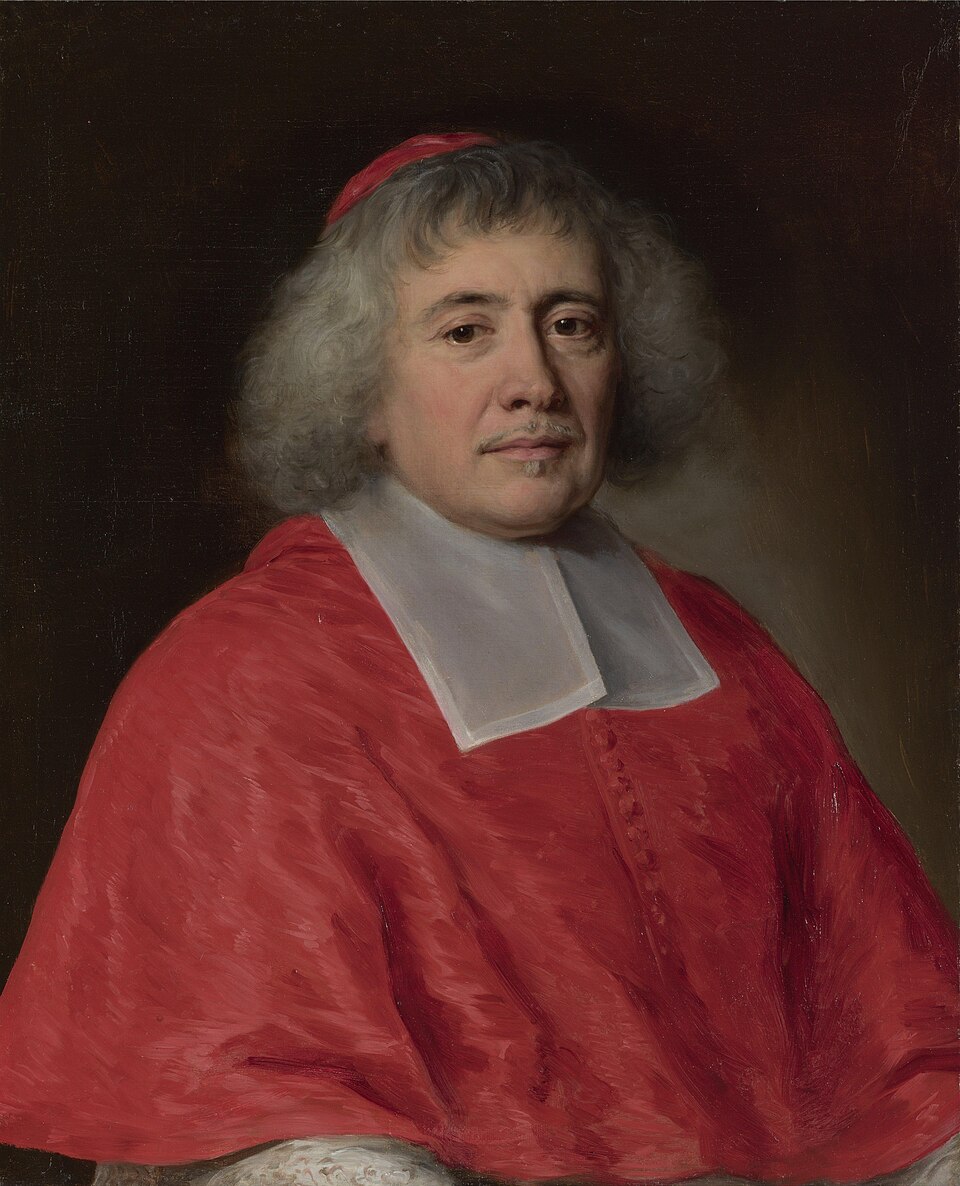
1613 - 1679 - Jean François Paul de Gondi (All Facts)
French Clergyman and Writer
He was the Cardinal de Retz
Without a vocation, he demonstration his political ambition as a party leader during the Fronde uprisings
As a result of the part he played, he was obliged to give up the archbishopric of Paris
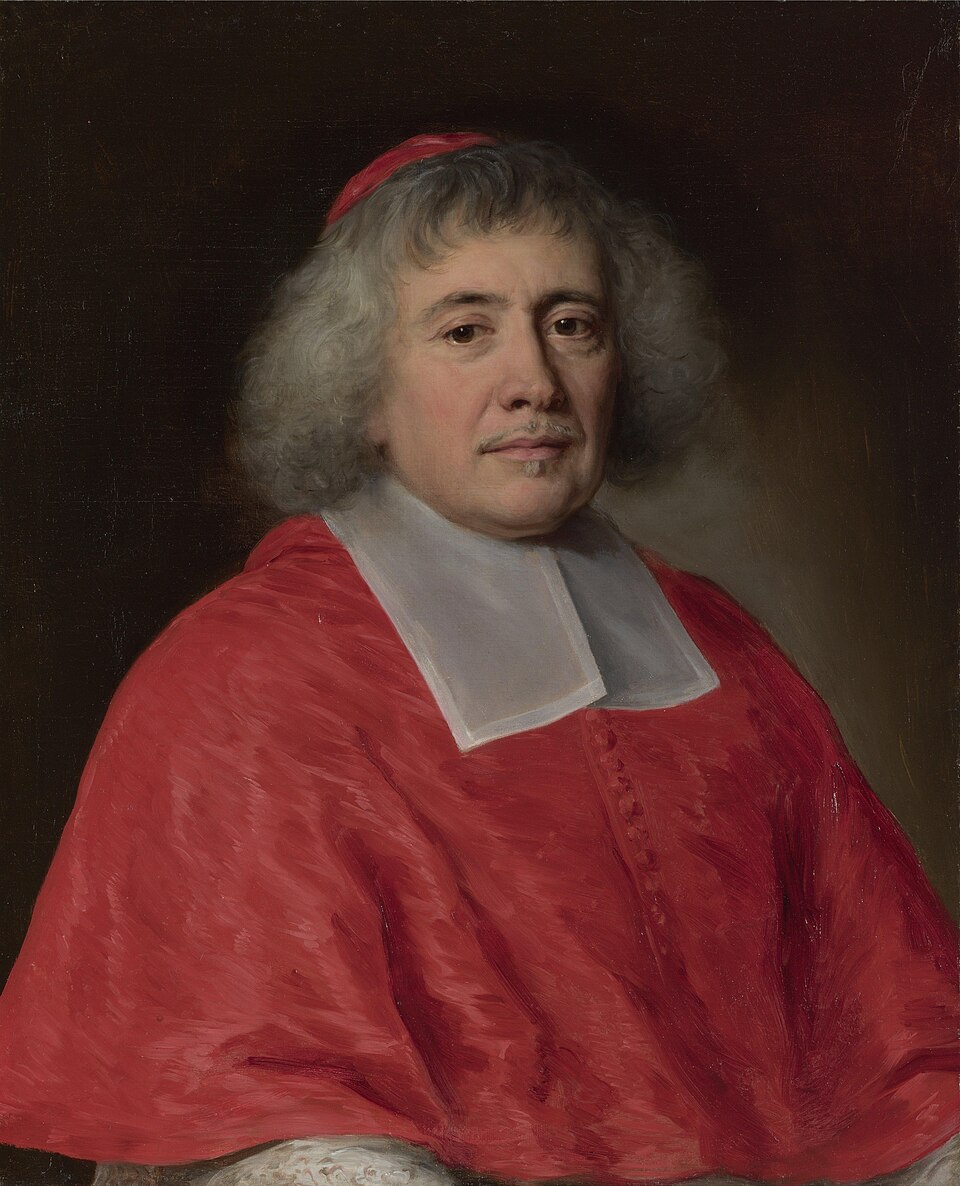
1676 - Jean François Paul de Gondi: Memoires (All Facts)
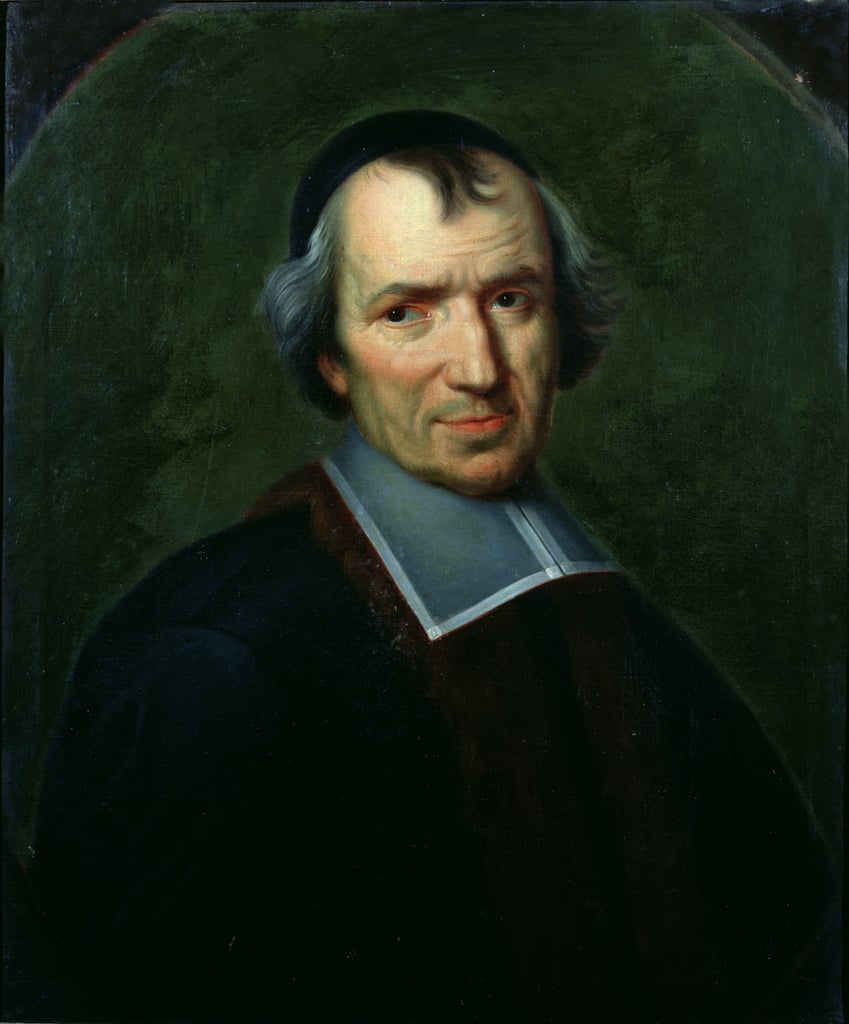
1612 - 1694 - Antoine Arnauld (All Facts)
French Catholic Theologian, Priest, and Philosopher
1643 - Antoine Arnauld: On Frequent Communion (All Facts)
Work which defended the work of Cornelius Jansen, the Dutch theologian and thus opened a fierce debate on sacramental practices amongst the Catholic Church, especially in France
Work in which the namesake author
argues for a return to greater personal holiness
attacks the Jesuits for their casuistry, having attracted violent opposition from the Jesuits as a result
Work which caused disquieting at the French court because the rigorous morality of Jansenism reached outside pure religious debate and extended uncomfortably into public life
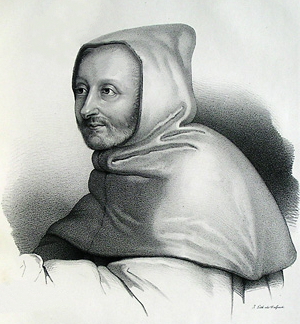
1626 - 1700 - Armand Jean le Bouthillier de Rancé (All Facts)
French Abbot of Le Trappe Abbey
He reformed the Trappist order of monks in Soligny and founded the Trappist Order
He instituted the rule of silence there
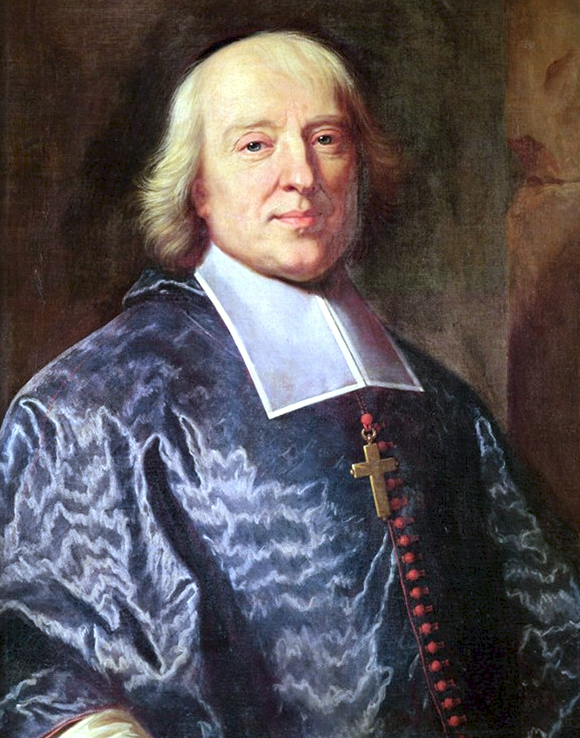
1627 - 1704 - Jacques-Bénigne Bossuet (All Facts)
French Bishop and Theologian
He was the leader of the French clergy at one point
He drafted the “Declaration of the Four Articles” / “Four Gallician Articles”
He condemned Richard Simon’s “Critical History of the Old Testament”

1682 - Jacques-Bénigne Bossuet: Declaration of the Four Articles / Four Gallican Articles (All Facts)
Statement by the French clergy that limited papal authority and asserted the independence of the French crown and church
Statement which sought to reconcile papal authority with Gallician independence
Statement which was condemned Pope Innocent XI
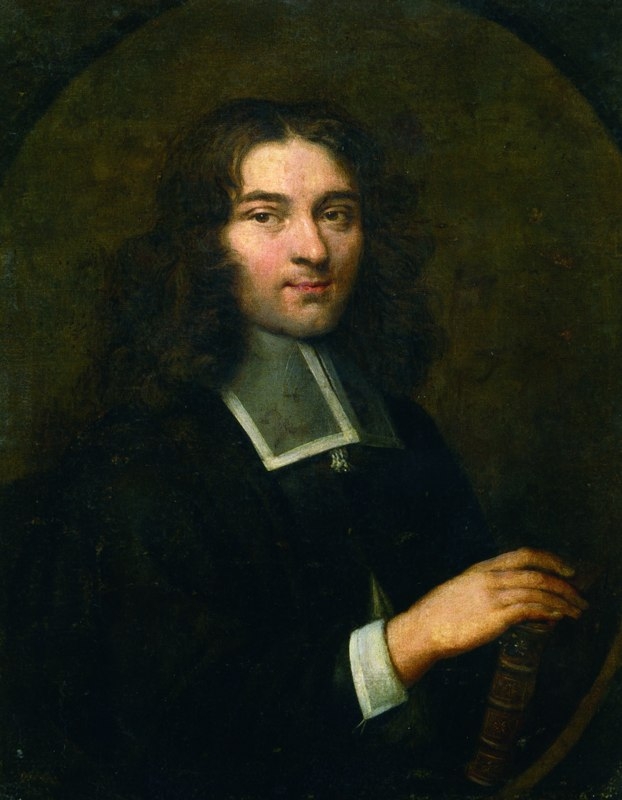
1647 - 1706 - Pierre Bayle (All Facts)
French Huguenot Philosopher
He was a Huguenot exile from France
He was a Rationalist
He was the son of a Calvinist minister
He converted to Catholicism, then reconverted to Protestantism
He was forced to flee France and took refuge in the Netherlands
There, he became professor of philosophy at Rotterdam
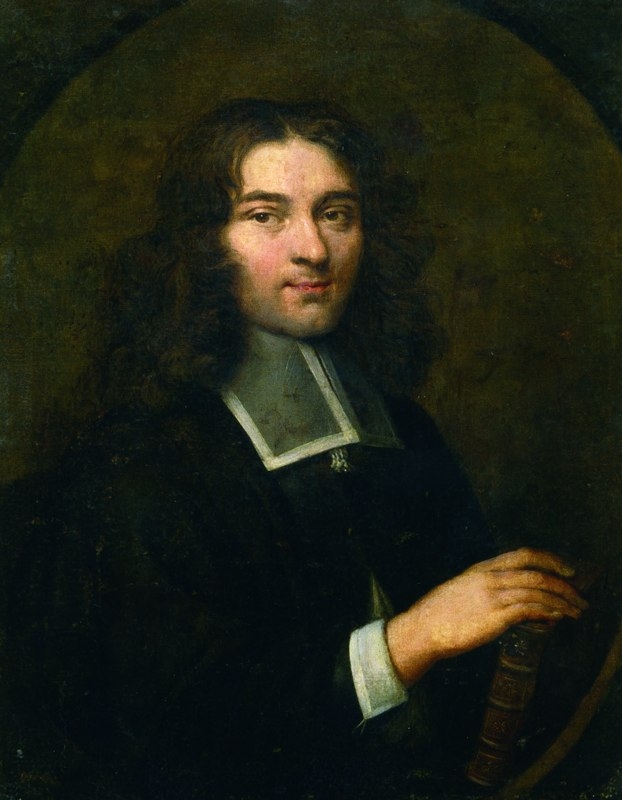
1682 - Pierre Bayle: Thoughts on the Comet (All Facts)
Work in which the namesake author, on the pretext of challenging superstition, tackles great metaphysical and theological questions, separating the moral from the religious
Work published in Rotterdam in the Netherlands
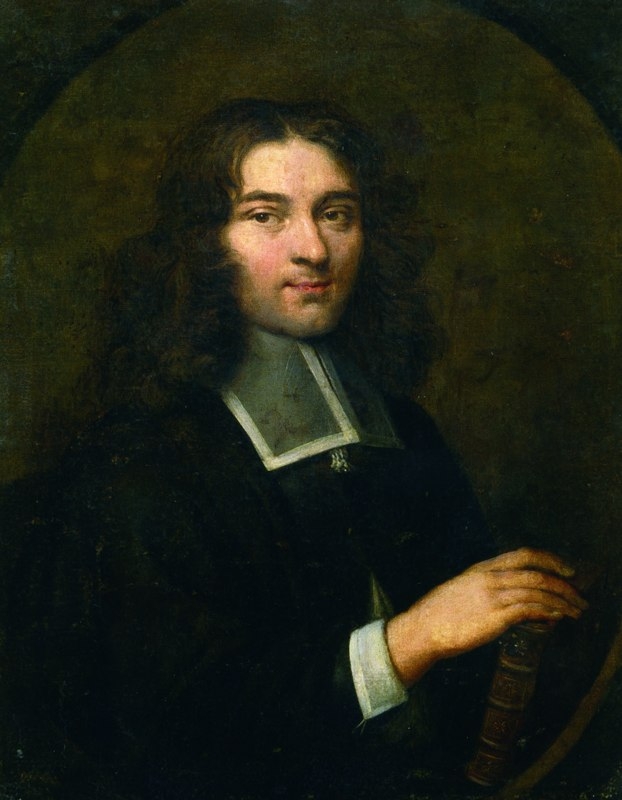
1684 - Pierre Bayle: News from the Republic of Letters (All Facts)
Review of literary and intellectual life published in Rotterdam in the Netherlands but which reached and reported the whole European namesake
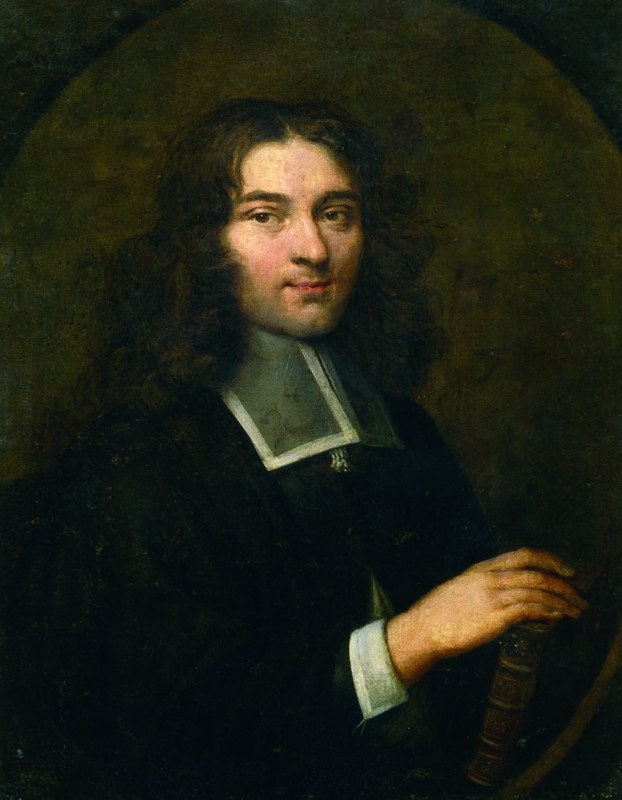
1697 - Pierre Bayle: Historical and Critical Dictionary (All Facts)
Work that was called “the skeptic’s bible,” which attacks the dogmas and fallacies of past ages and argues for tolerance and detachment in its series of learned articles
Work in which the namesake author says that, nothing is certain and no one person has the monopoly of truth
Work in which the namesake author claims that “the grounds of doubt are themselves doubtful”
Work in which the namesake author argues that thoughtful men everywhere (were) are questioning the dogmas of religion and old superstitions
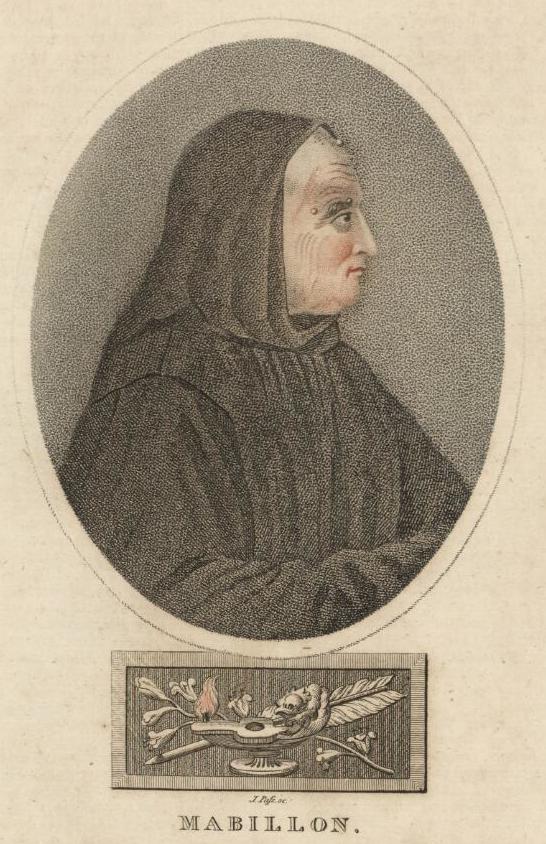
1632 - 1707 - Jean Mabillon (All Facts)
Benedictine Monk
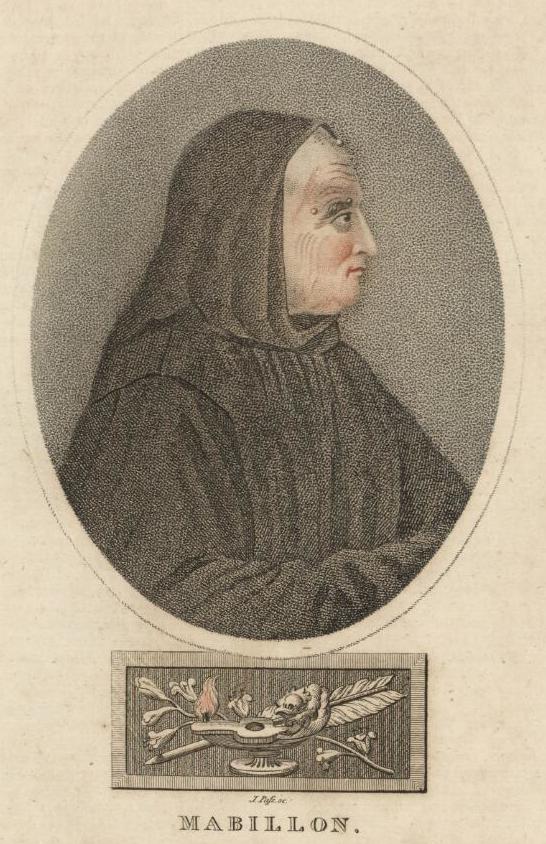
1681 - Jean Mabillon: De Re Diplomatica (All Facts)
Work in which the namesake author lays the foundations for the science of diplomatics
1638 - 1712 - Richard Simon (All Facts)
French Priest
He was an influential bible critic
He was the founder of the Oratorians, but he was expelled from it after the publication of his most famous book
1678 - Richard Simon: Critical History of the Old Testament (All Facts)
Work which submits the texts of Genesis and the Prophets to a searching historical and philological analysis
Work in which the namesake author questions the very bases of the Roman Catholic faith
Work which brought to light that the Roman Catholic Church always emphasized that freedom of research and critical analysis was incompatible with true faith when, like the namesake’s it challenged concurrent dogma
Work which was undertaken as part of the theological struggle against the Huguenots, it was nonetheless condemned by Jacques-Benigne Bossuet and placed amongst the forbidden books on the Index
Published in Amsterdam in the Netherlands
Work whose author faced the wrath of the Catholic Church, which condemned it as impious
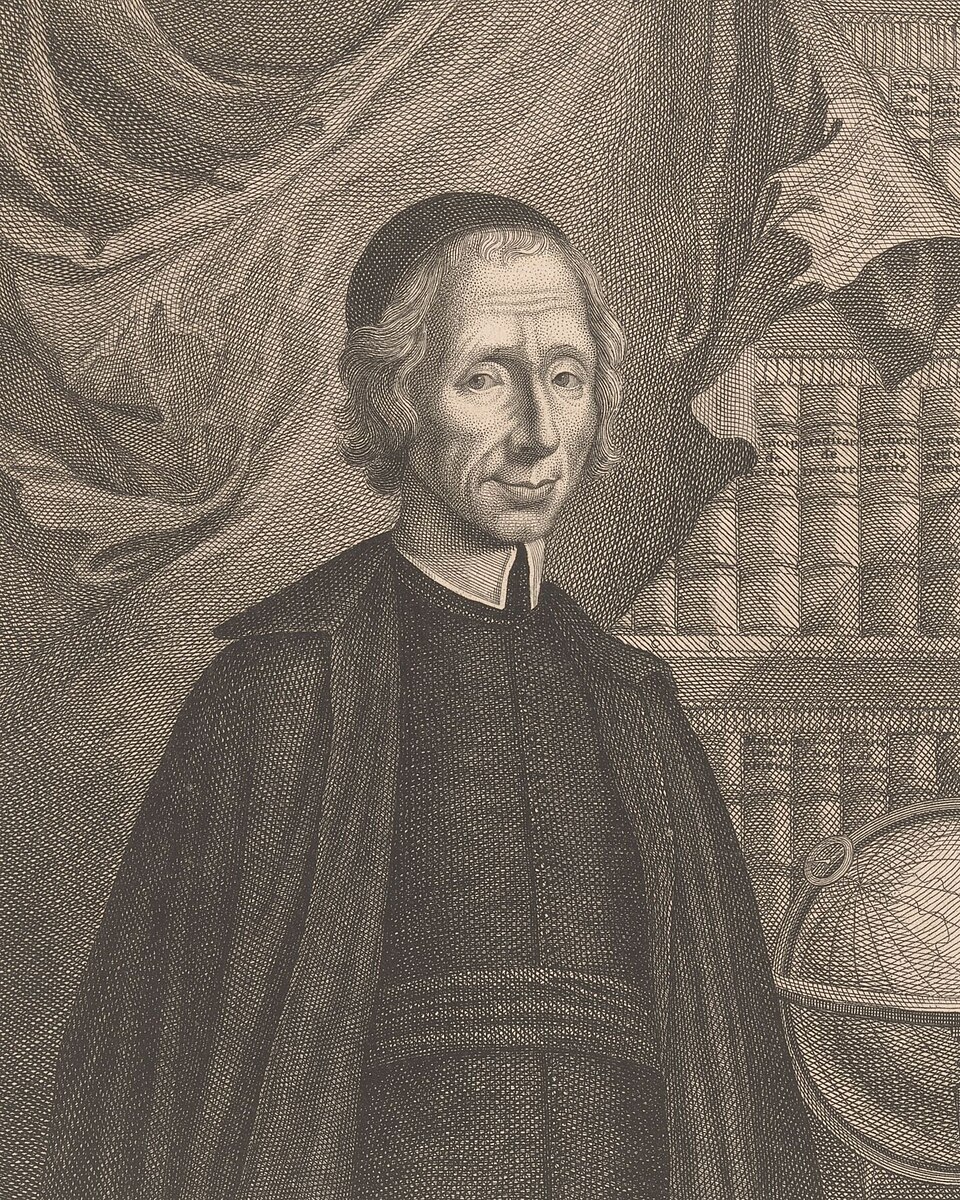
1638 - 1715 - Nicholas Malebranche (All Facts)
French Philosopher, Priest, and Theologian
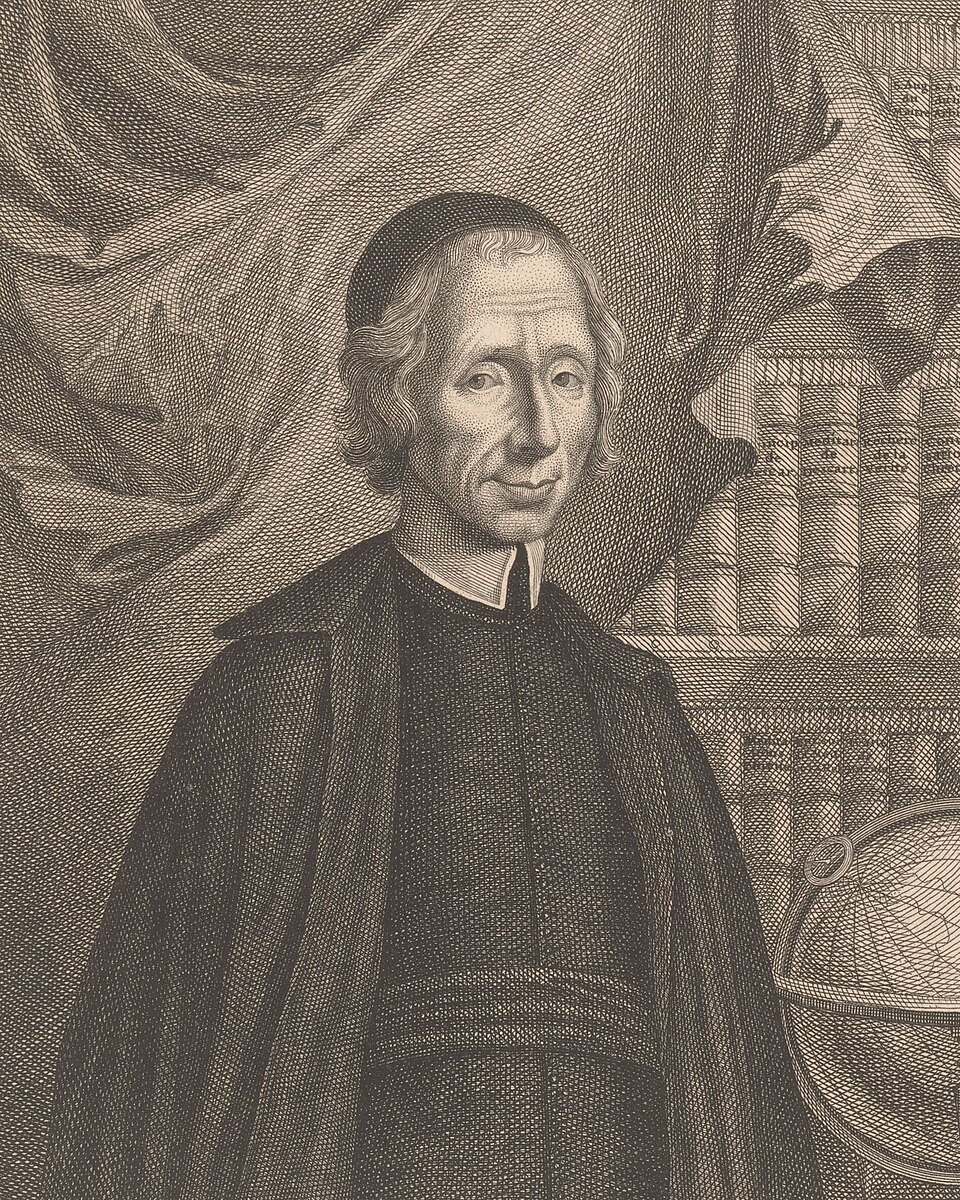
1674 - Nicholas Malebranche: The Search After Truth (All Facts)
Work in which the namesake author links the Cartesianism of Rene Descartes with the Augustinism of St. Augustus and Cornelius Jansen, developing Cartesianism in a religious sense with an enthusiastic outlook on it
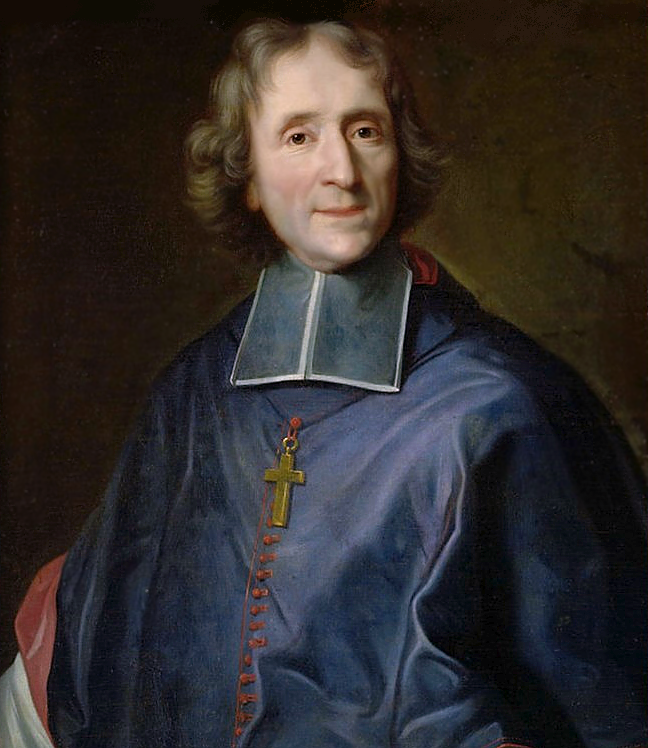
1651 - 1715 - Francois Fenelon (All Facts)
French Catholic Archbishop and Theologian, Writer and Poet
He was made Archbishop of Cambrai during the reign of King Louis XIV
1687 - Francois Fenelon: Treatise on the Education of Girls (All Facts)
Work in which the namesake author argues that a sound education depends on the fulfillment of a child’s natural abilities
1697 - Francois Fenelon: Explanations of the Maxims of the Saints (All Facts)