1.4 AP Psych - The Brain
 Studied by 0 people
 Call Kai
 Learn
Learn Practice Test
 Spaced Repetition
 Match
Match Flashcards
 Knowt Play
1/32

Earn XP
Description and Tags
for brainiacs nationwide
Name | Mastery | Learn | Test | Matching | Spaced |
|---|
No study sessions yet.
33 Terms
Neuroplasticity
the brain’s ability to change and adapt by reorganizing after damage or by building new pathways
Lesion
Tissue destruction. Naturally, from trauma, or iatrogenic
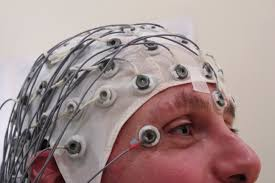
Electroencephalogram - EEG
Recording of waves of electrical activity on brain surface.
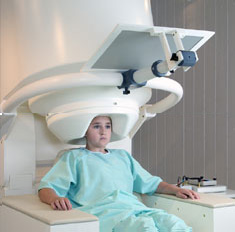
Magnetoencephalography - MEG
Recording of magnetic fields from electrical activity from brain.
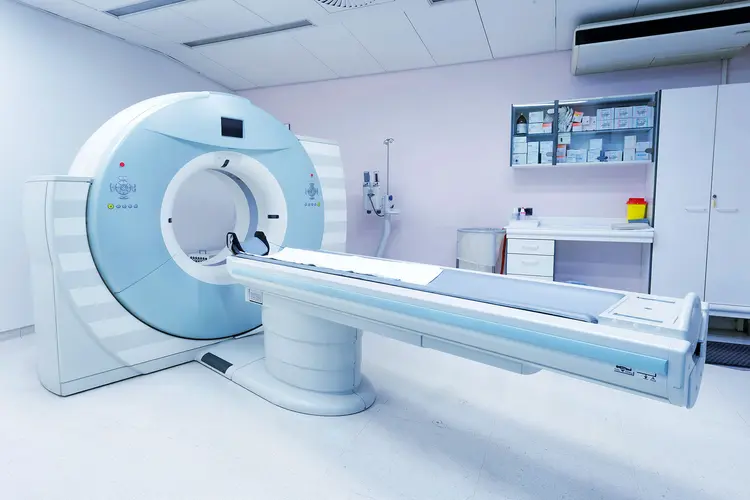
Computed Tomography Scan - CT
X-ray photos from diff. angles for composite of brain structure
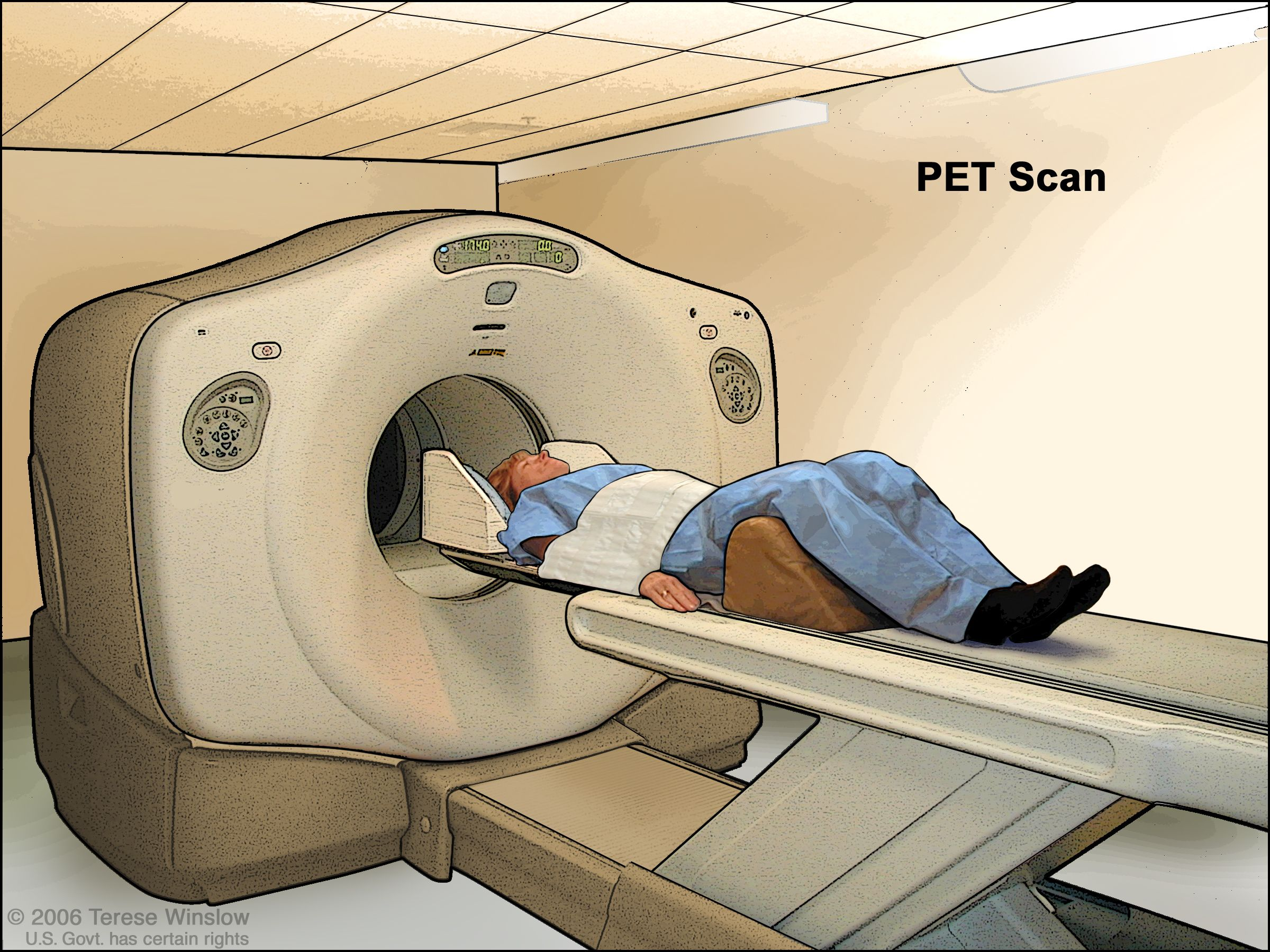
Position Emission Tomography - PET
Detecting brain activity by monitoring movement of radioactive glucose
Magnetic Resonance Image - MRI
Uses magnetic fields & radio waves for images of brain tissue
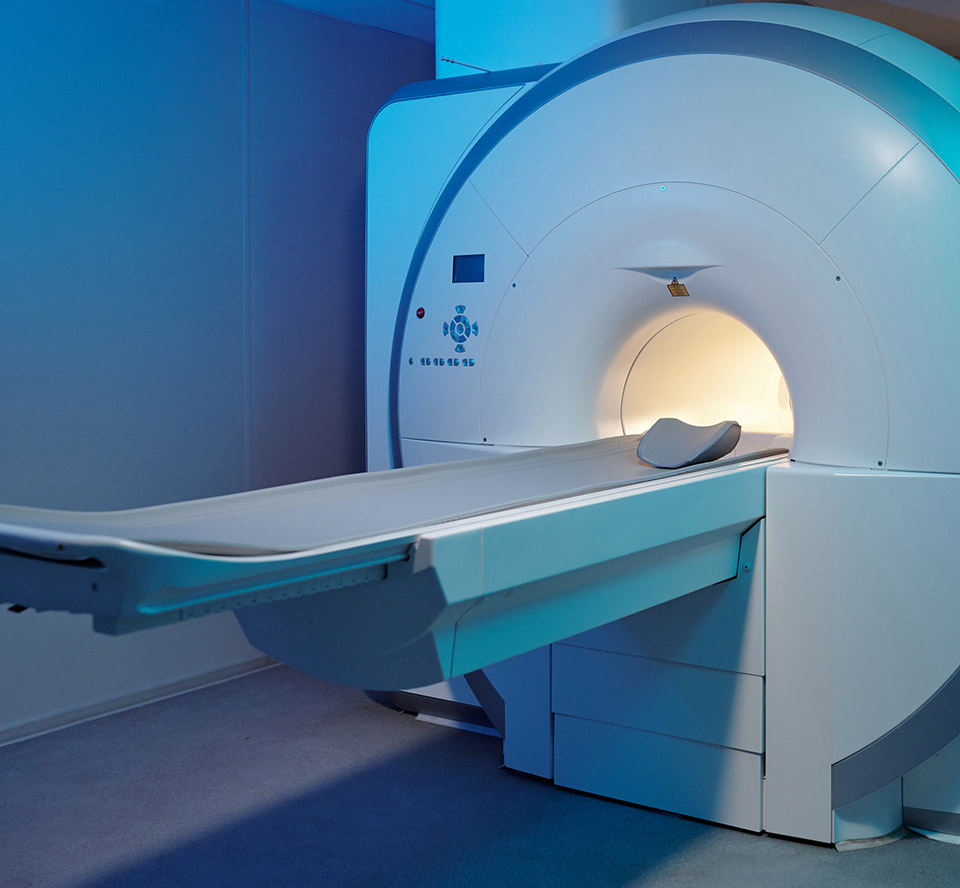
Functional Magnetic Resonance Image - fMRI
Revealing blood flow and activity by comparing MRI scans
Hindbrain
essential auto functions: breathing, sleep, coordination, balance
Midbrain
Connection between fore and hind brain. Sensory processing, transmission, and dopamine creation = movement
Forebrain
Thinking, planning, complex functions
sensory association
cerebrum, thalamus, hypothalamus
Brainstem
Sensory relay, preforming auto functions
Medulla
Auto: breathing, heartbeat
Thalamus
Sense routed through and sends to rest of brain, filters input, grand central station
Reticular Formation
Arousal, alertness, reflexes
Cerebellum
Coordinating and adapting to movement, balance
Cerebral Cortex
Ultimate control and processing center
Frontal Lobes
Decision making, process memories, environment, emotions. Attention
Parietal Lobes
somatosensation, proprioception, bodily and object awareness
Occipital Lobes
Interprets visual signals: perception, positioning
Temporal Lobes
Linguistic processing, Recognition
Broca’s Area
Production and coordination of speech
Wernicke’s Area
speech and language comprehension
Limbic System
motovation, learning, memory, emotions, arousal
Amygdala
long term memory creation, fear-learning
Hypothalamus
links CNS and endocrine systems. regulate hunger, thirst, body temp
Hippocampus
Long term memory formation
Pituitary Gland
Secretes hormones for functions, regulations, endocrine system
Neurogenesis
formation of new neurons
corpus callosum
large band of neural fibers connecting 2 brain hemispheres
split brain
iatrogenic condition separating brain’s 2 hemispheres by cutting corpus callosum and other connecting fibers
Left hemisphere
language, logic, math, controls right side
Right Hemisphere
spatial awareness, facial recognition, emotion processing, controls left side