Electrophilic Aromatic Substitution – Directing Effects
 Call Kai
 Learn
Learn Practice Test
 Spaced Repetition
 Match
Match Flashcards
 Knowt Play
1/57

There's no tags or description
Looks like no tags are added yet.
Name | Mastery | Learn | Test | Matching | Spaced | Call with Kai | Chat |
|---|
No analytics yet
Send a link to your students to track their progress
58 Terms
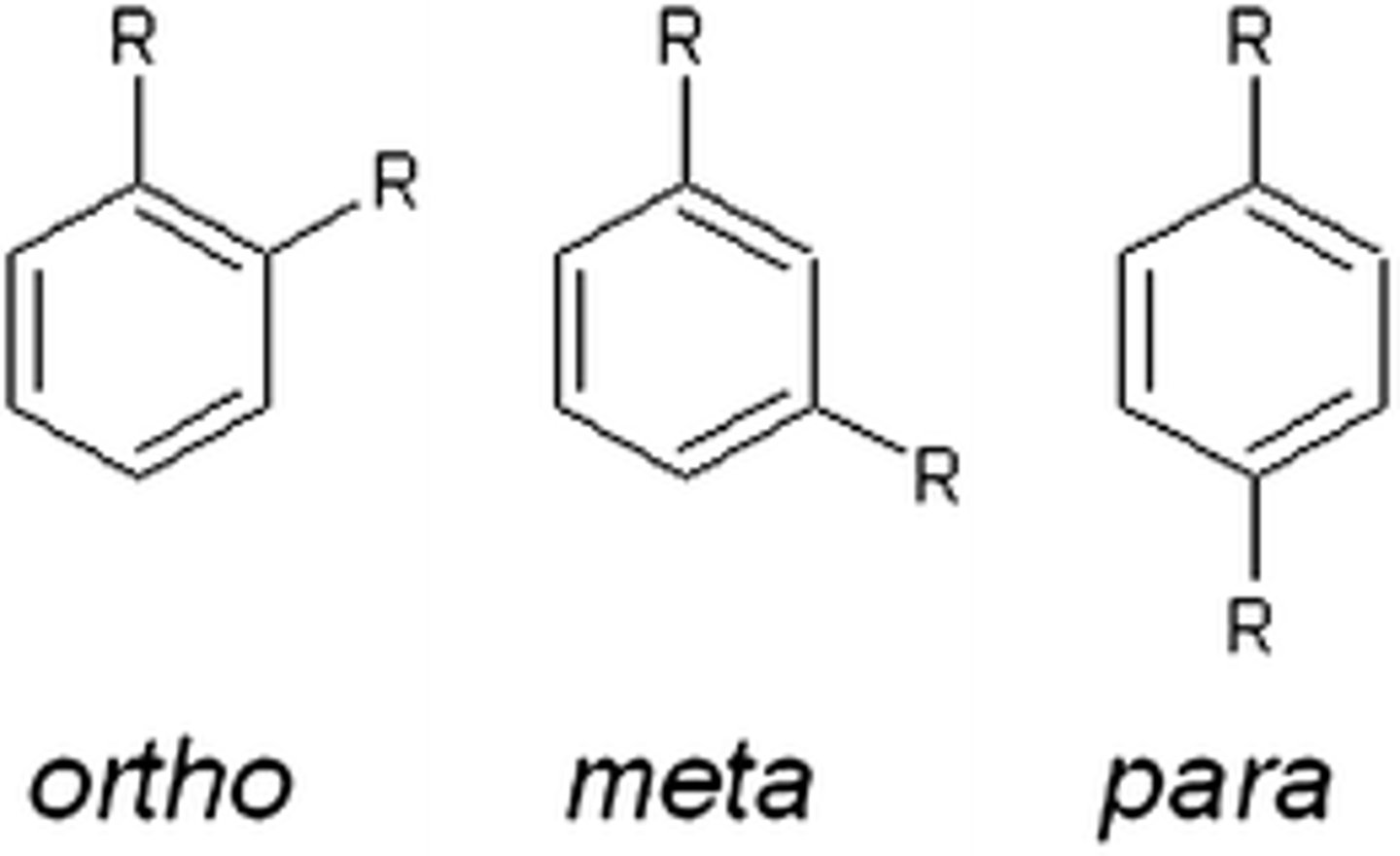
What determines ortho/para vs meta direction in EAS?
The electron-donating or electron-withdrawing ability of the substituent already on the ring.
What do electron-withdrawing groups (EWGs) do to benzene reactivity?
They deactivate the ring (make it less reactive toward electrophiles).
What do electron-donating groups (EDGs) do to benzene reactivity?
They activate the ring (make it more reactive toward electrophiles).
Strong deactivators direct where?
Meta
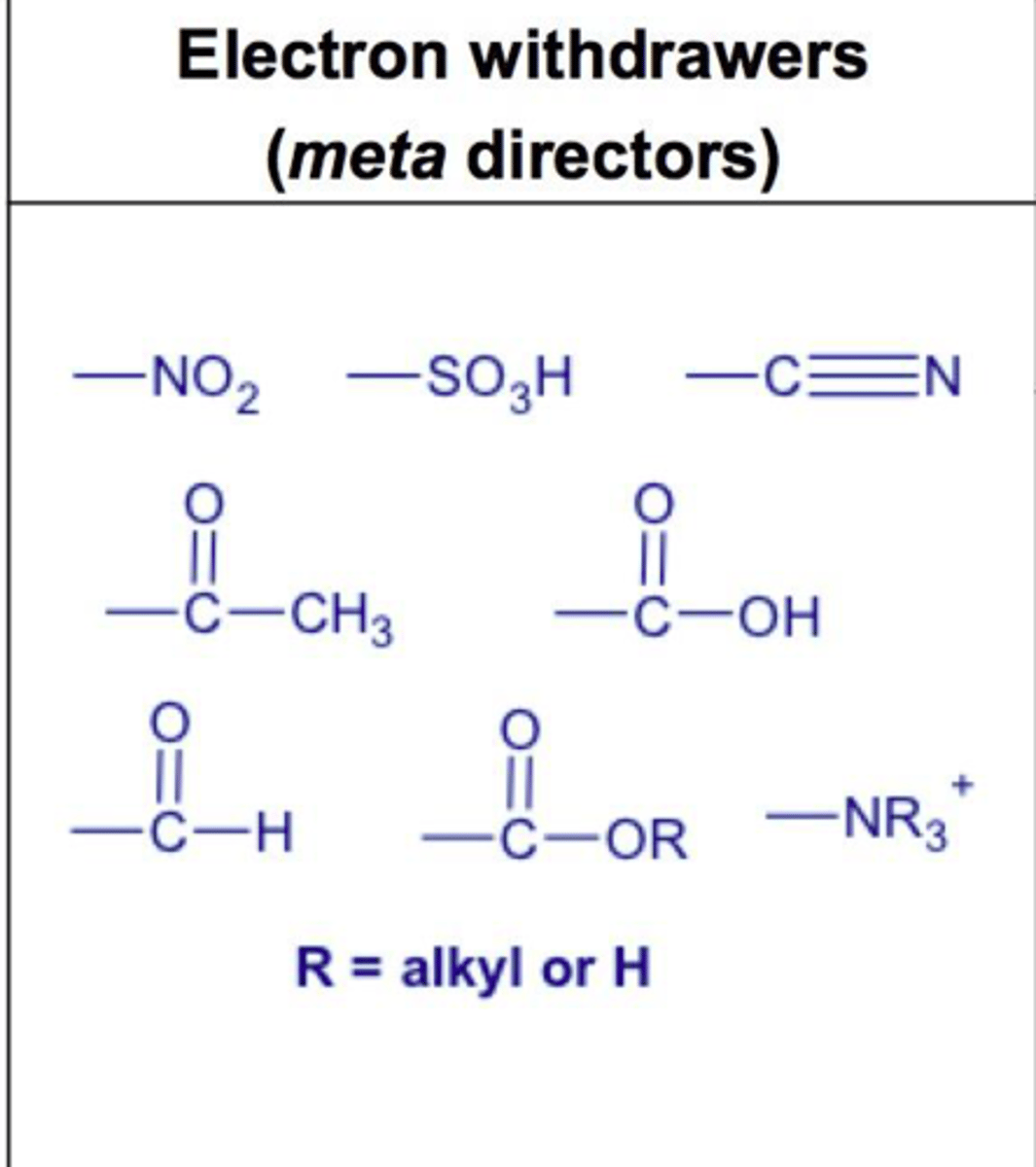
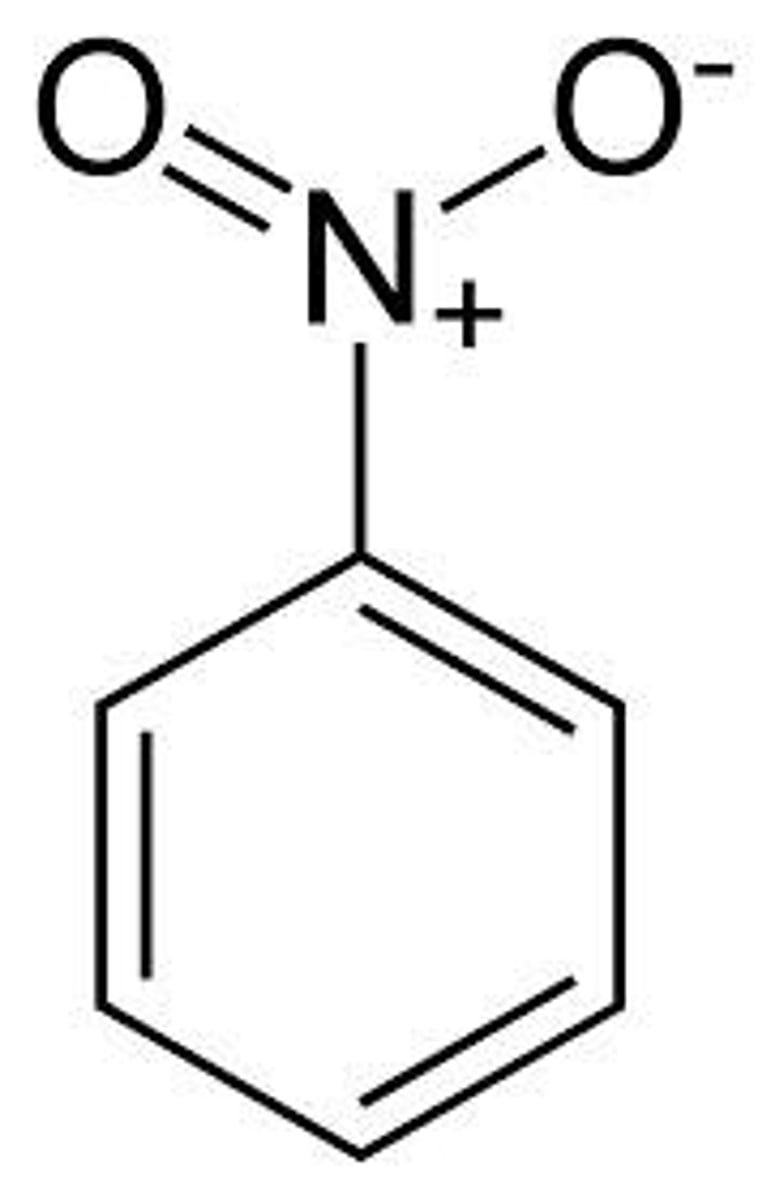
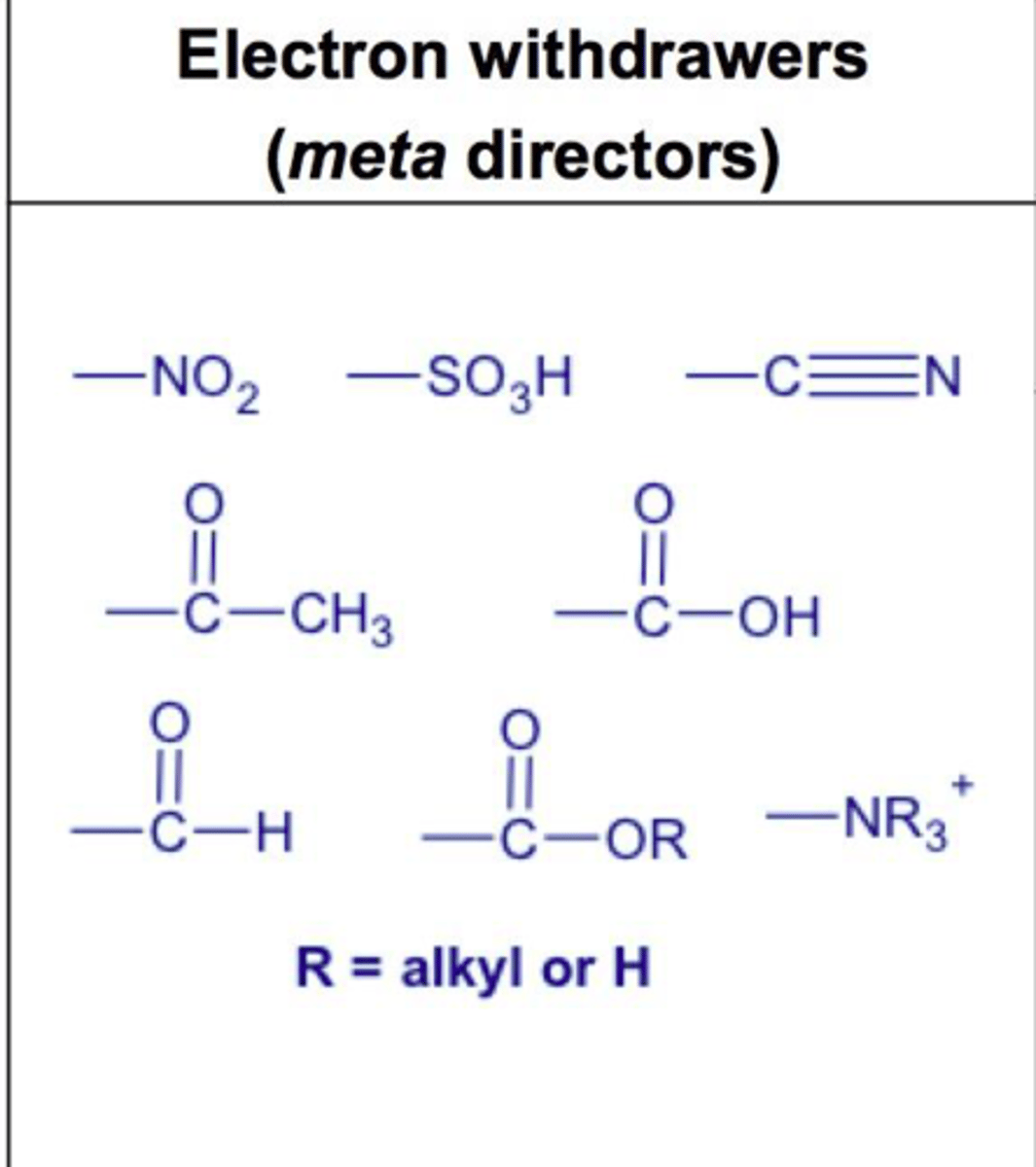
NO2 (Nitro) directing effect
Strongly deactivating, meta-directing
Inductive effect: Strong withdrawing
Resonance effect: Strong withdrawing
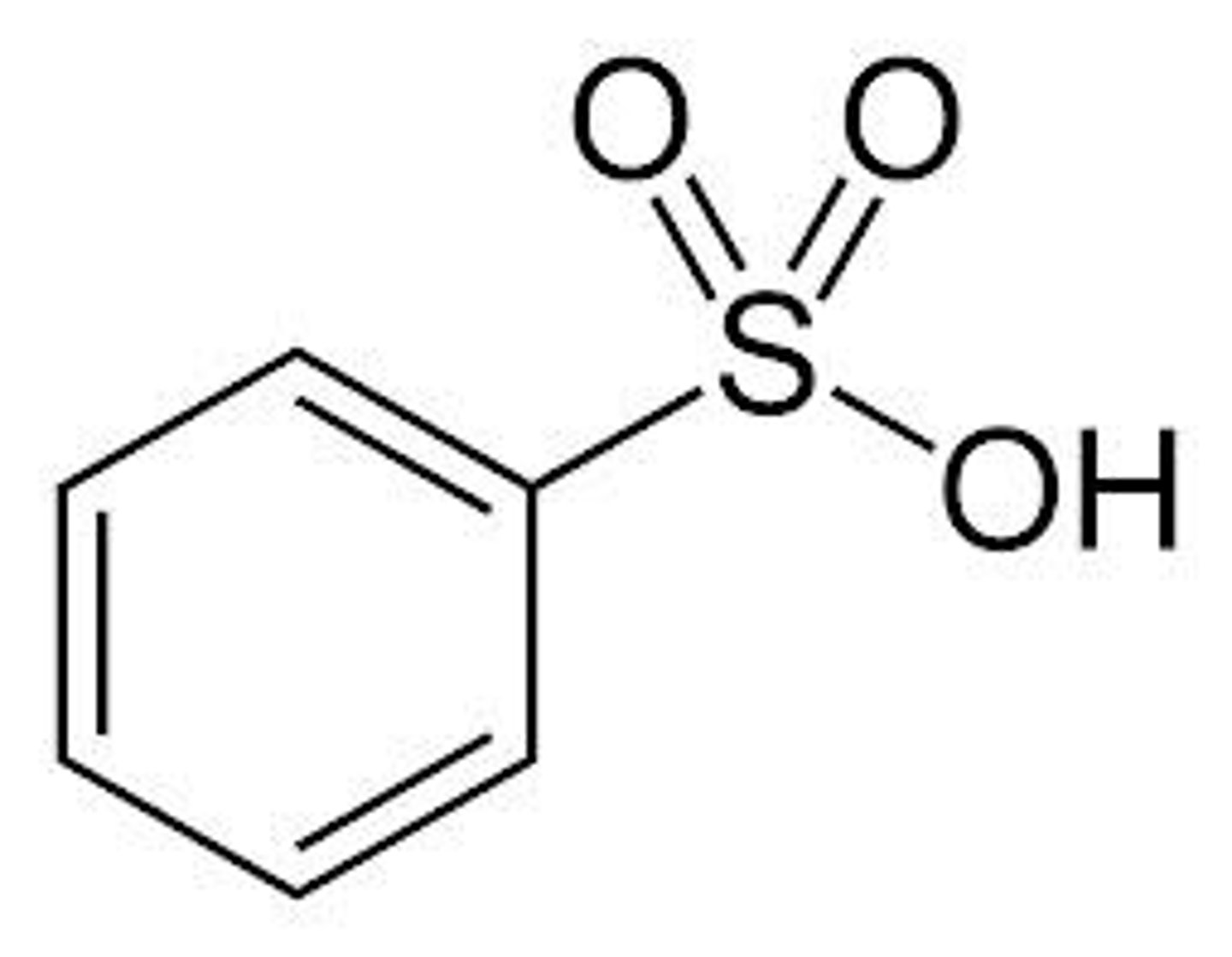
SO3H (sulfonic acid) directing effect
Strongly deactivating, meta-directing
NR3+ (tertiary amine) directing effect
Strongly deactivating, meta-directing
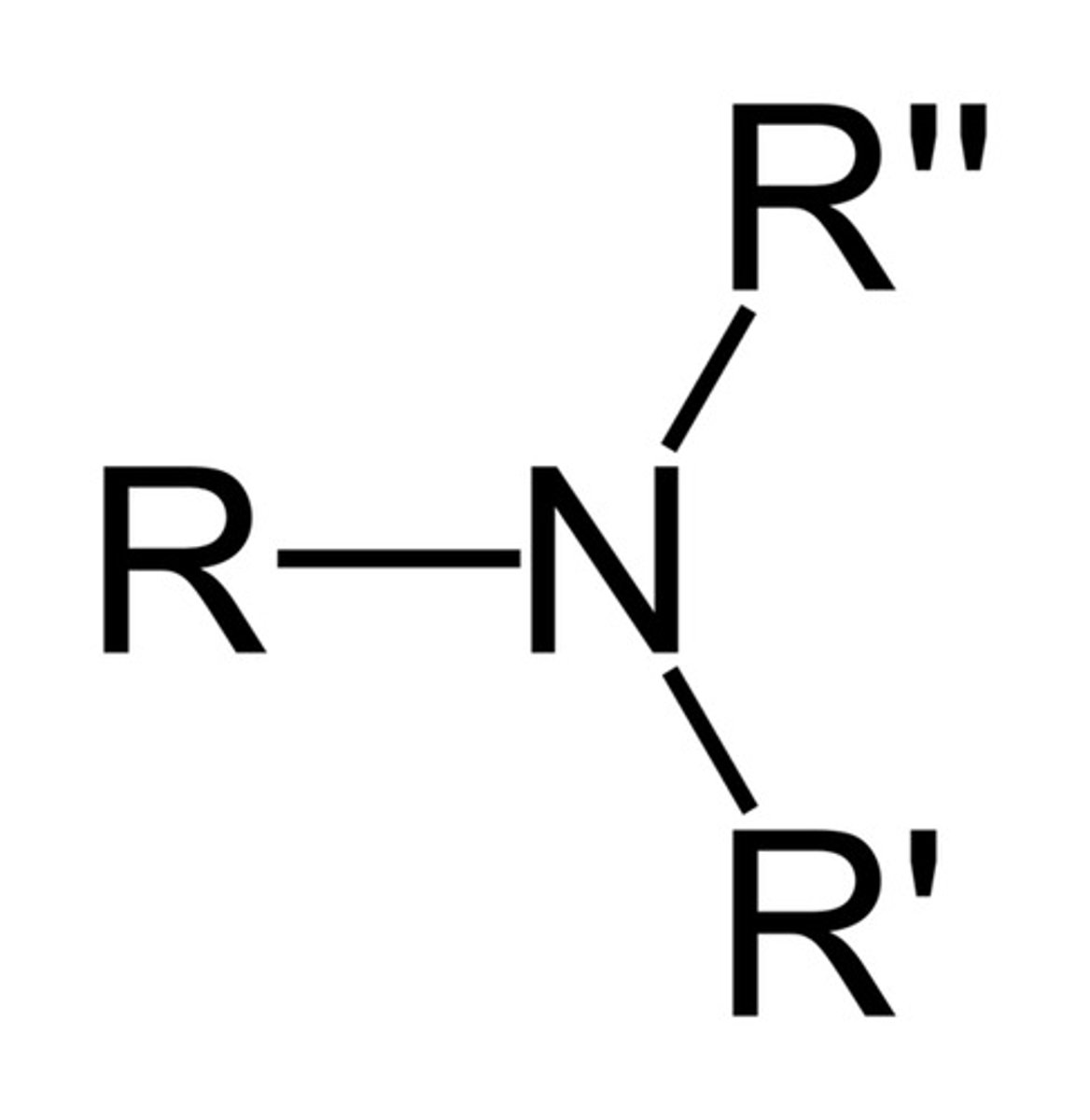
CN (nitrile) directing effect
Strongly deactivating, meta-directing
Inductive effect: Strong withdrawing
Resonance effect: Strong withdrawing
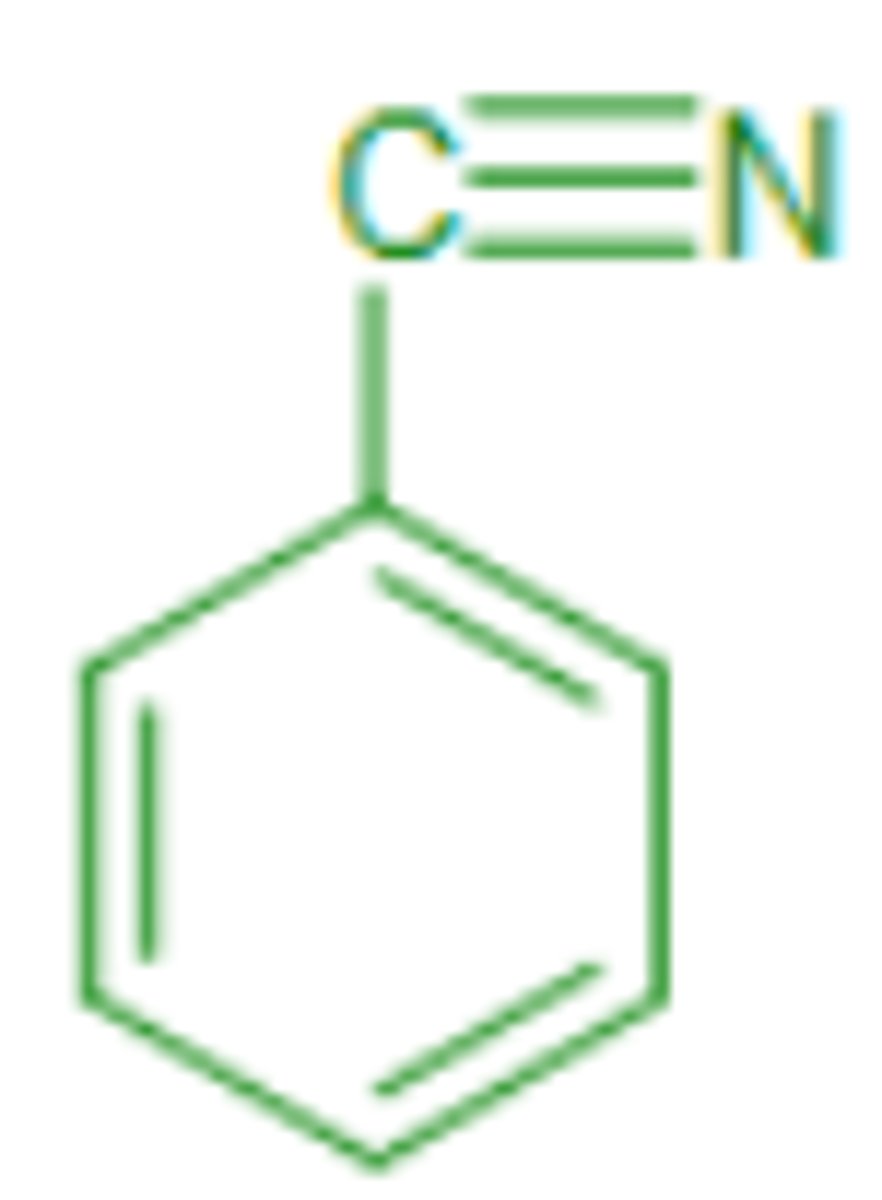
COOH (carboxylic acid) directing effect
Strongly deactivating, meta-directing
Inductive effect: Strong withdrawing
Resonance effect: Strong withdrawing
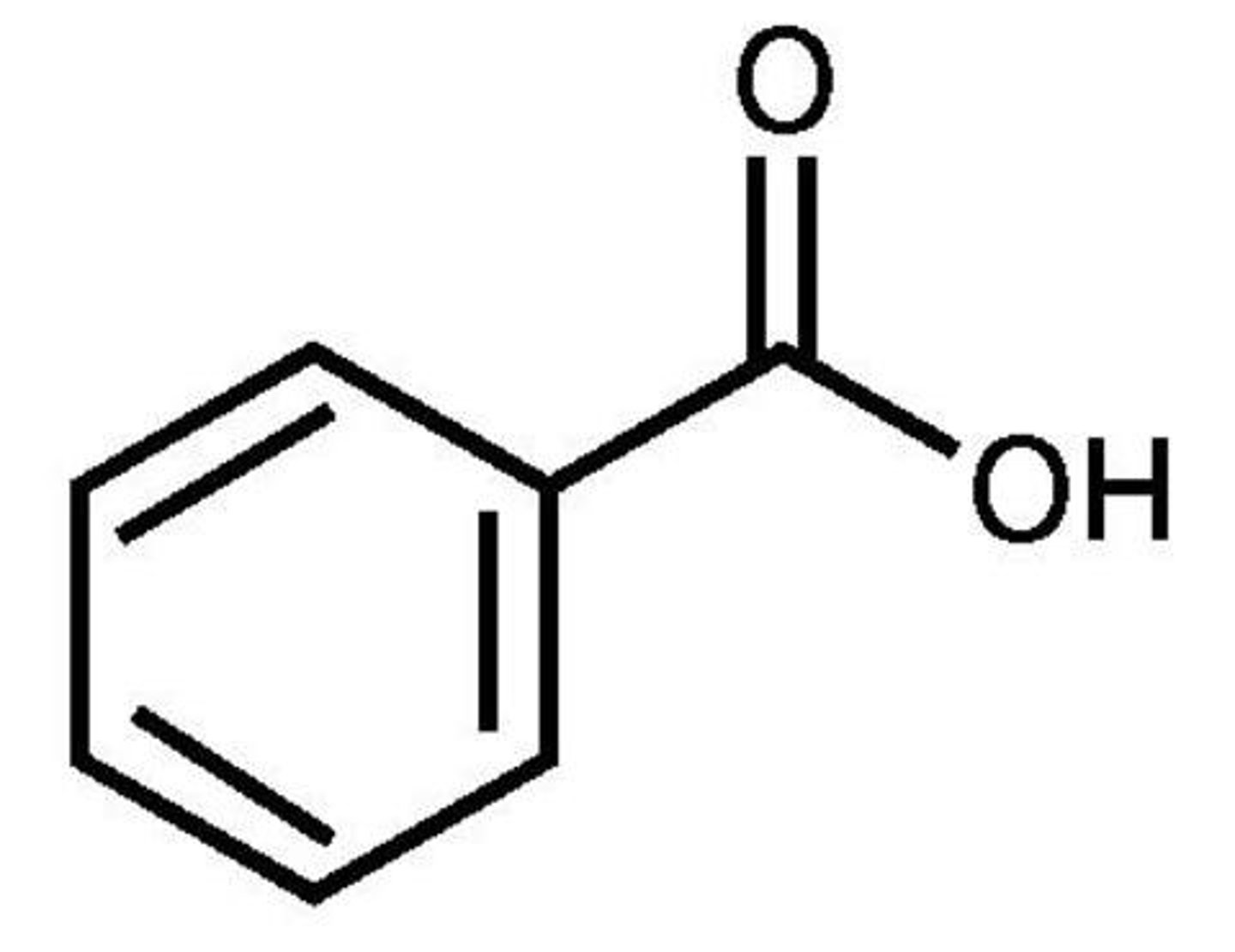
CHO (aldehyde) directing effect
Strongly deactivating, meta-directing
Inductive effect: Strong withdrawing
Resonance effect: Strong withdrawing
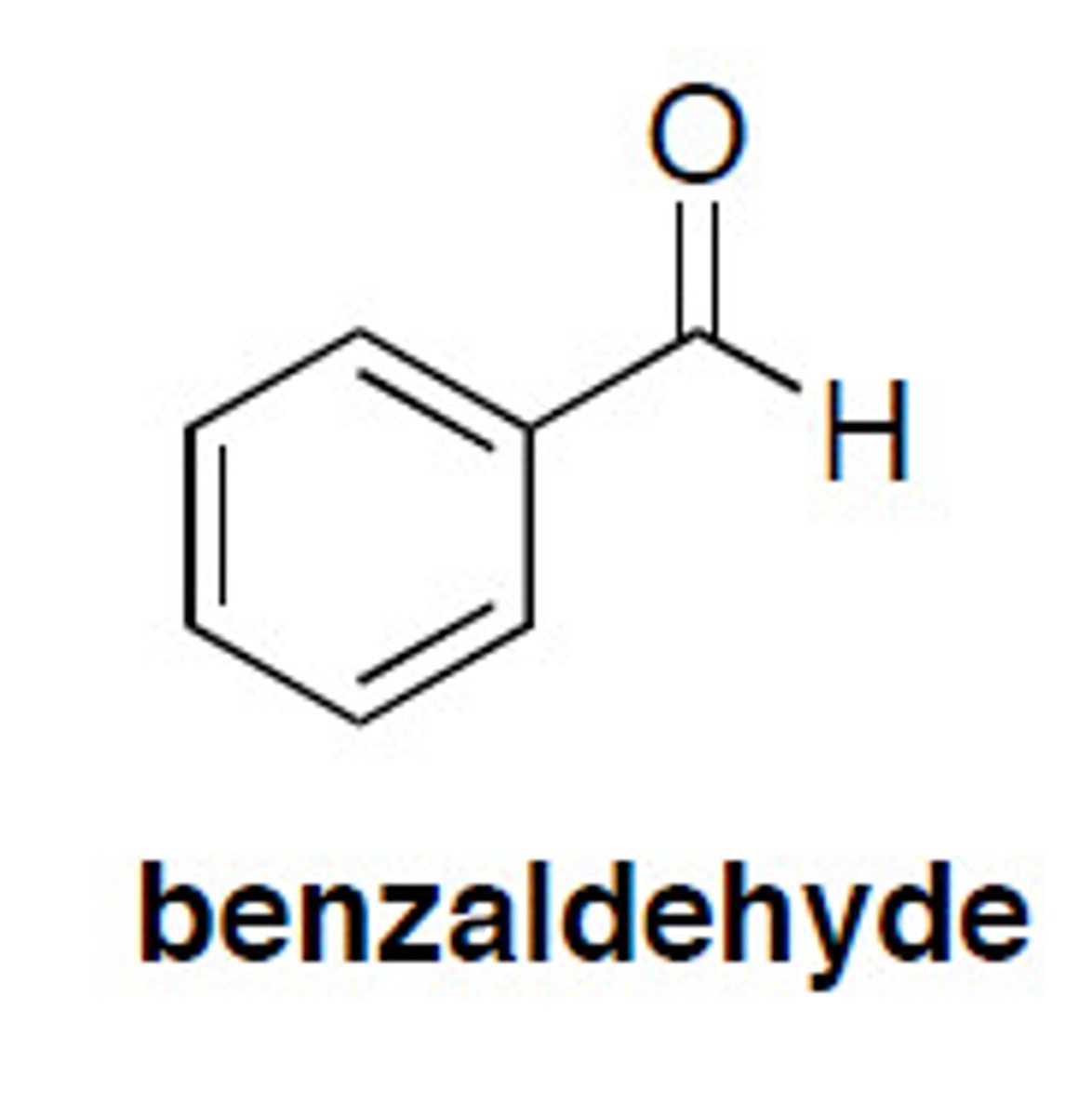
COR (acyl group) directing effect
Strongly deactivating, meta-directing
Inductive effect: Strong withdrawing
Resonance effect: Strong withdrawing
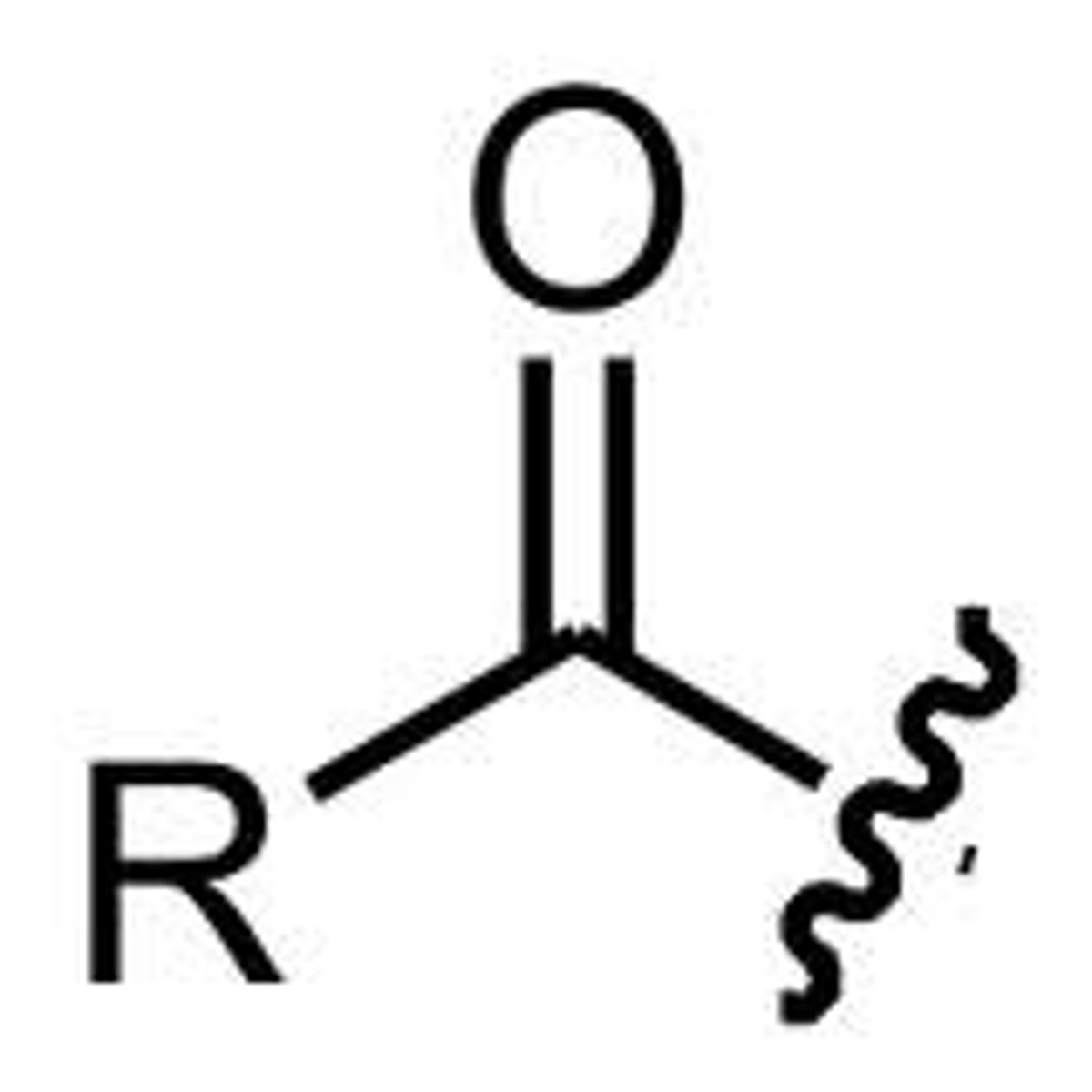
COCH3 (acetyl) directing effect
Strongly deactivating, meta-directing
Inductive effect: Strong withdrawing
Resonance effect: Strong withdrawing
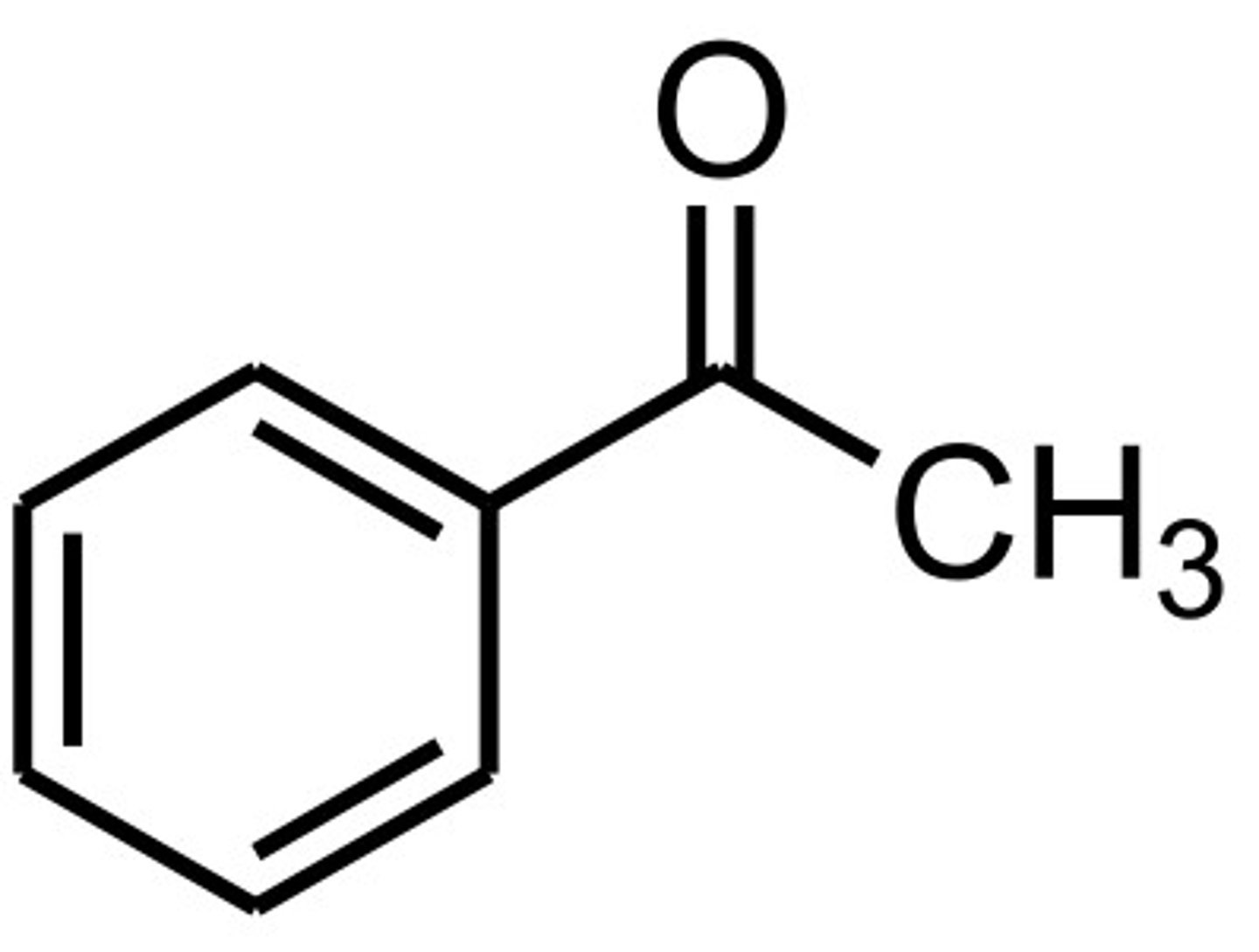
Why are carbonyl-containing groups meta directors?
They withdraw electron density by resonance and induction, destabilizing ortho/para carbocation intermediates.
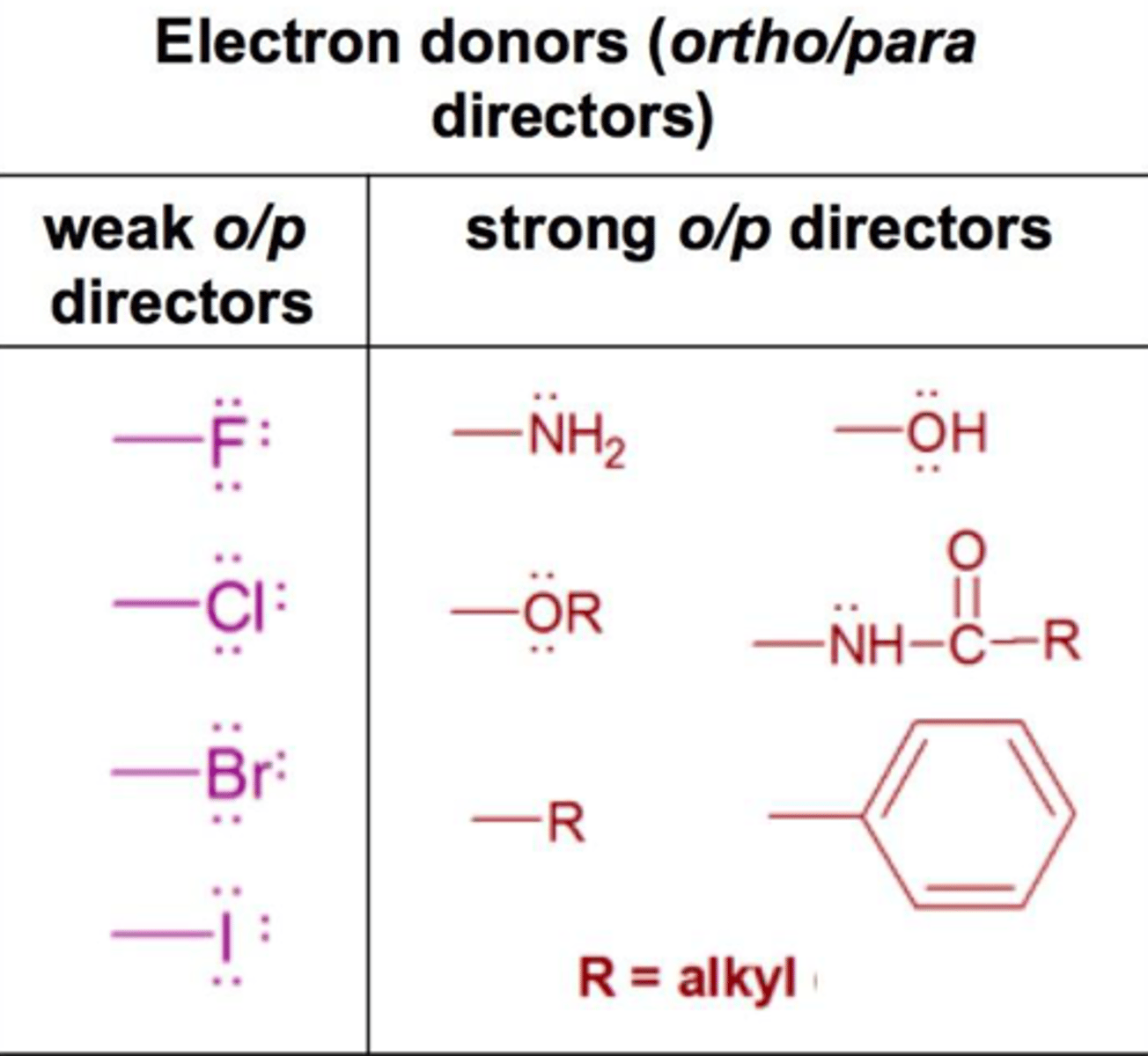
Halogens directing effect
Deactivating but ortho/para-directing
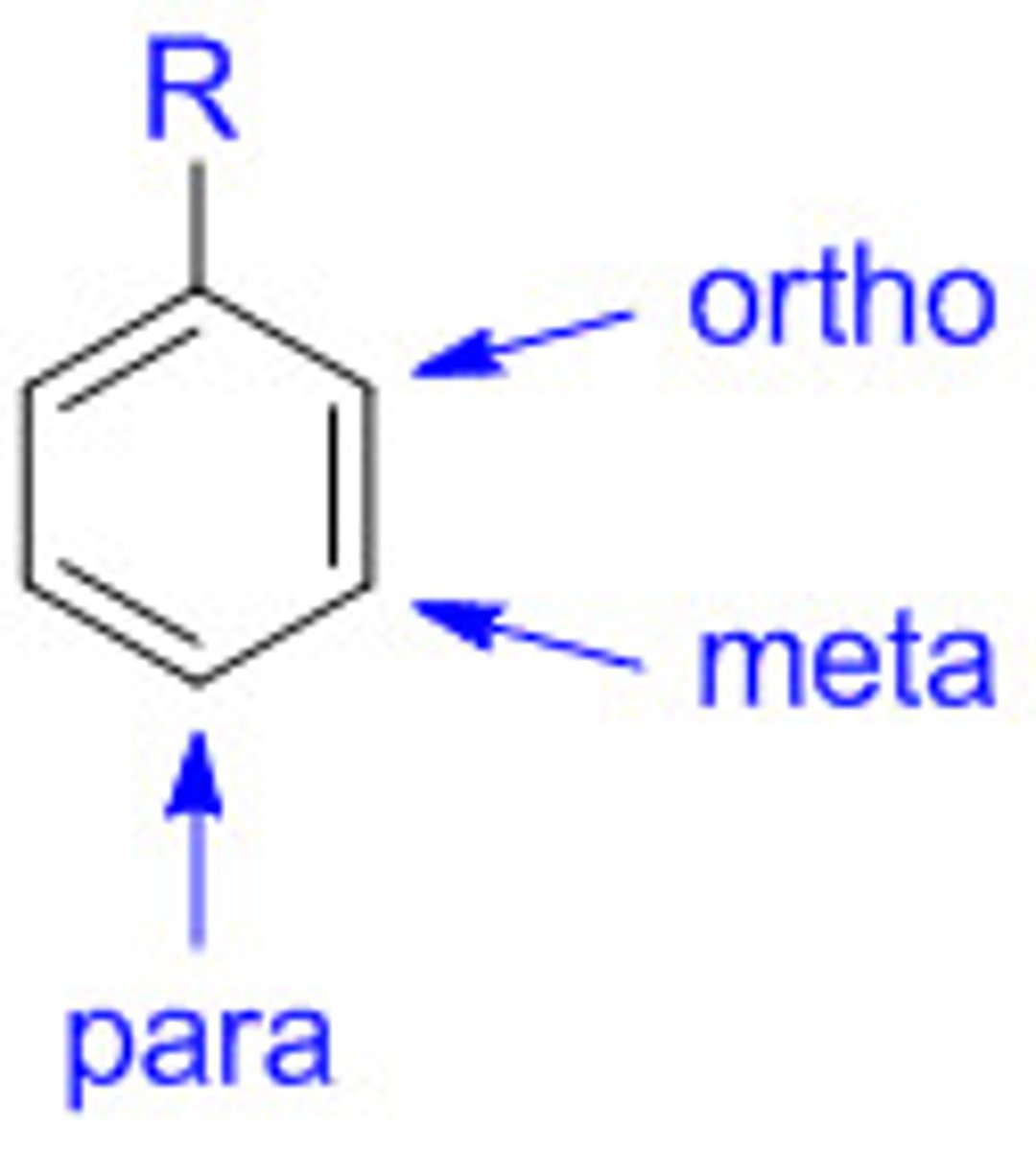
Why are halogens ortho/para directors even though they are deactivating?
They withdraw by induction but donate by resonance.
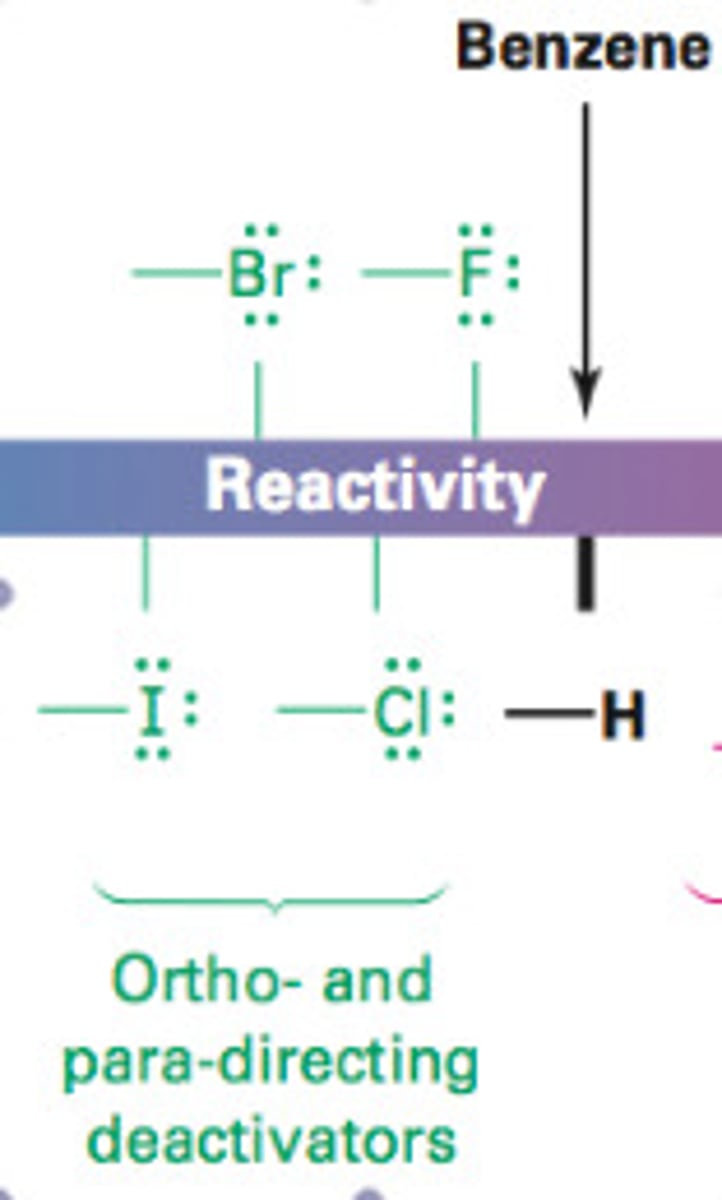
F directing effect
Weakly deactivating, ortho/para-directing
Inductive effect: Strong withdrawing
Resonance effect: Weak donating
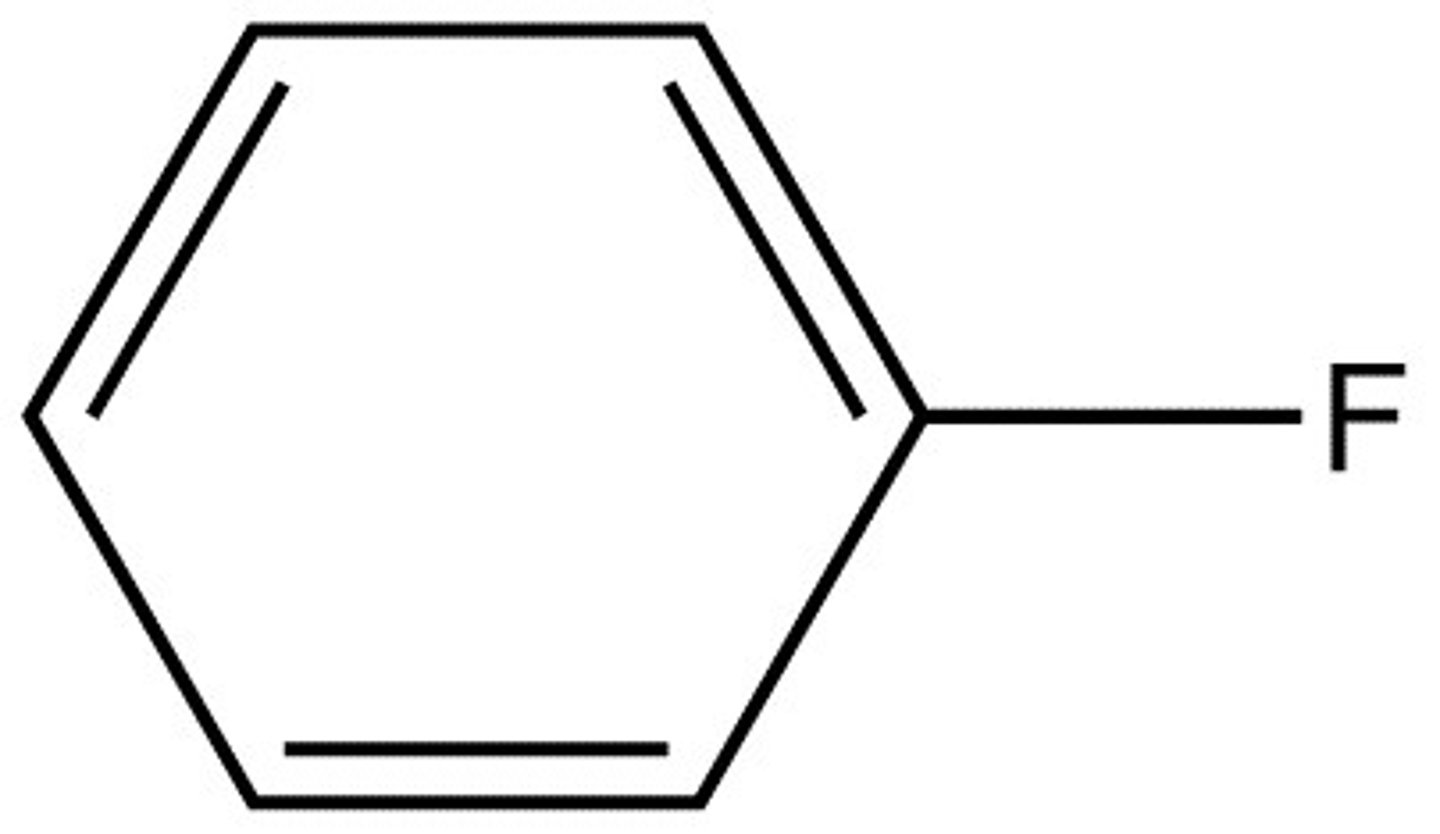
Cl directing effect
Weakly deactivating, ortho/para-directing
Inductive effect: Strong withdrawing
Resonance effect: Weak donating
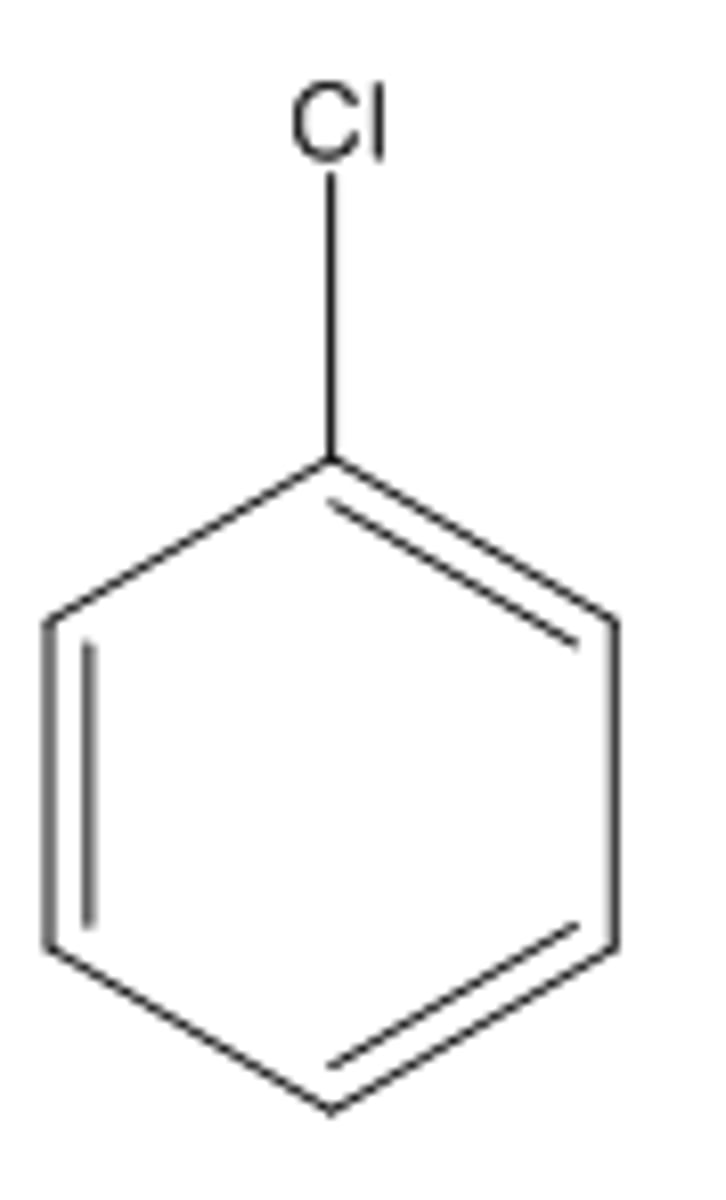
Br directing effect
Weakly deactivating, ortho/para-directing
Inductive effect: Strong withdrawing
Resonance effect: Weak donating
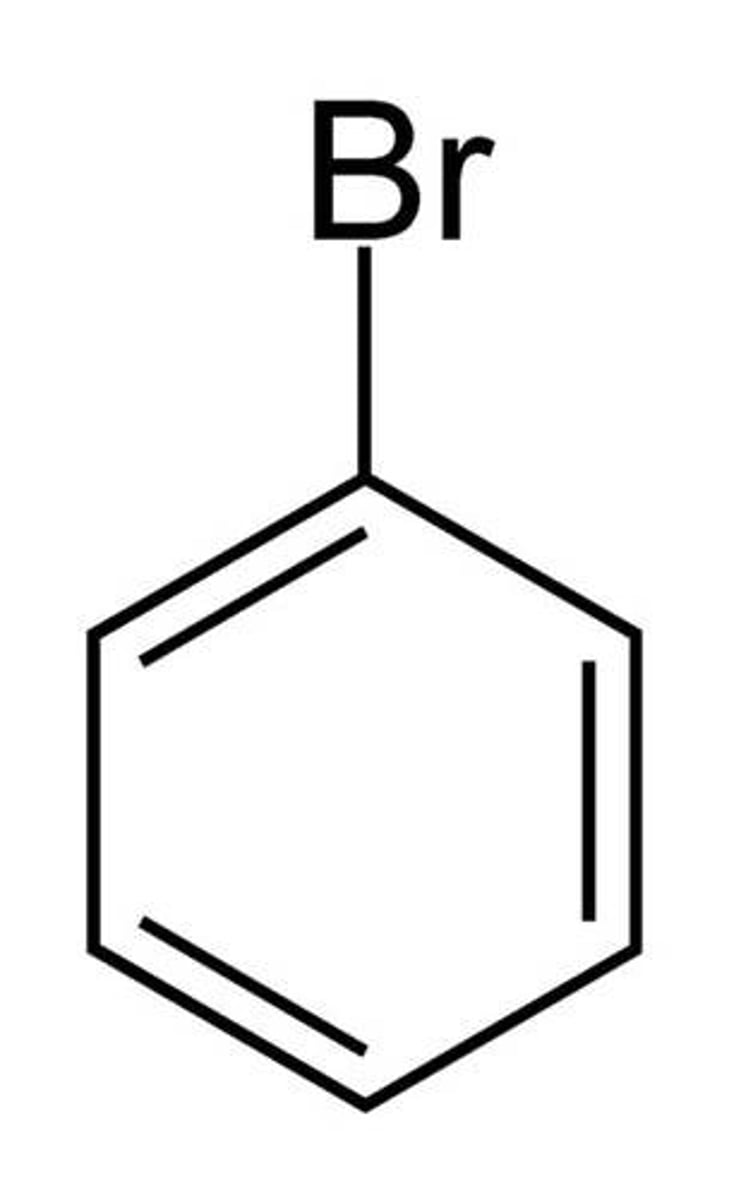
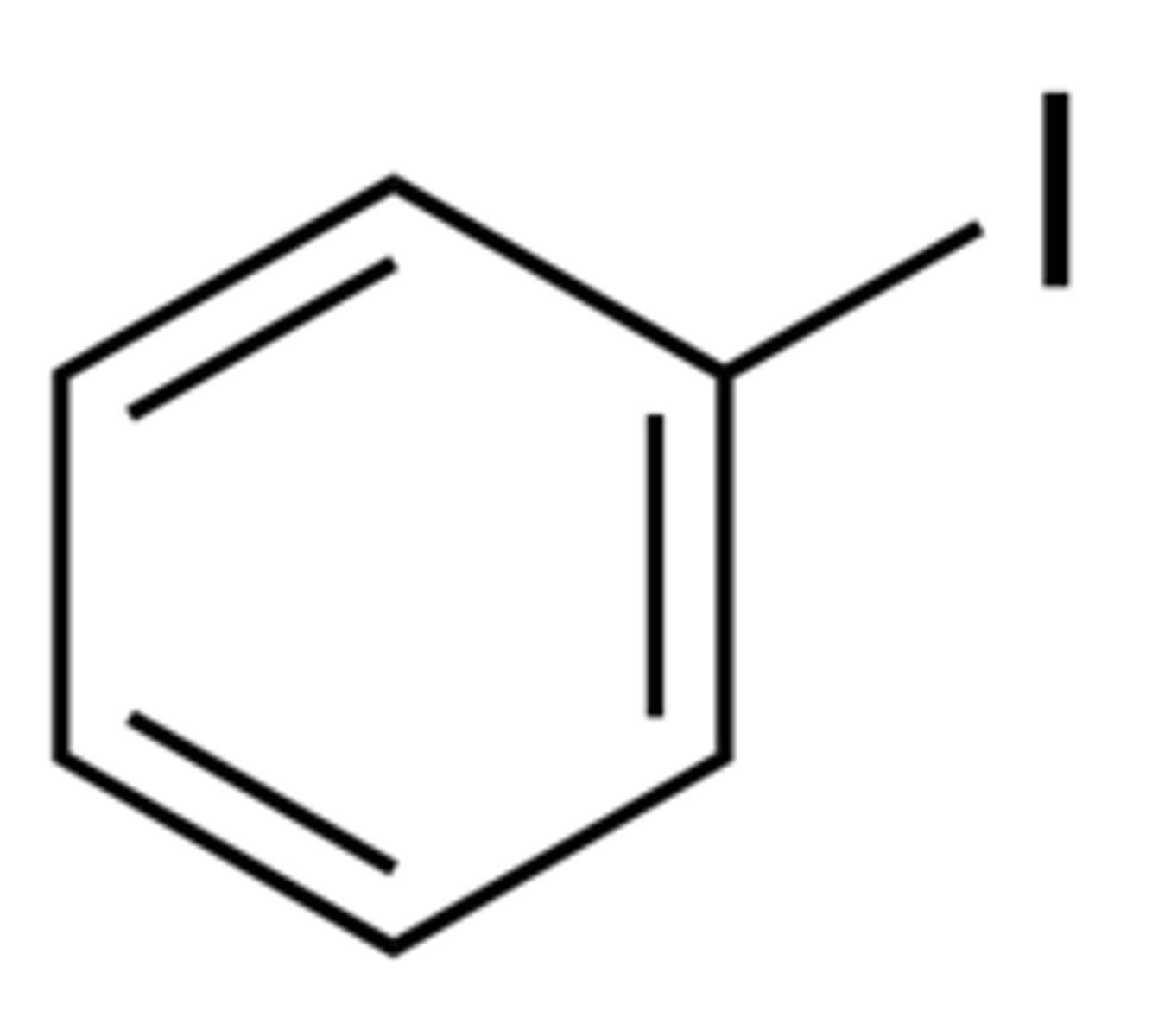
I directing effect
Weakly deactivating, ortho/para-directing
Inductive effect: Strong withdrawing
Resonance effect: Weak donating
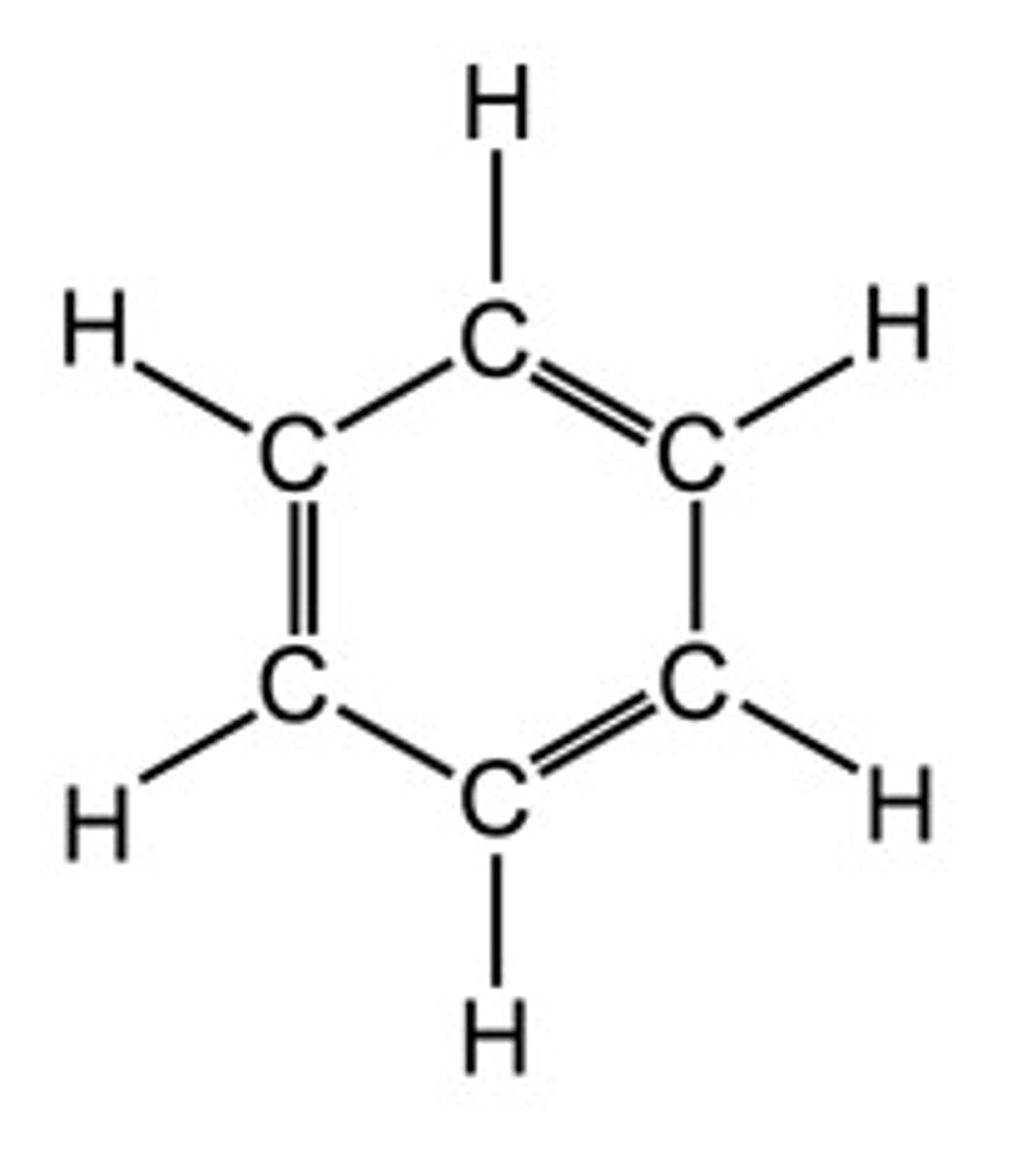
Hydrogen substituent effect
Neutral (benzene baseline reactivity)
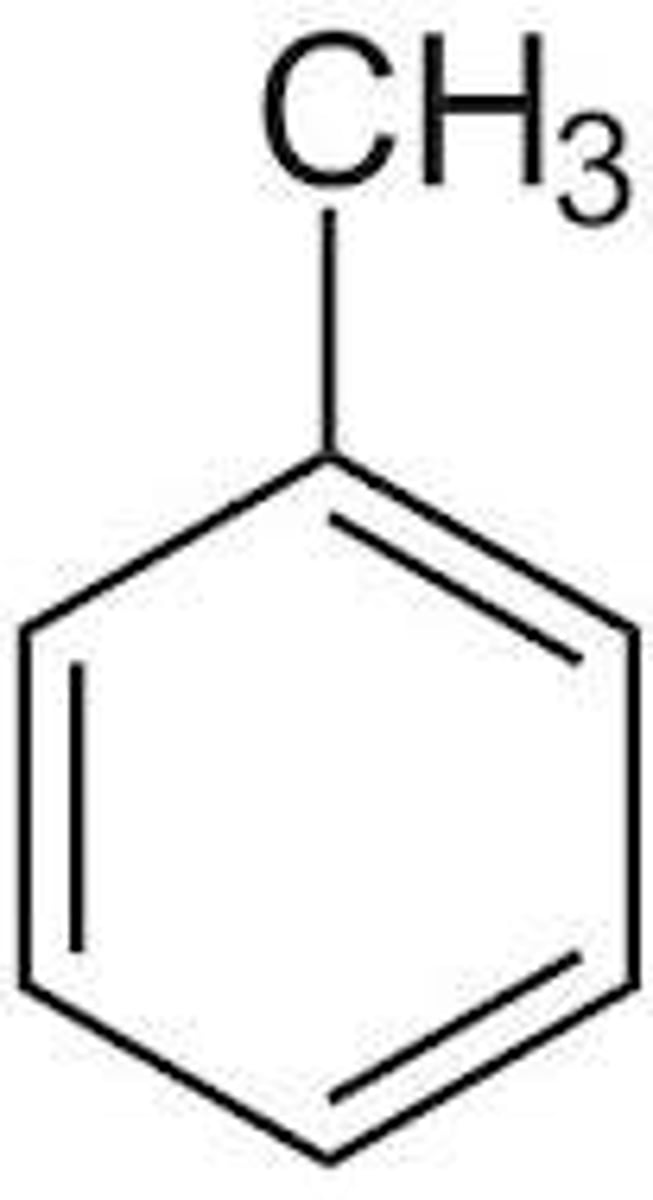
Alkyl (CH3) directing effect
Weakly activating, ortho/para-directing
Inductive effect: Weak donating
Resonance effect: n/a
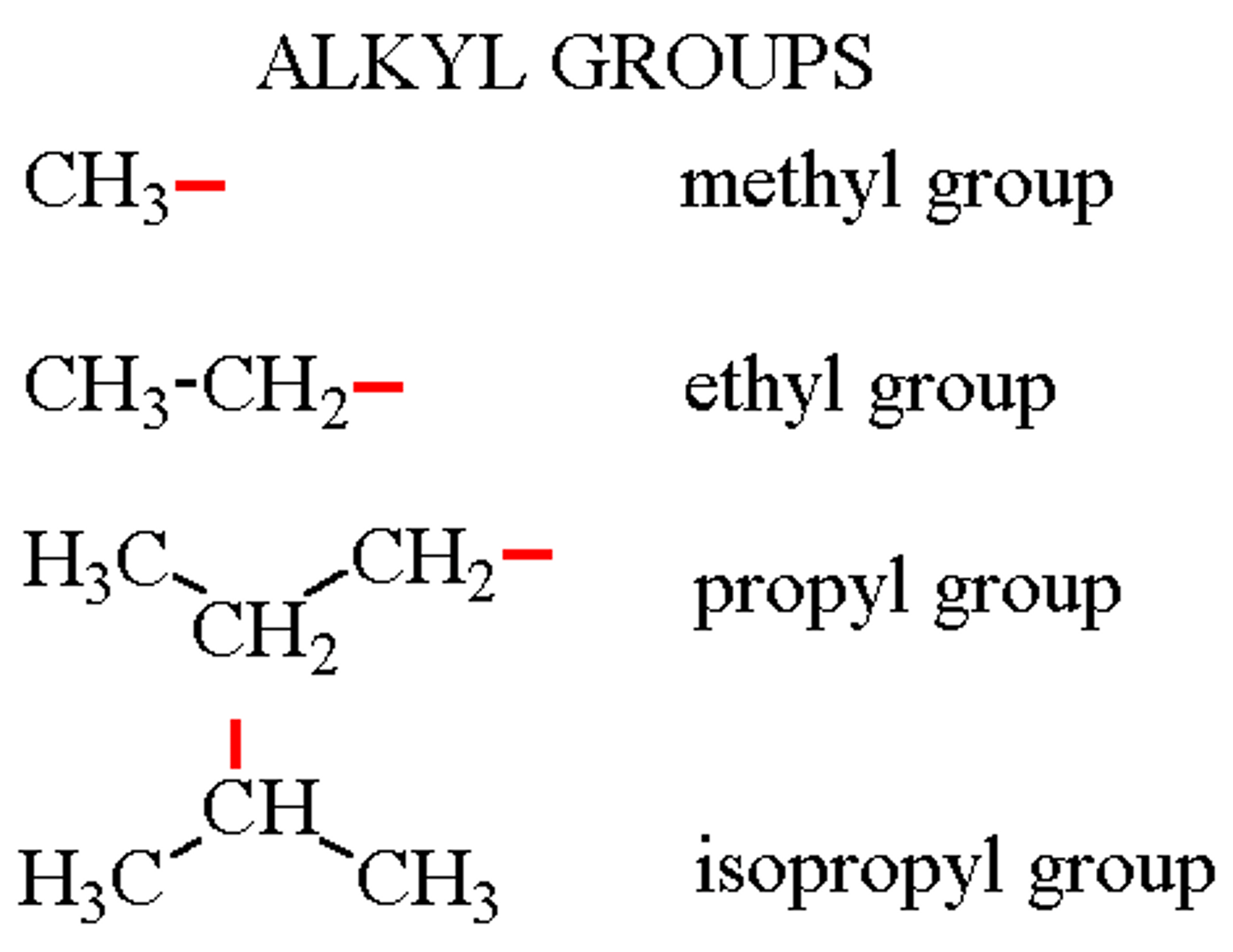
Why are alkyl groups activating?
Hyperconjugation and weak electron donation stabilize the carbocation intermediate.
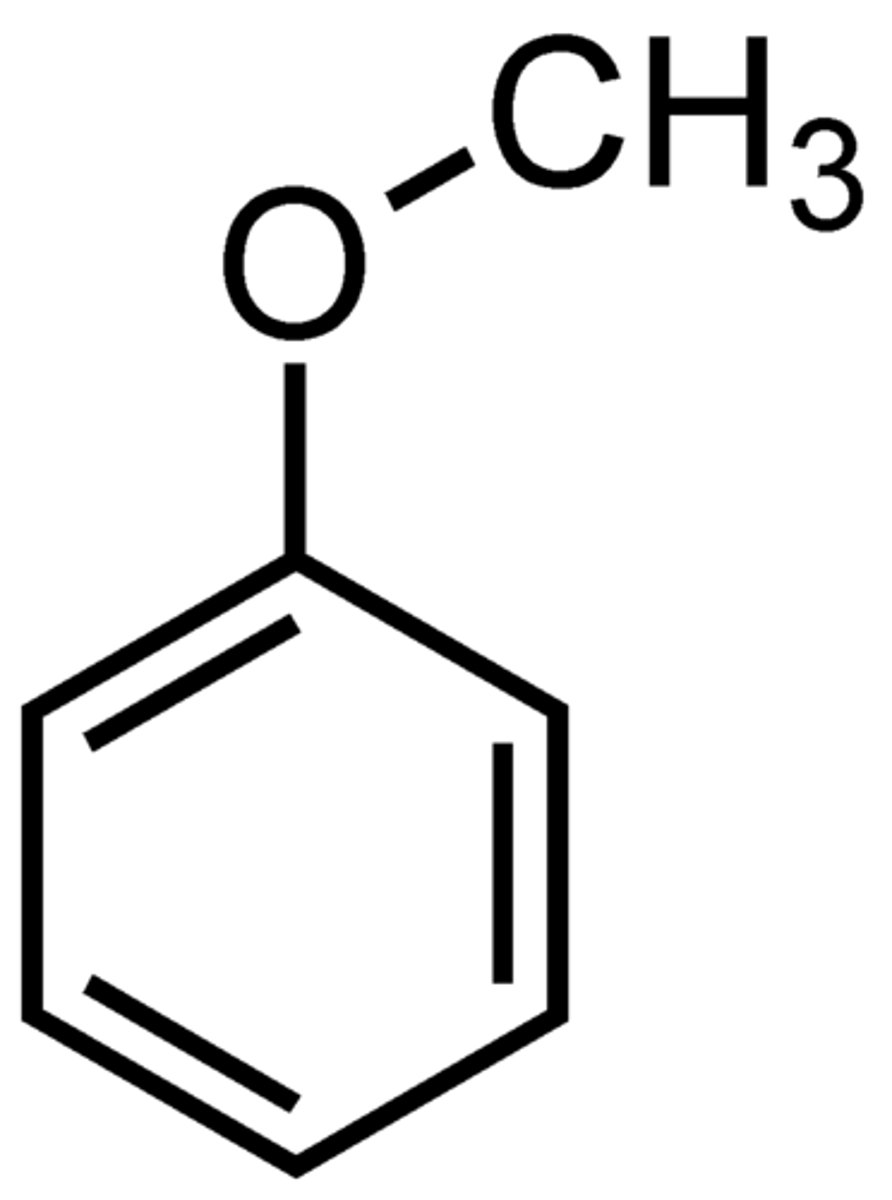
OCH3 directing effect
Strongly activating, ortho/para-directing
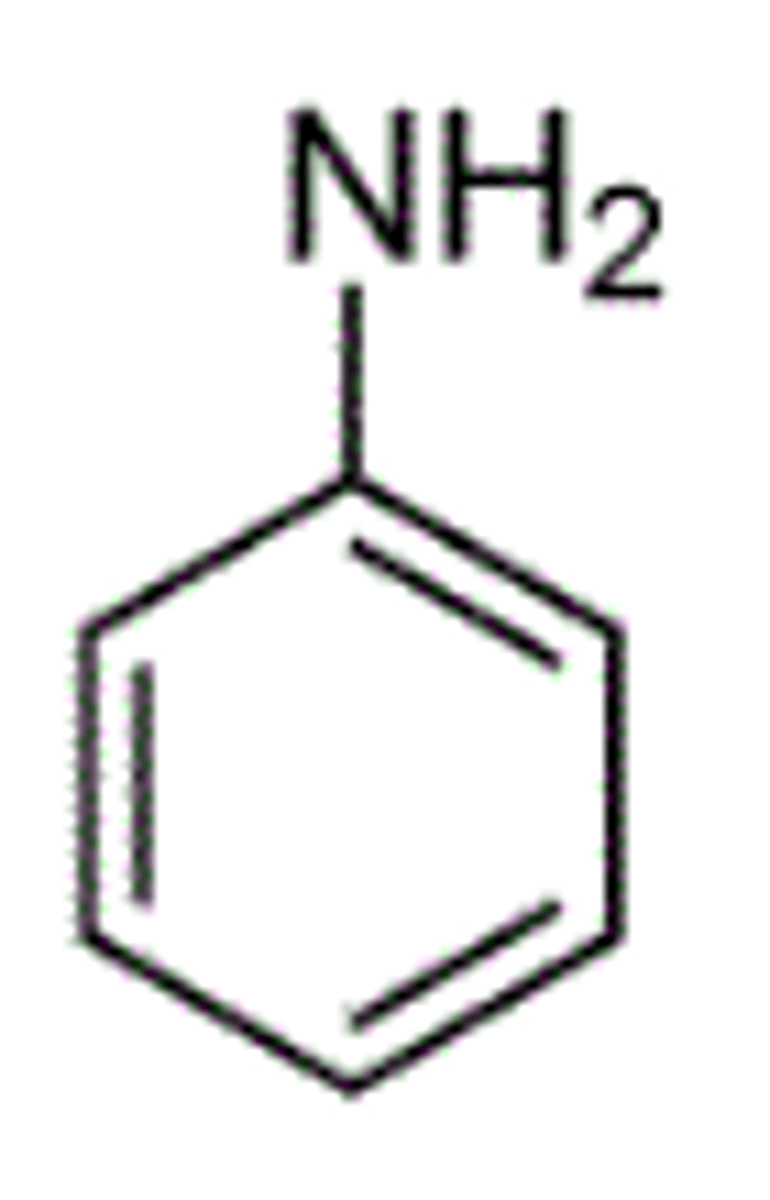
NH2 directing effect
Strongly activating, ortho/para-directing
Inductive effect: Weak withdrawing
Resonance effect: Strong donating
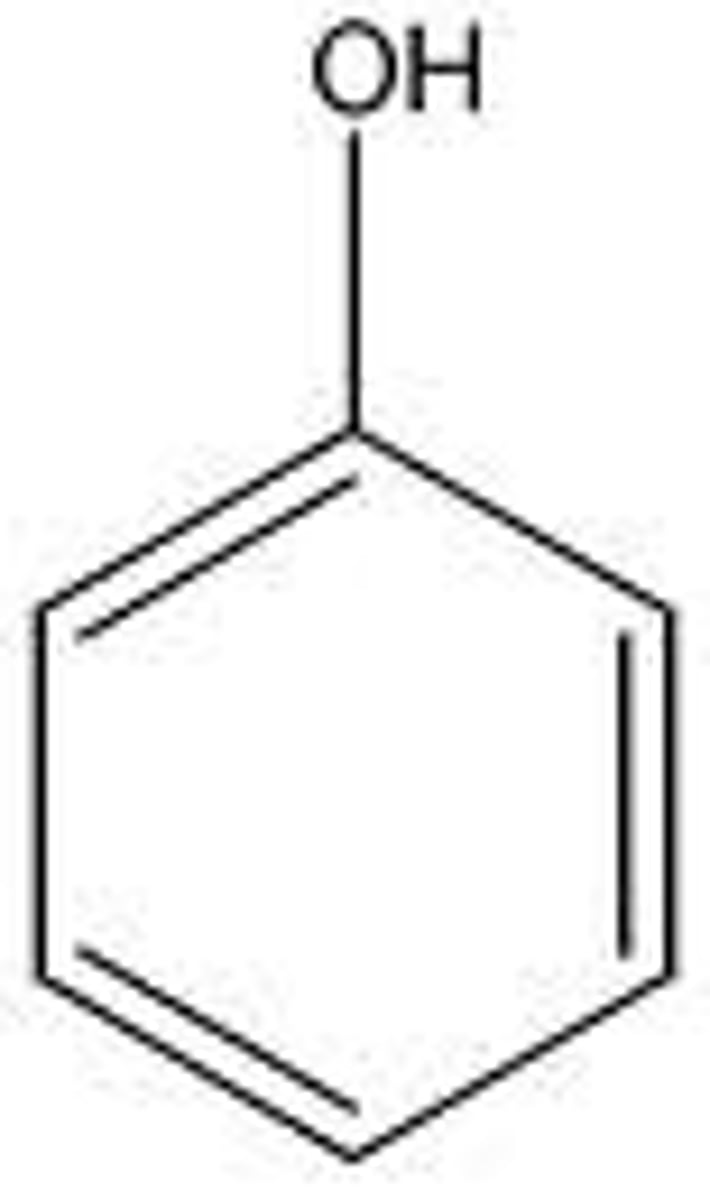
OH directing effect
Strongly activating, ortho/para-directing
Inductive effect: Weak withdrawing
Resonance effect: Strong donating
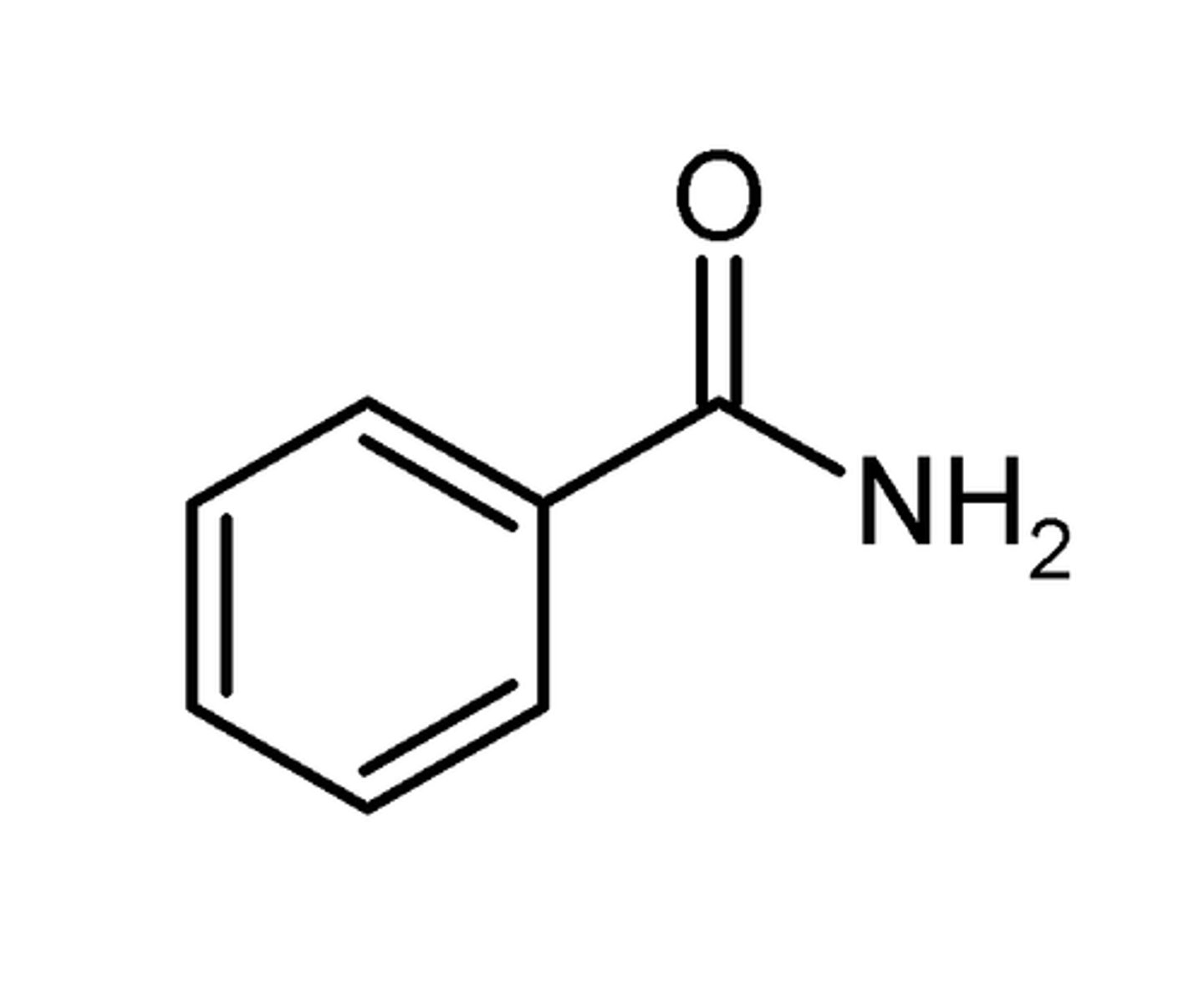
NHCOR (amide) directing effect
Moderately activating, ortho/para-directing
Why are lone-pair donors strongly activating?
They donate electron density by resonance into the ring.
Order of reactivity (least to most reactive)
Strong deactivators < Halogens < Benzene < Alkyl < Amide < OH < OCH3 < NH2
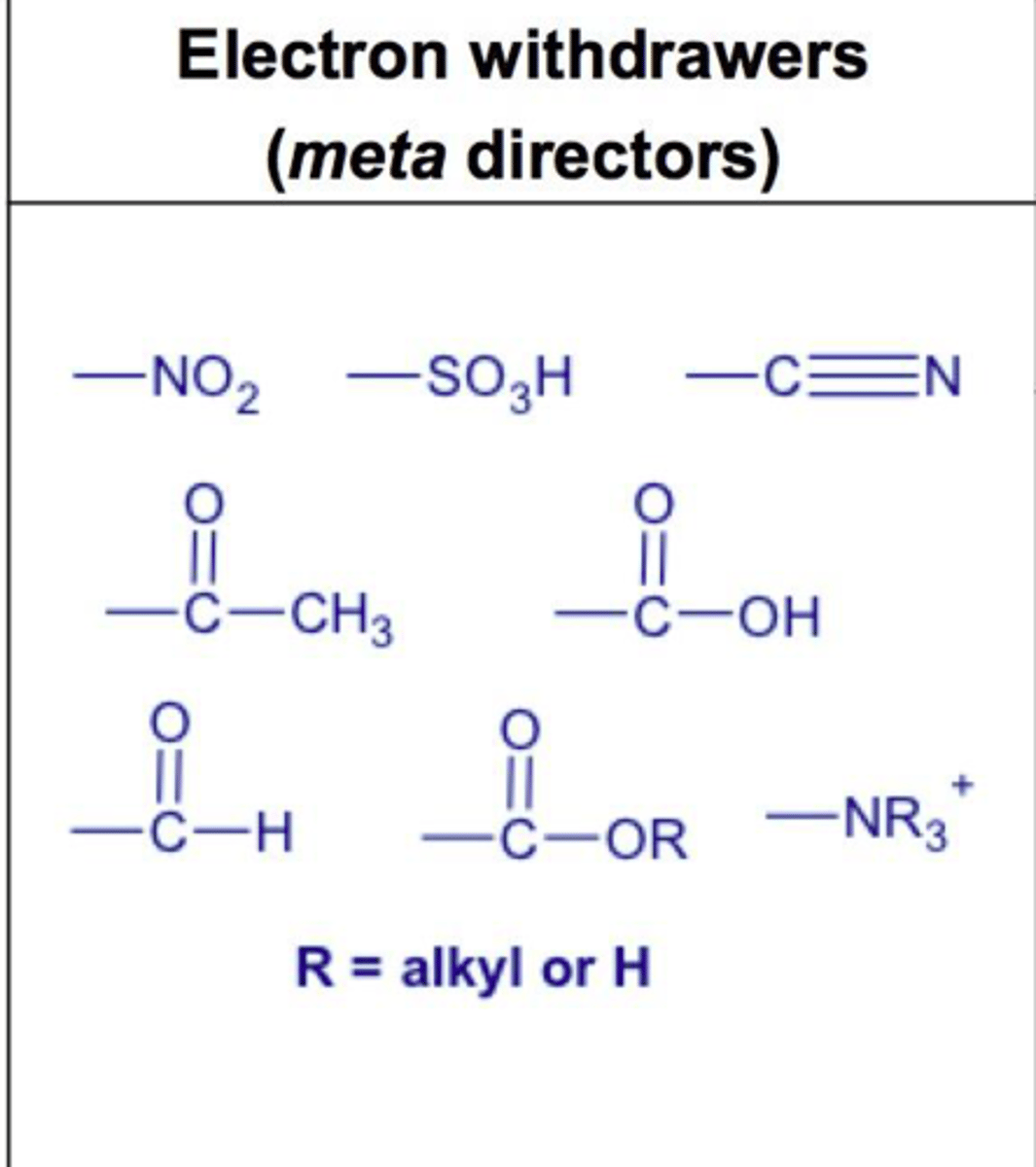
Which groups are meta directors?
Strong electron-withdrawing groups (NO2, SO3H, CN, carbonyls, NR3+)
Which groups are ortho/para directors?
Electron-donating groups and halogens
What does EAS stand for?
Electrophilic Aromatic Substitution
What does NAS stand for?
Nucleophilic Aromatic Substitution
What attacks the ring in EAS?
An electrophile (E+)
What attacks the ring in NAS?
A nucleophile (Nu−)
Which intermediate forms in EAS?
Carbocation (arenium ion)
Which intermediate forms in NAS?
Carbanion (Meisenheimer complex)
What stabilizes EAS intermediates?
Electron-donating groups (EDGs)
What stabilizes NAS intermediates?
Electron-withdrawing groups (EWGs)
Which groups activate EAS?
Electron-donating groups
Which groups activate NAS?
Electron-withdrawing groups
Which groups deactivate EAS but activate NAS?
Nitro, carbonyl, cyano, and other EWGs
Why do EWGs help NAS?
They stabilize the negative charge of the carbanion intermediate
Why do EDGs help EAS?
They stabilize the positive charge of the carbocation intermediate
Directing effect of EWGs in EAS
Meta-directing
Directing effect of EWGs in NAS
Ortho/para-directing
Directing effect of EDGs in EAS
Ortho/para-directing
Do EDGs help NAS?
No, they usually hinder NAS
What gets replaced in EAS?
Hydrogen on the ring
What gets replaced in NAS?
A leaving group (usually halide)
Which reaction needs a leaving group on the ring?
Nucleophilic aromatic substitution
Does EAS require a leaving group?
No, it replaces H
Main goal of EAS
Add a substituent to benzene
Main goal of NAS
Replace a halogen with a nucleophile
Classic example of NAS substrate
Nitro-substituted aryl halide
Why are nitro groups important in NAS?
They strongly activate the ring toward nucleophilic attack
One-word difference: EAS vs NAS
Electrophile vs Nucleophile
Quick rule: EDG helps what?
EAS
Quick rule: EWG helps what?
NAS