Lecture Exam 2 - Shoulder
 Call Kai
 Learn
Learn Practice Test
 Spaced Repetition
 Match
Match Flashcards
 Knowt Play
1/76

There's no tags or description
Looks like no tags are added yet.
Name | Mastery | Learn | Test | Matching | Spaced | Call with Kai |
|---|
No analytics yet
Send a link to your students to track their progress
77 Terms
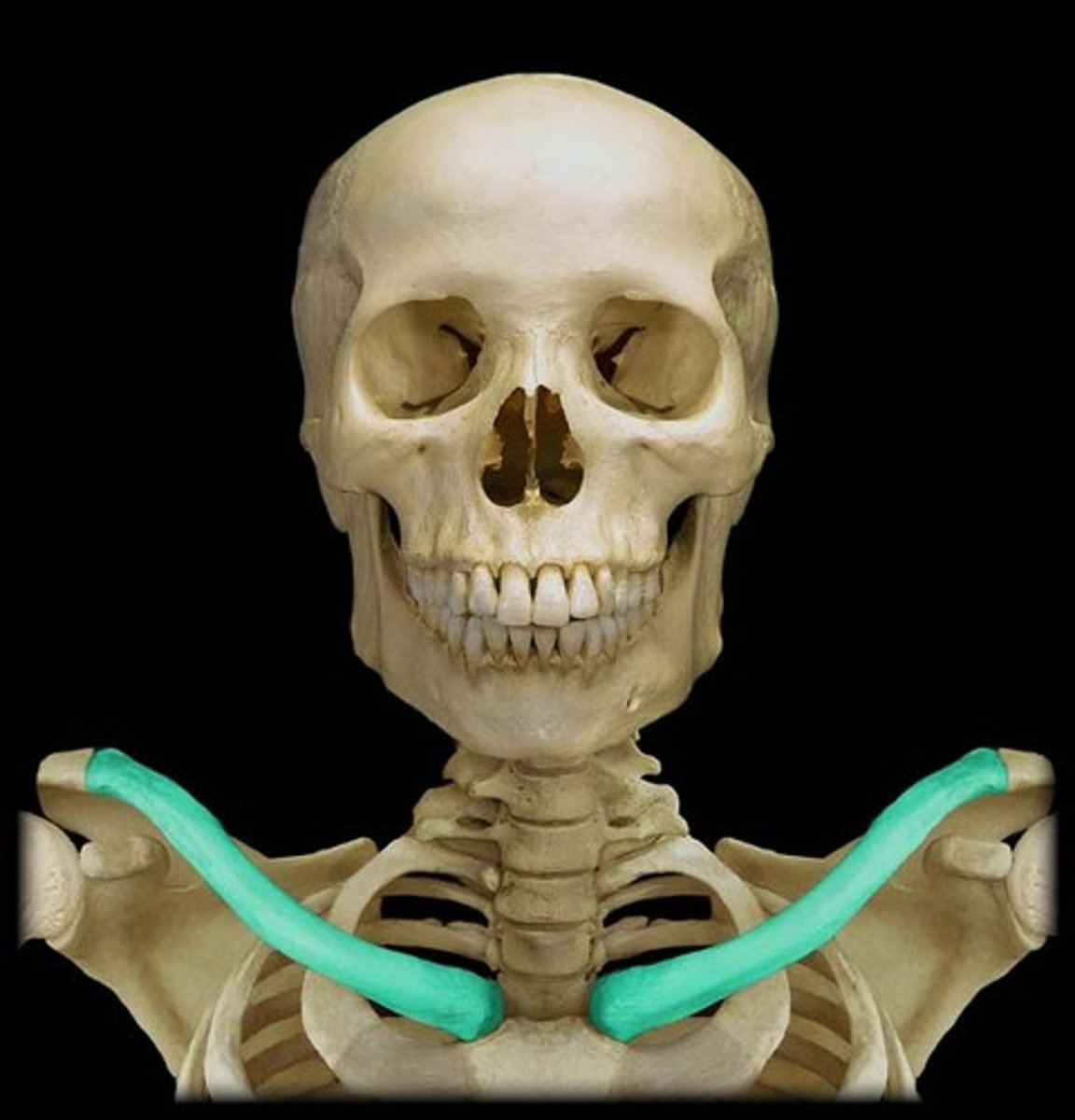
Clavicle
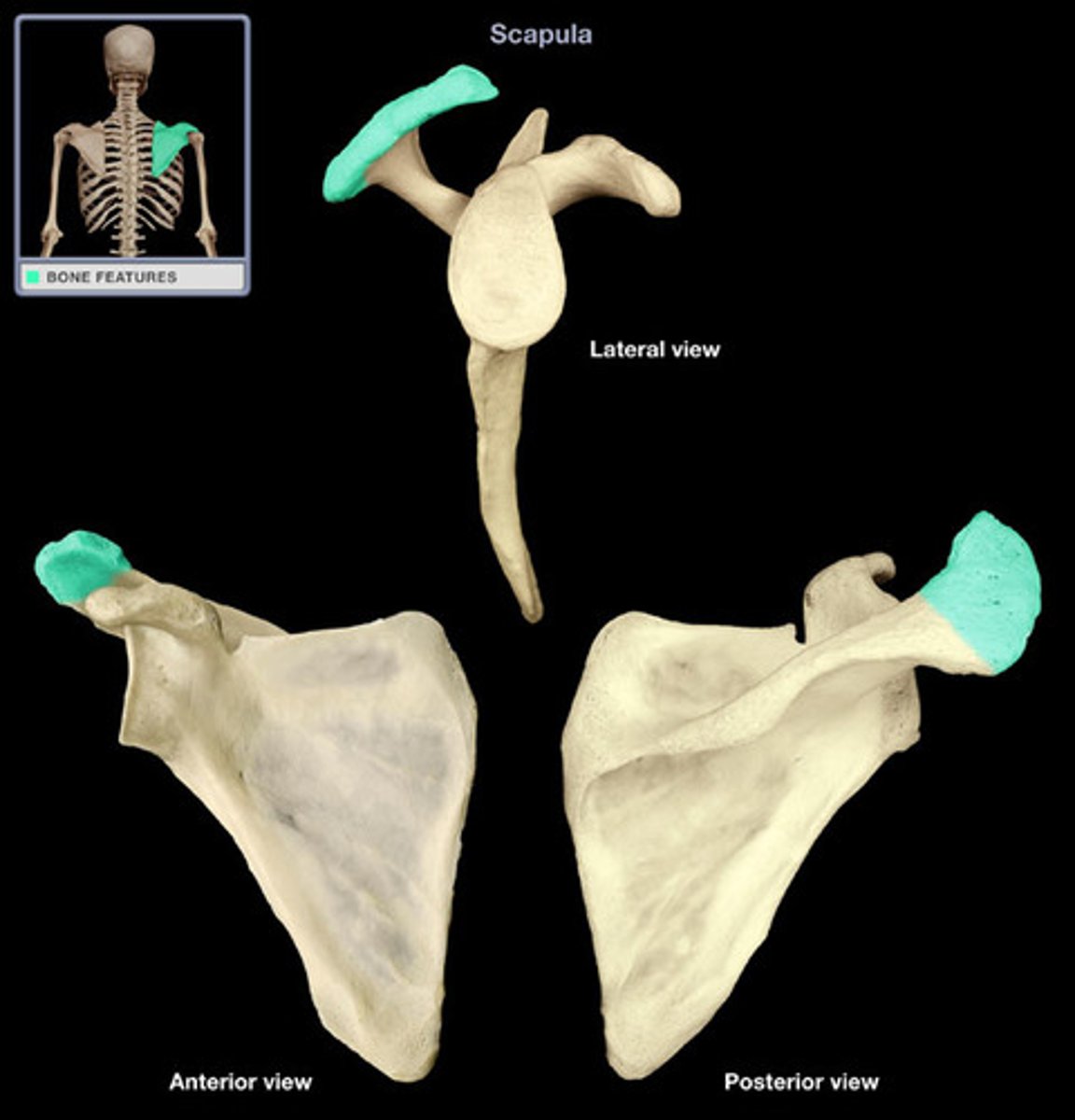
Acromion of Scapula
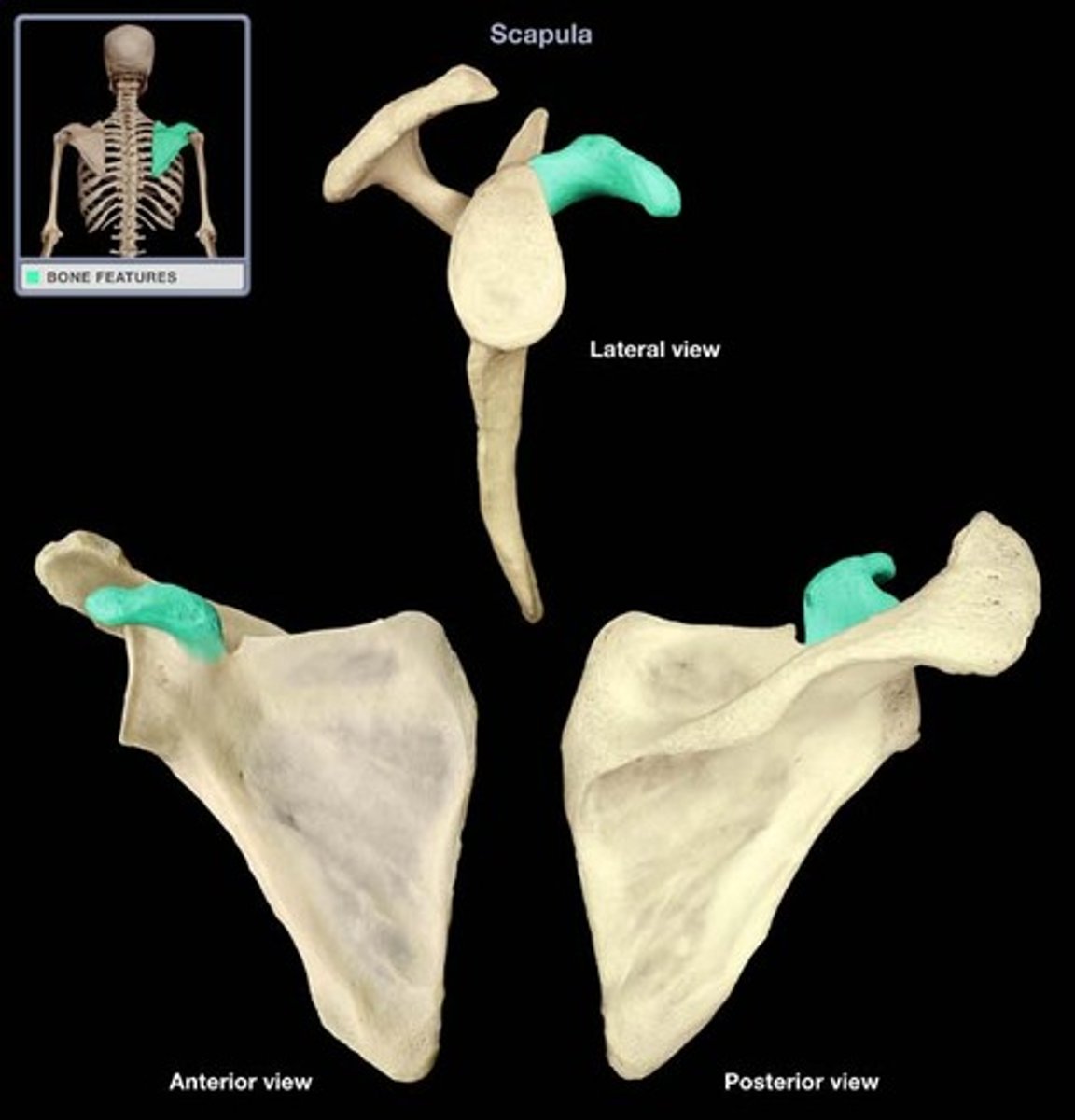
Coracoid Process of the Scapula
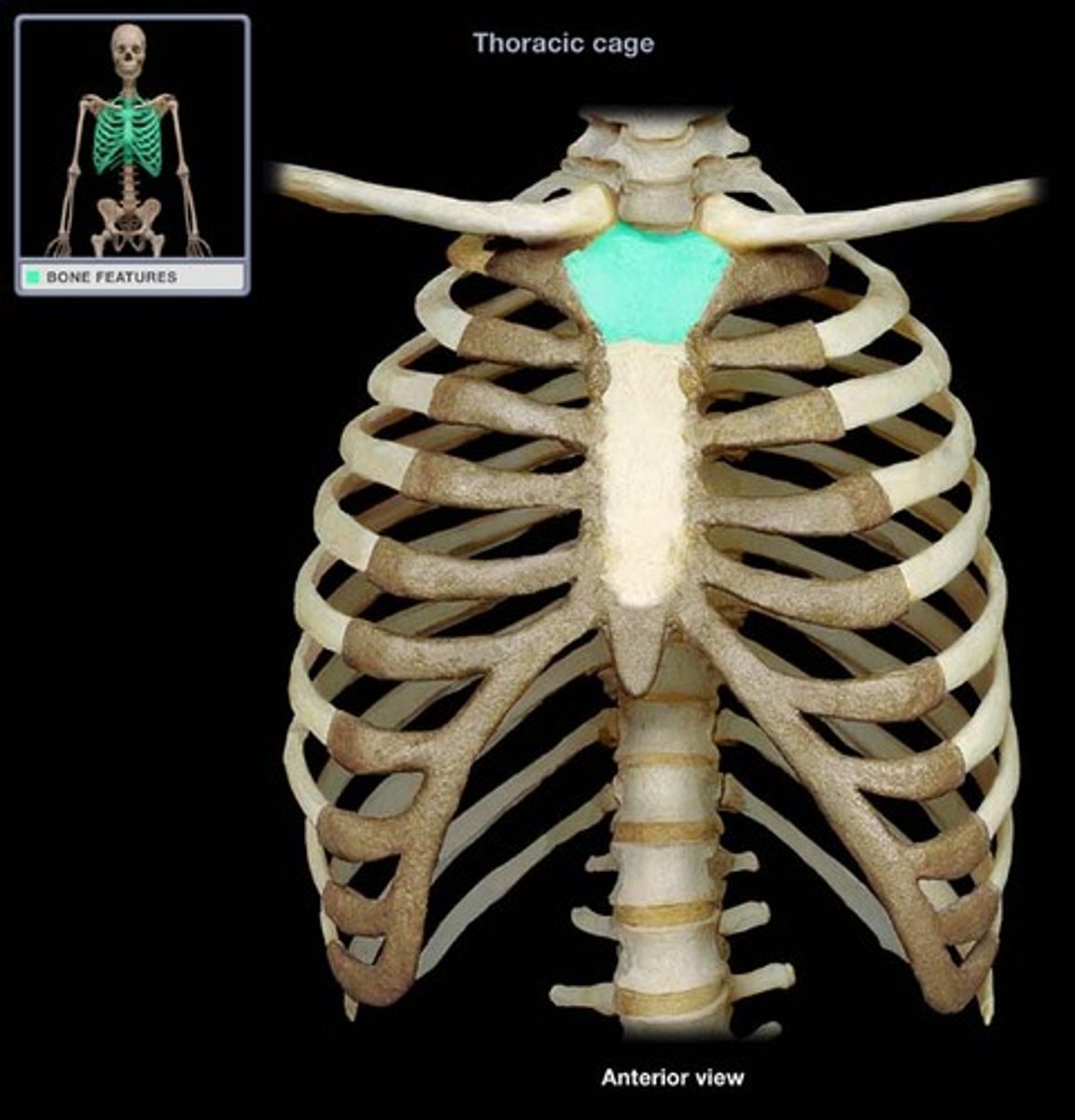
Manubrium
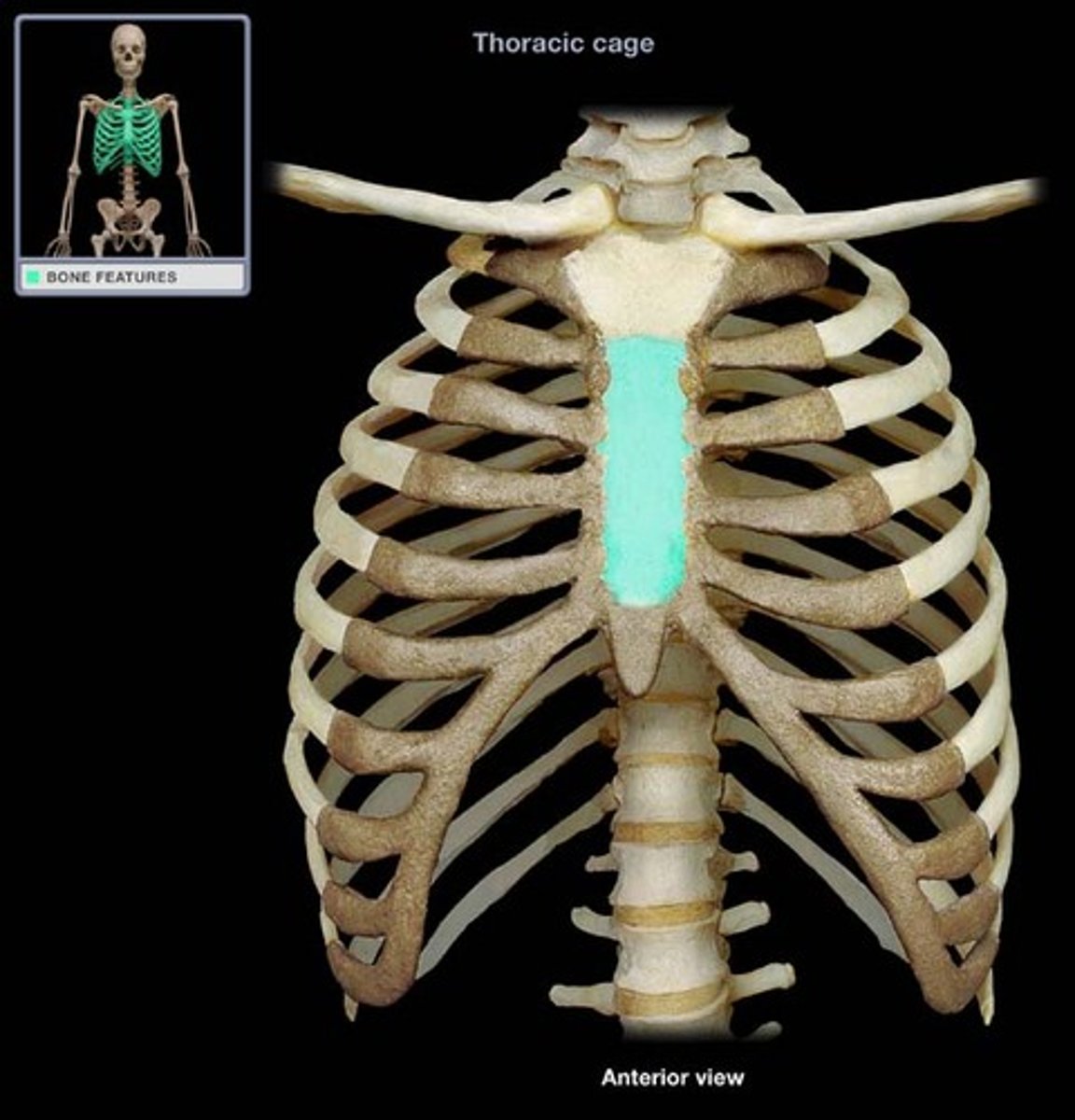
Body of Sternum
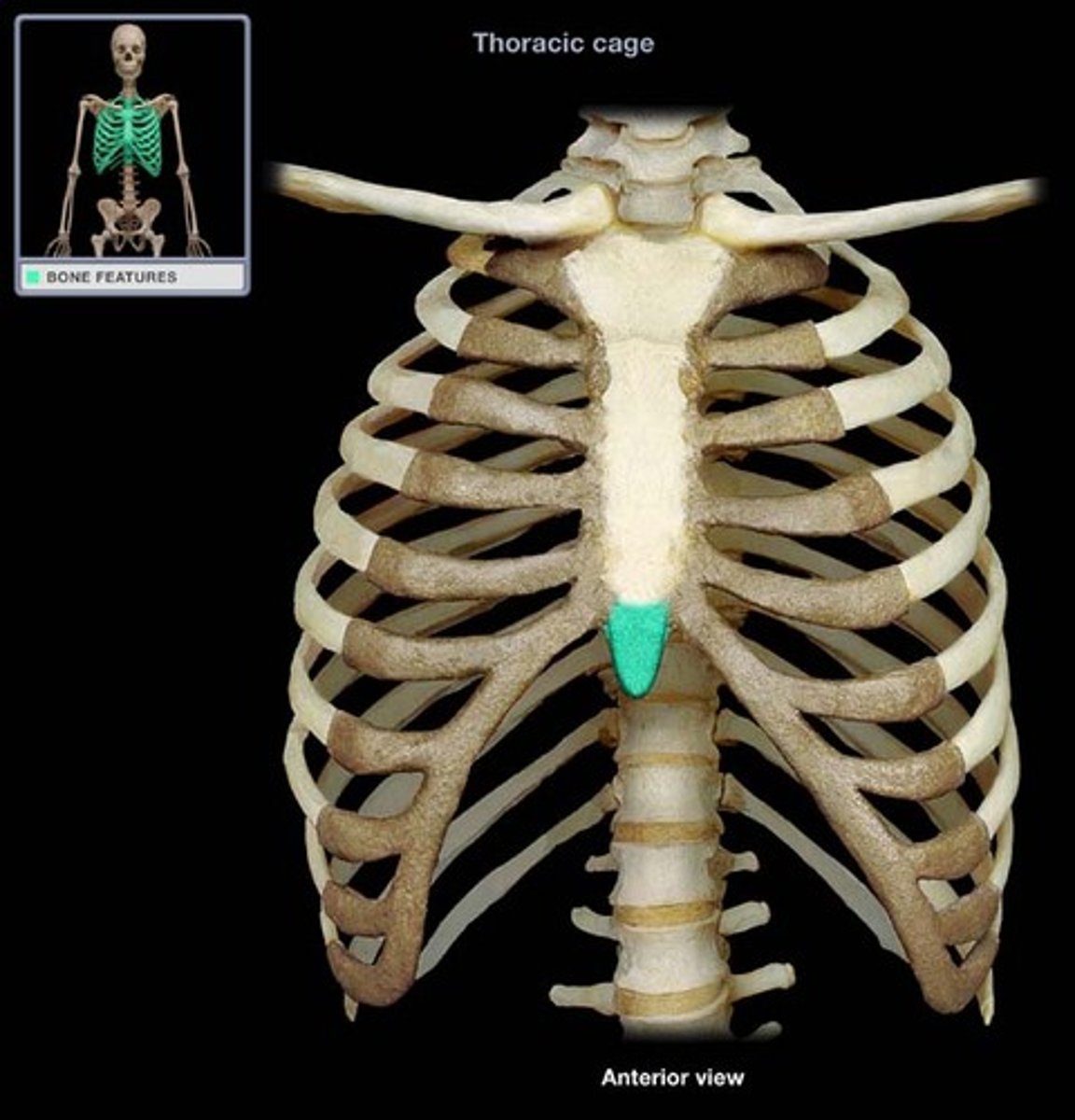
Xiphoid Process
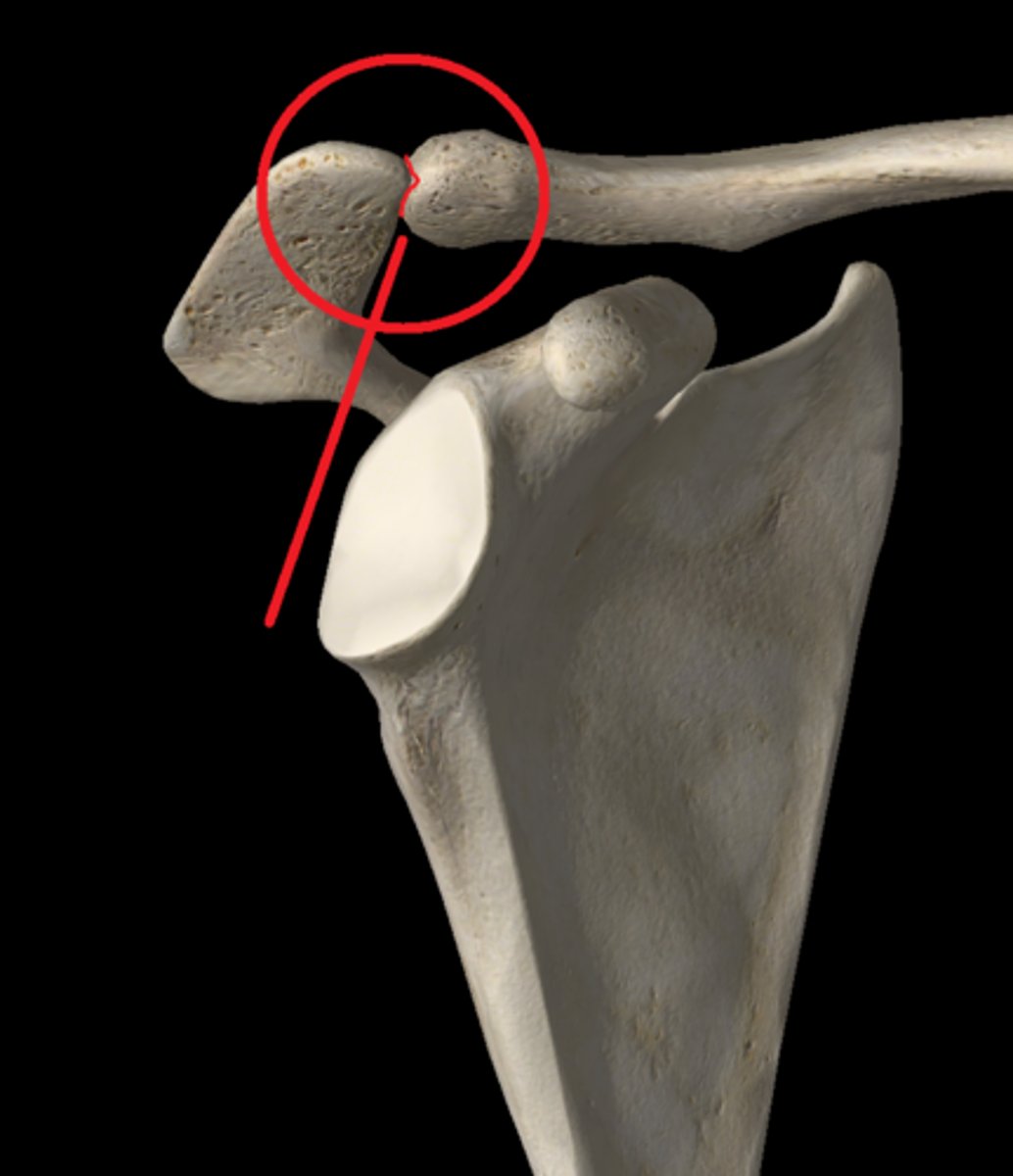
Acromioclavicular Joint
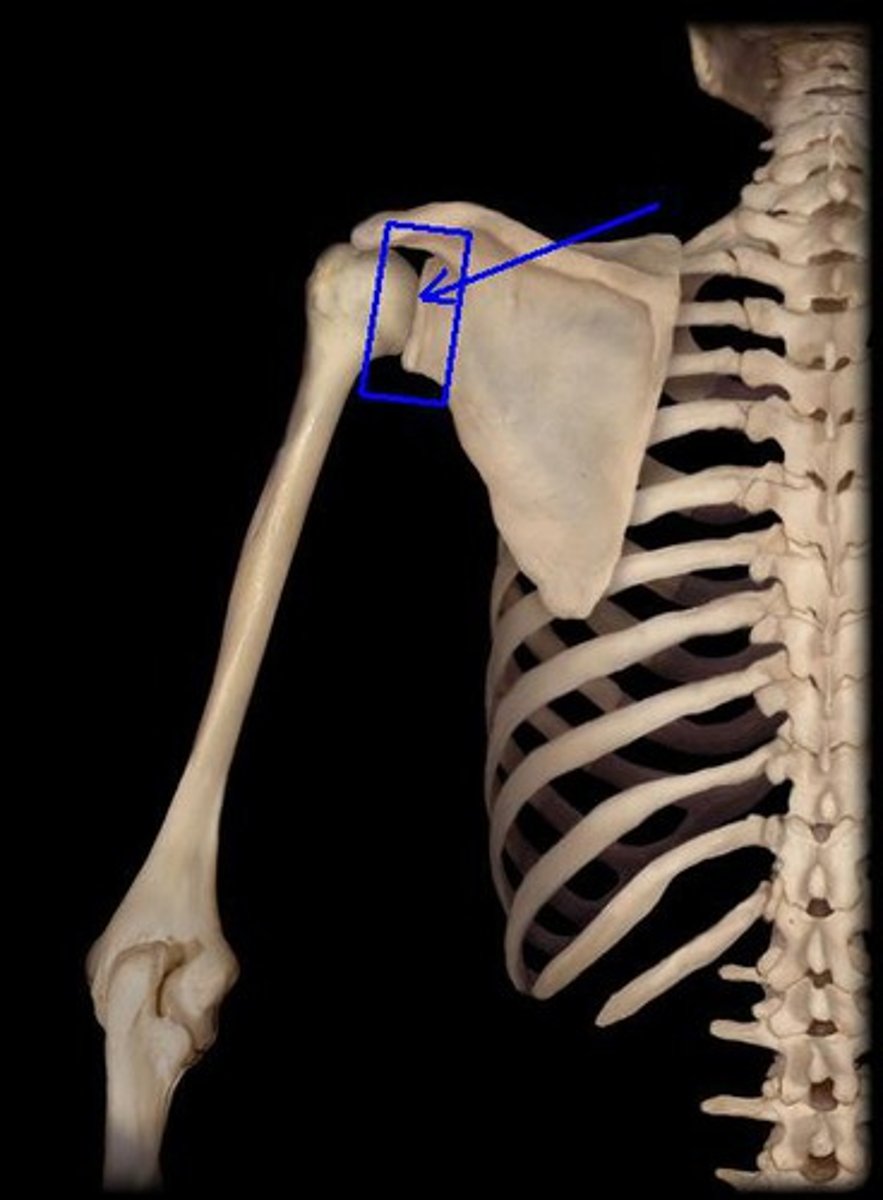
Glenohumeral Joint
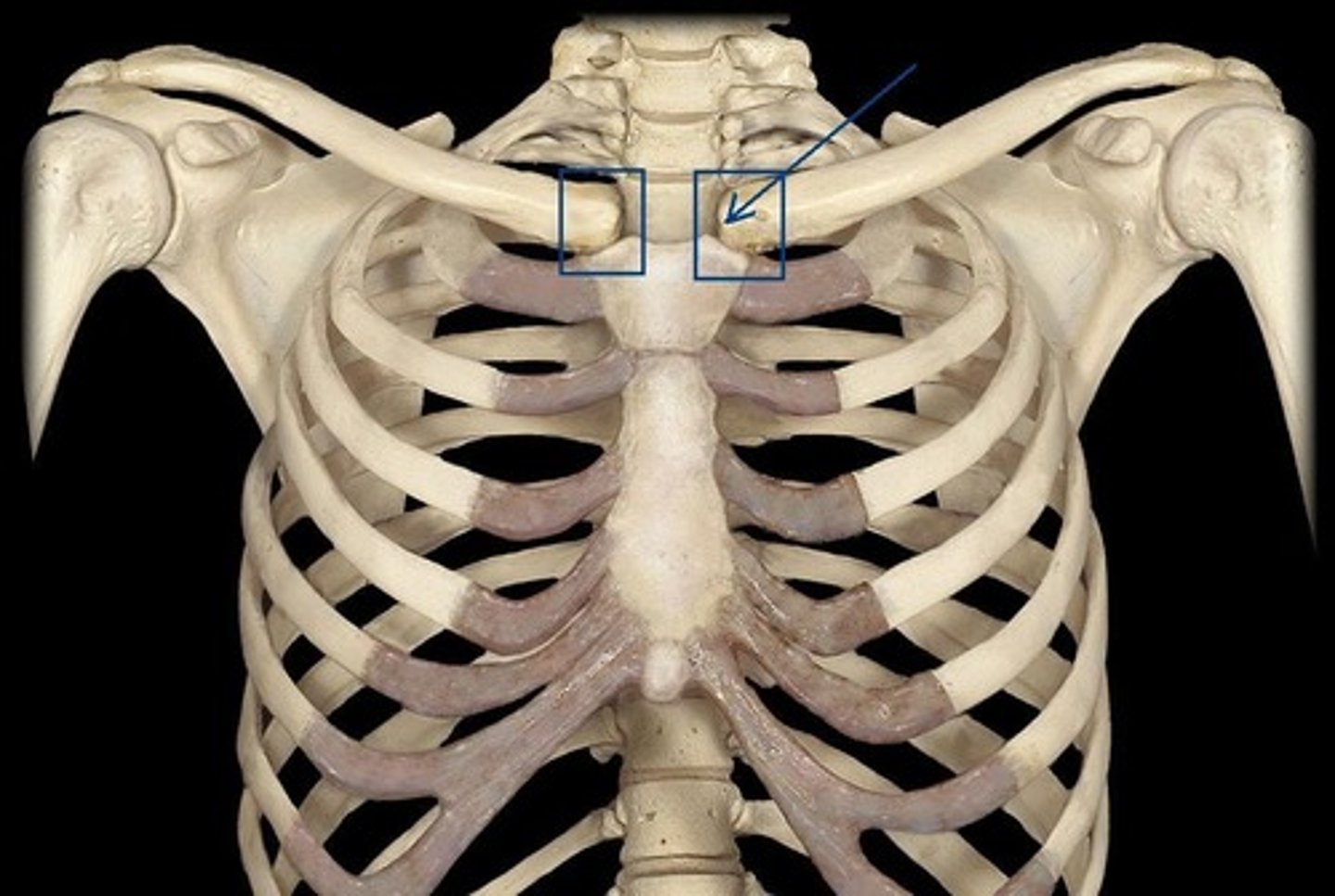
Sternoclavicular Joint
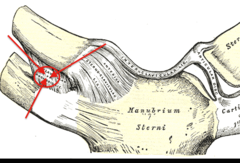
Articular Disc and Cavities
Synovial joint with 2 joint cavities separated by an disc
Costoclavicular Ligament
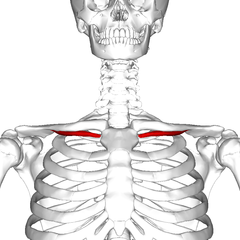
Subclavius Muscle
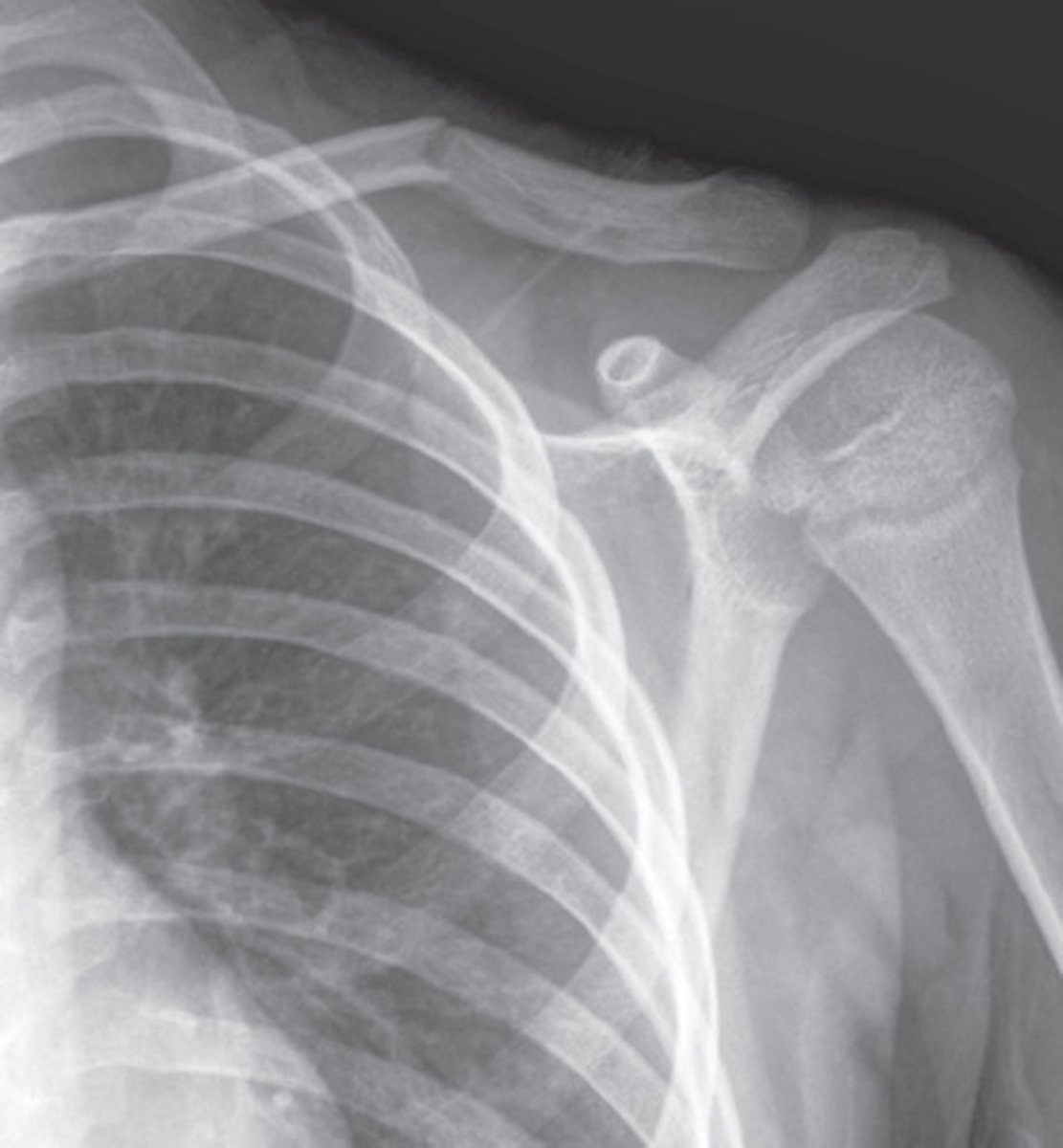
Clavicle Fracture
Transmits all force from upper limb to the axial skeleton
60 degrees
How much can the Sternoclavicular Joint be raised?
30 degrees anteriorly or posteriorly.
What is the degree of movement of the Sternoclavicular Joint during protraction and retraction of the scapula?
grade I or II
Only joint capsle of Acromioclavicular Joint dislocated
grade III
Joint capsule and Coracoclavicular ligament torn
Acromioclavicular Joint Dislocation (shoulder seperation)
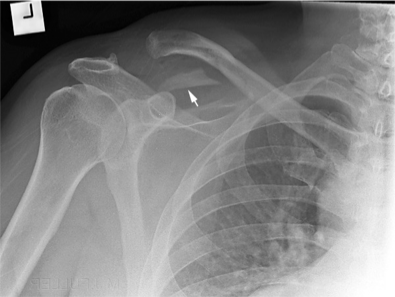
Torn Coracoclavicular Ligament
Shoulder falls away from the clavicle
Glenoid fossa
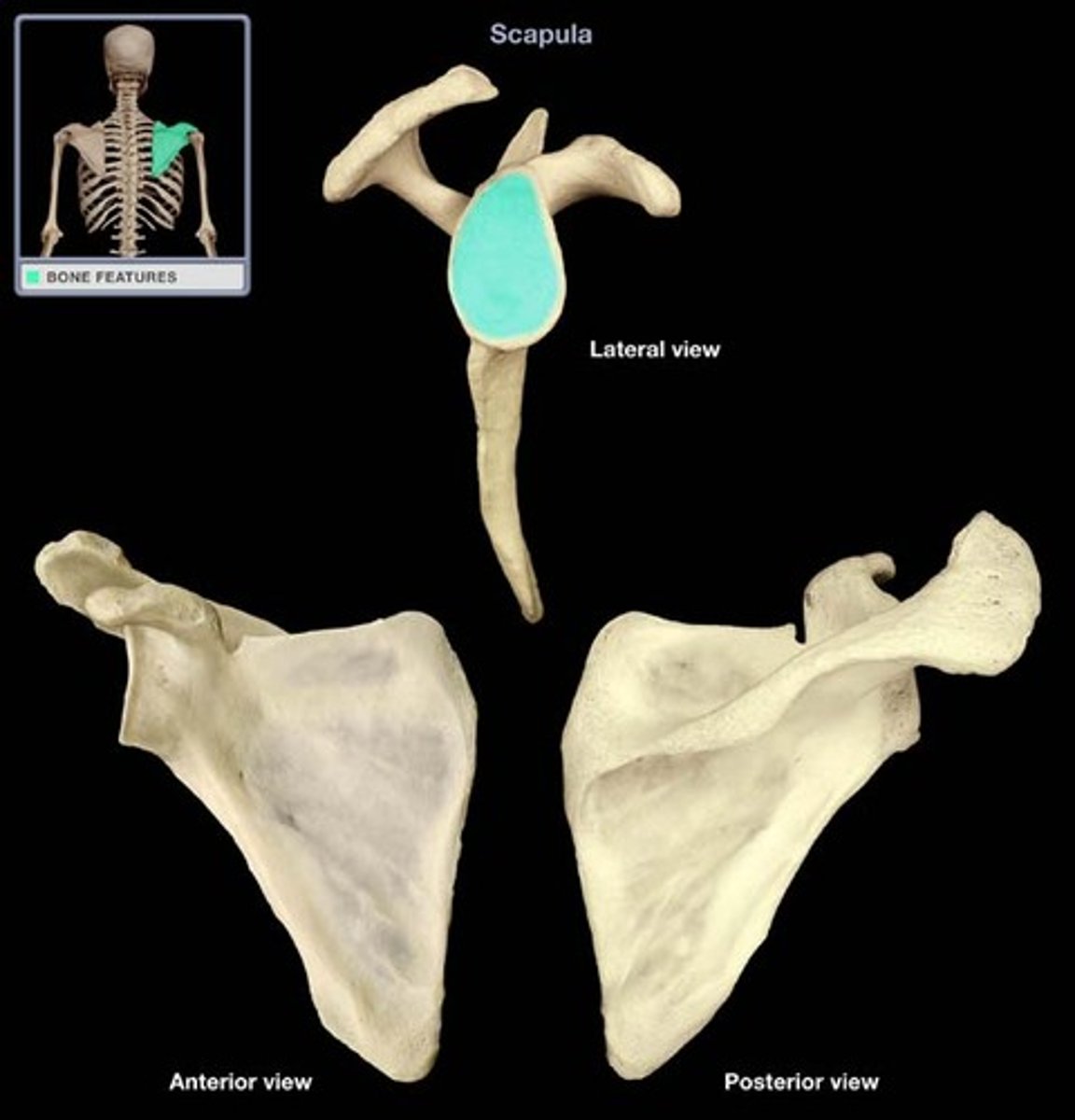
Head of Humerus
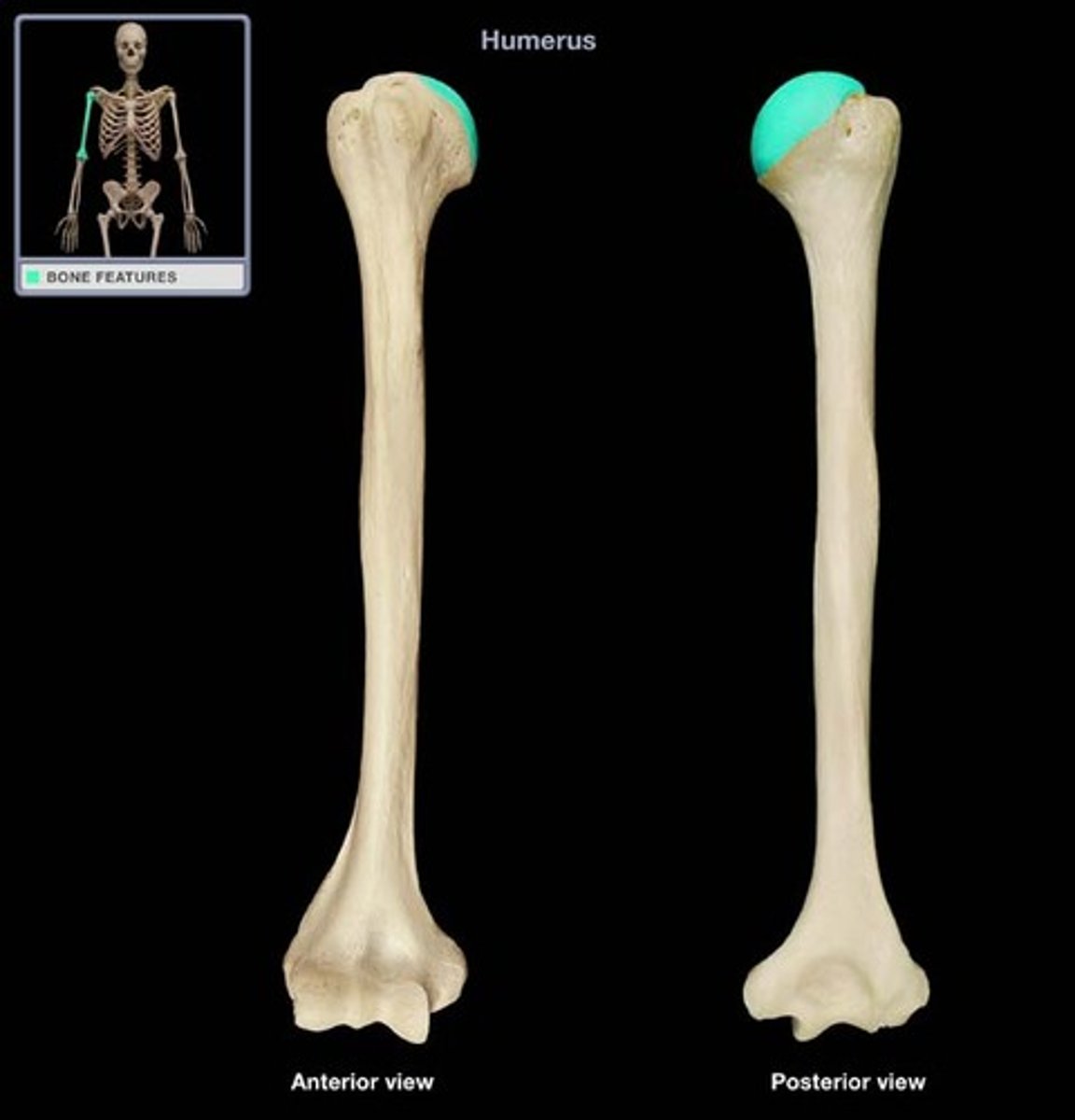
Anatomical Neck of Humerus
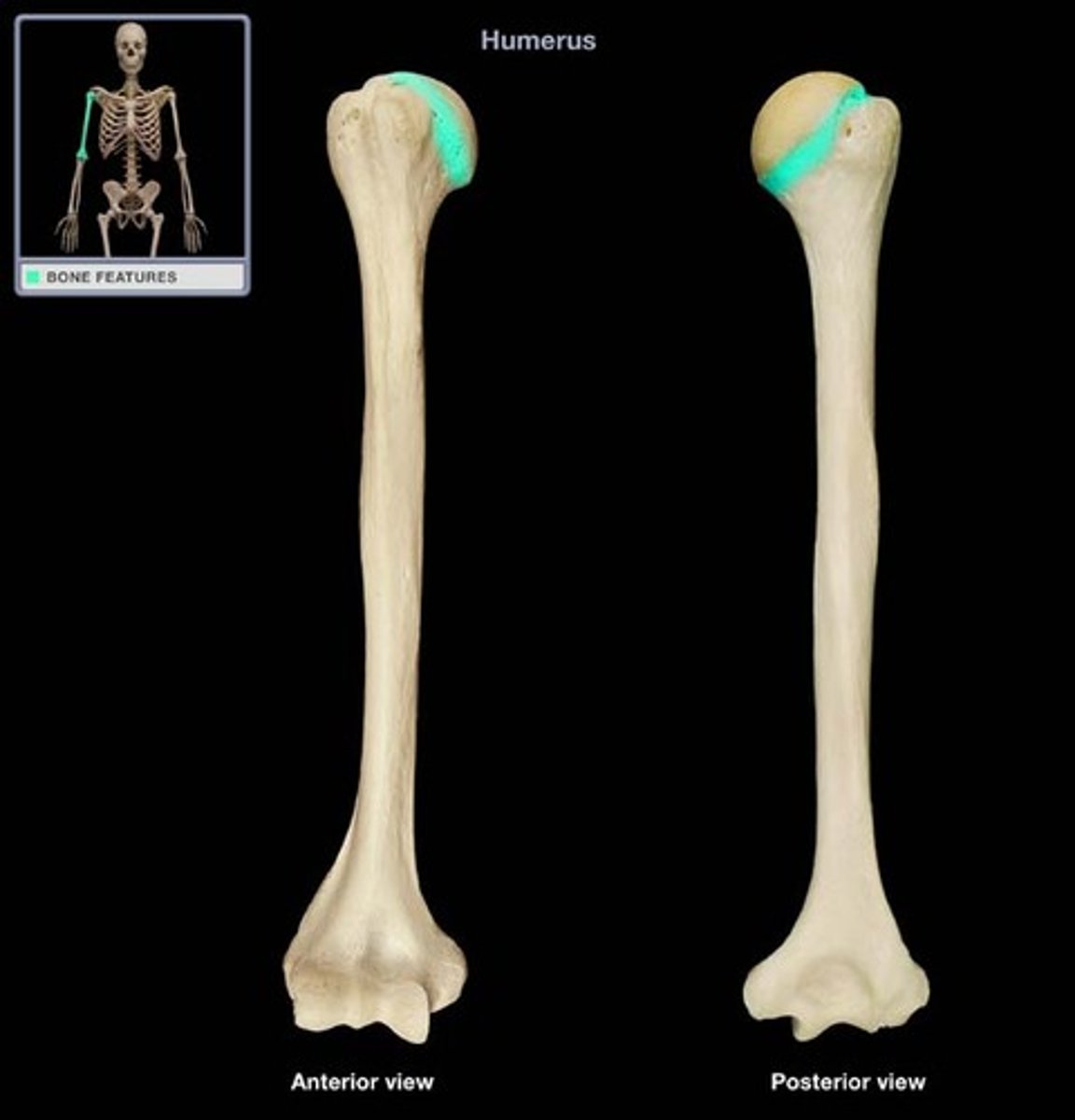
Surgical Neck of Humerus
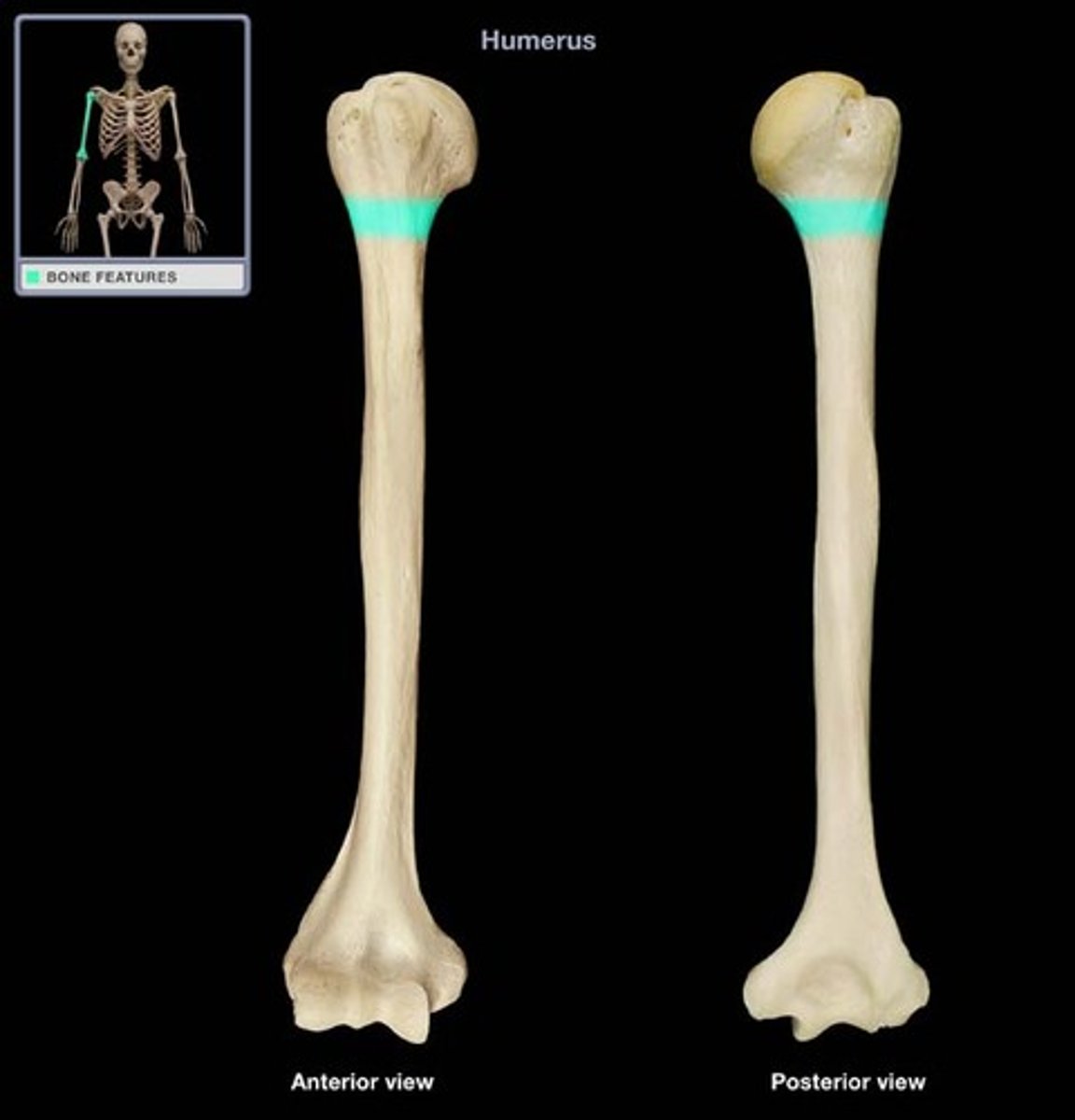
Surgical Neck
Common Fracture site of Humerus
Coracoacromial ligament
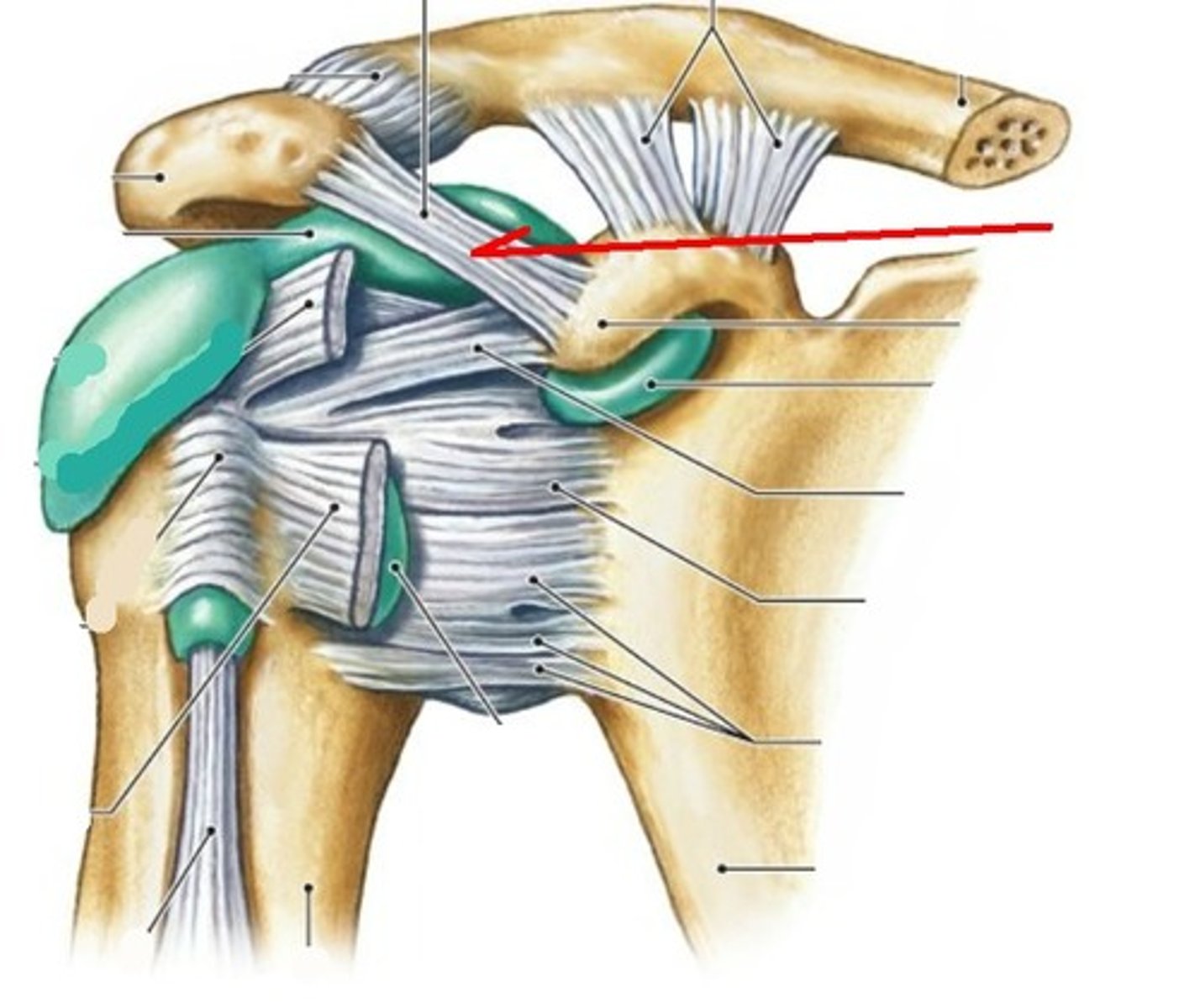
Glenohumeral Joint
Shoulder Abduction
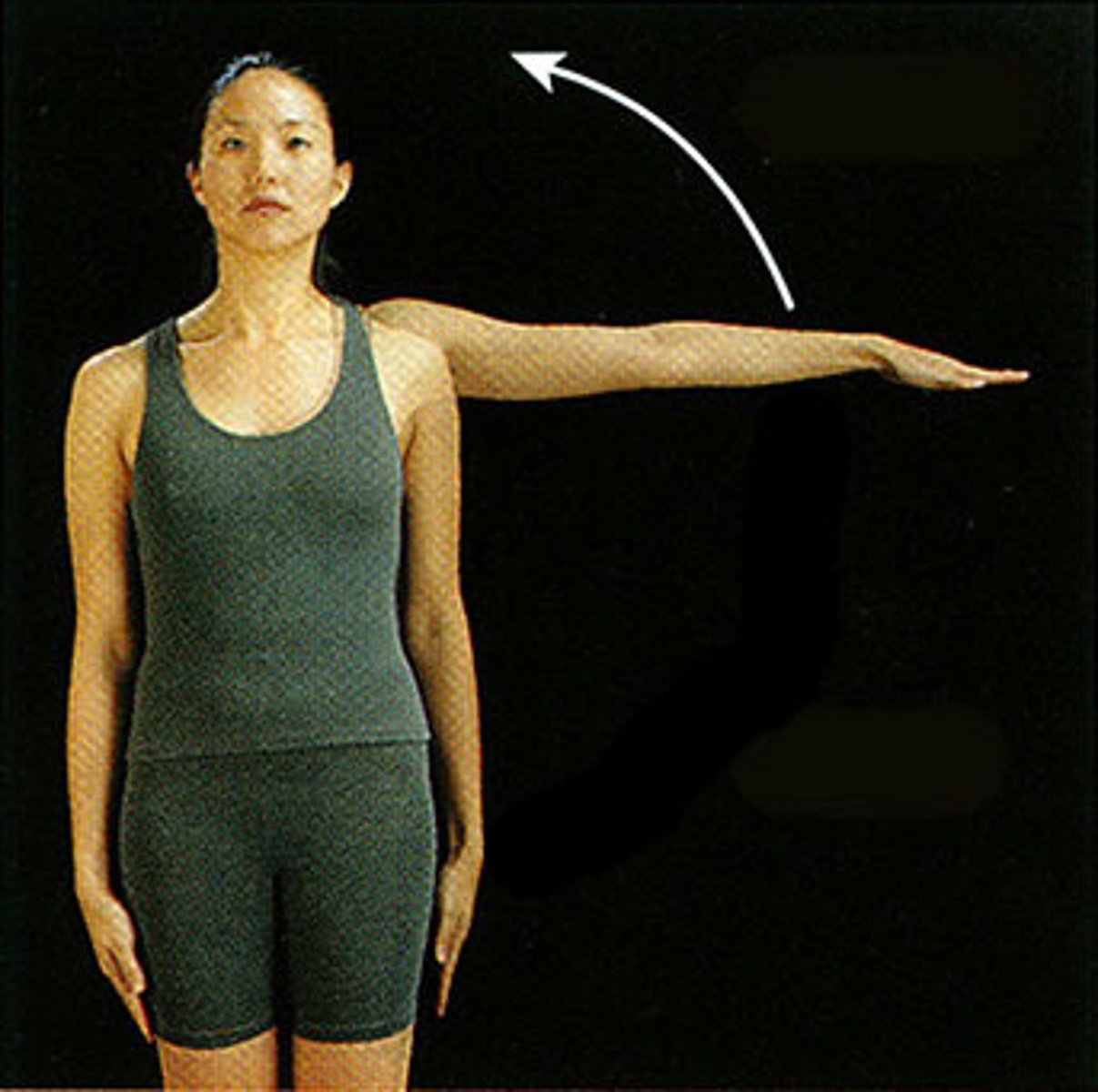
Shoulder Adduction
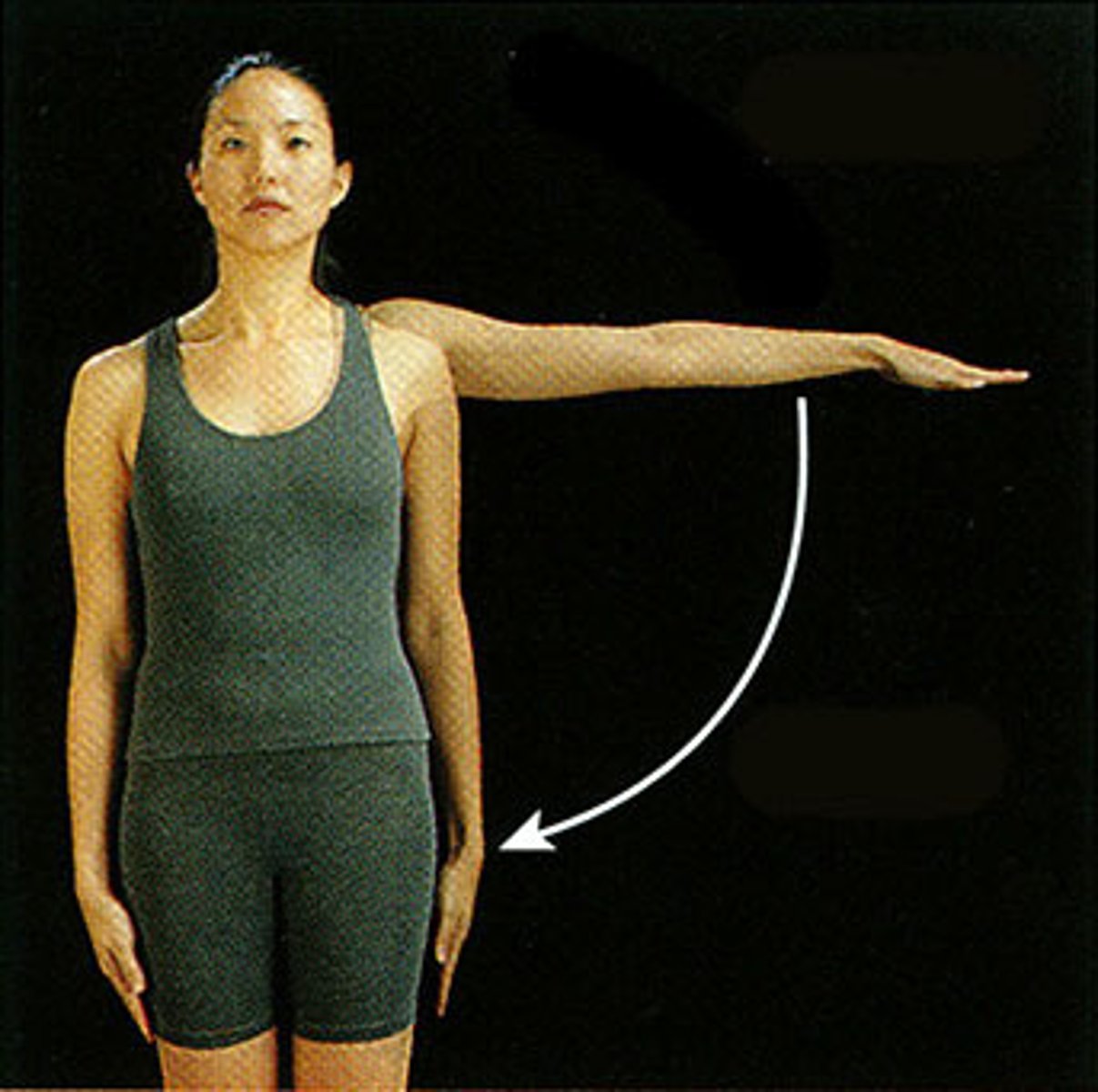
Shoulder Flexion
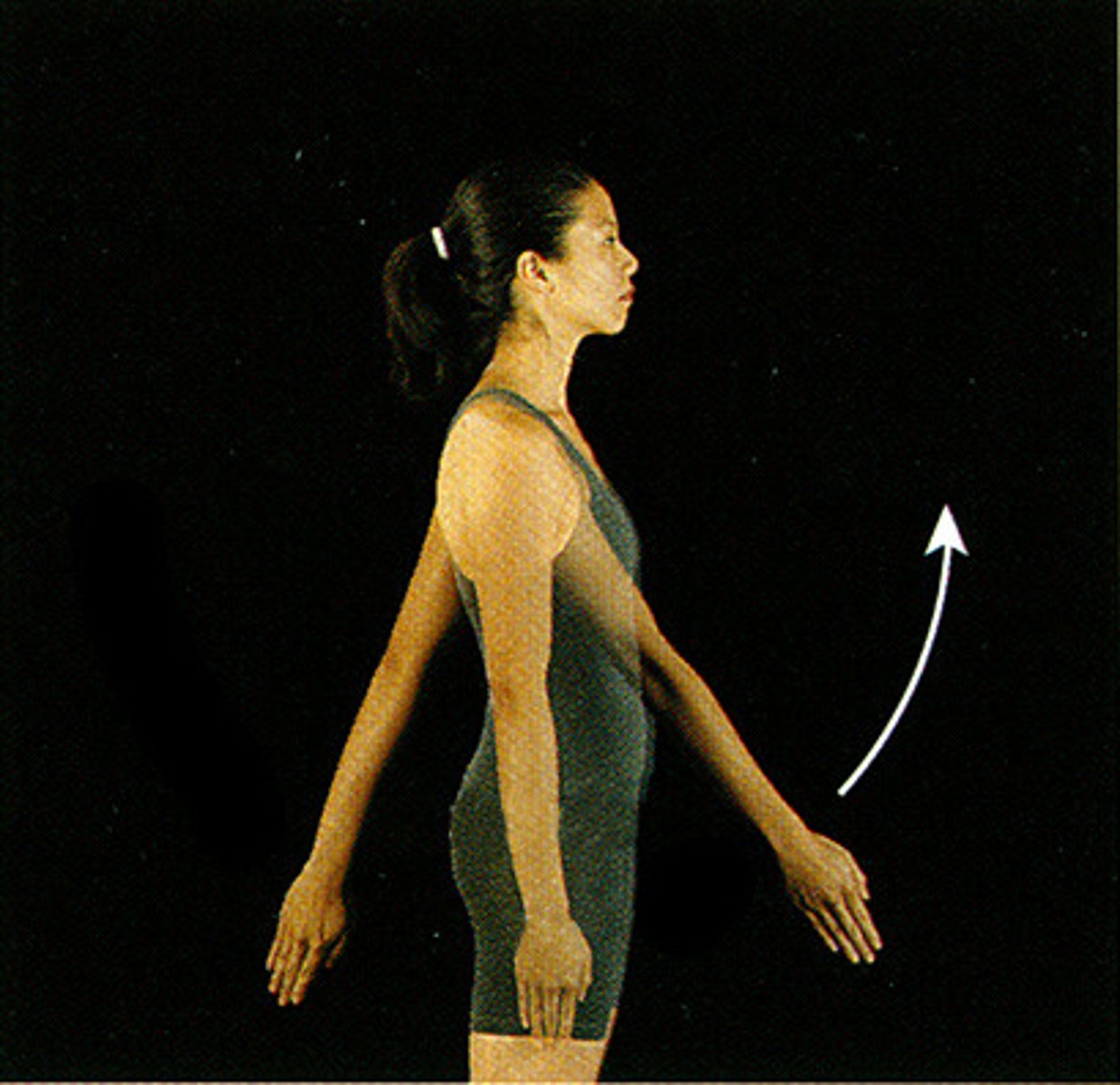
Shoulder Extension
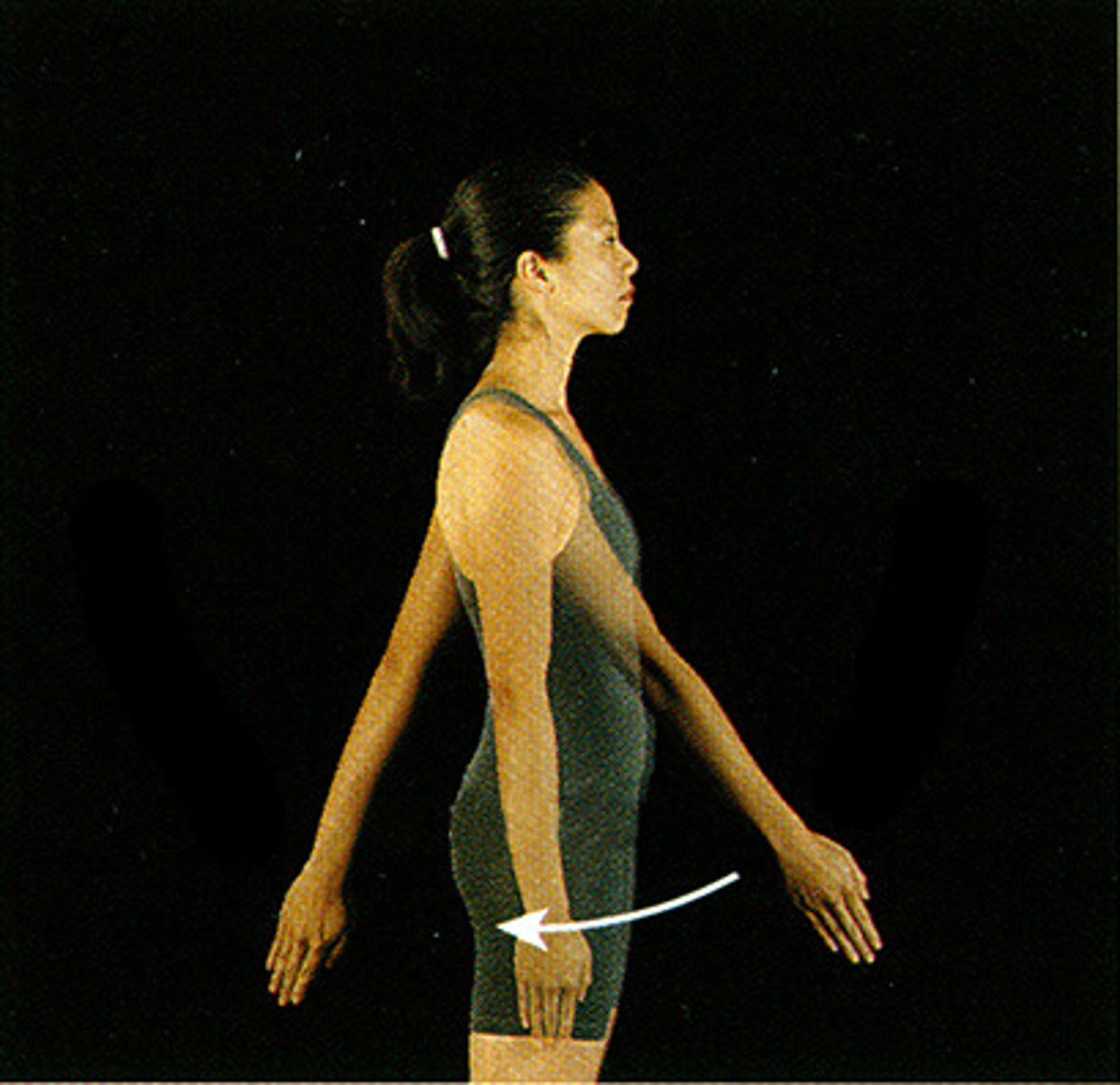
Subscapularis
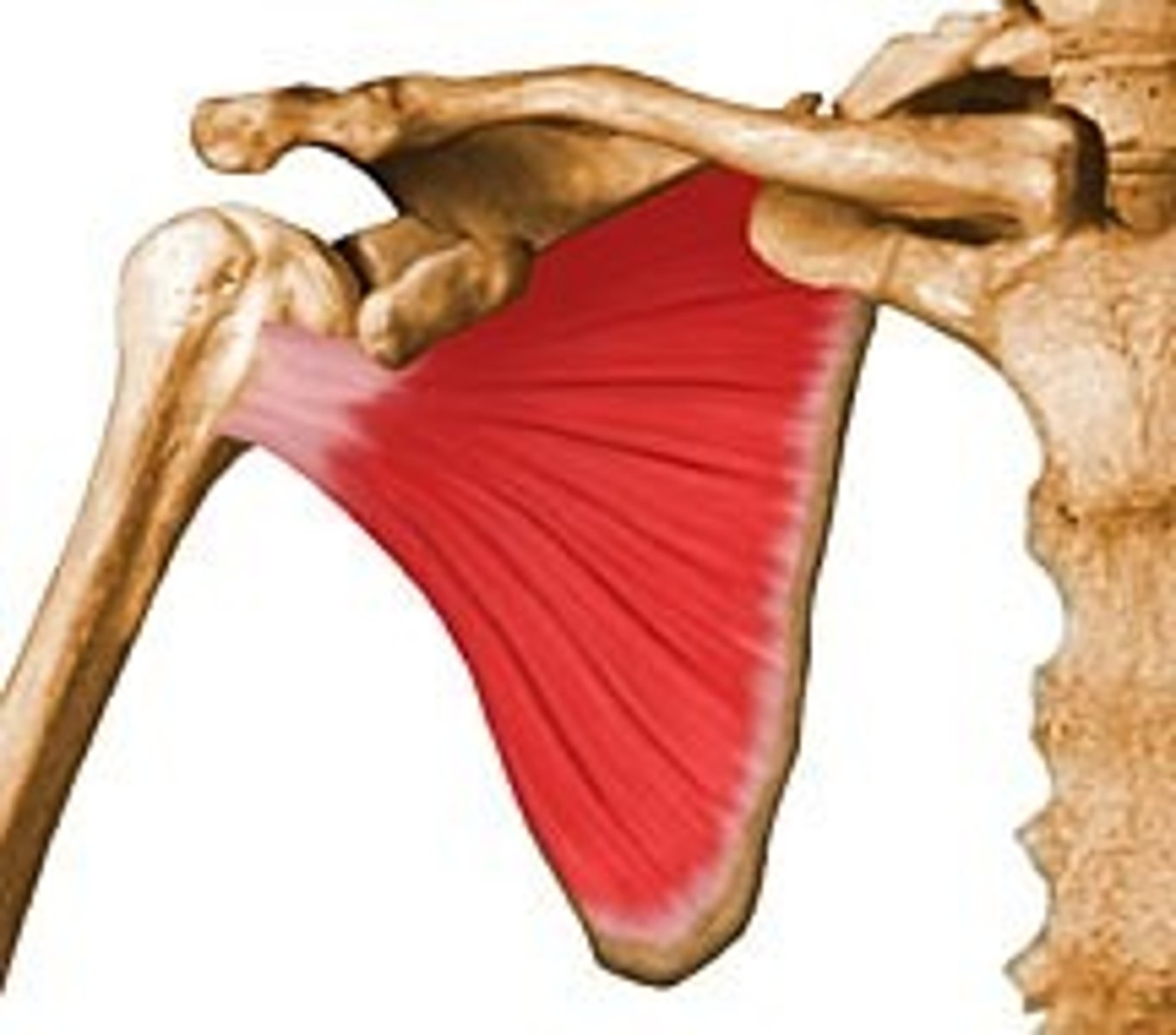
Subscapular Fossa of Scapula
Origin of Subscapularis
Lesser Tubercle of Humerus
Insertion of Subscapularis
Medially rotates and adducts the Humerus
Action of Subscapularis
Infraspinatus
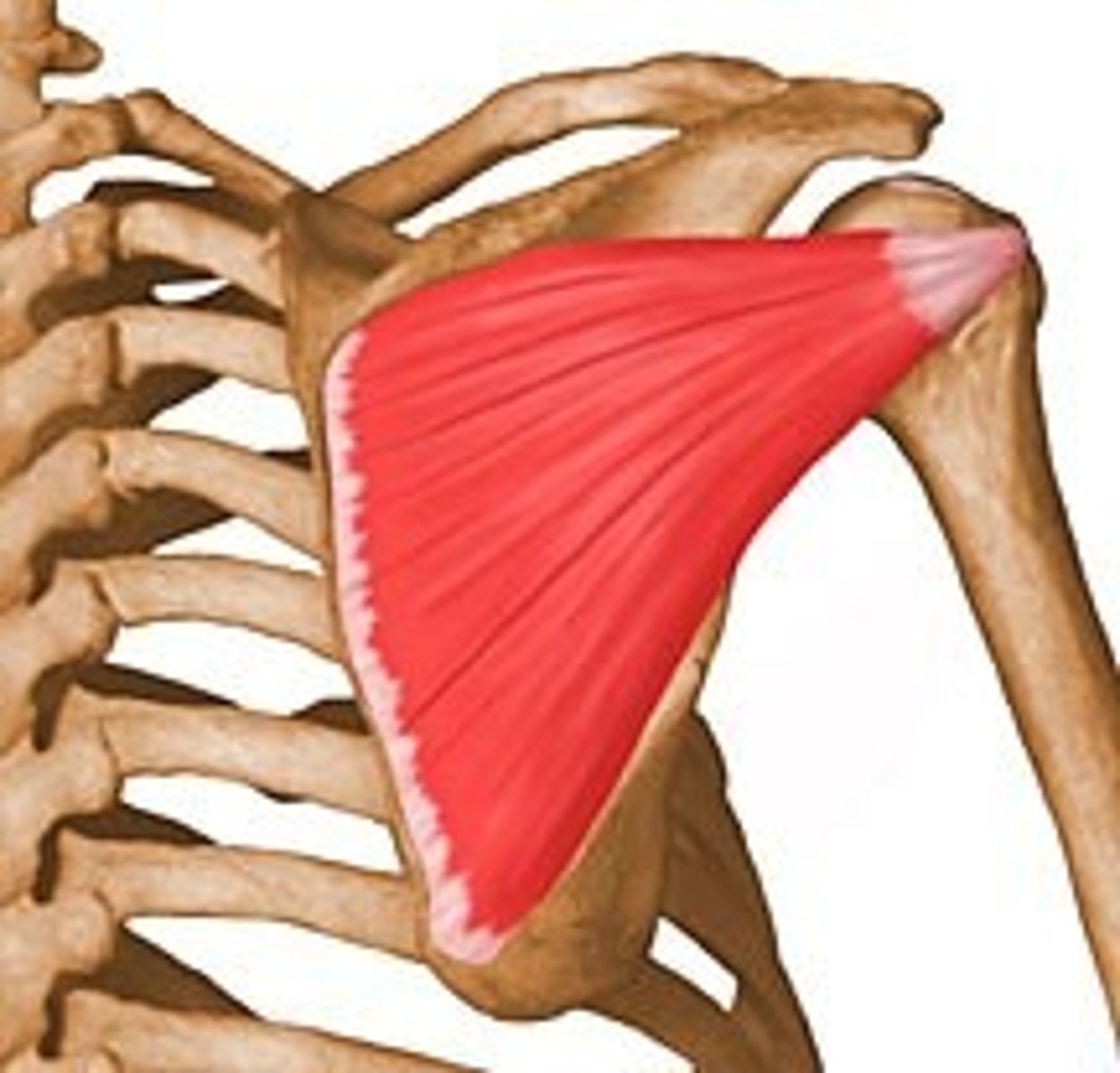
Infraspinous Fossa of the Scapula
Origin of Infraspinatus
Greater Tubercle of Humerus
Insertion of Infraspinatus
Laterally rotates the Humerus
Action of Infraspinatus
Teres Minor
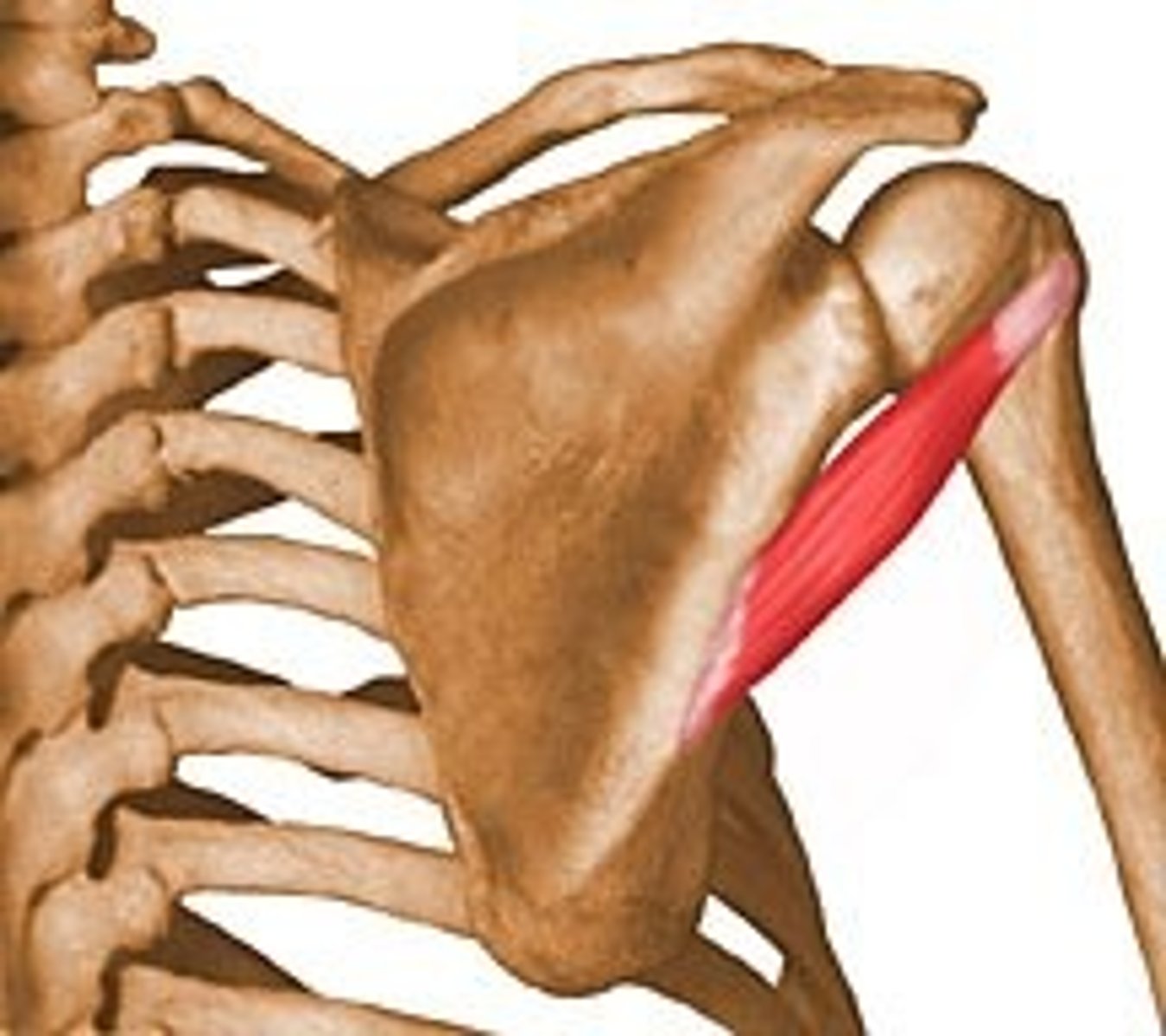
Lateral border of the Scapula
Origin of Teres Minor
Greater Tubercle of Humerus
Insertion of Teres Minor
Laterally rotates the Humerus
Action of Teres Minor
Supraspinatus
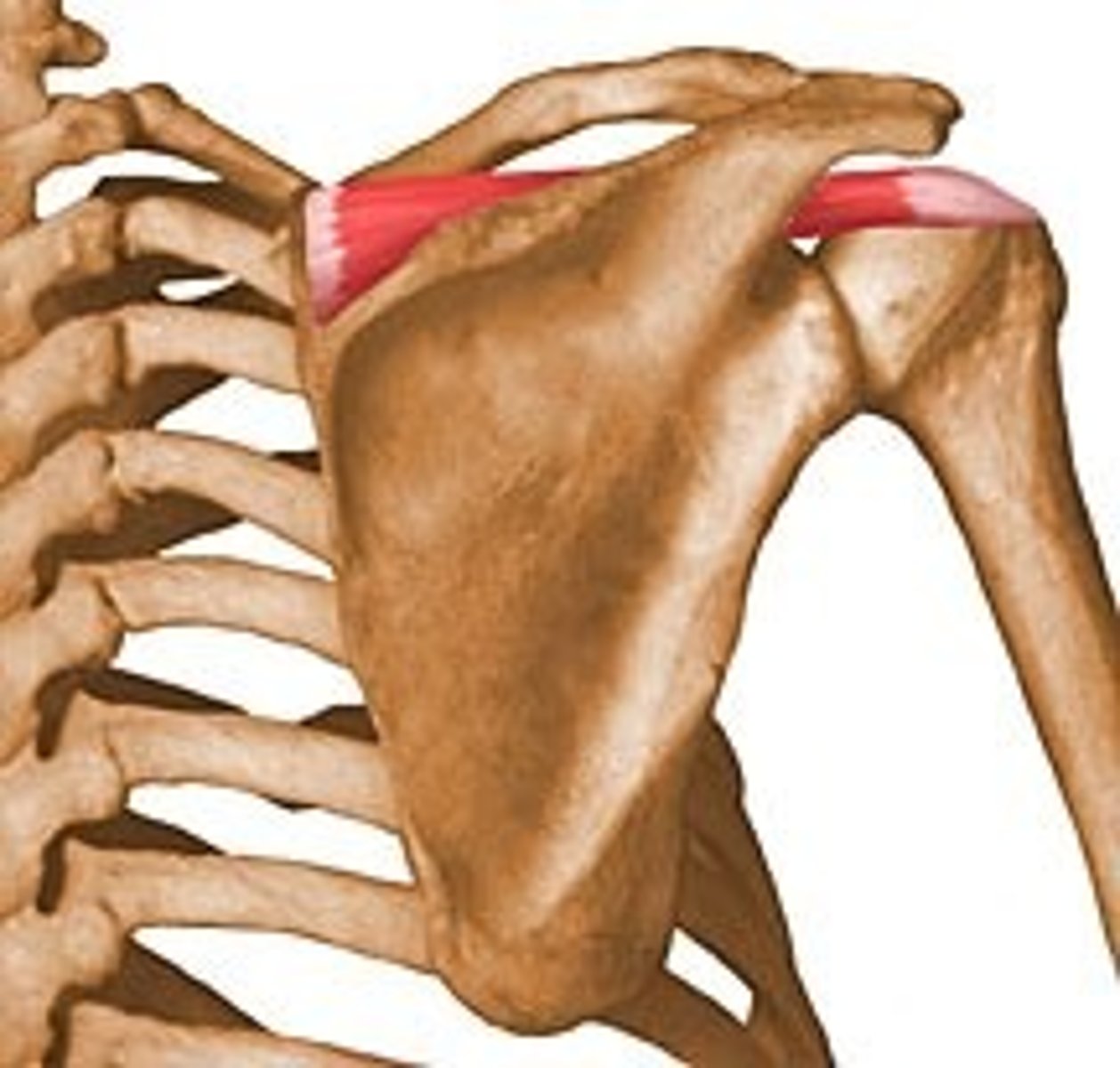
Supraspinous Fossa of the Scapula
Origin of Supraspinatus
Greater Tubercle of Humerus
Insertion of Supraspinatus
Initiates abduction of humerus; stabilizes abducted arm
Actions of Supraspinatus
Glenoid Labrum
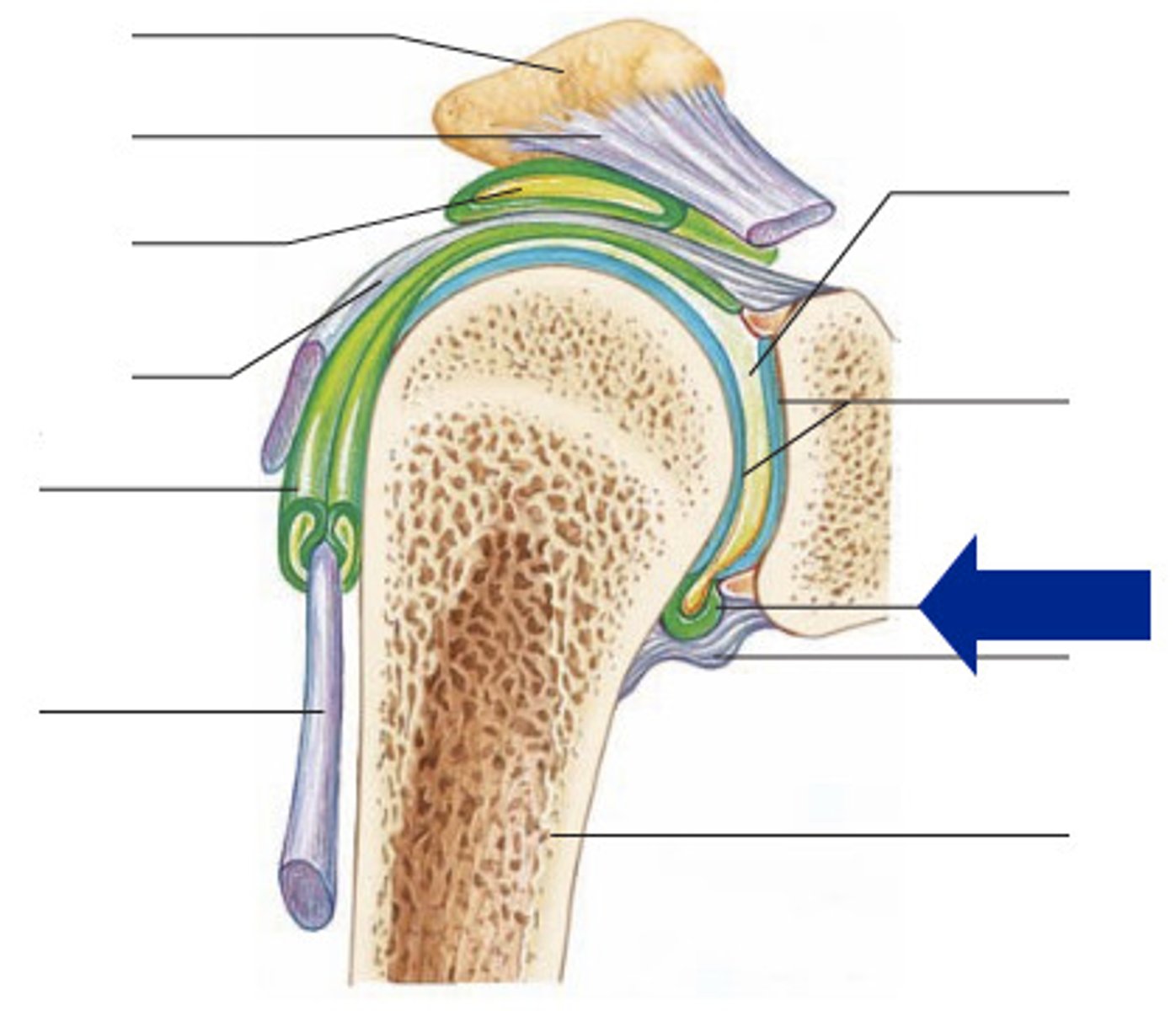
Glenohumeral (Shoulder) Dislocation
Caused by excessive abduction, extension and lateral rotation of the humerus
Suprascapular Nerve
Nerve of Supraspinatus
Suprascapular Artery
Blood Supply of Supraspinatus
Suprascapular Nerve
Nerve of Infraspinatus
Suprascapular Artery
Blood Supply of Infraspinatus
Deltoid
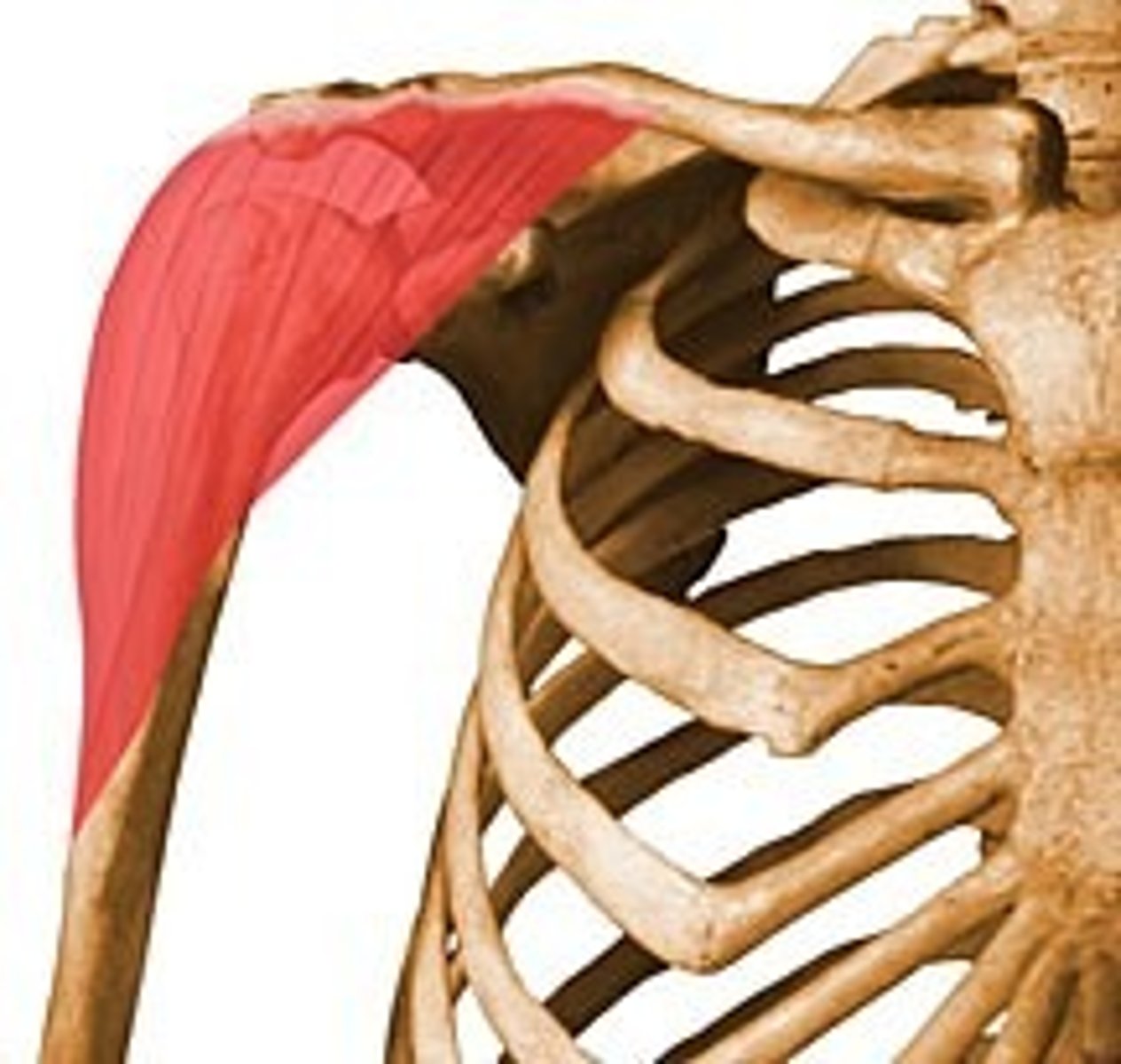
Lateral Spine of Scapula, Acromion, lateral Clavicle
Origin of Deltoid
Deltoid Tuberosity of the Humerus
Insertion of Deltoid
Flexes, medially rotates humerus
Action of Deltoid (Anterior)
Abduction to shoulder height
Action of Deltoid (Middle)
Extends, laterally rotates humerus
Action of Deltoid (Posterior)
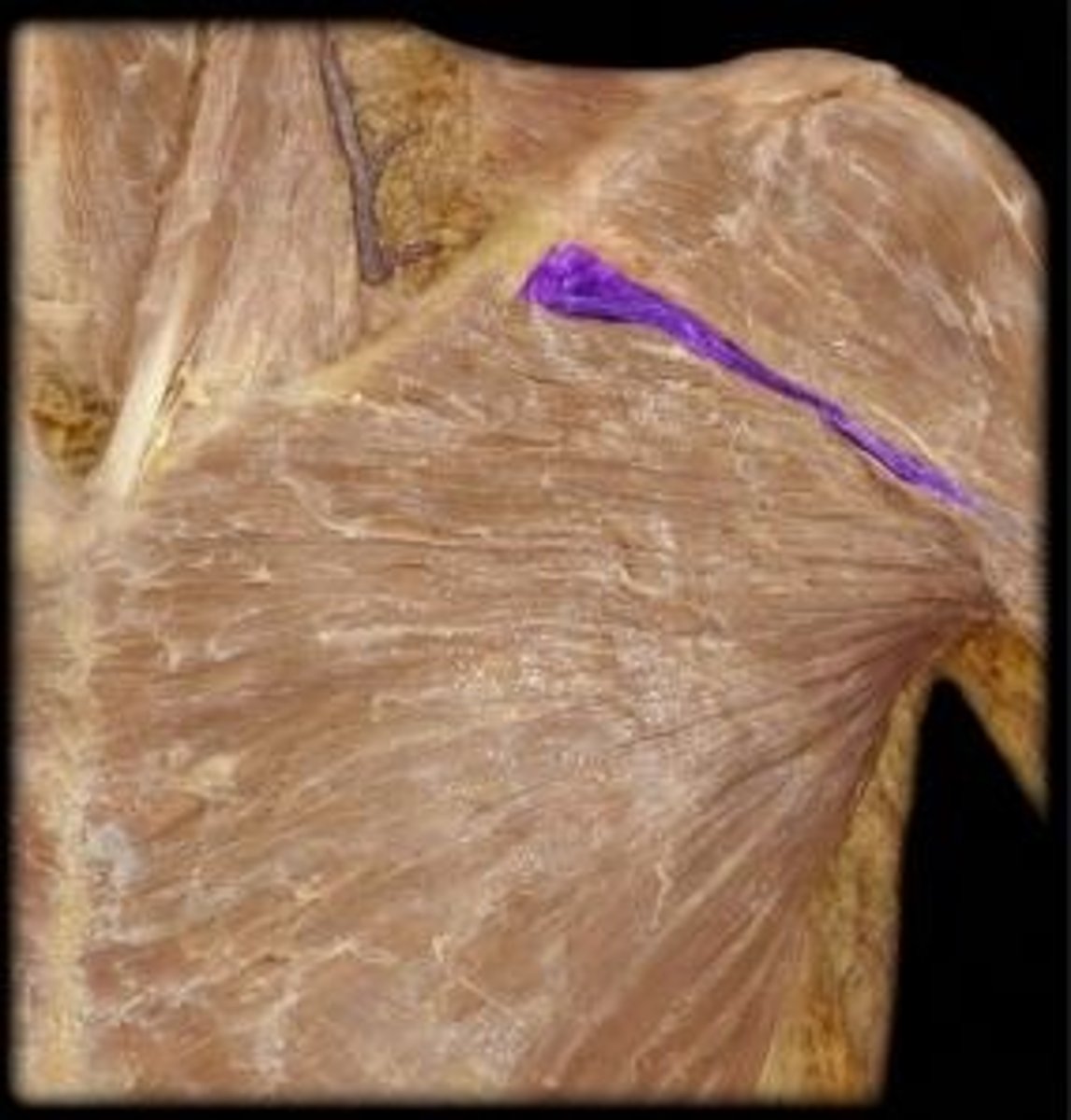
Deltopectoral Groove
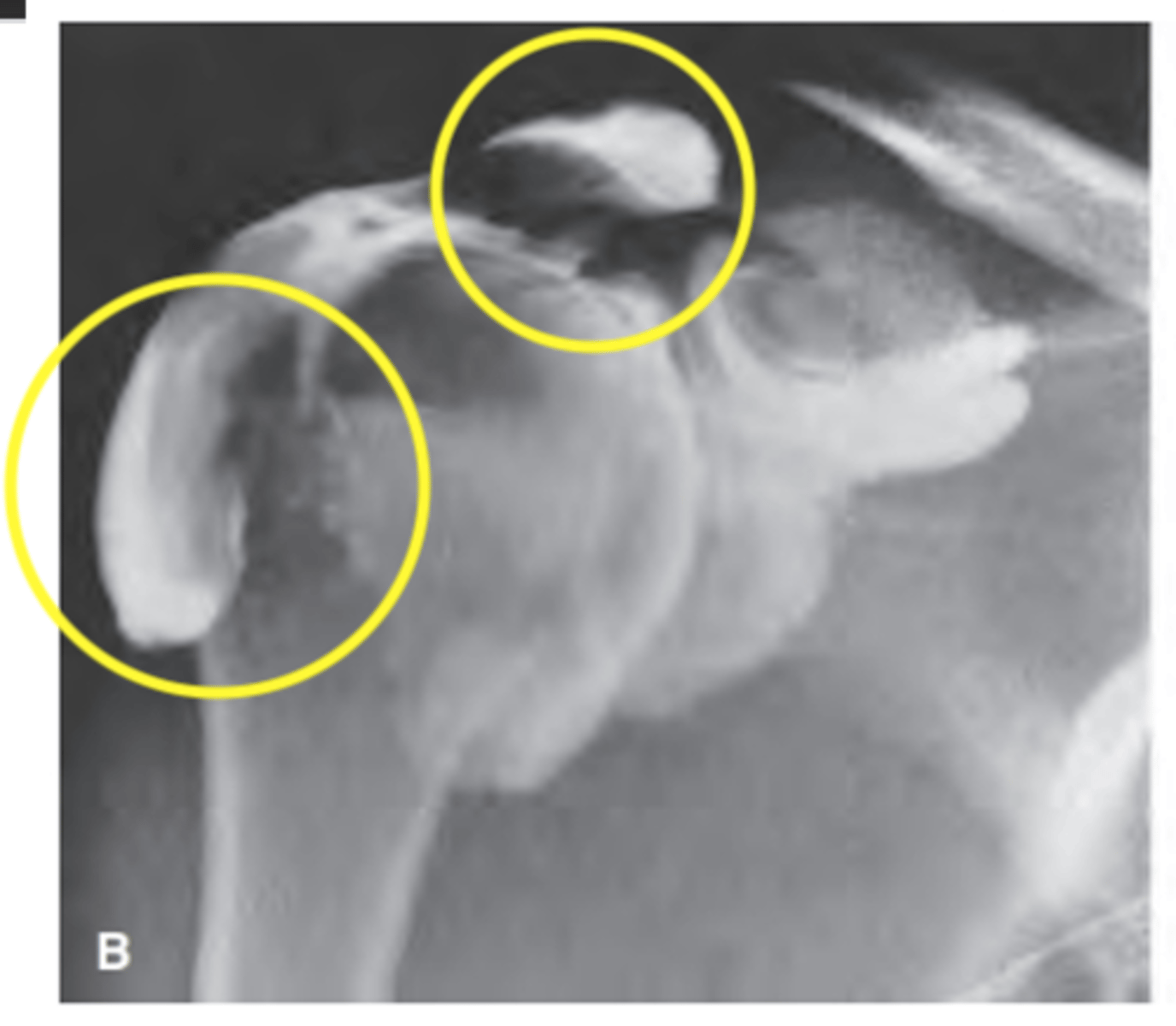
Bursae
Thin, closed sac of serous membrane that secretes a fluid lubricant to reduce friction between adjacent mobile structures
Shoulder Bursae
Rotate scapula to abduct the upper limb above the shoulder
Action of Trapezius
Serratus Anterior
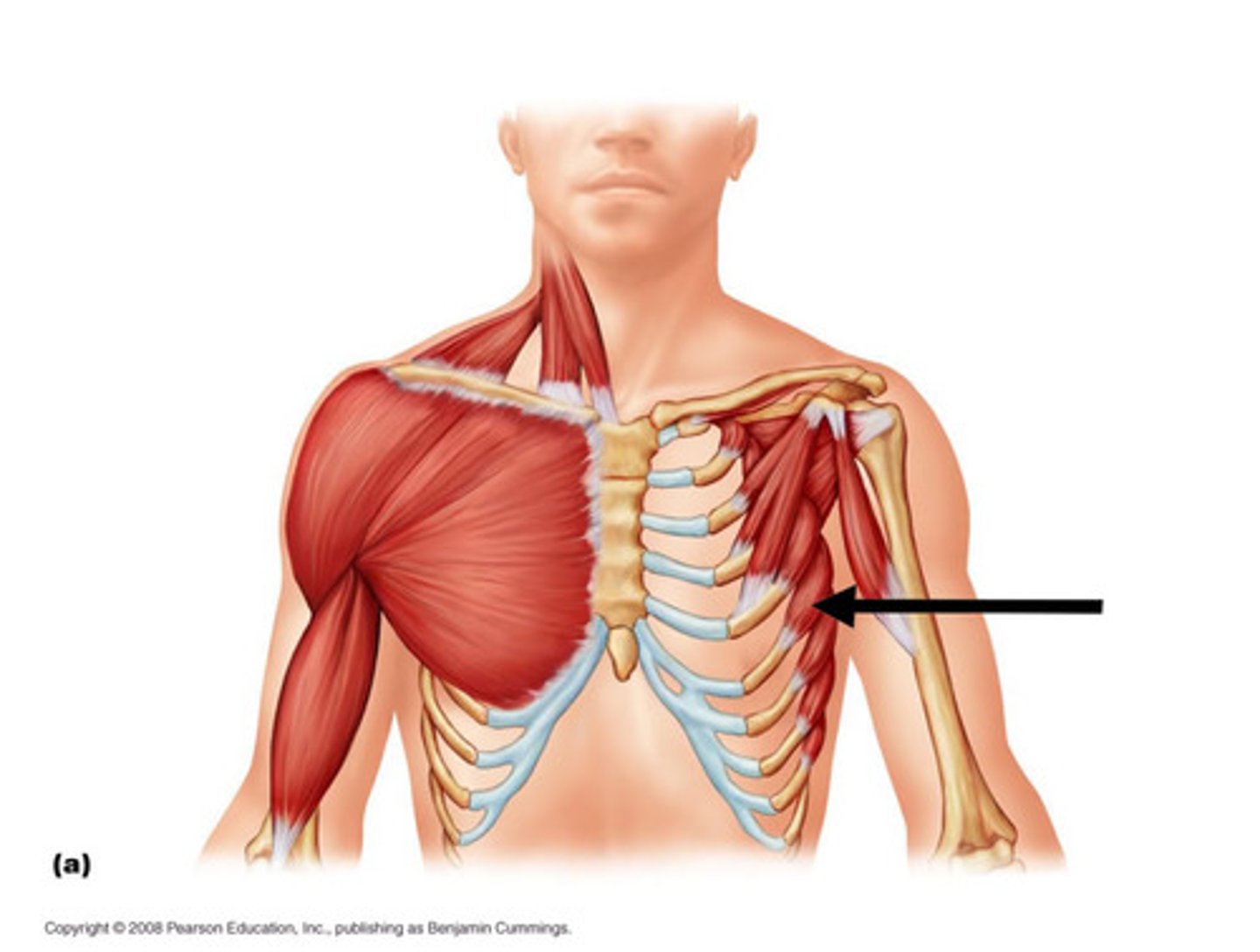
Medial border of the scapula
Insertion of Serratus Anterior
Rotate Scapula to abduct arm to above shoulder height
Action of Serratus Anterior
Lateral Thoracic Artery
Blood Supply of Serratus Anterior
Long Thoracic Nerve
Nerve of Serratus Anterior
Teres Major
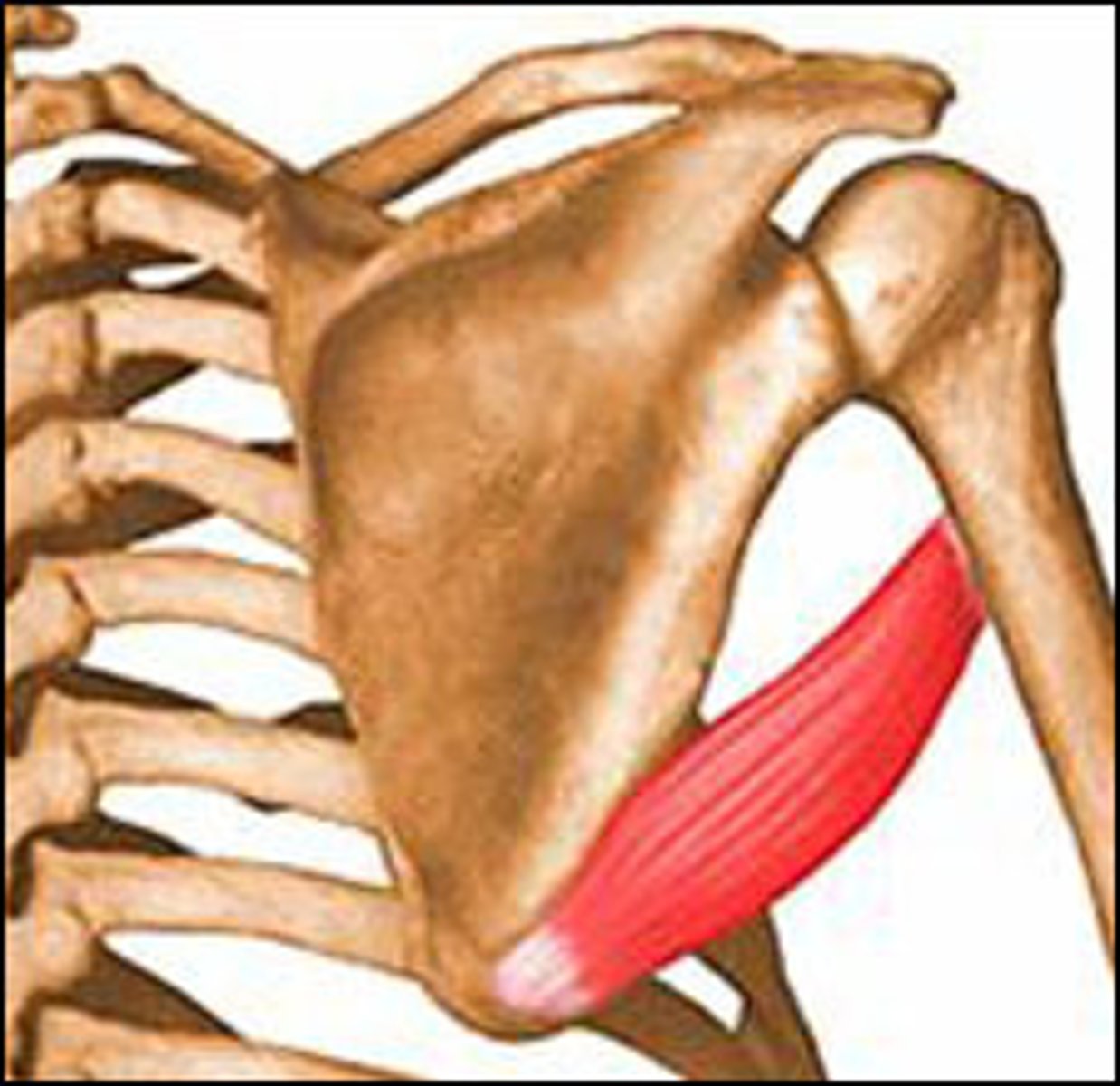
Inferior angle of the Scapula
Origin of Teres Major
anterior side of Humerus
Insertion of Teres Major
adducts and medially rotates Arm
Action of Teres Major
Lower Subscapular Nerve
Nerve of Teres Major
Triangular Space
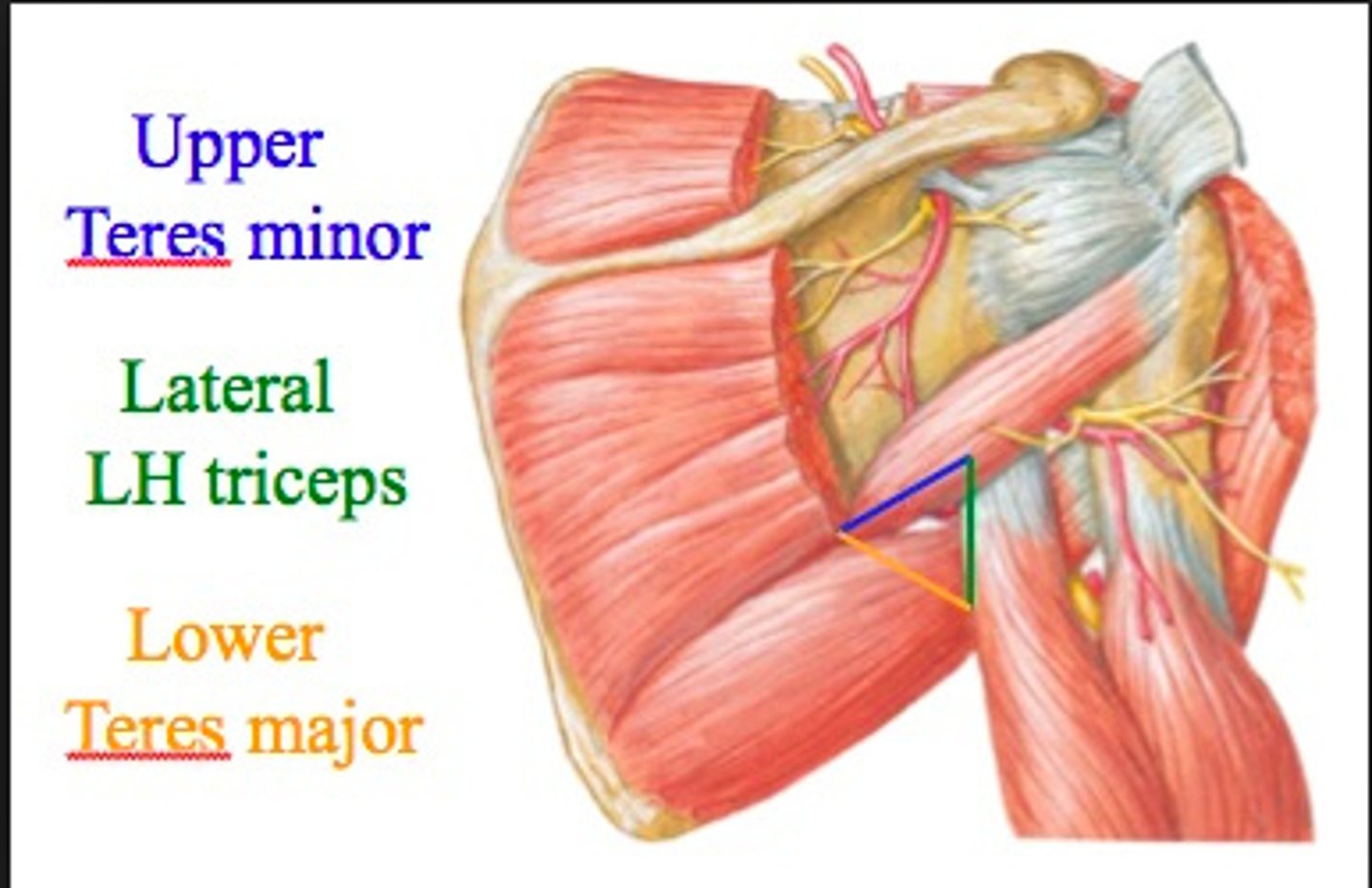
Quadrangular Space
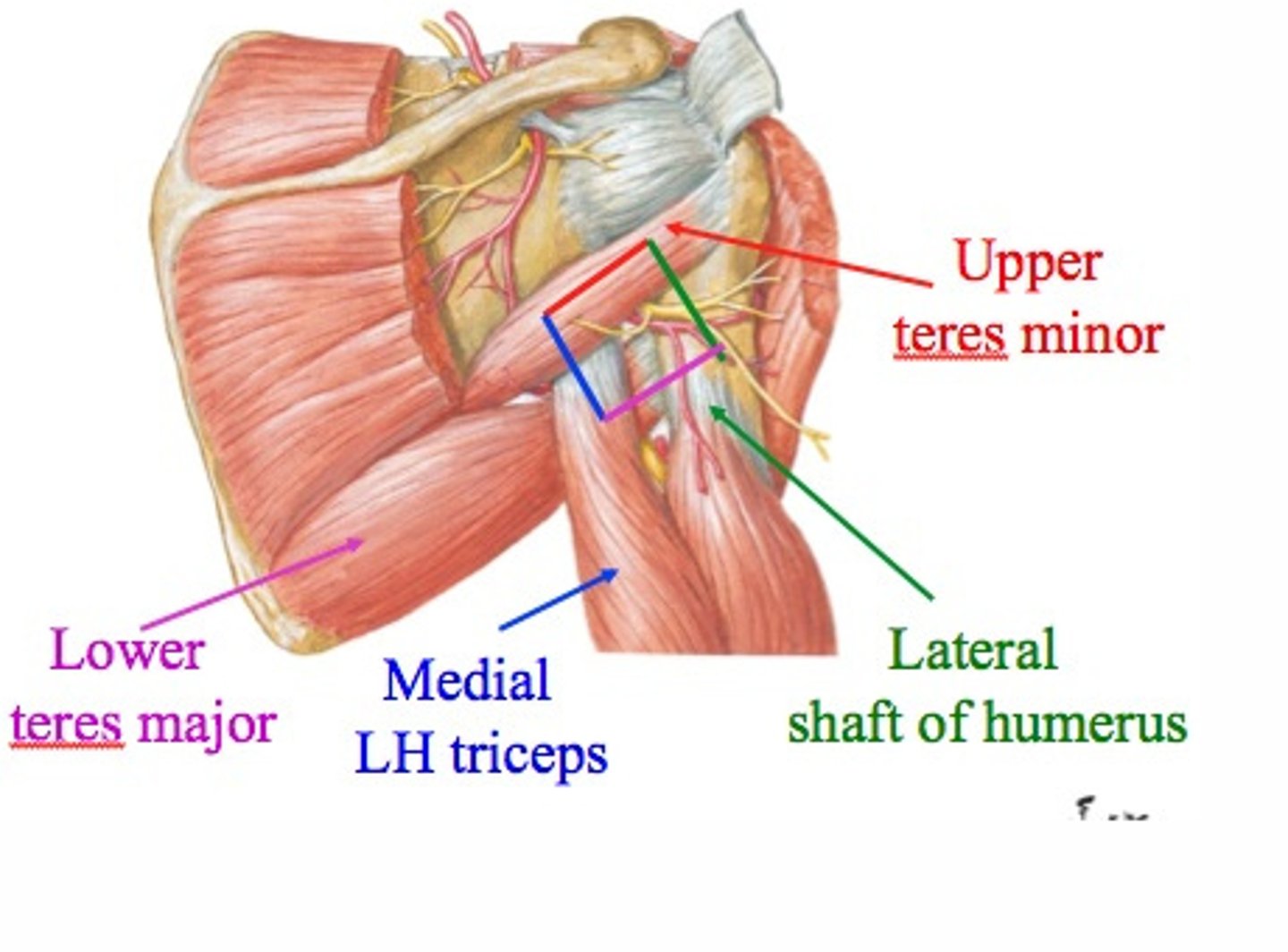
Deltoid Myotome
C5
Coracoclavicular Ligament
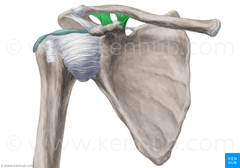
50 degrees
Range of motion at Acromioclavicular Joint