PRAXIS American Authors
 Call Kai
 Learn
Learn Practice Test
 Spaced Repetition
 Match
Match Flashcards
 Knowt Play
1/95

There's no tags or description
Looks like no tags are added yet.
Name | Mastery | Learn | Test | Matching | Spaced | Call with Kai | Chat |
|---|
No analytics yet
Send a link to your students to track their progress
96 Terms
Maya Angelou
African American autobiographer, poet, and civil rights activist who started as a dancer and rose to global prominence during the 1960s Civil Rights Movement
I Know Why the Caged Bird Sings and “Still I Rise”
Notable works by Maya Angelou
Cultural/historical context of I Know Why the Caged Bird Sings
Details her childhood experiences with racism, and overcoming severe trauma, making it the first nonfiction best seller by a Black woman in history
Cultural/historical context of “Still I Rise”
Addresses an oppressive force
Boldly declares refusal to be broken by racism, sexism, and hatred
Ray Bradbury
mid to late 20th centuries
Closely associated with the Golden Age of science fiction
Classic works reflect the specific cultural and political anxieties of the early Cold War and the onset of the atomic age that influenced the loss of human connection to rapid globalization
Openly opposed McCarthyism and was investigated
Fahrenheit 451, The Martian Chronicle, “The Pedestrian”
Works by Ray Bradbury
Cultural/historical context of Fahrenheit 451
response to political climate of the 1950s
response to the censorship of the McCarthy era
response to the threat of nuclear annihilation during the Cold War
Cultural/historical context of The Martian Chronicle
Reflection on the anxieties of post-WW2 America and uses science fiction to critique the Cold War, the legacy of colonial expansion, and the flaws of the Jim Crow Era
Willa Cather
Novelist during the 19th and 20th centuries who is renowned for chronicling the frontier and pioneer experience of the American West, especially the immigrant settlement of the Great Plains
“Paul’s Case,” O Pioneers, Death Comes for the Bishop, The Song of Lark, My Antonia
Works by Willa Cather
Stephen Crane
Writer during the late 19th century who bridged three major overlapping movement: Realism, American Naturalism, and Impressionism
The Red Badge of Courage historical/cultural context
A psychological critique of warfare by deconstructing romanticized American Civil War myths, pioneering American Naturalism and exploring how modern psychological stress, Darwinism, and chaotic environments strip away individual agency.
Emily Dickinson
Victorian Era Poet whose work spans the transition from Transcendentalism to Realism and is noted for her mystical and unrhymed poems
“Wild Nights” and “Fly Buzz When I Died”
Notable poems by Emily Dickinson
Ralph Waldo Emerson
A prominent essayist, poet, and philosopher who led the Transcendentalist movement in the mid 19th century
Ralph Waldo Emerson’s essays and lectures explored themes like
freedom, individuality, and the inner potential of humans which he called the “infinitude of the private man”
American Literary Transcendentalist Movement
A 19th century philosophical and literary movement centered in New England that emphasized individualism, the inherent goodness of people and nature, and the belief that divine truth is found through intuitive insight rather than logical reason or institutionalized religion
The Transcendentalist Movement flourished as a reaction against
rationalism, strict religious doctrines, and the materialism of the growing industrial revolution
Henry David Thoreau was a
key figure in New England transcendentalism, a social critic, and an abolitionist who worked on the Underground Railroad
Walden and “Civil Disobedience”
Notable works by Henry David Thoreau
Walden is a
Reflection on a simple living in nature
“Civil Disobedience” is an
argument for citizen disobedience against injustice
Harriet Beecher Stowe
19th century author and abolitionist who was a leading voice in the fight against slavery and credited with “humanizing” slavery and helping launch the civil war.
Uncle Tom’s Cabin
Novel by Harriet Beecher Stowe that explores the profound cruelties of slavery by following two paths: the Northern space of an enslaved woman (Eliza) and the tragic journey of an enslaved man, Uncle Tom, who is sold to the Deep South
Walt Whitman
19th century poet and essayist called the “the father of free verse” because he rejected traditional rhyme and meter
Leaves of Grass
A collection by Walt Whitman that is considered a foundational text that helped define the American Literary Voice
F. Scott Fitzgerald
Irish American writer best known for depicting the Jazz Age of the 1920s
Fitzgerald’s work often explores themes of
love, money, and the American Dream
The Great Gatsby and The Side of Paradise
Novels by F. Scott Fitzgerald
Anne Bradstreet
Puritan author
Mark Twain
19th century/Gilded Age author who helped transition literature away from romanticism, pioneering the use of regional vernacular and addressing social issues with dark satire. He favored realism and regionalism
Robert Frost
20th century poet who primarily belonged to the modernist literary period and used traditional metrical forms.
The Adventures of Tom Sawyer and Huckleberry Finn
Novels by Mark Twain
“The Road Not Taken,” “Fire and Ice,” “Birches”
popular poems by Robert Frost
Avi
a young adult and children’s author of the late 20s and early 21st centuries, primarily belonging to the Contemporary movement
Crispin: The Cross of the Lead
Novel by Avi that follows Crispin's journey as he unravels the mystery of his past, fights for his freedom, and learns to think for himself, all while navigating the harsh realities of feudalism.
Scott O’Dell
Celebrated historical fiction author for young readers during the mid-to-late 20th century
The Island Blue Dolphins, The Black Pearl, Over Sea, Under Stone
Books by Scott O’Dell
Paul Zindel (Playwright)
Recognized as a pioneer of the YA realistic fiction literary movement, paving the way for authentic storytelling by exploring teenage angst, dysfunctional household, and rebellious youth
The Pigman
Novel by Paul Zindel about two high school sophmores’s who form an unlikely friendship with elderly man, Mr. Pignati
Sylvia Plath is primarily associated with the
mid-20th century Confessional poetry movement and the Postmodern or late Modernist literary periods
Sylvia Plath’s work explored
mental illness, trauma, and complex family dynamics
The Bell Jar
A novel by Sylvia Plath that fictionalizes her struggles with depression and treatment. It is about a young woman (Esther Greenwood) whose tales and intelligence have brought her close to achieving her dreams, but she must overcome suicidal tendencies.
Jack London
A pioneer of commercial fiction and American magazines and a central figure in American realism and Naturalism. He was one of the first American authors to become an international celebrity and earn a large fortune from writing
The Call of the Wind
A novel by Jack London about a pampered dog and how he adjusts to the harsh realities of life in the North as he struggles with his recovered wild instinct and finds a master who treats him right
Louisa May Alcott
Victorian era author whose literary style is deeply rooted in 19th century American Realism and the Transcendentalist Movement
Little Women
Novel by Louisa May Alcott that reflects post-Civil War American values, emerging feminist ideals, and the Transcendentalist movement
SE Hinton
Key figure in YA literature, credited with pioneering the genre, and author of the The Outsiders
Louis Sachar
YA author best known for his novel Holes
Holes cultural context
Explores social injustices and the Justice System
Katherine Paterson
Author of Bridge to Terabithia
Christopher Paul Curtis
Children’s book author
Lois Lowry
YA and children’s author
The Giver Quartet and Number the Stars
Works by Lois Lowry
The Giver Quartet
Historical fiction set during World War II
Ester Forbes
Novelist and historian and the first woman elected to the membership of the American Antiquarian Society
Johnny Tremain
Historical fiction novel by Ester Forbes that follows a proud 14-year-old silversmith apprentice in Boston whose hand is permanently crippled in an accident. Adapting to his disability, he joins the Sons of Liberty and witnesses key events of the American Revolution
Patricia MacLachlan
Children’s writer known for Sarah, Plain, and Tell
Phillis Wheatley
First African American poet, sold into slavery, raised and educated in her family
“On Being Brought from Africa to America” and “To the Right Honorable William, Earl of Dartmouth”
Poems by Wheatly
Phyllis Reynolds Naylor
Author during the late 20th and early 21st centuries known for children and YA fiction
Shiloh and Alice
Works by Phyllis Reynolds Naylor
William H. Armstrong
An educator and author best known for his 1969 novel Sounder. He is recognized for his 20th century children’s and YA literature that depict the rural African-American sharecropping experience in the Deep Soth at the end of the 19th and beginning of the 20th century.
Elizabeth George Speare
Recognized for her children’s historical fiction like The Witch of Blackbird Pond, The Sign of the Beaver, The Bronze Bow
Madeline L’Engle
20th century writer known for her novel A Wrinkle in Time
Gary Paulsen
Writer of children’s and young adult fiction + best known for coming-of-age stories about the wilderness like Hatchet, Brain’s Winter, Tracker, and Dogsong
Carl Hiaasen
American journalist and novelist known for his novels Bad Monkey, Fever Beach, and Hoot
Author of The Chocolate War
Robert Cormier
The House on Mango Street
A novel by Sandra Cineros that demonstrates the experiences of Mexican-American immigrants and their children in a patriarchal community, reflecting themes of social class and identity
Elie Wiesel
Author of the novel Night which is based on his experiences as a Jewish prisoner at Auschwitz and Buchenwald during the Holocaust
First woman to win the Pulitzer Prize for fiction for her novel The Age of Innocence
Edith Wharton
The Age of Innocence
revolves around the rigid, ritualistic society of 1870s “Old New York,” comparing the Gilded Age against a post WW1 era that has shattered the social conventions of the Gilded Age
Mildred Taylor
Her award-winning historical fiction books highlight the African American experience during the Jim Crow era and spans from the Reconstruction Era through the Great Depression and into the Civil Rights movement
Roll of Thunder, Hear my Cry
Novel by Mildred Taylor where she explores the struggles of African Americans in the 1930s Mississippi through the perspective of nine-year-old Cassie Logan
Marjorie Kinnan Rawlings
Author whose works capture the rural, post-frontier Southern life, with her Pulitzer Prize-winning classic, The Yearling, solidifying her legacy in mid 20th century American Literature
Jean Craighead George
Children and young adult author whose works included common themes of the environment and the natural world
Julie of the Wolves and My Side of the Mountain
Novels by Jean Craighead George
Kate Chopin
Writer of the late 19th and early 20th centuries with work categorized under Realism, Naturalism, and Regionalism, while her progressive themes also foreshadow later feminist and existentialist literature
The Awakening and “The Storm”
novels by Kate Chopin
The Awakening Cultural context
Explores the class between French Creole societal norms, which confined women to the domestic sphere and the "new woman” movement, which challenged patriarchal structures and advocated for female independence and sexual autonomy
“The Storm”
Classic short story that challenges Victorian-era gender norms and the strict moral expectations of the American South set in Louisiana
Langston Hughes
A leading poet of the Harlem Renaissance who wrote “The Negro Speaks of Rivers,” “Theme for English B,” “My People,” “Not Without Laughter,” and “The Weary Blues”
“Incident”
“Any human to another”
“Color”
“Ballad of a Brown Girl”
“Heritage”
“Fruit of the Flower”
Poems by the famous Harlem Renaissance writer, Countee Cullen
Ernest Hemingway
Writer during the 20th century Modernist period and a key figure in the “Lost Generation” with works that capture the disillusionment following WW1 and the historical and political conflicts of that era
A Farewell to Arms
A classic novel by Ernest Hemingway set during WW1 that tells the story of American Ambulance driver, Fredric Henry, and his love affair with English nurse, Catherine Barkley, exploring themes of love, war, disillusionment, and the “Lost Generation”
The Devil and Tom Walker
The Legend of Sleepy Hallow
Rip Van Winkle
Short stories by Washington Irving
Washington Irving
wrote during the American Romantic period/gothic literatue and is a foundational figure in 19th century American literature (the legend of sleepy hollow)
Arthur Miller
Prominent 20th century American writer whose work often explores social issues and moral questions. His work is considered to have transformed American theater after WW2
The Crucible (1949)
A play by Arthur Miller, set in 1692 Salem witch trials, but was written in 1953 as a direct allegory for the Red Scare to critique mass hysteria, government paranoia, and the effects of McCarthyism
James Russell Lowell
Prominent American Romantic writer and critic. He is a key figure in the Fireside Poets group and is known for his abolitionist writings, political satire, and literary criticism during the American Renaissance
“The First Snowfall”
Personal elegy by James Russell Lowell within the 19th century Romantic movement that reflects a cultural shift toward viewing nature as a source of important emotional comfort and the rise of sentimental domestic poetry that processed grief
“The Breakfast Table” and “The Chambered Nautilus”
Works by the poet and member of the Fireside poets, Oliver Wendell Holmes
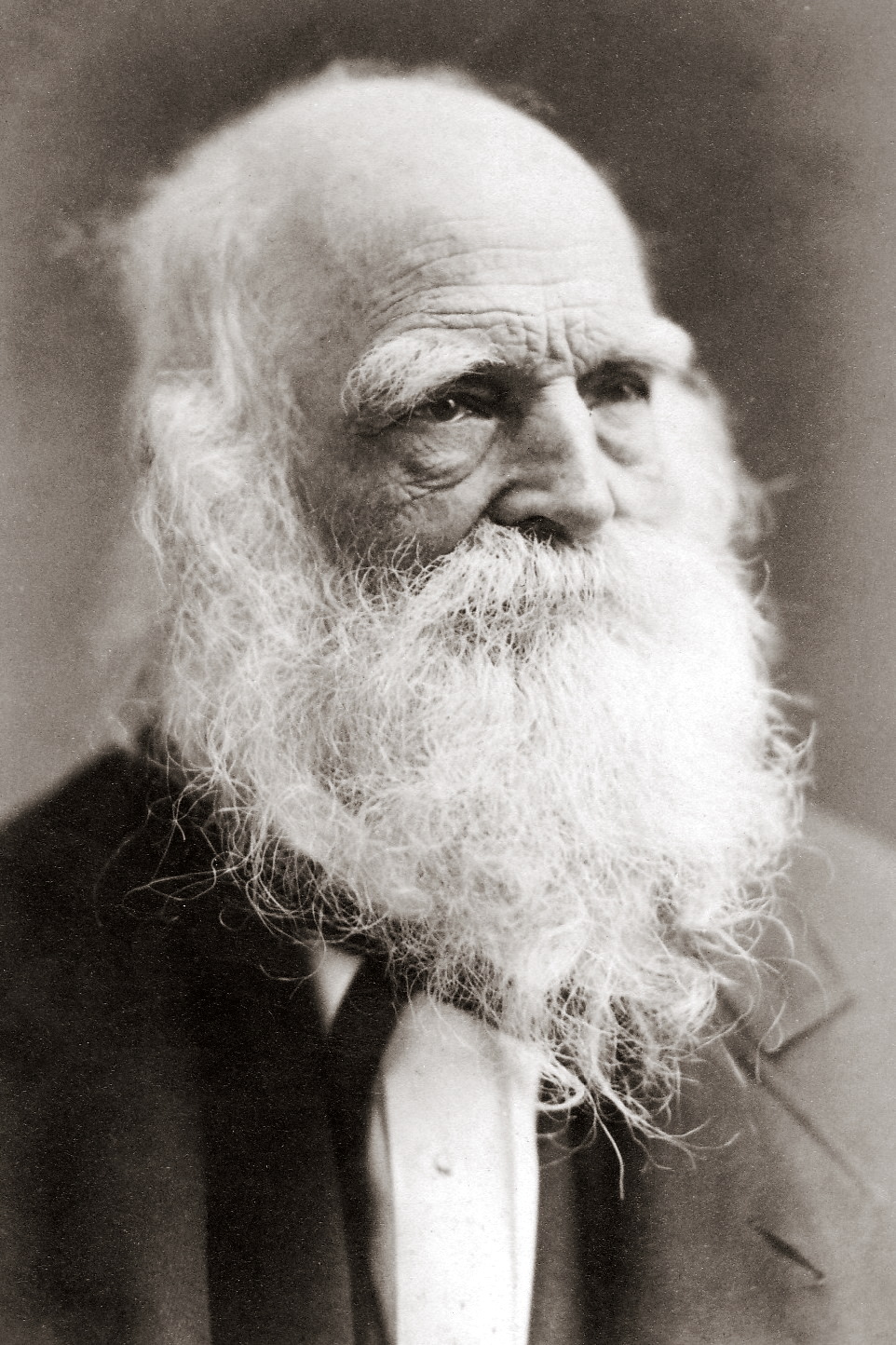
William Cullen Bryant
BEst remembered for helping introduce European Romanticism to American literature
“To a Waterfowl”
Classic early American Romanticism poem that uses the bird’s lonely journey to symbolize human vulnerability and express unwavering faith in Divine Providence
Karen Hessee
Children and YA literature writer who often writes with historical settings
Out of the Dust, is story told in free-verse poems, tracks a young girl’s struggle to survive ecological disaster, greed, and poverty in the Oklahoma Panhandle, set against the backdrop of the Great Depression and the Dust Bowl, is written by ____
Karen Hassee