8-12 Primary, history, vitals, physical exam
 Call Kai
 Learn
Learn Practice Test
 Spaced Repetition
 Match
Match Flashcards
 Knowt Play
1/49

There's no tags or description
Looks like no tags are added yet.
Name | Mastery | Learn | Test | Matching | Spaced | Call with Kai | Chat |
|---|
No analytics yet
Send a link to your students to track their progress
50 Terms
5 people I must consider in SSU- in order
Me
Partner
Other responders
PT
Bystanders
steps in primary assessment
General impression
C-spine if applicable
Patient status- CC
LOC
Airway
breathing
Circulation
Disability- GCS and AVPU if not already done.
Prioritization
Resuscitation
what would a patient supine or lateral with bent knees possibly mean?
Abdominal pain
describe decorticate and decerebrate posturing and what they indicate
decorticate- arms flexed, fists clenched, legs extended. Indicates increased ICP, cerebral cortex, and mid brain injury
decerebrate- arms and legs rigidly extended and pronated. Also indicates increased ICP but with extension of injury to the brain stem. More serious
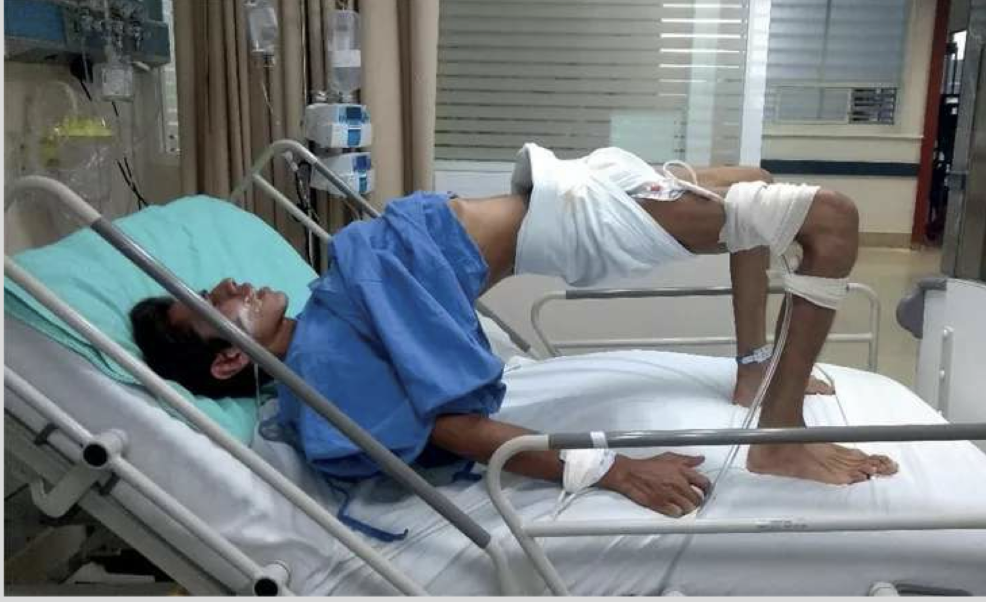
Opisthotonos- what is it and what causes it
neck bridging- back arched with only occiput touching the bed
PCP OD, meningitis, severe tetanus, strychnine poisoning
torticollis
AKA wry neck
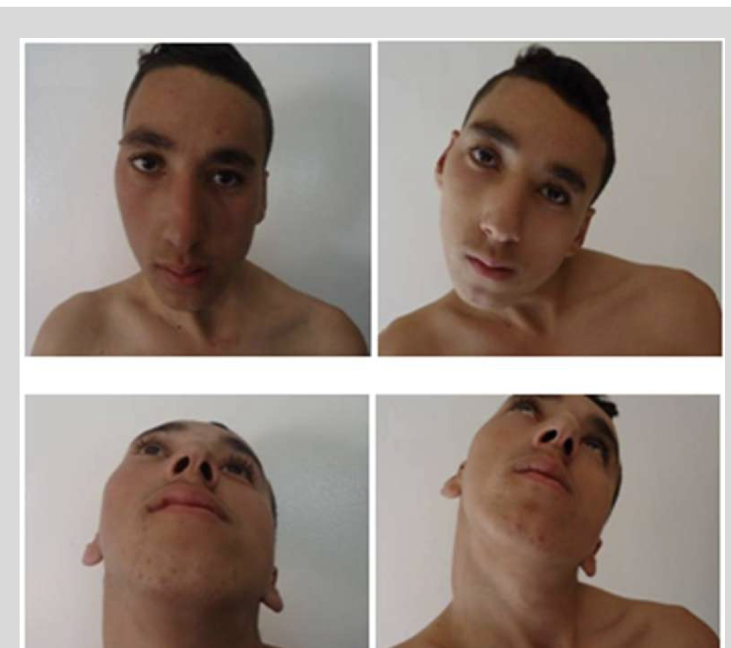
unilateral sternocleidomastoid muscle spasm- phenothiazines and PCP, congenital
jaundice causes and other name
AKA- icterus
liver failure, anemia, various drugs, bile duct issues, yellow fever, TB, malaria
what causes grunting
dyspnea requiring increased expiratory pressure (basically a form of PEEP)
indicators of of inadequate respirations
rate >24 or <8
rhythm
rise
what is belly breathing- specifically when its bad
diaphragm breathing only- cervical cord injury
what is the term “time critical diagnosis” and some examples
a field working impression where the morbidity or mortality of the pt outcome is time dependent
CVA, STEMI, critical trauma, acute surgical emergencies (internal bleeding)
if you check cap refill, where should you check
central (chest) and peripheral
ideally same with pulses…
where do you listen to heart sounds`
apical heart tones: over apex, 5th ICS MCL
what is a pulse deficit and what can cause it
when there is a difference between apical and peripheral HR
abnormal heart rhythms or contractions are too week to make it to peripheral arteries
ex.
Apical- 100
peripheral- 75
Pulse deficit- 25
Pulsus parodoxus what is it and causes
Difference in pulse strength during respirations, stronger with exhalation and weaker with inhalation
asthma, COPD, tension pneumo, cardiac tamponade (most noticable)
basically the pressure of the lungs causes the pressure to drop
heart sounds
S1: closing of AV valves- low pitched and dull- start of systole
S2: closing of semilunar valves- higher pitched and louder- start of diastole
S3: dullest of all 3- normal in children and young adults. Beyond those ages it is caused by vibration of ventricular walls by rapid ventricular filling. Often associated with CHF (makes heart more weak so kinda bounces off wall and makes sound). At the end of ventricular diastole. “ken-tuch-Y”
what can cause crackles
CHF, pneumonia
what can cause wheezing
asthma, anaphylaxis, COPD, pneumonia, HEART FAILURE
What can cause rhonchi
COPD, pneumonia, aspiration, Opioid overdose (secretions and vomit), cholinergic OD (increased secretions)
what can cause pleural friction rub
pleurisy, viral infection, TB, PE
cheyne stokes causes and description
repeated pattern lasting 30 seconds to 1 min
progressively getting deeper and sometimes faster then gradual decrease and period of apnea
damage to respiratory centers causes O2 and Co2 Partial pressure changes
ataxic causes and description
complete irregularity of breathing. Damage to medulla oblongata from CVA or trauma`
Biots causes and description
irregularity with pauses- damage to pons due to strokes trauma, opioid OD, or by pressure on pons
apneustic causes and description
deep gasping inspiration pausing at full inspiration with brief insufficient exhalation
almost like agonal but a bit faster
CVA, head injury,
some accompanying S/S include posturing, fixed, dilated pupils, coma, absent gag reflex.
agonal causes and description
occasional respirations, reflexes only, respiratory arrest iminent
what should you never classify someone as on a report? What do you want to ask them/their family
They are “normal”
ask what is normal for them
at what age would a lack of concern for strangers indicate AMS
9-12 months
what can cause a widened pulse pressure
narrowed?
wide- cushings triad- increased ICP
narrowed- becks triad- cardiac tamponade
what is the main cause for orthostatic hypotension?
fluid loss
normal pupil size in dark and bright light
2-4mm in bright
4-8 in dark
dilated pupils causes
hypoxia, barbiturate OD, atropine, cocaine
deviated conjugate gaze causes and description
head injury, CVA
eyes stuck to one side
dysconjugate gaze description and cause
one eye is not aligned with the other
orbital fracture
nystagmus causes and description
eye twitching…
alcohol, valium, PCP, seizure
Dolls eye reflex
when the eyes move with the head in an abnormal way
normally if i look at something and move my head, my eyes move
tenting causes and description
when the skin stays pulled up
dehydration
mottled
shock, cold exposure, vascular emergencies, end of life
normal BGL
80-120
what types of thermometers are most vs least accurate
most acurate to least accurate
esophageal and rectal- oral- tympanic- temporal- axiallry
normal body temp
97.5-100.2
37 C
98.6 F
temp #s for hypothermia, fever, hyperthermia (heat stroke)
hypo- <97.7
fever- 100.3-104
hyperthermia- > 104
What medical history should you ask about
Diabetes, Respiratory, Heart, htn, Stroke, seizures, Surgeries
DRHHSSS
pertinent positive and negative
positive-present on assessment that support your field impression
negative- findings that are not found that help narrow down your DD
pertinent findings are are relevant to the field impression or are something that are completely new or unexpected.
in a rapid trauma assessment what are you looking for
life threats and major bleeding and fractures.
what side of stethoscope for what things
bell- low frequency sounds (heart)
diaphragm- high pitched (breath)
what is hyper resonance and what does it indicate
tension pneumothorax- sounds like hitting a drum
when does positive JVD actually clinically mean something
when HOB is greater than or equal to 45 degrees
cullens sign
bruising around umbilicus
bleeding in abdomen
Grey-Turner’s sign
bruising in flank area- retroperitoneal bleading
Kehr’s sign
Refered pain to the shoulder (usually left)
blood, air, or GI contents in abd cavity irritating inferior side of diaphragm.