APEX MOCK EXAM 1
 Call Kai
 Learn
Learn Practice Test
 Spaced Repetition
 Match
Match Flashcards
 Knowt Play
1/100

There's no tags or description
Looks like no tags are added yet.
Name | Mastery | Learn | Test | Matching | Spaced | Call with Kai | Chat |
|---|
No analytics yet
Send a link to your students to track their progress
101 Terms
Match each West zone of the lung with its corresponding pressures:
Zone 1
Zone 2
Zone 3
Zone 4
Zone 1: P alveolar> P arterial> P venous> P interstitial (dead space)
Zone 2: P arterial> P alveolar> P venous> P interstitial (matched V/Q)
Zone 3: P arterial> P venous> P Alveolar> P interstitial (shunt)
Zone 4: P arterial> P interstitial> P venous> P alveolar (increase pressure in the interstitium-pulm edema)
Which interventions are MOST appropriate in the "cant ventilate can't intubate" scenario? Select 2
Percutaneous transtracheal jet ventilation
Tracheostomy
Surgical cricothyrotomy
Retrograde intubation
Percutaneous transtracheal jet ventilation
Surgical cricothyrotomy
Surgical cricothyrotomy and transtracheal jet ventilation can reestablish ventilation very quickly, and are appropriate options in the cant Ventilate can't intubate scenario.
Retrograde intubation is best used one ventilation as possible. It takes 5 to 7 minutes to complete in the hands of an experience practitioner. This is often performed for the patient with a suspected or known difficult airway in a controlled setting before the induction of Anesthesia. It is also useful in the patient with an unstable cervical spine.
At what point during laparoscopic cholecystectomy is a gas embolism most likely to occur?
A. Initial abdominal insufflation.
B. During the cholangiogram
C. The risk is the same throughout the procedure.
D. Dissection of gallbladder from the liver bed.
A. Initial abdominal insufflation.
There is a risk of air embolism if a trocar is inadvertently placed into a blood vessel, or any time when intravascular pressure falls below intraabdominal pressure.
Gas embolism creates an airlock in the right heart, and thus obstructs forward flow.
Signs and symptoms include : decreased EtCO2, increased EtN, increased PAP, pulmonary edema, decreased blood pressure, hypoxia, dysrhythmias, cyanosis, and a mill wheel murmur.
TEE is the most sensitive indicator of gas embolism.
The risk of gas embolism is greatest during initial insufflation of the abdomen, especially those with previous abdominal surgery .
Which finding places a child at the GREATEST risk for laryngospasm?
A. Upper respiratory infection.
B. Upper airway surgery.
C. Exposure to secondhand tobacco smoke.
D. Gastro esophageal reflux.
A. Upper respiratory infection.
Noxious stimulation of the internal branch of the superior, laryngeal, nerve and precipitate laryngospasm. This complication can lead to complete airway obstruction negative pressure pulmonary edema, aspiration of gastric contents, cardiac arrest, and death.
The risk of laryngospasm is greatest in the child with an upper respiratory infection 9.6/100
The Distractors were the other risk factors for laryngospasm:
-Preoperative risk factors include exposure to secondhand smoke and GERD.
-Intra-operative risk factors include upper airway surgery, mechanical irritant (secretions), airway manipulation during light planes of anesthesia, and the excitement phase during an inhalation induction.
Which lung volume increases as a function of aging?
Aging is associated with the loss of lung elastic recoil. Said another way, There is an increased lung compliance. Lung elastic recoil is integral to the maintenance of airway diameter. Loss of this property causes a small airways to collapse prematurely. This causes gas trapping, and gas trapping increases RESIDUAL VOLUME.
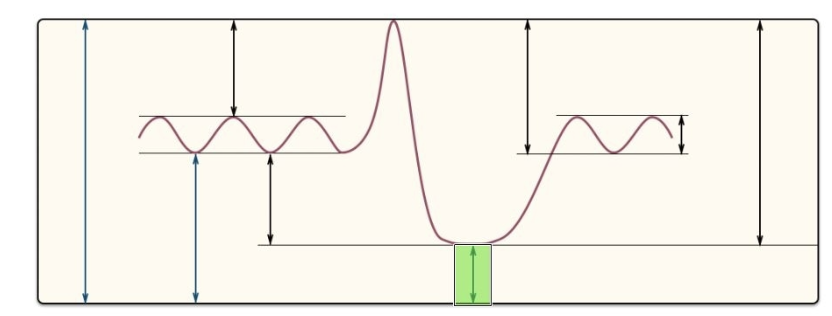
A Morbidly obese patient is undergoing removal of an infected hip hardware under general anesthesia. Midway through the procedure you observe the following vital signs. What is the MOST likely diagnosis?
Increased HR
hypotension
Increased CVP
Drop in ETCO2
Drop in O2 sats
PIP increased
A. PE
B. Exsanguination.
C. Myocardial infarction
D. Congestive heart failure.
A. PE
pulmonary embolism creates a mechanical obstruction in the pulmonary circulation. If the embolism is of sufficient size, it significantly increases dead space ventilation and pulmonary vascular resistance. A Precipitous fall in EtCO2 and tachycardia are usually the first signs of PE. Dead space ventilation, contributes to arterial hypoxemia. Cardiac filling pressures may increase as a result of increased PVR. Hypotension may occur & bronchospasm may increase peak inspiratory pressure.
Immediate treatment consists of 100% FiO2 and hemodynamic support with fluids and inotropes. If symptoms do not resolve, pulmonary embolectomy or thrombolysis in the non-surgical patient should be considered.
MI, CHF and exsanguination can cause some, but not all, of the physiological changes in the question so these weren't the best options.
All of the following are contraindications to retrograde tracheal intubation, EXCEPT:
A. Neck flexion deformity.
B. Cervical spine injury.
C. Goiter.
D. Coagulopathy.
B. Cervical spine injury
Retrograde intubation involves puncturing the cricothyroid membrane in passing a wire through the vocal cords and out of the mouth. Next, an endotracheal tube is loaded over the wire and advanced into the trachea. Most of the reported cases of retrograde intubation described its use in patients with cervical spine injuries.
Neck flexion deformity can make this procedure challenging, if not impossible.
a goiter may prevent you from accurately identifying the cricothyroid membrane. Coagulopathy increases the risk of bleeding into the airway following needle puncture.
In the patient with chronic bronchitis which preoperative interventions MOST reliably reduce the incidence of post operative, pulmonary complications?
A. Smoking cessation for 8 weeks.
B. Prophylactic doxycycline.
C. Instruction in postop pulmonary toilet techniques.
D. Adequate hydration.
A. Smoking cessation for 8 weeks
Smoking cessation is the most reliable method to reduce postoperative Pulmonary complications. A patient who has not had a cigarette for at 8 eight weeks has the same level of baseline perioperative pulmonary risk as a patient who does not smoke.
Prophylactic antibiotics to sterilize the sputum are not indicated and may actually encourage secondary infection. Antibiotics are reserved for patients with purulent sputum, and or pulmonary infiltrates.
Instruction in postop pulmonary toileting, techniques, and adequate hydration are additional therapies to decrease the risk of postop pulmonary complications .
When providing Anesthesia to a patient undergoing video assisted thoracoscopic surgery for removal of bullae:
A. Jet ventilation should be avoided.
B. A bronchial blocker is preferred to a double lumen endotracheal tube.
C. 50% nitrous oxide is an acceptable technique.
D. A small tidal volume with high respiratory rate is preferred.
D. A small tidal volume with high respiratory rate is preferred.
Bullae are large air-filled spaces in the lungs that result from damage to normal alveolar tissue. Rupture can lead to pneumothorax tension, pneumothorax and/or cardiovascular collapse. To reduce the risk of rupture the patient should be allowed to spontaneously gonna lay until the chest is opened. positive pressure, increases tension and may result in rupture. To minimize into alveolar pressures (ideally below 20cmH2O) a small tidal volume with high respiratory rate is recommended. High frequency generation is an acceptable alternative to positive pressure ventilation.
Nitrous oxide will expand the bullae and may rupture it.
A double lumen endotracheal tube is the airway of choice as the ability to ventilate each lung separately is vital.
A unilateral vagus nerve injury during a radical neck dissection will MOST likely present with:
A. Aphonia
B. Stridor
C. Hoarseness.
D. No clinically relevant sign of injury.
C. Hoarseness
Vagus
Unilateral: hoarseness
Bilateral: aphonia
External branch of the SLN
Unilateral: minimal effects
Bilateral: hoarseness, easily fatigued voice
Internal branch of the SLN
No effect since this nerve is sensory only
Recurrent laryngeal nerve
Unilateral: hoarseness
Bilateral: stridor, dyspnea (acute injury), aphonia (chronic injury)
Which size LMA classic is the most appropriate for a patient that weighs 12kg?
2
LMA sizes:
Size 1:
All of the following physiological effects are expected to increase in a patient suffering from inadequate pain management after an open abdominal procedure EXCEPT:
A. Platelet aggregation.
B. Vital capacity.
C. Urinary sphincter tone
D. Systemic vascular resistance.
B. Vital capacity.
And patients undergoing abdominal or thoracic procedures, and adequate pain management greatly impairs respiratory function. In an effort to minimize paying these patients are hesitant to deep breath or cough. The respiratory muscles are further hindered by muscle spasms at the incision site.
The following respiratory changes occur:
Decrease tidal volume
Decrease vital capacity
Decrease total lung capacity
Decreased functional residual capacity
Decreased ability to clear secretions
These patients are an increased risk for a VQ mismatch, atelectasis, pneumonia, hypoxia, and hypoventilation .
Acute pain stimulates the sympathetic nervous system, an increase of systemic, vascular resistance, heart rate, blood pressure contractility in the work load of the heart.
Platelet aggregation and venous stasis due to prolonged immobilization from pain, may result in DVT or thrombosis.
An increase urinary sphincter tone leads to decreased urinary output and urinary retention
Which area of the brain stem is primarily responsible for active exhalation?
A. Dorsal respiratory center.
B. Pneumotaxic center
C. Apneustic center
D. Ventral respiratory center
D. Ventral respiratory center
The respiratory center is located in the reticular activating system in the medulla and pons. The dorsal and ventral respiratory centers reside in the medulla & the apneustic and pneumotaxic centers are found in the pons.
The dorsal respiratory center is the inspiratory pacemaker .
The ventral respiratory center is primarily responsible for causing active exhalation.
The apneustic center stimulates the DRC-triggers inhalation.
The pneumotaxic center inhibits the DRC-triggers the end of inhalation
The afferent limb of the ocularcardiac reflex includes: select 3
Facial nerve
Vagus nerve
Gasserian ganglion
Long and short ciliary nerves
Nucleolus ambiguous
Trigeminal nerve
Trigeminal nerve
Long & short ciliary nerves
Gasserian ganglion
The classic presentation of the ocular, cardiac reflex is profound, bradycardia, and hypertension.
The afferent limb: long and short ciliary nerves, ciliary ganglion, ophthalmic division of trigeminal nerve, Gasserian ganglion
Efferent limb: vagus nerve, SA node
Stimuli that can induce the OCR :
Pressure on the globe
Traction to the extraocular muscles
Pressure on the conjunctiva
Ocular trauma
Pressure on the orbital tissue that remains following enucleation
Retrobulbar block can either cause or prevent the OCR .
Treatment :
Remove the stimulus
Administer 100% oxygen
Administer an anti-cholinergic, such as atropine or glycopyrrolate
A patient presents for multiple tooth extractions. Which conditions were an antibiotic prophylaxis for infective endocarditis? Select 3
Mitral valve regurgitation
Unrepaired cyanotic congenital heart disease
Prosthetic heart valve
Coronary stent placement
Mitral valve prolapse
Cardiac transplantation with valvuloplasty
Unrepaired cyanotic congenital heart disease
Prosthetic heart valve
Cardiac transplantation with valvuloplasty
Conditions that increase risk of endocarditis and warrant antibiotic prophylaxis :
Previous infective endocarditis
Prosthetic heart valve or prosthetic material used to repair a valve
Heart transplant with valvuloplasty
Unrepaired cyanotic, congenital heart defect
Repaired congenital heart defect within six months of procedure
Repaired congenital heart defect with residual of defects, near repair or graft
Dental procedures, involving gingival manipulation, and or damage to mucosal lining
Respiratory procedures that perforate the mucosal lining with incision or biopsy
Prophylaxis for infective endocarditis is no longer required for :
Unrepaired, cardiac valve disease
CABG
Coronary scenting
G.I. or GU procedures
What are the anesthetic implications for a heart transplant Patient scheduled for elective surgery?
A. Cardiac output is more dependent on preload than on heart rate.
B. An anticholinergic is not required when antagonizing neuromuscular blockade.
C. Sinus bradycardia is common.
D. The dose of atropine should be doubled.
A. Cardiac output is more dependent on preload than on heart rate.
Cardiac output is the product of stroke volume and heart rate. Transplanted heart is severed from autonomic influence. The heart rate is determined by the intrinsic rate of phase 4 depolarization of the SA node (100-120bpm) again the transplant heart is not under the influence of the autonomic nervous system!
Since the heart is fixed, cardiac output becomes dependent on pre-load. Cardiac output adjust according to the position on the starling curve—increasing preload, augments cardiac output until a point is reached where the ventricular myocytes become overstretched and cardiac output falls.
Atropine reduces vagal tone by acting as a competitive antagonist of the M2 receptor. In the absence of vagal input atropine has no effect. Only direct acting drugs, such as EPI can be used to manipulate myocardial performance.
Anesthetic considerations include maintaining adequate preload to optimize the frank starling mechanism. Isopreteronol & dilute EPI should be available to augment heart rate.
Indirect acting vasopressors, such as a ephedrine, partially rely on endogenous catecholamines stores in the postsynaptic sympathetic neuron, and are therefore less effective.
Although cholinesterase inhibitors won't cause bradycardia, they will still cause signs and symptoms of PNS activation elsewhere in the body. You'll need to administer anti-cholinergics with reversal of neuromuscular blockade to prevent these Issues .
You may see 2 P waves on the EKG. One corresponds to the recipients intrinsic SA node, and one from the donor heart. The SA node of the native heart may still react to fluctuations and autonomic input, but this will not affect cardiac function.
A patient's hematocrit is 24%. 2 units of PRBCs are transfused. What is the expected post transfusion hemoglobin concentration?
10
For every unit of PRBCs administered the hemoglobin and hematocrit should increase by 1g/dL and 2-3% respectively.
This question required you to convert hematocrit to hemoglobin. Hemoglobin can be estimated as 1/3 of the hematocrit.
24÷3 = 8
Each unit of PRBCs increase his hemoglobin 1 point. If the starting hemoglobin is eight, then transfusing to units of PRBCs can be expected to increase hemoglobin to 10.
All of the following confer protection to the spinal cord during ascending aortic aneurysm repair, EXCEPT:
A. CSF drainage.
B. Normalization of serum glucose.
C. Induced hypertension during cross clamping
D. Avoidance of hypothermia
D. Avoidance of hypothermia
The spinal cord circulation consists of two posterior spinal arteries, and one anterior spinal artery. The posterior spinal arteries arise from the cerebella arteries and supply the dorsal sensory region of the cord. The anterior spinal artery arises from the vertebral arteries and supplies the ventral motor region. Both arteries receive collaterals from the intercostal arteries in the thorax in the lumbar arteries in the abdomen. These radicular arteries arise from the descending aorta.
It is critical to understand that the spinal cord is perfuse at each segment, but not necessarily along its length. This sets the stage for regional ischemia and infarction. The cervical cord receives most of its blood supply from the vertebral and radicular arteries, while the thoracolumbar region of the cord receives its supply from the radicular arteries. Therefore interruption of blood flow to any of these radicular arteries can cause ischemia or infarction to the corresponding segments of the spinal cord. The most notable of the radicular arteries is the artery of Adamkieeicz, which typically arises from the segment between T9-T12 & more commonly on the left side.
An aortic cross clamp placed above the Adamkiewicz, may cause ischemia to the lower portion of the anterior, spinal cord, resulting in anterior spinal artery syndrome, or Beck's syndrome. This manifests as flaccid paralysis of the lower extremities, coupled with bowel and bladder dysfunction and loss of temperature in pain sensation. Sensation and proprioception remain intact.
Thoracic cross clamp times greater than 30 minutes pose a significant risk of court ischemia and protective strategies should be employed. These include:
-Moderate hypothermia, 30-32°C
-CSF drainage— CSF shunting from the brain towards the spinal column during
Which factor is NOT affected by losartan administration?
A. Fetal mortality
B. Lithium reabsorption
C. Angiotensin converting enzyme
D. Potassium
C. Angiotensin converting enzyme.
Losartan is an oral angiotensin II receptor antagonist. It combats hypertension by antagonizing angiotensin II at the AT1 receptor. And it does not affect the activity of angiotensin converting enzyme (ACE)
A potential side effects of losartan is hyperkalemia. The risk of increase in the patient receiving potassium sparing diuretics.
Losartan increase lithium reabsorption by the kidneys, which can result in lithium toxicity.
Losartan, an ACEIs increase maternal and fetal mortality. These drugs should also be avoided in patients with renal artery stenosis.
ACEIs and losartan can cause post induction hypotension (vasoplegia). If vasoplegia is resistant to common therapies (volume neo, epi, & NE), consider vasopressin (0.5-1units) or methylene blue (1-2mg/kg).
A patient developed atrial flutter and requires cardioversion. What is the appropriate energy level that should be delivered during the first shock?
50-100 joules.
Cardioversion is used to treat supraventricular and ventricular tachyarrhythmias caused by reentry. It should not be used to treat tachyarrhythmias caused by an increase in triggered activity (multifocal atrial tachycardia) or increased automaticity (digitalis toxicity).
Indications for direct current cardioversion include :
Atrial flutter, atrial fibrillation, AV nodal, reentry, and tachycardia secondary to pre-excitation syndrome
The appropriate dose of energy to be delivered during the first shock is 50-100 J
If unsuccessful, the energy is increased, incrementally to a maximum of 360 Jules. If the paddles are applied directly to the myocardium, a substantial energy reduction is required.
By delivering a shock synchronized to the R-wave, cardioversion is believed to correct an excitable gap in the myocardium to restore electrical control to the conduction system. A shock delivered during the relative refractory Period (t wave) can result in ventricular tachycardia or fibrillation. Sync mode prevents this problem.
According to the 2016 ACC/AHA guidelines, how long should elective surgery be delayed after a current generation drug eluding coronary stent this place?
6 months (at least)
A patient with a bare metal stent should wait a minimum of 30 days after placement .
If the blood pressure is 200/120, what is the mean arterial pressure?
147
1/3SBP + 2/3DBP.
The diastolic number accounts for 2/3 of the normal cardiac cycle, so it accounts for 2/3 of the equation .
MAP= (SBP x 1/3) + (DBP x 2/3)
(200 × 0.33) + (120 × 0.67)= 66.7 + 80= 146.7
6.25% of a drug you previously administered via an IV bolus remains in the patient circulation. How many half-lives have elapsed?
4
The elimination halftime (t1/2) is the time required for a drugs plasma concentration to decline by 1/2 after a rapid IV bolus.
After 1 1/2 life: 50% of the drug is eliminated and 50% remains
After 2 half-lives: 75% of the drug is eliminated in 25% remains
After 3 half-lives: 87.5% of the drug is eliminated and 12.5% remains.
After 4 half-lives: 93.75% of the drug is illuminated and 6.25% remains.
After 5 half-lives: 96.875% of the drug is illuminated and 3.125% remains
Select the drugs that will MOST likely interfere with the accuracy of SSEP monitoring: select 3
Ketamine
Nitrous oxide
Isoflurane
Etomidate
Midazolam
Dexmedetomidine
Isoflurane
Midazolam
Nitrous oxide
SSEP's directly monitor the integrity of the dorsal/sensory, but not the ventral/motor region of the spinal cord.
Drugs that interfere with the accuracy of SLPs tend to decrease amplitude (the intensity of the stimulus) & increase latency (the time it takes for the stimulus to travel from point a to point B).
Drugs that I'm pair of the SSEP signal include volatile, anesthetics, nitrous oxide, propofol, barbiturates, midozalam, and diazepam.
Drugs that do NOT impair the SSEP signal include ketamine, dexmedetomidine, etomidate, opioids, and droperidol.
Match each anesthesia agent with its blood:gas partition coefficient.
Desflurane
Isoflurane
Sevoflurane
Nitrous Oxide
Desflurane: 0.42
Isoflurane: 1.4
Sevoflurane: 0.65
Nitrous Oxide: 0.47
The partition coefficient is a numerical constant that describes the ratio of volatile agent in the blood compartment relative to the air compartment at equilibrium. Said another way, it describes how the volatile agent partitions between the blood and the alveolus at equilibrium.
At equilibrium, the VAs partial pressure is the same in the blood as it is in the alveolus, however the amount of agent is NOT distributed equally between these compartments. You'll notice that the blood:gas partition coefficient is written as a single number. It is implied that the number of parts in the blood is always relative to 1 part in the alveolus. For example, the blood:gas partition coefficient for Sevoflurane is 0.65. This means that there are 65 parts in the blood for every 100 parts in the alveolus.
A smaller blood:gas coefficient means an agent isn't very soluble in the blood. FA equilibrates with FI faster, so we can say that the onset is faster.
A larger blood:gas coefficient means that the agent dissolves in the blood more easily. FA takes longer to equilibrate with FI, so we can say that onset is slower.
Partition coefficients are temperature dependent. Solubility decreases as the temperature of the blood is increased. By convention, these numbers are cited at normal body temperature or 37 degrees C
Which volatile agent is MOST affected by a right-to-left shunt?
Desflurane
The rate of rise of FA/FI is primarily influenced by the solubility of a volatile agent in the blood. Gas coefficient is a measure of agent solubility. Recall that FAA is the alveolar concentration and F,I is the inspired concentration. The faster FA approaches FI, the faster, the induction of anesthesia.
Desflurane: 0.42 second curve
Nitrous oxide: 0.46 first curve
Sevoflurane: 0.69 third curve
Isoflurane : 1.46 fourth curve
Agent with low solubility undergo less absorption by the blood, allowing alveolar concentration to rise quickly. Agents with a higher solubility undergo greater uptake by the blood so alveolar concentrations rise more slowly. This explains why induction time with Desflurane is the fastest & isoflurane is the slowest.
In the presence of a right to left shunt, the FA/FI of an agent with a lower solubility will be more affected than an agent with a higher solubility. More soluble agents experience, a greater degree of uptake by the blood, which partially offsets the delusional effect. Less soluble agents are there go very little uptake by the blood in the effective solution is unchecked. Desflurane is the most affected followed by nitrous oxide, sevoflurane, and then isoflurane.
A left-to-right shunt does not have a meaningful effect on induction time.
Calculate the therapeutic index of an agent with a median effective dose of 125mg in a median lethal dose of 1500mg
12
Therapeutic index =median lethal dose/median effective dose
1500/125= 12
ED50 median effective dose:
The dose required to produce a given effect in 50% of the population
It is NOT the dose required to produce 50% of the maximal affect
MAC is another name for the ED50 of volatile anesthetics
LD50 median lethal dose:
The dose required to produce death in 50% of the population
If you're giving a median toxic dose (TD50) then you can use this value in place of LD50.
What component of the local anesthetic determines its allergic potential: (on molecular chain)
A. Aromatic ring.
B. Intermediate chain.
C. Tertiary amine
B. Intermediate chain.
Aromatic ring confers lipid solubility
Intermediate chain determines metabolism, and allergic potential
Tertiary, amine, confers water solubility-this region ionizes.
Allergic reactions are more common with the ester-based local anesthetics
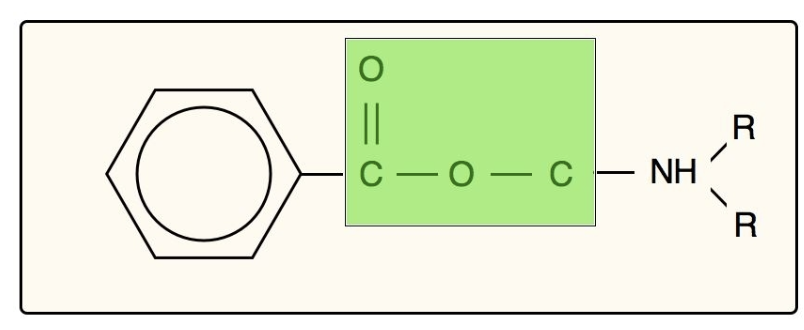
What increases after morphine binds to the MU receptor in the dorsal horn?
A. Potassium conductance.
B. Inositol triphosphate production.
C. Calcium conductance.
D. cAMP production.
A. Potassium conductance
The opioid receptor is a G protein, coupled receptor. Opioids inhibit adenylyl cyclase and block the conversion of ATP to cAMP.
-In the presynaptic nerve, a reduced Ca conductance reduces neurotransmitter release.
-In the postsynaptic nerve, increased K+ conductance causes hyperpolarization and makes the neuron less responsive to stimulation.
Activation of the descending inhibitory pain pathway in the brain stem, also inhibits nociceptive transmission in the spinal cord .
Increased inositol triphosphate is associated with alpha-1 & V1 agonism
What is the maximum dose of cocaine for 40kg patient?
3mL
The dose range for cocaine is 1.5 to 3mg/kg, not to exceed 200mg. This video is a 4% solution (40mg/ml)
40kg x 3mg/kg = 120mg or 3 ml
Cocaine is the only local anesthetic with vasoconstrictive properties. It inhibits NE reuptake into the presynaptic nerve terminal. It does not cause the release of endogenous NE.
Cocaine should be avoided with MAOIs, TCAs, or sympathomimetic drugs
Made a blockade in the setting of cocaine overdose is a questionable practice that allows for unopposed alpha-1 stimulation. High SVR (alpha-1 stimulation) and reduced inotropy(beta-1 antagonism) set the stage for cardiovascular collapse.
a vasodilator such as nitroglycerin is best, but if you are given a list of beta blockers, then choose esmolol (better for HR) or labetalol (better for BP).
After ingesting deadly nightshade, a teenage girl presents to the emergency department with flushing confusion and mydriasis. Select the best treatment for this patient.
A. Physostigmine
B. Diphenhydramine
C. Haloperidol
D. Atropine
A. Physostigmine
Deadly nightshade is another name for belladonna.
Anticholinergic, overdose cause flushing , mydriasis, dry mouth, confusion, hallucinations, hyperthermia, and tachycardia. Signs and symptoms are the result of muscarinic antagonism. The nicotinic receptors at the NMJ are not affected. Remember the mnemonic red as a beet, blind as a bat, dry as a bone, mad as a hatter, & hot as a hare.
Physostigmine is a tertiary amine anticholinesterase that diffuses through the blood brain barrier. It reverses anticholinergic overdose by increasing the concentration of ACH available at the muscarinic receptors. The dose ranges from 15 to 60mg/kg it may be repeated every 1-2hrs.
Atropine is an anticholinergic. It will only make the situation worse.
Haloperidol is a dopamine antagonist, so it won't reverse anticholinergic overdose
Diphenhydramine has marked anticholinergic effects, so this drug will worse on the patient's condition. For completeness diphenhydramine is useful for treatment of extrapyramidal effects caused by haloperidol.
Match each test of neuromuscular function with the percent of receptors occupied when the response returns to a normal value:
Double burst stimulation without fade
Tidal volume 5ml/kg
Bite on tongue blade >5 secs
TOF 4/4
Double burst stimulation without fade: 60% receptor blockade
Tidal volume 5ml/kg: 80% receptor blockade
Bite on tongue blade >5 secs: 50% receptor blockade (most sensitive)
TOF 4/4: 70% receptor blockade
Match each site of central line insertion to its distance from the junction of the vena cava & the right atrium
R IJ
R Subclavian
R femoral
Left median basilic
R IJ: 15cm
R Subclavian: 10cm
R femoral: 40cm
Left median basilic: 50cm
Others:
L IJ: 20cm
Femoral vein: 40cm
R median basilic: 40cm
L median basilic: 50cm
Torsades de pointes is MOST likely to occur following the administration of:
A. Butorphanol
B. Sufentanil
C. Meperidine
D. Methadone
D. Methadone
Methadone is prepared as a racemic mixture of two enantiomers . The D-isomer antagonizes the NMDA receptor and inhibits serotonin and norepinephrine reuptake, while the L-isomer agonizes the opioid receptors.
Methadone blocks all for processes of pain transmission : signal, transduction, transmission, modulation, and perception.
Methadone is the only narcotic Agnes known to prolonged QT interval. I can precipitate, ventricular, tachyarrhythmias, and torsades de points. A QT interval> 500ms increases the risk of lethal tachyarrhythmias and warrants discontinuation of methadone.
Select the true statement regarding CVP monitoring in a patient scheduled for pneumonectomy in the lateral decubitus position.
A. CVP monitoring is the standard of care for intrathoracic procedures.
B. A subclavian line should be placed on the nonoperative side.
C. Elevated cardiac filling pressures predispose the long to injury.
D. An external jugular line is better than an internal jugular line.
C. Elevated cardiac filling pressures predispose the long to injury.
Thoracic surgery almost always requires single, lung ventilation. Since there is a risk of pneumothorax with CVL insertion, the line should be placed on the operative side. If you cause a pneumothorax, only contralateral side, nonoperative side, the patient will suffer hypoxemia. And the lateral position and EJ line is more likely to kink than an IJ line.
CVP monitoring is not required for routine thoracic cases however, it may add value by permitting assessment of volume status, administration of large volume resuscitation, as well as providing a site for a PA cath.
Increased feeling pressures predispose the lungs to injury and increase the need for prolong mechanical ventilation following complex lung surgery. Conventional teaching says to keep these patients warm and dry.
ST elevation in leads AVF & II suggest inadequate for fusion of the:
A. Right coronary artery.
B. Left coronary artery.
C. Circumflex artery.
D. Left anterior descending artery.
A. Right coronary artery.
The ST segment represents myocardial repolarization. This component of the EKG is most sensitive to ischemia.
The location of ST abnormalities help localize the coronary artery affected:
-The right coronary artery is monitored by leads II, III and aVF. It's supplies the RA, RV, SA and AV nodes (right dominance) and inferior aspect of the LV.
-He left coronary artery divides into the left anterior descending, and the circumflex arteries.
-the LAD is monitored by leads V3-V5.
-the Cx is monitored by leads I & aVL. It's supplies the lateral aspect of the LV.
The circumference of the extremity where you place the blood pressure cuff is 20 inches. The width of the blood pressure cuff is 8 inches. The size of the blood pressure cuff is:
A. Too big
B. Too small
C. Just right
D. Not relevant to its ability to provide an accurate reading.
C. Just right
The recommended bladder width of a blood pressure cuff is 40% of the circumference of the extremity. In the example the patient's extremity is 20 inches, so 20in x .40 = 8 inches
A cuff that is too small will give a false high reading
A cuff that is too large, will give a false low reading.
Near-infrared spectroscopy measures cerebral:
A. Arterial oxygen tension
B. Arterial oxygen saturation.
C. Venous oxygen tension
D. Venous oxygen saturation
D. Venous oxygen saturation
NIRS is a noninvasive method of assessing cerebral venous oxygen saturation
By monitoring the oxygen saturation in the cerebral venous blood, the NIRS, monitor can determine cerebral oxygen extraction. A reduction in oxygen delivery to the brain makes the brain extract more oxygen to meet its metabolic requirement. Since more oxygen is extracted, there is a reduced amount of oxygen left over in the venous blood. This manifest as cerebral venous desaturation .
The sensing strip is placed over the floor head, so the NIRS monitor only assesses Venus oxygen saturation in the prefrontal cortex. Therefore, it is not a suitable monitor of global ischemia.
Which antiarrhythmic agent is MOST likely to increase airway resistance, and the patient with a history of severe asthma?
A. Verapamil
B. Adenosine
C. Digoxin
D. Amiodarone
B. Adenosine
Adenosine should not be given to patients with asthma, due to increased risk of bronchospasm. All of the other answer choices are safe for patients with asthma.
Adenosine increases, potassium, conductance and supra. Ventricular noodle tissue. And the atrial pacemaker cells this leads to hyperpolarization & decreases phase 4 depolarization. Adenosine also dilates the coronary arteries and decreases myocardial oxygen consumption by its anti-adrenergic and negative Chronotropic affects. I Denison does not affect the ventricular conduction system .
Adenosine is useful during stress testing as well as the treatment of supraventricular tachycardia. Dosing for SVT begins with 6 mg IV but may be escalated to 12 mg and then 18mg is required. It's half life is only 0.6-1.5sec
Other contraindications to adenosine include 2nd or 3rd degree AV block, sinus node disease or known sensitivity to adenosine.
Which statement demonstrates the MOST accurate understanding of the piston-driven ventilator?
A. Increasing expiratory time decreases tidal volume.
B. The positive pressure relief valve opens at 75cmH2O
C. It has extrinsic peep of 2-3cmH2O
D. It consumes tank oxygen in the event of oxygen pipeline failure.
B. The positive pressure relief valve opens at 75cmH2O
Piston-driven ventilators utilize an electric motor to compress the piston to generate positive pressure. It will not consume tank oxygen in the event of oxygen pipeline failure. By contrast machines that use a gas driven bellows will use tank oxygen as the drive gas if pipeline pressure is lost .
There are two pressure relief valves in the piston, driven ventilator : positive pressure and negative pressure. The positive pressure relief valve opens if the circuit pressure exceeds 75 +/- 5cmH2O. This prevents excessive pressure buildup in the airway. The negative pressure relief valve opens at -8cmH2O. When the circuit pressure falls below this value, the negative pressure relief valve opens and in trainer's room air. This protects the patient against negative and expiratory pressure (NEEP). In this instance, mixing of rumor, with fresh gas will cause a dilution of oxygen an anesthetic agents.
Piston, driven, ventilators, incorporate fresh gas decoupling. They deliver a consistent tidal volume regardless of changes made in fresh gas flow, respiratory rate, or the I:E ratio. And mini gas driven Bellows ventilators changes in fresh gas, flow, respiratory rate or the I:E ratio affect the tidal volume delivered to the patient. In these machines, the total tidal volume delivered to a patient is the sum of tidal volume set on the ventilator plus the fresh gas flow during inspiration. Changing the FGF, RR or I:E could change the total tidal volume delivered to the patient.
The piston-driven ventilator will not add an extrinsic peep to the Anesthesia circuit. And contrast the gas driven Bellows add 2-3cmH2O extrinsic peep due to the design of the ventilator spill valve
Final products of the soda lime reaction include: select 2
Sodium carbonate
Carbonic acid
Calcium carbonate
Sodium hydroxide
Calcium carbonate
Sodium hydroxide
The soda, lime reaction occurs and three steps:
1) CO2 + H2O
2) H2CO3 + NaOH
3) NA2CO3 + Ca(OH)2
A reduction in SPO2 is consistent with the administration of:
A. Sodium nitroprusside.
B. Propanolol.
C. Esmolol
D. Propofol
A. Sodium nitroprusside.
Sodium nitroprusside dilates the pulmonary vasculature and counteracts hypoxic pulmonary vasoconstriction. This increases intrapulmonary shunt (zone 3), which can manifest as a reduction in SPO2. The magnitude of the shunt may be more prominent in patients with healthy lungs. PEEP should restore a more favorable VQ matching.
When placing a central venous line in the right internal jugular vein, how far must you advance the tip so it's position at the junction of the superior Venna cava & the right atrium?
15cm
While examining a 12 lead EKG on a 20 year old Taiwanese male, you observe a right bundle branch block with ST segment elevation, in leads V1-V3. What is the most likely diagnosis?
A. Lenegres Ds
B. Long QT syndrome
C. Wolff-Parkinson White Syndrome
D. Brugada Syndrome
D. Brugada syndrome
Brugada syndrome: is an ion channeloPathy in the heart. It is a common cause of sudden nocturnal death due to ventricular tachycardia or fibrillation, and is more common in males from south east Asia. Diagnostic EKG findings include a right bundle branch block, and ST Segment elevation, and the precordial leads V1-V3.
Long QT syndrome: is a repolarization defect, and it is the most common cardiac ion channelopathy. A QT interval greater than 440 ms is Diagnostic of long QT syndrome. Torsades de points is a feared complication.
Wolff-Parkinson-White syndrome: is a pre-excitation syndrome that leads to paroxysmal supraventricular tachycardia. The EKG reveals a short PR interval
Select a calcium channel blocker that reduces morbidity and mortality in the patient with cerebral vasospasm.
A. Diltiazem
B. Nimodipine
C. Nicardipine
D. Verapamil
B. Nimodipine
Cerebral vasospasm is most likely to occur 49 days after subarachnoid hemorrhage sub sequent to aneurysm rupture. Treatment is aimed at maintaining cerebral, perfusion pressure. (CPP= MAP-ICP or CVP whichever is higher)
The idea is that ischemic areas of the brain are already maximally vasodilated so perfusion to these regions is pressure dependent.
Liberal hydration serves several goals, including supporting blood pressure and cardiac output. It also create a state of hemodilution which improve cerebral blood flow. The target hematocrit is 27 to 30%. This is part of the triple H therapy. (Hypertension, hypervolemia, and hemodilution)
Nimodipine is the only calcium channel blocker shown to reduce morbidity and mortality associated with vasospasm.
Choose the statement that best represents understanding of myasthenia gravis. Select 2.
-The disease typically presents in the second decade of life
-The concentration of pre-junctional ACH receptors is decreased
-Pregnancy exacerbates the symptoms of the disease
-Anti-ACHR IgG antibodies pass through the placenta
-Pregnancy exacerbates the symptoms of the disease
-Anti-ACHR IgG antibodies pass through the placenta
Myasthenia gravis is an autoimmune disease. Anti-ACHR IgG, antibodies cause blockage, inactivation or a reduction in the quantity of postsynaptic nicotinic receptors on skeletal muscle. The concentration of pre-junctional ACH receptors is unchanged myasthenia gravis most commonly presents around 30-40 years of age and women in 50-60 in men.
Pregnancy exacerbates the symptoms and 33% of women. Anti-ACHR IgG antibodies, cross the placenta and cause weakness and < 20% of neonates. This can last up to 2 to 4 weeks which is consistent with the half life of the anti-ACHR IgG antibodies in the neonate circulation.
Patient has a cerebral blood flow of 50Ml/100g/min and a PaCO2 of 40mmHg. You hyperventilate the patient to a PaCO2 of 34mmHg. How much did you reduce his cerebral blood flow?
A. 5mL/100g/min
B. 10mL/100g/min
C. 15mL/100g/min
D. 20mL/100g/min
B. 10mL/100g/min
Cerebral Blood flow is directly. Proportional to PaCO2. For every 1mmHg change in PaCO2 from 40 CBF changes in the same direction by 1-2.
So in this question, 6-12 (10 falls in this)
Choose the statement that demonstrates the most accurate understanding of hydralazine.
A. It causes drug induced lupus erythematosus
B. It is contraindicated during pregnancy.
C. Reflex bradycardia is a common side effect.
D. The elimination half-life is 12 hours.
A. It causes drug induced lupus erythematosus
Hydralazine is a direct acting vasodilator (afterload reducer) although it is precise mechanism of action is unknown hydralazine increases CGMP and relax is vascular smooth muscle (arterial>venous). Vasodilation is greatest in the coronary, cerebral, renal, and splanchnic circulations. Hydralazine does not interact with adrenergic or cholinergic receptors.
The baroreceptor reflex is preserved, so a reflex tachycardia is a common consequence of afterload reduction. A fast heart rate increases myocardial, oxygen demand, but a beta blocker with blunt this response.
The dose range is 2.5-20 mg IV. It has a slow onset of 15-20 minutes. so for subsequent dosing you should take this time into consideration. For this reason it is not the best option to treat acute hypertensive crisis.
Though the elimination half-life of hydralazine is approximately 1 hour; it's vasodilation action may last up to 6-12 hrs. Hydralazine is acetylated by the liver and eliminated by the kidneys. patients who are slow acetylaters may be at increase risk for development of drug-induced lupus syndrome during chronic treatment .
Hydralazine is frequently used to treat hypertension during pregnancy.
In patients undergoing spinal fusion, what increases the risk of ischemic optic neuropathy? Select 3.
Wilson frame
Young age
A low ratio of colloid to crystalloid resuscitation
Female gender
Greater estimated blood loss
Supine position
Wilson frame
A low ratio of colloid to crystalloid resuscitation
Greater estimated blood loss
Where is factors for ION after spinal surgery include : a low ratio of colloid to crystalloid resuscitation, greater estimated blood loss, use of the Wilson frame, male sex, obesity, and long duration of Anesthesia.
In many cases, ION is likely caused from acute venous congestion in the optic canal. To minimize venous congestion, It is recommended that the patient's head be elevated higher than his heart. For high-risk patients, longer surgeries should be staged to minimize the amount of time the patient spends in the prone position .
If a patient develops a spinal hematoma, recovery is unlikely if surgical decompression is delayed more than:
A. Two hours.
B. Four hours.
C. Six hours.
D. Eight hours.
D. 8hrs
Although a rare event, spinal hematoma is a known complication of neura cuál Anesthesia. A hematoma should be considered if the patient experiences new onset:
Bowel or bladder dysfunction
Lower extremity weakness
Lower extremity sensory deficit
Back pain
According to the consensus statement from the American society for regional anesthesia and pain medicine, pts on COX-1 inhibitors or those receiving subQ unfractionated heparin are NOT at increased risk of spinal hematoma formation.
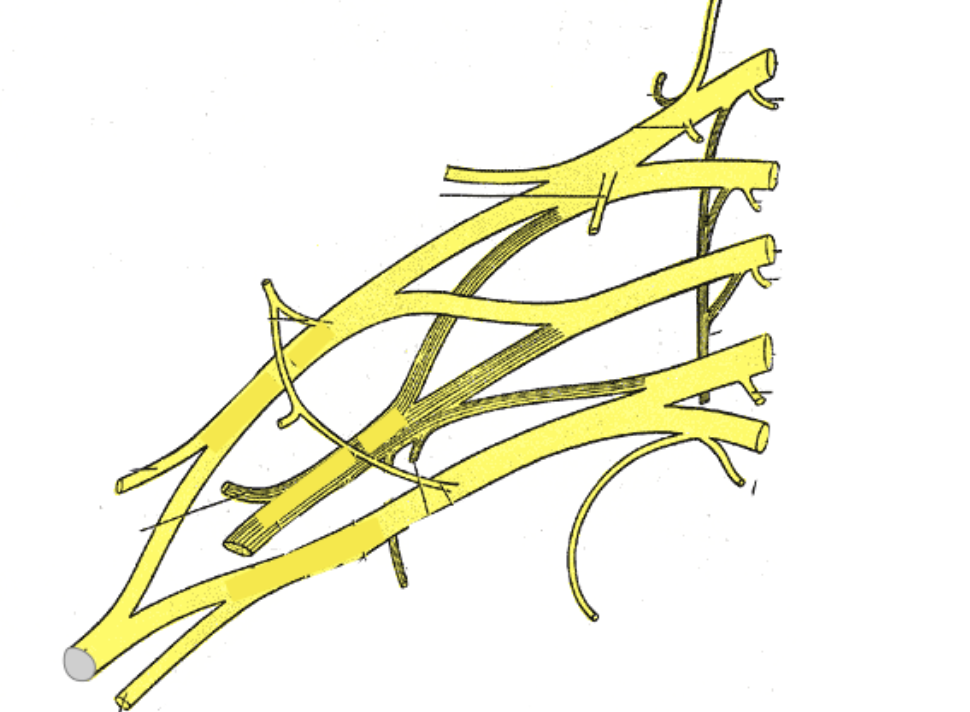
The cords of the brachial plexus are named according to their relationship to the axillary artery. Which cord gives rise to the radial nerve?
Medial cord gives rise to the ulnar nerve
The medial & lateral cords give rise to the median nerve.
The posterior cord becomes the radial nerve. The radial nerve terminates as the dorsal digital nerve.
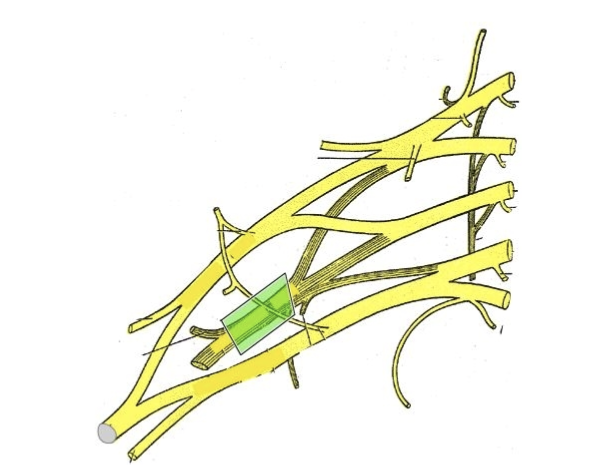
After recovery from spinal anesthesia, a patient complains of photophobia and a headache that is relieved by laying supine. Which spinal needles MOST likely contributed to this complication? Select 2
Pitkin
Quincke
Sprotte
Pencan
Pitkin
Quincke
The patient has a post dural puncture headache. The risk is increased with a needle that uses a cutting tip, is large, & is introduced perpendicular to the long axis of the spinal column. Risk is also increase with female gender, youth, & pregnancy.
Quincke & Pitkin are cutting-tip needles, so these would increase the risk of PDPH
Sprotte, Pencan, & whitacre are Pencil point needles, so assoc w/ lower risk.
A Continuous epidural fentanyl infusion MOST likely provides analgesia by acting:
A. In the dorsal horn
B. At the spinal nerve root.
C. Systemically
D. In the basal ganglia.
C. Systemically
While not entirely clear, studies suggest that a continuous epidural infusion of lipophilic opioids (fentanyl & sufentanil) most likely provides analgesia by acting systemically. This is because of studies showing that there are no differences in plasma concentration, pain scores, and side effects between lipophilic opioids, given neuraxially or systemically.
Hydrophilic opioids (morphine & hydromorphone) most likely act in the spinal cord, which may explain their superior analgesic affects when compared to lipophilic opioids in this context. When compared to hydrophobic opioids, hydrophilic opioids are also more effective when the epidural catheter is at a different dermatome than the surgical incision.
A patient with C1 esterase inhibitor deficiency is experiencing an acute episode of angioedema. Select the best treatment at this time.
A. Fresh frozen plasma.
B. Aminocaproic acid.
C. Epi
D. Lisinopril
A. FFP
Angioedema is the result of subcutaneous and submucosal edema in the face, larynx, extremities, & G.I. tract.
A deficiency of C1 esterase inhibitor is the most common hereditary form of angioedema. The absence of C1 esterase inhibitor potentiates the release of vasoactive mediators, leading to an increase in vascular permeability & edema.
Bradykinin plays a key role.
By inhibiting ACE in the lung, lisinopril increases plasma Concentration of bradykinin by decreasing is metabolism. This can cause angioedema and some patients.
Treatment consists of replacing C1 esterase inhibitor. FFP contains C1 esterase inhibitor and is the most appropriate treatment for this patient. C1 inhibitor concentrate (25U/kg) is another first line treatment.
While anabolic steroids, catecholamines, & anti-fibrinolytics (aminocaproic acid) are routinely used as prophylaxis these drugs are not effective against acute attacks.
A 70kg pt has a pH of 7.2 and a serum HCO3- of 20meq/L. How much sodium bicarbonate should be administered to correct to a serum HCO3- of 25meq/L?
53meq
When we give sodium bicarbonate in the setting of metabolic acidosis, we're giving it to improve the function of the bodies enzymatic systems and drugs .
Sodium bicarbonate as indicated during metabolic acidosis when the pH is less than 7.2. It should never be used for respiratory acidosis, because bicarbonate dissociates into more CO2 thereby worsening the patient's condition.
Here's how to calculate the dose of sodium bicarb:
-Calculate the difference between the patient's bicarb and normal. In this case we said that normal is 25.
-Multiply that number by the patient's weight (kg) and then by 0.3 (this is equal to the extra cellular fluid compartment & the volume of distribution for bicarbonate)
-Divide that number by 2 to arrive at the amount of sodium bicarbonate to administer to the patient
25-20=5
5 x70 x 0.3= 105
105 x 0.5= 52.5 or 53
What are the most common causes of hypocalcemia in the operating room? Select 2.
Hyperventilation
Administration of packed red blood cells
Albumin infusion
Parathyroidectomy
Hyperventilation
Administration of packed red blood cells
In the operating room hypocalcemia is most often caused by hyperventilation or administration of citrated blood products.
Hyperventilation cause hypocalcemia by reducing ionized calcium (H+ is displaced from plasma proteins, and Ca+2 takes its place)
Administration of citrated blood products at a rate > 1.5ml/kg/min reduces ionized calcium
Signs and symptoms of hypocalcemia include :
Mental status changes
Tetany
Laryngospasm
Chvostek sign
Trousseau sign
Cardiac dysrhythmias
Prolonged, QT interval
Heart block
Parathyroidectomy is more likely to cause hypocalcemia in the postoperative Period
Match each disease date to the acid base abnormality it is most likely to cause:
Untreated pain
Chronic renal failure
Opioid overdose
Cardiopulmonary arrest
Uncompensated respiratory acidosis
Uncompensated respiratory alkalosis
Mixed respiratory and metabolic acidosis
Compensated metabolic acidosis
Untreated pain: uncompensated respiratory alkalosis
Chronic renal failure: compensated metabolic acidosis
Opioid overdose: uncompensated respiratory acidosis
Cardiopulmonary arrest: mixed respiratory and metabolic acidosis
-opioid OD causes hypoventilation l/t uncompensated respiratory acidosis
untreated pain causes hyperventilation and l/t uncompensated respiratory alkalosis
Chronic renal failure impairs body’s abiliyat to excrete non-volatie acids. the body compensated by increasing ventilation
Cardopulmonary arrrests causes a mised respiraotry and metabolic acidosis
Rapid correction of chronic hyponatremia can cause:
A. Cerebral edema
B. Central Pontine myelinolysis.
C. Muscle cramps.
D. SIADH
B. Central Pontine myelinolysis.
Otherwise known as osmotic demyelination syndrome, central Pontine myelinolysis is a feared complication of rapid correction of chronic hyponatremia. Demyelination leads to upper motor neuron dysfunction (spastic quadriparesis) pseudobulbar palsy, mental dysfunction, and even death.
Sodium should be corrected no faster than 1-2meq/L/he. And the symptomatic patient this can be accomplished with an infusion of 3% saline @ 1-2ml/kg/hr. Once symptoms of hypo natremia update, the infusion can be slowed and serum sodium should increase no more than 10-15nmol/L in 24 hours.
Cerebral edema occurs with over aggressive treatment with Freewater in the patient who is hypernatremic.
Muscle cramps are symptoms of hyponatremia. These should improve as serum sodium is restored.
SIADH is a cause of hyponatremia
All of the following statements regarding glucagon are true, EXCEPT:
A. It prevents nausea and vomiting.
B. Is produced by alpha cells in the pancreas.
C. It increases myocardial contractility.
D. It stimulates hepatic gluconeogenesis.
A. It prevents nausea and vomiting.
Glucagon antagonize the effects of insulin. It raises blood sugar by stimulating gluconeogenesis in the liver. Glucagon is produced by the alpha cells in the pancreas and insulin is produced by the beta cells.
Nausea and vomiting are frequent side effects of glucagon, particularly in awake pts.
Glucagon (1-5 mg IV)increases myocardial contractility by increasing the intracellular concentration of CAMP inside cardiac myocytes. It is useful in the following situations.:
Beta blocker overdose
CHF
Low cardiac output following MI or CPB
What findings are consistent with the diagnosis of primary hyperparathyroidism select 3
Short, QT interval
Hypotonia
Oliguria
Chvostek sign
Congestive heart failure
Hypertension
Short, QT interval
Hypertension
Hypotonia
Primary hyperparathyroidism results from hypersecretion of PTH by the parathyroid gland. This increases the serum calcium concentration by 3 different mechanisms:
Increase absorption from the G.I. tract
Decreased renal excretion
Liberation of calcium from bones
Symptoms of hypercalcemia begin around 12mg/dL. If > 14mg/dL, hypercalcemia is a medical emergency.
Signs of hypercalcemia include : hypertension, short, QT interval, hypotonia, kidney stones, polyuria, dehydration, bone pain, nausea/ vomiting, abdominal pain, pancreatitis, and cognitive dysfunction. The following mnemonic may help: " stones, thrones, bones, belly groans, and psychiatric overtones"
Oliguria, Chvostek sign, & CHF reflect hypocalcemia.
Match each hepatic function test with the basis of its abnormality.
Y-glutamyl transpeptidase
Aspartate aminotransferase
Prothrombin time
Synthetic function
Cholelithiasis
Hepatocellular damage
Y-glutamyl transpeptidase: cholelithiasis
Aspartate aminotransferase: hepatocellar injury
Prothrombin time: synthetic function
Synthetic function is assessed with PT, INR, and albumin .
Hepatocellular injury is assessed with AST, ALT, & GST.
Cholelithiasis is assessed with alkaline phosphatase and GGTP (more specific)
When a type 1 diabetic, patient presents with the "prayer sign" you should anticipate:
A. Autonomic dysfunction.
B. Gastroparesis.
C. Rheumatoid arthritis.
D. Difficult intubation
D. Difficult intubation
Stiff joints syndrome affects of the 40% of type one diabetics. Chronic hyperglycemia causes glycosylation of the joints, impeding the range of motion. Glycosylation of the atlantooccipital joint reduces neck extension. The presence of the prayer sign should prompt you to anticipate a higher likelihood of difficult intubation.
Gastro paresis an autonomic dysfunction are common in patients with long-standing diabetes, but the prayer sign is not an indicator of either of these conditions.
You were told this patient was a type one diabetic for a reason. While rheumatoid arthritis is associated with AO instability, It is not a consequence of DM, and it was not the best answer choice given the information provided.
Anesthetic considerations for the patient with pheochromocytoma include: select 3
Morphine
Dextrose
Esmolol before doxazosin
Phenoxybenzamine before labetolol
Nitroprusside
Droperidol
Phenoxybenzamine before labetolol
Nitroprusside
Dextrose
Pheochromocytoma is a catecholamine secreting tumor that usually originates in the chromaffin tissue in the adrenal gland. The classic presentation reflects, excessive SNS activation, and includes headache, diaphoresis and tachycardia.
You must alpha block before you made a block . Since NE is a potent alpha-1 agonist, blocking beta to mediated, skeletal muscle vasodilation increases SVR & BP.
Blocking Beta-1 reduces inotropy, and can precipitate CHF in the setting of increased SVR . This makes phenoxybenzamine before labetalol a correct answer choice
Nitroprusside decreases SVR, and safely reduces BP .
Plasma NE often falls after the tumor is removed. This increases the risk of hypoglycemia; frequent glucose monitoring, and the availability of dextrose are essential.
Histamine releasers (morphine) can increase endogenous NE release. Sux is probably OK.
Other drugs that increase endogenous NE release, include DA antagonists (droperidol, metoclopramide), TCAs, cocaine, indirect-acting sympathomimetics (ephedrine/ cocaine), and glucagon.
Which level of sensory blockade is required for a patient undergoing a TURP procedure?
T10.
Sensory dermatomes to know for GU procedures :
Bladder = T11-L2
Prostate and bladder neck : S2-S3
To inhibit the sensation of bladder distention and other stimulating aspects of the TURP procedure, the patient should have a minimum sensory block of T10
Bladder perforation is more easily recognized if sensory Anesthesia does not extend much beyond T10. This complication presents as ABD and/or shoulder pain.
What is the MOST appropriate mannitol dose for an 80kg patient undergoing resection of an oligodendroglioma?
A. 25mg
B. 12.5mg
C. 50mg
D. 100mg
50g
Mana tall is an inert, six carbon sugar molecule that undergoes filtration, but not reabsorption. And inhibits water reabsorption in the proximal tubule, (primary site), as well as the loop of Henle.
The dose range for mana tall is 0.25.-1g/kg. For a patient that weighs 80 kg the range is 20 to 80g, therefore 50g is the best answer choice
Which pharmacologic agents are most likely to precipitate carcinoid crisis?
Select 3
Succinylcholine
Epi
Ondansetron
Octreotide
Desflurane
Thiopental
Succinylcholine
Epi
Thiopental
A carcinoid crisis as seen in patients with carcinoid tumors. These terms typically released G.I. peptides and vasoactive substances. A carcinoid crisis is a life-threatening event that presents with intense flushing, diarrhea, abdominal pain, tachycardia, hypertension, or hypotension. Carcinoid prices can be initiated by stress, chemotherapy, or biopsy.
Drugs that can precipitate carcinoid crisis include: succinylcholine, atracurium, thiopental, Epi, NE, & isoproterenol
Octreotide, and ondansetron are useful in the management of patients with carcinoid tumors. None of the volatile agents cause carcinoid crisis.
What are the most common findings in the infant with pyloric stenosis? Select 3
Metabolic alkalosis
Metabolic acidosis
Hyperkalemia
Hypokalemia
Hyperchloremia
Hypochloremia
Metabolic alkalosis
Hypokalemia
Hypochloremia
An infant with pyloric stenosis will present with an olive shaped mass just below the xiphoid process. The mass creates a mechanical obstruction of the gastric outlet. Pyloric stenosis is a Medical not surgical emergency. Surgical correction should be postponed until the fluid, electrolyte, & acid-base status are optimized.
Early in the disease process, the infant experiences, persistent, vomiting, that results in loss of hydrogen, potassium and chloride. This creates a hypokalemic hypochloremia metabolic alkalosis. As a child becomes more dehydrated, aldosterone released, serves to conserve serum Na+ at the expense of H+ and K+ loss to the urine. This paradoxically worsens the metabolic alkalosis.
Metabolic acidosis only occurs if dehydration persist to the point of impaired tissue perfusion. The child loses K & Cl in the emesis, therefore, hyper kalemia and hyperchloremia are not common findings.
The induction dose of etomidate should be reduced in the elderly because there is: select 2
Decrease clearance
Adrenocortical suppression
Reduced volume of distribution
Increased brain sensitivity
Decreased clearance and decreased volume of distribution
Etomidate is a carboxylated imidazole ring that is often selected for its cardio stability, and minimal effects on ventilation. The need for cardio stability is balanced against the risk of myoclonus, pain on injection, thrombophlebitis, and PONV.
Adrenocortical suppression occurs after a single dose. There is some evidence to support an increase in mortality, when etomidate selected over propofol.
In the elderly, a smaller volume of distribution and slower clearance, produce a higher than expected plasma concentration. Therefore, the dose used for induction should be reduced.
The aged brain is not more sensitive to etomidate. This is in contrast to volatile in aesthetics and propyl fall, where the aging brain becomes more sensitive to these drugs.
Adrenocortical suppression is not eliminated by reducing the dose, and is not the reason why we reduce the dose of etomidate in the elderly
A healthy patient is entering the latent phase of labor and request an epidural. What is the most appropriate action at this time?
A. Wait until the cervix is dilated to 4 cm
B. Approve the request with consent of the obstetrician.
C. Wait until the patient has been NPO of clear liquids >2hrs
D. Obtain a platelet count, then proceed if > 100,000.
B. Approve the request with consent of the obstetrician.
The American College of obstetrician gynecologist (ACOG) guidelines for assessment of the obstetric patient provide direction for the safe management of obstetric patients. They recommend that the timing of epidural placement should be individualized to each patient and patient should not have to wait until she achieves 4-5cm cervical dilation before she can receive analgesia. Therefore, after it is approved by the obstetrician, it is OK to proceed with the epidural placement .
An elderly patient presents on postoperative day 2 with confusion and disorientation. What is the most likely diagnosis?
A. Postoperative cognitive dysfunction.
B. New onset of dementia.
C. Cerebrovascular accident.
D. Delirium.
D. Delerium
Delirium is most likely cause of confusion and disorientation this patient. This condition is defined as an acute state of confusion that most commonly occurs one to five days postop although surgery is not a prerequisite to the development of delirium. It can last for weeks to months and has a significant cause of morbidity. Treatment consists of correction of hypoxemia as well as uncontrolled pain. Agitated patients respond well to small doses of haloperidol.
Dementia is a gradual decrease in intellectual function patients with dementia are at increased risk for delirium
Postoperative cognitive dysfunction is specific to surgical patients who have received anesthesia. It is a subtle neurological change that may not reveal itself for weeks to months. It normally resolves within six months to a year. Diagnosis requires neuropsychological testing POCD increases mortality.
A patient is experiencing postpartum hemorrhage secondary to retained placenta. Select the BEST medication to facilitate manual removal of retained placental fragments.
A. Oxytocin.
B. Methergine.
C. Nitroglycerine
D. Prostaglandin
C. Nitroglycerine
Uterine atony causes 80% of all postpartum hemorrhages. Other causes include uterine, abnormalties, lacerations, uterine inversion, disordered coagulation, and retain placenta.
And the patient with retained placenta nitroglycerin, relaxes the uterus and facilitates it's manual removal. Because nitroglycerin also relaxes the vasculature (mostly Venous), you must take the patient's volume status into account.
A pregnant patient requires a general anesthetic for a laparoscopic cholecystectomy. The fetus is at risk for all of the following, EXCEPT:
A. Preterm labor
B. Fetal demise
C. Congenital abnormalities.
D. Low birthweight.
C. Congenital abnormalities
Approximately 2% of Parcher is undergo non-obstetric procedures involving Anesthesia is here. Maternal risks, arise from the anatomic and physiological changes associated with pregnancy. (difficult intubation & increased risk of aspiration). Fetal risks include growth, restriction, low birthweight, demise, & increased incidence of preterm labor.
If non-elective surgery is necessary, but not emergent, It should be delayed until the 2nd trimester. The risk of preterm labor is lowest at this time.
If surgery is required, you should :
Consult with the obstetrician and perinatologist.
Avoid nitrous oxide and benzodiazepines
Select a Regional anesthetic if the surgery permits
Plan for fetal monitoring
Plan for emergency cesarean, and/or maternal arrest .
What are the causes of early, late, and variable decelerations?
Early:
Uterine contractions compress the fetal head.
Head compression increases vagal tone to reduce heart rate
Occur with each uterine contraction
Onset & offset parallels uterine contraction
Late:
Related to decreased uteroplacental perfusion
FHR decreases after peak uterine contraction, then returns to baseline after completion of the contraction
Caused by maternal hypotension, hypovolemia, acidosis, & preeclampsia
Requires urgent assessment of fetal status
Variable:
FHR shows no consistent pattern with uterine contraction
Umbilical cord compression causes a baroreceptor, mediated heart rate drop
Decelerations are typically self-limiting
Persistent decelerations require urgent assessment of fetal status
Which condition is MOST closely associated with this pathology?
A. Congenital heart disease
B. Prematurity.
C. Beckwith Weidman syndrome.
D. Trisomy 21
B. Prematurity
Gastroschisis: anterior abdominal wall defect usually occurs just to the right of the umbilicus, and is not covered by a hernia sack. More common in premature neonate, however, is rarely associated with other congenital abnormalities.
Omphalocele is characterized by a midline defect and the abdominal continents are covered by a hernia sack. It is associated with a variety of congenital abnormalities such as Beckwith Weidman syndrome, congenital heart disease trisomies 13, 18 and 21, pentalogy of Cantrell, & exstrophy of the bladder.
A transverse abdominal plane block would be most beneficial for a patient undergoing:
A. Lumbar laminectomy.
B. Cystoscopy for kidney stones.
C. Open inguinal hernia repair.
D. VATS
C. Open inguinal hernia repair.
The transverse abdominal plane (TAP) block provides postoperative analgesia for procedures involving the interior abdominal wall.
The TAP block does not cover visceral pain so it's not suitable for the patient with kidney stones, nor does its coverage extend into the thoracic dermatomes
Which drug may be safely administered to a patient on phenelzine?
A. Morphine
B. Meperidine
C. Cocaine
D. Ephedrine
A. Morphine
And the synaptic cleft monoamine oxidase metabolizes serotonin and norepinephrine. Phenelzine inhibits MAO, increases the concentration of 5HT & NE, and relieve symptoms of depression
The most common side effect of MAO inhibitors is orthostatic hypotension
Any drug that also increases the concentration of 5HT and or NE in the brain should not become administered with MAOIs
Ephedrine in cocaine increase NE which can lead to hypertensive crisis
Meperidine, inhibits, serotonin reuptake, and can precipitate serotonin syndrome. This begins as hyperpyrexia, skeletal muscle rigidity, headache and agitation, and may progress to respiratory depression, hypotension and coma.
Morphine is safe to administer to the patient on an MAI, however, the effects of morphine may be enhanced.
What concept best explains why an abdominal aneurysm is more likely to rupture during a period of hypertension?
A. Bernoullis principle
B. Poiseuilles law
C. Law of Laplace
D. Coanda effect
C. Law of Laplace
Tension is a pulling force that stretches or elongates something. The law of Laplace states that tension is the product of pressure and radius. T= P x R
Both the aorta, and the aneurysms are exposed to mean arterial pressure according to the law of Laplace if the pressure is constant, and the radius is increased, tension must increase as a result. If the patient becomes hypertensive the tension on the aneurysm rises, possibly leading to rupture.
Calculate the Aldrete score for the following patient.
A patient is unable to lift His head, is responsive to verbal commands, but drifts to sleep easily. He requires oxygen to maintain an SPO2 of 92% and his breathing 13 times per minute with a normal depth. His systolic blood pressure is 30 above baseline.
5
Aldrete score quantifies recovery from Anesthesia. The five scoring categories include activity, respiration, circulation, neurology status, and oxygen saturation
Each category is scored from 0 to 2 .
Activity= 0
Neurological status = 1
Oxygen saturation= 1
Respiration= 2
Circulation= 1
Which concept best describes the phenomenon of oxygen cylinder, becoming cold after its valve is opened?
A. Adiabatic process
B. Bernoullis principle
C. Joule-Thompson effect
D. Van Der Waals forces
C. Joule-Thompson effect
A gas stored at a high pressure that is suddenly released escapes from its container into a vacuum. It quickly loses speed, as well as a significant amount of kinetic energy resulting in a fall and temperature. This explains why an oxygen cylinder that is opened quickly Feels cool to the touch. Conversely, rapid compression of a gas intensifies its kinetic energy, causing the temperature to rise .
Which nerve fibers transmit tourniquet pain?
A delta
A gamma
B
C
C fibers
C fibers transmit, slow pain. These fibers have a small diameter are unmyelinated and have a relatively slow conduction velocity.
Tourniquet paying typically begins 45 to 60 minutes after inflation ischemia under the cost and distal to the cost is most likely the cause of trying to get pain. It begins as Dole aching and burning pain that can progressed agonizing pain despite otherwise successful, regional anesthesia. It is unresponsive to analgesics. Some patient will require general anesthesia in this situation. And the patient already under general anesthesia. You may witness hypertension in tachycardia.
Match each type of pain with its definition:
Hyperalgesia
Allodynia
Neuralgia
Dyesthesia
Hyperalgesia : exaggerative pain response
Allodynia: nonpainful stimulus evoking painful response
Neuralgia : pain localized to a dermatome
Dyesthesia : abnormal painful sensation
Which measurement is most likely to increase following the release of a lower extremitiy tourniquet?
A. Core temperature.
B. ET CO2.
C. SVO2
D. Pulmonary artery pressure.
B. ETCO2
Tourniquet release stress is the body in 2 ways: 1) restoring blood flow to the extremity causes A relative decrease in circulating blood volume 2) the products of cellular hypoxia enter the systemic circulation.
CO2 builds up in the ischemic Lynn. Tourniquet release delivers a large amount of this CO2 to the pulmonary circulation and transiently increases ET CO2.
Other systemic affects of tourniquet release include dysrhythmias decrease blood pressure, decrease heart rate these creased SvO2, decreased PAP, decreased core body temperature, and decreased PH
Match each orbital muscle with its affect on eye movement:
Superior rectus
Inferior rectus
Medial rectus
Lateral rectus
Superior rectus: supraduction CN 3
Inferior rectus: infraduction CN 3
Medial rectus: adduction CN 3
Lateral rectus: abduction CN 6
Which chemotherapeutic agents belong to the antitumor antibiotic drug class??
Select 2
Bleomycin
Vincristine
Doxorubicin
Cisplatin
Bleomycin & doxorubicin
Alkylating agent: cisplatin
Tubulin-binding drug: vincristine
Abdominal compartment syndrome reduces: select 2
Systemic, vascular resistance
Cardiac output
Diaphragmatic excursion
Pulmonary shunt
Cardiac output & diaphragmatic excursion
Normal intra-abdominal pressure is less than 10. Abdominal compartment syndrome exist when intra-abdominal pressure exceeds 20 and there is concurrent organ dysfunction.
IAB > 20-30 is significant cause of organ dysfunction and mortality. Indeed, mortality approach is 42% as these patients yield to the systemic inflammatory response syndrome, multiple organ dysfunction, sepsis, and/or ARDS. Abdominal pressure can be measured by a bladder manometer that is zeroed at the symphysis pubis.
Any derangement that reduces intra-abdominal compliance leads to an increase in IAP. Causes of ACS include abdominal trauma, mesenteric, arterial, thrombosis, bowel obstruction, Hemo, peritoneum, visceral, edema, and massive fluid resuscitation.(burns/trauma).
Physiological do rangement's include :
Decreased cardiac output, secondary to decreased venous, return and increased SVR
Increased heart rate (reflex)
Decreased coronary, perfusion pressure
Decrees, diaphragmatic, excursion, decrease thoracic compliance, and decreased lung volumes
Increase pulmonary shunt (zone 3) atelectasis, and pulmonary edema
Decrease your an output secondary to Renal compression and decreased GFR
AS IAP INCREASES, PULMONARY COMPLIANCE, DECREASES AND VENTILATION BECOMES CHALLENGING. EXCESSIVE PEAK, INSPIRATORY PRESSURES HYPERCARBIA, AND HYPOXEMIA ARE COMMON. AN ICU VENTILATOR MAY BE HELPFUL IN THIS REGARD.
Which position is associated with the greatest risk of tracheobronchial compression in the patient with anterior mediastinal mass?
A. Lateral decubitus.
B. Supine
C. Prone
D. Sitting
B. Supine
Anesthetic management is targeted toward minimizing the compressive effect of the tumor on the cardio pulmonary structures. Normal air way to sending pressure gradients are generally preserved with spontaneous been elation, but are often abolish during positive pressure ventilation. The sitting position and maintenance of spontaneous been elation will minimize, but not always prevent compression of the vital chest structures.
Three key factors worsen, tracheobronchial compression :
Supine position
Induction of general anesthesia
Positive pressure ventilation
A reinforced endotracheal tube should be selected for intubation either awake or following a technique that preserves spontaneous respiration. If the mass compresses the tracheobronchial tree before the airway is secured, it may be impossible to advance the endotracheal to be on the tumor. It is also possible for the tumor to compress the tracheobronchial tree pass the distal tip of the endotracheal tube causing complete obstruction of the airway. Should airway collapse occur repositioning the patient lateral or prone may restore patency to the airway. A rigid bronchoscope should be available. Emergent femoral- femoral cardiopulmonary bypass may be required if ventilation via the lungs becomes Impossible.
Complications of celiac plexus blockade include all of the following, EXCEPT:
A. Paralysis
B. Bowel puncture.
C. Hypotension.
D. Constipation
D. Constipation
The celiac plexus contains afferent and efferent fibers and extends from T5-T12. It does not contain somatic fibers.
The celiac plexus block is performed at L1 just anterior to the L1 vertebral body. This approach blocks nearly all of the abdominal organs and provides an autonomic blockade that minimizes the Neuroendocrine response to Surgical stress. It is often utilize to provide pain relief for cancer of the upper abdominal organs, or maybe used to supplement an anesthetic for abdominal surgery for patients, and whom neuraxial techniques are contraindicated.
The most common side effect of celiac plexus blockade is hypotension. This can be minimized by preloading the patient with 1 L of fluid knowledge of local anatomy is vital as an improperly placed needle could lead to a catastrophe. Subarachnoid or epidural injection may occur. It's in Nira Lydick drug is used paralysis may result. Radiographic confirmation of the needle tip is advisable for this application. Diaphragmatic irritation is common and this will manifest as shoulder pain. They needle may also in advertently puncture the aorta or vena cava, causing retroperitoneal hemorrhage.
The needle may Piers the bowel, kidneys or ureters.
Increased peristalsis occurs with an increased PNS and decreased SNS tone to the gut. This may cause diarrhea within the first 12 hours following the block.
Select the best management for the patient currently receiving bleomycin therapy.
A. FiO2, less than 50% to maintain SAO2 greater than 90%.
B. FiO2, less than 50% to maintain SaO2 greater than 95%.
C. FiO2 of 21% to maintain SaO2 greater than 85%.
D. FiO2, less than 30% to maintain SaO2 greater than 90%.
D. FiO2, less than 30% to maintain SaO2 greater than 90%.
Patients bleomycin therapy are at risk for oxygen toxicity. It is recommended that FiO2 less than 30% be administered to these patients so long as the SPO2 exceeds 90%.
In the lungs hyperoxia stimulates the production of oxygen free radicals, which may ultimately increase the risk of pulmonary fibrosis. Bleomycin increases this risk. Patients with previous exposure to bleomycin but without lung injury are probably at low risk from higher concentrations of oxygen
Patients at highest risk for bleomycin induced pulmonary toxicity include:
Current or prior exposure to bleomycin and previous one to two months
Renal disease
Pre-existing pulmonary dysfunction secondary to bleomycin.
Match each functional group to its chemical formula:
Amine
Ether
Ester
Alcohol
RCOOR
ROH
NR3
ROR'
Amine: NR3
Ether: ROR'
Ester: RCOOR
Alcohol: ROH
Rank each cause of perioperative allergic reactions: (1 is the most common; 4 least)
Muscle relaxants
Protamine
Antibiotics
Latex
Muscle relaxants 1 (50-60%)
Latex 2 (15%)
Antibiotics 3 (10-15%)
Protamine 4 (<2-3%) also hypnotics, syntehtic colloids, opioid, contrast, protamine, blood products, and local.
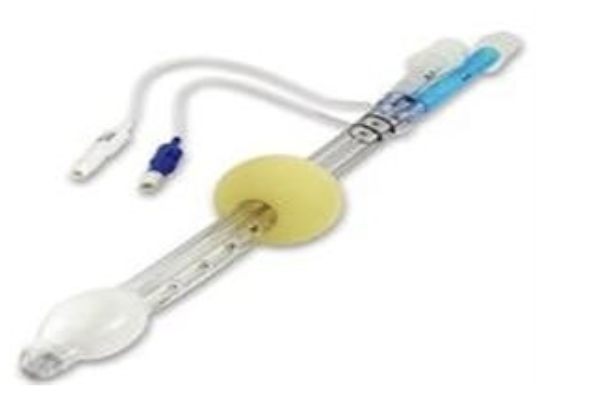
Which of the following statements is true regarding this airway device?
A. The tip is most commonly placed in the trachea
B. The lungs can be ventilated if the tip is placed in the esophagus
C. Cricoid pressure must be maintianed until tube positionin is confimred
D. It provides relaible lung separation for OLV
B. The lungs can be ventilated if the tip is placed in the esophagus
The combitube is a supraglotic double lumen device that is blindly placed in the hypopharynx. The proximial ballon occlues the hypopharcynx wile distal lumen balloon conldues in the esophagus.
Following an axillary block of the right arm, the patient has sensation in the web space between the thumb and index finger. What nerve was missed during the blcok
Starting in LUQ and going clockwise: musculocutanous, median, ulnar, and radial.
Radial nerve was missed (AEB senation in the web space between thumb and index finger)
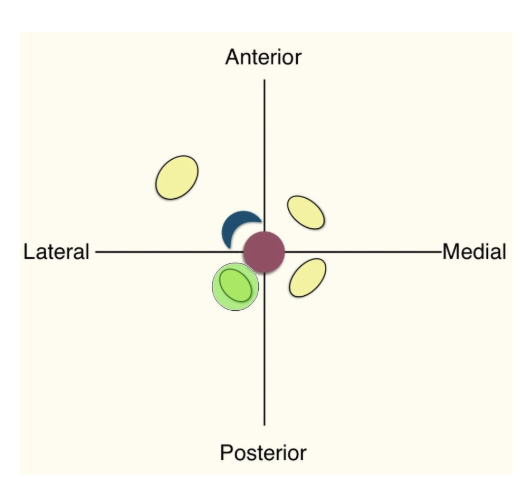
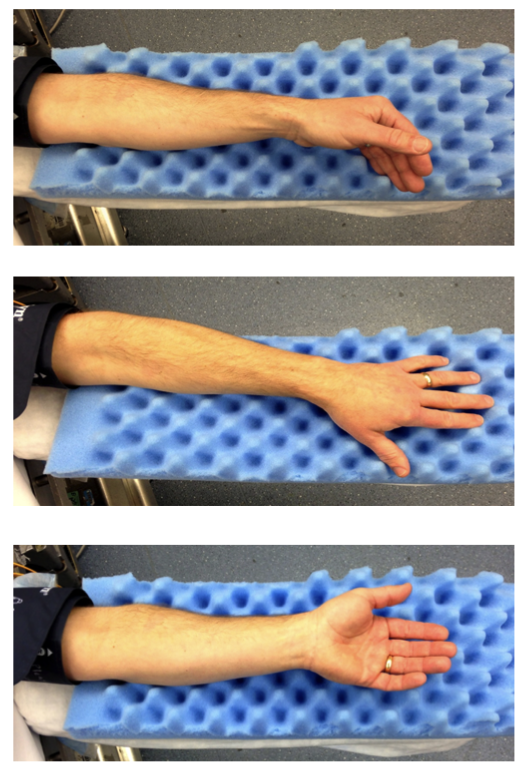
What image is A/W highest risk of ulnar neuropathy?
Middle
Pressure applied to the postcondylar or ulnar groove of the humerus can compress ulnar nerve.
Pronation of the forearm increases the risk of ulnar nerve inury- ideal position is supination or neutral
According to closed claim data, the incidence of anesthetic malpractice claims is increasing for all of the following except
A. Chronic pain management
B. Surgical anesthesia
C. Regional anesthesia
D. Acute pain management
B. Surgical anesthesia
Due to more surgeries being performed as outpatient procedures
What area is consistent with Le Fort II fracture
A Le Fort II fracture involves the midface, specifically the nasal bones, maxilla, and zygomatic arch, resulting in separation from the cranial base.

Calculate BMI for a patient that is 5’5 and 154 pounds
25.7
Convert lbs to kg= 70 kg
Convert inches to cm= 65 inches x 2.54= 165 cm
convert cm to meters= 165/100= 1.65
70 kg/1.65²= 25.7
Click on the volume loop that will BEST repsond to nebulized albuterol
A= obstructive, like COPD
B. Fixed tracheal lesion
C. Normal
D. Restrictive
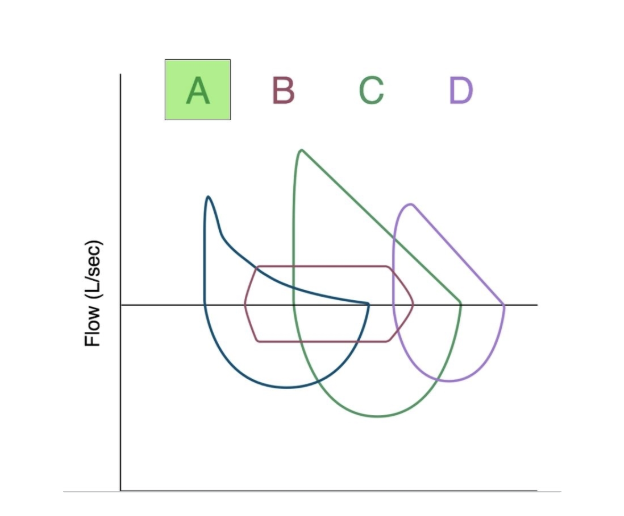
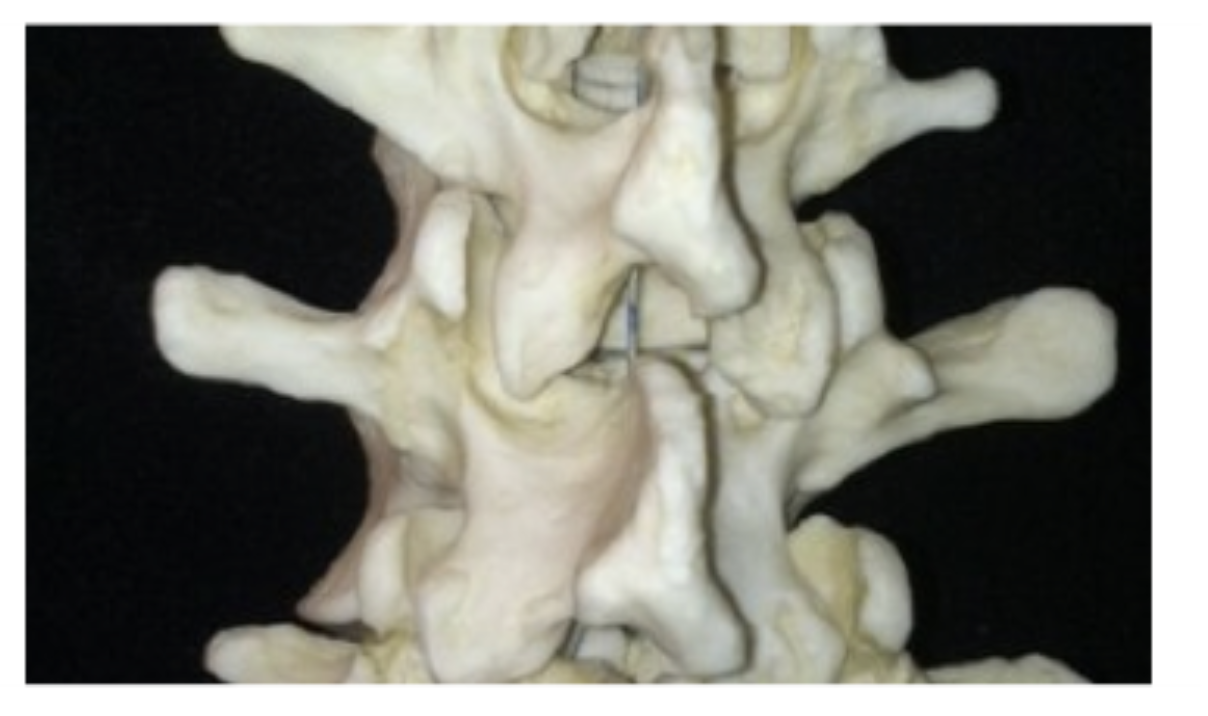
Where should needle be insterted when perfroming left inferior facet injection
The facet joint creates the intervertebral foramina. This joint is formed by the superior articular process of one vertabra and the inferior articular process of the vertebra directly aove. ANother name for the facet joint is the zygapophyseal joint. Injury to the facet joint can compress the psinal nerve that exits at the corresponding intervertebral formna, causing pian and muscle spasm along associated dermatome
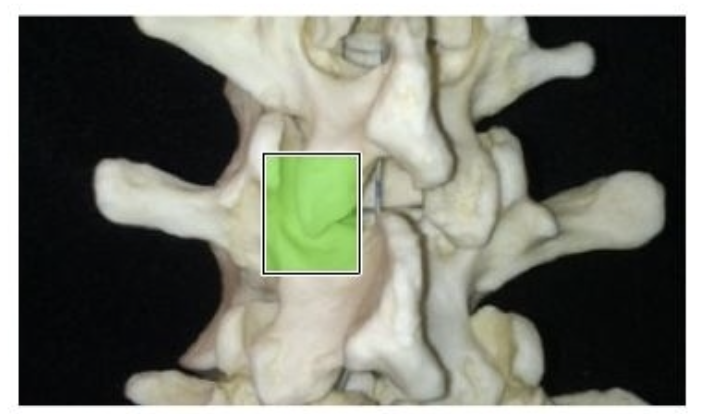
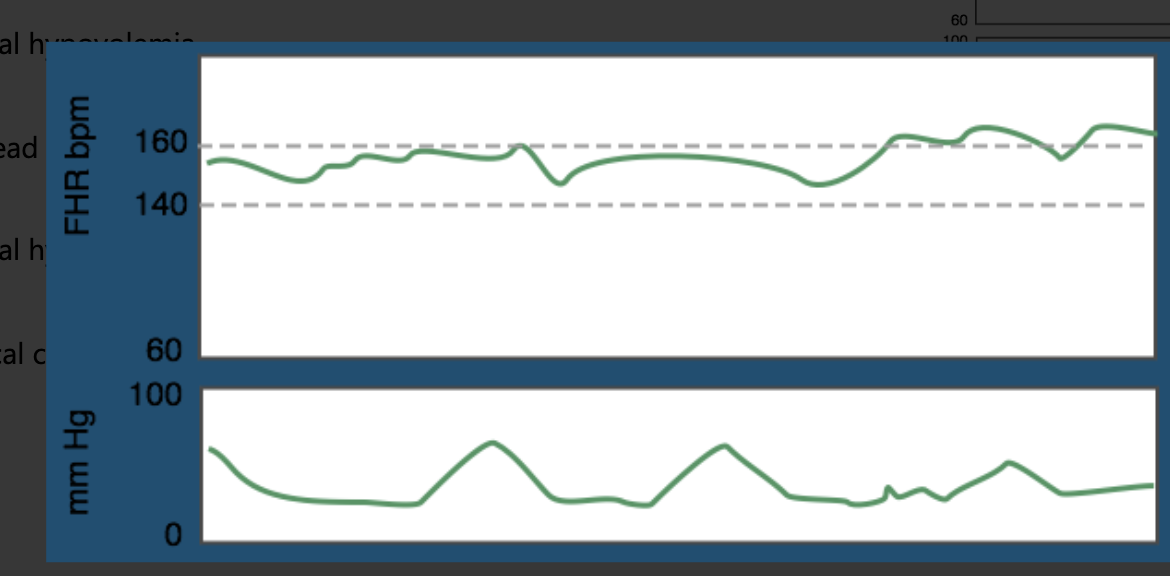
What is the most likely etiology for this finding 2
A. Maternal hypovolemia
B. Fetal head compression
C. Maternal hypotension
D. Umbilical cord compression
A. Maternal hypovolemia
C. Maternal hypotension
This is late fetal deceleration.
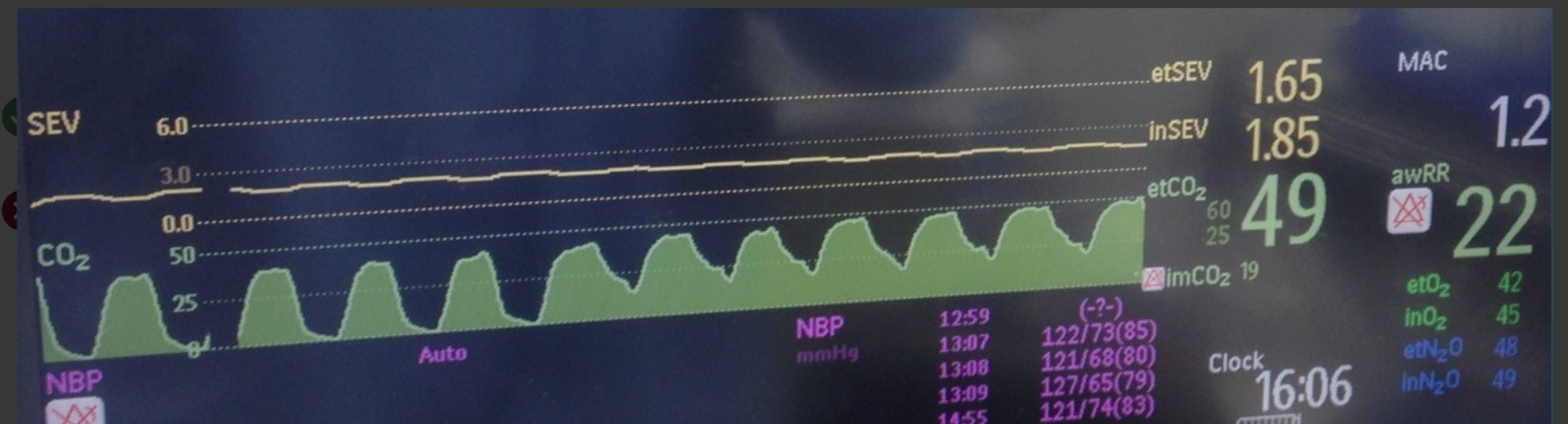
What most likely would resolve the underlying cause of this capnography waveform?
A. Change soda lime
B Fix inspiratory valve
C. Increases FGF
D. increase MV
B Fix inspiratory valve