HOA Comprehensive Exam Reviewer
 Call Kai
 Learn
Learn Practice Test
 Spaced Repetition
 Match
Match Flashcards
 Knowt Play
1/127

There's no tags or description
Looks like no tags are added yet.
Name | Mastery | Learn | Test | Matching | Spaced | Call with Kai | Chat |
|---|
No analytics yet
Send a link to your students to track their progress
128 Terms
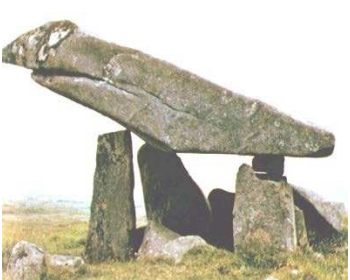
Dolmen
Tomb of standing stones usually capped with a large horizontal slab
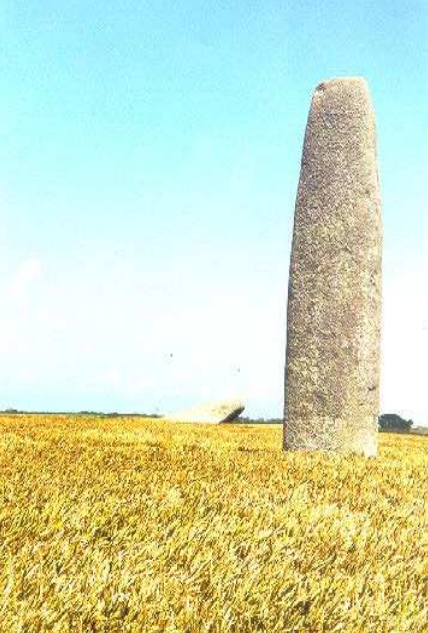
Menhir
A single, large upright monolith
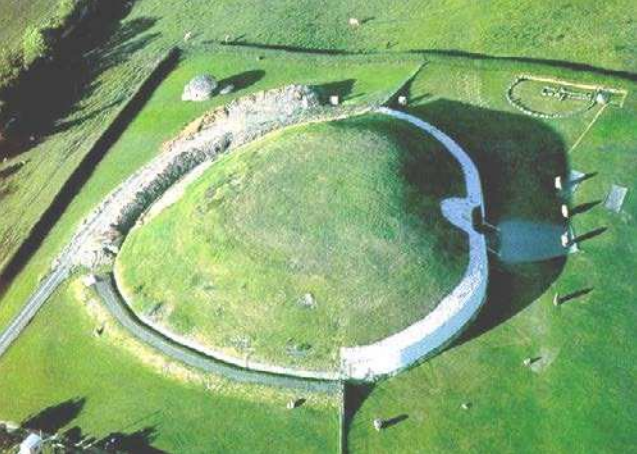
Tumulus
Dominant tomb type • Corridor inside leading to an underground chamber
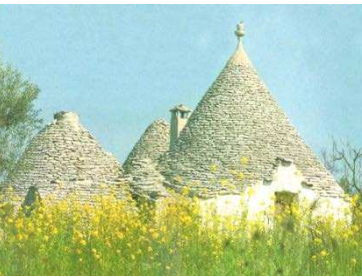
Beehive hut
Trullo - dry walled rough stone shelter with corbelled roof
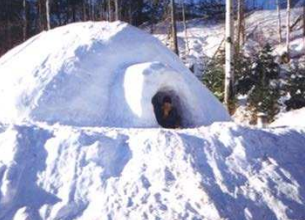
igloo
house constructed of hard-packed snow blocks built up spirally
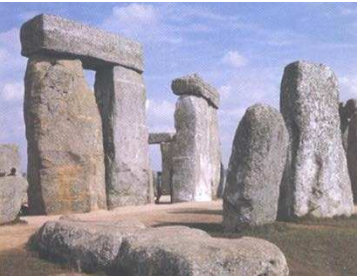
Cromlech
Enclosure formed by huge stones planted on the ground in circular form
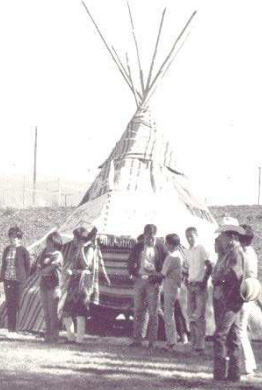
wigwam
Covered with rush mats and an animal skin door, conical tent with wooden poles as framework
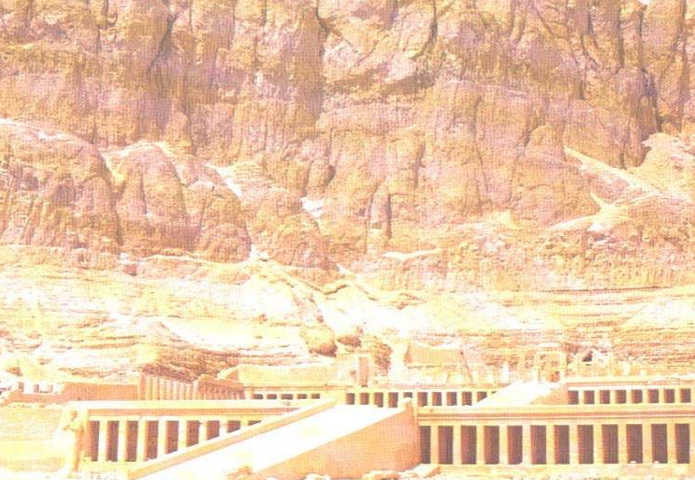
Temple of Hatshepsut
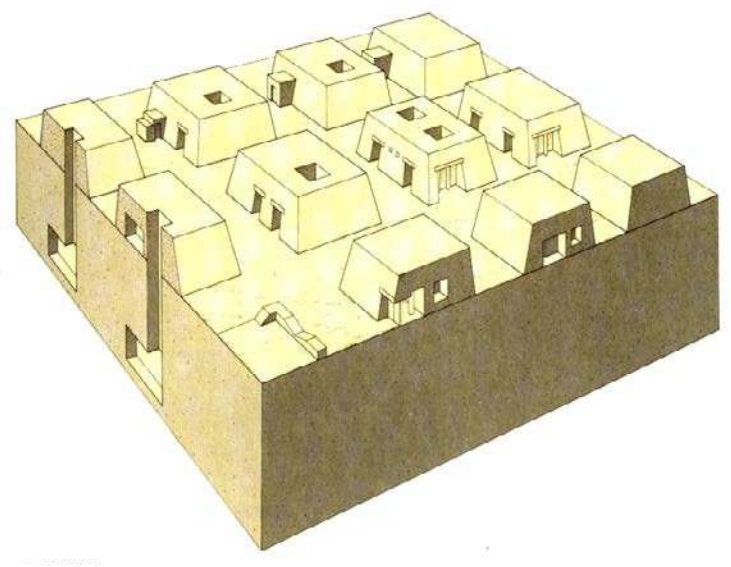
Mastabas
Rectangular flat-topped funerary mound, with battered side, covering a burial chamber below ground
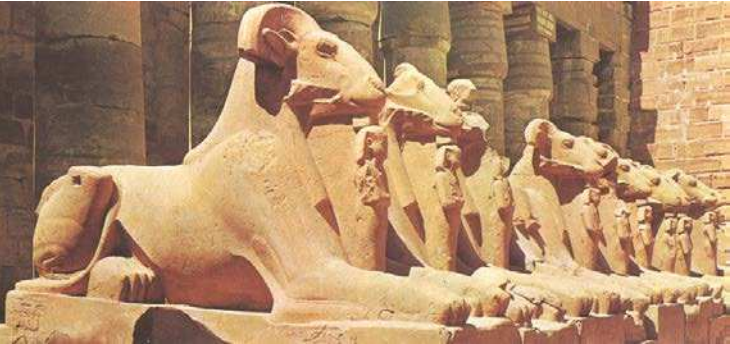
Avenue of Sphinxes
rows of monsters (body of lion, head of man, hawk, ram) leading to monuments
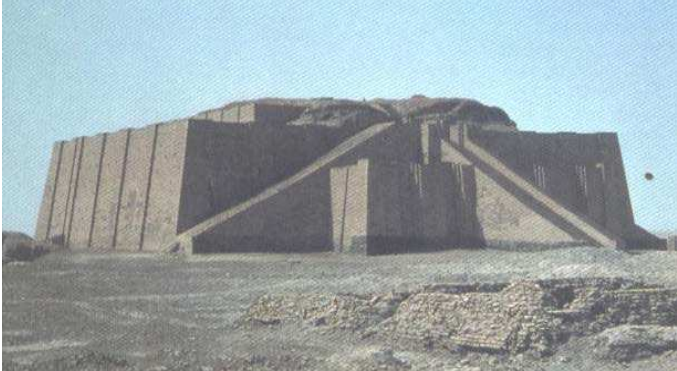
Ziggurat at Ur
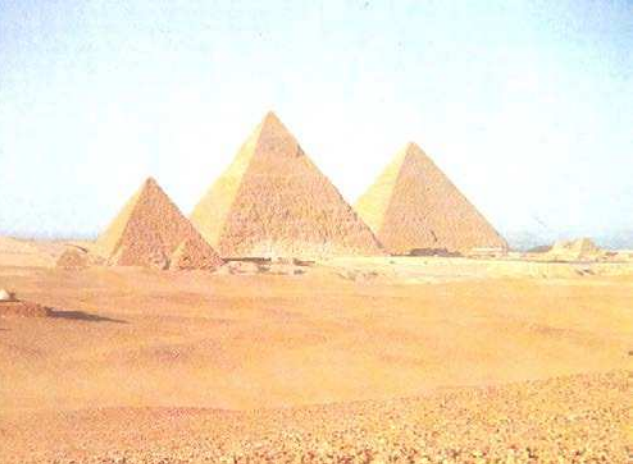
Pyramid of Gyza
Most magnificent of pyramids Equilateral sides face cardinal points. Forms a world-famous building group
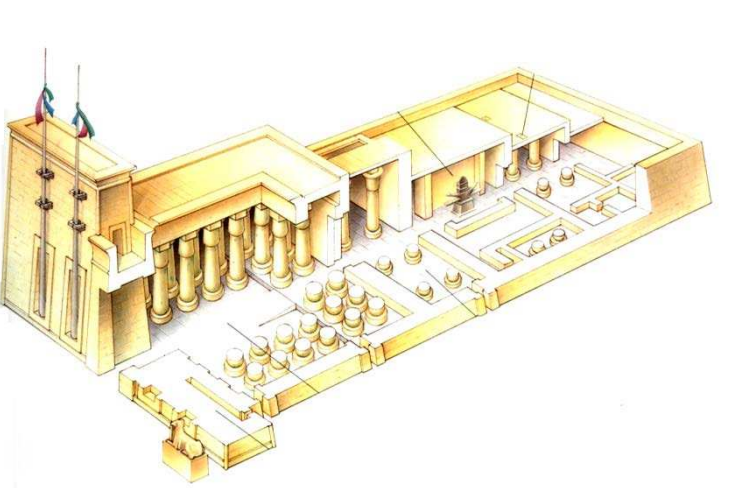
Temple of Khons
Typical temple: pylons, court, hypostyle hall, sanctuary, chapels all enclosed by high girdle wall • Avenue of sphinxes and obelisks fronting pylons
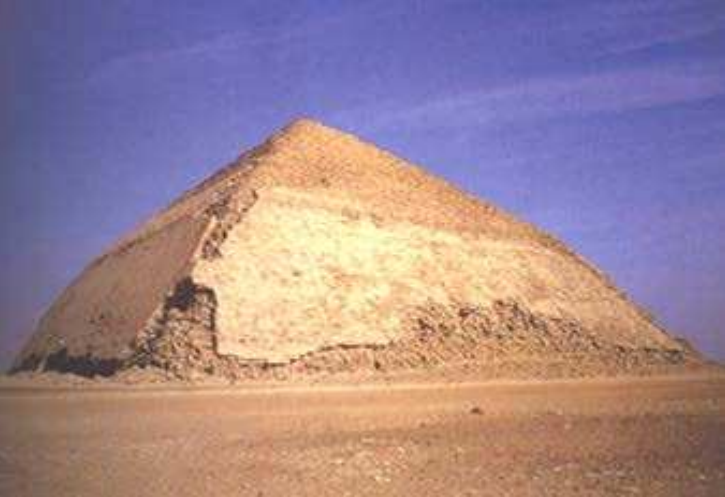
Bent Pyramid of Sneferu
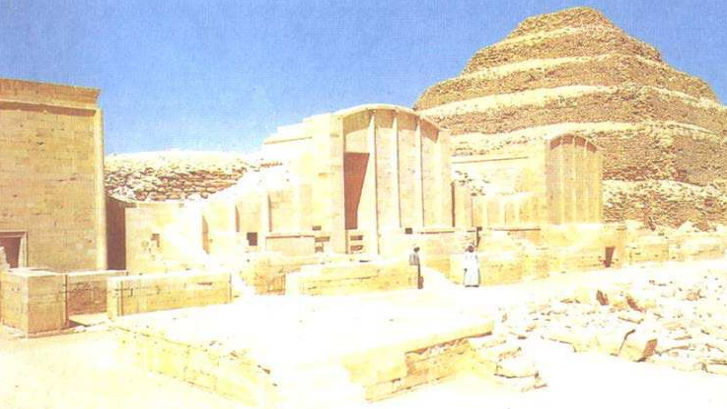
Step Pyramid at Saqqara
World's first large-scale monument in stone • Designed by Imhotep
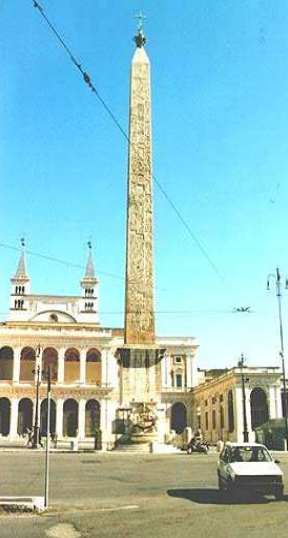
obelisk
upright stone square in plan, with an electrum-capped pyramidion on top
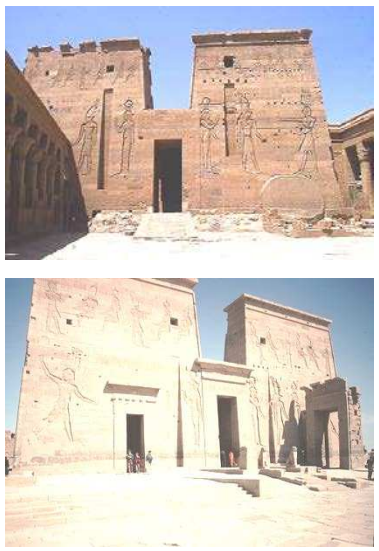
Temple of Isis at Philae
It was the last pagan temple to exist in the Mediterranean, dedicated to goddess Isis, wife of Osiris and mother of Horus.
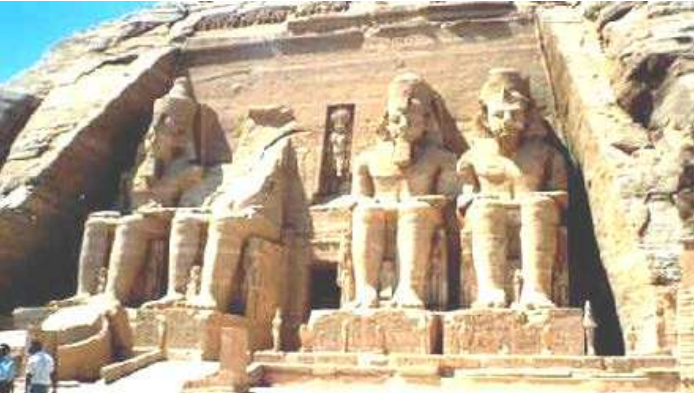
Great Temple, Abu Simbel
Example of rock-cut temple • Constructed by Rameses II • Entrance forecourt leads to imposing pylon with 4 rockcut colossal statues of Rameses sitting over 20 m high
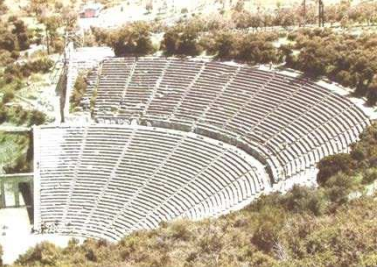
theater at Epidaurus
most well preserved theater in Greece; theater dedicated to Asklepius, the god of healing
agora
the marketplace in ancient Greece
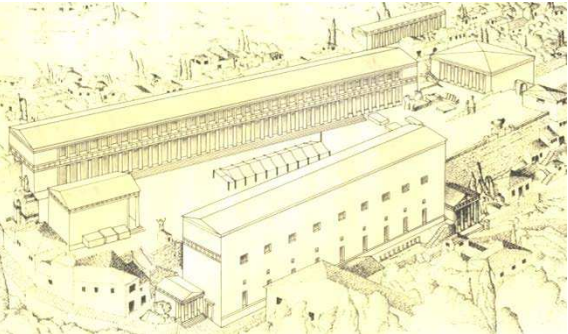
Temple of Artemis
A large temple at Ephesus that was said to be one of the seven wonders of the ancient world. Artemis was the Roman goddess of the Hunt.
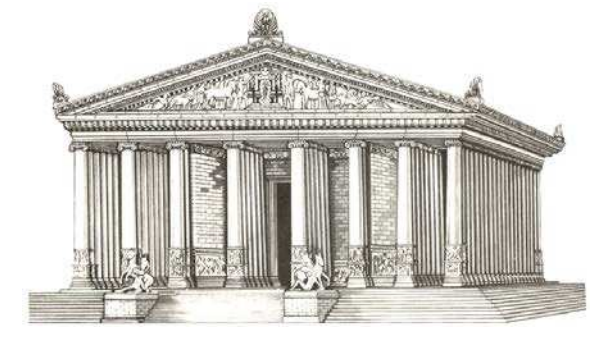
Colosseum, Rome
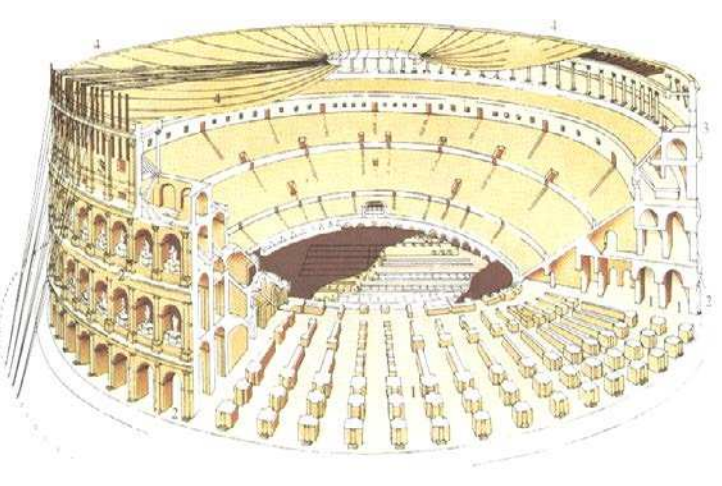
Arch of Septimius Severus
Triple, triumphal arch. Awarded for defeating Parthians. Dedicated 203 AD, In the Roman Forum, Made of marble. An inscription on it was removed to erase Geta from the world, top once had a bronze sculpture of the family.
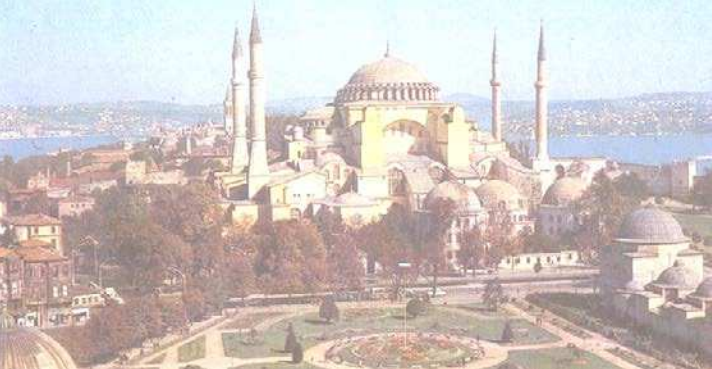
Hagia Sophia
"divine or holy wisdom" • Built by Justinian, designed by Anthemius of Tralles and Isidorus of Miletus
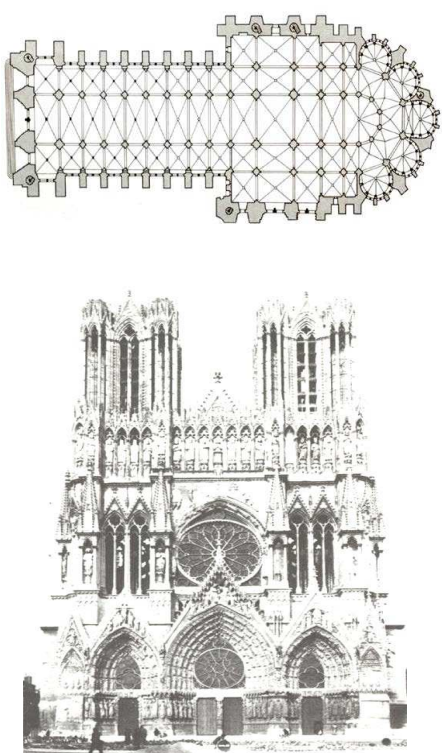
Reims Cathedral
"What is the name of the
Cathedral in France that was designed
by Jean d' Orbais.
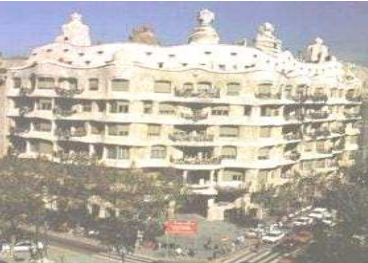
Casa Mila, Barcelona, Spain
Antonio Gaudi
"Nature/Biology/Organisms"
-air movement
-organic material
-responds to geography, climate, and character of the region
-ventilation
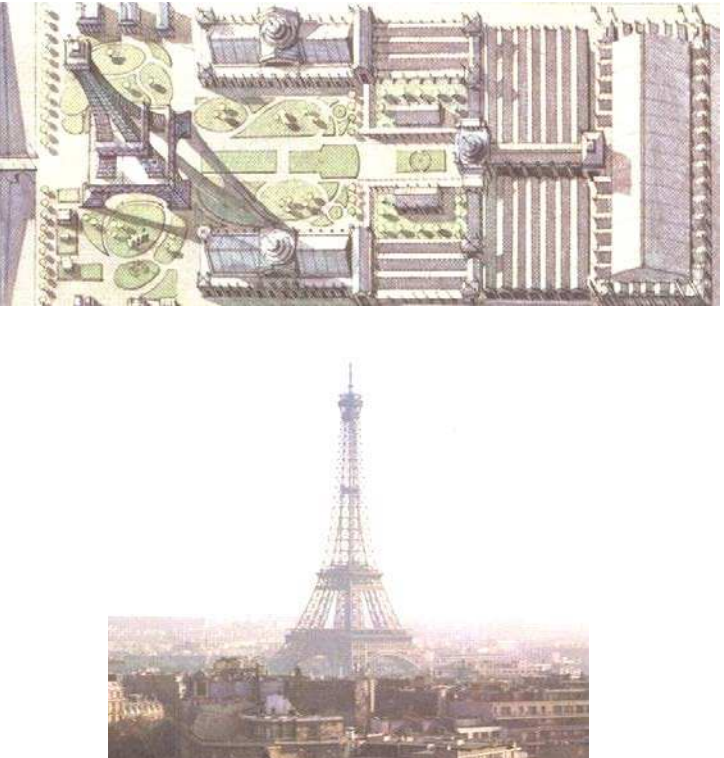
The Entrance Pavilion, Exposition Universelle 1889
• Designed by Gustav Eiffel and maurice koechlin • Extensive use of iron, 300m high
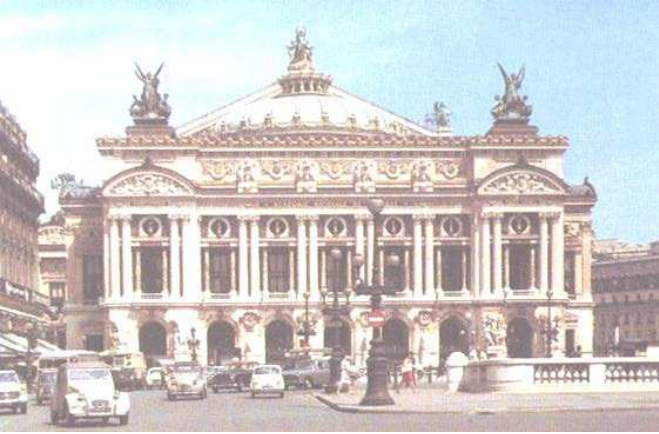
The Opera House, Paris
Neo-Baroque by Charles Garnier
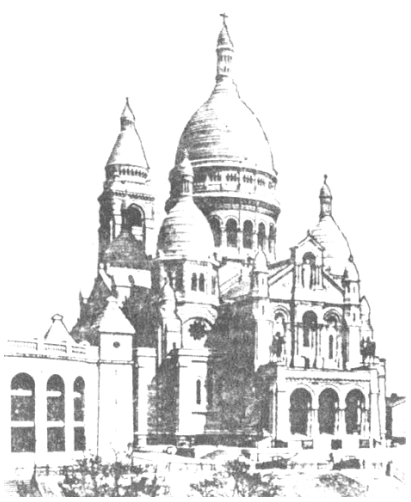
church of sacre-couer
Neo-Byzantine by Paul Abadie
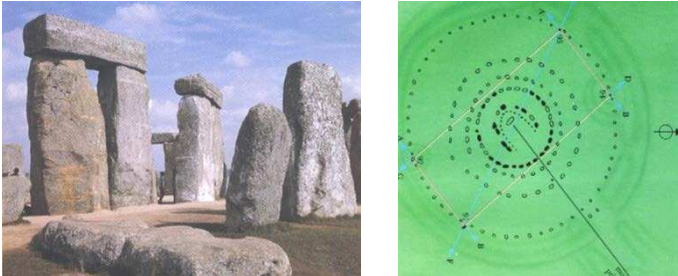
Stonehenge
Most spectacular and imposing of monolithic monuments. Outer ring, inner ring, innermost horseshoe-shaped ring with open end facing east
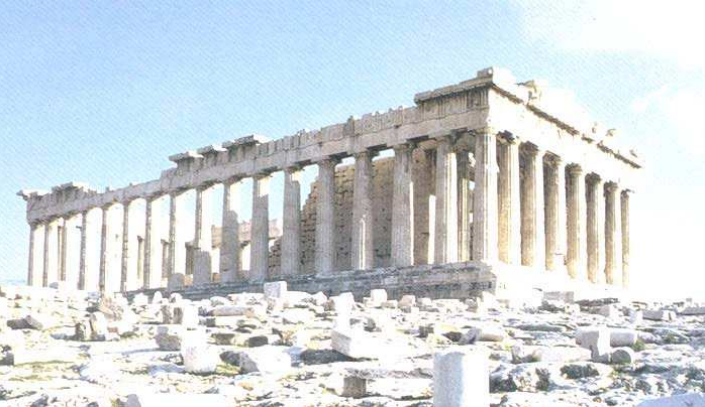
Parthenon, Acropolis
Greece, Classical Period, Athens, 400
sacred to Athena, made of marble
view from the back of the temple, face rising sun
3/4 view to see how wide it is
offerings before temple, not inside
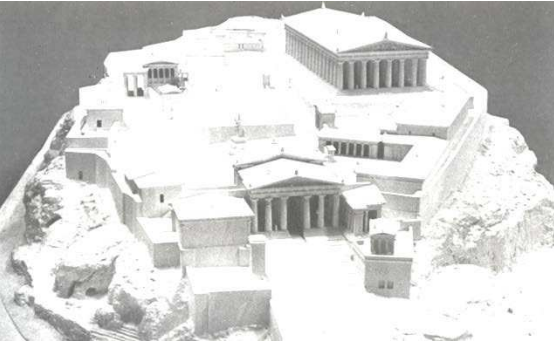
Acropolis of Athens
10 structures form a world-famous building group: • Propylaea • Pinacotheca • Statue of Athena Promachos • Erectheion • Parthenon • Temple of Nike Apteros • Old Temple of Athena • Stoa of Eumeses • Theater of Dionysus • Odeon of Herodes Atticus
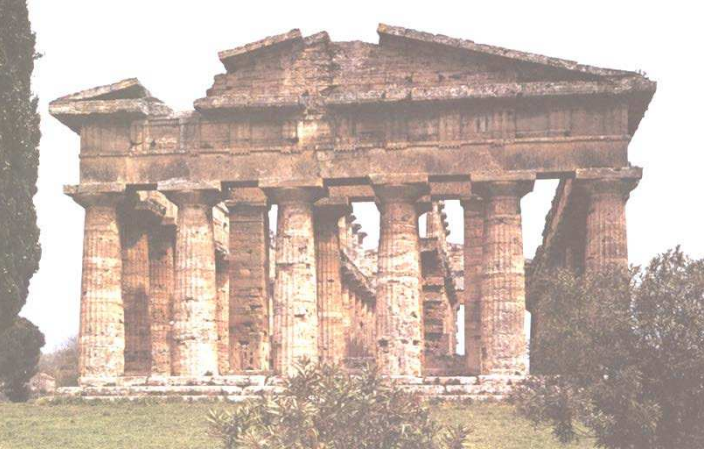
Temple of Hera, Paestum, Italy
Archaic Greek. This temple is one of the earliest surviving Greek temples. The bulging columns and spreading capitals are typical of Doric architecture of the Archaic period. The temple probably featured a Doric frieze of triglyphs and metopes, but none of this embellishment has survived.
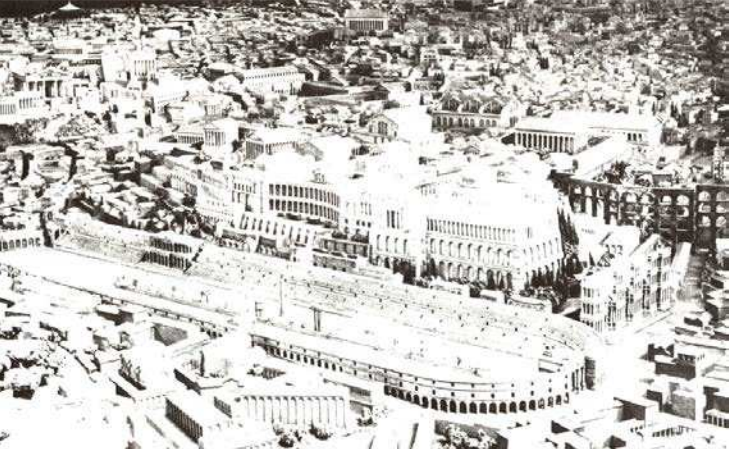
Circus Maximus
a Roman outdoor arena in which public games, such as chariot races, were held
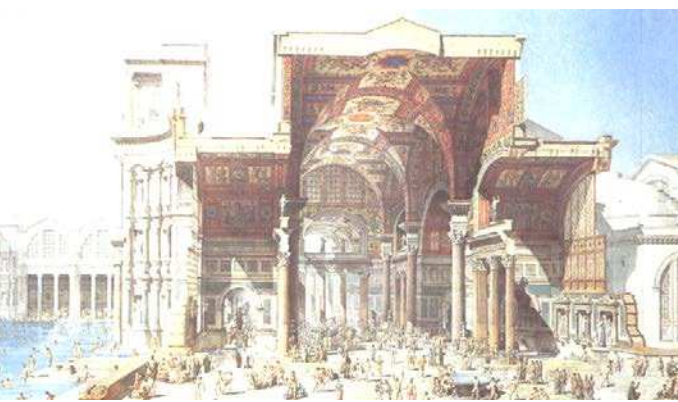
Bath of Diocletian
Pantheon, Rome
a circular temple in rome
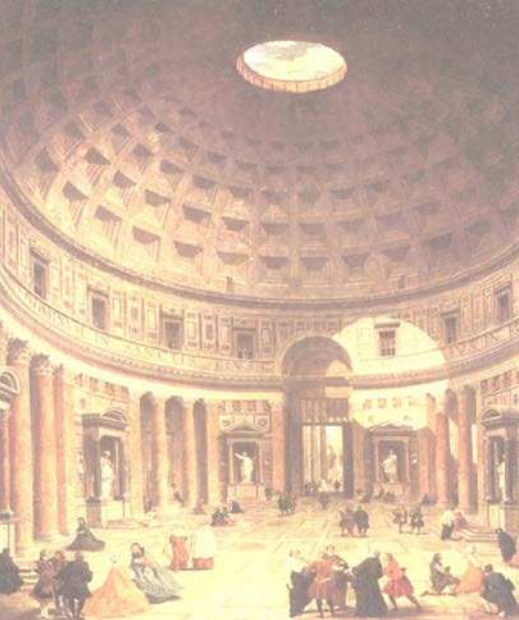
Segovia Aqueduct
Spain
200 AD
made of concrete
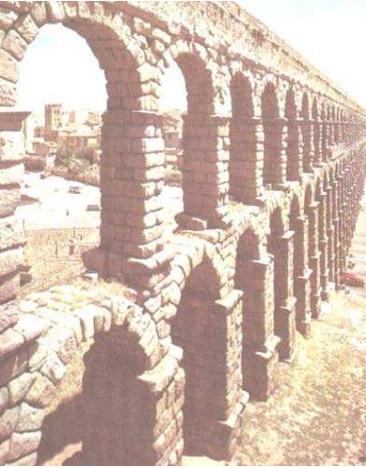
Basilica (Forum of Pompeii)
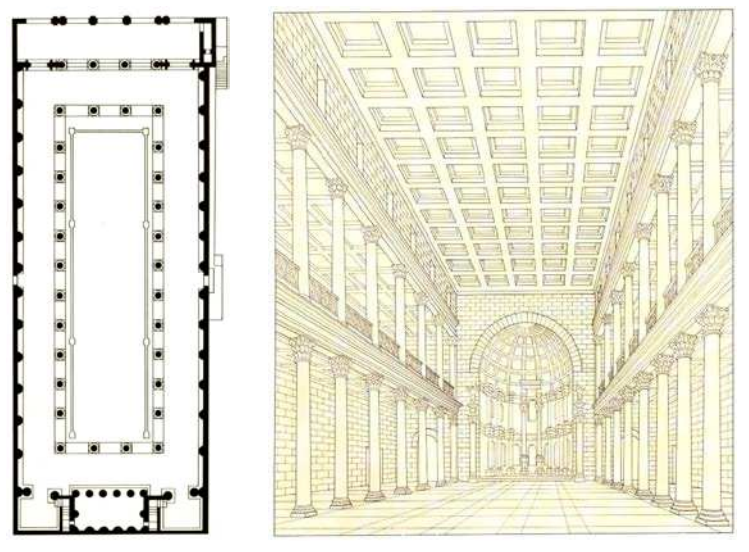
Old St. Peter's, Rome
Erected by Constantine near the site of St. Peter's martyrdom
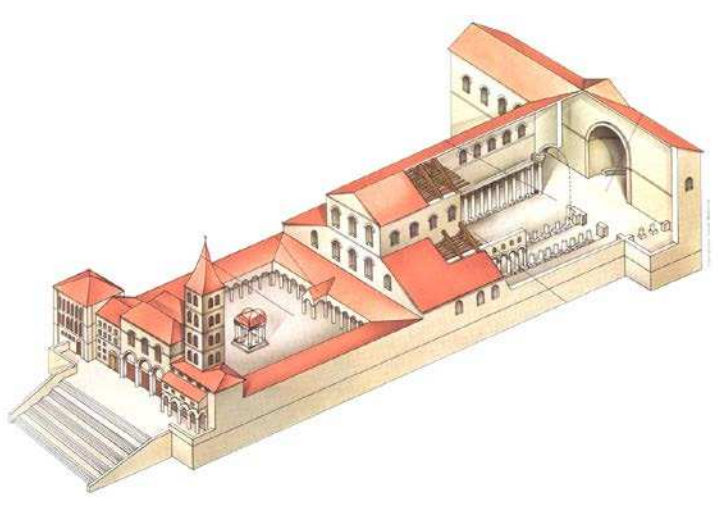
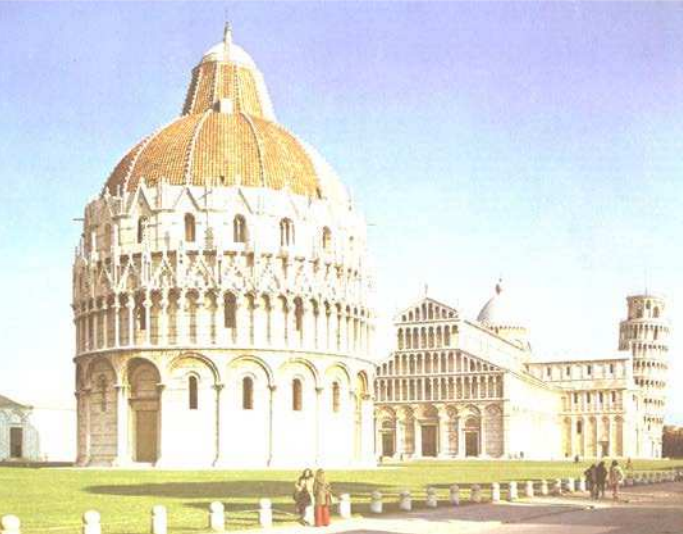
Pisa Cathedral
Forms one of most famous building groups in the world - Cathedral, Baptistery, Campanile, and Campo Santo
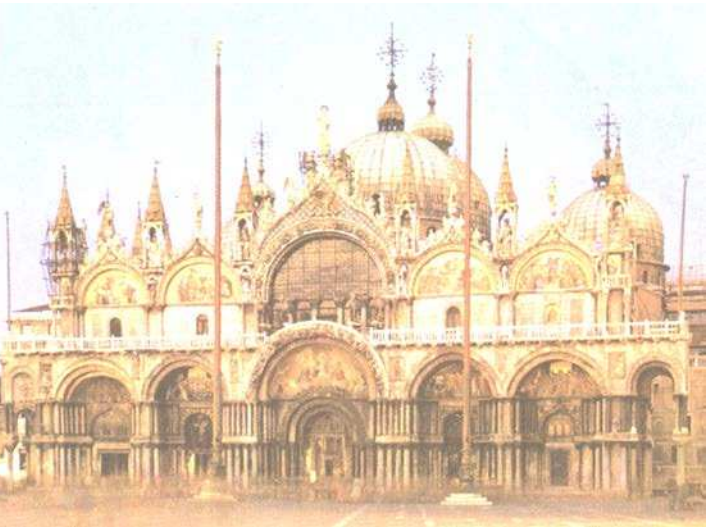
St. Mark, Venice
On the site of original Basilican church • An exterior quality all its own: blending of features from many foreign lands
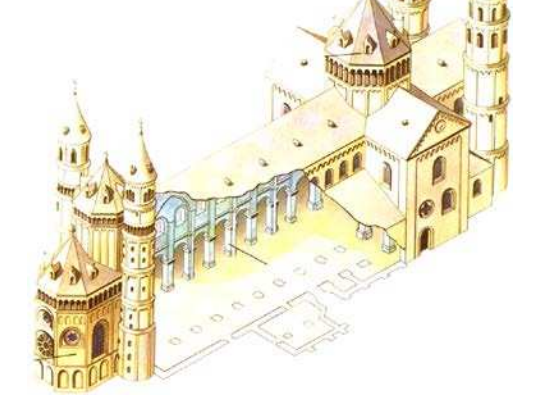
Worms Cathedral
Eastern and western apses and octagons 2 circular towers flank each Octagon at crossing, with pointed roof
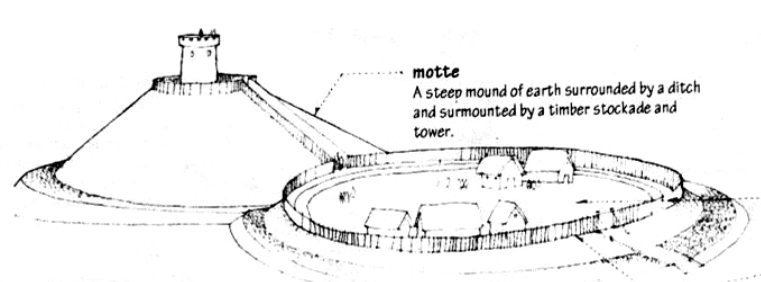
Motte and Bailey
Later became citadels with stone curtain walls
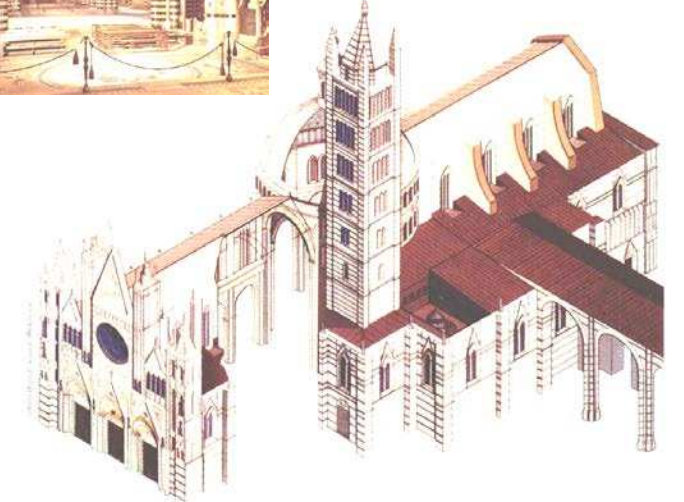
Siena Cathedral
One of most stupendous undertakings since the building of the Pisa cathedral • Outcome of civic pride - all artists in Siena contributed their works to its building and adornment
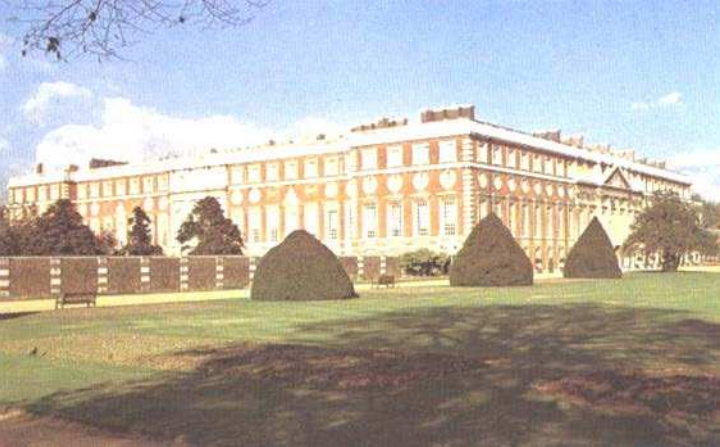
Penhurst Place
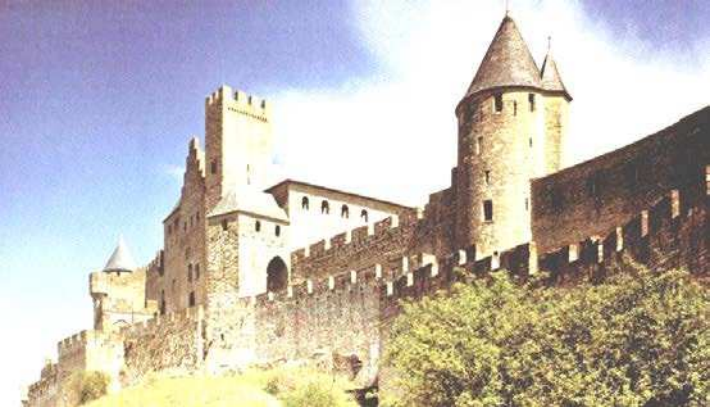
Carcassone
• built in 13th Century AD • double wall, inner one made in 600 AD • 50 towers and moat • two gateways guarded by machicolations, drawbridge and portcullis
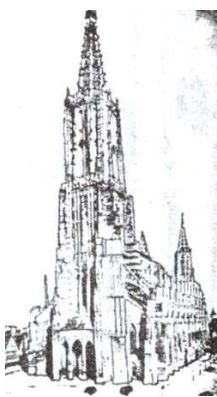
Ulm Cathedral
tallest cathedral in the world (162 m high)
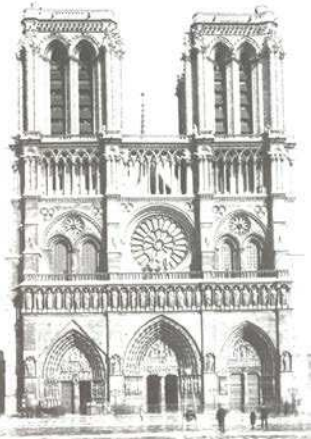
Notre Dame, Paris, France
One of the oldest French cathedrals • Begun by Bishop Maurice de Sully
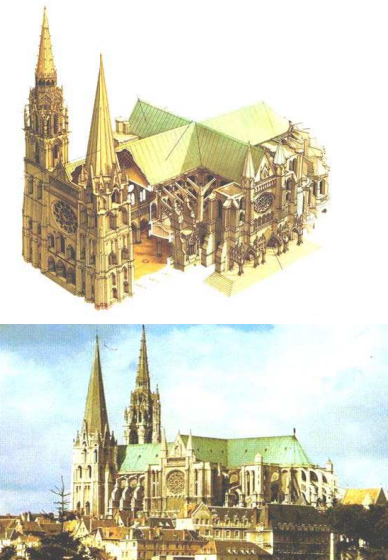
Chatres Cathedral
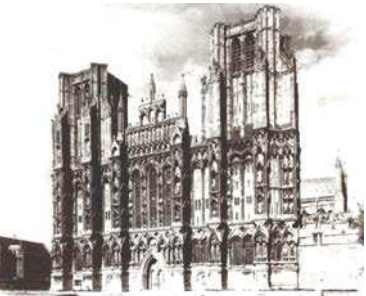
Wesminster Abbey
Complex of church, royal palace and burial grounds • Most important medieval building in Britain • widest (32 m) and highest vault in England (102 ft)
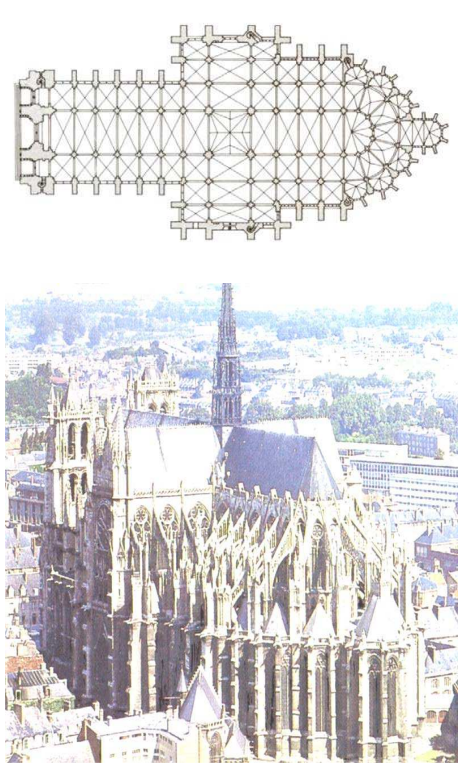
Amiens Cathedral
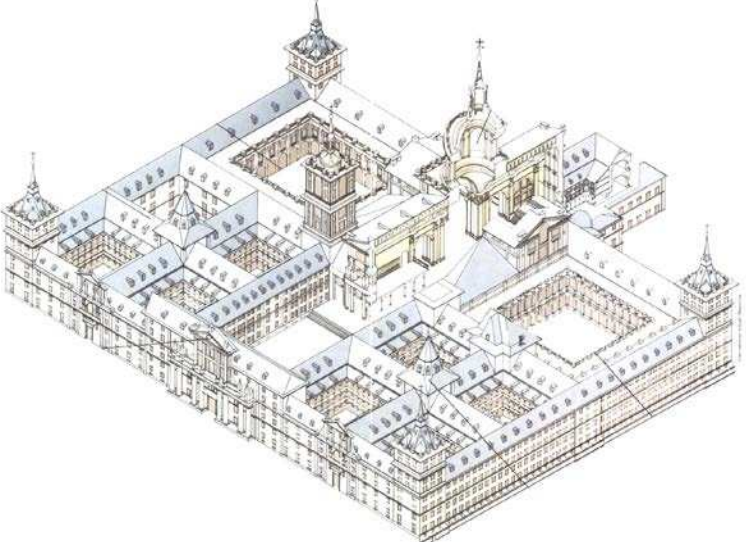
The Escorial, Madrid
• Austere group of buildings, composed of the monastery, college, church and palace with state apartments
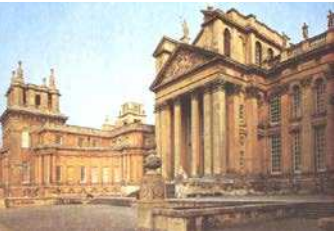
Blenheim Palace
Most monumental mansion in England • Example of central block with wings
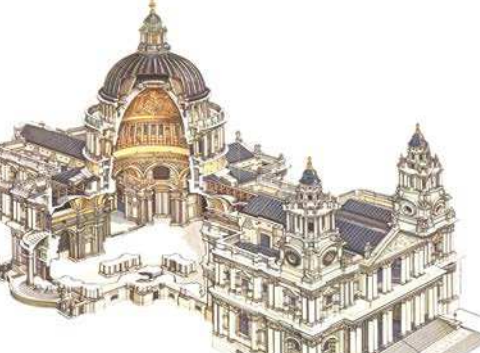
St. Paul Cathedral, London
Designed by Christopher Wren • Area of 6000 sq.m and a large central space under dome for big congregations
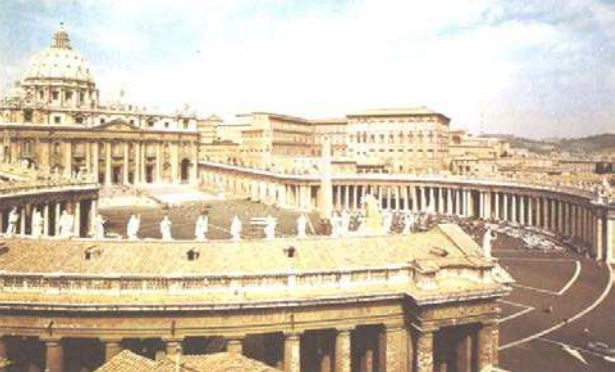
St. Peter, Rome
Most important Renaissance building in Italy • With cathedral, piazza and the Vatican, forms a worldfamous group
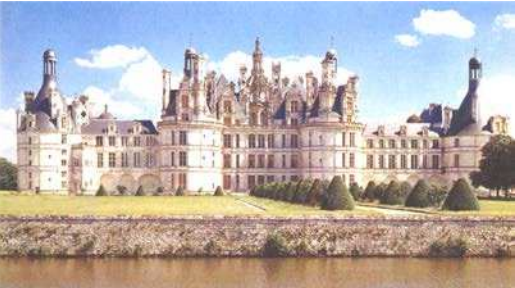
Chateau de Chambord
feature double helix stone stair to allow guest to climb up and down without passing each other (french renaissance)
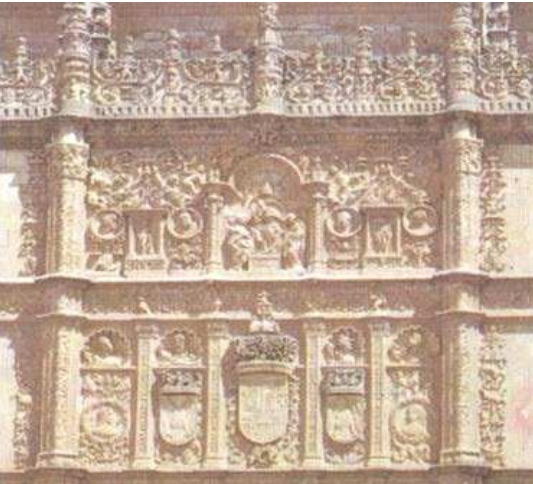
The university, salamanca
The facade is a Plateresque design masterpiece • Admirable craftsmanship
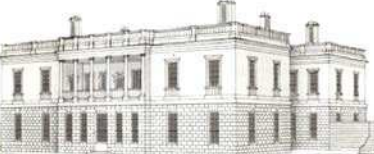
Queen's House
influenced by Palladian architecture
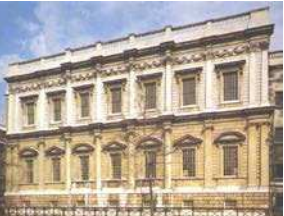
Banqueting House
INIGO JONES, London, inspired by Palladio, built for James I, modest emphasis on center of facade, central bay of six windows, flat pilasters, rusticated basement level, two stories of windows, balustraded roof
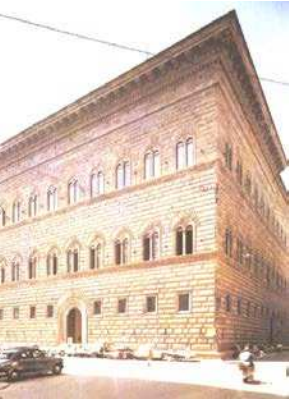
Palazzo Strozzi
By Benedetto da Majano • Representative of the Florentine palace of that period • Open cortile and piano nobile • Astylar exterior of uniform rustication
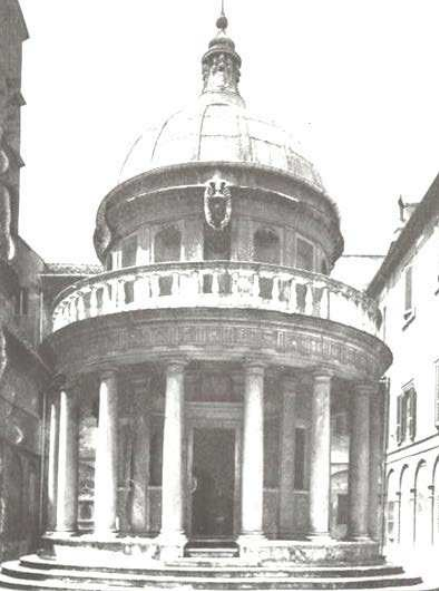
Tempietto of San Pietro
• Resembling small Roman circular temple with Doric columns • 4.5 m internal diameter
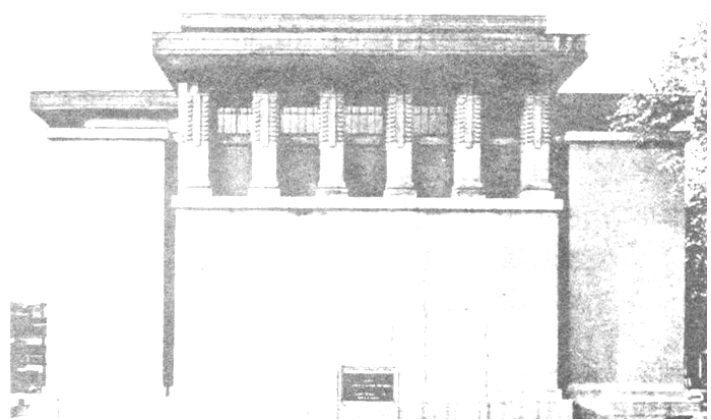
Unity Temple
Frank Lloyd Wright, 1909
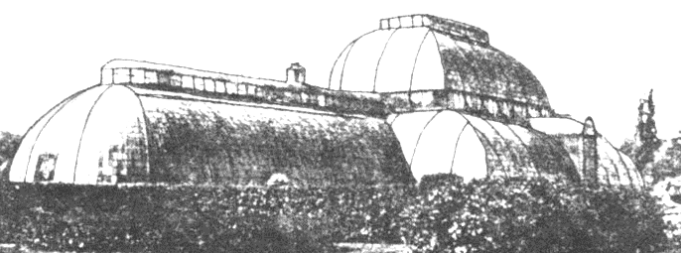
the conservatory, carlton house
Cast-iron for structural and decorative purpose
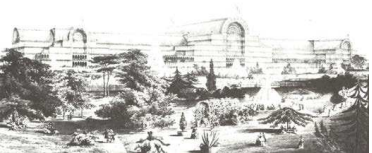
Crystal Palace
Building erected in London, for the Great Exhibition of 1851. Made of iron and glass, like a gigantic greenhouse, it was a symbol of the industrial age.
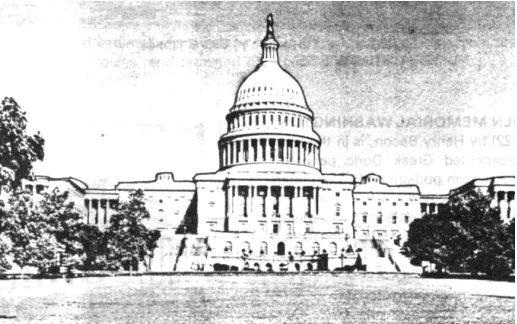
US Capitol Building
This Neoclassical American landmark built in the first part of the 19th century features a massive dome.
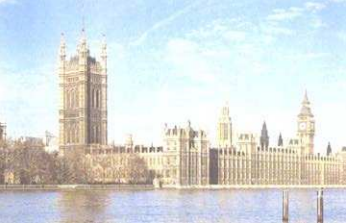
westminster new palace
Designed by Sir Charles Barry • Non-classical design: Gothic detail by Pugin • Victoria tower, Clock tower "Big Ben" • First major public building of Gothic revival
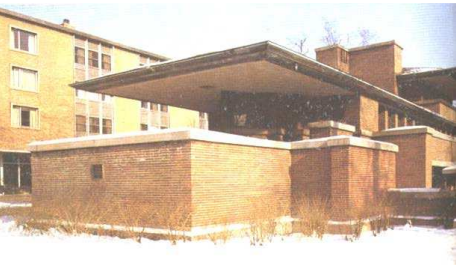
Robie House, Chicago
Designed by Frank Lloyd Wright
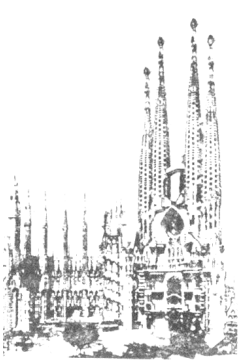
Sagrada Familia
Art Noveau by Antoni Gaudi
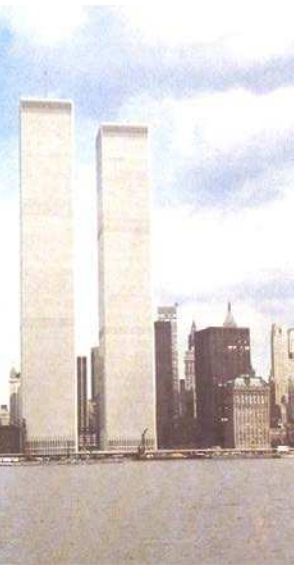
Old World Trade Center
Minoru Yamasaki Structural steel framing • Destroyed by the September 11 terrorist attacks
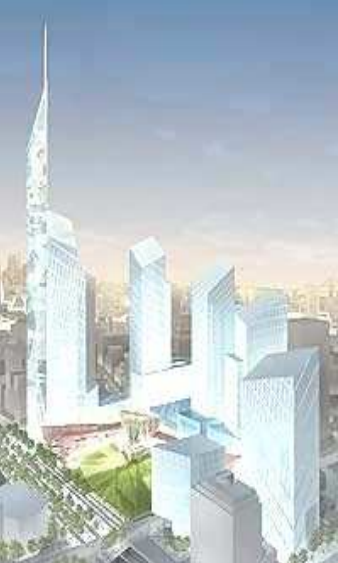
New World Trade Center
Daniel Libeskind 541 m tall after 9-11 attack
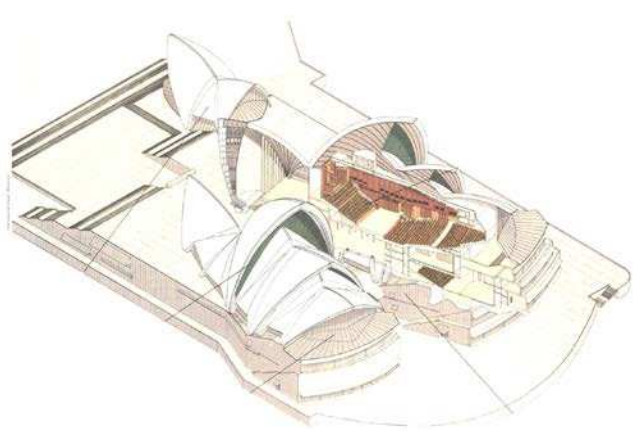
Sydney Opera House
Jorn Utzon Has a peel orange design in the bay of sydney
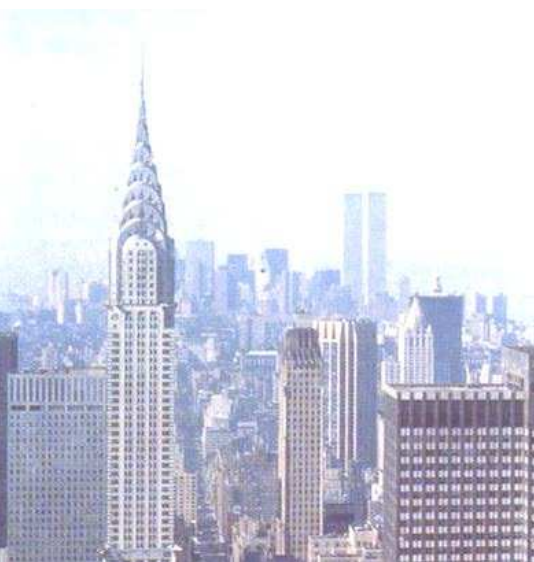
The Chrysler Building
William van Alen Art Deco style building in new york
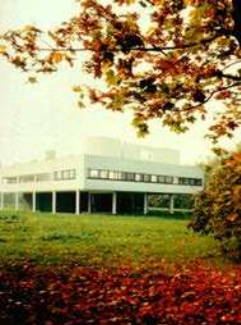
Villa Savoye at Poissy
Realization of 'five points‘ of new architecture
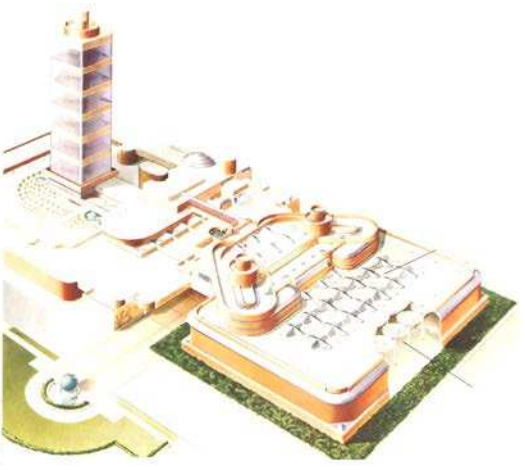
Johnson Wax Co. Building
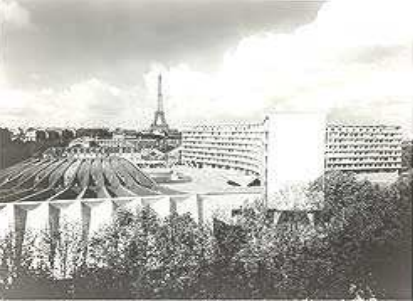
UNESCO Secretariat Building, Paris
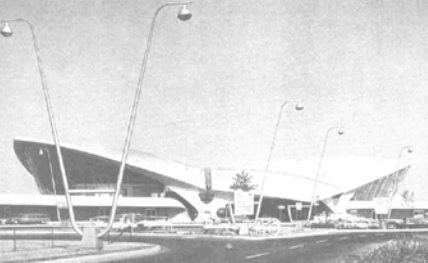
TWA Terminal, JFKennedy Airport
Undulating shape was meant to evoke the excitement of high speed flight
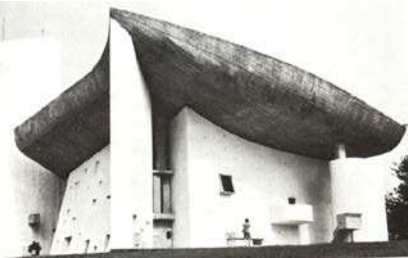
Chapel of Notre Dame, Ronchamp
le Corbusier
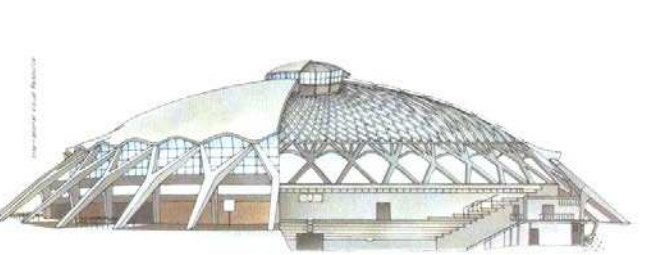
Palazzetto dello Sport
Designed by Pierre Luigi Nervi and Vitellozzi for 1960 Rome Olympics
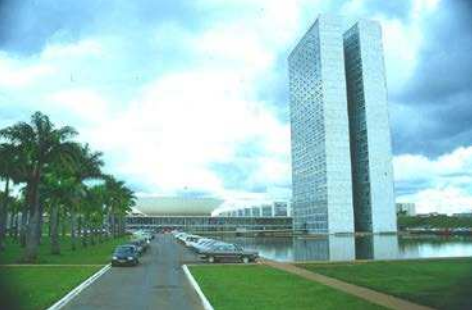
Parliament Building, Brasilia
Oscar Niemeyer work with city planner lucio costa
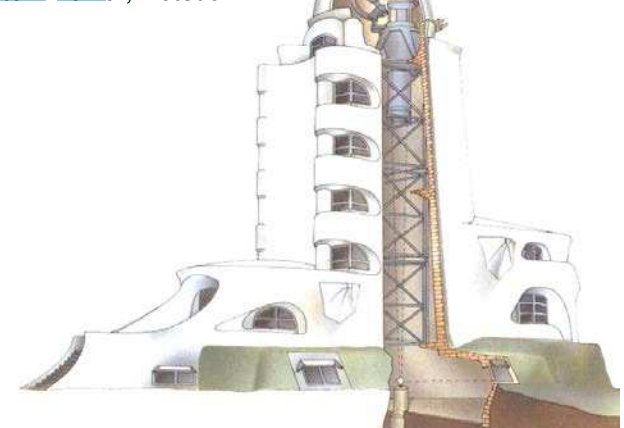
Enstein Tower
Potsdam made by Eric Mendelsohn
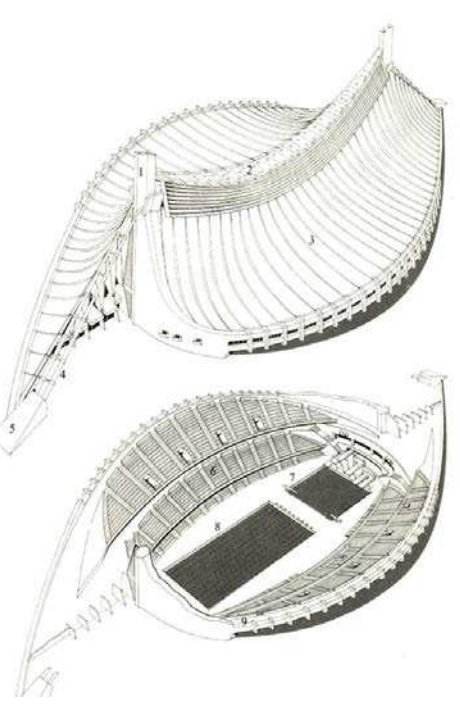
Sports Hall for 1964 Tokyo Olympics
Designed by Kenzo Tange for Olympics
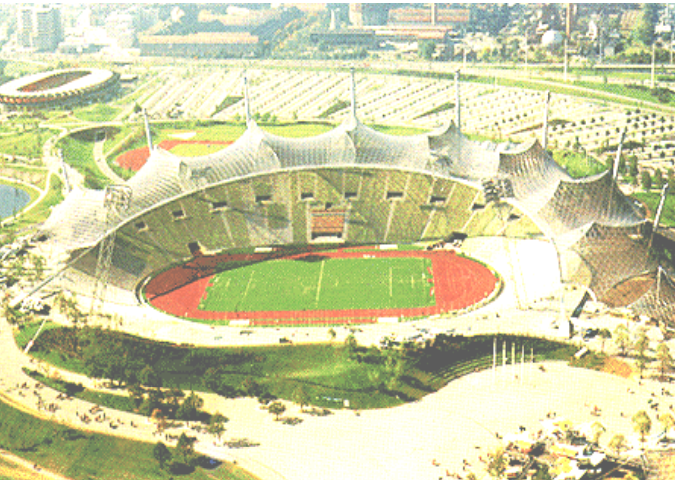
Munich Stadium
Frei Otto made this building for 1972 Olympics
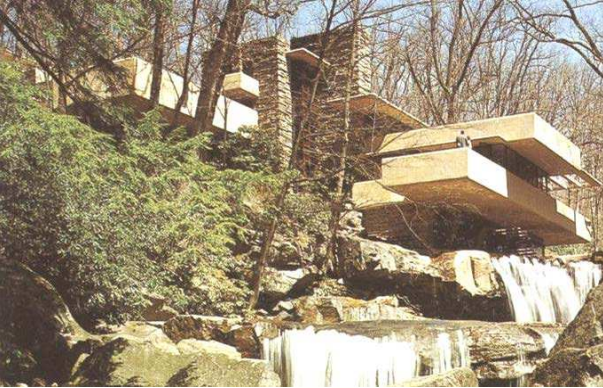
Falling Water
Frank Lloyd Wright Famous work
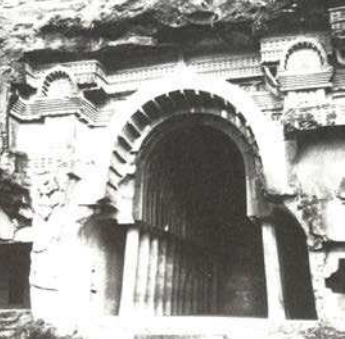
Viharas
Buddhist monasteries often excavated from solid rock • Central pillared chamber or quadrangle surrounded by verandah
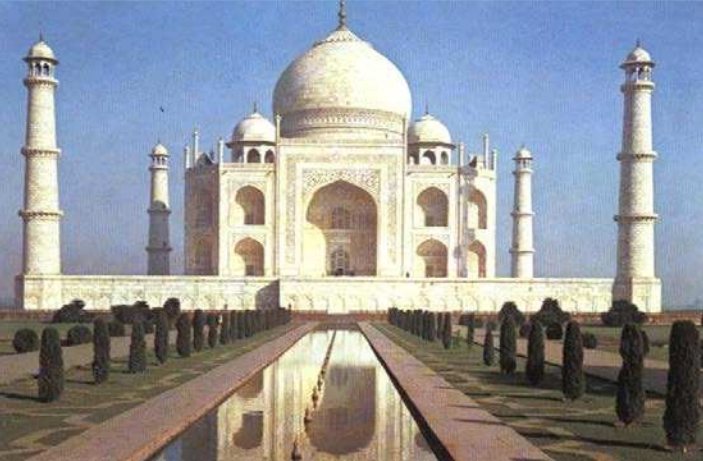
The Taj-Mahal, Agra
Built by the emperor Shah Jahan for his favorite wife Mumtaz Mahal
Mandira
Hindu temple with a interior sanctuary called a vimana • Capped by a tapering spire-shaped tower – sikhara
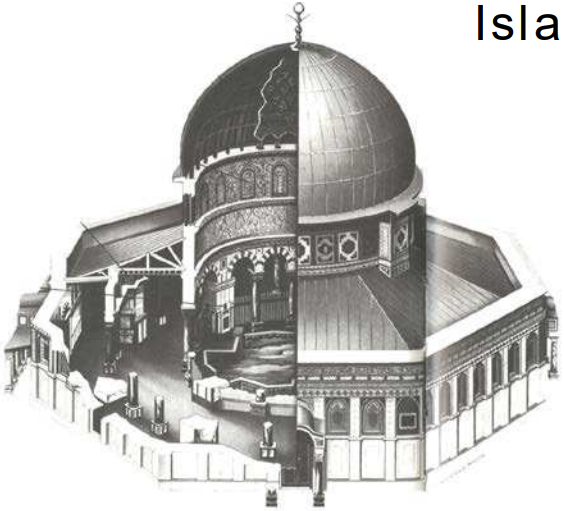
Dome of the Rock, Jerusalem
Most important Islamic structure
Mosque
Principal place of worship • Building used for Friday prayer
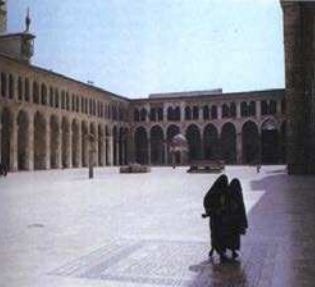
Stupas
• Buddhist memorial mound erected to enshrine a relic of Buddha, to commemorate special events or mark a sacred spot • Regarded as symbols of the universe • Based on the pre-historic funerary tumulus
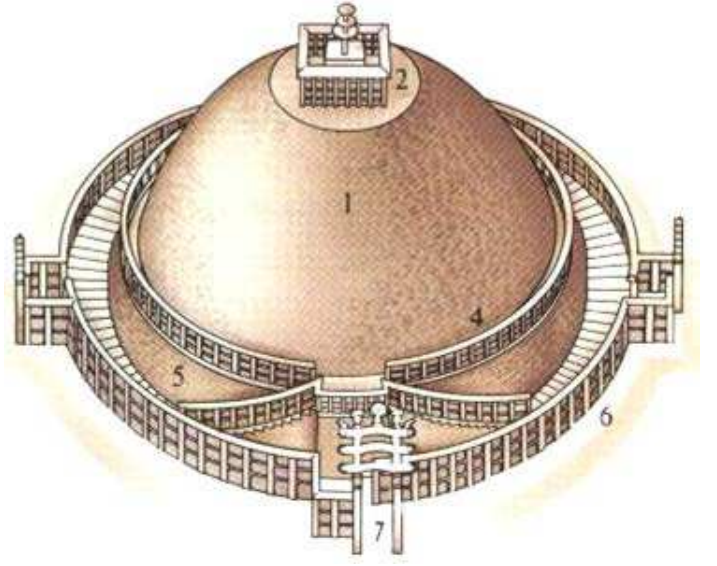
Chaityas
Buddhist shrine also carved out of solid rock • Formed like an aisled basilica with a stupa at one end
Stambhas
Monumental pillars standing free without any structural function • Circular or octagonal shafts
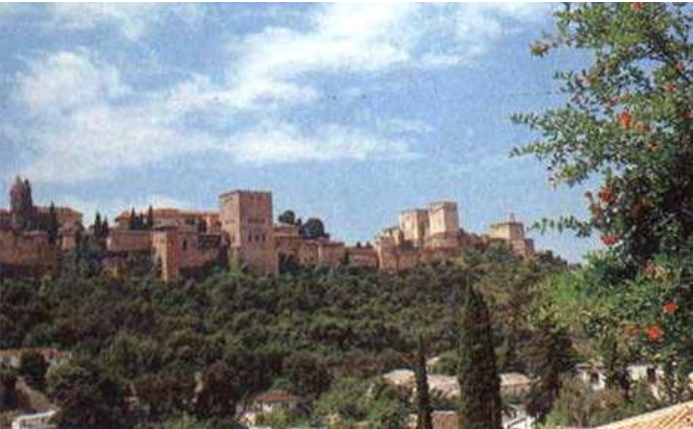
The Alhambra, Granada
Fortified palace and complex of buildings set in gardens • One of most elaborate and richly decorated Islamic palaces
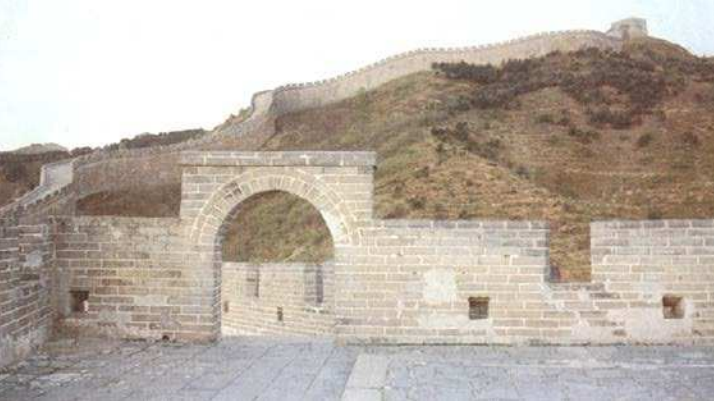
The Great Wall of China
Most famous of ancient Chinese buildings • by Shi Huangdi
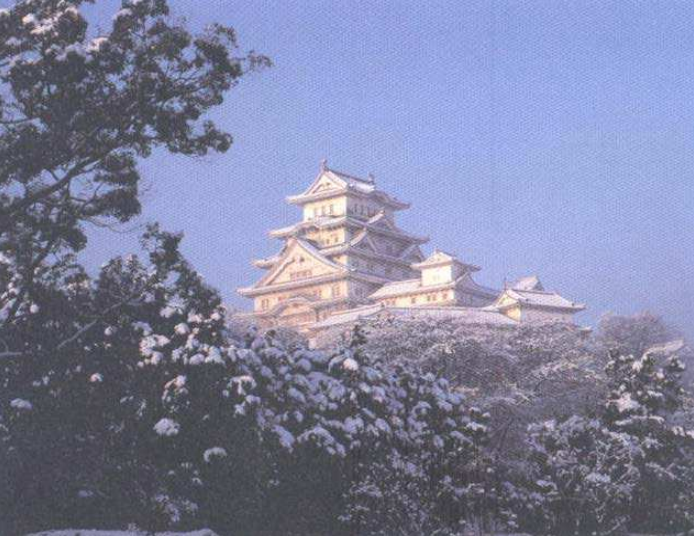
Shinto temples
Japanese Version of Temples
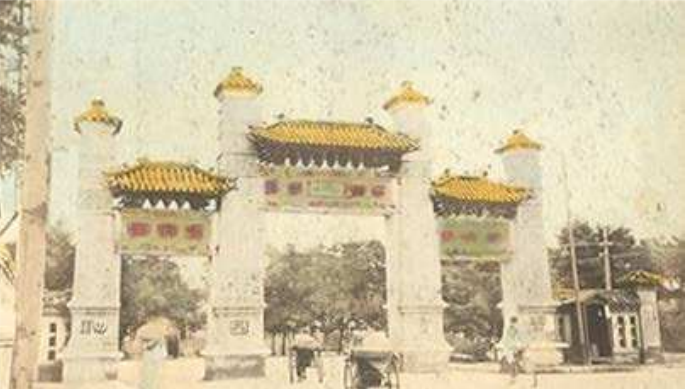
Pai-Lous
Monumental, ceremonial gateway and basic symbolic structure in Chinese architecture • Erected as memorials to eminent persons
Chinese Temple
Chief feature was the roof • Supported on timber uprights and independent of walls • A sign of dignity to place roofs one over the other
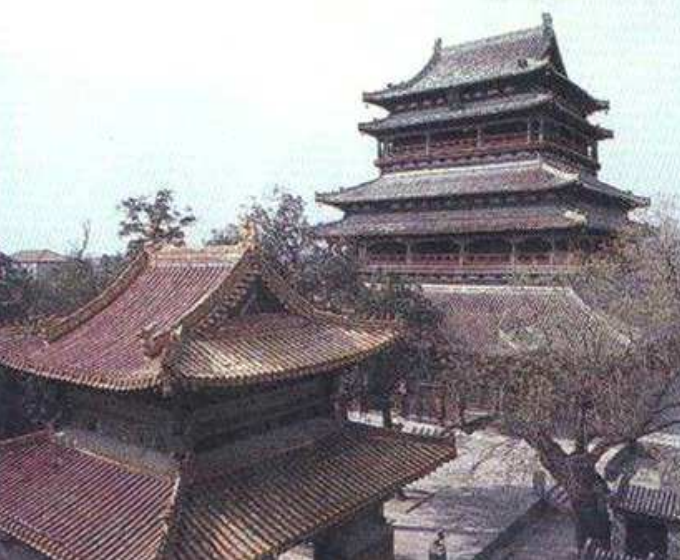
Chinese Pagoda
Octagonal in plan • Odd number of stories, 9 or 13 • Roofs projecting from each of its many floors, turned up eaves • Slopes inwards to the top
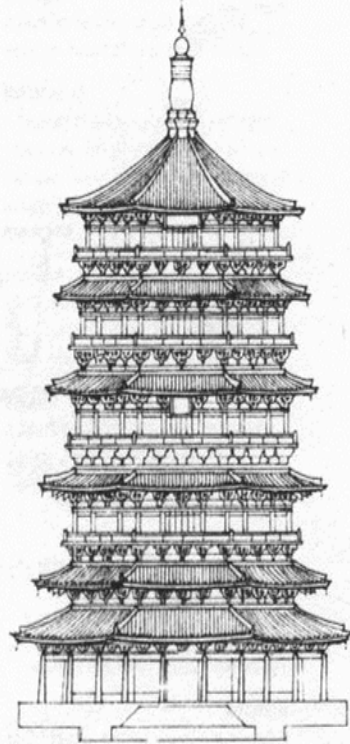
Japanese Pagoda
Derived from the Chinese pagoda • Square plan • Mostly 5 storeys, 45 m in height • Virtually suspended around a central timber

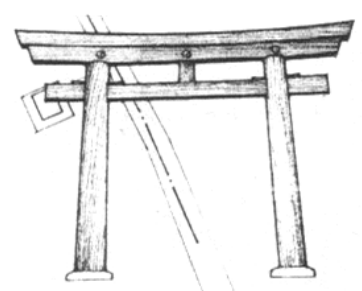
Torii
Monumental, free-standing gateways to a Shinto shrine • Derived from the Chinese pai-lou
Manila Hotel
William Parsons 1st Hotel in Ph, with 1st elevator