Unit 7 - Climate change and energy production
 Call Kai
 Learn
Learn Practice Test
 Spaced Repetition
 Match
Match Flashcards
 Knowt Play
1/64

There's no tags or description
Looks like no tags are added yet.
Name | Mastery | Learn | Test | Matching | Spaced | Call with Kai | Chat |
|---|
No analytics yet
Send a link to your students to track their progress
65 Terms
Non-renewable energy sources
Resources that exist in finite quantities and will eventually be depleted because they can't be renewed at the same rate that they're used. E.g. coal, gas, oil.
Types of energy
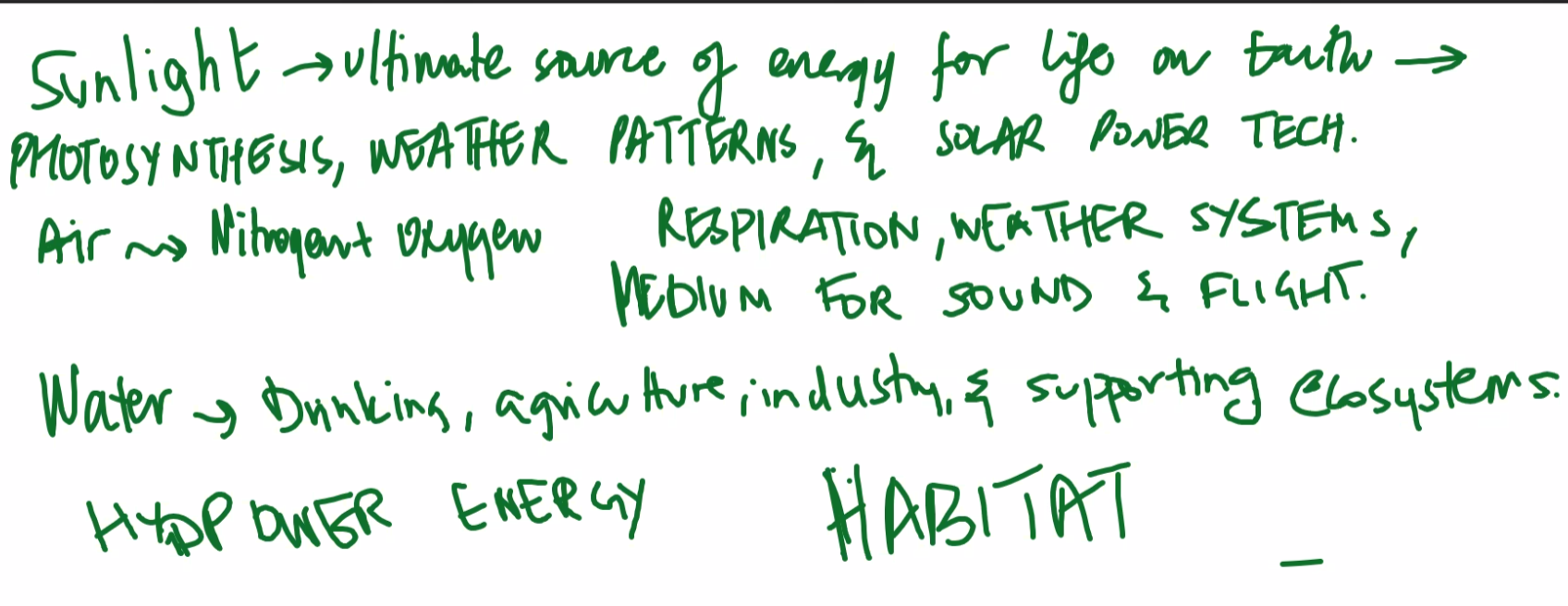
What are the key components, functions, and uses of sunlight, air, and water?
Sunlight: Source of energy for life on Earth; drives photosynthesis, weather patterns, and solar power tech.
Air: Primarily composed of Nitrogen and Oxygen; essential for respiration and weather systems.
Water: Drinking, agriculture, industry, and hydropower energy; vital for supporting ecosystems and serving as a habitat.
Biotic resources
Derived from living things (forests, plants, animals)
Abiotic resources
Derived from nonliving things (sunlight, air, water, land, rocks)
Renewable energy sources
These are sustainable and replenished naturally over short periods. E.g., solar power, hydroelectricity, wind power, etc.
Natural capital
Refers to the stock of natural resources on earth, living systems, and abiotic assets on Earth that provides valuable goods and services to sustain life, support economies, and maintian ecological balance.
Pros and cons of renewable energy sources
Advantages:
- Don't release GHGs or chemicals that can lead to acid rain.
- Won't run out, sustainable.
Disadvantages:
- More expensive than fossil fuels.
- Technologies needed are not available on a global or large scale.
- The locations available for renewable sources are limited and often influenced by politics.
Fossil fuels
Information:
- Formed when dead animals and plants decompose in anoxic conditions, are covered by silt and mud, and are under high temperatures and pressure over thousands of years.
- Humans have used fossil fuels ever since the industrial revolution. Back then, global warming and climate change weren't consdiered, but today the consequences of our extensive use of fossil fuels have forced us to take those into account. Largest use is in MEDCs.
Advantages:
- Cheap.
- Generates large amounts of energy which no renewable source can compete with.
- Oil and gas can easily be transported long distances through pipelines.
Disadvantages:
- Contribute to climate change due to their release of CO2 into the atmosphere which increases global temperatures.
- Unsustainable.
- As the fossil fuels get depleted, they will be more difficult to reach (e.g. deep under the sea) and this is dangerous as well.
- If accidents happen and fossil fuels get out into the environment, e.g. oil spills, they severely affect the species living there and it's hard to clean it up.
Shale gas
A natural gas within tiny openings of shale rock. This is cheap, but has some geopolitical conflicts and requires a lot of water. It is also unclear whether it is 100% environmentally safe.
Hydro-electric power evaluation
- Expensive to build, but once it is constructed they're cheap to maintain.
- Areas can be flooded which leads to habitat destruction, loss of land, and sometimes forcing people to move.
- Can lead to increased erosion.
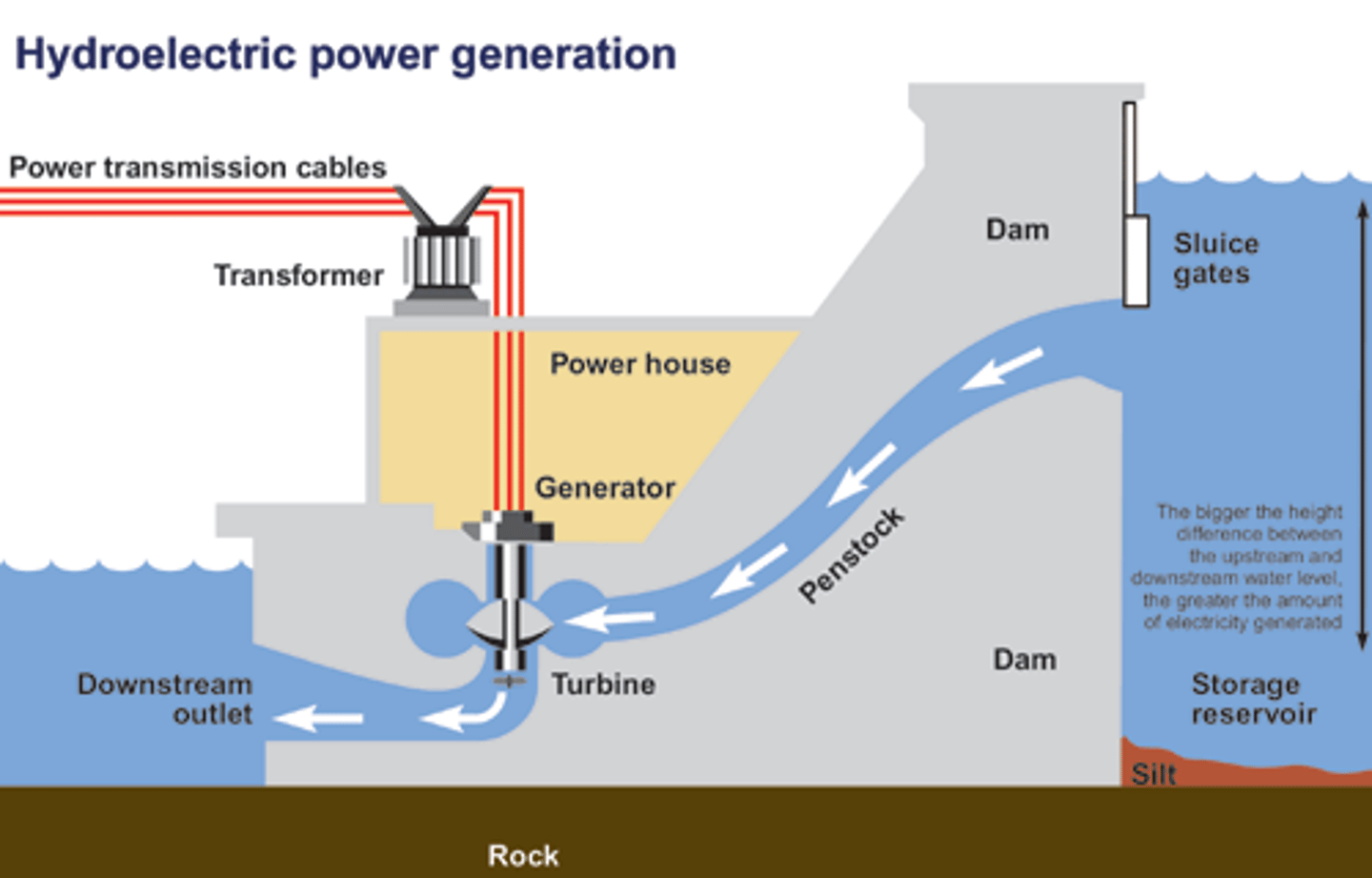
Case study: The Narmada River Dam Project in India
- In India, biomass is a traditional source of energy. A huge proportion of the population relies on local sources of firewood for energy because it is the most readily available source and is inexpensive.
- Technology such as solar-powered stoves is neither available nor affordable. The Indian government, in a drive to develop economically, has sought to harness other sources of cheap energy to stimulate industrial development.
- The government is promoting hydroelectric power, which historically has sometimes been extremely controversial for social and environmental reasons.
- The most controversial dam development in India is the Narmada River Dam Project. Plans were initiated in the 1940s by the country's first prime minister Jawaharlal Nehru. Legal and logistical problems delayed the start of the project until 1979.
- The plan involves the construction of some 3200 dams of varying sizes on the Narmada River.
- The Sardar Sarovar Dam is the biggest dam on the river and its construction has been fiercely opposed. 200000 people could be displaced by the project, and major damage caused to the ecosystems of the region.
- Those in favour of the project say that it will supply water to 30 million people and irrigate crops to feed another 20 million people.
- In October 2000, the Indian Supreme Court gave a go-ahead for the construction of the Sardar Sarovar Dam, saying that the benefits of the project outweigh negative environmental and social impacts.
- In 2014, the Narmada Control Authority approved a series of changes in the final height from 80 m to 163 m in depth.
- The project is expected to be completed by 2025.
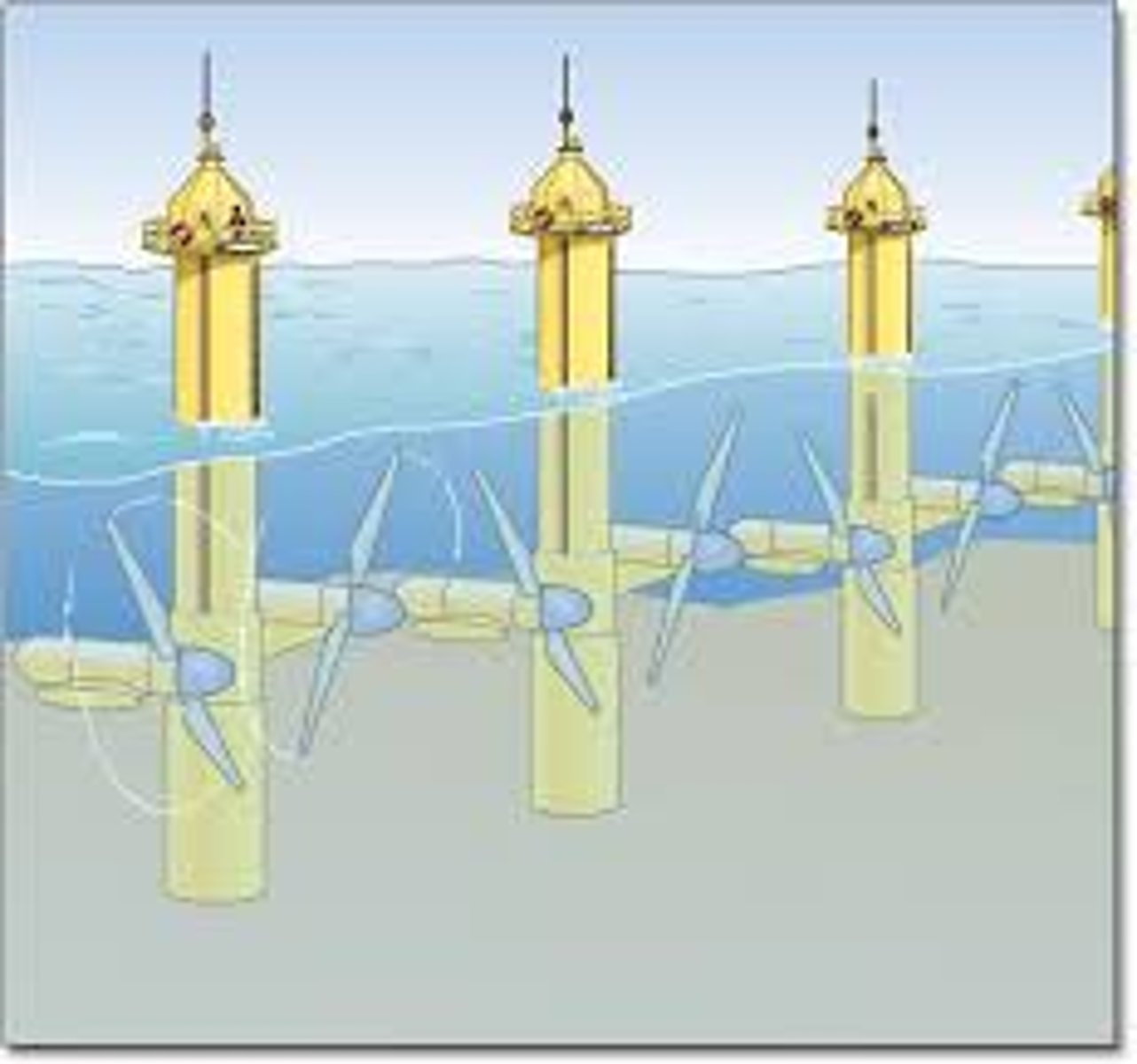
Tidal power
- Generating electricity using the ebbing and flooding of tides which turn around turbines.
- Specific conditions are needed in order to generate a sufficient amount of electricity.
- The turbines can interfere with wildlife.
- They are expensive to construct and set up.
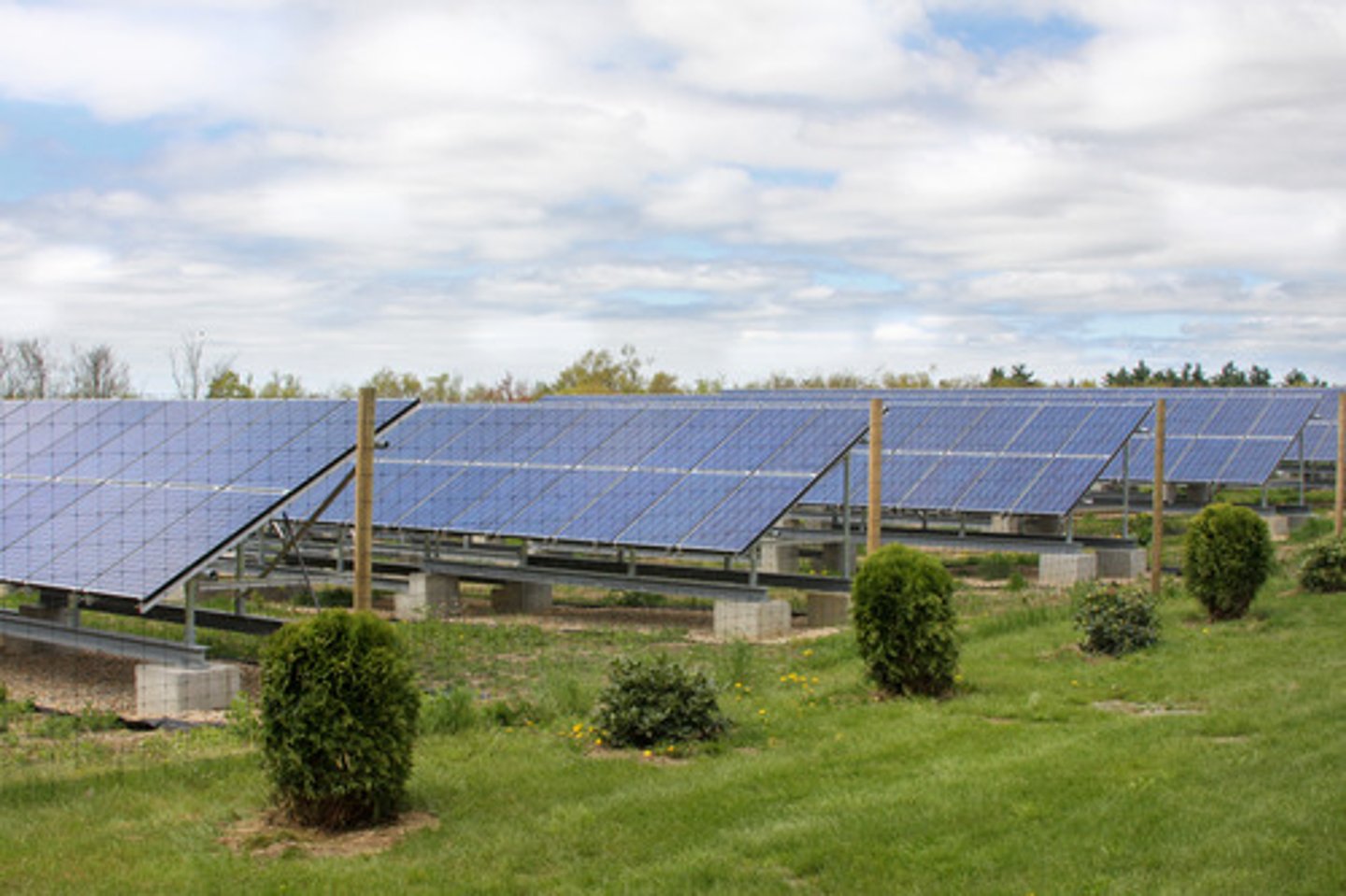
Solar energy
- Very expensive.
- However, just using it for heating homes is actually cheaper than fossil fuels.
- Not useful in Northern countries, especially during winter.
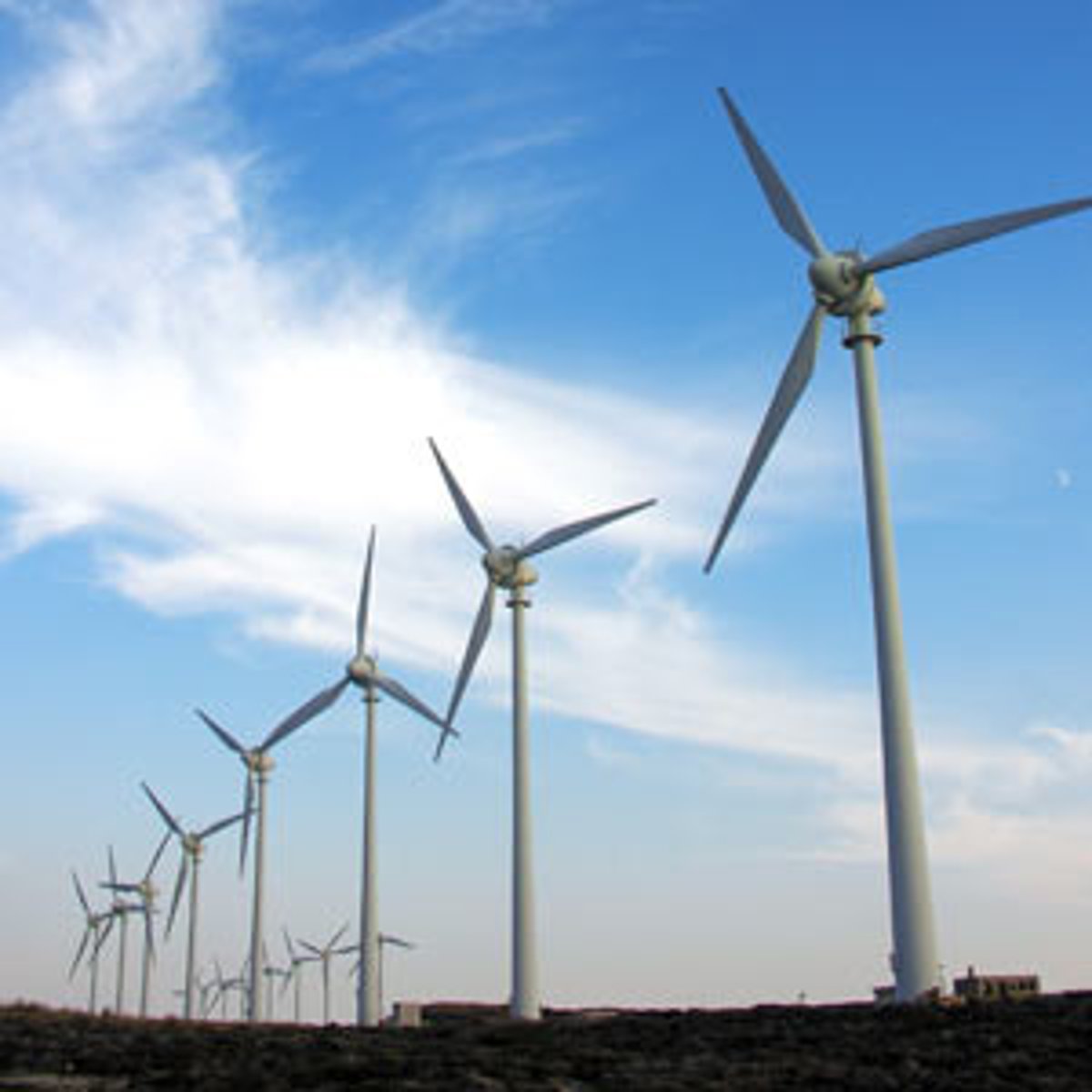
Wind power
- Dependant on wind, if there is none, the turbines won't turn and generate electricity.
- Make a lot of noise.
- Are needed in large amounts to generate sufficient energy.
- Birds fly into the rotor blades.
- Require maintenance.
- Have caused deaths.
Biofuel
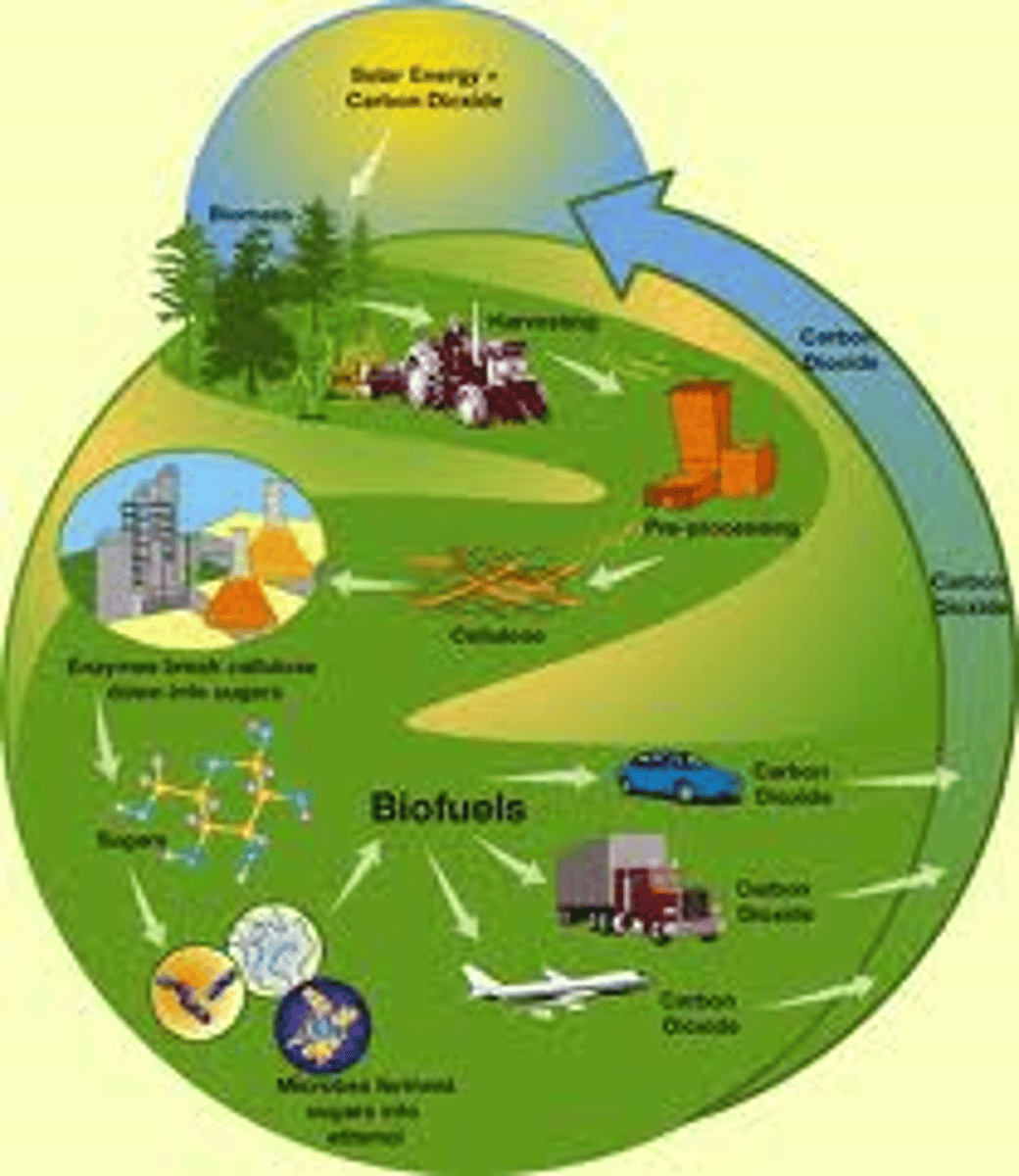
- Burning plants to produce fuel.
- They produce emissions.
- Takes a lot of land to grow biofuel crops on.
- Those crops can lead to less food crops being planted and so the prices can increase and affect people.
Energy from waste
Electricity and heat is produced when general waste is safely burned at high temperatures and under carefully controlled conditions. However, burning increases GHG levels in the atmosphere.
Geothermal energy
Energy derived from the heat in the Earth's ground. Water is pumped there, then heated, and then brought back up to a household. The deeper the pipes are, the warmer the water will be.
Nuclear energy
Advantages:
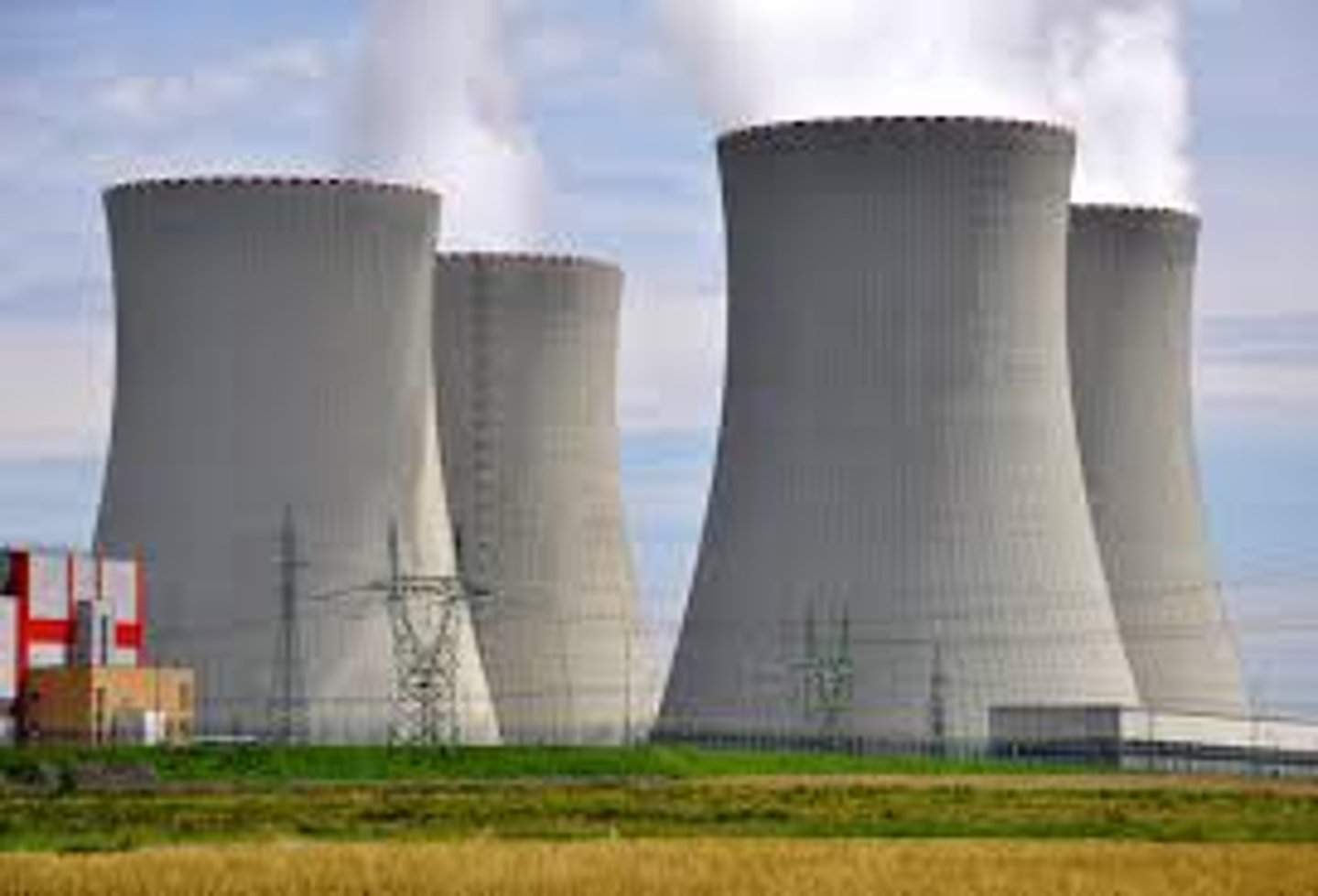
- Doesn't contribute to global warming at all.
- The technology is available.
- One plant generates immense amounts of energy.
- It is very efficient, especially when compared to fossil fuels.
Disadvantages:
- The radioactive waste that is produced is very dangerous and has to be carefully taken care of. It cannot be disposed of, so it has to be stored deep underground in special chambers for thousands of years. This is a risk.
- If there are leaks and the radioactive waste gets out, the radiation can lead to cancer, miscarriages, and burns. Such disasters have occurred in the past, e.g. Fukushima and Chernobyl.
- Nuclear power plants rely on uranium, and that is a non-renewable resource that is expected to run out in 30-60 years.
- Planning and building a new power plant can take 20-30 years.
Energy security
A country's ability to secure all its energy needs. The opposite is energy insecurity and this can be caused by geopolitical tension.
Potential conflicts over oil
- The Middle East controls about 60% of the world's oil. Saudia Arabia alone has 20% of that.
- In contrast, USA posseses < 2% of all oil, yet consumes over 200 million oil barrels per day. They therefore import a lot of oil, mainly from the Middle East.
- Other countries' reliance on the Middle East gives them economic and political advantages - countries that want their oil will have to stay on friendly terms with the suppliers.
Case study: The scamble for the Arctic
- Another potential conflict is over the oil and gas reserves in the Arctic Ocean.
- Scientists believe rising temperatures could leave most of the Arctic ice free in summer months in a few decades' time. This would improve drilling access.
- Denmark is trying to prove that a detached part of the underwater Lomonosov Ridge is an extension of Greenland, which is Danish territory.
- Russia has staked a claim by sending a submarine to plant a flag some 4 km below the North Pole.
- In 2008 Canada, Denmark, Norway, Russia, and the US met in Greenland to discuss how to divide up the resources of the Arctic Ocean.
- According to the US Geographical Survey, the Arctic could hold 1/4 of the world's undiscovered gas and oil reserves. This amounts to 90 billion barrels of oil and vast amounts of natural gas. Nearly 85% of these deposits, they believe, are offshore.
- The five countries are racing to establish the limits of their territory, stretching far beyond their land borders.
- Environmental groups have criticized the scramble for the Arctic, saying it will damage unique animal habitats, and have called for a treaty similar to that regulating the Antarctic, which bans military activity and mineral mining.
- Under the 1982 UN Law of the Sea Convention, coastal states own the seabed beyond existing 370 km zones if it is part of a continental shelf of shallower waters. While the rules aim to fix shelves' outer limits on a clear geological basis, they have created a tangle of overlapping Arctic claims.
Factors that affect choice of energy generation
- The availability and reliability of the supply. E.g. Sweden has a high potentiality for hydroelectricity, but not for solar power.
- Sustainability of supply. Oil is predicted to only by available for 40 more years and coal for 140.
- Scientific and technological development.
- Politics.
- Economic aspects.
- Cultural attitudes.
- Environmental factors. Certain places are better suited for certain energy generation sources. E.g. Middle East for solar power.
Energy conservation methods
Energy conservation is the quickest, most effective and cost-effective way of reducing GHG emissions. It also reduces the use of scarce resources.
- Efficiency can be achieved by having smart meters and enchanced environmental standards.
- Reducing energy use and emissions of CO2.
- Reducing waste.
- Improving thermal efficiency of walls and windows in buildings.
- Reducing heat loss between inner and outer walls.
- Creating energy-efficient domestic appliances.
- Increase amount of incoming sunlight in buildings by having large windows.
Case study: BedZED
- Beddington Zero Energy Development (BedZED) is an environmentally friendly housing development near Wallington, in the London Borough of Sutton.
- The 99 homes, and 1405 m2 of work space were built in 2000-02.
- Because of BedZED's low energy-emission concept, cars are discouraged; the project encourages public transport, cycling, and walking, and has limited parking space.
- It is close to the tramline that runs between Croydon and Wimbledon.
- Monitoring conducted in 2003 found that BedZED had achieved these reductions in comparison to UK averages:
● heating requirements were 88 per cent less
● hot-water consumption was by 57 per cent less
● electric power usage was 25 per cent less (and 11 per cent of the
power used was produced by solar panels)
● car mileage of residents was 65 per cent less.
BedZED has achieved this through a combination of:
● a zero energy import policy - renewable energy is generated on site by 777 m² of solar panels; tree waste is also used
● energy efficiency - houses face south, are triple glazed, and have high thermal insulation
● water efficiency - most rain water falling on the site is collected and reused
● low-impact materials - building materials were selected from renewable or recycled sources within 35 miles of the site, to minimize the energy required for transportation
● waste recycling
● encouraging eco-friendly transport - public transport, car-sharing, cycling
Climate
Describes how the atmosphere behaves over fairly long periods of time. It includes variables such as temperature, rainfall, winds, humidity, cloud cover, and pressure.
Weather
The state of the atmosphere at any particular moment in time. The same variables as for climate are considered.
Specific heat capacity
The energy required to raise the temperature of 1 g of a substance by 1 C. It takes more energy to heat up water compared to land. However, water loses heat slower than land.
Surface ocean currents
Currents caused by winds pushing along the surface of the ocean. These can affect temperature, e.g. warm currents can increase temperatures in cold areas.
Pressure variations in weather
Decline in pressures indicates wetter weathers and an increase means drier.
GHGs and human activity
Humans do things like:
- burn fossil fuels.
- cut down trees.
- raise cattle in large amounts.
These cause:
- increase in global temperatures.
- increase in frequency and intensity of extreme weather events.
- the potential for long-term change in climate and weather patterns.
- rise in sea levels.
% GHGs in USA
- 55% CO2 from fossil fuels and cement.
- 19% CO2 from deforestation.
- 16% methane from agriculture and landfill.
- 9% nitrous oxide from fertilizer.
- 1% high GWP gases (CFCs, HFCs, and PFCs).
Consequences of global warming
40% of all species are predicted to become extinct if global temperatures increase by 2 C.
If temps increase with 2 C, 200 million more people could suffer from hunger. If 3 C, then 550 million.
Polar ice caps and glaciers will melt.
Increase in sea levels will cause flooding.
Change in biome distribution and species composition due to migration.
Severe water shortages and possible conflicts.
Land will have to be relocated.
Increased risks for diseases like malaria.
More extreme and unpredictable climates and weathers (e.g. hurricanes).
Agriculture will suffer from drought and flooding.
Tourism will be affected. E.g. resorts may have to shut down due to lack of water resources and winter resorts could potentially not have any snow.
Reduction in biodiversity due to the species trying to adapt.
Very acidic oceans.
Positive feedback and global warming
- If the polar caps melt, there will be less ice and albedo. This means that less sunlight will be reflected of the surface of Earth and it will instead be absorbed. This increases temperatures.
- There is methane in rotting vegetation that is trapped under permafrost. If it melts, the GHG will be released into the atmosphere. This also increases global temps.
- Tropical deforestation leads to a drier and warmer environment which in turn leads to a decline in rainforest.
Negative feedback and global warming
- Increased evaporation in low latitudes due to higher precipitation will lead to increased snowfall on the polar ice caps, reducing the global temperature.
- Increase of CO2 in the atmosphere leads to a larger plant growth as more photosynthesis occurs. This reduces CO2 levels.
Anti-manmade global warming arguments
There are people today that question whether global warming really exists and whether or not current changes on Earth are normal variations in this planet's climate. Here are some of their arguments:
- GHGs enter the atmosphere naturally through volcanic activity, animals releasing methane, and sunspot activity.
- Earth's tilt and variation in orbit leads to seasonal and regional changes in temps.
- Albedo changes due to different cloud covers.
- Ocean currents affect warming and cooling.
- Bush fires release CO2 into the atmosphere.
Al Gore on global warming
A former US Vice president who won the Nobel Peace Prize in 2007 because he raised awareness about climate change and debunked arguments about it not being humans' fault. He wrote a book called An Inconvenient Truth which was also made into a movie.
Bjorn Lomborg on global warming
Quite opposite to Al Gore, this man wrote a book where he said that problems like global warming, over-population, and biodiversity losses lack statistical analysis. He argues that such problems are often localized and related to poverty instead of being global.
He agrees that humans contribute to global warming and states that politics and policies are responsible for it. He thinks that a global cost-benefit analysis should be done before deciding how to deal with global warming.
The Stern Report
A report by Sir Nicholas Stern that was comissioned by the UK government and it analysed the financial implications of climate change. It had a simple message, namely that:
- climate change is fundamentally altering the planet.
- the risks of inaction are high.
- time is running out.
A few of the report's main points are:
- CO2 emissions have already increased the global mean temperature by 0.5 C.
- if we don't do anything and continue like we do today, temperatures will raise by 2-3 C within 50 years.
- poor countries will suffer first and the most.
- actions should include carbon taxes, new tech, and robust international agreements.
Complexity of climate change
- It's a large scale issue including atmosphere, water, and land.
- The interactions between those three factors are many and varied.
- There are both natural and anthropogenic aspects to consider.
- Not all feedback mechanisms are fully understood and studied.
- Many of the consequences are long-term and have not yet occurred.
Mitigation
Reducing and/or stabilizing emissions, as well as removing them from the atmosphere/water/land.
Main strategies for mitigating GHGs:
- reducing energy consumption.
- reducing emissions of nitrogen oxides and methane from agriculture.
- using alternatives to fossil fuels.
- geoengineering.
Adaptation
When one attempts to live with the consequences of climate change. E.g. protecting cities from storm surges and protecting crops from high temperatures and droughts. Adaptation strategies are at this point necessary to have together with mitigation. One is not strong enough on its own.
National and international mitigation strategies to prevent increases in global temperatures
- Controlling the amount of atmospheric pollution.
- Reducing atmospheric pollution.
- Stopping forest clearance.
- Increasing forest cover.
- Developing alternative renewable energy sources.
- Improving public transport.
- Setting national limits on CO2 emissions.
- Developing CO2 capture methods.
- Recycling programs.
Ways that individuals can mitigate increases in global temperatures
- Grow your own food.
- Eat locally produced foods.
- Use energy-efficient products rather than tradtional ones.
- Reduce your heating and insulate your home instead.
- Unplug standby appliances when not in use.
- Turn off lights.
- Reduce use of ACs and fridges.
- Use a manual lawnmover instead of an electric or diesel one.
- Turn off taps.
- Take a shower rather than a bath.
- Walk more.
- Bike more.
- Use public transport more.
- Use biofuels.
- Eat lower down the food chain.
- Buy organic food.
- Get involved in local political actions.
Decarbonization
A large reduction of CO2 per value of gross world product. Can be done through energy efficiency, reducing emissions of CO2 per mega-watt hour of electricity generated, and fuel shifting.
Geoengineering
Using aerosol particles in the air to dim the incoming sunlight and thereby cool the planet in order to offset the warming effects of CO2. Another idea is to place giant mirrors in space to reflect some incoming solar radiation. These are pretty radical and pehaps unworkable ideas.
CO2 removal (CDR) techniques
A mitigation strategy including:
- protecting and enhancing carbon sinks through land management, e.g. UN-REDD).
- using biomass as fuel source.
- using carbon capture and storage.
- enhancing CO2 absorption by the oceans through either fertilizing oceans with nitrogen, phosphorus, iron to encourage the biological pump, or increasing upwellings to release nutrients to the surface.
UN-REDD Programme
- Short for the United Nations Initiative on Reducing Emission from Deforestation and Forest Degradation.
- Focuses on LEDCs.
- Launced in 2008.
- Collaborates with e.g. UNDP.
- This program was initiated because deforestation and forest degradation make up about 17% of all GHGs (in 2007).
- It supports 50+ countries by directly and indirectly supporting them through various actions.
- REDD stresses the role of conservation, the sustainable management of forests, and the increase of forest carbon stocks.
- In 2014, the total funding had reached $200 million, with Norway being the leading donor country.
Carbon capture and sequestration (CSS)
- The process of removing carbon from fuel combustion emissions or other sources and storing it to prevent its release into the atmosphere.
- This can be done either by capturing and storing the CO2 as it is produced, or by allowing the CO2 to enter the atmosphere but then remove it by using certain removal processes and chemicals.
- The two main issues with this are the various costs and that the CO2 will have to be stored which takes up a lot of space.
Enchancing CO2 absorption in oceans
Adding iron, nitrogen, and phosphorus triggers algal blooms. These algae absorb CO₂ and trap it on the ocean floor when they sink, while the added nutrients boost food production.
Whales feed in the deep ocean and defecate at the surface, bringing iron upward. This iron fuels algae growth, which absorbs CO₂.
Deep-sea organic decomposition in low-oxygen environments releases methane, which offsets the cooling effect of carbon capture.
Case study: The Thames Barrier in London
- A giant barrier on river Thames that protects it from severe flooding.
- Before its construction in 1982, 116km2 were at risk.
- Without flood defences, 420 000 homes would be at risk of flooding.
- The chances of flooding are predicted to increase as sea levels rise.
- Thanks to the Thames barrier, the probability of London flooding is very low.
- However, by 2030 its protection will decline unless improvements are made.
- If the barrier closes more frequently and over long periods of time, shipping will be disrupted.
Carbon taxes
- A tax on fossil fuels (especially coal and gasoline) based on a person's emissions of CO2 and other air pollutants.
- This would raise the costs of coal, oil, and gas compared to wind and solar energy.
- Some countries have introduced certain taxes to encourage producers to reduce emissions of CO2. These taxes are effective nationally, but would benefit if they were applied internationally as well.
Carbon trading
- An attempt to create a market in which permits issued by governments to emit CO2 can be traded.
- Governments set targets for the amount of CO2 that can be emitted by industries and they are divided between individual plans and companies. Plants that exceed the limit are forced to buy permits from others if they wish to continue.
- This system works by putting a limit on the total allowed amount of emissions.
Carbon offset schemes
- Schemes designed to neutralize the effects of CO2 that human activities produce by investing in projects that cut emissions elsewhere.
- Offset companies usually buy carbon credits from projects that plant or encourage a switch from fossil fuels to renewable energy.
- They then sell those credits to companies and individuals who want to go 'carbon neutral.'
United Nations Framework Convention on Climate Change (UNFCCC)
- It encouraged MEDCs to lead the way in climage change mitigation because they had the tech, they were better at handling the costs of low-carbon energy, they have cause disproportiante amounts of historic CO2, and LEDCs require more time to develop their economies.
- This was adopted in 1992 by the world's governments. However, it hasn't been very effective throughout the years.
The Kyoto Protocol
- In 1997, at an international and intergovernmental meeting in Kyoto, Japan, 183 countries signed up to an agreement that called for the stabilization of GHG emissions at safe levels that would avoid serious climate change.
- It aimed to cut GHG emissions by 5% of their 1990 levels by 2012.
- It is currently the only legally binding international agreement that seeks to tackle the challenges of global warming.
- Came into force in 2005 and had an expiry date in 2012, but it was extended.
- Countries within it were allocated amounts of CO2 that they were allowed to emit. The agreement also encourages avoiding fossil fuels and using alternative energy sources.
- This agreement mainly targets MEDCs, but in the future it's important that LEDCs are involved as well as they are predicted to be increasigly responsible for GHG emissions.
The Paris Agreement
- In 2014, politicians met in Lima, Peru to finalize a draft for the 2015 Paris Agreement in which it's hoped that the world's leaders will be able to sign a binding agreement on climate change.
- Obama was keen to cut CO2 emissions by 26-28% of 2005 levels by 2025. But then Trump came and left the agreement.
- China's president offered a time-scale for peak emissions by 2030.
- The EU agreed to a 40% cut in GHG emissions by 2030 compared to 1990.
- Even though this sounds great and all, huge countries like China, Brazil, India, and Russia haven't obliged to cut their emissions which is highly problematic.
The Intergovernmental Panel on Climate Change (IPCC)
- The international body for assessing the science related to climate change. It provides a scientific basis for governments to develop climate-related politics.
- It was set up by the WMO and UNEP to provide policymakers with regular assessments of climate change, its impacts, and future risks.
- The report basically states that:
- it's economically affordable.
- carbon emissions will eventually have to fall to 0.
- global poverty can only be reduced by halting global warming.
- carbon emissions (mainly from burning of fossil fuels) are currently rising to record levels.
- The IPCC thinks CCS is very important and a key to decrease CO2 emissions. They also think that changing to plant based diets can have a role in cutting emissions.
National Adaptation Programmes of Action (NAPAs)
- A list of ranked priority adaptation activities and projects. NAPAs focus on urgent and immediate needs, those for which further delay could increase vulnerability or lead to increased costs at a later stage.
- Here are the steps taken by NAPAs:
- syntesizing available information.
- assessing vulnerability to current climate and extreme events.
- identifying key adaptation measures as well as criteria for prioritizing activities.
- selecting a list of prioritized activities.
- By 2008, the UNFCCC had received NAPAs from 39 developing countries.
What is land?
Soils, rocks and minerals, and is used for agriculture, manufracturing, tech, urban development, and a base for ecosystems.
What do ecosystems and living things provide?
Forests, oceans, and other ecosystems provide food, oxygen, and a variety of resources like timber, fish, and medicinal plants.
Renewable natural capital
Resources that can be regenerated naturally over time like forests, fisheries, and freshwater systems
Non-renewable natural capital
Resources that exist in finite quantities and are not replenished on a human timescale like fossil fuels and minerals
Replenishable natural capital
Resources that are immediate between renewable and non-renewable as in they are replaceable but take a long time to regenerate (groundwater).
What is an example of renewable natural capital?
Chattahoochee National Forest (Georgia): timber, recreational opportunities, and habitat for wildlife.
Crucial to water regulation, air purification, and is a resource for local communities and ecosystems.