EXAM 2: Eukaryotes 2 (phylogenies, protosome, deutrosome)
 Call Kai
 Learn
Learn Practice Test
 Spaced Repetition
 Match
Match Flashcards
 Knowt Play
1/30

There's no tags or description
Looks like no tags are added yet.
Name | Mastery | Learn | Test | Matching | Spaced | Call with Kai | Chat |
|---|
No analytics yet
Send a link to your students to track their progress
31 Terms
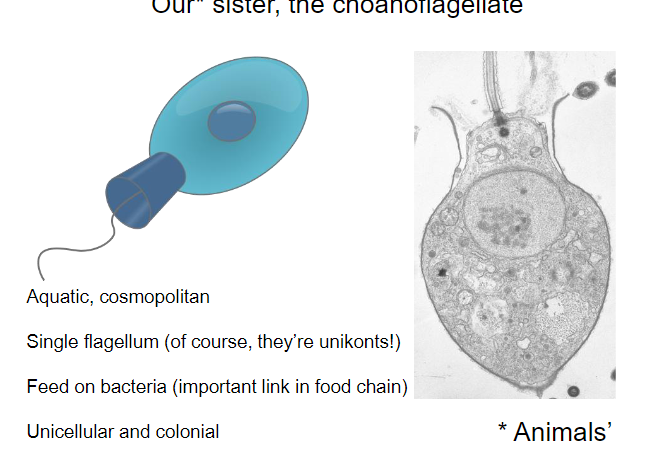
our sister-choanoflagellate
aquatic, somopolitican
single flagellum (unikonts)
feed on bacteria (important in food chain)
unicellular/colonial
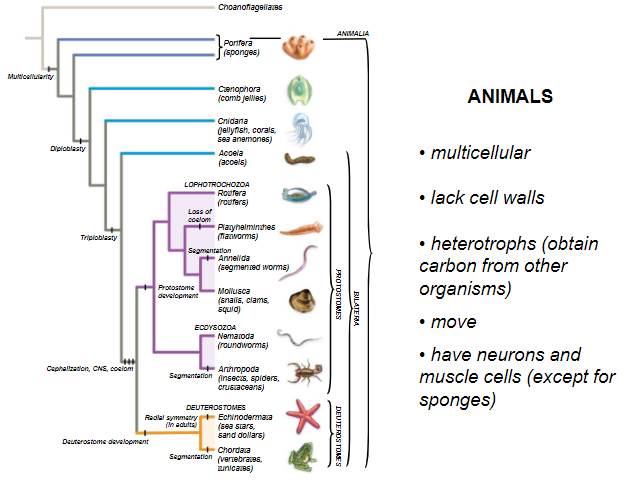
Animals
mulicellular
lack cell walls
heterotrophs
move
have neurons and muscle cell (except for sponges)
Sponges (porifera)
aquatic
feed passively with pores
sessile
Jellies
aquatic carnvorous
diploblasts
cnidarians sting
ctenophores don’t
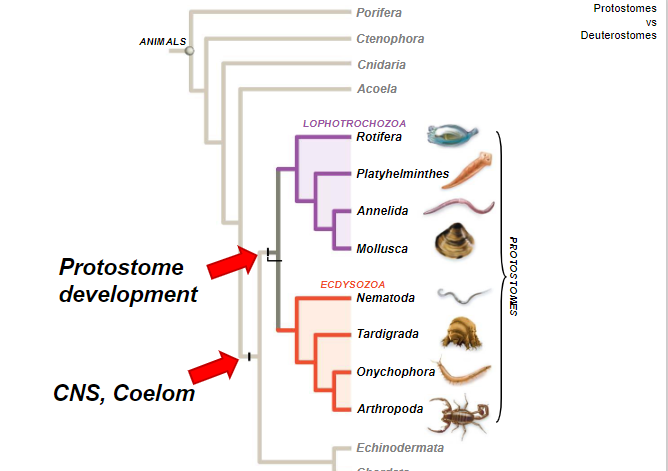
protosome development, cns coelem
example.
Diploblast= endoderm and ectoderm
stages
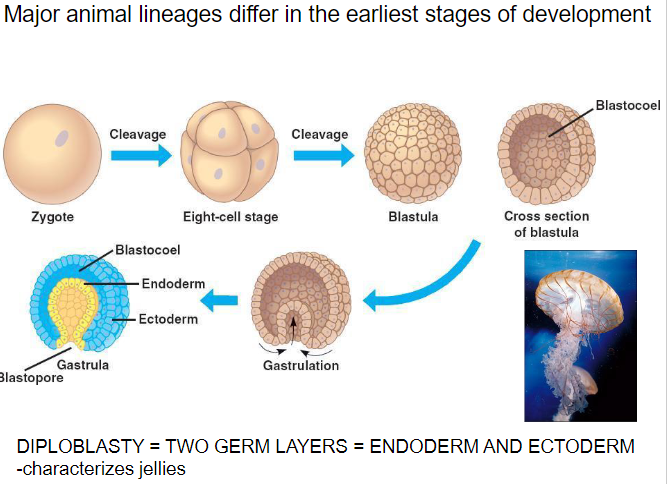
Tripoblasty (more common)
answer
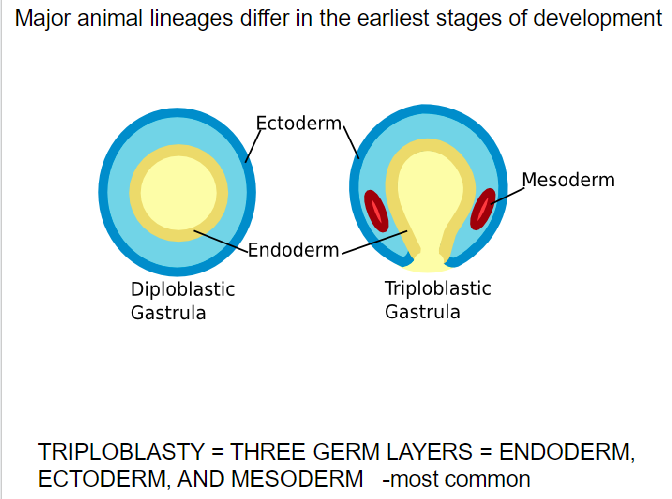
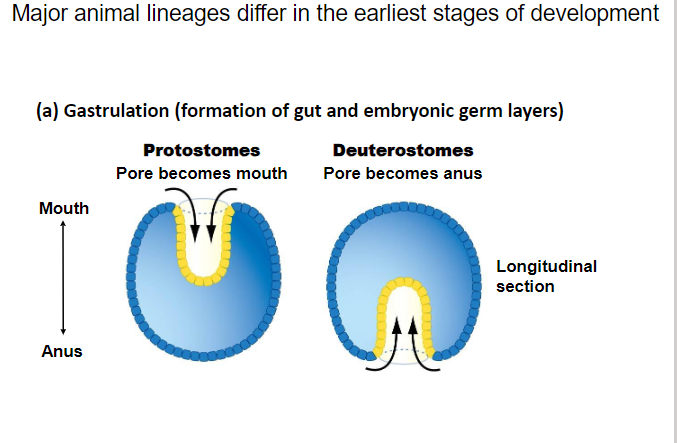
Protosome and deutereostome (difference in gastrulation)
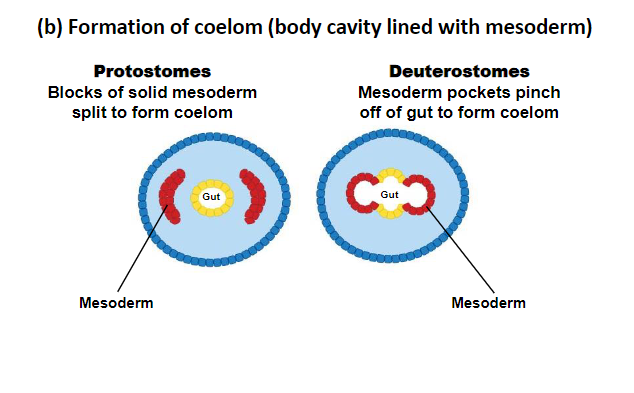
Protosome and deutrosome (difference in coelem formation)
Mesoderm, one solid and D= pinches
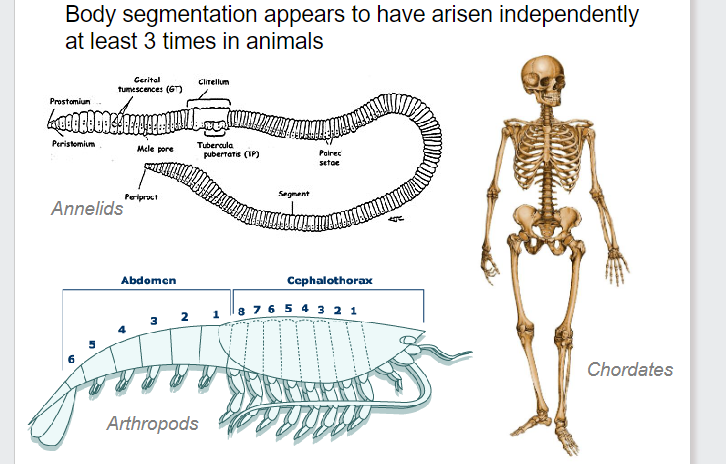
Body segmentation apprears in
Annelids, Chordates, Arthropods
Protosome: Lophotrozoncoan
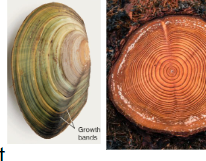
grow and grow
feeding culture
trophochor larvae (cilia midband)
Both present in development
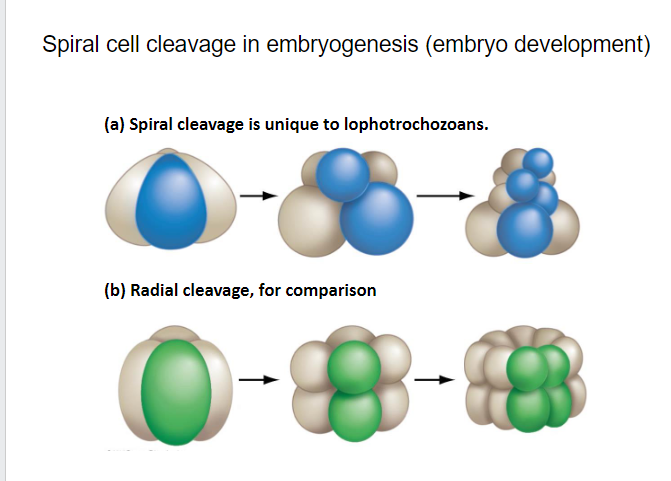
Spiral cell cleavage in embryogeneneis (embryo) only in lophochozonas
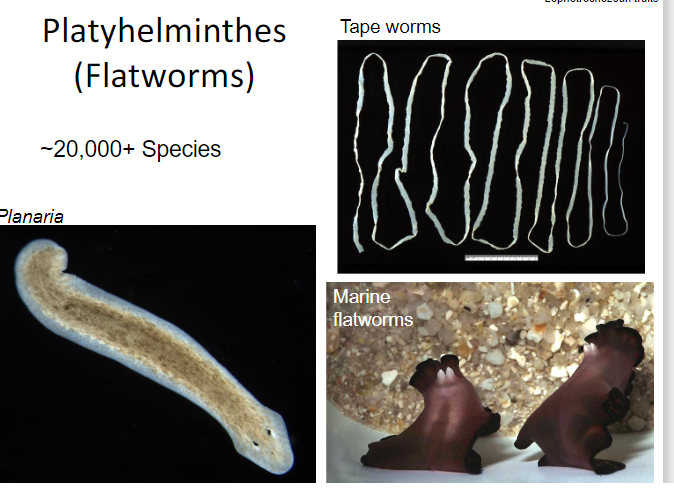
Platyhelminthes (flatworms)
Annelids
Leech, worms, polychaetes (kataaa)
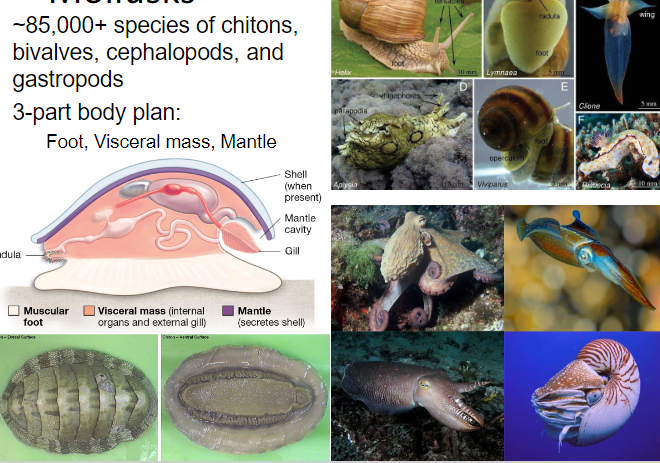
Mollusks
(bivalves, cephalopods, and gastropods)
Water to land transition
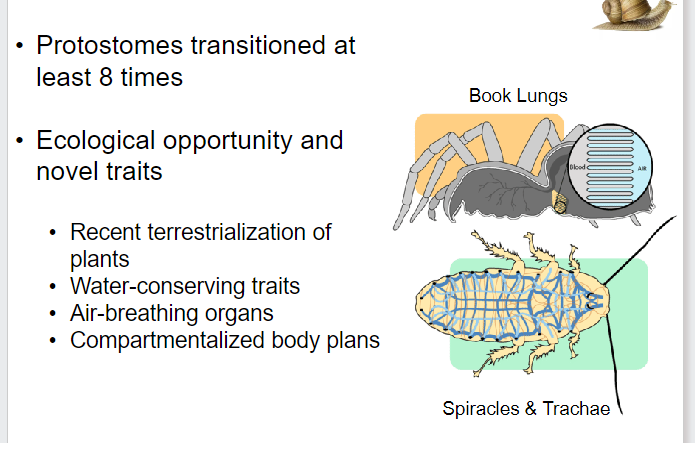
stuff
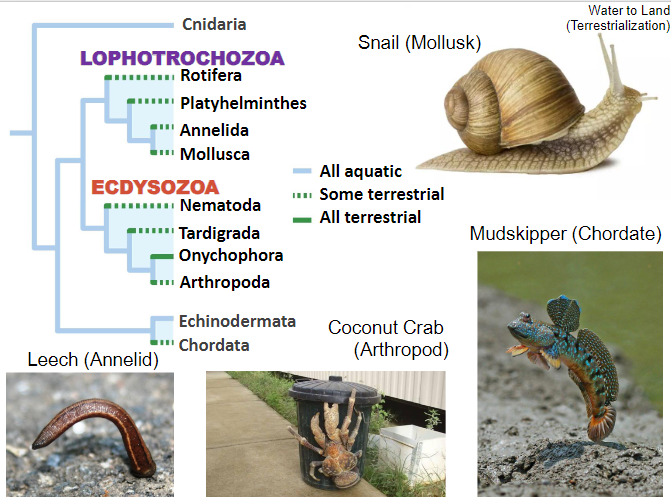
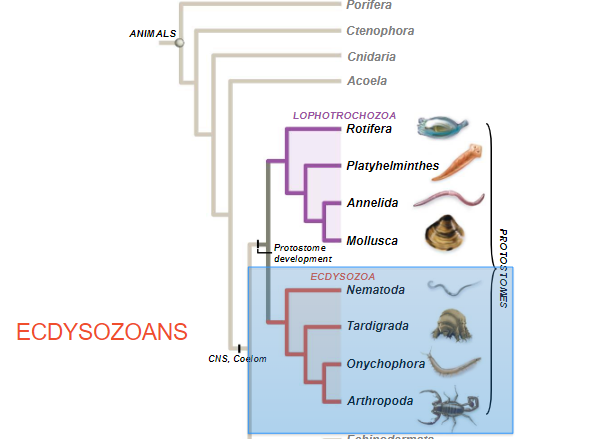
Ecdysozonas
molting, nematod and artropods
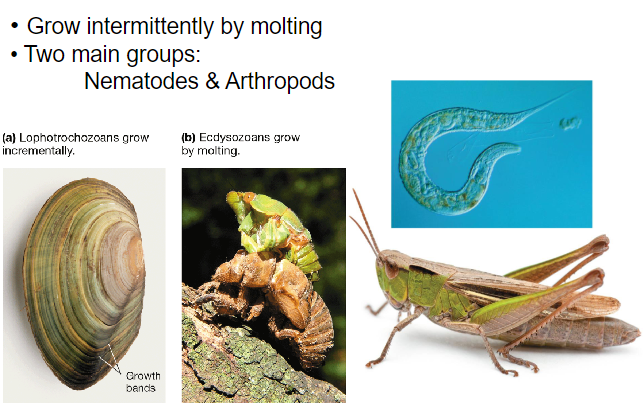
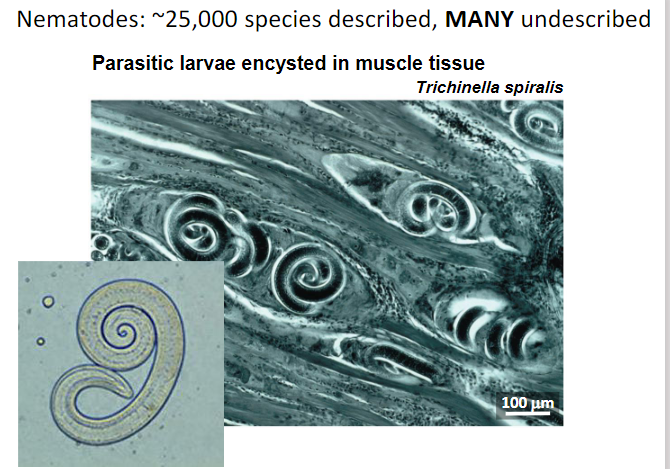
Nematod
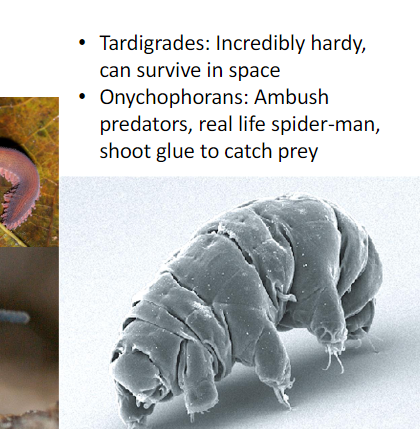
Tardigrades and Onychophorans
the cute looking shi
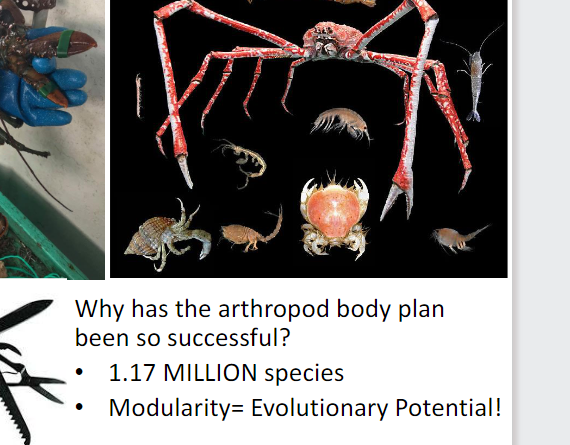
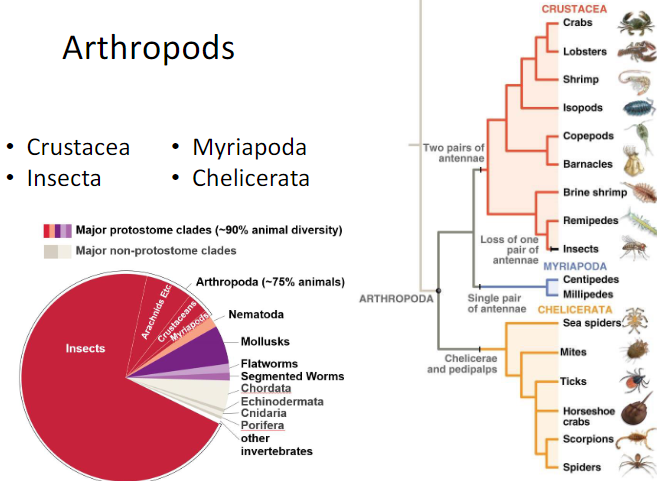
arthropods
Modularity?
Selection occur independley based on seperate segments
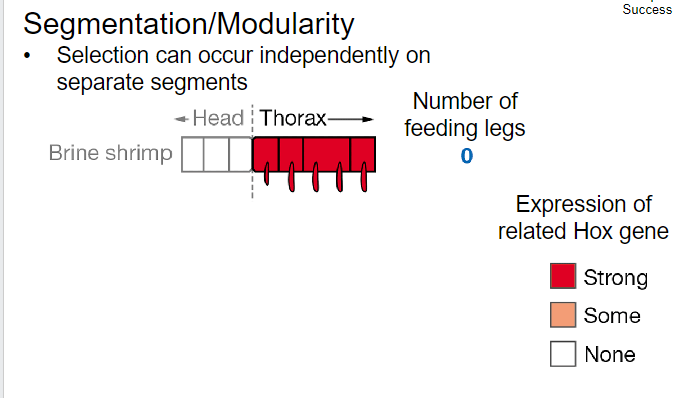
Protosome- Ecdysozoan- arthropod
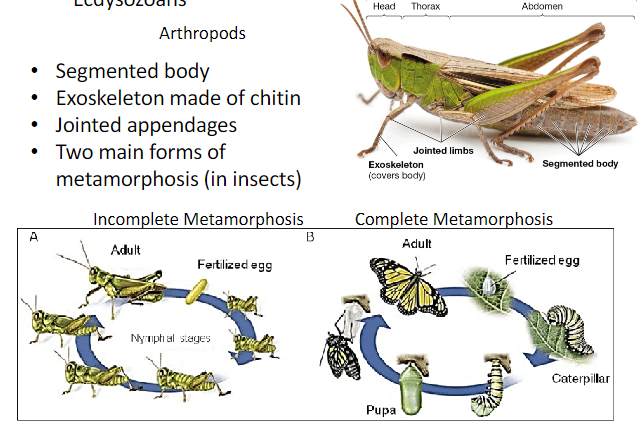
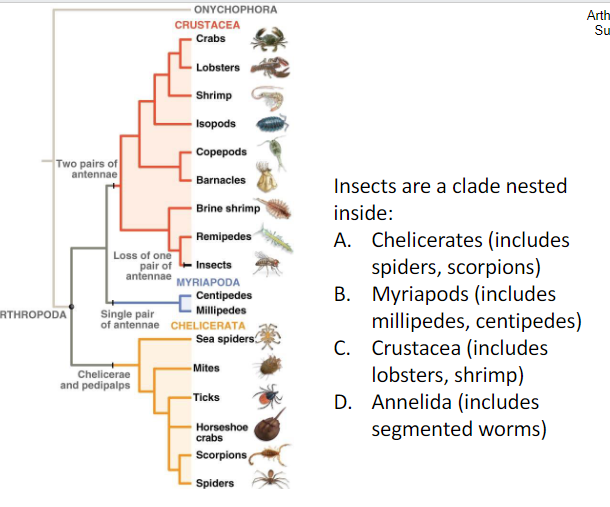
C (lose of one pair of antenna)
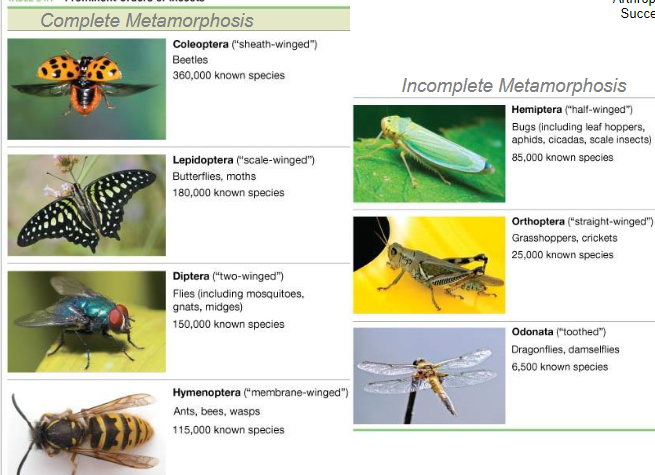
complete vs incomplete metamorphosis
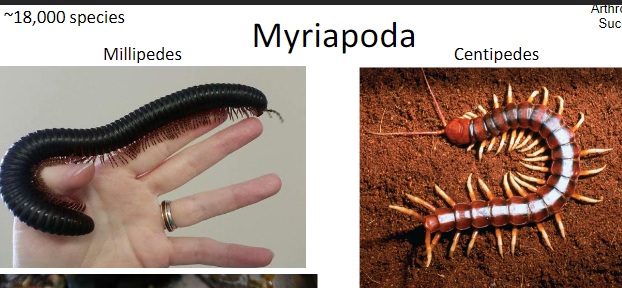
Myriapoda
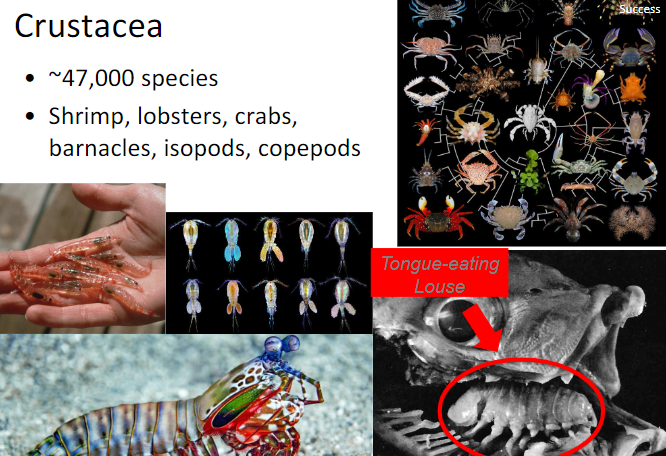
Crustacea
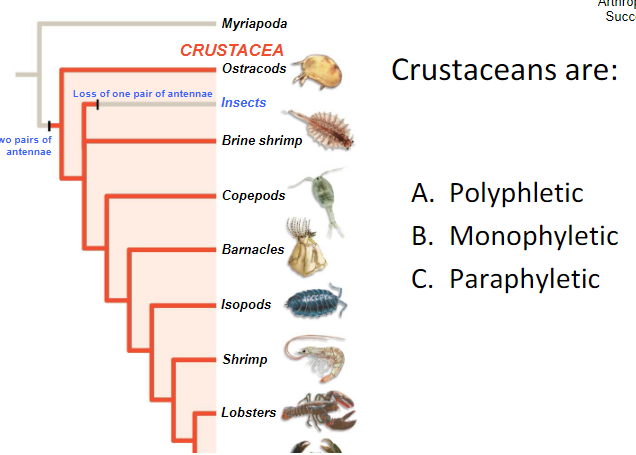
C
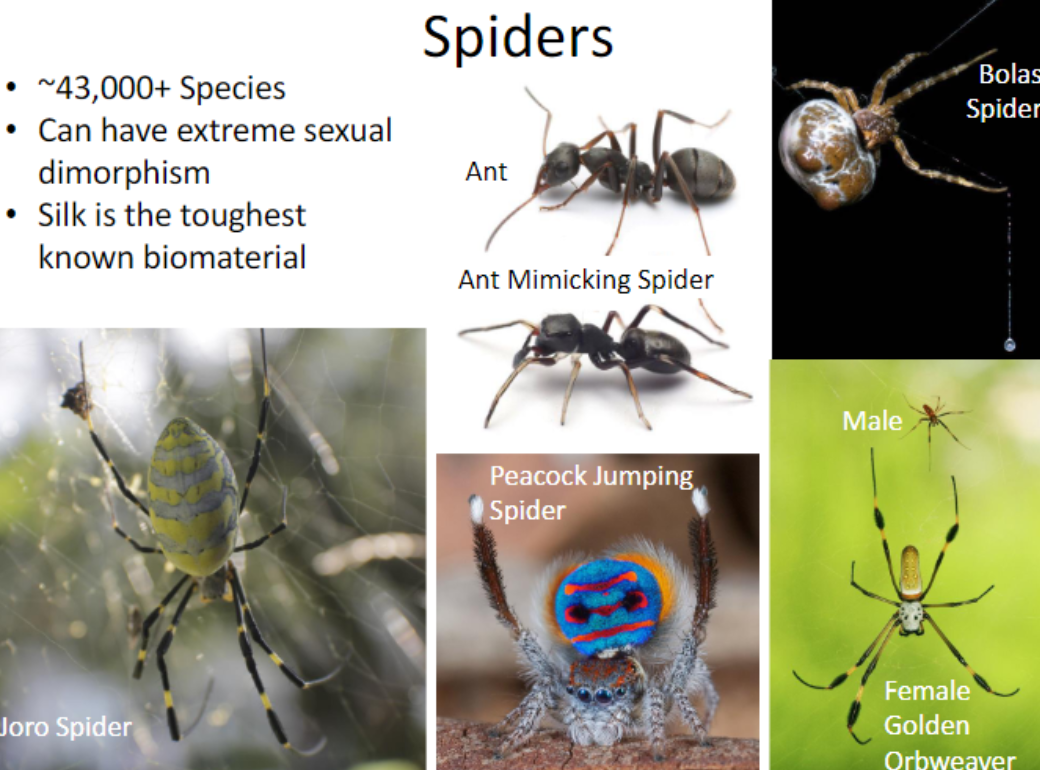
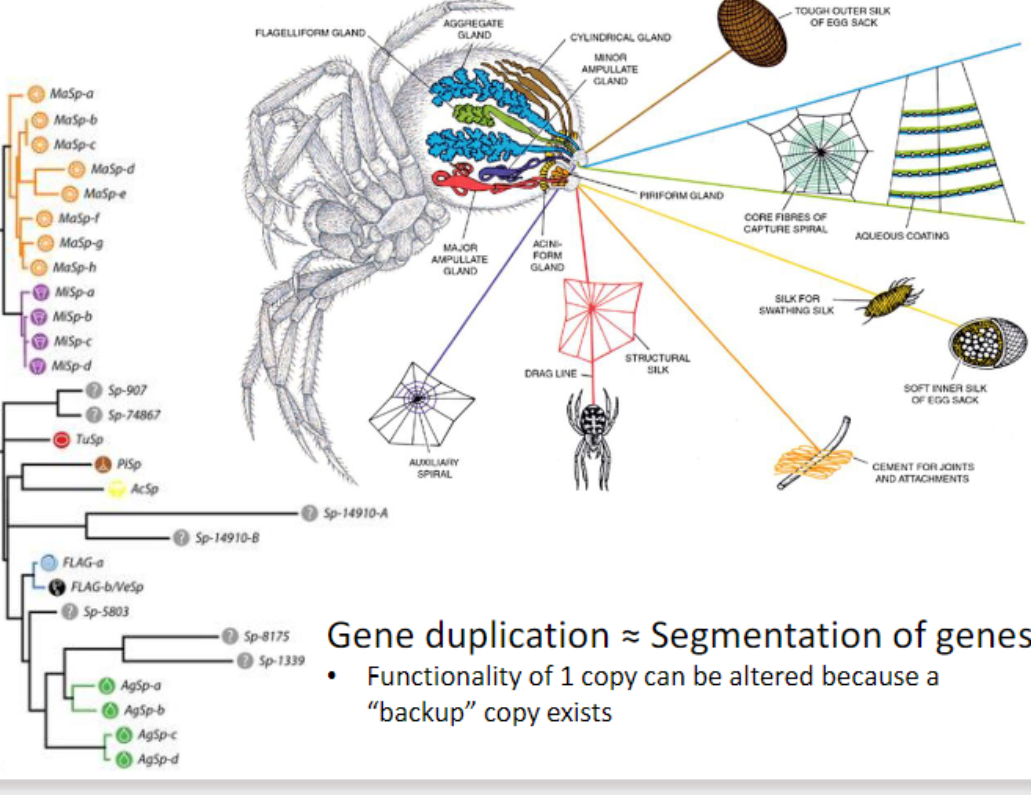
Spiders
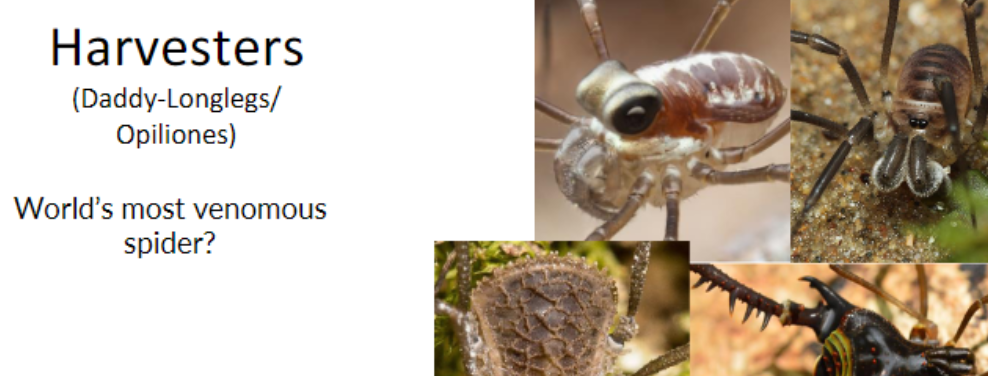
Harvester
Daddy long legs not venomous
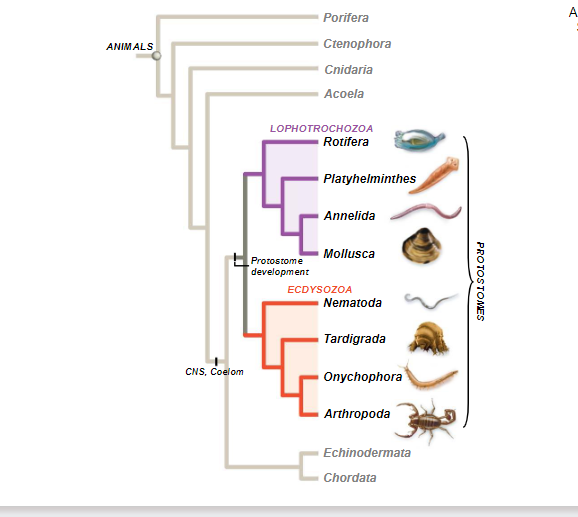
We are most closely related to…
C! Sea urchin: echinodermata