History of Microbiology
 Call Kai
 Learn
Learn Practice Test
 Spaced Repetition
 Match
Match Flashcards
 Knowt Play
1/31

There's no tags or description
Looks like no tags are added yet.
Name | Mastery | Learn | Test | Matching | Spaced | Call with Kai |
|---|
No analytics yet
Send a link to your students to track their progress
32 Terms
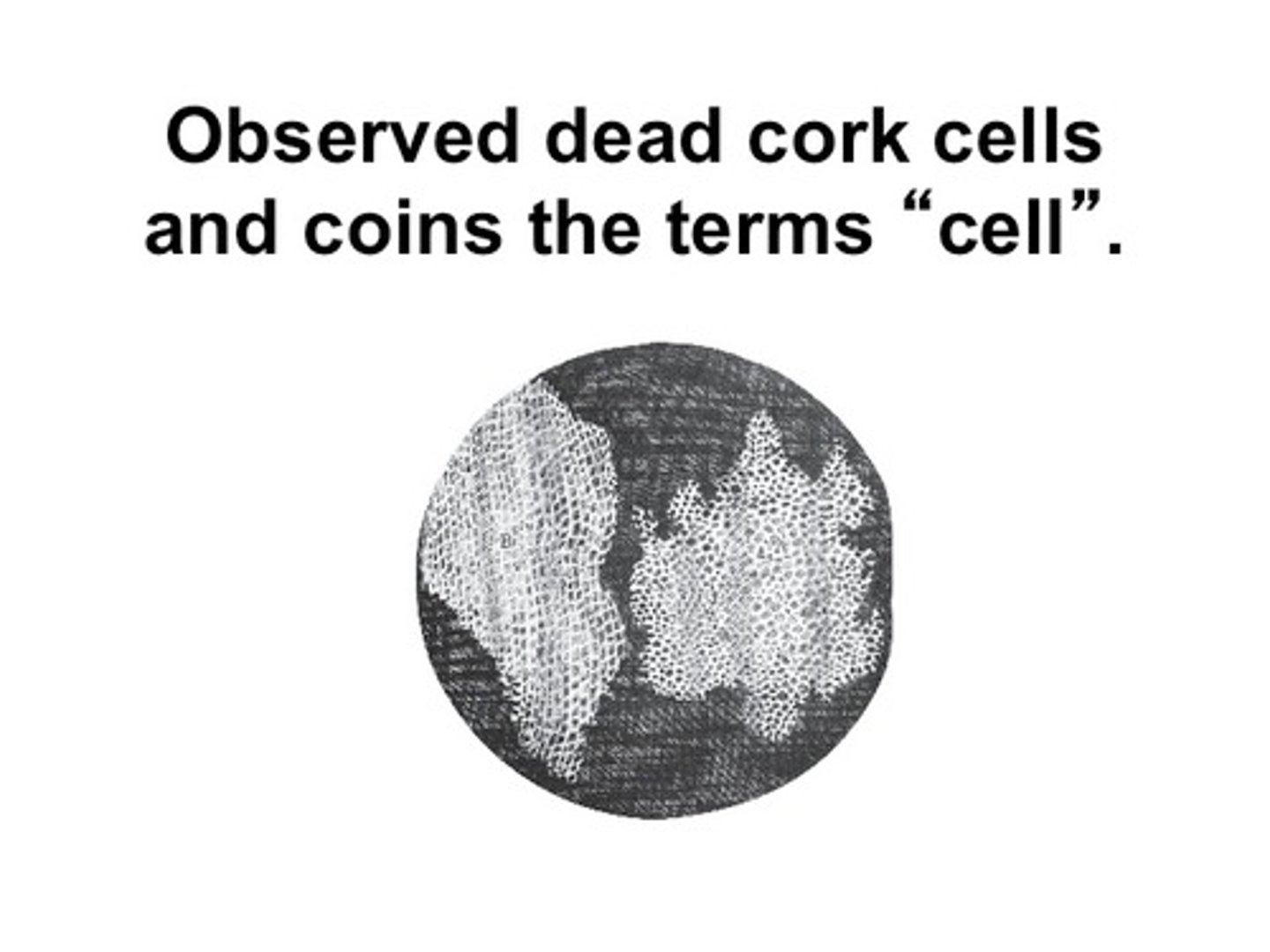
Robert Hooke
The person to observe cells in a sample of cork. He coined the term "cells."
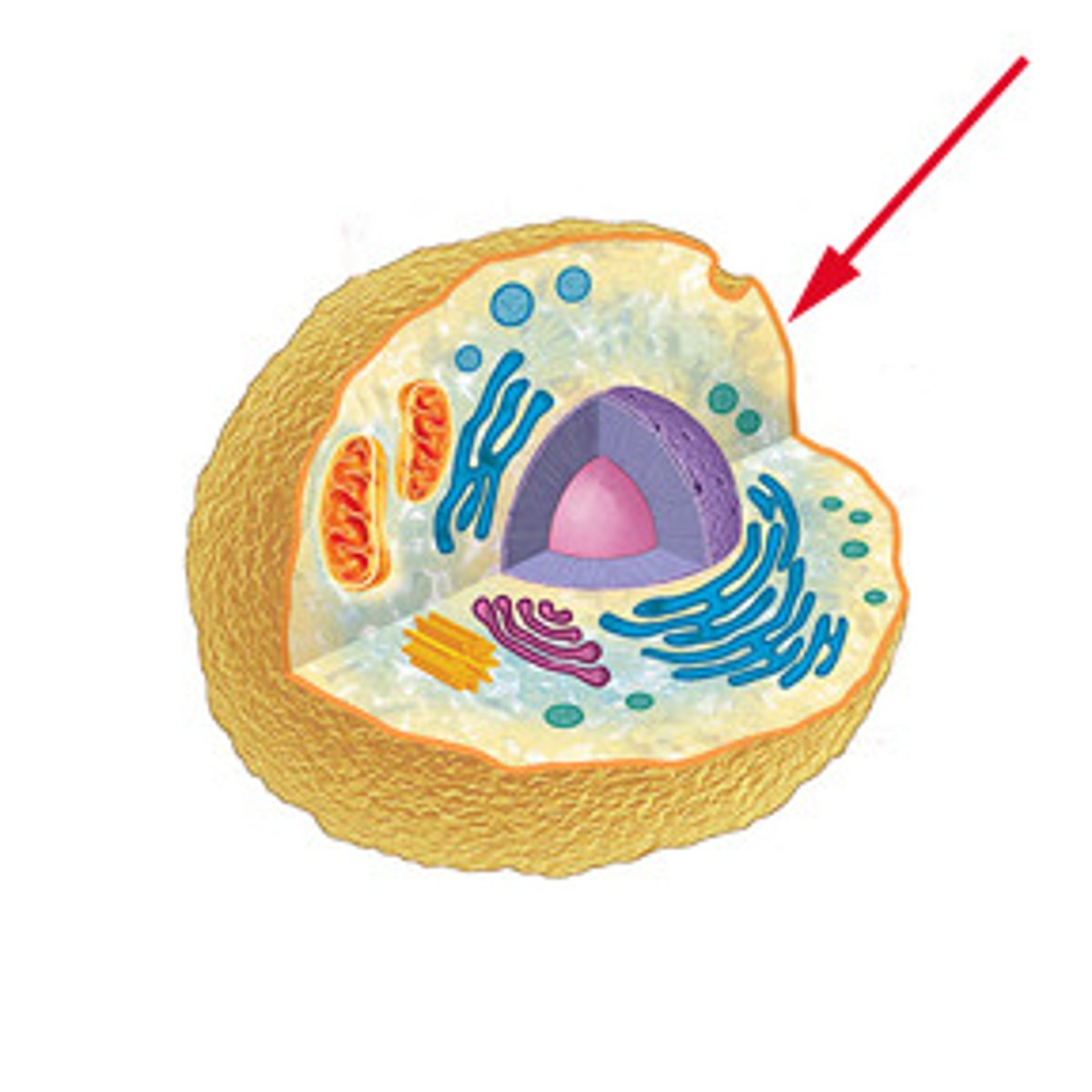
Cell Theory
A concept that states: All living organisms are composed of one or more cells.
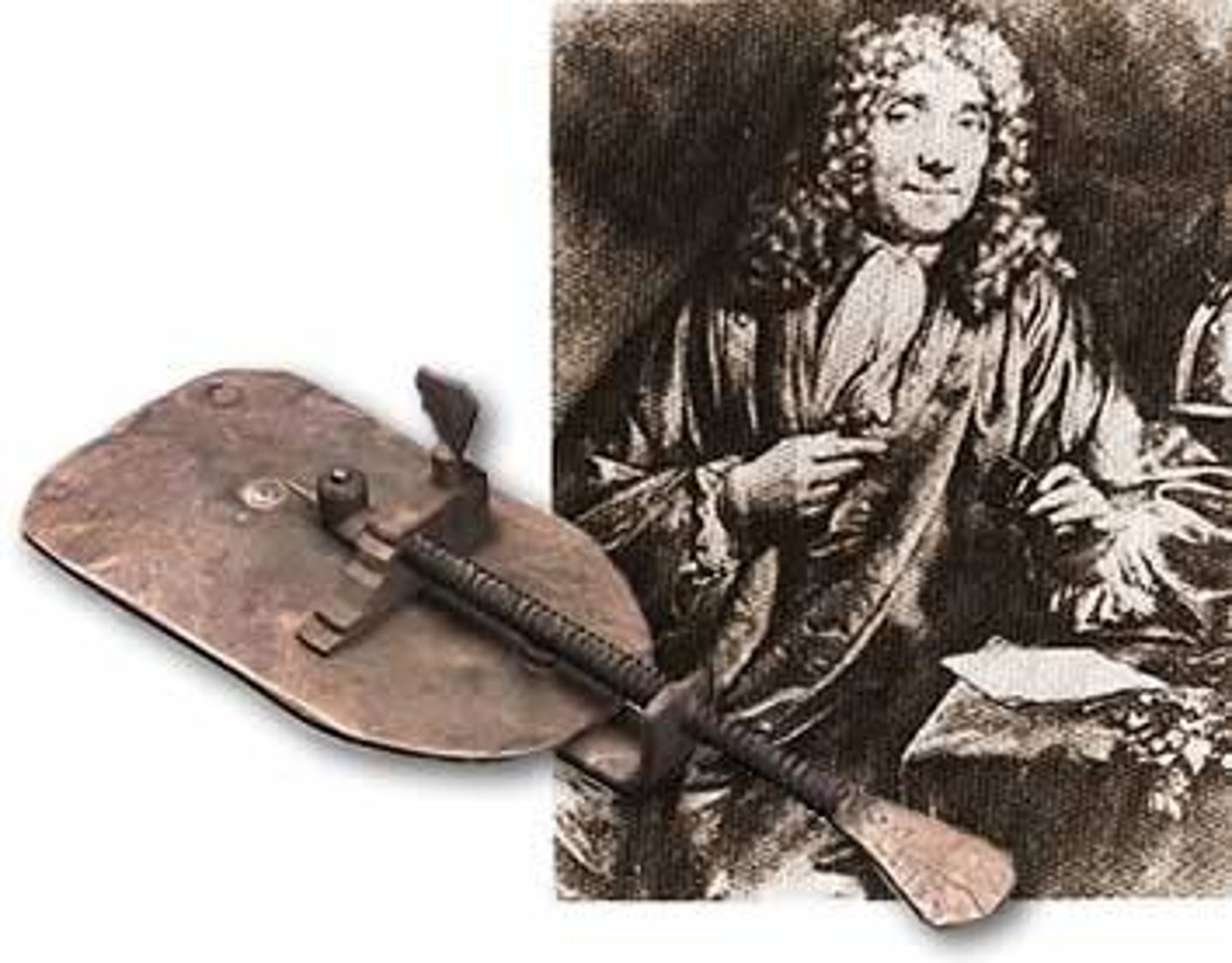
Antoni van Leeuwenhoek
The first person to see living cells. He called them "animalcules."
Spontaneous Generation
The idea that living organisms can arise from nonliving materials.
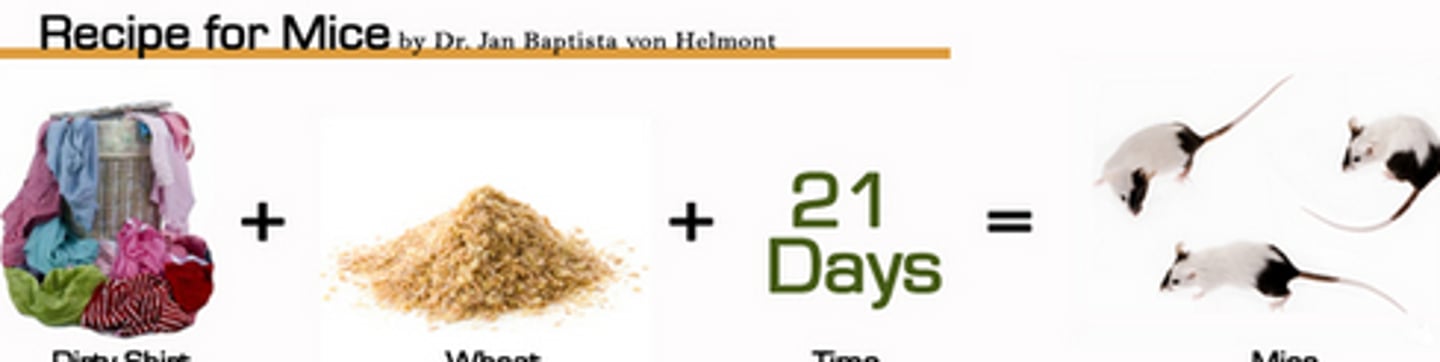
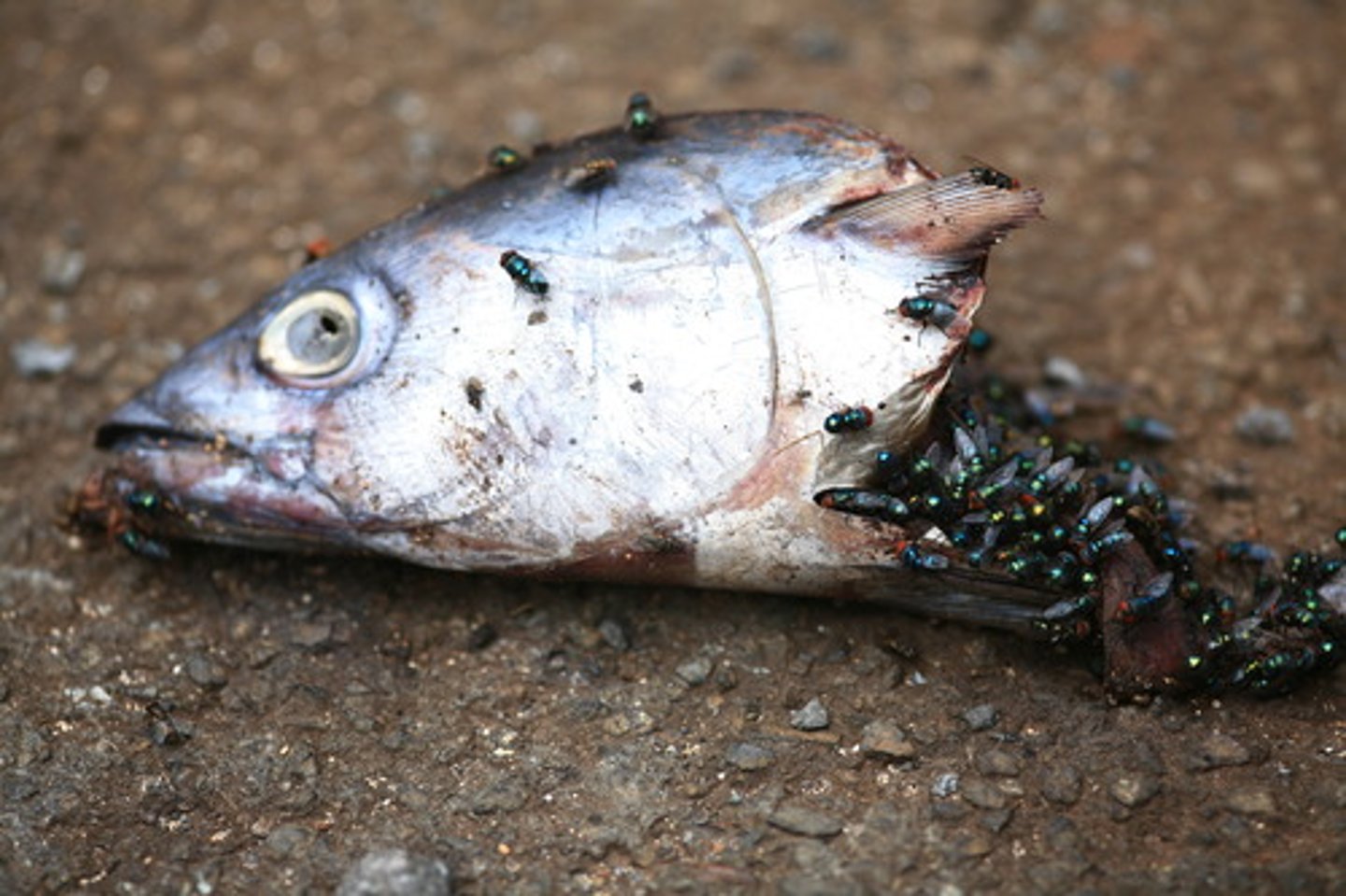
Francesco Redi
He used jars containing meat to disprove the idea that maggots developed spontaneously from meat.
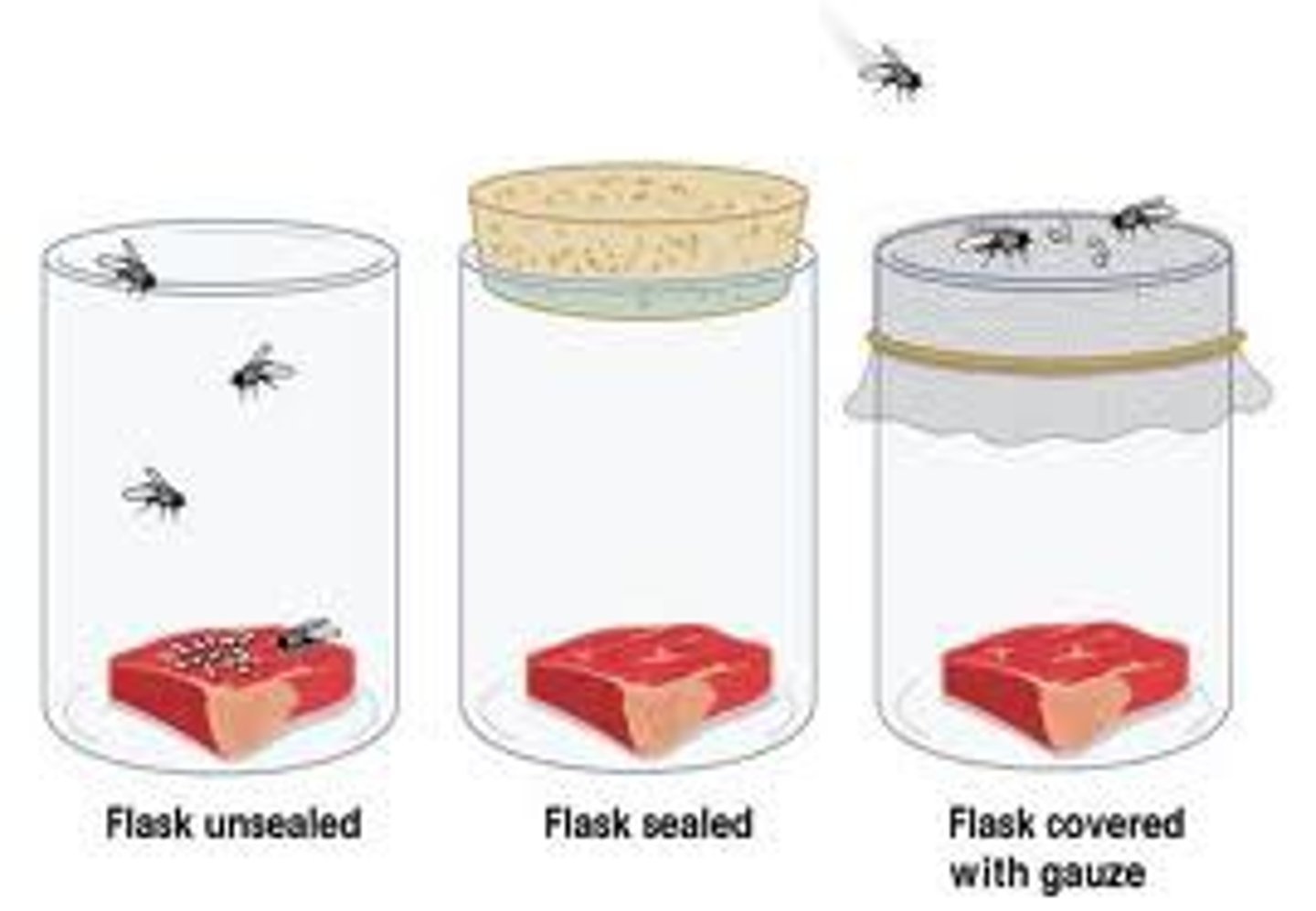
John Needham
He supported the concept of spontaneous generation. After heating his flasks of broth, microbes started growing in them. He believed the microbes came from the broth itself.
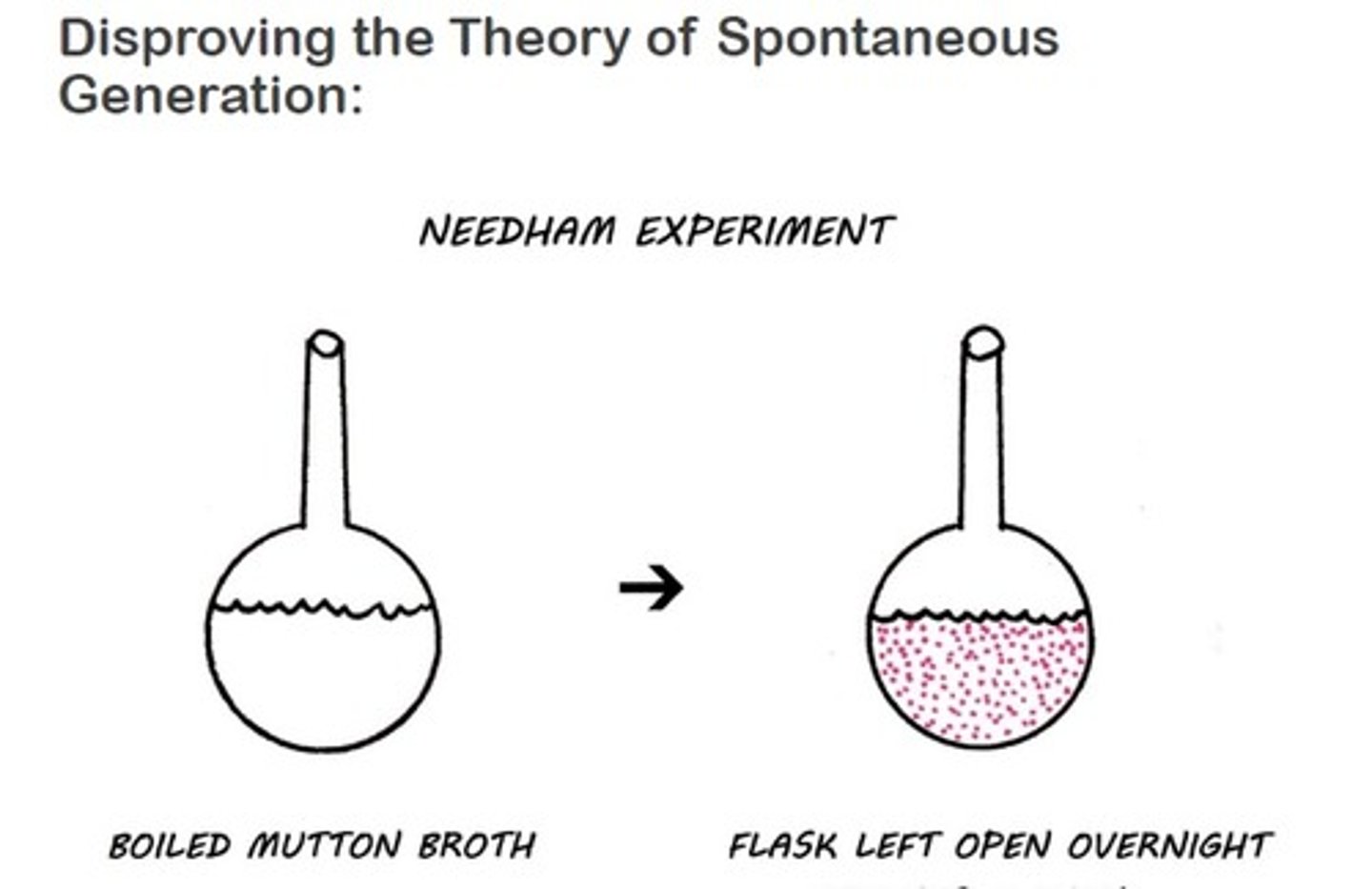
Lazzaro Spallanzani
He refuted the concept of spontaneous generation. He sealed his flasks of broth to prove that microbes came from the air, not the broth.
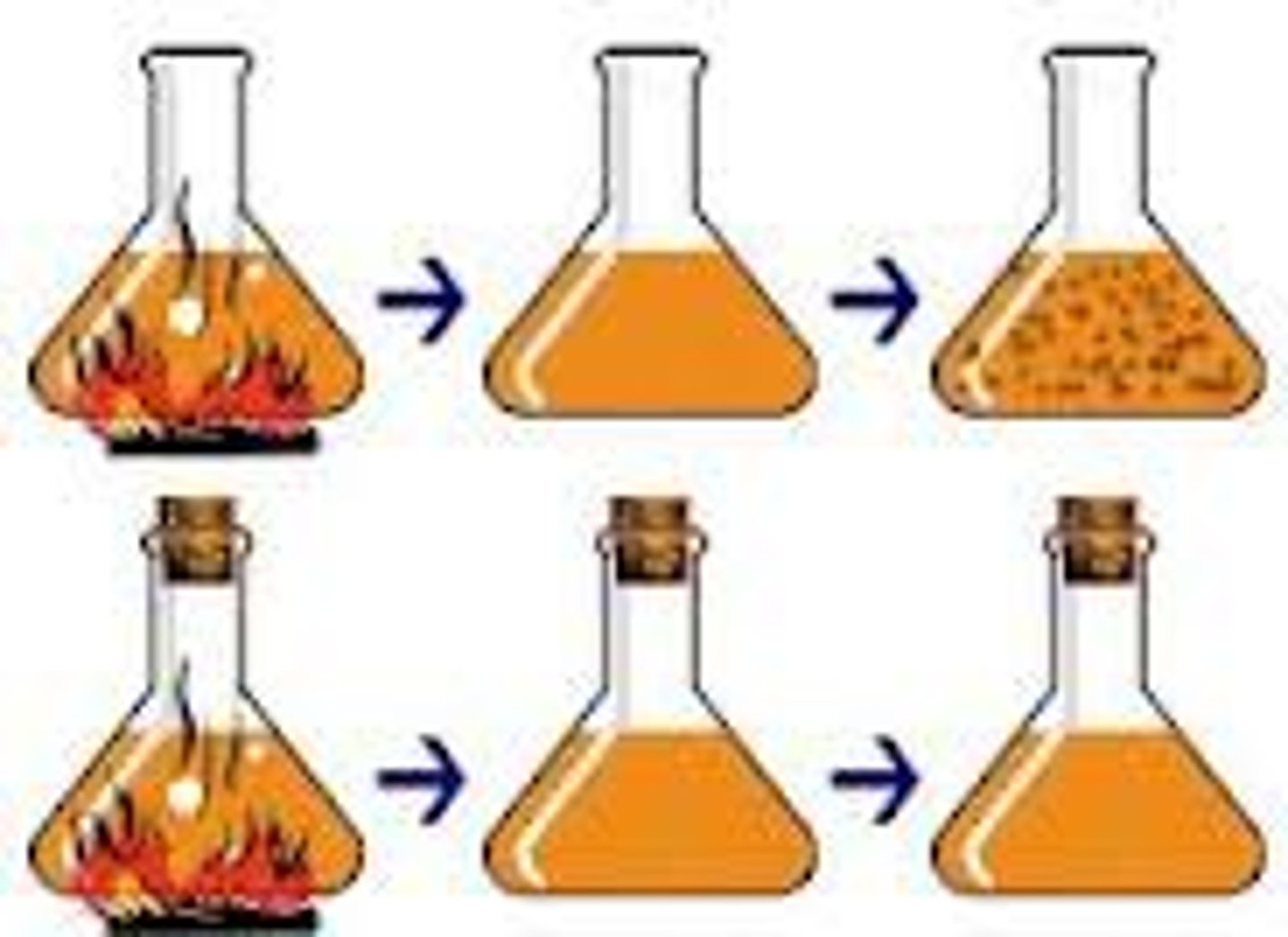
Edward Jenner
He created the first vaccine, which used cowpox to prevent smallpox.
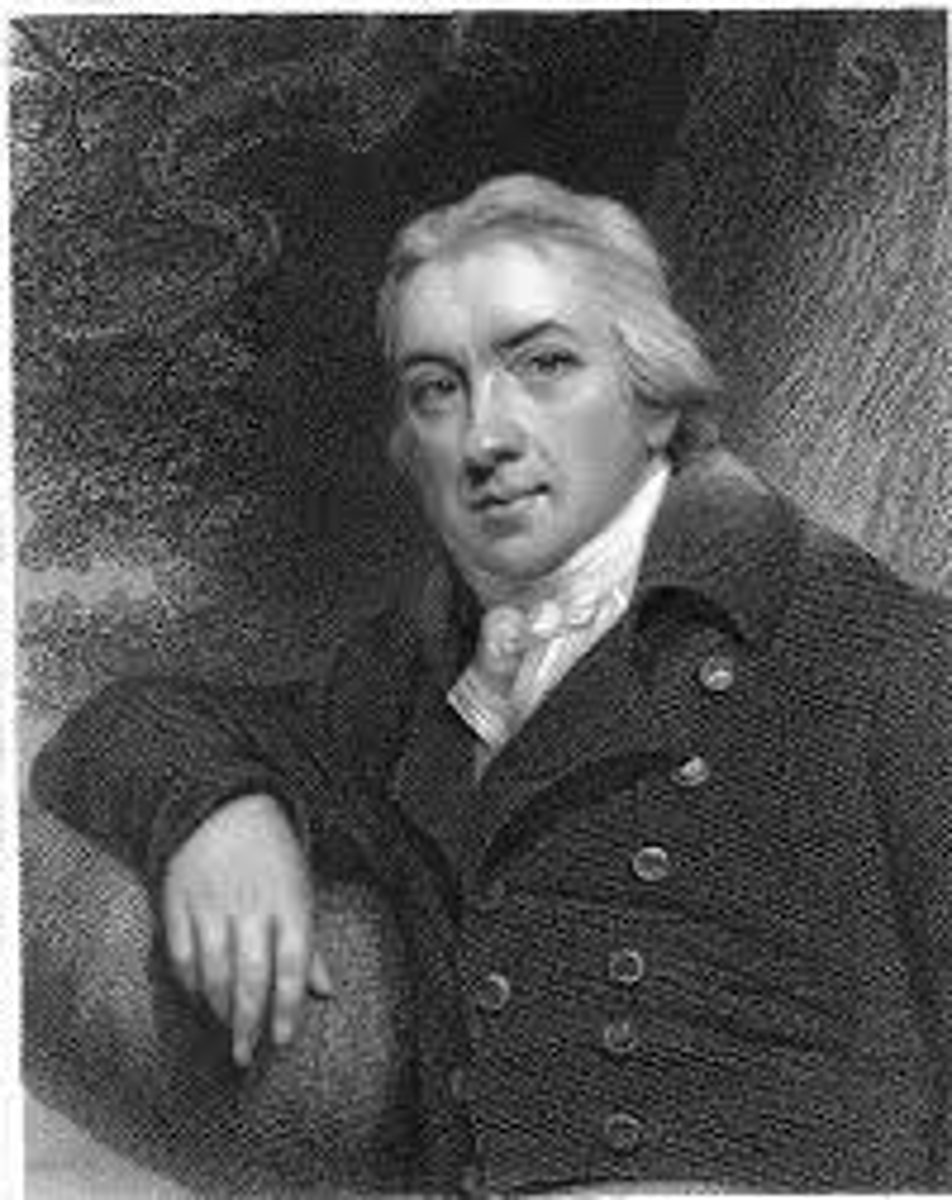
vaccine
A preparation of microbes used to induce artificial immunity.
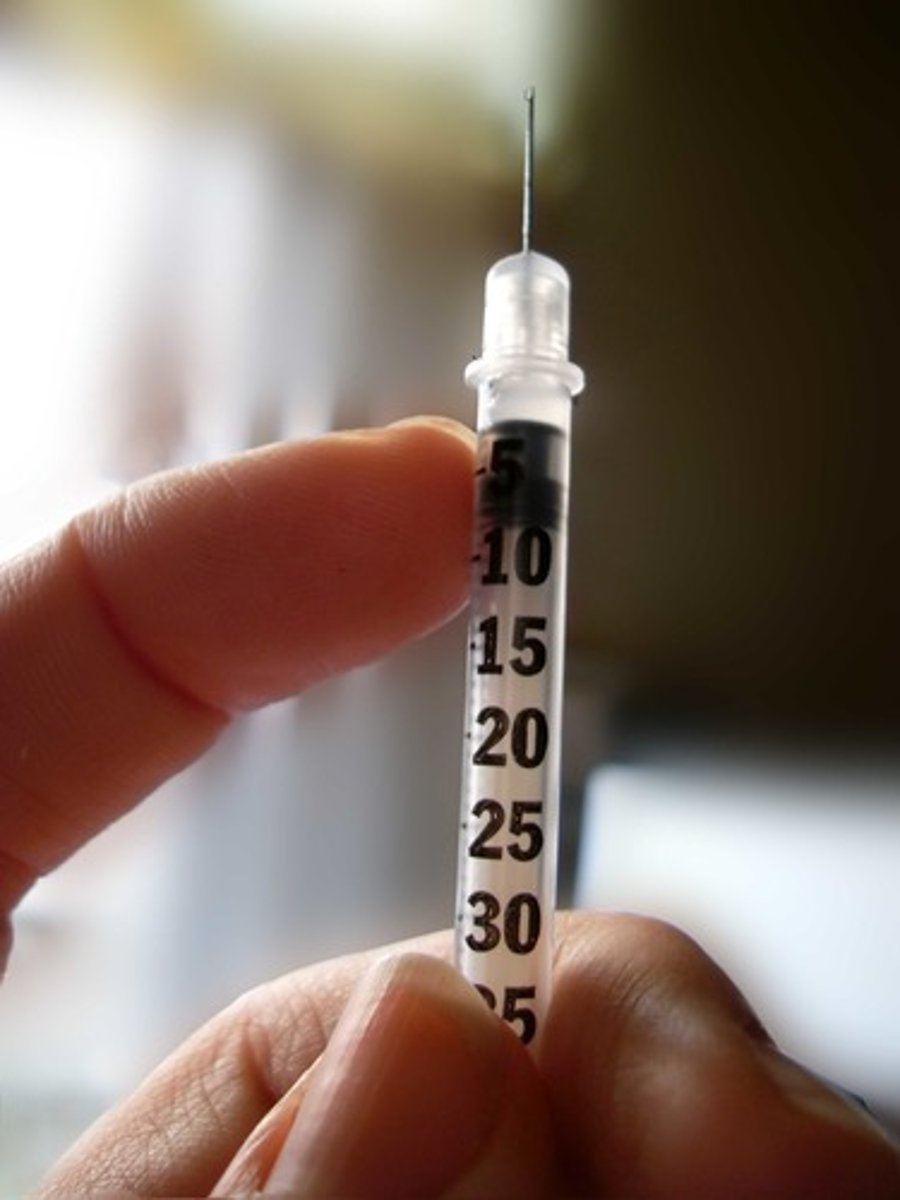
vaccination
A word meaning "cow." A process used to create immunity in an individual organism.
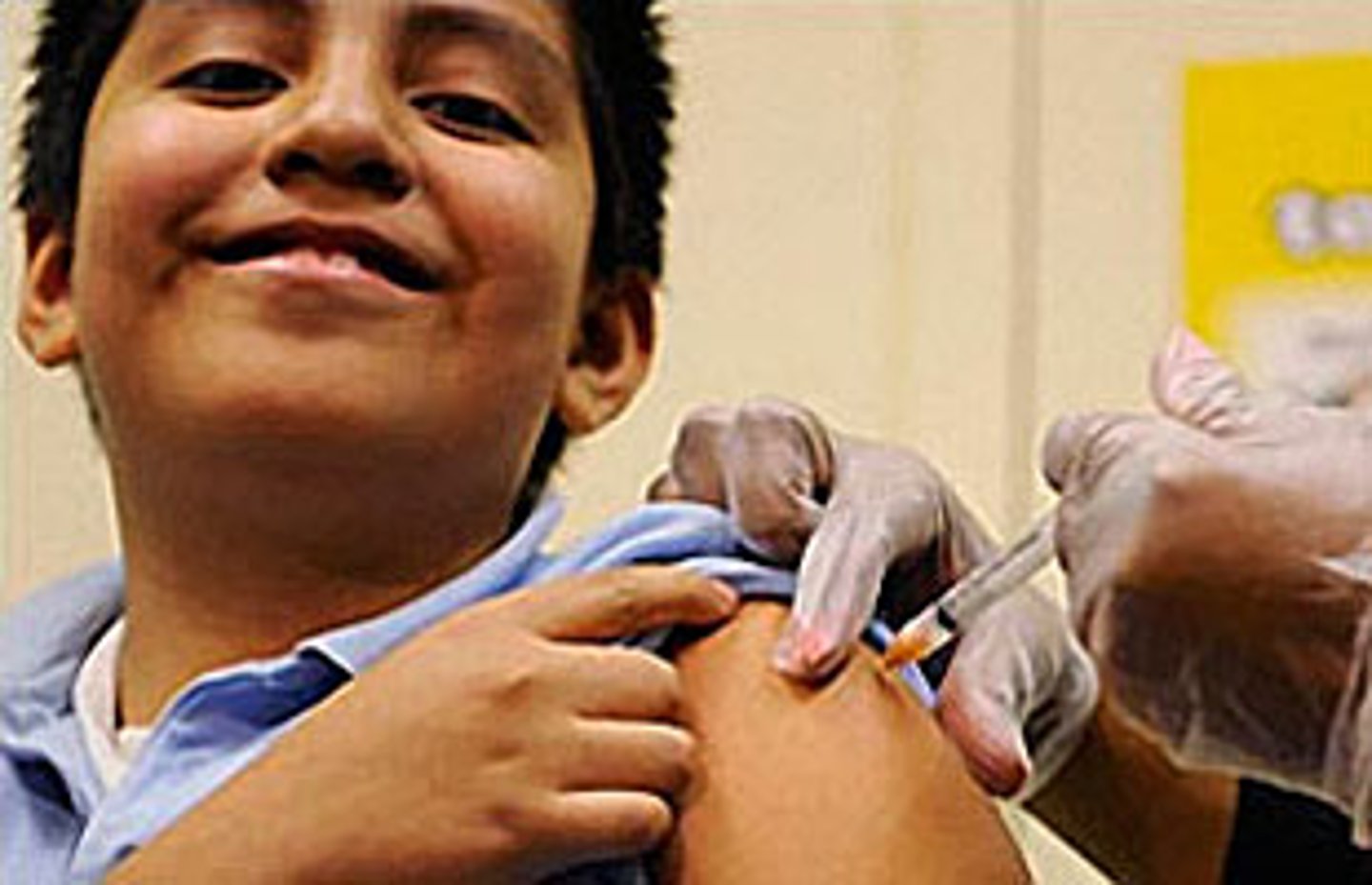
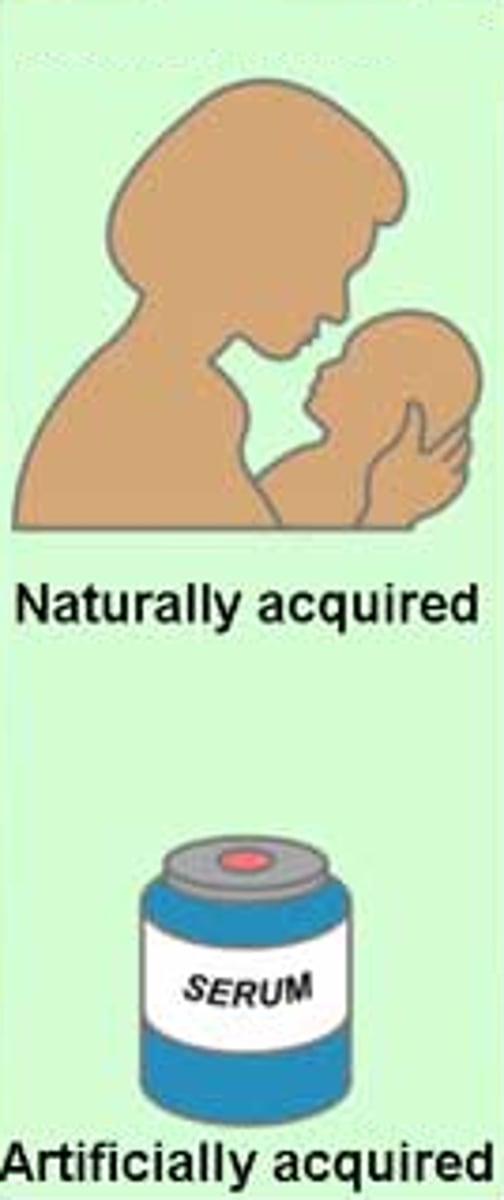
immunity
The ability of an organism to resist infection.
Ignaz Semmelweis
He showed that doctors could spread infections between patients (pregnant mothers) if doctor's did not wash their hands.
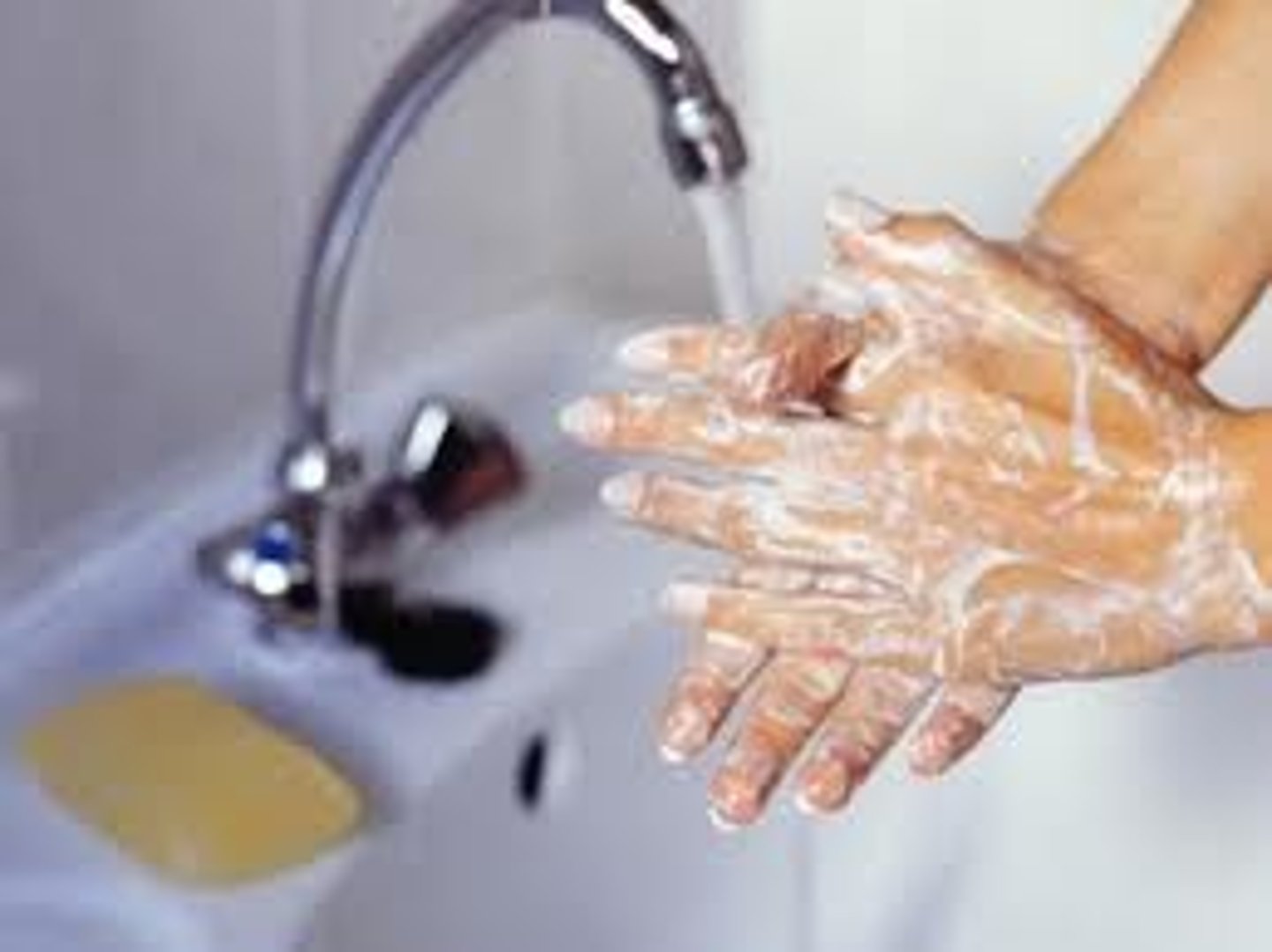
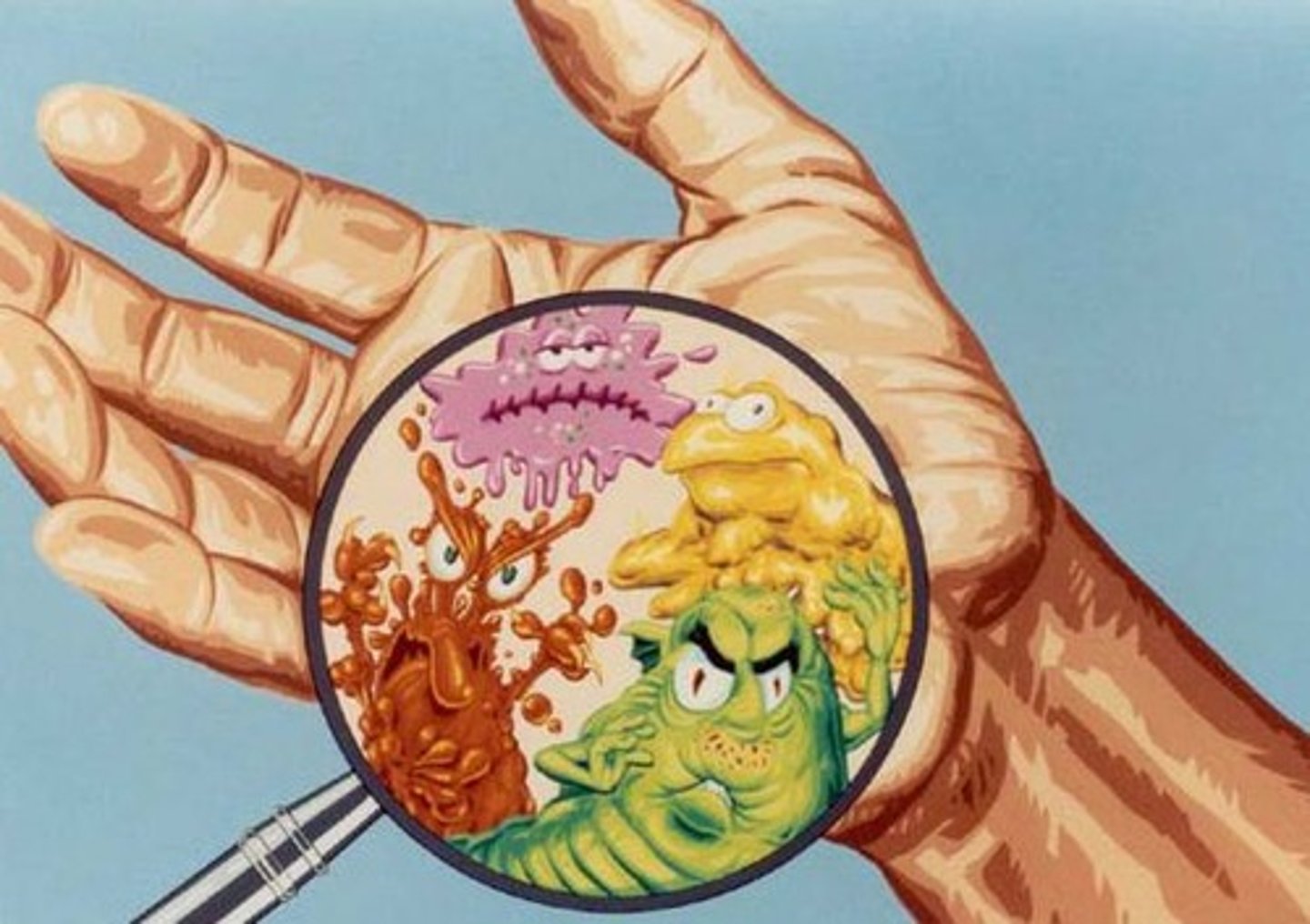
Germ Theory of Disease
The idea that diseases are primarily caused by germs.
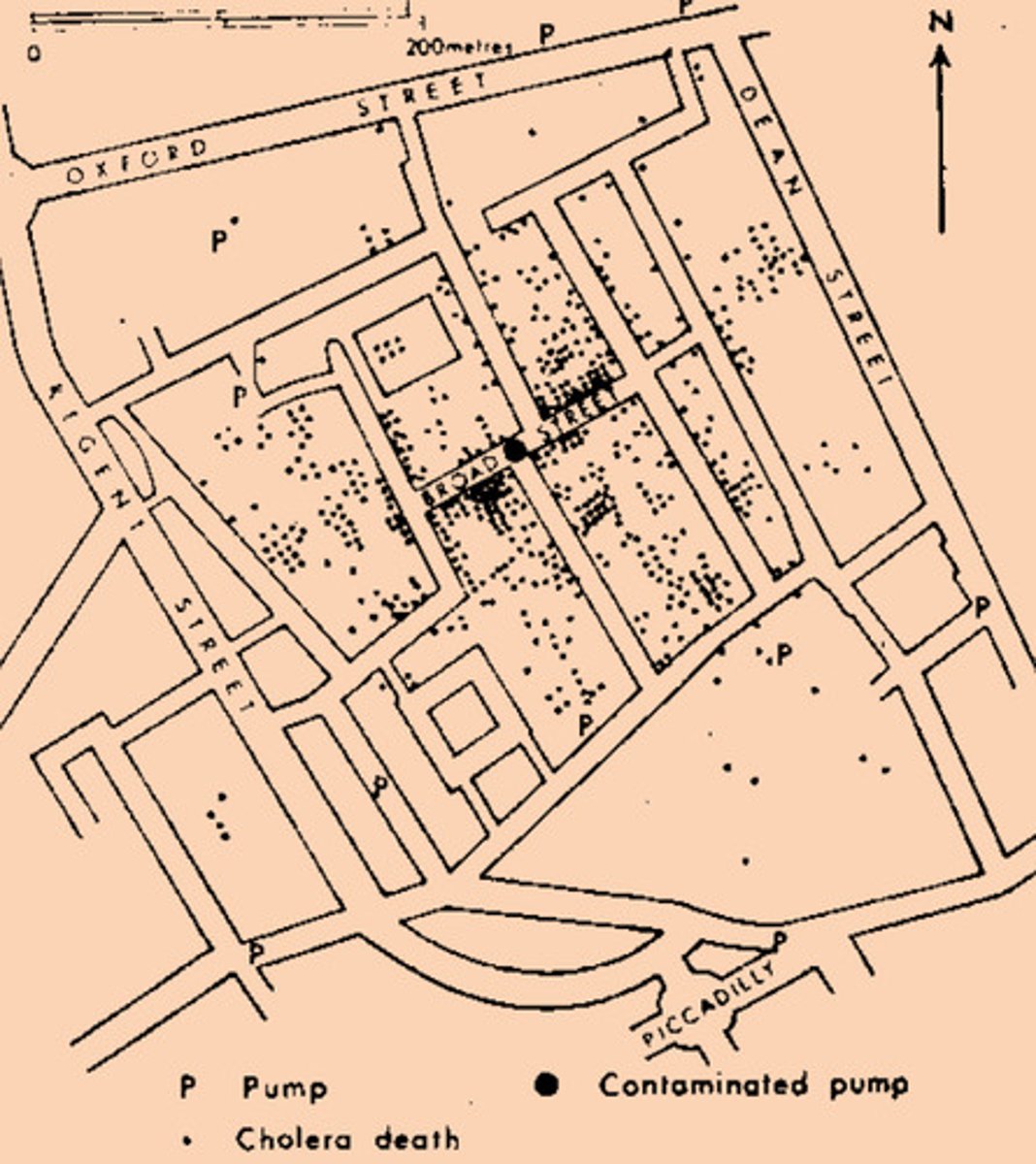
John Snow
He was the father of epidemiology because he linked an outbreak of cholera to the drinking of contaminated water.
Rudolph Virchow
He created the theory of biogenesis to counteract spontaneous generation.
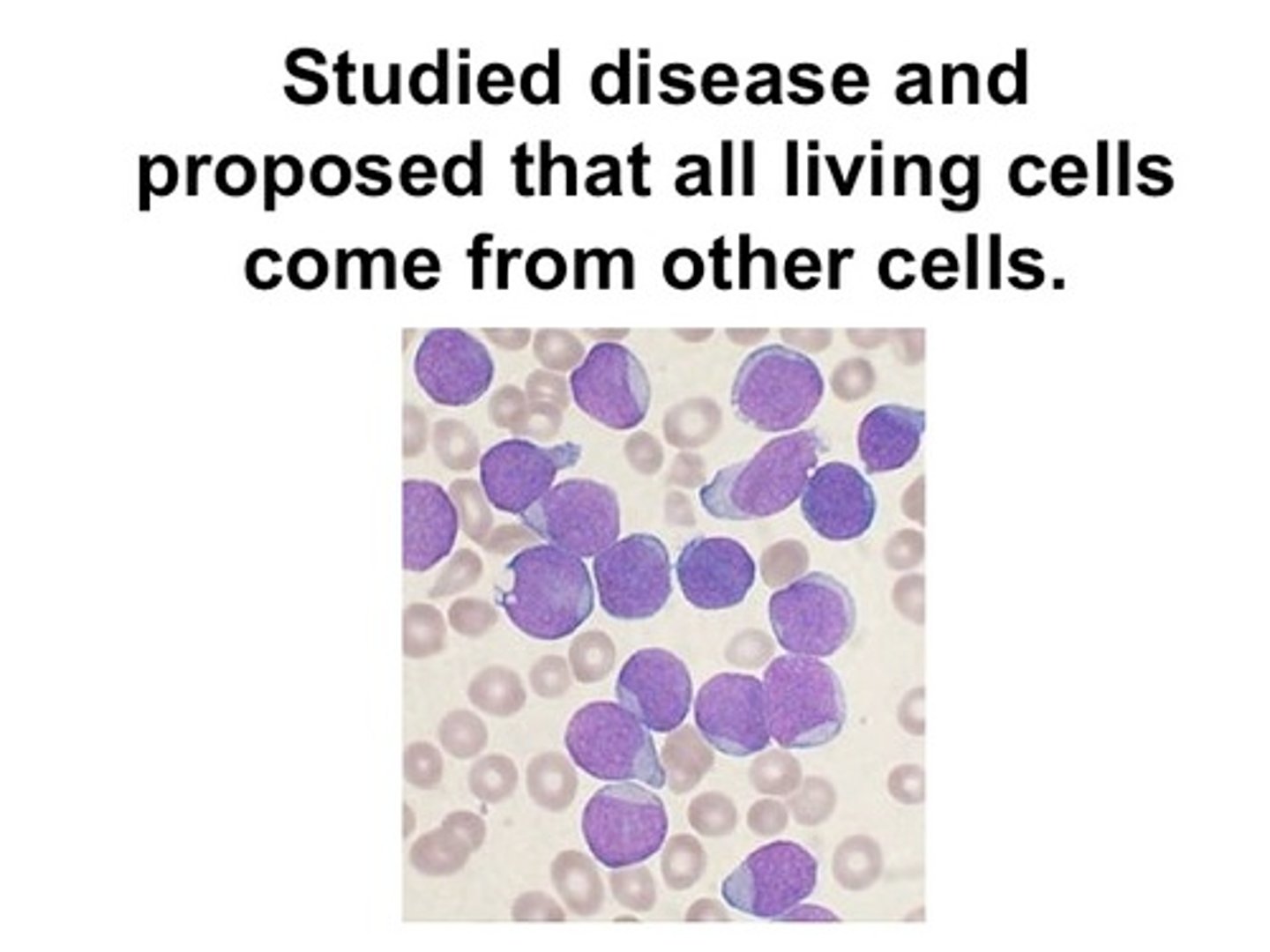
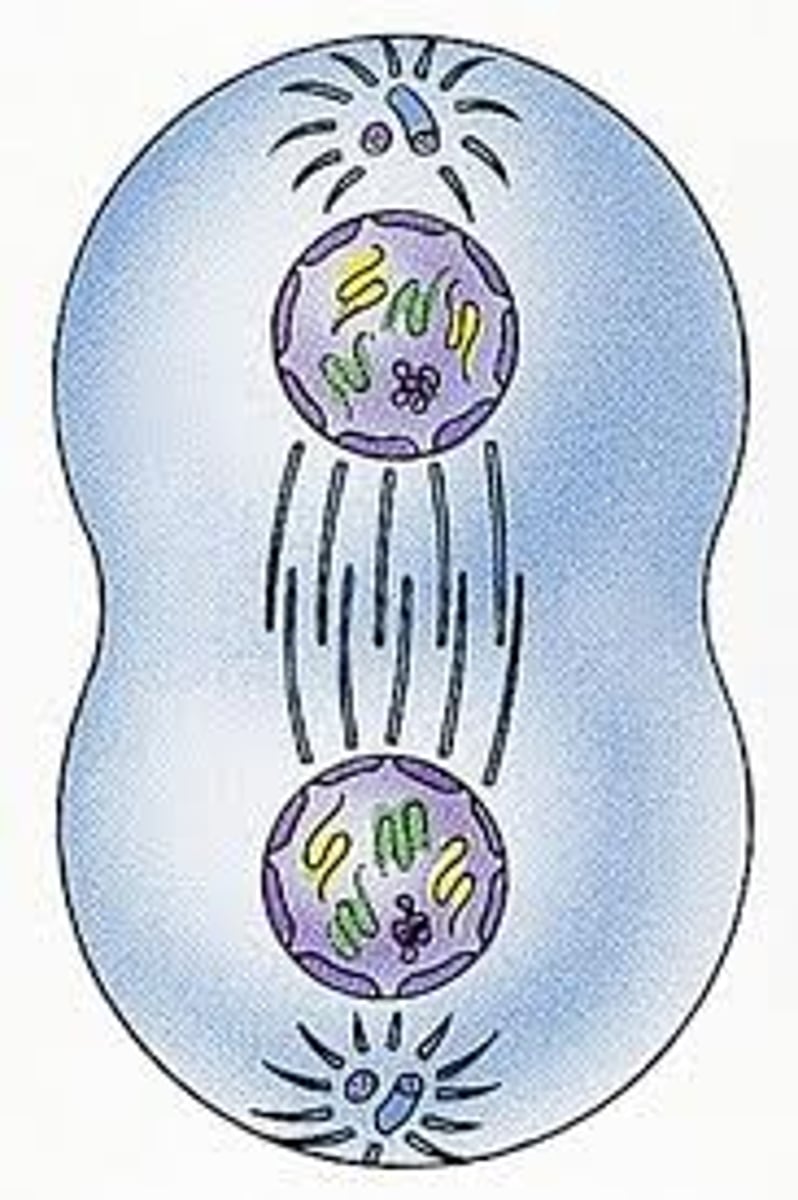
Biogenesis
Living cells only arise from preexisting cells.
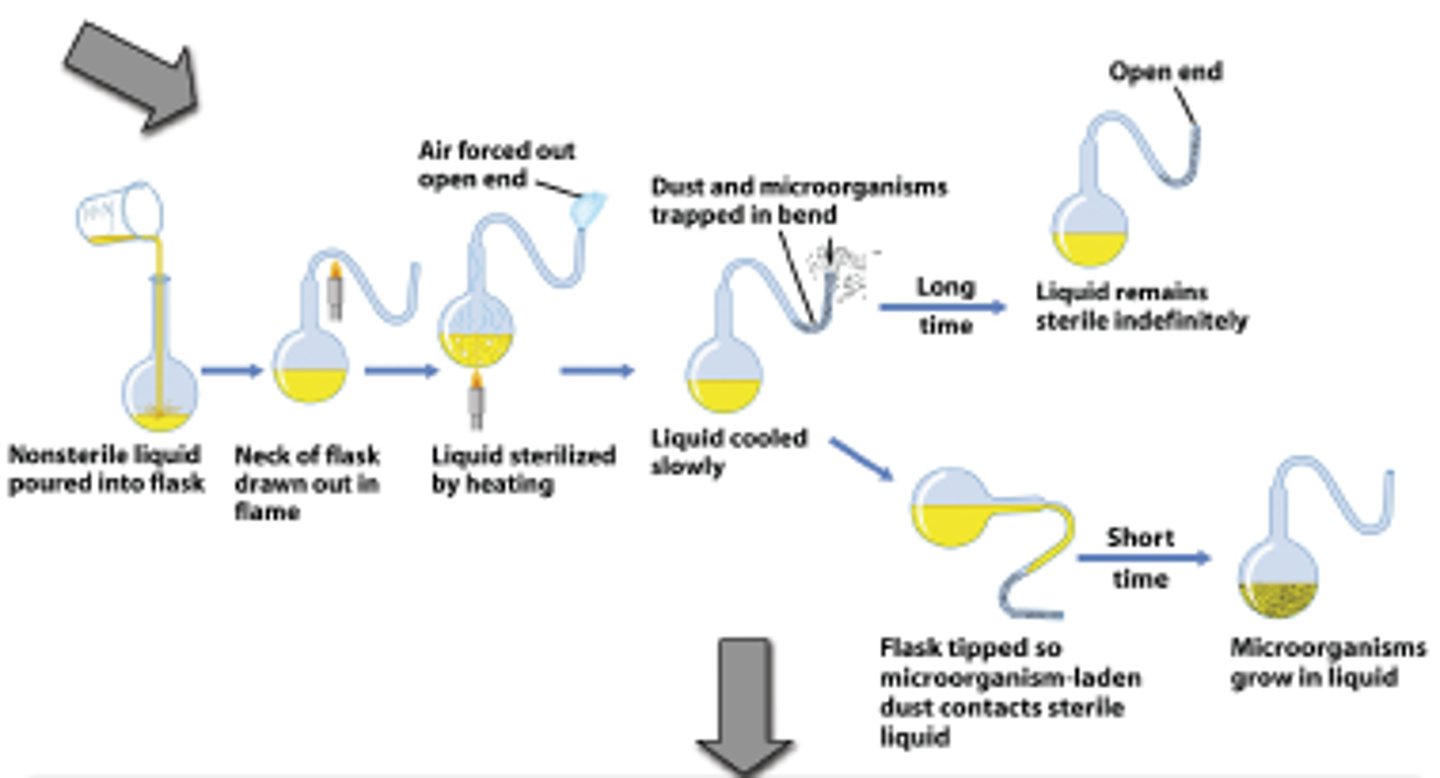
Louis Pasteur
He completely disproved spontaneous generation by using swan-necked flasks.
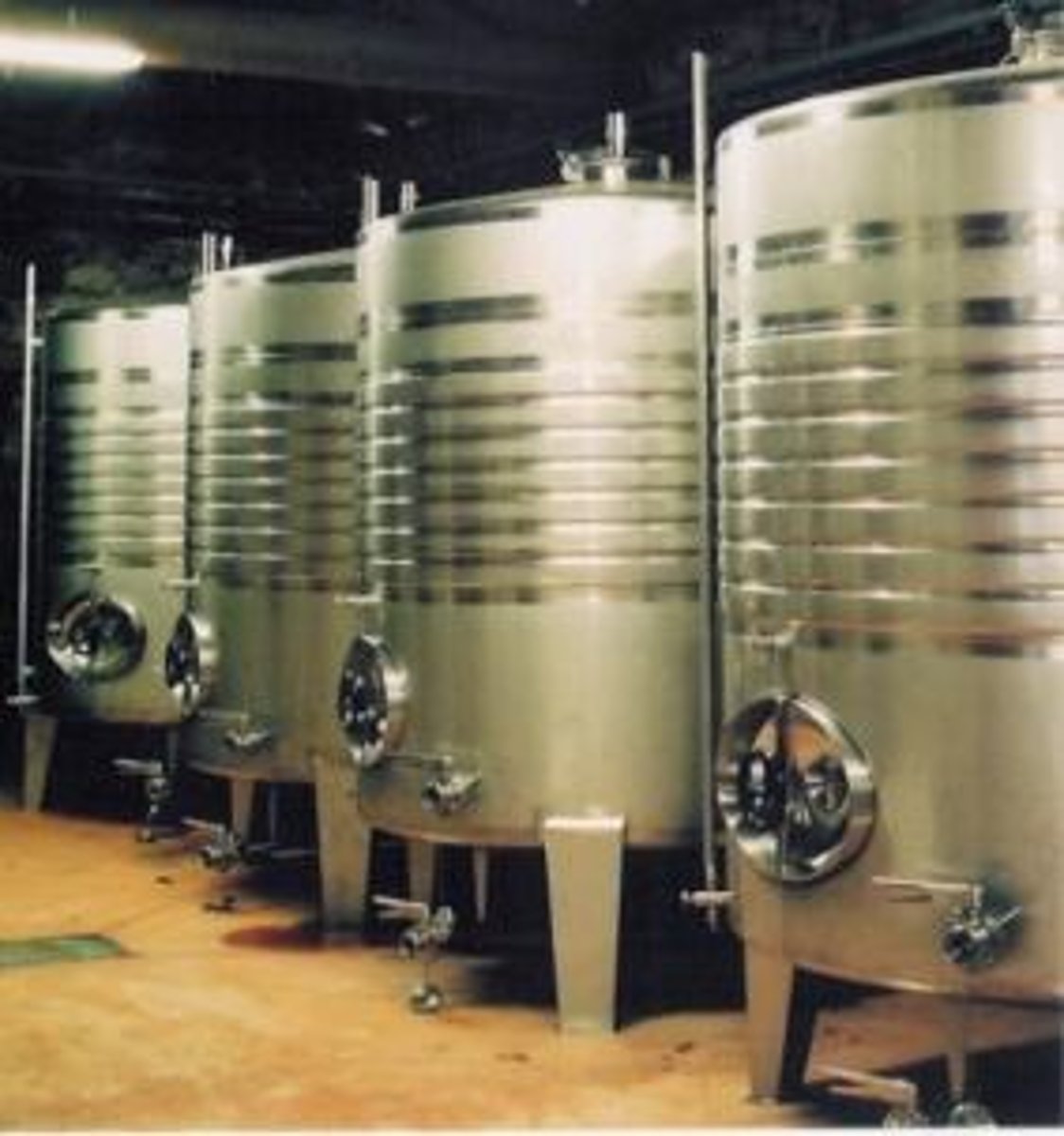
fermentation
A process using yeast or bacteria to convert sugars into alcohol in the absence of oxygen.
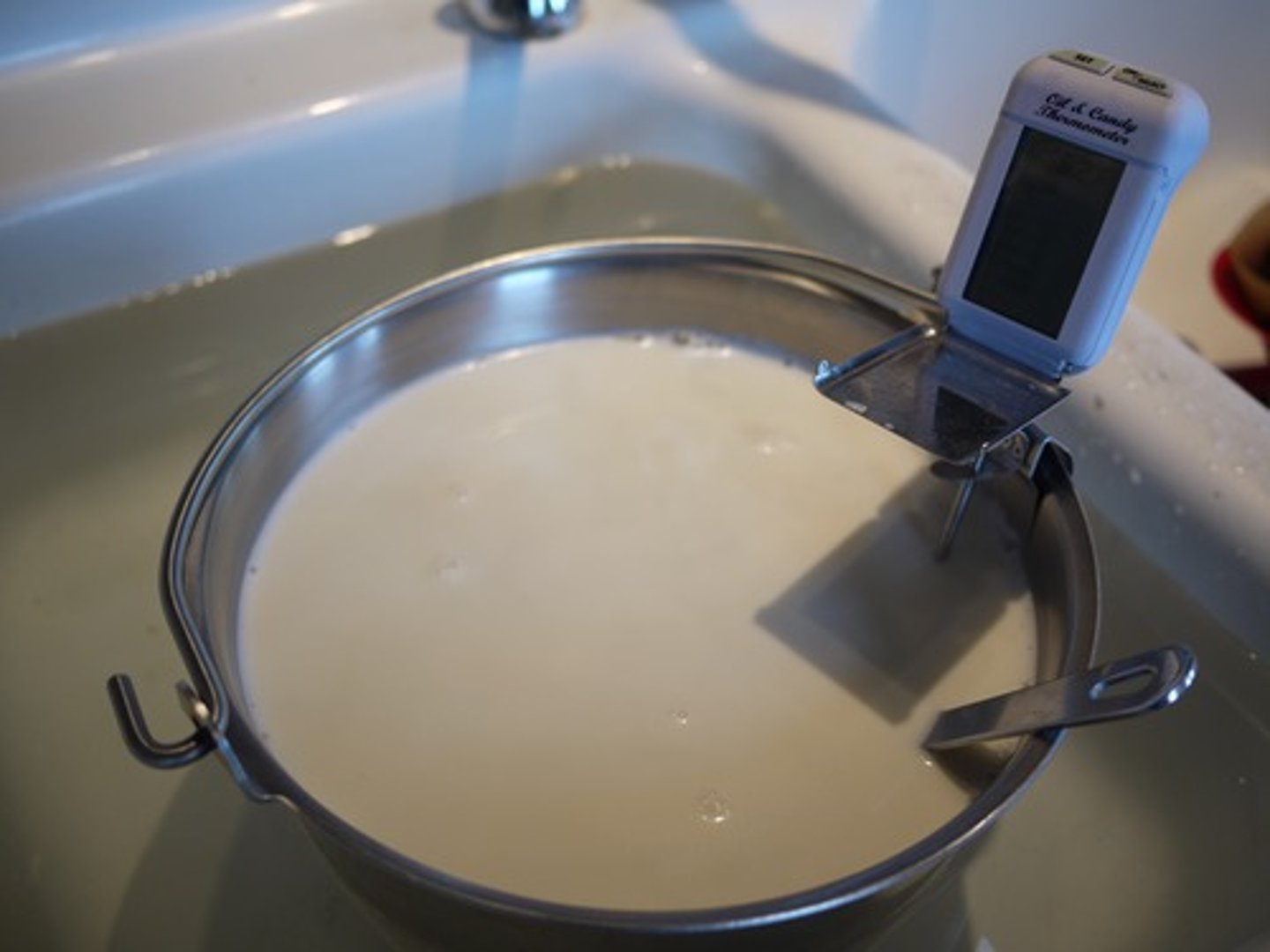
pasteurization
The process of using heat to kill microbes without damaging the product.
Joseph Lister
He successfully lowered the number of deaths from surgical infections by using phenol (carbolic acid) on his hands and surgical instruments.
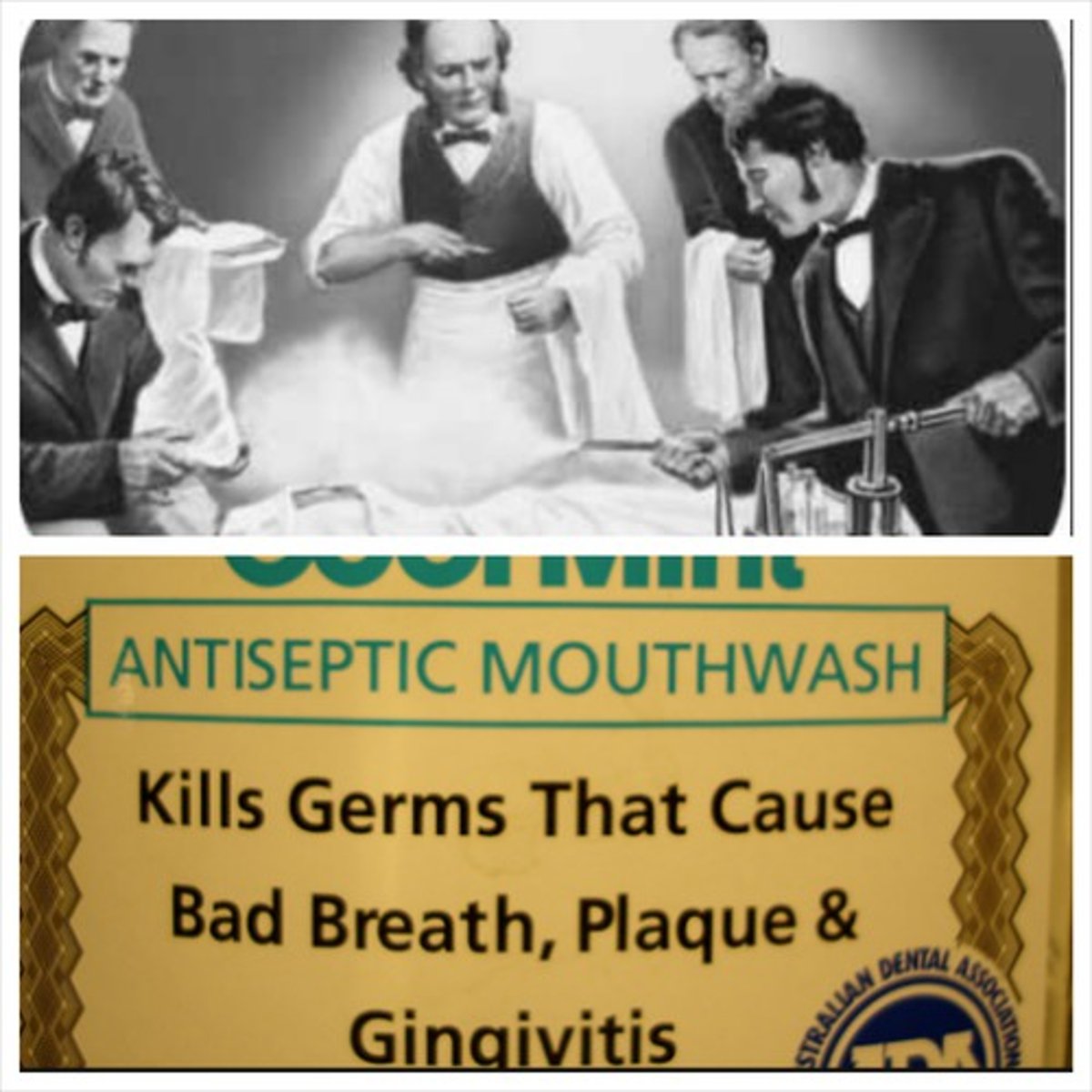
aseptic technique
A practice of preventing contamination by unwanted microbes.
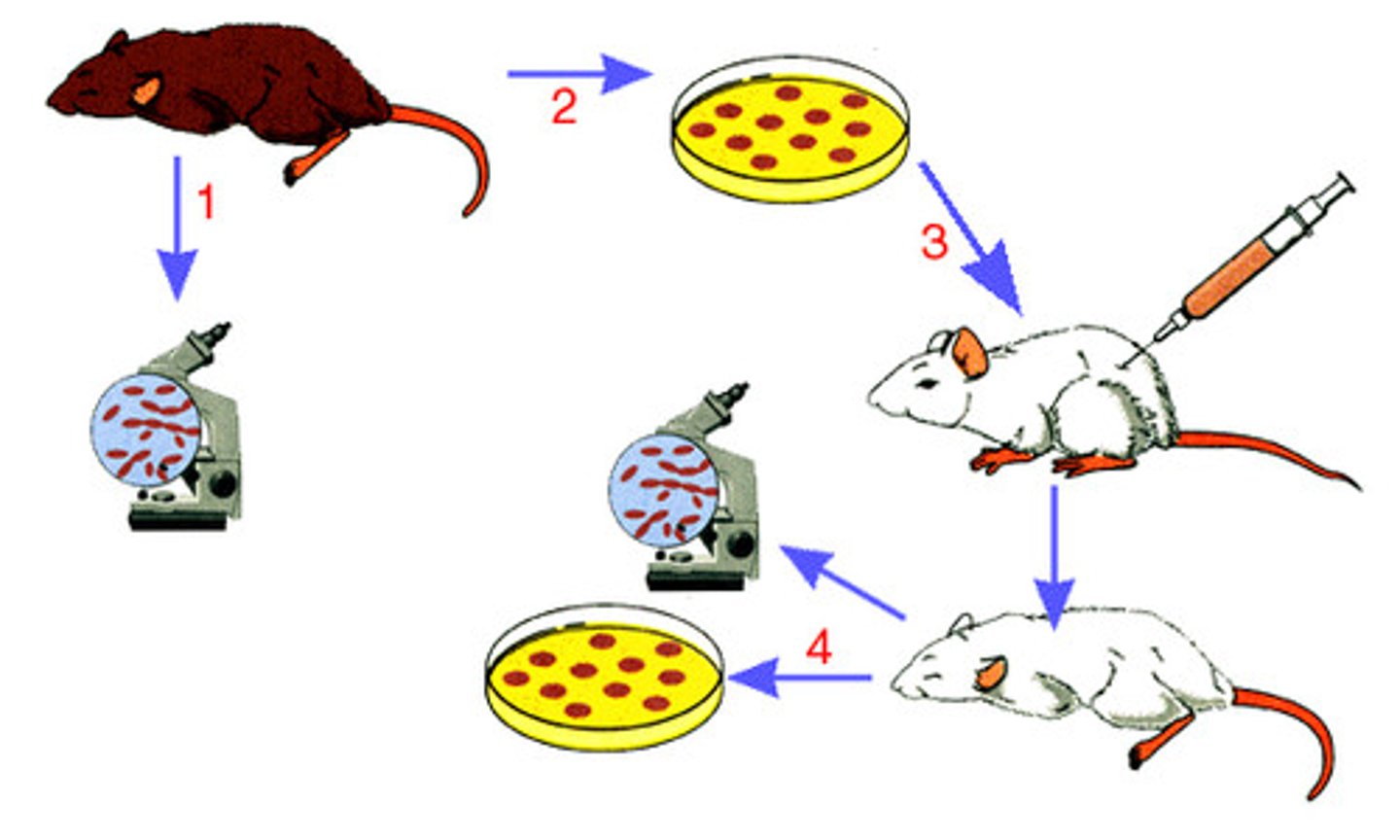
Robert Koch
He created FOUR postulates to link each disease to a specific microbe.
pathogens
Microbes that produce disease.
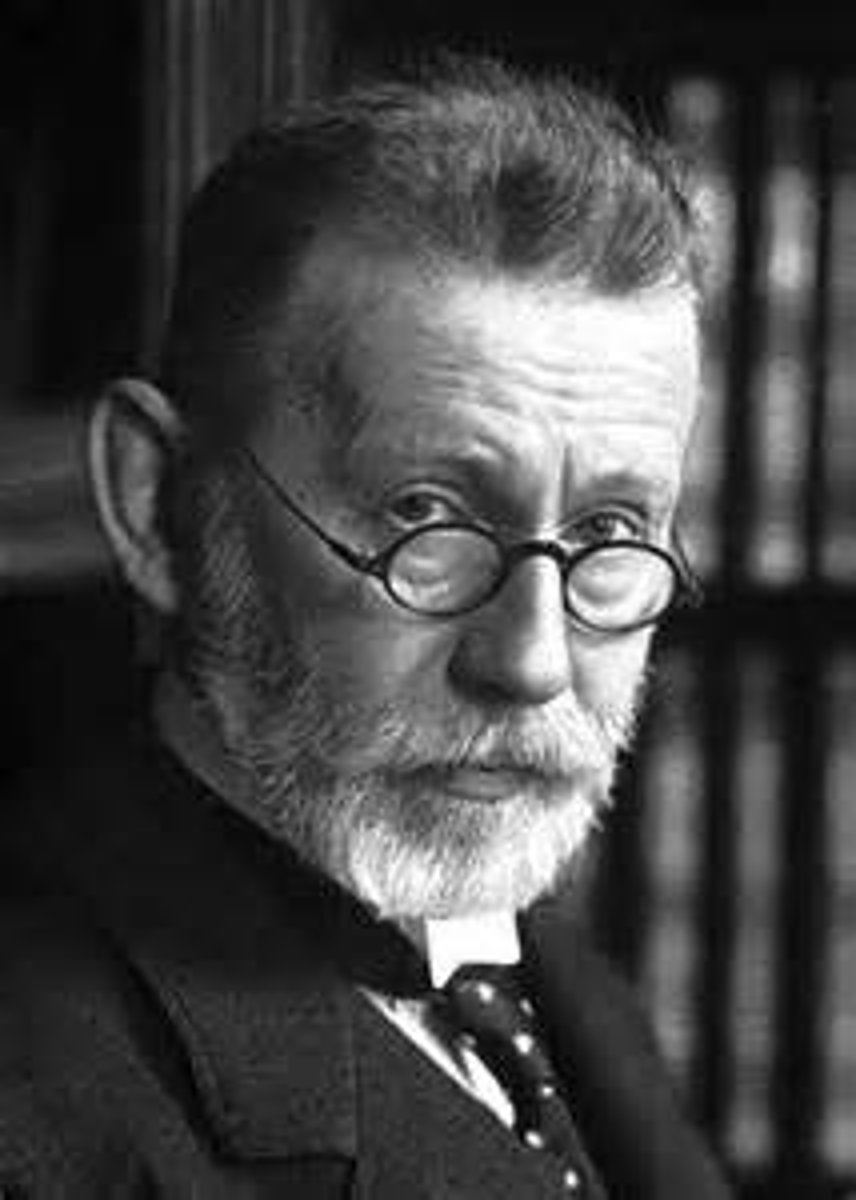
Paul Ehrlich
He dreamed of "magic bullets" that could hunt down and destroy diseases.
chemotherapy
The treatment of a disease using chemicals.
synthetic drugs
Medications prepared from chemicals not found in nature.
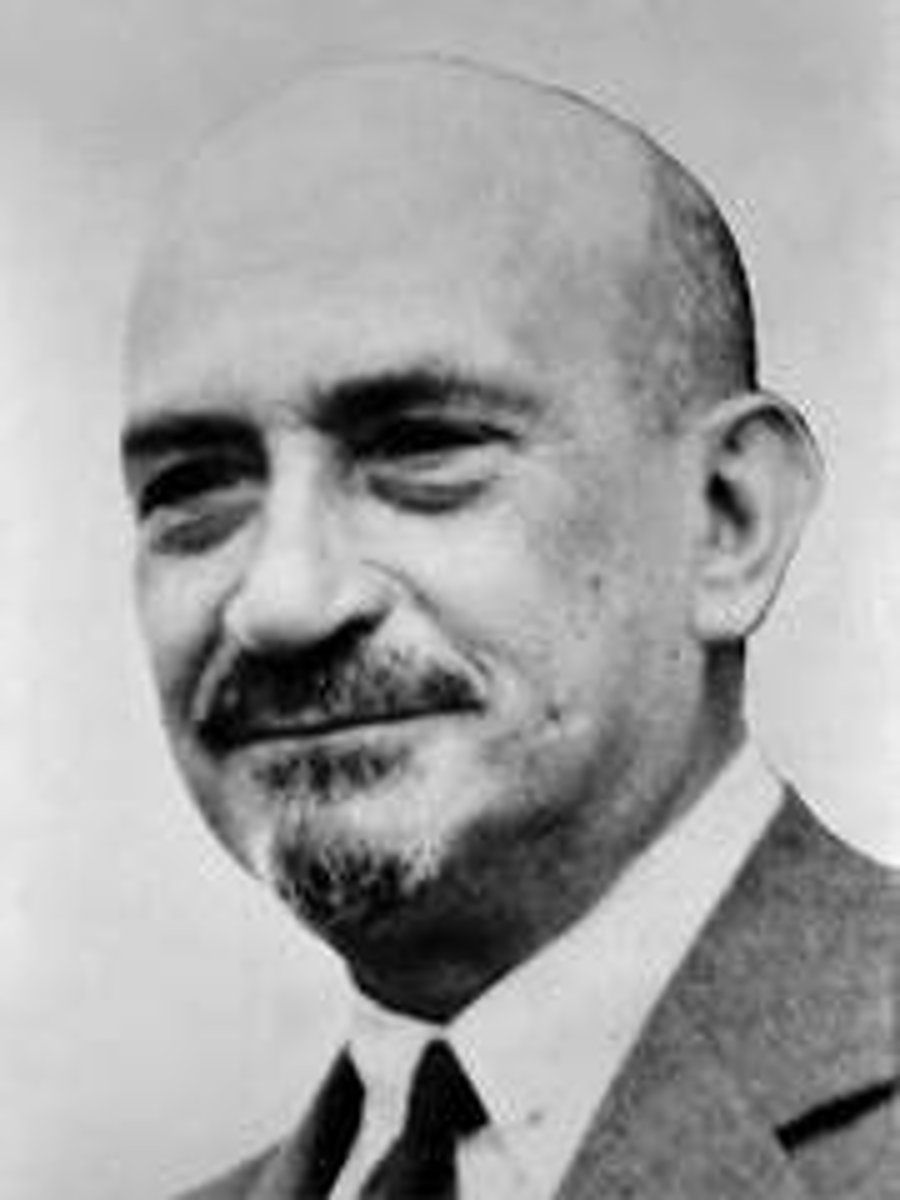
Chaim Weizmann
He found that bacteria could convert food waste (corn) into a useful product: acetone.
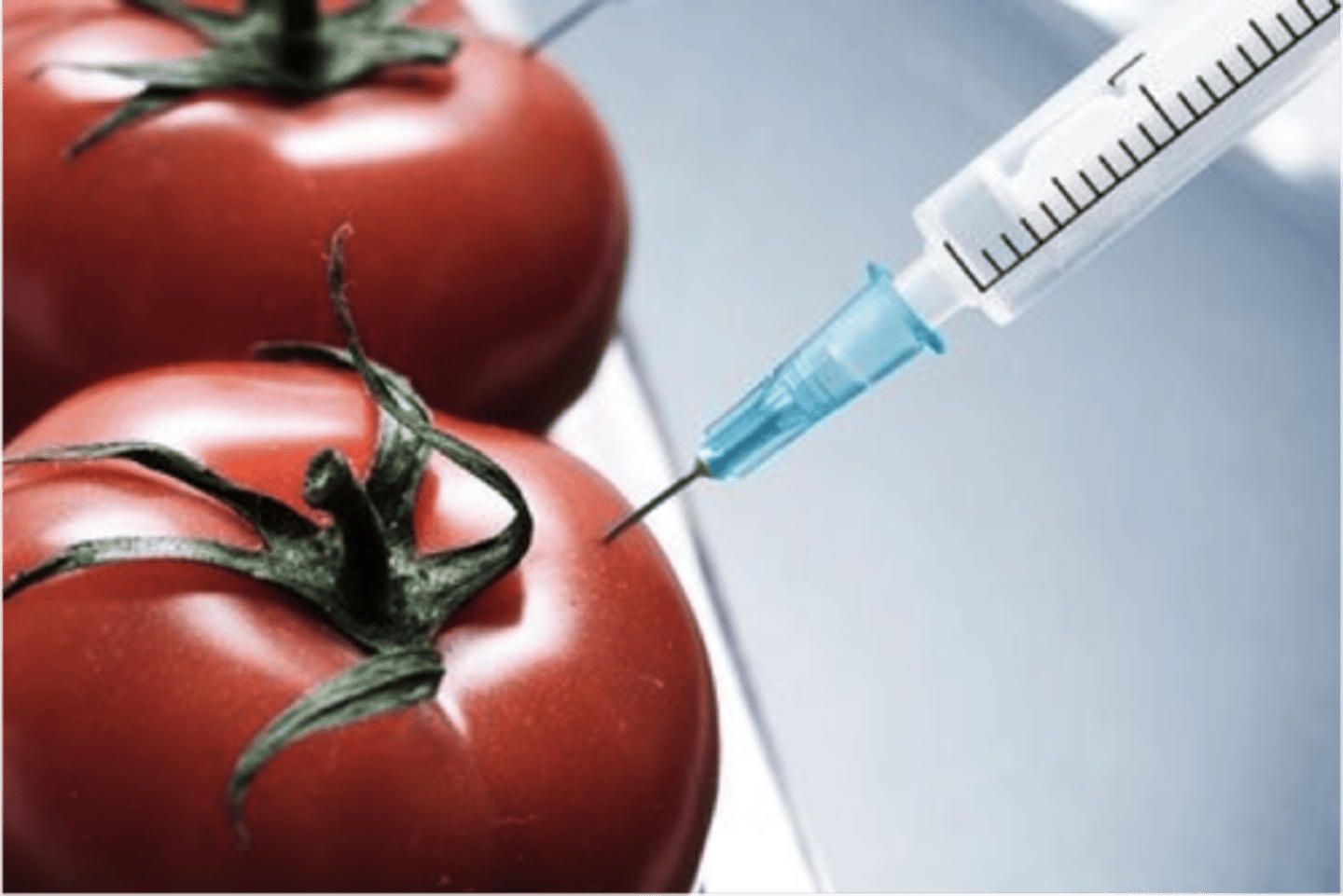
biotechnology
The use of organisms to make products to improve human lives.
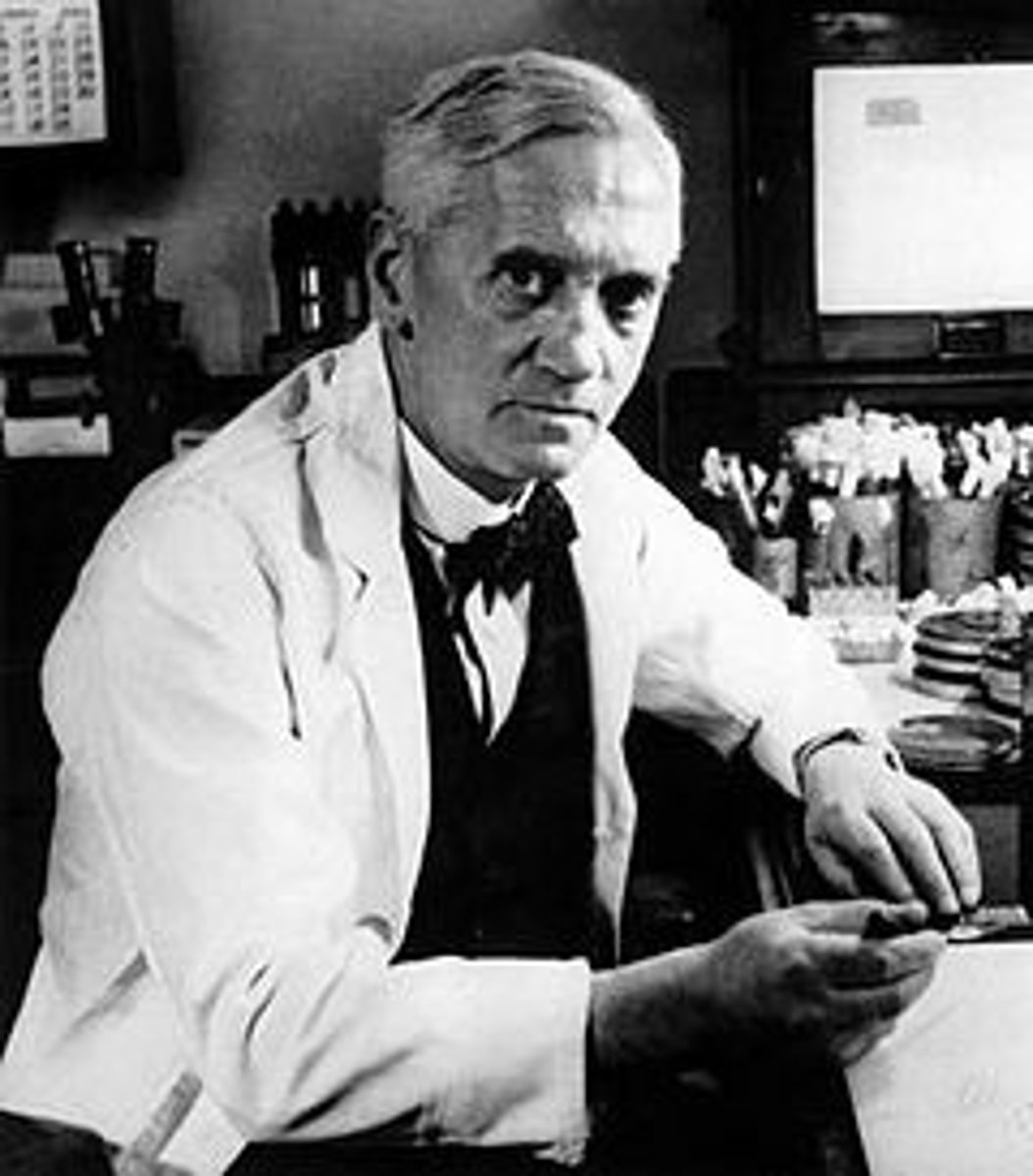
Alexander Fleming
He accidentally discovered the first antibiotic: penicillin.
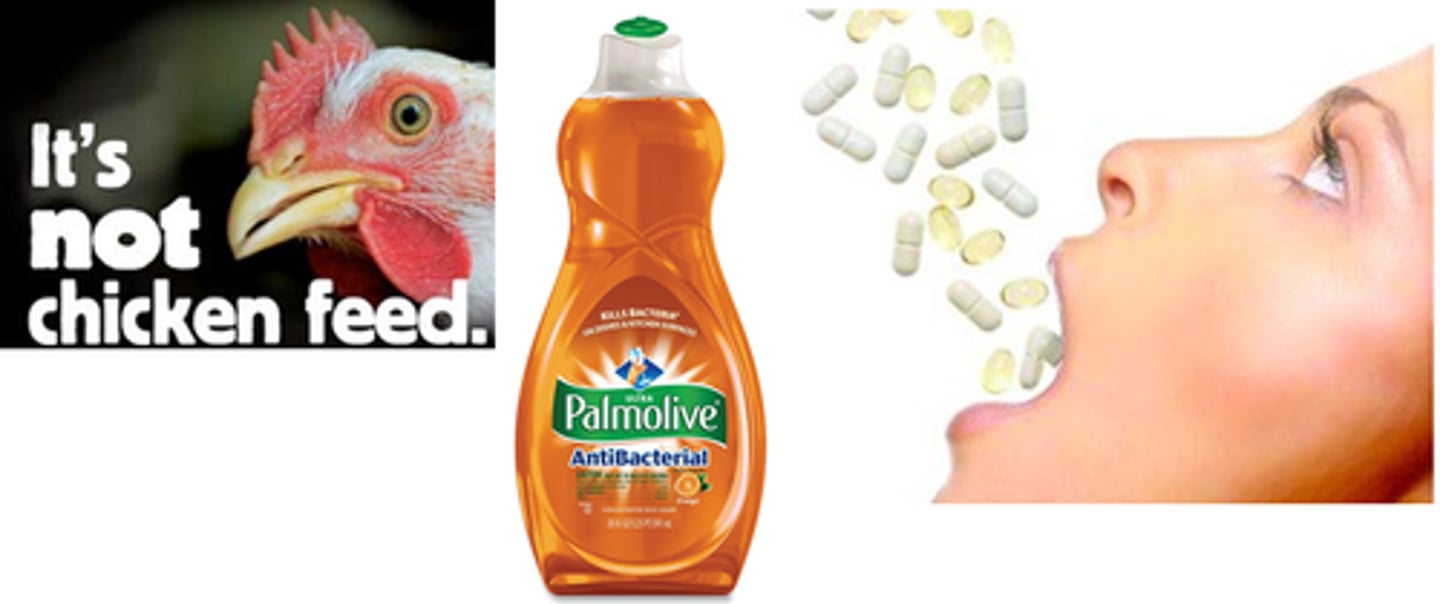
antibiotic
Natural chemicals produced by bacteria or fungi to inhibit the growth of other microbes.
Rene Dubos
He discovered that soil dwelling germs also produced an antibiotic: tyrothricin.

microbial ecology
The interaction of microbes with other organisms and the environment.