Lab Practical 1 - A&P II
 Call Kai
 Learn
Learn Practice Test
 Spaced Repetition
 Match
Match Flashcards
 Knowt Play
1/136

There's no tags or description
Looks like no tags are added yet.
Name | Mastery | Learn | Test | Matching | Spaced | Call with Kai | Chat |
|---|
No analytics yet
Send a link to your students to track their progress
137 Terms
colloid

adrenal cortex

follicular epithelium

medulla

parafollicular cells

calcitonin
What hormone is produced by the highlighted parafollicular cells?

posterior pituitary

thyroid gland

zona glomerulosa

zona reticularis
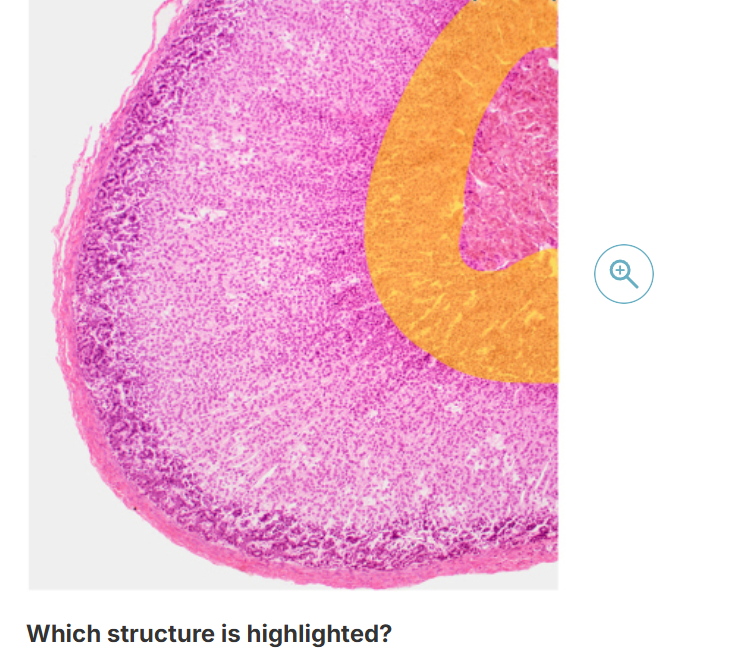
adrenal cortex

adrenal medulla

epinephrine and norepinephrine
In the adrenal medulla, chromaffin cells produce
______________ and ____________
effects of epinephrine and norepinephrine
Increased heart rate, Elevate blood pressure, Higher blood sugar, Airway dilation, Pupil dilation
body of pancreas
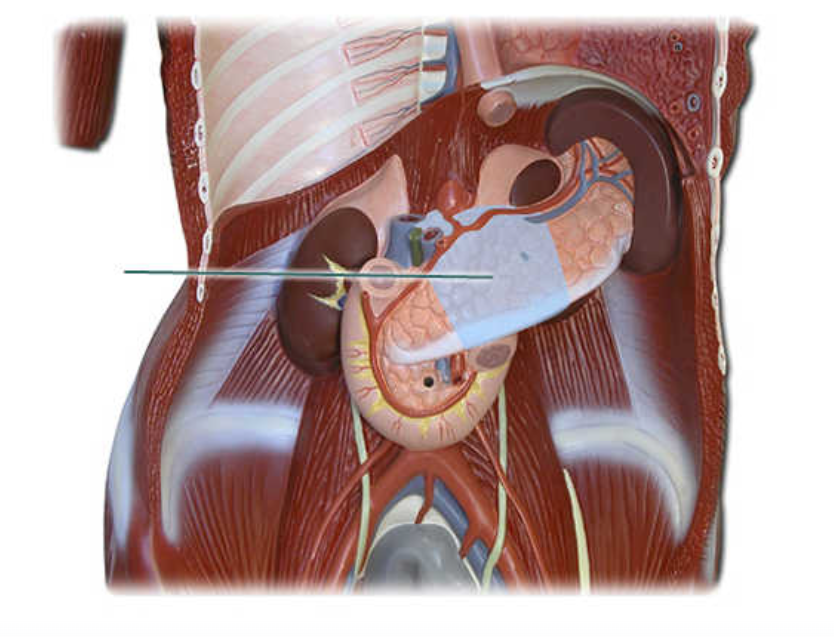
Thyrotropin-releasing hormone (TRH)
Which hormone released by the hypothalamus stimulates the release of TSH from the anterior pituitary (adenohypophysis)?
isthmus of thyroid

pineal gland

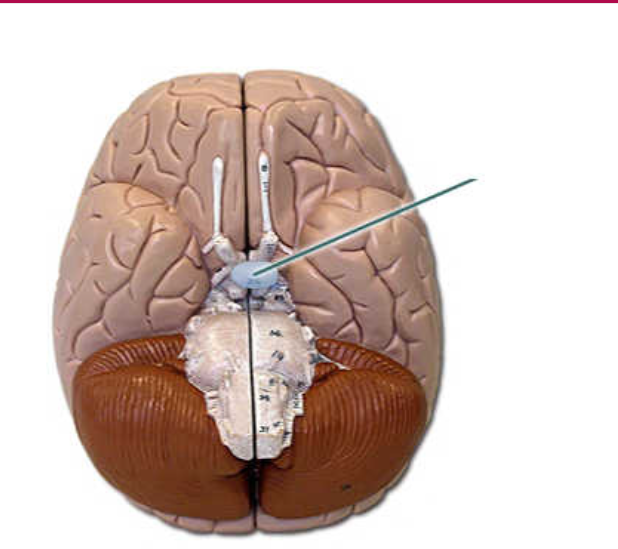
pituitary gland
what structure is highlighed?
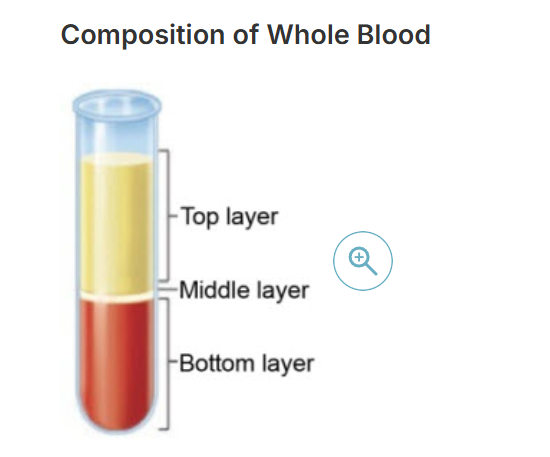
plasma
What does the top layer consist of?

buffy coat
What is the middle layer called?

leukocytes and platelets
What does the buffy coat consist of?
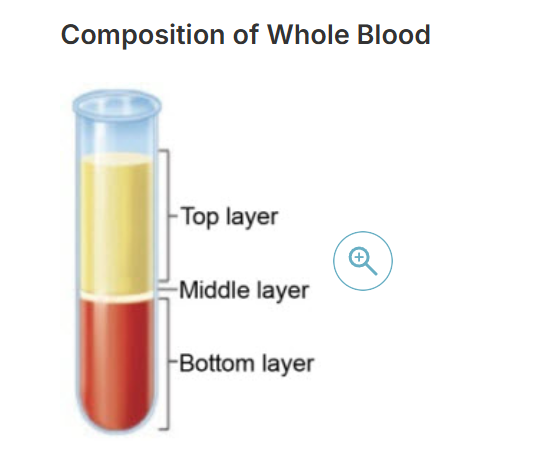
Blood
What does the bottom layer consist of?
hematocrit
the percentage of your total blood volume made up of red blood cells. [1]
steps for determining hematocrit
Step 1: Place heparinized capillary tube into the blood.
Step 2: Fill the tube three-quarters full with blood.
Step 3: Seal the end with capillary tube sealer or clay.
Step 4: Place the tube in a microhematocrit centrifuge.
Step 5: Centrifuge the blood for 4 to 5 minutes.
anemia

anemia
A decrease in the number of RBCs results in___________
steps of how EPO works to restore normal blood oxygen levels.
Step 1: Kidney releases EPO.
Step 2: EPO stimulates red bone marrow.
Step 3: enhanced erythropoiesis
Step 4: RBC count increases.
Step 5: carrying ability of blood increases.
erythropoietin (EPO)
the level of RBCs is hormonally controlled by
raise a patient's hematocrit.
How would blood doping with EPO affect a patient's hematocrit?
genetics
How is the expression of surface antigens on red blood cells determined?
antigens
The presence or absence of A and/or B surface antigens determines ABO blood type.
anti A
People who have the B antigen on the surface of their red blood cells have _______ antibodies in their plasma.
neither anti-A nor anti-B
People who have both A and B antigens on the surface of their red blood cells have __________________________ antibodies in their plasma.
anti-B
People who have the A antigen on the surface of their red blood cells have ________ antibodies in their plasma
anti-A and anti-B antibodies
People who have neither A nor B antigens on the surface of their red blood cells have _________________________ in their plasma.
A+
donor blood types A+, A-, O+, and O-
B+
donor blood types B+, B-, O+, and O-
O-
donor blood types O-
A-
donor blood types A-, O-
O+
donor blood types O+, O-
AB-
donor blood types A-, B-, AB-, and O-
B-
: donor blood types B-, O-
AB+
donor blood types A+, A-, B+, B-, AB+, AB-, O+, and O-
B-
What is this person’s blood type?

blood handling
Personal Protective Equipment (PPE): Always wear a lab coat, gloves, and safety goggles or glasses during any blood-related practical or experiment.
Disposal of Sharps: Place lancets, needles, or any glass capillary tubes immediately into a rigid, labeled sharps container. Never recap needles.
Biological Waste: Dispose of non-sharp items contaminated with simulated or real blood (such as alcohol wipes, pipettes, and gloves) in designated biohazard waste bins.
Surface Decontamination: Disinfect your lab bench with a 10% bleach solution or an approved hospital-grade disinfectant before and after the lab session.
No Eating or Drinking: Keep all food, drinks, cosmetics, and personal items completely away from the laboratory workspace. Handwashing is required immediately after removing gloves.
Ocular Lens (Eyepiece)
Typically magnifies 10x. This is the lens you look through at the top of the microscope. [1, 2]
magnification breakdown
Scanning Objective: Magnifies 4x (yielding a total magnification of 40x). Used for finding and initial orientation of the specimen. [1, 2, 3]
Low-Power Objective: Magnifies 10x (yielding a total magnification of 100x). Used for a closer view of larger tissue sections or structures. [1, 2, 3]
High-Power Objective (High-Dry): Magnifies 40x (yielding a total magnification of 400x). Used for detailed cellular structures. [1, 2]
Oil-Immersion Objective: Magnifies 100x (yielding a total magnification of 1000x). Used with immersion oil for maximum resolution at the highest power (frequently used in microbiology components of lab). [1, 2, 3]
magnification of objective vs total magnification
The magnification of the objective lens is the magnifying power of the single lens closest to the slide, whereas total magnification is the combined enlargement produced by multiplying that objective lens power by the power of the ocular lens (eyepiece). [1, 2]
proper handling of microscope
Clean: Remove slides and clean lenses with lens paper; remove immersion oil.
Adjust: Lower and center the stage; switch to the 4× objective.
Power down: Set light to zero, turn off, and unplug.
Secure: Loosely wrap the cord.
Cover: Put on the dust cover.
Transport: Carry with two hands—one on the arm, one under the base.
Store: Place in the correct numbered cabinet slot carefully.
interpupillary distance
To adjust the interpupillary distance (IPD) on a lab microscope, physically push the two ocular lenses (eyepieces) together or pull them apart horizontally until the two separate circles of light merge into one perfect, unified circle. [1, 2, 3]
This adjustment matches the width between the microscope’s eyepieces to the exact space between your pupils to prevent eye strain and double vision during your lab work. [1, 2, 3]
interpupillary distance
the distance between the centers of your two pupils, and adjusting it on a binocular microscope means changing the space between the two ocular lenses (eyepieces) so they match your eyes. [1, 2]
corticotropin releasing hormone
secreted by hypothalamus
targets anterior pituitary gland
stimulates release of adrenocorticotropic hormone
Gonadotropin-releasing hormone (GnRH
secreted by Hypothalamus
targets Anterior pituitary
Stimulates release of the gonadotropins (FSH
and LH
Growth hormone–inhibiting hormone (GHIH)
secreted by hypothalamus
targets Anterior pituitary
Inhibits release of GH
Growth hormone–releasing hormone (GHRH)
secreted by Hypothalamus
targets Anterior pituitary
Stimulates release of GH
Prolactin-inhibiting hormone (PIH)
secreted by Hypothalamus
targets Anterior pituitary
Inhibits the release of PRL
Prolactin-releasing hormone (PRH)
secreted by Hypothalamus
targets Anterior pituitary
Stimulates the release of PRL
Thyrotropin-releasing hormone (TRH
secreted by Hypothalamus
targets Anterior pituitary
Stimulates the release of TSH
hypothalamic hormones
TRH: Stimulates TSH release.
CRH: Stimulates ACTH release.
GnRH: Stimulates LH and FSH release.
GHRH: Stimulates GH release.
Somatostatin: Inhibits GH and TSH.
Dopamine: Inhibits prolactin release. [1, 2, 3]
pituitary hormones
Adrenocorticotropic Hormone (ACTH): Stimulates your adrenal glands to produce cortisol and manage stress.
Thyroid-Stimulating Hormone (TSH): Triggers your thyroid gland to release metabolism-regulating hormones.
Follicle-Stimulating Hormone (FSH): Controls egg development in ovaries and sperm production in testes.
Luteinizing Hormone (LH): Regulates sex hormone production and triggers ovulation.
Growth Hormone (GH): Supports physical growth, muscle, bone health, and metabolism.
Prolactin: Stimulates breast milk production after childbirth.
Melanocyte-Stimulating Hormone (MSH): Affects skin pigmentation by stimulating melanin production. [1, 2, 3]
Adrenocorticotropic hormone (ACTH)
secreted by Anterior pituitary
targets Adrenal cortex
■ Development and growth of adrenal cortex
■ Release of adrenal cortex hormones and
catecholamines
Follicle-stimulating hormone (FSH)
secreted by Anterior pituitary
targets Gonads
■ In males, indirectly stimulates sperm
production in the seminiferous tubules
of the testes
■ In females, stimulates development of folli-cles and oocytes in the ovaries and estrogen
release
Growth hormone (GH)
(Nontropic
secreted by Anterior pituitary
targets Liver, adipose, muscle, bone, and cartilage
Stimulates growth and protein synthesis
Luteinizing hormone (LH)
secreted by Anterior pituitary
targets: Gonads
■ In males, stimulates the interstitial cells
to produce testosterone
■ In females, stimulates ovulation and
production of estrogen and progesterone
prolactin (PRL)
secreted by: Anterior pituitary
targets: Mammary glands
Milk production
Thyroid-stimulating hormone (TSH)
secreted by: Anterior pituitary
targets:Thyroid gland
Stimulates the thyroid gland to secrete T3 and T4
Antidiuretic hormone (ADH)
secreted by: posterior pituitary
targets: Kidney
■ Stimulates water retention
■ Decreases urine output
■ Maintains blood volume
oxytocin (OT)
secreted by: Posterior pituitary
targets: Uterus and mammary glands
■ Stimulates uterine contractions
■ Milk flow (let-down reflex
thyroid and parathyroid hormones
calcitonin
parathyroid hormone (PTH)
Triiodothyronine (T3) and thyroxine (T4)
Calcitonin
secreted by: Thyroid
targets: Bone and kidney
Causes decrease in blood calcium ion levels by:
■ Stimulating osteoblast and inhibiting osteo-clast activity
■ Causing secretion of excess calcium into
urine
parathyroid hormone (PTH)
secreted by: Parathyroid
targets: Bone, kidney, and small intestine
Causes increase in blood calcium ion levels by:
■ Activating osteoclasts
■ Causing kidney tubules to reabsorb calcium
back into the bloodstream
■ Promoting calcium absorption through the
small intestin
Triiodothyronine (T3) and thyroxine (T4)
secreted by: Thyroid
targets: All cells
■ Set basal metabolic rate
■ Promote growth and development
■ Regulate body temperature
hypothalamus

pituitary gland
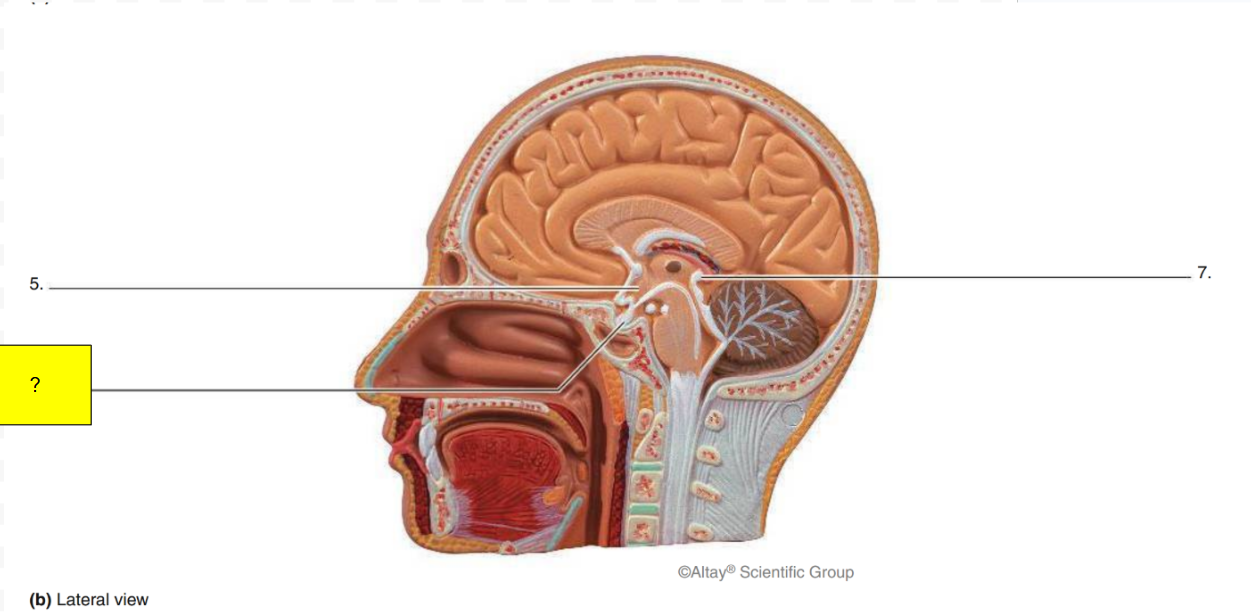
pineal gland
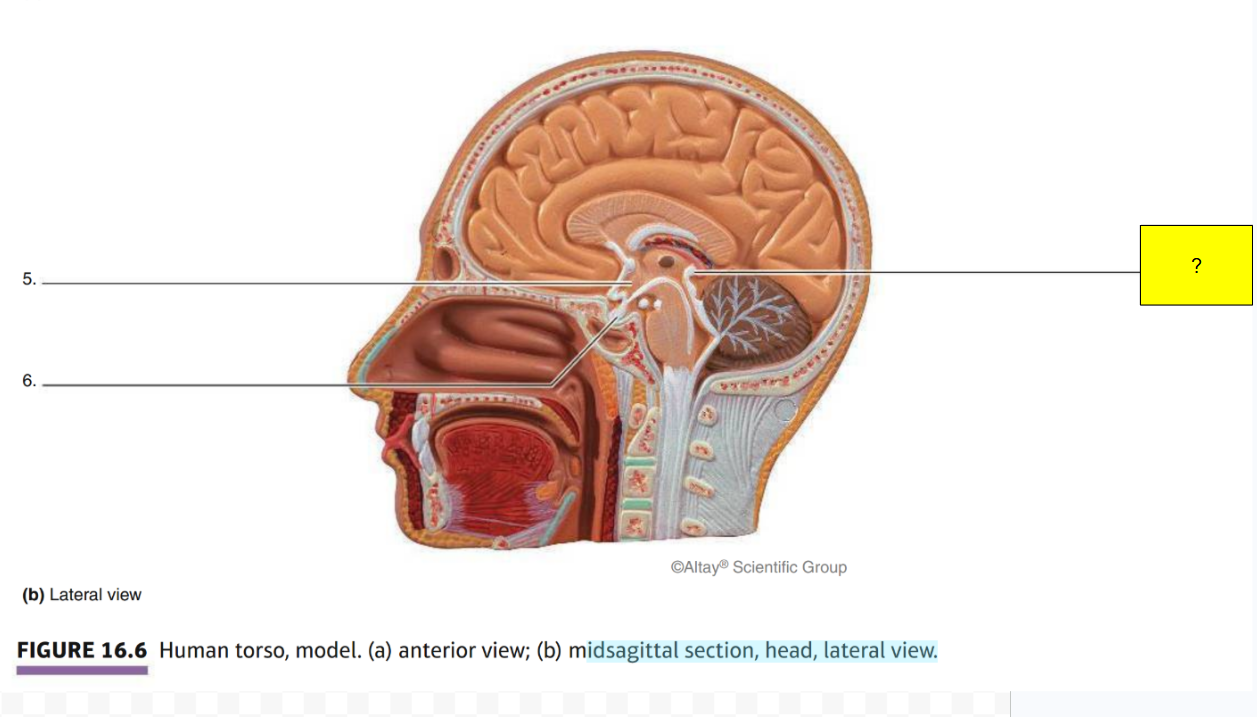
capsule

pineal gland

pituitary gland

hypothalamus

infundibulum

posterior lobe of the pituitary gland

anterior lobe of the pitutiary gland

melatonin
What hormone does the pineal gland secrete?
anterior lobe; posterior lobe
adenohypophysis = _________________ lobe; neurohypophysis = ___________ lobe
anterior pituitary lobe
adenohypohysis
posterior lobe
neurohypophysis
glandular epithelial tissue
What type of tissue is found in the anterior pituitary?
neural tissue
What type of tissue is found in the posterior pituitary?
pituitary gland

hormones released by anterior lobe of the pituitary gland
Growth Hormone (GH_: Stimulates growth, cell reproduction, and protein synthesis.
Thyroid-Stimulating Hormone (TSH): Prompts the thyroid gland to release thyroid hormones.
Adrenocorticotropic Hormone (ACTH): Directs the adrenal cortex to produce cortisol and other stress-response hormones.
Follicle-Stimulating Hormone (FSH): Regulates egg maturation in ovaries and sperm production in testes.
Luteinizing Hormone (LH): Triggers ovulation and stimulates sex hormone production (estrogen and testosterone) in the gonads.
Prolactin (PRL): Prompts milk production in the mammary glands. [1, 2, 3, 4, 5, 6]
hormones secreted by the posteior lobe of the pituitary
oxytocin and antidiuretic hormone (ADH)
oxytocin and antidiuretic hormone (ADH)
hormones secreted by the posteior lobe of the pituitary
thyroid gland

thyroid gland
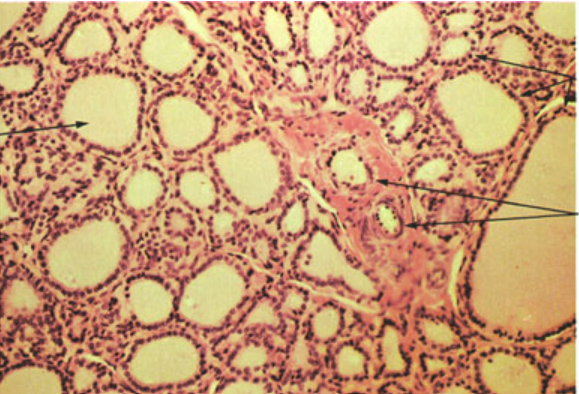
thyroid gland

thyroid hormones thyroxine (T4) and triiodothyronine (T3)
Follicular cells: what do these secrete?
control the rate at which your body uses energy (regulate metabolism)
What’s the function of thyroxine (T4) and triiodothyronine (T3)?
calcitonin
parafollicular cells: what do these secrete?
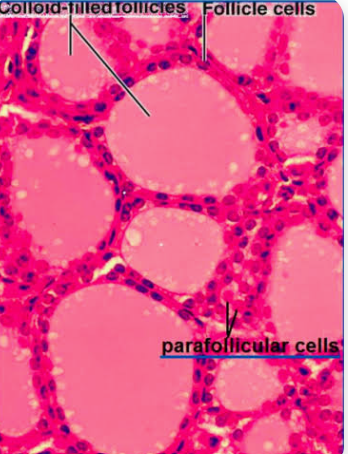
lower calcium levels in your bloodstream
What’s the function of calcitonin?