STEP 2 Best Next Step
 Call Kai
 Learn
Learn Practice Test
 Spaced Repetition
 Match
Match Flashcards
 Knowt Play
1/72

There's no tags or description
Looks like no tags are added yet.
Name | Mastery | Learn | Test | Matching | Spaced | Call with Kai | Chat |
|---|
No analytics yet
Send a link to your students to track their progress
73 Terms
Patient presents with acute ischemic stroke within 3 hours of symptom onset. Head CT shows no hemorrhage. BP is 170/95. What is the next best step in management?
Administer IV alteplase (tPA). (Ensure BP remains < 185/110 prior to and during administration).
Patient presents with status epilepticus (continuous seizure > 5 mins or >= 2 seizures without recovery). Initial supportive care (oxygen, IV access) is done. What is the immediate first-line pharmacotherapy?
IV Benzodiazepines (IV lorazepam or IV diazepam; or IM midazolam if IV access is delayed).
Patient with status epilepticus fails initial IV benzodiazepine treatment and continues seizing. What is the next best step?
Administer non-sedating IV antiseizure medication (e.g., fosphenytoin, phenytoin, levetiracetam, or valproate).
A patient presents within 2 hours of acute ischemic stroke symptoms. Non-contrast CT head rules out hemorrhage. BP is 200/115 mmHg. What must be done before administering IV alteplase (tPA)?
Lower blood pressure to < 185/110 mmHg using IV labetalol or nicardipine.
A patient presents with acute chest pain and ECG showing ST-elevation in leads II, III, and aVF. Blood pressure is 85/50 mmHg. What is the immediate contraindication and the next best step?
Contraindicated: Nitrates and morphine (causes severe preload reduction in Right Ventricular Infarction).
Next Step: Obtain right-sided ECG (V3R/V4R) and administer IV normal saline fluid bolus to maintain RV preload.
Patient with symptomatic acute pericarditis (chest pain improved by leaning forward, diffuse ST elevations, PR depressions). What is first-line management?
NSAIDs (e.g., ibuprofen or indomethacin) PLUS Colchicine.
A 68-year-old male with a history of smoking presents with severe sudden back pain and syncope. BP is 80/50 mmHg, and a pulsatile abdominal mass is palpated. What is the immediate next step?
Immediate emergent surgical repair (or endovascular repair) for ruptured Abdominal Aortic Aneurysm (AAA). Do not delay for imaging if hemodynamically unstable with a classic presentation.
A 68-year-old hemodynamically stable patient presents with symptoms suspicious for a non-ruptured expanding Abdominal Aortic Aneurysm. What is the initial imaging modality of choice?
Abdominal CT angiography (or bedside abdominal ultrasound if screening/rapid bedside evaluation).
A patient with acute pulmonary edema due to heart failure decompensation is in severe respiratory distress despite supplemental oxygen and high-dose IV furosemide. What is the next best non-invasive intervention?
Initiate Non-Invasive Positive Pressure Ventilation (NIPPV / CPAP or BiPAP).
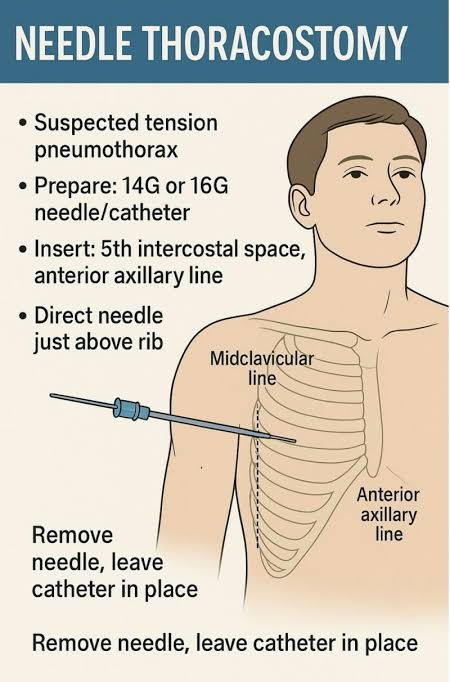
An intubated patient on mechanical ventilation suddenly becomes hypotensive with decreased breath sounds on the left side and tracheal deviation to the right. What is the immediate next step?
Immediate needle thoracostomy (or finger thoracostomy/chest tube placement). Do not delay for a chest X-ray.
Patient with suspected acute pulmonary embolism is hemodynamically unstable (BP 80/50 mmHg) and has contraindications to anticoagulation or active severe bleeding. What is the next best step?
Surgical or catheter-directed embolectomy (or IVC filter placement if thromboembolism prophylaxis/recurrence prevention).
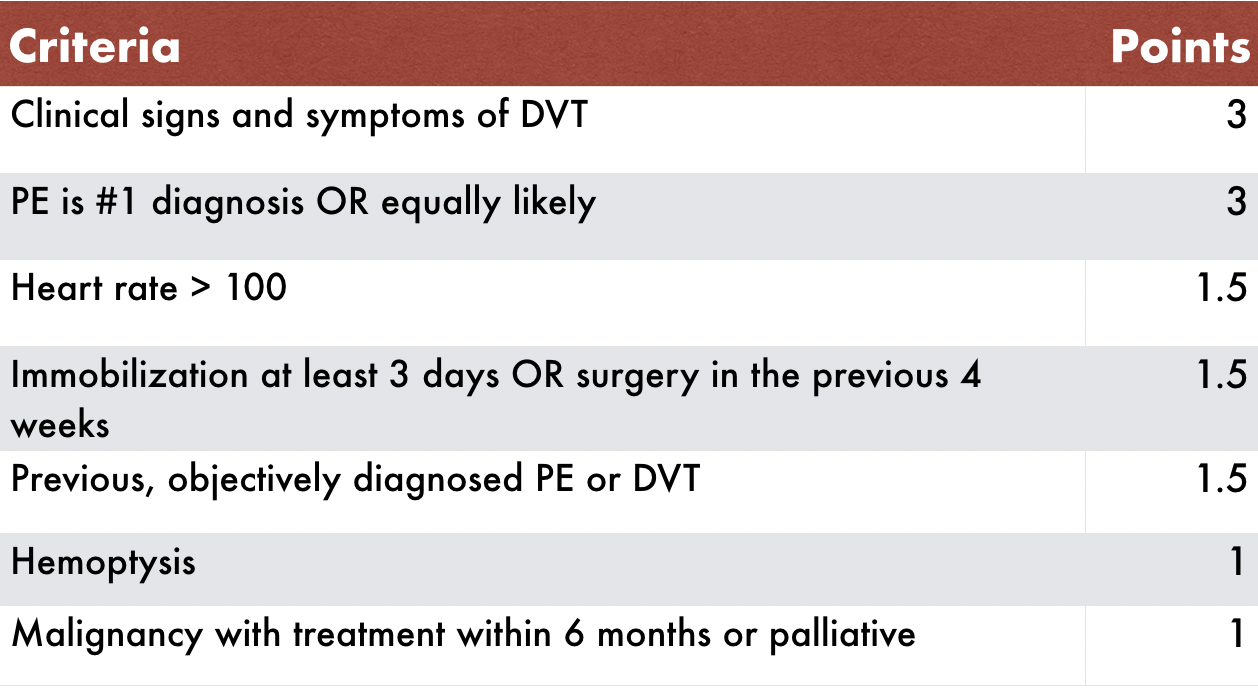
Patient with high clinical suspicion for PE (Well's score > 4) and no contraindications to anticoagulation. What is the immediate next best step?
Initiate empiric anticoagulation (e.g., LMWH or unfractionated heparin) BEFORE obtaining CT Pulmonary Angiography.
Well’s score > 4 = CT Pulm Angio
Well’s score < 4= D dimer
A 65-year-old with cirrhosis presents with hematemesis. Hemodynamics are stable after initial fluid resuscitation. What is the next best step in management before endoscopy?
Administer IV octreotide (or vasopressin derivative) and prophylactic IV ceftriaxone (to prevent SBP/sepsis). Endoscopy is performed within 12 hours.
A 50-year-old patient with dysphagia to both solids and liquids undergoes a barium swallow showing a 'bird's-beak' narrowing. What diagnostic test must be performed before definitive therapy to rule out pseudoachalasia?
Upper endoscopy (EGD) to exclude gastric cardia adenocarcinoma / malignancy.
A patient presents with acute right upper quadrant pain, fever, jaundice (Charcot triad), altered mental status, and hypotension (Reynold pentad). What is the next definitive step after starting IV antibiotics and fluids?
Emergent biliary decompression via ERCP (Endoscopic Retrograde Cholangiopancreatography).
Patient with acute mild gallstone pancreatitis. Symptoms resolve, lab values normalize, and patient is ready for discharge. What is the next best step before hospital discharge?
Perform same-admission laparoscopic cholecystectomy to prevent recurrent gallstone complications.
A patient involved in a high-speed MVC has blunt abdominal trauma. FAST exam is inconclusive (equivocal) and the patient is hemodynamically stable. What is the next best step?
CT scan of the abdomen and pelvis with IV contrast. (If the patient were unstable, the next step would be Diagnostic Peritoneal Lavage/Aspiration or immediate laparotomy).
A patient involved in a motor vehicle collision has a FAST exam showing free fluid in the intraperitoneal cavity and a blood pressure of 78/40 mmHg despite fluid boluses. What is the next best step?
Immediate exploratory laparotomy.
A patient with a penetrating abdominal wound (e.g., gunshot wound or stab wound with evisceration / peritonitis / hemodynamically unstable). What is the next best step?
Immediate exploratory laparotomy.
Patient with suspected acute appendicitis presenting with classic clinical findings (RLQ pain, migratory pain, fever, leukocytosis, Rovsing sign). What is the next best step in an adult male or non-pregnant female?
Laparoscopic appendectomy (clinical diagnosis is sufficient; imaging optional unless diagnosis is uncertain).
A patient with severe hyperkalemia (K+ = 6.8 mEq/L) shows peaked T-waves and widening QRS complexes on ECG. What is the absolute first medication to administer?
IV Calcium gluconate (or Calcium chloride) to stabilize the cardiac membrane.
A patient with chronic kidney disease presents with fatigue, pericardial friction rub, and chest pain that improves when leaning forward. BUN is 112 mg/dL. What is the definitive next best step in management?
Immediate hemodialysis (Urgent indication for dialysis: Uremic pericarditis).
Patient with asymptomatic severe hyponatremia (Na = 118 mEq/L) due to SIADH. What is the first-line management?
Fluid restriction (and oral salt tablets/loop diuretics if needed). Hypertonic 3% saline is reserved for symptomatic/severe acute hyponatremia.
Patient with acute hyperkalemia without ECG changes. What is the next step to lower potassium levels rapidly?
Administer IV insulin + glucose, or inhaled beta-2 agonists (albuterol).
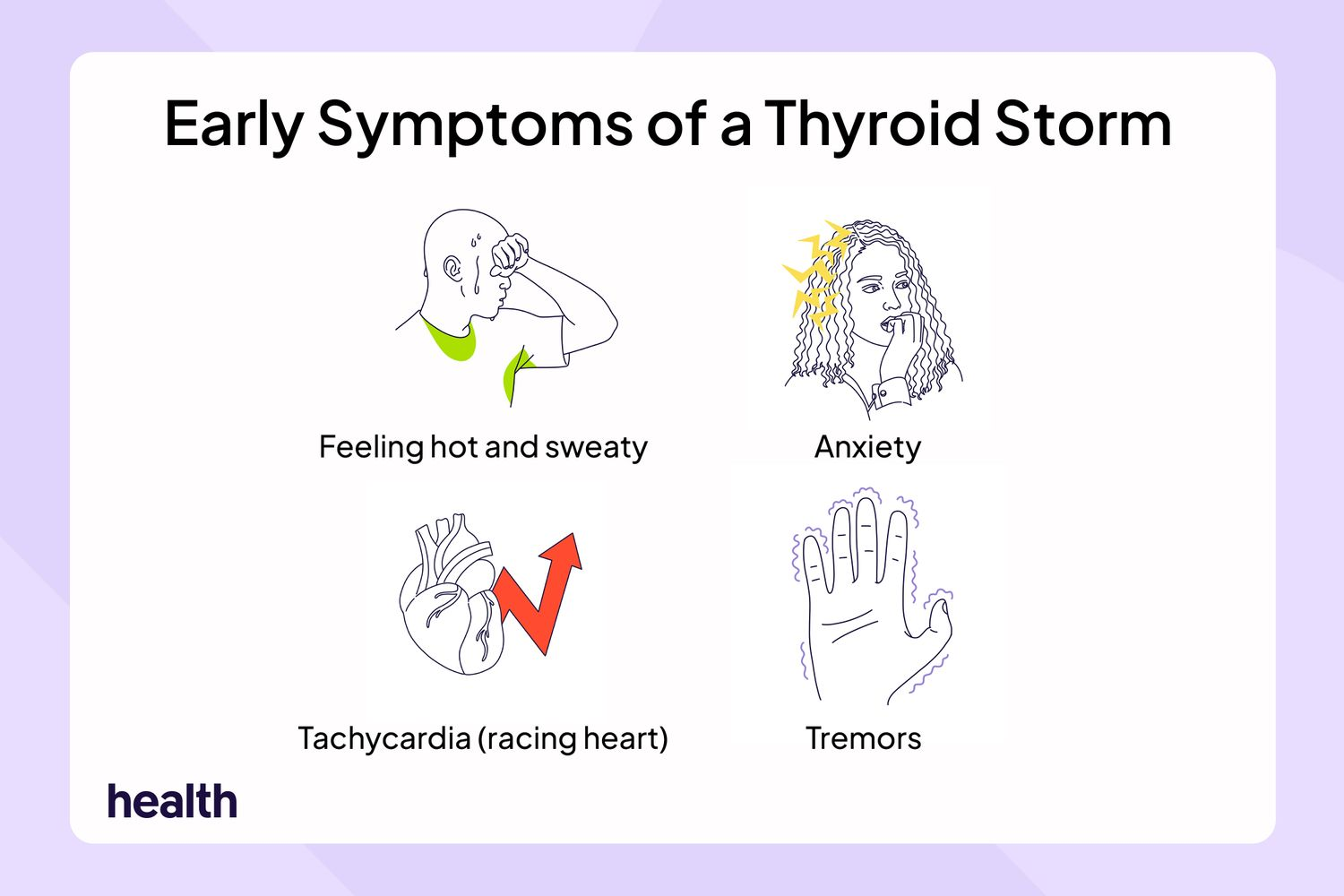
A patient in Thyroid Storm receives propylthiouracil (PTU). What medication should be given 1 hour after PTU administration?
Iodine solution (Lugol's or SSKI). (Giving iodine before blocking thyroid peroxidase with PTU/methimazole can fuel further thyroid hormone synthesis via the Jod-Basedow effect).
Patient presents with severe DKA (pH 7.1, Glucose 450, K+ 3.3 mEq/L). What is the absolute first step in electrolyte management before starting IV insulin?
Administer IV potassium supplementation. Hold insulin until K+ > 3.3 mEq/L to prevent fatal arrhythmias.
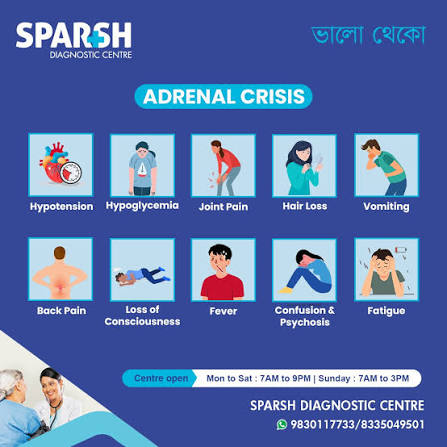
Patient with suspected adrenal crisis (hypotension, hyponatremia, hyperkalemia, hypoglycemia). What is the immediate treatment after drawing blood for cortisol/ACTH?
Administer high-dose IV hydrocortisone (or dexamethasone) and aggressive isotonic fluid resuscitation.
A patient presents with fever, nuchal rigidity, and altered mental status. LP is planned. Under what specific conditions must a CT scan of the head precede the LP?
Focal neurological deficits, new-onset seizures, papilledema, altered level of consciousness, or immunocompromised state. (Note: Always start empiric IV antibiotics immediately before sending the patient for CT).
Patient suspected of acute bacterial meningitis without papilledema or focal deficits. What is the correct sequence of management?
Perform Lumbar Puncture (LP) FIRST, then immediately initiate empiric IV antibiotics and steroids.
Patient with febrile neutropenia (Absolute Neutrophil Count < 500/mm3 and fever >= 38.3 C). What is the immediate next best step?
Obtain blood cultures and immediately start empiric broad-spectrum anti-pseudomonal IV beta-lactam monotherapy (e.g., Cefepime, Meropenem, or Piperacillin-Tazobactam).
A pregnant woman at 32 weeks gestation presents with painless, bright red vaginal bleeding. What procedure is strictly contraindicated before obtaining an ultrasound?
Digital cervical examination (risk of severe hemorrhage if placenta previa is present). Perform transabdominal ultrasound first.
A patient at 30 weeks gestation experiences preterm premature rupture of membranes (PPROM). There are no signs of infection or fetal distress. What is the next best step in management?
Expectant management with latency antibiotics (ampicillin + erythromycin/azithromycin), corticosteroids (betamethasone), and continuous fetal monitoring until 34 weeks.
A postmenopausal woman presents with new-onset abnormal uterine bleeding. What is the next best step in diagnostic evaluation?
Transvaginal ultrasound OR endometrial biopsy (to rule out endometrial carcinoma).
Patient with ectopic pregnancy: hemodynamically stable, unruptured mass < 3.5 cm, no fetal cardiac activity, beta-hCG < 5000 IU/L, normal liver/renal function. What is the next best step?
Medical management with intramuscular Methotrexate.
Patient with ectopic pregnancy who is hemodynamically unstable OR has signs of tubal rupture / severe abdominal pain. What is the next best step?
Immediate surgical management (Laparoscopic salpingectomy or salpingostomy).
A 2-year-old child presents with a 2-day history of low-grade fever, barking cough, and inspiratory stridor at rest. What is the next best step in management?
Administer nebulized racemic epinephrine and single-dose IV/IM/oral dexamethasone.
Moderate-to-severe viral croup
Stridor at rest means significant upper-airway obstruction → epinephrine rapidly decreases airway edema.
Dexamethasone is given for croup of any severity and provides longer-lasting improvement.
Observe for several hours because epinephrine’s effect is temporary and symptoms can recur.
A 4-year-old unimmunized child presents with high fever, sore throat, drooling, and sitting in a 'tripod' position. What is the single most critical next step?
Secure the airway in the operating room with an anesthesiologist/ENT present. Avoid disturbing or examining the throat in the clinic/ED.
Infant under 24 months with first febrile UTI. Treated with 7-14 days of antibiotics. Symptoms resolve. What is the next diagnostic step recommended after resolution of fever?
Renal and bladder ultrasound (RBUS). (Voiding cystourethrogram [VCUG] indicated if RBUS is abnormal or recurrent febrile UTIs occur).
Infant with bilious vomiting. Abdominal X-ray shows no gas in distal intestine. What is the next best diagnostic step?
Upper GI series (contrast swallow) to evaluate for midgut volvulus/malrotation.
Bilious + possible malrotation → urgent upper GI series
Nonbilious projectile vomiting → pyloric stenosis → ultrasound
A patient with sickle cell disease presents with sudden severe dyspnea, chest pain, fever, and new pulmonary infiltrates on chest X-ray. What is the initial best step in management?
Oxygen therapy, empiric IV antibiotics (ceftriaxone + macrolide), IV analgesia, judicious IV fluids, and urgent exchange transfusion if severe/progressive.
Patient with severe heparin-induced thrombocytopenia (HIT) with >50% drop in platelets after heparin initiation. What is the immediate next best step?
Immediately stop ALL heparin products and start a direct thrombin inhibitor (e.g., argatroban or bivalirudin).
Patient presenting with classic pentad of TTP (Thrombotic Thrombocytopenic Purpura): microangiopathic hemolytic anemia, thrombocytopenia, renal failure, fever, neurological symptoms. What is the immediate next best step?
Immediate plasma exchange (plasmapheresis). Do not wait for ADAMTS13 level results; do NOT give platelet transfusions.
A patient presents with acute monoarthritis of the right knee. Synovial fluid analysis shows 65,000 WBCs/uL with >90% neutrophils. What is the immediate next step in management?
Surgical drainage/arthrocentesis decompression and prompt initiation of empiric parenteral antibiotics (targeting S. aureus and Gram-negative organisms).
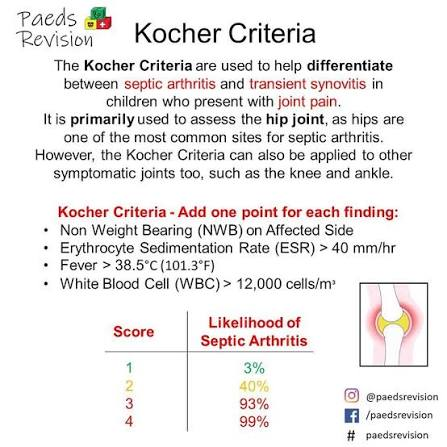
Child with acute limping and hip pain, fever, elevated ESR/CRP, unable to bear weight (Kocher criteria 3/4). What is the next best diagnostic step?
Ultrasound-guided hip aspiration to diagnose septic arthritis.
Patient suspected of Giant Cell (Temporal) Arteritis with new headache, jaw claudication, and elevated ESR. What is the next best step before obtaining temporal artery biopsy?
Immediately initiate high-dose systemic corticosteroids (IV/oral prednisone) to prevent permanent vision loss.
A patient taking haloperidol presents with high fever (103.5 F), severe 'lead-pipe' muscle rigidity, autonomic instability, and elevated creatine kinase. What is the first-line medical treatment after stopping the offending agent and supportive care?
Dantrolene or Bromocriptine (or Amantadine) for Neuroleptic Malignant Syndrome (NMS).
A patient presents 2 hours after an intentional acetaminophen overdose. Serum acetaminophen level measured at 4 hours falls above the treatment line on the Rumack-Matthew nomogram. What is the next best step?
Administer N-acetylcysteine (NAC). (If presentation is within 2 hours, activated charcoal can also be given initially).
Patient with acute carbon monoxide poisoning (headache, confusion, cherry-red skin, normal SaO2 on pulse oximetry). What is the immediate initial management?
100% high-flow normobaric oxygen via non-rebreather mask (or hyperbaric oxygen if severe/neurological deficits/pregnant).
Patient with organophosphate poisoning (SLUDGEM: Salivation, Lacrimation, Urination, Defecation, GI distress, Emesis, Miosis, Bradycardia). What is the first immediate medication to administer?
Atropine (to reverse cholinergic crisis) followed by Pralidoxime (2-PAM).
A 22-year-old male presents with sudden-onset severe unilateral testicular pain, absent cremasteric reflex, and high-riding testis. Ultrasound with Doppler shows decreased flow. What is the next best step?
Immediate urgent surgical exploration and bilateral orchiopexy (do not delay surgery if clinical suspicion is high).
Patient with acute urinary retention due to BPH unable to void. What is the immediate next step?
Urethral catheterization (foley catheter). If unsuccessful or contraindicated, perform suprapubic catheterization.
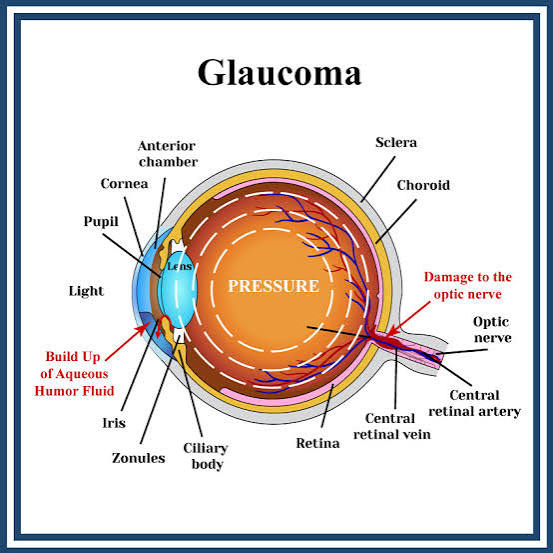
A patient presents with sudden onset severe eye pain, halos around lights, a hazy cornea, and a fixed mid-dilated pupil. Intraocular pressure is elevated. What is the immediate next step?
Immediate administration of topical anti-glaucoma drops (timolol, apraclonidine, pilocarpine) plus systemic acetazolamide (or IV mannitol).
Patient presents with painless, sudden, monocular vision loss described as a 'curtain coming down'. Fundoscopy shows pale retina with a cherry-red spot at the macula. What is the diagnosis and immediate management?
Central Retinal Artery Occlusion (CRAO). Immediate management: Ocular massage and IV acetazolamide / intra-arterial thrombolysis.
Patient with tense, painful, swollen extremity following trauma/revascularization with severe pain out of proportion to exam and pain with passive stretch. What is the next best step?
Immediate surgical fasciotomy for Compartment Syndrome (do not wait for intracompartmental pressure measurements if clinical suspicion is high).
Patient with acute severe lower GI bleed. Resuscitation initiated. What is the initial diagnostic procedure of choice after stabilization?
Colonoscopy (or CTA if massive bleeding and unstable).
Patient with acute STEMI presents to a facility WITHOUT PCI capabilities. Transfer time to PCI center is estimated at 150 minutes. What is the next best step?
Administer IV fibrinolytic therapy (e.g., alteplase/tenecteplase) within 30 minutes of arrival (since door-to-balloon time > 120 min).
Patient with symptomatic third-degree (complete) AV block or Mobitz type II second-degree AV block. What is the immediate management followed by definitive treatment?
Immediate transcutaneous/transvenous pacing followed by permanent pacemaker placement.
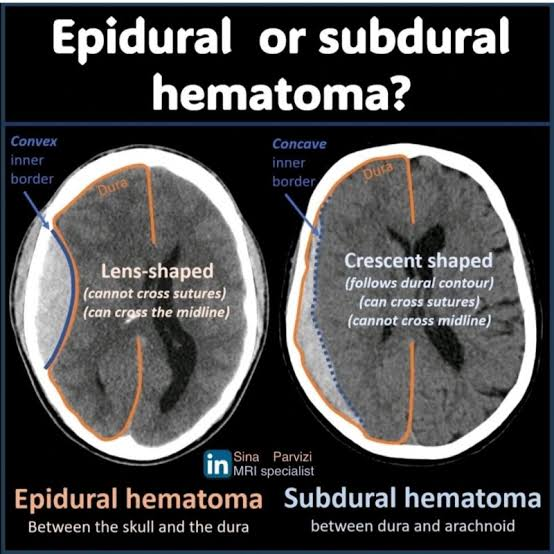
Patient with epidural hematoma (head trauma, lucid interval, biconvex lens on head CT). What is the definitive next step in management?
Emergent surgical craniotomy / evacuation.
Patient with subarachnoid hemorrhage. Non-contrast CT is negative. What is the next diagnostic step?
Lumbar puncture (LP) to check for xanthochromia and RBCs.
Child presenting with suspected intussusception (episodic abdominal pain, knees drawn to chest, currant jelly stool, target sign on US). What is both diagnostic and therapeutic?
Air or contrast/hydrostatic enema.
Newborn with delayed meconium passage (> 48 hours), abdominal distension, squirt sign on digital rectal exam. What is the initial diagnostic step?
Abdominal X-ray followed by contrast enema. Definitive diagnosis: Suction rectal biopsy.
Pregnant woman with preeclampsia with severe features (BP >= 160/110, severe headache, elevated LFTs). What are the two core immediate medical treatments?
IV Magnesium sulfate (for seizure prophylaxis) and IV antihypertensives (labetalol, hydralazine, or oral nifedipine).
Postpartum hemorrhage due to uterine atony not responding to bimanual uterine massage and IV oxytocin. What is the next medical step if no asthma/hypertension contraindications?
Administer Methylergonovine (contraindicated in HTN) or Carboprost / PGF2-alpha (contraindicated in asthma).
Patient with symptomatic severe hypercalcemia (Ca > 14 mg/dL). What is the immediate first-line treatment?
Aggressive IV isotonic saline hydration followed by IV bisphosphonates (zoledronic acid/pamidronate) or calcitonin.
Patient with suspected septic shock (refractory hypotension despite initial 30 mL/kg IV fluid crystalloid bolus). What is the next step in hemodynamic support?
Initiate vasopressors (first-line: Norepinephrine) to maintain MAP >= 65 mmHg.
Patient presenting with severe beta-blocker overdose (bradycardia, hypotension, hypoglycemia, diffuse wheezing). What is the specific antidote of choice?
IV Glucagon.
Patient with acute ethylene glycol or methanol toxicity. What is the immediate antidote to inhibit alcohol dehydrogenase?
Fomepizole (or ethanol if fomepizole is unavailable).
Patient with clinical features of tension pneumothorax. What is the immediate step?
Immediate needle decompression (2nd intercostal space midclavicular line or 5th intercostal space anterior axillary line) followed by tube thoracostomy.
Patient with cardiac tamponade (Beck's triad: hypotension, JVD, muffled heart sounds, pulsus paradoxus). What is the immediate life-saving procedure?
Emergent pericardiocentesis (or surgical pericardial window).
Pulsus paradoxus means the blood pressure drops more than normal when you breathe in.
Normally, systolic BP falls a little during inspiration. In pulsus paradoxus, it falls by more than 10 mm Hg.
Why?
When you inhale:
More blood enters the right ventricle.
If the heart cannot expand outward, such as in cardiac tamponade, the right ventricle pushes the septum toward the left ventricle.
The left ventricle fills with less blood.
Less blood is pumped into the body, so the systolic pressure drops noticeably.
Common settings
Cardiac tamponade
Severe asthma
Severe COPD
Memory rule:
Breathe in → right heart fills → left heart gets squeezed → blood pressure falls.
Patient taking MAO inhibitors consumes tyramine-rich foods (cheese, wine) and presents with severe hypertension, headache, diaphoresis. What is the initial antihypertensive management?
IV Phentolamine (alpha-adrenergic antagonist) or IV nitroprusside / labetalol.
Patient with warfarin-induced major life-threatening bleeding. What is the immediate reversal agent package?
Stop warfarin, administer Prothrombin Complex Concentrate (PCC) + IV Vitamin K.
Patient with acute respiratory distress syndrome (ARDS) on mechanical ventilation. What ventilation strategy improves survival?
Low tidal volume ventilation (6 mL/kg predicted body weight) and high PEEP.
Patient with acute mechanical bowel obstruction (crampy abdominal pain, vomiting, obstipation, dilated loops with air-fluid levels). Uncomplicated, no peritonitis. Initial management?
NPO status, IV fluid resuscitation, and Nasogastric (NG) tube decompression.