Macroevolution

0.0(0)
studied byStudied by 0 people
0.0(0)
full-widthCall Kai
learnLearn
examPractice Test
spaced repetitionSpaced Repetition
heart puzzleMatch
flashcardsFlashcards
GameKnowt Play
Card Sorting

1/11

flashcard set

Earn XP

Description and Tags

exam 3

Study Analytics
Name
Mastery
Learn
Test
Matching
Spaced

No study sessions yet.

12 Terms

1
New cards

Microevolution

  • consists of changes in allele frequency in a population over time

<ul><li><p><span><span>consists of changes in allele frequency in a population over time</span></span></p></li></ul><p></p>
2
New cards

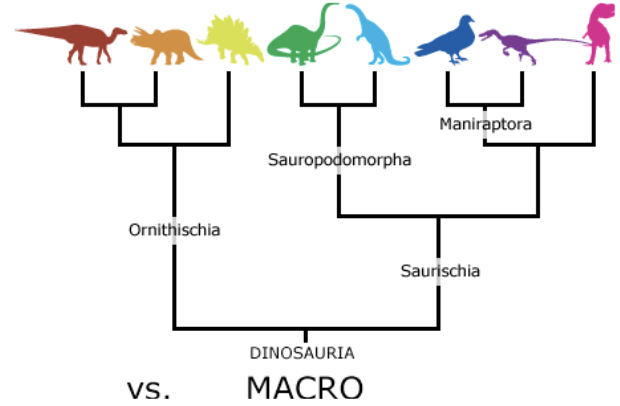
Macroevolution

  • refers to broad patterns of evolutionary change above the species level
<ul><li><p><span style="color: rgb(255, 255, 255);"><span>refers to broad patterns of evolutionary change above the species level</span></span></p></li></ul><p></p>
3
New cards

Key innovation + Empty ecological niche

  1. Release from competition and demographic population explosion

  2. Random process yield speciation

  3. New species are very similar (limiting similarity)

  4. New species evolve to reduce competition - specialization

ex: bats

4
New cards

Evidence of adaptive radiation in the past

  • the rapid diversification of a single ancestral lineage into multiple new forms

  • a phylogenetic tree with one branch rapidly splitting into many coexisting species, demonstrating how one ancestor exploited various unoccupied ecological niches in the past to survive and thrive
<ul><li><p>the rapid diversification of a single ancestral lineage into multiple new forms</p></li><li><p>a phylogenetic tree with one branch rapidly splitting into many coexisting species, demonstrating how one ancestor exploited various unoccupied ecological niches in the past to survive and thrive</p></li></ul><p></p>
5
New cards

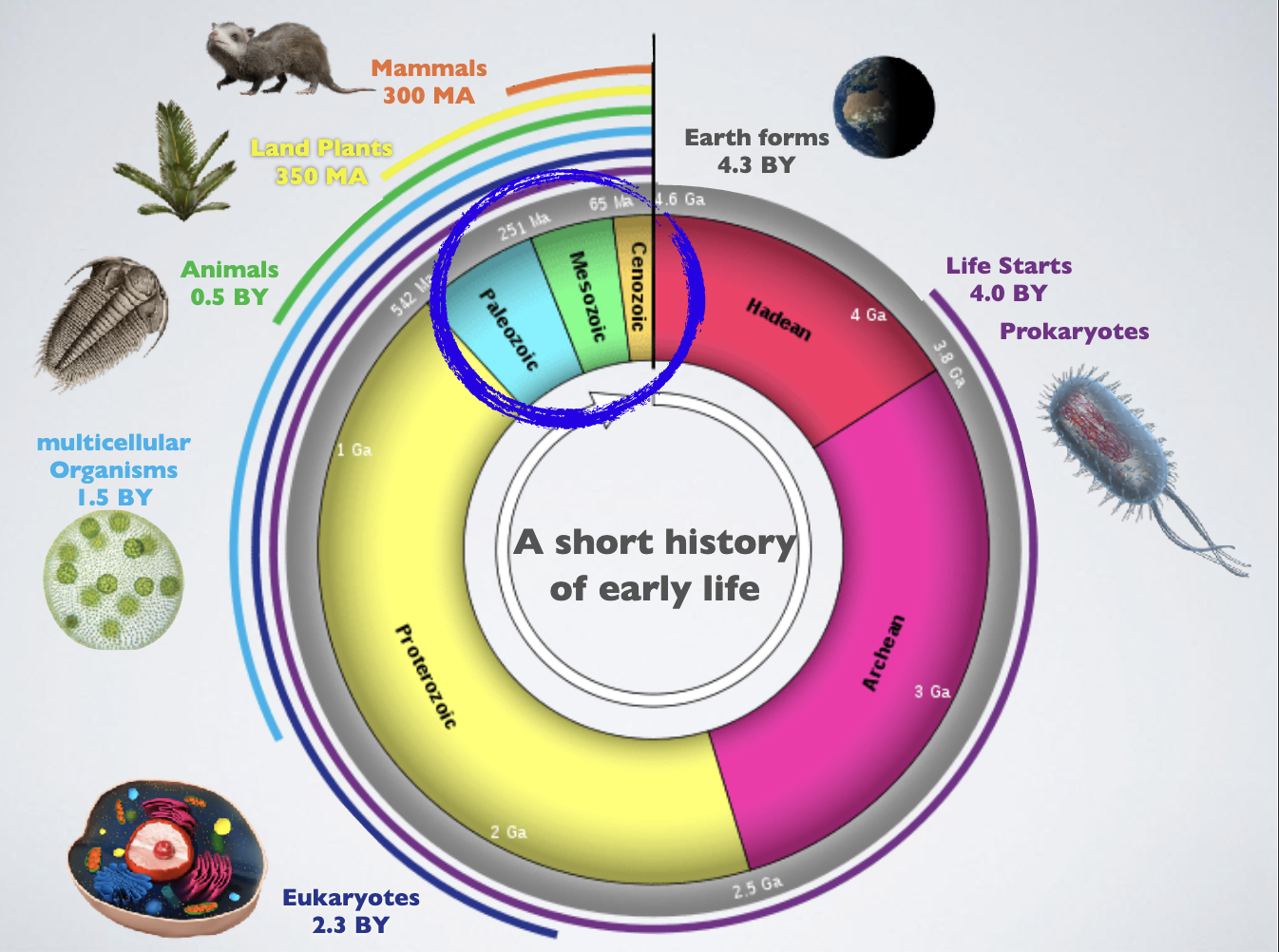
Phanerozoic Eon

phanero = "come to light"

zoic = "life"

eon = "long period of light"

Paleozoic Era: Paleo = “Old”, Zoic = “Life”

Mesozoic Era: Meso = “Middle”, Zoic = “Life”

Cenozoic Era: Ceno = “New”, Zoic = “Life”

6
New cards

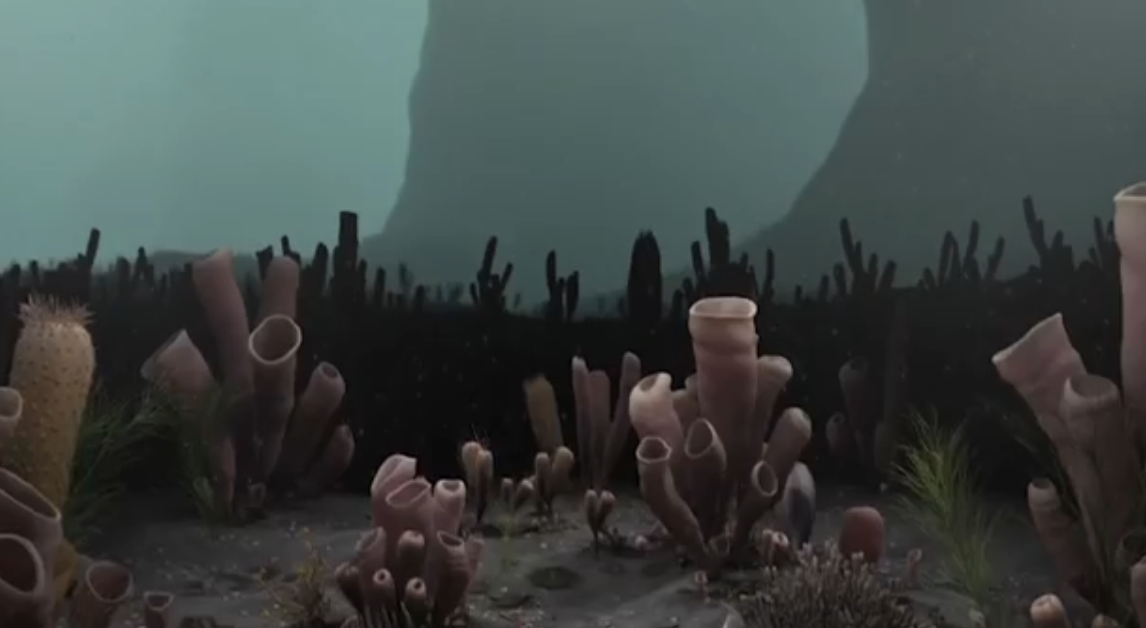
Cambrian - Cambrian Explosion

  • Around 530 million years ago, a wide variety of animals burst onto the evolutionary scene in an event known

  • marine animals evolved most of the basic body forms that we observe in modern groups

  • the appearance of shells was driven by a combination of factors, including a sudden surge of calcium in the oceans and the co-evolutionary pressure from new predators
<ul><li><p>Around 530 million years ago, a wide variety of animals burst onto the evolutionary scene in an event known</p></li><li><p><span><span>marine animals evolved most of the basic body forms that we observe in modern groups</span></span></p></li><li><p><span><span>the appearance of shells was driven by a combination of factors, including a sudden surge of calcium in the oceans and the co-evolutionary pressure from new predators</span></span></p></li></ul><p></p>
7
New cards

Ordovician - Great Diversification (Diversification of communities)

  • a massive evolutionary explosion in marine life

  • leading to a fourfold increase in marine animal genera, establishing modern marine ecosystems, and filling the oceans with diverse organisms, from early fish to complex invertebrates like cephalopods, brachiopods, and crinoids

  • setting the stage for future marine evolution through increased complexity in food webs, predation, and habitat use
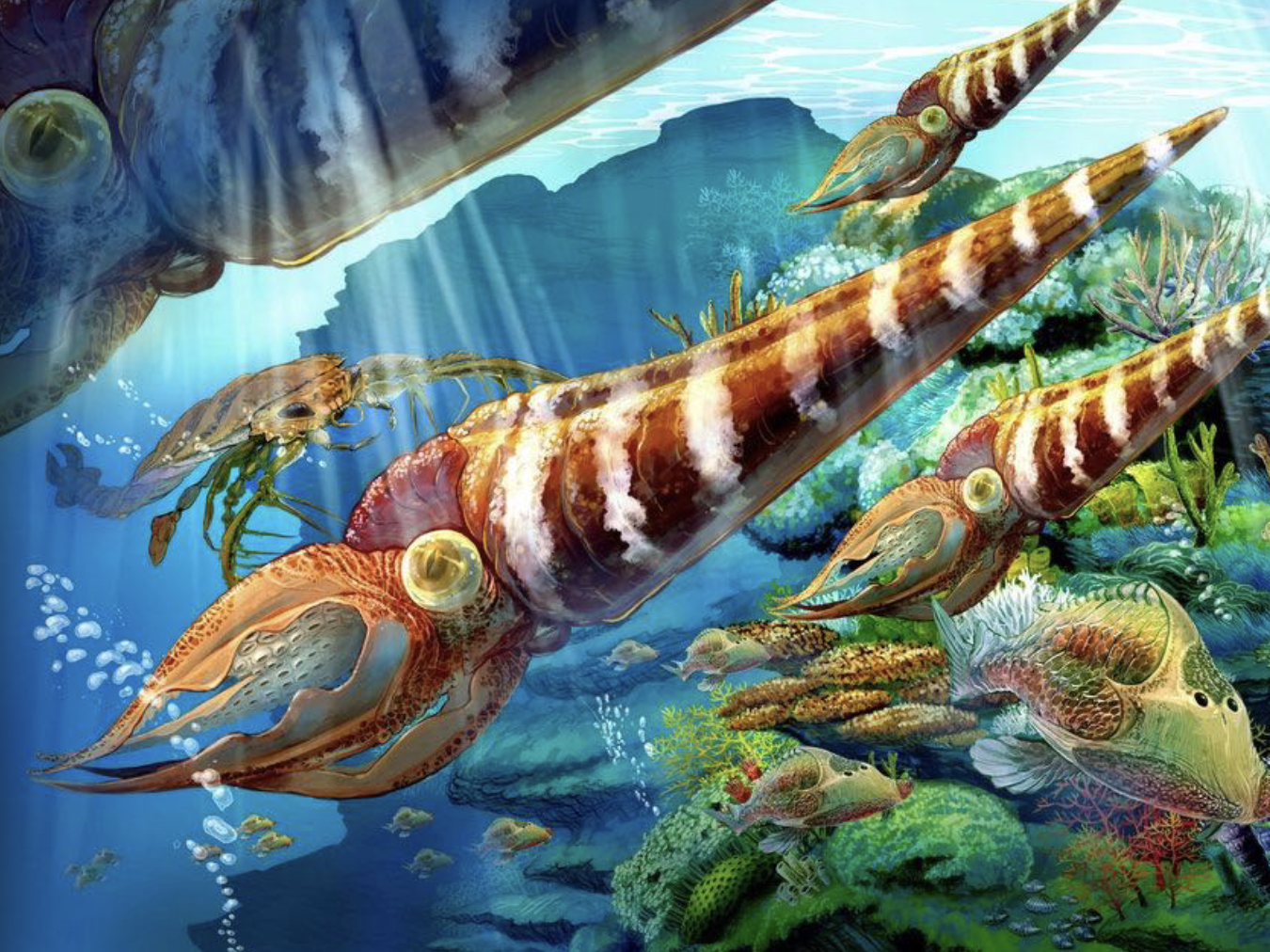
<ul><li><p><span><span>a massive evolutionary explosion in marine life </span></span></p></li><li><p><span><span>leading to a fourfold increase in marine animal genera, establishing modern marine ecosystems, and filling the oceans with diverse organisms, from early fish to complex invertebrates like cephalopods, brachiopods, and crinoids</span></span></p></li><li><p><span><span>setting the stage for future marine evolution through increased complexity in food webs, predation, and habitat use</span></span></p></li></ul><p></p>
8
New cards

Devonian

  • known as the "Age of Fishes" due to the diversification of marine life, especially the evolution of sharks and bony fish

  • the first forests emerged on land, alongside the development of seeds, soil, and the first four-legged vertebrates (tetrapods)
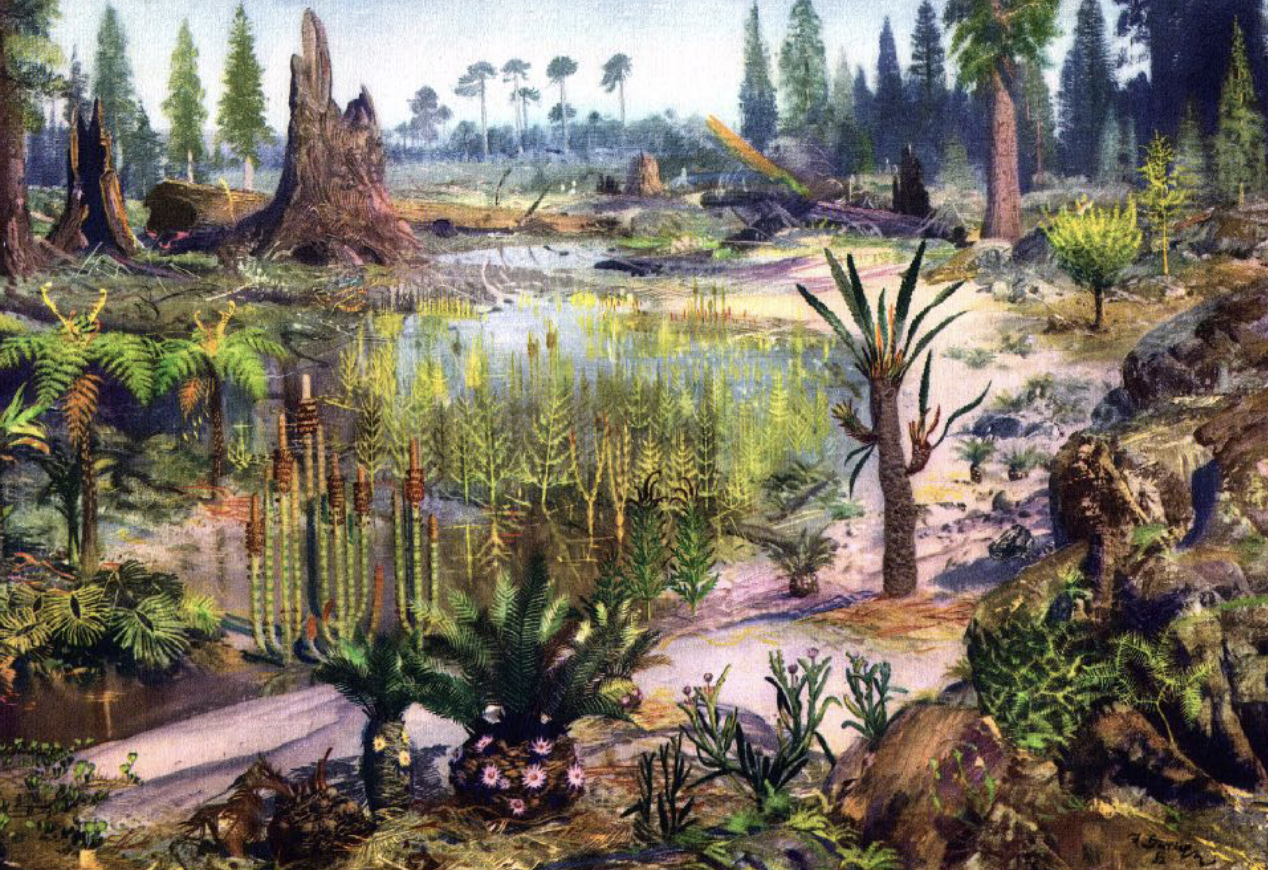
<ul><li><p><span>known as the "Age of Fishes" due to the diversification of marine life, especially the evolution of sharks and bony fish</span></p></li><li><p><span>the first forests emerged on land, alongside the development of seeds, soil, and the first four-legged vertebrates (tetrapods)</span></p></li></ul><p></p>
9
New cards

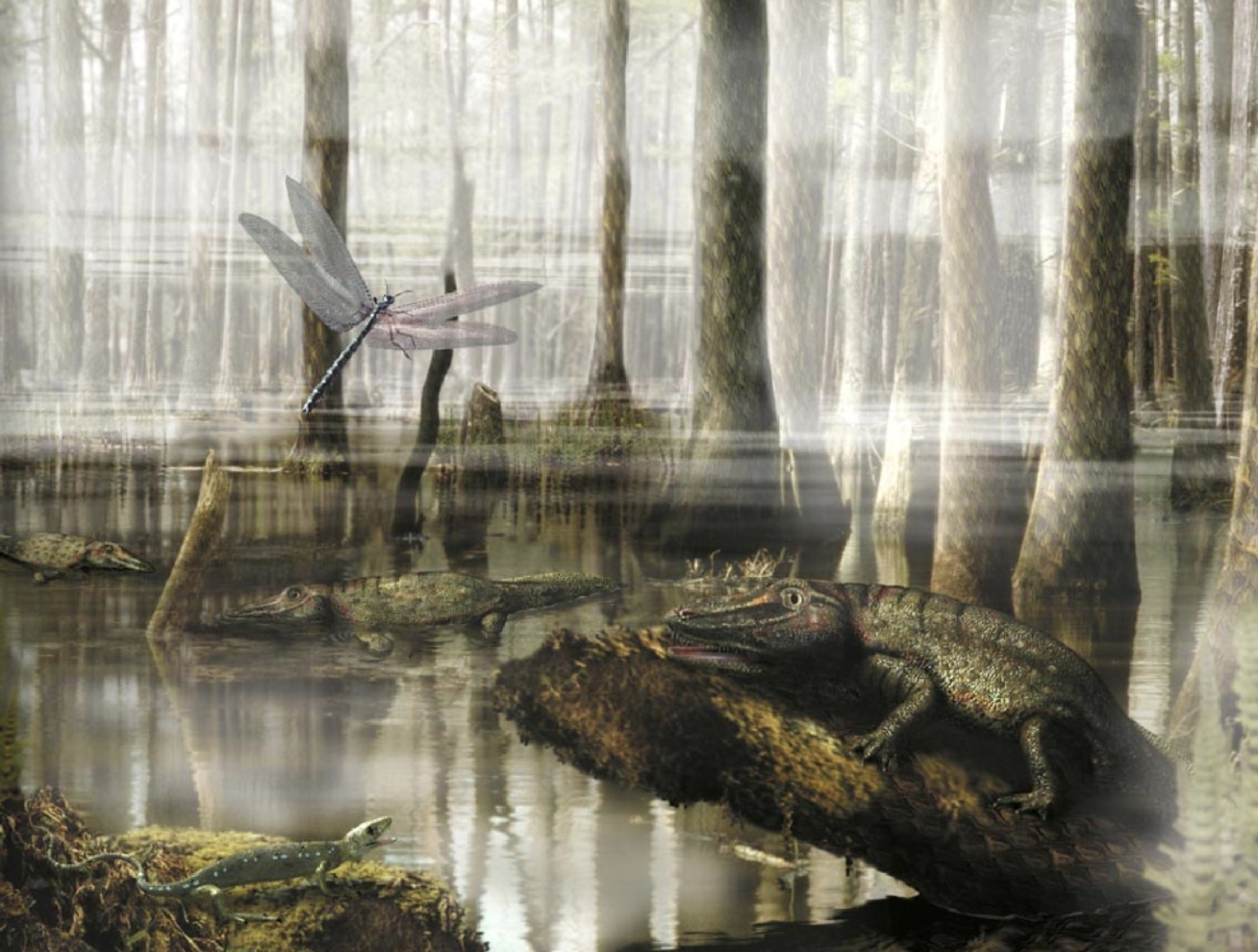
Carboniferous

  • aka “age of the amphibian”

  • vast, swampy forests, and the development of the first coal deposits and giant arthropods

  • the evolution of early reptiles and amniotic eggs, which allowed them to be laid on land, making them truly terrestrial vertebrates

    • first flying insects

    • first trees

<ul><li><p>aka “age of the amphibian” </p></li><li><p><span><span>vast, swampy forests, and the development of the first coal deposits and giant arthropods</span></span></p></li></ul><ul><li><p><span><span>the evolution of early reptiles and amniotic eggs, which allowed them to be laid on land, making them truly terrestrial vertebrates</span></span></p><ul><li><p>first flying insects</p></li><li><p>first trees</p></li></ul></li></ul><p></p>
10
New cards

Mass extinction

  • a massive asteroid impact, which created a chain reaction of catastrophic events that destroyed ecosystems worldwide during the Cretaceous-Paleogene time
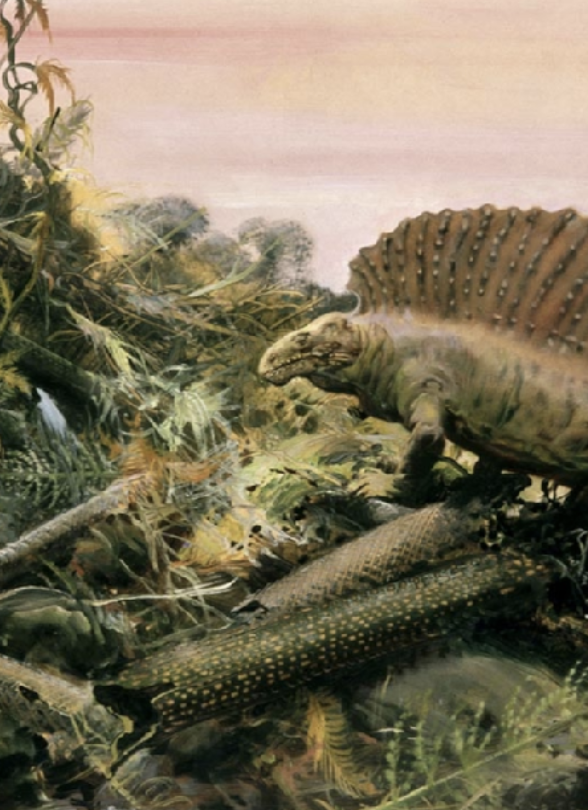
<ul><li><p><span><span>a massive asteroid impact, which created a chain reaction of catastrophic events that destroyed ecosystems worldwide during the Cretaceous-Paleogene time </span></span></p></li></ul><p></p>
11
New cards

Dinosaur diversification

  • the rise of flowering plants (angiosperms), environmental changes like the Carnian Pluvial Episode during the Triassic, and the breakup of the supercontinent Pangaea
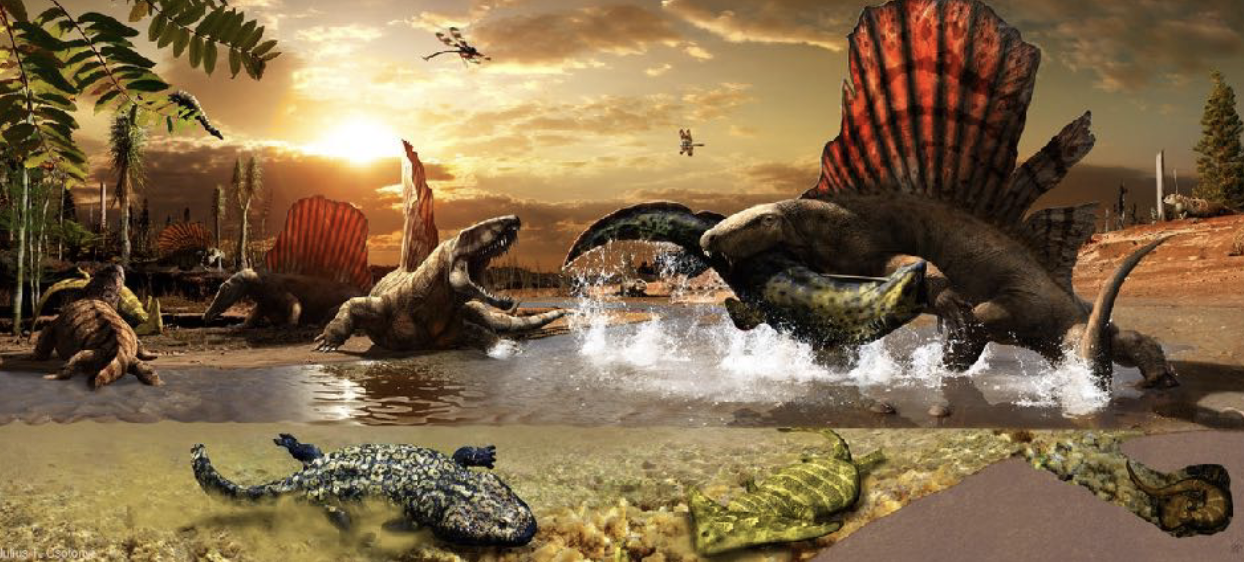
<ul><li><p><span><span>the rise of flowering plants (angiosperms), environmental changes like the </span></span>Carnian Pluvial Episode<span><span> during the Triassic, and the breakup of the supercontinent </span></span>Pangaea</p></li></ul><p></p>
12
New cards

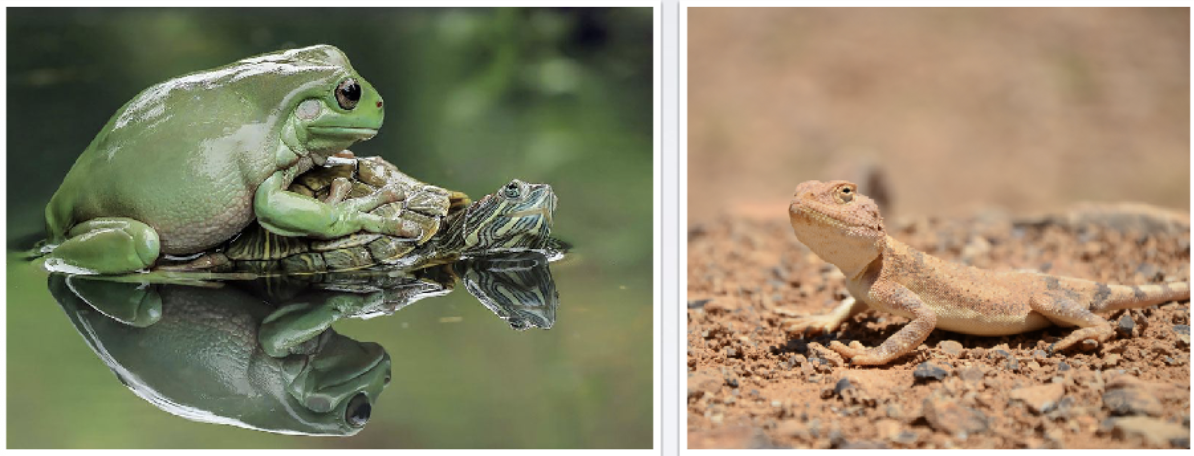
If the world becomes a desert…which species go extinct?

  • The environment changed Selection favored species adapted to dry environments

  • Species dependent of water or humidity got extinct faster than species
    adapted to drought
<ul><li><p><span style="color: rgb(255, 255, 255);"><span>The environment changed Selection favored species adapted to dry environments</span></span></p></li><li><p><span style="color: rgb(255, 255, 255);"><span>Species dependent of water or humidity got extinct faster than species<br>adapted to drought</span></span></p></li></ul><p></p>