Road driving material or whatever

0.0(0)
Studied by 0 people
call kaiCall Kai
Locked
learnLearn
examPractice Test
spaced repetitionSpaced Repetition
heart puzzleMatch
flashcardsFlashcards
GameKnowt Play
Card Sorting

1/244

encourage image

There's no tags or description

Looks like no tags are added yet.

Last updated 11:01 AM on 7/5/26
Name
Mastery
Learn
Test
Matching
Spaced
Call with Kai
Chat

No analytics yet

Send a link to your students to track their progress

245 Terms

1
New cards

Driving posture

When driving, adopt an upright sitting posture, ensure your body is in a straightened driving position, and don’t slant your body when turning the vehicle. 

Seat and backrest should be adjusted to enable easy position of the car controls and devices for comfortable driving journey. The latter should be adjusted to the position where both your elbows are slightly bent when holding the steering wheel, and the headrest should be positioned level between your eyes and your ears.
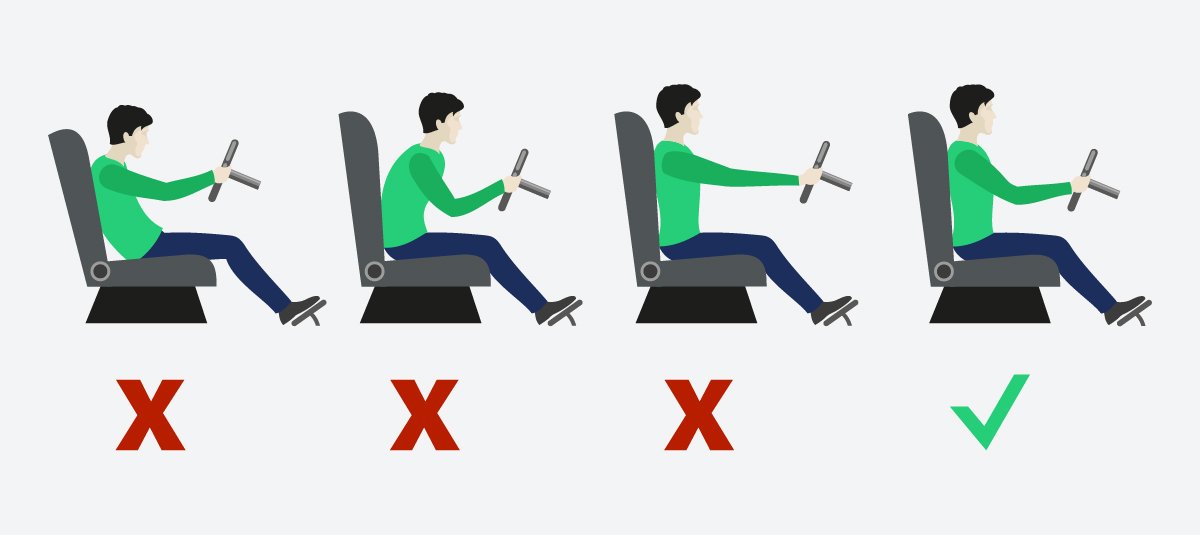
<p><strong>When driving, adopt an upright sitting posture, ensure your body is in a straightened driving position, and don’t slant your body when turning the vehicle.&nbsp;</strong></p><p>Seat and backrest should be adjusted to enable easy position of the car controls and devices for comfortable driving journey. The latter should be adjusted to the position where both your elbows are slightly bent when holding the steering wheel, and the headrest should be positioned level between your eyes and your ears.</p>
2
New cards

Adjustment of mirrors

Car mirrors and the driver’s seat should be adjusted before heading off.

The seat should be adjusted first, followed by the mirrors. 

Mirrors should be adjusted so that the whole rear windscreen can be seen in the rear view mirror(To check and monitor traffic behind), and the left and right side mirrors should both be slightly above center and one fifth of the side mirror showing the respective sides of the car(To check and monitor traffic on both left and right sides).

Make sure to check the mirrors every 5 - 10 seconds when driving on a straight road.
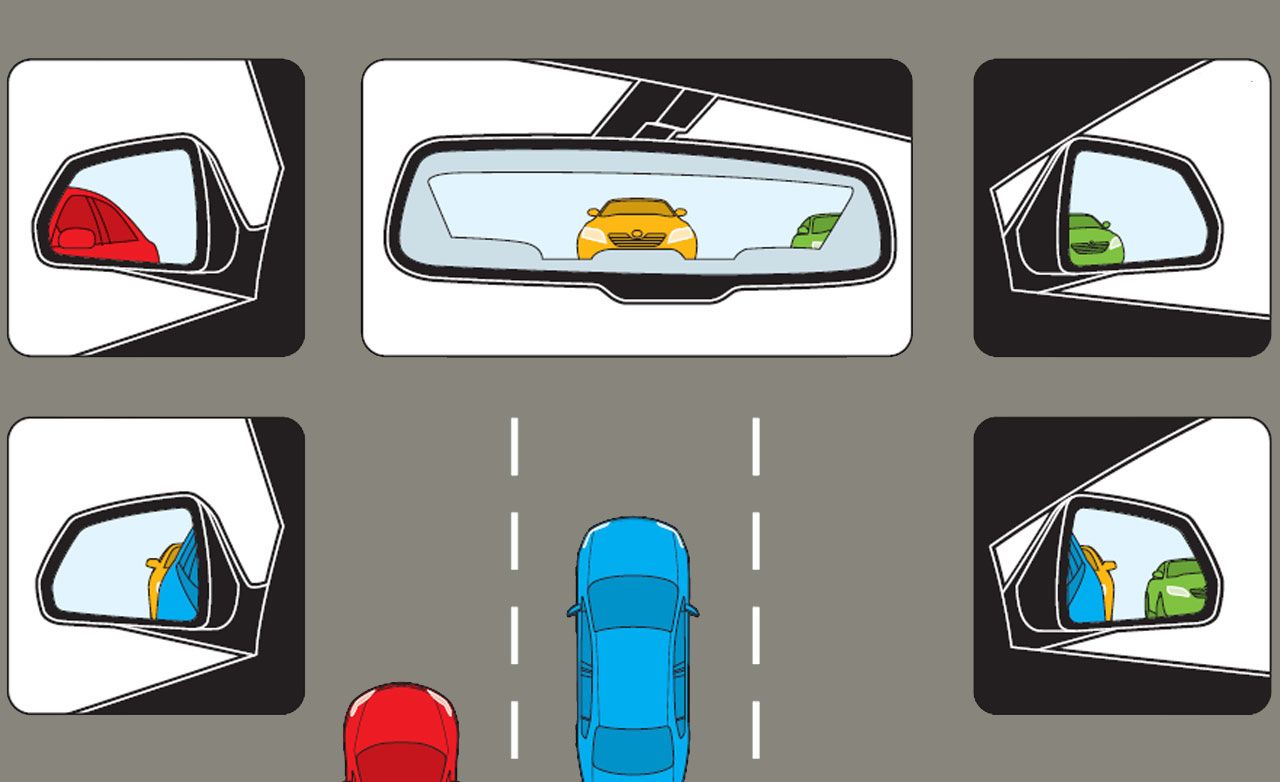
<p><strong>Car mirrors and the driver’s seat should be adjusted before heading off.</strong></p><p>The seat should be adjusted first, followed by the mirrors.&nbsp;</p><p>Mirrors should be adjusted so that the whole rear windscreen can be seen in the rear view mirror(To check and monitor traffic behind), and the left and right side mirrors should both be slightly above center and one fifth of the side mirror showing the respective sides of the car(To check and monitor traffic on both left and right sides).</p><p>Make sure to check the mirrors every 5 - 10 seconds when driving on a straight road. </p>
3
New cards

Blind spots

Two areas of your vehicle that can’t be seen using the mirrors.

To check blind spots on your left and right side, turn your head and look over your shoulder. Make sure to use the side mirrors to confirm safety before stopping or moving off from the roadside, before turning, changing lane and overtaking.
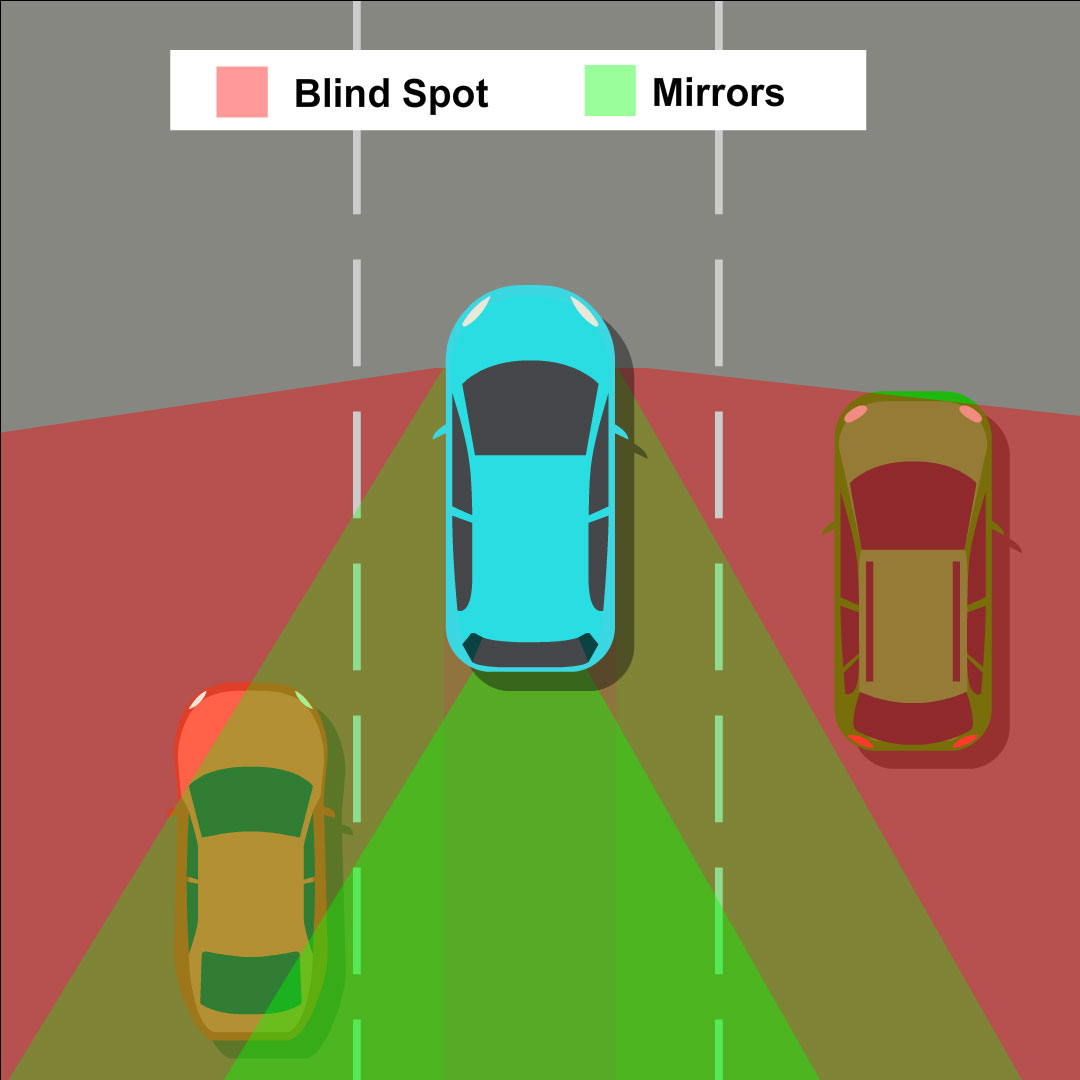
<p><strong>Two areas of your vehicle that can’t be seen using the mirrors. </strong></p><p>To check blind spots on your left and right side, turn your head and look over your shoulder. Make sure to use the side mirrors to confirm safety before stopping or moving off from the roadside, before turning, changing lane and overtaking.</p>
4
New cards

Lane discipline

When maintaining lane discipline, you must:

Always drive with lane discipline by traveling on the left lane unless your path is obstructed

Only use the outer lane when you need to overtake, or make a right turn/U - turn ahead

Not suddenly change lane as you may cause inconvenience, or endanger other motorists

Form up in the correct lane well in advance for the direction you wish to take when approaching a junction

Position your vehicle on the right hand lane when turning right at a one-way street, and turning into the extreme right lane of the carriageway when turning right from a single lane carriageway to a three-lane carriageway
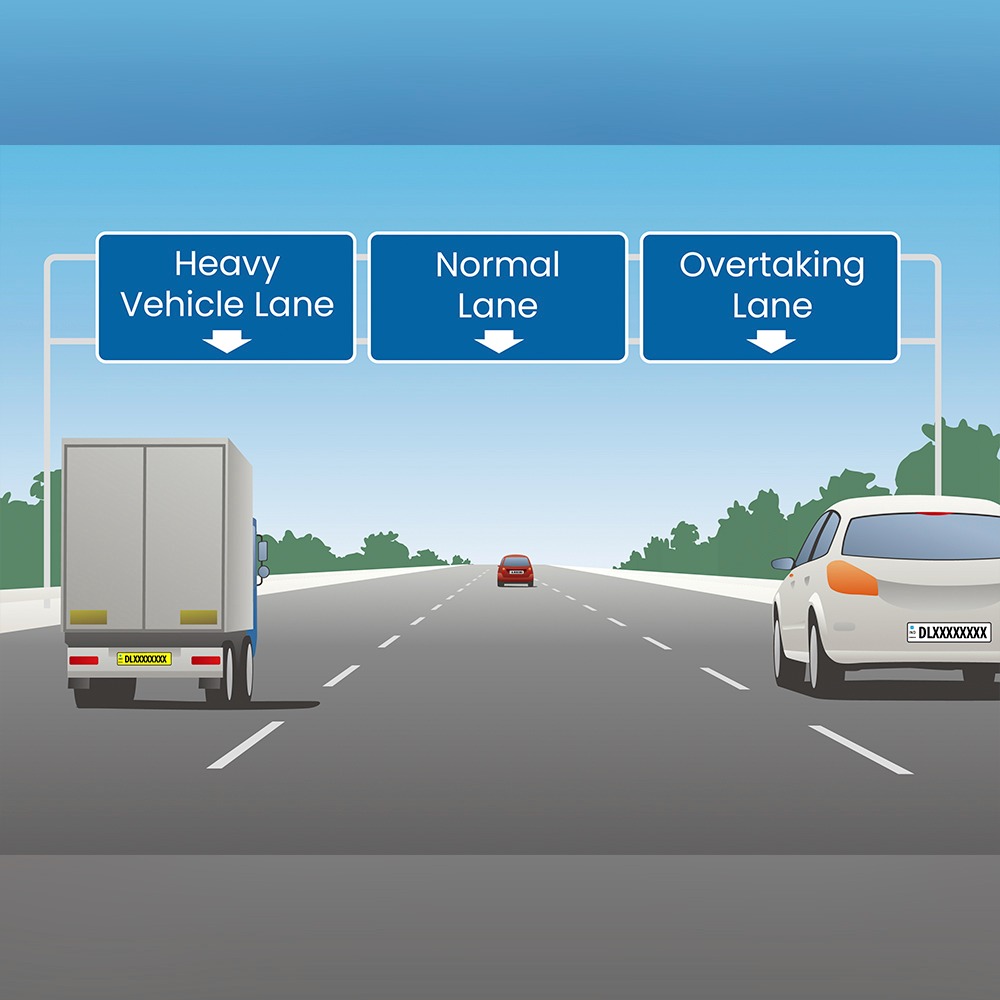
<p><strong>When maintaining lane discipline, you must:</strong></p><p>Always drive with lane discipline by traveling on the left lane unless your path is obstructed</p><p>Only use the outer lane when you need to overtake, or make a right turn/U - turn ahead</p><p>Not suddenly change lane as you may cause inconvenience, or endanger other motorists</p><p>Form up in the correct lane well in advance for the direction you wish to take when approaching a junction</p><p>Position your vehicle on the right hand lane when turning right at a one-way street, and turning into the extreme right lane of the carriageway&nbsp;when turning right from a single lane carriageway to a three-lane carriageway</p>
5
New cards

Moving off

When moving off, look for other road users in front and behind, signal your intentions at least 3 seconds in advance, and check your blindspot.

Once it’s safe, gradually move off to join mainstream traffic.
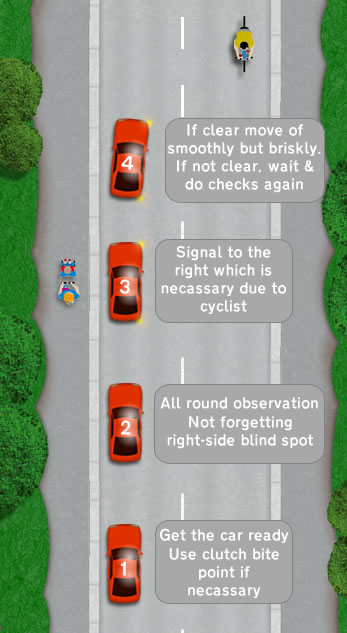
<p><strong>When moving off, look for other road users in front and behind, signal your intentions at least 3 seconds in advance, and check your blindspot. </strong></p><p>Once it’s safe, gradually move off to join mainstream traffic.</p>
6
New cards

Basic stopping techniques

Before stopping by the kerb, you need to consider the surrounding environment and ensure before maneuvering. 

You must also look out for road users in front and behind you, signal your intentions at least 3 seconds in advance, check your blindspot, and move to the left edge of the road.
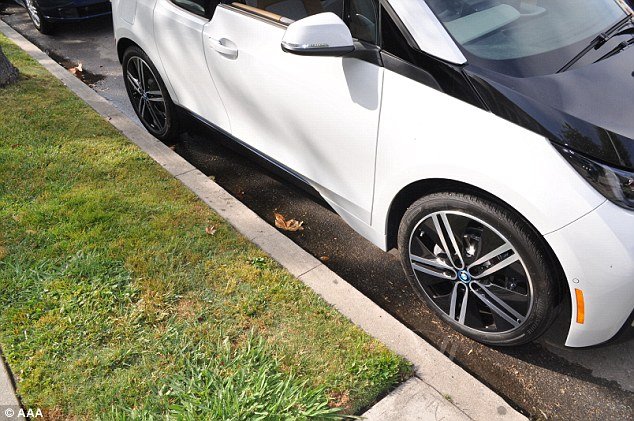
<p><strong>Before stopping by the kerb, you need to consider the surrounding environment and ensure before maneuvering.&nbsp;</strong></p><p>You must also look out for road users in front and behind you, signal your intentions at least 3 seconds in advance, check your blindspot, and move to the left edge of the road.</p>
7
New cards

Engine braking

Refers to the process of slowing the vehicle by releasing the accelerator.

This reduces the engine revolution, hence reducing the speed of a moving vehicle.

Advantages of engine braking include less forceful and sudden braking when used simultaneously with the brake pedal to slow down the vehicle, the vehicle being less likely to skid when braking, and the brake lining being unlikely to overheat coming down a steep slope.
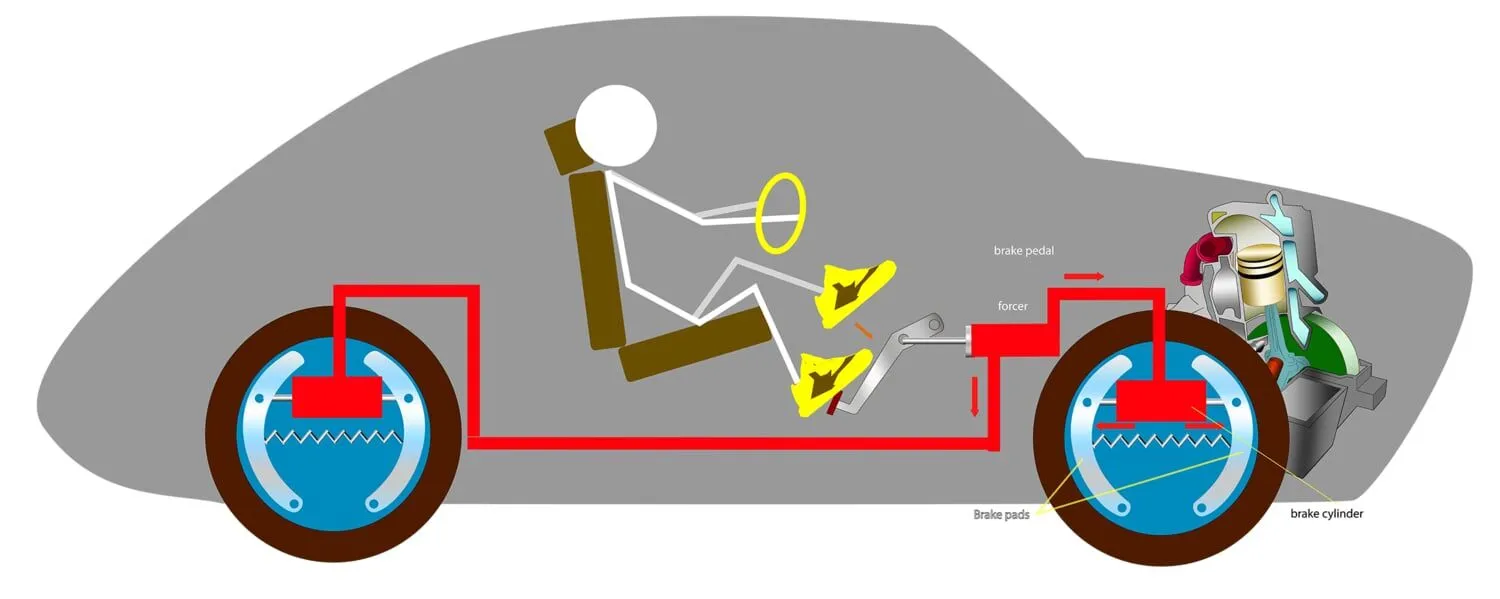
<p><strong>Refers to the process of slowing the vehicle by releasing the accelerator.</strong></p><p>This reduces the engine revolution, hence reducing the speed of a moving vehicle.</p><p>Advantages of engine braking include less forceful and sudden braking when used simultaneously with the brake pedal to slow down the vehicle, the vehicle being less likely to skid when braking, and the brake lining being unlikely to overheat coming down a steep slope.</p>
8
New cards

Braking-skidding

Caused by hard braking(Locking the wheels).
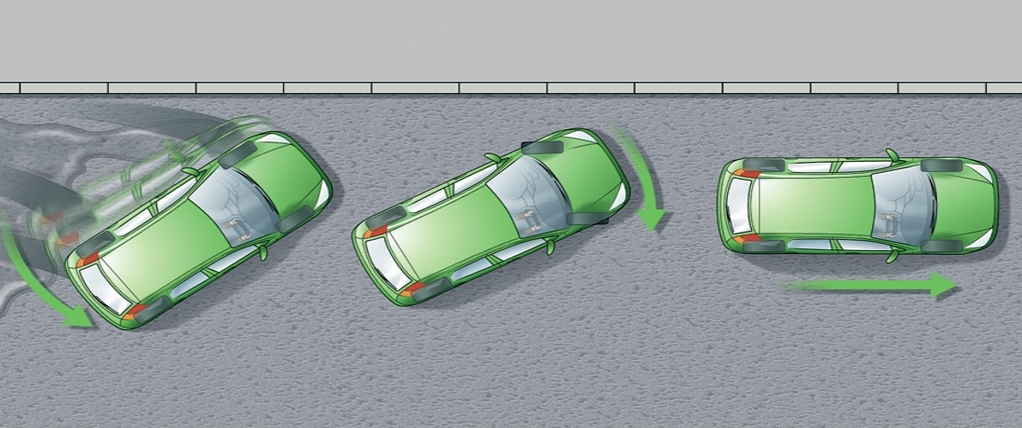
<p><strong>Caused by hard braking(Locking the wheels).</strong></p>
9
New cards

Straight road

Look far ahead, at least 3 times your traveling speed when driving on a straight road(Look 90 meters ahead if traveling speed is 30km/h).

Speed affects driver’s field of vision; as vehicle speed increases, the field of vision reduces(Known as tunnel vision).
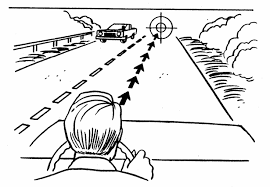
<p><strong>Look far ahead, at least 3 times your traveling speed when driving on a straight road(Look 90 meters ahead if traveling speed is 30km/h).</strong></p><p>Speed affects driver’s field of vision; as vehicle speed increases, the field of vision reduces(Known as tunnel vision).</p>
10
New cards

Negotiating gradual bends

Basic technique towards driving past the bends, depending on their type.

When negotiating gradual bends:

  • Observe your speed and distance approaching the bend

  • Reduce speed if necessary and select appropriate gear before entering the bend

  • Maintain speed by slightly accelerating when along the bend, while turning according to the curvature of the bend

  • Increase acceleration as the steering wheel returns to its original position
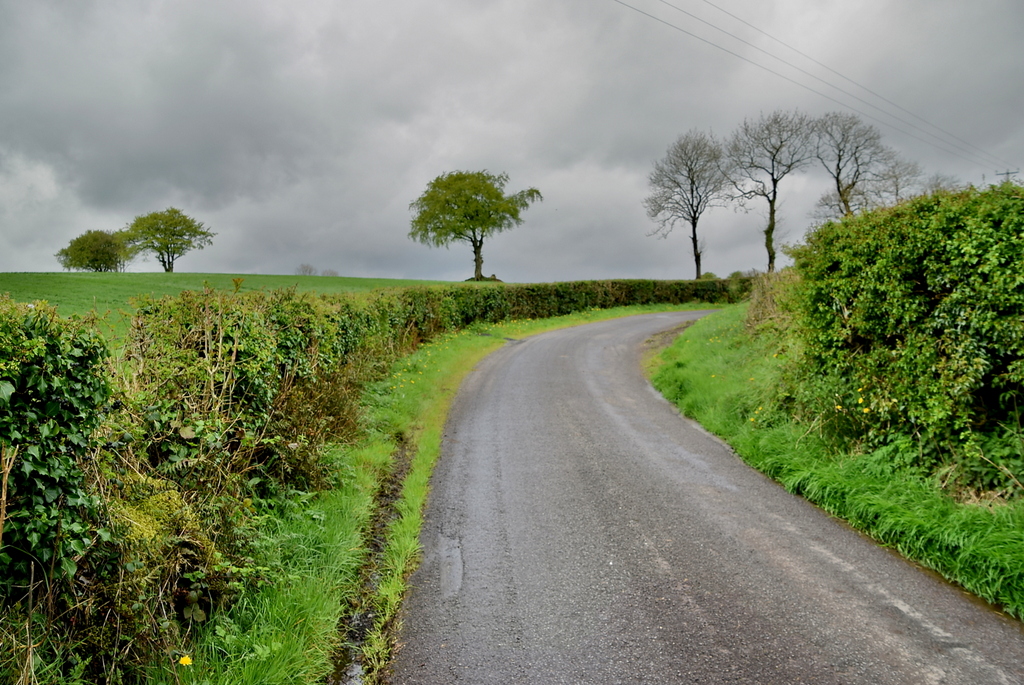
<p><strong>Basic technique towards driving past the bends, depending on their type.</strong></p><p>When negotiating gradual bends:</p><ul><li><p>Observe your speed and distance approaching the bend</p></li><li><p>Reduce speed if necessary and select appropriate gear before entering the bend</p></li><li><p>Maintain speed by slightly accelerating&nbsp;when along the bend, while turning according to the curvature of the bend</p></li><li><p>Increase acceleration as the steering wheel returns to its original position</p></li></ul><p></p>
11
New cards

Negotiating sharp bends

Technique towards negotiating sharper bends.

Rules remain the same to gradual bends but instead:

  • Depress the accelerator pedal lightly to maintain a steady speed

  • Adjust your path of travel; keep near to the left edge of the road to increase your field of vision, and vice versa(Center line when on a sharp left bend)

  • Turn according to the curvature of the bend

  • Increase acceleration when the front wheels are straightened
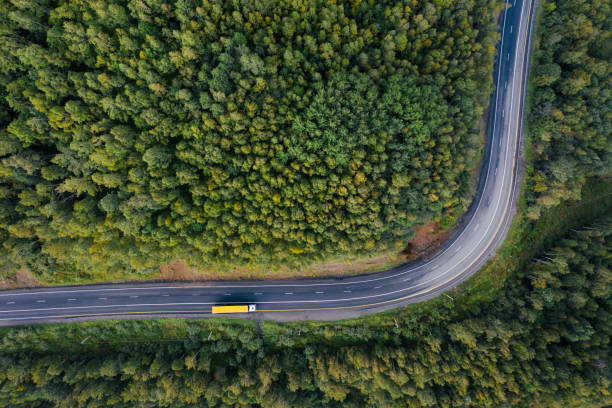
<p><strong>Technique towards negotiating sharper bends.</strong></p><p>Rules remain the same to gradual bends but instead:</p><ul><li><p>Depress the accelerator pedal lightly to maintain a steady speed</p></li><li><p>Adjust your path of travel; keep near to the left edge of the road to increase your field of vision, and vice versa(Center line when on a sharp left bend)</p></li><li><p>Turn according to the curvature of the bend</p></li><li><p>Increase acceleration when the front wheels are straightened</p></li></ul><p></p>
12
New cards

Centrifugal force

Natural force that pushes your vehicle outwards on its path of travel.

The higher the traveling speed or the sharper the curve, the greater the force, and the more the vehicle will be pushed outwards from its path.
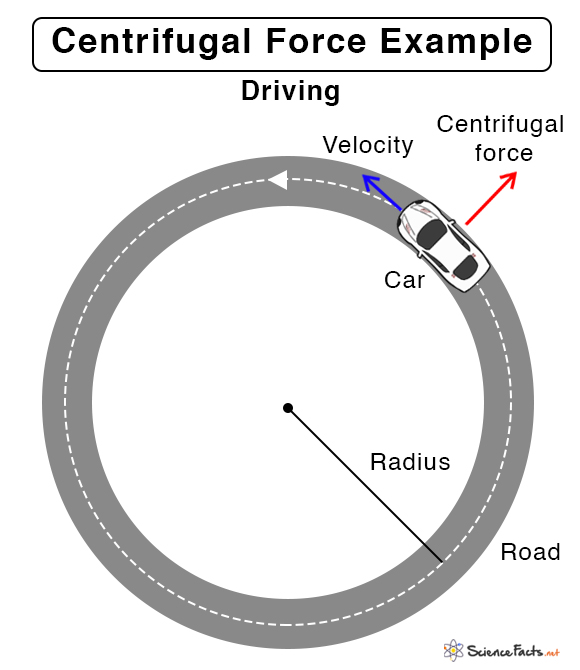
<p><strong>Natural force that pushes your vehicle outwards on its path of travel.</strong></p><p>The higher the traveling speed or the sharper the curve, the greater the force, and the more the vehicle will be pushed outwards from its path.</p>
13
New cards

Driving through junctions

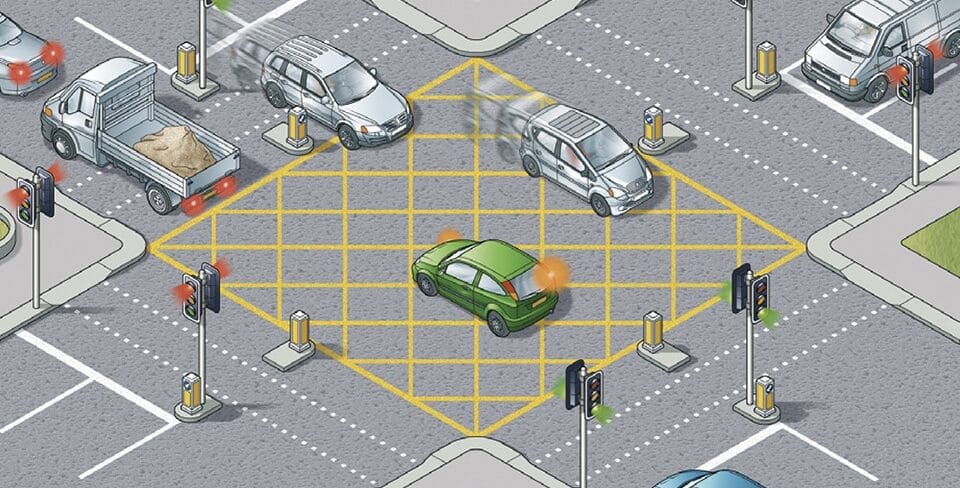
Some steps to follow when approaching or driving through junctions:

  • ALWAYS anticipate hazards, be alert and aware of potential changing traffic conditions when approaching(REDUCE SPEED EARLY, LOOK OUT PROPERLY)

  • Decide in advance on your desired direction of travel, before turning or crossing(POSITION YOURSELF IN THE PROPER LANE)

  • Promptly show your intentions in advance and read others’ intetions readilly(SIGNAL CLEARLY AND EARLY)

  • For others to see you easily and for you to see clearly, KEEP A GOOD FOLLOWING DISTANCE

  • Traffic rules and signal and traffic with right of way(OBEY RULES & GIVE-WAY)

  • When others intrude your path(Especially vulnerable road users like cyclists/pedestrians), BE PATIENT; STOP IF NECESSARY
<p><strong>Some steps to follow when approaching or driving through junctions:</strong></p><ul><li><p>ALWAYS anticipate hazards, be alert and aware of potential changing traffic conditions when approaching<strong>(REDUCE SPEED EARLY, LOOK OUT PROPERLY)</strong></p></li><li><p>Decide in advance on your desired direction of travel, before turning or crossing<strong>(POSITION YOURSELF IN THE PROPER LANE)</strong></p></li><li><p>Promptly show your intentions in advance and read others’ intetions readilly<strong>(SIGNAL CLEARLY AND EARLY)</strong></p></li><li><p>For others to see you easily and for you to see clearly, KEEP A GOOD FOLLOWING DISTANCE</p></li><li><p>Traffic rules and signal and traffic with right of way<strong>(OBEY RULES &amp; GIVE-WAY)</strong></p></li><li><p>When others intrude your path(Especially vulnerable road users like cyclists/pedestrians), BE PATIENT; STOP IF NECESSARY</p></li></ul><p></p>
14
New cards

Overtaking

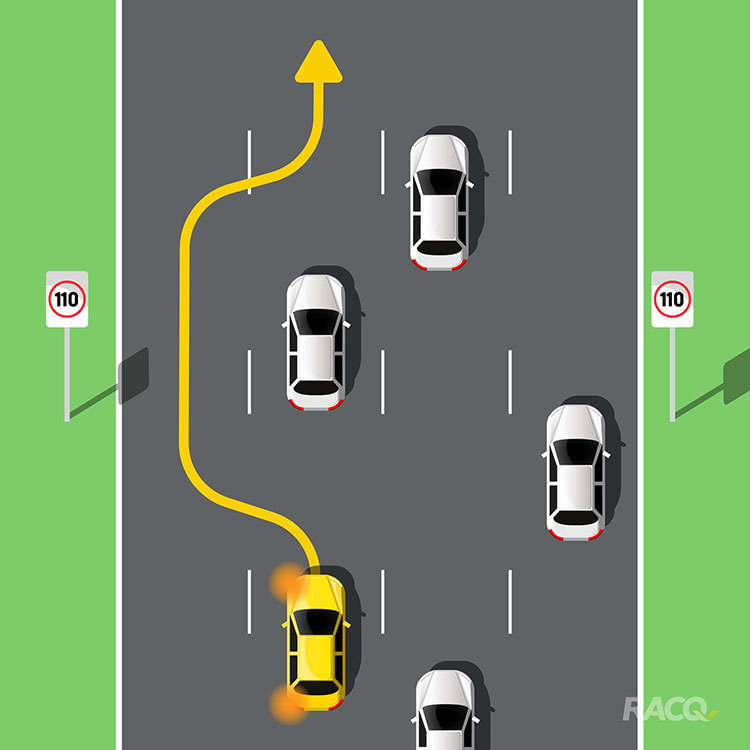
During this process, look out for oncoming traffic and ensure you have enough space and time to get back into proper lane.

When you have moved to the right hand side of the road to overtake another vehicle, you should accelerate and overtake as quickly as possible.

When you spot the vehicle that you overtook from your rear view mirror, you can return to your lane.
<p><strong>During this process, look out for oncoming traffic and ensure you have enough space and time to get back into proper lane.</strong></p><p>When you have moved to the right hand side of the road to overtake another vehicle, you should accelerate and overtake as quickly as possible.</p><p>When you spot the vehicle that you overtook from your rear view mirror, you can return to your lane.</p>
15
New cards

Overtaking from the left

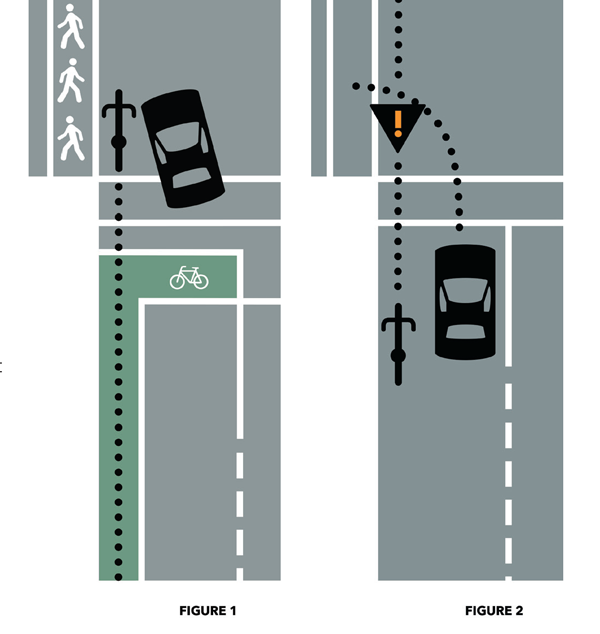
Overtaking from the left is allowed when:

  • The front vehicle is signaling to turn right or ‘U’ turn

  • You are turning left ahead

  • There’s obstruction or very slow traffic ahead

Otherwise, overtake from the right at all times.
<p><strong>Overtaking from the left is allowed when:</strong></p><ul><li><p>The front vehicle is signaling to turn right or&nbsp;‘U’ turn</p></li><li><p>You are turning left ahead</p></li><li><p>There’s obstruction or very slow traffic ahead</p></li></ul><p>Otherwise, <strong>overtake from the right at all times.</strong></p>
16
New cards

When not to overtake

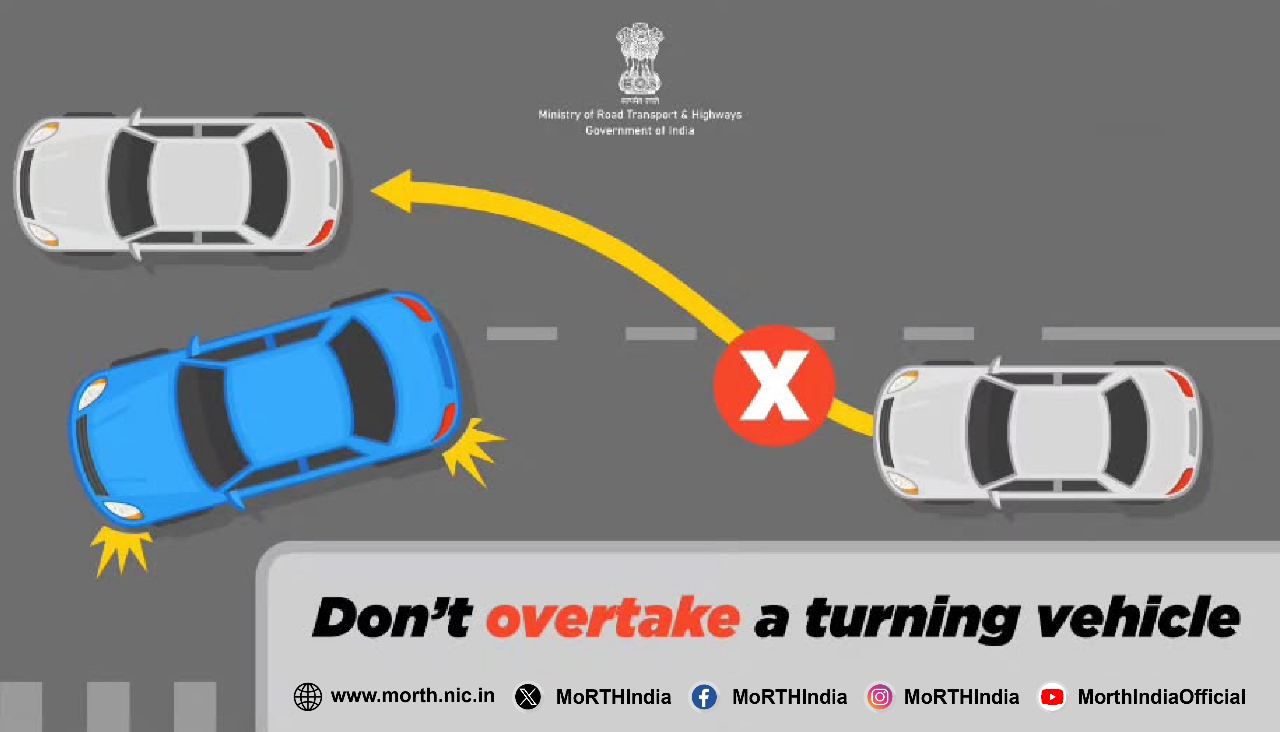
Don’t attempt to overtake when you are at/approaching the following:

  • Pedestrian crossing

  • Junction or intersection

  • Corner or a bend

  • Brow of a hill

  • Double white lines

Additionally, don’t attempt to overtake others when you yourself are being overtaken, and don’t race with the overtaking vehicle.
<p><strong>Don’t attempt to overtake when you are at/approaching the following:</strong></p><ul><li><p>Pedestrian crossing</p></li><li><p>Junction or intersection</p></li><li><p>Corner or a bend</p></li><li><p>Brow of a hill</p></li><li><p>Double white lines</p></li></ul><p>Additionally, <strong>don’t attempt to overtake others when you yourself are being overtaken, and don’t race with the overtaking vehicle.</strong></p>
17
New cards

Driving up a slope

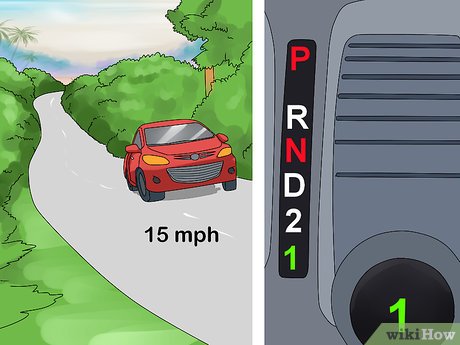
If you’re driving up a slope, you’ll need to have sufficient engine torque to overcome the gravitational pull, as gravitational force might pull the vehicle backwards.

You’ll also need to change down to a lower gear and accelerate briskly to increase engine power on lower gears as you reach the slope.
<p><strong>If you’re driving up a slope, you’ll need to have sufficient engine torque to overcome the gravitational pull, as gravitational force might pull the vehicle backwards.</strong></p><p>You’ll also need to change down to a lower gear and accelerate briskly to increase engine power on lower gears as you reach the slope.</p>
18
New cards

Driving down a slope

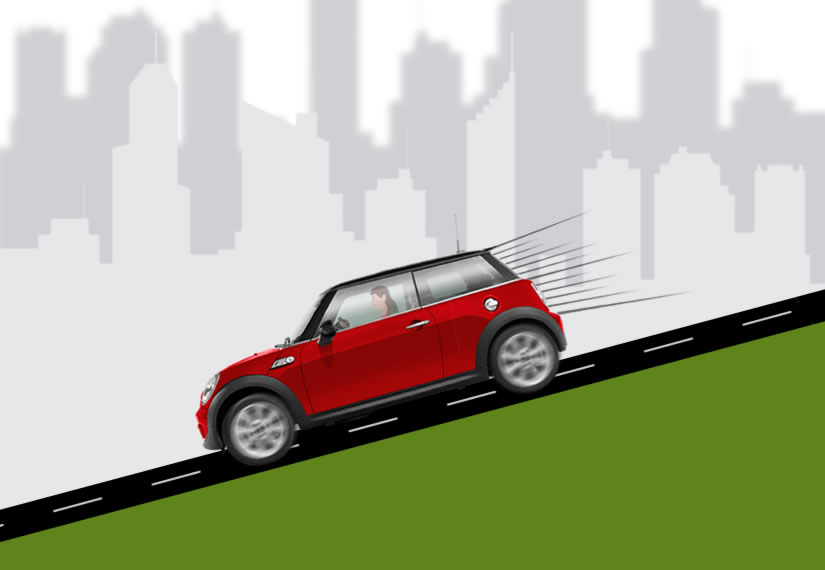
When driving down, refrain from using neutral gears or prolong braking down the slope, as overheating brake-lining would cause break-fade.

Momentum gravitational force would cause your vehicle to glide down faster than expected.
<p><strong>When driving down,&nbsp;refrain from using neutral gears or prolong braking down the slope, as overheating brake-lining would cause break-fade.</strong></p><p>Momentum gravitational force would cause your vehicle to glide down faster than expected. </p>
19
New cards

Stopping on an up slope

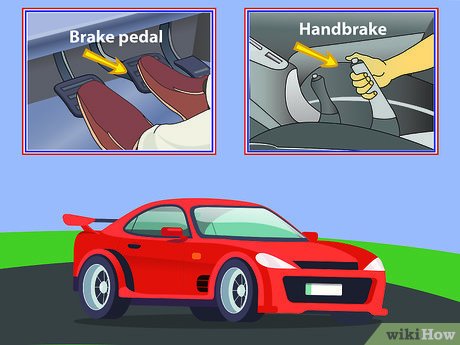
When stopping your vehicle on an uphill slope, apply the footbrake, then fully pull the handbrake to keep the vehicle stationary and prevent accidental movement.
<p><strong>When stopping your vehicle on an uphill slope, apply the footbrake, then fully pull the handbrake to keep the vehicle stationary and prevent accidental movement.</strong></p>
20
New cards

Moving off from an up slope

When moving off from an up slope, make sure the car is in "drive" and while keeping your foot on the brake, release the handbrake.

Check your surroundings, signal, and when clear, gently release the brake pedal, allowing the car to "creep" forward, and then smoothly apply the accelerator to move off.
<p><strong>When moving off from an up slope, make sure the car is in "drive" and while keeping your foot on the brake, release the handbrake. </strong></p><p>Check your surroundings, signal, and when clear, gently release the brake pedal, allowing the car to "creep" forward, and then smoothly apply the accelerator to move off.</p>
21
New cards

Parking on an up slope

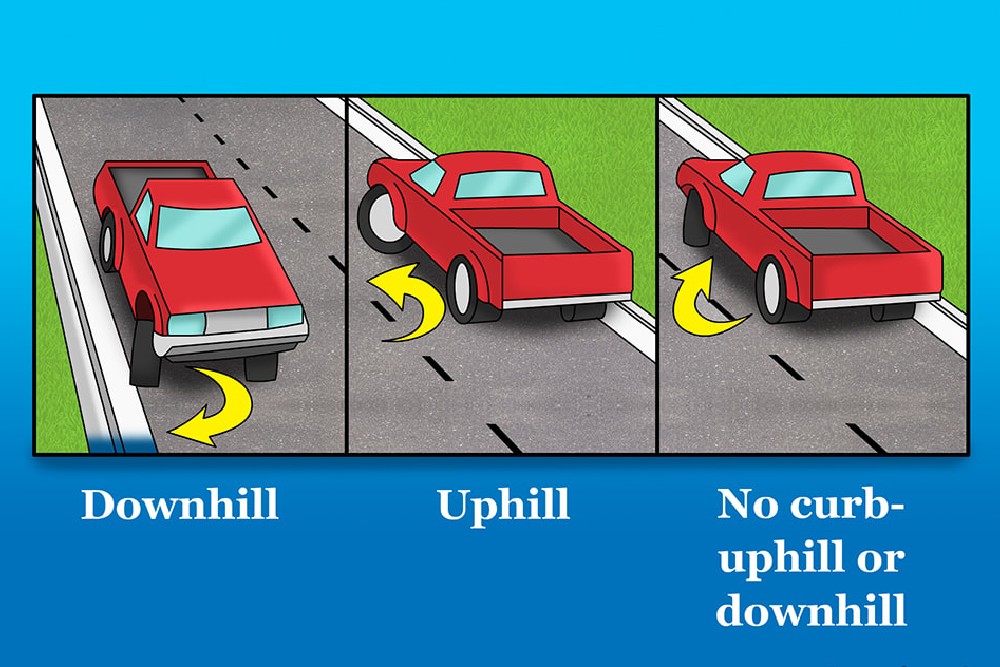
Shift the gear to ‘park’ and pull up the handbrake with the steering wheel turned to the right(Two front wheels facing outwardly and away from the roadside).
<p><strong>Shift the gear to ‘park’ and pull up the handbrake with the steering wheel turned to the right(Two front wheels facing outwardly and away from the roadside).</strong></p>
22
New cards

Parking on a down slope

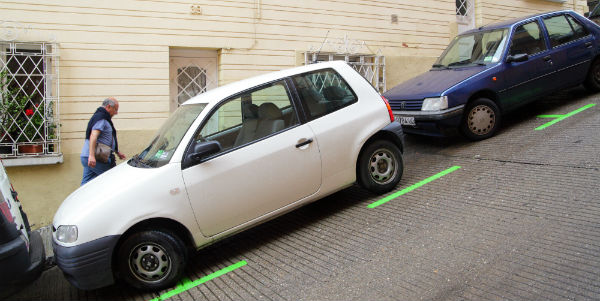
Shift the gear to ‘reverse’ and pull up the handbrake with the steering wheel turned to the left(Two front wheels facing inwardly and towards the roadside).
<p><strong>Shift the gear to&nbsp;‘reverse’ and pull up the handbrake with the steering wheel turned to the left(Two front wheels facing inwardly and towards the roadside).</strong></p>
23
New cards

Give way rule on slope

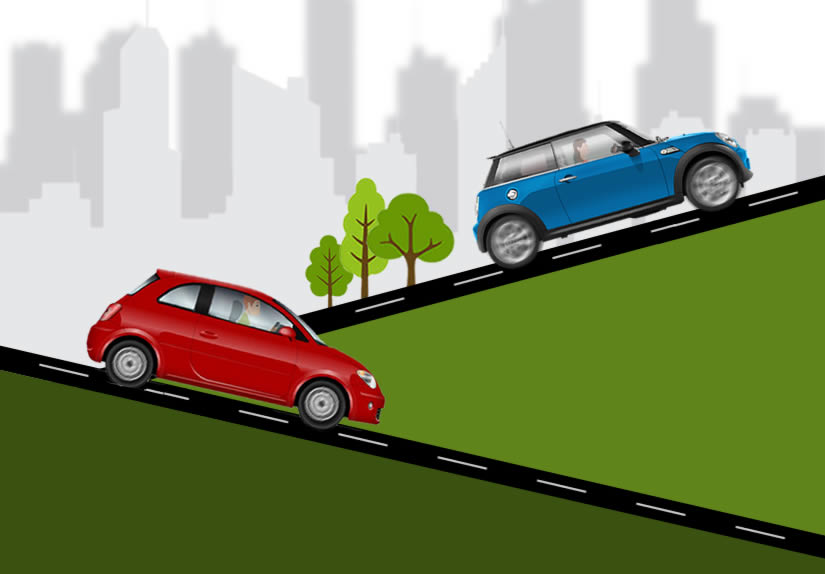
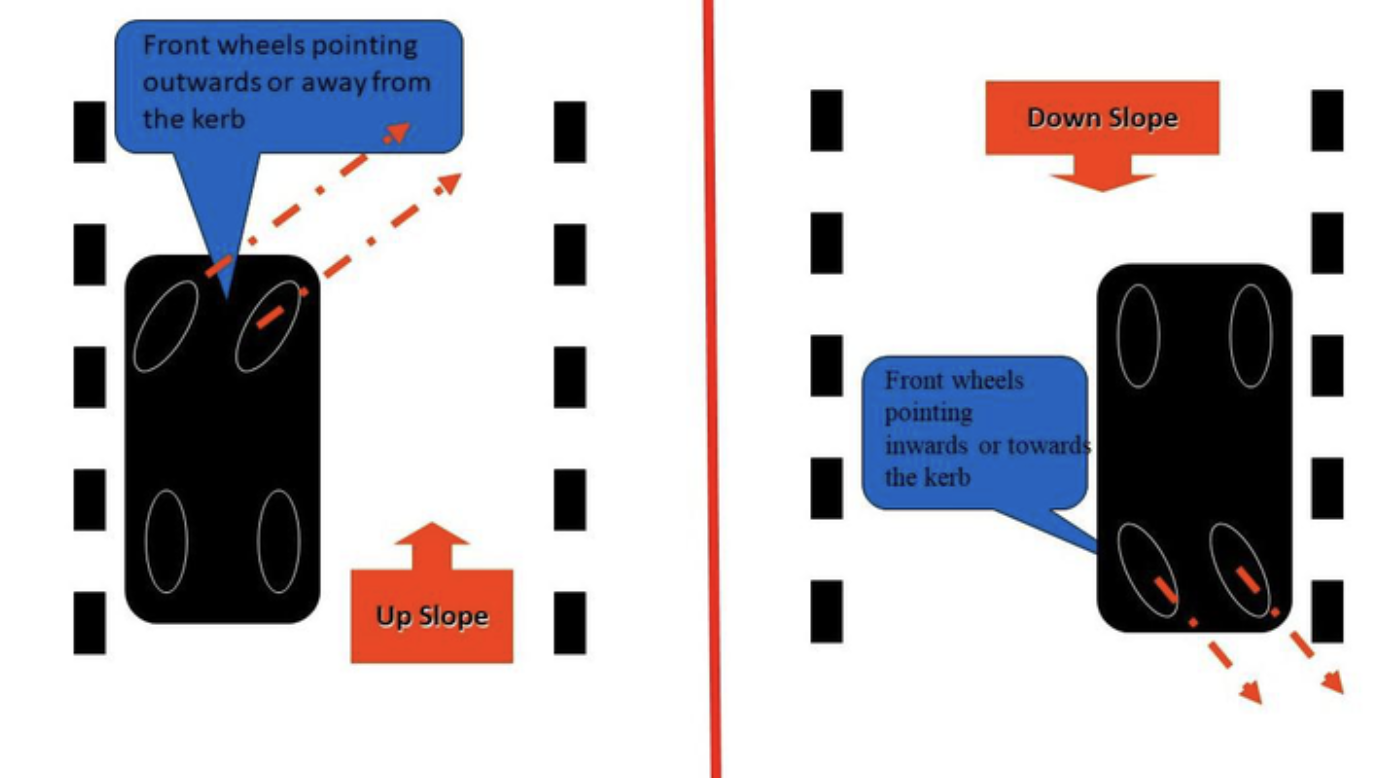
When driving down a slope on single lane with two-way traffic, vehicles going up slope should have the right of way, and vehicles going down slope should give way.
<p><strong>When driving down a slope on single lane with two-way traffic, vehicles going up slope should have the right of way, and vehicles going down slope should give way.</strong></p>
24
New cards

Before reversing

  1. Scan the area for obstructions and suitability

  2. Obtain assistance if available

  3. Get out and check if unsure whether area is safe and clear

Additionally, the driver should not reverse from a side road into a main road, as it’s unsafe and could cause an accident.
<ol><li><p><strong>Scan the area for obstructions and suitability</strong></p></li><li><p><strong>Obtain assistance if available</strong></p></li><li><p><strong>Get out and check if unsure whether area is safe and clear</strong></p></li></ol><p>Additionally, the driver should not reverse from a side road into a main road, as it’s unsafe and could cause an accident.</p>
25
New cards

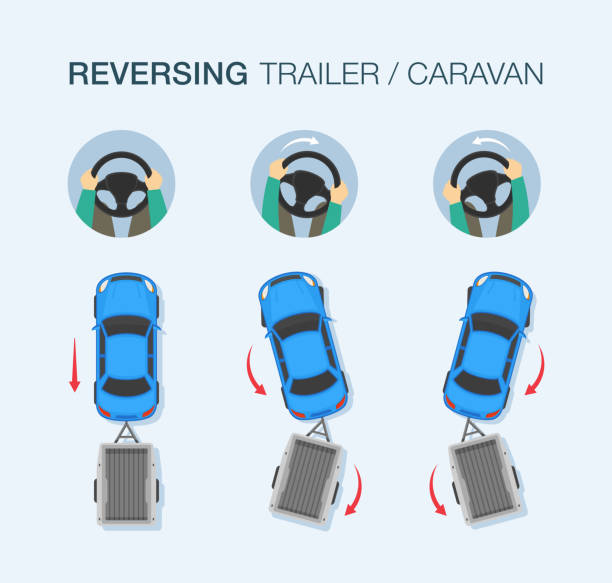
Reversing

When reversing, it’s important that it’s carried out at a slow speed, as higher speeds make it more difficult to steer accurately.

Additionally, if you are reversing from a main road into a side road, the front of your vehicle will swing out and become the greatest hazard to passing traffic.

The swing out of the front of your vehicle also occurs when you do a reverse or perpendicular parking, posing a hazard to passing traffic. As such, observe and check for safety at intervals, as you reverse your vehicle into the parking lot.
<p><strong>When reversing, it’s important that it’s carried out at a slow speed, as higher speeds make it more difficult to steer accurately.</strong></p><p>Additionally, if you are reversing from a main road into a side road, the front of your vehicle will swing out and become the greatest hazard to passing traffic. </p><p>The swing out of the front of your vehicle also occurs when you do a reverse or perpendicular parking, posing a hazard to passing traffic. As such, observe and check for safety at intervals, as you reverse your vehicle into the parking lot.</p>
26
New cards

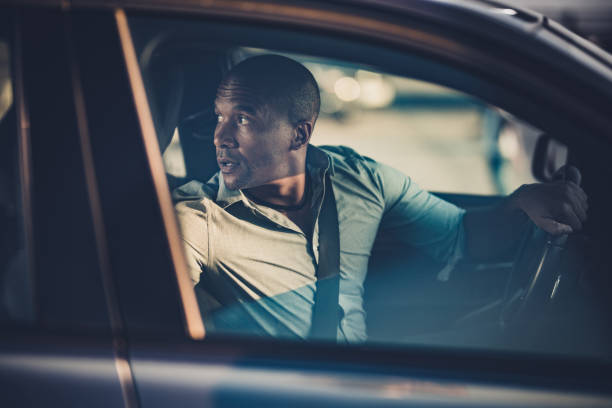
While reversing…

…turn your body to your left, and at the same time, turn your head to look through the rear windscreen and look at the rear view mirror.
<p><strong>…turn your body to your left, and at the same time, turn your head to look through the rear windscreen and look at the rear view mirror.</strong></p>
27
New cards

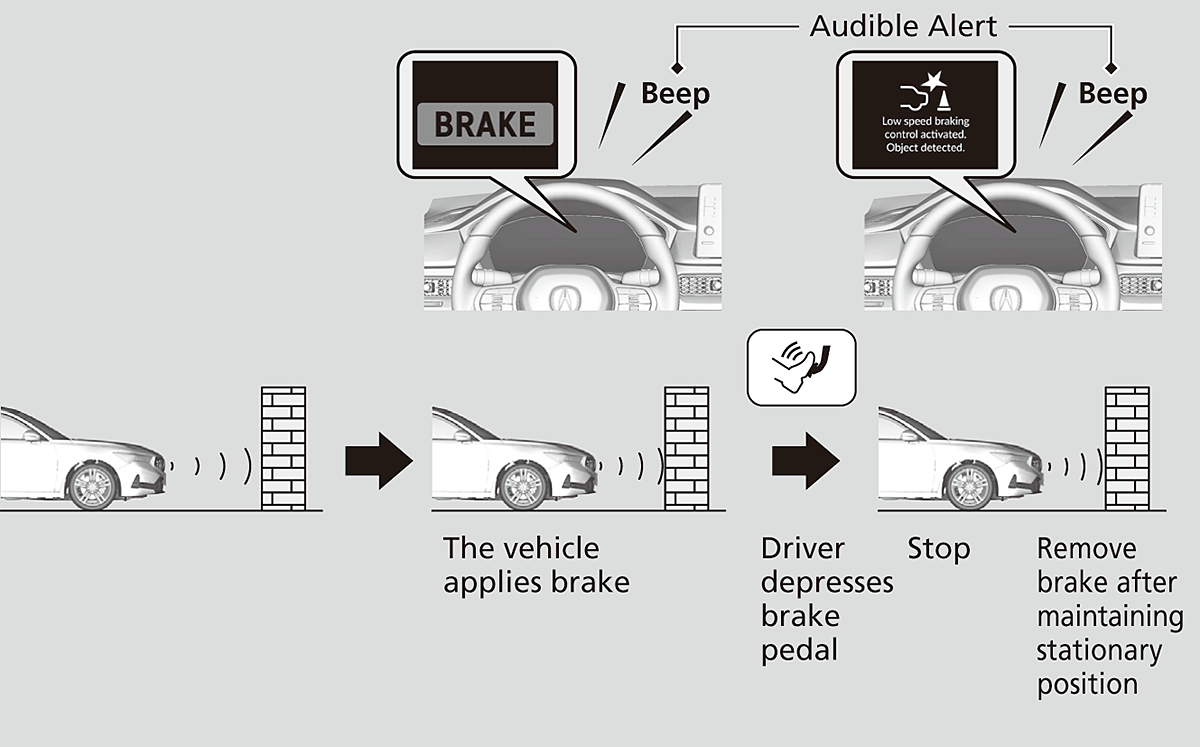
Technique of low speed control

Masterful control of the pedals is required in order to control your low speed, especially when in tight corners.
<p><strong>Masterful control of the pedals is required in order to control your low speed, especially when in tight corners.</strong></p>
28
New cards

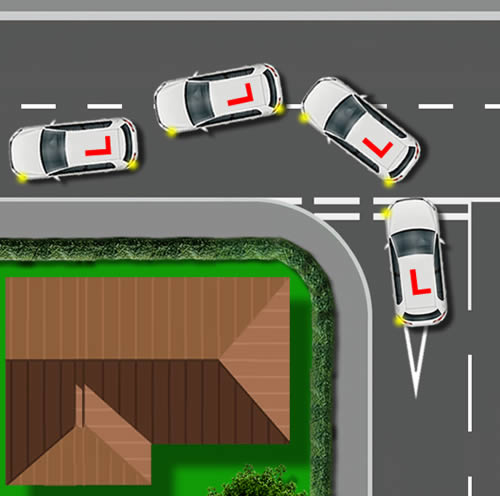
Sensing space and vehicle’s position

Before turning left or right in a narrow lane, position your vehicle more towards the opposite side of your desired direction, as this would lessen the risk of hitting or mounting the rear left tire against obstacles.
<p><strong>Before turning left or right in a narrow lane, position your vehicle more&nbsp;towards the opposite side of your desired direction, as this would lessen the risk of hitting or mounting the rear left tire against obstacles.</strong></p>
29
New cards

Wheel track differential

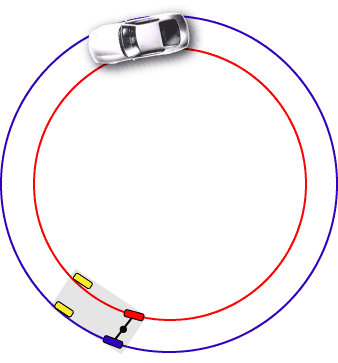
When your wheels begin to steer and turn, the front and rear both take different paths.

Front wheels take a wider turning, at an arc with a path nearer than the rear wheels, while rear wheels take a narrower turning at an arc with a path nearer than the front wheels.

Rear wheels have a narrower turning radius than the front wheels.
<p><strong>When your wheels begin to steer and turn, the front and rear both take different paths. </strong></p><p>Front wheels take a wider turning, at an arc with a path nearer than the rear wheels, while rear wheels take a narrower turning at an arc with a path nearer than the front wheels.</p><p>Rear wheels have a narrower turning radius than the front wheels.</p>
30
New cards

Turning and steering the wheels

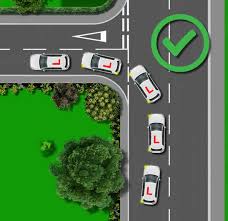
With good control and precise timing of turning the steering wheel, you would ensure the vehicle steers round the obstacles without hitting them, while also keeping the vehicle moving in tandem with the speed to negotiate through the narrow courses safely and smoothly.
<p><strong>With good control and precise timing of turning the steering wheel, you would ensure the vehicle steers round the obstacles without hitting them, while also keeping the vehicle moving in tandem with the speed to negotiate through the narrow courses safely and smoothly.</strong></p>
31
New cards

Driving in extreme conditions

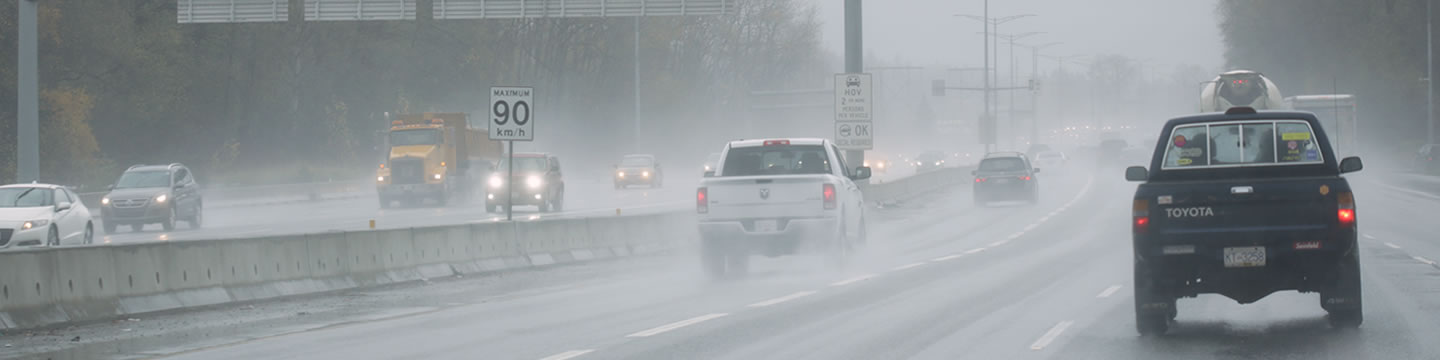
Some safety measures to be considered when driving in such conditions:

  1. Don’t out drive distances you can’t see; reduce your speed and drive twice as slow than you would drive on normal days, as when the surface is wet and slippery, your vehicle usually takes longer distances to stop, and the braking distances increases by twice.

  2. Switch on your wiper and headlights; to improve visibility, turn on the demister, double the wiper speed and switch on the tail and headlight so others can notice you easily.

  3. Look for safe places to stop; if conditions worsen or are persistently unfavorable to drive on, stop the vehicle at a safe place with hazard warning lights on, and if possible, refrain from driving unless absolutely necessary.

  4. Prevention of aqua-planning; on a wet road, a thin layer of water forms between the tires, causing them to glide and lose their grip, making the car skid easily. To prevent this, slow down, and use intermittent braking techniques(Pumping the brakes several times repeatedly when necessary), this assists the brake to dry, and doubles as a warning towards the traffic behind you when passing puddles of water.
<p><strong>Some safety measures to be considered when driving in such conditions:</strong></p><ol><li><p><strong>Don’t out drive distances you can’t see;</strong> reduce your speed and drive twice as slow than you would drive on normal days, as when the surface is wet and slippery, your vehicle usually takes longer distances to stop, and the braking distances increases by twice.</p></li><li><p><strong>Switch on your wiper and headlights;</strong> to improve visibility, turn on the demister, double the wiper speed and switch on the tail and headlight so others can notice you easily.</p></li><li><p><strong>Look for safe places to stop;</strong> if conditions worsen or are persistently unfavorable to drive on, stop the vehicle at a safe place with hazard warning lights on, and if possible, refrain from driving unless absolutely necessary.</p></li><li><p><strong>Prevention of aqua-planning;</strong> on a wet road, a thin layer of water forms between the tires, causing them to glide and lose their grip, making the car skid easily. To prevent this, slow down, and use intermittent braking techniques(Pumping the brakes several times repeatedly when necessary), this assists the brake to dry, and doubles as a warning towards the traffic behind you when passing puddles of water.</p></li></ol><p></p>
32
New cards

Driving in adverse light conditions

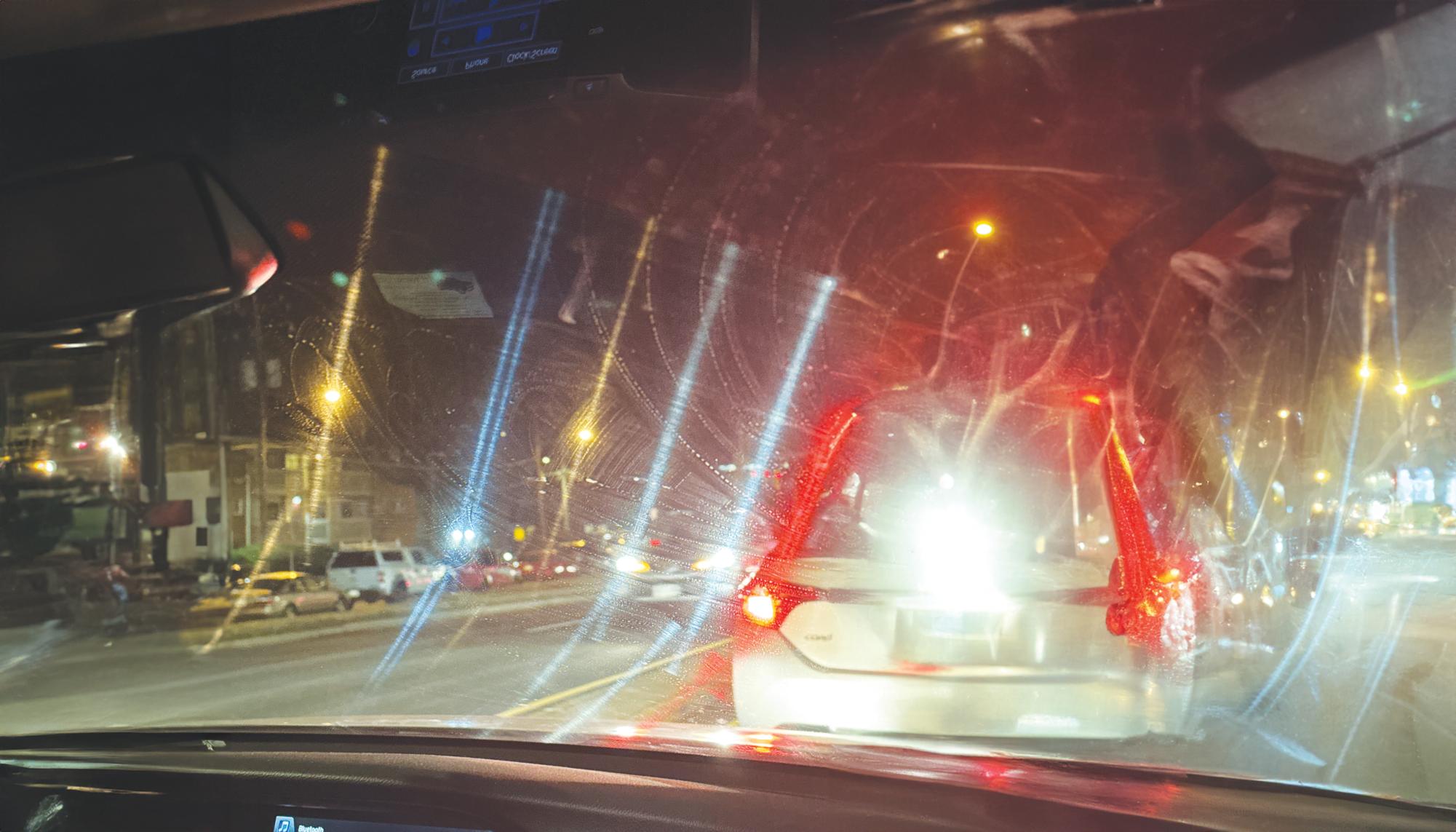
Night driving poses a challenge to all drivers, experienced or not, so you should drive with extra vigilance and expect hidden hazards lurking in dark corners, and danger to intrude unexpectedly.

When driving with headlights; All motorists must turn on the vehicle headlights from 7am to 7pm daily when driving. When headlights are on, dip the light so you don’t dazzle other’s vision when facing their vehicle, or when following behind a vehicle.

Driving in poorly lit or dim light; Driving in the dark is always hazardous, as dim conditions harm your vision and judgement. You should always flash and use the high beam to draw attention and warn of your presence when approaching corners or bends if dangers lurks.
<p><strong>Night driving poses a challenge to all drivers, experienced or not, so you should drive with extra vigilance and expect hidden hazards lurking in dark corners, and danger to intrude unexpectedly.</strong></p><p><strong>When driving with headlights;&nbsp;</strong>All motorists must turn on the vehicle headlights from 7am to 7pm daily when driving. When headlights are on, dip the light so you don’t dazzle other’s vision when facing their vehicle, or when following behind a vehicle.</p><p><strong>Driving in poorly lit or dim light;&nbsp;</strong>Driving in the dark is always hazardous, as dim conditions harm your vision and judgement. You should always flash and use the high beam to draw attention and warn of your presence when approaching corners or bends if dangers lurks.</p>
33
New cards

Range of headlights and high beams

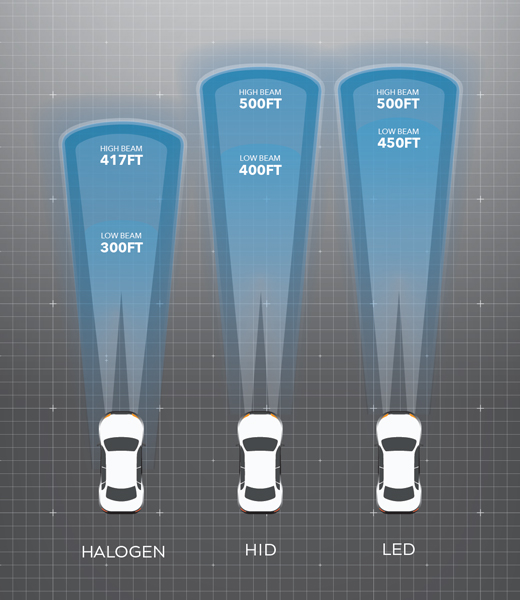
A normal headlight range is approximately 40 - 50m, while a high beam light is close to 100m.

Hence, it’s not wise to out drive beyond the range of the light where you can’t see, as this will allow you ample reaction time when danger intrudes in the dark.
<p><strong>A normal headlight range is approximately 40 - 50m, while a high beam light is close to 100m.</strong></p><p>Hence, it’s not wise to out drive beyond the range of the light where you can’t see, as this will allow you ample reaction time when danger intrudes in the dark.</p>
34
New cards

Headlight of on-coming vehicle

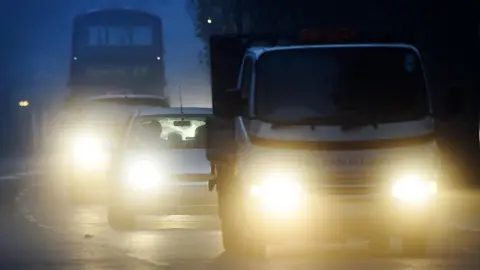
If an on-coming vehicle fails to dip its light, divert your vision by gradually glancing to the left side.

However, should you be blinded by the strong glare of the oncoming light, slow down and stop safely at a roadside until you recover.
<p><strong>If an on-coming vehicle fails to dip its light, divert your vision by gradually glancing to the left side.</strong></p><p>However, should you be blinded by the strong glare of the oncoming light, slow down and stop safely at a roadside until you recover.</p>
35
New cards

Driving in changing traffic conditions

It varies from one area to another, depending on the time, place and situation.

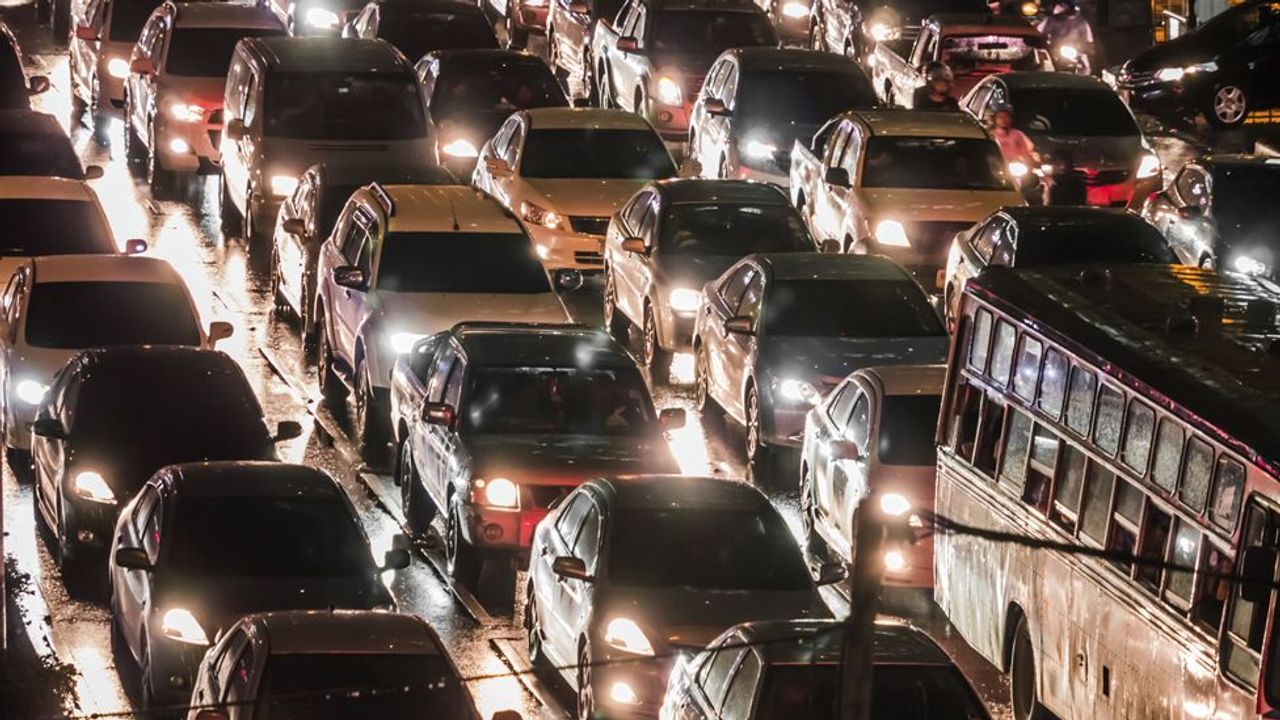
Expect to drive with congested and busier traffic during peak or rush hours(Usually 7am to 10am & 5am to 8pm); bus lanes are usually in operation during then(Open from 7:30am to 9:30am & from 5pm to 8pm from Monday to Sunday, and there’s no restrictions on Saturdays, Sundays and public holidays).

Driving in urban/built up areas usually have slower and heavier traffic flow, compared to sub-urban, suburb or countryside typified with faster, lighter and smoother traffic flow.
<p><strong>It varies from one area to another, depending on the time, place and situation.</strong></p><p>Expect to drive with congested and busier traffic during peak or rush hours(Usually 7am to 10am &amp; 5am to 8pm); bus lanes are usually in operation during then(Open from 7:30am to 9:30am &amp; from 5pm to 8pm from Monday to Sunday, and there’s no restrictions on Saturdays, Sundays and public holidays).</p><p>Driving in urban/built up areas usually have slower and heavier traffic flow, compared to sub-urban, suburb or countryside typified with faster, lighter and smoother traffic flow.</p>
36
New cards

Driving in changing road conditions

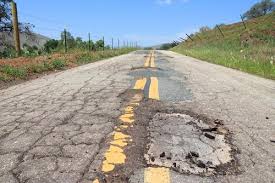
All drivers should never expect road surfaces to always be even or flat, and should be well prepared to take the following precautions should the need arise:

  • Look, aim, think and plan well ahead; spot the problem

  • Adjust the speed and take a good position, take your time and create space

  • Don’t overact and be calm

  • Act safely and evade the hazards; if possible take an alternate route
<p><strong>All drivers should never expect road surfaces to always be even or flat, and should be well prepared to take the following precautions should the need arise:</strong></p><ul><li><p>Look, aim, think and plan well ahead; spot the problem</p></li><li><p>Adjust the speed and take a good position, take your time and create space</p></li><li><p>Don’t overact and be calm</p></li><li><p>Act safely and evade the hazards; if possible take an alternate route</p></li></ul><p></p>
37
New cards

Road crowded with heavy machines and barriers

When driving through narrow spaces, solely use your brake pedal to adjust your speed, to check if your vehicle has sufficient clearance.

Don’t move closely to an obstacle that might restrict your turning space, and give enough room to steer the vehicle around with extra care for laborers or machinery movement.
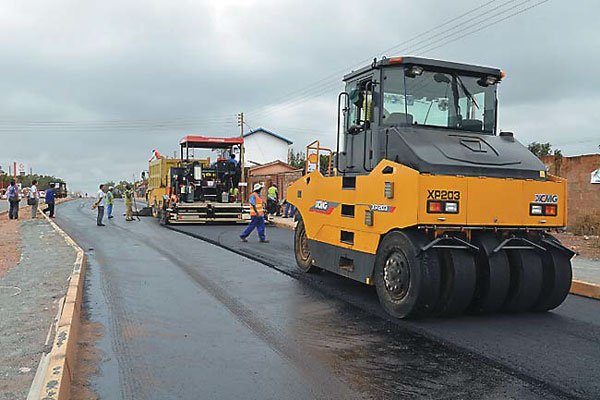
<p><strong>When driving through narrow spaces, solely use your brake pedal to adjust your speed, to check if your vehicle has sufficient clearance.</strong></p><p>Don’t move closely to an obstacle that might restrict your turning space, and give enough room to steer the vehicle around with extra care for laborers or machinery movement.</p>
38
New cards

Potholes and puddles of water

Depths of such holes are deceptive; to prevent losing control of the vehicle, slow down, keep the tires away from it and take a different path/alternative route to pass.
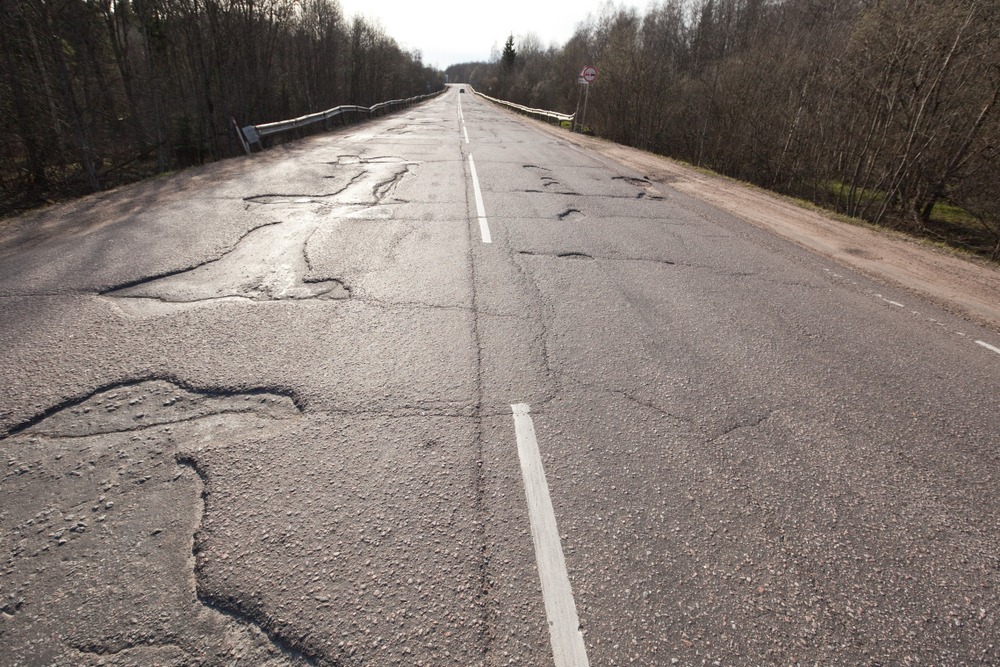
<p><strong>Depths of such holes are deceptive; to prevent losing control of the vehicle, slow down, keep the tires away from it and take a different path/alternative route to pass.</strong></p>
39
New cards

Oil, grease and grime

These are slippery, and will cause the vehicle to slide off the road; should you notice it, you should slow down, and prevent your tires from coming into contact.
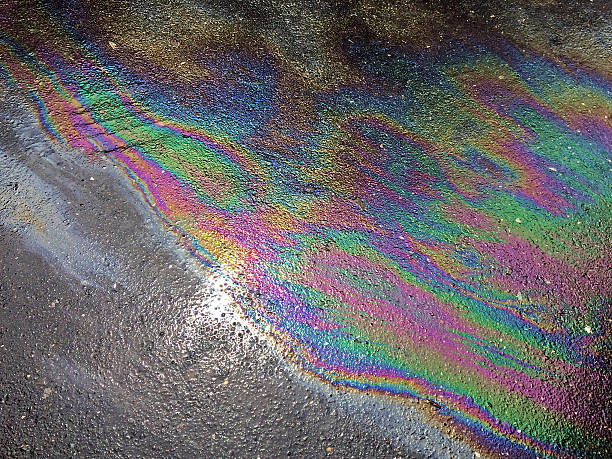
<p><strong>These are slippery, and will cause the vehicle to slide off the road; should you notice it, you should slow down, and prevent your tires from coming into contact.</strong></p>
40
New cards

Debris, fallen objects, steel plates

Your tires are vulnerable, and can be easily pierced, damaged or burst when in contacts with such items; get them checked fast if tires are to make contact with such objects.
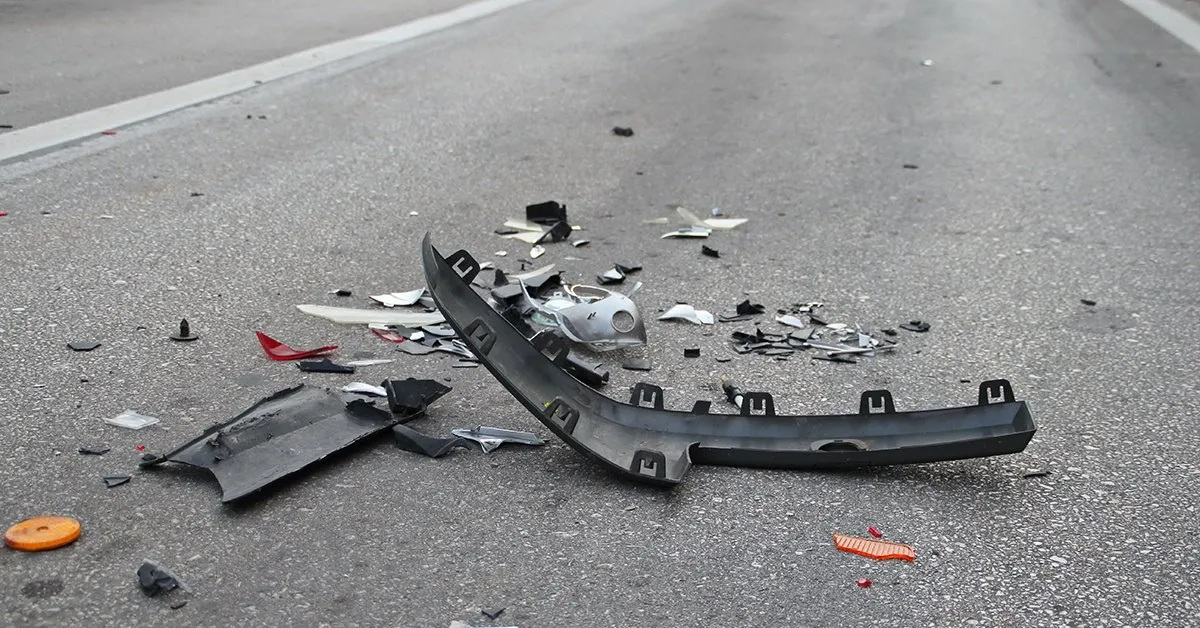
<p><strong>Your tires are vulnerable, and can be easily pierced, damaged or burst when in contacts with such items; get them checked fast if tires are to make contact with such objects.</strong></p>
41
New cards

Slippery and wet

Slippery and wet roads reduces tire grip, so maintain slower speeds.

Should your vehicle’s rear end skid(Rear tires lose traction), steer to the direction of the skid(Eg, vehicle tail end slides to the right, steer right to the same direction of the slide.
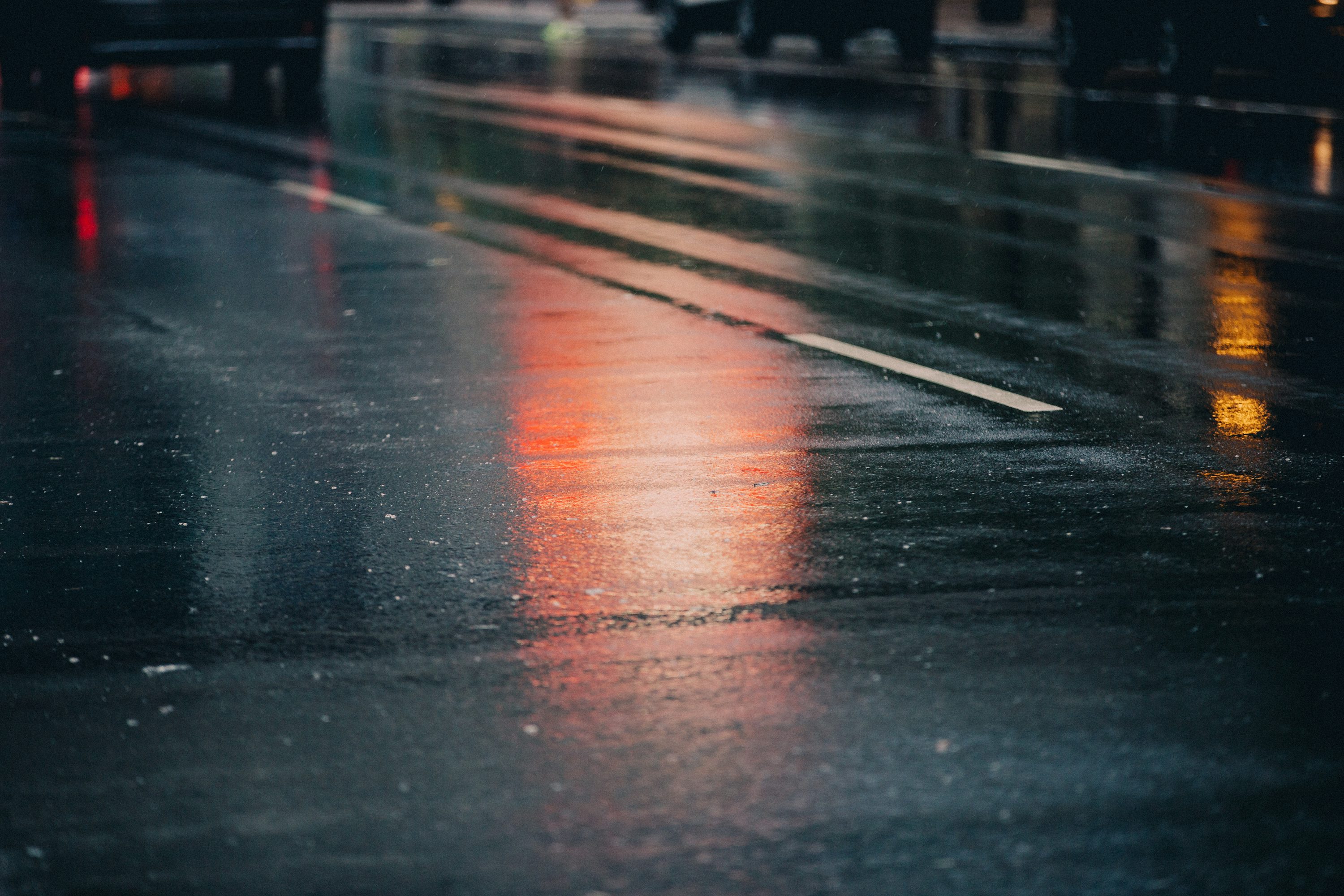
<p><strong>Slippery and wet roads reduces tire grip, so maintain slower speeds.</strong></p><p>Should your vehicle’s rear end skid(Rear tires lose traction), steer to the direction of the skid(Eg, vehicle tail end slides to the right, steer right to the same direction of the slide.</p>
42
New cards

Dip, bumps and humps on the road

Slow down your speed, and slowly steer in a forward direction, and avoid overtaking.

Driving past such obstacles at fast speeds would damage your carriage and wheel alignments.
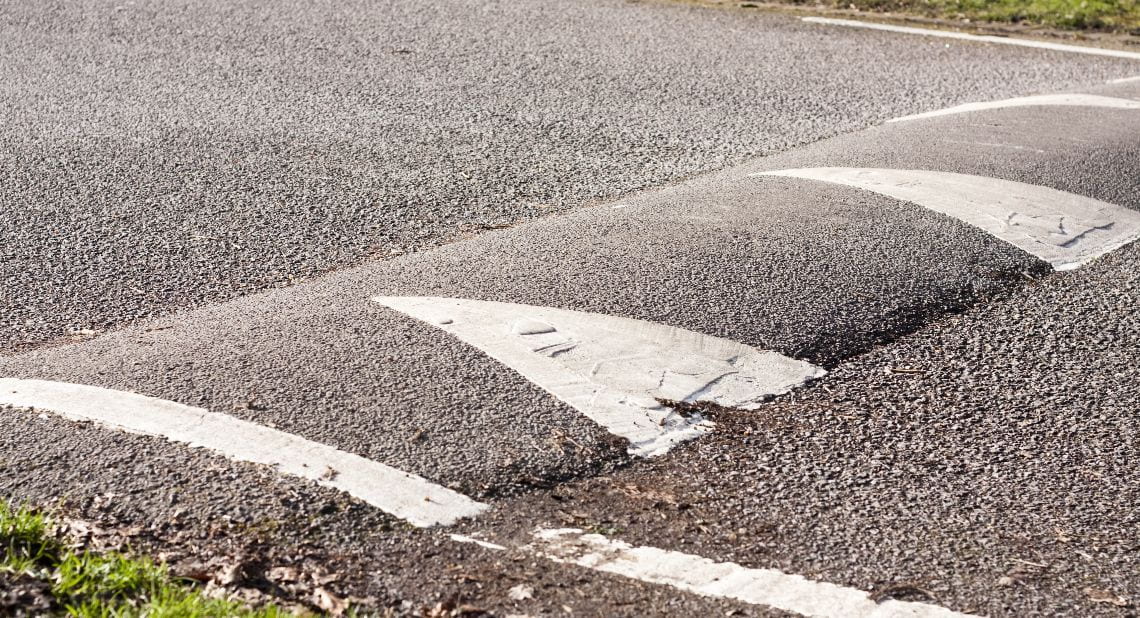
<p><strong>Slow down your speed, and slowly steer in a forward direction, and avoid overtaking. </strong></p><p>Driving past such obstacles at fast speeds would damage your carriage and wheel alignments.</p>
43
New cards

Gravel, pebbles, sands or stones

Maintain slow speeds and be gentle on the acceleration; to prevent tires losing grip or spinning, avoid abrupt or sudden changes of directions and forceful braking.
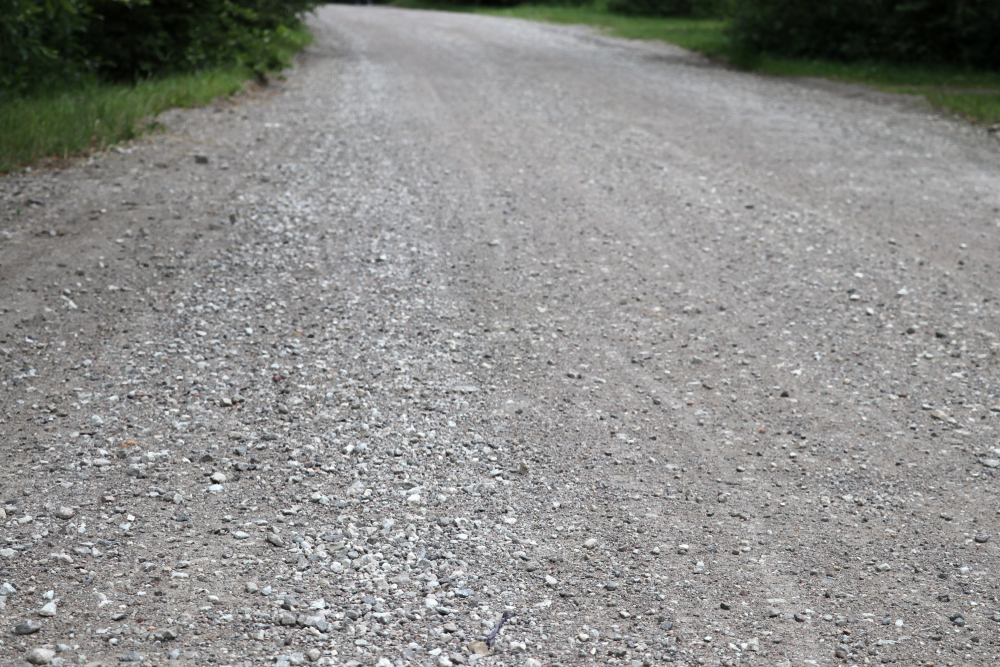
<p><strong>Maintain slow speeds and be gentle on the acceleration; to prevent tires losing grip or spinning, avoid abrupt or sudden changes of directions and forceful braking.</strong></p>
44
New cards

Law of physics acting on a moving vehicle

Natural forces act on the vehicle when it’s in motion; don’t underestimate such laws of physics, including:

  • Centrifugal forces; Side or lateral forces that pushes your vehicle outwardly when cornering or when vehicle is turning(Sharper or faster turning speeds mean greater forces that push the vehicle outward).

  • Frictional forces; Frictional grip takes place during braking when pressure is applied on the brakes to slow the wheels and generates an amount of resistance or gripping efficiency of the tires to ‘stick’ to the road, such grip is severely reduced if the conditions are wet, or if the tires are in bad condition(Worn off, not properly inflated).

  • Impact force; When two or more objects crash, it causes severe damage on the front, rear or side, especially at intersections when two traffic directions cross paths.

  • Inertia force; The balance and momentum of a vehicle could be severely aggravated by excessive acceleration or braking, affecting the vehicle’s center of gravity via weight transfer, causing instability.
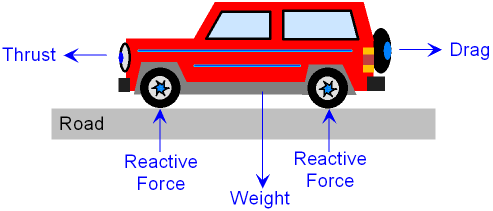
<p><strong>Natural forces act on the vehicle when it’s in motion; don’t underestimate such laws of physics, including:</strong></p><ul><li><p><strong>Centrifugal forces; </strong>Side or lateral forces that pushes your vehicle outwardly when cornering or when vehicle is turning(Sharper or faster turning speeds mean greater forces that push the vehicle outward).</p></li><li><p><strong>Frictional forces;</strong> Frictional grip takes place during braking when pressure is applied on the brakes to slow the wheels and generates an amount of resistance or gripping efficiency of the tires to&nbsp;‘stick’ to the road, such grip is severely reduced if the conditions are wet, or if the tires are in bad condition(Worn off, not properly inflated).</p></li><li><p><strong>Impact force;</strong> When two or more objects crash, it causes severe damage on the front, rear or side, especially at intersections when two traffic directions cross paths.</p></li><li><p><strong>Inertia force; </strong>The balance and momentum of a vehicle could be severely aggravated by excessive acceleration or braking, affecting the vehicle’s center of gravity via weight transfer, causing instability.</p></li></ul><p></p>
45
New cards

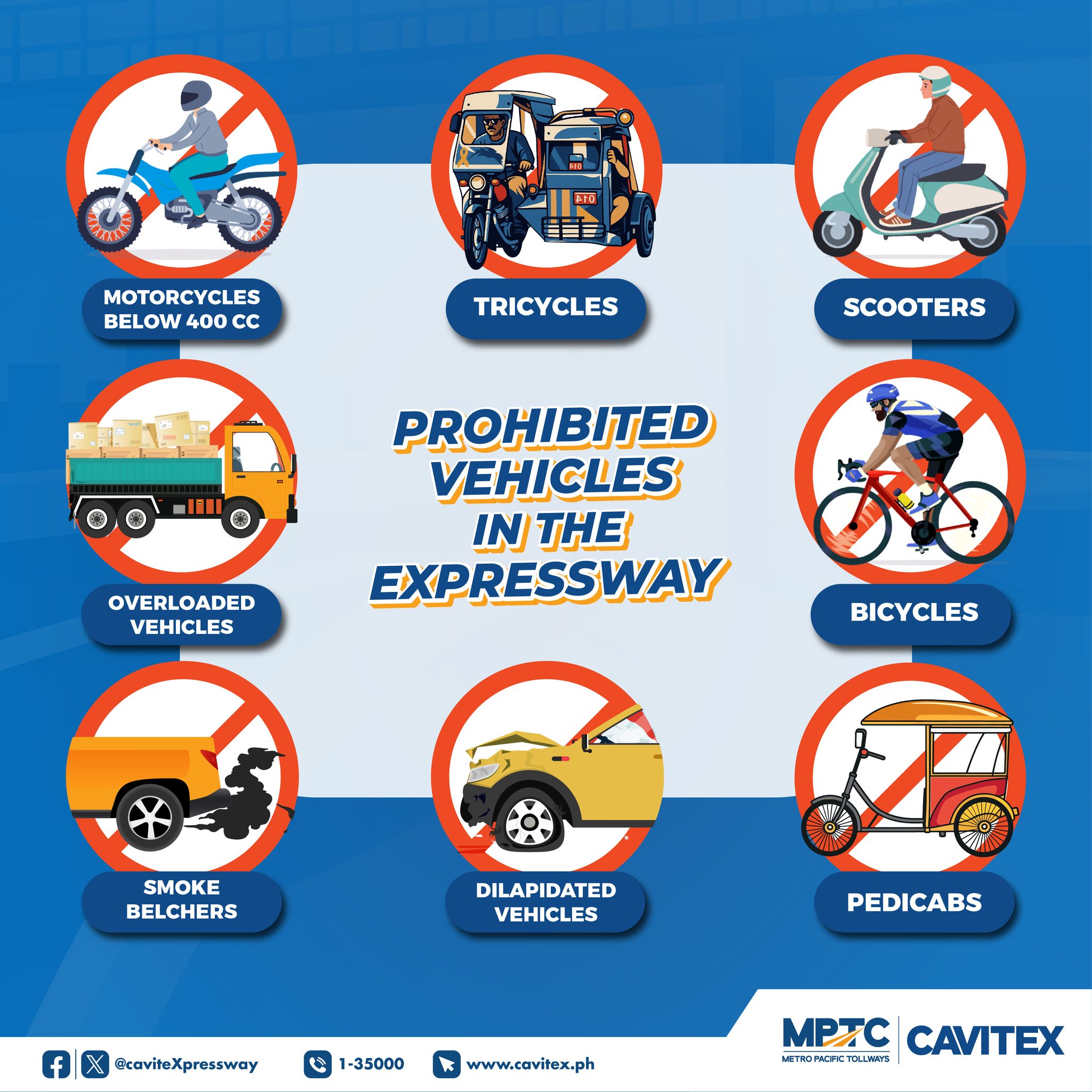
Prohibition of vehicle on the expressway

It’s an offense for any of these vehicles to be driven on the expressway as they may impede the flow of traffic:

  • Vehicles driven by learner drivers

  • Ready mixed concrete trucks

  • Mobile cranes, forklifts and excavators

  • Bicycles, tricycles and trishaws

  • Motorcycles with side-cars and 3 wheeled vans

  • Low trailers, road rollers and road pavers

  • Tractors, dumpers and wheel loaders

  • Bulldozers and graders

  • Mobile concrete pumps and hydrant dispensers
<p><strong>It’s an offense for any of these vehicles to be driven on the expressway as they may impede the flow of traffic:</strong></p><ul><li><p>Vehicles driven by learner drivers</p></li><li><p>Ready mixed concrete trucks</p></li><li><p>Mobile cranes, forklifts and excavators</p></li><li><p>Bicycles, tricycles and trishaws</p></li><li><p>Motorcycles with side-cars and 3 wheeled vans</p></li><li><p>Low trailers, road rollers and road pavers</p></li><li><p>Tractors, dumpers and wheel loaders</p></li><li><p>Bulldozers and graders</p></li><li><p>Mobile concrete pumps and hydrant dispensers</p></li></ul><p></p>
46
New cards

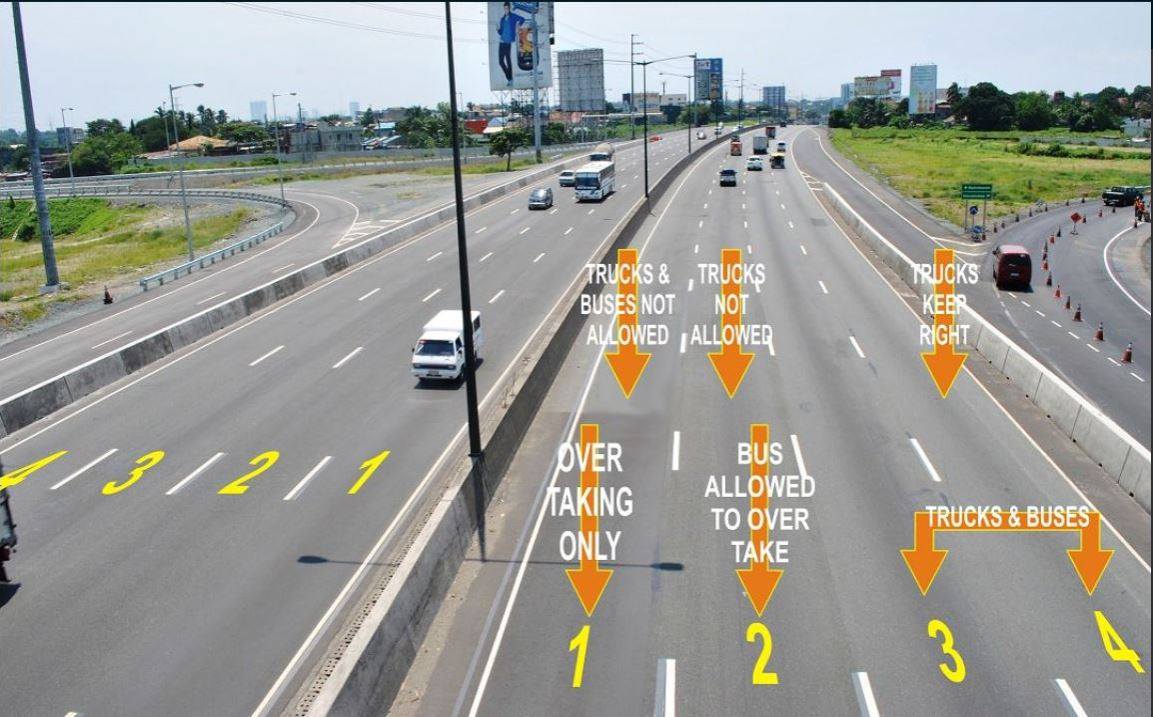
Expressway rules and regulations

The traffic rules and regulations on the expressway include:

  • Speed limits to be set within 70 - 90kph

  • Overtaking should be strictly on the right lane

  • Keep left unless overtaking

  • Stay on the left lane if you drive a larger vehicle or drive at a slow speed; when traffic is clear, don’t hog the right lane, as it will hinder traffic flow and cause others to overtake dangerously on your left

  • Faster moving traffic may stay in the center lane, but if traffic is clear and flowing, keep left whenever possible

  • Shoulder lane is strictly for emergency or for vehicle that breaks down; parking or stopping on the shoulder lane is an offense
<p><strong>The traffic rules and regulations on the expressway include:</strong></p><ul><li><p>Speed limits to be set within 70 - 90kph</p></li><li><p>Overtaking should be strictly on the right lane</p></li><li><p>Keep left unless overtaking</p></li><li><p>Stay on the left lane if you drive a larger vehicle or drive at a slow speed; when traffic is clear, don’t hog the right lane, as it will hinder traffic flow and cause others to overtake dangerously on your left</p></li><li><p>Faster moving traffic may stay in the center lane, but if traffic is clear and flowing, keep left whenever possible</p></li><li><p>Shoulder lane is strictly for emergency or for vehicle that breaks down; parking or stopping on the shoulder lane is an offense</p></li></ul><p></p>
47
New cards

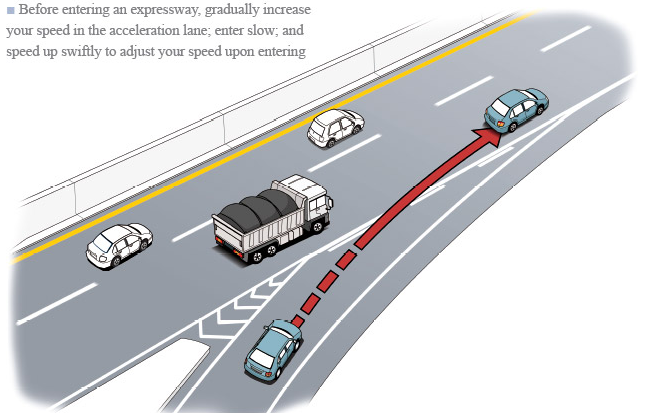
Entering the expressway

If you need to drive to your destination using the expressway, follow the directional sign of yellow letterings on green background with yellow border.

The slip road that enables you to join the expressway is called the accelerating line; once on it, to join the expressway, signal your intention and build up your speed to that of the vehicles already on the expressway so as to merge into the main traffic stream smoothly.

After that, look out for traffic and give way to approaching main stream traffic and confirm safety before merging.
<p><strong>If you need to drive to your destination using the expressway, follow the directional sign of yellow letterings on green background with yellow border.</strong></p><p>The slip road that enables you to join the expressway is called the accelerating line; once on it, to join the expressway, signal your intention and build up your speed to that of the vehicles already on the expressway so as to merge into the main traffic stream smoothly.</p><p>After that, look out for traffic and give way to approaching main stream traffic and confirm safety before merging.</p>
48
New cards

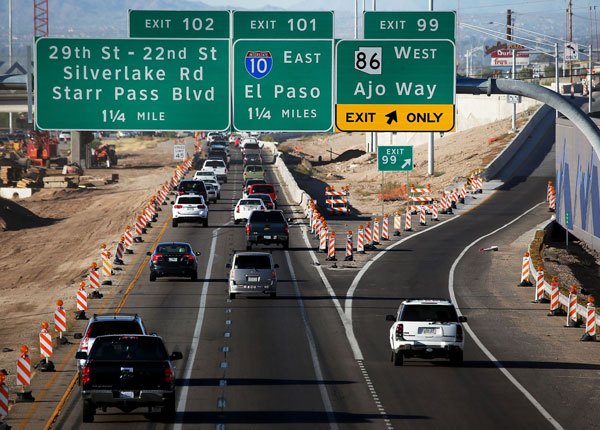
Exiting the expressway

Follow this safety procedure if you need to leave the expressway:

  • Signal intention to the left early

  • Check your mirror and left blind spot

  • Move to the left lane(Not the shoulder lane) in advance

  • Look for the appropriate directional sign and turn out using a filter lane(Known as the decelerating line)

  • If you missed your desired exit, don’t reverse the vehicle; instead, proceed to the next exit
<p><strong>Follow this safety procedure if you need to leave the expressway:</strong></p><ul><li><p>Signal intention to the left early</p></li><li><p>Check your mirror and left blind spot</p></li><li><p>Move to the left lane(Not the shoulder lane) in advance</p></li><li><p>Look for the appropriate directional sign and turn out using a filter lane(Known as the decelerating line)</p></li><li><p>If you missed your desired exit, don’t reverse the vehicle; instead, proceed to the next exit</p></li></ul><p></p>
49
New cards

Emergency brakes

Braking technique to stop a moving vehicle in the shortest possible time and distance.

The reaction distance and braking distance are both considered when braking during an emergency.
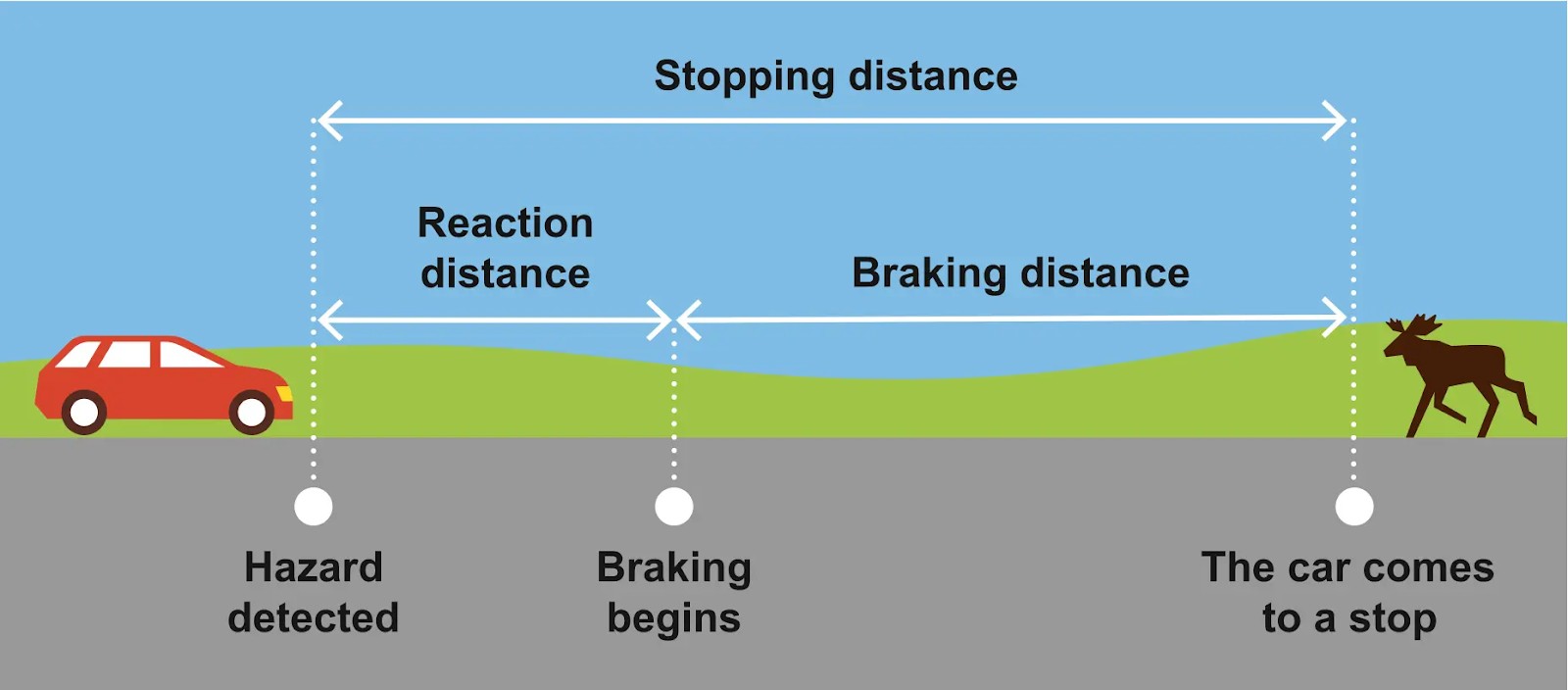
<p><strong>Braking technique to stop a moving vehicle in the shortest possible time and distance.</strong></p><p>The reaction distance and braking distance are both considered when braking during an emergency.</p>
50
New cards

Reaction distance

Distance and the time taken when a driver has noticed hazards ahead to the moment the driver starts to brake.
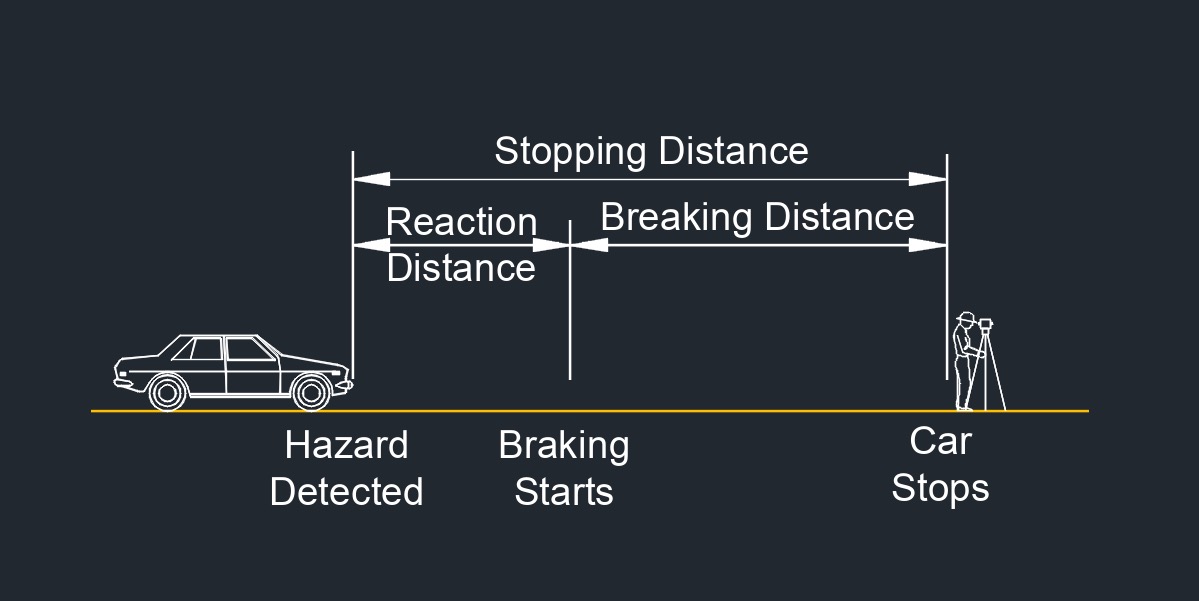
<p><strong>Distance and the time taken when a driver has noticed hazards ahead to the moment the driver starts to brake.</strong></p>
51
New cards

Braking distance

Distance covered by the vehicle the moment the braking system activates and slows the vehicle to a complete stop.
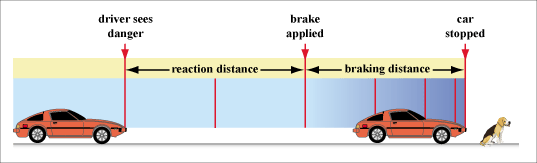
<p><strong>Distance covered by the vehicle the moment the braking system activates and slows the vehicle to a complete stop.</strong></p>
52
New cards

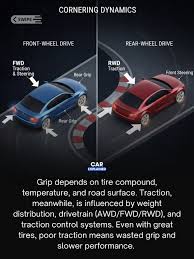
Things that affect gripping efficiency

Frictional force(Gripping efficiency) can be affected by the following conditions:

  1. Tires blading or wearing

  2. Over/under inflated air pressures

  3. Forceful or excessive pressures on the brakes

  4. Malfunctioning or faulty braking systems

  5. Tire grip on wet, slippery and oily roads, loose gravel, or fallen debris

  6. Rain, snow or ice

  7. Excessive or over load of the laden weight

  8. Longer travelling speeds(Longer distances mean faster speeds)
<p><strong>Frictional force(Gripping efficiency) can be affected by the following conditions:</strong></p><ol><li><p>Tires blading or wearing</p></li><li><p>Over/under inflated air pressures</p></li><li><p>Forceful or excessive pressures on the brakes</p></li><li><p>Malfunctioning or faulty braking systems</p></li><li><p>Tire grip on wet, slippery and oily roads, loose gravel, or fallen debris</p></li><li><p>Rain, snow or ice</p></li><li><p>Excessive or over load of the laden weight</p></li><li><p>Longer travelling speeds(Longer distances mean faster speeds)</p></li></ol><p></p>
53
New cards

Emergency braking technique steps

The correct emergency braking technique should be as follows:

  1. React quickly by applying the brake pedal at once with both hands firmly gripping the steering wheel

  2. Avoid forceful braking, as this locks the wheels, causing the tires to lose grip and skid

  3. Only use the foot brake pedal; don’t use the handbrake

  4. If the wheels are momentarily locked due to harsh braking, release the brake pedal and apply again(Braking intermittently) to prevent skidding
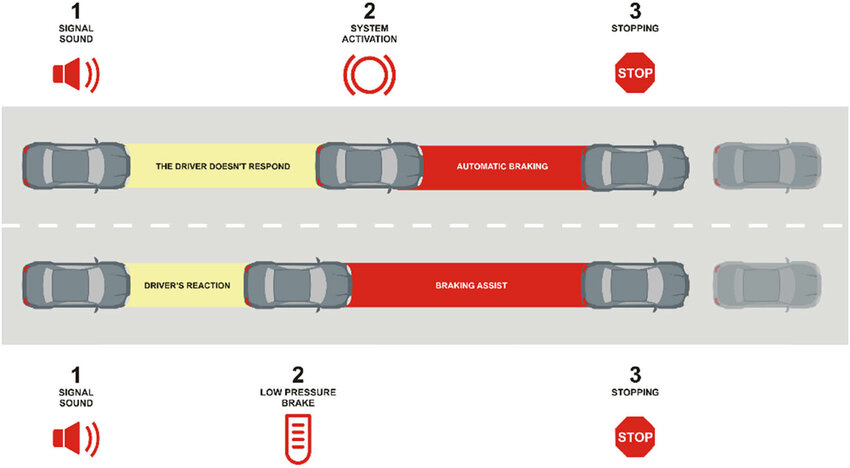
<p><strong>The correct emergency braking technique should be as follows:</strong></p><ol><li><p>React quickly by applying the brake pedal at once with both hands firmly gripping the steering wheel</p></li><li><p>Avoid forceful braking, as this locks the wheels, causing the tires to lose grip and skid</p></li><li><p>Only use the foot brake pedal; don’t use the handbrake</p></li><li><p>If the wheels are momentarily locked due to harsh braking, release the brake pedal and apply again(Braking intermittently) to prevent skidding</p></li></ol><p></p>
54
New cards

Good following distance

While driving, it’s crucial to have ample time and safe following distance to react to any unforeseen events, such as a collision with the front vehicle should it stop suddenly.

Two methods that enable a safe following distance:

  • One car length for every 16km/h - One vehicle length for every 16km/h, but this rule is practical only if you’re driving slower than 60kph, or when following smaller sized vehicles that don’t obscure your view.

  • Two second following time when driving in favorable conditions - Considered the more effective preventive measure when following a front vehicle in normal or favorable conditions; applicable for any speeds
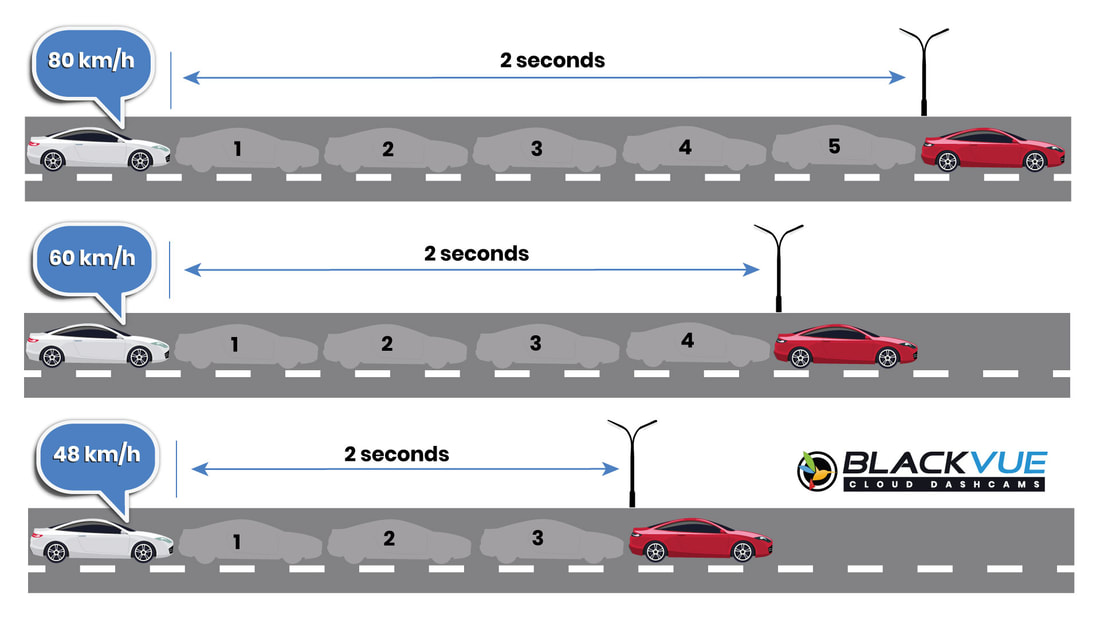
<p><strong>While driving, it’s crucial to have ample time and safe following distance to react to any unforeseen events, such as a collision with the front vehicle should it stop suddenly.</strong></p><p>Two methods that enable a safe following distance:</p><ul><li><p><strong>One car length for every 16km/h</strong> - One vehicle length for every 16km/h, but this rule is practical only if you’re driving slower than 60kph, or when following smaller sized vehicles that don’t obscure your view.</p></li><li><p><strong>Two second following time when driving in favorable conditions</strong> - Considered the more effective preventive measure when following a front vehicle in normal or favorable conditions; applicable for any speeds</p></li></ul><p></p>
55
New cards

Interacting with others on the road

You have a big role to play in assuring your own safety, and the safety of others when driving on shared public roads.

It’s common to encounter road user or a negligent or careless, but you must always put safety above everything else, however aggravated you are.
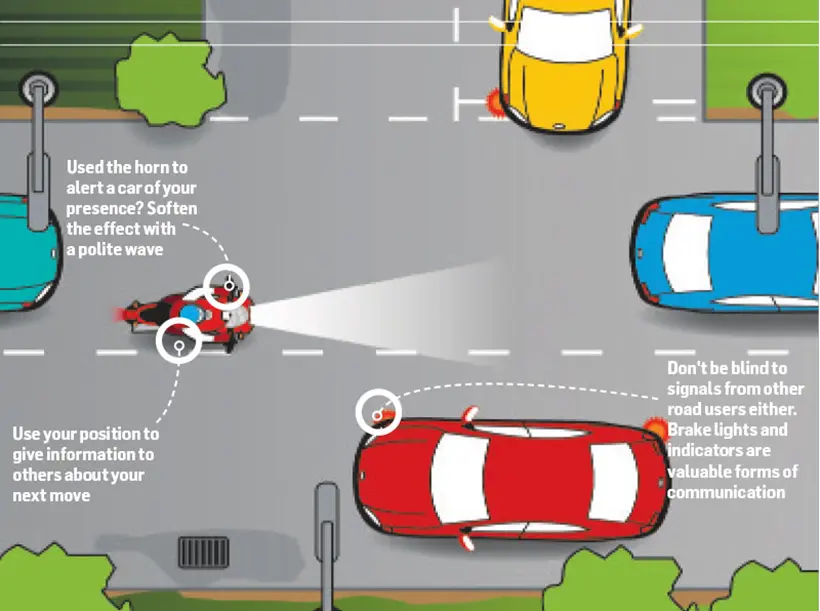
<p><strong>You have a big role to play in assuring your own safety, and the safety of others when driving on shared public roads.</strong></p><p>It’s common to encounter road user or a negligent or careless, but you must always put safety above everything else, however aggravated you are.</p>
56
New cards

Other drivers

Always remain calm even if you encounter drivers who might drive recklessly, dangerously or aggressively, or if being delayed or obstructed unintentionally by some older drivers who might take longer to judge and react slowly.
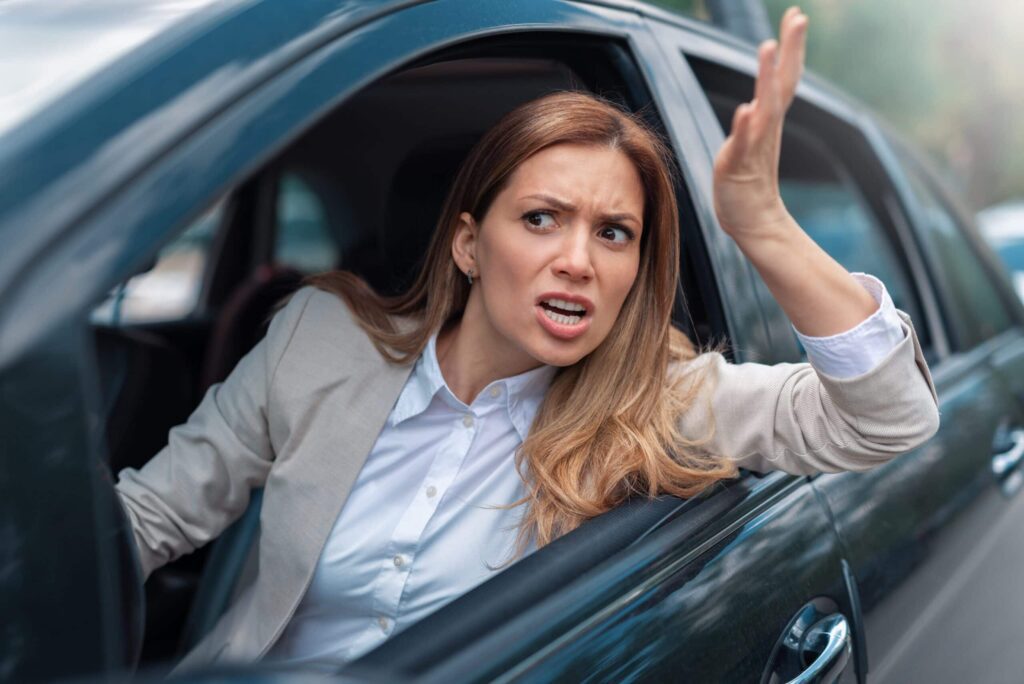
<p><strong>Always remain calm even if you encounter drivers who might drive recklessly, dangerously or aggressively, or if being delayed or obstructed unintentionally by some older drivers who might take longer to judge and react slowly.</strong></p>
57
New cards

Drivers of larger vehicles

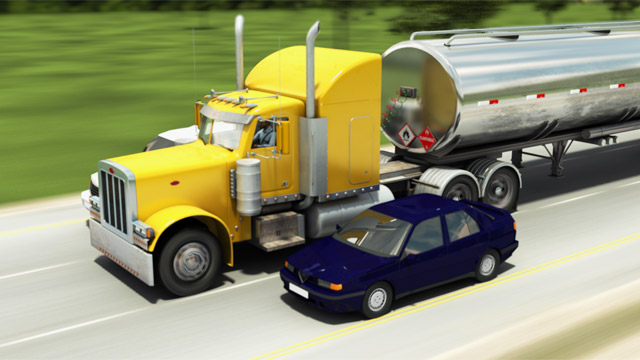
Being larger means such drivers might obscure your view, so keep a longer following distance than usual to have a clear view of the road ahead.

These vehicles are over-sized and have longer wheel-bases, hence they may require a wider turning radius so as to maneuver round a turn.

Additionally, large vehicles that turn left may have to the move to the right first and vice versa, so don’t overtake the larger vehicle on the side where they intend to turn.
<p><strong>Being larger means such drivers might obscure your view, so keep a longer following distance than usual to have a clear view of the road ahead.</strong></p><p>These vehicles are over-sized and have longer wheel-bases, hence they may require a wider turning radius so as to maneuver round a turn.</p><p>Additionally, large vehicles that turn left may have to the move to the right first and vice versa, so don’t overtake the larger vehicle on the side where they intend to turn.</p>
58
New cards

Emergency vehicles

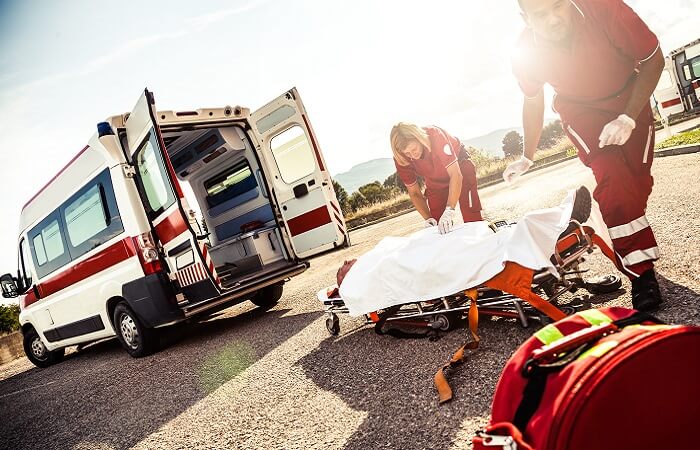
Ambulances, fire engines, police cars, tow trucks or other vehicles with sirens of any kind are categorized as emergency vehicles.

As a motorist, should you notice such vehicles behind you, move aside to ensure a clear path for it to pass.

If you hear sirens, but aren’t sure where it’s coming from, be ready to keep left, slow down and stop if necessary to give way unobtrusively.
<p><strong>Ambulances, fire engines, police cars, tow trucks or other vehicles with sirens of any kind are categorized as emergency vehicles.</strong></p><p>As a motorist, should you notice such vehicles behind you, move aside to ensure a clear path for it to pass.</p><p>If you hear sirens, but aren’t sure where it’s coming from, be ready to keep left, slow down and stop if necessary to give way unobtrusively.</p>
59
New cards

The oncoming vehicle

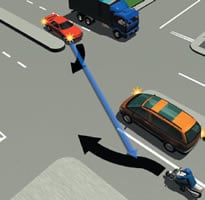
You should always scan and look far ahead for any tell tale sign of potential danger caused by others when driving.

Head-on collisions can happen at any place, whether during overtaking or driving along a two-way carriageway, passing an intersection, or approaching a junction. 

Hence you should be alert, be ready to move away to the left, create plenty of room to evade the danger and stop your vehicle if necessary to avoid any fatal collisions should any oncoming vehicle intrude or veer into your path.
<p><strong>You should always scan and look far ahead for any tell tale sign of potential danger caused by others when driving.</strong></p><p>Head-on collisions can happen at any place, whether during overtaking or driving along a two-way carriageway, passing an intersection, or approaching a junction.&nbsp;</p><p>Hence you should be alert, be ready to move away to the left, create plenty of room to evade the danger and stop your vehicle if necessary to avoid any fatal collisions should any oncoming vehicle intrude or veer into your path.</p>
60
New cards

Reversing and moving off from parked vehicles

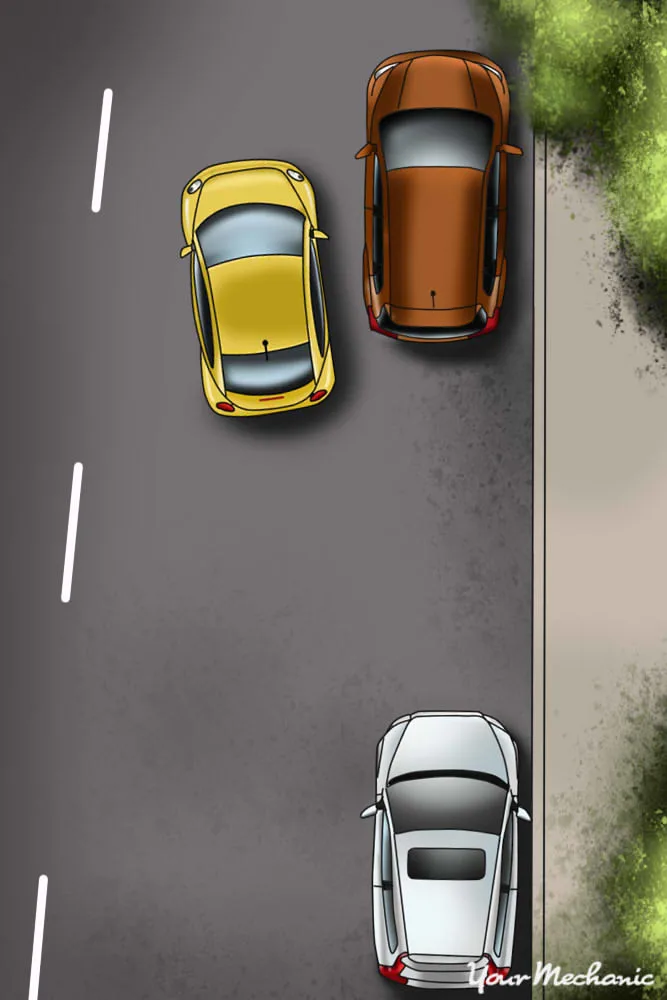
Be aware of traffic behind and in front of your vehicle if you need to move out from a parking space, especially for children or smaller objects that aren’t easily seen due to the blind areas surrounding your vehicle.

You should signal your intention correctly, check your front, and turn you head to have a good look before getting out.
<p><strong>Be aware of traffic behind and in front of your vehicle if you need to move out from a parking space, especially for children or smaller objects that aren’t easily seen due to the blind areas surrounding your vehicle.</strong></p><p>You should signal your intention correctly, check your front, and turn you head to have a good look before getting out.</p>
61
New cards

Reversing into a parking space

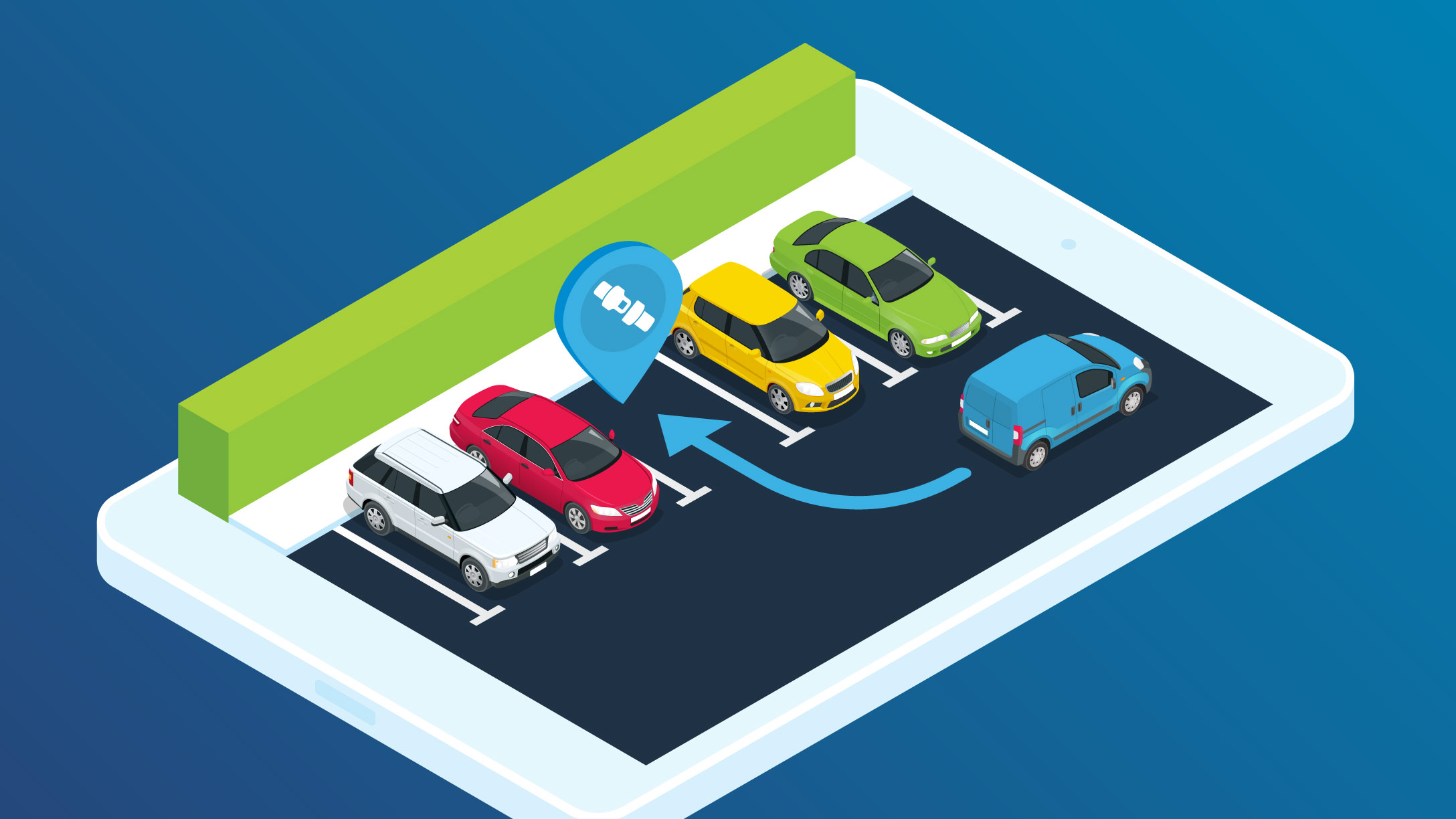
Before reversing into a parking lot, you should check the front, side and behind to confirm safety. 

During reversing, your vehicle would cause hazards to others who may pass beside your vehicle the moment your vehicle starts to swing outwards before entering the lot, so you should be extra alert and take care not to hit pedestrians, cyclists or motorcyclists hidden at your blind spots.
<p><strong>Before reversing into a parking lot, you should check the front, side and behind to confirm safety.&nbsp;</strong></p><p>During reversing, your vehicle would cause hazards to others who may pass beside your vehicle the moment your vehicle starts to swing outwards before entering the lot, so you should be extra alert and take care not to hit pedestrians, cyclists or motorcyclists hidden at your blind spots.</p>
62
New cards

Traffic jam and heavy traffic

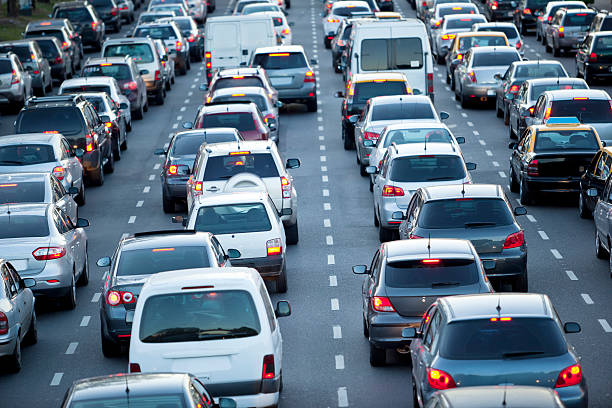
In a traffic jam hold up, be extra patient, as honking, shouting or jumping the traffic queue wouldn’t ease up the jam.

You should always stay in your lane and move along with the traffic, no matter how slow the speed.

Should the road be massively jam-packed with vehicles waiting in the traffic, show courtesy to vehicles in wait from the minor or side roads who intend to move in by allowing them space to get into mainstream traffic.
<p><strong>In a traffic jam hold up, be extra patient, as honking, shouting or jumping the traffic queue wouldn’t ease up the jam.</strong></p><p>You should always stay in your lane and move along with the traffic, no matter how slow the speed.</p><p>Should the road be massively jam-packed with vehicles waiting in the traffic, show courtesy to vehicles in wait from the minor or side roads who intend to move in by allowing them space to get into mainstream traffic.</p>
63
New cards

Passing stationary vehicles

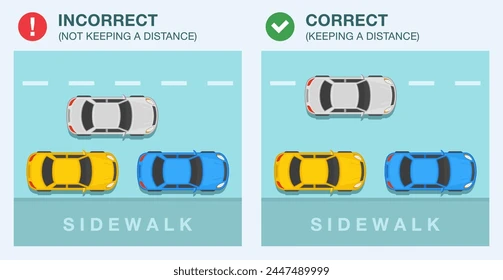
With stationary vehicles parking along the left side of the roadway on a two-way traffic, give way to oncoming vehicles.

When passing these stationary vehicles, look out for any vehicle pulling out, passengers of the vehicle opening the doors and getting out suddenly or for any pedestrians that might cross in-between parked vehicles or bus stops.

Always slow down early and be ready to stop, should these road users cut across your path without proper lookout, and when passing, leave a safe gap at least one meter between your vehicle and the parked vehicles.
<p><strong>With stationary vehicles parking along the left side of the roadway on a two-way traffic, give way to oncoming vehicles.</strong></p><p>When passing these stationary vehicles, look out for any vehicle pulling out, passengers of the vehicle opening the doors and getting out suddenly or for any pedestrians that might cross in-between parked vehicles or bus stops.</p><p>Always slow down early and be ready to stop, should these road users cut across your path without proper lookout, and when passing, leave a safe gap at least one meter between your vehicle and the parked vehicles.</p>
64
New cards

Obstacles or stationary objects

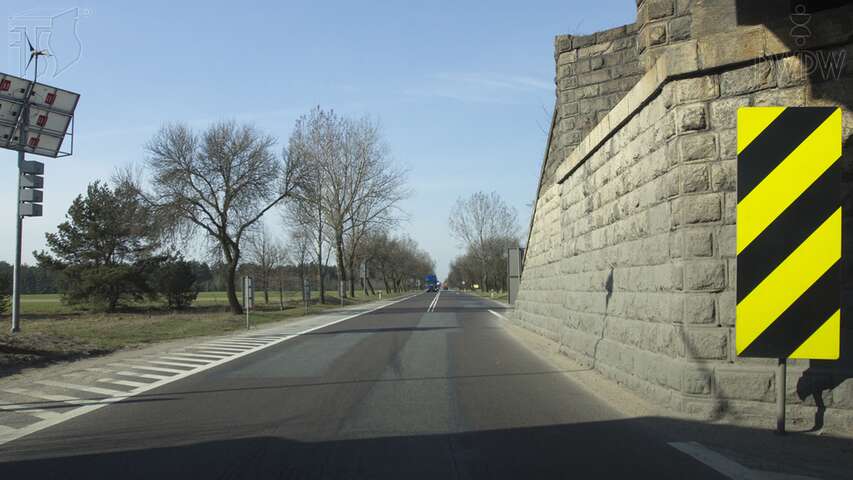
Objects such as cones are placed on the road during road works.

When approaching, you should look out for any labourers, equipment and materials that might obstruct your way or view, reduce speed in advance and be ready to stop and watch out for any traffic and confirm safety before passing.
<p><strong>Objects such as cones are placed on the road during road works.</strong></p><p>When approaching, you should look out for any labourers, equipment and materials that might obstruct your way or view, reduce speed in advance and be ready to stop and watch out for any traffic and confirm safety before passing. </p>
65
New cards

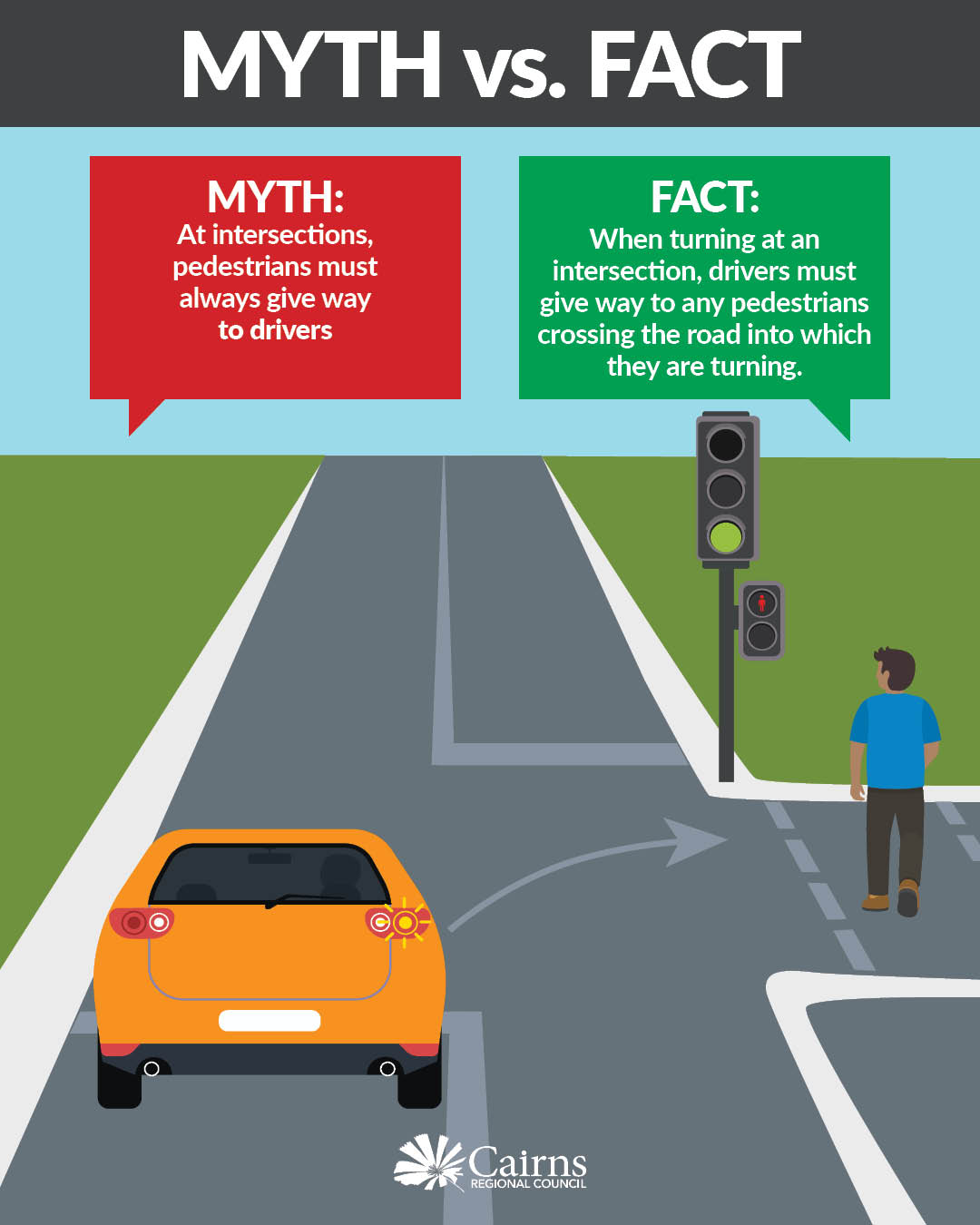
Pedestrians

Should a pedestrian insist to cross the road on a “red-man” signal or without using designated crossing, you should still give way.

Additionally, you should still pay special attention and take necessary precaution when noticing elderly or children on roadside pavement, as they are most vulnerable, since they might not judge and anticipate your approaching speed well. 
<p><strong>Should a pedestrian insist to cross the road on a “red-man” signal or without using designated crossing, you should still give way.</strong></p><p>Additionally, you should still pay special attention and take necessary precaution when noticing elderly or children on roadside pavement, as they are most vulnerable, since they might not judge and anticipate your approaching speed well.&nbsp;</p>
66
New cards

Motorcyclists

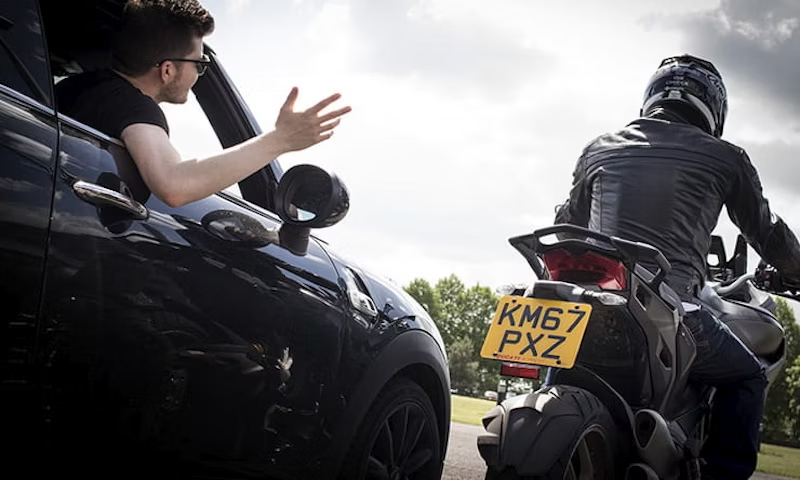
Motorcyclists are vulnerable, as they may not be easily visible due to their small size. Also, they may be seriously injured if they fall.
<p><strong>Motorcyclists are vulnerable, as they may not be easily visible due to their small size. Also, they may be seriously injured if they fall.</strong></p>
67
New cards

Cyclists

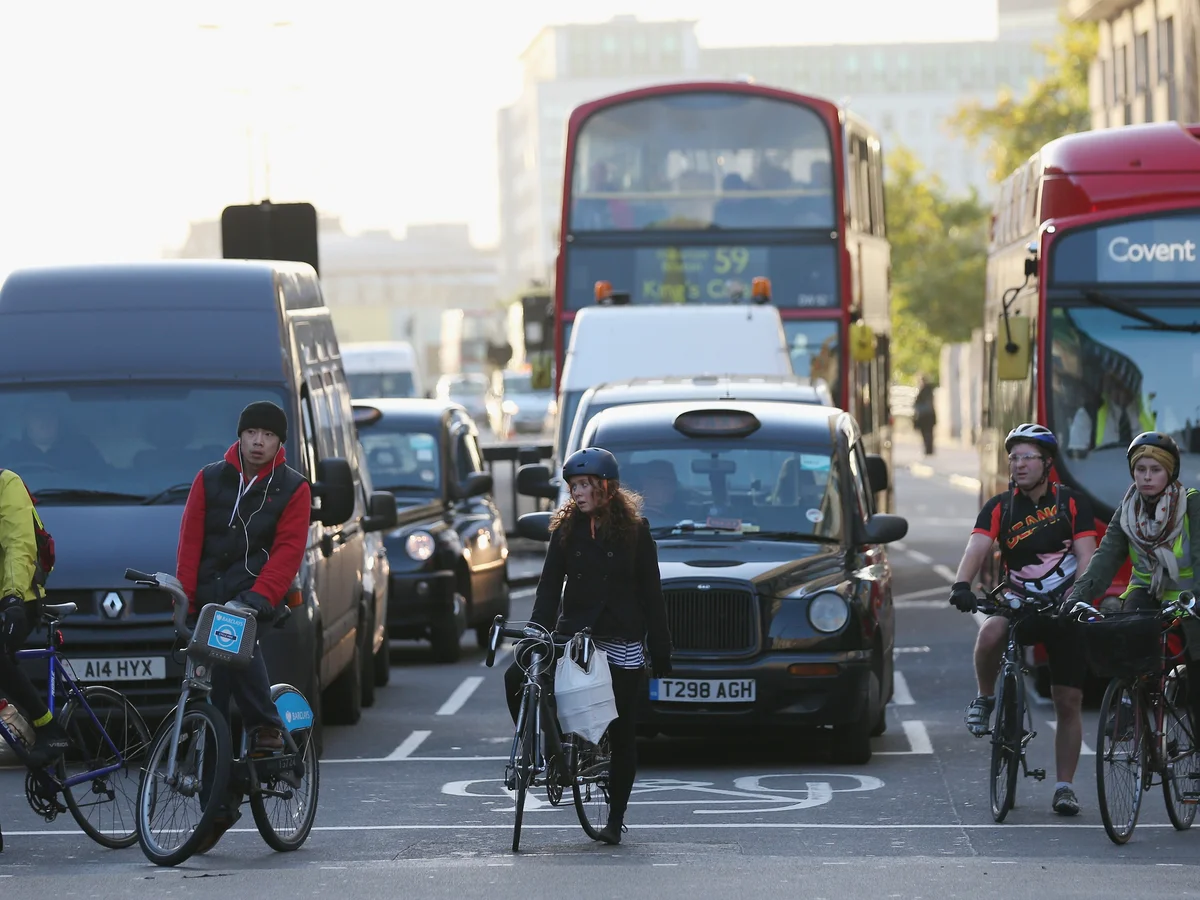
A cyclist might not be familiar with our local highway code, or may be negligent.

Additionally, their small size makes them less conspicuous and vulnerable on the road.
<p><strong>A cyclist might not be familiar with our local highway code, or may be negligent.</strong></p><p>Additionally, their small size makes them less conspicuous and vulnerable on the road.</p>
68
New cards

Motorcyclists’ characteristics

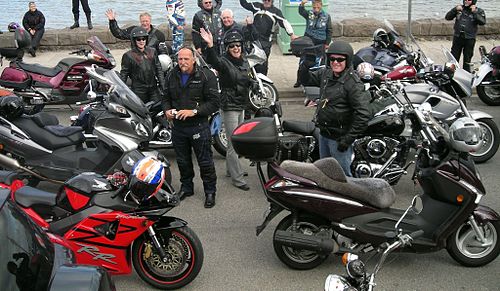
Motorcyclists are inconspicuously mobile, and aren’t noticeable easily.

They don’t make safety easier with their unsafe acts and behaviors(Weaving in and out of traffic line and squeezing through tight gaps), and with an attitude that disregards their own and others safety, but as a motorist, you should always keep a good lookout for them, before turning, changing lanes, overtaking and before moving and stopping.

Additionally, their small size makes them difficult to notice using only your mirrors, so you’ll need to turn your head and look over your shoulders to check your blind spots before changing or moving towards your desired directions.
<p><strong>Motorcyclists are inconspicuously mobile, and aren’t noticeable easily.</strong></p><p>They don’t make safety easier with their unsafe acts and behaviors(Weaving in and out of traffic line and squeezing through tight gaps), and with an attitude that disregards their own and others safety, but as a motorist, you should always keep a good lookout for them, before turning, changing lanes, overtaking and before moving and stopping.</p><p>Additionally, their small size makes them difficult to notice using only your mirrors, so you’ll need to turn your head and look over your shoulders to check your blind spots before changing or moving towards your desired directions.</p>
69
New cards

When turning left or right

Before reaching a junction, you should decide in advance your intended direction and move into the appropriate lane before passing or turning.

Refer to the directional arrows on your lane to decide on which direction to turn into.
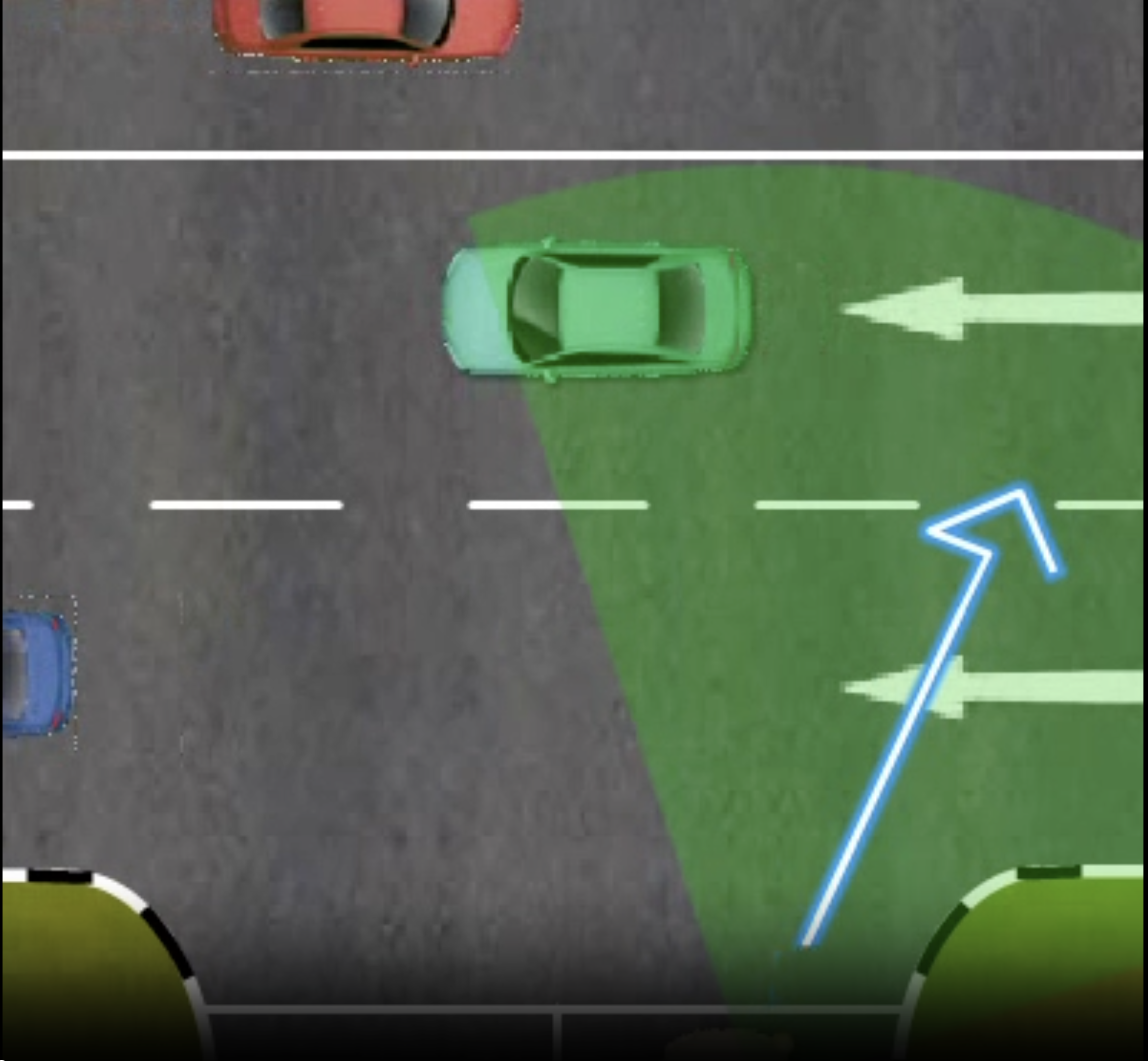
<p><strong>Before reaching a junction, you should decide in advance your intended direction and move into the appropriate lane before passing or turning.</strong></p><p>Refer to the directional arrows on your lane to decide on which direction to turn into.</p>
70
New cards

3-lane minor road —> 3-lane one-way traffic major carriageway

Turn to the middle or second lane of the 3-lane carriageway one-way road.
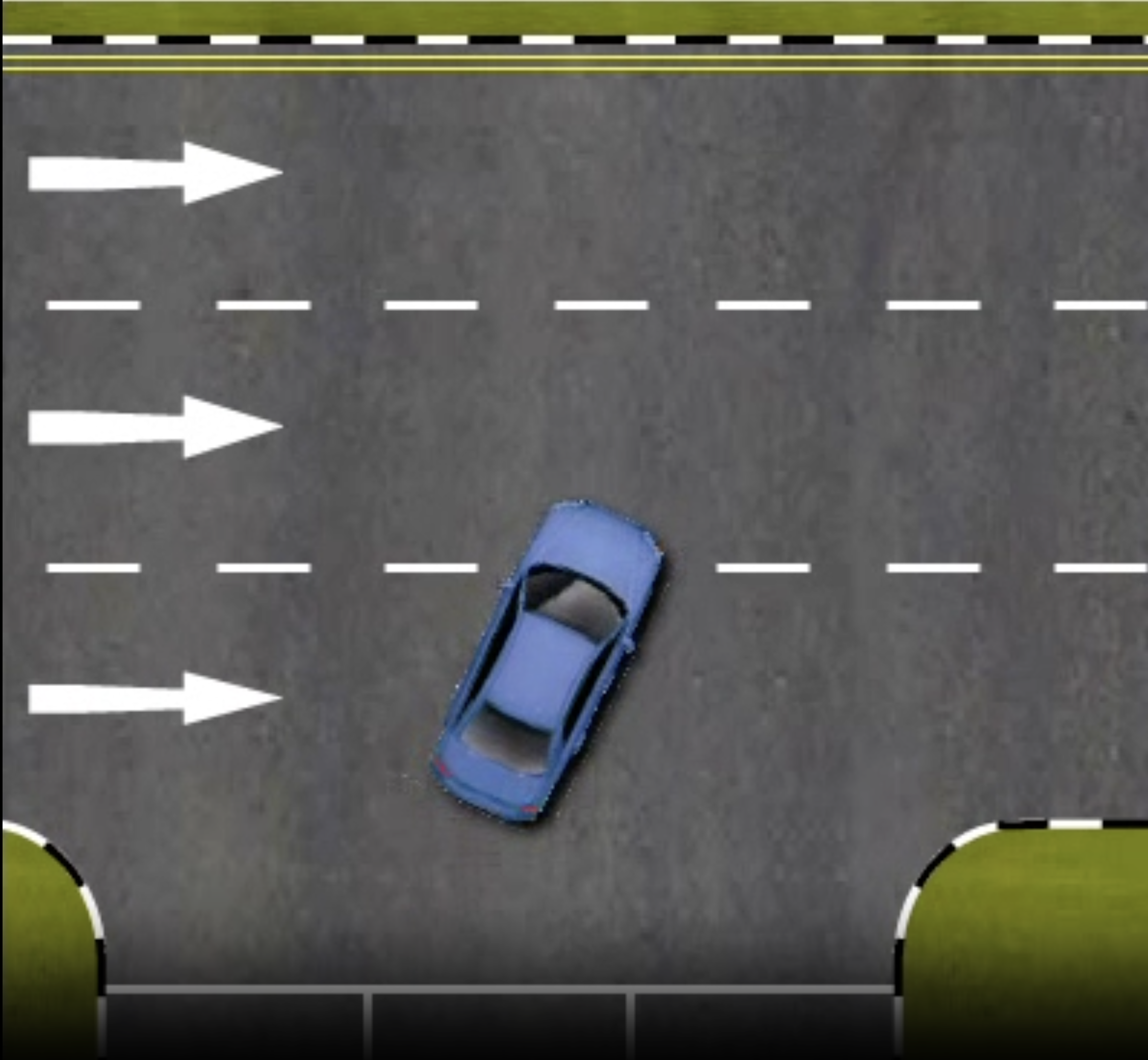
<p><strong>Turn to the middle or second lane of the 3-lane carriageway one-way road.</strong></p>
71
New cards

2-lane minor road —> 3-lane one-way traffic major carriageway

Turn to the middle or extreme left lane of the 3-lane carriageway one-way road.
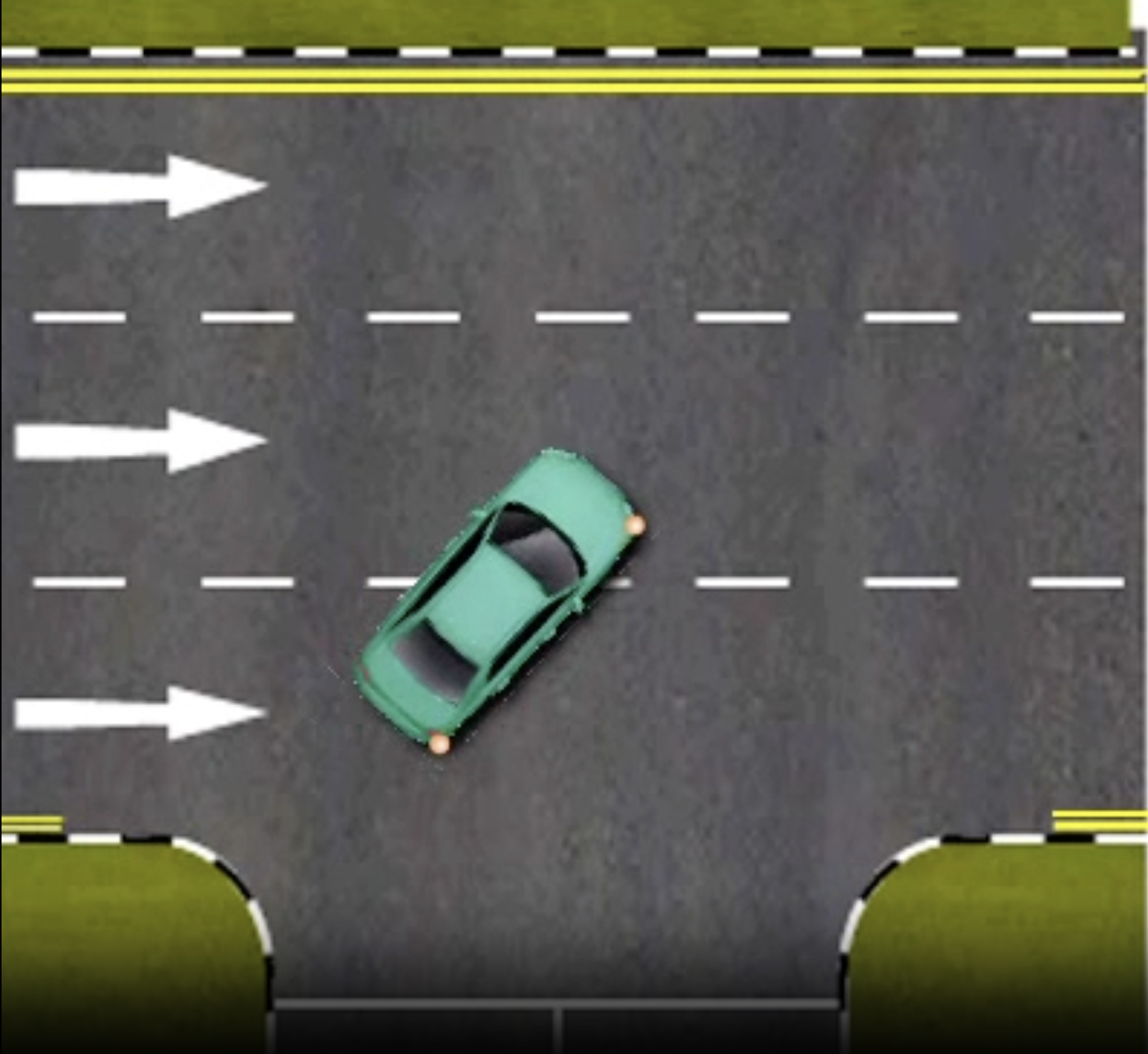
<p><strong>Turn to the middle or extreme left lane of the 3-lane carriageway one-way road.</strong></p>
72
New cards

1-lane minor road —> 3-lane one-way traffic major carriageway

Turn to the extreme right of the 3-lane carriageway one-way road.
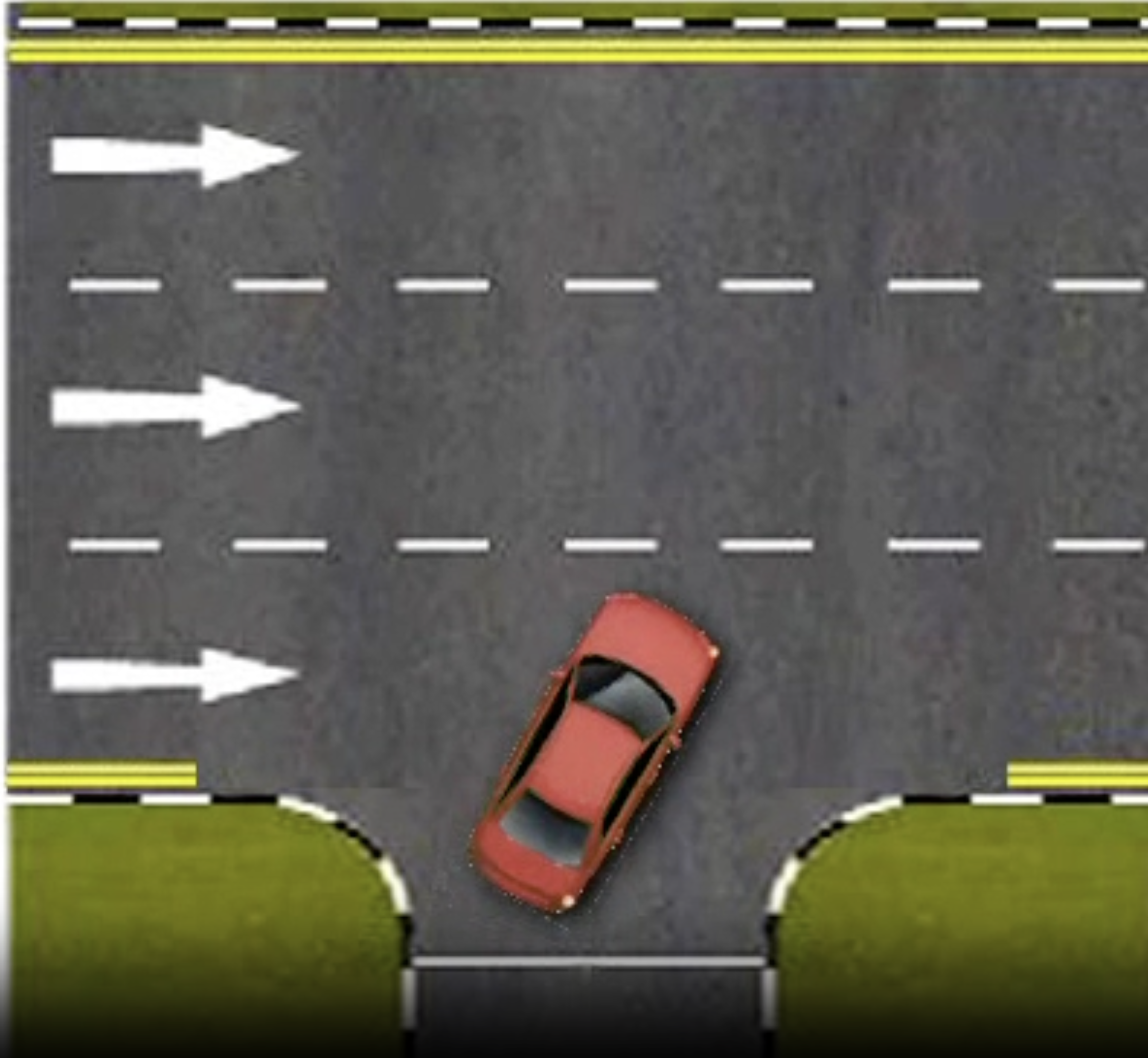
<p><strong>Turn to the extreme right of the 3-lane carriageway one-way road.</strong></p>
73
New cards

Driving through a cross junction or into two-way traffic junction

Steer clear of the car beside, don’t race them going into the corner and give them space if they choose to turn into your lane.
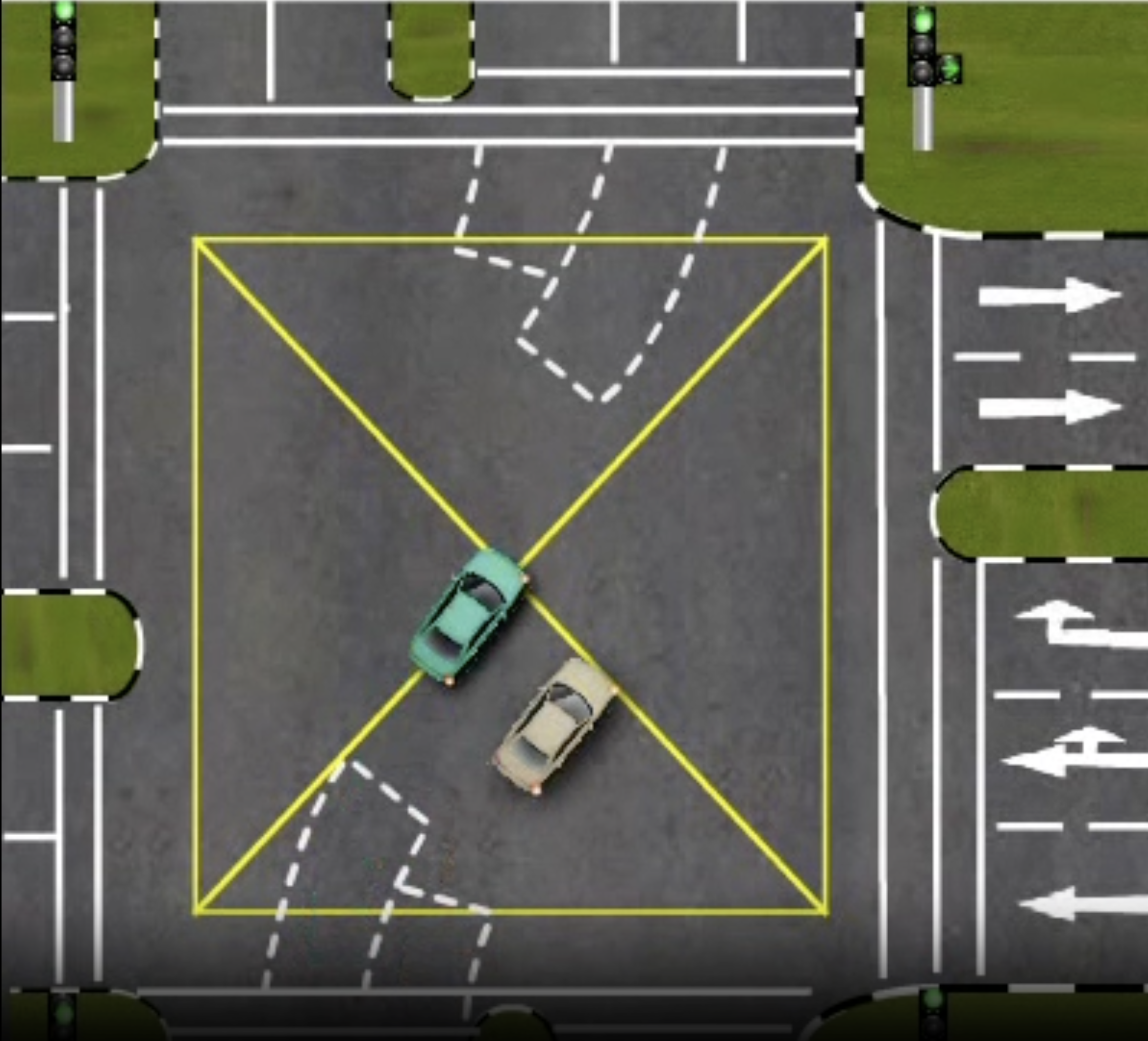
<p><strong>Steer clear of the car beside, don’t race them going into the corner and give them space if they choose to turn into your lane.</strong></p>
74
New cards

Turning into the appropriate lane

Apply courtesy, and the right of way at the junction, especially during peak hours.
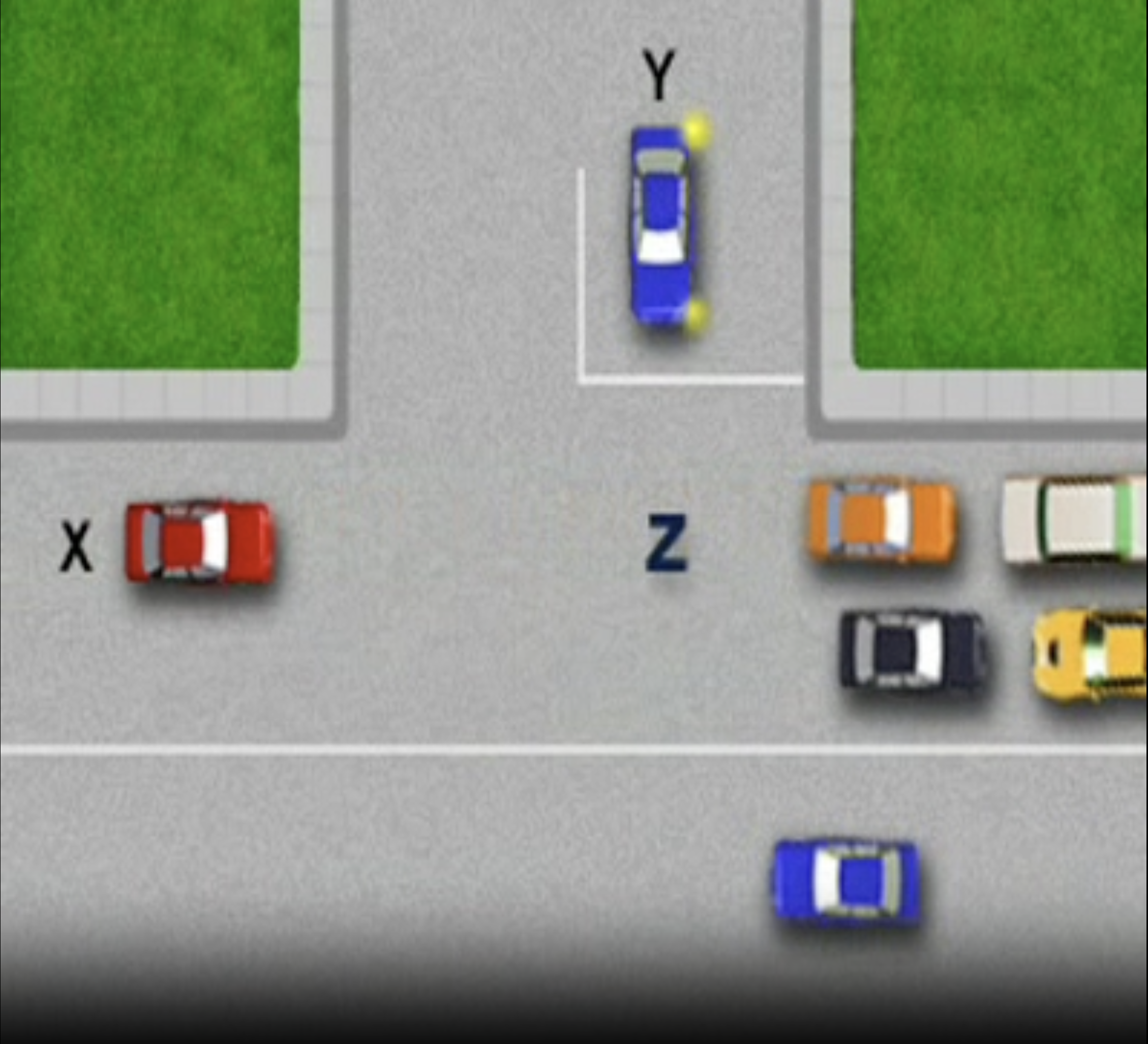
<p><strong>Apply courtesy, and the right of way at the junction, especially during peak hours.</strong></p>
75
New cards

Turn right only

You can only turn right from here onwards. You cannot go straight or turn left.
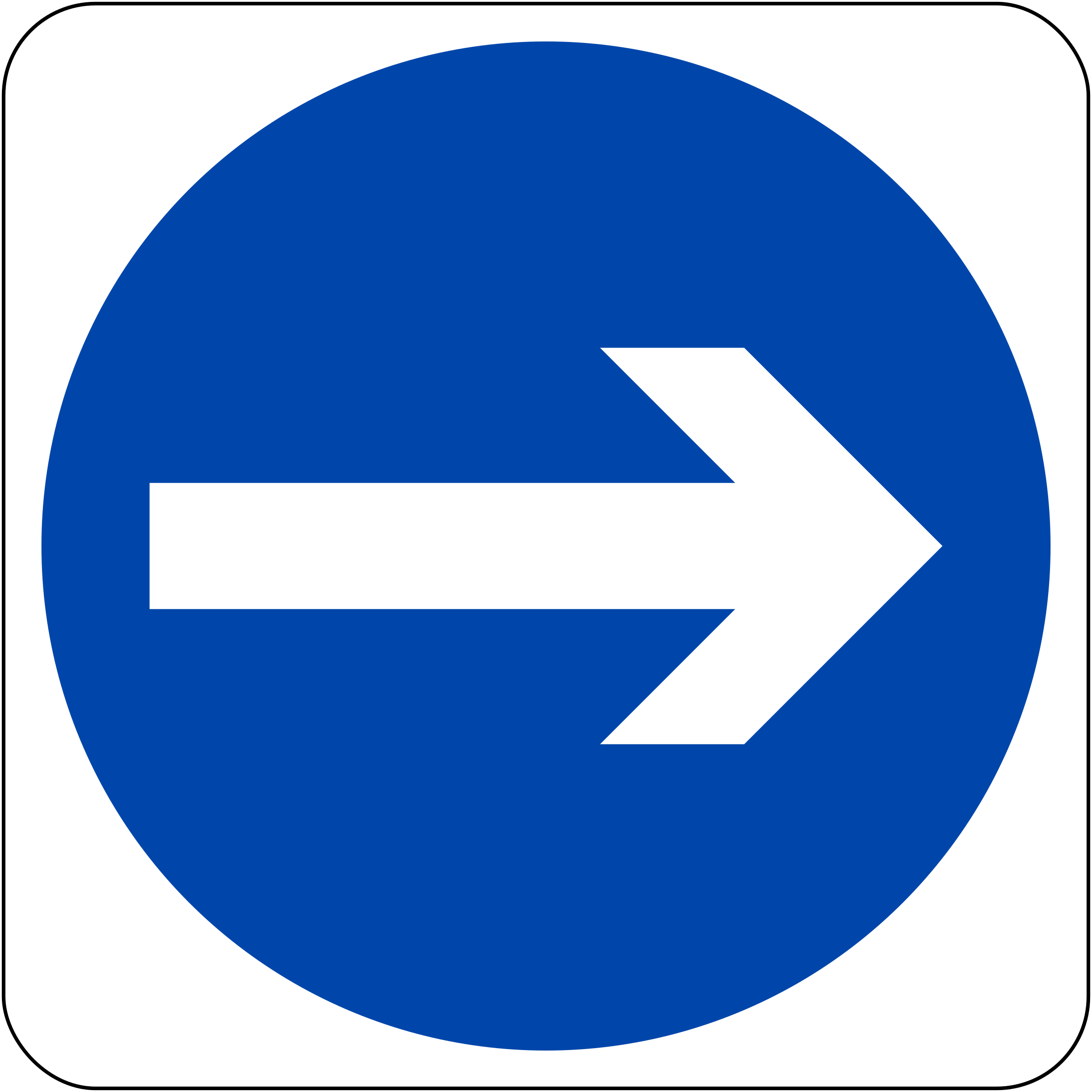
<p><strong>You can only turn right from here onwards. </strong>You cannot go straight or turn left.</p>
76
New cards

Turn left only

You can only turn left from here onwards. You cannot go straight or turn right.
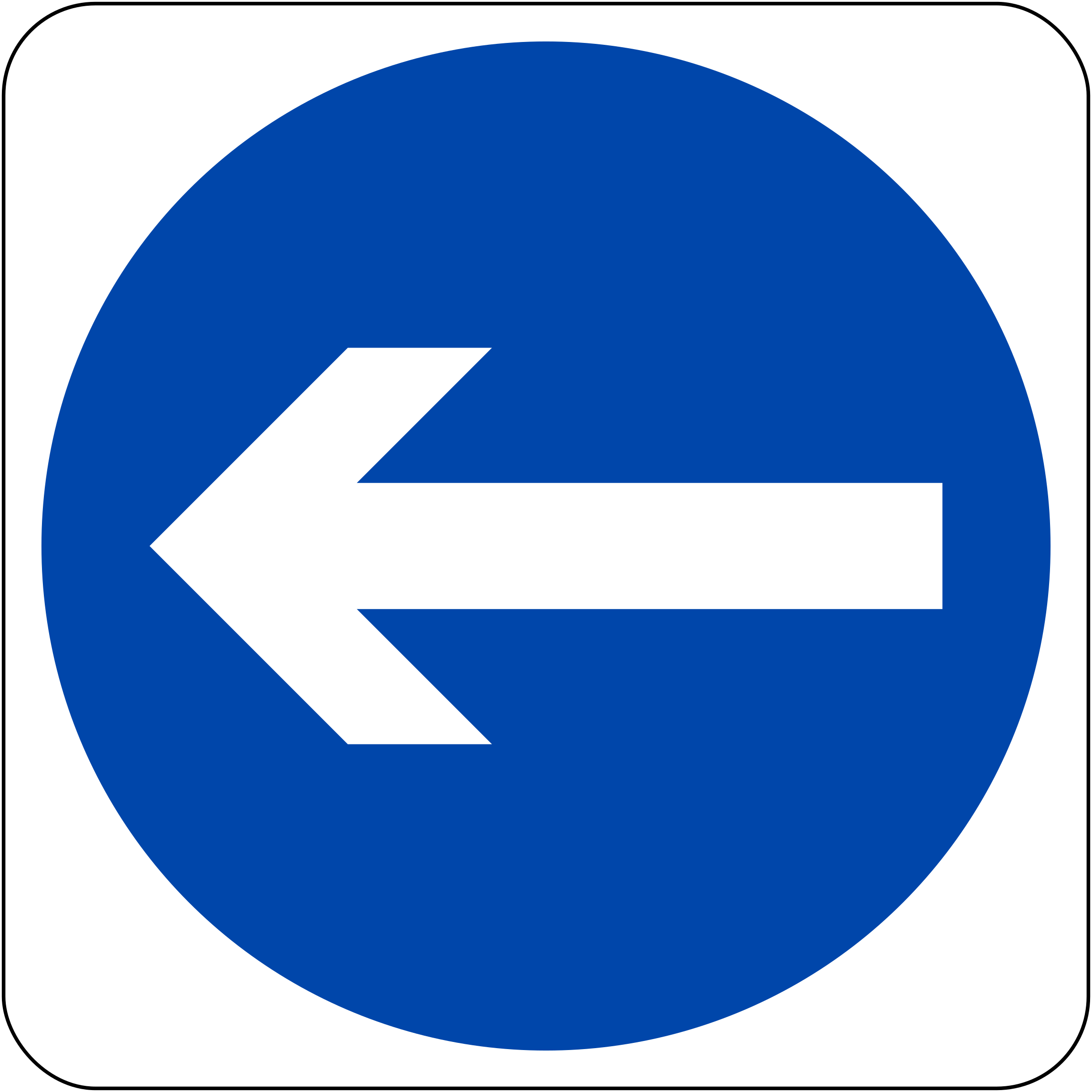
<p><strong>You can only turn left from here onwards.</strong> You cannot go straight or turn right.</p>
77
New cards

Ahead only

You that you can only go straight, and not turn left or right.
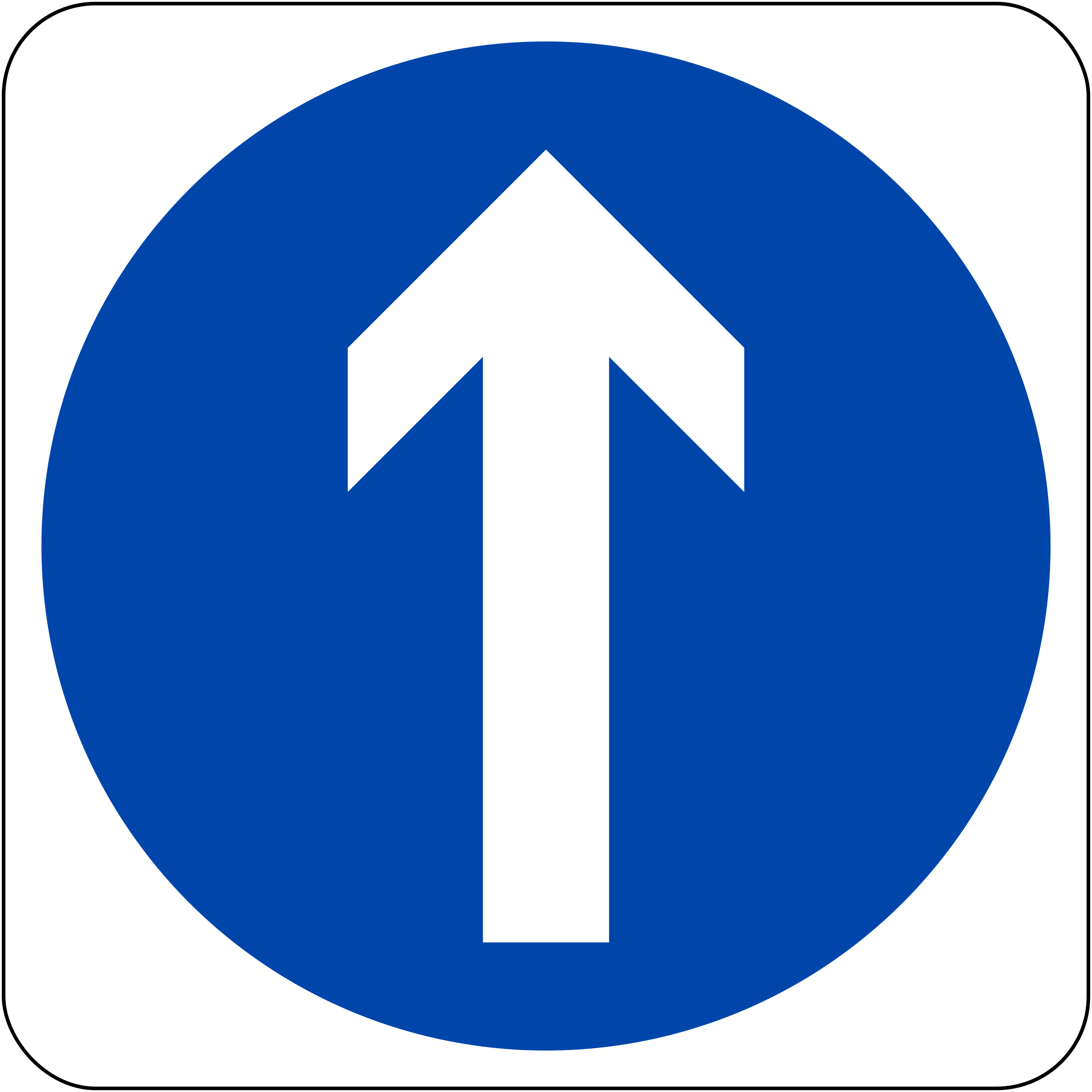
<p><strong>You that you can only go straight, and not turn left or right.</strong></p>
78
New cards

Turn left ahead

You can only turn left if you continue to proceed ahead.
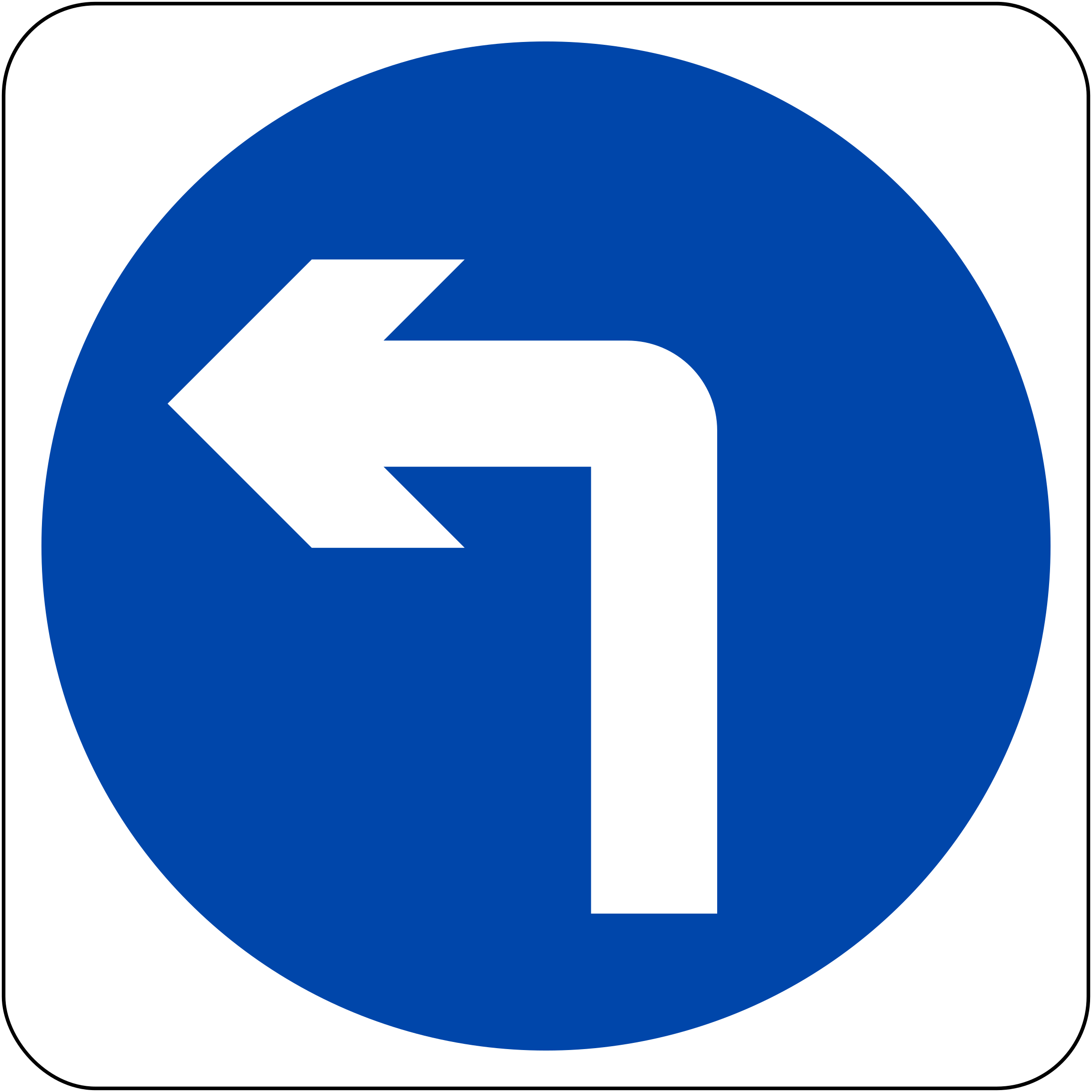
<p><strong>You can only turn left if you continue to proceed ahead.</strong></p>
79
New cards

Turn right ahead

You can only turn right if you continue to proceed ahead.
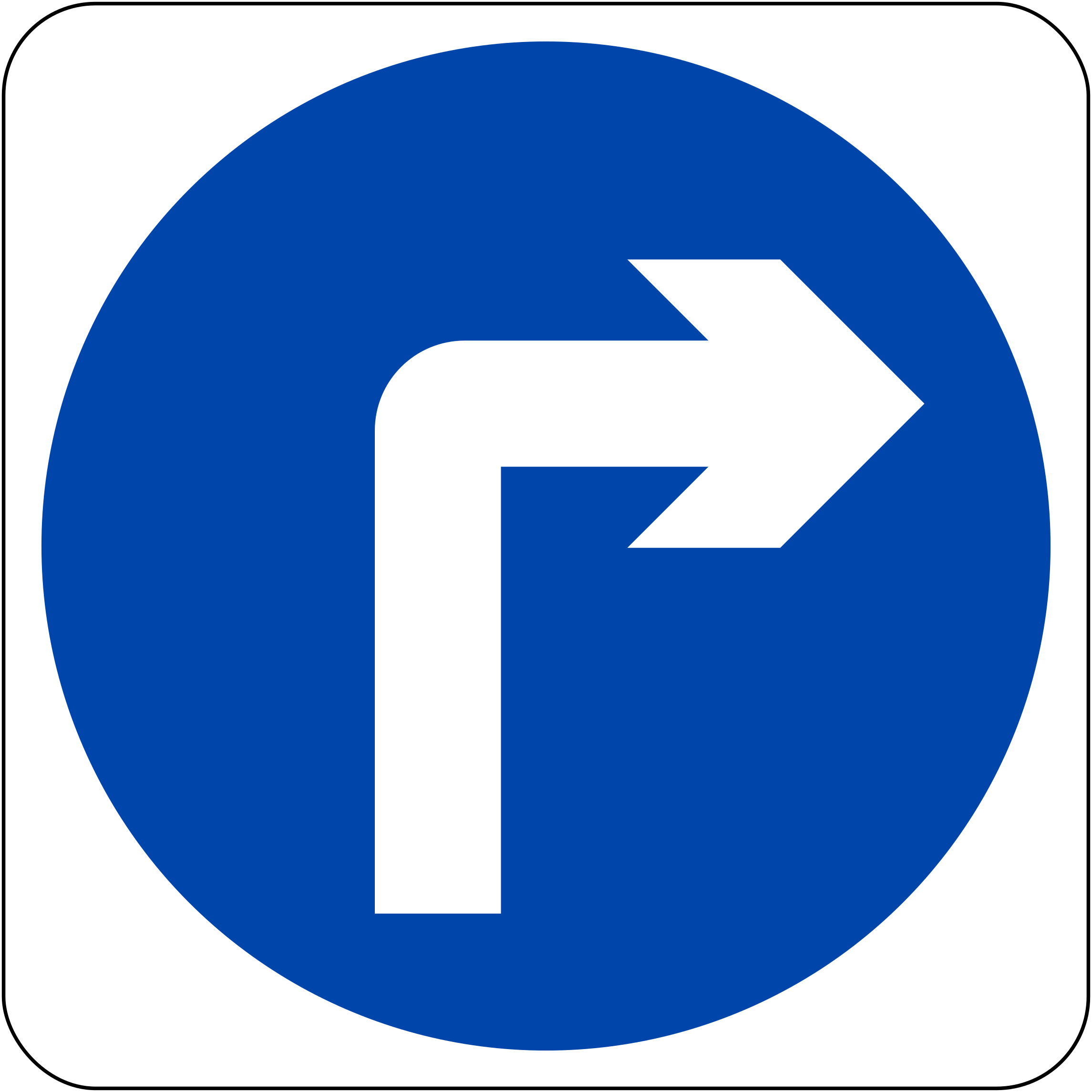
<p><strong>You can only turn right if you continue to proceed ahead.</strong></p>
80
New cards

Split traffic

Approaching vehicle(s) shall pass on either side, depending on your destination.
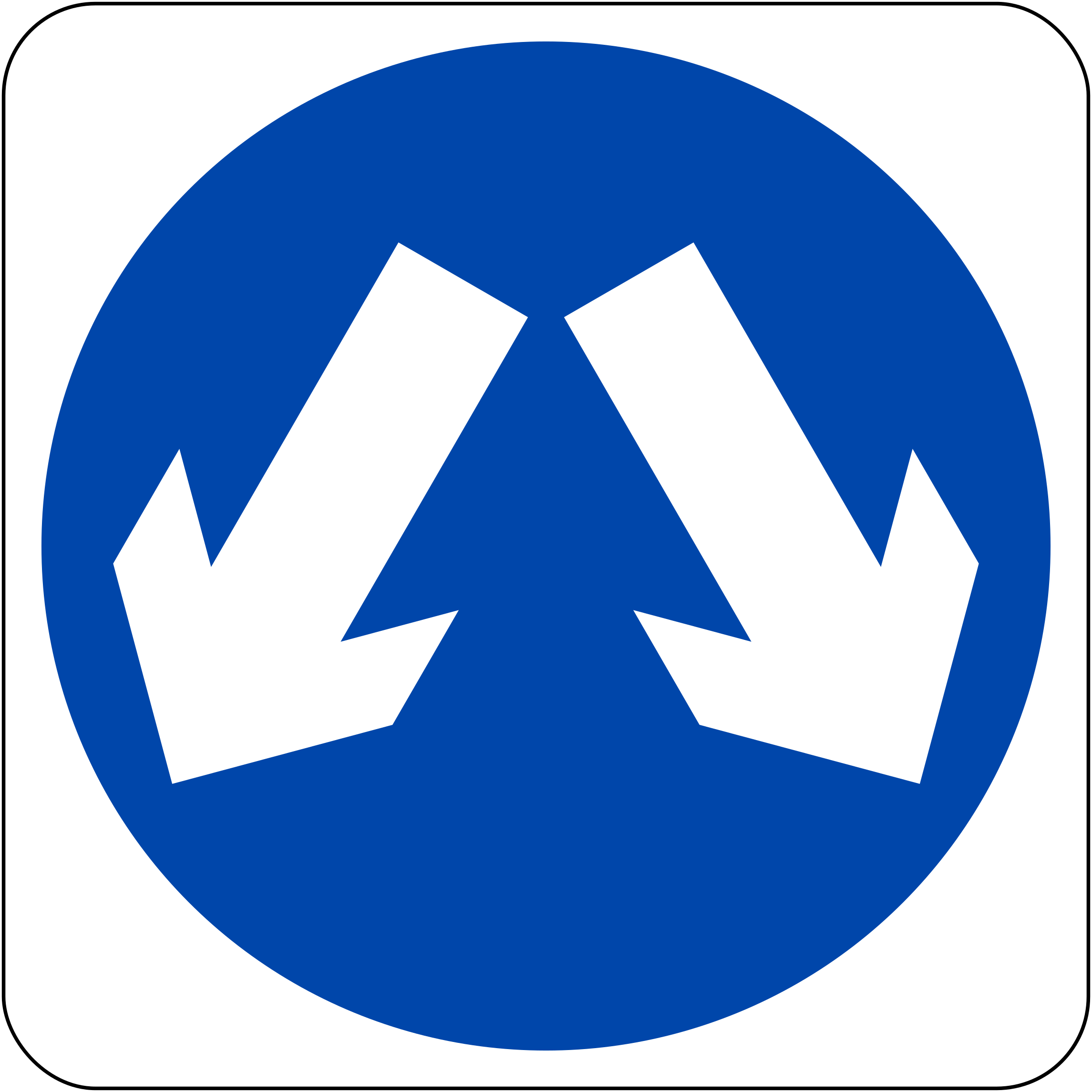
<p><strong>Approaching vehicle(s) shall pass on either side, depending on your destination.</strong></p>
81
New cards

Keep left

Approaching vehicle(s) must pass on the left side of this sign.
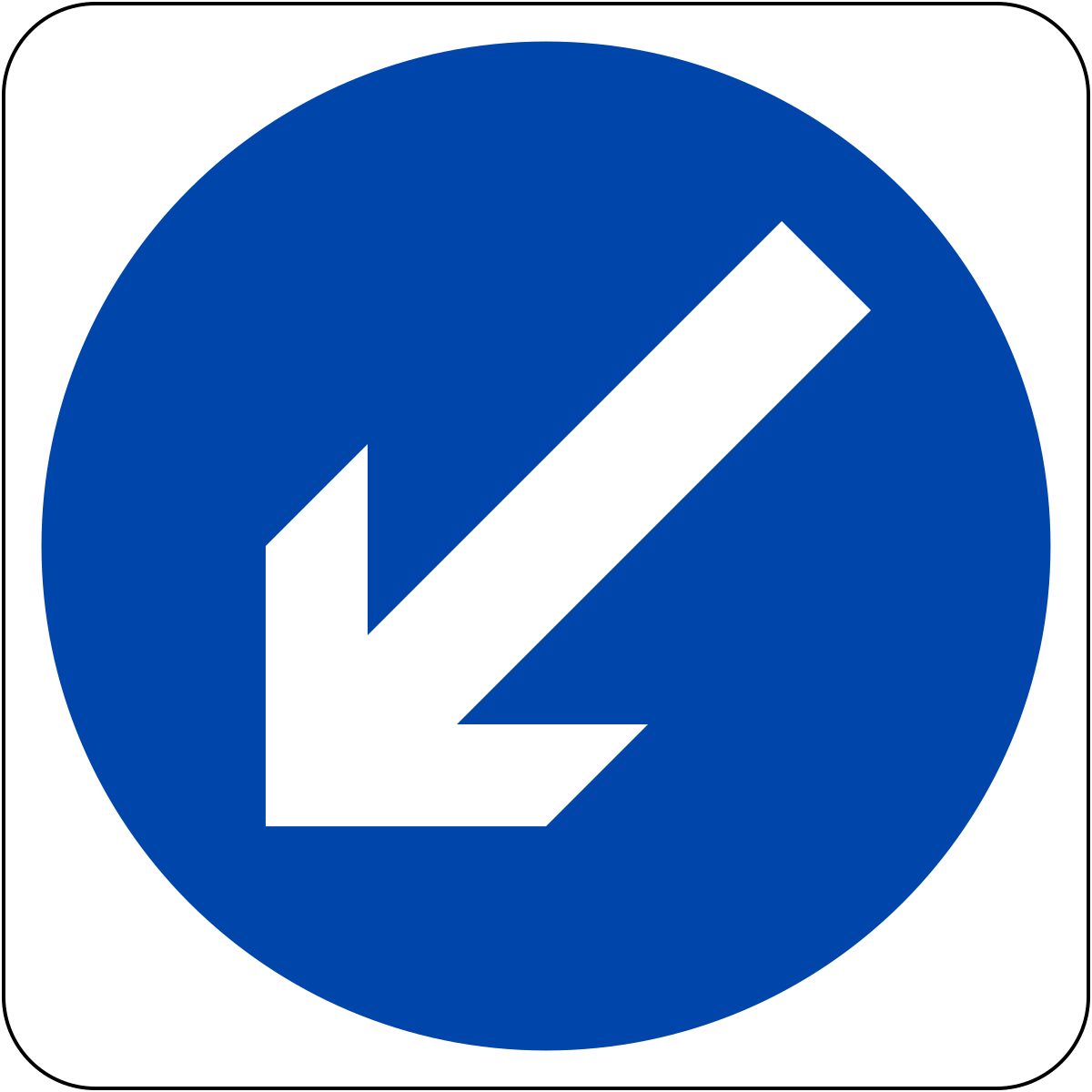
<p><strong>Approaching vehicle(s) must pass on the left side of this sign.</strong></p>
82
New cards

Stop

Stop before the indicated white line. Give way to traffic from the right and left.
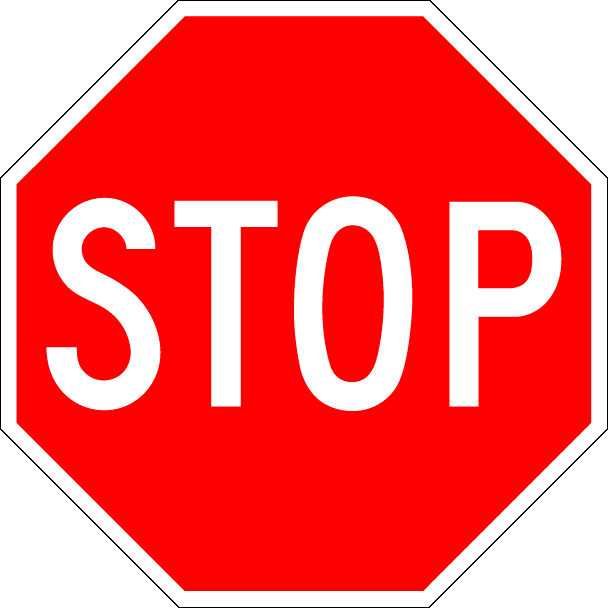
<p><strong>Stop before the indicated white line.</strong> Give way to traffic from the right and left.</p>
83
New cards

Stop children

Stop for children to cross the road.
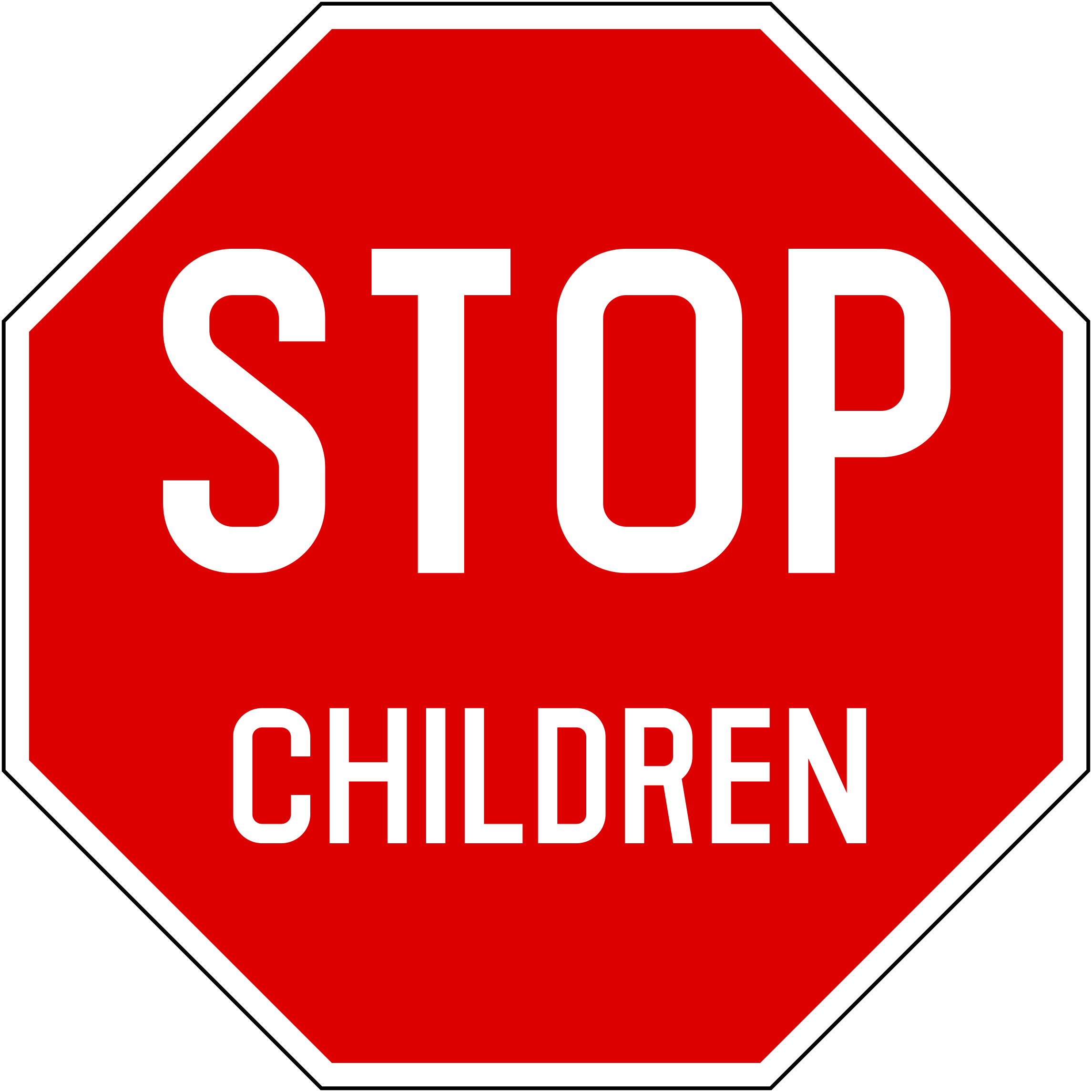
<p><strong>Stop for children to cross the road.</strong></p>
84
New cards

Give way

Slow down to give way to traffic on major roads. Stop the vehicle if necessary.
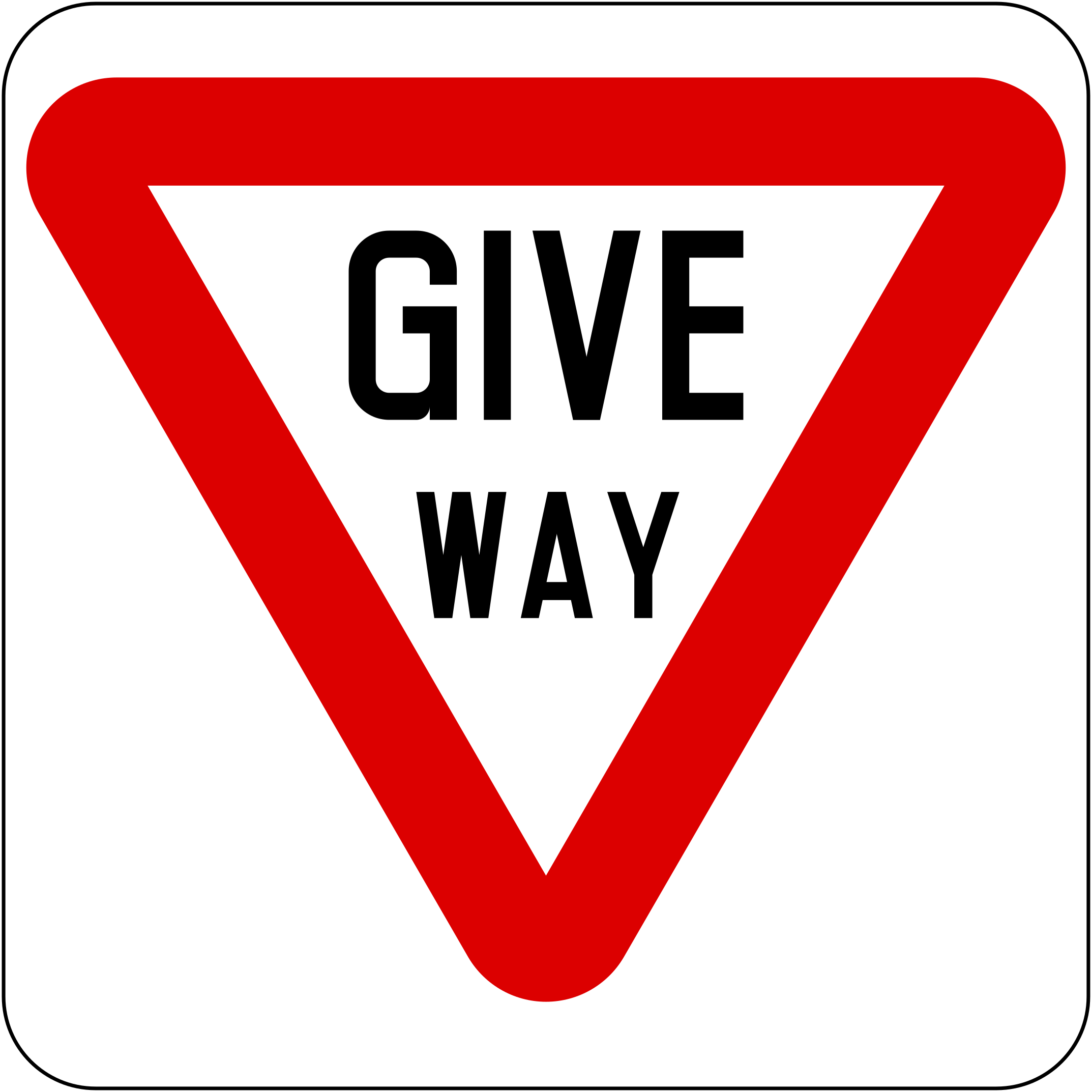
<p><strong>Slow down to give way to traffic on major roads.</strong> Stop the vehicle if necessary.</p>
85
New cards

Left turn on red

You may turn left on a red traffic light signal at this junction, but you must stop at the red light, give way to pedestrians crossing at the junction, give way to traffic approaching from the right, and proceed only when the traffic is clear and is safe to do so.
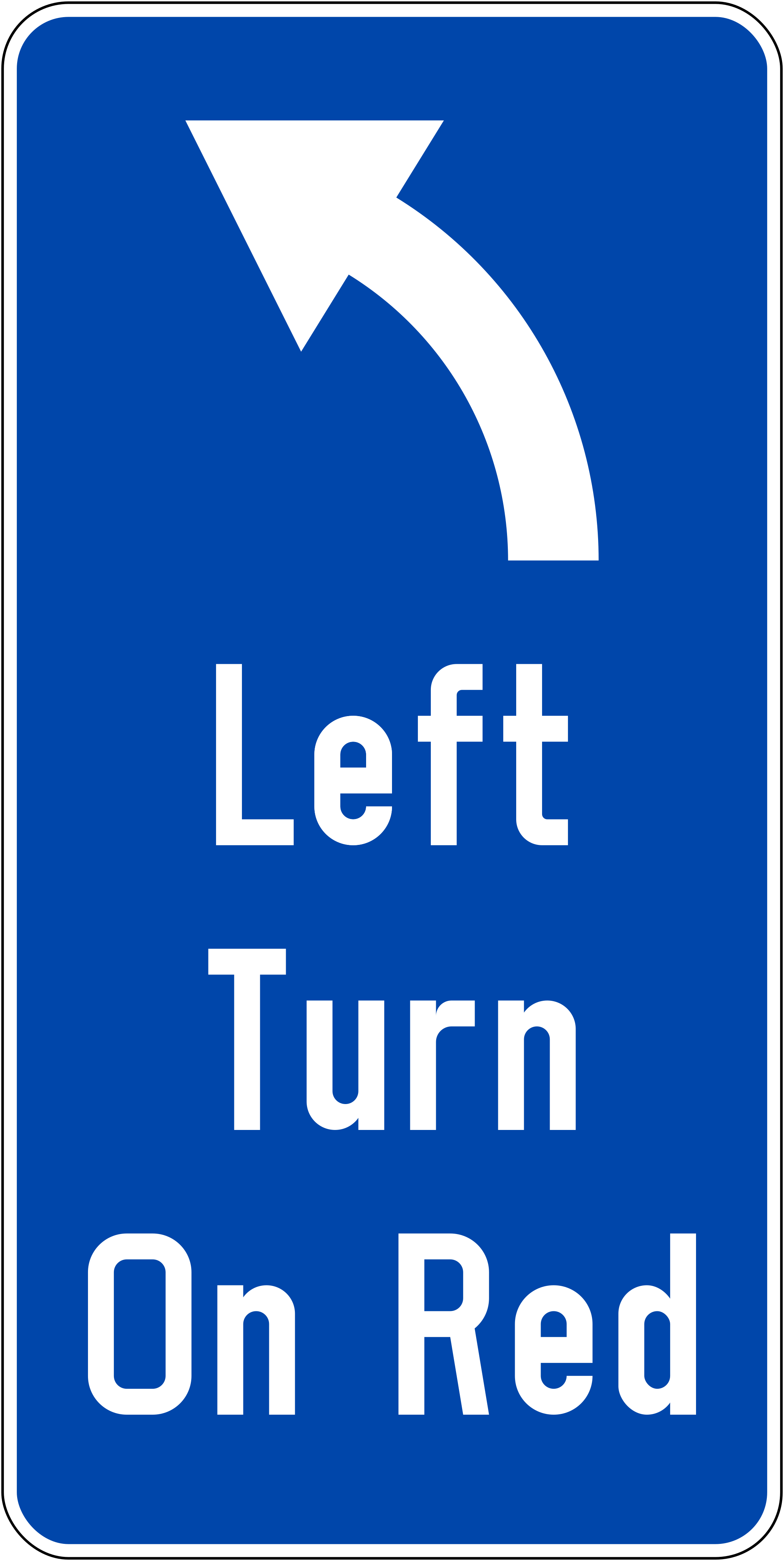
<p><strong>You may turn left on a red traffic light signal at this junction,</strong> but you must stop at the red light, give way to pedestrians crossing at the junction, give way to traffic approaching from the right, and proceed only when the traffic is clear and is safe to do so.</p>
86
New cards

No entry

Forbids all types of vehicles from entering the road where the sign is posted. Reversing into such roads is also not allowed
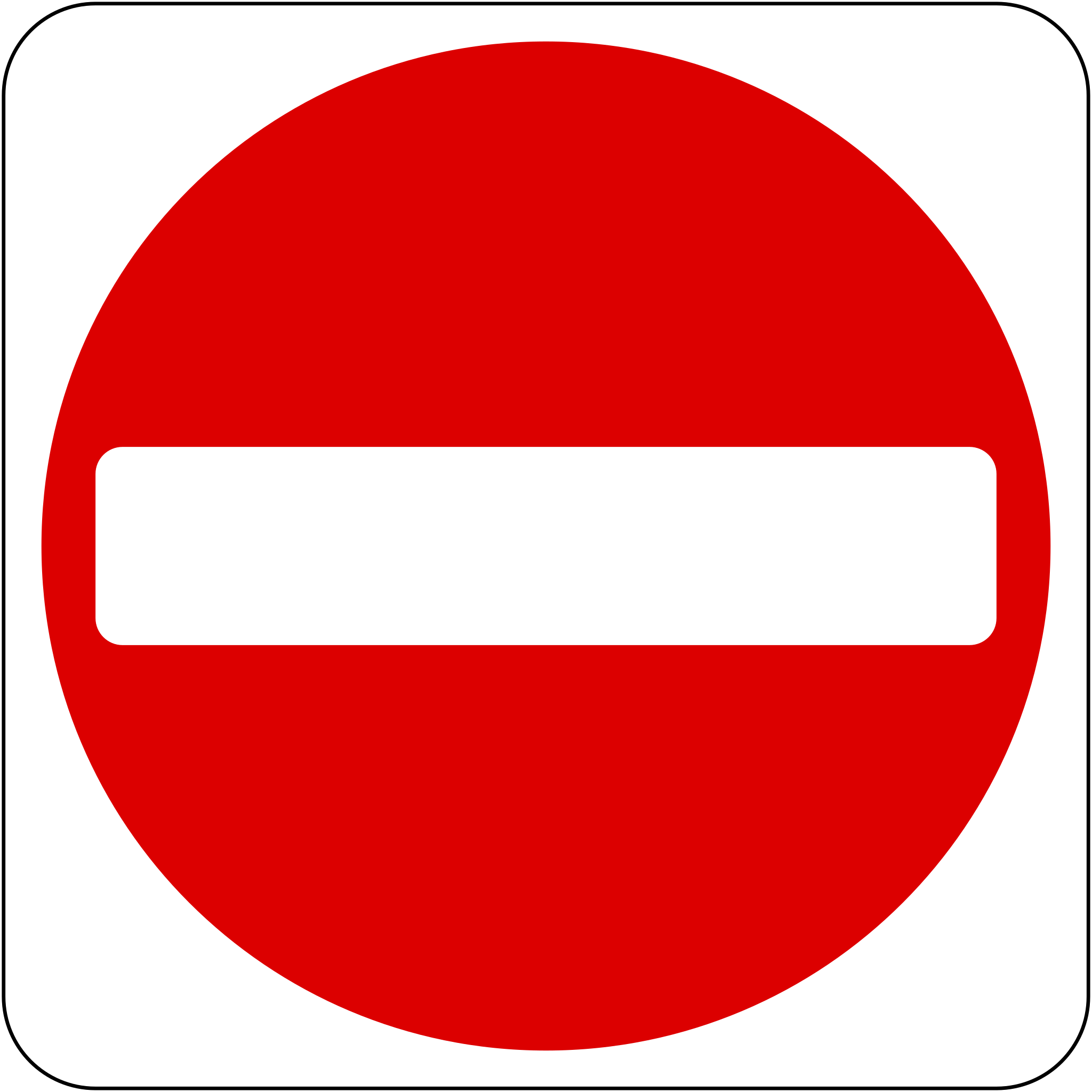
<p><strong>Forbids all types of vehicles from entering the road where the sign is posted.</strong> Reversing into such roads is also not allowed</p>
87
New cards

No stopping

Prohibits “stopping” of all vehicles at all times.
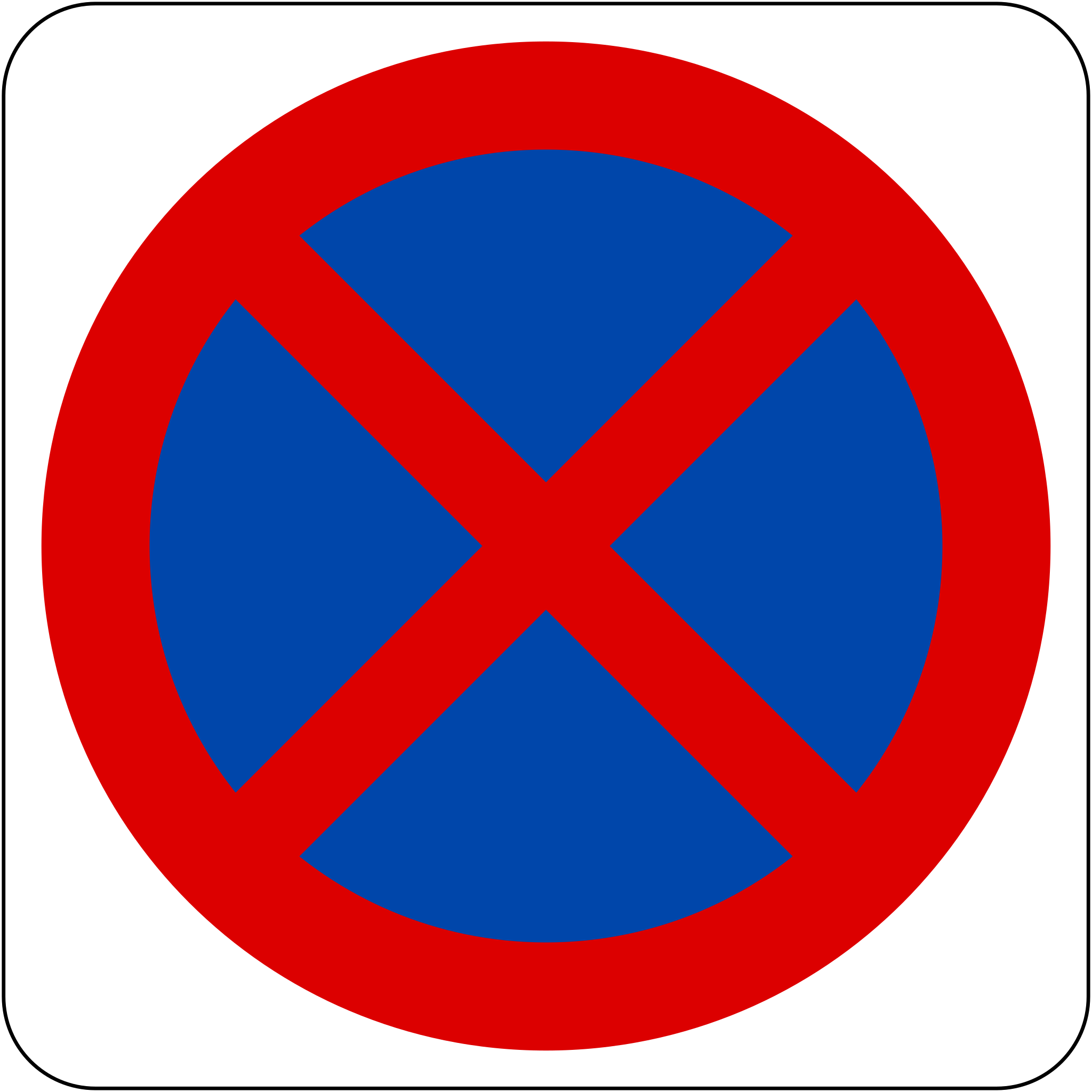
<p><strong>Prohibits “stopping” of all vehicles at all times.</strong></p>
88
New cards

No waiting

Prohibits “waiting”. Only allows immediate alighting & boarding of passengers.
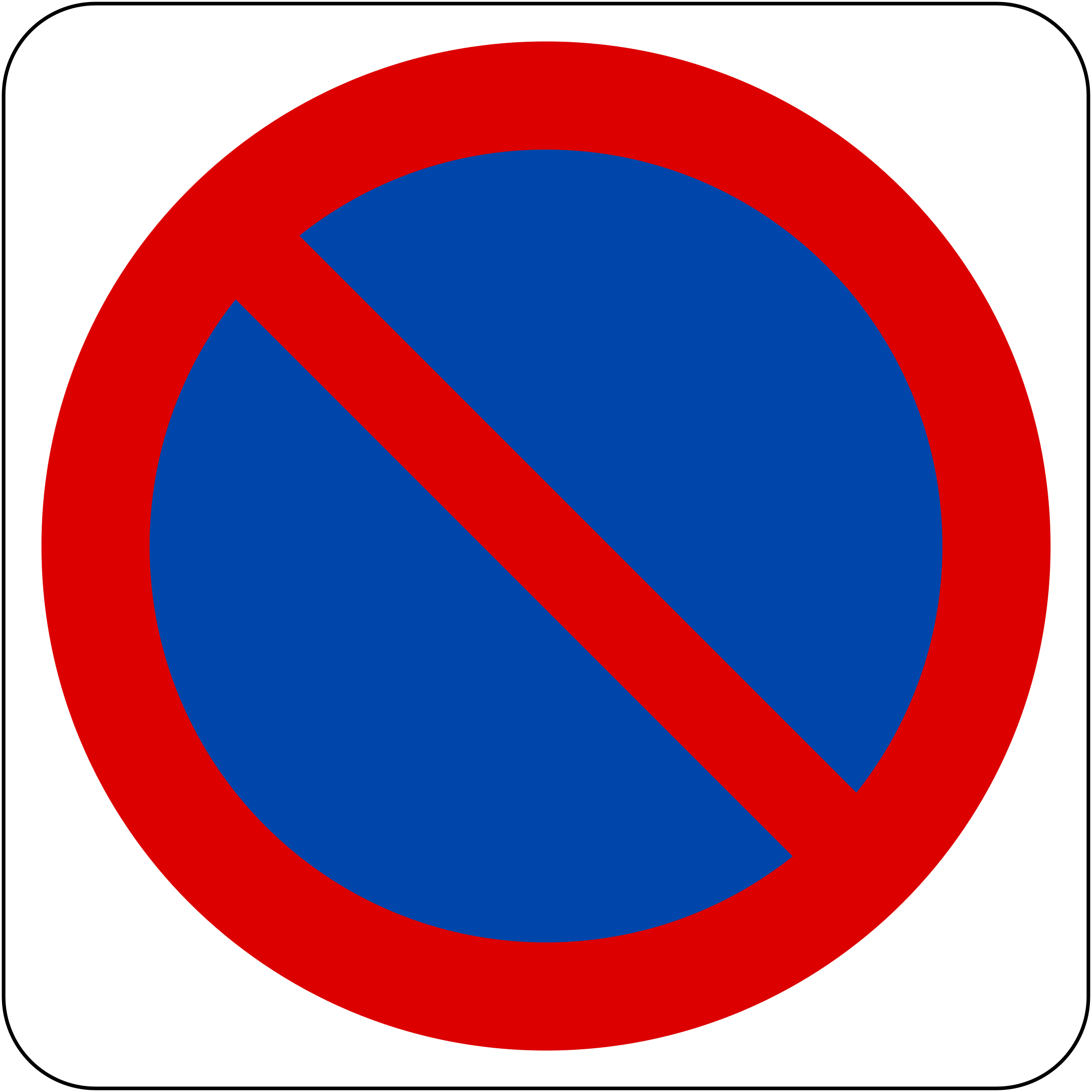
<p><strong>Prohibits “waiting”.</strong> Only allows immediate alighting &amp; boarding of passengers.</p>
89
New cards

No right turn

Indicates you must not turn right. You may go straight or turn left.
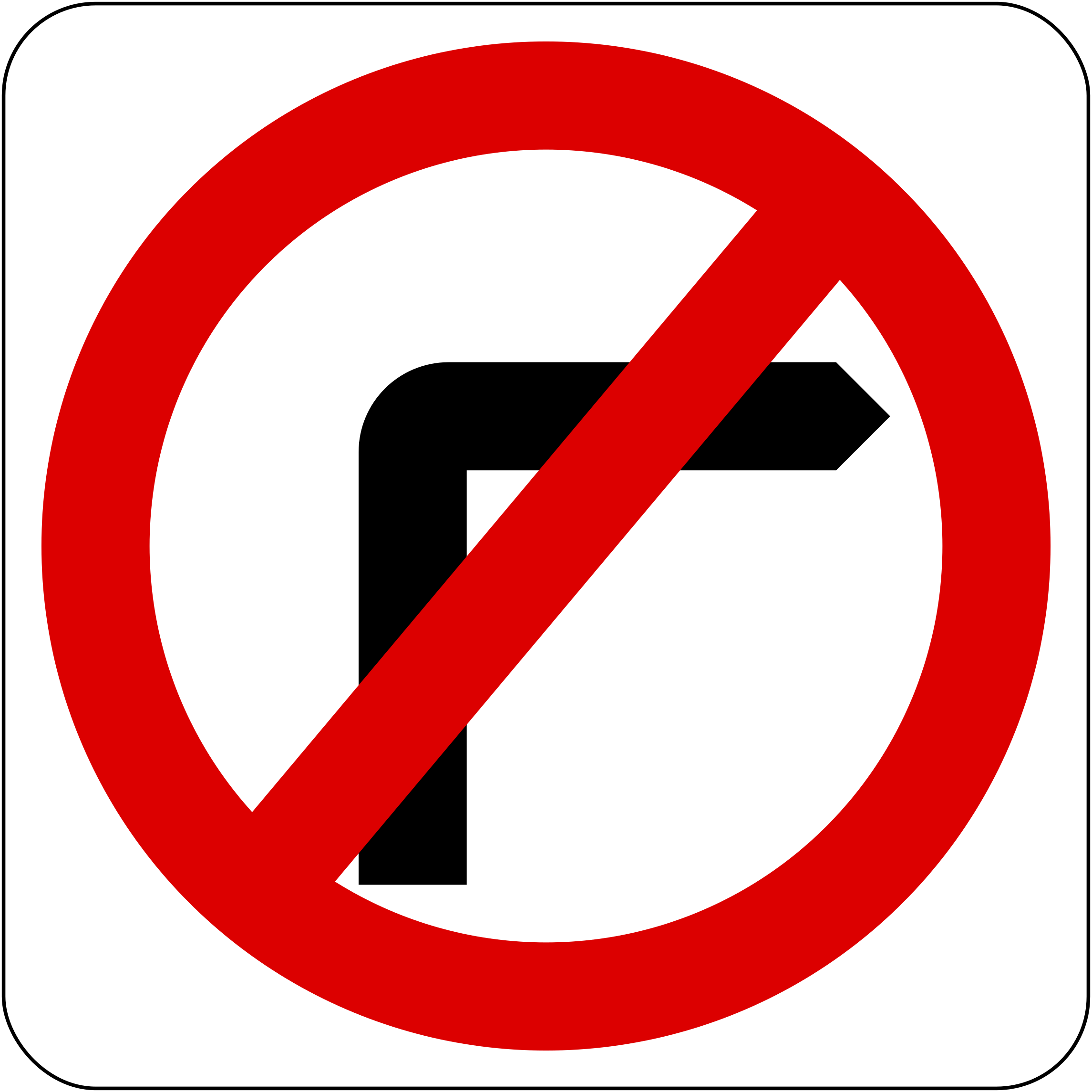
<p><strong>Indicates you must not turn right. </strong>You may go straight or turn left.</p>
90
New cards

No left turn

Indicates you must not turn left. You may go straight or turn right.
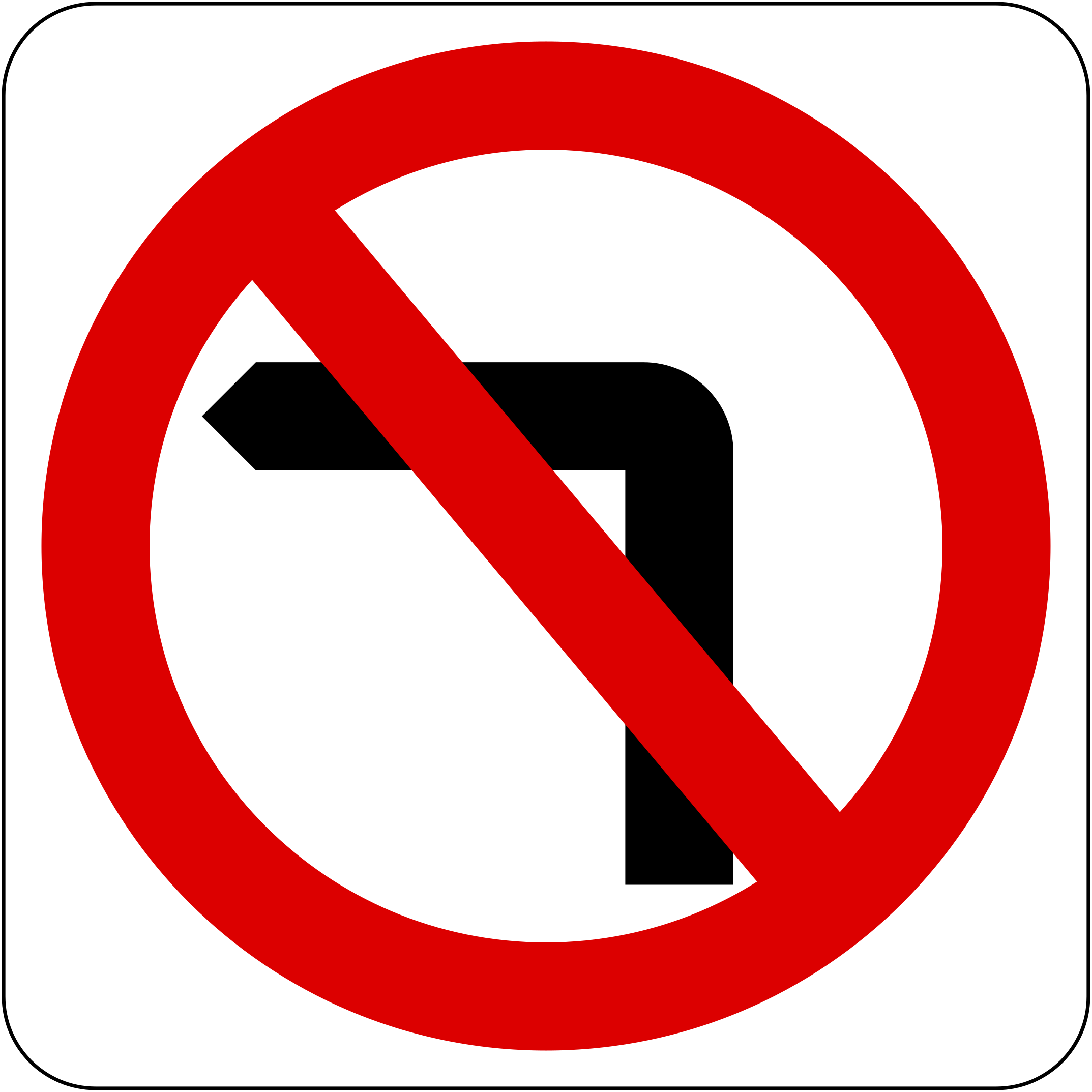
<p><strong>Indicates you must not turn left.</strong> You may go straight or turn right.</p>
91
New cards

Width limit >2.3m<

Prohibits entry for vehicles with a width exceeding 2.3m.
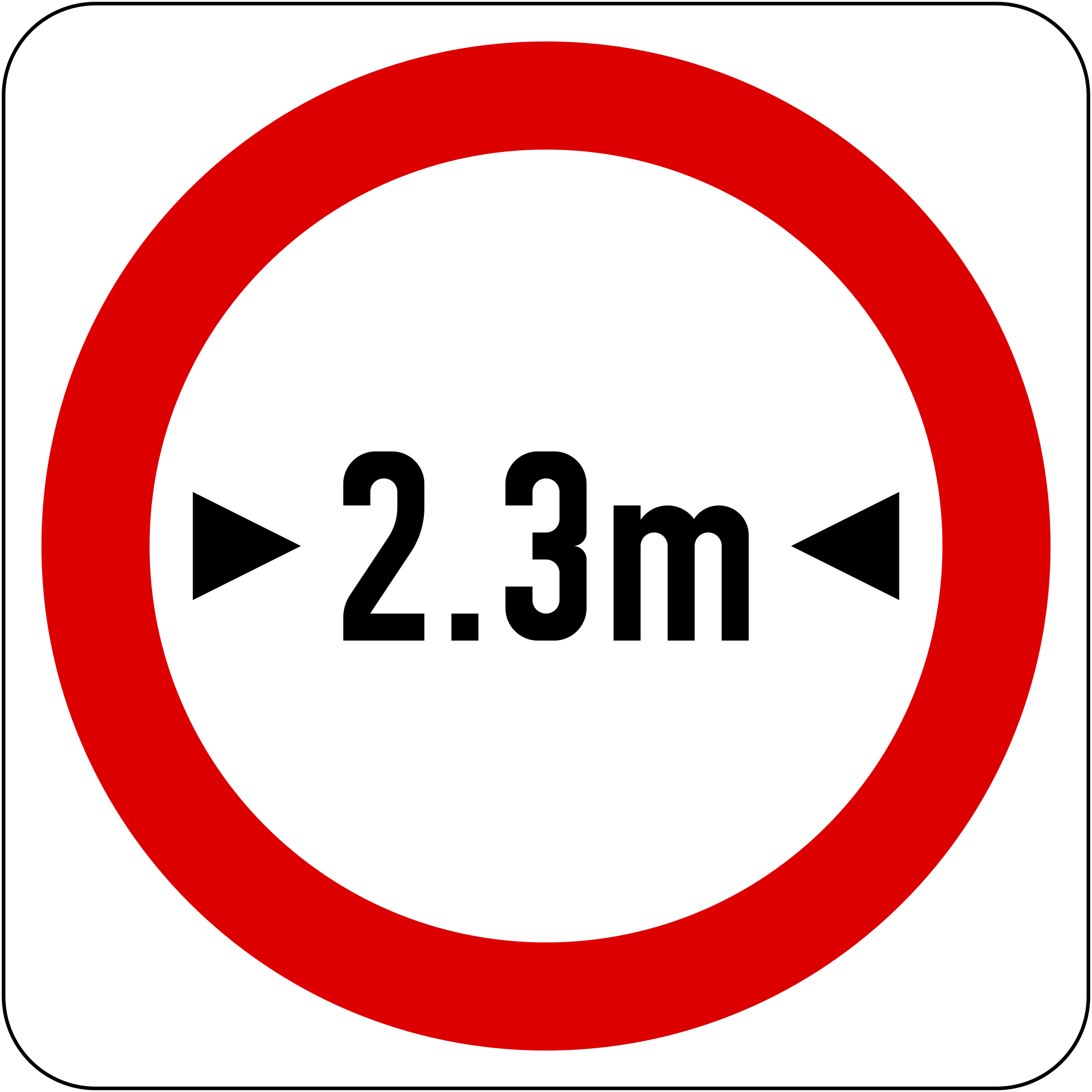
<p><strong>Prohibits entry for vehicles with a width exceeding 2.3m.</strong></p>
92
New cards

Height limit >4.5m<

Prohibits entry or passage for vehicle or vehicle with goods exceeding 4.5m in height.
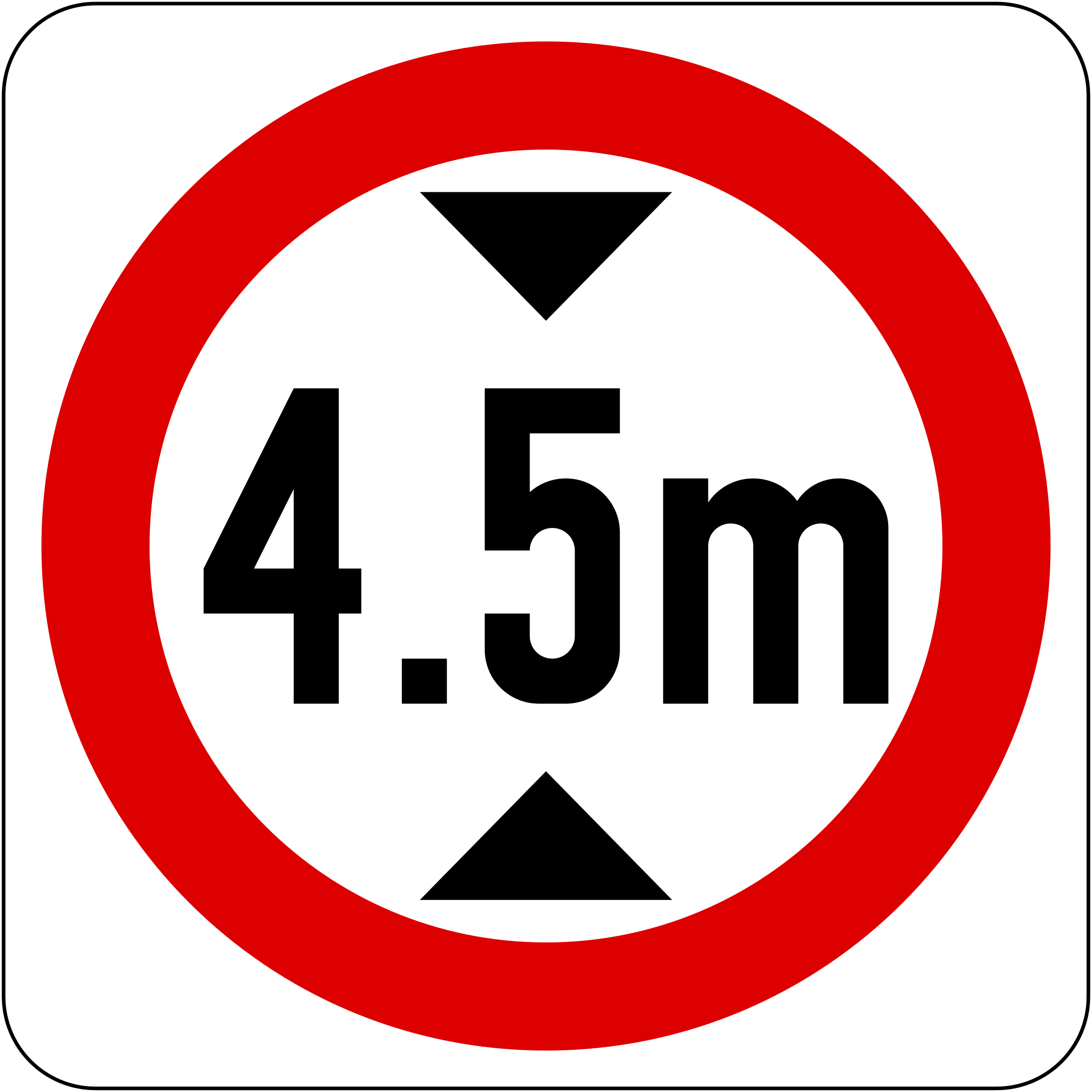
<p><strong>Prohibits entry or passage for vehicle or vehicle with goods exceeding 4.5m in height.</strong></p>
93
New cards

Weight limit >10 tonnes<

Forbids vehicle(With or without loads) in excess of 10 tonnes to pass.
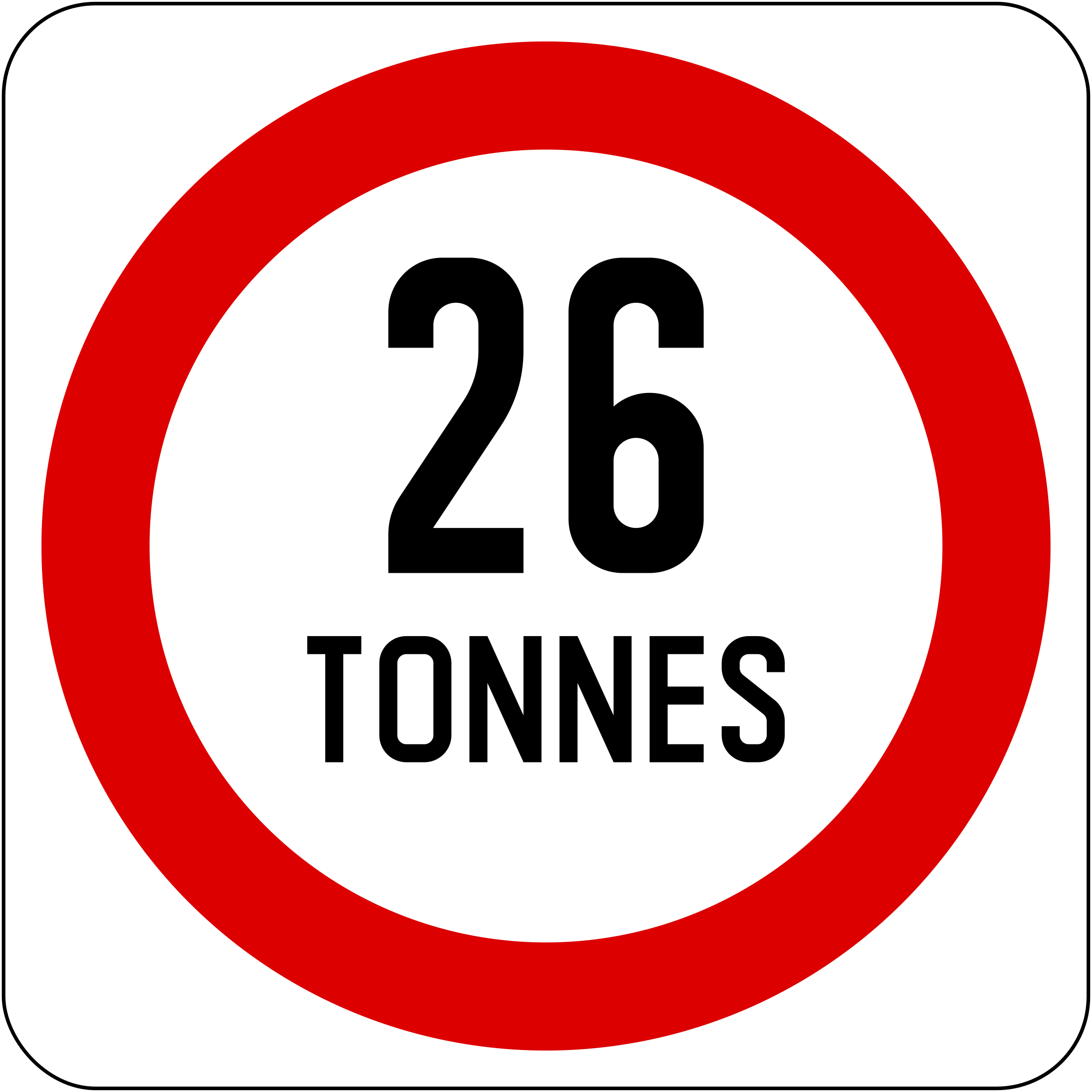
<p><strong>Forbids vehicle(With or without loads) in excess of 10 tonnes to pass.</strong></p>
94
New cards

Speed limit

Traveling speed must not exceed the limit as shown on the sign. Applies to all lanes on that stretch of the road.
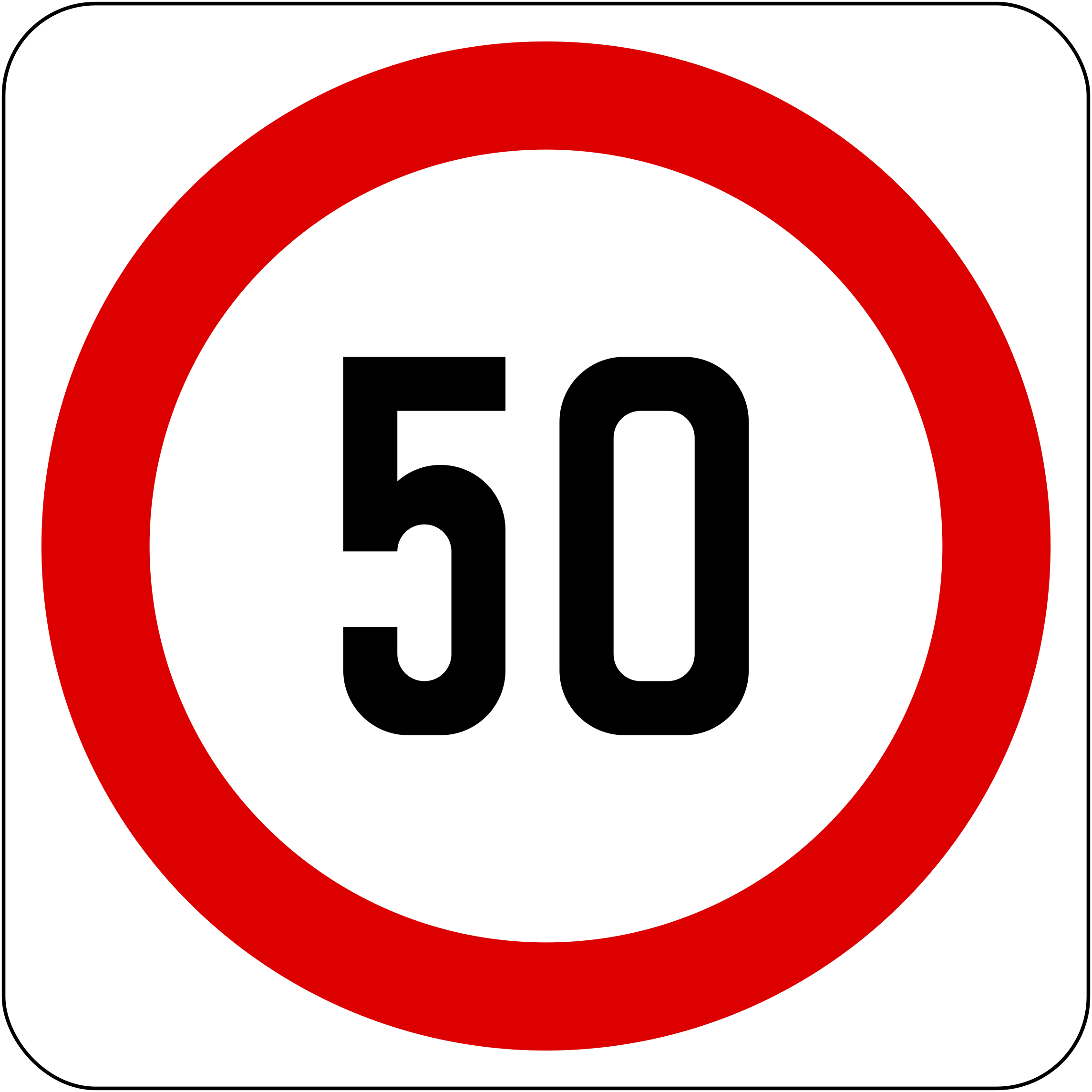
<p><strong>Traveling speed must not exceed the limit as shown on the sign. </strong>Applies to all lanes on that stretch of the road.</p>
95
New cards

No sounding of horn

Don’t sound your horn in the vicinity unless there’s an imminent danger where this sign is displayed.
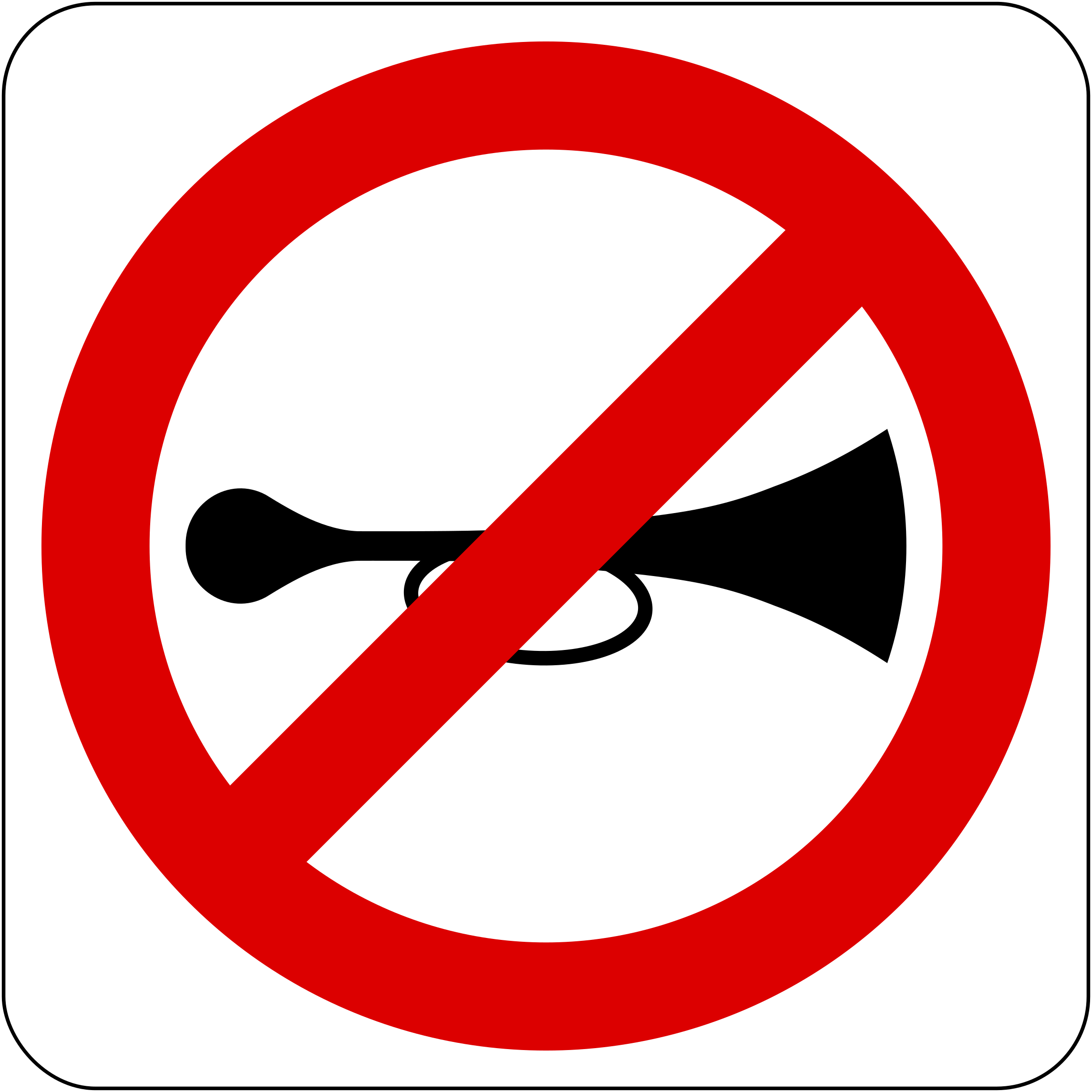
<p><strong>Don’t sound your horn in the vicinity unless there’s an imminent danger where this sign is displayed.</strong></p>
96
New cards

No overtaking

This sign forbids passing or any overtaking manoeuvre along the particular stretch of road.
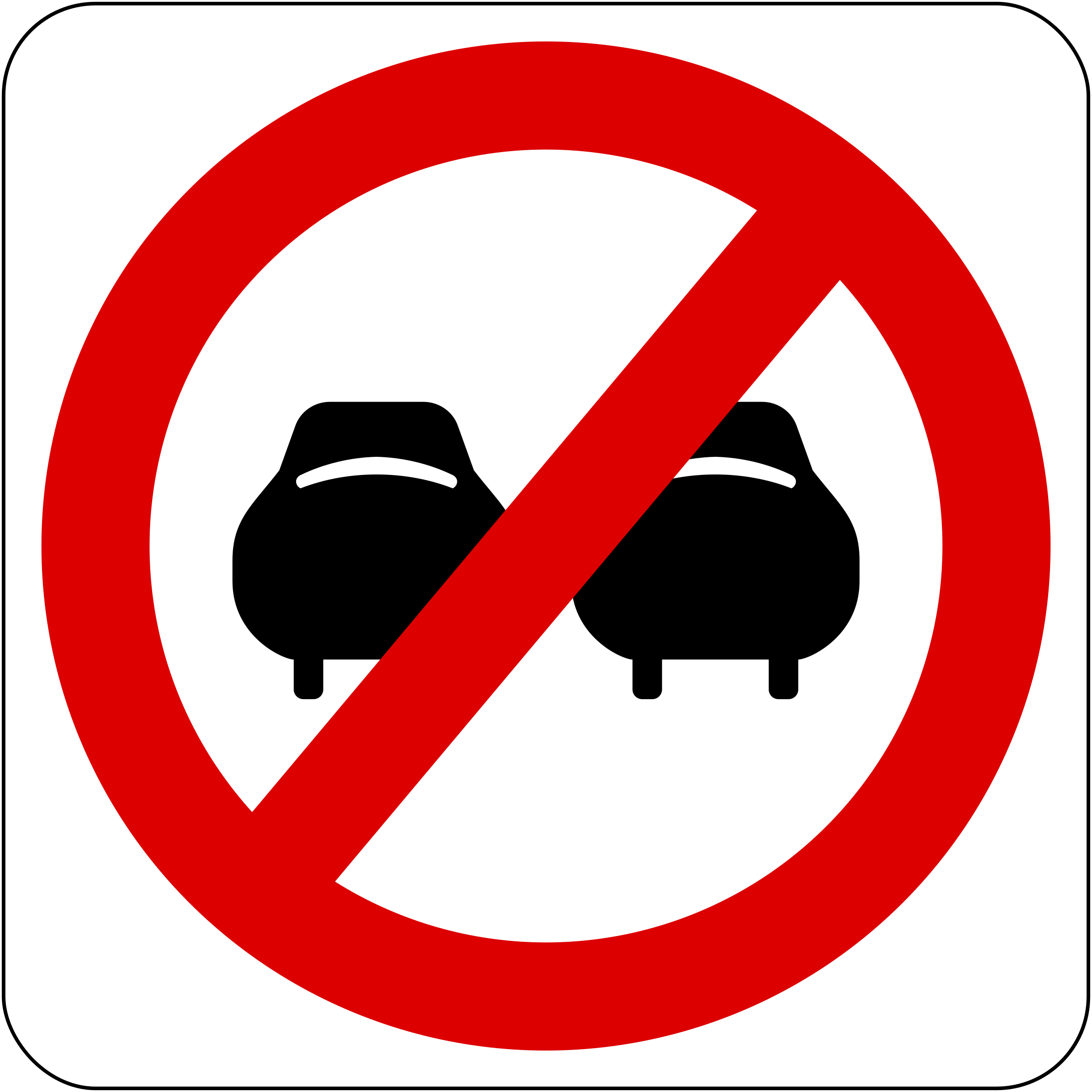
<p><strong>This sign forbids passing or any overtaking manoeuvre along the particular stretch of road.</strong></p>
97
New cards

No entry for lorries

Lorries are not allowed to enter.
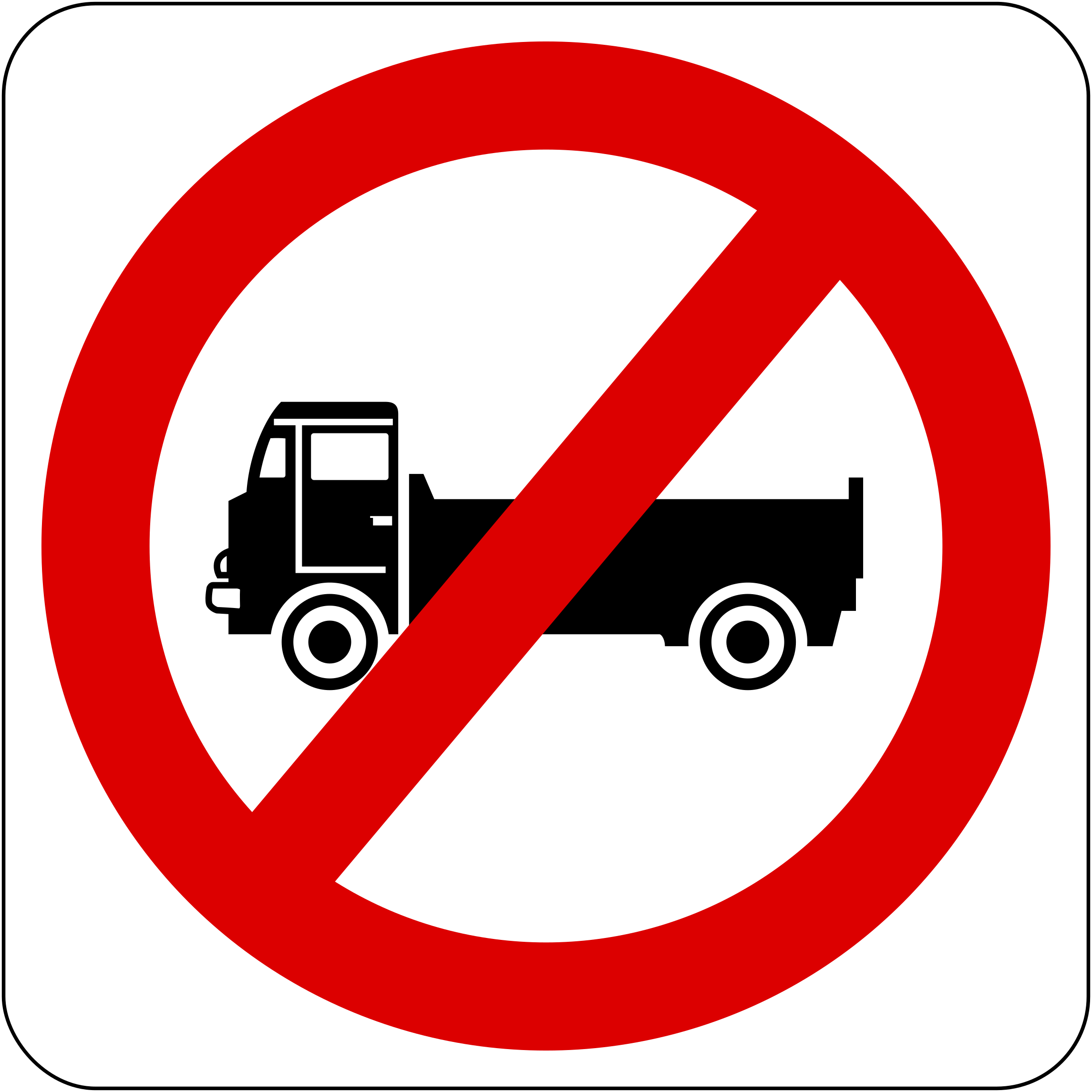
<p><strong>Lorries are not allowed to enter.</strong></p>
98
New cards

No entry for vehicles with 3 or more axles

Any long vehicles with 3 or more axles aren’t allowed to enter.
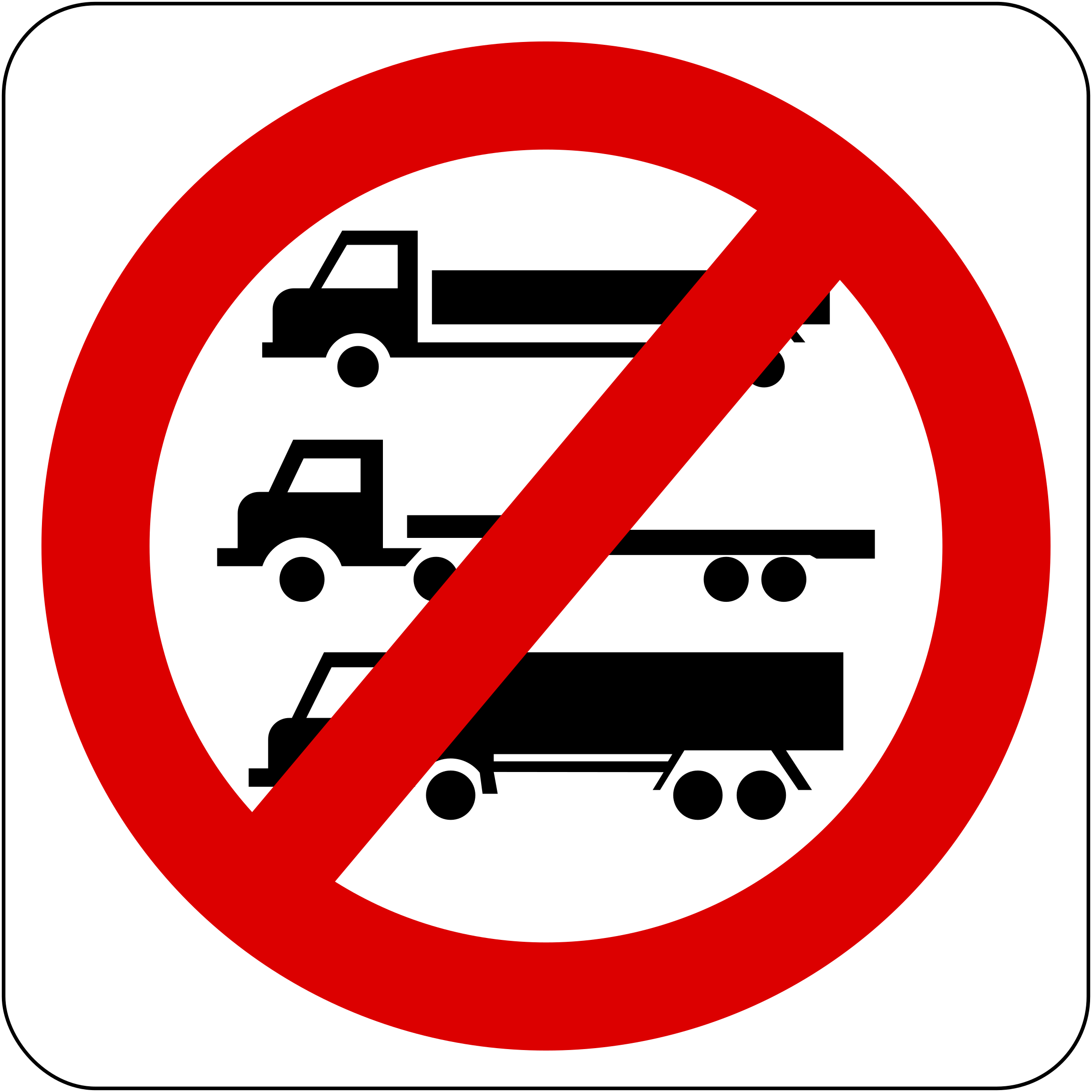
<p><strong>Any long vehicles with 3 or more axles aren’t allowed to enter.</strong></p>
99
New cards

No entry for motorcyles

Two wheelers motorcycles aren’t allowed to enter.
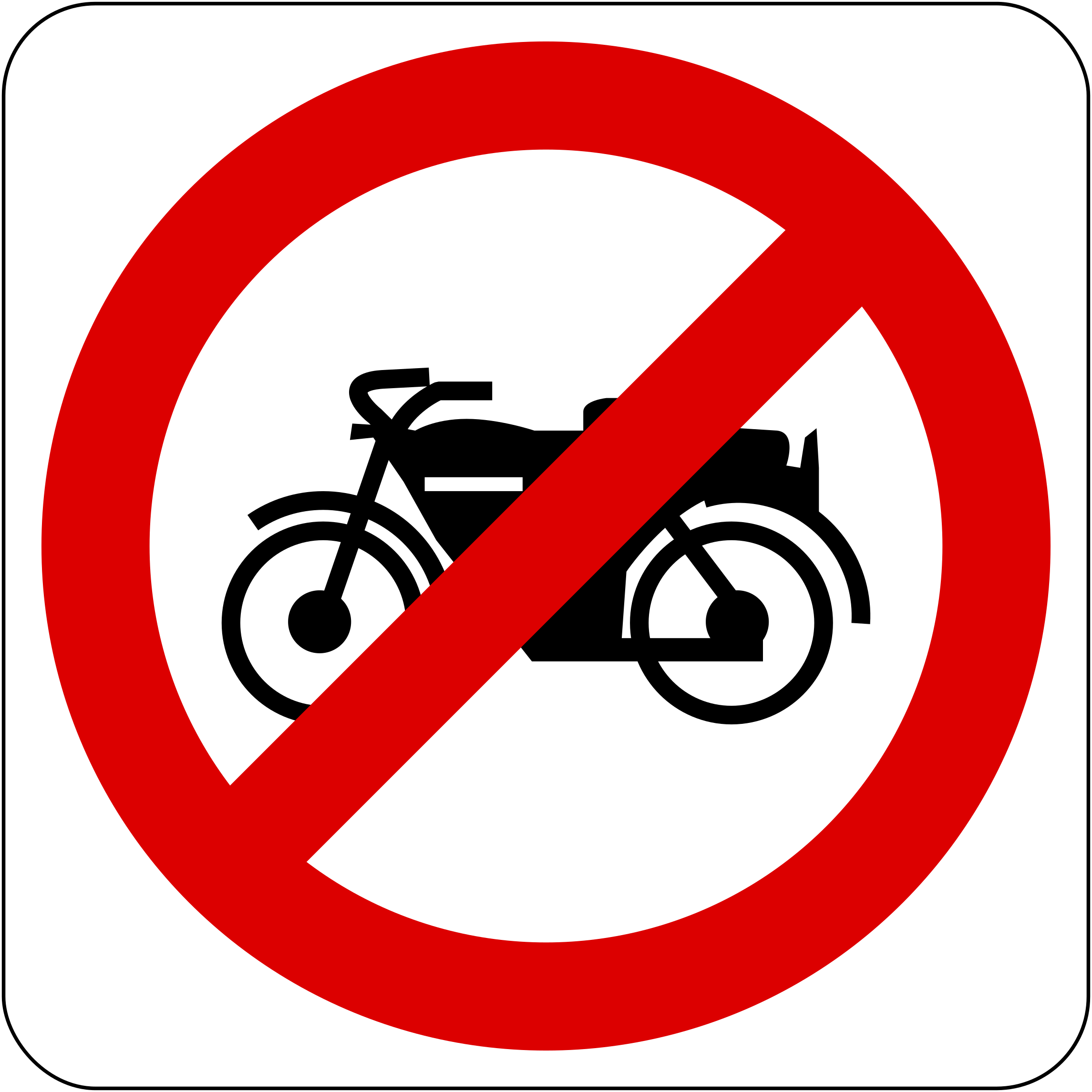
<p><strong>Two wheelers motorcycles aren’t allowed to enter.</strong></p>
100
New cards

No entry for motorcycles and pedal cycles

Motorcycles, tricycles and bicycles aren’t allowed to enter.
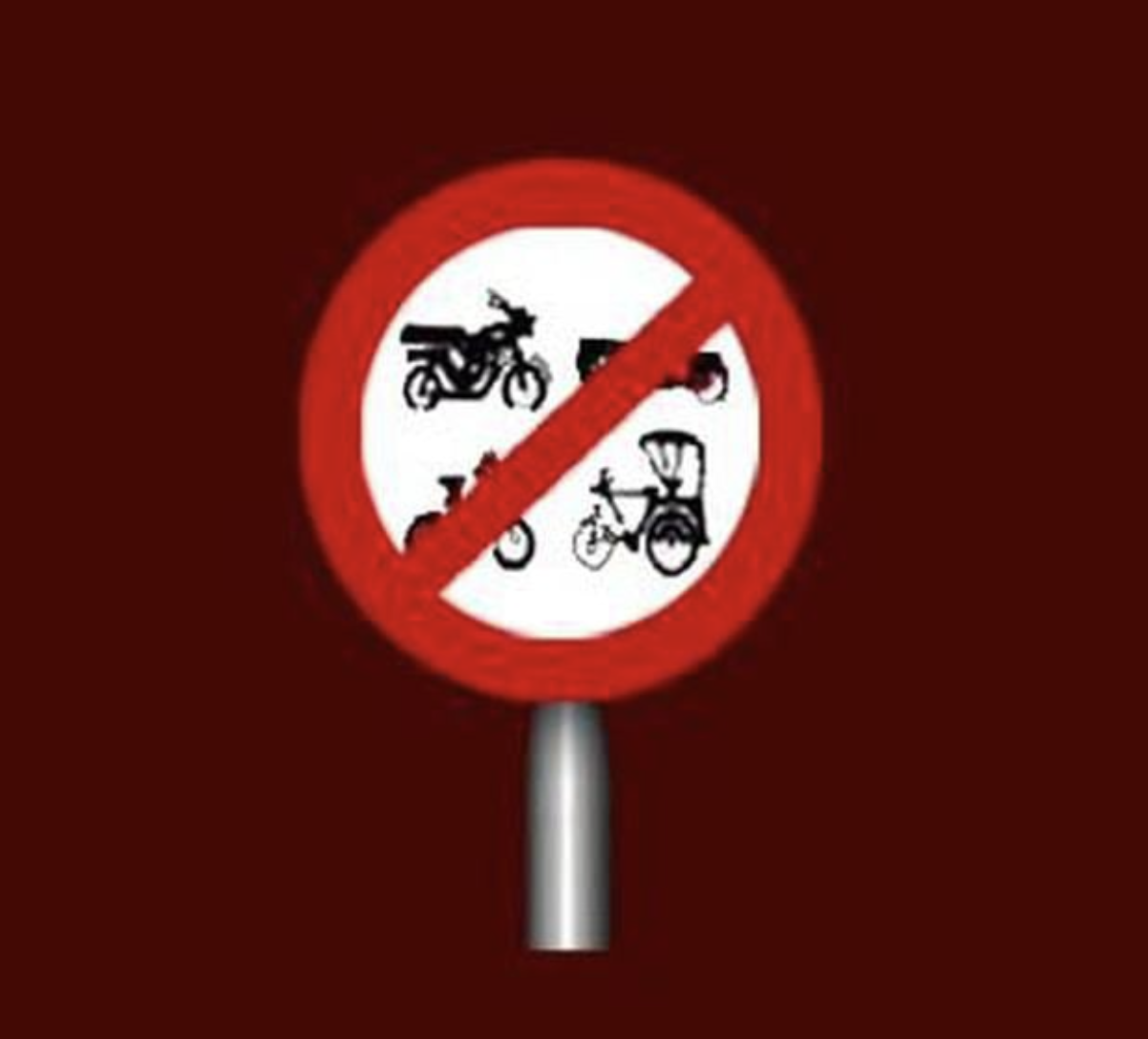
<p><strong>Motorcycles, tricycles and bicycles aren’t allowed to enter.</strong></p>



