AMSCO Period 1 Vocabulary
 Call Kai
 Learn
Learn Practice Test
 Spaced Repetition
 Match
Match Flashcards
 Knowt Play
1/59

There's no tags or description
Looks like no tags are added yet.
Name | Mastery | Learn | Test | Matching | Spaced | Call with Kai | Chat |
|---|
No analytics yet
Send a link to your students to track their progress
60 Terms
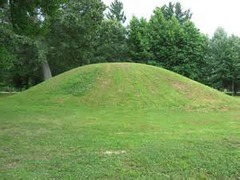
Adena-Hopewell
a culture centered in what is now Ohio; famous for their large earthen mounds they created that were as large as 300 feet long
Algonquian
a Native American language group located in the Northeast

Asiento System
the Spanish had to pay a tax on every West African slave they brought to the New World

Aztecs
powerful empire in central Mexico that formed after the Mayans declined; the capital had a population equivalent to one of the largest cities in Europe
Defeated Spaniards

Chinampas
floating gardens, artificial islands
Bartolome de Las Casas
Spanish priest who was an advocate for the rights of Native Americans and who eventually got Spanish monarchs to pass the New Laws of 1542.

Christopher Columbus
an explorer funded by Spain who believed he had found a new path to Asia, but had really found a New World, the Americas

Compass
a technological improvement--adopted from Arab merchants who learned about it from the Chinese--that made New World exploration possible.

Caravel
a sail, goes into the wind
Astrolobe
star chart, used for latitude
Conquistadores
Spanish explorers and conquerors who conquered the New World

Corn/Maize
crops cultivated by the Mayas, Incas, and Aztecs that provided a stable food supply

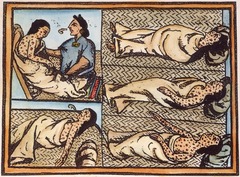
Disease
one thing exchanged between the Europeans and Native Americans; the Europeans contracted syphilis, while the Native Americans contracted smallpox and measles, which was detrimental to native populations
Encomienda System
a system where the Native Americans provided labor for the Spanish who got rich off of it and in return they would get "care" from their masters.

Ferdinand and Isabella
monarchs of an emerging nation-state, Spain; funded Columbus, unified Spain

Francisco Pizarro
lead the conquest of the Incas in Peru and secured Spain's initial supremacy in the Americas

Sextant
figured out longitude
Henry Hudson
an English sailor hired by the Dutch who found a river that was later named after him; this exploration laid Dutch claim to New Amsterdam aka New York
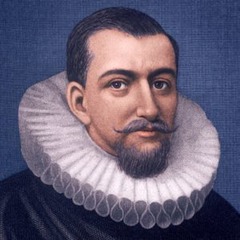
Henry the Navigator
monarch of Portugal that helped spread maritime technology

Hernan Cortes
lead the conquest of the Aztecs in Mexico

Hokokam, Anasazi, and Pueblos
tribes located in dry regions such as Arizona and New Mexico that were supported by farming with irrigation systems
Horses
introduction of this animal radically changed the way of life for most Great Plains Indians

Incas
a civilization based in Peru that developed a vast South American empire
Potatoes were vital
Animism

Huaca
spiritual location (Inca)
Iroquois Confederation
a political union of five tribes who lived in The Northeastern Woodlands and were a powerful against rival tribes and Europeans alike
Start of democracy

Jacques Cartier
French explorer who explored the St. Lawrence River

John Cabot
an Italian sea captain who sailed under contract to England's King Henry VII; explored Newfoundland in 1497

Juan Gines de Sepulveda
a Spanish priest who argued that Indians were less than human and they benefited from the encomienda system

Lakota Sioux
Great Plains tribes who moved from farming to hunting when horses were introduced; hunted buffalo and lived in teepees; commonly nomadic

Land Bridge
land that connected Siberia and Alaska that is now underwater; used by the now Native Americans to get to the Americas

Longhouses
Iroquois houses that were up to 200 feet long, housing and religious ceremonies

Mayas
around between 300 and 900cethey built remarkable cities in rainforests of the Yucatan Peninsula
Known for Pyramids
Astronomy

Nation-State
countries in which the majority of people shared both a common culture and common loyalty toward a central government

New Laws of 1542
laws put in place by the Spanish monarchs with the lobbying of Bartolome de las Casas who was an advocate of the American Indians' rights; ended Indian slavery and forced Indian labor and began to end the encomienda system

Printing Press
a technological advancement that came around in the 1450s that aided the spread of knowledge across Europe

Protestant Reformation
when Christians revolted against the pope's authority leading to a series of religious wars

Samuel de Champlain
the "Father of New France" who established the first permanent French colony at Quebec in 1608

Slave Trade
West African people were brought to different places for free labor
Treaty of Tordesillas
established a vertical line that split the New World in half, granting the west to Spain and the east to Portugal

Valladolid Debate
a formal argument over whether Indians were human and were therefore entitled to human rights. There was no winner to the debate

Woodland Mound Builders
people who built timber and bark lodgings along rivers

triangular trade
A three way system of trade during 1600-1800s Africa sent slaves to America, America sent Raw Materials to Europe, and Europe sent Guns and Rum to Africa

three sister farming
Agricultural system employed by North American Indians as early as 1000 A.D.; corn, beans and squash were grown together to maximize yields.

columbian exchange
The exchange of plants, animals, diseases, and technologies between the Americas and the rest of the world following Columbus's voyages.

mestizos
A person of mixed Native American and European ancestory

mercantilism
An economic policy under which nations sought to increase their wealth and power by obtaining large amounts of gold and silver and by selling more goods than they bought

Joint stock company
corporations where share holders buy/sell companies to fund expensive risky voyages
Caste System
social structure from the encomienda system.
1. Spaniards
then idigenous, Europeans, and Africans
Southeast (the Mississippians)
Along Mississippi R., largest city, Cohokia, matrilineal society, cheifdoms
populations declined due to climate change
Northeast
Woodlands, rivers, hunted, fished, longhouses, matrilineal/matrilocal, Iroquois Confederacy
Pueblo
Southwest, dry desert environment, apaches, multi-story adobe homes, dry farming techniques
Apaches
nomadic hunters who became hunters and warriors on horses.
Great Plains
flat grasslands, few rivers, buffalo
Egalitarian bonds
Canada to Gulf of Mexico
Egalitarian bond
Chiefs with small groups of 100ish people
Trans-Saharan Trade
connected Africa to Europe through Med. Sea
Matrilineal
tracing family descent, kinship, inheritance, and ancestral identity through the female line
Savannah Kingdom
1.Ghana
2.Mali
3.Songhai
Forest Coastal Kingdoms
Yoruba -> went to 19th
Benin -> went to 19th
Kongo
Black Death
ended feudalism, erased 1/3 of Europes population, led to rise of middle class
Repartimento System
people lived in native villages and were legally free, paid for temporary labor