Minerals
 Call Kai
 Learn
Learn Practice Test
 Spaced Repetition
 Match
Match Flashcards
 Knowt Play
1/46

There's no tags or description
Looks like no tags are added yet.
Name | Mastery | Learn | Test | Matching | Spaced | Call with Kai | Chat |
|---|
No analytics yet
Send a link to your students to track their progress
47 Terms
Atom
the basic building block of matter, consisting of protons, neutrons, and electrons
Chalcolithic Age
The Neolithic Age (Late Stone Age) is defined by the widespread use of stone tools.
Which age followed the Neolithic Age, marked by the first use of native copper?
The alloying of copper and tin to produce bronze
During the Chalcolithic Age (4,500–3,500 BCE), humans began using native copper for tools.
What innovation marked the transition to the Bronze Age?
Copper and tin
The Bronze Age was marked by the discovery that combining certain minerals produced a stronger and more durable alloy than copper alone.
Which combination of elements produced bronze?
3 → 4 → 1 → 2
Arrange the following ages in correct chronological order:
Bronze Age
Iron Age
Neolithic Age (Late Stone Age)
Chalcolithic Age
Hittites of Anatolia
The Iron Age began around 1,500 BCE when a civilization discovered how to smelt iron. Early iron came from meteorites containing nickel, producing an alloy stronger than pure iron.
Which civilization is credited with the origin of the Iron Age?
Analysis of atomic arrangements in solids and their external morphology
Crystallography is a branch of mineralogy concerned with the formation and properties of crystals.
Which of the following best captures the scope of crystallography?
Dana defined minerals mainly by their crystalline structure and chemical composition, while the IMA requires a naturally occurring solid with a definite chemical composition and ordered atomic arrangement.
Which statement best distinguishes the James D. Dana’s definition from the International Mineralogical Association (IMA) definition of minerals?
A naturally occurring solid with a definite chemical composition and ordered atomic arrangement.
Which of the following best reflects the IMA’s definition of a mineral?
Approving and standardizing mineral names worldwide
The International Mineralogical Association (IMA) is the most widely recognized authority on mineral names and nomenclature. Which of the following is one of its primary functions?
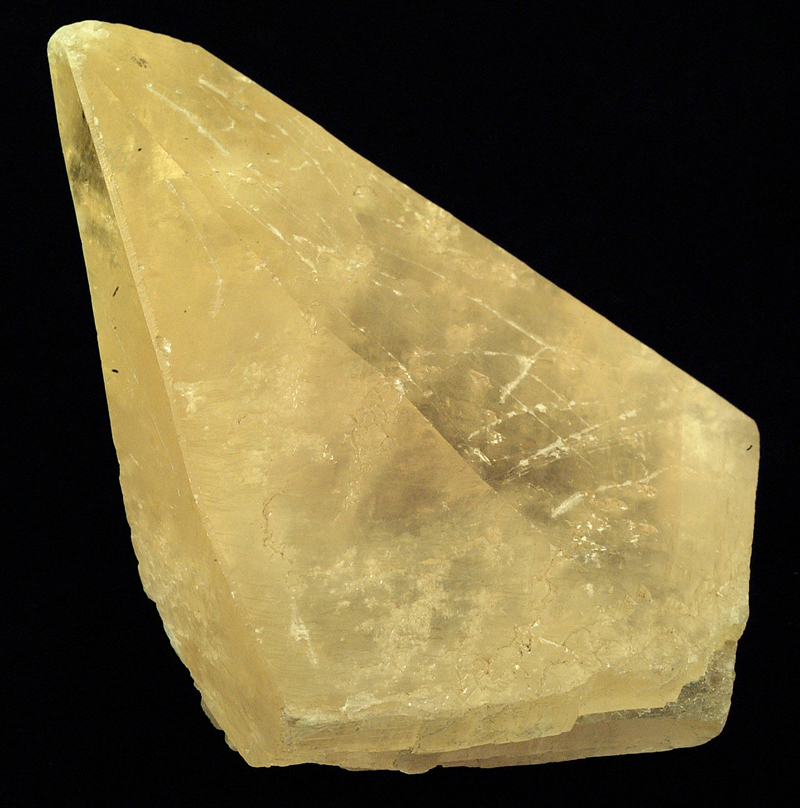
Calcite
Dogtooth spar is a distinctive variety of which mineral, commonly found in cave environments?
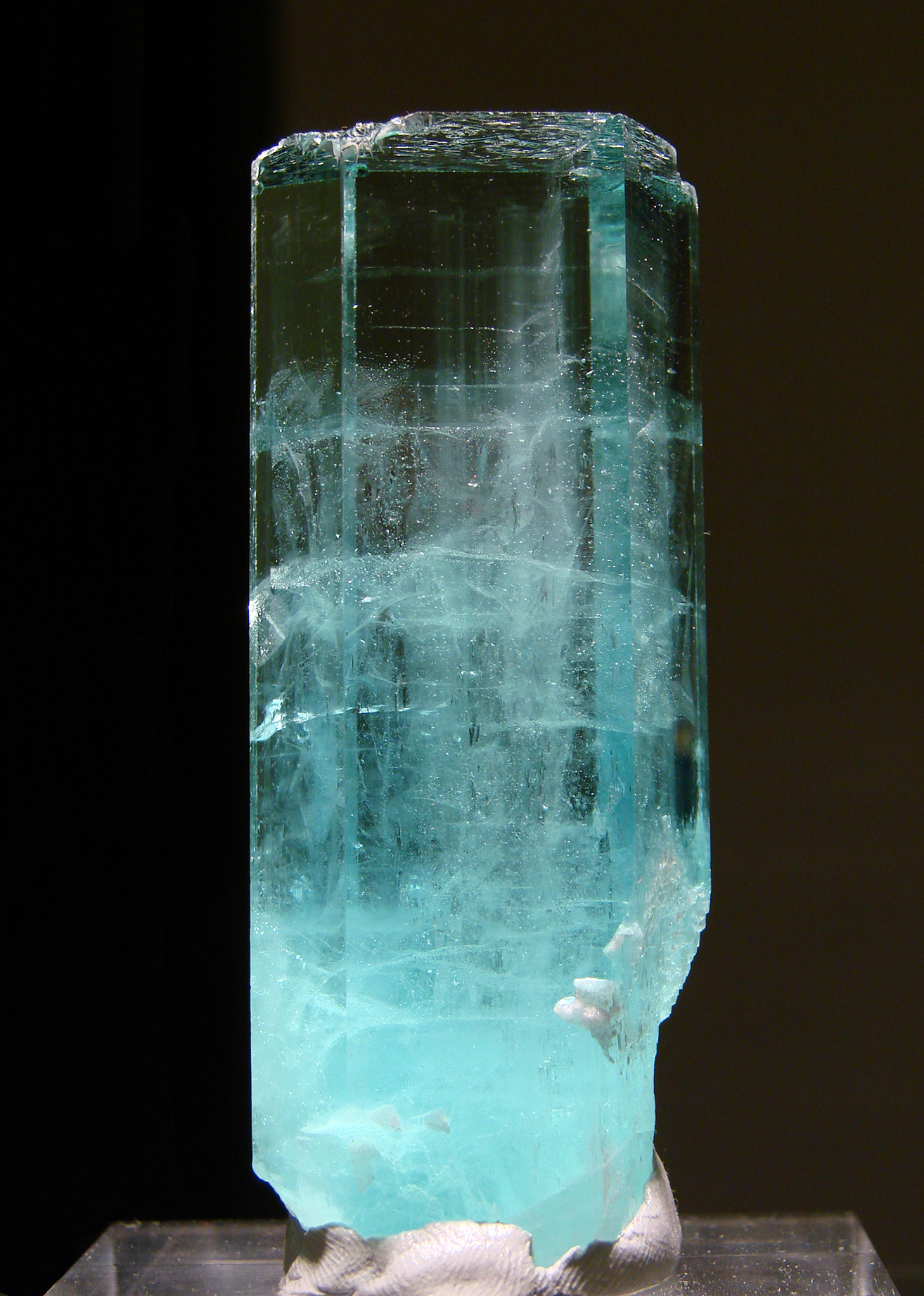
Fe²⁺
Beryl is called aquamarine when it contains small amounts of which ion, giving it a light blue color?
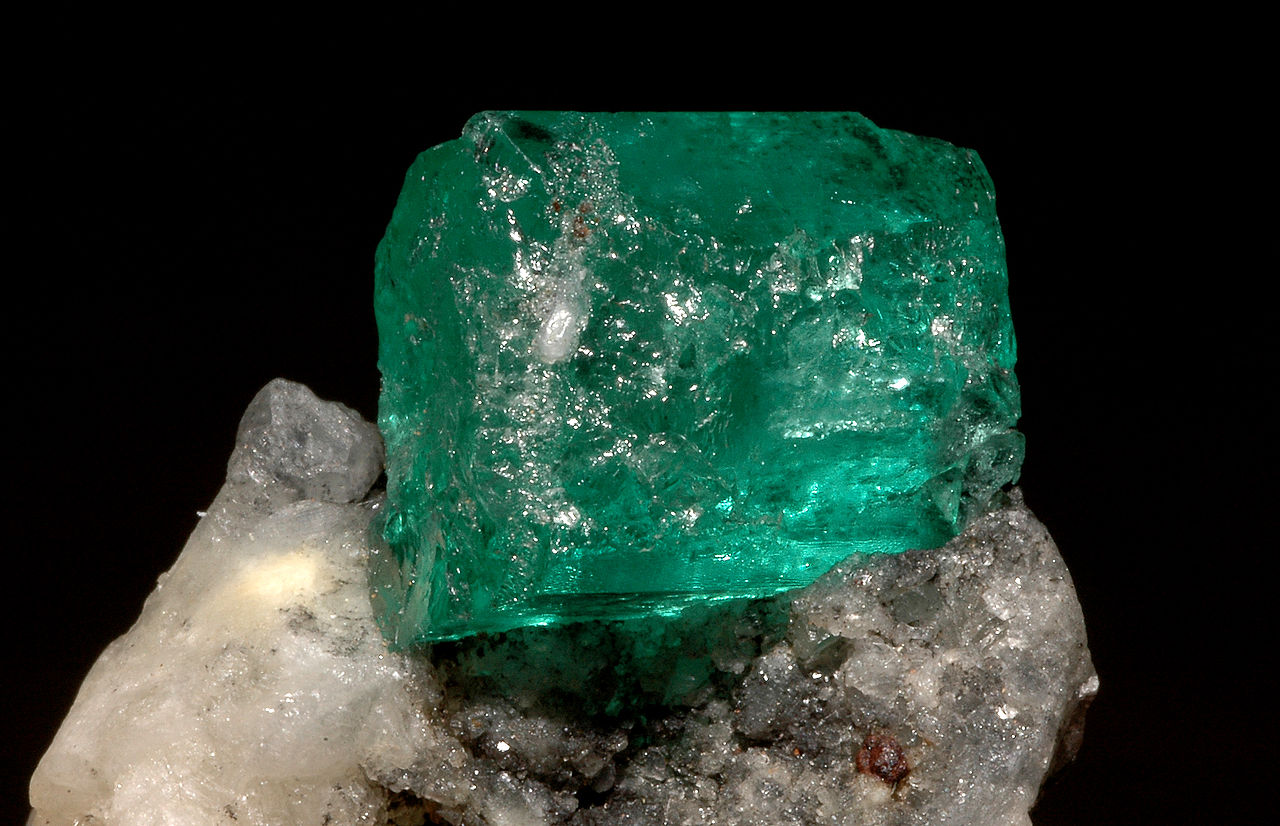
Cr³⁺ or V³⁺
Emerald, the green variety of beryl, owes its color primarily to the presence of which ions?
Mn²⁺
Morganite, the pink variety of beryl, owes its color primarily to the presence of which ion?
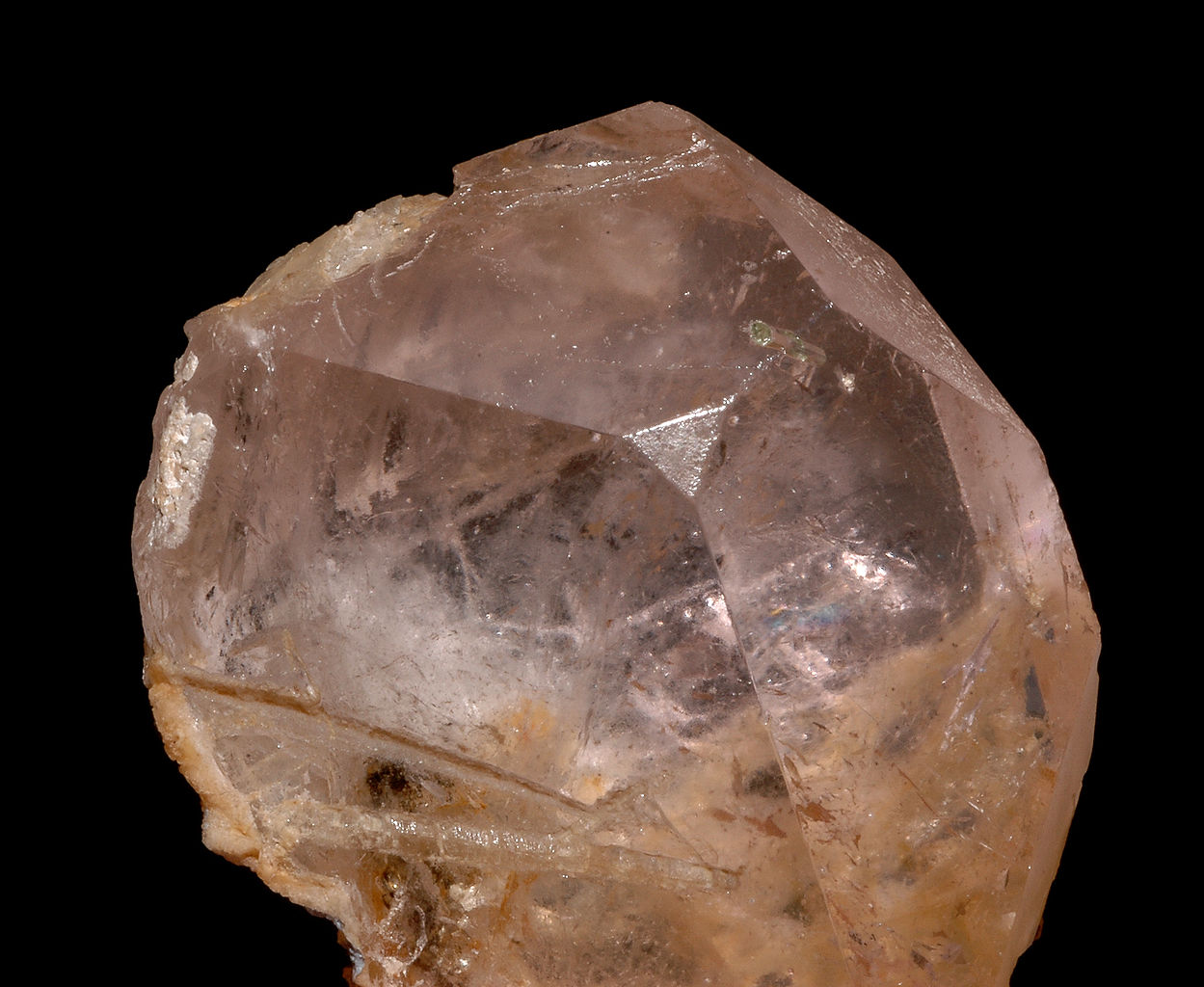
Fe²⁺ and Fe³⁺; fading occurs due to breakdown of irradiation‑induced color centers
Maxixe is a rare variety of beryl that exhibits an intense, saturated blue color (420–470 nm), stronger than aquamarine. This color is caused by the presence of which ions, and why does it fade upon exposure to sunlight or heat?
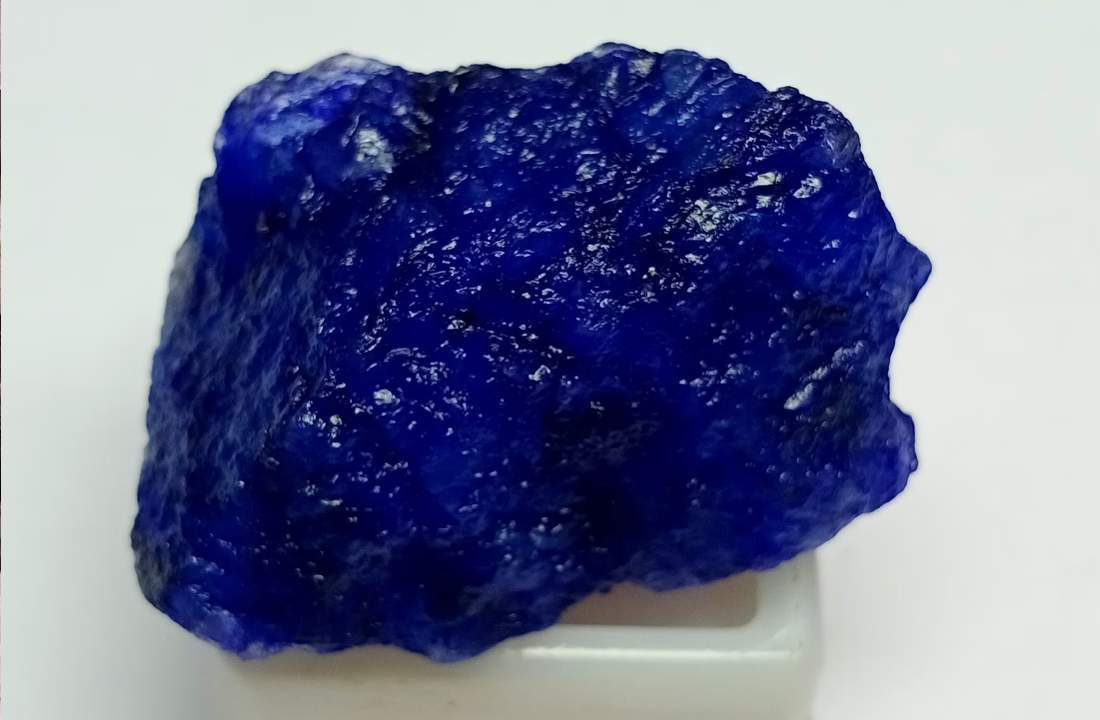
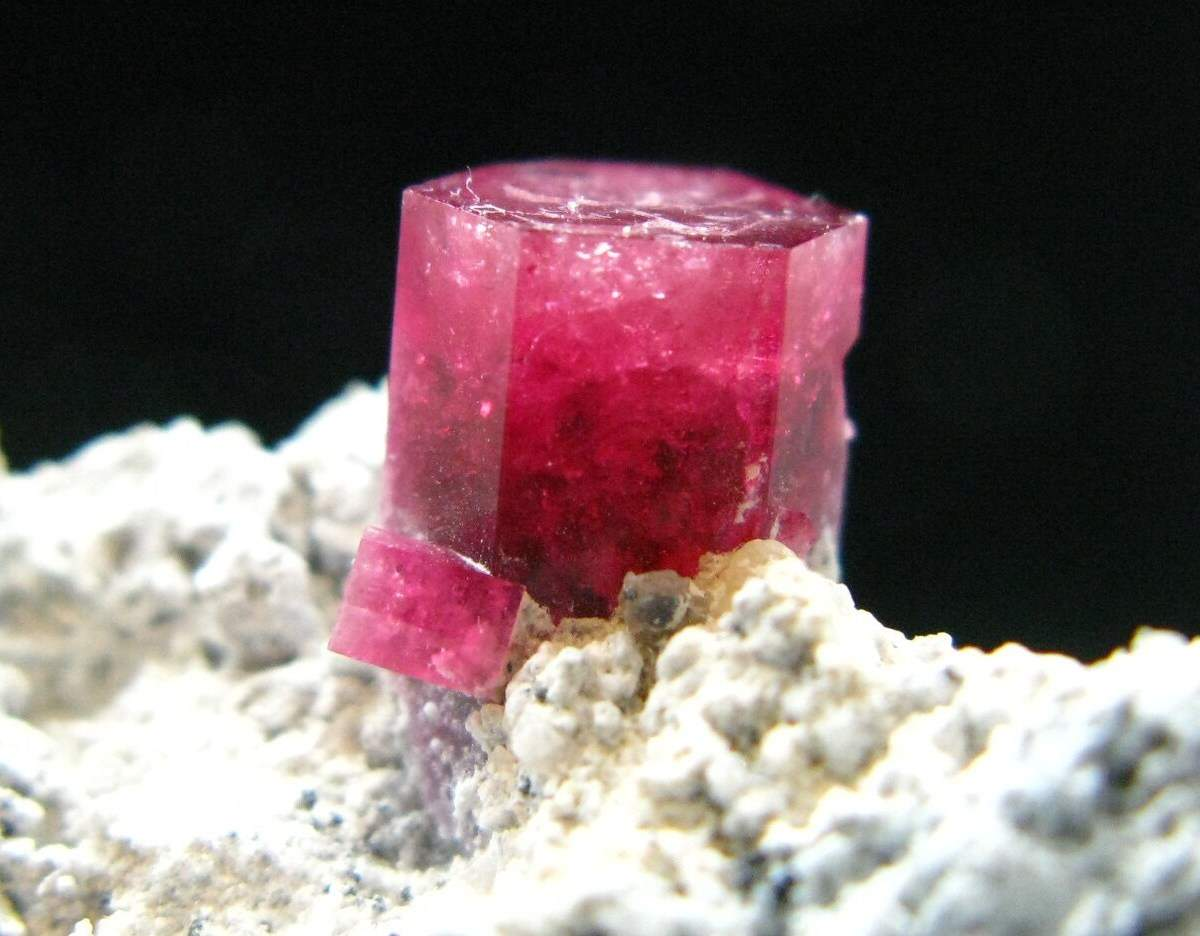
Bixbite, also known as red beryl, is one of the rarest gemstones on Earth, even rarer than diamonds. Its vivid red color results from the substitution of which ion for aluminum (Al³⁺) in the crystal lattice?
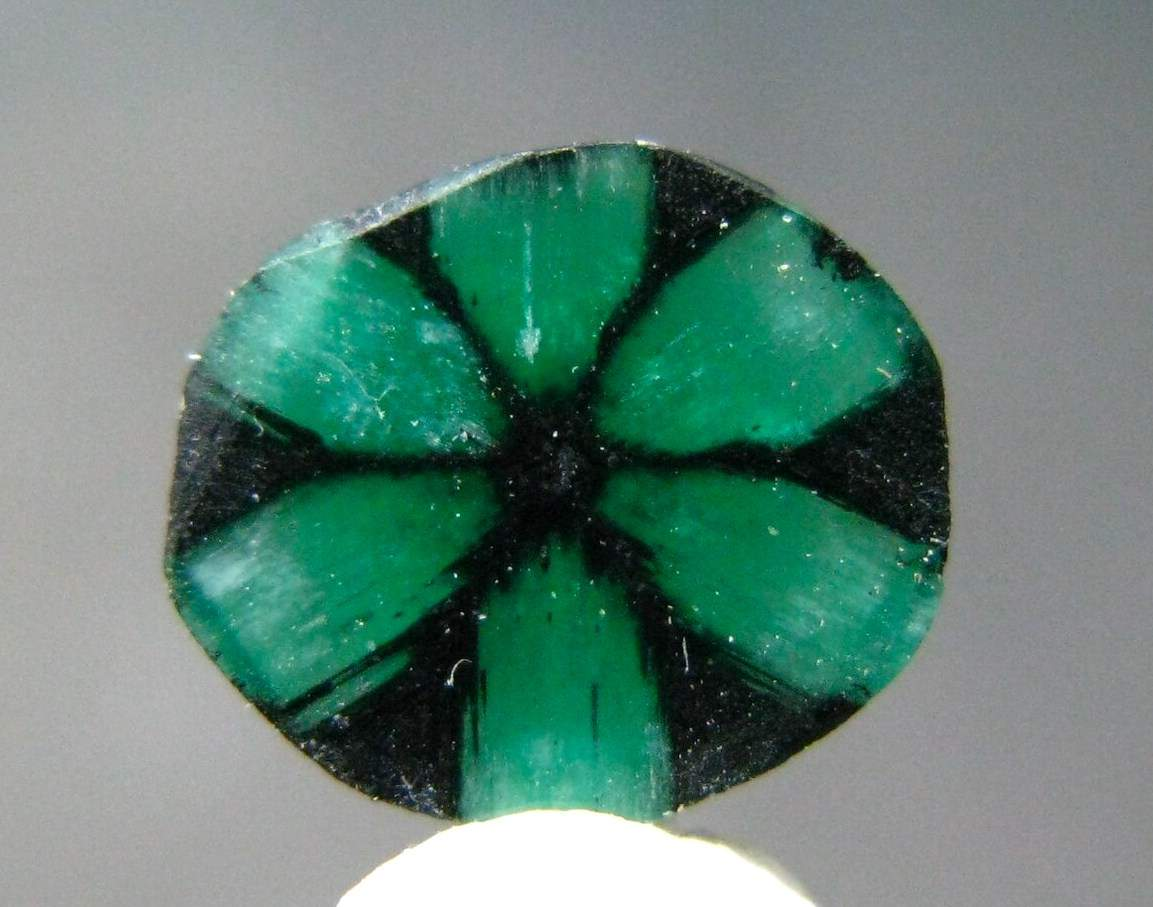
Dark inclusions (commonly black shale) radiating from a central emerald core
Trapiche emeralds are rare gemstones characterized by a six-spoke radial pattern resembling a traditional Colombian grinding wheel.
What causes this distinctive pattern?
Fe³⁺
Heliodor, a captivating yellow to orange variety of beryl, derives its coloration from the substitution of which ion for aluminum (Al³⁺) in the crystal lattice Be₃Al₂Si₆O₁₈?
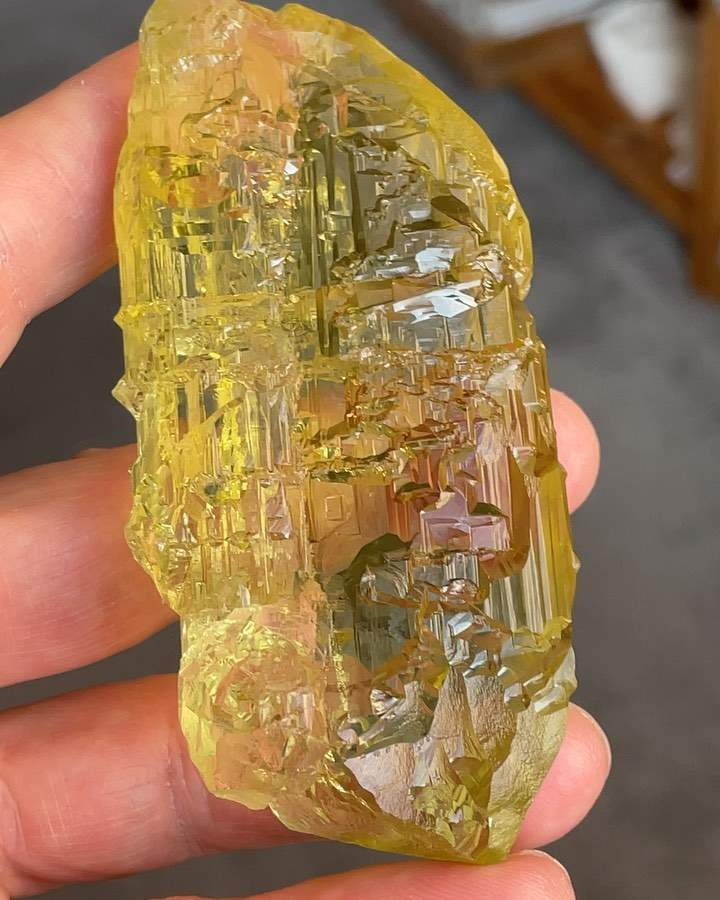
Goshenite
Which variety of beryl is colorless due to the absence of chromophoric ions in its crystal lattice?
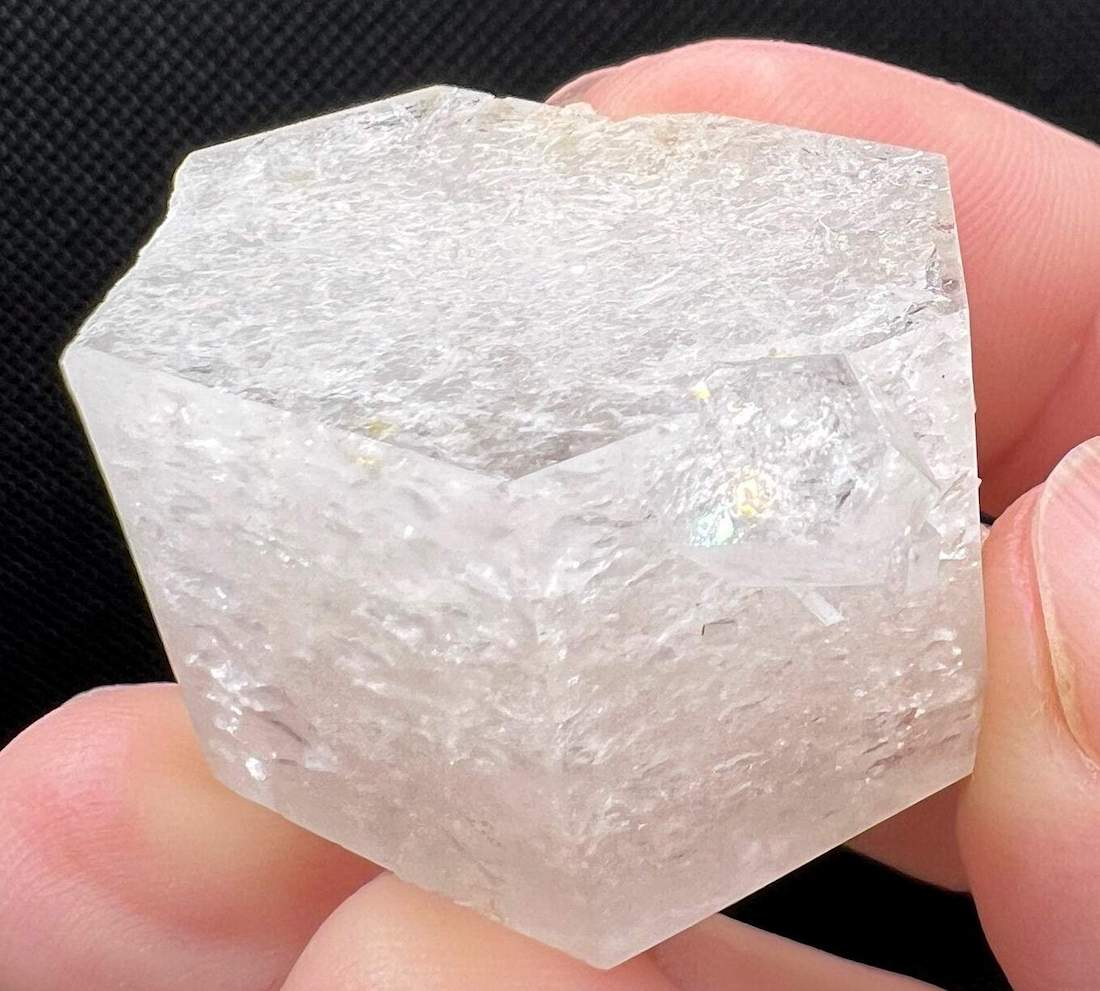
They match the chemical composition and crystal structure of natural minerals
Synthetic minerals are human-made materials created in laboratories. What makes them equivalent to natural minerals?
Chrysobery
Alexandrite, a gem famous for color change, is a variety of which mineral?
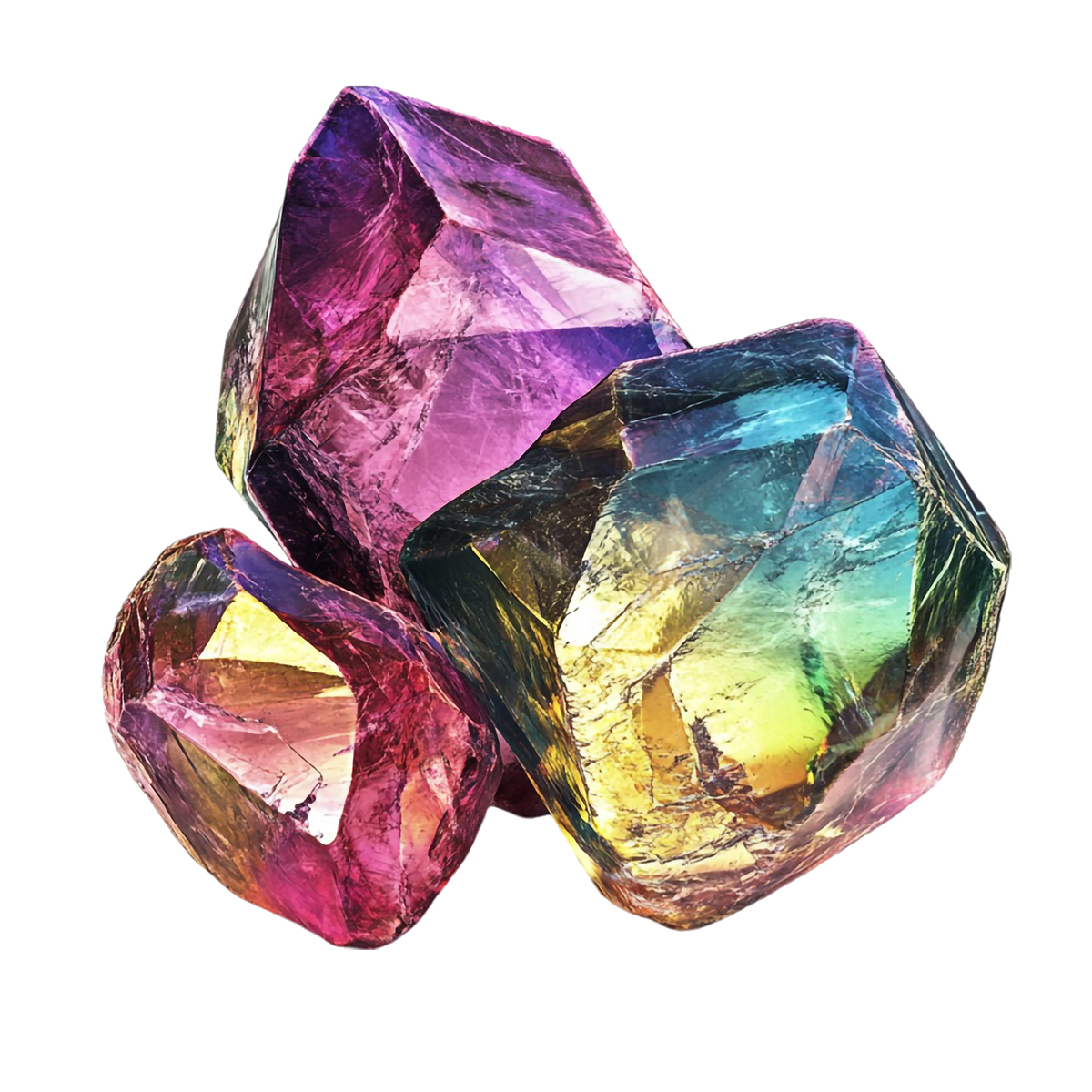
K‑feldspar
Moonstone, a gem known for its adularescence, is a variety of which mineral?
Fe²⁺ and Ti⁴⁺
The blue color of sapphire is primarily due to which impurity ions substituting for aluminum in corundum?
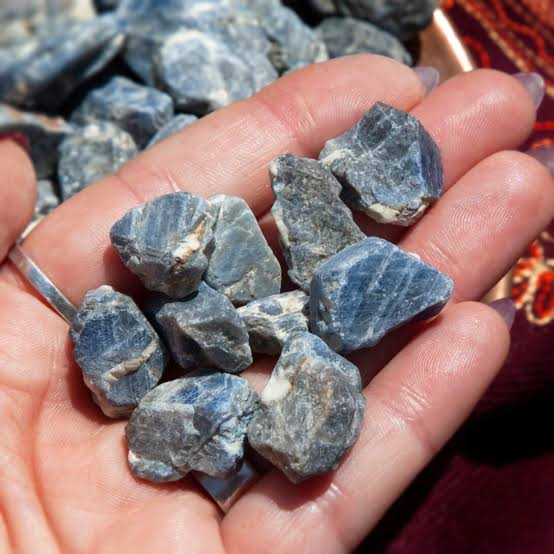
Fe³⁺
Yellow sapphire owes its color to which impurity ion in corundum?
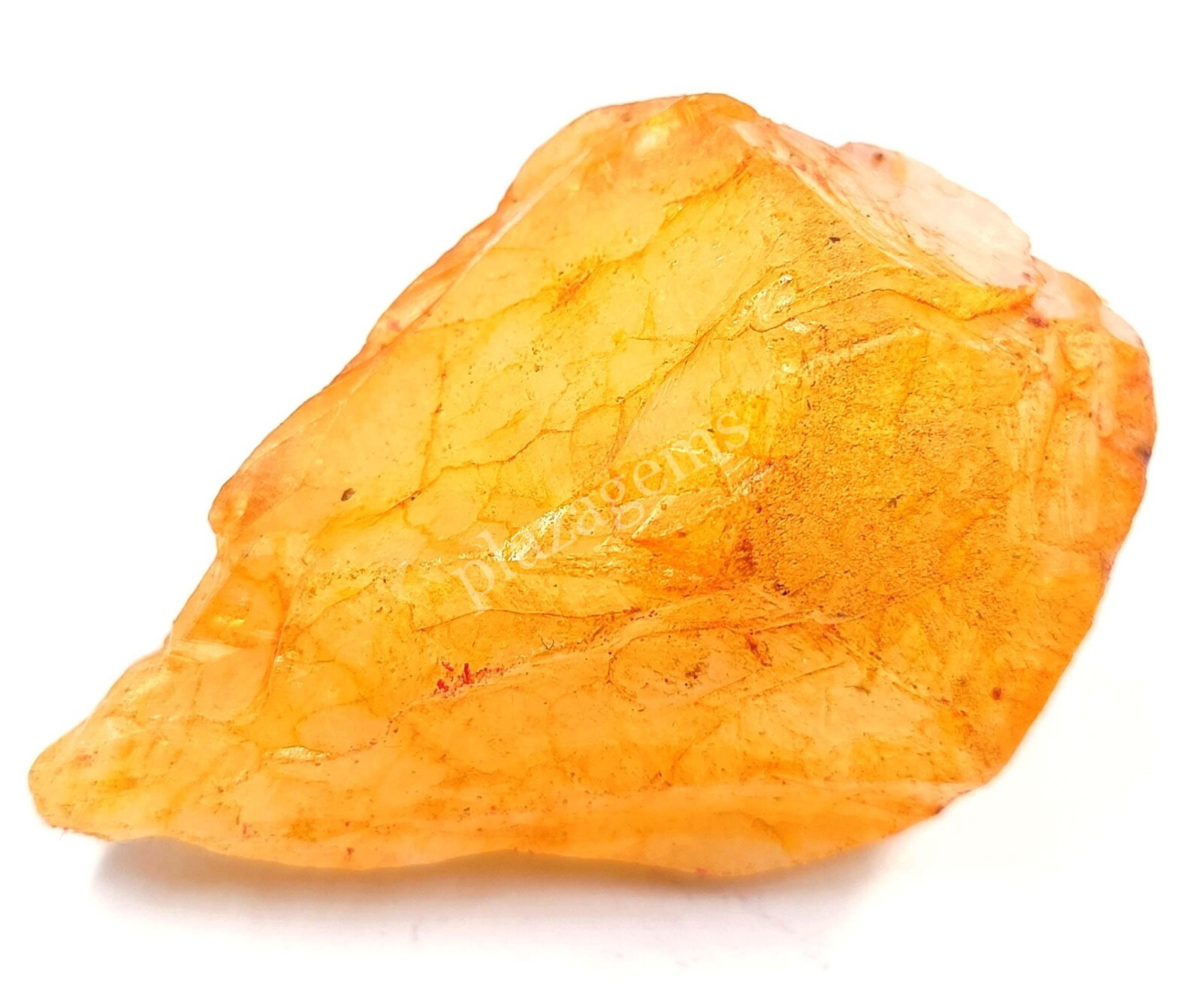
Fe²⁺ and Fe³⁺
Green sapphire owes its color to which combination of impurity ions in corundum?
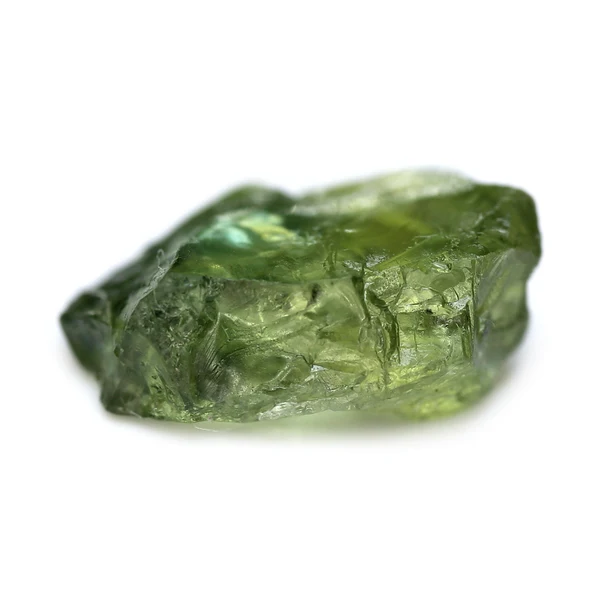
Cr³⁺
Pink sapphire owes its color to which impurity ion in corundum?
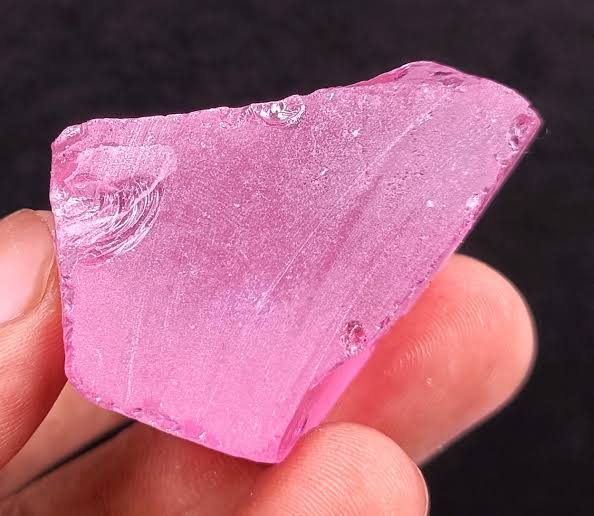
Cr³⁺, Fe²⁺, Ti⁴⁺, and sometimes V³⁺
Purple sapphire owes its color to which combination of impurity ions in corundum?
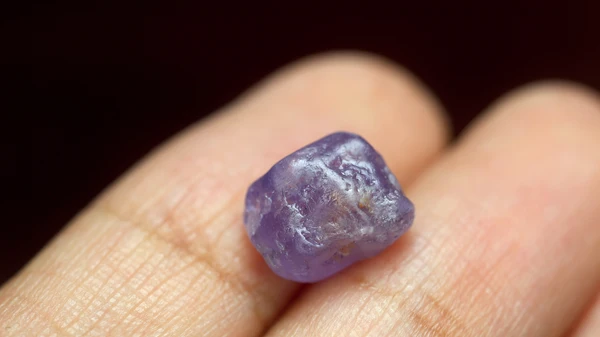
Cr³⁺ and Fe³⁺ (sometimes V³⁺)
Padparadscha sapphire, known for its rare orangish‑pink color, owes its coloration to which impurities?
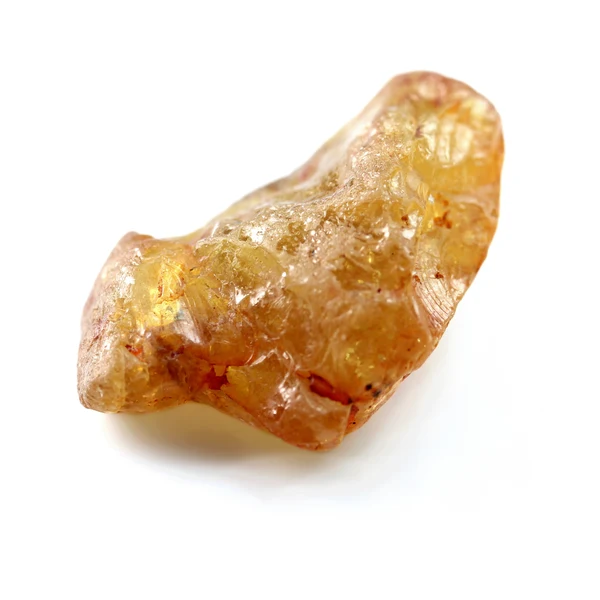
No significant impurities
White sapphire appears colorless because it is composed of pure corundum with:
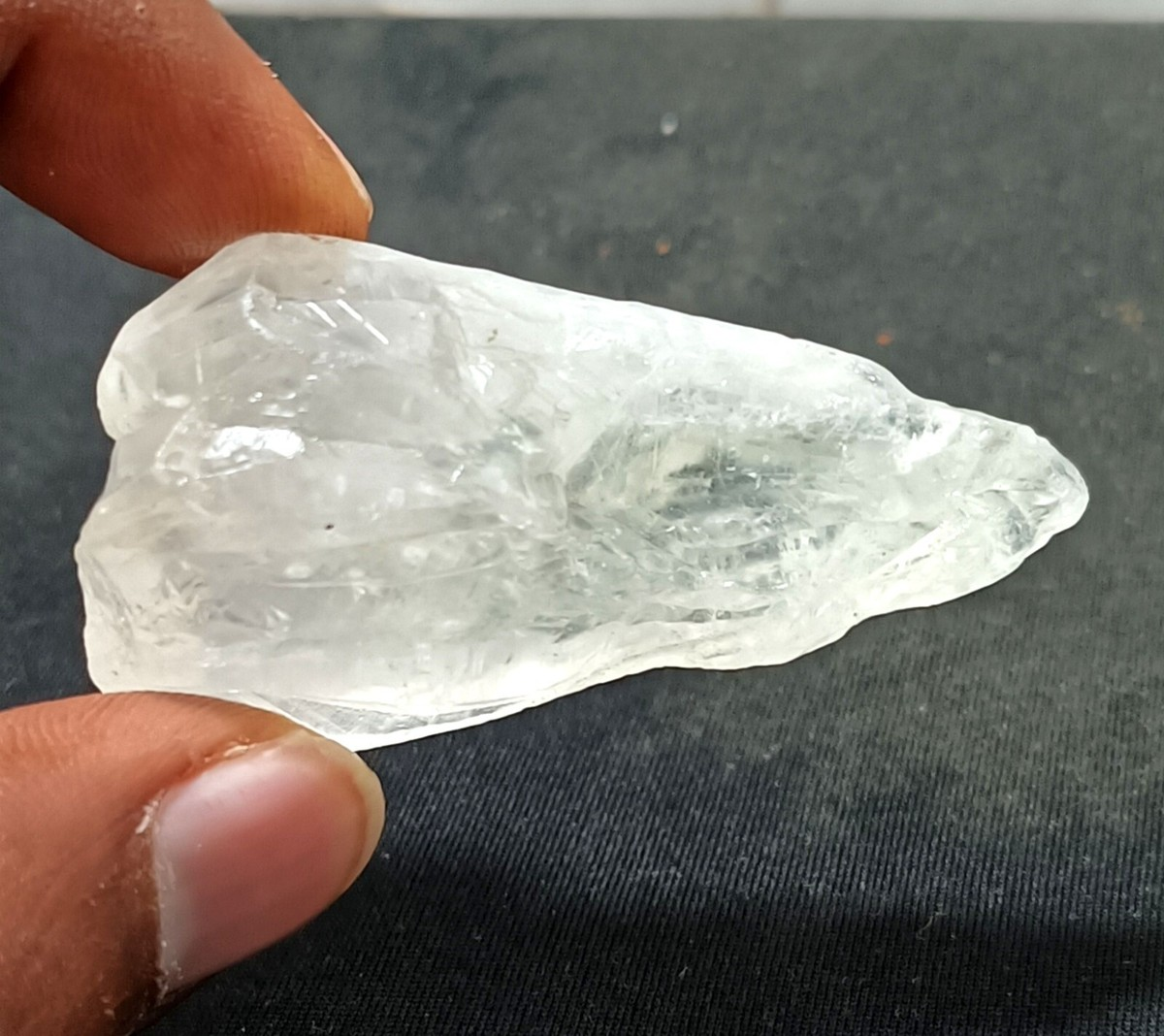
A metamorphic rock composed mainly of corundum and magnetite with spinel and hematite, widely used in abrasive powders.
Corundite, commonly known as emery, is an impure, fine-grained mixture of minerals used as an abrasive.
Which of the following best describes its composition and industrial application?
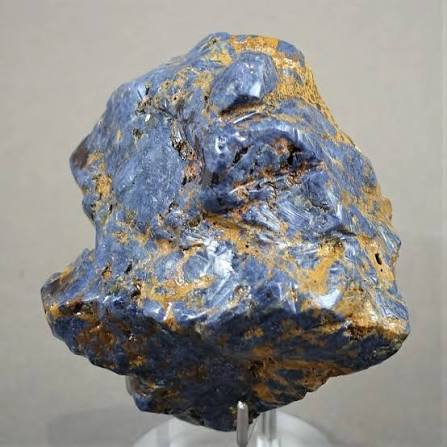
Mercury is a naturally occurring native element, like gold and copper, and thus qualifies as a mineral despite its liquid state.
The International Mineralogical Association (IMA) defines minerals as naturally occurring, crystalline solids formed by geological processes. However, mercury is classified as a mineral despite being liquid at Earth-surface conditions.
Which of the following best explains this exception?
Minerals are naturally occurring crystalline solids with definite chemical composition, mineraloids are naturally occurring solids lacking crystallinity, and synthetic minerals are crystalline solids produced artificially in laboratories.
Which of the following statements correctly distinguishes minerals, mineraloids, and synthetic minerals?
Diffraction of light by the three-dimensional array of silica spheres.
The "play of colors" in precious opal is primarily caused by which phenomenon?
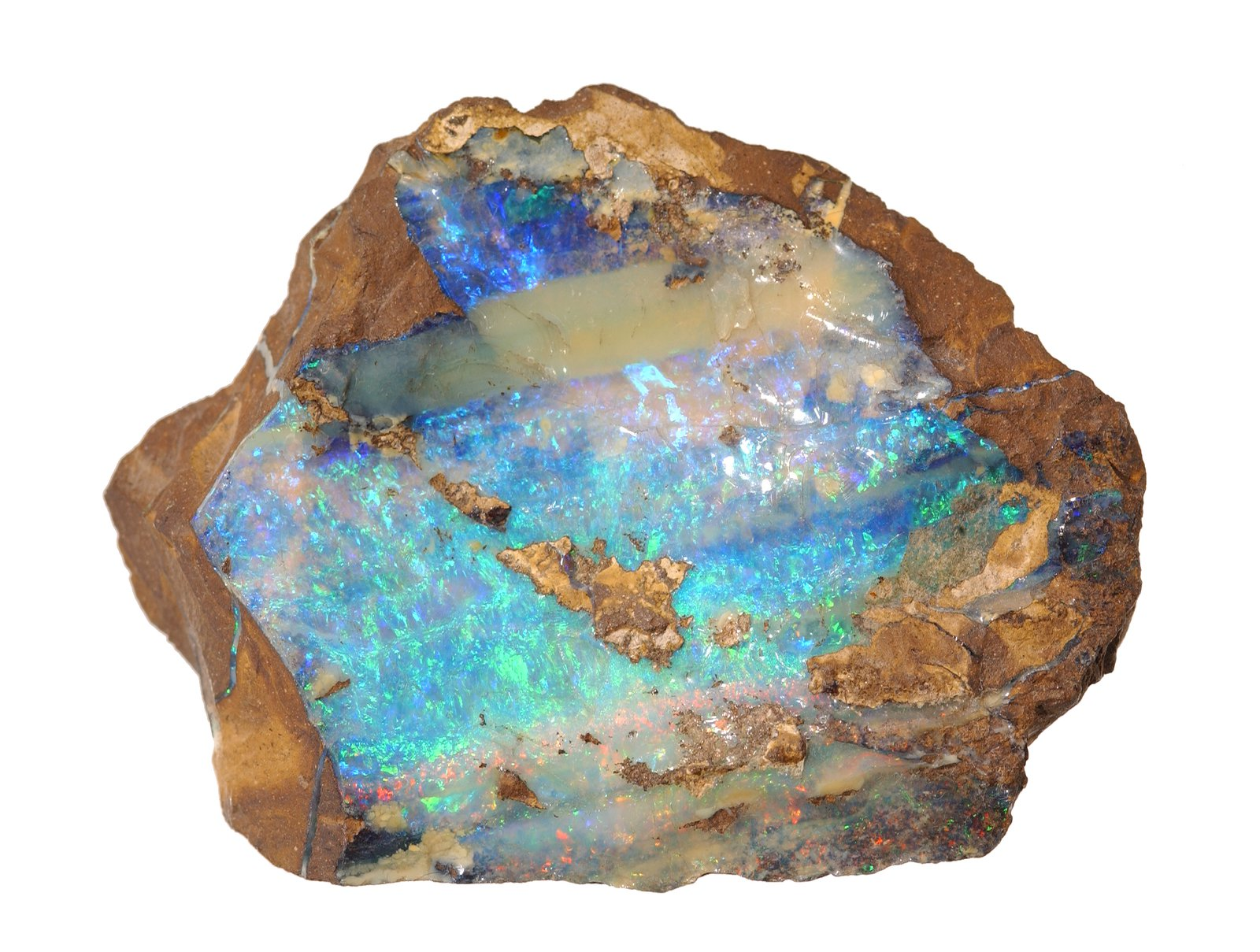
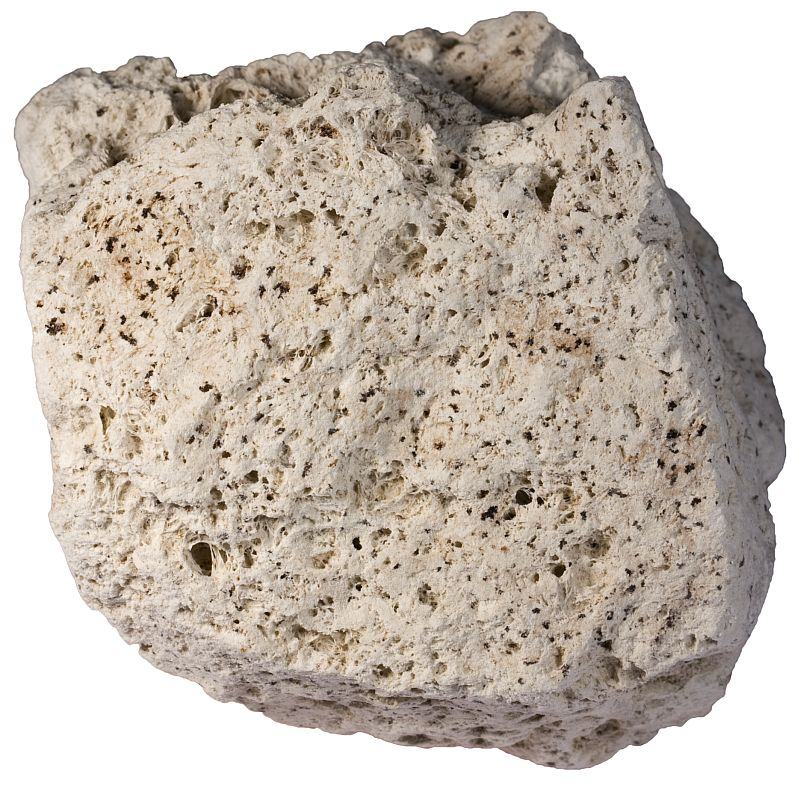
Pumice is a volcanic glass that lacks crystallinity, even though it is naturally occurring and inorganic.
Which of the following best explains why pumice is classified as a mineraloid other than being an igneous rocks?
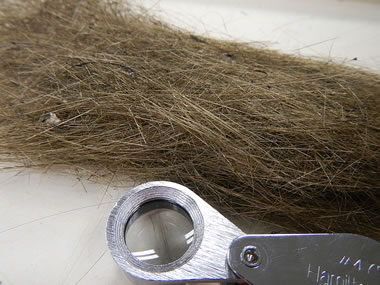
Pele’s Hair is volcanic glass formed from basaltic lava that lacks crystallinity, even though it is naturally occurring and inorganic.
Which of the following best explains why Pele’s Hair is classified as a mineraloid?
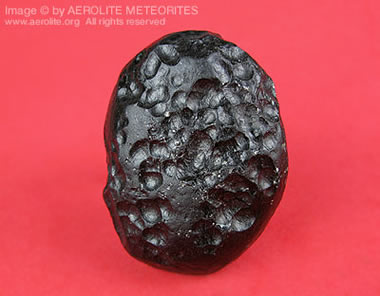
Tektites are silicate glasses formed when terrestrial rocks melt during hypervelocity meteorite impacts, cooling too quickly to crystallize, hence classified as mineraloids.
Tektites are natural glassy bodies found in strewn fields across the globe. Which of the following statements correctly describes their origin and classification?
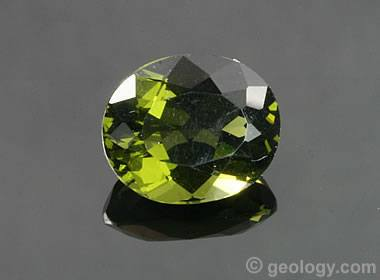
Southern Germany, during the Ries asteroid impact about 15 million years ago, with material scattered across Central Europe.
Moldavite is a green silicate impact glass mineraloid. In which location did it originate?
Egypt–Libya border, ~29 million years ago, formed by flash‑melting of desert sand during an asteroid impact.
Where and when did the mineraloid Libyan Desert Glass originate?
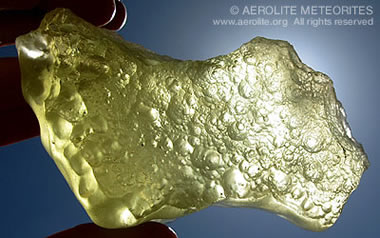
Opal and Mercury
Which of the following substances are recognized as minerals by the IMA despite not meeting the strict definition of a crystalline solid?
It involves the deposition of minerals like calcium carbonate and silica in biological structures.
Biomineralization is the process by which organisms produce minerals under biological control. Which of the following statements about biomineralization is TRUE?
Calcium phosphate (hydroxyapatite)
Which of the following biominerals is the principal component of human teeth?
It is a zinc hydroxychloride mineral commonly found as a corrosion product of zinc.
Which of the following statements about simonkolleite is CORRECT?
A.
B.
C.
D.
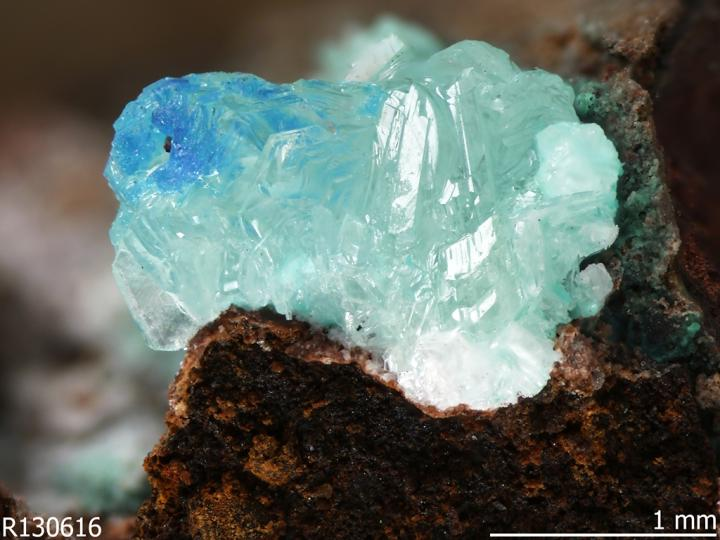
Robert Hazen
In 2017, a scientist identified 208 distinct mineral species that exist solely because of human activities such as mining, smelting, and weathering of artifacts.
Who was this scientist?
Anthropogenic minerals
What do we call minerals that form exclusively due to human activities?
Martyite
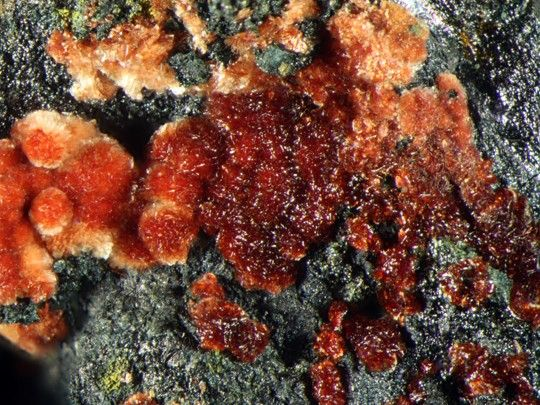
Which of the following minerals is a zinc-vanadium hydrated anthropogenic mineral that was first identified in mine waters at the Blue Cap Mine near Moab, Utah, officially approved in 2007, and would not exist if it were not for mine waste waters flowing through tailings piles?