LAB - L1:T1-T2 (Drug Nomeclature / Phases of clinical trial)
 Call Kai
 Learn
Learn Practice Test
 Spaced Repetition
 Match
Match Flashcards
 Knowt Play
1/24

There's no tags or description
Looks like no tags are added yet.
Name | Mastery | Learn | Test | Matching | Spaced | Call with Kai | Chat |
|---|
No analytics yet
Send a link to your students to track their progress
25 Terms
What is a clinical trial?
A systematic investigation in human subjects for evaluating the safety and efficacy of any new drug.
What are the main steps in drug review?
1. Preclinical testing, 2. IND application, 3. Phase 1 studies, 4. Phase 2 studies, 5. Phase 3 studies, 6. NDA submission, 7. FDA review, 8. Phase 4 studies.
What is the purpose of preclinical testing?
To gather extensive safety and efficacy data through animal studies before human testing.

What does IND stand for?
Investigational New Drug.
What is the goal of Phase 1 studies?
To assess the safety, tolerability, pharmacokinetics, and pharmacodynamics of a drug.
How many healthy volunteers are typically involved in Phase 1 trials?
20-25 healthy volunteers.
What is the duration of Phase 1 studies?
6-12 months.
What is the focus of Phase 2 studies?
To confirm effectiveness, monitor side effects, and further evaluate safety in patients with the disease.
What is the typical subject range for Phase 2 trials?
20 to 300 subjects.
What are the two types of Phase 2 studies?
Phase IIA (assessing dosing requirements) and Phase IIB (studying efficacy).
What is the target population for Phase 3 studies?
Several hundreds to 3000 patients.
What is the duration of Phase 3 trials?
Up to 5 years.
What is the purpose of Phase 4 studies?
Post Marketing Surveillance to detect rare adverse reactions and explore new uses for drugs.
What does NDA stand for?
New Drug Application.

What is required for a drug to receive FDA approval?
Evidence that the drug is safe and effective, and that benefits outweigh risks.
What is the significance of the chemical name of a drug?
It provides a precise arrangement of atoms and is useful for chemists but not used in marketing.
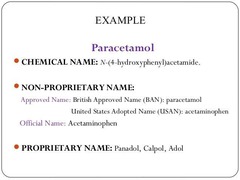
What is a non-proprietary name?
A short name given to a drug that is not subject to proprietary rights, often used in discussions and textbooks.
What is the difference between an approved name and an official name?
An approved name is given by bodies like USAN, while an official name is approved by the National Pharmacopeia Commission.
What is a proprietary name?
A name given to a drug by the pharmaceutical firm that sells it, often used in clinical settings.
What is the purpose of periodic safety update reports?
To monitor drug safety and report any harmful effects discovered after marketing.
What is the aim of Phase 0 studies?
To study new drugs in micro doses to derive pharmacological information before Phase 1.
What are the advantages of Phase 0 studies?
Less chances of adverse effects, short duration, fewer volunteers, and reduced cost of development.
What is the maximum tolerated dose determined in Phase 1 trials?
The highest dose of the drug that does not cause unacceptable side effects.
What is the role of an expert committee at the end of Phase 3?
To review the efficacy, safety, and potential sales of the drug before deciding on NDA submission.
What happens if harmful effects are discovered during Phase 4?
The drug may be restricted to certain uses or removed from the market.