Unit 2: Types of Matter Honors
 Call Kai
 Learn
Learn Practice Test
 Spaced Repetition
 Match
Match Flashcards
1/24

Earn XP
Description and Tags
Vocabulary flashcards covering atomic structures, subatomic particles, physical properties, compounds, and mixtures from page 1 of the lecture notes.
Name | Mastery | Learn | Test | Matching | Spaced | Call with Kai | Chat |
|---|
No analytics yet
Send a link to your students to track their progress
25 Terms
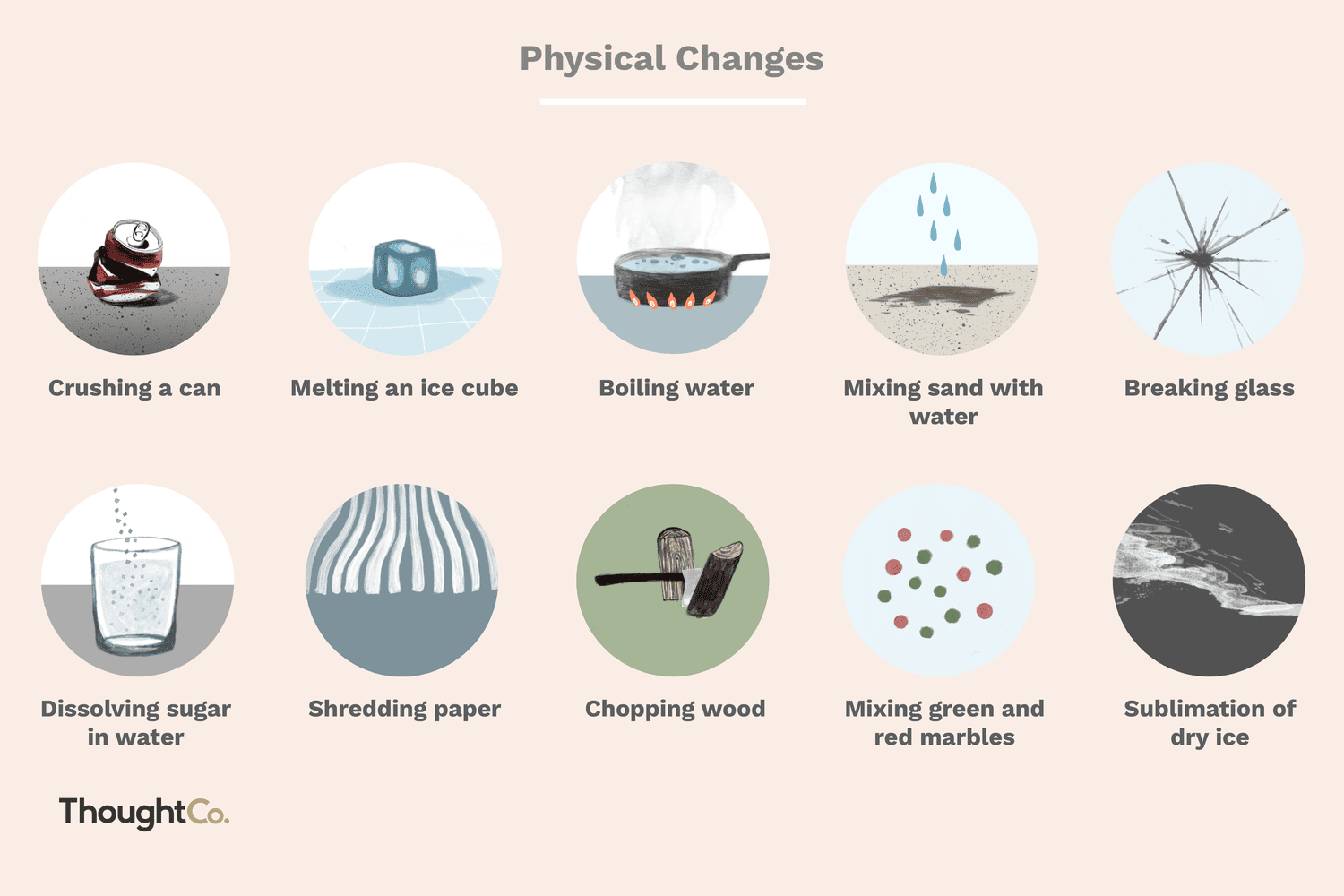
Physically
In a way that changes how something looks or feels, but not what it is made of.
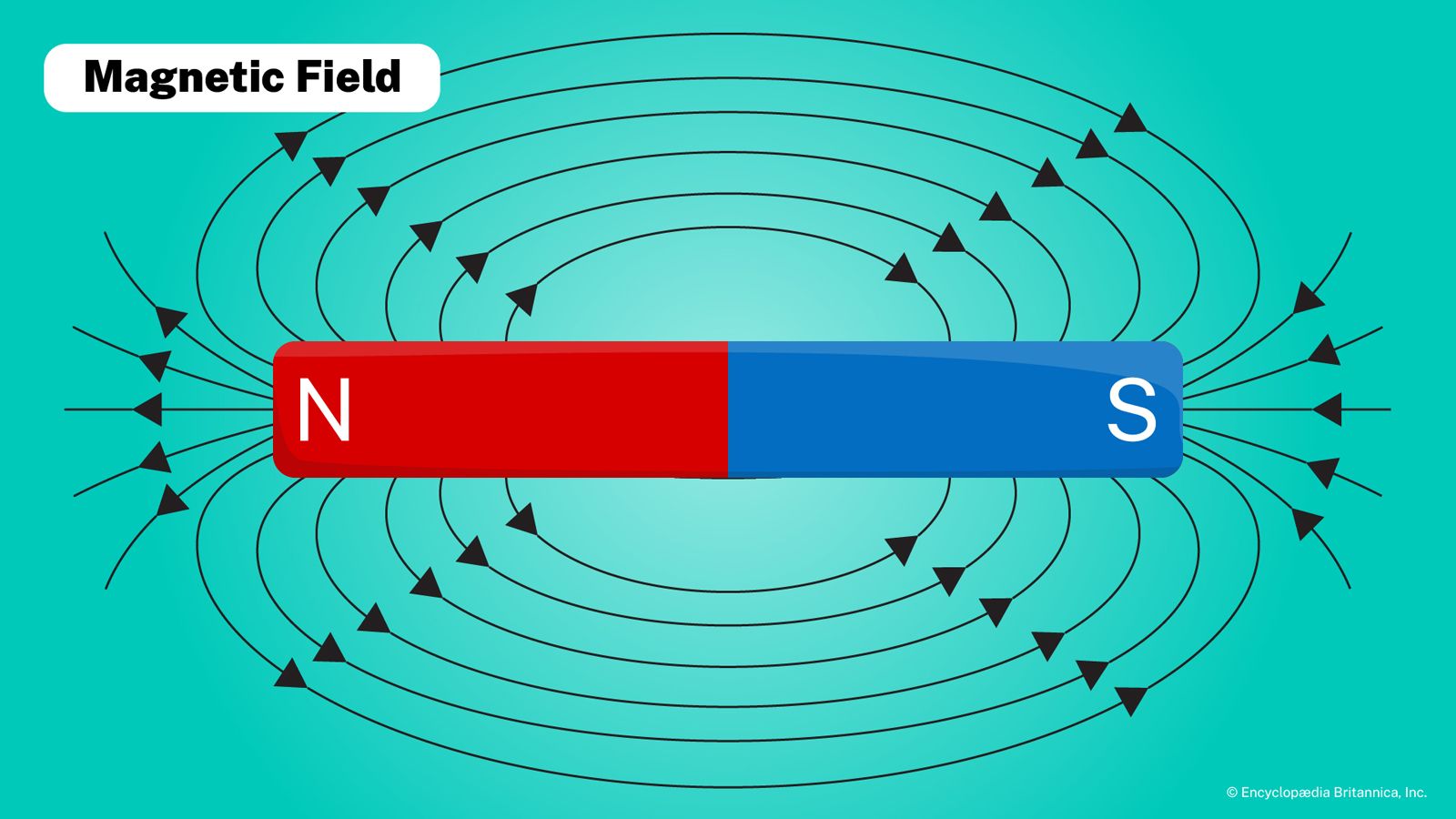
Magnetically
Using a magnet to move or separate things that are attracted to magnets.

Particle
A very tiny piece of something.

Evaporation
When a liquid slowly turns into a gas.

Filtration
A way to separate solids from liquids using a filter.
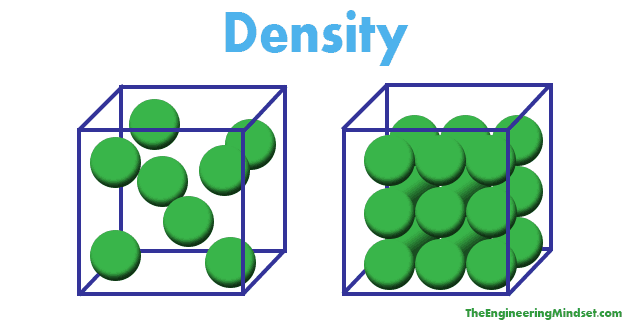
Density
How much mass is packed into a certain amount of space; how heavy something is for its size.

Element
A substance made of only one kind of atom (like oxygen or gold).

Pure substance
Matter that is made of only one kind of material with the same properties throughout.
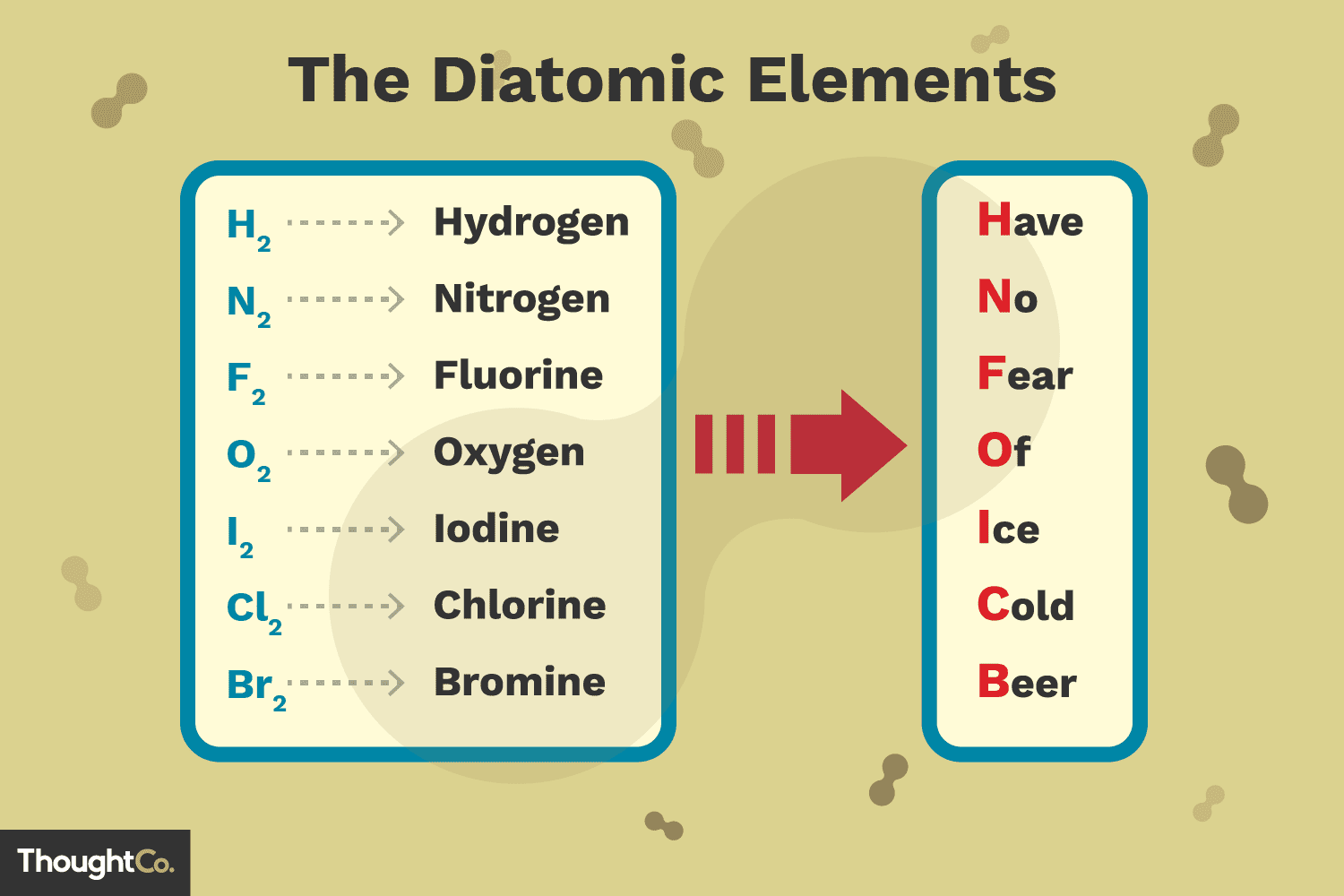
Diatomic
A molecule made of two atoms of the same element (like O2 for oxygen gas).
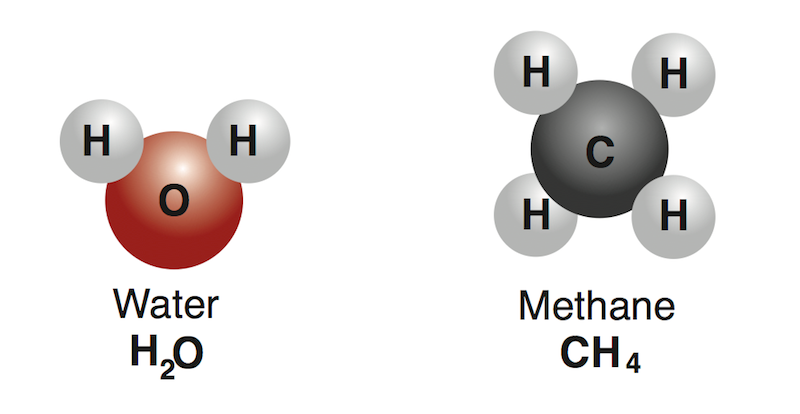
Compound
A substance made of two or more elements that are chemically joined.

Pure compound
A compound made of only one type of molecule throughout.

Mixture
A combination of two or more substances that are not chemically joined.

Centrifuge
A machine that spins really fast to separate things based on their density.

Negative
A type of electric charge that pushes away other negative charges.
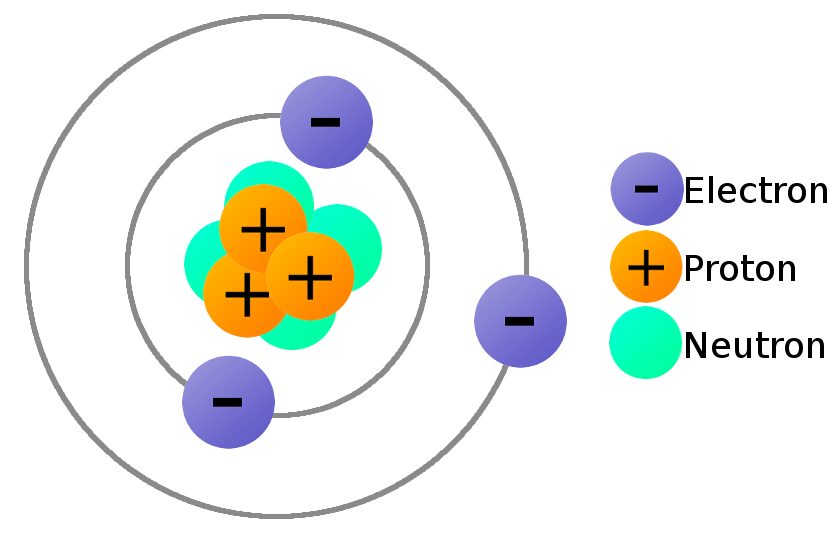
Positive
A type of electric charge that attracts negative charges, the proton is positive
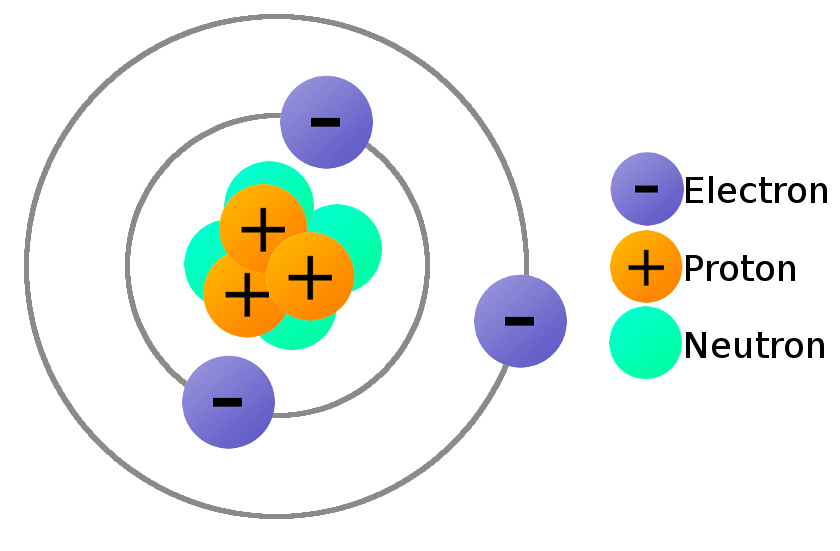
Neutral
Having no charge; not positive or negative, the neutron is neutral
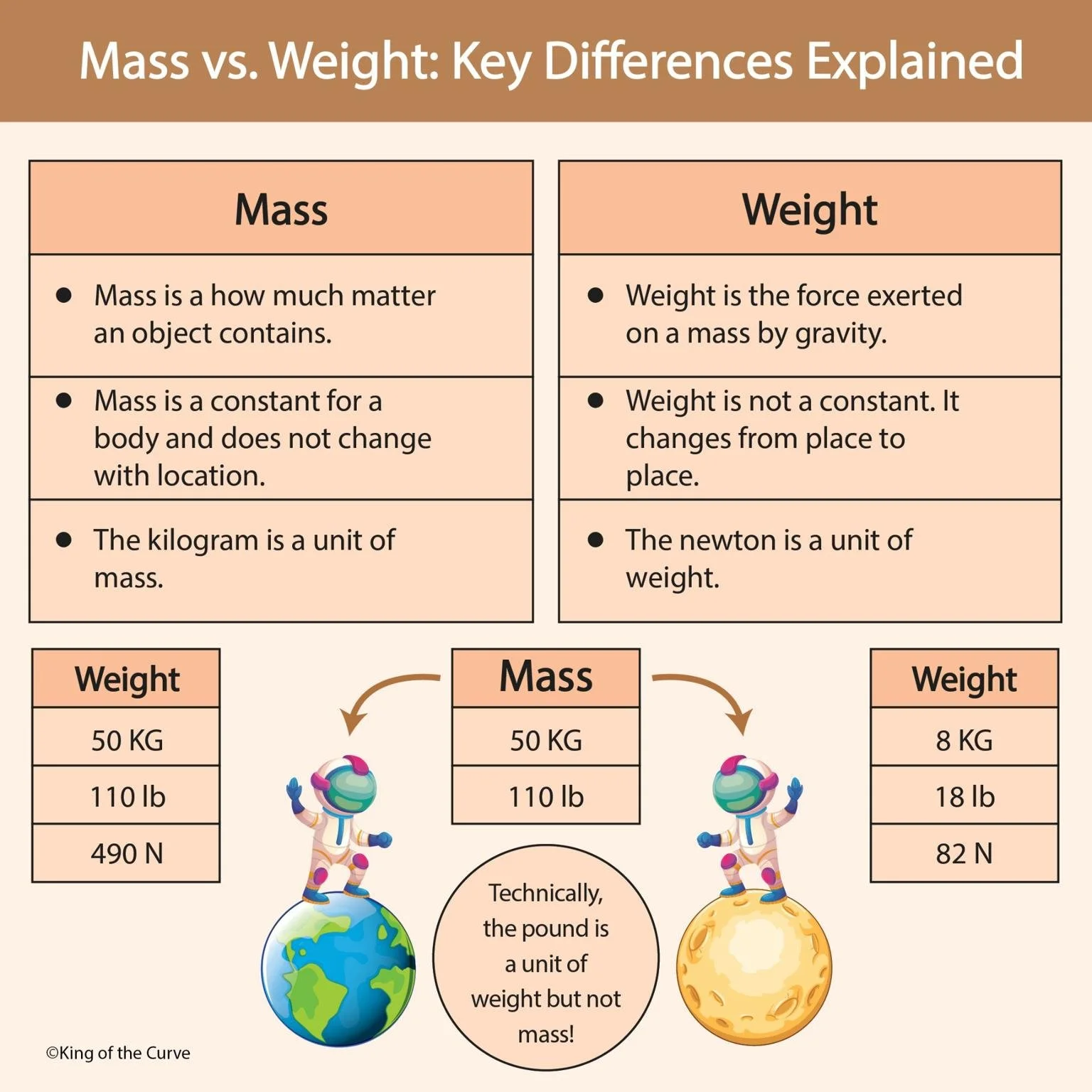
Mass
How much matter is in something, how much "stuff" its made of

Dense
Packed with a lot of matter in a small space.

Atom
The basic building block of all matter and the smallest building block.
Proton
A particle in the nucleus of an atom that has a positive charge.
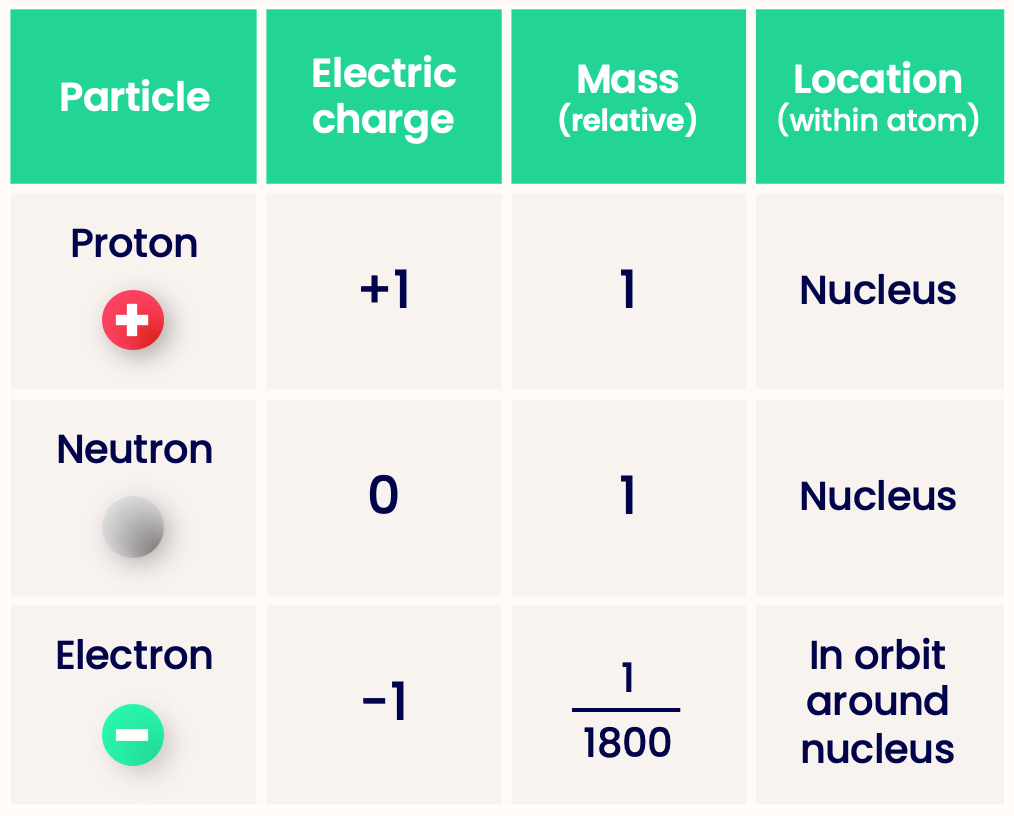
Neutron
A particle in the nucleus of an atom that has no charge (neutral).

Electron
A tiny particle with a negative charge that moves around the nucleus.

Nucleus
The center of the atom, where protons and neutrons are found.

Electron cloud model
A model showing where electrons are likely to be around the nucleus—not in fixed paths.
Atomic mass unit
A small unit used to measure the mass of particles in an atom.