RAP: Ch 2 general anatomy + planes/sections
 Call Kai
 Learn
Learn Practice Test
 Spaced Repetition
 Match
Match Flashcards
 Knowt Play
1/65

There's no tags or description
Looks like no tags are added yet.
Name | Mastery | Learn | Test | Matching | Spaced | Call with Kai | Chat |
|---|
No analytics yet
Send a link to your students to track their progress
66 Terms
sagittal planes
divides body into right and left segments (midsagittal= equal right and left halves)
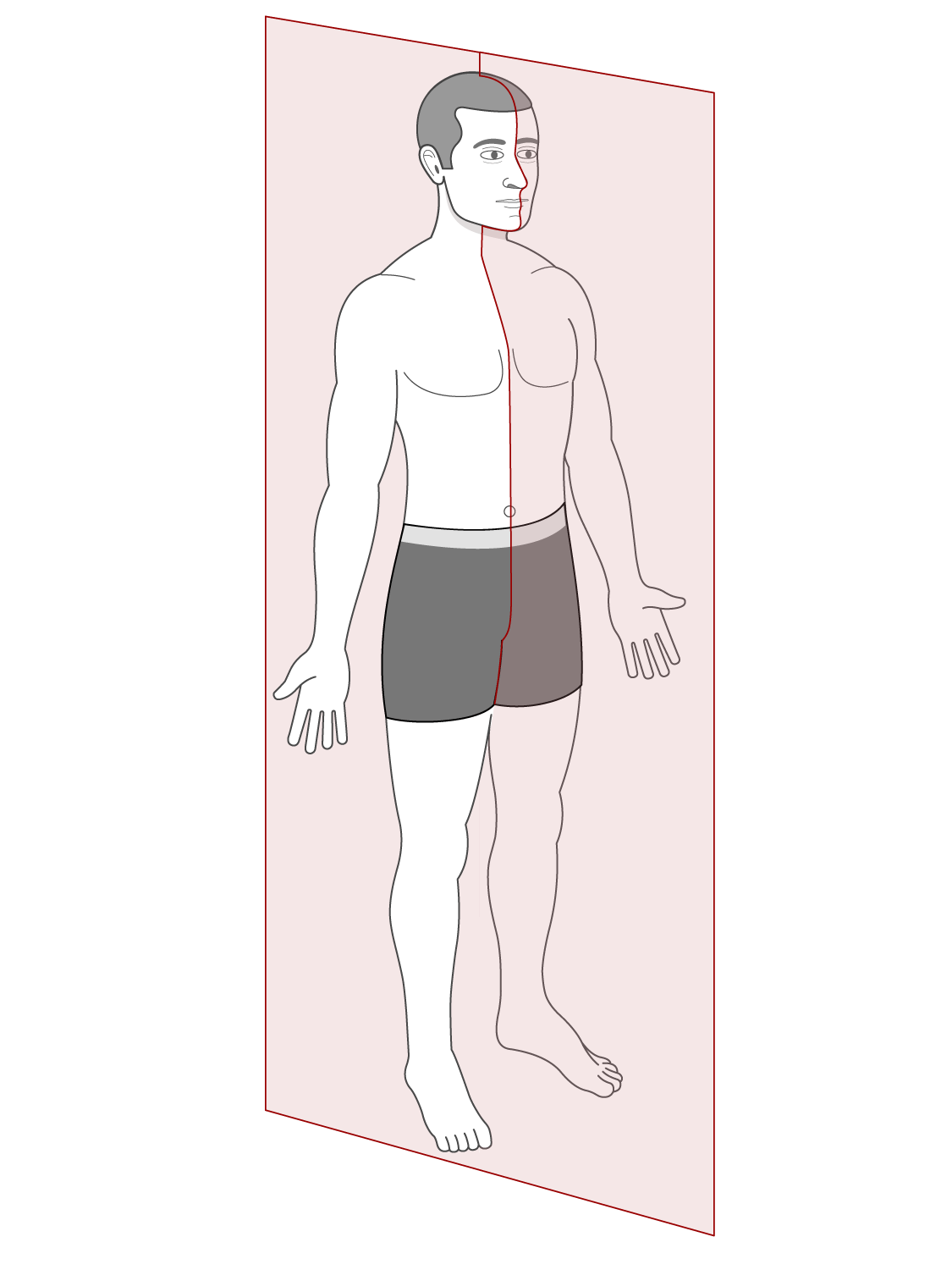
coronal plane
divides body anterior and posterior parts (midcoronal)

horizontal plane (transverse, axial, cross-sectional)
superior and inferior parts

oblique plane
pass thru body at any angle between other planes
what are oblique planes used for?
organs that sit at angles: heart, shoulder
whats in the thoracic cavity
pleural membranes
lungs
trachea
esophagus
pericardium
heart and great vessels
whats in abdominal cavity
peritoneum
liver
gall bladder
pancreas
spleen
stomach
intestines
kidneys
ureters
major blood vessels
whats in pelvic cavity
rectum
urinary bladder
part of reproductive system
quadrants of abdomen
RUQ, RLQ, LUQ, LLQ
what do surface landmarks help with?
tells us what’s underneath that we can’t see
Pubic symphysis guide from jugular notch and height
<5 ft: 21 in
5-6 ft: 22 in
>6 ft: 24 in
whats body habitus
variations in shape of human body determined by size, shape, and position of organs of cavities
what organs are affected by the body habitus?
heart, lungs, diaphragm, stomach, colon, gallbladder
What’s the average types of body habitus?
Sthenic and hyposthenic
what does axial skeleton do
supports and protects head and trunk
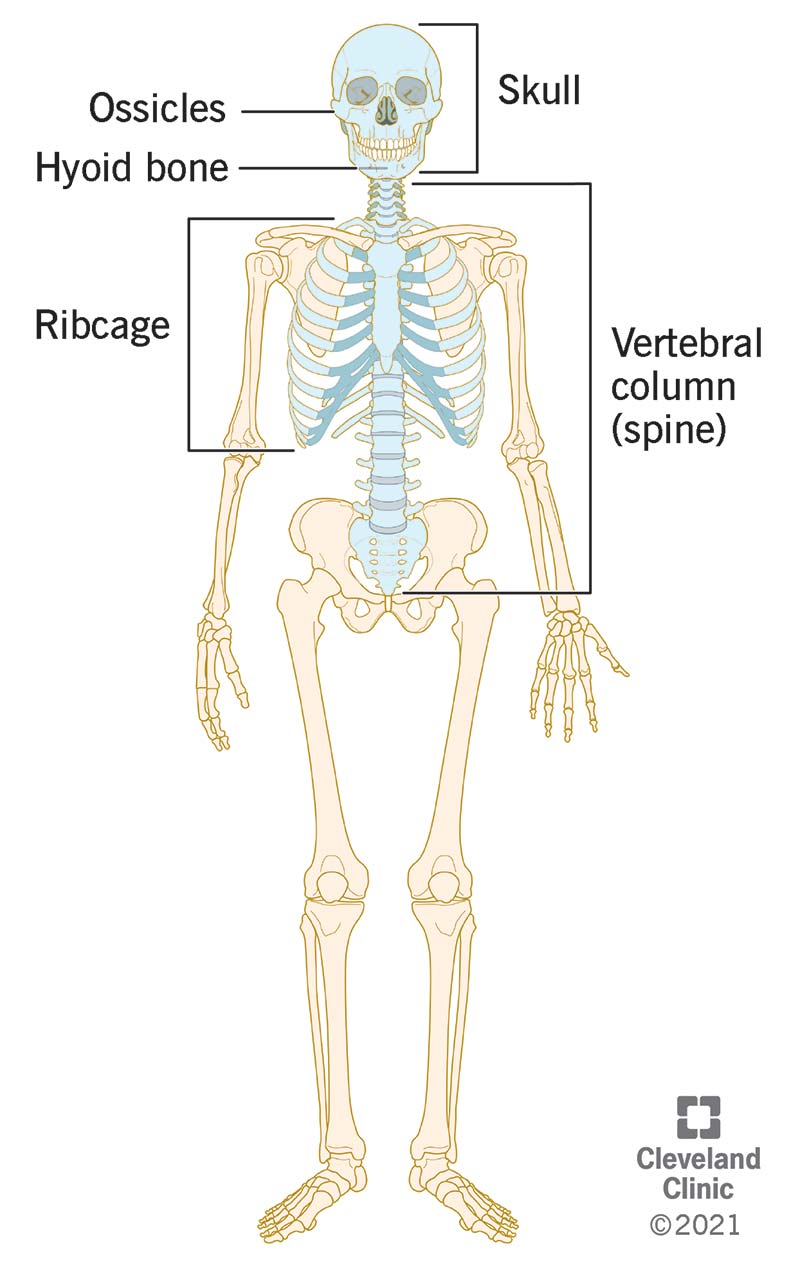
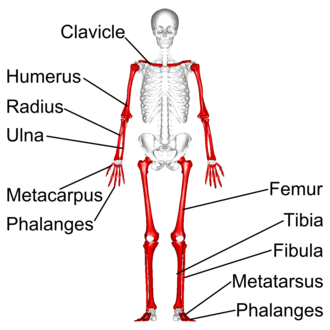
what does appendicular skeleton do
aids in movement

features of compact bone
strong, dense outer layer
features of spongey bone
inner, less dense layer; has trabeculae with red and yellow marrow
whats the medullary cavity bone feature
central cavity of long bones; trabeculae with yellow marrow; red marrow in ends
periosteum feature of bone
tough, fibrous connective issue that covers bone besides ends
whats endosteum bone feature
lines marrow cavity
whats ossification and when does it occur
development and formation of bones, at second month of embryonic life
whats primary ossification
before birth and forms long shaft in long bones
whats secondary ossification
after birth when separate bones develop at both ends (epiphyses) of long bones
what are long bones
body and two enlarged ends
ex: femur and humerus
what are short bones
have cancellous bone with thin outer layer of compact bone
ex: carpal bones

what are flat bones
have two plates of compact bone and middle diploe bone
ex: sternum and cranium

what are irregular bones
peculiarly shaped
ex: vertebrae, facial bones

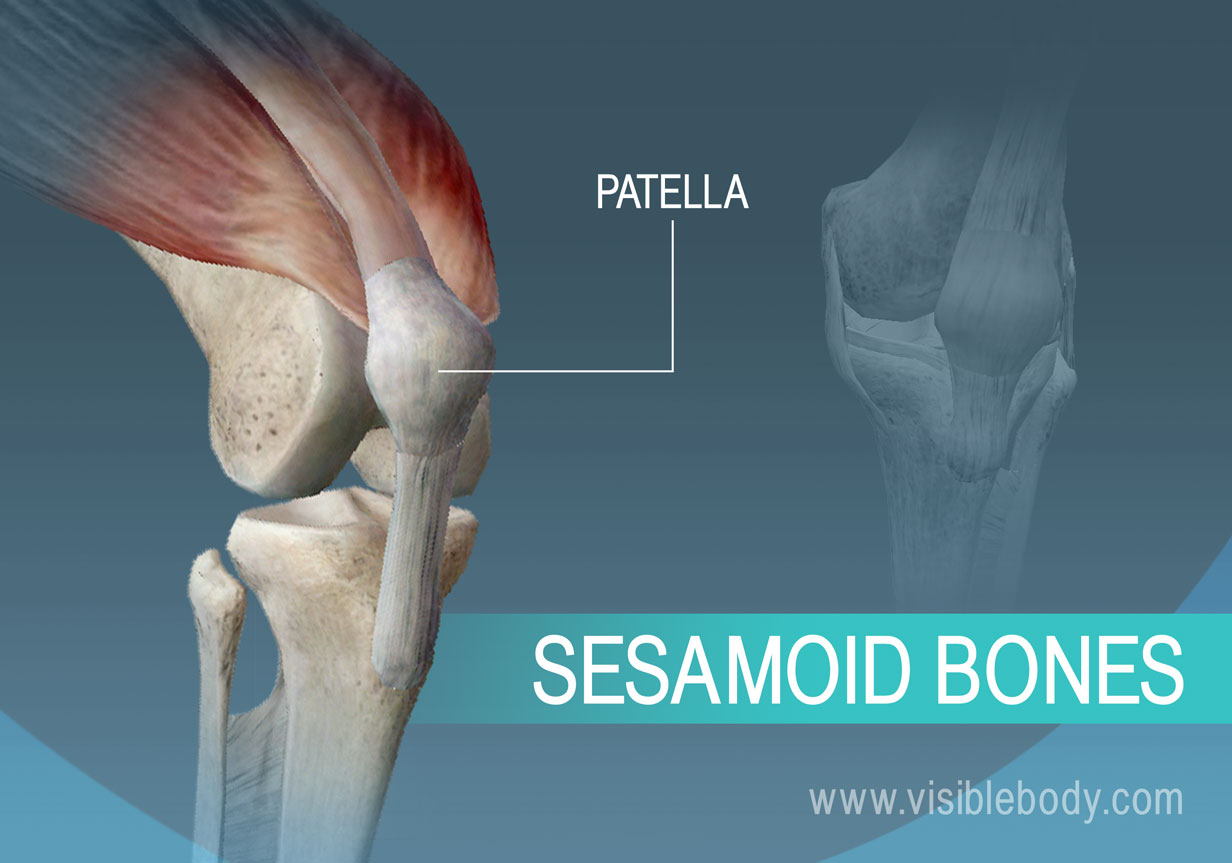
whats sesamoid bones
small and oval, by tendons and protect them
ex: patella
3 functional mobilities of joints
synarthroses= immovable
amphiarthroses= slightly
diarthroses= freely
structural groups of joints based on connective tissue
fibrous, cartilaginous, synovial (freely moveable)
fibrous joints & types
immoveable/slightly, strongest (syndemosis, suture, gomphomis)
cartilaginous joints
no joint cavity, immovable (symphysis, synchondrosis)
synovial joints and types
freely moveable with soft tissues- 6 types
gliding joint
simplest synovial
ex: intercarpal and intercarpal joints

hinge joint
flexion and extension
ex: elbow and knee
pivot joint
rotation around single axis
ex: C1-C2 joint for head/neck
ellipsoid joint
flexion, extension, abduction, adduction, circumduction
ex: radiocarpal (wrist) joint
saddle joint
similar to ellipsoid
ex: carpometacarpal joint

ball and socket joint
widest range motion
ex: hip and shoulder
processes/ projections
project out of from main body of bone
projection type: condyle
rounded process with articular end

projection type:coracoid/coronoid
crown/beak like process

projection type:crest
ridge like process

projection type:epicondyle
projection above a condyle

projection type:facet
smooth articular process

projection type:hamulus
hook-shaped

projection type:head
end of long bone
projection type:line
linear elevation
projection type:malleolus
club-shaped (ankles)
projection type:protuberance
projecting outward
projection type:spine
sharp process

projection type:styloid
long, pointed process

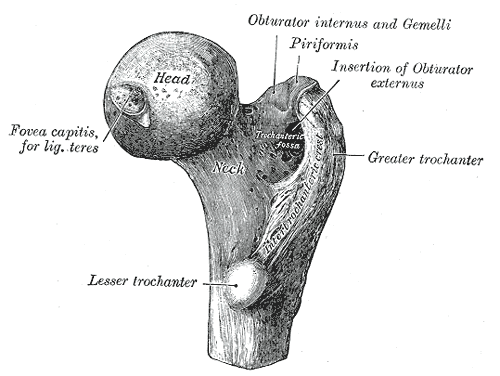
projection type:trochanter
femur large rounded processes
projection type:tubercle
small rounded elevated process

projection type:tuberosity
large rounded elevated process

depression type: fissure
deep groove

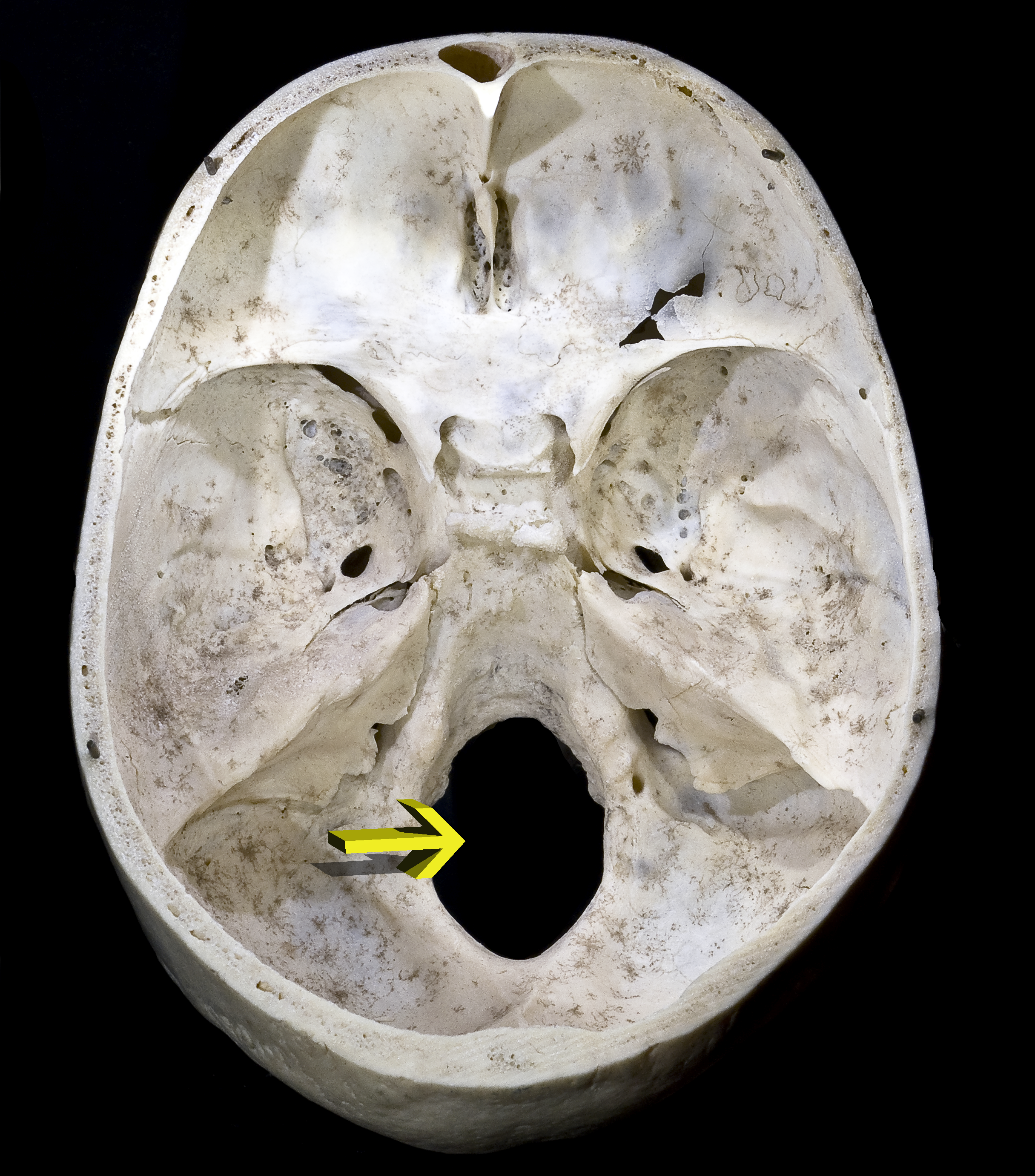
depression type:foramen
holes
depression type:fossa
hollow space

depression type:groove
shallow linear channel

depression type: meatus
tubelike pathway

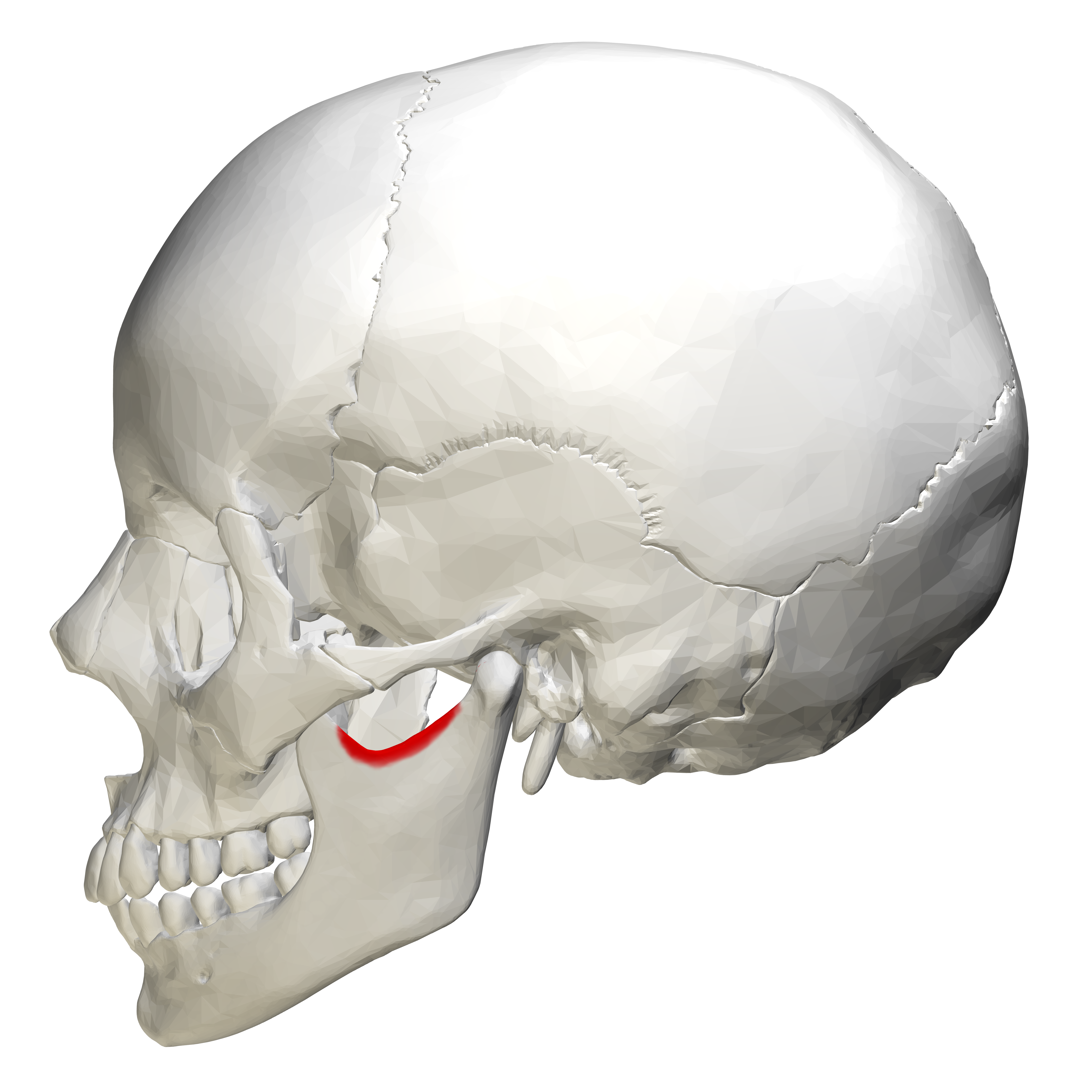
depression type: notch
indentation in border of bone
depression type: sinus
cavity

depression type: sulcus
trench (brain tissue)
what terms used to describe fractures
closed, open, nondisplaced, displaced
fracture classifications
compression
compound (open)
comminuted
greenstick
impacted
transverse
spiral/oblique
simple