Common Chemistry Laboratory Apparatus and Equipment
 Call Kai
 Learn
Learn Practice Test
 Spaced Repetition
 Match
Match Flashcards
 Knowt Play
1/60

Earn XP
Description and Tags
A comprehensive set of vocabulary flashcards covering common laboratory apparatus, glassware, and scientific equipment based on the lecture notes.
Name | Mastery | Learn | Test | Matching | Spaced | Call with Kai | Chat |
|---|
No analytics yet
Send a link to your students to track their progress
61 Terms
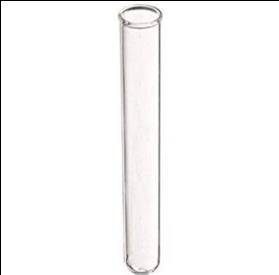
Test tube
A common piece of laboratory glassware consisting of a finger-like length of glass or clear plastic tubing, open at the top and closed at the bottom.
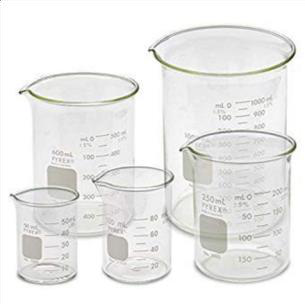
Beakers
Containers used in the laboratory that come in various sizes; volume markings on them are only rough estimates and are not necessarily accurate.
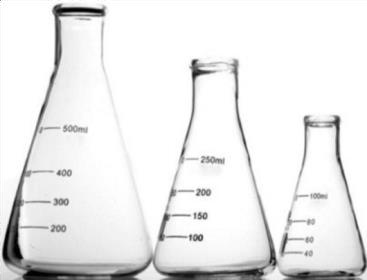
Erlenmeyer flask
Flasks often used as reaction vessels, particularly in titrations, with volume markings that should not be considered accurate.
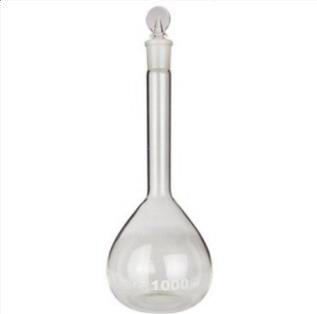
Volumetric flask
A device used to measure and store solutions with a high degree of accuracy, featuring a marking near the top to indicate a specific volume.
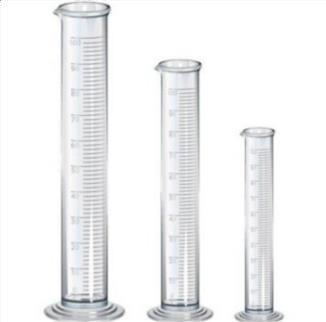
Graduated cylinder
A laboratory tool used to transfer liquids with a moderate degree of accuracy.

Pipette
A tool used for transferring a fixed volume of liquid when the quantity must be known to a high degree of accuracy.
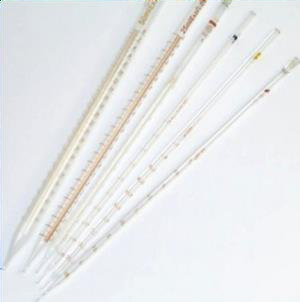
Graduated pipette
Pipettes calibrated in the factory to release the desired quantity of liquid.
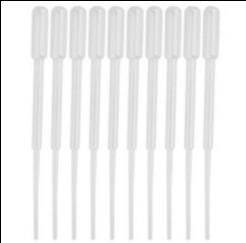
Disposable pipette
Plastic Pipettes useful for transferring liquids dropwise.
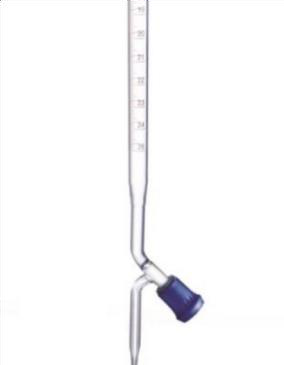
Burette
A device used typically in analytical, quantitative chemistry for measuring liquid solution where the sample quantity delivered is changeable.
Volume delivered
The difference between two volume measurements in a burette or pipette, calculated as Vfinal−Vinitial.
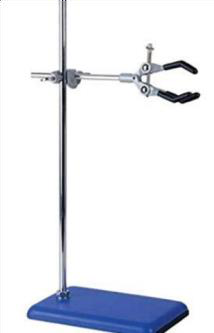
Burette clamp
Scientific equipment used specifically to hold and secure a burette on a stand; may be made of plastic or cast iron.
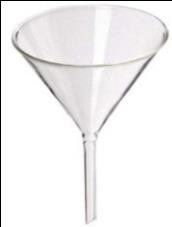
Funnel
A tube or pipe wide at the top and narrow at the bottom, used for guiding liquid or powder into a small opening.
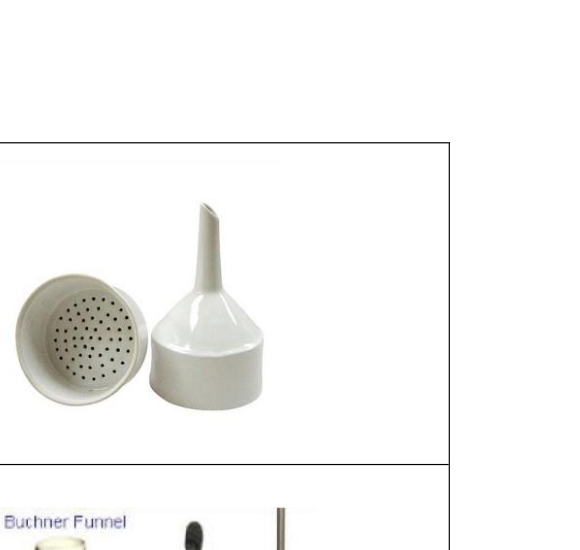
Buchner Funnel
A piece of laboratory equipment used in filtration, consisting of a cylinder with a fritted glass disc or perforated plate.
Suction filtration (vacuum filtration)
The standard technique used for separating a solid-liquid mixture to retain the solid, aided by suction beneath the funnel.
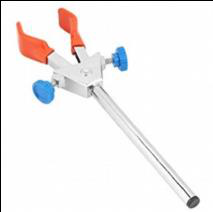
Clamp
A stainless steel tool used to hold round laboratory glassware such as beakers and flasks.
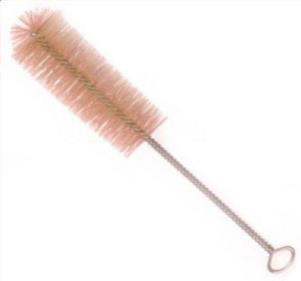
Test tube brush
A brush used for cleaning test tubes and narrow mouth laboratory glassware like graduated cylinders and burettes.
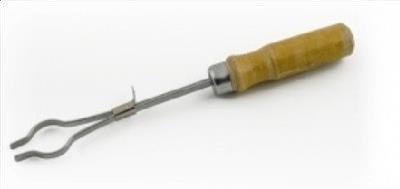
Test tube holder
A tool used to hold a test tube in place when it is hot or should not be touched.
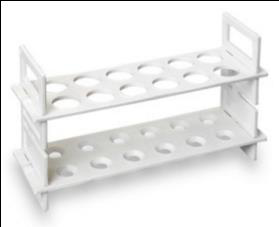
Test tube stand
A rack used to hold multiple test tubes upright at the same time.
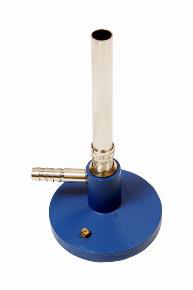
Bunsen burner
A small adjustable gas burner used in laboratories as a source of heat.
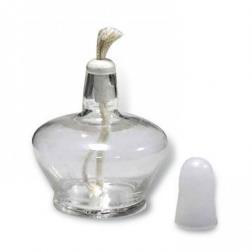
Alcohol Lamp
A heating source used when natural gas is unavailable, with a flame limited to approximately 5cm (2inches) in height.
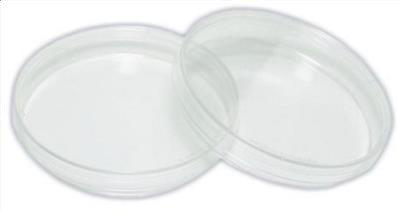
Petri dish
A small laboratory dish shaped like a cylinder.
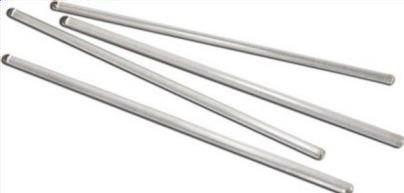
Glass Stirring rod
A piece of solid glass equipment, slightly longer than a drinking straw with rounded ends, used to mix chemicals and liquids.
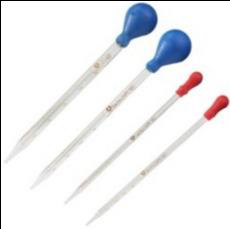
Graduated Dropper
Also known as a Pasteur pipette, it is an instrument used to transfer small quantities of liquid.
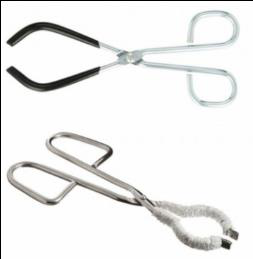
Tongs
A type of tool used to grip and lift objects instead of holding them directly with hands.
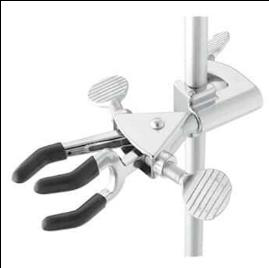
Utility clamp
A laboratory apparatus resembling a pair of scissors with a 2-prong adjust, metal rod, and clamp down for attaching to a ring stand.
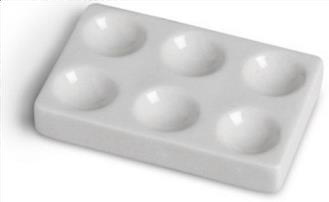
Spot test plate
Also called a reaction plate, it is a laboratory tool made from ceramics.
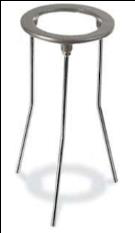
Tripod
A three-legged platform used to support flasks and beakers.
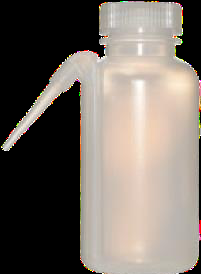
Wash Bottle
A squeeze bottle with a nozzle used to rinse laboratory glassware; sealed with a screw-top lid.
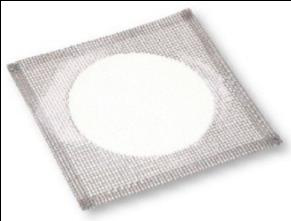
Wire Mesh Gauze (Ceramic Centre)
Used for uniform distribution of flame heat at the base of a heated body, made of iron wire strands.
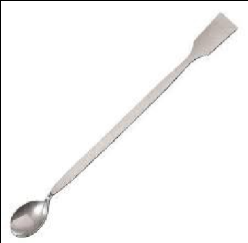
Spatula
Small stainless steel utensils used for scraping, transferring, or applying powders and paste-like chemicals.
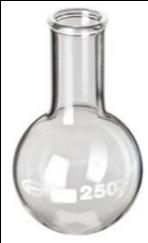
Round-bottom flasks
Type of flasks having spherical bottoms used mostly for chemical or biochemical work.
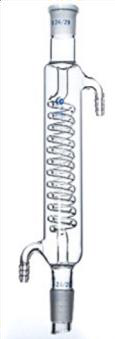
Glass Condenser
An apparatus used to change the physical state of a substance from its gaseous to its liquid state.
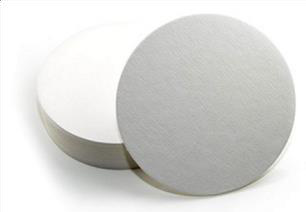
Filter paper
A semi-permeable paper barrier used to remove solids from liquids or air.
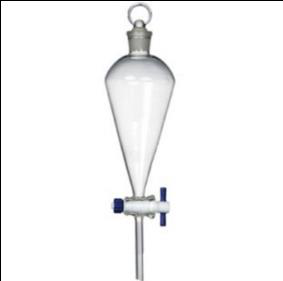
Separatory funnel
Glassware used in liquid-liquid extractions to separate components of a mixture into two immiscible solvent phases of different densities.
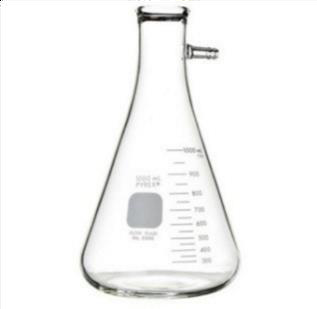
Filtering flask
A piece of labware used with a filtering funnel to separate solids from fluids in filtration operations.
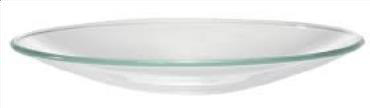
Watch glass
A circular concave piece of glass used to evaporate liquid, hold solids for weighing, or as a beaker cover.
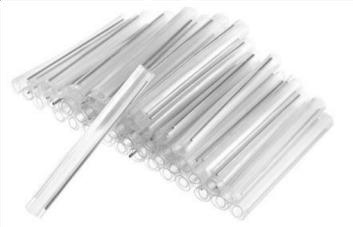
Fusion tube
A thin-walled laboratory tube intended to be broken into a container of water at the end of use.
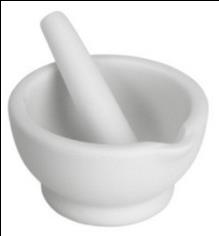
Mortar and pestle
Implements used for crushing and grinding substances into a fine paste or powder.
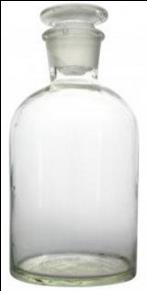
Reagent bottle
Containers made of glass or plastic used to contain chemicals in liquid or powder form, topped by special caps or stoppers.
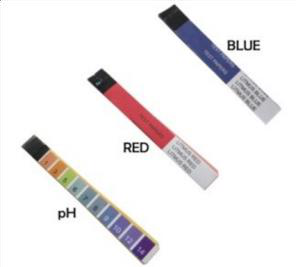
Litmus and pH paper
Paper containing a chemical that turns red in acids and blue in bases.
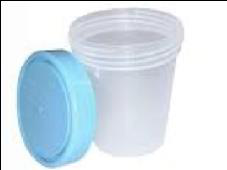
Sample containers
Closures used for storing and transporting solid chemical samples in a leak-proof and airtight manner.
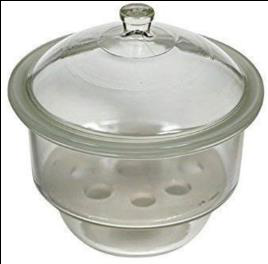
Desiccator
Sealable enclosures containing desiccants used for preserving moisture-sensitive or hygroscopic chemicals.
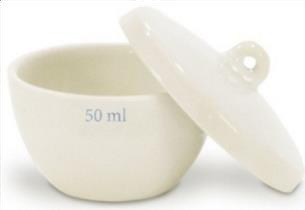
Crucible
A ceramic or metal container used to melt substances or subject them to very high temperatures.
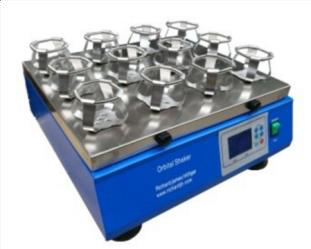
Mechanical Shaker
Equipment used to mix, blend, or agitate substances in a bottle or flask by shaking them.
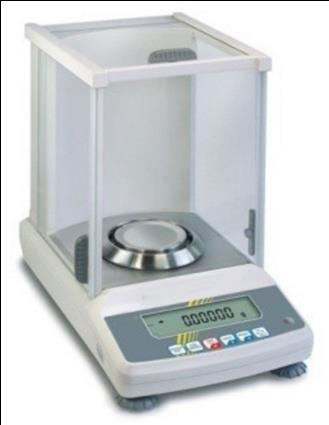
Analytical Digital Balance
A sensitive instrument used for weighing substances to the milligram (0.001g) level.
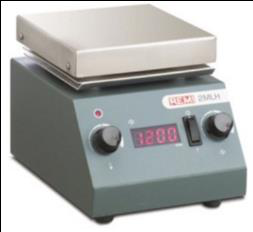
Magnetic Stirrer
A device that creates a rotating magnetic field to make a stir bar quickly spin and mix a solution.
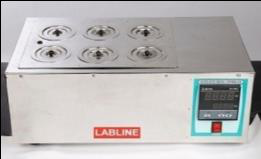
Water bath
A container filled with heated water used to incubate samples at a constant temperature over a long period.
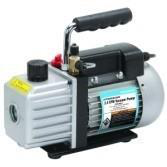
Vacuum Pump
A device that can evacuate chemically aggressive gases and vapors.
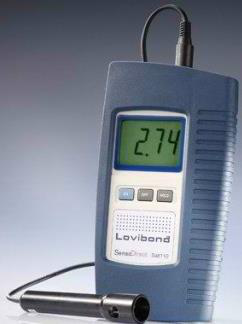
Digital pH meter
A scientific instrument that measures the hydrogen-ion activity in water-based solutions to indicate acidity or alkalinity.
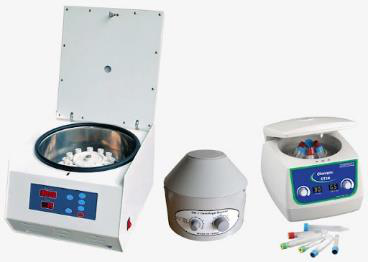
Centrifuge
Equipment used to separate fluids, gases, or liquids based on density, often used for cell collection or protein purification.
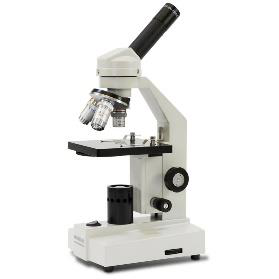
Microscope
An instrument that makes an enlarged image of a small object using visible light focused through lenses.
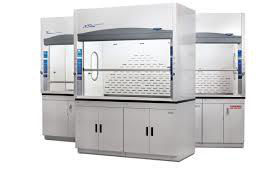
Fume Hood
A ventilated enclosure that captures and removes gases, vapors, and fumes from the work area.
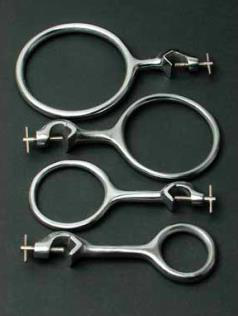
Iron ring
A tool used to support flasks or funnels upright in a stand for stability during testing.
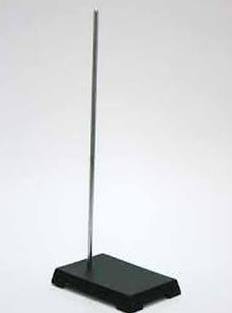
Iron stand
Also known as a ring stand, it provides support for other equipment and a means of raising it above the work surface.
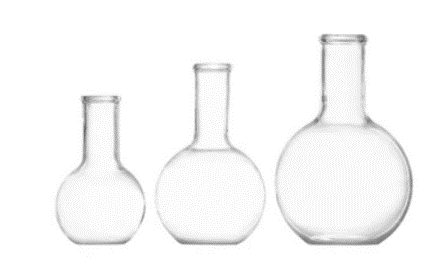
Florence flask
A flask with a round body, long neck, and flat bottom designed for uniform heating, boiling, and distillation.
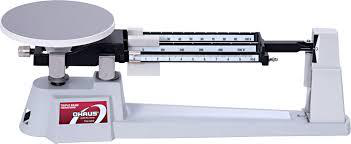
Triple beam balance
A balance used to measure masses very precisely with a reading error of 0.05gram.
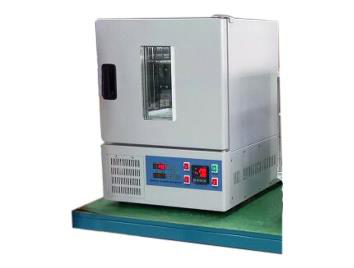
Digital Laboratory Incubator
Equipment providing a temperature-controlled environment to support the growth of microbiological cultures.
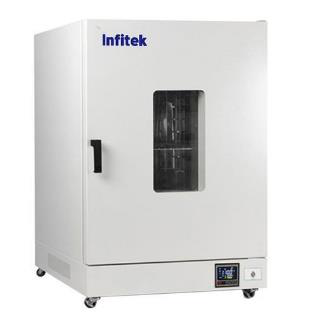
Laboratory Oven
Multi-purpose appliances used for baking, curing, or drying various substances.
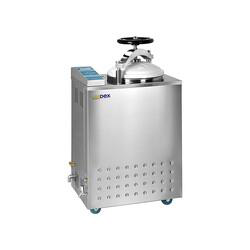
Autoclave
A device operating at high temperature and pressure to kill microorganisms and spores for sterilization.
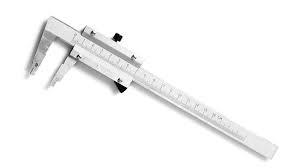
Vernier calipers
An instrument used to measure outer dimensions, inside dimensions, and depths to the nearest 0.02mm.
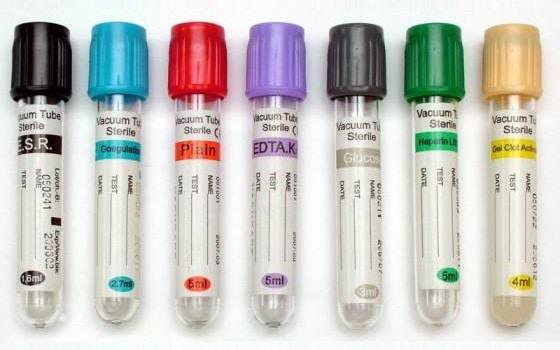
Blood Collection tube
Tubes containing specific additives like sodium citrate for coagulation studies or silicon coating for clotted blood.