3 - Alcohols and Related Compounds
 Call Kai
 Learn
Learn Practice Test
 Spaced Repetition
 Match
Match Flashcards
 Knowt Play
1/54

There's no tags or description
Looks like no tags are added yet.
Name | Mastery | Learn | Test | Matching | Spaced | Call with Kai | Chat |
|---|
No analytics yet
Send a link to your students to track their progress
55 Terms
c. C8
Maximum carbon chain length for increasing antibacterial activity of alcohols.
a. C10
b. C6
c. C8
d. C12
Non-polar
Decreased water solubility
Decreased antibacterial activity
Property of alcohols with more than 9 carbon atoms.
a. Increased water solubility
b. Increased antibacterial activity
c. Non-polar, decreased water solubility, decreased antibacterial activity
d. Complete sterilization
b. Decreases antibacterial property
The effect of branching on antibacterial property of alcohols.
a. Increases antibacterial property
b. Decreases antibacterial property
c. No effect
d. Complete loss of activity
d. Isopropyl alcohol
Alcohol that is more potent, cheaper, and less toxic despite branching.
a. Ethyl alcohol
b. Methyl alcohol
c. Butyl alcohol
d. Isopropyl alcohol
c. 40%
Concentration of isopropyl alcohol equivalent in potency to 60% ethyl alcohol.
a. 50%
b. 60%
c. 40%
d. 70%
b. Primary > Secondary > Tertiary
Order of decreasing isomeric alcohol potency.
a. Secondary > Primary > Tertiary
b. Primary > Secondary > Tertiary
c. Tertiary > Secondary > Primary
d. Primary > Tertiary > Secondary
b. Protein denaturation / precipitation
Mechanism of action (MOA) of alcohols as anti-infective agents.
a. Cell wall synthesis inhibition
b. Protein denaturation / precipitation
c. Nucleic acid synthesis inhibition
d. Folate synthesis inhibition
c. Absolute Alcohol
95% OH.
a. Diluted Alcohol
b. Denatured Alcohol
c. Absolute Alcohol
d. Specially Denatured Alcohol
b. Dehydrated Alcohol
99% OH prepared by azeotropic distillation.
a. Diluted Alcohol
b. Dehydrated Alcohol
c. Completely Denatured Alcohol
d. Specially Denatured Alcohol
b. Azeotropic distillation
Diluted Alcohol (99% OH) is prepared by ______
a. Simple distillation
b. Azeotropic distillation
c. Fractional distillation
d. Steam distillation
c. Diluted Alcohol
49 – 50% OH.
a. Absolute Alcohol
b. Denatured Alcohol
c. Diluted Alcohol
d. Completely Denatured Alcohol
d. Denatured Alcohol
Ethanol rendered unfit for use in intoxicating beverages.
a. Absolute Alcohol
b. Diluted Alcohol
c. Specially Denatured Alcohol
d. Denatured Alcohol
c. Completely Denatured Alcohol
Contains methanol and benzene
a. Denatured Alcohol
b. Specially Denatured Alcohol
c. Completely Denatured Alcohol
d. Diluted Alcohol
c. Completely Denatured Alcohol
Contains added wood alcohol and benzene, unsuitable for internal or external use.
a. Denatured Alcohol
b. Specially Denatured Alcohol
c. Completely Denatured Alcohol
d. Diluted Alcohol
b. Specially Denatured Alcohol
Treated with substituents so that its use is permitted for a specialized purpose (e.g., Iodine in alcohol).
a. Completely Denatured Alcohol
b. Specially Denatured Alcohol
c. Denatured Alcohol
d. Absolute Alcohol
b. Isopropyl alcohol
Also known as:
Ethanol
Grain alcohol
Wine spirit
Cologne spirit
Spiritus vini rectificatus.
a. Methyl alcohol
b. Isopropyl alcohol
c. Alcohol, USP
d. Denatured alcohol
b. Isopropyl alcohol
Ethanol
a. Methyl alcohol
b. Isopropyl alcohol
c. Alcohol, USP
d. Denatured alcohol
b. Isopropyl alcohol
Grain Alcohol
a. Methyl alcohol
b. Isopropyl alcohol
c. Alcohol, USP
d. Denatured alcohol
b. Isopropyl alcohol
Wine spirit
a. Methyl alcohol
b. Isopropyl alcohol
c. Alcohol, USP
d. Denatured alcohol
b. Isopropyl alcohol
Cologne spirirt
a. Methyl alcohol
b. Isopropyl alcohol
c. Alcohol, USP
d. Denatured alcohol
b. Isopropyl alcohol
Spiritus vini rectificatus.
a. Methyl alcohol
b. Isopropyl alcohol
c. Alcohol, USP
d. Denatured alcohol
c. Alcohol, USP
Most widely abused of all recreational drugs.
a. Caffeine
b. Nicotine
c. Alcohol, USP
d. Marijuana
c. Both a and b
Fermentation of grains and other CHOs
H2SO4 acid catalyzed hydration of ethylene
Commercial ethanol (95%) is manufactured by:
a. Fermentation of grains and other CHOs
b. H2SO4 acid catalyzed hydration of ethylene
c. Both a and b
b. Alcohol dehydrogenase
The enzyme that converts ethanol to acetaldehyde.
a. Aldehyde dehydrogenase
b. Alcohol dehydrogenase
c. Catalase
d. Cytochrome P450
c. Aldehyde dehydrogenase
The enzyme that converts acetaldehyde to acetate (acetic acid).
a. Alcohol dehydrogenase
b. Acetaldehyde synthase
c. Aldehyde dehydrogenase
d. Acetate kinase
a. Acetate (Acetic Acid)
📌Ethanol → Acetaldehyde → Acetate (Acetic Acid)
Ethanol is metabolized to acetaldehyde, which is further metabolized to _____
a. Acetate (Acetic Acid)
b. Acetyl-CoA
c. Carbon dioxide
d. Water
c. Fomepizole
Inhibits alcohol dehydrogenase and is used as an antidote for methanol poisoning.
a. Disulfiram
b. Naltrexone
c. Fomepizole
d. Acamprosate
c. Fomepizole
Used as an antidote for methanol poisoning.
a. Disulfiram
b. Naltrexone
c. Fomepizole
d. Acamprosate
d. Disulfiram
Used as a deterrent for alcohol addiction by inhibiting aldehyde dehydrogenase.
a. Fomepizole
b. Methanol
c. Naloxone
d. Disulfiram
b. Disulfiram
Inhibits aldehyde dehydrogenase, causing accumulation of acetaldehyde leading to extreme hangover-like symptoms (nausea, vomiting, vasodilatory flushing).
a. Fomepizole
b. Disulfiram
c. Ethanol
d. Metronidazole
a. Extreme hangover-like symptoms (nausea, vomiting, vasodilatory flushing)
The accumulation of acetaldehyde due to aldehyde dehydrogenase inhibition results in which symptoms?
a. Extreme hangover-like symptoms (nausea, vomiting, vasodilatory flushing)
b. Seizures and coma
c. Hepatotoxicity and nephrotoxicity
d. Hypotension and bradycardia
c. Isopropyl alcohol
Also known as 2-propanol
a. Methyl alcohol
b. Butyl alcohol
c. Isopropyl alcohol
d. Ethyl alcohol
c. Isopropyl alcohol
Substitute for ethanol
a. Methyl alcohol
b. Butyl alcohol
c. Isopropyl alcohol
d. Ethyl alcohol
c. Isopropyl alcohol
Prepared by sulfuric acid catalyzed hydration of propylene
a. Methyl alcohol
b. Butyl alcohol
c. Isopropyl alcohol
d. Ethyl alcohol
c. Isopropyl alcohol
Rapidly bactericidal at 50-95% concentration.
a. Methyl alcohol
b. Butyl alcohol
c. Isopropyl alcohol
d. Ethyl alcohol
b. 50-95%
Isopropyl alcohol is rapidly bactericidal at ______ % concentration.
a. 30-50%
b. 50-95%
c. 70-90%
d. 95-100%
c. Ethylene alcohol / Ether
C₂H₄O.
a. Carboxide
b. Isopropyl alcohol
c. Ethylene alcohol / Ether
d. Ethyl alcohol
d. Ethylene alcohol / Ether
MOA: Alkylation of bacterial protein by nucleophilic opening of the oxide ring.
a. Ethyl alcohol
b. Isopropyl alcohol
c. Chlorhexidine
d. Ethylene alcohol / Ether
c. Ethylene alcohol / Ether
Gas sterilant used for temperature-sensitive pharmaceutical and equipment that cannot be autoclaved.
a. Formaldehyde
b. Glutaraldehyde
c. Ethylene alcohol / Ether
d. Hydrogen peroxide
a. Carboxide
Composed of 10% ethylene oxide + 90% CO₂.
a. Carboxide
b. Ethylene alcohol
c. Isopropyl alcohol
d. Denatured alcohol
a. 10% ethylene oxide + 90% CO₂
Carboxide is composed of:
a. 10% ethylene oxide + 90% CO₂
b. 50% ethylene oxide + 50% CO₂
c. 90% ethylene oxide + 10% CO₂
d. 10% ethylene oxide + 90% N₂
c. Formaldehyde
Also known as Methanal (HCHO).
a. Glutaraldehyde
b. Paraformaldehyde
c. Formaldehyde
d. Acetaldehyde
c. Formaldehyde
MOA: Direct and non-specific alkylation of nucleophilic functional groups of proteins.
a. Glutaraldehyde
b. Ethylene oxide
c. Formaldehyde
d. Isopropyl alcohol
c. Formaldehyde
Contains NLT 37% of Formaldehyde + Methanol (to retard polymerization to formic acid and paraformaldehyde).
a. Glutaraldehyde
b. Ethylene oxide
c. Formaldehyde
d. Isopropyl alcohol
b. Formic acid and paraformaldehyde
Methanol is added to formaldehyde to retard polymerization to which compounds?
a. Acetic acid and paraformaldehyde
b. Formic acid and paraformaldehyde
c. Formic acid and glutaraldehyde
d. Acetic acid and glutaraldehyde
d. Formaldehyde
Used as embalming fluid and disinfectant.
a. Ethyl alcohol
b. Isopropyl alcohol
c. Ethylene oxide
d. Formaldehyde
b. Glutaraldehyde
Also known as Glutarol
a. Formaldehyde
b. Glutaraldehyde
c. Ethylene oxide
d. Chlorhexidine
b. Glutaraldehyde
Cidex®
a. Formaldehyde
b. Glutaraldehyde
c. Ethylene oxide
d. Chlorhexidine
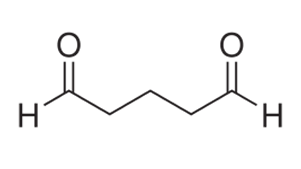
c. Glutaraldehyde
Sterilizing solution for equipment and instruments that cannot be autoclaved.
a. Isopropyl alcohol
b. Formaldehyde
c. Glutaraldehyde
d. Hydrogen peroxide
c. Glutaraldehyde
Used in medical missions in remote areas as a sterilizing solution.
a. Ethylene oxide
b. Formalin
c. Glutaraldehyde
d. Carboxide
a. Alcohol, USP
a. Alcohol, USP
b. Isopropyl Alcohol
c. Ethylene Alcohol / Ether
d. Formaldehyde
c. Glutaraldehyde
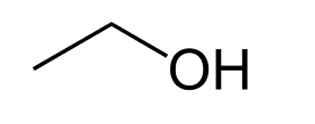
b. Isopropyl Alcohol
a. Alcohol, USP
b. Isopropyl Alcohol
c. Ethylene Alcohol / Ether
d. Formaldehyde
c. Glutaraldehyde
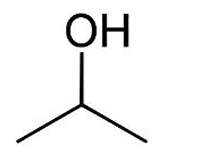
c. Ethylene Alcohol / Ether
a. Alcohol, USP
b. Isopropyl Alcohol
c. Ethylene Alcohol / Ether
d. Formaldehyde
c. Glutaraldehyde
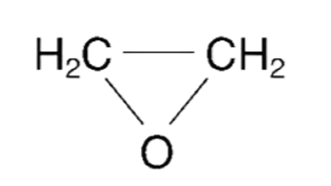
d. Formaldehyde
a. Alcohol, USP
b. Isopropyl Alcohol
c. Ethylene Alcohol / Ether
d. Formaldehyde
c. Glutaraldehyde
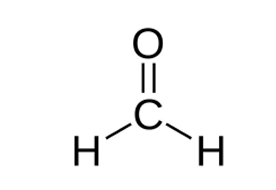
c. Glutaraldehyde
a. Alcohol, USP
b. Isopropyl Alcohol
c. Ethylene Alcohol / Ether
d. Formaldehyde
c. Glutaraldehyde